Additional mRNA COVID-19 Vaccines for Moderately to Severely Immunocompromised People - Clinician Outreach and Communication Activity (COCA) ...
←
→
Page content transcription
If your browser does not render page correctly, please read the page content below

Centers for Disease Control and Prevention
Center for Preparedness and Response

Additional mRNA COVID-19 Vaccines for
Moderately to Severely Immunocompromised
People
Clinician Outreach and Communication Activity (COCA) Webinar

Tuesday, August 17, 2021
Continuing Education

 ▪   Continuing education is not offered for this webinar.
To Ask a Question
 ▪ Using the Zoom Webinar System
    – Click on the “Q&A” button
    – Type your question in the “Q&A” box
    – Submit your question

 ▪ If you are a patient, please refer your question to your healthcare provider.

 ▪ If you are a member of the media, please direct your questions to CDC
   Media Relations at 404-639-3286 or email media@cdc.gov.
Today’s Presenters
▪   Kathleen Dooling, MD, MPH                    ▪   Tom Shimabukuro, MD, MPH, MBA
    ACIP Workgroup Team Lead                         CAPT, U.S. Public Health Service
    Vaccine Task Force                               Vaccine Safety Team Lead
    COVID-19 Response                                Vaccine Task Force
    Centers for Disease Control and Prevention       COVID-19 Response
                                                     Centers for Disease Control and Prevention

▪   Neela Goswami, MD, MPH                       ▪   Katherine Shealy, MPH, IBCLC
    Clinical Guidelines Team Lead                    Vaccine Clinical Inquiry Management Team Lead
    Vaccine Task Force                               Vaccine Task Force
    COVID-19 Response                                COVID-19 Response
    Centers for Disease Control and Prevention       Centers for Disease Control and Prevention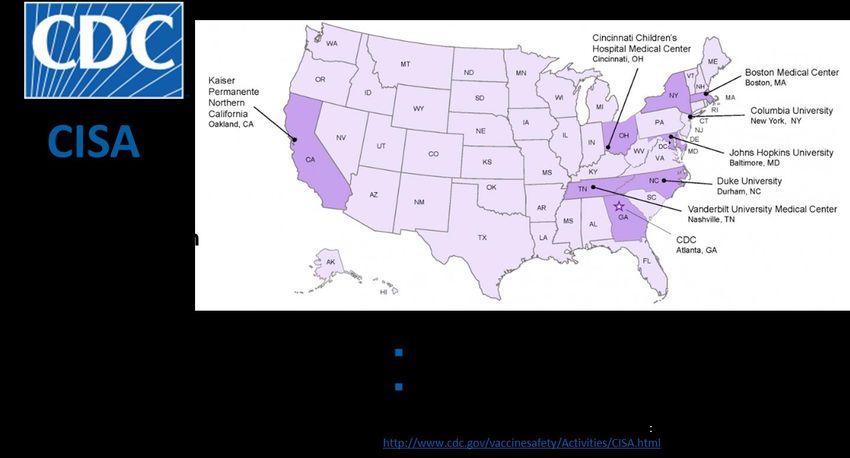
Evidence to Recommendation
Framework:
An Additional Dose of mRNA COVID-19 Vaccine
Following a Primary Series in
Immunocompromised People

Dr. Kathleen Dooling, MD, MPH
COCA Call
August 17, 2021

                                              cdc.gov/coronavirus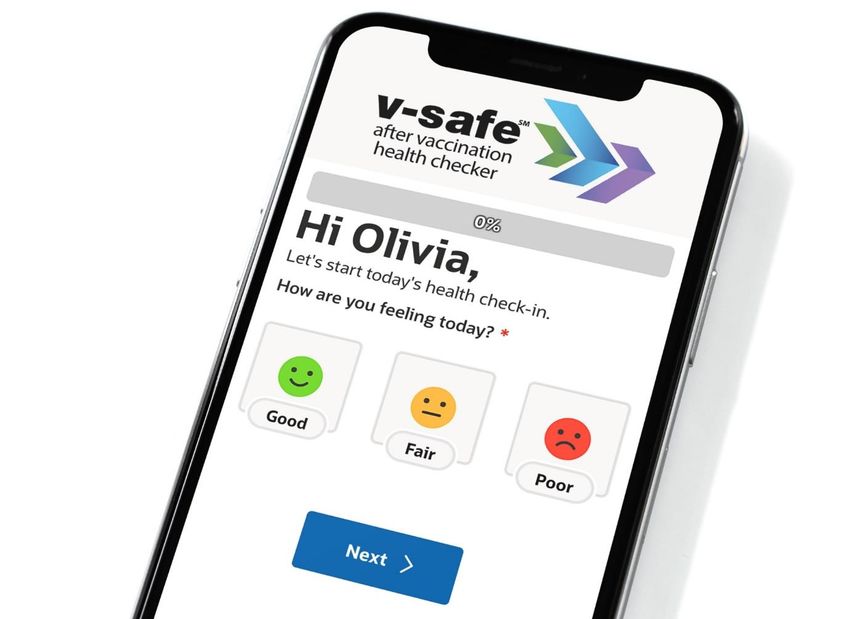
FDA: Emergency Use Authorization (EUA) Amendment
      ▪ August 12, 2021: FDA Authorizes Additional Vaccine Dose for Certain
        Immunocompromised Individuals*
              –    Other fully vaccinated individuals do not need an additional dose right now
              –    Amendment applies to:
              –    Pfizer-BioNTech COVID-19 vaccine (BNT162b2) (≥12 years old)
              –    Moderna COVID-19 vaccine (mRNA-1273) (≥18 years old)

      ▪ Due to insufficient data, the EUA amendment for an additional dose does not apply
        to Janssen COVID-19 vaccine or to individuals who received Janssen COVID-19 as a
        primary series. CDC and FDA are actively engaged to ensure that
        immunocompromised recipients of Janssen COVID-19 vaccine have optimal vaccine
        protection
*https://www.fda.gov/news-events/press-announcements/coronavirus-covid-19-update-fda-authorizes-additional-vaccine-dose-certain-immunocompromised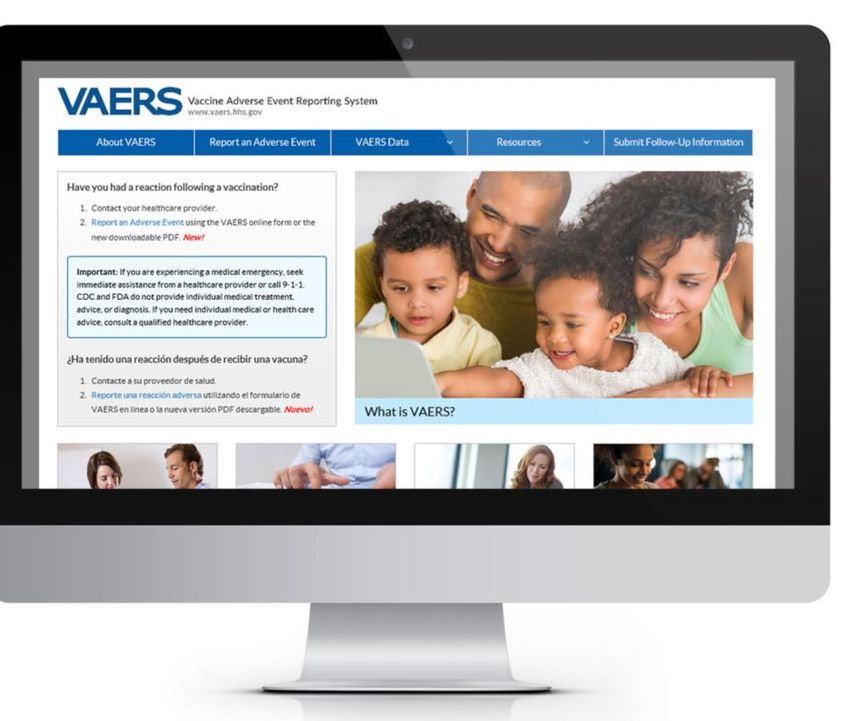
Evidence to Recommendations Framework
Population: Immunocompromised People
    People with medical conditions or people receiving treatments that are
      associated with moderate to severe immune compromise.1
    ▪    Active or recent treatment for solid tumor and hematologic malignancies
    ▪    Receipt of solid-organ or recent hematopoietic stem cell transplants
    ▪    Severe primary immunodeficiency
    ▪    Advanced or untreated HIV infection
    ▪    Active treatment with high-dose corticosteroids, alkylating agents, antimetabolites,
         tumor-necrosis (TNF) blockers, and other biologic agents that are
         immunosuppressive or immunomodulatory

1. Additional information about the level of immune suppression associated with a range of medical conditions and treatments can be found in general best
practices for vaccination of people with altered immunocompetence, the CDC Yellow Book, and the Infectious Diseases Society of America policy statement, 2013
IDSA Clinical Practice Guideline for Vaccination of the Immunocompromised Host
Intervention: An Additional Dose of mRNA COVID-19 Vaccine
▪ An additional dose of
     – Pfizer-BioNTech COVID-19 vaccine (BNT162b2) (≥12 years old)
     – Moderna COVID-19 vaccine (mRNA-1273) (≥18 years old)
     after an initial 2-dose primary series of mRNA COVID-19 vaccine, in
     immunocompromised people
▪ Attempts should be made to match the additional dose type to the mRNA
  primary series, however if that is not feasible, a heterologous additional
  dose is permitted
▪ The additional dose of mRNA COVID-19 vaccine should be administered at
  least 28 days after completion of the primary mRNA COVID-19 vaccine
  series
EtR Domain: Public Health Problem
Daily Trends in Number of COVID-19 Cases in the US
                                                           January 22, 2020 – Aug 9, 2021

        300k

        200k
Cases

        100k

           0
           Jan 22 ‘20           Apr 24 ‘20            Jul 26 ‘20     Oct 27 ‘20   Jan 28 ‘21   May 1 ‘21   Aug 6 ‘21
https://covid.cdc.gov/covid-data-tracker/#trends_dailytrendscases                                             Aug 9 2021
Immunocompromised People and
SARS-CoV-2 Infection
▪ Immunocompromised people comprise ~2.7% of U.S. adults (~7 million adults)1
▪ More likely to get severely ill from COVID-191,2
▪ Higher risk for:
– Prolonged SARS-CoV-2 infection and shedding3-7, 14-16
– Viral evolution during infection and treatment (hospitalized patients)3,6,8-10,14,17
▪ Lower antibody/neutralization titers to SARS-CoV-2 variants compared to
non-immunocompromised people 12
▪ More likely to transmit SARS-CoV-2 to household contacts11
See reference slide at endImmunocompromised People and
Vaccine Breakthrough Infection
▪ More likely to have breakthrough infection
– 40-44% of hospitalized breakthrough cases are immunocompromised people in US
study1-2
▪ Lower vaccine effectiveness
– 59--72% VE among immunocompromised people vs. 90--94% among non-
immunocompromised people after 2nd dose1, 3-5
See reference slide at endPercent of subjects with antibody response after two mRNA COVID-19
vaccine doses by immunocompromising condition and study (n=63)
100.0 Healthy
Controls:
80.0 95%–100%
Percent with antibody
response (%)
60.0
40.0
20.0
Darker blue color is
hematologic cancers
0.0
Immunosuppressive
Cancer Hemodialysis Organ Transplant
Therapies
• Studies that compared response after 1st and 2nd dose demonstrated less robust response after dose 1
• Antibody measurement and threshold levels vary by study protocol
See reference slide at endEtR Domain: Benefits and Harms
Benefits:
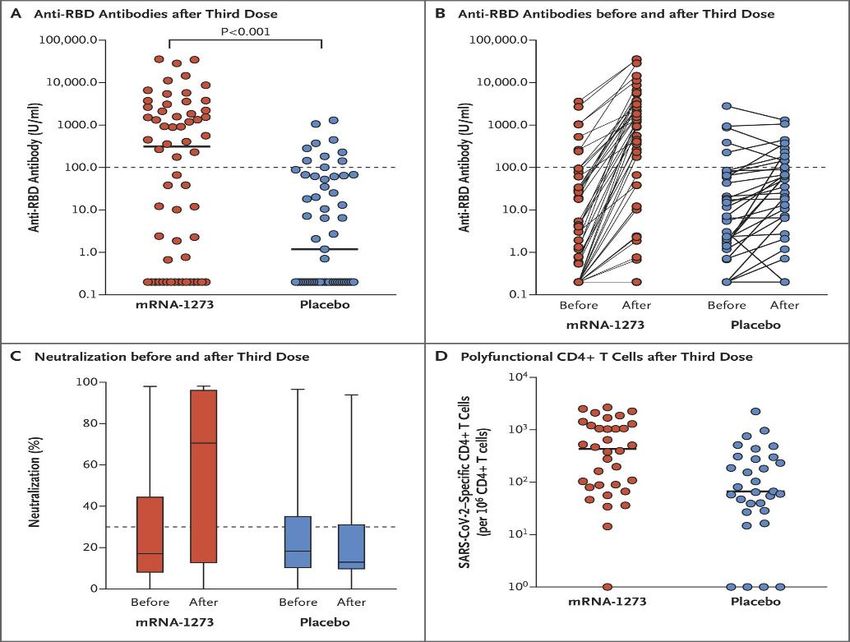
 Randomized Trial of a 3rd Dose of Moderna Vaccine in Transplant Recipients (n=120)

                                                                                                       RBD antibody (≥100 U/ml) 1
                                                                                                        month post dose 3:____

                                                                                                               33 of 60 patients
                                                                                                             (55%) vaccine group
                                                                                                                      vs.
                                                                                                               10 of 57 patients
                                                                                                             (18%) placebo group

Hall et al. (2021) NEJM. Randomized Trial of a Third Dose of mRNA-1273 Vaccine in Transplant Recipients. DOI: 10.1056/NEJMc2111462
Benefits:
3rd Dose
2nd Dose
Seronegative after 2nd dose
Seronegative Seropositive Sample Size Seronegative Seropositive
Study Patient Population Sample Size
N (%) N (%) N (%) N (%)
Recipients of solid-organ
Kamar et al. 99 59 (60) 40 (40) 59 33 (56) 26 (44)
transplant
Recipients of solid-organ
Werbel et al. 30 24 (80) 6 (20) 24 16 (67) 8 (33)
transplant
Longlune et al. Patients on hemodialysis 82 13 (16) 69 (84) 12 7 (58) 5 (42)
Epsi et al. Patients on hemodialysis 106 66 (62) 40 (38) 12 6 (50) 6 (50)
Ducloux et al. Patients on hemodialysis 45 5 (11) 40 (89) 5 3 (60) 2 (40)
▪ Among those who had no detectable antibody response to an initial mRNA vaccine series,
33-50% developed an antibody response to an additional dose
See reference slide at endBenefits and Harms:
• The proportion of the group who are seropositive increase after each dose:
40% post dose 2 and 68% post dose 3
• Average antibody titers increased after each dose
• No serious adverse events were reported after administration of the 3rd dose, and no acute
rejection episodes occurred (n=99 Solid Organ Transplant Patients)
Kamar et al. (2021) NEJM Three Doses of an mRNA Covid-19 Vaccine in Solid-Organ Transplant Recipients (nejm.org)Harms:
▪ No patients developed critical side effects which required hospitalization
▪ Symptoms reported were consistent with previous doses and the intensity of the
symptoms was mostly mild or moderate
2D: 2nd dose
3D: 3rd dose
Epsi et al. (2021) medRxiv doi: https://doi.org/10.1101/2021.07.02.21259913Benefits and Harms:
Summary of the Available Evidence
Benefits:
▪ Emerging experimental and observational data in adults suggest that an additional mRNA COVID-
19 vaccine dose in immunocompromised people enhances antibody response and increases the
proportion who respond to COVID-19 vaccine
▪ No efficacy or effectiveness studies of COVID-19 prevention following a 3rd dose
Harms:
▪ In small studies of an additional dose of mRNA vaccine
– No serious adverse events were observed
– Reactogenicity of the 3rd dose of mRNA vaccine was similar to prior doses
▪ mRNA COVID-19 vaccines are associated with rare but serious adverse events, including
anaphylaxis as well as myocarditis and pericarditis in young adults. The impact of
immunocompromising conditions on these rare events is unknown.
▪ There are no safety studies of an additional mRNA dose in immunocompromised adolescentsSummary
EtR Domain Question Work Group Judgments
Public Health Is COVID-19 disease among immunocompromised people of public health
Yes
Problem importance?
How substantial are the desirable anticipated effects? Large
How substantial are the undesirable anticipated effects? Minimal
Benefits and Favors additional dose of mRNA
Harms Do the desirable effects outweigh the undesirable effects? vaccine in immunocompromised
people
What is the overall certainty of the evidence for the critical outcomes? Not GRADED
Does the target population feel the desirable effects are large relative to the
Large
Values undesirable effects?
Is there important variability in how patients value the outcomes? Probably not important variability
Is an additional dose of mRNA COVID-19 vaccines acceptable to key
Acceptability Yes
stakeholders?
Is an additional dose of mRNA COVID-19 vaccine feasible to implement among
Feasibility Yes
immunocompromised people?
Is an additional dose of mRNA COVID-19 vaccine, given to
Resource Use immunocompromised people, a reasonable and efficient allocation of Yes
resources?
What would be the impact of an additional dose of mRNA COVID-19 vaccine,
Equity Probably no impact
given to immunocompromised people, on health equity? 22Evidence to Recommendations Framework
Summary: Work Group Interpretations
Undesirable Undesirable The balance Desirable Desirable
consequences consequences between consequences consequences There is
clearly probably desirable and probably clearly insufficient
Balance of outweigh outweigh undesirable outweigh outweigh evidence to
consequences desirable desirable consequences undesirable undesirable determine the
consequences consequences is closely consequences consequences balance of
in most in most balanced or in most in most consequences
settings settings uncertain settings settings
23Evidence to Recommendations Framework
Summary: Work Group Interpretations
We recommend the
Type of We do not recommend intervention for individuals We recommend the
recommendation the intervention based on shared clinical intervention
decision-making
24ACIP Vote – Interim Recommendation
An additional dose of Pfizer-BioNTech COVID-19 vaccine
(≥12 years) or Moderna COVID-19 vaccine (≥18 years) is recommended
following a primary series in immunocompromised people*
*under the FDA’s Emergency Use AuthorizationAcknowledgements
▪ Sara Oliver ▪ Amanda Cohn
▪ Jessica MacNeil
▪ Heather Scobie ▪ Epi Task Force:
▪ Amy Blain – COVID-NET
▪ Danielle Moulia
– DVD Enhanced Surveillance
▪ Mary Chamberland
– Community Surveillance
▪ Steve Hadler
▪ Nicole Reisman – Seroprevalance
▪ Neela Goswami ▪ Data, Analytics and Visualization Task
▪ Kristine Schmidt Force
▪ Jack Gersten ▪ Respiratory Viruses Branch
▪ Eddie Shanley
▪ Hannah RosenblumReferences: Immunocompromised people and SARS-
CoV-2 infection (Slide 18)
1. Harpaz et al. Prevalence of Immunosuppression Among US Adults, 2013. JAMA 2016.
2. Williamson et al. Factors Associated with COVID-19-related Death Using Open SAFELY. Nature 2020.
3. Truong et al. Persistent SARS-CoV-2 Infection and Increasing Viral Variants in Children and Young Adults With Impaired Humoral Immunity. medRxiv 2021.
4. Hensley et al. Intractable Coronavirus Disease 2019 (COVID-19) and Prolonged Severe Acute Respiratory Syndrome Coronavirus 2 (Sars-CoV-2 ) Replication in Chimeric
Antigen Receptor-Modified T-Cell Therapy Recipient: A Case Study. CID 2021
5. Baang et al. Prolonged Severe Acute Respiratory Syndrome Coronavirus 2 Replication in an immunocompromised Patient. JID 2021
6. Choi et al. Persistence and Evolution of SARS-CoV-2 in an Immunocompromised Host. NEJM 2020
7. Helleberg et al. Persistent COVID-19 in an Immunocompromised Patient Temporarily Responsive to Two Courses of Remdesivir Therapy. JID 2020
8. Clark et al. SARS-CoV-2 Evolution in an Immunocompromised Host Reveals Shared Neutralization Escape Mechanism. Cell 2021
9. Kemp et al. SARS-CoV-2 Evolution During Treatment of Chronic Infection. Nature 2021
10. Khatamzas et al. Emergence of Multiple SARS-CoV-2 Mutations in an Immunocompromised Host. medRxiv 2021
11. Lewis et al. Household Transmission of Severe Acute Respiratory Syndrome Coronavirus-2 in the United States. CID 2020
12. Stengert et al. Cellular and Humoral Immunogenicity of a SARS-CoV-2 mRNA Vaccine Inpatients on Hemodialysis. medRxiv preprint 2021.
13. Tenforde et al. Effectiveness of SARS-CoV-2 mRNA Vaccines for Preventing Covid-19 Hospitalizations in the United States (2021)
DOI: https://doi.org/10.1101/2021.07.08.21259776
14. Khatamzas et al. Emergence of Multiple SARS-CoV-2 Mutations in an Immunocompromised Host MedRxiv preprint doi: https://doi.org/10.1101/2021.01.10.20248871
15. Avanzato et al. Prolonged Infectious SARS-CoV-2 Shedding from an Asymptomatic Immunocompromised Individual with
Cancer. https://doi.org/10.1016/j.cell.2020.10.049. Epub 2020 Nov 4. PMID: 33248470; PMCID: PMC7640888.
16. Nakajima, Yukiko et al. Prolonged viral shedding of SARS-CoV-2 in an immunocompromised patient. Journal of infection and chemotherapy : official journal of the Japan
Society of Chemotherapy https://doi.org/10.1016/j.jiac.2020.12.001
17. Tarhini et al . Long-Term Severe Acute Respiratory Syndrome Coronavirus 2 (SARS-CoV-2) Infectiousness Among Three Immunocompromised Patients: From Prolonged
Viral Shedding to SARS-CoV-2 Superinfection. https://doi.org/10.1093/infdis/jiab075
18. Brosh –Nissimiv et al. BNT162b2 vaccine breakthrough: clinical characteristics of 152 fully-vaccinated hospitalized COVID-19 patients in
Israel (2021) https://doi.org/10.1016/j.cmi.2021.06.036References: Immunocompromised people and SARS-
CoV-2 infection (Slide 19)
1. Tenforde et al. Effectiveness of SARS-CoV-2 mRNA Vaccines for Preventing Covid-19 Hospitalizations in the United States (2021)
DOI: https://doi.org/10.1101/2021.07.08.21259776
2. Brosh –Nissimiv et al. BNT162b2 vaccine breakthrough: clinical characteristics of 152 fully-vaccinated hospitalized COVID-19 patients in
Israel (2021) https://doi.org/10.1016/j.cmi.2021.06.036
3. Chodick G et al. The Effectiveness of the Two-Dose BNT162b2 Vaccine: Analysis of Real-World Data. Clinical Infectious Diseases,
ciab438. https://doi.org/10.1093/cid/ciab438
4. Khan N, Mahmud N. Effectiveness of SARS-CoV-2 Vaccination in a Veterans Affairs Cohort of Patients With Inflammatory Bowel Disease With Diverse Exposure to
Immunosuppressive Medications. Gastroenterology(2021). https://www.gastrojournal.org/article/S0016-5085(21)03066-3/pdf
5. Chemaitelly et al. SARS-CoV-2 vaccine effectiveness in immunosuppressed kidney transplant recipients.
medRxiv 2021.08.07.21261578; doi: https://doi.org/10.1101/2021.08.07.21261578References: Percent of subjects with antibody
response after two mRNA vaccine doses (Slide 20 - 1)
• Anand, et al. "Antibody Response to COVID-19 vaccination in Patients Receiving Dialysis." Journal of the American Society of Nephrology (2021).
• Attias, Philippe, et al. "Antibody response to BNT162b2 vaccine in maintenance hemodialysis patients." Kidney international (2021).
• Barrière, E. Chamorey, Z. Adjtoutah, O. Castelnau, A. Mahamat, S. Marco, E. Petit, A. Leysalle, V. Raimondi, M. Carles, Impaired immunogenicity of BNT162b2 anti-SARS-CoV-2 vaccine in
patients treated for solid tumors, Annals of Oncology, 2021, ISSN 0923-7534,
https://doi.org/10.1016/j.annonc.2021.04.019. (https://www.sciencedirect.com/science/article/pii/S0923753421011832)
• Benotmane, Ilies, et al. "Low immunization rates among kidney transplant recipients who received 2 doses of the mRNA-1273 SARS-CoV-2 vaccine." Kidney international 99.6 (2021):
1498-1500.
• Bertrand, D., et al. (2021). "Antibody and T Cell Response to SARS-CoV-2 Messenger RNA BNT162b2 Vaccine in Kidney Transplant Recipients and Hemodialysis Patients." Journal of the
American Society of Nephrology 10: 10.
• Boyarsky, Brian J., et al. "Antibody Response to 2-Dose SARS-CoV-2 mRNA Vaccine Series in Solid Organ Transplant Recipients." Jama (2021).
• Broseta, J. J., et al. (2021). "Humoral and Cellular Responses to mRNA-1273 and BNT162b2 SARS-CoV-2 Vaccines Administered to Hemodialysis Patients." American Journal of Kidney
Diseases 23: 23.
• Chan, L., et al. (2021). "Antibody Response to mRNA-1273 SARS-CoV-2 Vaccine in Hemodialysis Patients with and without Prior COVID-19." Clinical journal of the American Society of
Nephrology : CJASN. 24.
• Chavarot, Nathalie, et al. "Poor Anti-SARS-CoV-2 Humoral and T-cell Responses After 2 Injections of mRNA Vaccine in Kidney Transplant Recipients Treated
with Belatacept." Transplantation (2021).
• Chevallier, P., et al. (2021). "Safety and immunogenicity of a first dose of SARS-CoV-2 mRNA vaccine in allogeneic hematopoietic stem-cells recipients." EJHaem 01: 01.
• Diefenbach C, Caro J, Koide A, et al. Impaired Humoral Immunity to SARS-CoV-2 Vaccination in Non-Hodgkin Lymphoma and CLL Patients. medRxiv; 2021.
https://doi.org/10.1101/2021.06.02.21257804.
• Frantzen, Guilhem Cavaillé, Sandrine Thibeaut, Yohan El-Haik, Efficacy of the BNT162b2 mRNA COVID-19 vaccine in a haemodialysis cohort, Nephrology Dialysis Transplantation, 2021;,
gfab165, https://doi.org/10.1093/ndt/gfab165
• Furer, V., et al. (2021). "Immunogenicity and safety of the BNT162b2 mRNA COVID-19 vaccine in adult patients with autoimmune inflammatory rheumatic diseases and in the general
population: a multicentre study." Annals of the Rheumatic Diseases 14: 14.
• Gallo, A., et al. (2021). "Preliminary evidence of blunted humoral response to SARS-CoV-2 mRNA vaccine in multiple sclerosis patients treated with ocrelizumab." Neurological Sciences
15: 15.
• Geisen, Ulf M., et al. "Immunogenicity and safety of anti-SARS-CoV-2 mRNA vaccines in patients with chronic inflammatory conditions and immunosuppressive therapy in a
monocentric cohort." Annals of the rheumatic diseases (2021).References: Percent of subjects with antibody
response after two mRNA vaccine doses (Slide 20 - 2)
• Grupper, Ayelet, et al. "Reduced humoral response to mRNA SARS‐Cov‐2 BNT162b2 vaccine in kidney transplant recipients without prior exposure to the
virus." American Journal of Transplantation (2021).
• Haberman, Rebecca H., et al. "Methotrexate hampers immunogenicity to BNT162b2 mRNA COVID-19 vaccine in immune-mediated inflammatory disease." Annals of
the Rheumatic Diseases (2021).
• Havlin, J., et al. (2021). "Immunogenicity of BNT162b2 mRNA COVID-19 vaccine and SARS-CoV-2 infection in lung transplant recipients." Journal of Heart & Lung Transplantation
21: 21.
• Herishanu, Yair, et al. "Efficacy of the BNT162b2 mRNA COVID-19 vaccine in patients with chronic lymphocytic leukemia." Blood (2021)
• Holden, I. K., et al. (2021). "Immunogenicity of SARS-CoV-2 mRNA vaccine in solid organ transplant recipients." Journal of Internal Medicine 08: 08.
• Itzhaki Ben Zadok, O., Shaul, A.A., Ben-Avraham, B., Yaari, V., Ben Zvi, H., Shostak, Y., Pertzov, B., Eliakim-Raz, N., Abed, G., Abuhazira, M., Barac, Y.D., Mats, I., Kramer,
M.R., Aravot, D., Kornowski, R. and Ben-Gal, T. (2021), Immunogenicity of the BNT162b2 mRNA vaccine in heart transplant recipients – a prospective cohort study. Eur J
Heart Fail. https://doi.org/10.1002/ejhf.2199
• Jahn M, Korth J, Dorsch O, Anastasiou OE, Sorge-Hädicke B, Tyczynski B, Gäckler A, Witzke O, Dittmer U, Dolff S, Wilde B, Kribben A. Humoral Response to SARS-CoV-2-
Vaccination with BNT162b2 (Pfizer-BioNTech) in Patients on Hemodialysis. Vaccines. 2021; 9(4):360. https://doi.org/10.3390/vaccines9040360
• Kennedy, Nicholas A., et al. "Infliximab is associated with attenuated immunogenicity to BNT162b2 and ChAdOx1 nCoV-19 SARS-CoV-2 vaccines in patients with IBD." Gut (2021).
• Korth, Johannes, et al. "Impaired humoral response in renal transplant recipients to SARS-CoV-2 vaccination with BNT162b2 (Pfizer-BioNTech)." Viruses 13.5 (2021): 756.
• Lacson, Eduardo, et al. "Immunogenicity of SARS-CoV-2 Vaccine in Dialysis." medRxiv (2021).
• Longlune, Marie Béatrice Nogier, Marcel Miedougé, Charlotte Gabilan, Charles Cartou, Bruno Seigneuric, Arnaud Del Bello, Olivier Marion, Stanislas Faguer,
Jacques Izopet, Nassim Kamar, High immunogenicity of a messenger RNA based vaccine against SARS-CoV-2 in chronic dialysis patients, Nephrology Dialysis Transplantation,
2021;, gfab193, https://doi.org/10.1093/ndt/gfab193
• Marinaki, S., Adamopoulos, S., Degiannis, D., Roussos, S., Pavlopoulou, I.D., Hatzakis, A. and Boletis, I.N. (2021), Immunogenicity of SARS-CoV-2 BNT162b2 vaccine in solid organ
transplant recipients. Am J Transplant. https://doi.org/10.1111/ajt.16607
• Massarweh A, et. al Evaluation of Seropositivity Following BNT162b2 Messenger RNA Vaccination for SARS-CoV-2 in Patients Undergoing Treatment for Cancer. JAMA Oncol.
2021 May 28. doi: 10.1001/jamaoncol.2021.2155. Epub ahead of print. PMID: 34047765.
• Mazzola, A., et al. (2021). "Poor Antibody Response after Two Doses of SARS-CoV-2 vaccine in Transplant Recipients." Clinical Infectious Diseases 24: 24.
• Miele, M., Busà, R., Russelli, G., Sorrentino, M.C., Di Bella, M., Timoneri, F., Mularoni, A., Panarello, G., Vitulo, P., Conaldi, P.G. and Bulati, M. (2021), Impaired anti-SARS-CoV-2
Humoral and Cellular Immune Response induced by Pfizer-BioNTech BNT162b2 mRNA Vaccine in Solid Organ Transplanted Patients. American Journal of Transplantation.
Accepted Author Manuscript. https://doi.org/10.1111/ajt.16702References: Percent of subjects with antibody response after two mRNA vaccine doses (Slide 20 - 3) •Monin, Leticia, et al. "Safety and immunogenicity of one versus two doses of the COVID-19 vaccine BNT162b2 for patients with cancer: interim analysis of a prospective observational study." The Lancet Oncology (2021). •Mounzer Agha, et.al Suboptimal response to COVID-19 mRNA vaccines in hematologic malignancies patients medRxiv 2021.04.06.21254949; doi: https://doi.org/10.1101/2021.04.06.21254949 •Narasimhan, M., et al. (2021). "Serological Response in Lung Transplant Recipients after Two Doses of SARS-CoV-2 mRNA Vaccines." 9(7): 30. •Olivier, et al. "Safety and Immunogenicity of Anti–SARS-CoV-2 Messenger RNA Vaccines in Recipients of Solid Organ Transplants." Annals of Internal Medicine (2021). •Ou, M. T., et al. (2021). "Immunogenicity and Reactogenicity After SARS-CoV-2 mRNA Vaccination in Kidney Transplant Recipients Taking Belatacept." Transplantation. 19. •Parakkal, et al. "Glucocorticoids and B Cell Depleting Agents Substantially Impair Immunogenicity of mRNA Vaccines to SARS-CoV-2." medRxiv (2021). •Parry, Helen Marie, et al. "Antibody responses after first and second Covid-19 vaccination in patients with chronic lymphocytic leukaemia." (2021). •Peled, Yael, et al. "BNT162b2 vaccination in heart transplant recipients: clinical experience and antibody response." The Journal of Heart and Lung Transplantation (2021). •Pimpinelli, F., Marchesi, F., Piaggio, G. et al. Fifth-week immunogenicity and safety of anti-SARS-CoV-2 BNT162b2 vaccine in patients with multiple myeloma and myeloproliferative malignancies on active treatment: preliminary data from a single institution. J Hematol Oncol 14, 81 (2021). https://doi.org/10.1186/s13045- 021-01090-6 •Rabinowich, Ayelet Grupper, Roni Baruch, Merav Ben-Yehoyada, Tami Halperin, Dan Turner, Eugene Katchman, Sharon Levi, Inbal Houri, Nir Lubezky, Oren Shibolet, Helena Katchman, Low immunogenicity to SARS-CoV-2 vaccination among liver transplant recipients, Journal of Hepatology, 2021, ISSN 0168- 8278, https://doi.org/10.1016/j.jhep.2021.04.020. •Rashidi-Alavijeh, et al. (2021). "Humoral Response to SARS-Cov-2 Vaccination in Liver Transplant Recipients–A Single-Center Experience." Vaccines 9(7): 738-738. •Rincon-Arevalo, H., et al. (2021). "Impaired humoral immunity to SARS-CoV-2 BNT162b2 vaccine in kidney transplant recipients and dialysis patients." Science immunology 6(60): 15. •Roeker, Lindsey E., et al. "COVID-19 vaccine efficacy in patients with chronic lymphocytic leukemia." Leukemia (2021): 1-3. •Rozen-Zvi, Benaya, et al. "Antibody response to mRNA SARS-CoV-2 vaccine among kidney transplant recipients–Prospective cohort study." Clinical Microbiology and Infection (2021). •Ruddy, J. A., et al. (2021). "High antibody response to two-dose SARS-CoV-2 messenger RNA vaccination in patients with rheumatic and musculoskeletal diseases." Annals of the Rheumatic Diseases (no pagination).
References: Percent of subjects with antibody response after two
 mRNA vaccine doses (Slide 20 - 4)
• Rui, A. D., et al. (2021). Humoral Response to BNT162b2 mRNA Covid19 Vaccine in Peritoneal and Hemodialysis Patients: a Comparative Study.
Sattler, Arne, et al. "Impaired Humoral and Cellular Immunity after SARS-CoV2 BNT162b2 (Tozinameran) Prime-Boost Vaccination in Kidney
Transplant Recipients." medRxiv (2021).
• Schramm, R., et al. (2021). "Poor humoral and T-cell response to two-dose SARS-CoV-2 messenger RNA vaccine BNT162b2 in cardiothoracic transplant recipients." Clinical
    Research in Cardiology 09: 09.
• Shostak, Yael, et al. "Early humoral response among lung transplant recipients vaccinated with BNT162b2 vaccine." The Lancet Respiratory Medicine 9.6 (2021): e52-e53.
• Shroff, Rachna T., et al. "Immune Responses to COVID-19 mRNA Vaccines in Patients with Solid Tumors on Active, Immunosuppressive Cancer Therapy." medRxiv (2021).
• Simon, Benedikt, et al. "Hemodialysis pat
• Patients show a highly diminished antibody response after COVID-19 mRNA vaccination compared to healthy controls." MedRxiv (2021).
• Speer, Claudius, et al. "Early Humoral Responses of Hemodialysis Patients after COVID-19 Vaccination with BNT162b2." Clinical Journal of the American Society
    of Nephrology (2021).
• Strengert, Monika, et al. "Cellular and humoral immunogenicity of a SARS-CoV-2 mRNA vaccine in patients on hemodialysis." medRxiv (2021).
• Thakkar, A., et al. (2021). "Seroconversion rates following COVID-19 vaccination among patients with cancer." Cancer Cell 05: 05.
• Yanay, Noa Berar, et al. "Experience with SARS-CoV-2 BNT162b2 mRNA vaccine in dialysis patients." Kidney international 99.6 (2021): 1496-1498.
• Yau, Kevin, et al. "The Humoral Response to the BNT162b2 Vaccine in Hemodialysis Patients." medRxiv (2021).
• Zitt, E., et al. (2021). "The Safety and Immunogenicity of the mRNA-BNT162b2 SARS-CoV-2 Vaccine in Hemodialysis Patients." Frontiers in Immunology 12: 704773.
References: Percent of subjects with antibody response after 3 mRNA
vaccine doses (Slide 29)
• Kamar et al. (2021) NEJM Three Doses of an mRNA Covid-19 Vaccine in Solid-Organ Transplant Recipients
https://www.nejm.org/doi/pdf/10.1056/NEJMc2108861?articleTools=true
• Epsi et al. (2021) medRxiv doi: https://doi.org/10.1101/2021.07.02.21259913
• Ducloux., et al. (2021). Humoral response after 3 doses of the BNT162b2 mRNA COVID-19 vaccine in patients on hemodialysis.“Kidney Int. 2021 Jun 30m
https://doi.org/10.1016/j.kint.2021.06.025 [Epub ahead of print].For more information, contact CDC 1-800-CDC-INFO (232-4636) TTY: 1-888-232-6348 www.cdc.gov The findings and conclusions in this report are those of the authors and do not necessarily represent the official position of the Centers for Disease Control and Prevention.
Clinical Considerations for Use of an
Additional mRNA COVID-19 Vaccine
Dose Following a Primary mRNA
COVID-19 Vaccine Series for
Immunocompromised People
Neela D. Goswami, MD, MPH
CDC Clinician Outreach and Communication Activity
August 17, 2021
cdc.gov/coronavirusAdditional doses in immunocompromised people
FDA CDC/ACIP
Regulatory allowance:
EUA amendment would Clinical update:
Review data:
allow recommendations Clinical
Assess safety,
under EUA considerations/
immunogenicity, and
recommendations for
implementation BLA would allow for ‘off use
label’ recommendations
EUA= Emergency Use Authorization; BLA= Biologics License ApplicationRoles of an Additional Dose There are two distinct potential uses for an additional vaccine dose: • Additional dose after an initial primary vaccine series: administration of an additional vaccine dose associated with the primary vaccine series when the initial immune response to that primary vaccine series is likely to be insufficient. • Booster dose: a dose of vaccine administered when the initial sufficient immune response to a primary vaccine series is likely to have waned over time. The need for and timing of a COVID-19 booster dose have not been established
Roles of an Additional Dose There are two distinct potential uses for an additional vaccine dose: • Additional dose after an initial primary vaccine series: administration of an additional vaccine dose associated with the primary vaccine series when the initial immune response to that primary vaccine series is likely to be insufficient. • Booster dose: a dose of vaccine administered when the initial sufficient immune response to a primary vaccine series is likely to have waned over time. The need for and timing of a COVID-19 booster dose have not been established
Focus of Clinical Considerations For people with moderate to severe immune compromise due to a medical condition or immunosuppressive treatment, the potential to increase immune response coupled with an acceptable safety profile support consideration for an additional dose of mRNA COVID-19 vaccine following an initial 2-dose primary mRNA COVID-19 vaccine series in this population
Moderately and severely immunocompromised people*
▪ Active treatment for solid tumor and hematologic malignancies
▪ Receipt of solid-organ transplant and taking immunosuppressive therapy
▪ Receipt of CAR-T-cell or hematopoietic stem cell transplant (within 2 years of transplantation or
taking immunosuppression therapy)
▪ Moderate or severe primary immunodeficiency (e.g., DiGeorge, Wiskott-Aldrich syndromes)
▪ Advanced or untreated HIV infection
▪ Active treatment with high-dose corticosteroids (i.e., ≥20mg prednisone or equivalent per day),
alkylating agents, antimetabolites, transplant-related immunosuppressive drugs, cancer
chemotherapeutic agents classified as severely immunosuppressive, TNF blockers, and other
biologic agents that are immunosuppressive or immunomodulatory
*ACIP General Best Practice Guidelines for Immunization; CDC Yellow Book; 2013 IDSA Clinical Practice Guideline for
Vaccination of the Immunocompromised Host
40Additional considerations
▪ Whenever possible, mRNA COVID-19 vaccination primary series and additional dose should
be given at least two weeks before initiation or resumption of immunosuppressive therapies,
but timing of COVID-19 vaccination should take into consideration immunosuppressive
therapies and optimization of both the patient’s medical condition and response to vaccine
▪ Patient’s clinical team is best situated to determine the degree of immune compromise and
appropriate timing of vaccination
▪ Factors to consider in assessing the general level of immune competence of patients include
disease severity, duration, clinical stability, complications, comorbidities, and any potentially
immune-suppressing treatment
▪ Utility of serologic testing or cellular immune testing to assess immune response to
vaccination and guide clinical care (e.g., need for an additional dose) has not been
established and is not recommended at this time
41Implementation Considerations ▪ The additional dose should be the same mRNA vaccine as the primary series ▪ Alternate mRNA product can be used if primary series product not available ▪ Until more data are available, the additional dose should be administered at least 28 days after completion of the initial primary series ▪ Currently there are not data to support the use of an additional mRNA COVID-19 vaccine dose after a primary Janssen COVID-19 vaccine in immunocompromised people. FDA and CDC are actively working to provide guidance on this issue. ▪ These clinical considerations for use of an additional dose of an mRNA COVID-19 vaccine apply only to people who are moderately or severely immunocompromised
Importance of infection prevention measures
▪ Immunocompromised people (including those who receive an additional mRNA dose)
should be counseled about the potential for reduced immune response to COVID-19
vaccination and need to follow prevention measures*
– Wear a mask
– Stay 6 feet apart from others they don’t live with
– Avoid crowds and poorly ventilated indoor spaces until advised otherwise by their healthcare
provider
▪ Close contacts of immunocompromised people should be strongly encouraged to be
vaccinated against COVID-19
* https://www.cdc.gov/coronavirus/2019-ncov/prevent-getting-sick/prevention.html 43Updates to additional
clinical resources
Updates will be posted at: https://www.cdc.gov/vaccines/covid-19/info-by-product/index.html
44Acknowledgements
▪ Kristine Schmit
▪ Mary Chamberland
▪ Kathleen Dooling
▪ Sara Oliver
▪ Kevin Chatham-Stephens
▪ John Omura
▪ Amanda Cohn
▪ Elisha Hall
▪ CDC COVID-19 Response Vaccine Task
ForceFor more information, contact CDC 1-800-CDC-INFO (232-4636) TTY: 1-888-232-6348 www.cdc.gov The findings and conclusions in this report are those of the authors and do not necessarily represent the official position of the Centers for Disease Control and Prevention.
CDC Vaccine Safety
Monitoring Systems
August 17, 2021
Tom Shimabukuro, MD, MPH, MBA
Vaccine Safety Team
CDC COVID-19 Vaccine Task Force
cdc.gov/coronavirusDisclaimer
▪ The findings and conclusions in this report are those of the authors
and do not necessarily represent the official position of the
Centers for Disease Control and Prevention (CDC) or the U.S. Food
and Drug Administration (FDA)
▪ Mention of a product or company name is for identification
purposes only and does not constitute endorsement by CDC or
FDA
4849
Vaccine safety systems
+
3 core
programsVAERS is the nation’s early warning system for vaccine safety
co-managed by
+ CDC and FDA
Vaccine Adverse Event
Reporting System
http://vaers.hhs.gov
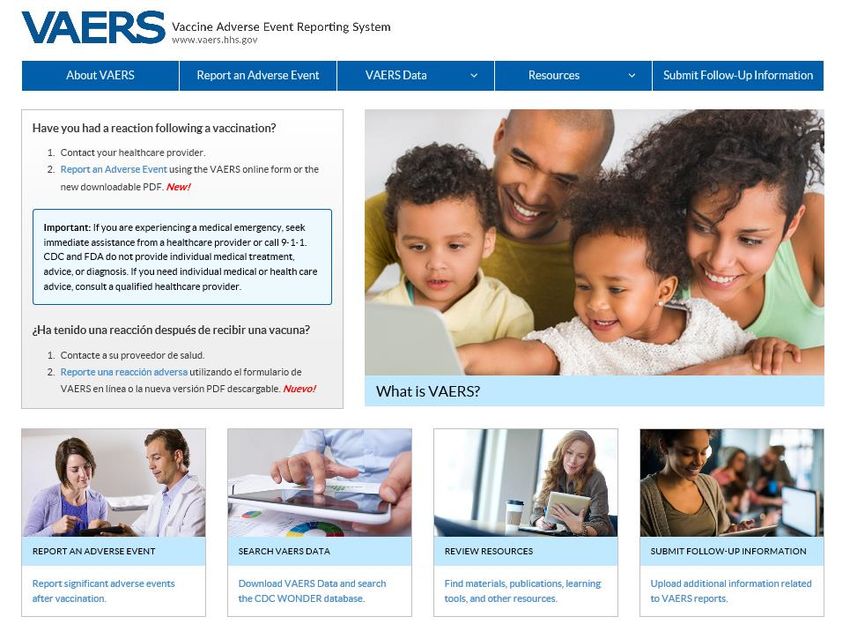
51VAERS
VAERS accepts all reports from everyone regardless
of the plausibility of the vaccine causing the event or
the clinical seriousness of the event
key strengths key limitations
▪ Rapidly detects potential ▪ Inconsistent quality and
safety problems completeness of information
▪ Can detect rare adverse ▪ Reporting biases
events ▪ Generally, cannot determine
cause and effect
52How to report an adverse event to VAERS
▪ go to vaers.hhs.gov
▪ submit a report online
for help:
call
1-800-822-7967
email
info@VAERS.org
video instructions
https://youtu.be/sbCWh
cQADFEHow to report an adverse event to VAERS
Smartphone-based active safety monitoring http://cdc.gov/vsafe
Active safety monitoring for COVID-19 vaccines
▪ V-safe is a new CDC smart-phone based monitoring
program for COVID-19 vaccine safety
– uses text messaging and web surveys to check-in with vaccine
recipients after vaccination
– participants can report side effects or health problems after
COVID-19 vaccination
– reports are accepted after dose 1, 2, and 3
– includes active telephone follow-up by CDC for reports of a
medically-attended health impact event
– identifies women who are pregnant when vaccinated or
become pregnant shortly after vaccinationTiming of health check-ins
▪ V-safe conducts electronic health check-
ins with vaccine recipients
– daily for first week post-vaccination; weekly
thereafter until 6 weeks post-vaccination
– additional health checks at 3, 6, and 12 months
post-vaccination
▪ Enrollment in the v-safe pregnancy
registry occurs through a separate
pregnancy follow-up process1. text message check-ins from CDC (daily 1st week;
weekly thru 6 weeks; then 3, 6, and 12 mo.)
vaccine recipient completes web survey*
Vaccine recipients
2. clinically
important
health ✓ received medical care
impact
reported 4. pregnancy registry team conducts
outreach to assess eligibility for
Call center registry and obtain consent for
enrollment and follow-up
3. V-safe call center conducts active Call center
telephone follow-up on a clinically
important event and takes a
VAERS report if appropriate
* Selected web surveys capture information on pregnancy status59
VSD
Vaccine
Safety
Datalink
▪ 9 participating integrated healthcare organizations
▪ Data on over 12 million persons per year
60Your role
COVID-19 vaccine safety gets stronger
with your participation
general public healthcare providers
▪ participate in v-safe ✓ ▪ encourage patients to
participate in v-safe ✓
▪ report adverse event to VAERS ✓
▪ continue to report clinically
important adverse events
to VAERS ✓Acknowledgments
We wish to acknowledge the contributions of investigators from the following organizations:
Centers for Disease Control and Prevention
COVID-19 Vaccine Task Force
Vaccine Safety Team
Immunization Safety Office
Division of Healthcare Quality Promotion
Clinical Immunization Safety Assessment Project
Vaccine Safety Datalink
Food and Drug Administration
Center for Biologics Evaluation and Research
6263
Thank you! For more information, contact CDC 1-800-CDC-INFO (232-4636) TTY: 1-888-232-6348 www.cdc.gov The findings and conclusions in this report are those of the authors and do not necessarily represent the official position of the Centers for Disease Control and Prevention.
Clinician Information and
Consultation Support from CDC:
CDC's Vaccine Clinical Inquiries
Management Team
August 17, 2021
Katherine Shealy, MPH, IBCLC
Vaccine Clinical Inquiry Management Team
CDC COVID-19 Vaccine Task Force
cdc.gov/coronavirus1-800-CDC-INFO cdc.gov/cdc-info/
For more information, contact CDC
1-800-CDC-INFO (232-4636)
TTY: 1-888-232-6348 www.cdc.gov

The findings and conclusions in this report are those of the authors and do not necessarily represent the
official position of the Centers for Disease Control and Prevention.
To Ask a Question
▪ Using the Zoom Webinar System
   – Click on the “Q&A” button
   – Type your question in the “Q&A” box
   – Submit your question

▪ If you are a patient, please refer your question to your healthcare provider.

▪ If you are a member of the media, please direct your questions to
  CDC Media Relations at 404-639-3286 or email media@cdc.gov.
Today’s COCA Call Will Be Available On-Demand

▪ When: A few hours after the live call

▪ What: Video recording

▪ Where: On the COCA Call webpage at
https://emergency.cdc.gov/coca/calls/2021/callinfo_081721.asp
Upcoming COCA Calls & Additional COVID-19 Resources
– Continue to visit https://emergency.cdc.gov/coca to get more details about upcoming
  COCA Calls, as we intend to host more COCA Calls to keep you informed of the latest
  guidance and updates on COVID-19.

– Subscribe to receive notifications about upcoming COCA calls and other COCA
  products and services at emergency.cdc.gov/coca/subscribe.asp

– Share call announcements with colleagues

– Sign up to receive weekly COVID-19 Science Updates
  by visiting cdc.gov/library/covid19/scienceupdates.html?Sort=Date%3A%3Adesc
COCA Products & Services

                           COCA Call Announcements contain all information
                           subscribers need to participate in COCA Calls. COCA Calls
                           are held as needed.

                           Monthly newsletter that provides information on CDC
                           training opportunities, conference and training
                           resources, the COCA Partner Spotlight, and the Clinician
                           Corner.

                           As-needed messages that provide specific, immediate
                           action clinicians should take. Contains comprehensive
                           CDC guidance so clinicians can easily follow
                           recommended actions.
COCA Products & Services
Monthly newsletter providing updates on emergency
preparedness and response topics, emerging public
health threat literature, resources for health
professionals, and additional information important
during public health emergencies and disasters.
Informs clinicians of new CDC resources and guidance
related to emergency preparedness and response. This
email is sent as soon as possible after CDC publishes new
content.
CDC's primary method of sharing information about
urgent public health incidents with public information
officers; federal, state, territorial, and local public health
practitioners; clinicians; and public health laboratories.Join COCA’s Mailing List
▪ Receive information about:
– Upcoming COCA Calls
– Health Alert Network (HAN) messages
– CDC emergency response activations
– Emerging public health threats
– Emergency preparedness and
response conferences
– Training opportunities
emergency.cdc.gov/coca/subscribe.aspJoin Us On Facebook!
Thank you for joining us today!

       emergency.cdc.gov/coca
You can also read


