Aapravasi Ghat - Aapravasi Ghat Trust Fund
←
→
Page content transcription
If your browser does not render page correctly, please read the page content below
Aapravasi Ghat - Magazine Vol 4 1
Aapravasi Ghat
Magazine - Vol. 4 - 2nd November 2019
185th Anniversary of the Arrival of Indentured Labourers in Mauritius
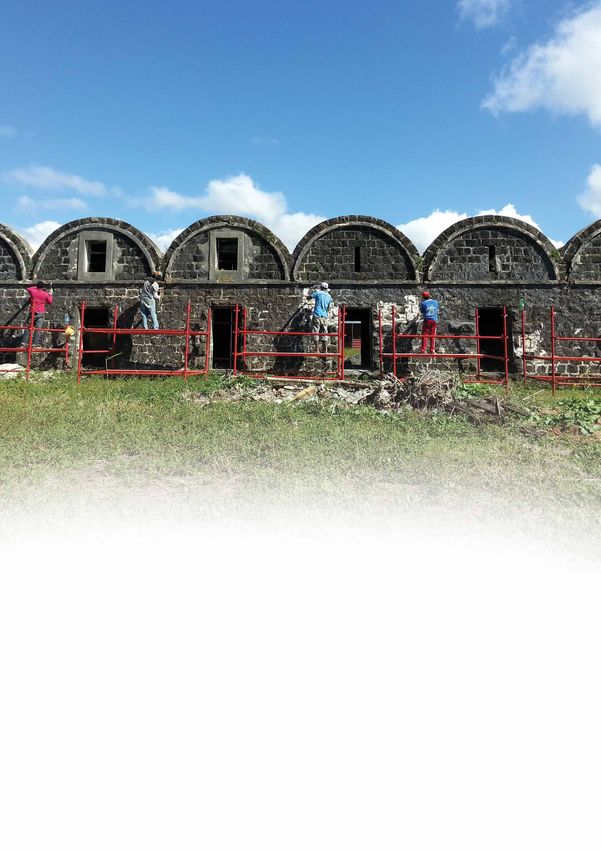
Trianon Conservation Project
Visit of the President of the Republic
of Madagascar, Mr. Andry Nirina
Rajoelina, on 12th March 2019
Visit of the President of the Republic
of Kenya, Mr. Uhuru Muigai
Kenyatta on 10th April 2019
Contemporary Art Exhibition:
“Visions of the Past”
Bras d’Eau
Publication on Bras D’Eau Sugar The History of a Sugar Estate
in Mauritius
Estate Babita D. Bahadoor Rambhujun
Aapravasi Ghat Trust Fund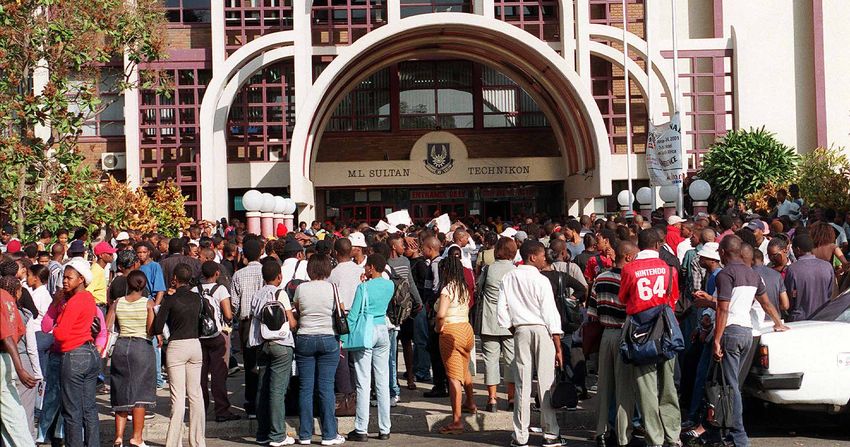
2  Aapravasi
TABLE         Ghat - Magazine Vol 4
      OF CONTENTS

                 PROJECTS AND ACTIVITIES                                                 The life-story of immigrant Mohun: The human               35
                                                                                         agency of an old immigrant entrepreneur during
                 AGTF Projects 2019/2020 - Corinne Forest                        8       the age of indenture (1838-1871) - Satyendra Peerthum

                 Preparation of a Master Plan for the Buffer Zone -              9       Children of Hope: A visit of the Liberated African Oromo   38
                 Corinne Forest                                                          Children to Mauritius - Sandra Shell

                 Trianon Conservation Project - Ashvin Nemchand                 10       Review of Children of Hope by Dr. Sandra Rowoldt Shell-    41
                                                                                         Satteeanund Peerthum
                 Varsik Parampara Divas at Belle Mare Old Sugar                 12
                 Mill - Indira Gyaram                                                    Indentured workers, Immobilities, Mobilities,              42
                                                                                         and Space - Yoshina Hurghobin
                 Roving Exhibition: “Indenture in Mauritius: History            13
                 and Heritage” - Maurina Soodin Runghen                                  Flat Island and the development of the quarantine          44
                                                                                         system in 19th century Mauritius - Christelle Miao Foh
                 Training on Monitoring and Management                          15
                 of World Heritage Property in China -                                   Plaine Verte: A crucial element of Indian immigration      47
                 Natasha Kheddoo - Ramcharitar                                           - Assad Bhuglah

                 The 4th African World Heritage Regional Youth                  17       An overview of the archaeological investigation            50
                 Forum - Vijaya Beejadhur Poteah                                         at Ex-Military Hospital, Trou-Fanfaron Port Louis -
                                                                                         Jayshree Mungur - Medhi
                 Training-Seminar : « Mise en réseau des patrimoines            18
                 iconographiques de l’Océan Indien» - Babita B. Rambhujun                Mauritian Architecture: The colonial era and modern day.   52
                                                                                         Co-existence or antagonism?- Sanjiva Murugesan
                 An enriching experience at BRIC in 2019 - Brinda Moonien,      20
                 Bhavna Devi Rama & Kogila Pillay Rungien                                The Board of Commissioners of Currency Mauritius:          55
                                                                                         Issuer of Currency from 1849 to 1967 - Ghirish Bissoon
                 Contemporary Art Exhibition: “Visions of the past”             21
                                                                                         ‘Habit of Industry, Temperance and Economy’:               56
                 Visits at the Aapravasi Ghat World Heritage                    22
                                                                                         Emigration, Indenture, and the Mauritius Savings
                 Site - Vikram Mugon
                                                                                         Bank - Aaron Graham
                 International Archives Day 2019 - Hansawtee Hurnaum            25
                                                                                         The trials and tribulations of Governor Higginson’s        58
                 Art Exhibition “Voices” by Franziska Greber                    26       Indian education in Mauritius - Anand Moheeputh

                                                                                         M.L. Sultan: From Railway Porter to Education              61
                 HISTORY AND RESEARCH                                                    Pioneer - Goolam Vahed

                 Report on International Conference on Forced Labour            27
                                                                                         INTANGIBLE CULTURAL HERITAGE
                 and Migration - Farzana Gounder, Ganesh Chand
                 and Robin Nair
                                                                                         The Charm of our Intangible Cultural Heritage:             63
                 An interview with Dr Michèle Marimoutou,                       29       Aapravasi Ghat World Heritage Site, the Cradle
                 Senior Historian of Indentured Labour of                                of Interculturalism - Islam Bhugan
                 Reunion Island - Satyendra Peerthum
                                                                                         Quand la poétique bhojpuri se créolise. Madhulikar         64
                 La Réunion perd un homme d’exception”: L’Oeuvre                32       et autres recueils de Rajendra Kumar Bhagat
                 et la carrière du feu Professeur Dr. Michel Latchoumanin                « Madhukar » - Catherine Servan-Schreiber
                 de La Reunion’ - Céline Ramsamy-Giancone
                                                                                         Les croyances des engagés et l’exotisme indien             66
                 La plantation de cannes à sucre, 50 ans                        32       dans les représentations coloniales - Govindin Sully
                 après l’indépendence - Mathieu Claveyrolas
                                                                                         My Grand-Mom recipes: Drumstick curry                      69
                                                                                         (Kari baton mouroung) - Aartee Pydatalli

                                                                       Editorial Team
                                     Dr. A. Janoo                                       Chairman of the Editorial Committee
                                     Mrs. U.D. Kowlesser                                Vice-Chairperson
                                     Mrs. S. Gokool                                     Board Member, AGTF
                                     Mrs. J. Mahadoo                                    Board Member, AGTF
                                     Mrs. S. Ramlallah                                  Board Member, AGTF
                                     Mr. J. Jhummun                                     Board Member, AGTF
                                     Dr (Mrs.) C. Forest                                Head Technical Unit, AGTF
                                     Mr. S. Peerthum                                    Historian, AGTF
                                     Mrs. M. Soodin Runghen                             Researcher, AGTF
                                     Mrs. C. Miao Foh                                   Research Assistant, AGTF
Aapravasi Ghat - Magazine Vol 4     3

                                        Editorial
                                 2nd November 2019 marks           this site and the memory and legacy of the Girmityas in
                                 the 185th anniversary of          Mauritius as being one of the pillars of our national heritage
                                 the arrival of indentured         along with the Le Morne Cultural Landscape. During the past
                                 labourers in Mauritius. Those     five years, as Chairman of the Aapravasi Ghat Trust Fund, with
                                 brave and valiant pioneers        the collaboration of Hon. P. Roopun, the Minister of Arts and
                                 who arrived in Mauritius          Culture, Hon. Sir. A. Jugnauth, the former Prime Minister and
                                 on the ship the Atlas on          Mentor Minister, and of course the Right Hon. P. Jugnuath, the
2nd November 1834 were the precursors and trail-blazers of         esteemed Prime Minister of the Republic of Mauritius, much
almost half million immigrants who eventually called this          has been accomplished.
small Indian Ocean island their home. Therefore, this singular
event, which we commemorate each 2nd November, ushered             In 2015, the Indenture Immigration Archives of the Republic of
a new period in our country’s history that forever altered its     Mauritius linked with the history of the Girmityas in Mauritius
demography, economy and politics.                                  was inscribed on the UNESCO Memory of the World Register.
                                                                   During the following year, Geet Gawai which is associated with
There is a long and rich tradition of commemorating the            the oral traditions of the Girmityas was inscribed on UNESCO’s
history and the accomplishments of the Girmityas in Mauritius.     list of Masterpieces of Intangible Cultural Heritage. In 2017,
This process of commemorating the making of our history            the first International Scientific Committee of the Indentured
and of the Girmityas may be traced back to October 1984 and        Labour Route Project was held in October in Mauritius and
February 1985, under the first government of Sir A.Jugnauth,       which was a success. The Secretariat is currently based at AGTF.
the then Prime Minister of Mauritius, the 150th anniversary of     Earlier this year, after several years, the conservation works on
the arrival of the indentured labourers and the abolition of       the Old Labourers’ Quarters at Trianon were completed.
slavery were commemorated for the first time at a national
level. A few years later, in April 1987, the Aapravasi Ghat was    Between 2016 and 2019, commemoration ceremonies with
recognized as a national heritage for the first time.              cultural programmes were held at Antoinette, Forbach, and
                                                                   Belle Mare with a view of valorizing these important indenture
In November 1989, in order to pay a better respect to the          sites. During the past, AGTF launched several publications
memory of Girmityas, the name of Coolie Ghat was changed           such as on the Aapravasi Ghat World Heritage Site, the life-
forever to Aapravasi Ghat. Several years later, in 1996, the       stories and experiences of the indentured workers, Flat
Aapravasi Ghat Promenade Project was initiated by the              Island, and Bras d’Eau which has placed it on the national
Government of Mauritius. In 2001, after much debate, the           and international map of indentured labour historiography.
Government of Mauritius decreed the 2nd November as a              Over the past 5 years, the Aapravasi Ghat World Heritage Site
national holiday to remember and pay tribute to the Girmitya.      has received an estimated 300,000 visitors, such as school
The first official national commemoration was held on 2nd          children, university students, elderly citizens, tourists, scholars,
November 2001. In 2002, the Aapravasi Ghat Trust Fund was          and many others.
set up to preserve and protect the site and with a view of
remembering and promoting the memory of the Girmityas of           On a more personal note and as I conclude, I would like to
Mauritius.                                                         pay tribute to my ancestors and to those 462,800 brave and
                                                                   valiant indentured men, women, and children who climbed
In October of the same year, during a visit to UNESCO              up the emblematic sixteen steps of the Aapravasi Ghat World
Headquarters in Paris, our former Prime Minister Sir A. Jugnauth   Heritage Site. Today, we are their descendants, we carry their
made the official request, on behalf of the Government and         names, their blood flows through our veins, and our history
people of Mauritius, for the World Heritage Centre to begin        is a continuation of their history. Therefore, it is appropriate
the inscription process of the Aapravasi Ghat. This led to the     and noteworthy that we carry out our devoir de memoire
inscription of the Aapravasi Ghat as a World Heritage Site in      on this historic and special 2nd November 2019 by honoring
July 2006. It was under criterion 6 of the UNESCO guidelines or    the accomplishments, resistance, toils, and sacrifices of our
the memories and achievements of the Girmityas of Mauritius        ancestors.
that this site is bestowed this international status.
                                                                   Mr. Dharam Yash Deo Dhuny,
Over the past three decades, these are some of the tangible        Chairman, Aapravasi Ghat Trust Fund,
gestures by the Government of Mauritius which considers            2nd November 2019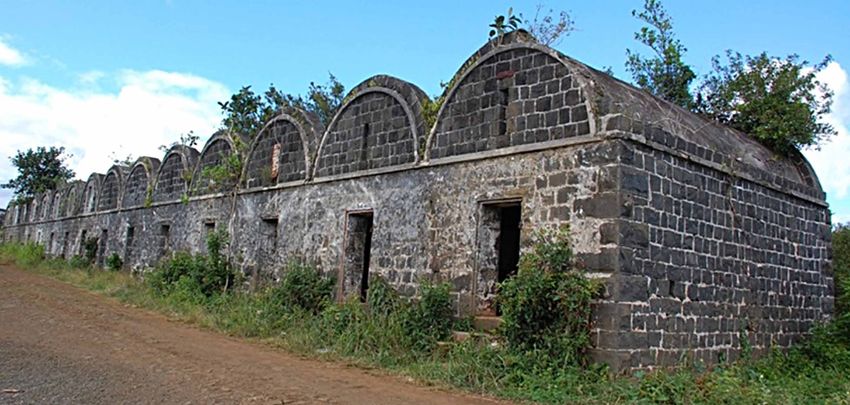
4    Aapravasi Ghat - Magazine Vol 4

                                                        Republic of Mauritius

      Acting President of the Republic of Mauritius
                                                                                 MESSAGE

                                             Between 1834 and 1924, more than 454,000 indentured labourers were recruited in
                                             India and brought to Mauritian shores and passed through the Aapravasi Ghat.

                                             When our forefathers came they brought with them their traditions and their sacred
                                             scriptures like the Bhagavad Gita and the Ramayana. The values that governed their
                                             lives were the values of simple working people everywhere, such as the preservation
                                             of their culture and language.

                                             They were greatly inspired by the Ramayana which depicts characters that we should
                                             aspire to be like, such as the ideal father, ideal son, ideal brother, ideal leader, ideal
                                             spouse, etc.

                                             They not only preserved their culture, traditions and language but they also gave
                                             them new wings to flourish. Their sacrifice, their determination to preserve their
                                             cultural roots, and their will to succeed against all odds have shaped the generations
                                             of descendants in Mauritius.

                                           Rabindranath Tagore had inspired us to dream of a land where the mind is without fear
and the head is held high. It is that heaven of freedom that we are duty bound to create and preserve. Our ancestors, despite all
hardships, have followed that dream by preserving their culture, traditions and languages.

Aapravasi Ghat stands as a symbol of perseverance and ambition in the face of all odds. It reminds us of the immense courage
and determination shown by our forefathers to make of Mauritius what it is today.

Paramasivum Pillay Vyapoory, G.O.S.K.
Ag. President of the Republic of Mauritius
Aapravasi Ghat - Magazine Vol 4   5

                                                       Republic of Mauritius

                                               PRIME MINISTER
                                                           MESSAGE

I appreciate the opportunity given to me by the Aapravasi Ghat Trust Fund to
share my thoughts on the occasion of the 185th Anniversary of the arrival of
indentured labourers in Mauritius.

The Aapravasi Ghat has played a pivotal role in Mauritian history. Constructed in
1849, it served as immigration depot for indentured labourers who came mainly
from India but also from China, South East Asia, Madagascar and East Africa.

This historical site is an important symbol of Mauritian identity, since the ancestors
of more than 70% of today’s Mauritian population arrived on the island through
this immigration depot.

The Aapravasi Ghat and Le Morne Cultural Landscape have both been deemed
World Heritage sites by UNESCO. They are an irreplaceable legacy which the global
community has decided to protect. Both sites are considered to be of outstanding
value to humanity.

Indeed, World Heritage sites are so exceptional as to transcend national boundaries. They are recognized by UNESCO for the
unique perspective they offer on several decades of history that impacted on the shaping of the modern world order.

Since its inscription on the World Heritage List, the Aapravasi Ghat has contributed to promote a part of history that was hardly
known to the world. The Beekrumsing Ramlallah Interpretation Centre also has helped to raise awareness on the experience of
indentured labourers and the key role of Mauritius in the process of indentureship.

Indenture started as an experiment in 1834, but later it became a universal phenomenon. In the last century, the Aapravasi
Ghat was the focal point for the massive immigration of indentured labourers to British colonies in other parts of the world. This
resulted in the creation of multicultural societies with whom we share a common heritage.

When our forefathers were climbing the flight of steps at the Aapravasi Ghat, little did they know that their patience and
perseverance would inspire generations around the world.

I congratulate the Aapravasi Ghat Trust Fund, its Board and Staff members for their achievements throughout the years and
wish them success in their future endeavours.

                                                                                                        Pravind Kumar Jugnauth
                                                                                                                  Prime Minster
17 October 2019
6    Aapravasi Ghat - Magazine Vol 4

                                                        Republic of Mauritius

                             Minister of Arts and Culture
                                                            MESSAGE

The 185th anniversary of the commemoration of the arrival of the indentured
laborers in Mauritius, is yet another opportunity to pay tribute to the ‘girmitiyas’,
the nearly half a million Indians who arrived in Mauritius in the mid-19th century
to work in the sugarcane plantations.

None had imagined the immense suffering that they would have to undergo.
Yet, the very first footsteps of these men, women and children went on to
change the course of history. With their sacrifices, hard work and determination,
they transformed Mauritius into a model of socio-economic development. In
addition, despite those moments of hardships, they never let go of their culture
and traditions. The rich Indian cultural heritage of the indentured laborers was
preserved and survived the oppression and exploitations of the colonial rulers.

On this important day, I would like to pay a special tribute to the female Indian
immigrants. It is estimated that between 1834 and 1910, among the 452 070 Indian laborers who were brought to Mauritius, 106
500 were females or more than 23.5%.

Though rarely acknowledged, their presence had important and far reaching implications to socio-economic and cultural
dynamics of the settlement process. Their involvement in the safeguarding of intangible cultural heritage is both central and
vital. They are the one who had a principle role in the upbringing of children, through which the transmission of values, beliefs,
customs and traditions were preserved and perpetuated through generations.

As custodians of intangible cultural heritage, their role was of particular significance to building and maintaining our cultural
identity. Today, the government is determined to continue the long and arduous task of preserving the legacy of our ancestors
for posterity.

On this symbolical day, I will invite everyone to commend the role of the female indentured laborers in the transmission of
intangible cultural heritage in the society.

                                                                                                                       P. Roopun
                                                                                                                          Minister
Aapravasi Ghat - Magazine Vol 4   7

                                             the lord mayor
                                                          MESSAGE

It is a great pleasure for me to be associated with the publication of the commemorative
magazine on the occasion of the 185th anniversary of the arrival of indentured labourers
in Mauritius.

The Aapravasi Ghat is a key symbol of the Mauritian identity since most of the ancestors
of the present-day population landed on this island through this Immigration Depot.

It is a great honour and prestige for Mauritius to be placed on the International Cultural
Heritage Map through the inscription of the Aapravasi Ghat as a World Heritage Site.

This site is a vivid testimony of the tribulations of our ancestors to shape our modern,
multi-ethnic and peaceful society. They are the builders of our nation and are at present
at the helm of all walks of life of our society.

It is a duty of remembrance for all of us to continue to pay tribute to them. The Aapravasi
Ghat is an important ‘lieu de mémoire’ for the Mauritian nation.

I take the opportunity to congratulate the Aapravasi Ghat Trust Fund for its remarkable work to disseminate the historical facts
on the arrival of indentured labourers and the various facets of their culture, language, living conditions and their arduous
struggle for justice and a better future.

I sincerely wish you all the best in your endeavor to preserve the World Heritage Site and making it an inspiration for the present
and next generation to come.

                                                                                                    Mahfooz Moussa CADERSAÏB
                                                                                                                   Lord Mayor
                                                                                                               29 August 2019
8      Aapravasi Ghat - Magazine Vol 4

    AGTF Projects
    2019/2020                                                   Dr Corinne Forest - Head Technical Unit

A    s a research and heritage institution, the AGTF
     pursued its efforts to document the scope and
extent of indenture in the world. Several topics of
                                                         along the sea. UNESCO underlined the strong
                                                         potential of this area with the World Heritage
                                                         Site, and its connections with the sea and
research were set as objectives in the action plan       the city centre, as a unique opportunity to
voted in 2017 for the Indentured Labour Route            highlight the specificity of Port Louis.
project (ILRP). As part of this overarching project,
                                                         With the development of a Master Plan for the
the staff concentrated on three key areas:
                                                         buffer zone, Mauritius was congratulated for
    1. The preparation of a photographic database;       the efforts made to preserve and enhance its
    2. The preparation of an inventory of sites          heritage. This will receive particular attention
       related to indenture;                             during the periodic reporting exercise which
    3. The preparation of a database of scholars         has started for the Africa Region in July 2019
       working on indenture.                             with the view to undertake an assessment of
                                                         the implementation of the World Heritage
Research on indenture also included extensive
                                                         Convention in countries and of the situation
studies on the transition period from slavery to
                                                         at World Heritage Sites.
indenture, on Flat Island and the quarantine system
in Mauritius as well as on Bras d’Eau which offered      The Periodic Reporting Exercise is a statutory
the opportunity to explore the functioning and           requirement of the World Heritage Convention.
interrelations on a sugar estate in Mauritius from the   It is a global conservation monitoring activity,
end of the eighteenth to the nineteenth centuries.       based on a process of self-reporting both at
                                                         national government and World Heritage
Furthermore, in line with the World Heritage Status
                                                         Property levels.
of the site, the AGTF developed documentation
on Intangible Cultural Heritage and collected            Since the launch of the First Cycle of Periodic
testimonies via Oral History in order to document        Reporting in 1998, the Africa Region has
further the experience of indenture. These two           reported twice respectively in 2002 and 2011.
aspects are particularly important as the World          The Third Periodic Reporting Exercise for the
Heritage Site was inscribed under criteria vi            46 African State Parties will run from 2019
underlining the significant role played by intangible    to 2020 followed by a year of examination
heritage and memories in demonstrating the               of Regional Reports by the World Heritage
outstanding universal value of the World Heritage        Committee in 2021.
Site.
                                                         This process also required that the
In correlation with the data on heritage, research in    Management Plan for the Aapravasi Ghat
history and on intangible cultural heritage provides     World Heritage Site property be updated to
a global understanding of the attributes of the World    reflect the changes that occurred in the last
Heritage. These attributes were the focus of attention   five years. Hence, the Management Plan was
when a master plan was being developed for               reviewed and updated in order to design an
the buffer zone in June 2019. This Master Plan           action plan from 2019 to 2023 which provides
addresses the need for the enhancement of the            the strategy at the World Heritage Site for the
zone which includes a section on the waterfront          next five years and, promises further research
where most of the historic buildings listed as           and documentation on heritage associated
National Heritage are located.                           with indenture.

This particular attention given to the development
of the area was important to foster the upgrading
of this prime land located in the core city centre
Aapravasi Ghat - Magazine Vol 4         9

 Preparation of a Master Plan
 for the Buffer Zone                                                                          Dr Corinne Forest - Head Technical Unit

T  he Government of Mauritius has recently launched a
   number of large-scale projects with the view to revitalise
Port Louis’ city centre. These projects are located in the buffer
                                                                    in an integrated manner. To do so, the State Party was invited
                                                                    to develop an overarching vision and a master plan addressing
                                                                    the need for connections and synergies between the proposed
zone of the World Heritage Property and include:                    developments. To this end, the Ministry of Housing and Lands
                                                                    in collaboration with the Aapravasi Ghat Trust Fund and the
 1. Port Louis Waterfront Phase 2, Cultural Heritage District,
                                                                    National Heritage Fund developed an Action Area Plan, the
    by Landscope Mauritius Ltd;
                                                                    equivalent of a Master Plan.
 2. Immigration Square Urban Terminal by the Ministry of
    Public Infrastructure and Land Transport;                       The Action Area Plan makes provision for the integration of
 3. The Metro Express project by Metro Express Ltd and an           the large-scale development projects into the urban context
    end station at Immigration Square;                              of the buffer zone of the Aapravasi Ghat World Heritage
 4. The Intercontinental Slavery Museum by the Ministry of          Property. The Action Area Plan is therefore providing:
    Arts and Culture;                                               zz   an overview of the World Heritage Property’s attributes;
 5. Galerie d’art national;                                         zz   guidance for the enhancement of these attributes;
 6. Beekrumsing Ramallah Interpretation Centre – Phase II.          zz   guidance in ensuring the integration of the new
Considering these large scale projects, the Government of                development projects into the larger context of the
Mauritius called for a joint UNESCO World Heritage Centre                buffer zone covering Port Louis’ historic centre.
(WHC) / ICOMOS* Advisory Mission to the Aapravasi Ghat
                                                                    The Action Area Plan (AAP 01) was completed in June 2019
from 14 to 18 May 2018 in line with section IV.A. 172 of the
                                                                    and was submitted to the UNESCO World Heritage Centre for
Operational Guidelines for the World Heritage Convention.
                                                                    technical review by the Ministry of Arts and Culture.
In its report submitted in July 2018, the Advisory Mission
                                                                    *The International Council on Monuments and Sites is an advisory body to
recommended that these development projects be conducted
                                                                    UNESCO for cultural heritage.

                                                                                                                          View of Port Louis.
10   Aapravasi Ghat - Magazine Vol 4

 Trianon
 Conservation Project
                                                                       Ashvin Nemchand - Research Assistant

T   he Trianon Barracks also known as the “Old Labourers’
    Quarters” formed part of the Trianon Sugar Estate, which
was established by Martin Monchamp in 1803. Trianon was a
                                                                       The Trianon barracks was in a state of abandonment since
                                                                       the 1970s. Time, nature and human intervention - not always
                                                                       considerate of the conservation of the building, have further
large estate comprising of the sugar mill, the owner’s house           added to the degeneration of the structures. The growth of
and the camp for the labourers and sugar cane fields. Prior to         plants and the proliferation of roots above the vaults, on the
indenture, the labour force on Trianon Sugar Estate consisted          walls and floor of the barracks have contributed to the major
mainly of slaves. Following the abolition of slavery, indentured       deterioration of the structures.
immigrants were introduced. By the 1870s, Trianon would
become one of the most important sugar estates in the                  Structural cracks were glaring in a few chambers. Moreover,
Plaine Wilhems District employing more than 500 indentured             the accumulation of rain water in the closed apertures of the
labourers.                                                             barracks is another cause of rapid structural weakening. It not
                                                                       only contributes to the fast growth of flora but also enfeebles
As a key part of the indentured labour system, sugar estates           the structure and the basement of the building. The water
significantly depict the way of life, hardships and the day to         retention in the walls has accelerated surface algal and fungal
day undertakings of indentured labourers. The Trianon “Old             development thus leading to the deterioration of the lime
Labourers’ Quarters” and surrounding chimneys, temple, and             mortars and lime layers.
other buildings are vestiges of a bygone era. They reflect
the knowledge, beliefs and traditions of the diverse and rich          The Trianon Conservation Project was initiated by the
cultural background of the indentured labourers who came               Aapravasi Ghat Trust Fund in 2011. A Conservation Plan was
to Mauritius. They provide insights into the day to day lives          devised by the Conservation Architect and consultant to the
of the indentured labourers who lived and worked on the                AGTF, Mr. Pandit. The main elements affecting the sites were
sugar estates of Mauritius and the architectural knowledge of          identified and provisions for intervention measures necessary
past artisans who built these buildings. As such, the Ancient          to the restoration of the building in its original state was made.
Monuments Board decreed the Trianon Barracks as National               The major interventions as formulated in the Conservation
Monument through Government Notice No. 666 on the 22nd                 Plan were completed as indicated below:
of July 1974.
                                                                       zz   Archaeological investigation was conducted by external
Between the mid-nineteenth and mid-twentieth centuries,                     consultants prior to the conservation works;
this structure has played a central role in the daily lives of         zz   All intrusive vegetation was removed from the inner parts
Indian workers and their families who lived on Trianon Sugar                and outdoor sections of the building;
Estate. It is therefore of foremost importance to conserve and
                                                                       zz   A stone-to-stone documentation of the building was
restore this historic building as it is directly and tangibly linked
                                                                            made;
with the way of life in the sugar camps.
Aapravasi Ghat - Magazine Vol 4 11
zz Detailed documentation of the inner part of 15 chambers
as well as that of the exterior walls of the building was
completed;
zz The inner parts of the 15 chambers were entirely restored;
zz The fifteen roofs were reinstated and restored as per the
traditional technique including the stone arches;
zz Original plasters were consolidated wherever necessary.
However, the restoration of the roof’s of Trianon barracks was
time consuming due to the complexity of the interventions.
The restoration of the roof of chamber 8 as depicted in the Consolidation of roof with wire mesh
illustrations below gives an indication of how complex the
restoration of the roof was. Compared to the other chambers
of the barracks, half of the roof of chamber 8 had crumbled
down and lots of stones were missing. Same had to be cut and
replaced.
After the removal of the cement plaster, a visual inspection
was carried out during which it was noted that small roots
had proliferated in the lime concrete which caused part
of the roof to crumble. This made the restoration process
more complicated and time-consuming. All the roots were
carefully removed with trowels. All the missing stones were Laying of fresh lime mortar
cut accordingly and fixed on the arch. Same were let to settle
and strengthen for 3 days before further interventions. The restoration of chamber 8 was completed by fixing the
stones on the arches of the chamber. It took the AGTF team
about 2 weeks to complete the restoration of the roof.
The Conservation Project of the Trianon barracks was
completed in May 2019. Having completed the project, the
AGTF proposes to implement a development project in the
long run to allow access to the public, develop cultural tourism
and create awareness on the importance of this heritage site
as a component of the wider Mauritian Heritage.
In a near future a fully restored “Old Labourers’ Quarters” may
even form part of a local Mauritian Indenture Labour Route
Part of the roof of chamber 8 had collapsed due to proliferation of roots Project which now includes the Aapravasi Ghat World Heritage
Site and the Vagrant Depot.
A first layer of fresh lime concrete (NHL 5) with a ratio of 1:1: 2
(one part lime, one part sand and 2 stone chips 12mm-15mm) To attain this objective, the AGTF proposes to set up
was filled in the patch. Stone chips which were recovered from infrastructure for visitors. The aim of the project is to create
the damaged concrete of the roof were washed with fresh a sense of awareness and belonging for heritage sites in
water and used in the lime concrete. Mauritius and sensitize the youth on the importance to
preserve and promote culture, history and heritage through
After the consolidation of the roof with lime concrete and wire leisure activities and informal learning.
mesh same was allowed to settle and strengthen for 3 more
days before fresh lime mortar was laid.12 Aapravasi Ghat - Magazine Vol 4
Varsik Parampara Divas at Belle
Mare Old Sugar Mill Indira Gyaram - Programme Coordinator
In December 2016, Geet Gawai an element of our Intangible
Cultural Heritage brought by the Indian indentured labourers
received international recognition and was inscribed on
Unesco’s representative list of Intangible Cultural Heritage. As
per its Act, the AGTF is mandated to safeguard, promote and
conserve Heritage associated with indenture. In this context
the AGTF operating under the aegis of the Ministry of Arts
and Culture, organises the Varsik Parampara Divas every year
to celebrate this Intangible Cultural Heritage. The event was
organised in different regions of Mauritius namely, at Forbach
Old Sugar Windmill at Cottage, Gokhoola one of the oldest
temples, Aapravasi Ghat World Heritage Site, and Antoinette
Phoolyar where the first group of indentured labourers were
sent to work. 1. Jatsar, presented by the Ramayana Sewa Sadan Group,
2. Hamd & Naat by Mr Mohammad Aslam Peerbaccus,
This year Varsik Parampara Divas was celebrated in collaboration
3. Folk dance Bathakamma by the Kuchipudi School of
with the Ministry of Arts and Culture, the High Commission of
Dance,
India, the District Council of Flacq, the National Heritage Fund,
4. Gondal dance by Kosmix School of Arts,
the Indira Gandhi Centre for Indian Culture, and Constance La
5. A song in Tamil by the Indo Mauritian Catholic Association,
Gaïeté Company Ltd. It was held on Sunday 14th July 2019 at
6. Lalna by Gyaneshwari Stree Mandli of Belle Mare,
the site of the Old Sugar Mill in Belle Mare. The programme
7. Geet Gawai by the Sebastopol Group
of the day started with a welcome song by artistes of the
Indira Gandhi Centre for Indian Culture. Mr D.Y.D Dhuny, the
Chairman of the Aapravasi Ghat Trust Fund Board, delivered his A presentation of gifts to the eldest persons of Belle Mare village
welcome address followed by a powerpoint presentation on and Samman to VIPs were part of the programme. The guests
Belle Mare Old Sugar Mill by Satyendra Peerthum, Historian at present were then invited to visit the exhibition on Indenture.
AGTF. Mr Jay K. Hurry, Public Relations and Human Resource The aim of the activity was to honour indentured labourers
Officer of Constance La Gaïeté Co ltd, Mr Teeruthraj Hurdoyal, who lived, and worked at Belle Mare Sugar Estate as well as to
Chairman of the District Council of Flacq, the Deputy High encourage the local community to participate, celebrate and
Commissioner of India, Hon Jayeshwur Raj Dayal CSK, QPM, showcase the different cultures and values that flourish and co-
PDSM, Hon Rajcoomar Rampertab (PPS) and Hon Prithvirajsing exist in Mauritius.
Roopun, Minister of Arts and Culture, were among the eminent
guests. Cultural activities such as Varsik Parampara Divas lay emphasis on
the need to involve the local community in the conservation of
The cultural programme comprised of songs and dances from Geet Gawai and hence guarantee the sustainable safeguarding
artistic groups: of our Intangible Cultural Heritage and its transmission to future
generations.Aapravasi Ghat - Magazine Vol 4 13
Roving Exhibition:
“Indenture in Mauritius: History and Heritage”
About 2,000 visitors between October 2018 and April 2019
Maurina Soodin Runghen - Researcher
T he Roving Exhibition: “Indenture in Mauritius: History
and Heritage” was organised in the context of the 184th
Commemoration of the arrival of indentured labourers in
Mauritius on 2nd November 2018. It aimed at presenting the
salient features of indenture in Mauritius through archival
documents and heritage. The purpose was to disseminate
knowledge about the history of indenture and its related heritage.
This project was initiated in line with the mandate of the AGTF
to “create public awareness of the history of indentured labour”
and “to promote the social and cultural aspects of the Aapravasi
Ghat and related sites”.
The Roving Exhibition was conceptualised by Dr Forest,
Head Technical Unit and Mr Mugon, Heritage Interpretation
Manager. It consisted of 15 stand-alone roll-up banners
accompanied by a clip on indenture prepared by the
Mauritius Film Development Corporation. The exhibition
was accompanied in most locations by various staff of
the Aapravasi Ghat Trust Fund who provided information
to visitors and answered their questions. The following
staff members were involved: Maurina Soodin Runghen,
Researcher; 3 Research Assistants, namely Mrs Babita
Bahadoor Rambhunjun, Mrs Kiran Jankee Chuttoo and Mrs
Natasha Kheddoo Ramcharitar; Mrs Indira Devi Gyaram,
Programme Coordinator; Mrs Vijayalutchmee Beejadhur
Poteah, Heritage Guide/Public Outreach Officer; Mrs Aartee
Pydatalli, Field Guide and Ms Lovisha Veerabadren, intern, with
the support of Mr Deva Pauvaday and Mr Rishi Teerbohun,
drivers of the Aapravasi Ghat Trust Fund. Officers of the Centre
Photo courtesy: Maurina Soodin Runghen14 Aapravasi Ghat - Magazine Vol 4
de Lecture et d’Animation Culturelle also contributed by MGI, the National Library, the National Heritage Fund and
providing information to visitors. the MFDC. My thanks go to the Municipality of Quatre Bornes
and other stakeholders who have agreed to host this roving
exhibition.
Collaborators
Venue: Municipal Council of Quatre Bornes
The Roving Exhibition was launched on Friday 26 October
th Date: 26 October 2018
2018 at the Municipal Council of Quatres Bornes by Hon. P. Soolekha Jepaul-Raddhoa Mayor of MCQB: Very instructive
Roopun, Minister of Arts and Culture. It was organised with hence it is important to bring this exhibition around the island
the collaboration of the so as many people can take and seize the opportunity to learn
more about Indentured labourers’ arrival and story in Mauritius.
zz Ministry of Arts and Culture
Venue: Mahatma Gandhi Institute
zz Municipal Council of Quatre Bornes
Date: 22 November 2018
zz National Archives Department
L. Burthun from Royal Road, Quartier Militaire: Thanks to our
zz Mahatma Gandhi Institute
forefathers for their hard work and sacrifice. We can't forget them.
zz National Library
Venue: Flacq Coeur de Ville
zz Mauritius Film Development Corporation
Date: 06 December 2018
Rita Ramparsad from Laventure: It is a very good initiative and
Further assistance was provided by the following institutions
especially for young generation to know about their history
and bodies who accepted to host the Roving Exhibition
and ancestors who came to Mauritius.
throughout the island :
Venue: Nouvelle Découverte Social Welfare Centre
zz Ministry of Gender Equality, Child Development and
Date: 17 January 2019
Family Welfare, Social Welfare Division Bamma Vidya from Nouvelle Découverte Government School:
zz National Archives Department Very interesting visit. Traditions and culture are revived.
zz Mahatma Gandhi Institute
Venue: Circonstance, St Pierre SILWF Centre
zz Mauritius National Library
Date:18 February 2019
zz Les Centres de Lecture et d’Animation Culturelle
S. Runghen from L'Agrément, St Pierre: Very interesting to
zz Sugar Industry Labour Welfare Fund
know about our ancestors.
zz Flacq Coeur de Ville
Venue: Rivière du Rempart Youth Centre
zz Grand Baie La Croisette
Date: 26 March 2019
zz Trianon City
the Roving Exhibition Sreekissoon Gobin from Temple Road, Belle Vue Maurel:
Emotional, historical, valuable and memorable.
Visitors’ appreciation Venue: CELPAC, Baie du Cap
Date: 19 April 2019
Venue: Municipal Council of Quatre Bornes
Santhanah from Choisy, Baie du Cap: Très motivant de
Date: 26 October 2018
connaître la culture mauricienne.
Hon Roopun, Minister of Arts and Culture: I commend the
initiative of the AGTF along with the National Archives, the
Photo courtesy: Maurina Soodin RunghenAapravasi Ghat - Magazine Vol 4 15
Site visit at St Paul Ruin to assess
the architectural conservation and
management of visitors
(Photo courtesy: Natasha K.
Ramcharitar)
Training on monitoring The main objectives of the training course held in October
2018 was to provide participants with contemporary thinking,
and Management of trends and approaches to the management of Cultural World
World Heritage Property Heritage Properties, focusing particularly on the monitoring
in China of urban heritage. Participants from China, Afghanistan, Brazil,
Training Course by ICCROM, 08-21 Egypt, India, Mauritius, Mozambique, Pakistan, Philippines,
October 2018 Poland and Sri Lanka were selected for the course principally
those dealing with the day to day management and challenges
Natasha Kheddoo-Ramcharitar - Research Assistant of cultural properties located in an urban context. The training
T he International Centre for the Study of the Preservation and lectures were delivered by heritage professionals from
and Restoration of Cultural Property (ICCROM) was set ICCROM, UNESCO and ICOMOS. Case studies were taken from
up in 1956 for the conservation and restoration of cultural China, Istanbul and Poland to be able to better appreciate the
heritage through training, information, research, cooperation challenges and best practices of urban heritage. The course
and support programmes across the world. Its main aim is to contents were primarily focused on the following topics:
enhance the field of conservation as well as restoration and zz World Heritage Convention and its management
promote awareness concerning the importance and fragility requirements;
of cultural heritage. ICCROM has supported its Member States zz Monitoring World Heritage Sites: Periodic Reporting and
over the decades in preserving all forms of cultural heritage. Reactive Monitoring;
zz UNESCO’s recommendations on Historic Urban
In 2018, ICCROM along with other organizers programmed Landscape;
a training course from 08 to 21 October on Monitoring and zz Developing a Monitoring Plan for urban areas;
Management of World Heritage Property with special reference zz Conservation and Management of Outstanding
to the Historic City of Macau, China. The course was a follow-up Universal Value (OUV) of World Heritage Sites;
to three successive courses on “Management and Monitoring zz Cases of previous reactive monitoring missions: with
of World Heritage Sites with special reference to China” special reference to historic urban areas.
organized and implemented in 2011, 2016 and 2017 at the
The historic city of Macau was inscribed on the World Heritage
invitation of China’s State Administration of Cultural Heritage
List of UNESCO in 2005 on the basis of criteria (ii), (iii), (iv) and
(SACH).
(vi). It comprises of 12 historic monuments:
A-Ma Temple, Moorish Barracks, Mandarin’s House, St. Joseph’s
Seminary and Church, Dom Pedro V Theatre, Leal Senado16 Aapravasi Ghat - Magazine Vol 4
Law, Urban Planning and Land Law to further strengthen
the legal and planning framework of the city and regulate
urban development in a transparent way. Despite efforts
to control development in the Buffer Zones, the City is still
threatened by potential development projects, such as the
Macau Fisherman’s Wharf and Metro projects and constant
issues pertaining to land reclamation and height restrictions
affecting the visual corridor of the city.
A-Ma Temple (Photo courtesy: Natasha K. Ramcharitar)
Building, Holy House of Mercy, Ruins of St. Paul’s, Na Tcha Temple,
sections of the Old City Walls, Mount Fortress and Guia Fortress.
The monuments signify the oldest, most complete and richest
European architectural legacy standing intact on Chinese
territory at present, and are legally protected by Buffer Zones.
Surrounded by historic streets, residential, religious and
public Portuguese and Chinese buildings, the Historic City
of Macau is today frequented by thousands of tourists daily.
The unique aesthetic, cultural, religious and architectural
values of these heritage attributes are cherished by all visitors.
Along the Core Zone and the Buffer Zone are found clusters
of buildings (traditional shop-houses, churches and chapels,
noble mansions, small Chinese shrines, traditional Chinese
pawnbroker shops and Art-Deco vernacular architecture) The boundary of the Buffer Zones of the Historic City of
listed heritage sites, illustrating a strong interaction and fusion Macau (Source: Nomination file of Macau)
between the Western and Chinese cultures.
It is worth noting that the local community comprising mostly
The Cultural Institute of Macau was created in 1999 by the
of residents and business owners are very much attached to
Government to preserve and revive the historic, cultural and
the unique historic structures and their associated intangible
architectural heritage of the territory. Considering the influx
heritage. Regular consultations are thus held with the local
of visitors to these sites, regular monitoring and conservation
community to obtain their views regarding large-scale
excercises are carried out to elude any possible negative
projects. In order to avoid any possible negative impacts on
impacts.
the OUV and visual integrity of the heritage properties, the
Macau is the world’s 83rd largest economy. Its financial Government ensures that the local community is consulted
resources are largely based on casino gaming and tourism, prior to giving green light to any major development project
giving rise in development pressures to build more and in the Buffer Zones of the city.
more skyscrapers in the environs of the Historic Centre. In
Notwithstanding that Macau has developed into a sturdy
2014, the State Party adopted the Cultural Heritage Protection
metropolitan city, still every historic structure in the Core Zone
and Buffer Zones has succeeded in maintaining its integrity
and authenticity. The challenges encountered by the Historic
City of Macau are to a large extent similar to those in the
surroundings of the Aapravasi Ghat World Heritage Property.
Both properties are located in an urban area with constant
development pressures occurring due to port and commercial
activities. In terms of night activities, a disparity is certainly
noted between the two cities. The Historic City of Macau is
vibrant and safe even after normal working hours whilst the
city of Port Louis offers harldy any activity in the evening.
Leal Senado Building (Photo courtesy: Natasha K. Ramcharitar)Aapravasi Ghat - Magazine Vol 4 17
The 4th African World
Heritage Regional
Youth Forum Vijaya Beejadhur Poteah - Heritage Guide/POO
I n 2016, I was selected to represent the Aapravasi Ghat World
Heritage Site (AGWHS) for the First African World Heritage
Regional Youth Forum at Robben Island World Heritage
African World Heritage Regional Youth Forums (2016-2018),
the Action Plan for Youth Engagement with World Heritage in
Africa and promotional material for the celebration of African
Property in Cape Town. The 4th African World Heritage Regional World Heritage Day (5th of May).
Youth Forum was implemented from 29th April to 5th May
2019, in Addis Ababa, Ethiopia and the theme of the Youth The participants also had the privilege to attend the opening
Forum was “harnessing youth creativity and innovation for ceremony of the UNESCO World Press Freedom Day 2019 that
safeguarding and promotion of the African World Heritage”. The took place at the African Union in Addis Ababa on 2nd May
2019 Forum followed the previous gatherings respectively for 2019 and we advocated for more media coverage in heritage
Anglophone countries in 2016 (Robben Island, South Africa), preservation and promotion.
Francophone in 2017 (Loropeni Ruins, Burkina Faso), and
My participation in the 4th Youth Forum in Addis Ababa was
Lusophone in 2018 (Island of Mozambique, Mozambique).
enriching, experiential and memorable. Young heritage
They consisted of debates, fieldwork and hands-on exercises
professionals from different African countries gathered to
on the increasing use of technology for the conservation,
share their passion for heritage promotion and preservation.
legibility and visibility of heritage places. The forum provided
The increasing role and importance of digital media and new
a platform to formulate a Declaration on the Promotion of
technologies in heritage preservation and promotion were
World Heritage in Africa and concluded with the official
highlighted. Being a Heritage Guide/Public Outreach Officer
celebration of the African World Heritage Day on 5th May 2019.
at the Aapravasi Ghat Trust Fund, I passionately elaborated
on how digital media and new technologies help to support
Thirty-two young professionals from different African
visitors’ experiences and the day-to-day running of AGWHS.
countries, participated in the 4th African World Heritage
Also, the experience acquired from that forum helped me to
Regional Youth Forum. During the forum, we were actively
understand the increasing importance of youth involvement
involved in discussions with heritage experts in workshops
in African World Heritage preservation and promotion
and practical activities. Most importantly, we were engaged in
emphasising the role of the youth as guardians of heritage.
the elaboration of the final evaluation of three editions of the
Opening ceremony of the 4th Youth Forum on 29th April 201918 Aapravasi Ghat - Magazine Vol 4
Training-Seminar :
« Mise en réseau des patrimoines
iconographiques de l’Océan Indien »
Babita D. Bahadoor-Rambhujun - Research Assistant
A training-seminar entitled, « Mise en réseau des
patrimoines iconographiques de l’Océan Indien » was
organised by the Iconothèque Historique de l’Océan Indien zz
Cultural and Arquivo Histórico de Moçambique (Archives
Historiques du Mozambique) ;
Seychelles: Archives Nationales des Seychelles
(IHOI) – Département de La Réunion with the support of
the European Union (EU) and the Indian Ocean Commission Profiles of Trainers
which took place in both Mauritius and Réunion Islands
The trainers were:
respectively. The training-seminar combined both theory and
practical sessions, and was conducted in 2 phases: the first one zz Mr David Gagneur, Chef de Mission, IHOI;
entitled, « Formation aux enjeux de l’image et aux techniques zz Mrs Odile de Filippi, Documentaliste et Formatrice de la
de numérisation » took place at Holiday Inn Mon Trésor, Plaine société Armadillo;
Magnien between the 12th and 16th November 2018 whilst zz Professeur Pascal Puig, Professeur des universités;
the second training-seminar, « Formation aux enjeux du traitement zz Professeur Franck Maindon, Coordonnateur de la
documentaire et de la valorization des fonds iconographiques » spécialité Photographie;
took place at the Bibliothèque Départementale and Archives zz Professeur Jean-Gabriel Lopez, Conseiller en
Départementales de la Réunion between 10th and 15th June 2019. conservation préventive et en numérisation du
patrimoine.
Objectives of the Iconothèque Historique
de l’Océan Indien (IHOI) Objectives of the training-seminar
The main objectives of the training seminar were to:
Portrayed as an image library, the IHOI aims to:
zz Help trainees identify and be acquainted with the types of
zz Permanently promote the Indian Ocean iconography;
pictures available at the archives and in secondary sources
zz Offer tools for knowledge, study and creativity to
in their respective countries;
everybody;
zz Present techniques of conservation and restoration of
zz Renew the relationship between research, art and culture;
photographs;
zz Prioritize a rigorous scientific approach;
zz Understand the main photographic processes and
zz Overcome geographical distance;
alteration mechanisms;
zz Encourage the best access to information;
zz Understand the factors regarding the conservation of
zz Develop a wide network of exchange;
pictures;
zz Bring together partners from public and private
zz Collect, preserve and promote the iconographic memory
institutions in France and internationally on a single
with the establishment of a network of iconographic
platform.
heritage of the Indian Ocean (Mise en réseau des
patrimoines iconographiques de l’Océan Indien);
Participating countries of the Indian zz Create a collaborative project with participating countries
Ocean for the creation of an iconographic database for the Indian
Ocean to be managed by the IHOI;
Six countries of the Indian Ocean took part in this seminar,
zz Make trainees become acquainted with the software
zz Comoros islands: Centre de la Documentation et de la
called Armadillo which is a photographic database
Recherche Scientifique Archives ;
including an online server for updates;
zz Madagascar: Bibliothèque Nationale de Madagascar ;
zz Make participants aware of legislation regarding
zz Mauritius: The Aapravasi Ghat Trust Fund and The Blue
Intellectual Property Rights and rights to images and the
Penny Museum
Berne Convention.
zz Mayotte: Archives Départementales de Mayotte ;
zz Mozambique: Arpac – Instituto de Investigação Sócio-Aapravasi Ghat - Magazine Vol 4 19
Last day of the Seminar
Signature of Convention
The closing ceremony of the training-seminar took place at
the Lazaret de la Grande Chaloupe on the evening of 14th June
2019 by a signature of convention between the Iconothèque
and participating countries.
Iconotouch and debate
The last day of the seminar
consisted of a demonstration
of the ‘Iconotouch’, and a
debate on the challenges
regarding the dissemination
and promotion of images
including discussions with
zz Cimetière Marin de St Paul (The cemetery was created
professionals in the field of in 1788 near the bay of St Paul where the first French
heritage, arts and education. settlement in Réunion Island took place. Former colonial
As far as the ‘Iconotouch’ settlers of Bourbon island, pirates, rich landowners such
is concerned, it is a large as Desbassyns family, indentured Indian and Chinese
mobile touchscreen which labourers, sailors, politicians and famous poets like
holds about 10,000 pictures Leconte de Lisle are buried there);
from the collections of the zz Cimetière des esclaves oubliées (Next to the Cimetière
Département de La Réunion. It is easy for people to view Marin, near the seaside is the Cemetery of forgotten
different images with a simple touch. The ‘Iconotouch’ can also slaves where bones were discovered after the passage of
be used for quiz in schools. Cyclone Gamède in 2007. Following same, archaeological
excavations were carried out in 2011 which revealed
that more than 2000 slaves were buried in the sand.
Site visits in Reunion Island The presence of certain skeletons with carved teeth
The training-seminar also comprised of site visits at key corresponding to African rituals in southern Tanzania and
heritage sites including: northern Mozambique determined the origins of slaves
buried there);
zz Piton Maïdo (is a natural site at an altitude of 2,200 metres zz Bibliothèque Départementale de la Réunion ;
above sea level which offers a scenic view of the Cirque de zz Archives Départementales de la Réunion (Visit at the
Mafate and the west coast of Réunion Island. The Cirque conservation laboratory);
de Mafate forms part of the National Park of La Réunion, zz Musée Léon Dierx (The museum of Léon Dierx is housed
which is a World Heritage Site) ; in the former bishop’s palace which was built in 1845,
zz La Maison du géranium, Maïdo (traditional family distillery and displays Réunion’s most important collection of
manufacturing products such as essential oils, perfumes, modern art).
massage oils and beauty products made from the local
geranium rosat plants); Conclusion
zz Musée Historique de Villèle (Villèle was a former sugar
This was indeed a challenging but enriching experience for
estate comprising a house, a slave hospital, kitchen, sugar
participants and professionals in the field of heritage from
factory and chapel (La Chapelle Pointue) owned by the countries of the Indian Ocean. We acquired a rich knowledge
Desbassyns family described as rich creole landowners. about the techniques of conservation and restoration of
The house of the Desbassyns family has been converted photographs, and laws regarding the rights to images.
into a museum depicting the life story of the owners. This seminar also allowed an exchange of views among
The grave of Mrs. Desbassyns, immortalized in marble, is professionals regarding existing historical collections found in
found inside the Chapel. On entering the slave hospital, their respective archival repositories.
a small building not far from the museum, one can see
the names, age, functions and ethnic origins of slaves
engraved on the floor tiles;20 Aapravasi Ghat - Magazine Vol 4
An
Enriching
Experience
at BRIC in
2019
Brinda Moonien, Bhavna Devi Rama & Kogila Pillay Rungien,
AGTF Trainees
Darini, Bhavna and Brinda (from left to right)
W e are three students from different learning institutions
(MOONIEN Brinda: Ecole Hôtelière Sir Gaëtan Duval,
RAMA Bhavna Devi and RUNGIEN Kogila Pillay, from the
as we had to face different situations which prepared us for
future endeavours.
University of Mauritius). We had the privilege to undergo During those few months, we got acquainted with the roles
our internship at the Beekrumsing Ramlallah Interpretation and responsibilities that we could perform as interns such
Centre (BRIC) and Aapravasi Ghat World Heritage Site. We as reservation for guided visits, visitor orientation and visitor
have encountered various experiences that have structured management. With the help of our supervisors and the
our lives while seeking to meet some of our academic goals. manager, who have had years of experience in the field, we
felt more confident and supported. We also managed to learnt
Our experiences have helped us to better understand the different types of skills, from learning to communicate to
importance and significance of Mauritian History. Reflecting dealing with various types of visitors.
back on the knowledge that we acquired, we learnt that
70% of the actual Mauritian population are descendants of The few months we spent at the Aapravasi Ghat were immensely
indentured labourers. Thanks to their permanent settlement eye opening in terms of individual growth and personality
in Mauritius, we are fortunate to live in a rainbow nation. development. We would like to express our gratitude to our
mentors who helped us to accomplish our internship and we
During our internship, we interacted with visitors of various commend the wonderful working environment and group
profiles. The guided visits we carried out as part of our training, commitment of this organisation.
helped us to develop qualities such as self-confidence and
Guided visit by traineesAapravasi Ghat - Magazine Vol 4 21
Contemporary Art Exhibition
“Visions of the past”
F rom 2nd November to 31st December 2018, the Aapravasi
Ghat Trust Fund held a contemporary art exhibition in the
context of the 184th Anniversary of the arrival of indentured
roches brunes, mont roches, gros cailloux, rivière des galets
tous ça roche là trouve dans ène l`île dans l`ocean indien
à côte “Marisch, the golden deer” dans ramayan fine fanne tout
labourers in Mauritius and the 50th Anniversary of the so l`or quand line mort.
monne decide alle vire vire roche pou ramasse l`or Marisch dans
Independence of Mauritius.
Maurice
As an emblematic place for Mauritian history and heritage, vire vire roche monne coummence casse le rein
the World Heritage Site presented the art installations of the plaingne-plaigner monne coummence chante séga “viré, viré
mama” “dalma dalma” “nisha la monté”, “agal bagal canne, bich
following Mauritian artists:
mein captan”
zz Nirmal Hurry - “Roche bondieu” (first prize) jusqu`a disang monte dans mo la tête
zz Nalini Gopaul – “Reminiscence” (second prize) dans nisha monne vire tous roche dans la ville, dans village, dans
bois, dans carreau
zz Sultana Haukim– “Uprooted, transplanted...rooted“
jusqu`a ne plis éna roche pou viré
(third prize)
quand mo sommeil cassé
zz Mala Chummun mo trouve moi baigne dans du sucre salé
zz Alikhan Khodabaccus tandis qui l`or blanc dans la main blanc
zz Neermala Luckeenarain la sanne moulin faire mo la main noir
pour ramasse bagasse avec mo carcasse
Prizes were awarded to the three best works of art during
the National Commemoration of the Arrival of Indentured
Labourers in Mauritius on 2nd November 2018.
Title: “Roche bondieu”Art installation
Materials : basalt stone, sugar, sugarcane leaves
Dimensions : 200 x 200 x 45 cm
mone révé éna bondieu dans roche
taille-taille roche pou rode-rode bondieu là
prièr-prièr roche pou cause-cause are bondieu là
to croire to pas croire, coummence trouve roche bondieu partout
roche terre, roche noire, plaine des roches, roches bois, roche qui
pleure,
Group photo of Prize winnersYou can also read


