Ambition 2030: A Partnership for Growth - PAPER THREE COVID RECOVERY COMMISSION - Covid Recovery ...
←
→
Page content transcription
If your browser does not render page correctly, please read the page content below

COVID
RECOVERY
             PAPER THREE
COMMISSION
             Ambition 2030: A
             Partnership for Growth

             How a long-term National Prosperity
             Plan can deliver growth and increase
             living standards across the UK

             www.covidrecoverycommission.co.uk
COVID
  RECOVERY                                                                            2   www.covidrecoverycommission.co.uk                                                     3
  COMMISSION

About the                                                                                 Table Of Contents
Covid Recovery
Commission and
                                                                                                         Chair’s Foreword                                                      04
                                                                                                         Executive summary                                                     05
                                                                                                         What has framed the Commission’s Work?                                10

this report                                                                                   01
                                                                                                         Our vision for a stronger, fairer and more resilient economy
                                                                                                            Modern approaches for delivering national prosperity
                                                                                                                                                                               14
                                                                                                                                                                               17

The Covid Recovery Commission was formed in July 2020. The independent
Commission brings together some of the UK’s most prominent cross-sector business

                                                                                              02
figures and entrepreneurs, UK policy experts, regional and national politicians and                      Policies to support a stronger, fairer and more resilient economy     24
academics. The Commission was created with the ambition to examine the impact                               1. Creating the conditions for innovation and value-added growth   25
of the pandemic on the ‘levelling-up’ agenda, and to subsequently produce bold and                          2. Investing together in the skills of the future                  30
innovative policy solutions to help reform the UK’s post-Covid economy.                                     3. Investing in and delivering world class infrastructure          35
                                                                                                            4. Decarbonising energy demand to deliver net zero                 42
This report is the Commission’s final paper, following the first two, which were
                                                                                                            5. Building personal and community resilience                      47
focussed on ‘Levelling up Communities’ and ‘Building Back Together’. Our analysis
in both papers sets the foundations for our final ambitious policy recommendations,
                                                                                                         Conclusion                                                            53
with the first setting out how we can tackle inequalities to deliver value-added
                                                                                                         Endnotes                                                              54
growth, and our second focusing on how business and government can work
together to increase productivity, innovation and business investment.

We are a business-led Commission, but our work has been informed not just by
our eleven Commissioners but also by our Advisory Group, Policy Panel and our
conversations with well over 100 stakeholders from across business, civic society,
academia and policy. You can see the full list of organisations who contributed to
our thinking on the Commission website: www.covidrecoverycommission.com

Contacting the team

The Secretariat for the Commission was provided by WPI Strategy and the research
was conducted by WPI Economics.

Nick Faith, Director, WPI Strategy: nick@wpi-strategy.com 07960 996 233

Matthew Oakley, Director, WPI Economics: matthew@wpieconomics.com 07803
124 818
COVID
  RECOVERY                                                                                                              4    www.covidrecoverycommission.co.uk                                                                                           5
  COMMISSION

Chair’s Foreword                                                                                                             Executive summary
                           It is over a year since the UK first went into Covid-19 lockdown. We set up the independent       The UK needs a new National Prosperity Plan, co-created        It is clear that there is no silver bullet. But we will not
                           Covid Recovery Commission in July 2020 to consider how, as businesses, we could support           and co-delivered by purpose-led business, government           solve these issues without growth and innovation. That is
                           the action needed to ensure that the UK emerges from the crisis with an economy which is          and civic society. The plan must lead to better economic,      why we must work together towards a vision for a better
                           stronger, fairer and more resilient.                                                              social and environmental outcomes for people, families         future: a stronger, more productive and globally competitive
                                                                                                                             and communities right across the UK. To do so it needs         economy that is built on world class digital and physical
                           Our first report showed how Covid-19 has served to intensify many of the inequalities that
                                                                                                                             to integrate everything which is great about Britain: our      infrastructure and supported by a strong UK supply chain.
                           were already present in society and our second report explored how business can help to
                                                                                                                             leading universities, world-class innovation and R&D, our      This cannot be driven by government or business alone.
   John Allan              tackle these inequalities. As we begin to emerge from the pandemic, this final paper sets
                                                                                                                             businesses and financial system, our democracy, our            The development of the Oxford/AstraZeneca vaccine is a
 Chair of Tesco, Barratt   out our proposals on how business, government and society can work together to build
 and Chair of Council at                                                                                                     institutions and governance. It also needs to tackle our       perfect example of how purposeful, globally competitive
Imperial College London    prosperity ensuring that individuals, families and communities right across the UK can enjoy
                                                                                                                             historic weaknesses.                                           businesses can work as part of a tripartite model to deliver
                           better economic, social and environmental outcomes.
                                                                                                                                                                                            against extraordinary challenges.
                                                                                                                             In this respect, a new plan is needed to address stubborn
                           At the heart of this is a belief that economic success calls for a more compassionate form
                                                                                                                             issues like poor productivity and inequality, as well as       Delivering on our vision will mean a fairer society in which
                           of capitalism, valuing stakeholders not just shareholders. More than ever, we believe that
                                                                                                                             factors like digitisation, decarbonisation and changing        everyone has the chance to fulfil their potential and where
                           businesses must recognise that they have a broader role to play in supporting and driving the
                                                                                                                             working practices that are shaping our economy. It will also   economic success does not come hand in hand with
                           delivery of shared societal goals.
                                                                                                                             need to tackle and work with changes seen in the past year,    environmental damage or inequality. And it means baking in

                           We want to see business, government and society working together to ensure we do not              with the pandemic having exacerbated health and economic       resilience to ensure that, as a society, we are better prepared

                           just recover from the pandemic but thrive in a post-Brexit Britain. If done properly, we are      inequality, fuelled the adoption of digital technologies and   to navigate future risks and transition to an economy which

                           confident that this new compact will unleash the power of innovative businesses to drive          encouraged businesses to redouble their efforts on net zero    is more connected and greener.

                           growth and prosperity across the country.                                                         and purpose. In the last two years we have also left the
                                                                                                                                           1

                                                                                                                             EU and signed trade deals with new growth markets. While
                           To achieve this we will need to work together to develop the policies and approaches needed.      these trends provide significant opportunities for people
                           As a starting point, this paper identifies five immediate national imperatives and puts forward   and communities, they also present substantial challenges
                           ambitious policies in key areas such as innovation, skills, net zero and community resilience.    that have to be navigated if the UK is to prosper.
                           We have also set out the case for an objective way of measuring our collective progress
                           towards shared goals: a Prosperity Scorecard that allows us to track social and economic
                           outcomes on a consistent national and local basis.

                           We hope this is a useful contribution to the national debate about how we build back better.
                           We also hope that our thinking is picked up by parties across the political spectrum, by                   The development of the Oxford/AstraZeneca vaccine did not happen in a vacuum. There was a globally

                           national as well as local leaders.                                                                         competitive life sciences sector in the UK to innovate and invest in vaccine development - indeed
                                                                                                                                      competition has meant the development and approval of several vaccines. This was supported by an
                           Thank you to our ten Commissioners, without whom this work would not have been possible.                   active role for the Government in creating coherent policy (including regulatory policy) via the 2017
                           Thank you also to our expert Advisory Group and Policy Panel and all the organisations who                 Industrial Strategy to foster collaboration between the public and private sector. The Government was
                           helped inform our work.                                                                                    not afraid to use its purchasing power to create the conditions for investment and to give purposeful
                                                                                                                                      businesses like AstraZeneca the confidence to commit to making the vaccine available on a not-for-profit
                           I look forward to discussing this with interested parties from business and government.
                                                                                                                                      basis. And most critically of all there was a clear national imperative around which a purposeful business
                                                                                                                                      like AstraZeneca could deliver.
COVID
RECOVERY 6 www.covidrecoverycommission.co.uk 7
COMMISSION
Modern Approaches to deliver on National 1. Create at least one new globally competitive industry that disadvantaged groups and areas benefit from the ● Giving the National Infrastructure Commission
Imperatives cluster in every region and nation of the UK by 2030. transition to a digital green economy. Including by: statutory underpinning and a clear role in reporting
Including by: on progress against the delivery of its pipeline.
This report does not provide the last word on how to get to ● Introducing Individual Learner Accounts for
this vision. Instead, shaped by our conversations with over ● Introducing a new UK Competitiveness objective everyone over 25 to help them build their skills for 4. As part of its approach to decarbonising the economy,
100 business leaders, subject experts, academics and civil for regulators, so that they consider their the industries of the future. develop the National Deal for Net Zero Homes - a 15
society groups, we hope it lays the foundations for global interventions through the lens of the investment year pathway to decarbonisation of the housing stock
● Replacing the Apprenticeship Levy so that funds
competitiveness, green growth and prosperity in the next environment, growth and innovation (which and contribution to the low-carbon jobs transition.
are better targeted on the skills needs of business
decade and beyond. The starting point for success will be stand to benefit future consumers) as well as Including by:
and fully support the delivery of Local Prosperity
an understanding that delivery is as important as policy. As competition and consumer protection.
Strategies and the closing of skills gaps amongst ● Launching a National Negotiation and agreeing
such, we believe that the National Prosperity Plan should be
● Introducing Catapult Quarters, by using incentives disadvantaged groups. a National Deal on Net Zero Homes: work
built around a set of modern approaches for delivery:
and regulatory relaxations to bring together the with households to determine the barriers to
● Refocusing Jobcentre Plus support to ensure that
● Accountability: Setting clearly defined objectives and UK’s research and innovation firepower with highly decarbonising homes; secure a commitment
unemployed people without the skills needed to
metrics that allow us to make decisions and monitor skilled workers, digital technology, fast growing from industry to solve those challenges with
succeed in their local economy are supported to
progress. This should be delivered through National businesses, and domestic and foreign investment. government providing the long-term funding and
use their Individual Learner Accounts to retrain
and Local Prosperity Scorecards that measure policy environment needed to enable them to
● Supporting the Digital Catapult to establish and upskill.
economic, social and environmental outcomes for invest.
a centre in each Catapult Quarter, providing
people and places across the UK. 3. Focus Government’s buying power on the National
“localised and tailored services” in all parts of the ● Rolling out Local Area Energy Plans (LAEPs)
Prosperity Plan, strengthening the Great British
● Tailored responses: Requiring the creation of Local UK, to supercharge innovation, investment and so every area can identify the best options for
Supply Chain and delivering world class physical and
Prosperity Strategies and giving local leaders the business growth. networks, heating systems and building fabric
digital infrastructure. Including by:
financial control, tools and accountability they need to upgrades to deliver net zero.
● Introducing legislation and regulatory changes
deliver them. ● Investing at least 1.2% of GDP in infrastructure
to unlock ‘patient capital’ from institutional ● Stimulating innovation and growth needed to drive
every year, with any underspend ringfenced and
● Collaboration: Building on Local Enterprise investors and supporting SMEs by ensuring that down prices in the energy efficient retrofit market
devolved for investment by sub-national bodies.
Partnerships to create Local Prosperity Partnerships Help to Grow: Digital and the Government’s Super by the Government committing to retrofitting all
that bring together business, government, institutions Deduction regulations are tailored to ensure ● Creating the Government Consulting Service social housing by 2030.
and civic society around a common goal. SMEs can access the productivity and market (GCS) - a social purpose company owned by
● Exploring a Green Homes Bond: a social impact
enhancing technology and software that drives government with a remit to use government
● Purposeful stakeholder capitalism: Purpose- bond to provide the upfront funding for retrofit
digital adoption. procurement and major project delivery to support
led businesses leading delivery, with businesses of buildings in return for a long-term share in
the National Prosperity Plan and develop the Great
committed to playing their full role in society. ● Ensuring there are environmentally sustainable the energy bill savings and incentives for energy
British Supply Chain.
regular year round direct flights from the UK efficiency.
● Consistency: Working together within a stable and
to all major global cities, to ensure that the UK ● Immediate priorities for the GCS should include
long-term policy and regulatory framework. 5. Close personal and community resilience gaps in
keeps control over its trade routes, and launching the use of digital technologies to decarbonise
mental and physical health, finances and wellbeing in
These modern approaches filter through the rest of this Help to Export as part of a national exports the public sector estate, accelerating digital
each year over the next decade. Including by:
report and by building on these we believe that a new drive. This would complement the Help to Grow: transformation including the rollout of 5G within
partnership for recovery could deliver great things. Across Management scheme with a tailored programme the NHS and boosting the productivity of capital ● Local Prosperity Partnerships developing
each of the areas we have focussed on, we have sought of learning, training and mentoring for SMEs with spend by delivering on commitments to offsite Social Value Plans and using a new Community
to build on existing policies and institutions, with a drive to export potential. construction. In each of these areas, action Infrastructure Endowment Fund to match-fund
simplify not add or complicate. We are clear that our vision from the Government would serve to deepen and business investment in communities.
2. Make lifelong learning a reality and halve the
and goals need to be built collaboratively, but as a starting mature markets, bring forward investment and
projected skills gap by 2030 with the introduction of ● Working together to develop a national voluntary
point we have identified five immediate national imperatives innovation and provide better outcomes more cost
a Help to Train package. This is essential to ensure Good Work Standard: a common set of voluntary
from the themes we develop in more detail below. effectively.
COVID
RECOVERY 8 www.covidrecoverycommission.co.uk 9
COMMISSION
standards that can help businesses to support their These imperatives and our suggestions for how we can
workforce and guide government procurement. deliver on them are just the start. As businesses we stand
● Creating the Wellbeing at Work Guarantee:
ready to work hand in hand with the Government and people A town
right across the UK to make our vision of a stronger, fairer
ensuring that, by 2025, all employees across
and more resilient economy a reality. We hope that our work Local Prosperity Strategy provides businesses with the
the UK have immediate and costless access to certainty they need to invest and rebuilds confidence and pride
as a Commission can act as a catalyst for this to happen,
support for their mental health and employers in the economic future of the area. More people are attracted to
because only by working together can we achieve the truly remain in and come to the area, the skills pool grows and
have a national Wellbeing at Work Standard to help productivity and incomes rise.
globally competitive Britain that we need to raise prosperity
them to improve workplace wellbeing.
for people, families and communities right across the UK. Smart procurement from central and local government rebuilds
local supply chains, reigniting historic strengths in precision
manufacturing and chemicals processing.
What does this plan mean for:
Capital from pension funds released to fund scale-up of a local
renewable technology startup, which has been set up nearby to
a local carbon capture project. This generates growth and helps
to provide high skills jobs (tackling a low skills equilibrium).
A mum returning to work Catapult Quarter brings together existing business, research
and higher education strengths and helps to attract further
investment and high skilled labour from overseas to the area.
She accesses her individual learning account to develop the
This area becomes a renowned green-tech innovation hub,
skills she needs to get a good job in the new economy.
securing long-term prospects for the local economy.
Her grown up children have better paid work and life
Local businesses match fund investment from the Community
opportunities in the local area and are more motivated to stay
Infrastructure Endowment Fund to support disadvantaged
close to home to find rewarding work.
families bounce back from the impacts of the pandemic and
improve early years’ learning and activities. This closes the
Good Work Standard means that she has the flexibility she attainment gap and helps ensure everyone can take advantage
needs around childcare/other caring responsibilities. of new economic opportunities.
Accessible mental health support means that she can manage
anxieties of returning to work.
Local Area Energy Plan helps to develop the local skills and
supply chain to retrofit the old housing stock, creating jobs,
safeguarding the future of the planet and ensuring that
decarbonisation doesn’t come at the expense of living
standards for those on low incomes.
A small business
Economics
A clear plan from central and local government allows the owner
to make long-term investment decisions including in which
sectors, goods and services to invest.
Support from the Local Prosperity Partnership helps the business
to tap into innovation funding, build links with the research in the
Catapult Quarter, and develop new products. Improved Help to
Grow and new Help to Export schemes support them to build
export expertise and invest in digitisation. Combined this allows
them to become a key supplier to a major UK-based international
business and grow into new international markets.
Skills funding is easier to navigate and utilise, meaning that less
time is spent navigating systems and more time growing the
business and investing in jobs.
With a stronger offer on workplace support, more prospective
employees are attracted to the business and productivity rises.
COVID
RECOVERY 10 www.covidrecoverycommission.co.uk 11
COMMISSION
23%
Mortality rates are 23% higher in the most deprived 20% of neighbourhoods than in
the least deprived.
Source: WPI Economics
The impacts of Covid 2021 than at the start of 2020.7 In turn, the number of
people claiming Universal Credit has nearly doubled, rising
Our first report showed that, while everyone across the
from 2.4 million people in February 2020 to 4.1 million in
UK has borne the burden of the pandemic, it is deprived
November 2020.8
communities and lower-income families that have been
What has framed the
hardest hit. The full extent of the impacts are also still to be felt. At the
time of writing, more than four million jobs continue to be
Along with the terrible health and social impacts of
supported by the Government’s furlough scheme, meaning
Commission’s Work?
Covid-19, the pandemic has had a significant negative
that further impacts should be expected as the Government
impact on the UK economy. Large parts of the economy
unwinds the very significant support that it has provided.
have seen their activity curtailed or suspended completely
Again, it is those areas that were already struggling, that
for much of the last twelve months. The UK has seen the
have been hardest hit. For example, those constituencies
largest annual fall in economic output recorded since 1709
with the highest levels of worklessness prior to the
and the Government’s budget deficit is the highest in history
pandemic have seen the highest rises in unemployment
We came together as a Commission almost one year ago. Our goal was to during times of peace.6
benefit claims and currently have the highest proportion of
consider the impacts of the pandemic on the UK and how these interacted In this light, it is no surprise that the number of payrolled the workforce furloughed.
with both the long-term challenges seen across the UK and the future jobs in the UK was more than 700,000 lower in February
trends that are driving economic and societal change. We were clear from
the start that, while the scale of these challenges is significant, by tackling “The issues that we saw pre-covid are intensifying.”
them head on we can set ourselves on a course for a more prosperous English Mayor, Policy Panel member
future.
The legacy of the past twice the level of White (19%) families.3
Percentage-point increase in unemployment claimant rate by pre-pandemic economic
The backdrop for the Commission’s work is UK productivity ● Life expectancy and years of healthy life were lower in inactivity quntile, Great Britain (Feb ‘20 - Feb ‘21)
that has lagged behindour international competitors, a more deprived neighbourhoods, and people from lower
workforce that has often lacked the skills needed to ensure socioeconomic groups were more likely to have long- 5
our global competitiveness and historic underinvestment term health conditions. 4
4
in economic and social infrastructure. The result has been
These outcomes are seen right across the UK. In fact, our
some individuals, families and communities being left 3
first report showed that 18% of people living in the UK’s
struggling to get by. For example, before the pandemic:
most deprived neighbourhoods are in the Local Authorities
2
● 4.5 million people were in the deepest form of poverty with the highest economic output. In more tangible terms,
(more than 50% below the poverty line).2 this amounts to around 1.15 million people living in deprived 1
neighbourhoods situated in economically successful
● Nearly one in three (28%) disabled people and their 0
areas.5 1 2 3 4 5
families were living in poverty and poverty rates for (lowest pre-pandemic (highest pre-pandemic
worklessness) worklessness)
Asian (39%) and Black (46%) families were more than Parliamentary constituency 16-64 economic inactivity quintile (Dec 2019)
Source: WPI analysis of ONS (2020). Benefit claims data via NOMIS
COVID
  RECOVERY                                                                                                                              12    www.covidrecoverycommission.co.uk                                                                                                    13
  COMMISSION

The challenge and opportunity of the future                                 during the pandemic, say that they want to continue to do
                                                                            so.10 Increased home and flexible working could also play a
Looking to the future, a range of forces including digitisation,                                                                              “In 2030 across England there could be as many as 694,000 direct jobs employed in the
                                                                            key role in levelling up the country.11
new business models, automation, changing working                                                                                             low-carbon and renewable energy economy, rising to over 1.18 million by 2050.”
                                                                            But not all jobs are suited to such flexibility and it is clear   LGA14
practices, delivering a world class net zero economy and
a new economic relationship with the rest of the world                      that those least able to work from home, have been hit
following Brexit, all provide significant opportunities.                    hardest by the economic fallout of the pandemic. There are
However, they also present challenges that need to be                       also wider challenges of a move to home working, including
navigated. Examples for flexible and home working and                       the impacts on city centres, real estate and hospitality.
                                                                                                                                              However, the transition to a net zero economy also comes         Places with the top 20% of carbon-intensive
                                                                                                                                              with significant risks. Jobs right across the country are at     jobs are spread right across the UK
decarbonisation are highlighted below.                                      And, as we look to the future, those jobs most at risk
                                                                                                                                              risk from the transition, but those areas with the weakest
                                                                            from automation and increasing job insecurity, and least
For some, digitisation and the role it is playing in changing                                                                                 labour markets prior to the pandemic are also those
                                                                            likely to be amenable to flexible working, are most heavily
working practices could provide a potentially significant                                                                                     currently most reliant on carbon-intensive industries. And
                                                                            concentrated on those people and communities that are
boost to wellbeing. Six in ten people working remotely                                                                                        the green jobs of the future are not necessarily suited to the
                                                                            already struggling to make ends meet.12
during lockdown say that homeworking allowed them to                                                                                          existing skills and experience of many of those with jobs                                                              10th decile
achieve a better work-life balance. The majority of people
                                         9                                  Decarbonisation and the delivery of net zero give the             at risk.                                                                                                               9th decile
that have been able to work from home for the first time                    opportunity for the UK to take a global lead in research,
                                                                                                                                              Each of these issues clearly presents a significant
                                                                            innovation and the commercialisation of new technologies
                                                                                                                                              challenge. However, by identifying these now, we hope that
                                                                            needed for a greener future. As such, the opportunities that
                                                                                                                                              we can work together to ensure that all individuals, families,
                                                                            arise to build globally competitive industries and significant
                                                                                                                                              businesses and communities right across the UK can be
                                                                            employment growth are clear.
                                                                                                                                              supported to grasp the opportunities of the future.

What are the benefits to working from home after the pandemic?

                                         51%               said spending less time commuting to and from work

                                         38%               said spending more time with their family

              Source: Source: WPI for VMware: Building a resilient future
                                                                                                                                                                                                               Source: CRC analysis of Onward: Greening the Giants

“Among those who never worked from home before COVID but now do so all the time, fully
91% say they want to be able to do so at least some of the time once the pandemic is over.”
YouGov13                                                                                                                                      “My fear is that my most disadvantaged constituents won’t be able to take advantage of
                                                                                                                                              new training and jobs in the green economy.”
                                                                                                                                              Labour MP

“Covid has transformed the way that we live and work - there is an opportunity to level out
activity across the UK.”
Richard Sloggett, Former special adviser to Matthew Hancock, Secretary of State of Health and Social Care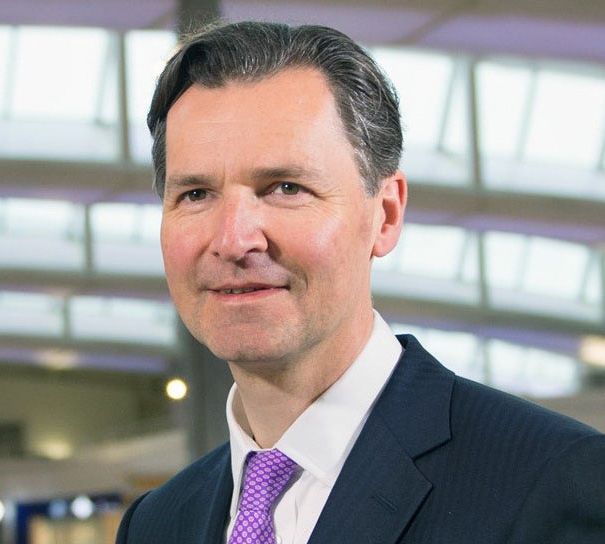
COVID
  RECOVERY                                                                                                              14    www.covidrecoverycommission.co.uk                                                                                         15
  COMMISSION

                                                                                                                                                                                         £

                                                                                                                                     Stronger economy                           Fairer economy                       More resilient economy

Section 1: Our vision for a
                                                                                                                                    The economy is bigger and                 Ensuring everyone has the                     Economic growth is
                                                                                                                                         more productive                       opportunity to fulfil their            sustainable in terms of people,
                                                                                                                                                                             potential, regardless of their              environment and finance
                                                                                                                                                                              background or geography

stronger, fairer and more                                                                                                          The economy is internationally
                                                                                                                                         more competitive
                                                                                                                                                                             Ensuring that we continue to
                                                                                                                                                                                                                       An economically diverse and
                                                                                                                                                                                                                       tech enabled economy which

resilient economy
                                                                                                                                                                                celebrate, promote and                   supports new businesses
                                                                                                                                                                              encourage existing success                       and sectors

Based on the analysis above it is clear that prosperity needs to be boosted
                                                                                                                              In terms of what that means in practice, the Commission        improvements in outcomes for all. And, as highlighted
in every nation, city, town and neighbourhood across the UK. Doing so will                                                    has set out three pillars that provide the foundations         above, delivering on net zero could present real challenges
require significant changes, which need to build on what has worked in                                                        through which these objectives can be achieved. The            for those individuals and communities currently reliant on
the past, learn lessons from previous failures, make the most of future                                                       first two focus on two of the defining challenges for the      jobs in industries most affected by the need to decarbonise.
opportunities and navigate the challenges that we will face.                                                                  UK, now and in the future; building globally competitive
                                                                                                                                                                                             That is why our third pillar of purpose-led business is so
                                                                                                                              industries and delivering net zero. We know that globally-
As leaders of businesses, Commissioners know that               Our conclusion is that the Government should have three                                                                      important. As a Commission, we believe that business has
                                                                                                                              focussed, vibrant, growing businesses and industries are
delivering on such an ambitious agenda requires clarity         core objectives that relate to its own levelling up agenda.                                                                  a strong role in ensuring that globally competitive industries
                                                                                                                              at the heart of economic prosperity and that, in future, our
over what it is that we want to achieve, and how it is that     These are to ensure that the recovery leads to the UK’s                                                                      and net zero are delivered in a way that secures prosperity
                                                                                                                              economic success must go hand in hand with delivering
we will seek to achieve it. That is why the Commission has      economy and society being stronger, fairer and more                                                                          for all. In this respect, we have much to contribute both in
                                                                                                                              decarbonisation.
spent time to lay out its vision for what the recovery should   resilient.                                                                                                                   our roles as employers, investors and innovators and also
achieve and the framework through which it should be                                                                          However, achieving these will not be enough to meet our        in the role we can, and already do, play in the communities
approached.                                                                                                                   objectives. As the last decades have shown, economic           in which we work.
                                                                                                                              growth and global competitiveness do not always guarantee

“The most important thing for government to do is to ensure that fairness is the guiding
principle behind every recovery policy that it develops.”                                                                     “It’s what businesses do with their profit that matters.”
Emmanuel Ogbonna, Chair of Welsh Government Commission into the Socio-economic Impacts of Covid-19 on BAME                    Jamie Driscoll, North of Tyne Mayor
Groups, Cardiff University
COVID
RECOVERY 16 www.covidrecoverycommission.co.uk 17
COMMISSION
Modern approaches
It is clear that delivering on our vision for the UK will require action where business, government and communities can
long-term action across many areas. As we highlight in work together to make a stronger, fairer and more resilient
our second report, this action is not for government alone. economy a reality.
for delivering national
In this report the Commission focuses on five areas for
Covid Recovery Commission: Organising framework
We want to achieve... A stronger, fairer and more resilient economy prosperity
Globally
Purpose-led
Achieving this will require delivering... competitive Net Zero
business
industries
Together our three pillars and five areas for action provide the basis of
Creating the conditions for innovation and value-added growth the “what”; the priority areas around which we need to come together to
Investing together in the skills of the future deliver against our common objectives. However, a key theme through
Which will mean government, business and
the Commission’s work has been that delivery is as important as policy
communities working together across five Investing in and delivering world class infrastructure
key policy areas...
development.
Decarbonising energy demand to deliver net zero
Building community and personal resilience “90% of policy is implementation not the idea.”
Andrew Wilson, former MSP and Chairman, Sustainable Growth Commission
That is why we have also sought to develop thinking on the financial control, tools and accountability they need to
“how”, and have built our proposals around a set of modern deliver them.
approaches for delivery. There are five key elements to our
● Collaboration: Building on Local Enterprise
modern approaches, which underpin this tripartite model.
Partnerships to create Local Prosperity Partnerships
These build on Commissioners’ experience as well as input
that bring together business, government, institutions
from a wide range of stakeholders, including our Policy
and civic society around a common goal.
Panel and Advisory Group.
● Purposeful stakeholder capitalism: Purpose-
● Accountability: Setting clearly defined objectives and
led businesses leading delivery, with businesses
metrics that allow us to make decisions and monitor
committed to playing their full role in society.
progress. This should be delivered through National
and Local Prosperity Scorecards that measure ● Consistency: Working together within a stable and
economic, social and environmental outcomes for long-term policy and regulatory framework.
people and places across the UK.
● Tailored responses: Requiring the creation of Local
Prosperity Strategies and giving local leaders the
COVID
  RECOVERY                                                                                                              18    www.covidrecoverycommission.co.uk                                                                                        19
  COMMISSION

Accountability: Success will rely on having clearly defined objectives and metrics and using data to make decisions and       Tailored responses: With poverty and inequality spread right across the UK, success will mean ensuring that prosperity
monitor progress. We believe that this should be delivered through a National Prosperity Scorecard. This must be visible to   rises in all parts of the country. However, the nature of the opportunities and challenges varies greatly between regions
ensure transparency, clarity and accountability and include measures of factors that underpin national prosperity including   and communities, and policy responses will need to reflect these differences. This means that we need to understand
business environment, education, productivity, institutional performance, health and natural environment.                     these differences, build plans and track progress on delivering prosperity at a local level. Sub-national (as well national)
                                                                                                                              politicians and policymakers will also need to be held to account against a consistent set of metrics.
“We should be focused collectively on outcomes and Covid has made this more important.
We need a wider basket of measures - a balanced scorecard - against which progress can
                                                                                                                                       Recommendation: Develop Local Prosperity Strategies
be measured.”
Combined Authority Policy Panel member                                                                                                 Legislation should be amended to require that all Mayoral Combined Authorities, Unitary Authorities and
                                                                                                                                       Local Authorities are covered by:

Measures should also identify inequalities in outcomes between different places and people. An approach can be built                   •   An assessment of their performance against the measures developed in the National Prosperity
from work to measure the impact of the previous Industrial Strategy15 and other internationally recognised measures of                     Plan; and
national prosperity.16
                                                                                                                                       •   A Local Prosperity Strategy based around delivering a stronger, fairer and more resilient economy.

“Equality and human rights have to be built into the associated investment, decision-
making and progress measurement if this promise is going to be delivered effectively.”
EHRC written submission to the Commission                                                                                     But plans and measurement alone are not enough. International evidence suggests that successful strategies to build
                                                                                                                              prosperity in places that have previously been left behind requires sub-national policymakers and politicians to be provided
                                                                                                                              with the tools and finances they need to make a difference.

         Recommendation: Develop a National Prosperity Scorecard
                                                                                                                              “The Combined Authority has given us clarity of intent over the problems we want to
         The Government should develop a clear set of metrics within a National Prosperity Scorecard, against                 address locally and to bring actors together to solve them.”
         which Levelling Up, or the creation of a stronger, fairer and more resilient economy can be judged.                  Combined Authority, Policy Panel member

With clarity over a National Prosperity Scorecard, a clear plan can then be made for how progress against this scorecard      “At the local level we can have a whole system view of how to effect change and meet our
will be achieved. The Government’s Plan for Growth has many strengths, including its focus on growing existing and            challenges.”
building new net zero industries and driving international competitiveness of the UK’s high-growth, innovative businesses.    English Mayor, Policy Panel member
It also highlights the need to develop infrastructure and skills to support these goals and level up the country. Business
stands behind these ambitions and now needs more detail of a strategic approach that can go further than the initial
Plan for Growth to outline how we can work together to deliver the innovation and investment needed to deliver globally
competitive industries and prosperity across the UK.                                                                                   Recommendation: Provide sub-national political leaders with the powers to deliver

                                                                                                                                       The Devolution White Paper should outline a clear plan to simplify, provide consistency, strengthen and
         Recommendation: Develop and deliver a National Prosperity Plan                                                                extend existing devolution arrangements in England. In particular, this should:

         The Government’s Plan for Growth has made a start, but we need to go further to ensure that recovery                          •   Create one strong local decision-making institution in each area: Starting with Mayoral Combined
         delivers a stronger, fairer and more resilient economy. This should be reflected in a National Prosperity                         Authorities and laying the foundations for Unitary Authorities/Counties to stand alone, combine or
         Plan, that shows how progress against the Prosperity Scorecard will be delivered.                                                 create new MCAs where they lack the scale needed.

         This should include work to identify the industries and sectors that are strategically important to the UK,                   •   Give these institutions the tools they need: Set out proposals for ensuring that local areas have the
         both now and in the future and outline clear ambitions for the role that these industries and sectors can                         policy and financial tools they need to deliver against these strategies, including multi-year, single-
         play in delivering national prosperity.                                                                                           pot funding settlements and new revenue raising powers.
COVID
RECOVERY 20 www.covidrecoverycommission.co.uk 21
COMMISSION
Collaboration: Successful local and national Prosperity Plans will need to integrate everything which is great about Britain:
leading universities, world-class innovation and R&D, our businesses and financial system, our democracy, our institutions
Recommendation: Create Local Prosperity Partnerships to cement collaboration
and governance. This will mean ensuring both that these engines of growth and prosperity are turbocharged in the next
decade and that business, government, institutions and civic society work together in a fully integrated fashion. The Government should build on and rebrand LEPs to create Local Prosperity Partnerships (LPPs) that
bring together businesses, local decisions makers and citizens to contribute to and deliver on Local
Prosperity Strategies.
“All areas of society, government and businesses are becoming more interrelated, driven by
the need for collective efforts to tackle the global challenges we face e.g. climate change, • LPPs should support MCAs / UAs in setting strategy as well as playing a key role in delivery and
physical and mental health.” coordination, including business support for SMEs.
Ian Funnell, CEO UK and Ireland Hitachi ABB
• LPPs should be provided with sufficient revenue funding to deliver the range of business support
and engagement needed.
We can already see progress on this front. With government and business working in collaboration to tackle issues like • LPPs should be given a formal remit to build engagement and consultation on infrastructure
climate change. development, net zero and business investment (financial and otherwise) in local communities, in
order to meet the Local Prosperity Strategy.
Case study: The Jet Zero and Carbon Capture, Usage and Storage (CCUS) Councils
The drive to deliver net zero carbon emissions by 2050 is one area where we are seeing significant Purposeful stakeholder capitalism: Central to the Commission’s vision is purpose-led businesses leading delivery, with
collaboration between business and government - as well as other stakeholders such as academics - to businesses committed to playing their full role in society. As our second report highlighted, as well as being the drivers of
deliver a set of long-term and strategic aims. One of these, as discussed in our second report, is the growth and job creation, businesses already play significant and wide ranging roles across the delivery of many shared
CCUS Council, which advises the Government on deploying CCUS in the UK at scale from the mid-2020s societal objectives. That report shows how, with the right support from and collaboration with government, businesses could
through to the 2030s. be empowered to go further. To this end, Commissioners have come together to jointly agree the following commitments.
Another example of this is the Jet Zero Council, whose role is to help ensure that the fuels and technologies
that will deliver low and zero carbon aviation in the future are developed in the UK. The membership of
“Business needs to step up and lead the Covid recovery, articulating what they need to help
the Council includes several ministers, Heathrow, Rolls Royce, Shell as well as the Civil Aviation Authority.
drive the movement to reset and do things differently.”
In order to accelerate progress towards objectives, the Council has two delivery groups focussing
English Mayor, Policy Panel member
respectively on zero emission aircraft and Sustainable Aviation Fuel (SAF).
Source: Gov.uk18
1. Creating the conditions for innovation and value-added growth: Our companies invest hundreds of
Going forward, we need a mechanism through which such collaboration can become the norm in policy making and
millions in the innovations and technologies of the future. We pledge, however, to go further to help the
engagement. Local Enterprise Partnerships (LEPs), which have developed significantly over the last decade, already provide
UK become a world leader in developing new globally competitive sectors in the UK. To achieve this, we
a forum through which policymakers and businesses engage and businesses can seek support and guidance. They also
pledge to:
play a key role in promoting university-business collaboration to drive innovation. There are 156 university leaders on LEP
boards, and LEPS are involved in 292 collaborations with universities.17 This should be built upon by strengthening and • Share our knowledge, networks and expertise across our different sectors, geographies and internal
focussing the existing work that the LEP network takes forward. experts to support the creation of new globally competitive industry clusters in every part of the UK
by 2030.
• Partner with the Government on priority workstreams that can create UK competitive advantage and
drive economic growth, such as sustainable aviation fuel; CCS and hydrogen; the take-up of electric
vehicles; and delivering net zero Homes.COVID
RECOVERY 22 www.covidrecoverycommission.co.uk 23
COMMISSION
• Address the digital skills gap of the future by adopting programmes to support new digital skills, 5. Building community and personal resilience: Businesses have a key role to play as ‘Good Work’
such as the FastFutures programme. employers. We are strongly committed to taking measures to support our colleagues’ physical and
mental wellbeing. We pledge to:
2. Investing together in the skills of the future: Our companies represent some of the biggest investors
in traineeships and apprenticeships in the UK. We recognise, however, that businesses will need to go • Support the Government in exploring a new voluntary ‘Good Work Standard’ that builds on the
further and faster to support communities across the UK to recover from the pandemic. We pledge to principles of the Good Work Plan.
work with the Government to:
• Invest in the communities in which we operate and support the Government in establishing new
• Reform the Apprenticeship Levy to help unlock new training and apprenticeship opportunities across Community Social Value Plans and a Community Infrastructure Endowment Fund to support match-
all parts of the UK. funding of business investment in local areas.
• Assess the potential for Individual Learner Accounts and other best-practice schemes that have • Support the development of a ‘Wellbeing at Work Guarantee’ to ensure that employees across the UK
been implemented overseas. have access to and knowledge of key mental health resources.
• Seek to increase private sector training opportunities that enhance social mobility and support
young people most impacted by Covid-19.
3. Investing in and delivering world class infrastructure: We are committed to and excited about Consistency: For business to play its full role in delivering the National Prosperity Plan, it needs the right environment.
the opportunities to invest in the UK’s future infrastructure, whether it is in transport or clean energy. This will mean working together with government within a stable and long-term policy and regulatory framework. Clarity
Companies make investment decisions for the long term. To aid the Government in developing long-term is needed across many areas, including how the Government will work with business in the long term to deliver our joint
strategies, we pledge to: objectives. This will mean setting out clear roadmaps for taxation, spending and investment and, where Government is
using incentives to promote particular activity, ensuring that these are committed to over the long term.
• Share our insights and expertise with the National Infrastructure Commission, outlining the
decision-making timeframes of our companies and the key factors that will allow the UK’s business
community to further invest in the UK’s core infrastructure.
“Changing political leadership means ever changing schemes and initiatives, rather than
• Provide advice, expertise and resources (such as access to in-house experts) as the Government focusing on successfully delivering existing ones.”
Tim Pitt, former Treasury Special Advisor
seeks to create a new Government Consulting Service.
• Work with the Government to try and boost the number of UK based suppliers who benefit from
major projects in our relevant sectors.
Recommendation: Develop and stick to policy roadmaps
4. Delivering net zero transport, households and businesses: We pledge to work with the Government
to drive forward progress on net zero and we pledge to (Commissioners have set out examples of their To underpin investment from business, there is a need for a multi-year period of stability, certainty, and
initiatives and individual targets in the main report): transparency around tax policy, spending, infrastructure and investment, developed in close consultation
with business and other stakeholders. The Government should rapidly set out a multi-year policy roadmap
• Commit to deliver environmental leadership by setting stretching targets and taking comprehensive
covering, at the minimum:
measures to achieve net zero as soon as possible.
• Its Comprehensive Spending Review;
• Commit to supporting and working with the Government in the run-up to COP 26 to make the case to
our suppliers and customers about the importance of UK decarbonisation, supporting our ambition • Details of taxation plans for at least the remainder of the Parliament; and
for a National Conversation on Net Zero.
• Detail of how it will fulfill its commitment to increase public R&D spending to £22 billion a year by
2025, as part of bringing the UK’s R&D intensityCOVID
RECOVERY 24 www.covidrecoverycommission.co.uk 25
COMMISSION
1. Creating the conditions
for innovation and value-
added growth
Global Britain is rightly a key part of the Government’s policy agenda. Of
course, the innovation, investment and growth needed to drive globally
competitive industries are all ultimately led and delivered by business. But
there is a clear role for the Government to work with business and be active
in setting the national framework within which these industries can flourish.
That is why the Government’s National Prosperity Plan should include an
honest assessment of our existing strengths and weaknesses, along with
Section 2: Policies to packages of policies to build on and tackle these.
One obvious area of focus is where the UK’s regulatory and investment decisions often resting on whether the
support a stronger, fairer
framework harms our international competitiveness and regulatory framework can support their growth objectives.
makes it harder for firms to innovate, invest and grow. These decisions ultimately have huge consequences for UK
Examples raised by Commissioners and stakeholders prosperity and the wellbeing and living standards of future
and more resilient economy
include in digital and technology, where the UK has the consumers, yet regulators have no formal objectives to
potential to be a global leader, but the current UK regulatory consider competitiveness, the investment environment and
environment risks giving an advantage to international growth. To address this, regulators should be given a UK
competitors. Of course, the UK has a well established Competitiveness objective to sit alongside competition and
and internationally recognised regulatory system, and consumer protection objectives.
With the right approach to delivery and collaboration set out, the rest we certainly do not want a race to the bottom, to the
detriment of consumers. However, we are working in an
of this report turns to consider each of the five areas of action that the increasingly international context, with firms’ location
Commission has highlighted as priorities. For each area, it outlines some of
the key opportunities and challenges that lie ahead, and the Commission’s
contribution to the policy agenda that will be needed to deliver on our vision.
“... the UK is good at start-ups, not so good at scale-ups. Again institutional money could
What is clear is that there is no silver bullet and these experts, academics and civil society groups we hope help if a small proportion of a default pension fund could be invested into private assets of
recommendations are not intended to provide the last our recommendations lay the foundations of continued this type. This is currently difficult from a regulatory perspective.”
word on how to deliver the Commission’s vision. Instead, collaboration in policy design and delivery that can lead to John Godfrey, Legal & General
shaped by our conversations with business leaders, subject green growth and prosperity in the next decade and beyond.COVID
RECOVERY 26 www.covidrecoverycommission.co.uk 27
COMMISSION
74%
Recommendation: Policies to unlock investment and competitiveness 74% of export-related jobs are outside of London. The export market for the UK’s green
sector is estimated to be worth £170 billion a year by 2030.23
A) Introduce a UK Competitiveness duty for regulators - ensuring that decisions and actions they take
carry due regard to the competitiveness of the UK economy, including the investment environment and
growth. This would ensure that regulators consider the long-term consumer and societal benefits of
globally competitive industries as well as shorter-term consumer protection and competition.
Building exports across the UK businesses rely on air routes, not shipping, but too many
B) Introduce legislation and regulatory changes to unlock ‘patient capital’ from institutional investors to
long haul routes can currently only be accessed by flying
remove barriers associated with investing in venture capital and growth equity within DC pension funds, A strong export market, driven by innovation and built on
through EU hub airports. The Government should ensure UK
this could allow for tens of billions pounds of additional investment into high growth potential companies a strong domestic supply chain, will help create growth
exporters and their goods have direct and frequent access
in the UK. to fund public services, improve productivity (exporting
to all growing markets of the world by ensuring there are
businesses are more productive), create jobs and help level
regular year round direct flights from the UK to all major
up the country.
global cities, ensuring that the UK keeps control over its
To be successful, we need businesses of all sizes to benefit trade routes. It should also ensure that key regional centres
There were 5.94 million SMEs employ 16.8 without direct and fast rail access have guaranteed year
99.3% 70%
from export opportunities. This will mean supporting more
small businesses (with 0 million (61% of the total) round access to the UK’s hub airports.
UK businesses to find and build global markets for their
to 49 employees), in 2020 - and account for more
products and services. In this respect, international trading
99.3% of the total business. than 70% of job creation We also need to ensure that the benefits of exporting can
routes are just as important to our economy as roads
be accessed by all firms, particularly SMEs, where current
FSB21, Nesta22
and rail. Many exporters, especially SMEs and service
export potential is not being realised.
As well as improving the business, investment and productivity-limiting challenges SMEs face: shortcomings
innovation environment generally, the Government’s in management skills and low adoption of technology. The
approach must also focus specifically on supporting British Government’s new Super Deduction for capital allowances
SMEs to flourish. The reason is clear: SMEs account for the
majority of businesses, employment and job creation in the
UK.
could also provide welcome support. However, both
schemes are relatively narrowly drawn and may not provide
the support that SMEs need to boost productivity and grow
375,000 375,000 SMEs have exportable products and services but are not
currently exporting.24 Capital Economics for Sage
in an increasingly digital economy, where software and
Part of this will mean ensuring that the Great British Supply
cyber security are regularly more relevant than plant and
Chain is reinvigorated and is the driving force behind our
machinery. For this reason, we believe that the Government
globally competitive industries (see below). However, there The Government has already taken positive steps in this
should commit to reviewing both schemes with businesses
are also specific areas where the Government can and direction with the announced creation of the first eight new
to ensure that, as they evolve, they are tailored so that
should do more. In part, this has already been acknowledged Freeports across the UK.19 For those areas that stand to
SMEs can access the productivity and market enhancing
through the Government’s recently announced Help benefit, these come with a range of trade simplifications,
technology and software that drives digital adoption.
to Grow scheme, which aims to tackle two of the big tax incentives and likely support for businesses looking to
locate within and use the Freeport. But there is no reason
why all parts of the UK cannot enjoy the benefits of trade
simplification and doing so could deliver a much needed
Recommendation: Boosting digitally-driven productivity in SMEs.
boost to SMEs export potential. To deliver on this, we believe
Government should work with business to ensure that, as they evolve, Help to Grow: digital and the that the Government’s existing Help to Grow scheme for
Government’s Super Deduction regulations are tailored to help SMEs access the productivity and market SMEs should be extended to focus on exports potential as
enhancing technology and software that drives digital adoption. well as management and digital adoption.COVID
RECOVERY 28 www.covidrecoverycommission.co.uk 29
COMMISSION
Recommendation: Launch Help to Export Scheme to support a national exports drive Catapults - supporting innovation and growth
A) Ensure that the Government’s £5,000 Help to Grow grant for businesses investing in productivity The UK’s network of catapults support innovative businesses of all sizes to scale up through providing
enhancing software applies to technology needed to use and manage existing trade facilitation a range of services around infrastructure, technology, and support in testing and demonstrating. They
mechanisms. have collectively engaged in over 14,000 collaborations with industry since 2013. The Catapults receive
around a third of their funding in core grants through central government, a further third from collaborative
B) Make investments in technology, advice and compliance activities that facilitate exports, tax deductible
funding bids, and a third by selling their services to the private sector.
along the lines of the 2021 Budget’s Super-Deduction.
One example of their impact is the Energy Systems Catapult Living Lab - a real world test environment of
C) Introduce Help to Grow: Exports for up to 30,000 SMEs over the next three years. This would
100 digital homes to help innovative firms test new solutions with real customers. This included AirEx, a
complement the proposed intensive management training with a tailored programme of learning, training
company using an intelligent air brick to provide smart ventilation controls which help to deliver warmer
and mentoring for SMEs with export potential.
homes, lower bills, and better indoor air quality. This support was instrumental in helping AirEx scale their
D) Ensure there are regular year round direct flights from the UK to all major global cities, to ensure that business by increasing their turnover five fold and doubling their number of employees. Longer term - up
the UK keeps control over its trade routes. This should include the ambition to replicate pre-Covid levels to 40 million homes across Europe could benefit from using their innovation.
of North American connectivity with India and China.
Source: Catapult Network and House of Lords Technology Committee26
Supercharging and connecting innovation UK. International evidence also shows that where research
activity and scientific expertise, business, finance, government and
Recommendation: The Government should commit to the development of ‘Catapult Quarters’ to create new
local society come together to deliver a shared plan, the
Alongside policies to unlock investment, boost SMEs and poles for innovation, productivity growth and the foundations of Global UK.
result can be a significant boost in prosperity.20
drive UK exports, there is a more general need for the A) Increase the number of and funding for Catapults, in order to deliver national and local Prosperity Plans.
Government to connect the dots across the policy sphere This is not something that has gone unnoticed. Other
Funding could match Fraunhofer Institutes in Germany, meaning a core grant that was around £500 million
and leverage the private sector. For example, as we strike reports have suggested the development of new zones
larger. We could expect this would unlock around another £500 million in private R&D investment, in line with
trade deals we should: ensure that transport policy supports (e.g. Accelerator Zones, that give incentives to University-
their ‘thirds’ model.
getting people and goods to those markets; invest in our led innovation zones). What is most important is building
digital infrastructure to boost productivity and meet the on existing successful models and ensuring that the B) The Government should commit to the development of ‘Catapult Quarters’ to create new poles for
needs of growing businesses; and tailor our education and collaboration, chance meetings and sharing of ideas innovation and productivity growth. These should provide a number of incentives, including relaxations on
training system to give people the skills they need to thrive that make existing clusters a success are amplified and skilled immigration, capital gains tax incentives and simplified planning rules. To ensure alignment, granting
in the new digitally powered industries. echoed across the UK. Given the importance of digital to of these zones should be reliant on a business case, that is supported by local government, businesses,
our future global competitiveness, it is also essential that citizens and a higher education institution. It should also demonstrates how the Quarter fits within a Local
Part of this needs to build on significant evidence of what is Prosperity Strategy and how they will collaborate with and work alongside Freeports and existing University-
any emerging zones have the right digital infrastructure and
currently working well in UK innovation. For example, there led Innovation Districts.
support.
are already a range of successful Catapults, University-led
Innovation Districts and emerging Freeports across the C) Support the Digital Catapult to establish a centre in each Catapult Quarter, so that it is providing “localised
and tailored services” in all parts of the UK, to supercharge innovation, investment and business growth.
Source for Catapult Quarters: CBI25You can also read


