An Overview of Developments in Community and Neighbourhood Governance - workshop series Making Community Governance - IPAA SA
←
→
Page content transcription
If your browser does not render page correctly, please read the page content below
An Overview of Developments in
Community and Neighbourhood
         Governance

        A presentation by Peter McKinlay to the
    workshop series Making Community Governance
          Work for You and Your Communities

              September/October 2014
Introduction: The Great Governance Shift?

                                                From:

            Community or neighbourhood governance is about how councils make decisions for
                          and take initiatives on behalf of their communities

                                                  To:

                              A growing desire for shared decision-making

                                                 And:

           A necessary response to changes in the external environment – demographic change,
                the rise of metropolitan centres, globalisation, the impact of technology…
Purpose

               • Provide an overview of what’s been
                 happening in different jurisdictions with
The purpose      community governance including the role of
                 other entities such as major trusts.
   of this     • Consider the respective roles of the Gisborne
                 District Council and the Eastland Community
presentation     Trust.
               • Reflect what could happen with community
    is to:       governance either if councils actively take the
                 lead, or they don’t and the lead defaults to
                 others.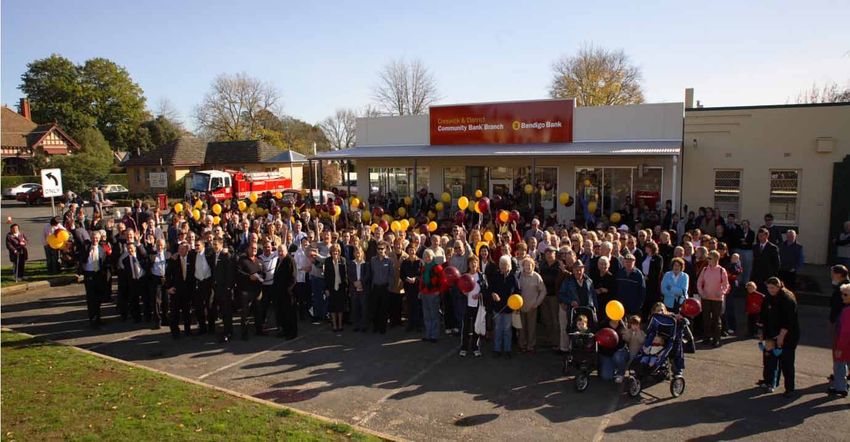
What Do We Mean By Community Or Neighbourhood
                Governance?

                         Really difficult to pin down.

            Sensible not to get carried away by trying to set clear
                    boundaries on what is and what isn’t.

                Community or neighbourhood governance is a
            collaborative approach to determining a community’s
            preferred futures and developing and putting in place
                         the means for getting there.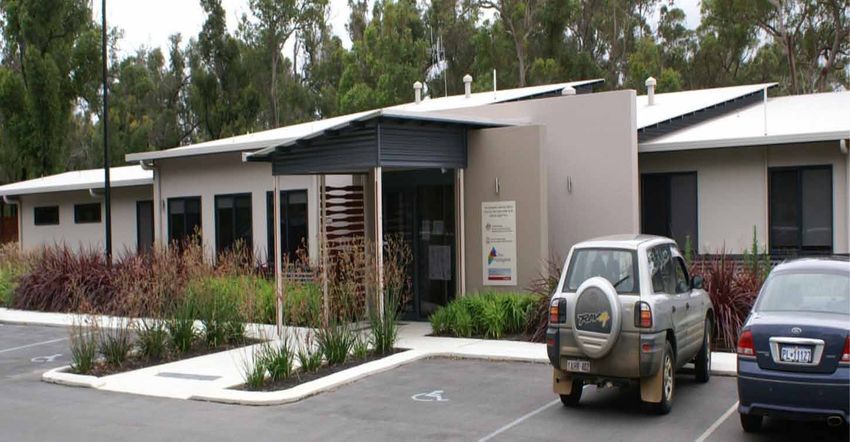
Some Long-Standing Examples
                           Community
                          development
                        (“Guerillas in the
                         Bureaucracy”).
      New Zealand
   community boards                            “Regime theory” –
     and Australian                              collaboration
        Council                                  among elites.
      committees.

       Parish or                                 Neighbourhood
    neighbourhood                              associations – many
       councils.                                    US cities.

                      Community planning
                      – English villages and
                         country towns.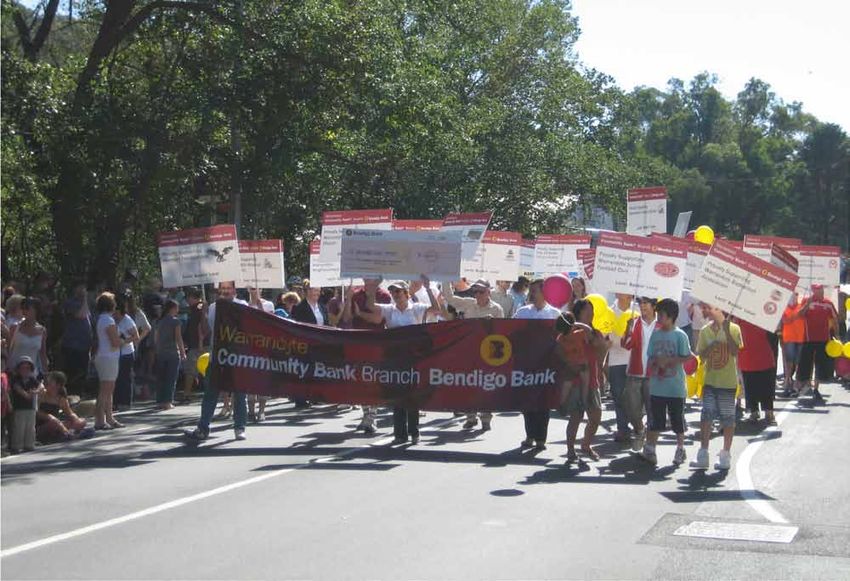
Some Recent Developments and Practices

                            Community planning
                               in Victoria.

                                                      The English Lyons
      Non-traditional                                 Inquiry into Local
    entities – trusts and                            Government – place
       foundations.                                     shaping as the
                                                        principal role.

                                                          The IAP2 public
     Localism (and
                                                           participation
       austerity).
                                                            spectrum.

                                                 “consultation” to
               Co-design.
                                                  statutory rules.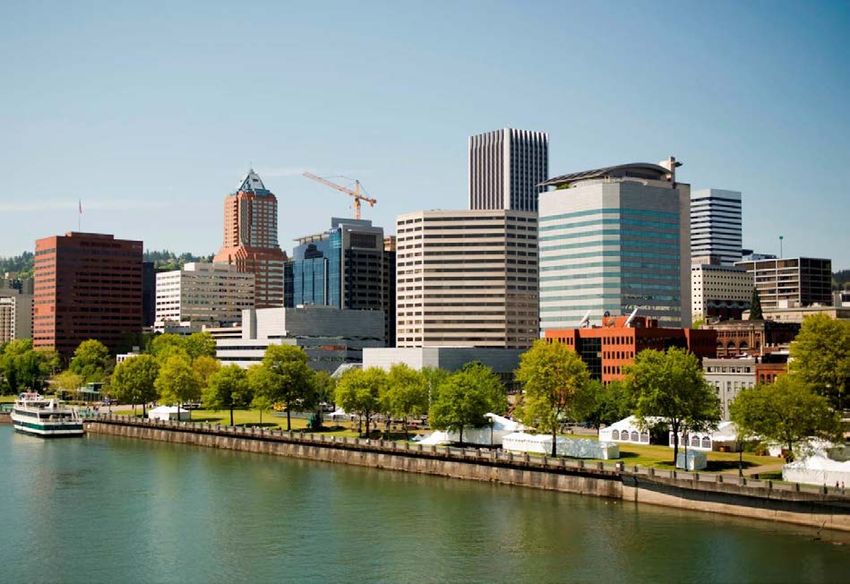
The Balance Of This Presentation

More details on a number of the themes already touched on.

The value proposition for councils, higher tiers of government
and communities themselves.

The implications for the future of local government including
the potential for local government increasingly to be bypassed
in the governance of the communities it currently serves.

How People Want To Engage

                  Attitudes are changing.

       Voting is no longer enough, and may not even
                be relevant for many people.

       Residents not just as voters, but as customers,
      and crucially as people who want to share in the
             decisions which affect ‘their place’
Engagement by Higher Tiers of Government

Higher tiers of government working directly with
communities, often bypassing local government.

In England, much of the Localism initiative.

In Australia initiatives such as the Department of Human
Services Better Futures Local Solutions.

In New Zealand, the Social Sector Trials.

A Shift to Bottom-Up Governance
      (1) Enabled by Councils

Neighbourhood or community associations.

Community boards.

Victorian style community planning.

Council committees.
A Shift to Bottom-Up Governance
(2) Driven By Resource Constraints
Cooperative Council – the London Borough of Lambeth
and the Cooperative Councils network.
The London Borough of Barnet – the commissioning
Council and the use of social enterprise. “As a
Commissioning Council, Members and officers will work
with residents to set the strategic priorities of the
borough, in the context of the available resources, and
agree a set of outcomes that reflect the needs of
residents.”A Shift to Bottom-Up Governance
(3) Community Initiatives
Porirua City Council Village Planning – triggered by an
approach from the Residents Association for Council
assistance in developing a plan for their village.
Community planning in England – more than 3000 voluntary
community plans over a 20 year plus period.
Crucially and still highly unpredictable the potential for
technology to replace and side-line much of local
government’s role in community governance and leadership.Non-Traditional Entities
The growing role of non-traditional entities in community
governance – distributing discretionary funds with the
purpose of improving community outcomes.
Australia’s community banking network.
Community foundations.
New Zealand’s community trusts (which inherited the
ownership of the former regional trustee savings banks)
and some energy trusts, notably Eastland.The Value Proposition
For councils, better knowledge, better decision-making and
greater legitimacy – Waverley and Thames-Coromandel.
For higher tiers of government access to community
knowledge and networks to improve the targeting and
delivery of major social services (recent UK estimates
predict better services and savings of billions of pounds).
For communities, sharing in decisions which affect ‘their
place’ or lifestyle; access to crucial support for
capacity/capability building.Implications for the Future of Local Government The basic assumption: local government will always be with us, and will always be the lead player in community governance. The emerging reality: Community governance is becoming multifaceted and communities have a number of potential partners. Whether local government as we know it will always be one of those partners is far from guaranteed.
Coromandel:
surfing the
wave of
Community
Empowerment

Moving “good examples” to become everyday normal
TCDC Community Empowerment
•   Decentralised service delivery, budget and decision-
    making delegations, revenue setting, planning & devt.
•   Integrating local leadership with District for One Vision.
•   TCDC Changes to Boards: Scope, budgets, delegations,
    Area Offices, cost efficiencies, capital mngt, leadership.
Coromandel democracy
Highly engaged peoples with
strong desire for local
democracy & decision-making
Coromandel Dislikes:
• Glass Tower decision-
making from centrist
organisations
• One size fits all
• Bureaucracy
• Slow, inflexible decisionsWhitianga Area Office
Harbour Pontoon Project 2013
The Think Feel Tank Team of the People of Whitianga NZ
Board Decision-making
analysed- 22 pages of statistical
tests including the Kolmogorov- Conclusion: The Board’s
Smirnov test… decision was flawedCost efficiency achieved
$120
External Debt
$110
Debt
$100
Tracking:
$90 2012 Budget
$Millions
$80 2009 Budget
$70
$60
$50 Actual Spend
$40
2009/10 2010/11 2011/12 2012/13 2013/14 2014/15 2015/16 2016/17 2017/18 2018/19 2019/20 2020/21 2021/22
Actual/Forecast Final Adopted 2009 TYP Draft 2012 TYP Final Adopted 2012 TYPCost efficiency achieved
$3,000
District Average Rates
Rates
$2,800 Tracking: 2012 Budget
$2,600
2009 Budget
$2,400
$2,200
Actual Spend
$2,000
2009/10 2010/11 2011/12 2012/13 2013/14 2014/15 2015/16 2016/17 2017/18 2018/19 2019/20 2020/21 2021/22
Actual Final Adopted 2009 TYP Draft 2012 TYP Final Adopted 2012 TYPChallenges • Change from a centrist council; • Cost trade-offs to build up Area Offices; • Capital management tightened; • Councillors’ roles clarified; • Community expectations; • Still a work in progress in 2014.
What they say:   “The doomsayers told us we would be
                 crippled by personal grievances, our
                 services would collapse and communities
                 would send rates sky-high wanting every
                 project under the sun.
                 “It was a hell of a big change to staff but
                 we weren't crippled by personal
                 grievances. The next year, in 2013, we
                 had the highest ever public satisfaction
                 with many of our main services, and
                 average total rates dived to the lowest per
                 property in the Waikato in 2013 as our
                 costs came under control."

                 Mayor Glenn Leach
                 TCDC
What they say: “In my view, more 'local' projects
have been completed under the
first year of Community
Empowerment, with
contemporaneous reductions in
rates, than had been completed in
several prior years of convoluted
and expensive bureaucracy."
Keith Johnson
Whangamata Community Board
ChairFuture?
“We think that power should be exercised at
the lowest practical level – close to the people
affected by decisions, rather than distant from
them.” (UK; Rt Hon Greg Clark, 2010)
“When you are talking about localism in NZ you
are running against a deep-seated ideology,
and it is one of the reasons why localism has
not made a lot of traction. The good news is:
Statism has peaked.”
(Rt Hon Bill English, in Hartwich 2013)Be part of
something bigger.
bendigobank.com.auSome background. Founded on the Bendigo goldfields in 1858. A single branch until 1978. Bank conversion in 1995 ($1 billion in assets). 600 (and growing) retail outlets and 2000 ATMs. Rapid growth and acquisitions. More than $53.5 billion in assets under management. 1.4 million customers. More than 80,000 shareholders. First Community Bank® branches established mid-1998. Founded to create a prosperous community.
Where are we now?
Market Capitalisation of $4.6 billion.

Leading Australian bank for customer satisfaction (Roy Morgan = 87% - big bank average 75%).

Bendigo Bank named one of Australia’s Top 20 brands by Interbrand.

Business bank of the year three years running.

Bendigo Bank named one of the world’s top ten sustainable stocks (companies) by sustainable
business.com

Leading bank for customer advocacy (more than 40% of our customers are happy to advocate for us).
But we’re more
than just a good bank.
$120 million invested back into Australian communities.

One of Australia’s biggest charitable foundations.

A leading tertiary scholarship program.

Social and environmental initiatives.

Staff volunteering and fundraising.
The Community Bank® model. The most
unique banking model and community
strengthening program in Australia.
The Community Bank® model.
Initially started in 1998 to replace closed bank branches.

Owned by community shareholders.

Community receives share of branch income.

Profits spent on local projects and dividends.

303 branches opened in the first 14 years – more than        Enabling local
half our retail network.
                                                             communities to
73 of last 100 branches had one or more existing banks.      take control of their
                                                             financial destiny.
What is community banking?
Bendigo and Adelaide Bank
Local shareholders provide start-up Local community
• Banking infrastructure capital • Staff
• Balance sheet
• Banking relationships
• Credit
• Business
• Marketing Local community elects volunteer
board
Board established local financial
services company
Community Bank®
Franchise Agreement
Up to 80% 20%
of profits of profits
distributed for distributed to
community shareholders
projects as dividendsOur value proposition. Bank with us because we have enabled incredible things to happen in communities across Australia. And you can be part of that, too.
Communities with cash in hand
– not just cap in hand.
A game changer.
illion $50 million $80
$40 m
tions millio
in community contributions
cont munit n
nity contribu in com
in co
mmu
arts w
ith
because choose Bendigo
ributi y $125
and i
tall st
ons million
d mo
re of
a
our c
t
omm
unity
.au/
to Australian
communities
ots k.com
for
apsh oban
endig
of lotchousands
ww.b .
shots
snap tch
by mid-2014.
d wa
al sto
m
ad an tories fro
Bendigo and Adelaide Bank Limited ABN 11 068 049 178 AFSL 237879. (S33086-A1) BEN50MP473 (02/11)
a n re
You c ys nly
u n it ere o
comm lia that w
ries
arketing Ad
poss . dress,
Tell us
ed
Limit 79.
www.be
ndigob yours
Bank 8 ank.co
laide AFSL 237
Bendig
m.au o and
d Ade
Adelaid
8 40 e Ban
go an 049 17 N50MB2
k Lim
ited
B en di 68 E
. ABN
11 06
11 0 8/10) B
8 049
178
A B N (0 80M4 AFSL 2378
536)
(S000
00) (da79.
(S30 te)
www.
uPeople power. Celebrating success with the opening of a new community enterprise.
Good for community.                                                                            Only                       Next generation evolution
                                                                                                                                 continues
                                                                                              Bendigo
                                                                                               Bank

                                                                                                                      Project to program

                                                                                              Leveraged project
                                                                                                collaborations

                                                                                       Larger community             Community forums/
                                                                                     infrastructure projects            planning

                                                                               Small community
                                                                             infrastructure projects

                                                        Advertising/promotions

                                     Grants/donations
                                                                           Any
                                                                          other
                                                                          bank
                      Sponsorships

                                                                                                                  Good for business.
Filling rooms across the nation.
Future ambitions
you should consider.
 Strengthening                           Transforming

 Keeping capital in the community.       Growing capital in the community.

                                         Investment in local enterprises
 A local investment option for locals.
                                         and innovation.

                                         Source of revenue, plus leadership
 Source of revenue for local projects.
                                         and innovation.
A future community investment
portfolio approach.
A focus on crucial local Community trust, confidence A future vision for the
change drivers. and engagement. community and economy.
Business and Build the Continue
economic impact of core social
development. business (SME investment.
finance).
Initiative alliances between Cross-network structures
Community Bank®branches to spread risk.
to achieve scale.
Transformational
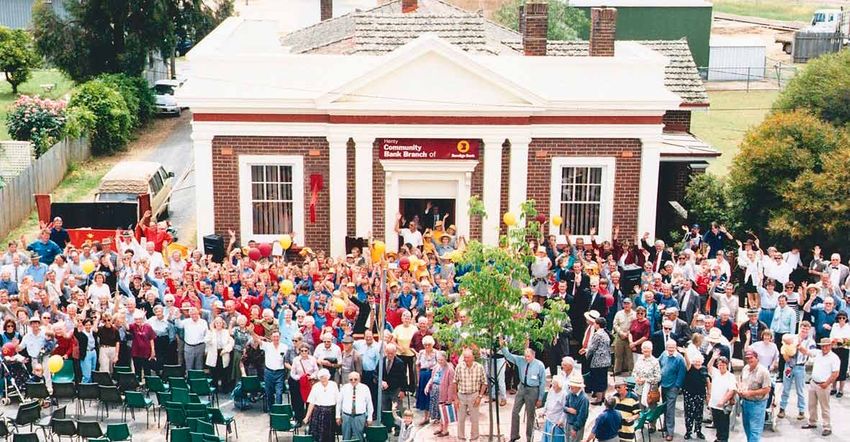
local impact.Highett (Melbourne) hydro-therapy pool. Wouldn’t have happened without the local Community Bank® branch.
Nathalia childcare centre.
Doug Lindsay Reserve Creswick.
New medical centre.
The Henty story.
Our third Community Bank® branch.
                                    Of all the things
                                    I have achieved
In a town of just 1,100 people.
                                    in my life, doing
                                    this for my
$150,000 per year profit.
                                    community is
                                    the greatest
Community vision.
                                    thing that has
                                    happened to me.
Leveraged funding.

                                    Milton Taylor
Leveraging investments to attract
new capital to the community.I
Community Bank® Local government
first dollar down. contribution.
Bigger
investment
and better
outcomes.
State government Federal government
contribution. contribution.bendigobank.com.au
The Portland Experience
A 40-year Journey Toward Stronger Community Governance
Portland, Oregon – Description
Location:             USA, West Coast, Oregon State
Population:           603,650 (city); 2.3 million (metro region)
Demographics:         White (75%), Asian/Pacific Islander (7.6%), African American (6.3%),
                      Latino (9.4%), Native American (1%)
Known for:            Land use planning, light rail, community involvement, sustainability
Economics:            Major port, high tech, timber/agriculture, athletic apparel, tourism,
                      creative industries, food, craft beer!
City Government:
• Government Form:    “Commission”—combined legislative and administrative roles
• Responsibilities:   Land use planning and development, streets, water, sewer,
                      police, fire, parks, etc.
• Budget:             $3.6 billon (USD) (2014-15)
• Revenue Sources:    Property taxes (40%), utility license fees (16%), business licenses (15.5%)

                          City of Portland, Oregon -- Office of Neighborhood Involvement
Community Governance/Strong
Democracy
Elements of “Strong Democracy”:
• Breadth: Ensure that a broad diversity of people and perspectives are involved and heard
• Depth: Community members have a real opportunity to affect outcomes
Governance Shift:
• Traditional: Top-down/expert-driven (“adult/child”)
• Community Governance: Community and local government partnership (“adult/adult”)
Why is Community Involvement Important?:
• Ensures better local government decisions that more effectively respond to the needs and priorities of the
community
• Engages community members and community resources as part of the solution
• Engages the broader diversity of the community—especially people who have not been engaged in the past
• Increases public understanding of and support for public policies and programs
• Increases the legitimacy and accountability of local government actions
City of Portland, Oregon -- Office of Neighborhood InvolvementPortland’s 40-year Experiment with
Community Governance
1970s: City Council creates community and neighborhood involvement
system—the core is Portland’s geographic neighborhood system
1980s: Neighborhood system expands and is institutionalized
1990s: System declines—some key programs end; funding stagnates;
increased calls to broaden participation
Early 2000s: Increased conflict between City Council and community
Mid to late 2000s: New populist mayor elected who reengages local
government with the community; major expansion of system to recognize
and support non-geographic communities; new small grants program
2010s: Continued work to strengthen community capacity; major focus on
improving local government community involvement; new strong focus on
equity
City of Portland, Oregon -- Office of Neighborhood InvolvementPortland’s Neighborhood Association
System
Local and District Neighborhood Organizations:
• 95 neighborhood associations—self defined; independent
• Must meet basic requirements to be formally recognized by city government
• 7 neighborhood districts—governed by the community; funded by the city government to provide support to
neighborhood associations
• Communications/outreach, leadership training, organizational management, strategic planning, information and referral, fund
raising, dispute resolution, community organizing, and policy advocacy
City Office of Neighborhood Involvement:
• Funding for community partner organizations; strategic planning, advice to local government agencies.
City Agencies:
• Formal notification to neighborhoods
• Budget advisory committees
• Neighborhood needs process
• Outreach and community involvement strategies
• Project advisory committees
• Local government boards and commissions
City of Portland, Oregon -- Office of Neighborhood InvolvementRecent Recognition of Non-geographic
Communities
• People define their “community” in different ways:
• geographic (e.g. neighborhoods)
• shared identity (e.g ethnicity, age, disability, etc.)
• shared issues/interests (e.g. environment, arts, sports, housing, transportation, etc.)
• Identify and support different types of community:
• Support people in organizing with others with whom they feel connected
• Encourage more people in these communities to be involved in civic life and
activities
• Build skilled leaders and strong community organizations and help groups connect
with other community organizations
• Help groups have an impact on local government decisions that affect their
community
City of Portland, Oregon -- Office of Neighborhood InvolvementOffice of Neighborhood Involvement—
Current Mission and Goals
Mission: Promote a culture of civic engagement by connecting and
supporting all Portlanders working together and with [local] government to
build inclusive, safe and livable neighborhoods and communities
Goals:
• Community Involvement: Increase the number and diversity of people
who are involved and volunteer in their communities and neighborhoods
• Community Capacity Building: Strengthen neighborhood and community
capacity to build identity, skills, relationships and partnerships
• Public Impact: Increase community and neighborhood impact on public
decisions
City of Portland, Oregon -- Office of Neighborhood InvolvementCity of Portland Public Involvement
Principles
• Partnership
• Early Involvement
• Building Relationships and Community Capacity
• Inclusiveness and Equity
• Good Quality Process Design and Implementation
• Transparency
• Accountability
City of Portland, Oregon -- Office of Neighborhood InvolvementStrategy for Building Local Government
Capacity to Partner with the Community
Policy/structures: Review existing policies and opportunities for improving and embedding effective
public involvement practices in the structures and culture of local government
Best Practices/Guidelines/Toolkits: Research specific practices and develop “how-to” guides and
tool kits:
• Outreach strategies for specific communities
• Toolkits: Process design, Meeting facilitation, Communications, Outreach strategies, Digital/online
engagement, Surveys, Interpretation/translation, ADA accessibility, etc.
• Participatory budgeting processes
• Neighborhood/community visioning/planning processes
• Capital project planning processes
Training/Outreach: Raise awareness of public involvement values and practices among local
government staff; offer trainings to build their capacity; encourage peer support
Evaluation/Research: Evaluate community involvement processes and projects and identify and
share lessons learned
Technical Assistance/Consulting: Advise local government agencies on process design and help
them evaluate and improve their community involvement policies, processes, and practices
City of Portland, Oregon -- Office of Neighborhood InvolvementDifferent Stages on the Journey to
Community Governance
• Traditional governance—little or no community involvement
• Formal public notice and public hearings
• Use of community outreach and involvement techniques for the
development of policies, programs, and projects
• Creation and support of a formal city-wide neighborhood system
• Creation of a broader system that recognizes and supports involvement by
many types of communities (geographic, identity-based, and interest-
based)
• Development of a broad strategy that builds capacity in the community
and in local government to work together as true community governance
partners
City of Portland, Oregon -- Office of Neighborhood InvolvementSome Lessons Learned
• Use a bottom-up approach
• Build relationships and trust on many levels
• Be willing to let your language evolve
• Use a multipronged approach—build capacity in the community and in city
government
• A strong political champion is essential
• Seed money is vital for building community capacity
• Stay the course
• This all takes time
• Tell the story to build broad support for community involvement
City of Portland, Oregon -- Office of Neighborhood InvolvementTo learn more about Portland’s
experience:
City of Portland Office of Neighborhood Involvement:
www.portlandoregon.gov/oni
Paul Leistner, Ph.D.
Neighborhood Program Coordinator
City of Portland, Office of Neighborhood Involvement
City Hall, 1221 SW 4th Ave., #110, Portland, OR 97204, USA
W: 503.823.5284, Fax: 503.823.3050, TTY: 503.823.6868
paul.leistner@portlandoregon.gov
City of Portland, Oregon -- Office of Neighborhood InvolvementYou can also read


