Queensland Housing and Homelessness Action Plan 2021-2025 - Building on strong foundations
←
→
Page content transcription
If your browser does not render page correctly, please read the page content below
Queensland Housing
and Homelessness
Action Plan 2021–2025

Building on strong foundations

Queensland Housing and Homelessness Action Plan 2021–2025
© State of Queensland (Department of Communities, Housing and Digital Economy) 2021.

Published by the Queensland Government, Department of Communities, Housing and Digital
Economy, 1 William Street, Brisbane Qld 4000, Australia.

Licence

Licence: This work is licensed under the Creative Commons CC BY 4.0 Australia Licence.
In essence, you are free to copy, communicate and adapt this work, as long as you attribute
the work to the State of Queensland (Department of Communities, Housing and Digital
Economy) 2021. You must keep intact any and all copyright notices in the works as indicated
by the symbol ©.

To view a copy of this licence, visit
http://creativecommons.org/licenses/by/4.0/

Attribution
Content from this work should be attributed as: The State of Queensland,
Department of Communities, Housing and Digital Economy, 2021.

Interpreter

The Queensland Government is committed to providing accessible services to
Queenslanders from all culturally and linguistically diverse backgrounds. If you have
difficulty in understanding this document, you can contact us on 13 QGOV (13 74 68) and
we will arrange an interpreter to communicate the report to you. www.qld.gov.au/languages
Acknowledgement
We respectfully acknowledge the Aboriginal and Torres
Strait Islander Traditional Owners and Elders of the lands
and seas on which we meet, live, learn and work.

We acknowledge those of the past, the ancestors whose strength has
nurtured this land and its people, and who have passed on their wisdom.
We acknowledge those of the present for their leadership and ongoing
effort to protect and promote Aboriginal and Torres Strait Islander
peoples and cultures. We acknowledge those of the future, the Elders not
yet born, who will inherit the legacy of our efforts.

We recognise it is our collective efforts, and responsibility as individuals,
communities and governments, to ensure equality, recognition and
advancement of Aboriginal and Torres Strait Islander Queenslanders
across all aspects of society and everyday life.

The actions in this plan complement the actions being delivered through
the Aboriginal and Torres Strait Islander Housing Action Plan 2019-2023
and our ongoing partnerships with communities and councils to achieve
better housing outcomes for First Nations Queenslanders.

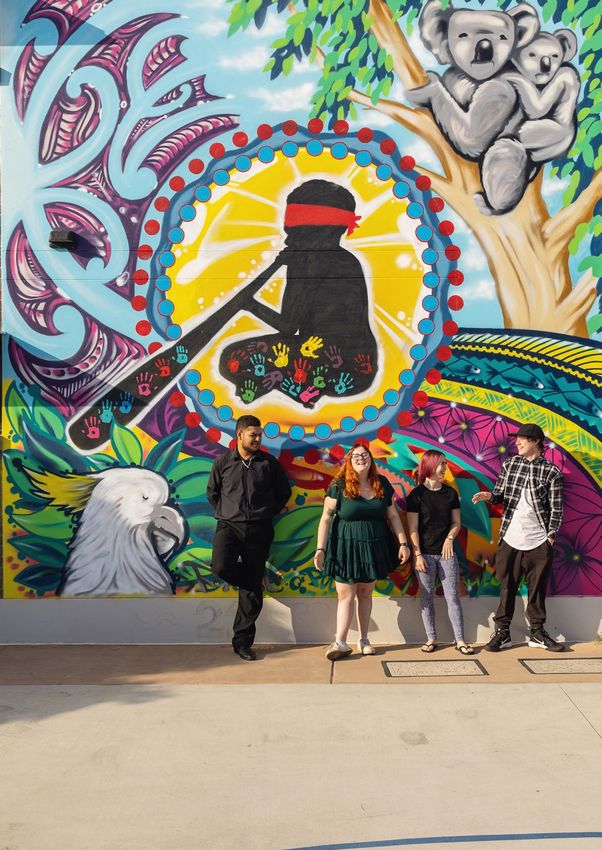
                                                                          Artwork adapted from original designs with
                                                                          permission from and credit to Brisbane-based,
                                                                          First Nations design studio Iscariot Media.

                                                                          The illustration represents new beginnings
                                                                          for Aboriginal and Torres Strait Islander
                                                                          Queenslanders, with a sun rising over a red earth,
                                                                          into a blue sky. The symbols inside the sun’s rays
                                                                          represent the three focus areas of the Aboriginal
                                                                          and Torres Strait Islander Housing Action Plan
                                                                          2019-2023: respond to individual needs, take a
                                                                          local approach and build a stronger sector.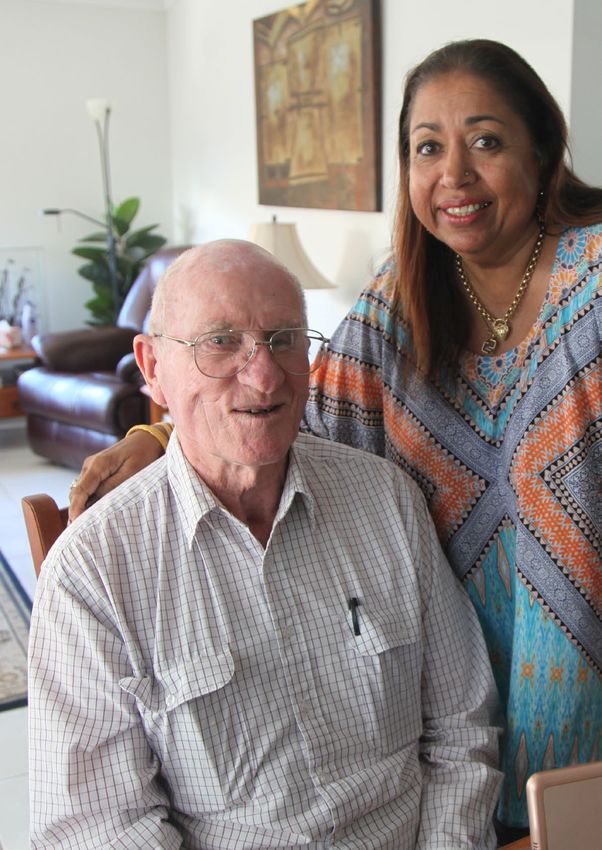
Minister’s message
Queensland is a great place to live. Despite the challenges we have faced in recent times,
more and more people are coming to our state to enjoy our lifestyle, our beautiful weather,
our education and employment opportunities and our vibrant communities.

Home values are booming across the south-east             We commit to greater service integration to better
corner as well as most of the eastern coast. While this   support vulnerable people and those experiencing
is good news for many homeowners, it is locking many      domestic and family violence. We will promote greater
first home buyers and people on low and moderate          access to the private housing market and continue to
incomes out of home ownership.                            work with the community housing and homelessness
                                                          service sectors, including enhancing our service
In the private rental market, people are having to pay    responses for women and children experiencing or at
more and are struggling to find homes that meet their     risk of domestic and family violence.
needs. Vacancy rates are at all-time lows state-wide.
                                                          We will continue to close the gap for First Nations
While housing has always been in demand, these            peoples by delivering tailored housing responses and
private market conditions in turn put pressure on         by reaffirming our commitment to and building on
social housing as those struggling to find a place to     work already delivered under the Aboriginal and Torres
call home look to the state for support.                  Strait Islander Housing Action Plan.
In launching this Housing and Homelessness Action         We will make a difference in people’s lives by ensuring
Plan 2021-2025, the Queensland Government                 a fairer and more accessible private market and greater
makes a commitment to address housing supply              provision of housing with support for vulnerable
and affordability, to drive a pipeline of social and      Queenslanders.
affordable housing for low to moderate income
Queenslanders. Through this Action Plan we will           We commit once again to the vision of the Queensland
take targeted action to tackle our state’s housing        Housing Strategy 2017-2027 – that every Queenslander
challenges and future-proof our service system to         has access to a safe, secure and affordable home that
ensure fewer people fall through the cracks.              meets their needs and enables participation in the
                                                          social and economic life of our prosperous state.
We are focussed on opening up new opportunities
to improve housing outcomes across all communities
in Queensland.

We will increase housing supply and development
across the state, further boosting the construction
sector and our economic recovery.

                                                          The Hon. Leeanne Enoch MP
                                                          Minister for Communities and Housing
                                                          Minister for Digital Economy and
                                                          Minister for the Arts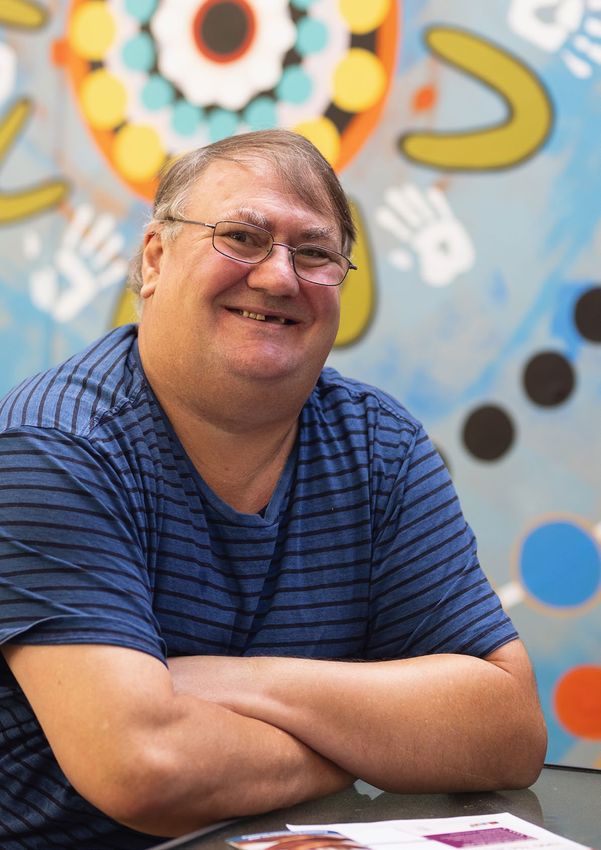
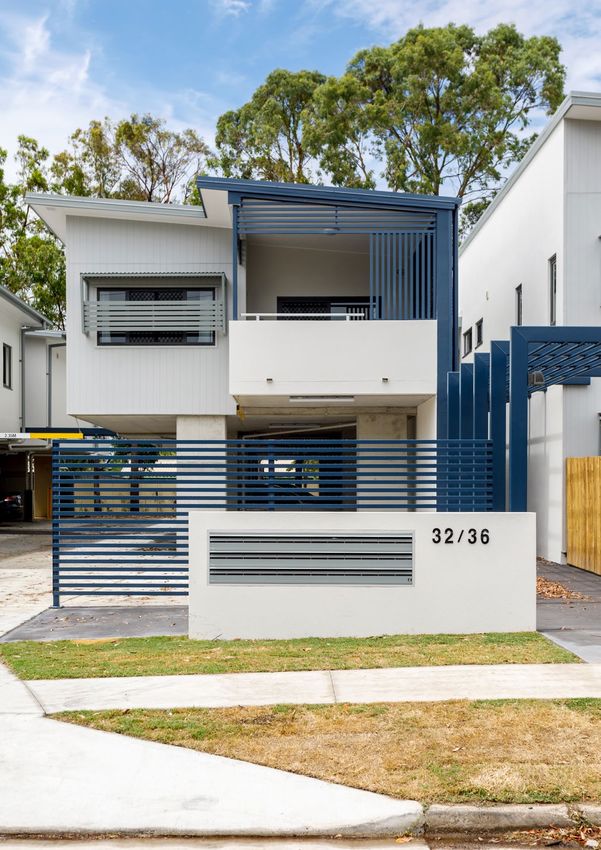
Queensland is delivering social housing
                                                             designed and constructed to enhance the
                                                             well-being of residents, enhance local street
                                                             scapes and better support our communities.

Bilin Place in Beenleigh. Mayhill Architects, BLD Building Legal & Development
Queensland Housing Strategy 2017-2027
        Housing is the foundation for good health, wellbeing and engagement with education,
        employment and community.

        The Queensland Housing Strategy 2017-2027 outlines        Aboriginal and Torres Strait Islander
        our vision for the state’s housing system and our
        commitment to making sure all Queenslanders have a
                                                                  Housing Action Plan
        pathway to safe, secure and affordable housing.           The Aboriginal and Torres Strait Islander Housing
                                                                  Action Plan 2019-2023 is a commitment for First
        The Housing Strategy sets out the Queensland              Nations peoples and delivers a framework through
        Government’s commitment to work with communities,         which we are working to respond to the housing
        industry and the housing and homelessness sector to       experiences and aspirations of Aboriginal and Torres
        deliver more social and affordable homes and better       Strait Islander Queenslanders.
        services for vulnerable Queenslanders.
                                                                  We facilitated the establishment of the peak housing
        The Housing Strategy is being delivered through           body, Aboriginal and Torres Strait Islander Housing
        multiple action plans, including the Aboriginal and       Queensland, representing First Nations housing
        Torres Strait Islander Housing Action Plan 2019-2023.     providers in Queensland. This new peak body is an
        Together, these action plans highlight the steps we are   important initiative under the Aboriginal and Torres
        taking to achieve the vision of the Housing Strategy.     Strait Islander Housing Action Plan and a necessary
                                                                  step in improving housing outcomes for Aboriginal and
                                                                  Torres Strait Islander peoples living in Queensland.
        Action Plan 2017-2020
        Under the Queensland Housing Strategy Action Plan         Our shared vision is that First Nations Queenslanders
        2017-2020, the Queensland Government has delivered        have access to safe, appropriate and affordable
        on an ambitious program of work, including:               housing that provides the foundation to close the gap,
                                                                  and improves health, safety, wellbeing, education and
        • new social and affordable housing, including in         economic outcomes.
          partnership with the community housing sector
                                                                  This Housing and Homelessness Action Plan 2021 - 2025
        • new products and services to assist people to           supports and complements the Aboriginal and Torres
          access housing through the private rental market        Strait Islander Housing Action Plan 2019 - 2023. Through
                                                                  this Housing and Homelessness Action Plan 2021 - 2025
        • a homelessness service sector that is more
                                                                  we build on these foundations, developing our key
          integrated with the broader housing service system
                                                                  partnerships, growth opportunities, integration with
        • new approaches and technology to ensure our             support services and communities and a safer and fairer
          service responses are person-centred                    housing system.

        • regulatory reforms to improve consumer protections
          for all Queenslanders in the homes in which they
          live and provide greater certainty for industry

        • foundational reform to frontline services through
          Service Delivery Transformation, with new person-
          centred customer service approaches, tailored
          pathway planning and redesigned Housing
          Service Centres.

        This is driving new ways of working across government
        and the sector, creating a more integrated system
        where people can access housing with support
        according to their needs.

04 //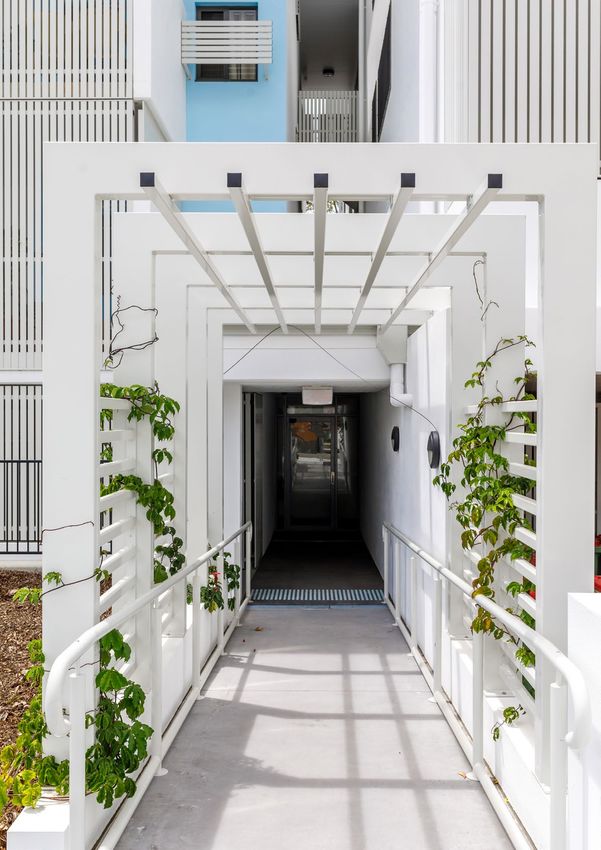
Delivering change in partnership
 The Queensland Government committed to working with local communities and the housing sector to identify,
 develop and deliver improved housing services, through place-based and person-centred solutions supported by a
 housing sector strengthened through partnerships.

 These values form the basis of the actions being delivered through this plan.

                                                                                    Place-based
              d                                       Pe
         se
                                                                                    Empower communities
                                                        r                           to develop local solutions
    a

               r
                        ed                            Su   so
 e-b

                      er
                         we

                                            ho Re             n
                                                              -ce
         po

                                                        pp
Plac

                un ow

                                              u
                      es
       Em

                                                           ort
          c o mm p
                  iti

                                                 sp g sys
                  m

                                                                 ntred
                                                  si

                              Safe,
                e

                                                    ons tem
                                                    n

                                                                                    Person-centred
        Healthy

                          appropriate,
                                                       ive

                         and sustainable                                            Services and support
                            housing                                                 to meet people’s needs
                           outcomes

                          S tr o
                                ng and diverse
                             housi
                                   ng sector                                        Partnering
                                                                                    A strong and diverse
                               Strengthen                                           housing sector
                              Partnering

                                                                                                                  // 05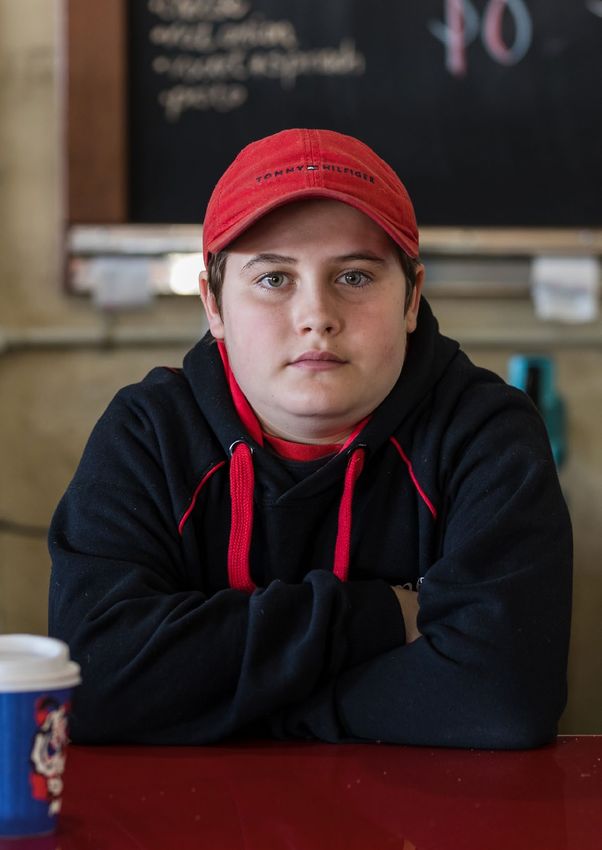
Housing Strategy Highlights
        A range of housing outcomes have been achieved since the launch of the Queensland
        Housing Strategy 2017-2027. Here are some highlights to date:

                     2,400+                                              1,800+
                     new social housing                                  construction jobs
                     homes commenced.                                    supported.

                     Partnered with the
                                                                         1,121
                     community housing                                   new social and affordable
                     sector to leverage existing                         dwellings approved to date,
                     government investment to                            valued at $203.1 million,
                     increase housing supply.                            supported by over $136 million
                                                                         of government investment.

          Established the Coordinated Housing and Homelessness
          Response (integrated service delivery) across nine
          priority locations:

          • Cairns                   • Brisbane
          • Townsville               • Redlands
          • Mackay                   • Logan
          • Sunshine Coast           • Gold Coast
          • Moreton Bay

                     Commenced the Build to Rent                         750+
                     project to provide affordable                       apartments to be completed by late
                     housing for key workers.                            2023, with up to 240 dwellings to be
                                                                         provided as affordable housing.

06 //
Established the peak housing body, Aboriginal              Completed construction of new crisis shelters for
and Torres Strait Islander Housing Queensland.             women and children experiencing domestic and family
                                                           violence in Coen, Roma, Caboolture and Coomera.

                                                           Extension of an existing shelter in Cleveland.
Delivered the NRL Cowboys House Girls Campus
                                                           Replacement shelters delivered in Cherbourg,
to provide 50 beds of accommodation for young
                                                           Pormpuraaw, Woorabinda, and the Gold Coast.
Aboriginal and Torres Strait Islander women from
remote communities pursuing education and
employment opportunities.
                                                           Committed $12.5 million to fund 162 projects under
                                                           the Dignity First Fund, supporting new and innovative
                                                           ideas that prevent and reduce homelessness and help
Delivered legislative reforms for manufactured
                                                           people experiencing homelessness live with dignity.
homes, residential services and retirement
villages to improve approaches to behavioural
standards, site rent increases, utilities charges,
dispute resolution and precontractual                      Introduced new flexible products and services
disclosure and introduced mandatory                        including Bond Loan Plus, Rent Subsidy, No Interest
payment of exit entitlements.                              Loan Scheme, and Headleasing to assist people to
                                                           access the private rental market.

Exceeded targets for the delivery of gold and
platinum level accessible housing.                         Delivered large-scale consultation through
                                                           Renting in Queensland to seek community views
                                                           about improving rental laws and experiences with
                                                           over 150,000 responses received.
Released the Aboriginal and Torres Strait Islander
Housing Action Plan to deliver housing outcomes
for First Nations Queenslanders in rural, remote
and urban areas of the state.

Partnered with the homelessness sector to reduce
homelessness including implementing continual
system reform, capability development and
5-year funding certainty.

                                                           Find out more about the achievements
Delivered domestic and family violence services            to date at www.qld.gov.au/HousingStrategy
including flexible packages of assistance and a
specialist response team.

       Next steps to a better housing future
       This Housing and Homelessness Action Plan 2021-2025 has been developed in the context
       of current housing market conditions and need. It reaffirms the objectives of The Queensland
       Housing Strategy to deliver more social and affordable homes and to transform the way housing
       services are delivered.

       This Action Plan is about boosting housing supply, moving towards ending homelessness,
       supporting vulnerable people and securing a fair and accessible housing system. We share these
       objectives with our community partners and other government agencies – and we have a shared
       responsibility to work together to improve outcomes for all Queenslanders.

                                                                                                                   // 07
Growing housing and support for Queenslanders
        Housing supply and affordability are important issues in Queensland.

        This Action Plan responds to housing need through           The Housing Investment Growth Initiative is supported
        new initiatives to boost social and affordable housing      by a $1 billion fund that will deliver new housing now
        and deliver purpose-built housing with support for          and well into the future. This fund will catalyse new
        people with complex needs. We are building on the           investment and construction activity across our state,
        foundations of the Action Plan 2017-2020 and investing      delivering a range of housing options to meet the
        in the state’s future.                                      diverse needs of local communities and priority groups.

        Our focus is state-wide across our diverse rural,           Over the next four years, we will increase the supply of
        remote and city communities. We will work with local        social and affordable housing across the state through
        communities and across levels of government to create       new investment, partnering with the community
        placed-based solutions.                                     housing sector and private industry, and by using the
                                                                    wide range of planning and economic development
        Housing Investment Growth Initiative                        tools available to government.

        The Queensland Housing Investment Growth Initiative         We will deliver new housing where it is most needed,
        will deliver new homes through a coordinated and            and establish a pipeline of construction work across
        integrated capital program across Queensland –              the state for the future.
        including new social housing, strong development
        partnerships with the community housing sector,
        strategic purchases, land development and precinct
        renewal and revitalisation.

            1      6,365 new social housing homes across the state.

          1.1      Establish the $1 billion Housing Investment Fund to deliver returns to fund          • QT
                   delivery of social housing across the state.
                                                                                                        • DCHDE

          1.2      Deliver a coordinated program of capital works and capital grants, optimise          • DCHDE
                   the use of public housing assets, revitalise social housing precincts and work
                                                                                                        • DEPW
                   with our partners to increase the supply of social housing.
                                                                                                        • QT

          1.3      Redevelop high value sites to maximise yield and promote a range of options          • DCHDE
                   for housing with support.

          1.4      Lease and purchase properties from the private housing market to meet                • DCHDE
                   emergent need.

08 //
Growth and sustainability
Since the launch of the Housing Strategy, we have partnered with the community housing sector to unlock existing
investment and drive growth of the sector.
We will continue to support community housing providers to grow their capacity, through innovative funding
opportunities and partnerships across government and private industry. Our shared goal is to deliver a range of
housing types including mixed-use developments and options for housing with support.
We will work with our service partners and peak bodies, to support the vitality and sustainability of the community
housing sector, and better respond to the needs of Aboriginal and Torres Strait Islander peoples and communities
in remote, regional and urban areas across our state.
2 Support growth, sustainability and innovation of the community housing sector.
2.1 Work in partnership with the Aboriginal and Torres Strait Islander • DCHDE
Housing Body to strengthen housing outcomes for Aboriginal and Torres
Strait Islander peoples, supporting the sustainability of Indigenous
housing providers and the community housing sector.
2.2 Continue to work closely with the community housing peak and industry • DCHDE
bodies to further promote growth, sustainability and innovation of
person-centred and place-based responses.
// 09Planning and economic development
Government and its partners need appropriate land on which to build and planning settings that grow the supply of
social and affordable housing.
This means opening up underutilised government land and ensuring land used for large-scale government projects
and residential developments includes social and affordable housing.
3 Deliver social and affordable housing using state planning and economic development tools.
3.1 Explore opportunities to deliver social and affordable housing in • DSDILGP
new growth areas including affordable by design principles and
• DCHDE
planning incentives.
3.2 Investigate introducing inclusionary planning requirements into • DSDILGP
the planning framework.
• DCHDE
3.3 Investigate mandating social and affordable housing as part of Priority • DSDILGP
Development Areas, infrastructure initiatives, and the development
• DCHDE
or sale of state-owned land suitable for large scale residential
development.
3.4 Review the planning framework’s approach to regulating • DSDILGP
residential development.
• DCHDE
Social housing units in Cairns. CA Architects, Richard Field Builders
10 //We’re delivering new housing where it’s
most needed, and establishing a pipeline of
construction work across the state.
// 11
Social housing units in Loganlea, Brisbane. Mayhill Architects, Paynters BuildersPrivate market supports
Through the Action Plan 2017-2020, we developed a range of new products and services to support Queenslanders
to access and sustain housing in the private market.
Over the next four years, we will enhance the suite of products and services to support private rental and home
ownership, including improving Aboriginal and Torres Strait Islander peoples’ access to home ownership
opportunities in remote, rural and regional locations.
4 Enhance Queenslanders’ access to private rental and home ownership.
4.1 Enhance the suite of products and services to better assist people to • DCHDE
obtain and sustain private housing.
4.2 Work with peak bodies and the private sector to enhance access to • DCHDE
information on private housing options, including maximising use of
digital platforms.
4.3 Increase home ownership opportunities for Aboriginal and Torres Strait • DCHDE
Islander peoples through working with communities and partners.
Supporting regional housing
The Queensland Government is committed to working with local councils to improve the availability, diversity and
quality of housing in rural and remote Queensland through local housing plans, to encourage community liveability,
resilience and social and economic growth and prosperity.
5 Work with regional councils to increase and diversify • DCHDE
the supply of housing, including opportunities for alternative
• DEPW
government and non-government investment and incentives.
12 //Greater availability, diversity and quality of
housing in rural and remote Queensland will
enhance liveability, resilience and social and
economic growth and prosperity.
// 13Integrated frontline responses
We commit to greater service integration to better support vulnerable Queenslanders.
Towards ending homelessness Queensland’s homelessness response recognises
that stable, sustainable, affordable, longer-term
We aim to prevent homelessness and support housing combined with appropriate supports is critical
vulnerable people to stay in their homes. to helping people to stay in their homes, achieve
improved whole-of-life outcomes and reduce demands
We will better coordinate and integrate services
on government services.
across government and the sector and develop a new
framework to ensure no person exits from another Our actions recognise that responding to housing need
government service to homelessness. and moving towards ending homelessness are shared
objectives across the community and government at
all levels. We have a shared responsibility to work
together to improve outcomes for individuals and the
community as a whole.
6 Prevent homelessness and support vulnerable people to stay in their homes.
6.1 Co-design homelessness and housing service system and practice • DCHDE
improvements with service users and sector experts.
6.2 Better integrate service delivery across government and community • DCHDE
services, including through joint assessment, pathway planning,
referral protocols and information sharing.
6.3 House people who are in crisis and transition them to longer term • DCHDE
housing with on-site or mobile support.
6.4 Enhance the Coordinated Housing and Homelessness Response in • DCHDE
priority locations across the state to identify people experiencing
homelessness and coordinate services for people with complex housing
and support needs.
6.5 Equip the government and community sector workforce to develop the • DCHDE
skills, practice and tools needed to deliver person-centred, coordinated,
outcomes focussed housing with support services.
14 //Stable, sustainable, affordable, longer-term
housing, along with appropriate supports,
is critical to helping people to stay in their
homes and achieve better life outcomes.
// 15Coordination across agencies
The Queensland Government is committed to improving cross-agency responses to housing need and to delivering
integrated health, housing and human services through strong referral processes and integrated service responses.
Integrated service responses improve the individual outcomes for people in need, who may be experiencing
personal trauma, while seeking the services they need from the human services system. This approach will also
support greater efficiency and cost savings for government.
7 Develop a formalised service delivery framework between state • DCHDE
government agencies to prevent people exiting government services
• QH
into homelessness:
• DCYJMA
• better use of investment across government to respond
to the needs of people experiencing or at risk of homelessness • DSDSATSIP
• clear roles and responsibilities • QCS
• improved information sharing and formalised referral pathways • QPS
between agencies to strengthen responses for people with
• DJAG
complex needs.
• QMHC
8 Establish a cross-agency monitoring and evaluation approach to assess • DCHDE
the effectiveness of joint approaches to preventing homelessness.
9 Deliver integrated health and housing responses.
9.1 Co-design a community-based multi-disciplinary case management • DCHDE
model of service delivery for people who are experiencing
• QH
homelessness or at risk of homelessness and who have multiple
health needs. • QMHC
9.2 Co-design an integrated service response in Mt Isa that will • DCHDE
include coordinated health, community, disability, aged care
• QH
and housing support.
• QMHC
9.3 Deliver coordinated responses for people with complex support needs • DCHDE
who are experiencing housing, mental health and drug and alcohol
• QH
issues in Cairns, Townsville and Mt Isa.
• QMHC
9.4 Equip government and sector workers to understand, identify and • DCHDE
respond to the interdependency between mental health, homelessness
• QH
and housing need.
• QMHC
16 //Stronger, safer and inclusive communities
We all deserve to feel like we belong. Our homes can help us to feel connected to family and friends, at home and in
our neighbourhood, and encourage us to connect with others.
For many people, especially those who have been through crisis, it is difficult to establish or re-establish connection
and too easy to feel isolated and alone. Community infrastructure can help, by providing spaces where people feel
safe and can participate in social activities.
One way to form connections is through art. Through revitalising precincts, we will promote social inclusion by
including participatory art projects in our designs and to make art, and the connections it brings,
more accessible to the community.
10 Build social inclusion and participation by leveraging community • DCHDE
infrastructure including neighbourhood and community centres to:
• provide access to support services
• make art more accessible in the community
• provide spaces for creation of art and social activities.
// 17Housing supports
Everyone needs a place to call home, but many people in our communities face extra challenges in accessing
housing supports and obtaining or sustaining a tenancy. This includes priority groups, such as young people,
people looking to re-establish their lives after experiencing domestic and family violence, older Queenslanders,
people with disability and Aboriginal and Torres Strait Islander peoples. We will work more closely with people
with lived experience and specialist support services to further improve our services and access.
We will ensure people are supported by professional health, disability and aged care services and leverage
the available community, arts and digital infrastructure to link people to their communities and housing and
support services.
11 Assist vulnerable young people to achieve social and economic • DCHDE
independence through an integrated framework of housing
• DES
with support.
• DCYJMA
12 Promote rights, choice, control, accessibility and inclusion in housing
with support for people with disability.
12.1 Co-design housing responses with people with disability and peak and • DCHDE
expert organisations.
• DSDSATSIP
12.2 Work with National Disability Insurance Agency to assist Queenslanders • DCHDE
to access and maximise National Disability Insurance Scheme packages
• DSDSATSIP
and Specialist Disability Accommodation.
• QT
12.3 Work across government to deliver integrated responses that increase • DCHDE
the diversity and supply of housing for people with disability.
• DSDSATSIP
13 Provide culturally responsive housing with support through • DCHDE
a frontline service offer for Aboriginal and Torres Strait Islander peoples
• DSDSATSIP
across the housing continuum, including through implementing
culturally responsive pathway planning and care coordination.
14 Deliver enhanced frontline service responses for women and families • DCHDE
experiencing or at risk of domestic and family violence through a
• DJAG
specialist response team and flexible assistance packages.
15 Develop and deliver housing with support for older Queenslanders • DCHDE
experiencing or at risk of homelessness including responses for older
• QH
women, working with the aged care, health and disability sectors.
• DSDSATSIP
18 //“I’ve changed my life by working
here and staying out of trouble.”
// 19A fair and accessible housing sector
Just as we are improving ways to access and sustain a private tenancy, we also need to ensure
that the residential housing system – from private rentals to retirement living, residential
(manufactured home) parks and residential services – is stable and secure, providing
protections and giving confidence to those who reside and invest in these housing options.
Rental reforms
We have consulted extensively with Queenslanders about how to ensure our rental laws strike the right balance
between renter and lessor needs and interests. These laws must provide certainty and clarity to encourage and
maintain housing supply in the private rental market while supporting and protecting vulnerable renters, including
people experiencing domestic and family violence, seniors and people with disability, to access safe, secure and
sustainable housing.
We will continue to improve settings for the rental sector, ensuring quality standards for safety, security and
functionality and putting in place better supports and protections.
16 Deliver rental law reform in Queensland, including minimum housing • DCHDE
standards, that better protects renters and lessors and improves
stability in the rental market.
20 //We are improving rental settings, ensuring
quality standards and better supports and
protections for both renters and lessors.
// 21Residential Sector Reforms
We are committed to a fair and sustainable residential sector giving people who reside in residential services (such
as boarding houses), retirement villages and residential (manufactured home) parks, and those who operate them,
a regulatory framework that delivers the best possible outcomes for consumers.
That includes ensuring consumers and operators are better informed about their choices, rights and responsibilities
and how to action them as well as increased transparency in contracts and financial statements.
We will build on the improvements delivered under Housing Action Plan 2017-2020 and continue to enhance the
regulatory system to deliver reforms, to build protections and generate better housing outcomes for Queenslanders.
17 Finalise implementation of retirement villages reforms to village financial • DCHDE
statements and contract requirements and implement government's response
to the independent panel's review of timeframes for payment of resident exit
entitlements and buyback requirements.
18 Deliver improvements for residential (manufactured home) parks and residential • DCHDE
services to address:
• concerns about site rent increases and unsold manufactured homes in
residential parks
• the impact of significant changes in the community affecting residential
services, to ensure resident safety, fair trading and viability of the residential
service industry.
19 Enhance the consumer experience and industry engagement across residential • DCHDE
(manufactured home) parks, residential services and retirement villages including
through:
• targeted communication, compliance and best practice guidance approaches,
including introduction of a retirement village comparison website
• exploring greater support for consumer-operated retirement villages and
residential parks (such as the potential for home owner co-operatives)
to give consumers greater choice and control over their retirement living
arrangements.
20 Explore options to improve Queenslanders' access to pre-contractual advice • DCHDE
about residential (manufactured home) parks and retirement villages and to
timely and consistent decision-making to help them resolve housing issues and
disputes.
22 //“We absolutely love village life. Everybody is
so social and willing to help, this is the best
move we've done.”
// 23Glossary
DCHDE Department of Communities, Housing and Digital Economy
DCYJMA Department of Children, Youth Justice and Multicultural Affairs
DEPW Department of Energy and Public Works
DES Department of Environment and Science
DJAG Department of Justice and Attorney-General
DSDILGP Department of State Development, Infrastructure, Local Government and Planning
DSDSATSIP Department of Seniors, Disability Services and Aboriginal and Torres Strait Islander Partnerships
QCS Queensland Corrective Services
QH Queensland Health
QMHC Queensland Mental Health Commission
QPS Queensland Police Service
QT Queensland Treasury
BOLD TEXT Lead agency
24 //We build on these foundations by developing
key partnerships, growth opportunities,
integration with support services and
communities, working together towards a
safer and fairer housing system.
// 25For more information: housingstrategy@chde.qld.gov.au www.chde.qld.gov.au
You can also read


