ANNUAL REVIEW 2015 school of mining engineering - Mining.com
←
→
Page content transcription
If your browser does not render page correctly, please read the page content below
school of mining
  engineering

ANNUAL
 REVIEW
        2015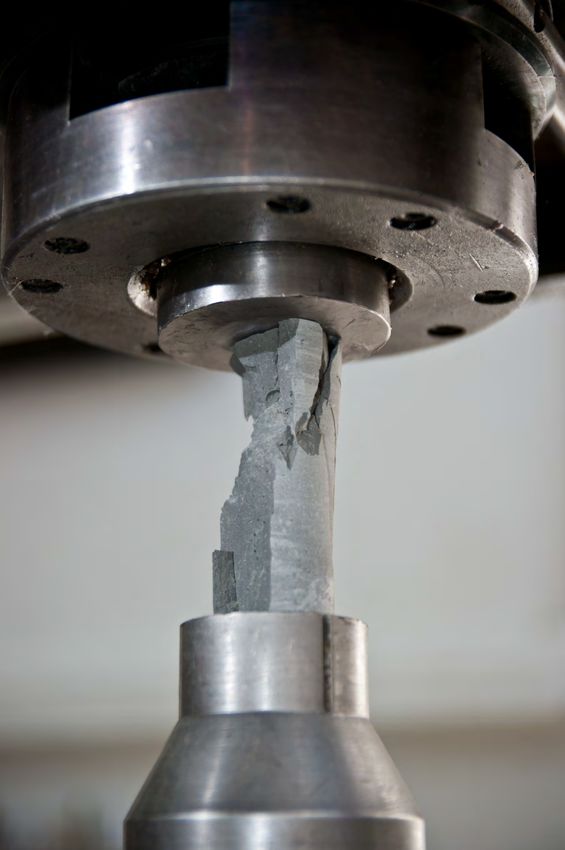
1922
       Founded in 1922, the University of the Witwatersrand has its roots in the
       South African School of Mines, which became the Wits School of Mining
       Engineering. Today, the School’s building on West Campus hosts at its
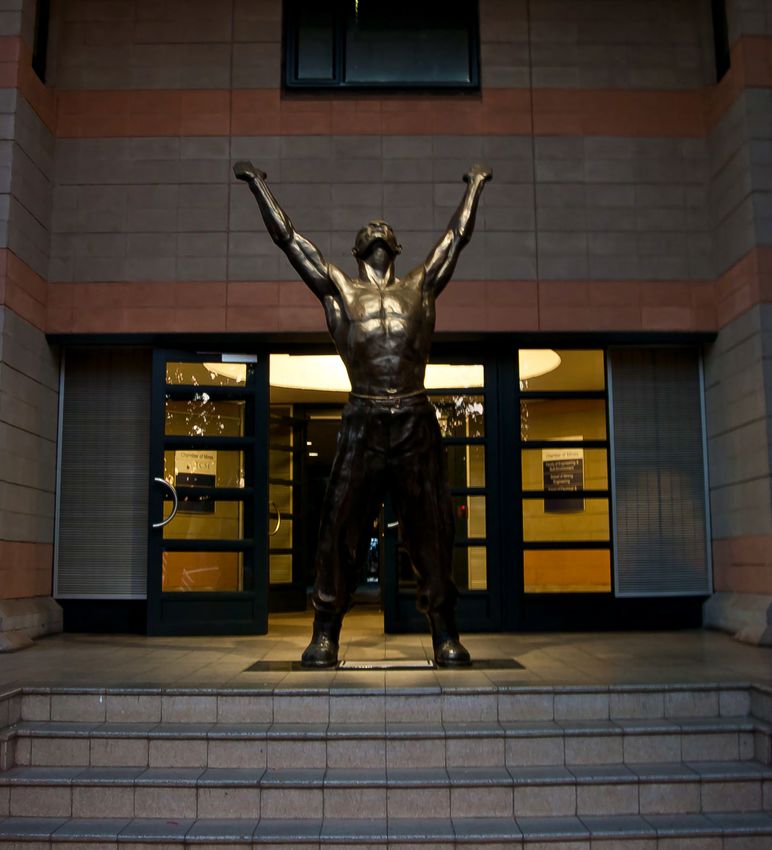
       entrance Herman Wald's bronze statue of the 'Unknown Miner' -
       commemorating all those who have contributed to this vital industry, as well
       as Wits University's educational role.
CONTENTS
02 14 20
Profile: The Wits School of Strategic Initiative 3: Enhance Partners
Mining Engineering the academic project support
system
04 15 22
External Examiners
Acronyms
Message from the Head of School: Strategic Initiative 4: Increase
Professor Cuthbert Musingwini the visibility of the School and
its staff
05 23
Introducing our Industry
16 Class of 2015
24
Advisory Council Chairman: Strategic Initiative 5: Review
Professor John Cruise and establish internal and
external collaborations
07 17 School of Mining Engineering
Organogram – April 2016
School Self-Evaluation: How your organisation can
Progress on Strategic Initiatives partner with the School
in 2015
10 18
School of Mining Engineering
Staff 2016
Strategic Initiative 1: Increase
normalised research output
19
12 Industry Advisory Council
Members
Strategic Initiative 2: Improve Testing rock strength in Wits School of
teaching and learning Mining Engineering's Genmin Laboratory
effectiveness - mines face unprecedented pressure as
operations reach new depths.
1The Wits School of Mining
Engineering
PROFILE
The Wits School of Mining Engineering is today recognised as As mining requires the skills and technology of several
one of the world’s top mining engineering schools, with among branches of engineering, most of the curriculum for years one
the most expansive programmes. It also has one of the highest and two is common to all branches of engineering. The third
growth rates of any of the engineering schools or and fourth years focus on mining engineering and include
departments, having seen a consistent increase in the number technical valuation, ventilation and environmental engineering,
of students to its courses. mine transport and rock mechanics.
The challenges facing mining today are substantial. However, The Wits School of Mining
best-practice innovations and technology offer the opportunity
Engineering is respected globally for
for the design and management of high-tech mines that are not
only safer, but also more productive and environmentally and
the quality of its programmes and
socially responsible, while still being economically successful. graduates – it is also among the
fastest-growing of the engineering
To promote such innovation, the School has two Centres of departments at Wits
Excellence:
The School’s undergraduate programme is designed to provide
• The Centre for Mechanised Mining Systems (CMMS) focused graduates with the engineering expertise they require as mining
on efficiency and safety improvements, developing new engineers. The School has, in conjunction with the South
capabilities in technology and in people; and African mining industry, developed a programme of
• The Centre for Sustainability in Mining and Industry (CSMI) postgraduate courses designed to cater for the needs of
acts as a bridge between academia and practitioners to graduates. These include technical subjects for specialist skills
integrate disciplines in solving complex health and s a f e t y, in mining, mineral resource management and evaluation, and
and sustainability-related problems. rock engineering, as well as management skills in evaluation
techniques and fundamental principles in mineral economics.
The School’s new Strategic Plan ensures that the Wits Mining
team can deliver excellence in teaching, research and service in Wits Mining graduates are ready for these challenges and the
line with the Wits Vision 2022 of being a leading School of Mining Engineering is known and respected
research-intensive university firmly embedded in the top 100 internationally for the quality of its programmes and graduates.
world universities by 2022.
2The Wits School of Mining
Engineering
Historically, the School of Mining Engineering occupies a central role in the
formation of the University of the Witwatersrand, being the original
educational entity around which the University was later established.
The South African School of Mines, formed in 1896 in Kimberley, was
transferred to Johannesburg in 1904 and was later renamed the South
African School of Mines and Technology. It was from this School – which
became the University College Johannesburg in 1920 – that the University of
the Witwatersrand emerged on 1 March 1922, as the college was granted
full university status.
3Message from the Head of School
Professor
Cuthbert
Musingwini
It is with a deep sense of encouragement and hope that I
reflect on the School’s achievements in 2015, which was also
my first year as Head of School. In 2016, the School is turning
120 years old – a significant milestone in its history.
As the School continues to build on its reputation as a leading
mining school internationally, I am excited to report that –
despite some challenges faced – the School was able to start Generally, the School managed to maintain its postgraduate
delivering on the five Strategic Initiatives adopted for my and undergraduate student populations, and staffing levels
five-year term from 2015-2019. These initiatives will ensure that remained fairly constant. The maintenance of staffing levels
the Wits Mining team can deliver excellence in teaching, ensured that the quality of teaching and learning was not
research and service in line with the Wits Vision 2022 of being “a compromised.
leading research-intensive university firmly embedded in the • The School was instrumental in working with the other three
top 100 world universities by 2022”. mining schools in the country in setting up a Mining Heads of
School Forum, which subsequently rebranded itself as
Indeed, we are already well placed: in its 2016 World University Mining Engineering Education South Africa (MEESA). I am
Rankings, the UK-based Quacquarelli Symonds (QS) Ltd ranked happy to report that MEESA was able to meet quarterly and
Wits Mining in the top 100 of 403 mining schools worldwide, and that there is now an even greater sense of collaboration
number one among mining schools in South Africa. among the country’s four mining schools.
• The School was commended by industry assessors during
It is indeed with great pleasure that I am able to share the their 2015 Quinquennial Review (QQR) visit, which was
following key achievements in 2015: followed by the university’s QQR Internal Review Committee
visit in 2016; this also provided positive feedback on the way it
• The School successfully graduated six PhDs and one DEng is conducting its business. The QQR is an indicator of the
to give a total of seven doctorates, the highest in any year in quality of the School’s teaching, research and service.
the School’s history. Some of the doctoral research topics
provided important insights into the prediction of mining
conditions under increasing temperature and rock stresses;
as our mines continue to mine deeper-seated mineral
reserves, these are conditions that they can expect to “Wits Mining is in the top 100 of
encounter.
403 mining schools worldwide,
• The School produced higher research output units and and number one among mining
edged its way up into the top three schools within the
Faculty in terms of research output. Some of the research schools in South Africa”
papers were presented and well-received at the 23rd
International Symposium on Mine Planning and Equipment
Selection (MPES 2015) hosted by the Southern African
Institute of Mining and Metallurgy (SAIMM) from 9-11 Reflecting on 2015, we successfully completed our academic
November 2015. This was the first time that South Africa programme during the remainder of the year and have had a
hosted the MPES conference, which has been held regularly good start to 2016 – despite the country-wide 'Fees Must Fall'
for 25 years. campaign and its attendant challenges, which ran for two
weeks from 14 October 2015 and resumed sporadically on a
• For the first time in the School’s history, the final year smaller scale in early 2016. I have no hesitation in expressing
undergraduate class size breached the 100-mark in 2015, my confidence in the Wits Mining team and their continued
indicative of its status as one of the largest mining schools commitment to serve our students, industry and the
worldwide. University with distinction.
4Introducing our Industry
Advisory Council Chairman
Professor
John
Cruise
Professor John Cruise’s links with the School of Mining
Engineering at Wits (then known as the University’s Mining
Department) date back to 1962, when he was awarded a Union
Corporation scholarship to study for a Bachelor’s degree in
mining engineering. In 1967, he was awarded a Chamber of Since 1982, Professor Cruise managed his own group of
Mines scholarship to study for a Master’s degree in Rock explosives, mining and civil engineering contracting and
Mechanics on a dissertation entitled, “The Determination of consulting companies and kept a close connection to Wits
the Strength Characteristics of Wide Pillars”. Much later, in University by operating out of the Science Park at Franckenwald –
2006, he was admitted to the degree of Doctor of Philosophy where he rented offices from 1990 until he retired to Cape Town in
for his thesis on “The Development of a Directional Primer 2009.
Charge for Blasting in Mines”.
His close relationship with Wits includes his role as a committee
Professor Cruise’s early career in mining was as a production member of the Wits University Mining Engineers’ Association
mining engineer on the gold mines of Union Corporation, rising (WUMEA) for forty years from 1967, and as Chairman of WUMEA
up the ranks from assistant ventilation officer, through miner, from 1992 to 1994.
shift boss and mine captain to underground manager. He was
then posted to Richards Bay Minerals as Mine Superintendent, In 1992, Professor Cruise was approached by Wits to help them to
to start up a large heavy mineral sands mining operation. assess the safety of excavations at the Sterkfontein Caves. While
he was there, he was also asked to assist in blasting out rock
In 1978, he became an academic mining engineer when he layers containing fossils. For the next two decades, he provided
joined the Mining Department at Wits as a Senior Lecturer blasting services for Sterkfontien and Swartkrans. He became a
responsible for Exploitation Systems and Explosives founder trustee of the Palaeo-Anthropological Scientific Trust
Engineering. In 1979, he represented Wits Mining Department (PAST) in 1994; PAST was instrumental in the declaration of the
as a visiting “professor” (the Chileans refer to all university Cradle of Humankind as a World Heritage Site. He is currently the
lecturers as professors), presenting a post-graduate course in sole remaining founder trustee of PAST.
explosives engineering to the Codelco copper company in Chile.
During his two years on the Wits staff, Professor Cruise also
developed blasting courses for the South African mining
industry. With links to Wits dating back to
In 1980, he became a consulting mining engineer when he
1962, Professor Cruise has been a
joined a consulting engineering firm as a Partner and Head of leading figure in the South African
the Mining Department. During the two and a half years with the
firm, he put his explosives engineering knowledge – which he mining and civil
had honed while lecturing at Wits – to good use. He undertook
many consulting contracts related to blasting; his role as
engineering sectors
consulting engineer for the first implosion of a tall, city-centre
building in Johannesburg was followed by another seven such
city-centre implosions. Recently, he was asked by the Deputy Vice Chancellor to sit on a
Wits committee to oversee the removal of the Little Foot fossil
Professor Cruise formed a blasting contracting company in from the Sterkfontein Caves and was present when it was finally
1982. His first contract was to stabilise the undermined ground brought to surface after some three million years underground
of a site on which a ten-storey building was to be built across an and 14 years of excavation.
outcrop. He then became a contracting mining engineer and
over the following 25 years, he carved a niche for himself in the
field of stabilisation and rehabilitation of undermined ground.
5Some of Professor Cruise’s more interesting and esoteric contracts concerned explosives and blasting. This included blasting an excavation under the maternity ward of a hospital, blasting two three-tonne propellers off a sunken ship off East London, blasting down the side of the mountain above the Fiko Patso Dam, blasting tunnels under Simmonds Street, blasting an inspection tunnel to within ten metres of the concrete face of the Mohale Dam wall, and the driving of a tunnel through soft ground for the Umgeni Water Scheme. For many years, he was a member of the South African National Committee on Tunnelling (SANCOT) and is a past Chairman of SANCOT, as well as being a past representative for South Africa on the International Tunnelling Association. He is also a past Chairman of the Association of Mining Contracting Companies. In collaboration with Naschem, Professor Cruise modified an anti-tank weapon and developed it for commercial use in underground mines, namely the Slugshot Hang-up Clearance Device. He marketed and sold the Slugshot to the mining industry for ten years. For this development – “making ploughshares out of swords” – he received the Naschem Chairman’s Award. For 50 years, Professor Cruise has been a member of the Southern African Institute of Mining and Metallurgy (SAIMM), serving as a Council Member for 35 of those years; he was President from 1994 to 1995 and also served as Honorary Treasurer from 1995 to 2010. He is an Honorary Life Fellow of the SAIMM and is a Fellow of the South African Academy of Engineering. He has also been a Council Member of the Engineering Council of South Africa (ECSA), and the Chairman of ECSA’s Professional Advisory Committee for Mining Engineering. Professor Cruise served for many years on the ECSA accreditation teams to the two mining universities of Pretoria and Wits. He is currently the Chairman of the Centennial Trust Fund Trustees’ Committee for the Wits Chair of Rock Engineering, and Chairman of the Industry Advisory Council for the Wits School of Mining Engineering. Wits Mining prides itself on having in its fold a mining engineer with such an illustrious track record. 6
School Self-Evaluation:
                                                                                 Progress against Strategic
                                                                                         Initiatives in 2015

The following framework for progress ratings has been applied to each of the five Strategic Initiatives, to help the School prioritise
where to place more emphasis. Details of progress during 2015 within each initiative are contained in subsequent sections of this
report.

          Rating              Description

                              Some progress made, but not satisfactory

                              Progress is satisfactory and there is room for improvement

                              Progress is more than expected

        Strategic
                             Description          Rating                      2015 progress                      Action required
   Initiative Number

            1                  Increase                      Senior Lecturer Research Equivalent (SLRE)           Establish more
                              normalised                    units increased by 71% on 2014 outputs, which      platforms for staff to
                            research output                   is still below the expected target of 2.0 per    publish and facilitate
                                                             SLRE. The School Research Committee was               completion of
                                                            established. Four postgraduate students were         degrees by staff
                                                                 awarded Julian Baring Scholarships.                doing PhDs.

            2               Improve teaching                     The School’s Teaching and Learning                Focus on high
                              and learning                  Committee was established. The Quinquennial         attrition courses to
                              effectiveness                 Review (QQR) endorsed the School’s teaching         reduce failure rate.
                                                            and learning. A workshop on preparations for
                                                              the ECSA accreditation visit in 2017 was
                                                            successful and will be repeated in early 2017.
            3                 Enhance the                                                                      More engagement to
                                                             A ‘Policies & Procedures’ workshop for staff
                            academic project                                                                     explain how the
                                                            was conducted. Student mentoring continued.
                             support system                                                                     School functions,
                                                                                                               especially with new
                                                                                                                 staff members.

            4                 Increase the                  The School’s Public Relations Committee was               Embark on
                             visibility of the                  established and started working on the         information sessions
                           School and its staff             School’s historic 120-year celebrations in 2016.      in the university’s
                                                            One staff member applied for registration as a      feeder high schools.
                                                             professional engineer (Pr. Eng.) in 2015 and      More staff eligible to
                                                             was successfully registered in 2016, bringing        apply for Pr. Eng.
                                                               to five the number of staff professionally          registration with
                                                                registered. Another staff member was            ECSA need to apply.
                                                               accepted to serve on the Councils of the
                                                            SAIMM and SACMA. A third staff member was
                                                             President-Elect and Honorary Treasurer for
                                                                               the SAIMM.

            5                  Review and                        The Mining Heads of School’s Forum              Continue seeking
                            establish internal                  established and re-branded as Mining           win-win partnerships.
                              and external                   Engineering Education South Africa (MEESA).
                             collaborations                 Significant progress was made through MEESA
                                                              on enhancing the relationship between the
                                                              Mining Qualifications Authority and the four
                                                                            mining schools.

                                                                                                                                         7
8
The Chamber of Mines building at Wits University

                                                   9
Strategic Initiative 1:
Increase normalised
research output
01
As part of the Wits 2022 Vision, the University aims to be one of In order to meaningfully measure research progress, it is
the top 100 universities in the world by 2022 and the School necessary to normalise the research publications units. An
recognises the positive role it must play in this regard. acceptable measure for parity across years and schools in the
Research output – in terms of quantity and quality – is one of University is the number of research publications output units
the important criteria used in the world rankings. In this per academic staff or per senior lecturer research equivalent
context, Wits Mining Engineering should actively work on (SLRE).
improving its research output and proxies for quality, such as
the number of NRF-rated academic staff, staff with PhDs, and The SLRE is a notional measurement scale that is produced by
research awards accorded to staff and students. Under this applying the following factors to the staff categories:
initiative, the School recognises that in order to increase its
normalised research output, it must undertake several actions • Full Professor = 1.3;
that are intricately interlinked. • Associate Professor (or Adjunct Professor) = 1.1;
• Senior Lecturer = 1.0;
The School’s research output is measured in terms of MSc and • Lecturer (or Senior Tutor) = 0.8;
PhD research degrees that are awarded, and articles published • Associate Lecturer (or Tutor) = 0.6.
in refereed, subsidy-earning research publications accredited
by the Department of Higher Education and Training (DoHET). The University’s target for normalised research output for
publications is a minimum of 2.0 research output units per
SLRE per year. Table 1 shows the School’s normalised research
“There is a general increase in output for the period 2010-2015. The cohorts of MSc and PhD
normalised research publications students graduating are reported for the July and December
graduations for each calendar year and the April graduation of
units between 2010 and 2015, the consecutive calendar year, while the credited publications
though this is still below the are for papers published between January and December of a
expected 2.0 units per SLRE” calendar year.
Table 1: Research Output
Total Total
Year SLRE MSc PhD Publication Publication
Units Credited per SLRE
2010 18.71 16 2 1.71 0.09
2011 20.49 6 3 12.25 0.60
2012 22.72 16 3 5.50 0.24
2013 22.94 11 2 14.29 0.64
2014 25.94 14 2 12.39 0.48
2015 26.99 13 5 22.89 0.85
Note: the total publication units for 2015 are provisional estimates
10There is a general increase in normalised research publications • One of the School’s academics, Bekir Genc, was awarded a
units between 2010 and 2015, though this is still below the PhD, bringing to five the number of staff with doctorates –
expected 2.0 units per SLRE. The School also moved from the equating to about 20% of staff; this is a slight improvement
bottom three Schools out of the seven in the Faculty (in terms of towards the target of at least 75% of staff with PhDs envisaged
research output) into the top three. The research highlights for in the Wits 2022 vision.
2015 are: • The following postgraduate students were awarded the Julian
Baring Scholarships: Takudzwa Maposa, Monica Tetteh,
• The School’s normalised research output was up 71% on Thembani Chirinda and Tatenda Munjeri.
2014 levels. • Final-year student Tonderai Chikande was selected among the
• The School’s academics showcased their research through top three students at the SAIMM Student Colloquium and
18 conference papers that were presented and published qualified to publish his research project in the April 2016
as part of the proceedings of the 23rd International edition of the SAIMM journal.
Symposium on Mine Planning and Equipment Selection • The School’s four NRF-rated academics maintained their
(MPES 2015). MPES, which has been run for the past 25 ratings. These academic staff are Prof Stacey, Prof Minnitt,
years internationally, was hosted for the first time in South Prof Cawood and Prof Musingwini.
Africa by the Southern African Institute of Mining and
Metallurgy (SAIMM).
• Between January and December 2015, a total of six PhD
students graduated from the School; with a DEng student
also graduating, this brought to seven the total doctorates
awarded in the 2015 calendar year.
The School’s four NRF-Rated Academics
Professor Dick Stacey
Professor Emeritus
Professor Dick Minnitt
JCI Professor of Mineral Resouces
and Reserves
Professor Cuthbert Musingwini
Head of School
Professor Fred Cawood
Director of the Wits
Mining Institute
11Strategic Initiative 2:
Improve teaching and
learning effectiveness
02
One of the ways of ensuring teaching and learning effectiveness Table 2 shows the 12 prizes that have historically been awarded,
is by inducing a competitive learning environment in which good plus three additional new prizes awarded from 2015. This list
effort is rewarded. To assist students in excelling in their can be grown and the School invites other mining companies
studies, the School has historically partnered with mining and organisations not on the list in Table 2 to consider
companies and related organisations to offer prizes for best participating in this worthwhile initiative that enables us to
performance and attitude to promote the proper functioning of regularly deliver quality graduates to our mining industry.
the School.
Table 2: Mining Engineering Prizes
Prize Criteria 2015 Recipient
1 AEL Mining Services Prize The student with the highest mark in the second year Kgabo Mokoena
Excavation Engineering course
2 Danie Krige Prize in Mine The student with the highest average mark in the courses Tonderai Chikande
Evaluation on Technical Valuation and Financial Valuation
3 Herbert Simon Memorial The student with the highest aggregate mark in final year Tonderai Chikande
Prize examinations
4 Institute of Mine Surveyors The best student in Mine Surveying Jack Lesetsa Segoale
of South Africa Prize
5 Mine Managers Prize The Mining Engineering student with the best second year Tabotabo Talane
results
6 Mine Ventilation Prize The best final year student in Mine Ventilation Tonderai Chikande
7 Prof S Budavari Memorial The third year Mining Engineering student with the highest Kudzanai Knight
Prize mark in the subject of Rock Mechanics
8 S A Institute of Mining and The student in the third or fourth year of study whose Given Sithole
Metallurgy Prestige Prize academic achievement, contributions to the student affairs,
(Mining) and interactions with the School are of a high order
9 Sasol Medal for Excellence The best final year student in Coal Mining Jack Lesetsa Segoale
10 South African National The student with the best aggregate mark for third and Jack Lesetsa Segoale
Institute of Rock fourth year Rock Mechanics courses
Engineering
11 Witwatersrand University The final year student obtaining the highest marks in Tonderai Chikande
Mining Engineers' Mining Engineering subjects
Association Prize
12 Worley Parsons Prize for For the fourth year student with the highest aggregate Tonderai Chikande
Mining Engineering mark for all the Mining Method subjects (Mining A,B,C,D,E)
and Mine Design Project
13 Worley Parsons Prize for For the third year student with the highest mark in the Peter Rungani
Mining Engineering subject Health, Safety and the Mining Environment
12In order to improve effectiveness in teaching and learning, one Tables 3 and 4 show the staff and student populations for the
of the actions required is to keep the student:staff ratios at period 2010-2015. It is notable that the student body grew
acceptable levels. In the context of the School, this requires disproportionately with the fairly constant staffing levels,
capping the new student intake and ensuring staffing is kept at resulting in increasing student:staff ratios. In 2015, the School
full complement through timeous replacements for implemented a strategy to cap new first year students going
retirements and resignations. forward.
Table 3: Wits Mining student head count
Year 1st 2nd 3rd 4th Graduates Total GDE MEng MSc PhD Total Total MRM &
Undergrads Postgrads UG&PG MP Cert
2010 228 85 79 76 79 468 196 68 60 16 340 808 69
2011 233 96 82 62 62 473 137 32 34 19 222 695 46
2012 234 143 80 74 70 631 102 15 42 14 173 704 59
2013 302 124 142 66 53 634 90 15 70 16 191 825 77
2014 212 139 148 88 72 587 38 3 112 22 175 762 76
2015 231 144 162 106 83 643 3 2 176 20 201 844 25
2016* 250 118 177 118 663 3 1 138 20 162 825
* At start of 2016
Table 4: Student to academic staff ratios
Year Full-time academic staff Total Students Student: Staff Ratio
2010 19 808 42
2011 21 695 33
2012 20 704 35
2013 22 825 37
2014 24 762 32
2015 25 844 33
2016* 24 825 34
Key: Excludes the certificate students, part-time staff, honorary staff, visiting staff, CSMI and CMMS staff.
* At start of 2016
Some of the highlights
in Teaching and Learning activities for 2015 were:
1. The School entered into and concluded discussions with The School received full accreditation in 2012 and is due for
Worley Parsons to offer two new prizes. From 2015, Worley the ECSA accreditation visit in 2017. Preparations are
Parsons introduced prizes for Mining Engineering in the already underway, including an internal ECSA accreditation
third and fourth year of study. workshop held on 24 November 2015.
2. In 2015, the School successfully raised its minimum 4. As part of quality assurance and quality control (QA/QC),
automatic Academic Point Score (APS) for new first years the University undertakes – on a five-year cycle – a
from 40+ to 42+ (with Mathematics, English and Physical Quinquennial Review (QQR) of its units. The School had its
Science set at Level 6 or 70% or more). This decision Industry Assessors visit the School on 8 October 2015 and
ensures that we can continue to maintain the quality of provided positive feedback. This was followed by the
intake given the increasing annual demand for places. University’s internal Review Committee visit on 9 March
3. The School jealously guards the accreditation of its 2016, which also provided positive feedback on the way the
programme by the Engineering Council of South Africa School conducts its activities.
(ECSA) which ensures the education and training remains 5. The School established a new Teaching and Learning
of the highest international quality standards. ECSA awards Committee to assist the School in alleviating teaching and
accreditation on a five-year cycle using the internationally learning challenges.
recognised Washington Accord guidelines.
13Strategic Initiative 3:
Enhance the academic
project support system
03
When the School operates smoothly, it creates an environment to initiate a structural re-alignment to ensure that it is better
in which both staff and students feel welcome, develop a sense aligned with these stakeholders, by setting up additional
of belonging and are able see that the School sets them up for support structures to respond to their needs. The School
success. In this way, the School is better positioned to serve the continues with its enviable tradition of student mentoring,
faculty, university and industry. It was necessary for the School which ensures that student needs are addressed timeously and
efficiently.
A structural re-alignment and
additional support structures are
underway to enhance the
environment in which staff and
students feel welcome
The developments in 2015 that enhanced the School’s support 3. Timeous replacements were made for Ms Mona Shah, who
system were: retired from the School Administration Manager position,
by Mrs Zeenath Adam; Mr Bongumusa Cebekhulu replaced
1. The School Research Committee (SRC), Teaching and
Mr Jonathans Maans as the School’s laboratory technician,
Learning (T&L) Committee and Public Relations (PR)
and Mrs Mbalenhle Mpanza was replaced by Ms Lisa
Committee were set up.
Chanderman at the expiry of her contract. In January 2015,
2. The School held a Policies and Procedures Workshop on 11
Mr Paseka Leeuw was appointed into a Senior Lecturer
June 2015 for academic staff to get a better understanding
position to replace Dr Hudson Mtegha, who retired at the
of how the School functions and to ensure familiarity with
end of 2014, and Mr Huw Thomas was appointed as a Senior
policies and procedures governing the School’s functions.
Lecturer to replace Ms Sanisha Naidoo, who resigned
Positive feedback was received on the possibility of
effective 31 December 2014.
repeating the workshop in future.
14Strategic Initiative 4:
Increase the visibility of
the School and its staff
04
The proper functioning of the School is intricately linked to its 3. Mr Mpho Tlala was elected to the Council of SAIMM in August
industry networks. Staff are encouraged to actively participate 2015 and co-opted to the Council of the South African
in the industry’s professional bodies, and the School maintains Colliery Managers Association (SACMA) in February 2016.
its presence in professional bodies and at their events. 4. The School hosted a meeting of the Association of Mine
The highlights in 2015 in support of initiatives to increase the Managers of South Africa (AMMSA) on 14 August 2015. As
visibility of the School and its staff were: indicated in the section on Strategic Initiative 2, AMMSA
annually awards the Mine Managers Prize in the School.
1. In 2015, Dr Bekir Genc applied for registration as a 5. The School hosted a visit by Sibanye Gold executives on 23
professional engineer with ECSA; his application was July 2015; after the visit, Sibanye Gold pledged its continued
successful and he was formally registered in 2016. The six support of the School’s Digital Mine project.
staff members who are registered as professional 6. The School hosted a visit by the Chief Executive Officer (CEO)
engineers with ECSA are Professor Dick Stacey, Dr Halil of Gold Fields, Mr Nick Holland, on 8 December 2015; this
Yilmaz, Mr Barry Prout, Professor Cuthbert Musingwini, Mr resulted in agreements between the School and Gold Fields
Mpho Tlala and Dr Genc. on a number of research projects at Gold Fields’ South Deep
2. Professor Musingwini was given a second term as SAIMM mine.
Honorary Treasurer for the 2015/2016 financial year and 7. The School hosted a visit by the CEO of Anglo American
also became SAIMM’s President-Elect. Platinum, Mr Chris Griffiths, which resulted in the company
offering access to one of its mechanised mining facilities.
“Staff actively participate in the
industry’s professional bodies”
From left to right: Professor Fred Cawood, Professor GL Smith (Anglo American Platinum Executive), Mr Chris Griffiths
(Anglo American Platinum CEO) and Professor Cuthbert Musingwini.
15Strategic Initiative 5:
Review and establish internal
and external collaborations
05
The School is always actively exploring collaborative 3. Sibanye Gold once again hosted three groups of the
partnerships with other schools within Wits University, with the School’s second year students for the one-week Workshop
South African mining industry and with other institutions Practice required as part of the curriculum.
internationally. These partnerships are important because the
Wits Mining Engineering programme is recognised as a leader “It is one of the key activities of the School
both locally and globally. to strengthen collaboration with the other
three mining schools in South Africa”
It is a primary objective in seeking collaboration that the
partnerships are of a ‘win-win’ nature in order to be relevant to
4. Our alumni body, the Witwatersrand University Mining
both parties in the relationship. While the School has
Engineers Association (WUMEA), the Southern African
collaborated significantly with other universities globally, it has
Institute of Mining and Metallurgy (SAIMM) Scholarship
had limited collaborations with the other three mining schools
Trust Fund, Sibanye Gold and BME (Omnia Group)
in the country. It is therefore one of the key activities over the
continued with their financial support for needy but
five-year period from 2015 to 2019 to strengthen collaboration
deserving students in the School.
with the three schools; this was initiated in 2015 with the
5. The School’s two centres continued their vital work: the
formation of the Mining Heads of Schools Forum - which was
Centre for Sustainability in Mining and Industry, under the
later rebranded as the Minerals Engineering Education South
leadership of Adjunct Professor Caroline Digby, assists the
Africa (MEESA).
mining industry with Health and Safety training and
implementation of sustainable development, while the
MEESA will provide a platform for a unified approach to shared
Centre for Mechanised Mining Systems, under the
problems and solutions relevant to the four mining schools in
leadership of Dr Declan Vogt, assists the mining industry
the country. The body has already engaged with the Mining
with training on mechanisation and automation.
Qualifications Authority for a streamlined payment process, and
this was approved. MEESA also collectively approached mining
companies with Vacation Work needs and successfully secured
15 places per school for Vacation Work at Murray & Roberts and
AngloGold Ashanti.
The School continues to maintain its partnerships and the
growing list of partners is shown in this report.
Some of the highlights of the collaborative activities for 2015
were:
Adjunct Professor Dr Declan Vogt
Caroline Digby
1. The School was instrumental in setting up MEESA, which (Centre for Sustainability in (Centre for Mechanised
was able to meet quarterly and create a greater sense of Mining and Industry) Mining Systems)
collaboration among the country’s four mining schools.
2. An academic member of staff from the National University The School also collaborates with the Wits Mining Institute (WMI)
of Sciences and Technology (NUST) in Pakistan, Sarfraz Ali, hosted in the Faculty of Engineering and the Built Environment.
completed his PhD and graduated in April 2016. Another The WMI is headed by Professor Frederick Cawood.
two NUST staff members, Moshini Ali and Zeeshan Asghar,
completed their MSc degrees and graduated in December
2015 from Wits.
Professor Fred Cawood
(Wits Mining Institute)
16Partnering can involve Vacation Work for third and fourth
year students, awarding bursaries or prizes, offering
financial support or engaging the School in research
How your organisation
can partner with the School
To ensure that the School can continue to deliver quality mining
engineering education and training, we invite your organisation or
company to consider:
• Partnering with the School to provide much-needed Vacation Work,
especially to our third and fourth year students – to ensure that they
can meet all the requirements for graduation;
• Awarding bursaries or prizes to best-performing students;
• Providing financial support for needy but deserving students;
• Engaging our staff and postgraduate MSc and PhD students to help
solve some of your research problems to improve the operation of
your mines.
You can contact any of the following for further information:
• Professor Cuthbert Musingwini, Head of School,
Tel: +27 11 717 7412; email: Cuthbert.Musingwini@wits.ac.za
• Mrs Zeenath Adam, School Administration Manager,
Tel: +27 11 717 7409; email: Zeenath.Adam@wits.ac.za
• Mr Kelello Chabedi, Chairman of the Public Relations Committee,
Tel: +27 11 717 7406; Kelello.Chabedi@wits.ac.za
17Staff 2016
school of mining
engineering
From left to right:
First Row: Lileen Lee, Mamokete Madonsela, Caroline Digby, Cuthbert Musingwini, Paseka Leeuw, Bekir Genc, Tinashe Tholana
Second Row: Jacob Mabeba, Lindy Dabrowski, Declan Vogt, Barry Prout, Richard Minnitt, Phila Gamedza
Third Row: Paskalia Neingo, Noleen Dube, Ingrid Watson, Daisy Matlou, Andrew Carpede, Clinton Birch, Huw Thomas
Fourth Row: Paulos Sibeko, Siva Rungan, Mpho Tlala, Kelello Chabedi, Thomas Stacey, Sonja Douman
Fifth Row: Musa Cebekhulu, Dave Borman, Frederick Cawood, Joseph Negondeni
Absent: Idris Ally, Carl Beaumont, Lisa Chanderman, Mothusi Mochubele, Sihe Nhleko, Tomi Oshokoya, Erhan Uludag,
Halil Yilmaz, Tawanda Zvarivadza, Zeenath Adam, Anzolette Saville.
18Industry Advisory
Council Members
school of mining
engineering
From left to right:
First Row: John Cruise, Tim Rowland, Cuthbert Musingwini, Thibedi Ramontja, Mzila Mthenjane.
Absent: Gordon Smith, Gys Landman, Mike Rogers, Vusi Maseko, Mike O’Hare, Peter Turner, Billy Mawasha, Wilco Uys,
Ian Jandrell, Jim Porter.
19Partners
A E
AEL Mining Services Engineering Council of South Africa (ECSA)
African Exploration and Mining Finance Eskom
Afrisam Exxaro – Matla Coal Mine
Akita University, Japan Eyesiswe
Andalusite Resources ESRI-SA
Anglo American Chairman’s Fund
Anglo American – New Vaal Colliery F
Anglo American plc Fossil Fuel Foundation
Anglo American Thermal Coal
AngloGold Ashanti – Tau Tona Gold Mine G
Anglo Operations Gemcom GEMS
Anglo Platinum
Gemcom Whittle
Anglo Platinum – Bathopele and Thembelani mines
Anton du Kom University, Suriname Geostatistical Association of Southern Africa
Association of Mine Managers of South Africa Gold Fields
Anglo Platinum – Unki Mine, Zimbabwe Great Basin Gold
Atlas Copco, Zimbabwe
AusAid H
Aveng Mining (Grinaker LTA) Harmony
B I
Barbrook Gold mine IBM
Barloworld Equipment
Impala Platinum
Basil Read
BBE Consulting International Mining for Development Centre
Billiton Energy Coal South Africa (BECSA) Institute of Mine Surveyors of South Africa
BHP Billiton Instituto Superior Politécnico de Tete (ISPT), Mozambique
BME (Omnia Group) iProp
Burnstone Development Trust
J
C Japan International Cooperation Agency (JICA)
CAT
Joburg Mining Indaba
Career Wise
Centre for Energy, Petroleum and Mineral Law and Policy Joy Mining Global
(CEPMLP), Dundee University
Centre for Mechanised Mining Systems K
Centre for Sustainability in Mining and Industry Kearney Education Trust
Chamber of Mines Kumba Iron Ore – Thabazimbi Mine
China University of Mining and Technology (CUMT)
Coaltech 2020 L
COSMO Scholarship Fund Latona Consulting
Cons-Murch Gravelotte Mine Lesotho Government
Colorado School of Mines, US
London Metal Exchange
D Lonmin Platinum
Dean: Faculty of Engineering and the Built Environment, Wits Lily Gold Mine
University
De Beers Consolidated Mines M
Department of Mineral Resources Mandela Institute
Dessault Systemes Matla Colliery
McGill University
Maastricht University, Netherlands
20M T
Mine Health and Safety Council Tendele Coal Mining – Somkhele Mine
MinRED – Anglo American Two Rivers Platinum
TWP Consulting
Minerals and Education Trust Fund
MineRP Solutions U
Mine Ventilation Society of South Africa United Nations Economic Commission for Africa
Mining Qualifications Authority University of Johannesburg
Murdoch University University of Namibia
University of Western Australia
N University of Newcastle (Australia)
Namdeb
V
National Student Financial Aid Scheme
Ventsim
New Concept Mining Village Main Reef
Northam Platinum Vibra-Tech
National University of Sciences and Technology, Pakistan VUMA Software ADCO (Pty) Ltd
National Mining University, Ukraine Vantage Goldfields Pty Limited
Nottingham University, UK
W
P Western Australian School of Mines (WASM), Curtin University
Palabora Copper Ltd Western Chrome Mines
Wits University Mining Engineers Association
R World Bank
R.E.D. Graniti SA WorleyParsons Resources and Energy / TWP
Resources4Africa WSE Stone Consulting
Royal Bafokeng Holdings Wesizwe Bakubung Platinum Mine
Wits Enterprise
S Wits Mining Institute
Samancor
Sandvik X
Shaft Sinkers Shauenburg Xstrata Coal
Sasol Xstrata South Africa
Sibanye Gold
Simang Mining Z
Sound Mining Solutions Zambian School of Mines
Southgold Exploration Zimasco
South African Colliery Managers’ Association Zimbabwe Scholarship Fund
Southern African Institute of Mining and Metallurgy Zimplats
South African National Institute for Rock Engineering
SRK Consulting Canada
SRK Consulting South Africa
Student Mining Engineers Society
Swaziland Government
Society of Mining Professors
Sanlam
Partners Continued
21External Examiners
A D J Maponga, O P-R Smit, J
Afeni, B De Jager, K Jarosz, A Matunhire, I Pheto, Z Stacey, T
Andersen, D Deutsch, C Johnson, R A McGill, J Potvin, Y Steffen, O
B Docrat Y Jooste, R Mitra, R Prins, C Steyn, M
Baartjes, N Dohm, C Jooste, M Mohanlal, K Rangasamy, T Stiefenhofer, J
Bals, A E Joughin, W Morgan, CJ Rawlins, A Terbrugge, P
Bartlett, H Esterhuizen, G K Moseki D Roberts, D Tudor, D
Biffi, M Falcon, R Karmis, M Mugodi, T Rocha, J V-Z
Bisnath, A Fleming, DR Kasatuka, C Mutemeri, N Rupprecht, S Vafai, F
Borowitsh, Z G Katakwa, PT Napier, J Ruther, H Van Zyl, J
C Gardner, L Khumalo, BE Ndlovu, X S-T Vieira, F
Camisani-Calzolari, F Goode, R L Nel, W Saungweme, WZ Visser, J
Campbell, GA Grobler, H Limpitlaw, D Nilsen, B Sears, M Von Deutsch, C
Canbulat, I H Lydall, M Njowa, G Schouwstra, R Wagner, N
Chamberlain, V Hebblewhite, BK M-N Nong, S Scott, B Walraven V
Chirimumimba, HP Hermanus, M Macfarlane, A O Sellers, E Watson, B
Clark, I Herselman, S Madolo, N Otto, J Sheer, TJ Wikinson, A
Cohen, A Hull, D Malan, DF Ozbay, M Shires, SD Woodhall, M
Cruise, J Mahomed, F Skivington, P Zindi, L
Acronyms
ADU Academic Development Unit MHSC Mine Health and Safety Council
AMMSA Association of Mine Managers of South Africa MQA Mining Qualifications Authority
CMMS Centre for Mechanised Mining Systems MVSSA Mine Ventilation Society of South Africa
CSMI Centre for Sustainability in Mining and Industry NRF National Research Foundation
CUMT China University of Mining and Technology NSFAS National Student Financial Aid Scheme
DMR Department of Mineral Resources NUST National University of Sciences and Technology,
ECSA Engineering Council of South Africa Pakistan
DHET Department of Higher Education and Training SACMA South African Colliery Managers’ Association
FEBE Faculty of Engineering and the Built Environment, SAIMM South African Institute of Mining and Metallurgy
Wits University SANIRE South African National Institute of Rock Engineering
FFF Fossil Fuel Foundation SLRE Senior Lecturer Research Equivalent
GASA Geostatistical Association of South Africa SMES Students Mining Engineering Society
HDSA Historically Disadvantaged South African WASM Western Australian School of Mines
IMSSA Institute of Mine Surveyors of South Africa WMI Wits Mining Institute
ISPT Instituto Superior Politécnico de Tete, WUMEA Witwatersrand University Mining Engineers
Mozambique Association
LME London Metals Exchange
METF Minerals and Education Trust Fund
22Class of 2015
school of mining
engineering
From left to right:
First Row: Mr B Prout, Mr H Thomas, Mr M R Tlala, Mr P J Leeuw, Mr E Uludag, Mr T Tholana, Dr B Genc, Prof R C A Minnitt, Prof C Musingwini
(Head of School), Prof H R Phillips, Dr H Yilmaz, Mr C K Chabedi, Mr C R Beaumont, Ms P N Neingo, Ms M Mpanza, Mr I D Ally,
H K Khoali.
Second Row: C M Malatji, R N Mashele, A K Mabule, K K Mbhele, N R Molele, A G Ndou, S S Binta, D J Moagi, A M Mphaphuli, J K Ramabu,
M A Moganedi, K L Motshepe, Y L Ikaneng, T Matjila, N B Vuma, V C Netshilaphala.
Third Row: K K Mahapa, S S Tema, L J Maimela, J L Segoale, N E Mahlangu, M P Nobela, R P Tlhoaele, L Majola, L Mbuqa, V N Ngubane,
C H Kubayi, M P Mametja, Z E Lekoto, T S Sepuru, N Q Ngwenya.
Fourth Row: A A Gqada, N S Mlotshwa, T D Mametja, N Mutshinya, N L Ntangeni, K Mashoene, B Motsaathebe, K L Moepi, C Chauke, M T C Masilo,
T Ngubane, K P Knight, M E Malebe, N Q Ngwenya
Fifth Row: M H Mpe, N Jiyane, K G Mathebula, T Chikande, M C Hlongo, P J Selepe, I H Mbodi, C K A Khumalo, D R Ramaridili, S A Madanda,
P Mopai.
Sixth Row: E Munzhedzi, H D Mabunda, M C Moswatse, M Tshukudu, S M Valoi, T C Lesupi, L J Ramashia, B Khosa, T C Mathonsi, P C Musehane
Seventh Row: G G Sithole, H S Magampa, S Bilitane, R K Chitsiku, S Mbonani, T J Maphosa, T Poffu, K T Lebopo, H K Mdluli.
Absent: T Oshokoya, C Birch, D Borman, Prof F Cawood, D Matlou, M Mochubele, S Nhleko, T Zvarivadza.
Gordon Harris Photographic cc. Tel: 012 430 3725
23Organogram – April 2016
school of mining
engineering
HEAD OF SCHOOL
Professor Cuthbert Musingwini
SECRETARY TO HOS
Mrs Sonja Douman
VISITING /
HONORARY STAFF
PROFESSORS DIRECTOR CSMI Director CMMS
Adj. Prof Caroline Digby Dr Declan Vogt
Prof Frederick Cawood
Prof Richard (Dick)
Minnitt LECTURERS
Ass. Prof Bekir Genc Dr Siva Rungan HONORARY STAFF VISITING
Mr Idris Ally Ass. Prof D PROFESSOR
HONORARY / VISITING
PROFESSORS Mr Mothusi Limpitlaw Prof John Sheer
Mochubele Adj. Prof K de Jager
Prof Emeritus TR
SENIOR LECTURERS Ms Tomi Oshokoya Adj. Prof May
Stacey
Mr Mpho Tlala Hermanus OFFICE-BASED
Prof Emeritus HR Dr Halil Yilmaz STAFF
Phillips Mr Tinashe Ass. Prof Nellie
Mr Barry Prout Ms Debra Gallagher
Prof N van der Merwe Tholana Mutemeri
Prof C (Ina) Dohm Mr Dave Borman Ms Ana-lucia Cheon
Mr Tawanda
Adj. Prof J Cruise Mr Carl Beaumont Mr August Lamos
Zvarivadza
Adj. Prof B van der Mr Clinton Birch SENIOR LECTURERS Mr Stanley
Steen Ms Daisy Matlou
Mr Erhan Uludag Mrs N Coulson Marokane
Adj. Prof C Prins Ms Paskalia
Mr Huw Thomas Mr D Bakker Mr Mark Silverwood
Adj. Prof H Mtegha Neingo
Adj. Prof J Kuijpers Mr Paseka Leeuw LECTURERS
Mr Sihesenkosi
Ass. Prof D Malan Mr Kelello Chabedi Mrs I Watson
Nhleko
Ass. Prof GL Smith Ms Pontsho Ledwaba
Ms Lisa
Ass. Prof EJ Sellers
Chanderman
SUPPORT STAFF
HONORARY SENIOR Ms Lileen Lee –
LECTURERS Course
co-ordinator
Adv J Rocha VISITING
Dr S Ramparsad PROFESSORS/
ASSOCIATES
SUPPORT STAFF
VISITING SENIOR VISITING ASSOCIATES Adj. Prof Zvi
LECTURERS / Zeenath Adam – Admin. Manager
LECTURERS Ms E Hoadley Borowitsh
Andrew Carpede – Principal Technician Adj. Prof Jim Porter
Ms Lois Hooge
Mr A Macfarlane Lindy Dabrowski – Bookkeeper Adj. Prof Alex du
Mr Paul Kapelus
Mr M Woodhall Phila Gamedza – Secretary Plessis
Mr Jean Didier L Nzinga
Mr A Bals Anzolette Saville – Postgrad Adm. Officer
Ms July Stacey Prof Gabriel
Dr J McGill Musa Cebekhulu – Senior Technician
Mr D Munro Mr Andre Stockhusen Lodewijks
Joseph Negondeni – Workshop Assistant Prof Craig Wheeler
Mr L Zindi Dr Sizwe Phakati
Mr JG Taylor Paulos Sibeko – Workshop Assistant Prof Kenneth
Mr Dion Marais
Jacob Mabeba – Messenger Williams
Mr Eugene Dabner
Alvinah Madonsela – Clerical Assistant Dr David Mills
Mr Gys Rautenbach
Mrs Janeen Ferguson Mr Edward Birch
Mr Johann Beukes Dr Tobias Krull
Mr Terrence Parker Mr Rod Pickering
Mr Reg de la Hunt Mr Mark Holton
Mr Ed O’ Keefe
Ms Alison McCallum
Mr Hilton Johnson
Ms Noleen Dube
VISITNG LECTURERS
Mr Neal Westgate (Gr.
EN.08
24Looking skyward – from its base in the Chamber of Mines building
on Wits University’s West Campus, the School of Mining
Engineering is creating a digital mining environment to help chart
the industry’s future into the 21st century.
25school of mining
engineering
Physical address:
Wits School of Mining Engineering, Second Floor,
Chamber of Mines Building, West Campus,
Wits University, Enoch Sontonga Road, Braamfontein, 2017
Postal address:
Private Bag 3, Wits, 2050
Contact details:
Website: www.wits.ac.za
Tel: +27 11 717-7403 | Fax: +27 11 339-8295You can also read


