ART UNDER THREAT - FREEMUSE ANNUAL STATISTICS ON CENSORSHIP AND ATTACKS ON ARTISTIC FREEDOM IN 2016 - UNESCO
←
→
Page content transcription
If your browser does not render page correctly, please read the page content below

ART UNDER THREAT FREEMUSE ANNUAL STATISTICS ON CENSORSHIP AND ATTACKS ON ARTISTIC FREEDOM IN 2016   1

ART
UNDER
THREAT
FREEMUSE ANNUAL STATISTICS ON CENSORSHIP
AND ATTACKS ON ARTISTIC FREEDOM IN 2016
ART UNDER THREAT FREEMUSE ANNUAL STATISTICS ON CENSORSHIP AND ATTACKS ON ARTISTIC FREEDOM IN 2016   3

ART
UNDER
THREAT
FREEMUSE ANNUAL STATISTICS ON CENSORSHIP
AND ATTACKS ON ARTISTIC FREEDOM IN 2016

Published February 2017
4   ART UNDER THREAT FREEMUSE ANNUAL STATISTICS ON CENSORSHIP AND ATTACKS ON ARTISTIC FREEDOM IN 2016

    PUBLISHED IN 2017 BY FREEMUSE
    JEMTELANDSGADE 1 — DK 2300 COPENHAGEN S, DENMARK
    © FREEMUSE 2017

    EDITORS: OLE REITOV & RIKKE NAGELL
    STATISTICS COMPILATION: RIKKE NAGELL
    GRAPHICS & COPY EDITOR: DWAYNE MAMO
    ADVOCACY: MAGNUS AG
    DESIGN & LAYOUT: WWW.NICKPURSERDESIGN.COM

    FREEMUSE WOULD LIKE TO THANK AUSTIN DACEY AND THE ARTISTS, INTERNATIONAL PEN, THE ARTSFEX NETWORK AND
    THE STRINGERS WHO CONTRIBUTED TO THE DOCUMENTATION AND VERIFICATION OF THE STATISTICS.

    FREEMUSE IS AN INDEPENDENT INTERNATIONAL MEMBERSHIP ORGANISATION ADVOCATING AND DEFENDING ARTISTIC
    FREEDOM. FREEMUSE HAS SPECIAL CONSULTATIVE STATUS WITH THE UNITED NATIONS SINCE 2012.

    FREEMUSE IS KINDLY SUPPORTED BY THE SWEDISH INTERNATIONAL DEVELOPMENT COOPERATION AGENCY, SIDA; THE
    CULTURE SECTION OF THE MINISTRY OF FOREIGN AFFAIRS, NORWAY; AND FRITT ORD, NORWAY.
ART UNDER THREAT FREEMUSE ANNUAL STATISTICS ON CENSORSHIP AND ATTACKS ON ARTISTIC FREEDOM IN 2016   5

CONTENTS
* Click on the section titles to be taken to that part of the report

FOREWORD                                                                                                             7

PRESENTING THE FIGURES                                                                                               8

WHAT DROVE VIOLATIONS IN 2016                                                                                        12
THREATS AND ATTACKS FROM NON-STATE ACTORS                                                                            12
ARTISTS CENSORING ARTISTS                                                                                            13
CENSORING ACROSS BORDERS                                                                                             15
CENSORING WOMEN ARTISTS                                                                                              17
CONFLICTS BETWEEN COUNTRIES AFFECT CULTURAL INDUSTRIES                                                               18
LGBT ARTISTS AND ARTWORKS CONTROVERSIAL GLOBALLY                                                                     20
FUNDING AS A TOOL OF REPRESSION AND CENSORSHIP                                                                       21
PROTECTION AS AN EXCUSE FOR VIOLATING ARTISTIC FREEDOM                                                               22

VIOLATING COUNTRIES                                                                                                  25
MAP OF SERIOUS VIOLATORS                                                                                             26
MAP OF CENSORING COUNTRIES                                                                                           27
IRAN		                                                                                                               28
TURKEY                                                                                                               30
EGYPT                                                                                                                32
NIGERIA                                                                                                              34
CHINA                                                                                                                37
RUSSIA                                                                                                               39
GLOBAL VIOLATIONS CHART                                                                                              42

PRINCIPLES OF DOCUMENTATION                                                                                          44
6 ART UNDER THREAT FREEMUSE ANNUAL STATISTICS ON CENSORSHIP AND ATTACKS ON ARTISTIC FREEDOM IN 2016
ART UNDER THREAT FREEMUSE ANNUAL STATISTICS ON CENSORSHIP AND ATTACKS ON ARTISTIC FREEDOM IN 2016   7

FOREWORD: ART UNDER THREAT IN 2016

Populists and nationalists, who often portray human rights as a limitation on what they claim is the
will of the majority, are on the rise globally. As this phenomenon rises, artists continue to play an
important role in expressing alternative visions for society. But as our Art under Threat in 2016 report
shows – this year with a record 1,028 registered cases – artists also continue to be silenced all over
the world.

In 2016, artists were censored, tortured, jailed and even killed for their creative expressions. Claims
of defending “traditional values” or “the interest of the state” were, in many cases, driving arguments
behind the violations.

As you will see in this report, Iran, Turkey, Egypt, Nigeria, China and Russia top the list of serious violators.
Documenting violations in these and other countries has never been easy. Further, as Zeid Ra’ad Al
Hussein, UN High Commissioner for Human Rights, pointed out in 2016, an increasing number of
states are becoming more hostile to official UN mechanisms, as well as independent civil society
groups, when they wish to enter a country or otherwise document and work to improve the human
rights situation.

At Freemuse we experience this in our daily work. However, “even where the powerful might seek to
deflect our work and evade our scrutiny, we and other human rights actors will always continue to
seek the truth and stand up for the rights of all people”, as Al Hussein told member states of the UN
Human Rights Council.

With populist and nationalist leaders questioning the universality of human rights, now is the time to
document violations and use those facts to defend and amplify threatened artistic voices.

I would like to take this opportunity to thank our members, network partners, stringers and, not least,
our very persistent donors for all their support.

And finally, a heartfelt thank you to all the courageous artists around the world who continue to make art.

Yours sincerely,

Ole Reitov
Executive Director
8   ART UNDER THREAT FREEMUSE ANNUAL STATISTICS ON CENSORSHIP AND ATTACKS ON ARTISTIC FREEDOM IN 2016

    PRESENTING THE FIGURES

    Freemuse registered 1,028 attacks on artists and                                    of artistic freedom, especially in a year that is
    violations of their rights in 2016 across 78 countries,                             seeing a rise in populism and nationalistic views,
    continuing a worrying trend of artistic freedom                                     continues to gain attention, resulting in more
    increasingly coming under threat. The number of                                     bodies and organisations reporting on incidents
    cases registered in 2016 more than doubled the                                      when artists are being silenced.
    amount in 2015, increasing by 119%, rising from 469
    attacks. Of those more than one thousand cases,                                     Despite these increases in attention and refinement
    Freemuse documented 188 total serious violations
                                                                                        of methodology, artistic freedom violations in
    of artistic freedom and 840 acts of censorship.
                                                                                        many countries continue to be under-reported
                                                                                        due to a variety of factors, including lack of
    The numbers include the killing of two musicians,
    Amjad Sabri in Pakistan and Pascal Treasury                                         public awareness, capacity and political will.
    Nshimirimana in Burundi, and the execution by                                       Thus, while the number of cases Freemuse sees
    ISIS of a 15-year-old boy in Iraq for listening to                                  continues to rise year after year, the sad reality
    Western music.                                                                      is that the real number of attacks on artistic
                                                                                        freedom and violations of artists’ rights is much
    Freemuse divides attacks on artistic freedom                                        higher. It is nearly impossible to report on closed
    into “serious violations” – which include                                           societies or determine the number of acts of
    killings, abductions, attacks, imprisonments,                                       self-censorship carried out by artists due to
    prosecutions and persecutions/threats – and                                         intimidation, cultural and social pressure, or living
    acts of censorship. Acts of censorship are                                          under regimes that threaten punishment for
    also serious concerns, but separating them                                          artistic expression of any or all kinds.
    from the rest helps to distinguish the nuanced
    global picture of the artistic freedom world,                                       In 2016, Iran was the worst violating country for
    and the difference between having an art
                                                                                        serious violations on artistic freedom of expression
    work banned from the other categories which
                                                                                        with 30 registered cases, including an attack
    have even more severe consequences for an
                                                                                        on one artist, the imprisonment of 19 artists,
    artist’s life and family.
                                                                                        prosecution of six others, and persecution of or
    The increase in the case number can partially be                                    threat to four artists. Thus, Iran continues to be
    explained by the fact that Freemuse, alongside                                      one of the worst violators since Freemuse began
    its partners and expanding network, has continued                                   documenting artistic freedom violations in 2012.
    to improve its documentation methods and                                            Iran also ranked tenth for worst country practicing
    increasingly receives more information through                                      censorship with nine registered cases (for a more
    its strengthening network. Additionally, the issue                                  detailed overview of the situation in Iran see page 28).

        VIOLATIONS OF ARTISTIC FREEDOM IN 2016

                                             3
                                           Killed
                                                                                    2
                                                                               Abducted
                                                                                                               16
                                                                                                              Attacked

                        84
                    Imprisoned
                                                              43
                                                          Prosecuted
                                                                                                        40
                                                                                              Persecuted or
                                                                                                                          840
                                                                                                                           Acts of
                    or detained                                                                threatened                censorship
ART UNDER THREAT FREEMUSE ANNUAL STATISTICS ON CENSORSHIP AND ATTACKS ON ARTISTIC FREEDOM IN 2016   9

Following Iran, were Turkey, Egypt, Nigeria, China,            Freemuse was able to obtain – followed by China,
Russia, Malaysia, Syria, Tanzania and Uzbekistan               Egypt, India, Russia, Turkey, USA, Pakistan and
as the worst violators committing serious                      Iran. Combined, the top ten censoring countries
violations on artistic freedom, which combined                 accounted for 88% of all registered censorship
accounted for 126 of the 188 serious violations in             cases in 2016.
2016, or 67% of total serious violations.
                                                               In the case of censorship, film overtook music to
In the case of serious violations, music continued
                                                               be the most censored art form in 2016, with 663
to be the art form that suffered the most violations
                                                               registered cases, or 79% of all cases of censorship
of artistic freedom with 86 cases, or 46% of total
                                                               registered; of course a bulk of those numbers
serious violations. In 2015, Freemuse also
registered 86 serious violations for music.                    come from the Ukraine and Kuwait blacklists. In
                                                               2015, film was ranked second as most censored
2016, however, saw a rise in serious violations                art form with 31 cases at the time.
on theatre and visual arts. Theatre ranked
second, up from fourth place in 2015, for serious              Following film, music was ranked second in
violations with 32 cases registered in 2016. Visual            2016 with 92 cases of censorship. In 2015, music
arts ranked third, up from fifth place in 2015, with           was the most censored art form with 223 cases;
27 cases registered in 2016. Combined, music,                  however, that year, Freemuse was able to obtain
theatre and visual arts, accounted for 77% of                  a 120-song blacklist in China that swelled those
worst affected art forms for serious violations.               numbers. Acts of censorship against film and music
                                                               combined for 755 registered cases, or 90% of all
Ukraine in 2016 topped the list for worst country              acts of censorship Freemuse registered in 2016.
to practice censorship with 557 registered acts
of censorship, mainly due to a blacklist of 544
                                                               This broad overview of the statistics Freemuse
films that was made public, mostly consisting
                                                               collected over 2016 serve to paint a macro picture
of Russian films and TV-series banned as a
                                                               of how artistic freedom continues to be violated
result of the ongoing conflict between the two
                                                               in many countries. In the following sections of
countries. Ukraine alone accounted for 66% of
censorship cases in 2016 – 557 of the total 840                the report, we dive deeper into the issues and
cases registered.                                              tendencies that drove governments and other
                                                               groups to limit artistic expressions, and then go
When a blacklist is made public, or Freemuse is                deeper still to look more closely at the six worst
able to obtain it and identify all the individual art          violating countries to understand the motivations
works banned, they are all registered as individual            behind their attacks on artistic freedom.
cases of censorship; when a list is not able to be
obtained, the offence is listed as one case. For               Among the tendencies, 2016 saw incidents of
example, such was the case in 2016 with Uzbekistan,            violent militants or peaceful civil society groups
a country that sources reported produced a                     targeting artists and audiences with very different
blacklist of 700 films. Freemuse was unable to                 means, but with the same goal of stifling artistic
obtain that list and thus the case was registered              expression. We saw several cases of women, as
as one.
                                                               well as LGBT artists, being discriminated, and
                                                               even cases where artist syndicates and unions
While Freemuse appreciates the level of
                                                               played the role of censor. The conflicts between
transparency by governments who are public
                                                               Russia and Ukraine, and India and Pakistan, also
about their censorship, the fact remains that
neither such a wide-sweeping act of censorship                 showed that when two neighbouring countries
should occur in the first place, nor should any act            fight over a contested region, cultural exchange
of censorship.                                                 often suffers greatly. Additionally, 2016 was a
                                                               year with a number of cases of governments,
Following Ukraine in censorship was Kuwait                     specifically the governments of China and Turkey,
– a country whose total 61 cases were all acts                 attempting to censor and prosecute artists and
of censorship, including a blacklist of 54 films               art outside their own borders.
10                            ART UNDER THREAT FREEMUSE ANNUAL STATISTICS ON CENSORSHIP AND ATTACKS ON ARTISTIC FREEDOM IN 2016

                              VIOLATIONS OF ARTISTIC FREEDOM IN 2015 BY ART FORM

                                 VIOLATIONS
                              This            OF ARTISTIC
                                   bar graph shows          FREEDOM
                                                    the number          IN 2016
                                                                 of violations of BY ART freedom
                                                                                  artistic FORM separated into art form columns and
                              colour-coded violation types within the columns.
                              This bar graph shows the number of violations of artistic freedom separated into art form columns and colour-coded violation
                              The
                              typeslarge
                                    within number   in the Film category is due to two censorship cases – one in Ukraine and one in
                                           the columns.
                              Kuwait – wherein their governments released blacklists of 544 films and 54 films, respectively.
                              Freemuse considers each of those censored films to be individual instances of censorship.

                                                                                                 1028 total violations

                        700                              676 violations

                        600

                        500
 NUMBER OF VIOLATIONS

                        400

                        300

                        200
                                                                                                                              178 violations

                        100
                                                                                                                                                               57 violations
                                                                                42 violations                                                  49 violations

                                                                                                        20 violations
                                   6 violations

                         0
                                     DANCE                    FILM              LITERATURE            MULTIPLE ART                MUSIC         THEATRE        VISUAL ARTS
                                                                                                        FORMS

                                                                                                    VIOLATION TYPE

                                 CENSORED               IMPRISONED             PROSECUTED              PERSECUTED /               ATTACKED         ABDUCTED          KILLED
                                                                                                       THREATENED

                              The large number in the Film category is due to two censorship cases – one in Ukraine and one in Kuwait – wherein their
                              governments released blacklists of 544 films and 54 films, respectively. Freemuse considers each of those censored films to be
                              individual instances of censorship.
ARTISTIC FREEDOM VIOLATIONS IN 2016 BY VIOLATION TYPE
ART UNDER THREAT FREEMUSE ANNUAL STATISTICS ON CENSORSHIP AND ATTACKS ON ARTISTIC FREEDOM IN 2016 11
This bar graph shows the number of violations of artistic freedom separated into violation type columns
and colour-coded art forms within the columns.
VIOLATIONS
The large numberOF ARTISTIC FREEDOM
in the Censored IN 2016
category BYto
is due VIOLATION TYPE cases – one in Ukraine and one in
two censorship
Kuwait – wherein their governments released blacklists of 544 films and 54 films, respectively.
Freemuse
This bar graph considers each of
shows the number those censored
of violations films toseparated
of artistic freedom be individual instances
into violation of censorship.
type columns and colour-coded art
forms within the columns.
900
840 violations
1028 total violations
800
700
600
500
NUMBER OF VIOLATIONS
400
300
200
84 violations
100
43 violations
40 violations
16 violations
3 violations 2 violations
0
KILLED ABDUCTED ATTACKED IMPRISONED PROSECUTED PERSECUTED / CENSORED
THREATENED
ART FORM
DANCE FILM LITERATURE MULTIPLE ART MUSIC THEATRE VISUAL ARTS
FORMS
The large number in the Censored category is due to two censorship cases – one in Ukraine and one in Kuwait – wherein their
governments released blacklists of 544 films and 54 films, respectively. Freemuse considers each of those censored films to be
individual instances of censorship.12 ART UNDER THREAT FREEMUSE ANNUAL STATISTICS ON CENSORSHIP AND ATTACKS ON ARTISTIC FREEDOM IN 2016
WHAT DROVE VIOLATIONS IN 2016
In Iraq, in the city of Mosul, Islamic State militants
THREATS AND ATTACKS FROM
publicly executed a 15-year-old boy in February
NON-STATE ACTORS
simply for listening to “Western music”.
It is not only governments violating the right to In Germany, a Syrian asylum seeker blew himself
artistic freedom. 2016 saw a worrying amount of up outside an open-air music festival in the town
actions by non-state actors, ranging from militant of Ansbach on 24 July. Before detonating the
extremists to peaceful community groups, explosives he left a message pledging allegiance
against art and artists. In some incidences, to the Islamic State. The blast killed the man and
authorities censored artists based on requests injured twelve bystanders, three of them seriously.
or the interference from civil society groups.
Not all non-state actors are aligned to militant
Over the past years, militant extremists have groups. In 2016, Freemuse documented extensive
attacked music and other art forms in countries such
examples of threats to art and artists from
as Afghanistan, France, Iraq, Mali, Pakistan and
neo-nationalist, religious and minority groups.
Somalia, and 2016 was no exception to this trend.
In India on 8 December, right-wing activists from
In Pakistan on 22 June, two gunmen on a motorbike
two different groups stormed the fourth annual
shot one of Pakistan’s most famous Qawwali
singers, Amjad Sabri, in his car just a kilometre Jaipur Art Summit, damaged paintings, and
away from his home in Karachi. Two men, both attacked and injured painter Radha Binod Sharma.
members of an anti-Shia militant group, are They also stole a painting in protest of it featuring
currently in custody and have confessed to killing semi-nude women.
the singer on sectarian grounds.
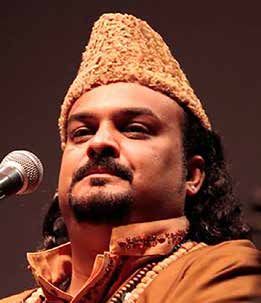
FACES BEHIND THE FIGURES: AMJAD SABRI
NAME: Amjad Sabri
PROFESSION: Musician
COUNTRY: Pakistan
ART FORM: Music
VIOLATION TYPE: Killed
ALLEGED OFFENCE: Playing music
Amjad Sabri, one of Pakistan’s most famous singers, died in the port town of Karachi on 22 June 2016,
after two gunmen on a motorbike shot the singer in his car just a kilometre after leaving his home.
Sabri was a leading and respected Qawwali singer, a Sufi spiritual music, who came from a family
of respected Qawwali singers. The two suspected gunmen, both members of an anti-Shia militant
group, are currently in custody and have confessed to killing the singer on sectarian grounds.ART UNDER THREAT FREEMUSE ANNUAL STATISTICS ON CENSORSHIP AND ATTACKS ON ARTISTIC FREEDOM IN 2016 13
In Spain, theatre organisers putting together a on a five-date tour in Russia and had concerts
multi-day event entitled ‘Night of the Dead 2016’ cancelled and censored in other Russian cities
in Águilas, a Spanish coastal town, decided to after Krasnodar. Belphegor lead singer Helmuth
cancel all scheduled activities after an association Lehner was even attacked by a Russian Orthodox
that defends mentally ill people and their families activist at the St. Petersburg airport when the
filed a complaint to the city’s town hall over one band arrived in Russia.
of the play’s representations of mentally ill people.
Not only should governments protect artists and
On 12 October, a group of people painted over a audiences from the direct, often lethal, threat
mural just one day after it had been finished and from violent non-state actors; but authorities also
displayed on the façade of the Museo Nacional have a responsibility to secure an environment
de Arte (National Art Museum) in La Paz, Bolivia. favourable for everyone to create and share
The group was allegedly offended by the mural’s creative expressions, even when civil society
“negative and graphic portrayal” of two of the groups try to act as censors directly or through
country’s core institutions, the Catholic Church the courts.
and the State.
In USA, the Michael-Ann Russell Jewish Community
Centre in North Miami Beach, Florida, chose to
ARTISTS CENSORING ARTISTS
cancel the drama ‘Crossing Jerusalem’ after
community members protested the anti-Jewish
Artists have for centuries played significant
elements and “false paradigm of the Arab-Israeli
roles as censors, working actively as directors of
conflict” they felt the play portrayed.
censorship boards and as controllers of cultural
budgets, while at the same time benefitting from
In Malaysia, a group of 20 NGOs filed reports
state support – often playing the role of “his
against musician Namewee’s music video ‘Oh
master’s voice”.
My God!’, claiming it “insulted Islam”, which led
police to detain the artist for four days. Namewee
In some countries, artists’ syndicates are
was released on bail in Penang on 25 August, but
government controlled. Some of these syndicates
an investigation is still ongoing.
do not only control which artists are being given
permission to perform; they even perform
Polish authorities did not let Ukrainian band Ot
Vinta cross the border into Poland as local hard- pre-censorship and engage in condemnations of
core football fans known as Ultras threatened to fellow artists.
stage mass riots and burn down the stage if the
band was to play a scheduled concert at a festival In 2016 this has particularly been significant in
on 2 July in the south-eastern town of Przemysl Egypt. But syndicates and unions in other countries
that borders Ukraine. such as Tunisia, Nigeria, Ghana and Kenya also
seem to feel called to condemn and expel other
And in Russia, non-state actors with nationalistic artists – the tendency has, in particular, been
agendas and ties to the Russian Orthodox church related to music.
continue to be behind a number of attacks on art.
Krasnodar city authorities cancelled the concerts In Egypt no one can practice their art without
of Austrian metal band Belphegor and American permission from the syndicates. Since November
metal band Nile on 23 April as they deemed the 2015, both the musicians’ and actors’ trade
band members to be “satanists”. The decision unions in Egypt have been granted judicial status
came after activists from the “Pravoslavni Soyuz” to police and regulate their members.
(Orthodox Unity) group appealed to authorities
to have the shows cancelled. Both bands were14 ART UNDER THREAT FREEMUSE ANNUAL STATISTICS ON CENSORSHIP AND ATTACKS ON ARTISTIC FREEDOM IN 2016
Using his new mandate, Musicians Union In Ghana, the musicians union MUSIGA in June
President Hani Shaker in January issued a urged musicians to refrain from using profane
decision to suspend six female singers – Karima and obscene lyrics in their songs, asked radio
Gamal Ahmed, Nema Adel (Shahd), Nahed Adel and TV station operators to act as gatekeepers in
(Lamis), Yasmin Yusri (Farah), Dalia Yusef (Sandy) this regard, and called upon Parliament to step in
where the National Media Commission has failed
and Fatma Jaber (Fifi) – from being able to work
to regulate what music goes on the airwaves.
as artists based on their allegedly sexually
suggestive behaviours during performances.
Union President Bice Osei Kuffour, himself a
musician known as Obour, said in a statement
released on 26 May that the union is “concerned”
“Union members will not arrest anyone; at “the rising incidence of profane lyrics” and is
however, we will be able to write police “disturbed” that such songs are played on the
reports and refer them to the public radio without edits, especially during primetime.
prosecutor ... freedom of expression is
what brought Egypt to the bottom and Popular Ghanaian dancehall artist Shatta Wale
allowed indecent art works.” criticised the union, saying it should rather focus
- Hani Shaker, Musicians Union President its efforts on improving the welfare of musicians,
as discouraging the use of certain lyrics will limit
artistic creativity, which in turn will affect the
livelihoods of musicians.
Mirroring the actions taken by the Egyptian
Musicians Union, the Tunisian Musicians
Instead of censoring and prohibiting its own
Syndicate in March banned singer Tunisian members from working as artists, artist unions
Naglaa (real name: Hana al Zughlami) from and syndicates should improve working conditions
working in the country under accusations she for its members and defend their rights. Solidarity
promoted vice and immorality in her video and among artists is a fundamental component in a
single ‘La Ykhebbesh Wala Ydebbish’. successful struggle for artistic freedom.
FACES BEHIND THE FIGURES: KUTSAL EVCIMEN
NAME: Kutsal Evcimen
PROFESSION: Musician
COUNTRY: Turkey
ART FORM: Music
VIOLATION TYPE: Prosecuted
ALLEGED OFFENCE: Performing song about baby donkeys
Kurdish folk singer Kutsal Evcimen was sentenced to 11 months and 20 days in prison in March
2016; the sentence was suspended for five years. His “crime” was to have performed a song about
baby donkeys 18 months earlier at a folk festival. In Turkey, the phrase“ baby donkey” is sometimes
used as a mild form of insult, equivalent to calling someone a fool. The song, whose lyrics, despite
not mentioning any president or any names, was deemed insulting to Turkish President Erdoğan.ART UNDER THREAT FREEMUSE ANNUAL STATISTICS ON CENSORSHIP AND ATTACKS ON ARTISTIC FREEDOM IN 2016 15
However, a Hamburg court on 17 May banned the
CENSORING ACROSS BORDERS
re-publication of 18 lines of the 24-line satirical poem
as they were deemed to be “abusive and libellous”.
In 2016, two countries especially, Turkey and China, The court said it had to strike a balance between
aggressively made attempts to strangle freedom artistic freedom and Erdoğan’s personal rights.
of artistic expression outside their own borders.
Since becoming president in 2014, Erdoğan
Turkey’s President Recep Tayyip Erdoğan and has exercised his own version of lèse-majesté
his numerous lawyers filed a legal complaint by charging more than 1,800 people for insults
in Germany against German comedian Jan against him, according to The Guardian.
Böhmermann for a satirical and controversial
poem criticising the Turkish president, which In the spring of 2016, Markus Rindt, the director
Böhmermann read on his public broadcaster of the Dresden Symphony, claimed that Turkey
ZDF TV programme ‘Neo Magazin Royale’ on had demanded the European Commission (EC)
31 March. to pull its 200,000 Euros funding from the ‘Aghet’
art project marking the 101-year anniversary of
Erdoğan was able to file a legal complaint in a the Armenian genocide.
foreign country due to an infrequently used
paragraph of the German criminal code that Turkey complained that it is was offended by the
concerns insulting foreign state representatives use of the word “genocide” on the EC’s website
and institutions, otherwise known as lèse-majesté. as the country denies that it conducted genocide
against ethnic Armenians in 1915 during the end
German Chancellor Angela Merkel on 15 April of the Ottoman Empire. It remains illegal in the
authorised prosecutors to conduct a criminal country to refer to the events as genocide.
inquiry into the case, but six months later, in
October, German prosecutors decided to drop The European Union (EU) seemingly bowed to
the investigation. In April, Merkel also announced the pressure and temporarily removed the pages
that her government would move to repeal the from the website, but did not pull its funding
paragraph by 2018. from the project.
Lèse-majesté
Erdoğan’s case against Böhmermann made several Europeans aware of old-fashioned laws, such
as lèse-majesté – the crime of violating majesty, an offence against the dignity of a reigning
sovereign or against a state. These laws are still in existence in Germany, as well in several
monarchies in Europe, such as Denmark and Norway (although not used), as well as in countries
outside Europe, such as Thailand and Saudi Arabia.
Lèse majesté is particularly rigorously applied in Thailand, where in August two actors – Patiwat
Saraiyaem and Pornthip Munkong – who were serving a two-and-a-half year prison sentence
under the controversial law, were released early in a royal pardon.
The actors, arrested in August 2014, were sentenced in February 2015 for staging the play ‘The
Wolf’s Bride’ (Jao Sao Ma Pa) in October 2013. The play, deemed to be insulting to King Bhumibol
Adulyadej, centred on a fictional monarchy.16 ART UNDER THREAT FREEMUSE ANNUAL STATISTICS ON CENSORSHIP AND ATTACKS ON ARTISTIC FREEDOM IN 2016
It is not a new phenomenon that China uses its China also makes use of trade and tourist
reach and economic heft beyond its borders to restrictions and pressure as part of the country’s
stop any activities overseas that highlight or put foreign and security policy.
focus on the repression of Tibetan culture or
challenges Beijing’s ‘One China’ policy. When the South Korean government decided
to deploy the US missile defence system called
In Bangladesh, Chinese Ambassador Ma Mingqiang THAAD, the Chinese government strongly
in February found the ‘Last Words’ exhibit at the opposed the deployment.
Dhaka Art Summit “offensive” and called for its
removal as it featured copies of handwritten letters While the Chinese government has never explicitly
by five Tibetans before they self-immolated in admitted to banning Korean cultural products,
protest against the Chinese government. Geng Shuang, the spokesperson for China’s
Ministry of Foreign Affairs, on 21 November said:
Organisers of the summit felt “intimidated” and “Human exchanges between the two countries
“frightened” by the ambassador and presented need to be based on public opinion”, adding
the exhibit’s creators, filmmakers Ritu Sarin and that the Chinese public was not happy with the
Tenzing Sonam, with the choice to either have deployment of THAAD.
their exhibit taken down or covered up. The
filmmakers decided the works should remain, China is the largest export market for South Korea’s
but covered with white sheets to expose the cultural products, but after the deployment of
censorship.
THAAD, South Korean export of cultural products
dropped by 21.7% in the third quarter of 2016,
In May, New York-based dance troupe Shen Yun
according to The Korea Herald.
also felt China’s long reach in South Korea when
they found their scheduled performances cancelled
Since October 2016 no South Korean artists
by court order “explicitly citing threats by the
were given permission to perform in China and
Chinese embassy”.
officials from China’s State Administration of
Press, Publication, Radio, Film and Television
The trouble between the dance troupe, the
have allegedly passed down “verbal orders” to
Korean Broadcasting Service (KBS) which runs
TV stations that approvals for South Korean
the theatre venue KBS Hall, and China started in
programmes or those featuring South Korean
January when the Chinese embassy sent a letter
stars would not be granted “for the time being”.
to KBS warning that allowing Shen Yun’s show
to go on would result in a “a huge loss” if China
were to revoke KBS’ broadcasting rights. KBS is 2016 also saw China banning and blacklisting a
one of the few companies allowed to air foreign number of artists from performing live, on radio
television in China. KBS Hall capitulated and and TV, and from having their music available
cancelled the show. This led local organisers on online streaming services because of their
New Cosmos Media to take the matter to court. actions or statements related to Tibet, Taiwan
and Hong Kong.
In proceedings, KBS Hall stated they were not
“properly notified” of the troupe’s association In a globalized world, information and art is
with Falun Gong, which gave them grounds for constantly shared across borders. When foreign
cancellation. Falun Gong is a Chinese spiritual governments use legal, political or economic
practice that gained prominence in China in the pressure to silence artists, the national and
1990s, but was later banned and labelled as a international response in defence of artistic
“cult” by Chinese authorities. freedom must be loud and clear. Antiquated
national legislation, even when not used, does
According to Shen Yun, the group has experienced not help; rather, it creates an excuse for repressive
59 events since 2007 of Chinese authorities regimes and thin-skinned heads of states to use
“interfering” with the group’s performances similar laws to continue crackdowns on artists
worldwide. at home.ART UNDER THREAT FREEMUSE ANNUAL STATISTICS ON CENSORSHIP AND ATTACKS ON ARTISTIC FREEDOM IN 2016 17
The attack was condemned by the Ministry of
CENSORING WOMEN ARTISTS
Culture and Islamic Guidance, who granted
permission for the screening, and by the Vice
When women artists are targeted it is often President for Women and Family Affairs
specifically related to their gender. In several Shahindokht Mowlaverdi, also a member of
countries, women artists are prohibited from President Rouhani’s administration.
performing solo or for mixed audiences. Iran and
Saudi Arabia are leading the league of religiously Motamed-Aria first drew negative attention from
motivated states that ban and censor women religious conservatives in 2010 when she attended
artists from performing in public space. France’s Cannes film festival without wearing
a head scarf. She also acted in the 2012 film
Such bans have had devastating effects on the ‘Parinaaz’, which was banned until Hassan Rouhani
diversity of cultural expressions. Though many became president. Despite the lifting of the ban, at
brave women artists are challenging these the time, the film had yet to screen to the public.
hardline bans, they face serious consequences.
Although music has slowly returned to Afghanistan
after the all-out ban imposed by the Taliban
during their rule has lifted, women’s voices are
“The omission of female players in Isfahan
still considered undesirable in many regions.
has led to the deterioration of the music
scene in the province. Women make up half
In May, local Ministry of Information and Culture
of the active and creative population and they
authorities in the southern Kandahar province of
have been paralyzed.”
- Nasim Ahmadian, head of the all-women music group Nasim
Afghanistan banned women’s songs from being
broadcast across local media, directly affecting
the 11 radio stations in operation in the area.
Kandahar’s Information and Culture Director
In the Iranian province of Isfahan, women musicians Hazrat Wali Hotak said that “programmes on many
are not allowed on stage at all. Mohammad Qotbi, of the province’s radio stations are unacceptable
and have warned the stations to change their
head of the Isfahan Culture and Guidance
programming or else they will be faced with
administration and member of the clergy,
legal action”.
compared music bands to the national football
team, saying that just as there are substitutes for
In several countries, women singers and artists
players on a football team, music groups should
were specifically targeted as “indecent” in 2016.
also have substitutes for their female players.
The six Egyptian female singers, who were
It was also in Isfahan that Fatemeh Motamed-
banned from performing by the Egyptian Musicians
Aria, one of Iran’s most famous actresses, was
Union in January, were persecuted because their
attacked by religious hardliners at a screening
behaviour according to the syndicate was not
of her movie ‘Yahya Did Not Stay Silent’ on 29 in line with public morals as they wore “body
January in the city of Kashan. Outside the movie revealing clothes”, acted “racy” and “sexually
theatre, the actress, director and cast of the suggestive” on stage, including dancing while
movie were met by a crowd of about 50 people singing, to “deliberately stir instincts and desires”.
shouting at the group and calling on Motamed- The same reasoning was behind the Tunisian
Aria to leave the city. Musicians Syndicate’s banning of female singer
Tunisian Naglaa in March.
“They insulted Ms. Motamed-Aria with things I
had never heard before,” director Kaveh In Tanzania, female musician Snura Mushi’s hit
Ebrahimpour said. ‘Chura’ not only led Tanzanian authorities to ban18 ART UNDER THREAT FREEMUSE ANNUAL STATISTICS ON CENSORSHIP AND ATTACKS ON ARTISTIC FREEDOM IN 2016
her music video, which shows scenes of women
CONFLICTS BETWEEN COUNTRIES
in dresses “twerking” on a beach, and ban its
distribution on 4 May; they also banned the artist
AFFECT CULTURAL INDUSTRIES
from performing until the video was edited.
Further, authorities stated that any individual When two countries are in conflict cultural life
who shared or distributed the video would also and cultural industries are often heavily affected.
face legal action. Some artists feel pressure to support their
national governments irrespective of their political
The incongruity of initiatives against artists acting views; others may even use nationalistic sentiments
indecent, often hitting women artists harder than to promote their careers; while some suddenly
men, was clearly seen in Nigeria when the Motion see their potential markets shrinking. Artists
Pictures Practitioners Association of Nigeria attempting to be neutral, or who even take upon
(MOPPAN) expelled Nigerian actress Rahama themselves a role as mediator, risk being
Sadau on 2 October for what it considered “immoral” accused of supporting the “other side”.
actions. The actress played a character in male
musician ClassiQ’s music video ‘I Love You’
In 2016, local artists and cultural producers
where she hugged, cuddled and held hands with
in Russia and Ukraine, as well as in India and
the male musician. While the actress was expelled
Pakistan, were particularly affected by conflicts
and banned, no actions were taken against the
between countries.
male artist.
The Russia-Ukraine conflict began in 2014 after
In Japan, a Tokyo district court on 9 May found
Russia’s invasion and annexation of Crimea. The
Japanese artist Rokudenashiko (real name:
conflict left artists caught in the middle of a
Megumi Igarashi) guilty of breaking the country’s
political struggle. Artists who have performed,
obscenity laws because of her artwork ‘Pussy
or plan to perform, in Crimea, or who are
Kajak’, and was fined 400,000 yen (approx. $3,700
considered sympathetic to either side’s position
USD). In court, Igarashi insisted her artworks
have seen their works and performances banned
were not obscene.
from being heard, screened or attended in either
country. The conflict has even affected artists
“I am innocent because neither the data for
female genitals nor my artworks shaped like from other countries when they planned to
female genitals are obscene,” she told the court. perform in Crimea.
The artist has explained that she started the art After the Ukrainian Ministry of Culture announced
project as a response to the fact that female on 18 January that it would cancel Italian opera
genitals were “overly hidden” in Japanese society, singer Alessandro Safina’s concerts in the country
whereas the male sexual organ – the penis – is since he was also scheduled to hold performances
regarded as “part of pop culture” and has its own in Crimea, the singer announced on 22 January
annual festival in Kawasaki, a festival which has that he would cancel his two dates in the contested
been around for 39 years. region.
Art is for everyone. Women artists should be In April, Ukraine outright banned all Russian
able to express themselves artistically anywhere, films and TV series released since 2014 from
without fear of reprisal or bans. Societies have a being screened in the country, as an amendment
responsibility to combat social and cultural biases to its 2015 Law on Cinematography that already
that prevent women and girls from becoming banned Russian military genre films. And
artists in the first place. It is equally important Ukraine’s National Council of Television and
that women’s right to access culture is respected Radio Broadcasting removed 15 Russian TV
worldwide. channels from its broadcasting providers.ART UNDER THREAT FREEMUSE ANNUAL STATISTICS ON CENSORSHIP AND ATTACKS ON ARTISTIC FREEDOM IN 2016 19
In September, the Ukrainian government said it
would deny entry to blacklisted Russian singers Long history of bans between India and
competing for the 62nd Eurovision song contest Pakistan
set to take place in capital Kiev in May 2017 if Even before the current tension over
they are found to support the separatist cause. attacks in Kashmir and the subsequent
sweeping censorship, India and Pakistan
have instituted bans over each other’s films
A month later, in a positive move against the
and actors on an individual basis; though
tendency of victimizing artistic productions due to
Pakistan more regularly bans Indian film.
the conflict, lawmakers in Ukraine’s parliament,
The longest and most serious ban came
the Verkhovna Rada, voted against the bill. after the second war the two countries
fought over Kashmir in 1965, wherein
In Russia, outright bans related to the conflict Pakistan banned Indian films for 43 years
were rare, but more subtle mechanisms of until the ban was lifted in 2008.
censorship and marginalization affected artists
and cultural organisers considered not being
“patriotic enough” in relation to the Russia-
Ukraine conflict. As an example, famed “founding The Indian Motion Picture Producers’ Association
father of rock” in Russia Boris Grebenshchikov’s (IMPPA) decided at an annual general meeting
long-time band Aquarium had concerts cancelled on 30 September to ban Pakistani film workers in
in Khabarovsk, Komsomolsk-on-Amur and the film industry. Producer and IMPPA member
Blagoveshchensk officially due to an inability to Ashoke Pandit stated that the organisation “paid
find suitable sites. homage to the martyrs who were killed” and thus
felt a “responsibility towards the nation”. On 1
However, many fans of the band took to social October, media mogul and chairman of Zee
media reporting that the regional Ministry of Entertainment, Subhash Chandra Goel, announced
Culture put Grebenshchikov, and other “insufficiently that his network would be pulling all Pakistani TV
patriotic artists”, on an unofficial blacklist. Tour shows from its Zindagi channel, known for airing
organisers confirmed that political reasons were popular Pakistani TV serials.
behind the cancellations, specifically concerning
the musician’s attitude toward the “Ukrainian India’s lucrative film industry – though divided
on the question of art versus patriotism – saw
question”.
an association of more than 400 cinema theatre
owners in Maharashtra, Goa, Karnataka and
The almost 70-year old conflict between India
Gujarat states announce they would stop screening
and Pakistan over Kashmir has several times led
movies featuring Pakistani actors, who in the
to almost suspended diplomatic relations and a
past years have gained increased popularity
number of “cultural conflicts” between the two
amongst Bollywood producers.
countries. This was also the case during the final
part of 2016 when an attack by militants allegedly Pakistan’s Film Exhibitors and Distributors
coming from Pakistan in September killed several group, in response to the Indian boycotts,
Indian soldiers at an Indian army base and suspended the screening of all Indian films until
sparked off heated debates, bans and boycotts “normalcy returns” and many major cinemas
by state and non-state actors in both countries, filled in their movie schedule gaps by screening
affecting artists, cultural life and the cultural classic Pakistani films. The Pakistan Electronic
economy. Media Regulatory Authority (PEMRA) announced20 ART UNDER THREAT FREEMUSE ANNUAL STATISTICS ON CENSORSHIP AND ATTACKS ON ARTISTIC FREEDOM IN 2016
an immediate ban on all Indian TV channels,
LGBT ARTISTS AND ARTWORKS
effective as of 21 October, and stated that the
CONTROVERSIAL GLOBALLY
federal government had authorised it to enact
the ban.
Lesbian, gay, bisexual, and transgender (LGBT)
However, as tensions “cooled down” by the end artists and art portraying LGBT-related content
of the year, Film Exhibitors Association chairman continue to be seen as controversial around the
Zoraiz Lashari confirmed that cinema owners world. In many countries it is outright illegal. As a
consequence, a number of cases of LGBT artists
would begin screening Indian films across Pakistan
and LGBT-themed art have been censored in 2016.
from 19 December, saying:
In Russia, with its laws on homosexuality making
“Cinema business has been hit immensely and headlines since the adoption of the federal anti-
all stakeholders felt it was the right time to begin LGBT “propaganda” law in June 2013, orthodox
screening Indian films. It was always a self- activists in February attempted to stop the
imposed suspension, not a ban.” performance of the ‘All Shades of Blue’ play in
St. Petersburg due to its plotline of a boy who
Pakistani cinema chains rely heavily on Bollywood. decides to come out as gay to his family. The group
Experts estimate Indian movies account for attempted to dissuade people from watching the
60-70% of their revenues. play and performances were interrupted two
days in a row due to bomb threats called in to the
theatre leading to the evacuation of audiences.
Banning cultural products is always a bad idea.
Any lasting solution to a conflict is built on
Also in Russia, the ‘I Want to Fly’ exhibition by
mutual understanding. Art and artists help bring Alexandra Kim was shut down just four days after
humanizing stories and ideas across borders. its opening at the regional art gallery on Sakhalin
Encouraging, rather than banning, such cultural Island following a collective complaint signed by
exchanges should be in the interest of all sides of eight members of the local Union of Artists, stating
a conflict. the exhibition was “promoting gay relations”.
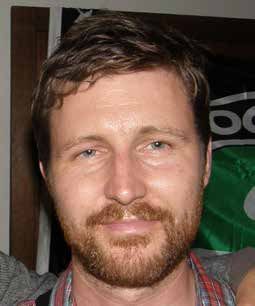
FACES BEHIND THE FIGURES: ANDREW HAIGH
NAME: Andrew Haigh
PROFESSION: Film director
COUNTRY: Italy
ART FORM: Film
VIOLATION TYPE: Censored
ALLEGED OFFENCE: Film containing homosexuality and
drug use
Andrew Haigh’s 2011 film ‘Weekend’ was banned by the Catholic Church from being screened in
its cinemas, shutting it out from over 1,100 theatres and limiting Italian audiences who wished to
see the film to only be able to do so in ten independent theatres. The Italian Conference of Bishops’
Film Evaluation Commission described the film as “not advised, unusable and scabrous (indecent
or salacious)”, listing its principle themes as drug use and homosexuality, rather than romance.ART UNDER THREAT FREEMUSE ANNUAL STATISTICS ON CENSORSHIP AND ATTACKS ON ARTISTIC FREEDOM IN 2016 21
India’s Central Board of Film Certification (CBFC)
in July refused to certify ‘Ka Bodyscapes’, the
FUNDING AS A TOOL OF REPRESSION
latest film by New York-based director Jayan K
AND CENSORSHIP
Cherian, because the censors deemed it “vulgar”
and obscene” for “highlighting gay” themes. Lack of, or placing bans on, funding of oppositional
and critical artists constitutes a severe threat to
Qatar, Bahrain, Jordan, Kuwait, Oman and United
artistic freedom of expression and the protection
Arab Emirates in the beginning of 2016 all
of the diversity of cultural expression. In 2016,
banned screenings of Tom Hooper’s transgender
film, ‘The Danish Girl’, which failed to pass local the suspension and banning of funding were
censor requirements over “moral depravity”, particularly significant in South Korea, Israel
saying it “promoted homosexuality and gender and Russia.
transformation”.
South Korea, during the second half of 2016,
In USA, Christian band Everyday Sunday was plunged into a political scandal, which included
dropped from the northern California Christian a vote in December to impeach President Park
music festival Joshua Fest as 11 production staff Geun-hye. Artists and cultural workers had for
threatened to walk out if gay lead singer of the
a long time protested against the government’s
band, Trey Pearson, took the stage.
abuse of power and corruption. In an attempt to
silence critics, the South Korean government in
A number of music videos were also censored for
showing homosexual content in 2016. October blacklisted 9,473 artists from receiving
state support, including financial support, due
The Kenyan Film and Classification Board to their political activity of either being critical of
banned Art Attack’s video for its remix of the current government or backing opposition
Macklemore and Ryan Lewis’ gay rights song politicians. The blacklist is one element in the
‘Same Love’ on the grounds that “it does not corruption and power abuse case against
adhere to the morals of the country”. President Park.
And in Russia a video by British electronic band On 12 January 2017, three of Ms. Park’s former
Years and Years for its single ‘Desire’ was censored
aides, including one of her former culture ministers,
by blurring out a scene wherein the lead singer
Kim Jong-deok, were arrested on charges of
kisses another man.
blacklisting cultural figures deemed unfriendly
Public response to LGBT performers, art and issues and barring them from government-controlled
also continues to be controversial in Singapore. support programmes.
A brief peck between two male actors in musical
‘Les Miserables’, staged at Singapore’s Esplanade In Israel, the Netanyahu government and its
Theatre, was cut from the production after the cultural minister Miri Regev have started
state’s Media Development Authority said it confronting artists and cultural institutions
violated the show’s ratings and had received critical of the government and sympathetic to the
public complaints. Palestinian cause. At the end of January 2016,
Regev proposed an amendment – dubbed the
Eighty countries currently criminalise same-sex
“loyalty in culture” bill – that would slash
relations or the discussion of LGBT rights,
government funding for any arts organisation
according to Human Rights Watch. Instead of
censoring LGBT artists and artworks, governments not “loyal to the state”.
should repeal laws that openly discriminate
against LGBT people and protect artists from The proposal prompted accusations of censorship
being persecuted because of their sexual identity. and sparked a fierce debate about racism, free
Anything less is a violation of international law. speech and the future of Israeli democracy.22 ART UNDER THREAT FREEMUSE ANNUAL STATISTICS ON CENSORSHIP AND ATTACKS ON ARTISTIC FREEDOM IN 2016
Numerous artists, writers and political leaders, The censorship mechanism of expelling critical
came out against the bill, which was eventually art companies and cultural institutions from
turned down by Parliament. state-owned buildings is often used by Russian
authorities. In 2016, the government-critical
In June, Regev cut funding to the Arabic-language Teatr.doc company moved into their third location
after authorities very suddenly came up with
al-Midan theatre, which had been staging ‘Parallel
technicalities invalidating their occupation of the
Time’, a controversial play about the prison life
last two locations.
of a Palestinian who killed an Israeli soldier.
She also announced a plan to cut funding by 33 In the words of Farida Shaheed, the first UN
percent to organisations that refuse to perform Special Rapporteur in the field of Cultural Rights:
in the settlements and boost funding to those “State cultural policies need to take artistic
organisations who do by 10 percent. freedoms into consideration, in particular when
establishing criteria for selecting artists or
Reacting to Regev’s policy, a group of Israeli institutions for State support. The pivotal factor is
artists, museum directors and art educators filed ensuring that the system as a whole is neutral.”
a lawsuit against the minister. Threats to funding
based on policies that limit freedom of expression Governments should refrain from using funding
could be a “death blow to culture institutions that as a tool to suppress critical artistic voices.
rely heavily on public funding”, said one of the
petitioners in the lawsuit.
PROTECTION AS AN EXCUSE FOR
In Russia, cultural institutions are well aware VIOLATING ARTISTIC FREEDOM
that crossing “red lines” will result in persecution,
withdrawal of funding, marginalization and the
Two arguments run as a current below a majority
risk of being expelled from their art premises.
of the tendencies that drove artistic freedom
An open controversy between Russia’s artistic
violations in 2016 – the “protection of the state” and
community and the Kremlin broke out in the “protection of traditional values and religion”. Both
autumn of 2016 when leading Moscow theatre arguments are not new, and both are widely used.
directors accused the government of censorship
and attaching informal conditions when giving State protection was an argument extensively
funding. used by countries such as China, Turkey and
Israel in 2016.
Tibetan artists prosecuted by China and serving
If the state funds theatre it is entitled to make time in 2016 were often sentenced on charges
some recommendations as to content. of “seditiously splitting the state” or “inciting
- Dmitry Peskov, spokesman for President Vladimir Putin
separatism”.
A new film law passed by Chinese lawmakers in
2016 now directs filmmakers to produce films
At a meeting with artists in December,
that “serve the people and socialism”, “prioritise
President Vladimir Putin called any effort to social benefits”, and preserve “national unity,
interfere with theatre performances or exhibits sovereignty and territorial integrity”. Authorities
“absolutely inadmissible”, but said artistic said the purpose of the law was to promote
expression carried responsibility to avoid “socialist core values” and “enrich the spiritual
offending religious believers. and cultural life of the masses”.ART UNDER THREAT FREEMUSE ANNUAL STATISTICS ON CENSORSHIP AND ATTACKS ON ARTISTIC FREEDOM IN 2016 23
And as shown by this report, China has repeatedly beginning with Russia’s June 2013 nationwide
censored artists at home and abroad who were ban on “propaganda” for “non-traditional sexual
seen as challenging Beijing’s “One China” policy. relationships”, legislation emulated by states
throughout Eastern Europe, Central Asia and
In Turkey, the immense amount of detentions, Africa. According to Human Rights Watch, 80
firings, prosecutions and persecutions of artists, countries currently criminalise same-sex relations
media and academia after the attempted coup in or the discussion of LGBT rights.
July 2016 have been justified by authorities
who claim the attacks are related to the Gülen As shown in this report, artistic expression has
movement. According to President Erdoğan and been affected by LGBT repression in Russia, as
his administration, the movement was behind
when a video by the British electronic band Years
the coup attempt and thus is a threat to national
and Years was censored for its depiction of a
security.
same-sex kiss. Such incidents, however, are part
of a broader constriction of cultural and artistic
Additionally, the continued arrests and harassments
freedom under President Putin, who has publicly
of Kurdish artists, such as Grup Yorum, in Turkey,
portrayed Russia as a global guardian against
are also justified by authorities as a fight against
terrorism and protecting the unity of the Turkish Western-style liberalism and tolerance that
state. would erase national and cultural differences
and undermine the very distinction between good
In Israel, when Minister of Culture Miri Regev and evil.
campaigned for the cancellation of a performance
by Palestinian rapper Tamer Nafar at the Haifa In Uzbekistan, the discourse of traditional values
Film Festival, she argued that “public funds can be heard in an ongoing project to “restore”
should not be used to support activists who seek an authentic Uzbek national identity in the
to undermine the state, its values and its symbols post-Soviet era. In the words of an embassy
in the name of art and free speech”. statement, the period of Soviet domination
“destroyed the spiritual bases, values, ideals,
Alongside the rationale of “protecting the state” traditions, and social orientations of the individual
to justify violations of artists’ rights, the discourse person and the whole nation”. The government
of “traditional values” has gathered renewed must now work to “restore spiritual and cultural
energy from recent efforts in the international values as a basis of sustainable development
community led by the Russian Federation and and powerful impetus to the national identity”.
supported by China along with numerous “Islamic” The push for traditional cultural values has been
states and members of the African Group. behind the banning of over 700 films in 2016, the
revocation of musicians’ licenses to perform and
Since 2009, Russia has introduced several
a ban on broadcasting images of the tar, a musical
resolutions to the United Nations Human Rights
instrument deemed “non-Uzbek”.
Council “promoting human rights and fundamental
freedoms through a better understanding of
In some national contexts, the appeal to traditional
traditional values of humankind”.
and national values finds a more explicitly religious
expression.
While framed as an attempt to enlist local religious
and cultural practices in the service of universal
human rights norms, this discourse of traditional In Pakistan, recent film bans have cited “anti-
values, much like the language of U.S. Christian Pakistan as well as anti-Muslim” content and in
conservatives of the 1990s, is organized around Nigeria the film ‘Ana Wata Ga Wata’ was banned
notions of the family and child development that by the Kano State Censorship Board because it
are hostile to sexual and gender equality. went “against the religious and cultural values of
the people of the state”. Kano state is one of the
In national contexts, the same rhetoric has been 12 Northern Nigerian states that has introduced
associated with a wave of anti-LGBT actions Sharia law.You can also read


