Attainable Housing Strategies - Preliminary Recommendations Montgomery Planning | Countywide Planning & Policy
←
→
Page content transcription
If your browser does not render page correctly, please read the page content below
Montgomery Planning | Countywide Planning & Policy                     06/24/2021

Attainable Housing Strategies
Preliminary Recommendations
                                                     Montgomery Planning       1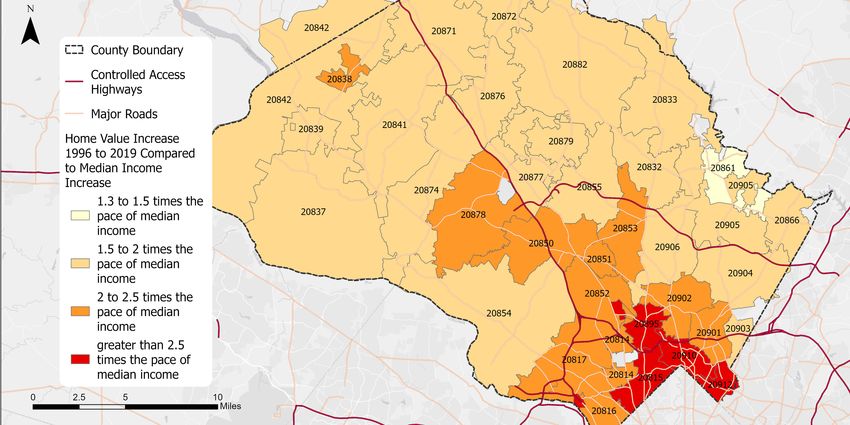
Agenda
WHAT   About Today’s Agenda Item
       Distinguishing Related Efforts
WHY    The Council’s Ask
       The Rationale for Making a Change
HOW    Preliminary Attainable Housing Recommendations
WHO    Public Comments
WHEN   Guidance on Next Steps

                                                        Montgomery Planning   2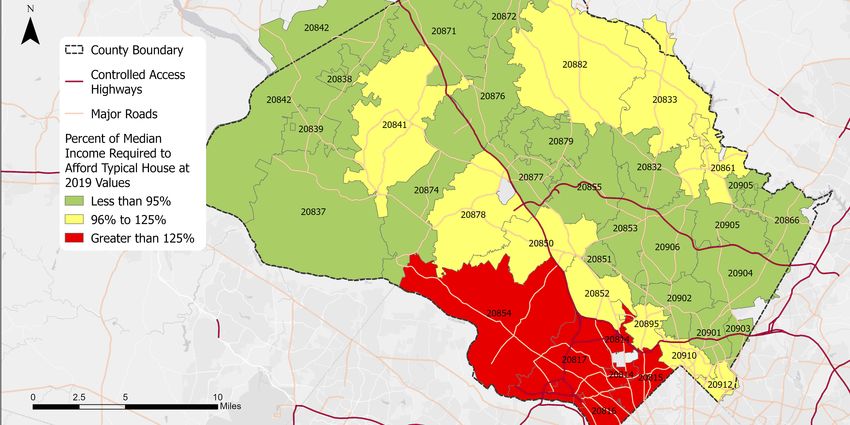
About Today’s Agenda Item
• Planning staff will present preliminary AHS recommendations
• Planning Board asked to provide initial questions/brief preliminary
  feedback due to large number of public speakers
• Board will discuss AHS recommendations in depth with staff during
  July worksessions
• AHS is a study, not a formal plan or introduced zoning action. This is
  not an official public hearing, but an opportunity for the Planning
  Board to receive public comments on AHS and staff recommendations

                                                               Montgomery Planning   3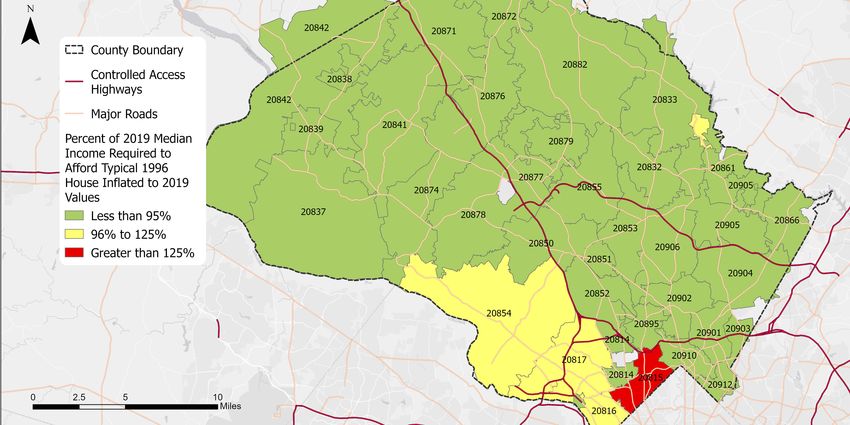
Planning Team
• Lisa Govoni Countywide Planning and Policy
• Zubin Adrianvala Mid County Planning
• Ben Berbert Countywide Planning and Policy
• Todd Fawley-King Research and Strategic Projects
• Jason Sartori Countywide Planning and Policy
• Tanya Stern Director’s Office

• Communications Division
• Silver Spring Downtown and Adjacent Communities Plan team
• Urban Design team

                                                              Montgomery Planning   4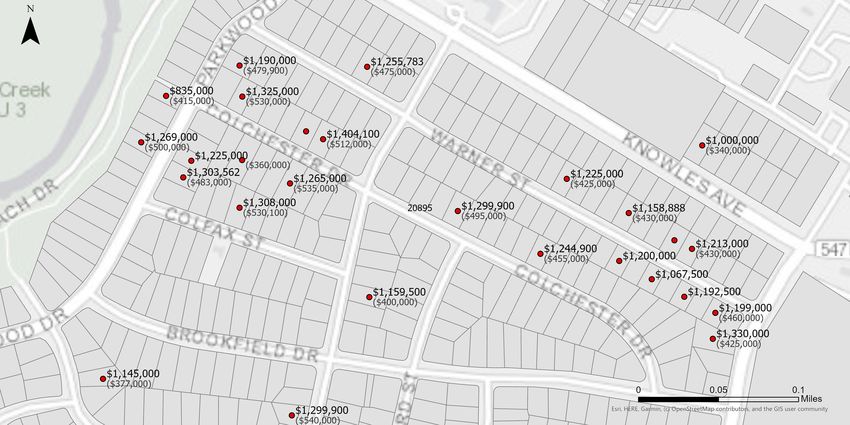
Concurrent and related efforts
                                                         Thrive Montgomery 2050
                                The Planning Board transmitted its draft of Thrive Montgomery 2050 to the council in Spring 2021.
                                       A General Plan provides long-range policy framework. It does not change zoning.
                                        Thrive Montgomery 2050 will have its public hearings at the Council this month.

                                  Attainable Housing                                                           Silver Spring Downtown &
                                       Strategies                                                             Adjacent Communities Plan
                                                                                                              Planning Board expanded the Silver Spring Plan Area
                             In March 2021, the County Council asked the                                       to examine the potential for Missing Middle housing
        Planning Board to consider zoning reforms that “would allow for greater opportunities for             in blocks adjacent to Downtown and the Purple Line.
                                       Missing Middle housing.”                                                The recommendations from AHS will inform the
                                                                                                               recommendations on Missing Middle for SSDAC.

               ZTA 20-07                                Zoning Recommendations                                 Sectional Map Amendment
Councilmember Jawando introduced Zoning Text
  Amendment 20-07 in December 2020 to allow                 The Planning Board will transmit zoning                The master plan process will conclude with
Missing Middle types of housing in the R-60 zone.       recommendations to the County Council for its             the adoption of a sectional map amendment
                                                      consideration and potential introduction as a ZTA to       that implements the zoning recommendations
      ZTA 20-07 has had its public hearing,                  pursue the AHS and Thrive objectives.                            in the SSDAC Plan.
      but no further action has been taken.

                                                                                                                                    Montgomery Planning          5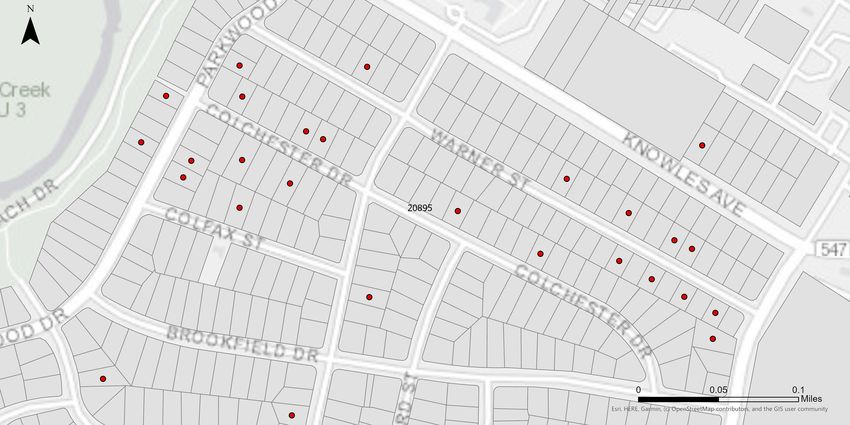
Our terms have evolved
Missing Middle Housing                     Attainable Housing
• A term coined by Opticos Design to       • Attainable housing offers more
  describe a range of house-scale multi-     diverse types of housing
  unit structures that are compatible in     beyond house-scale Missing
  scale with detached single-family          Middle housing types.
  homes.
                                           • Attainable housing
                                             incorporates building types
                                             described as Missing Middle
                                             but also adds a focus on
                                             households of various incomes
                                             being able to obtain housing
                                             that is suitable for their needs.

                                                                        Montgomery Planning   6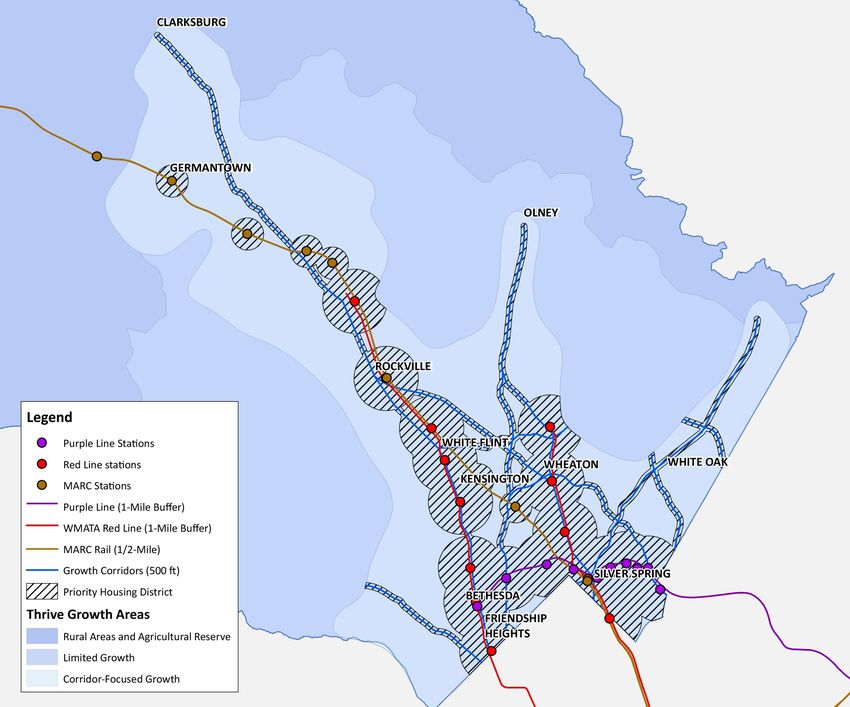
Council Request
• The initiative is the result of a County Council
   request for the Planning Board to consider and
   recommend “zoning reforms that would allow
   greater opportunities for Missing Middle
   housing in Montgomery County.”

• Attainable Housing Strategies is the resulting
   effort, through which Planning has prepared
   recommendations to allow the development
   of more diverse types of housing, including
   Missing Middle Housing, in Montgomery
   County.

                                                     Montgomery Planning   7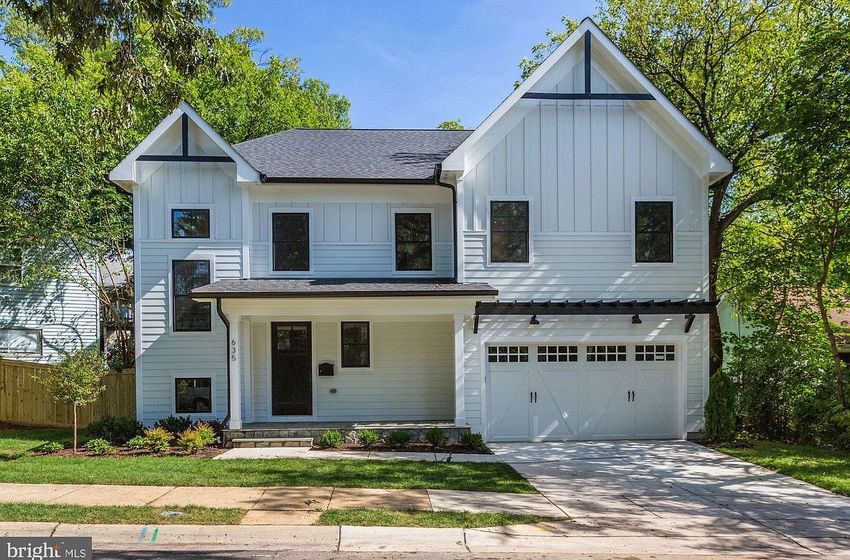
Scales
Recommended Tools
Geographic Targets
      SMALL SCALE         MEDIUM SCALE          LARGE SCALE

   Duplexes, triplexes,    Stacked flats,    Mixed-use Live/work
  fourplexes, accessory        small          buildings, stacked
     dwelling units         apartment             flats, small
                             buildings       apartment buildings
      2-2.5 stories       (three stories),      (four stories)
                           townhouses
                                                 4-5 stories
                            3-4 stories

                                                                   Montgomery Planning   8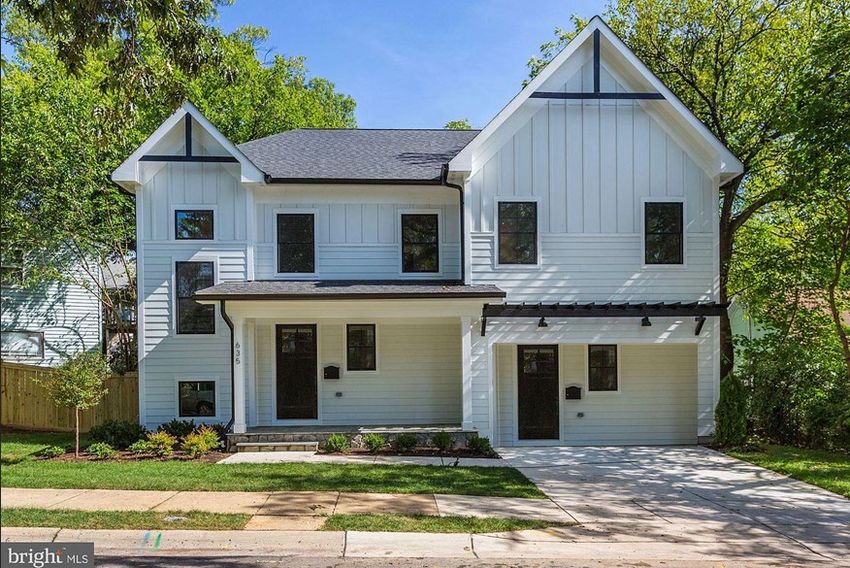
Scales
Recommended Tools
Geographic Targets
       SMALL SCALE            MEDIUM SCALE       LARGE SCALE

   House-sized multi-unit     New Optional       Master Plans
  structures by-right with     Method of
 pattern book conformance     Development

 Within single-family-zoned      Growth       Small corridor areas
      neighborhoods           Corridors and
                               Centers of
                                 Activity

                                                                     Montgomery Planning   9
Attainable Housing Strategies Goals
           SMALL SCALE                  MEDIUM SCALE               LARGE SCALE

       House-sized multi-unit            New Optional              Master Plans
      structures by-right with            Method of
     pattern book conformance            Development
          Increase the diversity of housing options in more parts of the county

                                         Work toward meeting the county’s housing
                                               supply obligations and needs.

                                                                                    Montgomery Planning   10
Hypothetical Example of Replacement
Home Impacts
Montgomery Planning 11Sample Neighborhood with Active
Replacement Home Market 50
Replacement Homes
built/sold from
2011-2020 in TAZ
679
$815K
Average home sale
2011-2020
$485K
Avg. value of
properties acquired
by Replacement
home builders
$1.25M
Average sale price
of Replacement
Homes
Montgomery Planning 12Limited Impact if some of these Homes
Were Instead Attainable Housing
• 5% of replacement
5% of 27 = 1 - 2 = 30% = 8 = +
homes across 10-
years were instead
multi-unit: 1 to 2
properties
• 30% of replacement
homes become multi-
unit: 6 to 8 properties
Montgomery Planning 13Attainable Housing Strategies Goals
SMALL SCALE MEDIUM SCALE LARGE SCALE
House-sized multi-unit New Optional Master Plans
structures by-right with Method of
pattern book performance Development
Increase the diversity of housing options in more parts of the county
Work toward meeting the county’s housing
supply obligations and needs.
Create more opportunities for homeownership
for more households in more parts of the county
Unravel the exclusionary aspects of our single-family
zones to diversify our communities
by diversifying our housing stock
Montgomery Planning 14But why do this and why now?
• Cost of housing across the county is outpacing inflation and the
growth in incomes.
• Neighborhoods becoming attainable to fewer and fewer households
• A Tale of Two Equities
• Growing disparity in wealth between those who already own homes and
those who want to own homes
Montgomery Planning 15“Exclusionary zoning laws enact barriers to entry that constrain housing supply, which, all
else equal, translate into an equilibrium with more expensive housing and fewer homes
being built.”
“Research has connected exclusionary zoning to racial segregation, creating greater
disparities in measurable outcomes.”
https://www.whitehouse.gov/cea/blog/2021/06/17/exclusionary-zoning-its-effect-on-racial-discrimination-in-the-housing-market/
Montgomery Planning 16More options, generally same character
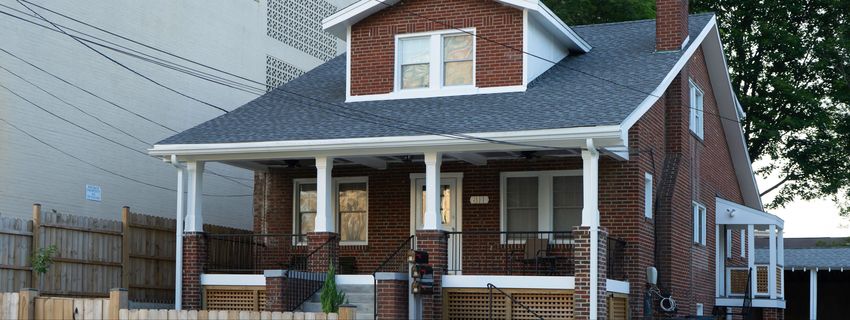
Teardown/Rebuild Duplex
Permitted By-Right in 37% of the County Not Permitted By-Right
Montgomery Planning 17In 2020, the average detached home in Montgomery County was
sold for $775,000 compared to $370,000 for attached structures
Sales Range by Type
$5,000,000+
$2.5M to $4,999,999
$1M to $2,499,999
$800K to $999,999
$600K to $799,999
$500K to $599,999
$400K to $499,999
$300K to $399,999
$200K to $299,999
$150K to $199,999
$100K to $149,999
$50K to $99,999
< $50,000
- 500 1,000 1,500 2,000 2,500
Condo/Coop Detached Attached/TH
Montgomery Planning 18Housing Attainability in 2019 if Home Values
Increased at the Rate of Inflation from 1996-2019
Montgomery Planning 19Actual Housing Attainability in 2019
Montgomery Planning 20Change in Housing Attainability Compared to
Median Income from 1996 to 2019
Montgomery Planning 21Our Neighborhoods have become less
Attainable and more Exclusive
Typical 1996 house value (inflated to Typical 2019 house value (and
2019 dollars) and estimated income estimated income required to afford
$108K required to afford that house that house
Median Income in 1996 Zip Code 20817 $665K $1.01M
(inflated to 2020 dollars) Bethesda
$110K
Zip Code 20852 $415K $650K
Median Income in 2019 North Bethesda
Assumptions: 4% interest rate, 5% down payment, 30-
$360K $630K
year mortgage, escrow/insurance is 20% of primary
principal/interest payment, debt cannot exceed 35% of
income, borrower has no additional debt Zip Code 20910
Sources: Zillow Single-Family ZHVI Value for Silver Spring
June 1996 and June 2019, US Census
Montgomery Planning 22Who can Afford these? Average 2019
Replacement
home sale:
$1.75M
Affordability and Montgomery County Household Income Shares
100% $1,200,000
90% $1,080,000
80% $960,000
Percent of Households
70% $840,000
Home Prices
60% Replacement Home Builder 2019 Average $720,000
Property Purchase Price: $660K
50% $600,000
40% $480,000
30% $360,000
20% $240,000
10% $120,000
0% $0
Income required
to afford 2019
replacement
HH Income home: $315K
% of HHs Earning At Least the Indicated Income Maximum Home Price Comfortably Affordable to Indicated Income*
* Affordability assumptions: 4% interest rate, 30 year fixed-rate mortgage, 5% down-payment, home buyer has no other debts, maximum mortgage to income ratio of 0.35, escrow 20% of principal payment
Montgomery Planning 23Preliminary Montgomery
Planning Staff
Recommendations
Montgomery Planning 24General Recommendations
• All recommendations are targeted to the Corridor-Focused Growth area from the Thrive
Montgomery 2050 Growth Map
• In the R-40, R-60, R-90, & R-200 zones, allow house-scale duplexes and triplexes by-right and
allow quadplexes by-right in areas closer to transit. In all cases, require conformance with a
Planning Board-approved pattern book, which will give guidance on massing, scale, and
design to ensure these housing types blend in among single-family homes.
• Create a new optional method of development to encourage consolidation and development
of duplexes, cottage courts, townhouses, and small multiplexes and apartments near transit,
along our Thrive Growth Corridors, and near the county’s centers of activity.
• Support more corridor-focused master plans to identify locations ideal for larger scale
attainable housing, including townhouses, stacked flats, and apartments along select growth
corridors.
Montgomery Planning 25Thrive
Montgomery
2050
Growth Map
The Thrive Montgomery 2050
Growth diagram illustrates
growth concepts and potential
centers of activity, but the
diagram should be considered
in the context of the Compact
Growth and Complete
Communities chapters. The
centers of activity shown are
not exhaustive of all existing or
potential centers.
Montgomery Planning 26Priority
Housing District
Defined Geography:
Areas within 1 mile of a
Metrorail or a lightrail
station, ½ mile of a MARC
station, or 500 feet of a
Growth Corridor
identified in Thrive
Montgomery 2050.
Montgomery Planning 27Pattern Book
• A document containing various pre-approved design Example
options for building small scale housing
• Building massing, placement, height, door placement, parking,
building features (porches, etc.)
• Options tailored based on a range of lot sizes and shapes
• Designed to keep units ‘house scale’
• Allows the creation of duplexes, triplexes and
quadplexes ‘by right’ only if they follow the pattern
book.
Montgomery Planning 28Optional Method of Development
Optional methods of development allow flexibility in the project design, in
exchange for a public benefit and design review with the Planning Board
• MPDU & Cluster
New “Attainable Housing” optional method
• Properties within the Priority Housing District that have frontage along one of the
Thrive Identified Growth Corridors or is adjacent to certain Thrive identified Centers
of Activity.
• Increased density and more flexible standards in exchange for a Planning Board Site
Plan review, and limits on average unit size to achieve more attainable price points.
Montgomery Planning 29Three scales of Attainable Housing
Small Scale Medium Scale Large Scale
• Duplexes, triplexes, and quadplexes • Stacked flats, small apartment • Live/work buildings, stacked flats,
buildings, and townhouses (up to small apartment buildings, and
three stories) townhouses (four stories)
Montgomery Planning 30Where Attainable Housing would be
allowed (within Thrive Corridor-Focused Growth Area)
Small Scale Medium Scale Large Scale
• Duplexes and triplex allowed by-right • Along growth corridors and around • Along corridors and within larger
(with conformance to pattern book) in our larger centers of activity with centers of activity with regulatory
R-40, R-60, R-90 & R-200 zones regulatory review review
• Quadplex allowed by-right (with
conformance to pattern book) in
R-40, R-60 & R-90 in Priority Housing
District
Montgomery Planning 31Ensuring developments are compatible
Small Scale Medium Scale Large Scale
• Proposals must conform with a • Planning Board review and site plan • Planning Board review and site plan
pattern book that defines allowable approval with opportunities for approval with opportunities for
layout, massing, and scale community feedback community feedback
• Limit on amount of land that can be
consolidated for development
Montgomery Planning 32Attainable Housing development
standards
Small Scale Medium Scale Large Scale
• No change to setbacks, heights, • Attainable housing optional method • Development standards applicable to
coverages, or building placement (AHOM) will identify applicable existing Commercial/Residential
• Reduced parking minimums near development standards for medium zones as designated through the
transit facilities scale structures, based on existing Master Planning process, including
optional methods of development applicable recommendations for
compatibility and design
Montgomery Planning 33How Attainable Housing would be
implemented
Small Scale Medium Scale Large Scale
• Zoning Text Amendment that makes • Zoning Text Amendment creates a • Master Plan processes would identify
small scale attainable housing new attainable housing optional properties along corridors and
‘permitted’ in R-40, R-60, R-90 & R-200 method (AHOM) of development designate appropriate
in certain circumstances and in accessible for properties adjacent to commercial/residential zoning
conformance with a pattern book defined growth corridors and larger
centers of activity
Montgomery Planning 34Small scale models
Duplex Triplex Quadplex
Montgomery Planning 35Other Code Changes
• Optional Method updates
• Minor modifications to MPDU and Cluster optional method in existing zones to
add a use and appropriate development standards for a multiplex building type
• Definitions
• Add a building type for multiplex building as 3 or 4 units as one building,
arranged vertically or horizontally
• Modify definition for TH and Apartment to clearly not overlap with a multiplex
Montgomery Planning 36Other Code Changes
• Parking Recommendations
• Set minimum parking for attainable housing units at 1 space per unit as a
baseline
• Applicable to small scale standard method and medium scale optional method
• Allow a factor of 0.5 to apply to parking within the Priority Housing
District
• Effective rate of 0.5 spaces per unit
• Parking standards are a minimum, more may be provided
Montgomery Planning 37Other Code Changes
• Chapter 50 – Subdivision Code recommendations
• Create a new type of Minor Subdivision
• Subdivide an existing lot in the R-40, R-60, R-90 or R-200 if accommodating a small
scale attainable housing project
Montgomery Planning 38Attainable housing is a long-term goal, and
will not happen over night
• We expect the addition of these housing types to be incremental
and manageable.
• Mechanisms exist to address infrastructure impact.
• Contemplating focus on water and sewer and other infrastructure with
2024 update the Growth & Infrastructure Policy.
Montgomery Planning 39Catalyst policies and programs
• Staff recommends future consideration of other catalyst policies
and programs that will:
• Encourage and advance the production of attainable housing.
• Build on the advantages of attainable housing for communities and neighborhoods.
• Potential examples include:
• Loans and grants for homeowner-led conversions of single-family homes to multiplex
type that encourage continued occupancy of existing homeowners.
• Programs that track and address infrastructure needs of neighborhoods that see
meaningful changes.
Montgomery Planning 40Community
Engagement
• Project Webpage
• Housing Equity Advisory Team (HEAT)
• Public Meetings
• Stakeholder Conversations
• Office Hours
• Housing eLetter
• Educational Materials
• Social Media Campaigns
• #MyMoCoHome
• Social Media Day (June 14)
Montgomery Planning 41Comments Received Summary
Demands on
infrastructure
Compatibility Architectural Differing geographic
(schools, water and
concerns covenants contexts
sewer, stormwater,
etc.)
Environmental impact
Parking/traffic (tree loss, increased Bold
Actual attainability
concerns impervious surface, recommendations
etc.)
Wait for Thrive
Tackling the effort
Tight project timeline Montgomery 2050 Sacks Neighborhood
during the pandemic
adoption
Montgomery Planning 42#MyMoCoHome
It ultimately took us two years to find and
“Recent owner near downtown buy a house. We looked at dozens, if not
Bethesda. Found a home premarket. hundreds, of homes. With our limited
Even with a sizeable down payment, budget, we had very few choices, and the
and comfortable incomes finding a homes we could afford either got
non-condo under 1mil with walking snapped up in bidding wars or bought by
“I was only able to do it with a great job, a distance to amenities was impossible.” investors and flipped. “
modest inheritance, and years of savings
with no dependents.”
“Having these smaller house
opportunities allowed us to participate in
“My wife and I bought our first home in home ownership opportunities we
June 2019. I worried we'd bought at top of wouldn't have had if large single-family
“It’s difficult for us to live here still, the market and resented how much rates homes were the only option.”
even in an actual apartment after rose during the year we lost bid after bid. In
she built her credit to rent.” retrospect, thank god we were successful
then, because that window slammed shut.”
“Every day I wake up amazed that we’re still here. We can
“Lucked into house in need of rehab in both walk to our jobs and are close to our friends and family.
'16, only because we had secure, good Yet I walk my dog around our neighborhood and watch little
employment. Spent lot of time/$ old houses get knocked down and replaced with $1.4 million
upgrading. With COVID cost increases, “Probably not going to be houses and I think about the missed opportunities to build
don't think we could be competitive in able to move back to MoCo more, and more affordable homes in their place.”
market now. “ because housing prices are
out of control.”
Montgomery Planning 43Public Comments
Montgomery Planning 44Attainable Major Events/Milestones
Housing March 24
March 29
HEAT Meeting #1
Community Meeting #1
Strategies Next April 9 Virtual Office Hours
Steps
April 14 HEAT Meeting #2
April 21 Community Meeting #2
April 27 Virtual Office Hours
April 28 HEAT Meeting #3
May 13 Planning Board Briefing
May 19 HEAT Meeting #4
June 2 Community Meeting #3
June 3 Virtual Office Hours
June 14 #HousingDay on Twitter
June 24 Planning Board Briefing and Public Comments
July 8 Planning Board Worksession #1
July 22 Planning Board Worksession #2
Fall/Winter Potential Council Action
Montgomery Planning 45You can also read


