Bradley University Senate First Regular Meeting of the 2018-2019 Senate - 3:10 p.m - 5:00 p.m., September 20, 2018 Michel Student Center, Ballroom A
←
→
Page content transcription
If your browser does not render page correctly, please read the page content below
Bradley University Senate
First Regular Meeting of the 2018-2019 Senate
         3:10 p.m. – 5:00 p.m., September 20, 2018
            Michel Student Center, Ballroom A
Agenda

   I.   Call to Order

  II.   Announcements

 III.   Approval of Minutes
        Seventh Regular Meeting Minutes, April 19, 2018
        Eigth Regular Meeting Minutes, May 2, 2018
        Special Meeting of 2018-2019 Senate Minutes, May 2, 2018

 IV.    Reports from Administrators
        A. President Roberts
        B. Senior Vice President of Academic Affairs and Provost Zakahi

  V.    Report from Student Body President Mikki Tran

 VI.    Report from Senate EC
        Senate changes
           Senate Structural Reform? Senate and its committees need over 240 members (excluding
           the ad-hoc committees). Can we improve efficiency? Will be refrred to Handbook
           Committee.
           Sharing Senate agenda with faculty
           CRCRS process modification, pocket veto?
        Reminder - C&R items need to be to sub C by April 1. This implies the last date for entering
        new items into CRCRS should be March 1.

VII.    Consent Agenda

VIII.   Consensual Relationship Policy (informational)

 IX.    Joint Appointments Policy - March 6, 2017
        The contractual arrangement committee drafted in 16-17 academic year

        Recommended placement as a new item under
        Part II Faculty,
            B. Faculty Appointment Status
                1. Appointments
                    a. Full-time position(s) elgible for tenure.
                            Add a new item 3 (see below)
                    b. Full-time and part-time positions not eligible for tenure, consisting of the
            following ranks:

           3. Faculty members holding a joint appointment will have responsibilities in multiple
           units, but one academic department must be designated as primary. Prior to offering a
           joint appointment, all units must agree upon a strategy for assigning the faculty member’s
office location(s), research space(s) (if applicable), and workload (teaching, research, and
        service expectations within all units), the proportionate funding strategy for faculty
        development activities, the assignment of indirect cost sharing, and a process for
        conducting annual evaluations and making tenure and promotion decisions. The Provost
        and Senior Vice President for Academic Affairs must approve the written plan prior to
        offering the first contract associated with the joint appointment. If changes need to be
        made to the agreement, the faculty member, the chair(s), and the Dean(s) must agree
        upon the changes and the Provost and Senior Vice President for Academic Affairs must
        approve the revised plan. Whenever a new chair(s), dean(s), or Provost is selected, any
        standing agreement(s) remain(s) in effect unless changed by mutual agreement of all
        parties.

X.   ARB Language for the Handbook.
       Recommended placement as a new item under
             I.      UNIVERSITY GOVERNMENT
                     E. Bradley University Senate Constitution.
                            ARTICLE V - COMMITTEES
                            18. Academic Review Board
                        ARB Language Approved 04/20/2018 by Senate Exec
           1. The function of the Academic Review Board shall be to:
              a. Make decisions, and report said decisions to the Provost, in following three
                 areas:
                     i. Reinstatement of undergraduate students who have been academically
                     dismissed from the University.
                       ii. Waivers of University graduation requirements on a case by case basis.
                       iii. Academic Forgiveness Policy.
               b. Meet to review student petitions as needed to meet academic deadlines for
                  reinstatement and graduation.
               c. Summarize and report petition trends and committee decisions to the Provost.

           2. The membership and roles of the ARB committee members shall consist of the
              following:
                  a. Two tenured faculty members from each academic college appointed by
                     the Dean and 1 representative from the Division of Student Affairs
                     appointed by the Provost in consultation with the Vice President for
                     Student Affairs to serve a term of 3 years renewable. Terms should be
                     staggered to ensure continuity on the committee.
                  b. Ex Officio nonvoting members: Associate Provost, an associate Dean
                     selected in consultation with the Council of Deans
                  c. Committee members elect the Chair from the faculty members of the
                     committee to a term of 3 years renewable.
                         i. The Chair receives petitions, calls committee meetings, documents
                             and stores committee minutes and committee decisions, and keeps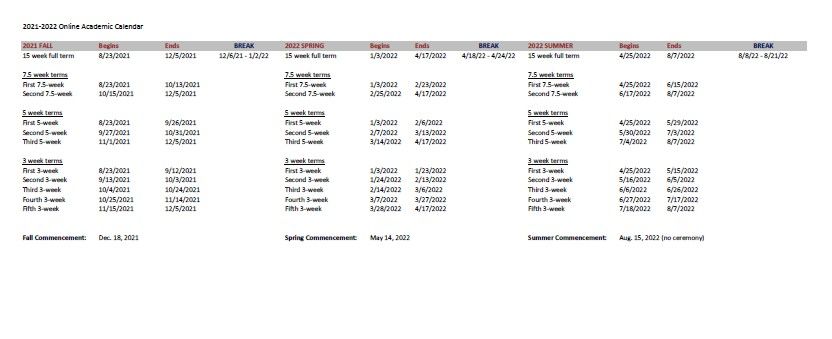
student forms and meeting dates current on the Registrar’s web
                                 page.

               3. Appeals of decisions of the Committee rendered under 1, above, are made to the
                  Provost. If, upon appeal, the Provost rejects a decision of the Committee, the
                  reasons for doing so will be reported to Committee. At the request of the
                  Committee, the Provost will meet with the Committee to explain the reasons for
                  overriding its decision. Thereafter the Provost will notify the petitioner of the
                  decision.

XI.     Handbook Changes - (attached) The Tenure, Promotion and Dismissal Committee
        recommends consideration on the following amendments to , to be included in Section II
        (Faculty), Subsection E (Due Process) 3 (Tenure, Promotion, and Dismissal Committee
        Operating Procedures, p. 94):

        Starting on page 85 of the Handbook

      The probationary period is six years. During a faculty member’s sixth year, the Department
      makes a decision on tenure, based on the total of all present voting members.

      Abstentions should be rarely used during the Tenure and Promotion process at the
      departmental level as they make an evaluation of the faculty member’s progress toward
      tenure difficult. Although an abstention does not have an effect on the outcome of the vote,
      abstentions without justification may be negatively interpreted as a dissenting vote.
      Therefore, justification of the abstention(s) is to be included in the documentation
      supporting the review and decisions of tenure and or promotion.

  Pages 94 and 95 Revision 2.11a – August 16, 2015
  3. Tenure, Promotion, and Dismissal Committee Operating Procedures
                         a..
    a. The primary purpose of the Committee shall be to determine whether proper
       procedures were followed in cases involving non-renewal (See Termination of
       Employment), tenure, promotion, or dismissal. The Committee may consider whether
       "adequate consideration" was given by the decision-making bodies, if the contrary
       charge is made by the faculty member. In line with AAUP Policy Documents and
       Reports, when weighing whether “adequate consideration” was given, the
       Committee will consider whether “all available evidence bearing on the relevant
       performance of the candidate” was considered in a reasonable and proportionate
       manner, whether there was “adequate deliberation by the department over the
       import of the evidence in light of the relevant standards” for tenure and
       promotion, whether “irrelevant and improper standards were excluded from
       consideration,” and whether the decision was “a bona fide exercise of
       professional academic judgment.” If the Committee determines that adequate
       consideration was not given it may recommend appropriate remedies.
  …………..
m. The Committee shall submit in writing its recommendations concerning the case to
            the President and to the faculty member. If the President chooses to reject the
            Committee’s recommendations, the President shall provide the Committee with
            a statement detailing the reasons for rejecting the recommendations.

         n. While the President will normally defer to the primary authority of the
            department in tenure, promotion and renewal decisions, the President will have
            greater discretion in cases when there are closely split votes, when there are
            procedural issues or questions concerning the adherence to the tenure and
            promotion guidelines as set out in a departmental or college tenure and
            promotion policy or in the Faculty Handbook, or when there is evidence of
            serious misconduct by a faculty member.

         o. When discrimination on grounds of race, color, age, religion, sex, or national origin is
             alleged, the faculty member may consult with the Equal Employment
             Opportunity/Affirmative Action Office.

         p. Every reasonable effort will be made to conclude the Committee's proceedings and
             to make a recommendation to the President within 45 days after the matter has
             been formally submitted to the committee. This time period shall not include
             University holidays and times when the faculty are not under contract, such as
             during the summer.

XII.    Promotion and Dismissal Committee noted that the current performance appraisal form for
        faculty is potentially problematic with regard to the box that denotes whether a probationary
        faculty member is making adequate progress towards tenure. Where the record of a faculty
        member shows a consistent record of having this box checked yes, a denial of tenure and
        promotion is hard to defend, yet, it is quite conceivable that such a situation would arise.

        While it is not within the jurisdiction of the University Senate Committee on Tenure,
        Promotion, & Dismissal to determine the content of said faculty appraisal form, The Tenure,
        Promotion and Dismissal Committee also recommends consideration be given toward a
        revised faculty appraisal form that is focused on the primary purpose of said form, which is
        to provide feedback to the faculty member to be used by them to improve their performance.

XIII.   Item from Affirmative Action (attached)

XIV.    Unfinished Business

XV.     New Business

XVI.    Adjournment
Bradley University Senate
Seventh Regular Meeting of the 2017-2018 Senate Minutes
3:10 p.m. - 5:00 p.m., April 19, 2018
Michel Student Center – Ballroom A
I. Call to Order
The meeting was called to order by Senate President Mat Timm at 3:10 PM
II. Announcements
• There is a vigil tonight for Nasjay Murray.
III. Approval of Minutes
A. Sixth Regular Meeting Minutes, March 15, 2018.
Senator Banning’s motion to approve the minutes was seconded by Senator Sinha.
The motion was called to a vote and was approved.
IV. Reports from Administrators
A. President Roberts
Homicide: I want to, and everyone as well, should thank the senior leadership team. We
gathered early that Sunday morning and worked tirelessly. There were a lot of decisions
to make, especially about what should be communicated and to whom and when. While
we were making these decisions, we were grieving as well at the loss of an amazing
young woman who had a very bright future ahead of her. It has been a sad time for
everybody. The police very early on assured us there was no ongoing threat to the
campus. This campus and this neighborhood is as safe as you can be in an urban
neighborhood.
Business Engineering Complex: There was big-pour today. In a couple of weeks, we will
see the building coming out of the ground. On this issue, we are on schedule and on
budget.
Enrollment: Looks like we will overshoot our target on May 1, but maybe not to the same
extend as we did last year. We were targeting in the 1100-1120 range for this year, but
we may come in around 1150. The freshmen class will come in at a discount rate that is
1% less than last year. Our yields are improving every year. Our brand is getting stronger
and stronger. Our online Masters enrollment in nursing and counselling is very strong.
We have over 700 students enrolled in those programs. We will have our first online
doctoral degrees handed out in three weeks. We will also be graduating a handful of
online master’s students as well. Those programs are starting to mature. On the ground
graduate enrollment, however, is very week.
Finances: We will be presenting the budget for the next fiscal year to the Trustees who
will be meeting on May 10th and 11th. There is a number of moving parts and we won’t
have a final budget till after May 1. We have to give the budget to the Resources
Committee and the Finance and Property Committee of the Board. We will get some
feedback from those committees before we take it to the Board on May 10th. We will be
sharing the budget numbers with the Senate at the May meeting. Along with the budget,
we will look at the five year projections. We are determined to be in the black number forthe next fiscal year. We hope to be breakeven the next year. Going forward we will hope
to have seven figure surpluses. If I look at the big picture, undergraduate education
cannot pay for itself. If we strengthen our brand and extend our geographic area without
having to increase our discount rate, we could come very close to financing our
undergraduate programs. But we should consider other revenue sources, like unrestricted
endowment money, graduate level programs, and perhaps robust intellectual property
licensing. Just as a strategic standpoint we need to look at this bigger picture as we plan
down the road.
Question and Answers:
• Senator Wagoner: What is the future for WCBU?
President Roberts: There is no plan at the moment. There is a lot issues we are aware
of and we are trying to get a fix about what the cost would be to relocate the studio.
Depending on that, we have to decide upon a course of action.
B. Herman Resolution Report: Presented by Senior Vice President of Financial Affairs Anna
and Provost Zakahi
VP Gary Anna
Provost Zakahi and I will work in tandem to address the Herman resolution. President
Roberts referred to the importance of tuition revenues and its components to our topline.
We are working hard to have a black number for the bottom line for the next academic
year. At the last meeting I talked about our capital structure, debt rating, how we have
configured our financing and maintained a good presence in the market, and the
endowment is important to our outlook. Subject to the refinements in the next couple of
weeks, we are still committed to a positive or close to positive operating margin for the
next year. Thereafter, the bottom line could be in the range between one million and two
and half million positive in successive periods. Around 2000 we use to have operating
profits in the range of 6 to 7.5 million dollars, but we are not aspiring to those margins
again given all the hungry mouths we have to feed. We do have to have some margin to
provide for a little cushion for all the uncertainties that we have to deal with. Right now
we are targeting 1150 enrollment for the budget and we will confirm in a couple of
weeks. We are making progress in managing the discount rate. Our distance program is
important in this regard as it is not discounted. The overall discount rate will be around
40% for the next four years. One important premise in the outlook for the four or five,
year period is that we have built in the operating components for the new facilities. We
have fixed our debt and we are still raising some money. We have also maintained three
more increments for the faculty salary initiative. These are approximate seven hundred
and fifty thousand dollars a year. The initiative is a very important component since its
articulation and launch. This is on top of an outlook that includes a 2.5% tuition increase,
and salary adjustment that is planned as a match for inflation.
Provost Zakahi
You are all aware that departmental budgets are flat. Due to the larger classes, we have
made some thoughtful investments. For the current year we have an additional seven
hundred thousand dollars over what was originally budgeted. This was for instruction and
some operating expenses. For next year we are adding two hundred fifty thousand
dollars. This figure will shrink as the larger classes work their way through, and as thesestudents spread out into the departments and away from the Bradley Core Curriculum.
We are also adding one hundred and fifty thousand dollars to next years’ budget resulting
in a total of four hundred thousand dollars for next years’ larger class. We are also adding
seventy thousand dollars to the library to accommodate inflation (annual increase of 6%
in periodicals), and the added cost associated with the much larger online graduate
student. In terms of instructional and research technology, there are a couple of things to
point out. One of the things is the animated mannequins in the Nursing Department. The
other, in the last few days we have allocated one hundred fifty thousand dollars to
Colleges across the University. Another large expense would be investment in Wi-Fi in
housing and in classrooms. In terms of investment in faculty, by now you would have all
received your letters about the second year of the salary adjustment. We hope to continue
that initiative for the next two years. There is still a very small amount of money, about
twenty thousand or so a year for the remainder of the initiative, that has not been
assigned. This has been more an issue of time than of desire.
VP Anna
There is another important component that has dramatically changed in the last five to
seven years. It has to be with fund raising which although robust, has been focused on
building projects instead of program support. The unrestricted giving used to be 1.8 to 2
million dollars a year for the University, but now we budget closer to four hundred
thousand. The overall amount raised still approximate to between 3 and 4 million dollars.
There is more for faculty travel and development. The discretion that exists is greater
now than in the past. Although not even, that discretionary assets including revenue
sharing, and fees for program support, many of which are spoken for approach 15 million
dollars for the University. We track this as a convent for our debt ceiling. We have
currently dipped below the 10 to 1 student to faculty ratio. Gary and Walter would prefer
that this ratio not exceed 12 to 1. For a longer term outlook an appropriate number will
have to be determined. In conclusion, the administrative team as well as the Board of
Trustees have a complete sense of the priorities of academics for the University.
Question and Answers:
• Senator Leach: Could you clarify the four hundred and seven hundred thousand for
the operating budget? Will either of those translated into actually increases in the
operating budgets of academic units?
Provost Zakahi: No, they will not. Those funds are aimed for stem areas for increased
sizes of the nursing class and increases in supplies as a result of that.
• Senator Lamoureux: During the previous President, Academic Affairs was to return a
bunch of money. Why does Academics, which breaks even or better should have to
return any money, especially since things have improved?
Provost Zakahi: One thing that we have to recognize is that we are an University
made of entire group of employees both academic and non-academic. We divide the
University into these two groups at our peril. We can’t survive without people to
recruit students, without people to help us get money from donors, or without student
support services. One of the best examples of an unified University is how the
University responded at the tragic loss of one of our students. There was a
commitment made by us that continues to weigh on us about just more than a million
dollars. One of the things to have done at that time would have been to trim the
academic budget. That was not done and I can’t speak to it, as I was not here at thattime. Based on my look at it, Academic Affairs took a smaller cut than did the non-
academic units of the institution. Accordingly, many of the non-academic units are
understaffed. Shifting the burden over to them would have negative consequences. In
probably two years we may be able to resolve this issue. We should be thinking about
this as an institution, and if we are not the institution will fall apart.
VP Anna: Our auxiliary services including inter-collegiate athletics has been better
than break even for the last two years. In our outlook for the next four years, auxiliary
supplies all the net positive margin.
V. Report from Student Body President Mikki Tran
I am a junior health science major. I was recently elected as the student body president
along with three other officers. We are starting elections for the vice-president and the
cabinet. Sexual assault awareness month is coming to an end. I am excited to see
everyone and get to know you guys.
VI. Reports from Standing Committees
A. Senate Executive Committee
1. Motion: Confirm Michelle Edgcomb Friday as Academic Ombuds.
Senator Smith makes a motion to confirm Michelle Edgcomb Friday as Academic
Ombuds. As the motion comes out of committee, a second was unnecessary.
The motion was called to vote and was approved.
A. Curriculum and Regulations
Course Additions
164403 ETE ETE 368 Content Reading for All Students
164404 ETE ETE 369 Assessing All Students
164405 ETE ETE 232 Meeting the Needs of All Students within the
Disciplines
168915 FCS FCS 120 Foundations in Public Health Education
168916 FCS FCS 221 Introduction to Community and Public Health
168661 FCS FCS 403 Supervised Research
168926 FCS FCS 320 Public Health Intervention Strategies
168927 FCS FCS 420 Public Health Policy
168928 FCS FCS 421 Public Health Education Seminar
168255 M L M L 420 Performance Management
167135 CS CS 461 Artificial Intelligence
167136 CS CS 462 Machine Learning
167137 CS CS 463 Knowledge Discovery and Data Mining
167138 CS CS 472 Distributed Databases and Big Data
167139 CS CIS 476 Data Management
163714 M L M L 415 Diversity in the Workplace
164422 ANT ANT 403 Anthropology Senior Project
168411 CFA CFA 360 Hollywood Semester Boot Camp168440 BIO ENS 110 Environmental Science
168934 CFA CFA 361 Media in Entertainment
168534 M L M L 406 International Management
168311 C E C E 205 Computing in Civil Engineering
Course Deletions
164105 ETE ETE 371 Assessment and Technology for Middle School
and High School Teachers
164107 ETE ETE 365 Teaching Reading Within the Content Areas
168929 FCS FCS 201 Foundations in Community Wellness
Course Modifications
168335 M L M L 358 Managerial Decision Making
168552 M L M L 300 Environments of Organizations
165420 ETE ETE 355 Methods of Teaching Middle School Social
Studies
165421 ETE ETE 356 Methods of Teaching Middle School Science
165422 ETE ETE 357 Methods of Teaching Middle School
Mathematics
165423 ETE ETE 373 Methods of Teaching High School Mathematics
165424 ETE ETE 374 Methods of Teaching High School Science
165425 ETE ETE 375 Methods of Teaching High School Social Studies
165426 ETE ETE 378 Methods of Teaching Family & Consumer
Science
165427 ETE ETE 386 Methods of Teaching K-12 Art
165428 ETE ETE 387 Methods of Teaching K-12 Foreign Language
164102 ETE ETE 280 Exploring Diversity: Learners, Families, And
Communities
164103 ETE ETE 324 Early Childhood Special Education Methods
168355 ETE ETE 443 Early Childhood Assessment
164101 ETE ETE 234 Language Development
161382 PHY PHY 320 Optics
161584 PHY PHY 360 Electricity and Magnetism
168308 MTH MTH 115 Brief Calculus with Applications
168328 MTH MTH 121 Caclulus 1
168370 MTH MTH 120 Discrete Mathematics
168435 BIO BIO 300 Population, Resources, and Environment
168932 FCS FCS 310 Community Program Planning
168657 FCS FCS 341 Human Development Through the Lifespan
168930 FCS FCS 203 School Health Promotion
168931 FCS FCS 220 Consumer Issues in Health Care
168658 FCS FCS 410 Advanced Nutrition
168659 FCS FCS 411 Medical Nutrition Therapy I
168939 FCS 311 Evaluation and Research Methods168949 FCS 464 Leadership in Public Health Education
168284 M L M L 357 Leading Organizations
168089 NUR NUR 418 Contemporary Nursing Leadership
168461 IME IME 333 Materials Science Laboratory
167152 CS CS 370 Database Management Systems
169423 CHM CHM 162 Fundamentals of Organic and Biochemistry
164391 ANT ANT 314 Indigenous Peoples
168611 MTH MTH 300 Topics for Middle School Math Teachers
168616 MTH MTH 302 Introduction to Graph Theory
168618 MTH MTH 305 Modern Geometry
168962 CFA CFA 353 Video Game Design
169149 E E ECE 474 Mobile Robot Navigation and Mapping
169150 E E ECE 574 Mobile Robot Navigation and Mapping
161271 E E ECE 100 Introduction to Electrical and Computer
Engineering
169106 E E ECE 465 Engineering Applications of Machine Learning
169108 E E ECE 565 Engineering Applications of Machine Learning
168953 C E C E 480 Transportation Engineering
168955 C E C E 583 Geometric Highway Design
168314 C E C E 493 Civil Engineering Design Project I
Course additions, deletions and modifications approved by general consent.
Major Deletions
169081 NUR EHS RNE 41 - RN/MSN Nursing - Nurse Education GRD
RNE 41 – RN/MSN Nursing Education - 4/1
A motion to delete the major was made by Dean Sattler. The motion was seconded by
Lukowiak. The motion was called to vote. The motion was approved.
169082 NUR EHS RNA 41 - RN/MSN Nursing - Nurse Administration GRD
RNA 41 - RN/MSN Nursing Administration - 4/1
A motion to delete the major was made by Dean Sattler. The motion was seconded by
Lukowiak. The motion was called to vote. The motion was approved.
Major Modifications
166913 M L Management And Leadership Major
A motion to modify the major was made by Senator Sinha. The motion was seconded by
Dean Sattler. The motion was called to vote. The motion was approved.
164406 ETE Early Childhood Education with ESL Endorsement
A motion to modify the major was made by Dean Sattler. The motion was seconded by
Lukowiak. The motion was called to vote. The motion was approved.
164407 ETE Elementary Education with ELS Endorsement
A motion to modify the major was made by Dean Sattler. The motion was seconded by
Lukowiak. The motion was called to vote. The motion was approved.
164411 ETE Middle School Education with ESL EndorsementA motion to modify the major was made by Dean Sattler. The motion was seconded by
Lukowiak. The motion was called to vote. The motion was approved.
167833 ETE Learning Behavior Specialist Education with ESL Major
168952 FCS Community Wellness
169047 NUR Nursing
168721 IME Manufacturing Engineering
168318 C E Civil Engineering
A motion to modify the majors was made by Dean O’Brien. The motion was seconded by
Dean Sattler. The motion was called to vote. The motion was approved.
Minor Additions
167075 CS Data Science
A motion after a second was called to vote. The motion was approved.
Minor Modification
168237 M L Management And Leadership
168918 EHS Health
164443 ANT Anthropology
A motion to modify the minors was made by Dean Sattler. The motion was seconded by
Senator Hatfield. The motion was called to vote. The motion was approved.
Concentration Additions
159452 CHM Clinical
159453 CHM General
167132 CS Data Science
A motion add the concentrations was made by Senator Banning. The motion was
seconded by Dean Sattler. The motion was called to vote. The motion was approved.
Concentration Modification
164412 ETE Middle School Education - English
164413 ETE Middle School Education - Mathematics
164414 ETE Middle School Education - Social Studies
164415 ETE Middle School Education - General Science
168622 M L Human Resource Management
A motion to modify the concentrations was made by Dean Sattler. The motion was
seconded by Senator Lukowiak. The motion was called to vote. The motion was
approved.
Program Modifications
164408 ETE High School Teaching
164409 ETE Art K-12 Education
164410 ETE Music K-12 Education
167133 CS Computer Science and Information Systems
A motion modify the concentrations was made by Senator Banning. The motion was
seconded by Dean Sattler. The motion was called to vote. The motion was approved.
1. Academic Regulations and Degree RequirementsNothing to report
2. Executive Committee of the Graduate Faculty
The course additions and modifications are for informational purposes only.
Course Additions
Course Modifications
169002 FCS FCS 609 Advanced Medical Nutrition Therapy
167357 CS CIS 576 Data Management
167153 CS CS 561 Artificial Intelligence
167155 CS CS 563 Knowledge Discovery and Data Mining
167154 CS CS 562 Machine Learning
167156 CS CS 572 Distributed Databases and Big Data
169002 FCS FCS 609 Advanced Medical Nutrition Therapy
167357 CS CIS 576 Data Management
167153 CS CS 561 Artificial Intelligence
167155 CS CS 563 Knowledge Discovery and Data Mining
167154 CS CS 562 Machine Learning
167156 CS CS 572 Distributed Databases and Big Data
169150 E E ECE 574 Mobile Robot Navigation and Mapping
169108 E E ECE 565 Engineering Applications of Machine Learning
168955 C E C E 583 Geometric Highway Design
Program Modification
168996 FCS Dietetic Internship Master of Science Program
168688 ENC Post Master Certificate Program in Neurocounseling
167160 CS Computer Science and Information Systems
168890 NUR Doctor of Nursing Practice
A motion to modify the programs was made by Senator Banning. The motion was
seconded by Senator Sinha. The motion was called to vote. The motion was approved.
Major Deletion
169082 NUR EHS RNA 41 - RN/MSN Nursing - Nurse Administration GRD RNA
41 - RN/MSN Nursing Administration - 4/1
169081 NUR EHS RNE 41- RN/MSN Nursing-Nurse Education
A motion to delete the majors was made by Dean Sattler. The motion was seconded by
Senator Banning. The motion was called to vote. The motion was approved.
Major Modification
3. Bradley Core Curriculum
Core Curriculum Additions166648 FCS FCS 309 Investigation of Food Topics
64508 HIS HIS 314 Non-Western Civilization: Japan & World War II
164587 HIS HIS 337 Modern Non-Western History and Geography
168665 HIS HIS 331 Samurai in Japanese History
168312 BIO GES 101 Principles of Earth Science
168313 BIO GES 300 Oceanography the Human Perspective
The core curriculum additions was approved by general consent.
VII. Unfinished Business
A. From Student Affairs.
Motion: To approve the changes as indicated below to the University Student Grievance
Policy. The current policy is posted at
www.bradley.edu/academic/undergradcat/20172018/overview-argrievance.dot
This is not a handbook change.
UNIVERSITY STUDENT GRIEVANCE POLICY
A student academic grievance is appropriate in cases in which the student claims unfair,
prejudicial, or capricious evaluation or treatment of an academic nature. A grievance is not
appropriate on actions which would impair the exercise of academic freedom. A student non-
academic grievance is appropriate in cases involving access to and participation in course
offerings, sexual harassment, racial discrimination, or any other act by a University faculty
member that is derogatory or discriminatory in nature. No student may pursue the formal part of
the following grievance procedure before exhausting all informal procedures. What follows does
not preclude a faculty member's appeal to the Faculty Grievance Committee.
Matters involving sexual harassment or other forms of sexual misconduct will be addressed
through the University's Title IX policies and procedures.
The grievance process is intended to deal with matters as expeditiously as possible. Although the
times listed below are recommended guidelines for handling the steps of the process, it is
expected that they will not be exceeded except under compelling circumstances.
A student who claims grievance as described may consult with the Ombudsman or meet directly
with the instructor involved. The grievance process is as follows:
The motion was called to a vote, and was approved.
B. From University Strategic Planning:
1. Process
1. Met with 21 constituency groups including 6 open forums
for faculty/staff and/or Senators.
2. Various on-line data collections occurred.
3. The information from these meetings and the on-line datacollection was considered by USPC.
4. More detail about the information collection process and
how USPC incorporated it are available in the summary
available on the Strategic Planning website.
We can't expect the document to do all of the work for us. Thanks for all of your efforts to date.
Please stay engaged as the Implementation Plan is enacted.
2. Significant changes/reminders from the 04/03/2018 Version.
1. Mechanism which allow changes to the Plan and for reporting out progress on it are now
included. Briefly,
All changes will be reported to Senate and major changes
will be submitted to Senate for its consideration.
2. The opportunities for department and faculty/staff involvement are more clearly delineated.
See the Key Contributors Column.
3. There have been significant discussions at USPC about support for faculty scholarship.
4. Many of the action items are based on a recognition that additional information collection and
discussion is required in the first years of the plan.
3. Guidelines for debate under Roberts Rules
In general: Comments during the debate are directed towards the motion on the floor.
1. Informational items.
2. I am favor of the motion because . . .
I am opposed to the motion because . . .
I propose to amend the motion as follows . . . because . . .
3. Because the Plan now allows for changes please make note
of my comments above.Resolution: Be it resolved that the Bradley University shall implement the Bradley University
Strategic Plan Implementation Plan (of 04/03/2018). Withdrawn by consent.
Resolution: Be it resolved that the Bradley University shall enact the Bradley University
Strategic Plan Implementation Plan of 04/13/2018.
The updated version of the Implementation Plan will be available Monday, April 16 at
www.bradley.edu/sites/strategicplan/project-work-plan/
Provost Zakahi made a motion to approve the resolution.
The motion was called to a vote. The motion was approved.
VIII. New Business
Senator Leach makes a motion to carve out 30 minutes at the next Senate meeting or at a Senate
meeting in the fall, to discuss how best to facilitate faculty engagement. Senator Fakheri
seconded the motion.
The motion was called to a vote, and was approved.
IX. Adjournment.
A motion to adjourn the meeting was made by Senator Banning. Dean Sattler seconded the
motion. It was called to a vote, and the meeting was adjourned.Bradley
University Senate
Minutes
Sixth Regular Meeting of the 2017-2018 Senate
3:10 p.m. - 5:00 p.m., March 22, 2018
Michel Student Center – Marty Theater
I. Call to Order
The meeting called to order by Senate President Mat Timm ad 3:11 PM
II. Announcements
III. Approval of Minutes
A. Fifth Regular Meeting Minutes, February 15, 2017.
A motion to approve the minutes was made by Senator Banning. It was seconded by
Dean Sattler. The motion was called to a vote and was approved.
IV. Reports from Administrators
A. President Roberts
There was no report from President Roberts as he was travelling.
B. Senior Vice President of Academic Affairs and Provost Zakahi
Implementation plan of the University Strategic Plan will be discussed later in the
meeting.
Student success collaborative: This is the product of the Educational Advisory Board
(EAB), which was purchased a while back. We are in the process of implementing
this for advising undergraduate students. The effort is led jointly by Academic Affairs
and Student Affairs in particular by Kelly McConnaughay and Greg Haines. Once we
get all the data cleaned up and matched, we will be in a good position to make full
use of it, to help us with the retention and graduation rates.
DFW Rates: DFW rate is the percentage of students who receive a D, F, or withdraw
from a class. The focus is on lower division high enrollment classes, and are generally
within the common core. These courses have a lot of students. If we reduce the DFW
rates in those classes it will help with retention, and ultimately in our graduation rates.
We have focused on specific stem classes in Chemistry, Mathematics and Biology.
We are observing improvements in all the courses we have focused on. There are
fewer than four courses that would fall below the benchmarks, which is 25% for the
non-math stem classes, and 30% for the math classes. Our work is beginning to pay
dividends.
Academic Success Center: The center started in the Fall. This center has been
developed and handled by Student Affairs. I am grateful that VP Nathan Thomas hastaken on this initiative. The work in that office is led by Greg Haines. A summary of
the reported activity at the center is attached. From a cold start, we have gone to a
high level of demand. Some of the Math professors, specially Mike McAsey, Mat
Timm, and Tony Bedenikovic have held their office hours frequently at the Center.
This is a good model for faculty helping to serve students. I want to thank everyone
involved with the effort.
The request to fill positions should with the Dean’s office by the end of March.
Decisions would be made by middle of April.
Questions and Answers:
• Senator Sinha: What is the vision going forward for the Academic Success
Center?
Provost Zakahi: To grow the usage of the Center.
VP Thomas: We will do some early entry advising even before students go see
their advisors.
• Senator Alvin: What are the DFW rates and where to they arise?
Provost Zakahi: The DFW rates are from Math, Chemistry and Biology. There are
around a dozen classes that we are monitoring. We count the DFW rates in these
classes. The benchmark numbers are artificial. Our goal is to show improvement
and bring the DFW rates to below 25%. This will ultimately help us improve our
retention rate (86%) and six-year graduation rate (76%).
• Senator Fakheri: Can we implement in other classes what is learned in these
classes?
Provost Zakahi: It depends on the individual classes. A percentage of the
improvement is simply paying attention to the DFW rates. The next step would be
to offer some funds to departments so faculty can visit other institutions or invite
speakers who will help improve the pedagogy.
• Senator Bukowski: The DFW rates will decrease if we decrease rigor.
Provost Zakahi: I don’t want a drop in rigor to be the reason for a drop in DFW
rates. Tutoring support will help. New approaches to pedagogy will help as well.
• Dean Bakken: The chart at the bottom of the page provides the information about
mid-term GPAs? Is that an indication that the student should go to the Center?
Provost Zakahi: I am not sure. I am not sure if that data reflects the value of the
intervention. Sometimes the intervention happened before the mid-term.
VP Thomas: The reason that data is reported is because that is the data we have
accesses.
• Senator Stover: Have you looked at the internal transfer rates, retention rates and
the DFW rates?
Provost Zakahi: I have not looked at the internal transfers. I am looking at the
retention rate for the entire institution and not at the rates for individual degree
programs.
C. Senior Vice President of Financial Affairs Anna
Business-Engineering Complex: Construction is on schedule and should be ready by
Fall 2019.
Budget: We are still crafting next year’s budget, and a report will be provided nextmonth.
Endowment: As a consequence of the financial market volatility, the endowment was
at 317 million dollars at the end of February. 30 million dollars are held as cash.
Debt: It currently stands at 150 million dollars, 85% of which has a rate of 3.5% or
below.
V. Report from Student Body President David Jensen
April is the sexual assault awareness month. The Student Senate is putting out a number
of programming for that. We voted last week to restructure our executive cabinet. We
are moving into election for next week. This is my last report to University Senate.
Senator Blair proposes a resolution of thanks for David Jensen. The proposal was
seconded by Senator Smith. The proposal was unanimously approved and Senate
President Timm thanked David.
VI. Reports from Standing Committees
A. Curriculum and Regulations
Course Additions
167827 ETE ETE 240 Practicum for Teaching English Learners Part 2
165906 ECO ECO 240 Environmental Economics and Sustainability
165907 ECO ECO 340 Environmental Economics
165044 ECO ECO 375 Behavioral and Experimental Economics
159828 ETL MIS 473 Business Analytics Software and Applications III
162646 ETL MIS 471 Business Analytics Software and Applications II
160416 ETL MIS 383 Advanced Ethical Hacking
166986 PLW PLW 295 Introduction to Trial Advocacy
166987 PLW PLW 102 Introduction to Legal Research
166989 PLW PLW 325 Legal Ethics
166990 PLW PLW 400 Capstone Experience
152089 ENG ENG 340 Global British Literature
Approved by general consent.
Course Deletions
166991 PLW PLW 290 Participation in Mock Trial
166993 PLW PLW 390 Participation in Mock Trial
Approved by general consent.
Course Modifications
167766 ETE ETE 238 Practicum for Teaching English Learners II
167767 ETE ETE 239 Practicum for Teaching English Learners III
168197 ETE ETE 237 Practicum for Teaching English Learners I
166318 ECO ECO 332 Intermediate Microeconomics
166366 ECO ECO 418 Mathematical Economics
167292 ECO ECO 499 Senior Seminar in Economics, Part II
167291 ECO ECO 498 Senior Seminar in Economics, Part I162654 ETL MIS 374 Database Management and Administration
162651 ETL MIS 272 Business Analytics Software and Applications I
162652 ETL MIS 276 Ecommerce Models and Applications
162655 ETL MIS 478 MIS Capstone Consulting Project
162064 ETL MIS 173 Introduction to Business Analytics
162653 ETL MIS 373 Applied Networking
166994 PLW PLW 101 Introduction to the Legal Profession
165905 FIN Q M 262 Quantitative Analysis I
166698 WLC WLA 201 Intermediate Arabic I
164054 E E ECE 572 Embedded Microcontroller Linux
Approved by general consent.
Major Modifications
166153 I M User Experience Design
Senator Smith’s motion to approve was seconded by Senator Lamoureux. The
motion was called to a vote. Motion passed.
166975 IME Industrial Engineering
Senator Williams’s motion to approve was seconded by Senator Malinowski. The
motion was called to a vote. Motion passed.
159821 ETL Management Information Systems
Senator Blairs’s motion to approve was seconded by Senator Sinha. The motion
was called to a vote. Motion passed.
Minor Additions
162649 ETL Business Analytics
Senator Blairs’s motion to approve was seconded by Senator Fakheri. The
motion was called to a vote. Motion passed.
166669 ETL Cybersecurity
Senator Banning’s motion to approve was seconded by Senator Blair. The motion
was called to a vote. Motion passed.
166985 PLW Legal Studies Minor
Senator Bukowski’s motion to approve was seconded by Senator Kelly. The
motion was called to a vote. Motion passed.
Minor Modification
162647 ETL Management Information Systems
Senator Blair’s motion to approve was seconded by Dean Sattler. The motion
was called to a vote. Motion passed.
Concentration Additions
159823 ETL Business Analytics
Senator Blair’s motion to approve was seconded by Senator Banning. The motion
was called to a vote. Motion passed.
162650 ETL CybersecuritySenator Blair’s motion to approve was seconded by Senator Banning. The motion
was called to a vote. Motion passed.
Concentration Modification
166632 ART
Senator Smith’s motion to approve was seconded by Dean Bakken. The motion
was called to a vote. Motion passed.
1. Academic Regulations and Degree Requirements
• On line Academic Calendar for 2021 – 2022. See below.
Dean Huberman made a motion to approve. Since this from committee, a second was not
needed. The motion was called to a vote. Motion passed.
• On campus Academic Calendar for 2021-2022. Below and in the attached
spreadsheet.
Dean Huberman made a motion to approve. Since this from committee, a second was not
needed. The motion was called to a vote. Motion passed.
2. Executive Committee of the Graduate Faculty Course
Additions
167021 ENC ENC 714 Supervision of Instruction
166888 ENC ENC 701 THE INTERNSHIP
166890 ENC ENC 703 Action Research - Intro to Doctoral Studies
166891 ENC ENC 704 Action Research 2
166892 ENC ENC 705 Action Research 3
166893 ENC ENC 706 Action Research 4 - Seminar in Educational Research
166894 ENC ENC 707 Action Research 5 - Seminar in Educational Research
166895 ENC ENC 708 Boards and Educational Governance
166896 ENC ENC 709 Ethical & Political Foundations of Educational Policy
166897 ENC ENC 710 Learning in an Era of Technology
166898 ENC ENC 711 National Trends in Assessment, Data Analysis & Accountability
166899 ENC ENC 712 The Superintendency
166900 ENC ENC 713 Legal & Ethical Issues Facing the Superintendency
166902 ENC ENC 715 Educational Finance
166903 ENC ENC 716 Culture & Community
166904 ENC ENC 717 Leadership in Higher Education & Community College
166905 ENC ENC 718 Administration of Online Programs in Higher Ed &
Community College
166907 ENC ENC 719 Student & Academic Affairs
166908 ENC ENC 720 The Contemporary Learner
166909 ENC ENC 721 Financial Affairs in Higher Education
These are for informational purposes only.
Course Modifications
164798 BUS BUS 610 Graduate Business Practicum
167011 NUR NUR 840 DNP Clinical Practice
164054 E E ECE 572 Embedded Microcontroller LinuxThese are for informational purposes only.
Program Addition
166855 ENC Doctorate of Education in Educational Leadership
Dean Sattler made a motion to approve Since this from committee, a second was not needed.
The motion was called to a vote. Motion passed.
Program Modification
166976 ENC Principal Licensure
Dean Sattler made a motion to approve Since this from committee, a second was not needed.
The motion was called to a vote. Motion passed.
Major Modification
167007 NUR DNP-Leadership
Dean Sattler made a motion to approve Since this from committee, a second was not needed.
The motion was called to a vote. Motion passed.
3. Bradley Core Curriculum
Core Curriculum Additions
162497 RLS RLS 336 Buddhism and Asian Civilizations 165296 RLS
PHL 130 The Three Teachings
161482 WLC WLS 222 Spanish for Heritage Speakers
These courses were approved by general consent.
B. University Strategic Planning:
Resolution: Be it resolved that the Bradley University shall implement the Bradley
University Strategic Plan Implementation Plan.
The updated version of the Implementation Plan will be available Monday, March 19 at
www.bradley.edu/sites/strategicplan/project-work-plan/
Provost Zakahi made a motion to adopt the Implementation Plan of the University
Strategic Plan. The motion was seconded by Dean Sattler.
Provost Zakahi spoke in favor of the plan. Below is a summary of his comments:
The Strategic Plan was approved last fall by this body and by the trustees. This
implementation plan provides the opportunity to move Bradley to excellence.
Bradley is wonderful institution that I have loved for decades-but I know Bradley
can be truly excellent. The discussion regarding the plan at the last meeting was
an example of the feedback plan. This was replicated a number of times with
different constituent groups. There were variety of outreach efforts, including
opportunity to provide comments online. The feedback was organized in different
goal areas and reviewed within sub-groups. The Provost pointed out a couple of
examples of changes that were made based on the feedback. Provost mentioned
that ultimately the plan pays attention to:1. Goal, Immediate and sustained success of our students, and that student
success is part of our value proposition.
2. Offer and nurture rigorous, innovative, competitive, and engaging
undergraduate and graduate programs.
3. The plan will help us focus on being better and strong teachers and
scholars and will help us be provide a cutting edge education grounded in
Bradley's Core Curriculum.
4. Build and support a more diverse community. Bradley must become a
more diverse institution and it must create a climate and atmosphere that
welcomes diversity.
5. We will enhance the acquisition, alignment, and allocation of resources
with strategic goals using transparent and collaborative/participatory/
consultative processes.
6. The implementation plan lays out the development of a transparent and
inclusive budgeting process
Senator Bailey made a motion to provide an opportunity to provide written comments by
April 6 so that the committee has the opportunity to respond to those by April 15, so that
we have discussions by the time we reconvene again at our next meeting. The motion
was seconded by Senator Lamoureux. The motion was called for a vote. Motion was
approved.
VII. Unfinished Business
Contractual Arrangements: Experience vs. Credentials Handbook Language.
Motion: To adopt the Handbook language changes and additions as indicated below in
Part II.B.1.b, p. 35 and additions as indicated below in Part II.B.1.c., p. 37.
Part II.B.1.b., p. 35.
b. Full-time and part-time positions not eligible for tenure, consisting of the following
ranks:
....
Distinguished Professor In-Residence
In residence faculty teaching at the graduate level should have a terminal
degree or a master’s degree and relevant experience in the field in which they
are teaching. In residence faculty teaching at the undergraduate level should
have a master’s degree or a bachelor’s degree and relevant experience in the
field in which they are teaching. Situations where professional experience is
accepted in lieu of academic qualifications will be considered based on
guidelines established by each department in consultation with the appropriateDean and approved by The University Provost and Senior Vice President for
Academic Affairs.
While there are a variety of circumstances in which an in-residence appointment
may be appropriate for a department, it is expected that they will entail only a
brief association with the University. (See Annual Contracts). In-residence
appointees are not eligible for tenure while serving in an in-residence
appointment status.
Part B.1.c., p. 37.
All special appointments require approval by the Provost and Vice President for
Academic Affairs.
Special appointment faculty teaching at the graduate level should have a
terminal degree or a master’s degree and relevant experience in the field in
which they are teaching. Special appointment faculty teaching at the
undergraduate level should have a masters degree or a bachelors degree and
relevant experience in the field in which they are teaching. Situations where
professional experience is accepted in lieu of academic qualifications will be
considered based on guidelines established by each department in consultation
with the appropriate Dean and approved by The University Provost and Senior
Vice President for Academic Affairs.
The motion was called to vote. The motion was approved.
VIII. New Business
Motion: To approve the changes as indicated below to the University Student
Grievance Policy. The current policy is posted at
www.bradley.edu/academic/undergradcat/20172018/overview-argrievance.dot
This is not a handbook change.
VP Thomas made a motion to adopt the policy. VP Anna seconded the motion. VP
Thomas spoke to approve the motion.
UNIVERSITY STUDENT GRIEVANCE POLICY
A student academic grievance is appropriate in cases in which the student claims
unfair, prejudicial, or capricious evaluation or treatment of an academic nature. A
grievance is not appropriate on actions which would impair the exercise of
academic freedom. A student non-academic grievance is appropriate in cases
involving access to and participation in course offerings, sexual harassment, racial
discrimination, or any other act by a University faculty member that is derogatory
or discriminatory in nature. No student may pursue the formal part of the followinggrievance procedure before exhausting all informal procedures. What follows does
not preclude a faculty member's appeal to the Faculty Grievance Committee.
Matters involving sexual harassment or other forms of sexual misconduct will be
addressed through the University's Title IX policies and procedures.
The grievance process is intended to deal with matters as expeditiously as possible.
Although the times listed below are recommended guidelines for handling the steps
of the process, it is expected that they will not be exceeded except under
compelling circumstances.
Senator Malinowski made a motion to amend. The amend is to delete the comma and
the word other.
The motion was called to a vote and approved.
Motion is to highlight University Title IX process and procedures and turn that into an
active link. The motion was made by Provost Zakahi.
Further discussion on this issue would take place at the next meeting.
IX. Adjournment.
The was adjourned at 5:15 PMACADEMIC CALENDAR
2021 - 2022
FIRST SEMESTER
August 16, Monday Reporting date for faculty
August 21, Saturday Residence halls
open August 25, Wednesday Classes begin
October 9, Saturday Fall Recess
begins October 13, Wednesday Classes resume
November 24, Wednesday Thanksgiving Recess
begins (no classes)
November 29, Monday Classes resume
December 7, Tuesday Last day of classes
December 8, Wednesday Study Day
December 9, Thursday Final Examinations
begin
December 15, Wednesday Final Examinations end
December 18, Saturday Commencement
JANUARY INTERIM
January 4, Tuesday First day of classes
January 17, Monday January Interim Ends
SECOND SEMESTER
January 10, Monday Reporting date for new faculty
January 15, Sunday Residence halls
open January 19, Wednesday Classes begin
March 12, Saturday Spring Recess begins2021-2022, continued
SECOND SEMESTER, continued
March 21, Monday Classes
resume May 3, Tuesday Last day of classes
May 4, Wednesday Study Day
May 5, Thursday Final Examinations begin
May 11, Wednesday Final Examinations end
May 14, Saturday Commencement
SUMMER SESSIONS
May 16, Monday May Interim I begins
May 16, Monday May Interim II
begins NO CLASSES on Memorial Day Holiday
June 3, Friday May Interim I ends
June 6, Monday Summer Session I
begins NO CLASSES on Fourth of July Holiday
July 8, Friday Summer Session I
ends May Interim II
ends
July 11, Monday Summer Session II begins
August 12, Friday Summer Session II endsA clear copy of the 2021-2022 On-line Academic Calendar is contained in the attachment to the email announcing this meeting.
Bradley University Senate
                                          Minutes
                      Eighth Regular Meeting of the 2017-2018 Senate
                             3:10 p.m. - 5:00 p.m., May 2, 2018
                           Michel Student Center – Ballroom A

I. Call to Order
       The meeting was called to order by Senate President Timm at 3:12 PM

II. Announcements
       • The late arriving curriculum and regulations items are not in the PowerPoints. There
          are handouts to be passed around later.
       • Thank you all for all your hard work.

III. Approval of Minutes
       A. Seventh Regular Meeting Minutes, April 19, 2018.
          Will be presented for approval at a meeting in the Fall.

IV. Reports from Administrators
      A. President Roberts
      Special Graduation Ceremony: We had our special graduation ceremony earlier today for
      seniors who would not have been able to attend regular graduation. It went very well and
      was a nice event.
      Business Engineering Complex: The building is on schedule and budget.
      Enrollment: Las year by 1st May we had 1,300 deposits that melted to 1,285. This year
      the target was between 1,080 and 1,120. Deposits as of last night was 1,106. There are 79
      nursing students, a few less than target. The enrollment numbers look good, but the drop
      in yield in the last few weeks is a little bit of a concern. We don’t know why this has
      occurred. It could be because of the tragic murder that occurred. We will evaluate and
      assess all the numbers and figure out what is happening. The last three weeks illustrates
      to me that the market for freshmen undergraduate students is fiercely competitive. It is
      volatile and constantly evolving. As I work with Justin Ball and his staff, I can say that
      they are as talented, sophisticated and as dedicated a group any college has. This year
      they implement the strategy we asked them to implement, pursued the targets we set them
      and hit them almost right on the nose. I have complete confidence in them to bring in the
      classes we need them to bring.
      Finance and Budget: We have to have a budget for next year to present to the Trustees’
      Property and Finance committee by next Monday. The Trustees meet a week from
      tomorrow and have to approve a budget for next year. We are determined to have a
      budget that is balanced or in the black. We will have a budget by next Monday and we
      will share it with the Resources Committee. We will get are new Vice President for
      budget and planning by July 1. He will, hopefully, over the next year develop a new
      method for strategic budgeting.
      Scouts: We are working on taking the Scouts online sometime next year.
      Radio station: We are working out issues related to moving the radio station.
Personnel Issues: We have several personnel matters that we cannot talk about publicly
but has to be resolved over the summer. You are well aware of the issues with the police
officers. We continue to work on it.
Website: There are website developments which will be done over the summer.
Question and Answer:
• Question: Have you analyzed your administration’s response to the murder that we
had?
President Roberts: Yes. As we went through it, there were a couple of things that we
needed to evaluate after the dust settled. One was about the different levels of alert
that we send out. There is a safety alert, and the forewarn alert, and we have to figure
out have those two can be differentiated for the community. Second, we realized that
we don’t have an effective way to communicate with parents. We need to develop a
database of parent emails. We will continue to evaluate. The feedback we have
received has been that our messaging was appropriate, but further feedback will
always be appreciated.
B. Senior Vice President of Academic Affairs and Provost Zakahi
Strategic Plan: The implementation plan approved by this body at the last meeting will
now go to the Board of Trustees. I anticipate its approval, and the work starts in the next
academic year.
Higher Learning Commission: The accreditation visit by the Higher Learning
Commission will occur during the 2020-21 academic year, possibly in the spring
semester. The work will possibly begin over the summer. We will start working on our
Assurance argument in the Fall ’18 semester, with a goal of having a draft ready by the
end of the Spring ’19 semester.
Associate Provost Search: The Associate Provost search process has failed. I had a
conversation with Molly, the Interim Associate Provost at about continuing in that
position. However, over my protest, she has decided to return to her College. I want to
thank Molly for the good work she has done over the last two years. Please join me in
giving her a round of applause. Dr. Jobie Skaggs has graciously agreed to serve as the
Associate Provost for the next academic year. There will be another search. Over the
summer, I will make a decision whether to conduct a national search or to just have an
internal search.
C. Senior Vice President of Financial Affairs Anna
Financial outlook: We have a good financial foundation going forward. From a retention
perspective, each student represents about twenty-five thousand dollars of revenue. So,
ten students make quite a difference for us. With a revenue of around 175 million, our
outlook has a discount level of around 40%. A movement of 1% in discount rate is
equivalent to one hundred and seventy-five thousand dollars. Nevertheless, the faculty
salary initiative is not at risk.
Comment from President Roberts: This is Gary Anna’s last Senate meeting. He has been
here for thirty-seven years. His work has been really important for keeping this
University on even keel. We will have a few events to recognize Gary Anna. The first is a
honorary Doctorate of Humane Letters. He retires July 31st. I thank him for helping me.You can also read


