Budget & Policy Highlights - Proposed 2021-23 - Office of Governor Jay Inslee - Office of ...
←
→
Page content transcription
If your browser does not render page correctly, please read the page content below
Proposed 2021-23

Budget & Policy
  Highlights

Office of Governor Jay Inslee
December 2020
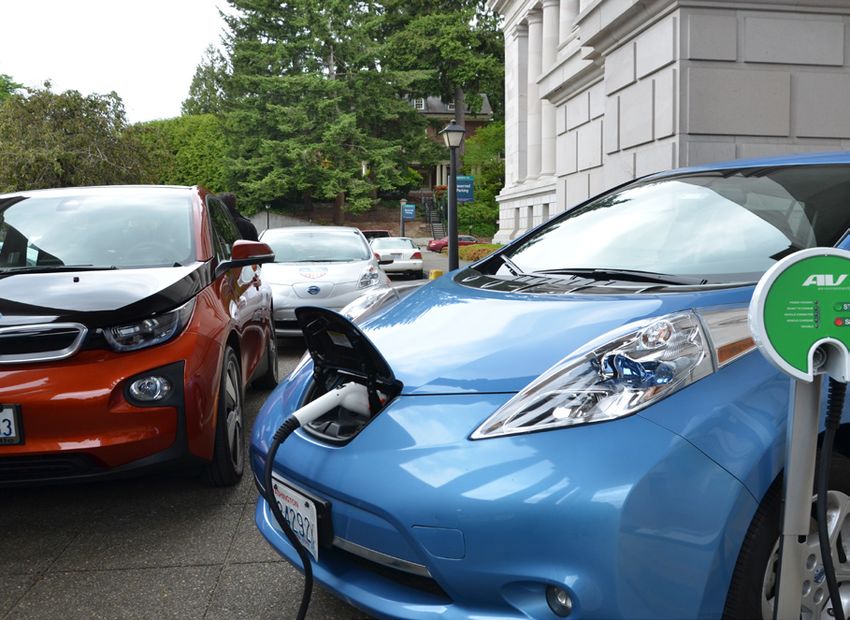
Table of Contents
Overview: Beyond the pandemic                                               1

Economic and revenue outlook                                                8

Governor’s Proposed 2021–23 Biennial Budget                                 10

Governor’s Proposed 2021-23 Budget Balance Sheet                            11

Preventing homelessness from growing worse during COVID-19                  14
pandemic

Budget offers support for child care providers struggling during pandemic   19

Human Services - Operating                                                  21

Human Services - Capital                                                    31

Education - Operating                                                       33

Education - Capital                                                         37

Natural Resources - Operating                                               41

Natural Resources - Capital                                                 45

General Government - Operating                                              49

General Government - Capital                                                52

Transportation                                                              55

Replacing the state’s outdated and at-risk core business systems            58

Employee compensation                                                       61

Revenue                                                                     62

Results Washington                                                          65
Beyond the pandemic
           Building a stronger Washington for working families and businesses

           The worst global pandemic in more than a century has had devastating — and often disproportionate
           — consequences for households, businesses and communities across our state. Gov. Jay Inslee’s 2021–
           23 operating, capital and transportation budgets will emphasize equity in many forms as we work to
           defeat COVID-19, rebuild the state’s economy and protect vital services.

           When the COVID-19 virus reached Washington, state leaders and public health officials moved
           aggressively to slow its spread. Meanwhile, medical professionals and caregivers worked tirelessly to
           treat those infected by the deadly and highly contagious virus.
           Those actions — and the many sacrifices everyone made over the past nine months — undoubtedly
           saved many lives. Still, as of this month, more than 200,000 Washingtonians have been infected and
           more than 3,000 have died.
           Beyond the illness itself, the pandemic has inflicted pain and hardship in virtually every area of our
           lives.

Proposed 2021-23 Budget & Policy Highlights                                                                         1
Overview
                                                                        Job
                                                                      Job   losses
                                                                          losses   and
                                                                                 and   duration
                                                                                     duration ofof post-WWII
                                                                                                post-WW2     recessions
                                                                                                          recessions    in Washington
                                                                                                                     in Washington

                                                                2%                          1960        1953        1957              1981          1969         2000                               2008

                                                                1%
       Percent job changes relative to peak employment month

                                                                0%

                                                               -1%

                                                               -2%

                                                               -3%

                                                               -4%

                                                               -5%

                                                               -6%
                                                                                      2020
                                                               -7%

                                                               -8%

                                                               -9%

                                                               -10%

                                                               -11%

                                                               -12%
                                                                      0   3   6   9    12    15    18   21     24   27     30    33    36    39    42    45    48    51     54   57    60     63    66    69

                                                                                                        Number of months after peak employment

                                                                                                                         Source: Washington Employment Security Dept. and Economic and Revenue Forecast Council
                                                                                               Source: Washington Employment Security Dept. and Economic and Revenue Forecast Council

      In the first months of the pandemic, hundreds                                                                                   the state’s economic forecasters warned us of
      of thousands of Washingtonians lost their jobs.                                                                                 significant fiscal uncertainty for the foreseeable
      Almost no business was left unscathed. Schools                                                                                  future.
      were closed, forcing teachers and parents to
      immediately shift to virtual education. The need                                                                                Early efforts to control virus, provide
      for food and rent assistance skyrocketed as                                                                                     relief, minimize budget crisis
      families struggled to make ends meet.
                                                                                                                                      Last March, soon after coronavirus cases began
      The pandemic’s blow to the economy also                                                                                         spiking across the state, Inslee announced
      wreaked havoc on the state budget. Almost                                                                                       his Stay Home, Stay Healthy order. This
      overnight, the state went from a near-record                                                                                    required Washingtonians to stay home except
      budget surplus to a projected multibillion-dollar                                                                               for essential activities, and it banned large
      shortfall. The situation gradually improved                                                                                     gatherings and closed nonessential businesses.
      throughout the summer and early fall. But as of
      November, the state had about 217,000 fewer                                                                                     Over the course of the spring and summer, the
      jobs than in February, revenue projections                                                                                      governor issued numerous orders and related
      for the next three years remained more than                                                                                     guidance aimed at stopping the virus. From
      $3.3 billion below pre-pandemic levels, and                                                                                     the start, Inslee took steps to make sure people

2                                                                                                                                                                         Proposed 2021-23 Budget & Policy Highlights
Overview
           would have a place to live and food on their       The governor will urge the Legislature
           table, such as placing a moratorium on evicting    in January to quickly pass legislation
           renters and joining nonprofit organizations        approving an additional $100 million in grants
           to raise money for food banks. His office          to assist struggling businesses and an additional
           worked with the Legislature to distribute more     $100 million in rental assistance to help both
           than $2.1 billion in federal funds to cover        tenants and landlords.
           the fast-rising cost of response efforts and
                                                              Still, the state will have a lot of work to do with
           provide assistance for households, workers and
                                                              its response and recovery efforts, which guided
           businesses hardest hit by the pandemic.
                                                              Inslee as he prepared his 2021–23 operating,
           The Inslee administration also worked from the     capital and transportation budgets. The
           start to confront the state’s pandemic-related     governor’s budgets will enable the state to:
           budget crisis. Acting decisively after the 2020
                                                                 y Continue its aggressive response to
           legislative session, the governor used his veto
                                                                   the ongoing pandemic and build more
           pen to make budget cuts that will save the state
                                                                   capacity for tackling future public health
           more than $440 million over three years. He
                                                                   crises.
           directed state agencies under his authority to
           cancel a scheduled 3% wage increase for many          y Rebuild the state’s economy and continue
           government employees and begin furloughs                efforts to support households, students,
           for most state employees. He also placed a              workers and businesses impacted by the
           freeze on hiring, personal service contracts and        pandemic.
           equipment purchases (with limited exemptions).
                                                                 y Protect previous investments in areas
           The furloughs, canceled pay raises and freezes          such as education, child care and early
           will save tens of millions of dollars in the            learning, climate action, behavioral health
           current two-year budget. Meanwhile, state               reform, homelessness and access to
           employees stepped up by agreeing to new                 health care.
           collective bargaining agreements for the next
           two-year budget that provide no general               y Address racial and economic inequity.
           wage increases and call for monthly one-day
           furloughs for most workers.

           Governor puts forward plans to
           boost response and recovery efforts
           The large infusion of federal coronavirus
           relief and other stimulus money proved vital in
           helping Washington mount a strong response
           to the pandemic and weather the initial
           economic storm. But some of those funds have
           run out and it’s unclear whether the federal
           government will come through with more
           support for state and local governments.

Proposed 2021-23 Budget & Policy Highlights                                                                          3
Overview

      The governor is putting forward a broad range        opportunities to help get children back on
      of budget and policy proposals to help the           track. His budget also focuses on equitable
      state build back stronger and provide ongoing        student supports, such as new funding to
      support to households, workers and businesses        provide broadband connections for families
      still struggling due to the pandemic.                who cannot afford internet services.
      For example, the governor’s budget includes          Child care providers have also been particularly
      funding to shore up the state’s unemployment         hard hit by the COVID-19 pandemic. Besides
      system, which was put under enormous                 struggling with the increased costs of meeting
      strain due to staggering job losses, especially      state and federal health guidelines, their
      during the first months of the pandemic. The         revenues were reduced due to the smaller class
      governor is proposing legislation that would,        sizes they created to keep children and staff
      among other things, ease unemployment                safe.
      insurance rate increases on businesses and
                                                           Since spring, the governor approved using
      increase minimum weekly benefit amounts for
                                                           nearly $191 million in federal CARES Act
      unemployed workers.
                                                           funding to support child care businesses and
      The governor is also proposing major new             help low-income families afford child care. His
      investments in our state and local public            2021-23 budget continues those efforts.
      health systems. We need a large part of those
                                                           From the start of the 2021–23 budget
      investments now to help finish defeating
                                                           development process, the governor made
      COVID-19. This includes funding for personal
                                                           a commitment to focus on equity. In its
      protective equipment and testing supplies, and
                                                           instructions last summer to state agencies, the
      making sure we have the resources we need to
                                                           governor’s budget office directed agencies to
      distribute the vaccine that just became available.
                                                           consider how their budget requests will affect
      He is also proposing new, ongoing revenue
                                                           marginalized communities. Agencies were told
      to bolster our state’s chronically underfunded
                                                           to address the following questions in preparing
      public health system.
                                                           their budget requests:
      The number of unsheltered homeless
      individuals was already on the rise in                  “How is your proposal impacting equity in
      Washington and the economic fallout from the            the state? Which communities are impacted by
      pandemic intensified the crisis. With tens of           this proposal? Include both demographic and
      thousands of Washingtonians still struggling            geographic communities. How are disparities in
      to pay their rent or mortgage, the governor is          communities impacted?”
      proposing significant new funding for rent and
                                                           The governor’s budgets demonstrate his
      foreclosure assistance and other measures to
                                                           commitment to equity and inclusion by funding
      keep people from homelessness.
                                                           programs and policies that work to eliminate
      The pandemic caused major disruptions for our        racial disparities. These include funding an
      public school system and more than 1.1 million       equity office as a tool to root out racism and
      students statewide. The governor proposes            discrimination. His budget also includes funds
      significant new investments to expand learning       to establish an office that investigates police

4                                                                                 Proposed 2021-23 Budget & Policy Highlights
Overview
Annual
Annual percentagechange
percentage change of
of real
real per-capita
per-capitastate
staterevenue
revenue
8%
6%
4%
FORECAST
2%
0%
-2%
-4%
-6%
-8%
-10%
-12%
1986 1989 1992 1995 1998 2001 2004 2007 2010 2013 2016 2019 2022 2025
Fiscal year
Includes General Fund-State, ELTA, OPA and WEIA revenue Source: Economic and Revenue Forecast Council, Nov. 2020
Includes General Fund-State, ELTA, OPA and WEIA revenue Source: Economic and Revenue Forecast Council, Nov. 2020
using excessive force, eliminate contracting For example, projected education funding
disparities, and introduce an equitable financial needs (for the current budget and the first year
literacy plan to help communities of color. of the next budget) have fallen by an estimated
$831 million, largely due to lower school
New revenue needed to support enrollments and pupil transportation costs
recovery efforts, protect vital services amid the pandemic. The governor proposes
reinvesting some of that savings to meet critical
Since last spring, after state revenue projections needs, while using the rest to help balance the
began a steep dive, Inslee resisted calls for budget.
immediate funding cuts to state services. He
argued such cuts would harm many of the But the state needs additional revenue to
people already hardest hit by the pandemic and continue and strengthen the state’s pandemic
hamper recovery efforts. response and recovery efforts while also
protecting previous investments in other state
While Washington’s budget picture has services.
improved since spring, the state still faces
significant fiscal challenges. As he has in the past, Inslee proposes a new
capital gains tax on the sale of stocks, bonds
Besides dipping into reserves, the governor’s and other assets. This would not apply to sole
budget relies on savings in a number of areas. proprietor businesses, retirement accounts,
Proposed 2021-23 Budget & Policy Highlights 5Overview
homes, farms and forestry. Earned income begin implementing the governor’s proposed
from salaries and wages are not capital gains Climate Commitment Act. This act is a
and would not be taxed at all. The proposed tax comprehensive climate program to help us
change — which will not go into effect until meet statutory greenhouse gas limits, increase
the second year of the 2021–23 biennium — climate resilience, and reduce the impacts
would raise more than $3.5 billion over the next of climate change on communities and
four years. ecosystems.
With the tax geared to very large capital gains, The capital budget invests in programs and
only a tiny fraction of the state’s wealthiest projects to support the transition to cleaner
taxpayers would be affected. In that regard, it buildings. It also puts money into the state’s
won’t worsen Washington’s dubious distinction Clean Energy Fund to support the clean energy
of having the nation’s most regressive state efforts, such as electric grid modernization
tax system — an upside down tax system that projects and research into new and emerging
disproportionately impacts people at the lower clean energy technologies.
end of the economic scale and allows the very
Meanwhile, the transportation budget provides
wealthiest individuals and most prosperous
major new investments to support clean
businesses to pay relatively less in taxes.
transportation efforts, which includes funding
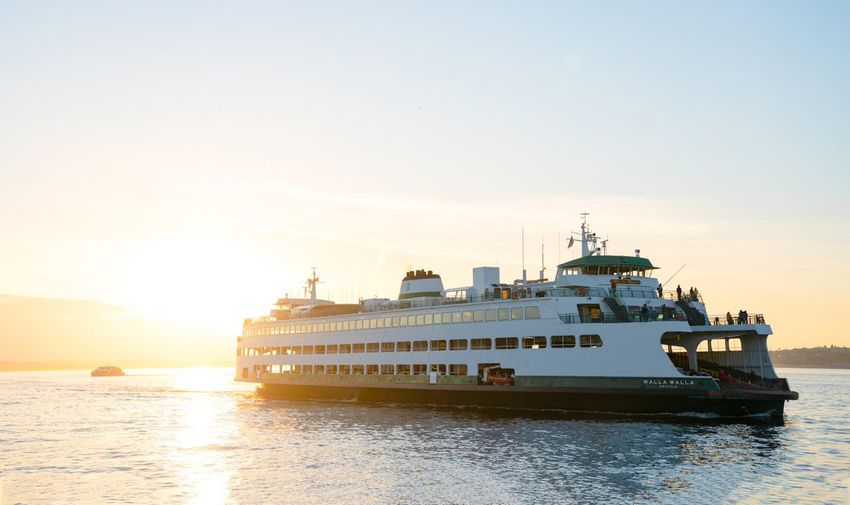
The governor also proposes narrowing the to electrify our state ferry and transit systems.
“bad debt” tax loophole the state currently And more funding will continue our work with
allows businesses to claim when customers Oregon and British Columbia on plans for an
fail to pay. And, to help fund his proposed ultra-high-speed rail corridor across western
investments in public health services, the Washington.
governor is proposing a new per member/per
month assessment on health insurance carriers. Transportation budget steps up
The new revenue will help the state maintain
removal of fish passage barriers
its healthy reserves. Heading into the next Under the governor’s 2021–23 transportation
biennium, the state is projected to have about budget, the state will make major progress
$2.5 billion in total reserves. Under Inslee’s toward meeting a federal court injunction to
proposal, the state would still have about remove culverts that block habitat for migrating
$1 billion in total reserves at the end of the salmon and steelhead. The budget provides
biennium. $724 million that will help the department
design 136 barrier-removal projects and
Governor uses budgets to back bold construct an additional 114 projects.
‘climate commitment’
The transportation budget also includes
The governor is again making climate action $400 million for preservation work on our
a top priority in his operating, capital and state’s transportation infrastructure, including
transportation budgets. roadways, railways, ferries and bridges. And
it continues the state’s efforts to reduce
The operating budget provides funding to
greenhouse gas emissions by investing in clean
transportation.
6 Proposed 2021-23 Budget & Policy HighlightsGovernor proposes large capital budget
to boost economy, speed up key projects
The COVID-19 pandemic has had widespread science buildings at Washington State University and
impacts to Washington’s economy. To help offset Eastern Washington University.
those impacts, Inslee is proposing an extra-large
To help address the state’s homelessness crisis, which
capital budget for the next two years that will
has been compounded by the pandemic, the budget
stimulate economic growth while also addressing key
includes nearly $400 million to build more affordable
infrastructure needs in communities across the state.
housing units and preserve the state’s existing
Due to the extraordinary impacts of COVID-19 on housing stock.
communities and households, the governor proposes
The budget sends $150 million to the state’s Public
tapping future bond capacity now to help stimulate
Works Assistance Program, which provides low- or
the economy and retain construction jobs. The
no-interest loans that local governments can use to
governor’s proposal increases the state’s total bond
repair everything from bridges and roads to water
capacity by $1.25 billion, to nearly $4.7 billion for the
and sewer systems.
2021–23 capital budget. Including other state and
federal fund sources, the governor’s capital budget The capital budget also includes:
for the next two years totals nearly $6.2 billion.
y Over $800 million for 80 school projects
In essence, the governor is proposing to start work statewide.
sooner on numerous projects statewide — at a time
y $45 million to expand broadband access for
when interest rates are low and the state needs
underserved homes and businesses.
economic stimulus. The budget will support an
y $39 million to construct the new Nisqually
estimated 36,000 jobs per year statewide over the
State Park and fund major improvement
course of the biennium.
projects at three other parks.
Under the governor’s budget, the state will jump-
y $51 million to fund design work and site
start work on a backlog of infrastructure needs on
demolition for a new 350-bed forensic
college and university campuses. Besides providing
psychiatric hospital on the Western State
immediate economic stimulus, it will put the state’s
Hospital campus.
economy on better footing long term by building
capacity while preserving assets in our higher y Nearly $120 million to design and construct a
education system. For example, the budget includes new 120-bed nursing facility to care for clients
$360 million for modernizing and building more with intellectual and physical disabilities.
instructional space at 10 community and technical y Nearly $27 million to improve the health of
colleges. And the budget includes funding for 58,000 acres of Washington forests to reduce
new engineering buildings at Western Washington wildfire risk and severity and develop healthy,
University and the University of Washington, and new resilient forests for the future.
For detailed capital budget information, see the sections on Human Services, Education, General Government
and Natural Resources.
Proposed 2021-23 Budget & Policy Highlights 7Economic and revenue outlook
Washington’s economic performance norm. That’s because of its outsized share of
throughout much of 2020 has been seasonal industries and its attractiveness to
constrained by the state’s efforts to contain in-migrants searching for opportunity and the
the COVID-19 virus. Higher risk economic Northwest experience. Over the past four years,
activities that involve close physical proximity 74% of Washington’s population growth came
between workers, workers and consumers, from migration. More recent forecasts expect
or where consumers are close to each Washington’s jobless rate to remain above the
other, have been tightly controlled to help national average, likely the result of strong
limit virus transmission. This has resulted population growth and the accompanying
in unprecedented job losses, striking the frictional lag in employment. In fundamental
entertainment, hospitality, personal services, ways, this reflects the confidence workers have
and eating and drinking sectors particularly in finding gainful employment. By the end of
hard. The initial wave of job losses has run its the next biennium (2021–23), Washington’s
course and over 190,000 workers have resumed unemployment rate is projected to decline to
work since May. But, as of November, the 5.5% from 6% in October.
state still had over 217,000 fewer jobs than in
February. Personal income in Washington is expected to
moderate over the next two fiscal years after
Because this recession is primarily a concerted efforts to provide federal pandemic-
public health crisis with serious economic relief money to individuals and households
consequences (compared to the more boosted fiscal year 2020 real personal income
typical economic crisis with public health by 5.2%. Real personal income should gain
consequences), the state’s recovery pattern 0.6% in fiscal year 2021, decline by 0.8% in
is without precedent. The job impact of the fiscal year 2022, and grow by 2.5% in fiscal year
Great Recession lasted 70 months from initial 2023. That compares to the respective 0.6%,
job losses to full recovery, to the previous 3.4%, and 2.4% projections for the nation.
job peak. We do not expect this recovery to Despite the slower growth, Washington’s
take nearly as long. However, the number of real per capita personal income should reach
permanent job losses and permanent business $59,924 in fiscal year 2023, nearly $7,300 above
closures may bring longer-term consequences. the U.S. average.
Washington’s jobless rate moved above the These gains in Washington’s personal
national rate during the past three years after income will be bounded by the decline in
mirroring the national figures for much of aerospace employment, a traditional driver of
the economic recovery. The state’s rate has Washington’s economy. Aerospace jobs are
traditionally been higher than the national expected to drop from 87,600 jobs in fiscal year
8 Proposed 2021-23 Budget & Policy HighlightsEconomic Outlook
2020 to 62,500 jobs in fiscal year 2023. Even fiscal year 2020. That should lower the share
though Washington’s nonfarm employment is of construction jobs to 5.7% of total nonfarm
projected to decline 1.9% in fiscal year 2021, employment, the historic average. At the height
the state is projected to net a 4% increase of the building boom in fiscal year 2019,
in total payroll jobs in fiscal year 2022, and construction jobs represented 6.3% of total
2.4% in fiscal year 2023 — thanks to gains in nonfarm employment.
software publishing, electronic shopping and
mail order, and other technology sectors. General Fund-State revenues grew 10% in
fiscal year 2018 and 3.3% in fiscal year 2019,
Construction activity in Washington is expected and the revenue forecast will finish fiscal year
to trend to a more historically normal level in 2020 up 6.2%. GFS revenues are expected to
the next several fiscal years. While growth in the grow 4.9% in fiscal year 2021, 3.2% in fiscal
technology sectors prompted demand for new year 2022, and 3.6% in fiscal year 2023. The
office space, the commercial sector does tend recovering economy, rebounds in hiring aside
to overbuild. This leads to subsequent periods from aerospace and construction, and a steady
of higher vacancies and gradual absorption. housing market should keep revenues growing
Building permits should total 45,350 in fiscal at a restrained pace.
year 2021, 44,035 in fiscal year 2022, and 42,889
in fiscal year 2023. As a result, construction The latest economic and revenue forecast from
employment should move down to 202,500 the Economic and Revenue Forecast Council
jobs in fiscal year 2023, from 216,200 jobs in can be found on the council’s website.
Private sector payroll employment in Washington
Private sector payroll employment in Washington
Monthly change,
Monthly seasonally
change, seasonally adjusted adjusted
50,000
Job gain/loss
72,600 JOBS ADDED
IN JUNE 2020
40,000
30,000
20,000
10,000
0
-10,000
12-MONTH
MOVING AVERAGE
-20,000
-30,000
-40,000 340,000 JOBS LOST
IN APRIL 2020
-50,000
2008 2009 2010 2011 2012 2013 2014 2015 2016 2017 2018 2019 2020
Source: Washington Employment Security Dept. and Economic and Revenue Forecast Council
The range of the Y axis has been limited so as not to obscure the monthly values outside of the extreme values of April and June 2020.
Source: Washington Employment Security Dept. and Economic and Revenue Forecast Council
Proposed 2021-23 Budget & Policy Highlights 92021-23 Omnibus Operating Budget
2021-23 Governor's New Law
Governor’s Proposed 2021–23
Funds Subject Biennial Budget
to Outlook
2021-23 Omnibus operating budget funds subject to outlook
$'s in millions
Dollars in millions
K-12 schools $28,688
Social and Health Services $7,365
Health Care Authority $6,318
Higher Education $4,759
Bond Retirement and Interest $2,668
Corrections $2,363 *Includes several agencies
such as Dept. of Health,
Dept. of Children, Youth, and Families $2,208 Employment Security Dept.,
and Dept. of Labor and
Industries
General Government $1,546
All other* $1,409
2021-23 Budget
Natural Resources $526 Total: $57,849
Operating/Transportation Version: 2021-23 Governor's New Law
Total Budgeted
*Includes several agencies such as Dept. of Health, Employment
Operating/Transportation: 2021-23 total budgeted
$'s in Millions
Dollars in millions
K-12 schools $30,712
Health Care Authority $22,883
Higher Education $15,935
Social and Health Services $15,617
Transportation $8,906
General Government $6,031
Bond Retirement & Interest $4,978 *Includes several agencies
such as Dept. of Health,
All Other* $4,811 Employment Security Dept.,
and Dept. of Labor and
Dept. of Children, Youth, and Families $3,341 Industries
Corrections $2,375
Natural Resources $2,230 Total: $117,818
*Includes several agencies such as Dept. of Health, Employment
10 Proposed 2021-23 Budget & Policy HighlightsGovernor’s Proposed 2021-23 Budget Balance Sheet
General Fund-State, Education Legacy Trust Account, Opportunity Pathways Account,
Workforce Education Investment Account and Budget Stabilization Account
Dollars in millions
2019-21 2021-23
RESOURCES
Beginning Fund Balance $1,981 $2,478
November 2020 Revenue Forecast 50,995 54,666
Transfer to Budget Stabilization Account (1% of general state revenue) (486) (524)
Enacted Fund Transfers 195
Actual/Assumed Prior Period Adjustments & CAFR Adjustment 84 41
Governor’s Proposed Revenue Changes
Governor’s Tax Package 1,160
Additional 1% BSA Transfer (12)
Fund Transfers 17 212
Budget Driven Revenue 0 (1)
BSA Appropriation to GFS 1,774
Total Resources (including beginning fund balance) $54,560 $58,020
EXPENDITURES
2019-21 Biennium
Enacted Budget $53,700
Governor’s Proposed 2021 Supplemental (915)
Governor’s Proposed 2021-23 Budget
Maintenance Level Base Budget $56,112
Policy Changes 1,737
Actual/Assumed Reversions (702) (291)
Total Expenditures $52,082 $57,558
RESERVES
Projected Ending Balance (GFS + ELTA + OPA+ WEIA) $2,478 $462
Budget Stabilization Account
Budget Stabilization Account Beginning Balance 1,618
Plus Transfers from General Fund and Interest Earnings 555 525
Additional 1% BSA Transfer 12
Less 2020 Supplemental Approp from BSA-Coronavirus (200)
Less 2021 Supplemental Approp from BSA-Business and Rent Assistance (200)
Less 2021 Supplemental Approp from BSA-To GFS (1,774)
Projected Budget Stabilization Account Ending Balance 0 $537
Total Reserves (Near General Fund plus Budget Stabilization) $2,478 $999
Proposed 2021-23 Budget & Policy Highlights 11Balance Sheet Detail
Fund transfers, revenue legislation and budget-driven revenues
Dollars in millions 2021-23 biennium
GF-S ELTA
Fund Transfers To/From GFS (Excluding Transfers To/From BSA)
10B Home Security Fund Account $(9.0)
131 Fair Account (0.6)
058 Public Works Assistance Account $132.0
300 Financial Services Regulation Account 7.0
315 Dedicated Marijuana Account 10.0
404 Treasurer’s Service Account 10.0
492 School Employees Insurance Account (Loan Repayment) 16.6
567 Long-Term Services & Sup Trust Account 40.0
884 Gambling Revolving Account 6.0
Subtotal $80.0 $132.0
Revenue
Capital Gains Tax - 9% Rate; $25k/$50k Deduction; Sole Prop Income Exemption $1,127.0
Narrowing Bad Debts Tax Preferences 36.2
Salmon Habitat Recovery Grants Tax Exemption (3.7)
Additional 1% BSA Transfer (11.6)
Subtotal $1,147.9
Budget Driven Revenue & Other
Lottery Revenue Distribution Change BDR $1.6
Liquor Account Distribution 501 BDR 3.4
Marijuana Revenue Distribution Change BDR (5.6)
Subtotal $(0.7)
All Revenue Changes $1,227.2 $132.0
12 Proposed 2021-23 Budget & Policy HighlightsWashington state
Washington Statebiennial budget
Biennial Budget timeline
Timeline
JUNE 2020
OFM issues budget
instructions
SUMMER–FALL 2020
Collective bargaining
occurs
SEPT 2020
Agencies submit
budget requests
FALL 2020
OFM reviews budget requests
for governor’s decisions
NOV 2020
Quarterly revenue and
caseload forecasts
NOV-DEC 2020
Determination of employee
contract financial feasibility
CURRENT STEP: DEC 2020
Governor proposes budget
to Legislature
JAN 2021
Legislature convenes
FEB/MAR 2021
Quarterly revenue and
caseload forecasts
APRIL 2021
Legislature passes budget
MAY/JUNE 2021
OFM reviews, governor
signs budget
JUNE–JULY, 2021
Agencies submit detailed
spending plans
JULY 1, 2021
Biennial budget For a complete guide to the state
takes effect budget process, see:
ofm.wa.gov/budgetprocess
Proposed 2021-23 Budget & Policy Highlights 13Preventing homelessness from growing
worse during COVID-19 pandemic
As in many states, unsheltered homelessness Providing rental assistance is part of a
was already on the rise in Washington before comprehensive plan the governor is putting
the COVID-19 pandemic hit earlier this year. forward to combat homelessness in our state.
After a one-year decline in 2019, the number The governor’s plan aims to:
of unsheltered homeless individuals increased
y Keep individuals from falling into
about 13% to nearly 11,000 in 2020.
homelessness by preventing evictions and
The pandemic has intensified the state’s foreclosure, and by mitigating efforts to
homelessness crisis. It has created greater ease shelter crowding.
financial insecurity for the estimated 250,000
y Preserve the existing stock of affordable
households that were already struggling to
housing units.
pay their rent. Over half of those households
are considered “severely rent burdened,” y Continue to build upon recent housing
which means they pay more than half of and homelessness investments.
their monthly income in rent. Similarly, the
pandemic-fueled recession is making it harder Prevent individuals from falling into
for many homeowners to meet their mortgages. homelessness
As of November, more than 85,000 households Rental assistance
reported that they were likely or very likely to
experience evictions or foreclosure in the next After the governor issued the evictions
two months. moratorium, the state began using federal
CARES Act funds to provide rent assistance
Last spring, Gov. Jay Inslee issued a that helped both tenants and landlords. In
proclamation that placed a temporary all, the state allocated $120 million of its
moratorium on evicting renters for federal relief funds to help thousands of
nonpayment of rent. The moratorium, which Washingtonians stay in their homes.
Inslee extended through Dec. 31, has been
instrumental in keeping people housed during When the moratorium on evictions is eventually
the pandemic. lifted, renters will still owe several months in
unpaid rent, and experts are predicting mass
But, to prevent future evictions, many of these evictions of low-income households if more
households will need assistance to catch up on assistance is not provided.
past-due rent bills and keep current on their
rent payments. A recent University of Washington study found
that, in the state’s two most populous counties,
14 Proposed 2021-23 Budget & Policy HighlightsPreventing homelessness
eviction rates for black and Latinx adults are the assistance in the next biennium. The
significantly higher than for white adults. A state estimates nearly 28,000 households will
robust rent assistance program that emphasizes receive rent assistance through June 2021,
outreach to economically marginalized with that number gradually ramping down to
households is essential to reducing evictions, about 1,000 households in June 2022. ($328
and in ensuring racial and gender equity in our million, General Fund–State; Home Security
fight against homelessness. Fund–State)
With federal CARES Act funds running out, Foreclosure assistance
the governor proposes using state funds to The CARES Act also provided much-needed
continue rental assistance efforts during this mortgage payment relief for homeowners.
crisis. His plan provides $164 million for rental Most standard loan agreements allow for
assistance through the end of the current a three-month forbearance, a temporary
biennium (June 30, 2021). His 2021–23 budget postponement or reduction of mortgage
provides another $164 million to continue payments. The CARES Act allows for up to
Number of households served with rental assistance monthly
Number of households served with rental assistance monthly
(approximate)
(approximate)
CARES Act State
funding funding
27,912
25,586
23,260
20,934
18,608
16,282
13,956
11,630
9,304
6,978
4,652
2,326
1,018
Nov-20 Dec-20 Jan-21 Feb-21 Mar-21 Apr-21 May-21 Jun-21 Jul-21 Aug-21 Sep-21 Oct-21 Nov-21 Dec-21 Jan-22 Feb-22 Mar-22 Apr-22 May-22 June 22
2020 2021 2022 -
ongoing
Source: Office of Source: Office of Financial Management and Department of Commerce
Financial Management and Department of Commerce
Proposed 2021-23 Budget & Policy Highlights 15Preventing homelessness
two consecutive 180-day forbearance periods. Property acquisition flexible fund
As borrowers who face foreclosure come out
Studies show that supportive housing is the
of forbearance, they will likely be referred into
gold standard for preventing the chronically
the Foreclosure Fairness Program within the
homeless from returning to the streets. Some
Department of Commerce.
homeless individuals require a temporary
The governor’s operating budget includes $17 accommodation to bridge the gap from
million to adequately and equitably serve the homelessness to permanent housing. Lack of
increased number of homeowners who are siting for constructing new, affordable housing
expected to seek relief from foreclosure once is a common problem.
the federal moratoriums on foreclosure and
The governor’s capital budget includes $70
CARES Act protections expire. ($17 million,
million for Housing Trust Fund-eligible entities
GF–S)
to acquire properties such as hotels or motels
Anchor Communities at an affordable price for a quicker conversion
The Anchor Community Initiative is a public- into shelters, permanent supportive housing or
private partnership between the state and the transitional housing units. This funding pays
nonprofit group, A Way Home Washington. for the property and building retrofit, electrical
The initiative aims to reduce youth and young and plumbing system updates, and converting
adult homelessness to “functional zero” (when the property to a suitable housing environment
a community has the capacity to house every without major changes. ($70 million, bonds)
homeless person) by 2022. The initiative is
currently focused on four pilot counties: Pierce, Preserve existing stock of
Walla Walla, Spokane and Yakima. So far, the affordable housing units
program has moved 60% of homeless youth Housing Trust Fund/USDA funded
and young adults in these areas into sheltered preservation
settings.
The state Housing Trust Fund Preservation
With assistance from A Way Home Program provides funding for major building
Washington, the communities form teams to improvements, preservation and system
develop a unique plan that covers prevention, replacements to help maintain long-term
long-term housing, treatment services, viability of the trust’s housing portfolio.
employment and educational attainment. State This includes multifamily housing at risk of
funding helps pay for the services to bring returning to market-rate prices when use
youth and young adults inside. These services restrictions expire. The governor’s capital
include shelter, rent assistance and clinical budget includes $30 million to preserve
behavioral health services. approximately 1,500 aging affordable housing
units to keep serving low-income and
The governor proposes continued funding for
vulnerable individuals and families. ($30 million,
this program and an increased investment so
bonds)
the program can expand into four new anchor
communities. ($8 million, GF–S)
16 Proposed 2021-23 Budget & Policy HighlightsPreventing homelessness
Rural rehabilitation loans Build upon recent investments
Substandard housing is negatively impacting Housing Trust Fund
residents of rural communities in Washington.
Many people, including seniors and disabled Lack of affordability and availability of
persons living in poverty, have equity in housing are the leading drivers of the rise in
their homes but lack the financial resources homelessness. Washingtonians living at or
to borrow against their homes to keep up below 80% of median income levels lack safe,
with necessary maintenance. The governor’s affordable housing. The current supply of low-
proposed investment of $20 million would income housing units isn’t sufficient to house
provide low-income households with low- low-income and vulnerable individuals and
interest home-repair loans. By first addressing families.
needed repairs — such as fixing leaking roofs, The governor’s capital budget includes $220
unstable foundations or broken windows million to build approximately 3,390 affordable
— homeowners could make their qualifying and innovative housing units. These will serve
home ready for energy efficiency upgrades. a broad spectrum of vulnerable populations.
This funding stabilizes housing for people This includes individuals with chronic mental
at risk of losing their homes, or who live in illness who need supportive housing and case
deteriorating, unhealthy homes. It is a cost- management services, homeless families, youth
effective alternative to building new housing. and individuals, veterans, farmworkers, seniors
($20 million, bonds) and individuals with special needs.
Reducing our carbon footprint is a major
Landlord mitigation/tenancy preservation priority for the governor and the state.
Providing affordable housing with low or
Washington’s Landlord Mitigation Program
no energy costs not only meets these goals,
provides landlords with an incentive and added
but also provides low-income tenants with
security to work with tenants who receive rental
sustainable and cost-effective housing. The
assistance. The program offers grants of up to
governor’s proposed investment would
$1,000 to landlords for move-in upgrades or
use innovative, nontraditional construction
cover up to 14 days of rent loss and reimburse
methods. It would also employ energy efficient
up to $5,000 for damages caused by a tenant
housing models that use multiple construction
during tenancy.
methods, site layouts and energy modeling
The governor’s capital budget includes a $5 resulting in net-zero energy usage. This will give
million transfer to the Landlord Mitigation affordable housing developers more incentive
Account, which will help return at least 1,000 to continue developing energy-efficient housing
units to the market at an affordable price. for low-income Washingtonians. ($220 million,
($5 million, bonds) bonds)
Proposed 2021-23 Budget & Policy Highlights 17Preventing homelessness
Enhanced shelter Buildable lands and housing affordability
On any given night in our state, nearly 11,000 The lack of sufficient safe and affordable
people are living outside or in places unfit for housing results not only from traditional
human habitation. Due to the pandemic, more barriers such as untreated behavioral health
than 85,000 households are likely or very likely conditions, substance abuse disorders, domestic
to face eviction or foreclosure in the next two violence and poverty, but also from a multiyear
months. trend of insufficient siting and construction of
new, affordable housing.
Unsheltered individuals experience profound
health and safety challenges compared to The governor’s capital budget includes $10
their sheltered counterparts. They are more million to expand the footprint of land where
likely to have contact with the police or spend affordable housing can be built by cleaning
nights in jail and in emergency rooms, and up environmental contamination at hazardous
are more likely to die earlier. The impacts are sites. An additional $10 million in grants to
far-reaching, too: Because people living outside local governments will reduce the costs of
lack traditional facilities such as restrooms and developing affordable housing. This will give
laundry machines, unsheltered homelessness housing developers incentive to continue to
leads to environmental impacts along roadways, develop affordable housing for low-income
city parks and other locations that homeless Washingtonians. ($20 million, bonds)
individuals use.
The governor’s capital budget provides $50
million to create enhanced shelters — or
convert basic shelters to enhanced shelters —
as an alternative setting to crowded, congregate
shelters. This funding can also be used for
facility improvements such as laundries,
bathrooms and storage spaces. ($50 million,
bonds)
18 Proposed 2021-23 Budget & Policy HighlightsBudget offers support for child care
providers struggling during pandemic
Child care providers have been particularly the Health Benefit Exchange. It will reduce
hit hard by the COVID-19 pandemic. Besides monthly premium costs by $100 per month for
struggling with the increased costs of meeting approximately 10,000 workers.
new state and federal health guidelines, smaller
The pandemic has increased Wi-Fi costs for
class sizes to keep children and staff safe
many child care businesses that serve school-
reduced their revenue.
age children who need access to remote K-12
With child care businesses rapidly closing, the instruction during the day. The budget provides
state faced a possible collapse in the child care $9 million to expand broadband access for
market that would have affected about 100,000 licensed child care businesses that serve about
working families in Washington. To prevent 20,500 school-age children.
this, Gov. Jay Inslee used nearly $191 million in
Knowing that a national economic crisis
federal Coronavirus Aid, Relief, and Economic
disproportionately impacts low-income
Security Act funding to support child care
households, the governor’s biennial budget
businesses and help low-income families afford
helps low-income families afford child care, and
child care. The governor’s supplemental and
expands access to state-subsidized child care.
biennial budgets continue these efforts.
Since last spring, the governor used CARES
To help prevent the spread of COVID-19, Act funding for copay relief, but the funding is
child care workers need personal protective set to end June 2021.
equipment because their work requires hands-
The governor’s biennial budget adds $39.7
on contact with infants, toddlers and children.
million to reduce the monthly family
The governor’s 2021 supplemental budget
copayment by approximately 50% for roughly
includes $2.2 million to provide PPE for
8,600 families enrolled in the Working
licensed child care providers.
Connections Child Care program whose
Many teachers, assistant teachers and other income falls between 144-220% of the federal
staff working in child care centers do not have poverty level. It also provides $23.9 million to
access to employer-sponsored health care increase the income limit by 10% for applicants.
insurance. To help child care workers access This would create a new application income
affordable health care coverage, the governor threshold of 210% of the federal poverty level.
proposes $29 million for a four-year health This will allow another 4,900 more children to
care insurance premium sponsorship program access high-quality child care each year. The
for employees working in a licensed child additional resources will also help child care
care center. The program will help child care providers keep classrooms filled.
workers afford a qualified health plan through
Proposed 2021-23 Budget & Policy Highlights 19Support for child care providers
Preschool important during this time when families face
increased isolation caused by the COVID-19
In recent years, Inslee and the Legislature have pandemic and children have less contact with
significantly expanded access to the Early mandatory reporters. It will improve the quality
Childhood Education and Assistance Program, of child welfare case management, and lead
the state’s preschool program for 3- and 4-year- to more expedited outcomes for children and
olds whose family income falls below 110% of families.
the federal poverty level.
The governor’s budget hires staff to lower
Since 2013, the number of ECEAP enrollment the average statewide caseload ratio to 18
slots has increased from fewer than 6,000 families per Child and Family Welfare Services
to nearly 15,000 slots, with the goal to make worker, and to eight families per Child
the program an entitlement by the 2022–23 Protective Services worker. These staff assess
school year. The COVID-19 pandemic has and investigate allegations of child abuse
delayed progress to sufficiently meet ECEAP and neglect, provide case management for
entitlement by 2023. To address this setback, families with children in temporary out-of-
the governor’s budget provides the department home placements and help families reunify.
with $1 million to develop a roadmap to meet Case-carrying social workers, supervisors and
statewide ECEAP entitlement. This includes support staff are phased in with the goal of
identifying capital investments to build enough filling 120.4 positions. ($13.2 million GF-S; $2.3
classrooms to meet demand and strategies million General Fund-Federal)
to recruit, retain and educate the workforce.
It provides funds for DCYF to work with The governor also proposes adding child
the Office of the Superintendent of Public abuse and neglect prevention services to
Instruction to complete a report on how to 23 geographic areas around the state with
align all high-quality, early learning programs historically high rates of child maltreatment.
administered by the agencies. Services include grants to non-governmental
organizations to purchase and deliver necessary
The budget also proposes adding 750 ECEAP goods (such as diapers, formula and gas cards)
slots and a 7% rate increase for the 2022–23 to 8,280 low-income families. It also includes
school year to keep program growth on grants to expand the Home Visiting Program
trajectory for meeting the future ECEAP to 530 families, and create a new Early Learning
entitlement date. ($19.3 million GF-S) Engagement Navigator program. The new
program will identify at-risk families, assess
Child welfare their early learning needs, match the family with
The governor’s 2021–23 budget puts an services in their community and help families
emphasis on increasing services to prevent enroll ($11.1 million GF-S; $900,000 GF-F).
child abuse and neglect. This is especially
20 Proposed 2021-23 Budget & Policy HighlightsHuman Services/Operating
Strengthen Washington’s public use disorder counseling capacity at the Child
Study and Treatment Center for children with
health system a personal and/or family history of substance
The governor’s 2021–23 budget includes $397 abuse that often results in the child requiring
million ($447 million total funds) to provide inpatient services. ($577,000 General Fund-
resources the state needs to make it through the State, $543,000 GF-Local, $12,000 GF-Federal)
COVID-19 pandemic. This includes funding
for personal protective equipment and testing Western State Hospital: forensic ward
supplies, lab costs, staff for contact tracing, the Fund operating costs, including direct care and
state public health lab and epidemiology work. essential support staffing for two new forensic
With the arrival of a COVID-19 vaccine, the competency restoration wards at Western State
Department of Health also needs resources Hospital. Scheduled to open in the 2021–23
for vaccine distribution and administration biennium, the new wards add 58 beds and
to ensure all state residents have access to a 40,742 square feet to the Center for Forensic
vaccine when it is available. Services (Building 28). The first ward is
scheduled to open May 2022 and the second by
Long-term public health system July 2022. This increased bed capacity reduces
investments admission wait times for individuals who need
to wait for competency restoration, and aligns
As the state prepares for a vaccine and moves with the goals established in the Trueblood
through the worst of the COVID-19 pandemic, Contempt Settlement Agreement. ($27.4
there are still major issues to address in our million GF-S)
chronically underfunded public health system.
To fund ongoing public health needs, the Eastern State Hospital: direct care and
governor is proposing a new per member/per essential support staff
month assessment on health insurance carriers. Fund operating costs, including direct care and
It will raise an estimated $205 million during essential support staffing, for two new forensic
the second year of the next biennium, then competency restoration wards at Eastern State
about $343 million in the 2023-25 biennium. Hospital. The new wards, which opened in
2020 added 50 beds and 20,000 square feet.
Department of Social and Health The increased bed capacity reduces admission
Services – Behavioral health wait times for individuals who need to wait for
institutional services competency restoration, and it aligns with the
Support children’s mental health goals established in the Trueblood Contempt
Settlement Agreement. ($3.4 million GF-S,
Increase supervision of direct care and
$498,000 GF-Local, $414,000 GF-Federal).
psychology staff. Also, expand the substance
Proposed 2021-23 Budget & Policy Highlights 21Human Services/Operating
Continue safety initiatives at Western Department of Social and Health
State Hospital Services – Aging and long-term and
Expedite recruitment for direct care staff. developmental disabilities services
These staff are vital to operating the hospital
at the necessary levels to provide consistent, Support nursing home rate
quality, patient-service delivery in a safe methodology
working environment. The hospital experiences Increase the cost base to nursing facility daily
high turnover, so rapid recruitment is vital to Medicaid rates. This will support nursing care
maintain a constant workforce. ($3.7 million providers. During the 2020 legislative session,
GF-S) legislators added budget language to allow
annual rebasing but the appropriation authority
Reduce civil wards will expire unless agency request legislation
The number of civil patients at the two state is approved. Funding goes to annual rebase,
psychiatric hospitals will decrease, as part of along with request legislation to codify budget
the governor’s plan to transform behavioral language. ($11.5 million GF-S; $11.5 million
health and move care for individuals on long- GF-Federal)
term inpatient commitments to community
settings. Reduced funding will reflect 11 civil Increase children’s state-operated living
wards closing at Eastern State and Western
alternatives
State hospitals. Reduced bed capacity is offset Add 15 beds in five new children’s SOLA
with other investments in the state hospitals homes to serve children age 20 and younger.
and community settings. (Save $99.4 million The increased capacity will divert children with
GF-S, $5.2 million GF-Local, $4.3 million developmental disabilities and behavioral health
GF-Federal) challenges from acute care hospitals, hotel stays,
single night foster home placements, or out-
Implement Trueblood Phase 2 of-state services. ($5.9 million GF-S; $5 million
Expand implementation efforts into King GF-Federal)
County for the second phase of the settlement
agreement approved in the Trueblood. v. DSHS
Maintain the Transitional Care Center
of Seattle
lawsuit. The agreement requires investing
in resources for competency evaluation, Fund the contract to operate and maintain
competency restoration, crisis diversion and the Transitional Care Center of Seattle.
supports, education and training, and workforce DSHS purchased a 150-bed facility — to be
development. Phase 1, funded in the 2019–21 operated by a contracted nursing provider — to
biennial budget, included Pierce and Spokane accept Medicaid patients who are ready to be
counties, as well as the Southwest region of the discharged from acute care hospitals but who
state. ($8.4 million GF-S) can’t yet return to other residential settings.
($22.9 million GF-S; $23.2 million GF-Federal)
22 Proposed 2021-23 Budget & Policy HighlightsHuman Services/Operating
Support behavioral health transitions Continue the Washington Immigrant
Funding will move patients with dementia from Relief Fund
state psychiatric hospitals to Enhanced Adult Fund the Washington Immigrant Relief Fund
Residential Care or other appropriate settings. in fiscal year 2021 to assist undocumented
This will free up needed beds for psychiatric immigrants. The program provides a one-time
patients. As the state psychiatric hospitals move cash benefit to immigrants impacted by the
toward forensic centers of excellence, civilly COVID-19 pandemic who were not eligible to
committed patients will need to be moved to receive federal stimulus funds or unemployment
community-based settings. ($8.4 million GF-S; insurance because of their immigration status.
$8.4 million GF-Federal) (Fiscal year 2021: $10 million GF-S)
Department of Social and Health Extend cash and food assistance
Services – Economic Services reviews
Administration Temporarily pause food and cash benefit
reviews from November 2020 to June 2021 for
Continue Disaster Cash Assistance certain safety net programs. These include the
Fund the Disaster Cash Assistance Program Supplemental Nutrition Assistance Program,
in fiscal year 2021 to continue helping families the state’s Food Assistance Program, the
or individuals without children during the Temporary Assistance for Needy Families
COVID-19 crisis (assuming the governor Program, the State Family Assistance Program,
extends proclamation 20-63). The Disaster and the Aged, Blind or Disabled Program. This
Cash Assistance Program provides a cash gives the department more time to smooth out
benefit to those who face an emergency but the spike in the certificate review workload and
don’t have the financial resources to meet ensure that eligible households maintain benefit
their basic needs. During a governor-declared access during the COVID-19 pandemic. (Fiscal
disaster, they can access the program once in year 2021: $2.2 million GF-S, $2.5 million
a twelve-month period. (Fiscal year 2021: $9 GF-Federal; fiscal year 2022: $672,000 GF-S,
million GF-S) $863,000 GF-Federal)
Issue the maximum Food Assistance Extend the 60-month TANF time limit
Program benefit
Restore the Temporary Assistance for Needy
Fund maximum food benefit payments Families program’s 60-month time limit
to people who qualify for the state’s Food hardship criteria to the less restrictive policies
Assistance Program during certain months in that were in effect before 2011. The expanded
fiscal year 2021. The state must receive a waiver hardship criteria helps more families that
from the federal Food and Nutrition Services experience poverty access cash benefits when
to offer the maximum food benefit. This will they most need them, regardless of the number
increase the number of people who have food of months they have already received TANF.
security during the COVID-19 pandemic. This extends an existing, temporary policy
(Fiscal year 2021: $6.7 million GF-S) change from the COVID-19 pandemic. ($2.1
million GF-S, $22.8 million GF-Federal)
Proposed 2021-23 Budget & Policy Highlights 23Human Services/Operating
Revise the TANF sanction policies Support transitions to Less Restrictive
Fund the revised process for sanctioning and Alternatives
terminating households on the TANF program Provide proactive discharge planning and
due to non-compliance with WorkFirst increased support services for residents
statutory participation requirements. The transitioning from total confinement to Less
revised process creates greater access to Restrictive Alternative placements. ($2.1 million
financial assistance for families experiencing GF-S)
poverty. ($1.3 million GF-S, $2.9 million
GF-Federal) Health Care Authority – Other
Restore Healthier Savings
Prop up transitional food assistance
Restore the savings assumed in the 2019–21
Fund the creation and implementation of budget. Under Healthier Washington, HCA
a state-funded cash benefit and transitional established integrated clinical models for
food assistance program for households physical and behavioral health care. This
with children who receive benefits from the improves the effectiveness of health care
Supplemental Nutrition Assistance Program purchasing and delivery. This integration
and Food Assistance Program, but don’t receive was completed January 2020 and the impacts
benefits from TANF. Starting July 1, 2022, the associated with that integration are now
programs will offer a one-time cash benefit to incorporated in the behavioral health and
eligible households who are terminated from physical health rates going forward. ($61.6
SNAP or FAP because they exceed the income million GF-S; $80.8 million GF-Federal)
threshold or choose to voluntarily close their
food benefits. The program will also provide a Increase Title X clinic rate
transitional food benefit for five months. These
Increase family planning rates paid to Title X
benefits help families avoid a “benefit cliff ”
clinics. Enhanced rates for family providers
and support them with employment-related
will help mitigate the potential negative health
expenses and food security while they adjust to
consequences associated with unintended
their new income source. ($989,000 GF-S)
pregnancies. ($5.1 million GF-S; $15.5 million
GF-Federal)
Department of Social and Health
Services – Special Commitment Center Extend Medicaid Transformation
Increase access to on-site care Waiver
Expand capacity to provide specialized on-site Extend the Medicaid Transformation 1115
patient care at the Special Commitment Center. Demonstration Waiver for one year. The MTP
Additional medical staffing and equipment waiver is scheduled to end December 2021.
means residents take fewer trips off-island for An additional year will give the state time
necessary medical care. ($2.3 million GF-S) to explore additional financing mechanisms
for the waiver. The Medicaid transformation
24 Proposed 2021-23 Budget & Policy HighlightsYou can also read


