Business transformation guide to eliminate single-use plastics
←
→
Page content transcription
If your browser does not render page correctly, please read the page content below
Business transformation guide to eliminate single-use plastics
                        May 2018. Version 1
About this guide

This guide is designed to assist you and the    This document will cover:
business in meeting the commitment to be
                                                01 What do we mean by single-use plastic (SUP)?
single-use plastic free. This is based on the
actions Sky implemented to eliminate            02 What is the scope of the business
single-use plastics from our operations,           transformation commitment?
products and supply chain by 2020.
                                                03 How should you deal with single-use plastic?
                                                04 The journey to transforming our business
                                                   – Products, Sky Ocean Rescue Café,
                                                     Developments in procurement
                                                   – Sports and events, Production
                                                05 How to transform your business area
                                                06 Next steps

Sky Ocean Rescue Guide                                                                            02
By 2050, the plastic in our oceans
could weigh more than all the fish.
Source: Ellen MacArthur Foundation
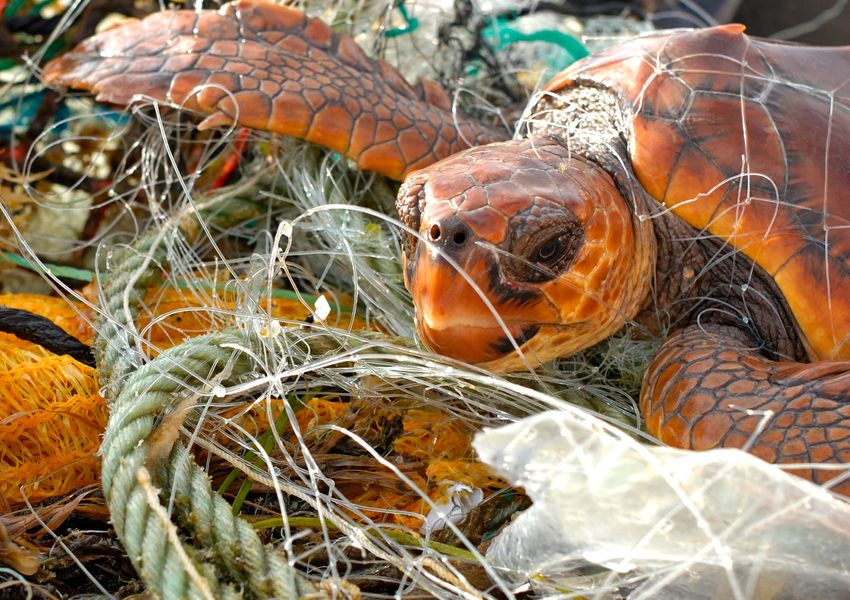
This is a huge problem for our ecosystems, wildlife       The strength and durability of plastic are the          As of January this year, China has enforced a ban
and for our very own health as plastic is being           qualities that make it so practical for every day       on the import of plastic waste for recycling. The
found more and more in the fish that we consume.          use, but also the qualities that make it so harmful     UK’s recycling infrastructure is currently unable to
Micro-plastics have been found inside a third of          once it finds its way into our oceans. Most types       accommodate and treat all of the plastic material
fish in the English Channel.                              of plastic are not biodegradable. They can stay in      generated each year.
                                                          the oceans for centuries.
40% of all plastic in Europe is only used once.                                                                   The health of our oceans affect us all. If we all work
This is what we refer to as single-use plastic,           Recycling plastic waste is not enough. In the UK        together, we can help to protect our oceans. Only
created by the throw away culture that many               we recycle only approximately 45% of waste, which       by reducing our consumption of single-use plastic,
of us live in.                                            is very much below the EU target for the UK to          can we help to alleviate plastic pollution.
                                                          recycle at least 50% of household waste by 2020.

                                                                              40%                                                          45%
         By 2050, the plastic in            Micro-plastics have          40% of all plastic in        Most types of plastic            In the UK we recycle
        our oceans could weigh               been found inside             Europe is only            are not biodegradable.          only approximately 45%
         more than all the fish               a third of fish in            used once                  They can stay in the           of waste, which is very
                                            the English Channel                                       oceans for centuries          much below the EU target

Sky Ocean Rescue Guide                                                                                                                                               04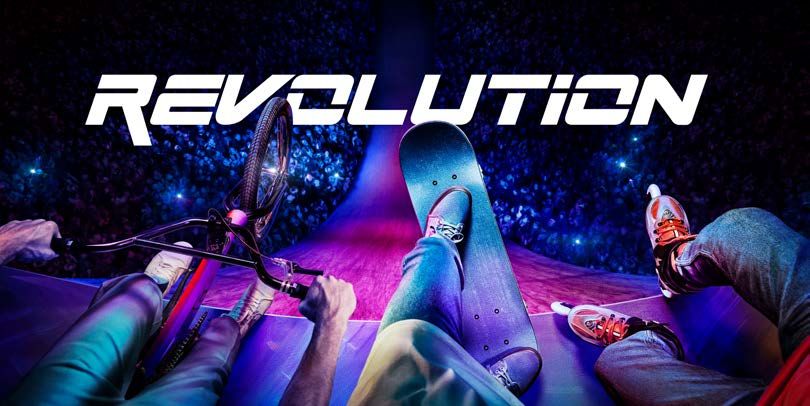
Why Sky

Single-use plastics are the largest     Eight years ago we established Sky
cause of ocean plastic pollution, an    Rainforest Rescue, to help save
increasingly devastating problem        one billion trees in the Amazon
for the health of our ocean and our     Rainforest in partnership with WWF.
people. We know at Sky we have a        In January 2017, we launched Sky
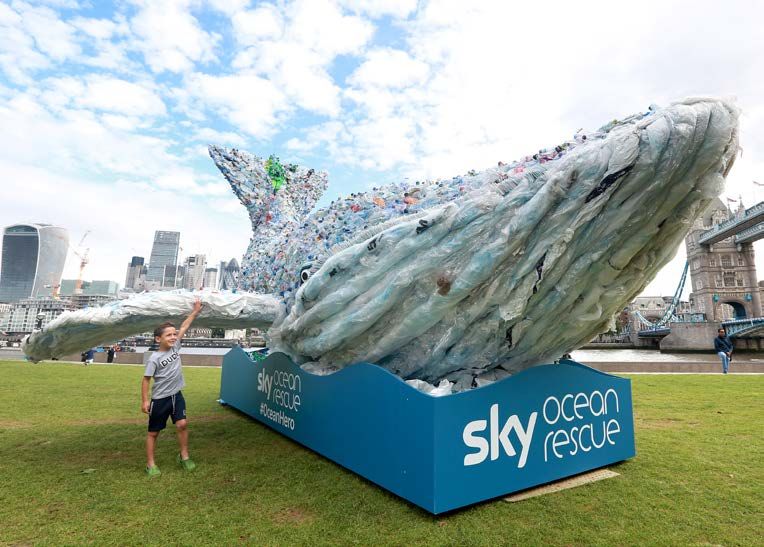
responsibility to do the right thing    Ocean Rescue, to inspire simple
and help out customers and the          everyday changes and stop our
communities they live in.               oceans from drowning in plastic.
For over 30 years, Sky has been         Our vision is to lead the way and
playing a big role in the lives of      inspire millions of people to stop
millions of homes. Given our reach,     using everyday single-use plastic.
we strive to be both an inspirational   We will lead by example and remove
and responsible business, as we         all single-use plastic from our
believe through our own behaviours,     business and supply chain by 2020.
we can affect real change.
                                        Now is the time to turn off the
That’s why twelve years ago we          single-use plastic tap, the pressure
became the world’s first media          is on, business leaders need to step
company to become carbon neutral.       up and take action.

Sky Ocean Rescue Guide                                                         05
Sky Ocean Rescue
Shining the spotlight on the issues of ocean health, finding innovative solutions to the problem
of ocean plastics, and inspiring people to make simple everyday changes that collectively make
a huge difference. In 2017 we made the following commitments:

1. Transform our own business                                                         3. To use the power of our voice to influence
    • We will eliminate all single-use plastics from our own operations and              others to take action
      products by 2020.
                                                                                           • We will use our programming to educate our customers and the wider
    • Work with our business partners and supply chain to do the same.                       public on the issues of ocean health and how they can play a role to
                                                                                             make a difference.
    • Lead the way for other businesses.
                                                                                           • We will call for governments to adopt policy changes to protect
                                                                                             our Oceans.
2. Encourage and support innovation to develop
   solutions                                                                          4. Safeguarding our Marine Protected Areas
    • Anchor funding to find technology to help solve ocean pollution.
                                                                                           • We will work with WWF to safeguard Marine Protected Areas along
    • Work with Nat Geo to support three Sky Ocean Rescue Scholars                           our coastlines in Europe.
      to find new innovative solutions to problems of ocean health.

Sky Ocean Rescue Guide                                                                                                                                              06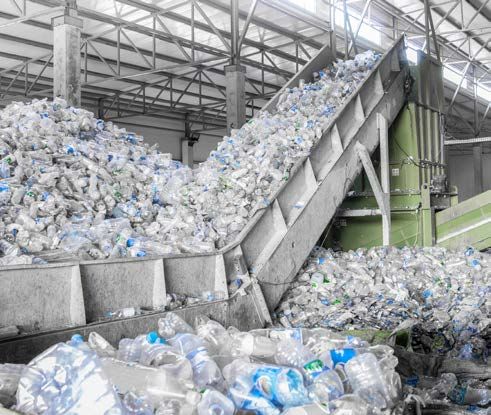
01 What do we mean by single-use plastics?

Sky’s definition for single-use plastic
Single-use plastics or disposable plastics that are intended to be used only once
before they are thrown away or recycled
Plastics are single-use if they are used for less than a week
This applies to all packaging, containers, disposable items and materials used
for branding and marketing use
This includes bioplastics, as although these are derived from biomass and/or intended
to biodegrade over time, this process only occurs under specific circumstances and
therefore not considered a final solution

                                                           They are not
                                                           Products themselves that have an end of use value beyond the market
                                                           recycling value (e.g. set-top boxes, mobiles, etc.).
                                                           Packaging and products designed for use over a number of years and that
                                                           can be repaired, refurbished or dismantled and industrially recycled.
                                                           Plastic items used in operations, and have a life span longer than one month
                                                           from use, such as furnishings.
                                                           The policy will be updated to reflect new technology and innovation becoming available.

Sky Ocean Rescue Guide                                                                                                                               07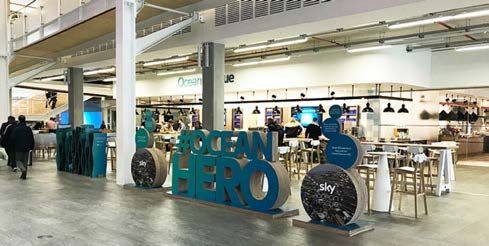
02 What is the scope of the Business
Transformation commitment?
The commitment that Sky has made to transform its business applies to all stakeholders
including operations, products, procurement and supply chains, marketing, sports events,
corporate events and production.
This also means:

All suppliers, direct and indirect, that provide items to Sky that are packaged
or contained in single-use plastics.
e.g. , food and drink containers (including catering on and off site), cleaning                              Operations

products, on-site services, I.T. hardware, office supplies.

                                                                                              Products                    Production
The entire value chain for Sky products covering all items in the product life-
cycle, from component to customer. This includes includes retail, engineers etc.                             Work
e.g. Set top box, broadband routers, remotes, cables, mini box, Sky Mobile,                                  areas
Now TV.

Direct and indirect suppliers that provide Sky Original content and Sky                    Procurement and
broadcast services (including sports events and News) and all operations                     Supply Chain                 Marketing
related to the content i.e. production, distribution and events.

                                                                                                             Sports and
                                                                                                             Corporate
                                                                                                               Events

Sky Ocean Rescue Guide                                                                                                                 08
03 How should you deal with single-use plastic?

Hierarchy of alternatives

        1    Eliminate                                                                                                 Always consider
                                         Can you do without that product?
                                                                                                                       1. Looking at traditional methods
                                         Can we do without the product/activity?
                                                                                                                          of sourcing materials may help to
                                         Can the item be redesigned to remove the need for any plastic components?
                                                                                                                          find solutions– think of life before
                                                                                                                          plastic! For example, re-usable
        2    Reusable                    Use reusable alternatives
                                                                                                                          cutlery and lunch-boxes.
             2. Reusable                 This may mean swapping plastics for dispensers, refillable cups and bottles
                                                                                                                       2. There may be examples where
                                         and sourcing reusable packaging.
                                                                                                                          it has been done already. Look
                                                                                                                          at other industries where waste
        3    Renewable                   Use more sustainable materials from renewable resources                          has to be avoided, such as cruise
             3. Renewable                e.g. FSC certified Paper/ Cardboard /cotton                                      ships.
                                                                                                                       3. Circular economy methods mean
                                                                                                                          that products never go into the
        4    Recyclable                  Use materials that have a high recycling rate that are not plastic               waste system. The milkman brings
             non-plastic
             4. Recyclable non-plastic                                                                                    your milk in glass, then collects
                                         e.g. Glass bottles, paper and cardboard packaging, tin and aluminium cans
                                                                                                                          and reuses the glass so it never
                                                                                                                          goes to waste. This is an example
                                                                                                                          of a circular economy.
        5    Recyclable                  Where single-use plastic is necessary due to regulation, aim to source
             plastic
             5. Recyclable plastic       appropriate plastic material that is and/or can be fully recyclable and
                                         compatible with kerbside collection.

Sky Ocean Rescue Guide                                                                                                                                     09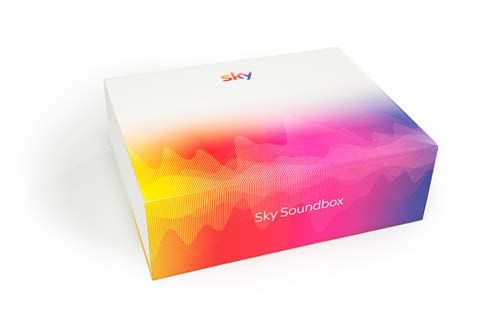
04 The journey to transforming our business

Products                                                                                                       Developments in procurement
As part of our commitment to remove all single-                                                                We have removed plastic water bottles, plastic
use plastics from our products, operations and                                                                 straws, cups and cutlery across our sites and as a
supply chain by 2020, all newly launched products
                                                                                                               result we have reduced our plastic bottle usage by
will be single-use plastic free in their packaging.
                                                                                                               an estimated 450,000 per year within the UK.
In November 2017, the Sky Soundbox was launched
with packaging designed to avoid the need for                                                                  The paper used across our offices, previously
any single-use plastic and made entirely of FSC                                                                delivered in plastic wraps, is now supplied in a
cardboard and paper, recyclable at our customers’                                                              FSC-certified paper wrapping. Our supplier has
kerbside. Our design team came up with innovative                                                              subsequently swapped out plastic wraps for all of
ways to safely store items such as batteries,         Sky Ocean Rescue Café                                    its customers, eradicating almost 1 million plastic
cables and remote controls within compartments
in the packaging, and the internal structure of       In November 2017 the Sky Ocean Rescue café               wraps from the supply chain each year.
the box was designed to avoid the cardboard           opened at our Headquarters in Osterley. The café
scratching the surface of the products.               tells the story of Sky Ocean Rescue, informing
The new Now TV Smart Stick also launched with         visitors and colleagues about the issue of ocean
SUP free packaging, and we’re working through
relaunching our other products’ 100% single-use
                                                      plastics and inspiring them to take action. The café
                                                      is as single-use plastic free as possible. It has seen
                                                                                                                 We have reduced
plastic free packaging.                               changes such as swapping out plastic milk bottles
                                                      for milk machines, saving half a tonne of plastic
                                                                                                                 our plastic bottle
                                                      in a year, and swapping small coffee bags made
                                                      from plastic, for larger recyclable alternatives.
                                                                                                               usage by an estimated
                                                      The café allows us to pilot operational changes,
                                                      such as removing single-use cups and takeaway
                                                                                                                 450,000 per year
                                                      food containers, before further roll out to the
                                                      rest of the business.
                                                                                                                   within the UK

Sky Ocean Rescue Guide                                                                                                                                          10
04 The journey to transforming our business
Production
Sky One production Revolution was single-use
plastic water bottle free. Reusable water bottles
8,000 reusable
were distributed to audiences, crew and talent and
caterers eliminated the sale of single-use plastic water bottles were
water bottles. Over the duration of the filming
a total of 8,000 reusable water bottles were distributed on the set
distributed and Sky Ocean Rescue content was
played to the audiences. of Revolution
Sports and events
Sky Sports have made changes to how they
provide water to crew during outside broadcast
productions and as a result will save approximately
66,000 bottles per year.
We have also worked with three sporting events
and venues (The Oval, Leipzig Arena and Misano
Moto Grand Prix) to reduce single-use plastic by
providing alternatives to single-use water bottles.
At the KIA Oval 100th Test, 60% fewer bottles were
sold compared to the year before.
Sky Ocean Rescue Guide 1105 How to transform your business area
Example of Sky’s checklist
Outlined below in a table is a series of checkable 1. Scope what the commitment means for your work area
list of processes to follow for each business area.
This is an effective way to keep track and plan the Understand the Single Use Plastics Policy (see appendix for full document). Familiarise yourself with:
strategy to implementing the commitment
1 a) Sky’s position on bio-plastics
b) Sky’s hierarchy of alternatives
to reduce single-use plastics.
Identify the scope and boundary.
There are four main areas: 2
a) Identify all work streams
b) Which stakeholders will be affected by the commitment? E.g. direct and indirect suppliers
1. Scope what the commitment means c) Who will you make aware of the changes being made? E.g. customers
for your work area 3 Confirm the main point of contact. Who will drive the process across your area?
2. Find the single-use plastic (SUP) and build Engage your team and colleagues!
a plan to meet the 2020 commitment 4 a) Make the wider team aware of the meaning of the commitment to become single-use plastic free as a business by 2020.
b) Is everyone in your business area committed to playing their part? The commitment will need full support across the business.
3. Making changes
2. Find the SUP plastic and build a plan to meet the 2020 commitment
4. Collect robust data evidence
Complete a review of the single-use plastic in your area. Using the prioritisation tool, identify opportunities for change.
a) Identify a full list of the single-use plastic used within your area
1 b) Provide corresponding quantities and costs of each item identified as single-use plastic (monthly/annual). Where data cannot
be found refer to the data collection decision tree.
c) Provide and review a list of alternatives based on the four criteria listed in the prioritisation tool.
Make a plan to prioritise which items can be most easily targeted (the quick wins).
a) Identify the ‘quick wins’ – items that can be easily and quickly swapped.
2
b) Identify which items are more difficult and/ or require deeper assistance.
c) Work with your suppliers where necessary to negotiate a timeline for change.
d) Look for alternative suppliers and technology where current suppliers are unable to meet the commitment.
e) Identify any items Sky Ocean Ventures may be able to source a solution for.
Share your strategy.
3
a) Once you’ve completed the prioritisation tool and agreed your plan running to 2020, please share this with your key contact.
Sky Ocean Rescue Guide 1205 How to transform your business area
Example of Sky’s checklist, cont
Key contacts 3. Make some changes!
Anna Ma: Anna.Ma@sky.uk
1 Understand the options for removal and Sky’s overall approach.
Operations Start making changes for single-use plastic removal.
2
a) If you have any questions or want to verify any decisions before you take them, The Bigger Picture team are here to help.
Marianne Matthews: Marianne.Matthews@sky.uk b) Track your progress
Products and supply chain
c) Remember to document any challenges
4. Collect robust data evidence
Use the data collection template.
1
a) Collect data on each single-use plastic item.
Complete requirements for audit teams.
We have our data reviewed by internal audit teams to ensure it is robust and credible. To successfully complete your audit, you’ll
be required to provide:
2 1. Data (as per above point)
2. Evidence
3. Process map
4. Basis of reporting
Sky Ocean Rescue Guide 1306 Next steps
So how do you start it all moving So where do I go from here?
We have outlined the summary steps to assist you and your business in How do we actually start to implement the transformation?
meeting our commitment to be single-use plastic free in our operations,
products and supply chain by 2020.
As you take this journey, new challenges and gaps will crop up frequently. Step 1: Set out your ambition.
We have not come across any articular framework or standard to working with Define your plan.
for the single-use plastic commitment, therefore we at Sky are constantly
refining our policies, processes and knowledge to capture fresh thinking and
better changes. Step 2: Set out your governance structure and map
out the stakeholders who are responsible, accountable,
Where new technology and innovation will become more available and consulted and informed (RACI) across the project.
disruptive business models will start to become more mainstream, our guide
here will be first of many editions to come.
Step 3: Ensure team awareness and commitment.
Step 4: Define your scope and boundary.
Step 5: Audit and evaluate single-use
plastic (utilise the checklist).
Step 6: Check out the Toolkit section at the end of
this guide for further help.
Sky Ocean Rescue Guide 14Toolbox
Toolbox

Further information
This “Toolbox” function is to further introduce   01 Tools to review and process SUP items
tools and environmental concepts which can
                                                     – Prioritisation and measurement
help equip yourself to undertake the business
                                                     – Collecting data
transformation. These will evolve alongside the
                                                     – Decision tree for data
changes we make in our day to day journey.
                                                  02 Sky’s single-use plastic policy and definition
                                                  03 Learnings and information
                                                     – Health and Safety regulation
                                                     – Bioplastics and other recyclable materials
                                                     – Recycling of plastics
                                                     – Circular economy
                                                     – Common challenges and tips for kicking SUP
                                                  04 Waste recycling Symbols
                                                  05 Glossary

Sky Ocean Rescue Guide                                                                                16
01 Tools to review and process SUP items
01 TOOLS TO REVIEW AND PROCESS SUP ITEMS

Prioritisation and measurement
The prioritisation tool will allow you to measure the strategic, economic,                    This will apply where:
environmental and health and safety impacts of removing single-use plastic                    – You already have a history (one year or more) of products being bought
from your work streams.                                                                       – The products are bought on an ad hoc basis but you have long term suppliers
                                                                                              – You are always looking for suppliers and buy items on an ad hoc basis

How to prioritise and measure
There are four criteria: strategic, economic, environmental and health and safety.

Strategic impact                      Area /Work    Item list       Total weight    Estimated         No.             Price per unit Annual spend Visibility and    Ease of
                                      streams                       (annual kg)     weight            purchased       (£)            (£)          reputation (Is it replacement
Impact of the current item on the                                                                     (annual)                                    customer or staff
reputation, volume consumed                                                                                                                       facing)
and the cost to the business
                                      Events        Water bottles   4,000 kg        0.016kg           5000            £1               £5,000          Staff               Yes – alternative
                                                                                                                                                                           include:

Economic impact                       Area /Work    Item list       Price of alternative per Annual spend of               Cost and Margin      Return of investment /   Alternative life
                                      streams                       unit (£)                 alternative (£)                                    simple payback           span
The difference in cost, any pay-
back period, lower or higher
                                      Events        Water bottles   £0.50                      £500                        Low                  3 months                 1 year
volumes, reputational cost, etc

Environmental impact                  Area /Work    Item list       Indirect environmental         End of life disposal of the    Full life cycle impact of     Is this a circular economy
                                      streams                       impact of reducing plastic     alternative                    alternative                   business model /solution?
Changes to life-span, impact on                                     (emissions)
transport and recycling, impact to
                                      Events        Water bottles   Glass, aluminium alternative   – Aluminium can be recycled – Higher emissions from          No
land-use, water and air, disposal                                   are heavier to transport, so     indefinitely                recycling aluminium
alternatives, etc                                                   more fuel consumption          – Glass can be washed and – Can be turned into sand
                                                                                                     reused

Health and safety impact              Area /Work    Item list       Health and Safety impact of alternative compared to current
                                      streams
Would the alternative adversely
impact on human health and
                                      Events        Water bottles   Glass alternative may result in increased incidents of broken glass accidents
safety around the business?

Sky Ocean Rescue Guide                                                                                                                                                                      18
01 TOOLS TO REVIEW AND PROCESS SUP ITEMS
Collecting data
To track the improvements and changes being made, data gathering, measuring and reporting is required.
An example of the data collection spreadsheet is shown below.
Business area Items Plastic/ Recyclable or Avoided/ Avg. plastic Quantities Jul -17 Aug-17 Sept-17
Material type Non-recyclable Removed item weight
(kg)
Events Water bottles Packaging Recyclable Removed 0.016 Number 123 234
Key
Removed Plastic reduced from existing products
Avoided Plastic displaced through new design/methods on new products
Items List of products or items
Plastic type What is the single-use plastic used for
Business area The main areas of the business: Catering, products, product supply chain, broadcasting, cleaning, office stationary, etc.
Frequently asked questions on data collection What about areas of the business that does not have visibility
over historic usage?
It is difficult to weigh all packaging ourselves, what other approach This will fall under the single-use plastic avoided calculation. Based on how
could we use? much is used now, we could take as an estimate of how much single-use plastic
Although challenging, the process of weighing items actually helps bring you is used by extrapolating it.
closer to practical solutions. Otherwise, if we can have a database and identify
the average weight for the packaging, this estimate can be used to cover other We cannot assess all tier 2 or tier 3 suppliers. We only have significant
types of similar products. Alternatively, ask the supplier to provide such data. If influences on certain items but not all?
no data is recorded, then ask the supplier for the total plastic film bought and Suggest prioritisation and identify scope. If more difficult and as long it is not
the total number of products made in one year. By dividing the total plastic Sky staff facing or customer facing, we may avoid certain tiers by checking to
film bought with the total number of products made would provide an average see if they are within scope or not.
weight of the plastic film per product.
Sky Ocean Rescue Guide 1901 TOOLS TO REVIEW AND PROCESS SUP ITEMS
Decision tree for single-use plastic data
The decision tree is to help you quantify and measure your single-use plastic Estimate weight of SUP
item and/or packaging where data is not very forthcoming. 1
At Sky, we have found that the way to quantify and measure included: Can the weight be Please use this as primary
provided by the supplier? YES data
– Estimating from historic data
– Weighing the item and/or the packaging with a weighing scale
NO
2
– Assuming an average weight from reputable online sources and references Can the weight be found Is it from a reputable
on the web? YES reference source?
– Going back to suppliers
NO 3
Can the weight be Please measure between
Data No previously owned data estimated from
YES 3 -5 times to calculate an
measuring on a weighing average number
1 1 scale?
Does the item and/
NO 4 Use the volume
Would the item and/or conversion to likely SUP
or packaging have SUP NO No need to report NO No need to report Can you estimate the
packaging have SUP? YES material type from the
material? volume of the likely SUP? web as an estimate.
Please remember to
YES YES
NO
5 reference how the
2 2 Please weigh the item
conversion was done.
and/or packaging that is
Is there data such as Note down the estimated
Refer to Estimate SUP and use that as an
weight/volume and total weight /volume of the
NO weight of SUP for estimate NO
quantities (i.e. monthly avoided SUP and the If you cannot weigh the
and annual) further review. item, please note the
number of items that you
will be buying. Refer to 6 number of items bought
Estimate weight of SUP and refer to 6
Is the quantity of the SUP
YES for further help.
item and/or packaging
3 bought on a yearly basis Please note in your
less than 1% of your total spreadsheet as negliable
Note down the estimated weight/number of SUP? YES
and the reason why (i.e.
weight /volume of the
NO total numbers bought is
avoided SUP and the
negliable)
number of items.
Please refer back to
your supplier to provide
appropriate information
or contact Sky.
Sky Ocean Rescue Guide 2002 Sky Single-use Plastic Policy
02 Sky Single-use Plastic Policy
Single-use plastics are the largest cause of ocean plastic pollution, an increasingly devastating problem for
the health of our oceans. In January 2017, Sky launched Sky Ocean Rescue and has committed to reducing
its consumption of single-use plastic. Sky is also committed to using our voice and reach out to inform
others on how to make similar changes.
Target: Sky to remove all single-use plastic from Sky business by 2020

What we mean by single-use plastics                        Business scope of single-use plastic impacts are:            To comply with the commitment set, Sky has the
                                                                                                                        following options to realise the vision. These will ensure
Plastics items that are intended to be used only once      1. Sky products and supply chain: Sky Q, Now TV,
                                                                                                                        appropriate choices, effort and resources towards
for a short period of time (i.e. a week) before they are      engineering fleet, logistics, etc.
                                                                                                                        reduction of single-use plastics relative to risks and
thrown away. This includes those that can be recycled
                                                           2. Operations: catering, office, call centres, technical     constraints.
(e.g. petroleum-based plastics, food packaging and
                                                              sites, services, etc.
containers, disposable items and materials used                                                                         1. Eliminate – Avoid through redesign or behaviour
for temporary branding and marketing use), unless          3. Branding and marketing across Sky and Now TV                 change e.g. water fountains instead of bottled water,
there is a legal and/or health and safety issue where                                                                      designing out plastic film for batteries, etc.
                                                           4. Sky Merchandise e.g. packaging for Team Sky t-shirts,
single-use plastics are required (e.g. food gloves, food
                                                              promotional giveaways                                     2. Reusable alternative – Use reusable alternative
preservation, etc). Bio-plastics, although are derived
                                                                                                                           item enabled by a system e.g. Cup Club, Keep Cup,
from biomass and/or intended to biodegrade over time;      5. Broadcasting, filming (Sky commission) and events
                                                                                                                           etc.
this is under specific circumstances and therefore not        e.g. Premier League coverage
considered a final solution.                                                                                            3. Sustainable alternative from renewable
                                                           Suppliers                                                       source – Use more sustainable materials from
What we consider not to be single-use plastic
                                                           Sky will work with suppliers to ensure that all products        renewable source with better recycling outlets or
Products themselves that have an end of use value          supplied to Sky will adhere to this policy and encourage        biodegradability e.g. FSC paper, cellophane etc.
beyond the market recycling value (e.g. set-top            suppliers to adopt the same standards within their           4. Recyclable alternative – Other materials that have
boxes, mobiles, etc.). Packaging and products that are     organisation and supply chains:                                 a high recycling rate that is not plastic e.g. glass,
designed to be used over a number of years and that
                                                           • All suppliers that provide products to Sky that are           steel, and tin.
can be repaired or dismantled and industrially recycled.
                                                             packaged or contained in single-use plastics               5. Recyclable plastic – Where single-use plastic is
The policy will be updated when new technology and         • Sky products and supply chain that covers all items           necessary due to regulation (e.g. food packaging),
innovation become available.                                 from component to customer and includes retail,               the aim is to source appropriate recycled plastic that
                                                             engineers etc.                                                will be fully recyclable and compatible with kerbside
                                                           • Direct and indirect suppliers that provide products used      collection.
                                                             by Sky or its employees e.g. food containers provided to
                                                             Sky through a third tier supplier are in scope.
Sky Ocean Rescue Guide                                                                                                                                                          22
03 Learning & information from the business
03 LEARNINGS & INFORMATION FROM THE BUSINESS

Health and Safety and Regulation

In some instances, the use of single-use plastic is      In the UK, many bars, pubs and venues held
unavoidable and necessary due to hygiene issues.         outdoor in particular serve customers in plastic
                                                         cups to reduce instances of smashed glasses
For example, in order to keep food produce
                                                         and violence involving glass. However various
fresh and free of contamination thus prolonging
                                                         types of the plastic cups used can be washed
longer shelf life, the use of plastic allowed this
                                                         and re-used again.
to be possible. In the example of meat where
contamination is easily prevalent and dangerous
to health if not handled in an appropriate manner
can lead to spread of quite serious pathogens.                Various types
In Italy, food such as salads, cut fruits, sandwiches,
etc. left out for consumption must be wrapped in
                                                           of plastic cups used
cling film to ensure no contamination is possible
by law.
                                                           can be washed and
                                                              re-used again

Sky Ocean Rescue Guide                                                                                      24
03 LEARNINGS & INFORMATION FROM THE BUSINESS
Bioplastic and other recyclable materials
Plant based materials like cornstarch are not Other materials that are not single-use plastic may
recyclable, nor do they compost unless under be considered. However sustainable alternatives
specific conditions (i.e. high heat). Due to this, should be prioritised. For example, recycled (or FSC
such materials cannot be contaminated with certified) paper. In this instance trees are replaced
plastic recycling routes and can last as long and grown again.
normal plastics when in our oceans.
Questions to ask
Questions to ask – Is the suggested alternative better for the
– What is the material made of and is it 100% of environment in terms of transportation
that material? E.g. plant-based like cornstarch and energy consumption?
– If not, what additives are added? – Is it from a sustainable source?
E.g. FSC or otherwise
– How do you dispose of this material and does
it need a separate collection? – Can the alternative be reused or recycled
indefinitely?
– If in an ocean environment, how long does
it take to degrade? Plant based materials – Can the material be recycled within the UK?
– Is the breakdown of the bioplastics still
a microplastic? like cornstarch
are not recyclable
Sky Ocean Rescue Guide 2503 LEARNINGS & INFORMATION FROM THE BUSINESS
Recycling of plastics
The UK does not have a large enough Where plastics are unavoidable:
infrastructure to accommodate the recycling of
– Is the material 100% recyclable?
plastic material. In addition, China has banned
imports of waste plastic for recycling. Already – Is the recyclable plastic suitable for the
rubbish at recycling plants around the UK are intended product? (e.g. PVC although durable
causing build-up of stranded plastic. and recyclable are not always recycled.)
– In some cases, disposal routes include
incineration or waste-to-energy. However
Questions to ask burning waste does not provide a positive
message to the public and careful consideration
– Are recyclable plastics the only viable route for
should be made. If waste is to be incinerated
the single-use plastic?
whether by conventional means or to generate
– Can you engage with your suppliers on other energy, it would be best to check that there
alternatives is a low likelihood of toxic particulates will be
released and therefore has the potential to
– Can the recyclable plastic be turned into
release into the air or leach into the land when
another product?
– Do you have visibility over which recycling
the residual ash is being disposed of.
Already rubbish at
facilities the recyclable plastics will be sent to
ensuring the plastics will be recycled? recycling plants around
the UK are causing
build-up of stranded
plastic
Sky Ocean Rescue Guide 2603 LEARNINGS & INFORMATION FROM THE BUSINESS
Circular Economy
Looking beyond the current "take, make and dispose” extractive industrial
model, the circular economy is restorative and regenerative by design.
Relying on system-wide innovation, it aims to redefine products and services
to design waste out, while minimising negative impacts. Underpinned by a MANU
transition to renewable energy sources, the circular model builds economic,
RESOURCES FAC
TU
natural and social capital. RI
(Source: Ellen MacArthur Foundation 2018)
N
G
Building blocks of a circular economy
REPROCESS
– Creatively re-purpose things that are not needed after first use
– Can this be a resource to another type of supplier?
– Repair and refurbish before buying a replacement
– Consider a sharing community for an item that is most likely going
to be used for a short time only
– Make the product durable to encourage multi-use
– Can the product be leased with the supplier ensuring regular maintenance
SE
to keep it working at optimum capacity
U
– Design for easy end-of-life sorting and reuse of products and materials WASTE &
– Take in account useful applications of by-products and waste during TI ON
P
design and manufacturing CONSUM
Sky Ocean Rescue Guide 2703 LEARNINGS & INFORMATION FROM THE BUSINESS
Common challenges and tips for kicking SUP
Below are some common challenges and recommendations Sky identified along our journey of taking action
on single-use plastics. Adapting our business and scaling-up viable alternatives is just the beginning. Sharing
likely barriers and tips for responding to them can help the industry as a whole shift towards better practice.
Challenge Recommendation
Finding alternatives. It wasn’t easy to negotiate with our suppliers, big and small, Clear signposting. Creating a central directory of alternatives to SUPs for suppliers
to find alternatives to SUPs. Until the industry has reached critical mass, it’s still not could help decentralise the problem.
always cost efficient for some suppliers to change their practice away from SUPs.
Diluted supply chain. Multinational businesses like Sky manage global supply chains,
and presents the challenge and responsibility of advocating for change beyond the
remit of our own business.
Build strong partnerships. If you manage diluted and varied supply chains, focus on
areas where you have the largest impact and influence, and start by building strong
partnerships with suppliers.
Plastic myths. Different is not always better. In fact, we found that some common
‘alternatives’ to SUPs have false claims and are just as polluting. Check under the hood! Wherever possible, businesses should thoroughly investigate
the alternatives to SUPs that they are considering using.
Hidden plastics. We were surprised by how many products contain plastics that we
weren’t aware of. Glitter is almost fully biodegradable except when colour is added –
a liquid plastic resin. Tetra paks also contain a hidden plastic - polyethylene.
Be meticulous. Do not hesitate to scrutinise your processes and take a lateral
approach to investigating SUP alternatives. Scrutinise suppliers’ suggestions for
alternatives too.
The rebound effect. Sometimes use and production of alternatives to SUPs has
unintended consequences on the planet, called the rebound effect. An example is
incorrect disposal of bio plastics by consumers.
…be even more meticulous. Study how all alternatives are made end-to-end, and
make sure not to leave out measuring ‘unknowns’, such as end of use by the public.
No silver bullet. Given the scale and diversity of the problem, the journey
to eliminating SUPs will not end with a one-size-fits-all solution. Embrace diversity. Blanket solutions do not realistically reflect global SUP practice. Any
intervention, whether it’s policy change or business, should reflect this diversity
of needs.
Sky Ocean Rescue Guide 28Change is easier than you think.
Since September 2017, Sky has
undergone a single-use plastic
transformation.
This includes a new business
narrative about sustainability.
The most valuable learning at Sky
has been that it is easy to change!
With the will, a company
can quickly focus on and drive
solutions.04 Waste Recycling Symbols
Applied to packaging that is collected by Glass – this symbol asks that you recycle Compostable – products certified to be
75% or more of local authorities. the glass container. industrially compostable. Compostable
plastic cannot be recycled so should
not be put into the recycling with other
Monibus Loop – indicates that an object Recyclable aluminium – indicates plastics as this leads to contamination.
is capable of being recycled. that the item is made from recyclable
aluminium.
Plastic resin codes – Identifies the type This symbol from Keep Britain Tidy asks The Forest Stewardship Council logo
of plastic resin used through a ‘resin you not to litter. identifies wood-based products from well
identification code’ (1-7) and that an managed forests independently certified
object is capable of being recycled. in accordance with the rules of the FSC.
Waste Electricals – explains that you
should not place the electrical item in the
general waste.
Source: https://www.recyclenow.com/recycling-knowledge/packaging-symbols-explained
Sky Ocean Rescue Guide 3005 Glossary
TERMS DEFINITION
Alternative materials Another material that can be substituted for an existing material.
Single-use plastics, or disposable plastics, are intended to be used only once before they are thrown away or recycled. This typically refers to packaging,
Single-use plastic
containers, disposable items or materials used for branding and marketing use.
Bagasse Dry fibrous residue after extraction of the sugar-bearing juice from sugarcane.
The descriptive record of the process or methodology used in collecting the data from all the relevant sources to track progress towards a specific metric or target.
Basis of reporting
This includes any assumptions and estimates used during the data collection.
Biodegradable Under the right conditions, the material can be broken down in the environment (e.g. microbial reactions) into its raw constituents.
They are plastics in which all carbon is derived from renewable feedstock or biomass. It may or may not be biodegradable and may contain both renewable
Bioplastics
and fossil-fuel carbon sources.
Containers Is a receptacle (such as a box or a jar) for holding or transporting something.
Cornstarch A type of bioplastic derived from renewable biomass sources such as corn starch.
Compostable As object that breaks down in a compost pile.
Waste disposal Removing, destroying or storing damaged used or unwanted material. Disposal can include burning, landfilling and recycling.
Disposable Item intended to be thrown away after use such as plastic cutlery, paper cups, etc.
Renewable source A substance of economic value that can be replaced or replenished naturally in the course of time
Recycling Converts waste materials into new materials and objects
Packaging Materials used to wrap or protect goods.
PLA Poly(lactic) acid is a biodegradable material derived from renewable resources such as corn starch, cassava roots, chips, starch or sugarcane.
Process map A visual representation of the inputs and outputs of a process on how the data is collected and by whom.
Sugarcane fibre See bagasse
Waste A material, substance or by-product that is deemed no longer useful or required.
Sky Ocean Rescue Guide 31Sky PLC Grant Way, Isleworth, Middlesex TW7 5QD skygroup.sky/corporate/bigger-picture
You can also read


