Capital markets day 27th September 2017 - easyJet plc
←
→
Page content transcription
If your browser does not render page correctly, please read the page content below
Capital markets day 27th September 2017

Agenda
Time    Agenda item                            Led by             Time    Agenda item                          Led by
11.00   Introduction                           Carolyn McCall     14:15   TEA & COFFEE BREAK
11.05   1. Market / Network
                                                                  14.30   4. Making travel easy & affordable
        > Airline industry trends              Robert Carey
        > A winning network strategy           Andrew Hodges              > The easyJet operation /            Chris Browne
        > Q&A                                                               avoiding disruption                Gary Smith
                                                                          > Digital operations                 Chris Hope
11.45   2. Driving Revenue                                                > Gatwick Airport
                                                                          > Q&A
                                               Peter Duffy
                                               James Millett
                                               Andrew Middleton
                                               Lis Blair          15.15   Wrap up and close                    Carolyn McCall
12:30   LUNCH
                                                                  15:30   Gatwick North Terminal tour /        Chris Hope
13.30   3. easyJet cost control & a strong balance sheet                  Innovation presentation
        easyJet’s cost position
        > easyJet LEAN                         Andrew Findlay     17:30   End of day
        > Airports and ground handling         Paul Ablin
        > Strong balance sheet                 Simon Cox
        > Q&A                                  Mike Hirst

                                                                                                                                2
Introduction
Carolyn McCall
European
Aviation
Robert Carey – Director Strategy & Network
Europe faces A challenging landscape ahead
                    Fragmented Europe appears to be arriving at an inflection point
    Consolidation

                    Full service carriers (FSCs) are now offering identical products to low costs (LCCs)
 Convergence

          Cost
        pressure    Factor cost inputs continue to rise

 Congestion         Passenger numbers will double in 20 years and infrastructure is strained

      Customer
        focus       Introduction of digital and rapid innovation making this the next battleground

                                                                                                           5
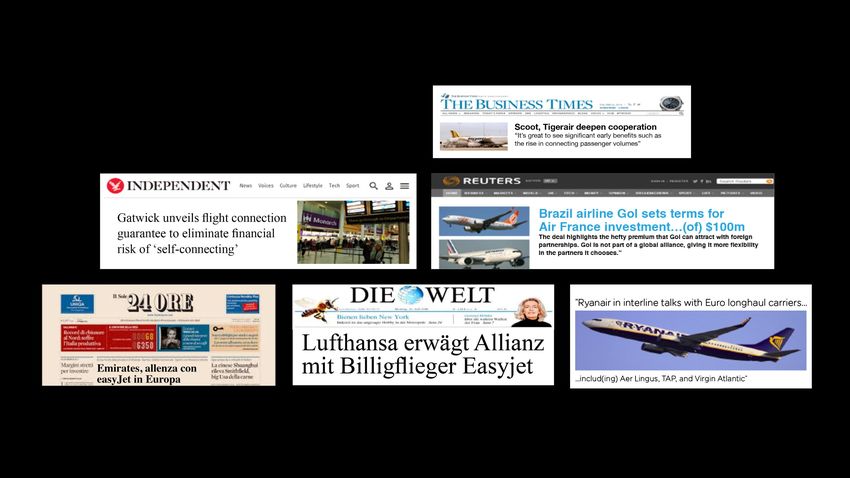
European consolidation is finally starting
   North American airline market                                                    European airline market

                                                                                                   Ryanair

                                               American
                  Other                                                                Other
                  25%                                                                   51%
                                                                                                             Lufthansa
                                                                                                               Group
      Alaskan
                                                           United
                                                                    Further
                                                                    consolidation
          SouthWest
                                                                    to come                                  IAG

                                                                                                 easyJet
                                        Delta

                      Top 4 airlines                                                     Top 4 airlines
                     70% of market                                                       49% of market

    European airline market based on total short haul capacity
                                                                                                                         6
                                                                                                                         6
Airline business models are converging
Charge for
Charge for Charge for
on-board Flexi
reserved hold
food fares
seating baggage
offering
Prior offering
Current offering
Charge for
Charge for Charge for
on-board Flexi
reserved hold
food fares
seating baggage
offering
Prior offering
Current offering
7
Traditional advantages
of a Hub feeder
model are eroding

                         8
Factor Cost pressures continue to rise
             Fuel
  150        $ per barrel

 100
   50

             Labour
    50       average wage index, U.S.
    40
    30
    20
      0

  200 Maintenance          cost
      Indexed 19801, U.S. market data, per aircraft

   150

   100

Sources: Form 41 via OAG Aviation Solutions; MRO development team; Office of the Chief Actuary; Air Transport Association
1 1980 values: 429.24bn ASM, 4.69mn flight cycles, 7.53 mn A/C hours, $3.27bn maintenance spend, 2265 active A/C, average fleet age 9.38 years

                                                                                                                                                 9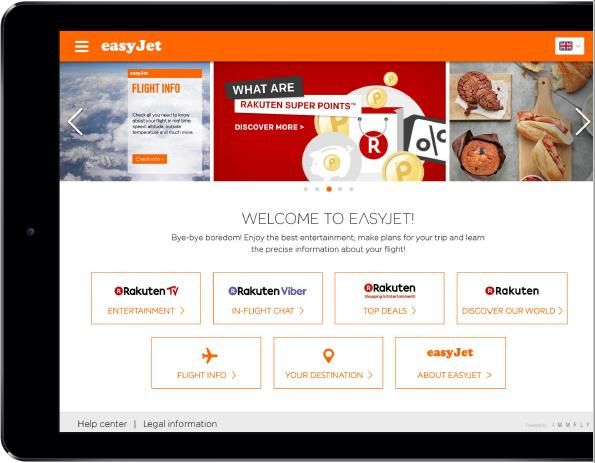
passenger volumes and associated
congestion is growing
                                                   Looking at Easyjet Markets by 2035…

                                                    +50%             Growth in the UK

 7,200,000,000                                      +50%             Growth in France

 Number of passengers predicted by
 2035, ~2x today’s volume
                                                    +40%             Growth in Spain

                                                    +35%             Growth in Germany

                                                    +30%             Growth in Italy

         Source: IATA 20 year passenger forecast                                         10
Data and digital are driving a new focus on Customer
PRE-
LOYALTY EXPLORE BOOK AIRPORT IN-FLIGHT ARRIVAL
DEPARTURE
INDUSTRY
Integrated loyalty Creates buzz Opaque pricing Self-serve mobile Redesigned Allows Allows
and data with around its brand model that rebooking in airport passengers order customers to
hotel, shared ride during holidays creates bundles case of delays/ experience (e.g. food and drinks track the status
and special of multiple trips cancellations pre order coffee through its IFE and location of
occasions pickup) baggage in real
easyJet
11Implication: very different growth reality by airline
Yearly growth
Category Rationale
expectation
> Cost position to succeed
Pure LCCs High > Long term profitable growth through organic demand and market share gain
> Can continue grow through the cycle to achieve long term ambition
> Multiple challenges: uncompetitive costs, labour, Middle East/LCC long haul impact
Legacy full > Recent low fuel and benign conditions have provided temporary respite
Low
service carriers > Longer term, growth will rely on power of constrained hub airports
> Mitigate lack of competitive legacy cost base
LCC > Initially used defensively, taking over capacity no longer flown by mainline
Medium
subsidiaries > Currently critical for FSC strategies and therefore likely to endure
> Weak high-cost (legacy) airlines without sustainable competitive advantages
Negative > Received cash injections from shareholders and government support
Restructuring
to zero > Current yield environment is forcing restructuring to warrant cash injections
12
12current trends support THE easyJet model
Strong network and balance sheet allow it to take advantage of market
consolidation
Consolidation
Structural lower cost is an advantage versus FSC competitors, as well as
Convergence innovative ancillary offerings
Cost LEAN approach and relentless cost focus keep cost pressure down
pressure
Congestion Smart builds to account for disruption, as well as leveraging digital/innovation to
minimise impact on the customer
Customer
focus End to end thinking, including airport of the future, leveraging pioneer position in
advanced data and digital position to create industry leading offer
13The easyJet Network Andrew Hodges – Head of Network & Scheduling
winning network strategy

Purposeful
investment           Protect the profitable core

        +               Capture the national
                        opportunity in France
Disciplined use
of capital             Target investment
                       in key cities
        +
                     Efficient basing
Well positioned in
an evolving market

                                                   15
PURPOSEFUL INVESTMENT
#1 positions deliver sustainable returns
Being number 1 delivers returns #1 positions
Constrained,
Superior product not #1 Neither
constrained
Returns
> widest range of routes
> best frequencies / times nor #1
> strongest brand awareness
Cost advantage
> negotiated airport fees
> procurement of ground handling
> economies of scale from media spend
> Strong correlation between strong performance and
#1 positions and constrained airports
Operational advantage
> improved crew productivity > We have a targeted plan to build more airports into #1
> more flexible scheduling (larger slot portfolio) positions and to secure slots at constrained airports
16PURPOSEFUL INVESTMENT
Strong progress over last five years
easyJet capacity split by
airport position, FY17
airports
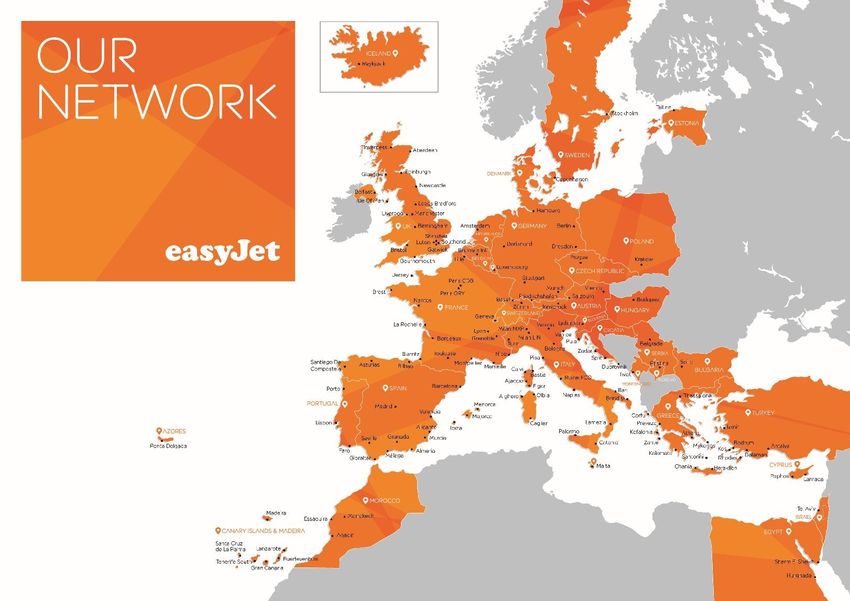
138 europe 28
bases
98% of seats are on
routes that touch a
#1 or #2 position
FY17
31
routes
countries 874
2013 2017
279 86 m seats
over
p.a. Airports in #1/2 positions 44 47
aircraft
Market share at #1/2 positions 24% 26%
Capacity at #1/2 positions (m) 52.5 64.5
17PURPOSEFUL INVESTMENT
Delivering Superior market positions
Airport position IATA definition
Share of 2017 capacity Total
#1 #2 Other Level 3 – demand significantly exceeds
airports capacity
Level 3 constrained 32% 20% 21% 72%
Level 2 – potential for congestion at
Level 2 constrained 12% 2% 3% 16% some times of day, week or season
Other 5% 5% 2% 12% Level 1 – infrastructure generally
adequate to meet demands at all times
Total 48% 26% 26% 100%
Primary Sources LCCs Legacies > Over time we can drive superior yield
of Competitive performance
Advantage > Customer focus > Sustainably
> Advantaged lower unit cost
> Larger gauge aircraft leverage ongoing
network
value from these positions
18PURPOSEFUL INVESTMENT
Significant scope for further profitable growth
CITY-PAIR
> Over the next 3 years our fleet will grow by
easyJet Routes around 40 aircraft
FY17 capacity (m)
68.2 86.9
> On existing routes alone there remains
Equivalent to
371 easyJet significant scope to grow through:
123.4
aircraft
• natural market growth
easyJet Legacies
• stimulating new demand
AIRPORT-PAIR
• winning share from inefficient legacy carriers
easyJet Routes
FY17 capacity (m)
32.6
> We have a c.9% share of the total European
86.9 Equivalent to
61 183 easyJet
market - new route opportunities support further
aircraft significant profitable growth
easyJet Legacies
Other LCCs
19PURPOSEFUL INVESTMENT
Targeted investment to create
winning competitive positions
Indicative allocation of growth to FY21
> Growth balanced between strengthening
current positions and seeding new
opportunities Maintain
existing #1
positions
> This will create 5 - 10 additional #1 positions 30%-40% Achieve #1
40%-50% position -
> We will continue to take share and grow current bases
market positions by competing with inefficient Seed new #1/2
positions
legacy carriers 15%-25%
20DISCIPLINED USE OF CAPITAL
Portfolio approach to route management
Mature
Portfolio
Under Review
RETURN
12% ROCE
• Clear performance targets & actions for each route
• self-dilution
• fix
• churn
• invest for strategic position
• Re-allocation of aircraft into advantaged positions
• Strong and resilient portfolio – allows consolidation of position for long term returns
21WELL POSITIONED IN AN EVOLVING MARKET
Weaker competitors are retreating
European short haul capacity growth YOY % Norwegian: LGW-FCO/SXF & CPH-SXF from S17
Total Markets
easyJet Markets eurowings: MXPSTR from S17
8.7
7.7 Monarch: LGW-VRN from S17
7.4
6.6 6.4
6.0 6.0 6.1 Ryanair: GLA-STN from S17
5.7 Capacity
5.4
reduction /
Alitalia: LIN-TXL, VCE-TXL and MXP-FCO
4.4 routes
dropped
3.0 Air Berlin: NAP-ZRH and VCE-STR from FY17
Swiss: GVA-ARN and GVA-FCO from S17
Meridiana: CTA-NAP from S17, MXP-TFS, MXP-ACE ,MIL-CAT, from W17
FY14 FY15 FY16 FY17 H1 FY17 H2 FY18 Q1
easyJet markets > easyJet markets < Vueling: LTN-ZRH and AMS-NAP from S17 7 ORY-CTA from W17
total market growth total market growth
22winning network strategy
Purposeful
investment Protect the profitable core
+ Capture the national
opportunity in France
Disciplined use
of capital Target investment
in key cities
+
Efficient basing
Well positioned in
an evolving market
23Driving Revenue Peter Duffy – Chief Commercial Officer
Strong Foundations
for revenue growth
> Strong network

> Responsible and stable social model

> Resonant customer proposition

> Affluent and loyal passengers

> Compelling and trusted brand

                                        25
26
Data foundations

                   During the past two years,
                   the world generated a
                   zettabyte of data - more
                   information than in all of
                   history.

                   With a growing array of
                   data available the key to
                   unlocking its value is
                   through focus and
                   simplicity.

                                                27
Data applications
Data Hub
28Crm case study
Customer
value
Marketing +30%
booking propensity
cost per seat
-25% +50%
Marketing CPS higher flight revenue
+47%
higher ancillary revenue
Constant currency; FY17 projected
29New definition for ancillary revenue
Seat
Low fares – right times, right places
Partner Ancillary revenue performance
Extending across the travel value chain Old FY14-17P (£m)1
“non-seat”
Inflight definition
World class retail offer with brands you love
Product c. £1bn
Curated choice aligned to customer needs Extended
£837m
“ancillary
£739m £770m
Tariff revenue”
definition
A fair tariff if plans change and no surprises
FY14 FY15 FY16 FY17P
30
30
1Reported currency; FY17 projectedDelivering in DATA AND DIGITAL
PERSONALISED BUYING COMMERCIALISED PERSONALISED PRODUCT CONNECTED DIGITAL INFLIGHT
EXPERIENCE CUSTOMER JOURNEY AND OFFERS PEOPLE EXPERIENCE
Recognising customer Use mobile to improve Optimising cross and Empowering our people Using innovative digital
history, profile and the customer upsell through targeted with consistent view of platforms to reinvent
propensity to tailor experience and and personalised offers customer including traditional airline delivery
destinations displayed commercialise the e.g. ‘try me’ bundles relevant offers. models
and messages shown different moments in the
journey
31World leading pricing system
90%
of flight pricing interventions
are automated
c.30,000
daily inventory adjustments
100%
automation of bag and allocated
seat pricing adjustments
32
32AI initiatives continuing to drive seat revenue
1. Market diagnostics
Better understand the impact
of market dynamics on RMS
Example projects:
Competitor pricing; major events
3. Simulation
More accurate scenario development
to inform commercial decision making
Example projects: 2. Short-term forecasting
Market simulation modelling Greater predictive certainty at flight
level at specific points in time
Example projects:
Look to book; Aircraft swapping
33
33Using mobile to Commercialise the customer journey
> Europe’s most loved airline app
• 24% of customers using mobile boarding passes1
• 15.6m personalised push notifications sent2
• App opened over 600,000 times each day2
> 21m + downloads since launch
> Apple Pay 12% of all transactions1
> 62% increase in post booking ancillary revenue3
> 250% growth for in destination purchases3
1August 2017; 2Summer 2017 – June, July & August; 3Versus same quarter last year (June – August) 34Personalised product and offers
> Allocated seat conversion +6 ppt since launch
of new website
> Focus on broadening product choice &
personalised merchandising
• Brand aligned partners
• Helping customers in destination, eg GetyourGuide
• Extending across the value chain to target customer groups
> Building momentum through 2017
• 300k+ hands free bags sold since May
• Launch of pre-order for inflight retail
• New insurance provider live on Monday
• Car parking & further integrations through 2018
35Connected people
> Empowering our people to better serve using digital tools and relevant data
> Creates new revenue platform 18,000 people strong
IN AIRPORT IN CONTACT CENTRE ON BOARD
> New EPOS
> Flight information updates > Cross Channel case management
> Customer profiles
> Digitised processes > Access to purchase History
> Fast track escalation
> Greater customer engagement > Purchase through Chat & IVR
> Upsell unsold inventory > Single Customer View
> Single customer view
> Trials 2018, roll-out 2019 & ’20 > Targeted upsell with clear next
> Targeted customer & route offerings
across priority airports best action
> Trial live now, roll-out H2 2018/H1 ‘19
> Launch summer 2018
36Digital disrupting inflight retail
Right product and crew tools (FY16/17) Disruptive ecommerce platform (FY17/18)
> Premiumisation of product to match customer base > Enhanced customer proposition
> Increased appetite from premium brands to be listed > Improved service efficiency
with easyJet onboard > Commercial performance
> Commercial performance • 190k eCommerce inflight retail transactions in
• 22% increase in profit per head FY17 (pre-order only live in July 2017)
37Digital disrupting onboard
The opportunity Launching a new digital entertainment
platform onboard in partnership with Rakuten
> Captive audience of 80m customers
> Average elapsed time on board c.110 mins
38Digital disrupting airline partnership models
LAUNCH TODAY’S NEW
PARTNERS PARTNERS
39Summing up
> Data and digital enabling brand new
commercial platforms and structural
cost reduction
> Constant innovation
> Customer centricity
> Clear vision and programme of delivery
> Sustainable revenue growth model
40easyJet cost control & strong balance sheet Andrew Findlay – Chief Financial Officer
Our relative cost position
CASK ex fuel (GBP pence)*
                                                                                                  We are the cost winner in the airports we operate
                               2016
                                                                                                  > easyJet operates in desirable primary (many slot
                                                                                                    constrained) airports - the home of legacy airlines
                                                                                                  > easyJet’s strong cost control and reduced complexity
                                                                                                    means it continues to operate with a significant cost
                                                                                                    advantage across its Network.
                                                                               +50%
                                                                               (at least)       easyJet’s (demand driven) strategy is not ‘ultra low cost’

                                                                                                  > Our focus on desirable primary airports instead of
                                                                                                    cheaper less desirable secondary airports
                                                                                                  > Our stance to employ our people using local contracts,
                                                                                                    which is a sustainable model that helps market entry and
                                                                                                    supports long term growth in our key markets

              *Note: Unit cost stage length adjusted to 1,000 KM; 1 EUR = 0.87 GBP (2011) / 0.74 GBP (2016);Source: Reported company financials; ECB FX rates; Bain analysiss
              Source: Airline Analyst. : CASK covers last 12 months to 30 June 2016 for peers (unless otherwise noted) & FY16 for easyJet. Peer cask translated to pence using average rate for FY16   42
Our cost base
Due to our Strategic focus on Primary airports, c.40% of our non-Fuel costs is regulated in some way:
P&L Split (FY16) Cost by Driver
Maintenance
Driven by Pax
Regulated
Airports 5.7% Crew Regulated
and Fuel
Ground 14%
13.0% 27% c.30%
Handling 30.5%
Navigation Driven by
8.1% Sector
15%
Regulated
6%
6.3% Fixed/
Discretionary
Ownership 26.8%
7.1% 18% 5% 14% Driven by Sector
Other costs 2.6% Non regulated
Driven By Aircraft
Fuel
Driven by Pax
Sales and Marketing
Non Regulated
Other costs including crew, and ground handling are also exposed to inflationary pressures
43easyJet lean continues to deliver
After a few years of increasing CPS ex fuel (at CC);
Constant currency headline cost per seat ex fuel in FY17 will be marginally down on FY15….
CPS ex fuel target: flat 2015 vs 2019*
This is despite our investment in
Lean programme
offsets inflation
operational resilience and an
operating environment which has
driven increased disruption and
Efficient and increasing EU261 claims rates
effective cost base across the industry.
2015 CPS 2019 CPS
(ex Fuel @ cc)* (ex Fuel @ cc)*
Excluding disruption costs and at current guidance,
*excludes hedging FY17 Headline CPS (ex Fuel) at CC would be down vs FY15
44Key principles of lean and cost in easyJet
(A) Cost efficiency compared to our peers in the markets (E) Cost culture embedded
we operate Embed cost focus and discipline and focus throughout the
Drive our relative cost competitive position against peers to entire organisation, everyone will be forensic in our analysis
ensure that we can continue to offer our customers of spend
competitive prices vs peers
(B) Long term forensic focus
Have relentless focus on long term sustainable cost
reduction, we will leverage our strong balance sheet to focus
on cost saving that will be in the best long term interest of
easyJet
(C) Flexible to absorb shocks
Maintain cost flexibility to ensure that we are able to make
tactical cost decisions to adapt to short/medium profit
shocks to limit the impact on our margin
(D) A strong pipeline
Develop and maintain an ongoing pipeline of cost initiatives
45
45HOW WE DELIVER OUR COST Focus
easyJet Lean is our programme to drive both long term sustainable and short term efficiencies and cost savings
Lean delivers sustainable savings*
Lean (embedded) work streams
Forensic focus and delivery of work streams in 315
each main cost drivers
+ 95
Cost Strategic Initiatives Competitive
Our portfolio of strategic projects biased Cost Advantage 46
toward cost control
32
+ 43
Lean Cost Culture & Process Efficiency 41
58
Communication, Training and Process
efficiency focus
Y2011 Y2012 Y2013 Y2014 Y2015 Y2016 Y2011-16 Y2017
*Lean savings in £m
46Airports and Ground Handling
CPS: £15.86 ( 1.5% at CC from FY15) Pax regulated
23%
easyJet operates in high demand regulated airports (80% of outbound airports). Pax non-regulated
47%
Sectors regulated
This differs to a low cost, less congested secondary airport, supply driven model. Sectors non-regulated
18%
12%
Context
> Regulatory airports with less ability to influence price (70% of passengers departing through regulated airports )
> Increasing capacity (demand) putting pressure on the limited supply
> Reduced competition in Ground Handling suppliers, limiting choice and driving price
Key Lean Initiatives
> Long term growth deals at key (constrained) airports
> Leveraging growth and ability to drive efficient use of infrastructure
> Relationship management programme: focus on long term strategic relationships, e.g. LGW.
> Prioritising airports for growth based on incentive. We will grow significantly in airports where discounts or tourism
board support is available.
> Airports of Future: increasing the level of automation in the airport (such as network wide roll out of Auto Bag Drop) to
lower cost of operation
> Robust challenge on regulated airports including structure of charges using A4E and bi lateral challenge
Lean programme driving sustainable savings in a constrained environment
47
47easyJet - highly attractive proposition to airports
Growth
potential & Airports case study: France
market
stimulation > Increasingly commercial airports, supported by part
privatisation trend
Higher
Network
Load > Ability to conduct bilaterals and long term deals
breadth
factor
> Low cost infrastructure charges related to lower
easyJet
attractive to capex requirement
airports
Higher Ability to > Willingness to support automation agenda
Winter & drive
Year inbound > Leverage our strong presence on domestic, city and
round flying /
utilisation traffic leisure routes
Fleet -
NEO and
gauge > Higher growth prospects than legacy incumbent
increases
incl A321
48Crew Sectors non-regulated
Aircraft related
18%
81%
CPS: £6.78 ( 2.2% at CC from FY15)
Context
> Average salary inflation and union agreements 2.1% (FY17) Structural Benefits
> Managing crew productivity Low
turnover
> Congested primary airports add complexity
> Employing crew in eight separate jurisdictions
Key Lean Initiatives
> Investment into positive Employee Relations programme High Strong
> Roster and scheduling programme to: Sustainable
crew crew
CSAT Operation pipeline
improve fatigue management
Improve crew lifestyles
Increase ability to recruit and retain future talent
> Frontline empowerment initiatives
> Reducing bureaucracy Access
to key
> Continue to invest in efficient and seasonal bases e.g. Palma markets
Striking the right balance between crew engagement and cost
49
49Engineering & maintenance Sectors non-regulated
Aircraft related
27%
73%
CPS: £2.97 ( 5.3% at CC from FY15)
Context Engineering & Maintenance Innovation
> Increasing average age of fleet (easyJet 6.7yrs) leads to
higher maintenance costs
> Regulatory requirements, e.g. service bulletins requiring
modification
> Significant proportion of maintenance work in winter at
higher MRO cost to reduce impact key summer schedule
Key Lean Initiatives Toughpad Bladefix
> Strong supplier relationships
Heavy maintenance and supply chain
> Move to block check maintenance programme at 6 years
> Predictive Maintenance
> Marketing of spare parts
> Investment in development of innovative future technology
Cabin Damage
Market leading innovation helping to reduce cost
50
50Ownership & Fleet management Aircraft related
100%
CPS: £3.45 ( 0.8% at CC from FY15)
Context
> Fleet ownership mix – residual value management on A319 fleet
> Heavy maintenance event increases (ageing A319 fleet)
> Retrofitting existing fleet of 180 seat A320s from winter 2016, to be
completed by summer 2019
> Cost of funding
Key Lean Initiatives
> Lease re-negotiations
> A320 NEO deliveries from June 2017
> Up gauging of fleet to A321 from July 2018
> Financing options for new aircraft – significant proportion of
unencumbered aircraft due to bond issue
A low cost approach to a growing airline
51
51CASE STUDY: UPGAUGING
Up-gauging: A structural advantage Our planned fleet up-gauging will give easyJet the opportunity
5% -6% to add capacity where others can’t. The move from an A319 to
6% -7%
8% -9%
a 186-seat A320 represents a capacity increase of 32% and the
move from the A320 to an A321 another 26%
A319 CEO – 156 seats
Current Current
New generation New generation
generation generation
A320neo A321neo
A319 A320
156 seats 180 seats 186 seats 235 seats
*Based on current fuel price
A320 CEO – 186 seats
30 A321 NEO’s added to fleet plan
> Provides further structural advantage
> Maximises constrained high value, peak-day flying A320 NEO – 186 seats
> Will deliver an 8-9%* cost per seat benefit and incremental
contribution per annum compared with A320 NEOs operating on
easyJet’s network
A321 NEO – 235 seats
> Maintains a neutral capex commitment via increased flexibility
within the contract
52Overheads Sectors regulated
Fixed/discretionary
28%
71%
CPS: £3.71 ( 1.9% at CC from FY15)
Context
> Staff – cost of attracting and retaining high quality staff
> Contact Centre – continued drive to increase quality of service
> IT – investment to support an increasingly systems and data-focused business
> Competitive environment for card fees- speak to Lex
> Increased disruption costs (see next slide)
Key Lean Initiatives
> Contact Centre - additional savings from further automation of EU261
process & deployment of chat and Q&A bots
> LGW North Terminal – consolidation and operational benefits (e.g. c£300k
p.a. facilities savings)
> NextGen organisational review to deliver c.£15m annualised savings
> General lean overhead savings
Strong focus on controlling overheads
53
53Capital structure underpinned by financial strength
Key elements of easyJet’s capital structure 97% of on-balance sheet aircraft unencumbered*
A319 A320 A320 Total Owned/
Liquidity buffer NEO Leased
Unencumbered 89 111 2 202
74%
Operating Residual value risk Finance Lease 0 5 0 5
performance Total Balance S heet 89 116 2 207
Operating Lease 54 18 0 72 26%
Capital Hedging Total 143 134 2 279
Capex programme Structure programmes
Committed to Investment Grade Rating*
Diverse sources of Strong IG credit
funding profile Company S&P Moody's Fitch
easyJet BBB+ Baa1
Investment
Ryanair BBB+ BBB+
Liquidity buffer maintained to cover a short term shock event Grade
Residual value risk managed by a rolling programme of oldest A319 SLB’s Lufthansa BBB- Baa3
Intention to maintain investment grade credit ratings Sub - British Airways BB+ Baa3 BBB-
Investment
Dividend payout ratio moved to 50% of net income Grade SAS B B2
* As at 31/8/2017
54A strong balance sheet to fund growth
Strong net debt/cash position* Long term funding profile**
Net cash
Strong opening balance sheet and long term funding profile create flexibility to support FY17 to FY20 plans
Source: easyJet annual report
* On balance sheet net debt as at 31/03/2017 (excluding pension liabilities and capitalised leases)
** As at 31/3/2017 55Sources & Uses of Cash in FY16 and beyond
FY16 Outlook - FY17 & FY18
Sources Uses
> Significant Funds from Operations
Capital > Access to diverse sources of funding
Funds from > Ability to maximise working capital
Operations
(FFO)
Dividend
Funding Interest
Tax
Working capital
Other > Retain investment grade credit ratings
> Support capex ramp up
Increase in cash by £64m to end
> Maintains 50% dividend policy
FY16 with a cash balance of £714m
Diverse sources of funding and working capital improvements will help to support FY17 & FY18 plans
56Fuel and hedging Fuel 100%
CPS: £13.95 ( 13% from FY15) Fuel Hedging
Fuel Lean > FY18 and FY19 hedged rates in line with key competitors
> Successful execution of initiatives to reduce fuel burn > Leveraging our strong credit rating, easyJet has the
> Collaboration with suppliers to achieve ongoing cost capability to hedge to a longer tenor and to higher level
efficiencies than most competitors
> Improved tankering through continued price > Achieved greater cash flow certainty for FY18 and FY19
negotiations than competitors in volatile Jet Fuel and FX markets
> Implementing initiatives to reduce fuel logistics costs
> Data analysis and automation improvements
Pipeline of initiatives to continue to drive fuel
savings, hedging removes cash flow volatility
57
57summary
> 40% of our non-fuel cost is regulated
> easyJet lean is working: FY17 CPS (ex fuel) @ CC < FY15
> Opportunities to leverage our scale, growth and supplier relationships
> Fleet up-gauging provides an underpin and competitive advantage
> Committed to deliver FY19 vs FY15 flat CPS @ CC at normal levels of disruption
> Balance sheet strength remains industry leading
58
58Making travel easy & affordable Chris Browne – Chief Operating Officer
Our operation - September 2017
                    2007       2017    Change    easyJet network

Passengers           37m       78m      + 110%

Aircraft               137      279    + 104%

Routes                289       874    + 202%
Airports               77       138     + 79%
Countries               21        31    + 48%
Bases                   19       28     + 47%

Crew                5, 074   10, 340   + 104%

Head office staff     500       700     + 40%

                                                                   60
Making travel easier and more affordable
Airport of the future
Transforming the way you travel
61The operational environment has dramatically changed
100m more short haul seats in
The Market is Growing Europe in 2 years – 15m in London
72% of easyJet capacity
touches slot constrained airports
Airports are More Congested LGW has 57 days with 900+ movements (5 days in 2014)
Delays due London TMA capacity tripled from 2015 to 2016
Airspace is More Congested Introduction of new technology in ATC building capacity
long term but causing short term restrictions
62Avoiding Customer Disruption
Prevent disruption & stay on schedule Minimise Impact to the Customer
> Re-examine building blocks Minimise
Schedule > Enhanced Ops Parameters > 2 x Recovery aircraft
> Systems implementation > Optimised spares positioning
> Invest in additional spare parts inventory
> Predictive maintenance > Tech AOG recovery team
Equipment > Optimised standby aircraft levels
& Assets > Optimise maintenance schedule
Disruption Event
> Protect standby aircraft / buffer on deliveries
Manage
> Streamlined & automated EU261 claims process
> Optimise standby levels Customer > Traveller timeline - step-by-step app assistance
Crew > Improve green light boarding Disruption during disruption
> Smarter use of standby > Operations recovery tool to accelerate operational
programme
decision making
> Single source of data / end-to-end disruption data
> LGW one terminal
Airports &
GH > DHL ground handling Monitor
> First wave focus > Lobbying
> Financial reporting – gathering full and complete
disruption costs including legal
Environment > Include delay risk in routing choice > New disruption CSAT and improvement plans
& airspace > Lobby & collaborate on airspace issues created on the back of the results
63Successful execution of our fleet programmes
Fleet introductions and upgrades Fleet exits
Aircraft Redeliveries to Lessors
100%
70 100%
CUMULATIVE REDELIVERIES
60 78%
% REDELIVERED ON-TIME
80%
50
40 60%
30 40%
20
20%
10
0 0%
2011 2012 2013 2014 2015 2016 2017 2018 2019
% ontime Cumulative redeliveries
Since 2013 all aircraft have been
redelivered on time
64Case study: 186 seat conversion
49 aircraft in one winter; 5 Seating systems and IT Worldwide logistics network,
concurrent inputs in 4 locations, system changes dedicated kitting warehouse
downtime reduced from 21-11 days
Full strip out of
every aircraft,
extensive
underfloor
structural work
Extensive interior refurbishment
Crew feedback and training and upgrade
programme
65Our journey TO MINIMISE CPS
‘09
A320 with Tech
Insertion Engines
24 more seats ‘16
more efficient engines A320 configuration
‘03 -8% upgrade to 186 seats
6 more seats
A319 baseline CPS
-2.5%
‘13 ‘18
A320 with Sharklets and A321 neo with
lightweight seats 235 seats
better aerodynamics 49 more seats
less weight
‘17 -9%
-3% A320 neo with
new LEAP engine
more efficient engines
CEO fuel
-9% burn
(-15%)
NEO fuel burn
Note: All CPS figures are inclusive of fuel
66Digital Operations – components of the transformation
Connected People Connected Cabin Connected Aircraft
Connected Flight Deck Connected Engineering Connected Ground Ops
67Digital Operations – key drivers for adoption
End-to-end customer Efficiency in an Economy of scale –
engagement integrated operation growth without cost
Automation – speed & Leverage the operation- Single version of the
accuracy wide data truth
68Case study - PALMA
> In March the airline opened its first seasonal base in Palma
de Majorca.
> Palma-based pilots and cabin managers have been issued
with iPads, which allow them to complete their pre-flight
briefing digitally and more efficiently.
> iPads are used across the industry extensively, but this an
example of how we have innovatively used them to reduce
cost, improve efficiency and crew communication.
69Aircraft nose-to-tail connectivity
enables a Connected Operation
Connected Flight Deck Connected Cabin Connected People
EFB & e-Techlog Digital Content on Board Flight Crew & Cabin Crew
Cabin
Wi-Fi
Cockpit Onboard Data Customer
Wi-Fi Server
Server
Cabin
Cockpit Internet
Satellite 4G
Link Link
Connected Ground Ops
Airport of the Future, FCP Connected Engineering
Inc. Hangar & Line
Data Hub
70LGW Landscape
The world’s busiest runway > North Terminal Development
#1 easyJet (42%) > Terminal Consolidation 2017
#2 BA (14%) > New Contract APR 2017
#3 Norwegian (9%) > Terminal Expansion 2019
Airline by seat capacity
71Gatwick Operational Performance
JULY 2017 v JULY 2016
7% increase OTP 13% less late inbound aircraft delays
99.2% Flights Investment in schedule is delivering OTP benefits
> OTP improved year on year every month of Summer
Over 90% flights
> OTP and Turn compare favourably to other LCCs arrive within
60 mins of schedule
> EZY would need 15-20 more aircraft to fly schedule using BA parameters
7273 Gatwick – easyJet Airport of The Future 5.5m 90% 3x 10, 000 Mobile Host Pax wait
North Terminal – Vision 2014

                               74
North Terminal Level 10 prior to upgrade
75North Terminal Level 10 Today
76World’s Largest Auto Bag Drop
77Future Transformation
Airport of the Future
Next Generation Ground Handling
> Strategic Partnership with DHL
> Commences NOV 2017
> Applying logistics capability
> Innovation to drive performance
78conclusion Carolyn McCall
appendix
presenters
Carolyn McCall, DBE                                          Robert Carey                                                  Andy Hodges
Chief Executive                                              Director of Strategy and Network                              Head of Network and Schedule
                                                                                                                           Development
Carolyn joined easyJet on 1 July 2010 as Chief Executive     Robert joined easyJet in September 2017 from McKinsey
and was appointed to the Board of easyJet. Prior to this,    & Company where he was a leader in the Airline practice.      Andy joined easyJet in 2006 and has lead teams in
she was Chief Executive of Guardian Media Group. Prior       Over the last 11 years, Robert assisted 20+ airline clients   Commercial Finance, Group Financial Planning, Business
to joining easyJet, Carolyn was Chief Executive of           around the world on a range of strategic,                     Sales & Distribution and Network. Prior to joining
Guardian Media Group plc. Carolyn is on the Board of the     revenue/commercial, and operations issues. This               easyJet Andy spent 5 years in a corporate development
French Chamber of Commerce in Great Britain, having          included designing growth plans, market entry                 role at British Airways and 6 years at Deloitte, initially in
joined the board in November 2012. She chairs the Royal      strategies, mergers/integrations/JVs, as well as              an audit role and latterly in an aviation consulting team.
Academy Corporate Advisory Group and is also a               diagnostics / building specific capabilities and              Andy is an ACA with a BEng in Aeronautics and
Trustee. And in September 2014 she joined the Burberry       performance improvement in commercial functions.              Astronautics. With four children there remains just
Board as non-executive director. She was also was non-       Robert has also authored multiple articles and spoken         enough time for weekend road cycling and playing
executive director of Lloyds TSB (from 2008–2009), a         widely about the airline industry and was a keynote           trumpet and French horn..
non-executive director of Tesco Plc (2005-2008) and of       speaker at Google’s Travel Forum, Terrapinn Aviation
New Look plc (1999-2005). She was Chair of Opportunity       Festival, Google’s Think Travel, Virtuoso’s Symposium,
Now (2005-2009) and a former President of Women in           and The Beat’s Annual Conference. Prior to McKinsey,
Advertising and Communications London (WACL).                Robert worked for Delta Air Lines and America West
Carolyn was awarded a Damehood in the New Year’s             Airlines in a variety of roles across revenue and
Honour List in 2016 for services to the aviation industry,   operations functions. He has his private pilot’s license.
as well as being awarded the OBE for services to women       Robert holds a MBA from Harvard Business School and a
in business in the Queen’s Birthday Honours List in June     BSc in Industrial Engineering from Arizona State
2008. In April 2008 she was named Veuve Clicquot             University
Business Woman of the Year. Carolyn graduated from
Kent University with a BA in History and Politics and from
London University with a Masters in Politics.

                                                                                                                                                                                       81
presenters
Simon Cox
Andrew Findlay Paul Ablin Head of Airport Development and Central
Chief Financial Officer Finance Director Procurement
Andrew Findlay joined easyJet on 2 October 2015 as Paul joined easyJet in Summer 2010 as the Head of Risk Simon joined easyJet in 2014 ago with over 15 years of
Chief Financial Officer. Andrew has held a Non-Executive and Assurance and then became the Group Financial aviation experience gained in a variety of Procurement,
directorship at Rightmove plc since 1 June 2017. Before Controller. Alongside his wide financial remit, Paul leads Supply Chain and Business delivery roles as well as working
joining easyJet, Andrew was Chief Financial Officer of our Lean programme and has been heavily involved in for the UK slot coordinator. Simon has a wide knowledge of
Halfords plc, with responsibility for Finance, Investor our key strategic projects including FCP, Scheduling and Procurement as well as delivery of Supply Chain projects
Relations, Legal, Company Secretarial, IT, Non- NextGen. Paul is a Chartered Accountant (FCA) and has having previously been responsible for delivery of
Merchandise Procurement and Logistics. In addition to worked for a variety of blue chip organisations in a Worldwide catering proposition at British Airways. Simon is
this he temporarily lead the Halfords Autocentres number of financial roles, including SABMiller, Marks and now responsible for the largest single spend in the easyJet
business for 8 months in 2014. Prior to Halfords, Andrew Spencer and KPMG . business and also leads the Procurement team with
was Director of Finance, Tax and Treasury at Marks and significant support in the delivery of LEAN initiatives. He
Spencer, and held senior finance roles at the London has a post graduate degree in Transport Planning and
Stock Exchange and at Cable and Wireless, both in the holds the MCILT qualification
UK and US. Andrew qualified as a chartered accountant
with Coopers & Lybrand.
82presenters
Mike Hirst Peter Duffy James Millett
Director of Treasury and Tax Chief Commercial Officer Director of Digital, Marketing and Brand
Mike joined easyJet in March 2014. He is currently Peter is currently Chief Commercial Officer, and is James joined easyJet in September 2011 as Head of
responsible for Treasury, Tax, Fuel Procurement, responsible for the revenue, customer, marketing and Digital, subsequently adding responsibility for Ancillary
Insurance and Customer Payments. Mike was previously digital activities at the airline. Peter originally joined Revenue in 2014. His current role has accountability for
Head of Treasury & Pension Strategy at UK Power easyJet in February 2011 as Marketing Director. Before our brand development & marketing programmes across
Networks and Wales & West Utilities (2011 – 2014). Prior joining easyJet, he was Marketing Director for Audi in the Europe and strategic development of our digital
to this, Mike was Vice President of Treasury, Tax & Risk UK. Prior to that, Peter was Marketing Services Director channels. Previously at Domino’s James ran media &
at Lonmin plc (2008 – 2011). He has also held a number at Barclays. Peter has a degree in Economics and an marketing planning, CRM, trading activity and e-
of Treasury roles at Tesco plc, the most recent being MBA commerce responsible for launching their first mobile
Deputy Treasurer. Mike is an FCA and is FCT qualified application and re-orientating the brand around mobile.
Prior to that at Audi James had a variety of roles across
Product Management. James has a passion for travel &
exploring new destinations with his young family - James
also took part in Harvard University’s global development
programme in 2016.
83presenters
Ian Cairns Lis Blair Andrew Middleton
Customer Director CRM and Insight Director Ancillary Revenue Director
After 13 years in the advertising industry, Ian moved to Lis originally joined easyJet in 2012 as Head of CRM. In Andrew has been with easyJet since 2014, initially as
easyJet in 2013 as Head of Brand & Marketing Services, her current role she is responsible for our data strategy, Strategy Manager before joining the Commercial team in
responsible for all easyJet advertising, media budget and customer relationship marketing, and customer and 2016. He is accountable for the commercial performance
brand activity. In 2015 he added the In-Flight Retail commercial insight. Prior to joining EasyJet, Lis spent of easyJet’s products, inflight retail, ancillary partners
operation to his portfolio. In January 2017 Ian was four years as an independent marketing consultant and tariff. During his time in role, Andrew has overseen
promoted to Customer Director and now leads 4 main working for clients including the VW Group, Barclaycard, the launch of new propositions such as Worldwide by
areas; Customer Experience, Customer Services, B2B Belu and Rapier London. She began her career at easyJet and Hands Free bags, as well as the introduction
sales and 3rd Party Distribution. Barclays, ultimately holding senior roles in brand and of new ancillary partners, such as GetYourGuide and
advertising, marketing research and CRM. Lis holds an Signature Elite lounges. Prior to joining easyJet, Andrew
MA in Natural Sciences from the University of was a Strategy Consultant, working across industries and
Cambridge. geographies for 6 years. Andrew holds an MA in History
from the University of Cambridge.
84presenters
Chris Browne Gary Smith Chris Hope
Chief Operations Officer Head of Engineering Head of Gatwick
Chris joined the Executive Management Team as Chief Gary joined easyJet in 2000 as head of Powerplant, Chris joined easyJet in 2007 and has now worked in the
Operating Officer on 1 October 2016 and is responsible responsible for the management of our fleet of engines. airline industry for over 30 years, starting life as a pilot.
for all of the easyJet operation. Prior to this, Chris had Shortly after this he added the responsibility for At easyJet he has been Head of Flight Operations and
been appointed as a Non-Executive Director on the managing fleet transition and the end-of-lease function. Head of Operations Strategy prior to his current role.
Board of easyJet on 1 January 2016. She is also a Non- Since then, Gary has project managed the aircraft Before joining easyJet he was with Britannia
Executive Director of Bovis Homes plc. Chris has selection project that resulted in selection of the Airways/Thomson for 19 years holding a number of
particularly strong operational and strategic expertise A320NEO and the CFM LEAP engine, and then was management roles within Flight Operations, ultimately as
having previously held several senior leadership positions business lead for the 186-seat cabin introduction and Head of Flight Operations. He holds an MBA from
within aviation including Chief Operating Officer, retrofit; and the NEO entry-into-service. Gary became Lancaster University and am currently a Non-Executive
Aviation, of TUI Travel plc (2014-2015), Managing Head of Engineering in April 2017. Gary has a degree in Director for NATS
Director, Thomson Airways (2007-2014) and Managing Aeronautical engineering and an MBA from Cranfield
Director, First Choice Airways (2002-2007). She also has University, and likes to compete in Ironman Triathlons in
over 25 years’ commercial and general management his spare time!
experience in a consumer facing industry with previous
roles at Carlson Worldwide and Iberia Airways. Chris was
awarded a Doctorate of Science (Honorary) for
Leadership in Management (2011), an OBE for Services to
Aviation (2013), membership into the British Travel
Industry Hall of Fame (2014), a Travel Trade Gazette
Outstanding Achievement award (2014) and a Doctorate
of Science (Honorary) for Outstanding Services to
Aviation (2015).
85NOTES
86NOTES
87NOTES
88NOTES
89NOTES
90You can also read


