Menu Planning in Child Care Centres - Haldimand-Norfolk Health Unit
←
→
Page content transcription
If your browser does not render page correctly, please read the page content below

Menu Planning in
Child Care Centres

hnhu.org • info@hnhu.org
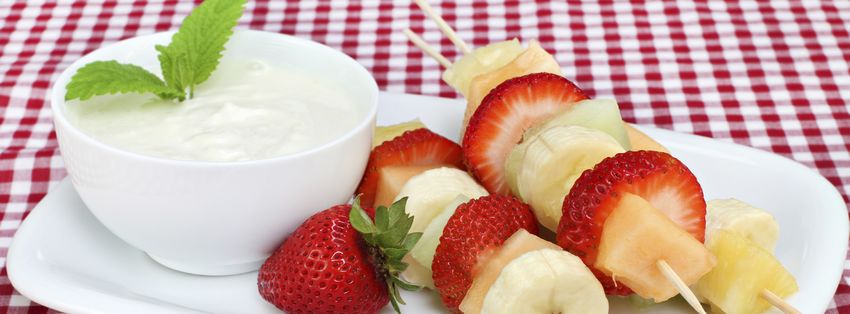
Table                              of              Contents
Introduction ........................................................................................................................................................................................ 5
Nutrition Requirements of the Child Care and Early Years Act (CCEYA) ........................................................................... 6
Nutrition for Healthy Term Infants (6-24 Months) .................................................................................................................... 6
Eating Well with Canada’s Food Guide ......................................................................................................................................... 7
What is a Food Guide Serving? ...................................................................................................................................................... 8
Child Size Portions ............................................................................................................................................................................ 8
Additional Tips for a Nutritious Menu .......................................................................................................................................... 9
Menu Planning Steps ....................................................................................................................................................................... 10
Reducing Choking Hazards ........................................................................................................................................................... 12
Two Weekly Sample Menus ........................................................................................................................................................... 13
Information About Food Labels ................................................................................................................................................... 14
Choosing a Healthy Cereal ........................................................................................................................................................... 14
Choosing a Healthy Cracker ......................................................................................................................................................... 14
Fibre and Grain Products ............................................................................................................................................................... 15
Sodium ............................................................................................................................................................................................... 15
Planning for Vegetarian Diets ........................................................................................................................................................ 16
Planning for Children with Food Allergies ................................................................................................................................. 16
Creating a Supportive Meal and Snack Time Environment .................................................................................................... 17
Healthy Celebrations ...................................................................................................................................................................... 18
Healthy Celebrations Inspiration ................................................................................................................................................. 18
Healthy Fundraising ......................................................................................................................................................................... 19
Food Safety ........................................................................................................................................................................................ 20
Inspirations for Menu Planning ..................................................................................................................................................... 22
Recipes for Meals and Snacks ....................................................................................................................................................... 24
     Soy Butter Yogurt Dip ............................................................................................................................................................ 24
     Cinnamon Yogurt Dip ............................................................................................................................................................. 24
     Sweet Potato & Chickpea Dip ............................................................................................................................................. 25
     Broccoli Salad ........................................................................................................................................................................... 26
     Salmon Salad Pita Pockets ..................................................................................................................................................... 27
     Bean and Cheese Quesadillas .............................................................................................................................................. 28
     Crispy Oven-Baked Fish Fillets ............................................................................................................................................ 28
     Black Bean Burgers ................................................................................................................................................................. 29
     Broccoli and Cheddar Mini Quiches .................................................................................................................................. 30
     Pumpkin Raisin Muffins .......................................................................................................................................................... 31
     Making Homemade Soup ...................................................................................................................................................... 32
     Looking for More Recipe Ideas or Resources ................................................................................................................ 32
Menu Template ................................................................................................................................................................................. 33
Menu Assessment Checklist .......................................................................................................................................................... 35
Healthy Eating Environment Checklist ........................................................................................................................................ 38
4 Menu Planning at Child Care Facilities
Introduction
Healthy eating helps children learn, play, grow and develop. The eating habits children learn carry over into
adulthood. What you do in your child care setting will influence their eating habits and how they feel about food.

This booklet has been designed to assist you in planning nutritious menus for your child care facility that meet the
Child Care and Early Years Act (CCEYA) from 2014 and follow Eating Well with Canada’s Food Guide released in
2011.

If you have any questions about this booklet or if you would like more information about healthy eating for infants,
toddlers, and preschoolers, contact a Public Health Dietitian from the Maternal and Child Health Team of the
Haldimand-Norfolk Health Unit. Call (519) 426-6170 or (905) 318-6623 or visit www.hnhu.org/childcare.

                       Adapted with permission by City of Hamilton, Public Health Services

                                                                            Menu Planning at Child Care Facilities   5
Nutrition Requirements of the Child
Care and Early Years Act (CCEYA)
The regulations under the Nutrition Requirements of the CCEYA mandate that all infants and children
attending child care centres in Ontario are provided with enough safe and nutritious food to meet their
individual energy and nutrient requirements.

According to the CCEYA, operators shall ensure that:

     •   Parents provide written feeding instructions for all children less than one year of age.
     •   Parents provide written instructions for all children with special dietary needs. Food or drink provided by
         parents must be clearly labeled with the child’s name and the date the food was sent to the centre.
     •   Food or drink is stored in a manner that maximizes its nutritive value and minimizes the risk of contamina-
         tion or spoilage.
     •   A list of children with food allergies and the specifics of the allergy is posted in clear view in both the
         cooking and serving areas of the child care centre.
     •   Complete menus are posted in an obvious and visible location for the current and following week.
     •   Menus are kept for 30 days following the last day that it was applicable.
     •   The above points are just part of the nutrition section of the CCEYA. See the complete nutrition section of
         the CCEYA here: http://www.ontario.ca/laws/statute/14c11.

Nutrition for Healthy Term
Infants (For 6-24 Months)
These recommendations are put out by Health Canada to help raise healthy infants and young children from 6 to
24 months. The principles and recommendations are:

     •   Iron rich meat, meat alternatives, and iron fortified cereal as the first complementary foods. Progress to
         introduce a variety of nutritious foods.
     •   Offer a variety of textures starting at 6 months (e.g. lumpy, mashed, pureed, minced, soft finger foods).
     •   Feed infants until 12 months on demand based on their hunger and satiety cues. After 1 year of age, feed
         children based on a regular schedule of meals and snacks.
     •   Promote finger foods to encourage self-feeding.
     •   Encourage use of an open cup.
     •   Limit fruit juice and sweetened beverages. Offer water instead.
     •   Offer foods with little or no added salt or sugar.
     •   Do not give honey (including in cooked foods) until after 1 year of age.
     •   Infants and young children must always be supervised during feeding.

For more information on Nutrition for Healthy Term Infants, see www.healthcanada.gc.ca/infantnutrition.
For more information on using expressed breast milk in child care centres, visit www.hnhu.org/childcare.

 6   Menu Planning at Child Care Facilities
Eating Well                              with             Canada’s Food
Guide
(for   ages   2   years and older)
Eating Well with Canada’s Food Guide gives recommendations for the amount and types of food required each day.
It has been developed to help Canadians ages two years and older meet their nutrient requirements at every stage
of life.

Different children need different amounts of food. In general, younger children require smaller portions than older
children. It’s better to start with smaller portions and provide more food if the child asks for more.

For more information on Canada’s Food Guide, see www.canadasfoodguide.org.

                                                                           Menu Planning at Child Care Facilities   7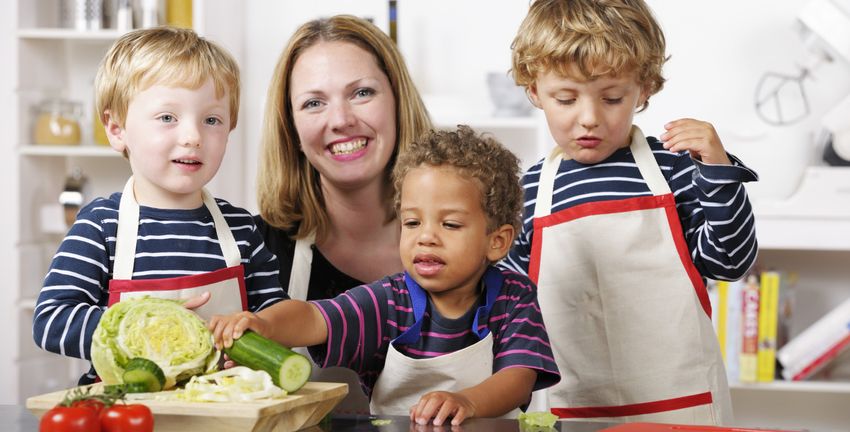
What is a Food Guide Serving?
Canada’s Food Guide has four food groups: vegetables and fruit, grain products, milk and alternatives, and meat
and alternatives. The main meal at your child care facility should have foods from all four food groups,
with two different types of vegetables or fruit (e.g. carrots and cauliflower, or broccoli and peaches). The
snacks at your facility should have foods from at least two different food groups.
A food guide serving is a reference amount. It helps you understand how much food is recommended from each of
the four food groups. The following are examples of food guide servings according to Canada’s Food Guide.
Vegetables and Fruit
125 mL (½ cup) fresh, frozen or canned
vegetable or fruit or 100% juice
250 mL (1 cup) leafy raw vegetables or salad Sample Day Menu
1 medium-sized piece of fruit
Morning Snack
Grain Products
Cereal with milk
1 slice (35 g) bread or ½ bagel (45 g)
Sliced peaches
½ pita (35 g) or ½ twelve inch tortilla (35 g)
125 mL (½ cup) cooked rice, pasta, or couscous
30 g cold cereal or 175 mL (¾ cup) hot cereal
Main Meal
Fish, brown rice,
Milk and Alternatives and green beans
250 mL (1 cup) milk or fortified soy beverage Strawberries
175 g (¾ cup) yogurt Milk
50 g (1 ½ oz) cheese
Afternoon Snack
Sliced carrot sticks
Meat and Alternatives
Whole grain
75 g (2 ½ oz)/125 mL (½ cup) cooked fish,
crackers
shellfish, poultry or lean meat
175 mL (¾ cup) cooked beans or tofu
2 eggs
30 mL (2 Tbsp) peanut butter or nut butters
For more examples of food guide servings, see www.canadasfoodguide.org.
Child Size Portions
Offer food in child size portions at the main meal and snacks. An appropriate child size portion is ½
a Canada’s Food Guide serving. For example, one slice of bread is considered one Canada’s Food Guide serving,
so a child size portion is half a slice of bread. Offer small portions to start. Always have extra servings available if
children ask for more if they are still hungry.
8 Menu Planning at Child Care Facilities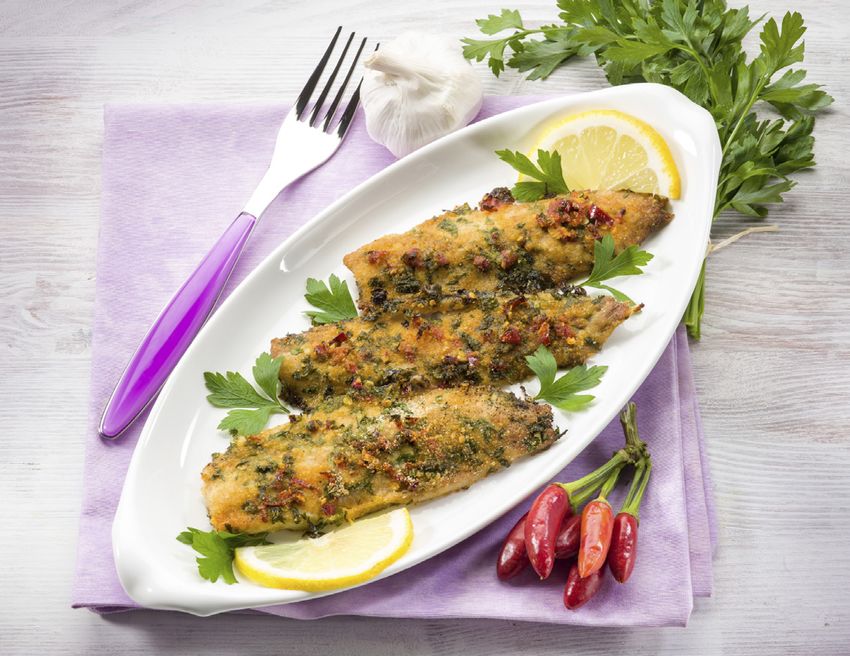
Additional Tips                                      for a              Nutritious
Menu

                                        Menu Assessment Checklist
Child Care Setting:                                                                           Date:
Add a checkmark in the box for each requirement that is met.

                                                                                                         YES NO
1. Whole grain choices are served at least half the time (barley, brown rice, oats, quinoa,
   couscous, pasta, tortilla, pitas, crackers, breads and oatmeal).
2. Dark green vegetables (broccoli, romaine lettuce, asparagus, spinach) and orange vegetables or
   fruits (carrots, sweet potatoes, winter squash, pumpkin, apricots, cantaloupe, canned peaches,
   nectarines and mangoes) are served most of the time.
3. Meat alternatives such as beans, eggs, soybeans, lentils and tofu (egg sandwich, baked beans,
   hummus/bean dips, pea soup, vegetarian chili) are served at least once a week.
4. Fish is served at least once a week (salmon loaf, tuna casserole, tuna croquettes, fish burgers,
   fish fillets). For assistance in choosing types of fish, visit: www.hnhu.org/childcare.
5. Foods high in calories, fat, sugar and salt such as cakes, pastries, cookies, ice cream, deep fried
    foods and hot dogs are limited or not served at all.
6. The menu includes foods with different:
    • Colours
    • Shapes (shredded, in strips, cubes, slices of different sizes)
    • Temperatures and textures (cooked, raw, crispy, crunchy, chewy, smooth consistencies).
7. The menu includes:
    • Foods that are easy to eat and suited to the children’s personal and cultural preferences.
    • Some finger foods.
8. The menu includes food choices that are safe to eat:
    • Foods that can cause choking such as peanuts, nuts, seeds, whole grapes, raw vegetables and
        chunky peanut butter are excluded from the menu for children under the age of 3.
    • Popcorn and hard candies are excluded from the menu for all children.
9. The menu excludes sticky, sweet foods such as dried fruit and candy, which can stick to the
    teeth and cause cavities (unless children brush their teeth right after or dried fruit is served
    with a piece of hard cheese).
10. The menu limits juice to one serving per day, or none at all (125 mL or 4 oz). Juice is 100%
    unsweetened fruit juice.

                                                                            Menu Planning at Child Care Facilities   9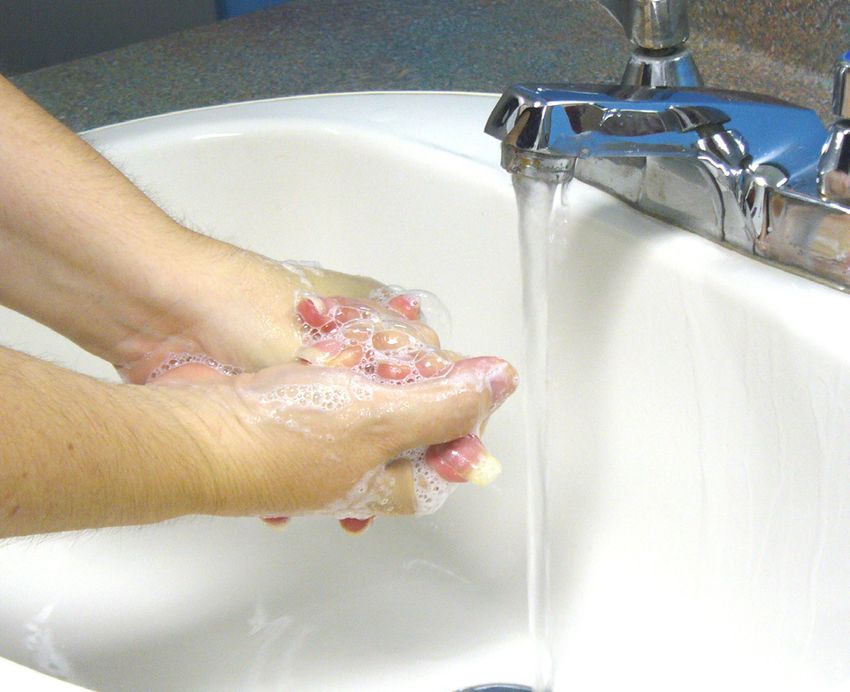
Menu Planning Steps
To plan your menus, there are 10 steps which can help your centre meet the CCEYA and Canada’s Food Guide.
Below each step, there are ideas on how to serve different foods and menu suggestions.

For each day of the week:
   1. Select the meat or meat alternative for each                  6. Plan morning and afternoon snacks to
      main meal.                                                        complement meals.
   2. Select a vegetable for each main meal.                        7. Use healthy oils and fats.
   3. Select one more vegetable or fruit for                        8. If you offer dessert, it can be chosen from
      each main meal.                                                   one of the four food groups.
   4. Select grain products for each main meal.                     9. Plan beverages for main meal and snack.
   5. Select milk or a milk alternative for each                    10. Additional things to consider for menu for
      main meal.                                                        your menu.
1. Select the meat or meat alternative for each main meal for each day of the week.

                 Cook’s Tip: For breading fish, use a small amount of mayonnaise or milk and then coat with
                      breading such as bread crumbs or crushed dry cereal. Serve with lemon slices.

      •     Choose a different food from the Meat and Alternatives group (e.g., fish, poultry, beef, pork, eggs, tofu and
            legumes such as black beans, split peas, or lentils) for each day.
      •     Serve fish at least 1 time per week.
      •     Include meat alternatives such as legumes (kidney beans, chick peas, lentils) and tofu at least once a week.
      •     Choose lean meat and alternatives prepared with little or no added fat or salt (e.g., remove chicken skin,
            avoiding deep-fried food).
      •     Add or purée legumes into sauces (e.g., pasta, pizza), chili, dips and soups.

              Cook’s Tips: For macaroni and cheese, blend lentils and add to cheese sauce. Another idea: mix
                    puréed cooked red lentils or beans into pasta sauce – use leftovers as pizza sauce.

2. Select a vegetable for each main meal for each day of the week.
   • Provide dark green vegetables (e.g. asparagus, green beans, bok choy, broccoli, brussel sprouts, lettuce, green
      pepper) and orange vegetables (e.g. carrots, squash, pumpkin, sweet potato) often.
   • Choose vegetables prepared with little or no added fat, sugar, and salt. Include a variety of cooked and raw
      vegetables throughout the week.
   • Use different textures and shapes, such as grated, chopped, mashed, sliced, cubed, sticks, wedges. Serve a
      variety of vegetables in many different colours.
   • Consider growing some of your own vegetables on site. Involve children in selecting, planting and caring for
      a variety of vegetables and fruits. Carrots, beans, tomatoes, cucumbers, squash and pumpkins grow well and
      children enjoy them.
   • Use them in baked products. Try adding carrots, zucchini, pineapple or bananas to breads or muffins.
   • Serve low-sodium vegetable soups. Add puréed or grated vegetables to soups, sauces and casseroles.

                           Cook’s Tip: Offer one hot/cooked and one cold/raw vegetable at lunch.

 10       Menu Planning at Child Care Facilities
3. Select one more vegetable or fruit for each main meal for each day of the week.
• Serve vegetables or fruit prepared with little or no added fat, sugar and salt.
• Frozen and canned vegetables or fruit (in water or its own juice) are healthy options.
• Choose fruit more often than fruit juice.
• Cut in shapes (e.g., for a kiwifruit, cut in slices, or cut in half and let kids scoop it out).
• Serve vegetables and fruits that are in season and locally grown. Freeze batches of seasonal produce if this
is an option for your facility.
4. Select grain products for each main meal for each day of the week.
• Offer at least half of the grain products as whole grain each day. Examples include whole grain breads,
whole grain pastas, and brown rice.
• Include a variety of other grain products such as oats, barley, couscous, quinoa, bagels, english muffins, pitas,
tortillas, roti, chapatti, and bannock.
• Choose grain products that are lower in fat, sugar and salt.
Cook’s Tip: Use whole grain bread to make French toast to get a serving of grains and meat and alternatives.
5. Select milk or a milk alternative for each main meal for each day of the week.
• Offer 1% or 2% milk each day for children age • Offer milk at lunch.
2 years and older. Serve whole milk (3.25% milk • Milk, yogurt or cheese can be served at snack
fat) for children less than 2 years of age. times.
• Cow’s milk is the milk of choice, unless other- • Serve milk-based soups and smoothies.
wise specified by the parent. • Add grated cheese to foods when appropriate.
Cook’s Tip: Use yogurt in dips for vegetables and fruit.
6. Plan morning and afternoon snacks to complement main meal.
• Offer food from at least two food groups of Canada’s Food Guide at each snack.
• Include foods from the vegetables and fruit food group in at least one snack each day.
• Choose snacks that are both nutritious and promote good dental health (i.e., limit sweet and sticky foods).
• Serve snacks around 2 hours before the next meal so children are hungry for the meal.
• See list of Snack Ideas in this booklet (p. 22-25).
7. Healthy fat is good for children’s growing bodies. Use some healthy fats throughout the menu.
Some examples of healthy fats include:
• Vegetable oils (e.g., canola, olive and soybean) • Mayonnaise
• Soft margarines made from non-hydrogenated oil • Salad dressings
(look for margarines with no trans fat) • Avocado
8. If you offer dessert, it can be chosen from one of the four food groups.
• Some nutritious dessert ideas are fresh, frozen or canned fruit, yogurt, homemade milk puddings,
homemade applesauce and homemade fruit crisp.
• It is not necessary to plan desserts such as cake or ice cream.
Menu Planning at Child Care Facilities 119. Plan beverages for each main meal and snack.
• Provide milk at each main meal.
• Provide water at each snack. Also have water available throughout the rest of the day.
• If juice is served, limit to 125 mL (1/2 cup or 4 oz) per day. Choose 100% fruit juice. Do not serve fruit
punches, drinks, cocktails, beverages, sports drinks, pop/soft drinks, and energy drinks.
You may have to remind children to drink water, especially when it is hot outside and when they are doing
a lot of physical activity.
10. Additional things to consider for menu:
• Use at least a three or four week menu cycle.
• Introduce at least one new food during the menu cycle. Include new foods one at a time in small quantities.
Serve them with foods that are well-liked.
• Avoid having the same menu item always falling on the same day of the week (i.e., pasta every Monday).
• Celebrate different cultures by introducing food choices that represent the ethnic diversity of your child
care centre. Involve parents in helping you plan some new menu choices.
• Provide child-sized utensils, bowls, and plates.
• Do not serve honey (or use in cooking) for children under one.
Foods to limit or avoid:
• Hard margarine (contains trans fats), • Chocolate
shortening, lard and butter • Marshmallows
• Accompaniments, dips, and sauces such • Chips, cheese puffs, fries
as ketchup, mustard, relish, creamy salad • Cured and processed meats such as
dressing, gravies, jams, jellies, cream hotdogs, sausages, pepperoni, bacon, and
cheese, sour cream and syrup salami
• High fat baked products like pastries, • Beverages other than water, milk or
danishes, cakes, pies, donuts, tarts, cookies juice such as fruit punch, milkshakes, hot
• Ice cream, sherbert, popsicles chocolate, etc
• Sugary cereals
Reducing Choking Hazards
Since any food can cause choking, always watch children while they are eating. Have children sit down to eat and
provide a calm eating environment.
How to reduce the risk of choking:
• Do not offer popcorn or hard round candies.
• Cut grapes in half or quarters.
• Grate hard vegetables such as carrots or cut them into narrow strips.
• Spread peanut butter, nut butter or soy butter thinly. Never serve it right off a spoon.
• If served, cut hot dogs and sausages into long strips, and then into bite-size pieces.
12 Menu Planning at Child Care FacilitiesTwo Weekly Sample Menus
Monday Tuesday Wednesday Thursday Friday
• Yogurt • Whole grain • Hard boiled • Sliced • Carrot bran
AM • Oranges cereal egg cantaloupe muffins
snack • Milk • Whole wheat • Bread sticks • Yogurt
toast
• Homemade • Mushroom and • Homemade • Homemade • Tuna salad
chicken ham quiche chili with chicken sandwiches on
noodle soup • Broccoli vegetables fingers whole wheat
• Whole wheat • Sliced apples • Brown rice • Whole wheat bread
bread • Milk • Chopped bun • Sliced
L
unch • Cooked carrots cauliflower • Salad cucumbers
and peas • Tangerine • Kiwi • Banana
• Canned pears in pieces • Milk • Milk
juice • Milk
• Milk
• Baked pita • Yogurt pops • Whole Wheat • Cereal • Cheese and
crisps with • Raw veggies and wraps with • Thawed crackers
PM melted cheese dip cucumber, frozen fruit • Sliced
S
nack & salsa green peppers, • Milk peaches
& hummus
Monday Tuesday Wednesday Thursday Friday
• Whole wheat • Sliced • Pumpkin raisin • Whole wheat • Oatmeal
AM Melba toast cantaloupe muffins** English • Thawed frozen
• Cheddar cheese • Cinnamon • Orange juice muffins with blueberries
snack yogurt dip** cheese
• Whole wheat • Turkey on a • Beef stir-fry • Homemade • Pasta with lentil
chicken fajitas whole wheat with broccoli tomato soup tomato sauce
with red bun on brown rice • Salmon • Spinach salad
pepper strips • Cucumber • Pineapple salad pita • Orange slices
L
unch Sliced
• slices • Milk pockets** • Milk
watermelon • Sliced grapes • Canned
• Milk • Milk peaches in
juice
• Milk
• Shredded wheat • Whole grain • Fruit salad • Homemade • Pita triangles
square cereal crackers • Milk banana bread • Hummus
PM with milk • Cheese cubes • Sliced straw-
Snack • Bananas berries
For more menu ideas, go to www.hnhu.ca/childcare. **Recipes can be found in this booklet (p. 26-34)
Menu Planning at Child Care Facilities 13Information About Food Labels Ingredient List - The ingredient list tells you what ingredients are in the packaged food. They are listed by weight from the most to the least. This list is a source of information for people with food allergies or health concerns. Check out the following food labeling websites for more information: EatRight Ontario: www.eatrightontario.ca and search “Nutrition labelling” for 5 short videos and fact sheets on nutrition labelling. Choosing a Healthy Cereal Cereal with milk can be a healthy balanced snack that contains a variety of vitamins and minerals and can be good source of fibre. When choosing a cereal, look for one that has: • A whole grain as the first item on the ingredient list • ≤ 2 g of saturated fat per serving • ≥ 2 g of fibre per serving To choose an even healthier cereal, look for one that has ≥ 4 g of fibre and ≤ 240 mg of sodium per serving and lower amounts of sugar. Cereals to try: Cooked rolled oats, multi grain squares, oat ring cereal, bran flakes, shredded wheat squares, frosted wheat squares Choosing a Healthy Cracker When choosing crackers, look for those that have: • ≤ 3 g of fat per serving • ≤ 2 g of saturated fat per serving • ≤ 240 mg sodium per serving To choose an even healthier cracker, look for ones that have whole grain listed as the first ingredient and ≥ 2 g of fibre per serving. *Criteria was taken from Nutrition Tools for Schools (www.nutritiontoolsforschools.ca), developed by the Ontario Society of Nutrition Professionals in Public Health (OSNPPH), accessed Sept. 13, 2012. 14 Menu Planning at Child Care Facilities
Fibre              and           Grain Products
Fibre is a very important component of food. Fibre provides us with a feeling of fullness, promotes regular bowel
movements, and can relieve constipation.

How to include more whole grains in your menu:
  • For morning snack, offer whole grain toast or breakfast cereal.
  • Use 100% whole grain bread for healthy and delicious sandwiches.
  • Try whole grain pasta when planning dishes with spaghetti, macaroni or lasagna noodles.
  • When making muffins or pancakes from scratch, substitute whole wheat flour for half of the white flour.
  • Offer brown rice instead of white rice.
  • Try recipes that use whole grain barley, kasha, bulgur, quinoa, millet and couscous.

Descriptive words in the product’s name, such as stone-ground, multi-grain, 100% wheat, or bran, do not necessari-
ly indicate that a product is whole grain. Words to look for include “100% whole grain,” “whole rye,” “whole oat or
oatmeal,” “100% whole wheat” or “whole grain whole wheat.”

For more information on whole grains, including recipes, see EatRight Ontario’s handout “Choosing Whole Grains”
at https://www.eatrightontario.ca/en/Articles/Food-guides/Choosing-Whole-Grains-FAQs.aspx#.VjEqUt1zbcs.

Sodium (Salt)
Most Canadian children and adults consume too much sodium, the major component of salt, in foods they eat.
Foods high in sodium include processed and convenience foods, processed meat, soups, and some snack foods.

How to reduce sodium in your menu:
  • Use less processed and packaged foods.                    •   Use quick cooking oats instead of instant hot
  • Make your own soups with water and/or low                     cereals.
     sodium broth.                                            •   Buy fresh or frozen vegetables. Rinse regular
  • Avoid adding salt to cooking water.                           canned vegetables or look for ones with low or
  • Season foods with fresh or dried herbs, garlic,               no sodium added.
     ginger, lemon, lime, no-sodium seasoning mixes,          •   Choose lower sodium canned beans or dried
     and/or pepper.                                               beans, peas and lentils. Rinse canned beans.
  • Buy unsalted or lower sodium foods when                   •   Choose unseasoned fresh or frozen fish, meat
     possible (e.g., lower sodium vegetable juice,                and poultry. Avoid high salt meets such as deli
     broth, crackers).                                            meats, hot dogs, sausages and pre-seasoned fish,
  • Avoid or limit high sodium foods and condiments               meat and poultry.
     such as pickles, olives, ketchup and soy sauce.

                                                                         Menu Planning at Child Care Facilities   15
Planning for Vegetarian Diets
There are many different types of vegetarian diets. Check out www.eatrightontario.ca and use the key word
“vegetarian” to search for more information. Canada’s Food Guide (CFG) is suitable for vegetarians. Use
parents as a resource when planning meals. Ask them what types of food they serve at home. When planning a
vegetarian meal, the meat must be replaced with a meat alternative such as legumes (e.g., canned beans, lentils),
eggs (if permitted), soy products (e.g., tofu, vegetarian meat substitutes), seed/nut butters (if permitted), or fish (if
permitted).
Vegetarian Ideas
The following examples are not whole meals, but ideas for replacing the meat portion of a menu item with a meat
alternative. Always remember to include all four food groups with meals.
• Vegetable omelettes • Quesadillas made with black
• Vegetarian quiche or crustless quiche beans (see page 28)
• Baked beans on toast • Bean or lentil salad
• Lentil soup and bread • Bean tacos
• Lentils and rice • Tofu and vegetable
• Nut butter sandwiches (e.g., peanut butter, stir-fry with rice
almond butter, soy butter, cashew butter, etc.)
• Vegetarian chili or pasta sauce using textured
vegetable protein (e.g. veggie ground round),
tofu and/or beans
Planning for Children with
Allergies
There are several steps you can take at your facility to prevent allergic reactions in the children:
• Receive written instructions from parent outlining child’s special dietary needs. Keep instructions in a handy
place, while respecting the child’s privacy.
• Allow for substitutions in the menu to meet child’s special dietary needs or if not feasible encourage
parents to supply their own substitutes and keep them clearly labelled in proper storage.
• Have all children and staff wash their hands with soap and water before and after eating. This helps prevent
food from getting on toys, clothing, and other surfaces.
• Provide a specific eating area for children with food allergies to limit the exposure to allergens.
• Do not allow children to trade or share food, utensils or food containers.
• If you are not sure if a food is safe, do not offer it to the child.
• Read all labels carefully when grocery shopping.
For more information on food allergies, go to www.hnhu.org/childcare.
16 Menu Planning at Child Care FacilitiesCreating a Supportive Meal
and Snack Time Environment
Children need a pleasant environment to eat in to make eating a positive experience. These factors can help to
build healthy eating habits in children. Listed below are the best practices to follow:
• Involve children in snack and meal preparation whenever possible
and appropriate. Division of Responsibility
• Include foods that are easy for children to eat. Not all children have
the same level of feeding skills, so offer foods that are easier to eat The adult's or caregiver's
(e.g., finger foods, foods that can be eaten easily with their hands). responsibilities are to decide:
• Have the children serve themselves with appropriate serving utensils • What food is offered
(i.e., family style serving – pass each dish around and children scoop • When it is offered,
out the amount of food they would like). Second helpings can be and
available for those who want more. • Where it is offered.
• Ensure children are given enough time to eat. Provide 30 minutes
for meals and 20 minutes for snacks. The child's responsibilities are
• Encourage use of an open cup for all beverages. to decide:
• Remove all screens, toys, books and other distractions while eating. • Whether or not to
• Remember, you are a role model for the children. Eat with children eat, and
the foods they are eating. Do not eat foods that they cannot eat. • How much to eat.
Do not make comments about your children’s weight or your own
weight or diets. For more information on the
• Respect the Division of Responsibility (see side bar). The Division topic, please see
of Responsibility helps children develop positive feelings about food www.ellynsatter.com.
and mealtimes. Let the child decide how much to eat, even if that
means leaving food on the plate, not eating at all or asking for more
food. This helps children listen to their hunger
and fullness cues.
• Avoid pressuring children to eat their food.
This can have negative consequences leading
to some children eating less, and some
children eating more to please their parents or
caregivers. Avoid comments such as:
• “Just take one more bite”
• “No dessert until you eat your meat”
• “Good boy.You ate all your peas”
• “No more bread until you eat some
meat”
• “Finish your milk. It’s good for you”
• “How do you know you don’t like it
unless you try it?”
See page 38 for a Healthy Eating Environment
Checklist.
Menu Planning at Child Care Facilities 17Healthy Celebrations
Make the mood, not the food, the focus of the celebrations. Focusing on healthy foods and beverages teaches stu-
dents that healthy food can be fun. Some ideas for your next classroom celebration include:
• School supplies like pencils, erasers, bookmarks or stickers.
• Plan extra activity time outside or in the gym.
• Have a glow in the dark dance party.
• Fruit kebobs.
• Make your own yogurt parfaits.
• Pizza on whole wheat crust with vegetable and lean meat toppings.
Healthy Celebrations Inspiration
Birthday Pancakes Asparagus Birthday Crown Valentine’s Day Heart
Halloween Pumpkins and Ghosts Fruit Candy Cane Fruit Face
18 Menu Planning at Child Care FacilitiesHealthy Fundraising
Choose activities to raise money that are unrelated to food, or that offer the healthiest food and beverages. These
activities can be just as profitable and popular as the more traditional unhealthier food sales.
Some examples for healthy food fundraising include:
• Beans and bean soup mixes
• Bread making kits
• Cheese
• Chicken/poultry
• Local fruit baskets
Some examples for non-food fundraising include:
• Collect donated items for a garage sale or a penny sale
• Produce and sell an annual school calendar
• Sell raffle tickets for a donated prize
• Evening events (e.g. family movies, trivia, bingo)
• Books and magazines
Menu Planning at Child Care Facilities 19Food Safety
Test your food safety IQ by taking this quiz.
Quiz: True or False?
It’s okay to thaw perishable food like frozen chicken and beef on the kitchen counter
or in the sink. True False
Foods should be put away in the fridge or freezer within two hours. True False
Milk and eggs can be stored in the refrigerator door. True False
One of the best ways to prevent contaminating foods is to wash your hands. True False
You can tell if food is still safe to eat by smelling it. True False
Keep raw foods and cooked foods separate. True False
Fruits and vegetables should be washed, even if you are peeling them. True False
The temperature at which you cook leftovers doesn’t matter because it’s already cooked. True False
Infants are at greater risk of developing foodborne illness. True False
Answers:
It’s okay to thaw perishable food like frozen chicken and beef on the kitchen counter or in the sink.
FALSE. Perishable food should not be thawed at room temperature because the outside of the food may reach
the danger zone (above 4oF) before the inside of the food is thawed. There are 3 safe ways to defrost food:
• In the refrigerator
• In cold water
• In the microwave
Foods should be put away in the fridge or freezer within two hours.
TRUE. This slows down growth of any bacteria or bacterial spores that might be present.
Milk and eggs can be stored in the refrigerator door.
FALSE. Store milk and eggs on refrigerator shelves.
One of the best ways to prevent contaminating foods is to wash your hands.
TRUE. Wash your hands before handling food, after handling raw meat and seafood, after using the washroom,
after changing diapers, after blowing your nose, coughing or sneezing. Rub your hands together using soap and
warm water for at least 20 seconds and dry hands thoroughly, preferably with a single use towel.
20 Menu Planning at Child Care FacilitiesYou can tell if food is still safe to eat by smelling it.
FALSE. You can’t tell if a food is contaminated by looking at it, smelling it, or tasting it. When in doubt, throw it
out!
Keep raw foods and cooked foods separate.
TRUE. Use separate utensils and cutting boards for handling raw foods and cooked foods to prevent cross con-
tamination.
Fruits and vegetables should be washed, even if you are peeling them.
TRUE. This helps prevent the spread of bacteria from the surface to your hands to the inside of the fruit and
vegetables.
The temperature at which you cook leftovers doesn’t matter because it’s already cooked.
FALSE. You should reheat leftovers to a temperature of 74oC.
Infants are at greater risk of developing foodborne illness.
TRUE. Ensure meats, poultry, fish and shellfish are cooked to a safe internal temperature.
It is important for all staff to have their Food Safety Certification Course. You can sign up for it through
the health unit website by searching “Food Safety Course” at www.hnhu.org or by calling the health unit at
519-426-6170 or 905-318-6623.
Accessed from Eat Right Ontario on October 13, 2015: https://www.eatrightontario.ca/en/Articles/Food-safety/Food-Safety-True-or-False.aspx#.Vhf85bFzbcs.
Menu Planning at Child Care Facilities 21Inspirations for Menu Planning
Plan snacks that offer foods from two or more food groups.
Vegetables and Fruit Grain Products
• Celery sticks with peanut butter* or • Baked tortilla crisps with fresh salsa
almond butter* • Toasted whole wheat bagel with peanut
• Raw vegetables (carrots, broccoli, butter* and banana slices
cauliflower, peppers, sugar snap peas, • Rice crackers spread with pesto and diced
cucumbers) with tzatziki (yogurt, grated tomato
cucumber, garlic) • Cereal parfaits - layer yogurt, chopped fruit,
• Cooked broccoli sprinkled with parmesan and bran cereal in a clear cup
cheese • French toast with puréed strawberries
• Edamame and thin sliced carrots with rice • Quesadilla (whole wheat tortillas, apple slices,
noodles shredded cheddar cheese), cut into triangles
• Fruit and cheese platter • Pumpkin pancakes (add one cup of canned
• Canned peaches on oatmeal pumpkin purée,1 tsp of allspice, 1 tsp
• Fruit chunks (banana, mango, pineapple, kiwi, cinnamon, and ½ tsp ginger to your regular
strawberries) with yogurt dip pancake recipe)
• Apple wedges and peanut* or soy butter* • Veggie pizza on naan bread
• Apple slices with grated cheddar and a • English muffin topped with cottage cheese
sprinkle of cinnamon - microwave until mixed with a little cinnamon and vanilla
melted (broiled)
• Kale chips - remove large vein, cut kale in • Oatmeal with grated apple and cinnamon or
pieces, spray lightly with canola oil. Bake at thawed frozen fruit
350°F for 10 minutes or until crisp. • Banana bread with honeydew cubes
Milk and Milk Alternatives Meat and Meat Alternatives
• Lemon yogurt mousse (blend Greek yogurt • Hard boiled egg with toast and orange wedges
with lemon juice and lemon zest in a • Hummus (chickpea dip) and pita wedges
blender), with fruit to dip • Salmon salad mixed with grated cucumber
• Cottage cheese with pear or banana slices and carrot stuffed into mini pita pockets
• Homemade fruit and yogurt popsicles (blend • Tofu and apricot pudding (process silken tofu
together yogurt and fruit and freeze in with fresh apricots until smooth)
popsicle holders) • Lentil salad (mix lentils, green onions, chopped
• Cheddar cheese and fruit pieces tomatoes and parsley, add a little Italian
• Chocolate milk and a banana seasoning and mix)
• Homemade milk pudding topped with banana • Bean salsa (mix 1 can of black beans, 3 diced
slices and coconut tomatoes, 1 small red onion finely chopped,
• Pumpkin parfait (layer pumpkin pie filling with 1 tbsp olive oil, and 1 tbsp of lime juice) with
vanilla yogurt and granola) whole wheat pita crisps
22 Menu Planning at Child Care FacilitiesRoll it!
• Veggie roll ups (whole wheat tortilla
spread with hummus and grated
vegetables [carrots, cucumber, peppers],
roll and slice on an angle)
• Whole grain tortilla spread with nut*
butter, rolled around a banana and sliced
• Tuna rolls (use light canned tuna, rice and
veggies and roll in a tortilla)
• Egg salad with finely chopped celery and
green onions rolled in a chapati
Dip it in!
• Raw veggie and pretzel sticks dipped in
hummus
• Yogurt dip (tzatziki) with green peppers
and cucumbers
• Bean dip (purée a can of white beans, a
garlic clove, 1 tbsp olive oil, 1 ½ tbsp lime
juice, a sprinkle of basil, thyme, salt and
pepper) with veggies and roti wedges
• Sweet potato and chickpea dip** with
flatbread
Blend it up!
• Fruit smoothie (frozen fruit, yogurt, milk)
• Chocolate monkey smoothie (chocolate
milk, banana and crushed ice whirled
together in the blender)
• Frozen fruit sorbet (blend 4 cups of a
variety of frozen berries or melon and mix
with ½ cup orange juice until smooth)
* Note: Some centres may be peanut/nut free due to
allergies. ** See recipes (page 24 - 32)
Menu Planning at Child Care Facilities 23Recipes for Meals and Snacks
Soy Butter Yogurt Dip Nutrition information per 30 mL serving:
Calories: 131 kcal
Makes ½ cup (125 mL) Fat: 8 g
Saturated Fat: 1.6 g
Ingredients: Trans fat: 0.0 g
• ¼ cup soy butter - 60 mL Sodium: 81.3 mg
• ¼ cup plain yogurt - 60 mL Carbohydrate: 9.2 g
• 2 tsp honey * - 10 mL Fibre: 1.0 g
Protein: 5.2 g
Directions:
1. Mix all ingredients together. Serve with fruit. * Do not serve honey or any foods sweetened with
honey to children less than one year of age.
Cinnamon Yogurt Dip Nutrition information per 30 mL serving:
Calories: 33.7 kcal
Makes 8 (30 mL) servings Fat: 0.5 g
Saturated Fat: 0.3 g
Ingredients: Trans Fat: 0.0 g
• 1 cup plain yogurt - 250 mL Sodium: 22.5 mg
• 1-2 tsp cinnamon - 5-10 mL Carbohydrate: 6.0 g
• 2 tbsp brown sugar - 30 mL Fibre : 0.3 g
Protein: 1.6 g
Directions:
1. Combine all ingredients together. Serve.
2. Refrigerate dip if not serving immediately.
24 Menu Planning at Child Care FacilitiesRecipes for Meals and Snacks
Sweet Potato & Chickpea Dip Directions:
1. Microwave sweet potato for 3-4 minutes.
Makes 12 (60 mL) portions Scoop out potato from skin and blend or
process with other ingredients until smooth
Ingredients: and creamy.
• 1 can (19 oz.) chick peas, drained and rinsed 2. Serve with vegetables, crackers or pita bread.
540 mL
• ¼ cup water - 60 mL Nutrition Information per 60 mL portion:
• 1 small sweet potato - 1 Calories: 83 kcal Fat: 3.7 g
• 3-5 tbsp lemon juice - 45-75 mL Saturated fat: 0.5 g Trans fat: 0.0 g
• 1 ½ tbsp brown sugar - 20 mL Sodium: 85.4 mg Carbohydrate: 10.0 g
• 1-2 cloves garlic, crushed - 1-2 cloves Fibre: 0.2 g Protein: 2.6 g
• 3 tbsp olive oil - 45 mL
Food Guide Servings per 60 mL portion:
Vegetables and Fruit: 0.0 Grain Products: 0.0
Milk and Alternatives: 0.0 Meat and Alternatives: 0.3
Menu Planning at Child Care Facilities 25Recipes for Meals and Snacks
Broccoli Salad
Makes 8 (½ cup) portions
Ingredients:
• 80 mL plain Yogurt, 1% - 2% m.f. - 2 ½ oz.
• 30 mL mayonnaise (reduced fat) - 2 tbsp
• 30 mL lemon juice - 2 tbsp
• 2 mL paprika - ½ tsp
• 750 mL broccoli florets - 1 lb
• 80 mL onions, chopped - 1 small
• 3 tomatoes, chopped - 3
• 1 mL salt (optional) - A pinch
• 2 mL black Pepper - ½ tsp
Directions:
1. In a large bowl, mix the yogurt with the mayonnaise, lemon juice and paprika.
2. Add the remaining ingredients, stir well and let stand a few minutes before serving.
Serve fresh bread or grilled pita.
Optional:
Add a can of chickpeas (drained and rinsed) and sunflower seeds.
Nutrition information per ½ cup portion:
Calories: 43.3 kcal
Fat: 1.7 g
Saturated fat: 0.3 g
Trans fat: 0.0 g
Sodium: 107.7 mg
Carbohydrate: 6.2 g
Fibre: 1.5 g
Protein: 2.1 g
Food Guide Servings per ½ cup portion:
Vegetables and Fruit 1.2
Grain Products 0
Milk and Alternatives 0.05
Milk and Alternatives 0
Adapted from dairygoodness.ca
26 Menu Planning at Child Care FacilitiesRecipes for Meals and Snacks
Salmon Salad Pita Pockets
Makes 4 portions
Serve this as a snack or a light lunch.
Ingredients:
• 1 can (213 g) salmon, drained (low sodium) - 1
• 2 tbsp light mayonnaise - 25 mL
• 1 tbsp lemon juice - 15 mL
• ½ cup grated carrot - 125 mL
• ½ cup diced cucumber - 125 mL
• 1 green onion, sliced - 1
• to taste ground black pepper - to taste
• ½ cup Romaine lettuce, chopped - 125 mL
• ½ cup grated cheddar cheese - 125 mL
• 2 whole wheat pitas - 2
Directions:
1. In a small bowl, mix, salmon, mayonnaise, lemon juice, carrot, cucumber, green onion and pepper.
2. Cut the two whole wheat pitas in half. Stuff the pitas with lettuce, cheese and salmon mixture.
3. Serve and enjoy!
Nutrition information per portion:
Calories: 250 kcal
Fat: 11.6 g
Saturated fat: 4.4 g
Trans fat: 0.0 g
Sodium: 361.5 mg
Carbohydrate: 21.4 g
Fibre: 3.1 g
Protein: 16.1 g
Calcium: 228.4 mg
Iron: 1.8 mg
Vitamin D: 8.0 micrograms
Food Groups per portion:
Vegetables and Fruit 0.6
Grain Products 0.9
Milk and Alternatives 0.6
Milk and Alternatives 0.3
Adapted from: Healthy Eating for a Healthy Baby, 2009, p. 20
Menu Planning at Child Care Facilities 27Recipes for Meals and Snacks
Bean and Cheese Quesadillas
Makes 8 (½ 10-inch tortilla) portions
Ingredients:
• 4 large (10-inch) whole wheat flour tortillas - 4
• ¼ cup chopped green onions - 60 mL
• 1 cup shredded part-skim mozzarella cheese -
250 mL
• ¼ cup chopped green pepper - 60 mL
• 1 tomato, finely chopped and drained - 1
• 1 can (19 oz.) black beans, rinsed and drained -
19 ounce
• 2 cups salsa - 500 mL
Directions:
1. Heat oven to 350°F.
2. Sprinkle half of each tortilla with beans, cheese, Crispy Oven-Baked Fish Fillets
green onions, green pepper and tomato. Fold Makes 12 portions
tortillas in half and press edges together.
3. Place tortillas on a baking sheet and bake at Ingredients:
350ºF for 10 minutes or until crisp. • 2 lb fish fillets (tilapia, pollock, sole) - 1 kg
4. Remove from oven and cut into 2 wedges. • 2 eggs, beaten - 2
5. Serve with salsa on the side. • salt and pepper, just a pinch of each
• 1 cup whole wheat bread crumbs - 250 mL
Nutrition information • 2 tsp vegetable oil - 10 mL
per portion:
Calories 240 kcal Directions:
Fat 5.3 g 1. Preheat oven to 350°F (180°C). Lightly grease
Saturated fat 2.2 g baking sheets with vegetable oil.
Trans fat 0.0 g 2. Add salt and pepper to eggs. Dip in fillets.
Sodium 848 mg 3. In a separate bowl, dip fillets into bread crumbs.
Carbohydrate 37 g 4. Place on prepared baking sheet. Bake in
Fibre 7.2 g preheated oven for 10 minutes or until fish is
Protein 12.0 g opaque and flakes easily with a fork.
Food groups per 5. Serve with wedges of lemon or yogurt dill dip.
portion:
Vegetables and Fruit 0.7 Nutrition information per 1 portion:
Grain Products 1.0 Calories 133 kcal
Milk and alternatives 0.3 Sodium 208 mg
Meat and alternatives 0.4 Fat 3.1 g Carbohydrate 7.0 g
Saturated fat 0.7 g Fibre 0.4 g
Trans fat 0 g Protein 18.0 g
28 Menu Planning at Child Care FacilitiesRecipes for Meals and Snacks
Black Bean Burgers
Makes 12 patties
Ingredients:
• 3 hamburger buns, torn into pieces (or 3 cups of bread crumbs)
• 12 tbsp olive oil, divided
• 6 tsp chopped garlic
• 3 cans black beans, rinsed and drained
• 3 tsp grated lime rind
• 2 tsp chili powder
• 1 ½ tsp chopped fresh oregano
• ¾ tsp salt
• 3 large eggs, lightly beaten
• 3 large egg whites, lightly beaten
Directions:
1. If using hamburger buns instead of bread crumbs, place buns in a food processor and process into crumbs.
Transfer to a bowl.
2. Combine 1 tbsp oil, garlic, and beans in processor; pulse until beans make a thick paste. Scrape bean mix-
ture into bowel with breadcrumbs. Stir in rind and remaining ingredients. With moistened hands, divide
bean mixture into 4 equal portions (about 1/3 cup mixture per portion), shaping each into a 3-inch patty.
3. Heat remaining 2 tbsp oil in a large nonstick skillet over medium-high heat. Add patties to pan; reduce heat
to medium, and cook 4 minutes or until bottom edges are browned. Carefully turn patties over; cook 3
minutes or until bottom edges are done.
Nutritional information for 1 patty:
Calories: 182
Fat: 12.3 g
Saturated fat: 1.3 g
Protein: 6.6 g
Carbohydrate: 15.6 g
Fiber: 4.6 g
Cholesterol: 53 g
Iron: 2 mg
Sodium: 448 g
Calcium: 103 g
Menu Planning at Child Care Facilities 29Recipes for Meals and Snacks
Broccoli and Cheddar Mini Quiches 4. Ladle egg mixture into prepared muffin cups.
Bake until lightly browned and no longer jiggly
Makes 12 mini quiches in center, about 25 minutes. Let cool slightly,
then run a knife around each quiche. Put a clean
Ingredients: baking sheet on top of muffin pan and invert to
• 3 cups broccoli florets unmold quiches. Serve warm or at room tem-
• 2 ½ cup milk perature.
• 5 large eggs
• 1 ½ cup grated cheddar
• ½ tsp salt Chef’s tip:You can make these ahead of time and heat
• ½ tsp pepper up before serving.
Directions:
1. Preheat oven to 350oF. Grease 12 muffins cups
and set aside. Nutritional information for 1 mini quiche:
2. Pour 1 inch of water into a large saucepan Calories: 215
and put a steamer basket in. Place broccoli in Fat: 20 g
steamer basket, cover pot, turn heat to high Saturated fat: 11 g
and let cook until broccoli is just tender, 5 to 6 Protein: 8 g
m minutes. Let broccoli cool slightly, then chop Carbohydrate: 3.5 g
into small pieces. Cholesterol: 165 mg
3. In a medium bowl, whisk together milk and eggs. Sodium: 535 mg
Stir in cheese, salt, and pepper. Add chopped
broccoli.
30 Menu Planning at Child Care FacilitiesRecipes for Meals and Snacks
Pumpkin Raisin Muffins 4. In a separate bowl, blend together pumpkin, oil,
buttermilk and eggs.
Makes 24 muffins 5. Make a large well in center of dry ingredients;
pour in wet ingredients all at once. Gently fold
Ingredients: together until just combined.
• 2 cups whole-wheat flour - 500 mL 6. Spoon batter into muffin tins. Bake in preheated
• 1 ½ cups all-purpose flour - 375 mL oven for 18 to 22 minutes or until firm to the
• 1 cup granulated sugar - 250 mL touch.
• 4 tsp baking powder - 20 mL
• 1 tsp baking soda - 5 mL Tips:
• 1 tbsp ground cinnamon - 15 mL • These muffins freeze well, so make up an ex-
• 1 tsp ground nutmeg - 5 mL tra batch and store in an airtight container or
• 1 tsp ground ginger - 5 mL freezer bag.
• ¼ tsp salt - 1 mL • Sour milk can be used instead of buttermilk. To
• 1 ½ cups raisins - 375 mL prepare, combine 4 tsp (20 mL) lemon juice or
• 1 can (14 oz/398 mL) pumpkin purée (not pie vinegar with 2 cups (500 mL) milk and let stand
filling) - 1 can for 5 minutes.
• ½ cup vegetable oil - 125 mL
• 2 cups buttermilk or sour milk (see tip below) - Nutrition information for 1 muffin:
500 mL Calories 191 Protein 2 g
• 3 eggs - 3 Fat 6.0 g Carbohydrate 32 g
Saturated Fat 0.9 g Fibre 4 g
Directions: Sodium 155 mg
1. Preheat oven to 375°F (190°C).
2. Grease or line two 12-cup muffin tins. Reprinted from Cook Great Food © 2001 with permission from Dietitians of
3. In a large bowl, combine whole-wheat flour, Canada.
Published by Robert Rose Inc.
all-purpose flour, sugar, baking powder, baking
soda, cinnamon, nutmeg, ginger, salt and raisins.
Menu Planning at Child Care Facilities 31Recipes for Meals and Snacks
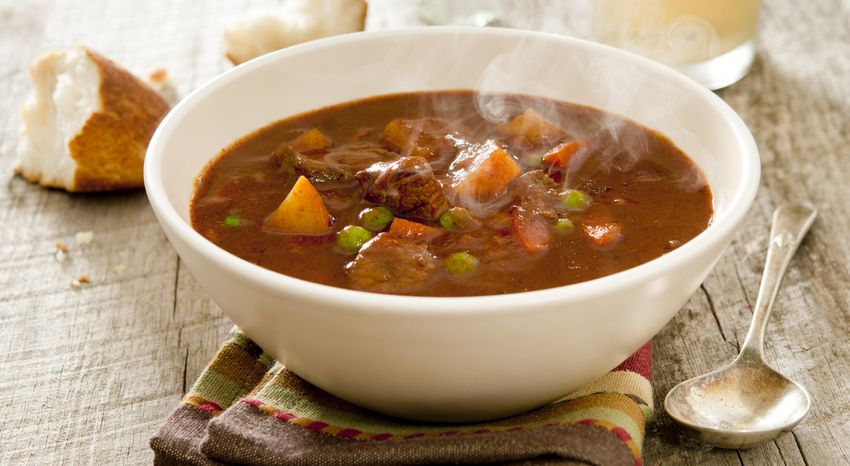
Making Homemade Soup
1. Make the broth. Broth can be made by boiling bones from beef, poultry, ham, or by dissolving low-sodium
bouillon cubes in water. If you don’t you have bones to work with, broth can be made with water, garlic, and
onion. Bring broth to a boil and add two to four different seasonings, such as a bay leaf, oregano, parsley,
onion powder, paprika, garlic, marjoram, thyme, or cumin.You can also buy pre-made broth, but remember
to choose the low sodium version.
2. Add 2-4 vegetables and simmer (covered) for half an
hour. Examples of vegetables include cabbage, carrots, Cook’s Tip: Prepare veggies ahead and freeze
celery, onion, potatoes, tomatoes, green beans, turnip, so they can be added to a soup quickly.
parsnips, broccoli, peas, or cauliflower. Vegetables can
be added raw, frozen, or canned.
3. Add a grain product and simmer 30-45 minutes. Examples of grain products include whole wheat pasta
noodles, rice, orzo, or barley.
4. Add a pre-cooked cubed meat or alternative. Simmer for twenty minutes. Enjoy!
Looking For More Recipe Ideas or
Resources?
Go to www.hnhu.org/childcare for links to 6 week sample menus, lots of recipes, and many other
resources!
32 Menu Planning at Child Care FacilitiesMenu Template
Monday Tuesday Wednesday Thursday Friday
FG1: FG1: FG1: FG1: FG1:
AM Snack
FG2: FG2: FG2: FG2: FG2:
V/F: V/F: V/F: V/F: V/F:
V/F: V/F: V/F: V/F: V/F:
Lunch G: G: G: G: G:
Milk: Milk: Milk: Milk: Milk:
M/A: M/A: M/A: M/A: M/A:
FG1: FG1: FG1: FG1: FG1:
PM Snack
FG2: FG2: FG2: FG2: FG2:
Legend:
FG - food group • V/F - vegetables and fruit •G- grain • Milk - milk and alternatives • M/A - meat and alternatives
Menu Planning at Child Care Facilities
3334
Menu Template
Monday Tuesday Wednesday Thursday Friday
FG1: FG1: FG1: FG1: FG1:
AM Snack
FG2: FG2: FG2: FG2: FG2:
Menu Planning at Child Care Facilities
V/F: V/F: V/F: V/F: V/F:
V/F: V/F: V/F: V/F: V/F:
Lunch G: G: G: G: G:
Milk: Milk: Milk: Milk: Milk:
M/A: M/A: M/A: M/A: M/A:
FG1: FG1: FG1: FG1: FG1:
PM Snack
FG2: FG2: FG2: FG2: FG2:
Legend:
FG - food group • V/F - vegetables and fruit •G- grain • Milk - milk and alternatives • M/A - meat and alternativesYou can also read


