Chinese Fish Price Report - Issue 2/2020 - Food and ...
←
→
Page content transcription
If your browser does not render page correctly, please read the page content below
Chinese Fish Price Report
Issue 2/2020

Issue 2/2020                                                                                                       Chinese Fish Price Report

    The Chinese Fish Price Report
    Editorial Board                                   Editor in Chief
    Audun Lem                                         Marcio Castro de Souza
    John Ryder
    Marcio Castro de Souza
    Contributing Editors                              Coordinator
    Maria Catalano                                    Weiwei Wang
    Helga Josupeit
    William Griffin
    Contributing Partner                              Graphic Designer
    China Aquatic Products Processing and             Alessia Capasso
    Marketing Alliance (CAPPMA)

    EDITORIAL OFFICE
    GLOBEFISH
    Products, Trade and Marketing Branch (NFIM)
    Fisheries Division,
    Food and Agriculture Organization of the United
    Nations
    Viale delle Terme di Caracalla
    00153 Rome, Italy
    Tel. +39 06 5705 57227
    E-mail: globefish@fao.org
    www.globefish.org

    REGIONAL OFFICES
    Latin America, Caribbean                          Africa                                      Arab Countries
    INFOPESCA, Casilla de Correo 7086,                INFOPÊCHE, BP 1747 Abidjan 01,              INFOSAMAK, 71, Boulevard Rahal,
    Julio Herrea y Obes 1296, 11200                   Côte d’Ivoire                               El Meskini Casablanda 20 000, Morocco
    Montevideo, Uruguay                               Tel: (225) 20 21 31 98/20 21 57 75          Tel: (212) 522540856
    Tel: (598) 2 9028701/29028702                     E-mail: infopeche@aviso.ci                  Fax: (212) 522540855
    Fax: (598) 2 9030501                              infopech@gmail.com                          E-mail: info@infosamak.org
    E-mail: infopesca@infopesca.org                   Website: www.infopeche.ci                   infosamak@infosamak.org
    Website: www.infopesca.org                                                                    Website: www.infosamak.org
    Europe                                            Asia                                        China
    Eurofish, H.C. Andersens Boulevard 44-46,         INFOFISH                                    INFOYU, Room 901, No 18, Maizidian street,
    1553 Copenhagen V, Denmark                        1st Floor, Wisma LKIM Jalan Desaria         Chaoyang District, Beijing 100125, China
    Tel: (+45) 333777dd                               Pulau Meranti, 47120 Puchong, Selangor DE   Tel: (86) 01059195186
    E-mail: info@eurofish.dk                          Malaysia, Tel: (603) 80668112/80603734/     E-mail: infoyu@agri.gov.cn
    Website: www.eurofish.dk                          80603738, E-mail: info@infofish.org         Website: www.infoyu.net
                                                      Website: www.infofish.org
    Cover photo: ©unsplash/rafaprada

                                                                               2
Issue 2/2020                                                                                                                                        Chinese Fish Price Report

    Contents
    Policy updates
              -   Moratorium on squid in Southwest Atlantic and East Pacific                                                                                                     04
              -   Some frog species are now managed by fishery authorities                                                                                                       04
              -   MARA: Strengthening the supervision of offshore fishery transshipment activities in the high sea                                                               04
              -   Ministry of Transport: Vehicles transporting fresh agricultural products will not be tolled                                                                    04
              -   MARA: Complete implementation of aquatic seedling origin quarantine system                                                                                     04

    Industry news
              -   China Agricultural Outlook 2020-2029 released                                                                                                                  06
              -   Stock reconstruction of wild Yangtze sturgeon (Acipenser dabryanus) through seed releasing                                                                     06
              -   The Songhau River and Nenjiang River begin their fishing ban                                                                                                   06
              -   Guangzhou Huangsha New Aquatic Market begins construction                                                                                                      06
              -   Production value and volume of farmed Qinghai salmon increased in 2019                                                                                         06
              -   BioMar Group-Wuxi joint venture feed factory put into operation                                                                                                07

    Latest trends                                                                                                                                                                07
              - Tilapia                                        08                                 - Hybrid grouper                                    13
              - Red Swamp Crayfish                             09                                 - Whiteleg shrimp                                   14
              - Grass carp                                     10                                 - Prussian carp                                     15
              - Largemouth bass                                11                                 - Turbot                                            16
              - Chinese snakehead                              12                                 - Mandarin fish                                     17

    Prices                                                                                                                                                                       18
              - Largehead hairtail                             18                                 - Chinese razor clams                               21
              - Japanese seabass                               18                                 - Nori                                              21
              - Largemouth bass                                18                                 - Large yellow croaker                              21
              - Squid                                          18                                 - Turbot                                            21
              - Common carp                                    18                                 - Mandarin fish                                     22
              - Silver carp                                    19                                 - Snakehead                                         22
              - Grass carp                                     19                                 - Asians swamp eel                                  22
              - Bighead carp                                   19                                 - Abalone                                           22
              - Prussian carp                                  20                                 - Chinese softshell turtle                          23
              - Swimming crab                                  20                                 - Japanese eel                                      23
              - Pacific oyster                                 20                                 - Channel catfish                                   23
              - Scallop                                        21                                 - Tilapia                                           23
              - Hard clam                                      21                                 - White leg shrimp                                  23

    GLOBEFISH Market Reports are available from the GLOBEFISH website: www.globefish.org. All rights reserved. No part of FAO/GLOBEFISH Chinese Fish Price Report
    may be reproduced, stored in a retrieval system, or transmitted in any form or by means (electronic, mechanical, photocopying or otherwise), without prior permission. Requests
    for use for this material (including purpose and extent) should be addressed to: GLOBEFISH-Fisheries and Aquaculture Department - Food and Agriculture Organization of the
    United Nations, Viale delle Terme di Caracalla, 00153 Rome, Italy.

    The Chinese Fish Price report is in collaboration with CAPPMA. CAPPMA is an independent association. registered by law, consisting of seafood producers, processors,
    distributors, suppliers, and institutions for fisheries research and education. It was founded in 1994 and it is a national non-profit organization directed under the supervision of
    the Ministry of Agriculture and Rural Affairs of the People’s Republic of China.
                                                                                             3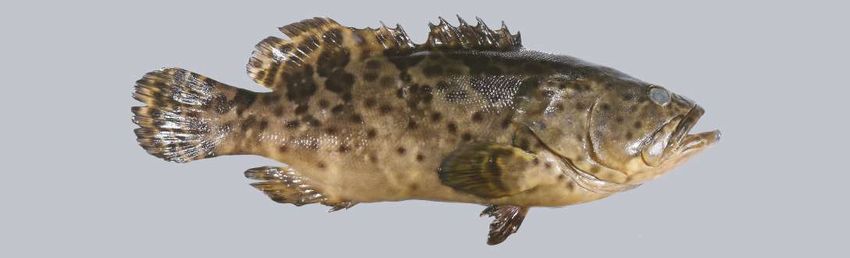
Issue 2/2020                                                                                   Chinese Fish Price Report

    Policy updates
    Moratorium on squid in Southwest Atlantic and East Pacific
    On 1 June, the Ministry of Agriculture and Rural Affairs (MARA) released a notice to strengthen squid
    conservation on the high sea to promote sustainable development of offshore fisheries. The announcement
    requires the implementation of an autonomous fishing moratorium of Chinese distance fi shing fle ets
    in major fishing grounds in the southwest Atlantic Ocean and east Pacific Oc ean st arting fr om 2020. The
    moratorium will last from 1 July to 30 September in the Southwest Atlantic between 32°S-44°S and
    48°W-60°W, and from 1 September to 30 November in the East Pacific O cean b etween 5 °N-5°S and
    110°W-95°W. All Chinese vessels operating in the designated areas have agreed to autonomously implement
    the fishing moratorium to protect squid resources and their spawning season.

    Some frog species are now managed by fishery authorities
    On 29 May, MARA and the National Forestry and Grassland Administration (NFGA) jointly announced
    that black-spotted frogs, spiny-breasted frogs, spiny-bellied frog, Chinese wood frog (Northeast wood frog),
    Heilongjiang wood frog and other related frog species are now to be managed by fishery authorities. Th e
    species that are affected by this policy all have long histories of being farm-raised and artificial breeding. This
    policy will further regulate the protection and management of frogs. MARA and NFGA will jointly determine
    the classification of other frog species and adjust relevant directories accordingly. Local fisheries and forestry
    authorities will promote the adjustment of critically protected wildlife directories in their areas in accordance
    with the laws and regulations.

    MARA: Strengthening the supervision of offshore fishery transshipment activities in the high sea
    On 22 May, MARA issued a notice requiring all transshipment activities on the high sea must be reported and
    carried out under the supervision of designated observers from1 January 2021. The regulation aims to improve
    capabilities and strengthen services for high sea transshipment and transportation activities. In addition, this
    regulation will also enhance transparency, standardisation and international competitiveness in the industry.

    Ministry of Transport: Vehicles transporting fresh agricultural products will not be tolled
    On 28 April, the Ministry of Transport announced the restoration of all public road tolls across the country
    starting from 6 May. However, vehicles transporting fresh agricultural products, including live and fresh fish,
    are exempt from tolls.

    MARA: Complete implementation of aquatic seedling origin quarantine system
    On 22 April, MARA announced the full implementation of the aquatic seedling origin quarantine system. This
    aims to achieve 100% quarantine declaration and 100% electronic certification by the end of 2022.

                                                              4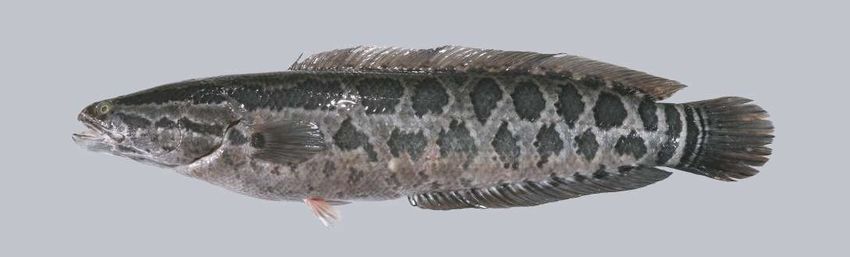
Issue 2/2020       Chinese Fish Price Report

                        ©unsplash/patwhelen
               5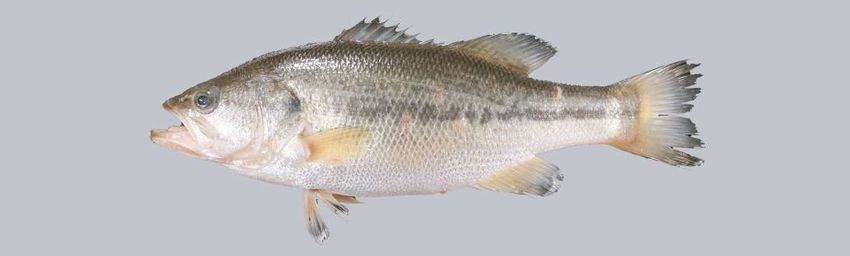
Issue 2/2020                                                                                  Chinese Fish Price Report

    Industry news
    China Agricultural Outlook 2020-2029 released
    On 20 April, the seventh China Agriculture Outlook Conference was held in Beijing. “China Agriculture
    Outlook” was released during the conference, introducing market analysis for 2019 and providing an outlook
    for production, consumption, trade and price trends over the next 10 years, covering 18 major agricultural
    products, including aquatic products. According to the report, aquatic products are showing slow growth
    trends and are expected to reach a total volume of 69.71 million tons in 2029, with an average annual growth
    of 0.7%. Aquaculture products are expected to have an average annual growth rate of 1.3% and are expected to
    represent 81.7% of total production in 2029. Aquatic product consumption is showing slightly higher growth
    than that of production and is expected to reach 72.32 million tons in 2029, with an average annual growth at
    0.9%. Within this, consumption as food is expected to increase by 1.1% annually, and demand for processing
    is expected to grow by 1.3% annually. The share of processed aquatic products in consumption is expected
    to increase, growing to 42.5% in 2029. Imports and exports of aquatic products are expected to decline in
    2020, largely as a result of COVID-19. However, import volume is expected to rebound in the second half
    of 2020, and predicted to reach 7.51 million tons by the end 2029. Export is expected to increase slightly to
    4.9 million tons in 2029. This implies that the current trade surplus will narrow progressively, gradually turning
    into a deficit.

    Stock reconstruction of wild Yangtze sturgeon (Acipenser dabryanus) through seed releasing
    On 25 May, the Yangtze River Basin Fisheries Administration Office of the MARA, Sichuan Provincial
    Department of Agriculture and Rural Affairs, and Yibin Municipal Government jointly implemented the
    stock reconstruction of wild Yangtze sturgeon, starting with releasing seed in Yibin, Sichuan. A total of 60,000
    Yangtze sturgeon juveniles, 5cm-10cm long, were released. These is hoped to effectively restore stocks and
    increase the species’ biomass. Restoring stocks and improving the ecosystem of the Yangtze River through
    preserving endangered fish and protecting aquatic resources may have great and far-reaching benefits.

    The Songhau River and Nenjiang River begin their fishing ban
    Starting from 16 May, the Songhua River and Nenjiang River area began a 77-day fishing ban. Fishing activities
    are prohibited, with the exception of recreational fishing.

    Guangzhou Huangsha New Aquatic Market begins construction
    Contruction of the Guangzhou Huangsha New Aquatic Market Construction Project began on 29 May.
    Stretching across 190 000 square meters and with a total investment of about RMB 2.7 billion, this complex will
    house a wide range of commercial activities. The project is planned to be completed and inaugurated in 2022.
    The current market has an annual trading volume of more than 270 000 tons, with a trading value of about
    RMB 8.6 billion, accounting for about 75% of the Pearl River Delta aquatic product supply. It is an important
    domestic aquatic product wholesale market, while also holding an important position in the national aquatic
    product distribution network.

    Production value and volume of farmed Qinghai salmon increased in 2019
    Salmon farming in Qinghai saw substantial growth in 2019. Output rose to 15 200 tons, with a value of RMB
    836 million, an increase of 3.37% and 12.97% respectively over the previous year. Moving forward, Qinghai
    Province aims to continue to promote the transformation, shifting its emphasis from increasing production
    volume to improving quality and efficiency, enhancing innovation and competitiveness.

                                                             6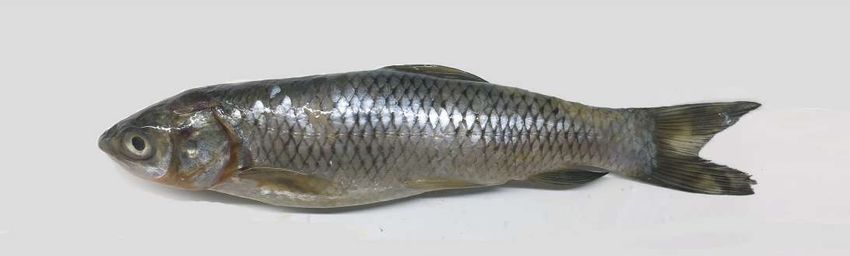
Issue 2/2020                                                                                    Chinese Fish Price Report

    BioMar Group-Wuxi joint venture feed factory put into operation
    Danish aquafeed company BioMar Group announced in early May that its factory in Wuxi had started operations.
    Output is about 50 000 tons per year, with production going to both the domestic and the international market
    and the possibility of further expanding capacity in the future. It is reported that the construction was originally
    planned to be completed by the end of 2019, however construction was delayed due to the pandemic. The Wuxi
    Factory can produce feed for sturgeon, rainbow trout, largemouth bass, and large yellow croaker.

                                                                                                 ©unsplash/mayear2019

                                                             7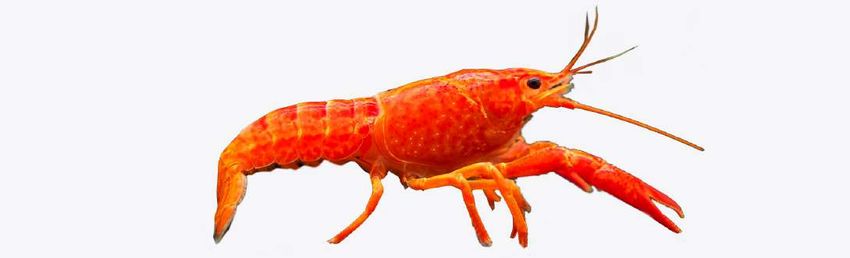
Issue 2/2020                                                                                         Chinese Fish Price Report

    Tilapia
    Oreochromis spp.

                                                                                            © Fish Biology Laboratory Xiamen University

    Consumption has been stimulated by the “street economy” proposed by the government in some places. The tilapia
    market has benefited from this economic initiative, especially in Yunnan Province where grilled tilapia is very popular,
    and where the overall price of fish has seen a significant increase.

    Prices for raw fish for processing are stable. Processing plants currently still prefer small and medium-sized fish due
    to relatively low prices. Many farmers in western Guangdong have started polyculture of channel catfish, yellow catfish
    and other species due to market depression.

                                                                8
Issue 2/2020                                                                                     Chinese Fish Price Report

    Red Swamp Crayfish
    Procambarus clarkii

    Supply of crayfish seed was saturated as COVID-19 reduced demand, while a warm winter favored propagation. Prices
    were as low as RMB 4-6 per kg in main production areas. Moreover, prevalent high densities of stocking limited the
    growth of crayfish in many areas, causing prices to remain low at between RMB12-18 per kg. Prices for medium and
    large size crayfish were stable, with crayfish sized at 20 pieces/kg size crayfish seeing similar price to last year.

                                                             9
Issue 2/2020                                                                                         Chinese Fish Price Report

    Grass carp
    Ctenopharyngodon idellus

                                                                                            © Fish Biology Laboratory Xiamen University

    The market demand for grass carp has increased since April. Grass carp supply continued to decrease, with prices
    on the whole seeing a recovery. Stimulation from holiday consumption and the start of the closed season has led to a
    rush to purchase, leading to rising prices nationally. Prices for fish between 1-1.5kg were around RMB 10.6 per kg in
    Zhongshan, Guangdong province.

    Heavy and continuous rain in June significantly affected production in Guangdong, Guangxi, Jiangxi and Hunan, with
    other areas also experiencing fluctuations. Farmers harvested en masse, leading to a glut in the market and subsequently
    dropping national prices. Prices for grass carp between 1-1.5kg were quoted as being RMB10.40 per kg, RMB 0.2 per
    kg less than last month. Prices are expected to rebound in the near future as the supply of grass carp diminishes.

                                                                10
Issue 2/2020 Chinese Fish Price Report
Largemouth bass
Micropterus salmoniodes
© Fish Biology Laboratory Xiamen University
With the gradual easing of the COVID-19 pandemic in China since April, the recovery of catering and holiday
consumption stimulated the market. Supplies of largemouth bass have been decreasing nationwide, with demand
exceeding supply, and the price of largemouth bass rising nationwide. The price in Foshan was RMB 39 per kg for
0.4kg fish in early June, up from RMB 17.4 per kg in March.
Some distributors in Guangdong and Jiangsu province have decreased or stopped sales to Beijing as a result of the
COVID-19 outbreak in Xinfadi wholesale Market in mid-June, which also delayed previous orders. The price of
largemouth bass (0.4kg) was RMB 38 per kg, RMB1 lower than early June.
11Issue 2/2020 Chinese Fish Price Report
Chinese snakehead
Channa spp.
© Fish Biology Laboratory Xiamen University
The market for Chinese snakehead was turbulent in the second quarter of 2020, but overall showed signs of recovery
on the previous quarter. During the Ching Ming festival prices rebounded to RMB 14 per kg. However, as holiday
consumption dwindles growth is expected to follow suit. The COVID-19 pandemic prevented farmers from harvesting
at the intended time, thus constraining them to keep fish in ponds for longer period and incurring significant losses.
The industry expects food and beverage consumption to gradually recover throughout the rest of the year, with prices
for fish peaking just before the next harvest between July and August.
12Issue 2/2020 Chinese Fish Price Report
Hybrid grouper
Epinephelusfuscoguttatus & Epinepheluslanceolatus hybrid
© Fish Biology Laboratory Xiamen University
In March, grouper showed a decline in both volume and price as a result of the pandemic. Demand from catering was
low and so farmers were unwilling to harvest. April is usually the off-season for grouper sales, which when coupled with
the impact of the pandemic kept prices low. That being said, market demand and prices increased slightly following the
May Day holiday. Oversupply as farmers rushed to fill this demand led to oversupply and falling prices. It is expected
that grouper price will remain low in the long-term, especially as prices failed to rise significantly during the holiday
season. Grouper prices continued to fall in mid-May, with prices often below cost of production. There is a shortage
of grouper in Fujian, and so dealers have been buying from other provinces at slightly higher prices. Local operators
in Fujian predicted the new harvest will come onto the market in September. The grouper industry has suffered in the
first half of the year, which has been hard for everyone from farmers to companies although particularly acute for small
and medium-sized enterprises.
13Issue 2/2020 Chinese Fish Price Report
Whiteleg shrimp
Penaeus vannamei
Prices plummeted following the Spring festival as a result of the COVID-19 pandemic, bucking the trend of previous
years where the period between the Spring Festival and the end of April saw consumption and prices peak. Limited
domestic supply of white leg shrimp caused prices to rise sharply in April, but there was still a price difference of RMB
16-20 per kg when compared to the previous year. Prices remained largely stable and rising through April, although
they fell again after the May Day holiday. Consumer spending on aquatic products has not recovered as strongly as meat
such as pork, beef and chicken. Large supplies of live shrimp from Jiangsu and Zhejiang have kept prices low. With the
coming of the harvest season (July-August), the price of white leg shrimp is expected to continue to decline.
14Issue 2/2020 Chinese Fish Price Report
Prussian carp
Carassius gibelio
© Fish Biology Laboratory Xiamen University
With the effective control of the COVID-19 pandemic, consumption has recovered as restaurants have reopened.
After the restrictions were lifted prices for Prussian carp initially rose but fell again as farmers rushed to sell. Ponds
were overstocked, but the market boom has largely emptied them.
At present, Prussian carp is in short supply domestically, especially larger-sized individuals. The overall market remains
stable with an upward trend and prices expected to rise further in the future.
15Issue 2/2020 Chinese Fish Price Report
Turbot
Scophthalmus maximus
© Fish Biology Laboratory Xiamen University
Largely consumed in restaurants, prices for turbot were severely affected by the COVID-19 pandemic. Demand
somewhat returned in March, but with catering still closed there was only limited household consumption. Turbot
prices continued to fall in March and April, and were often below cost of production for farmers. By May, government
support for reopening catering service led prices for many aquatic products to increase, although there was little impact
on turbot. In mid-May, spurred on by continuing losses in the sector, farmers and the Aquaculture Association came
together to fix minimum prices, which were set at RMB 26 for 0.5-0.7 kg. The initiative was supported by most farmers,
and saw prices for turbot rise to the level of previous years within the space of a week. Prices have remained stable thus
so far, although they are expected to drop slightly as the market recovers.
16Issue 2/2020 Chinese Fish Price Report
Mandarin fish
Siniperca chuatsi
© Fish Biology Laboratory Xiamen University
The volume and price of Mandarin fish declined in the first half of the year, largely as a result of the pandemic and
the subsequent large biomass held in ponds. From April to early May farm-gate price fluctuated at around RMB 41
per kg, often lower than the cost of production. Farmers and distributors alike suffered heavy losses. From mid-May,
fish stored in ponds in Hubei and Jiangsu were gradually consumed. Guangdong market recovered gradually, as the
weather stabilized and farmers were reluctant to harvest or sell. The price of mandarin fish has finally rebounded after
slumping for six months. In late May, prices rose by RMB 16 per kg, leaving farmers with scarce margin for profit in
the face of rising production costs. Ponds in Guangdong are expected to empty from late June to July, which may offer
some room for prices to rise.
17Issue 2/2020 Chinese Fish Price Report
18Issue 2/2020 Chinese Fish Price Report
19Issue 2/2020 Chinese Fish Price Report
20Issue 2/2020 Chinese Fish Price Report
21Issue 2/2020 Chinese Fish Price Report
22Issue 2/2020 Chinese Fish Price Report
23THE CHINESE FISH PRICE REPORT GLOBEFISH Products, Trade and Marketing Branch (NFIM) Fisheries Division Food and Agriculture Organization of the United Nations Viale delle Terme di Caracalla 00153 Rome, Italy globefish@fao.org www.globefish.org #FAOfish
You can also read


