CHOOSING SUSTAINABLE PALM OIL - Progress report on the import and use of sustainable palm oil in Europe - Aceite de palma sostenible.
←
→
Page content transcription
If your browser does not render page correctly, please read the page content below
CHOOSING
SUSTAINABLE PALM OIL
Progress report on the import and use
  of sustainable palm oil in Europe
FACTS & FIGURES 2017
WHY WE USE PALM OIL WHERE WE ARE WORKING ON
SUSTAINABLE PALM OIL1
Denmark
65% CSPO
GLOBAL HIGHEST VERSATILE RURAL INCOME
FOOD SECURITY YIELD PROPERTIES AND DEVELOPMENT Netherlands
88% CSPO
Belgium
MAKING PALM OIL SUSTAINABLE TO: 99% CSPO
United Kingdom
75% CSPO
Germany
85% CSPO
Respect Protect forests
human rights and wildlife RSPO France
2.51 million hectares certified under the 99% CSPO
Roundtable on Sustainable Palm Oil
standard in 2017
Spain
ISPO 44% CSPO
2.1 million hectares certified under the
Indonesian Sustainable Palm Oil
Use best practises Provide education standard in 2017 Italy
to increase yield and health 43% CSPO
MSPO
without expanding services to rural 518,793 hectares certified under the Countries with a signatory national initiative to the ESPO Commitment
into new areas communities Malaysian Palm Oil standard in 2017
Signatory governments to the Amsterdam Agreement
2to7 1,000 Target
74%
100%
99% 84% nnes 8100
tonnes
PE D
N
CSPO
of the palm oil imported of palm oil imported into of palm oil imported into of palm oil imported into of the palm oil imported for
into Europe was traceable Europe is sourced under Europe were covered Europe were covered food1 into Europe was RSPO sustainable
to the oil mill No Deforestation, No Peat, by RSPO credits by RSPO independent certified sustainable palm oil
No Exploitation bought by European smallholder farmer credits palm oil
(NDPE) policies companies bought by European Including small volumes for feed
1
in Europe by
and oleochemical
companies
Source: FEDIOL (2017) Source: Chain Reaction Research (2017) Source: RSPO (2017) Source: RSPO (2017) Source: RSPO, Eurostat and Oil World (2017)
2020
2 1
Data based on reporting by national initiatives to the ESPO commitment. ESPO monitoring report 3
Denmark
                                                                                                                       France
                                                                                                                       Germany
                                                                                                                       Italy
                                                                     We declare to work together and support each      The Netherlands
                                                                     other in transforming toward a 100% sustainable   Norway
                                                                                                                       United kingdom
                                                                     palm oil supply chain in Europe by 2020

                      Acknowledgments
                                                    Published
                                                 January 2019
                                    Research conducted in 2018

                                                                                            UK Roundtable
                                        The ESPO secretariat                                on Sourcing
                                                                                            Sustainable Palm Oil
                 MVO - The Netherlands Oils and Fats Industry
                                Zoetermeer, the Netherlands

    This report was made possible with the assistance of
           MVO - The Netherlands Oils and Fats Industry, IDH -
     the Sustainable Trade Initiative, EPOA (European Palm Oil
  Alliance), ESPOAG (European Sustainable Palm Oil Advocacy
       Group) representing AIBI - the International Association
         of Plant Bakeries, CAOBISCO - Chocolate, Biscuits and
Confectionery of Europe, FEDIMA - the Federation of European
       Union Manufacturers and Suppliers of Ingredients to the
  Bakery, Confectionery and Patisserie Industries, FEDIOL - the
       EU Vegetable Oil and Protein Meal Industry Association,
     IMACE - the European Margarine Association, and the ten
          national initiatives for sustainable palm oil in Europe.

                                                 Supported by
                                          Schuttelaar & Partners

                                                                                                                                  ESPO monitoring report   5
Contents
1 Preface			                                                         8
2 The palm oil sustainability challenge                              10
		 2.1     Sustainability initiatives in the palm oil supply chain
3 Sustainable Palm Oil in Europe                                     16
		 3.1     Imports of palm oil into Europe
		 3.2     Sustainable palm oil in Europe
4 Belgium 			                                                        20
		 4.1     Introducing the national initiative
		 4.2     Activities
		4.3      Progress
5 Denmark		                                                          26
		 5.1     Introducing the national initiative
		5.2      Activities

                                                                                  16
		5.3      Progress
6 France			                                                          28
		 6.1     Introducing the national initiative
		6.2      Activities
		6.3      Progress
7 Germany 		                                                         34

                                                                            10
		 7.1     Introducing the national initiative
		7.2      Activities
		7.3      Progress
8 Italy			                                                           40
		 8.1     Introducing the national initiative
		8.2      Activities

                                                                                  28
		8.3      Progress
9 The Netherlands		                                                  44
		 9.1     Introducing the national initiative
		9.2      Activities
		9.3      Progress
10 Norway		                                                          48
		 10.1 Introducing the national initiative
		10.2 Activities
		10.3 Progress
11 Spain			                                                          50
		 11.1 Introducing the national initiative
		11.2 Activities
		 11.3 Progress
12 Sweden		                                                          54
		 12.1 Introducing the national initiative
		 12.2 Activities
		12.3 Progress
13 United Kingdom		                                                  56

                                                                            44 48 56
		13.1 Introducing the national initiative
		 13.2 Activities
		 13.3 Progress
14 Conclusion		                                                      60
Figures & Tables		                                                   62
1 Preface
                  From baked goods to body creams, palm oil plays a big part in our day-to-day lives. Demand for the world’s most
                  versatile vegetable oil has been increasing for several years, and more and more farmers, smallholders, and labourers in
                  Africa, Asia, and South America are turning to the high-yield crop for income. But with this positive economic growth,
                  there is also the increased risk of unsustainable production processes demolishing tropical forests and peatland,
                  and unethical practices threatening livelihoods of smallholders and surrounding communities. Europe, as the second
                  largest global importer of palm oil has an important role to play by ensuring 100% of the palm oil in the products we
                  manufacture and use to be sustainable.

                  It was to this end that IDH (The Sustainable Trade Initiative) and MVO (The Netherlands Oils and Fats Industry)
                  established the European Sustainable Palm Oil (ESPO) project in 2015 - unifying supply chain actors across Belgium,
                  Denmark, France, Germany, Italy, the Netherlands, Norway, Spain, Sweden and the United Kingdom - and working with
                  governments and other stakeholders to develop specific action plans to achieve 100% certified sustainable palm oil in                       Joost Oorthuizen
                  Europe by 2020. Three years in, and two years from our goal, how are we faring?

                  In this third annual report, based on public sources, expert views, and the most recent and complete data available,
                  we present our latest figures on imports and use. Thanks to our European partners, we now have information on import
                  and trade flows in ten European countries.

                  The overall outcome is encouraging: 99% of palm oil entering Europe is now traceable to oil mill level. 84% of all palm
                  oil is covered by company sustainability policies that focus on ‘No Deforestation, No Peatland and No Exploitation’. At
                  the same time, producing countries such as Indonesia, Malaysia, and Colombia are stepping up their efforts through
                  national-level standards for mainstream sustainable production. Furthermore, regional and district governments
                  in collaboration with the private sector are developing stronger governance mechanisms to monitor and support
                  sustainable production.
                                                                                                                                                              Frans Claassen
                  On the other hand, in 2017, 74% of palm oil imported into Europe for the food, feed and oleochemical sectors was
                  certified sustainable (CSPO). This leaves a large gap to be filled within a short timeframe.

                  To reach the 2020 target, we urgently need to dial up the demand for sustainable palm oil throughout the value chain.
                  And we call on the private sector, governments, and NGOs to step up action to help us achieve this goal.

                  Manufacturers and retailers, you will be at the forefront of this drive; it is about buying sustainable palm oil in order to
                  eliminate the market for a product that does not conform to legal, economically viable, environmentally conscious and
                  socially beneficial standards.

                  Governments, we call on you to step up, through policy, starting with public procurement, to support companies in
                  making this shift. More governments need to sign the ‘Amsterdam Declaration in Support of a Fully Sustainable Palm
                  Oil Supply Chain by 2020’ and all need to engage at the highest level in a dialogue with private sector and producing
                  countries to identify bottlenecks and find solutions.

    1   Preface   And last but by no means least, NGOs: we ask you to support our strategy for engagement and dialogue to promote
                  sustainability with fair reporting. Calling for a ban on palm oil will not stop deforestation. It does not help to improve
                  livelihoods of farmers. At the same time both landscapes and livelihoods have to be improved by championing more
                  ethical production.

                  We have two years left to achieve a 25% increase in the import of sustainable palm oil. But it is only through a surge
                  in our combined efforts that we will drive the change towards 100% certified sustainable palm oil that is traceable to
                  plantation by 2020.

                                                                         Frans Claassen
                  Joost Oorthuizen			                                    Managing Director
                  Executive Director                                     MVO - The Netherlands Oils & Fats Industry
                  IDH - the Sustainable Trade Initiative                 Chair, European Palm Oil Alliance

8                                                                                                                                                ESPO monitoring report   9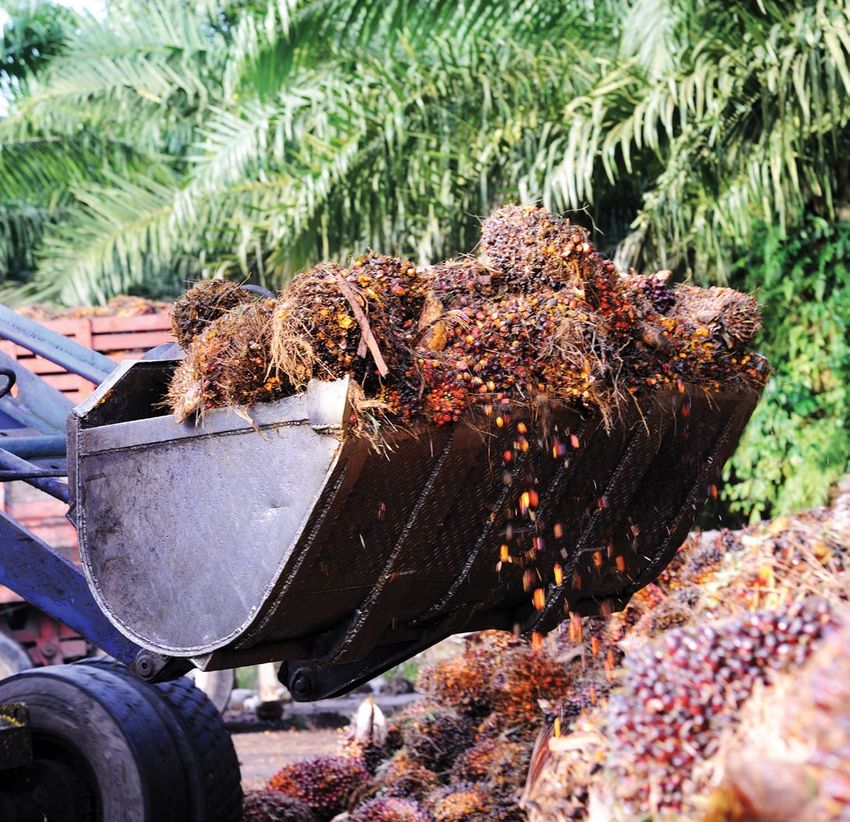
2 The Palm Oil Sustainability Challenge
                          Palm oil is the most widely produced, consumed and traded vegetable oil in the world.
                          Highly versatile in usage and extremely efficient in yield, palm oil has seen a significant
                          increase in global production and has become an important economic crop for many
                          emerging and developing nations. But there is a risk. Grown in the wrong way, palm
                          oil can have a negative impact on people, wildlife, nature and climate. If produced
                          sustainably, however, palm oil can play an important role in sustainably meeting the
                          growing global demand for vegetable oils.

                                                                                    FIGURE 1
                          About half of all packaged goods in the                   Palm 1oil production by country in 2017
                                                                                   FIGURE
                          supermarket contain palm oil as an ingredient.           Palm oil production by country in 2017
                          This includes both food and non-food items. Palm
                                                                                                 Other
                          oil is also used in the production of biofuels.                         11%
                                                                                                Other
                          With increasing demand, palm oil production has
                                                                                       Colombia 11%
                          grown tremendously over time. The oil palm is              Colombia2%
                          cultivated in almost all the tropical regions of the              2%
                          world. The main plantation areas are in Indonesia         Thailand
                          and Malaysia but, increasingly, it is also being                4%
                                                                                   Thailand
                                                                                         4%
                          cultivated in South America and Africa. As a result,
                          palm oil production has grown exponentially, as                                                       Indonesia
                                                                                                                                54%
                                                                                                                              Indonesia
                          illustrated in figures 1 and 2.                                                                     54%
                                                                                    Malaysia
                                                                                        29%
                                                                                   Malaysia
                          Oil production is the main reason for cultivation
                                                                                      29%
                          of oil palm trees. Its orange fruits grow in bunches
                          and each one consists of pulp and a kernel.
                          Palm oil comes from crushing the pulp, while
                          the crushed kernel produces palm kernel oil. The            Source: Oil World 2018
                          residue that is left after extracting the oil from the
                          kernel is palm kernel meal which can be used for
                          feed. Oil palm trees produce up to ten times more
                          oil per hectare than any other crop. Its efficiency
                          in production, versatility in application and
                          high oil content make palm oil the number one
                          vegetable oil.

                                    FIGURE 2
                                    Global palm oil production over time

     2
                                    (x 1000 tonnes)

         The palm oil     70,000

         sustainability
                          60,000

                          50,000

         challenge        40,000

                          30,000

                          20,000

                          10,000

                                0
                                    1998 1999 2000 2001 2002 2003 2004 2005 2006 2007 2008 2009 2010 2011 2012 2013 2014 2015 2016 2017

                            Source: Oil World 2018

10                                                                                                                                    ESPO monitoring report 11
Both economically and socially, palm oil is The two public certification systems are the Another sector-wide example is the ‘Commitment level of sustainability in producing regions. The
important. It drives the economies of many Indonesian Sustainable Palm Oil (ISPO) standard to support sustainable palm oil in Europe’. This objective is to verify the sustainability of an entire
emerging and developing nations, and its and the Malaysian Sustainable Palm Oil (MSPO) partnership is coordinated by the European jurisdiction (a municipality or district and later
production contributes to the livelihoods of certification scheme. In Indonesia, the government Sustainable Palm Oil project (ESPO). Various a province or state) so it is no longer necessary
millions of people.2 In the main producing initiated a public programme to improve National Palm Oil Initiatives in Europe have joined to verify each producer, mill or commodity
countries, Indonesia and Malaysia, around 60% of sustainable palm oil production to respond to forces in ESPO to commit to 100% certified palm individually. This allows sustainability targets
the area planted with palm oil trees is operated as international market reality and enhance the oil and to zero palm-oil-related deforestation related to forest and peat protection, labour, land
large scale plantations, while some three million competitiveness of its industry. This resulted by 2020. This private sector palm oil pledge tenure, governance and transparency to be much
smallholders account for 40% of total production. in the ISPO standard, created in 2011 as a was formally introduced during a conference more ambitious in scale and impact.
Despite its social and economic benefits, palm oil mandatory certification system for all companies organised by the Dutch Ministry of Foreign Affairs
production also faces significant challenges as in the Indonesian palm oil sector. Its focus is on in Amsterdam in December 2015. Simultaneously, The Compact has a mandatory core: the global
it can be linked to deforestation, land conflicts compliance with the Indonesian legal framework, the governments of key European Union countries VSA Performance Standard, the current draft of
and human rights violations. This is reflected in making it an important initiative, especially declared their support for the project by signing which covers five key themes of global concern:
the many initiatives covering different topics that for smallholders. 2.1 million hectares were the Amsterdam Palm Oil Declaration in support forest and peat protection, good governance,
are designed to harness the positive impact of certified under the ISPO standard in 2017: of a “private sector-driven commitment to 100% labour, land tenure and transparency. In the
palm oil production while addressing its adverse this is 200,000 hectares more than in 2016.3 The sustainable sourcing and increased traceability VSA model, any buyer, trader or interested third
effects. They range from certification and private MSPO was initiated by the Malaysian government of palm oil by no later than 2020.” The wider party will be able to easily assess the producing
sector commitments, mainly in the area of forest and formally implemented on a voluntary Amsterdam Declarations are intended to stimulate region’s status and progress on key sustainability
protection, to no use of peatland, no exploitation basis for Malaysian companies in 2015. The private sector commitment and progress on targets. This way, committed end-buyers can have
and landscape approaches. Malaysian government offers palm oil producing agricultural commodities associated with a better understanding of the products in their
companies financial incentives in support of MSPO deforestation (such as palm oil, soya and cocoa). supply chain and improve sustainability with direct
2.1 Sustainability Initiatives in certification. In December 2017, 518,793 support for the producing region.
the palm oil supply chain hectares were certified under the MSPO Sustainable landscapes and smallholder
Certified sustainable palm oil standard, almost double the area compared to inclusion Throughout this report we highlight case studies
The two dominant private palm oil production September 2017.4 Another important driver for sustainable palm in palm producing countries that demonstrate how
certification systems are the Roundtable on oil production is the integrated landscape various stakeholders are working together on the
Sustainable Palm Oil (RSPO) and the International Public and private sector commitments approach, which brings together companies, ground to integrate smallholder producers into
Standard for Carbon Certification (ISCC). RSPO Several companies that source or produce local communities, NGOs, the government and international supply chains, in many cases using a
is a global, multi-stakeholder initiative on palm oil have made individual and sector-wide other stakeholders to develop sustainable land landscape approach.
sustainable palm oil. Members of RSPO and commitments related to zero deforestation, no use plans and robust governance mechanisms.
its stakeholders include plantation companies, production on peatland, reduction of greenhouse Many organisations are currently piloting
processors and traders, consumer goods gas emissions and the protection of human rights. projects at landscape level in palm oil producing
manufacturers and retailers of palm oil products, These commitments are therefore often referred countries. Among these, IDH - the Sustainable
financial institutions, environmental NGOs and to as NDPE (No Deforestation, No Peat, No Trade Initiative (one of the initiators of ESPO) is
social NGOs. They come from many countries that Exploitation). A recent publication shows that of implementing a landscape approach in different
produce or use palm oil. During 2018, some key the 629 companies assessed, the majority (59%) provinces in Indonesia.
areas in the Principles & Criteria (P&C) of RSPO had made commodity-specific commitments on
were reviewed and improved. These included reducing deforestation.5 In 2017, 84% of palm An essential part of IDH’s approach are Compacts.
addressing deforestation, peatland protection oil imported into Europe was sourced A sustainability improvement deal (the Compact)
and conservation, human rights, labour rights under NDPE policies.6 Traceability is key to is made between private, public and civil society
and exploitation. Furthermore, the review process combatting deforestation in commodity supply stakeholders at jurisdictional level, e.g. a
highlighted the need to simplify the certification chains and 99% of the palm oil imported municipality, district or province, in a producing
approach for smallholders. This resulted in the into Europe in 2017 was traceable to the region. The Compact details priority sustainability
current development of a new standard for oil mill. Major food companies such as Unilever, topics, targets and responsibilities, seeking to
smallholders, including exploring a continuous, Ferrero, Mondelez and others have recently taken make best use of the strengths of each of the
phased improvement in compliance over a period important steps by publishing their entire palm oil partners involved. A Letter of Intent to develop
of time. A total of 2.51 million hectares were supply chains, including both their direct suppliers a Compact in Aceh Tamiang was signed on 2
certified under the RSPO standard in and the mills that indirectly supply them. Similarly, November 2018 by the Regent of Aceh Tamiang,
2017. ISCC certifies the biomass and bioenergy Wilmar International very recently issued a joint GAPKI Aceh, Forum Konservasi Leuser (FKL)
industries, oriented towards the reduction of statement with Aidenvironment and supporting and IDH Indonesia, and several multinational
greenhouse gas emissions, sustainable land use, consumer goods companies, giving details of companies also plan to sign soon. The parties
protection of the natural biosphere and social its new supplier monitoring and engagement commit to develop the sustainability improvement
sustainability. ISCC distinguishes between two programme.7 Such transparency and traceability deal (or green growth plan) by May 2019.
different chain of custody models (Mass Balance are essential to halt deforestation, not just for
and Segregation) and in doing so fulfils the palm oil but also for other commodity supply The Compact is the first step towards a Verified
traceability requirements of the EU Renewable chains such as beef and soya. Sourcing Area (VSA). VSAs are a new model
Energy Directive (RED) and the Fuel Quality for providing large volumes of commodities
Directive (FQD). in line with sustainability commitments at a
competitive scale and price, while lifting the base
2
IDDRI (2017), Implementation and effectiveness of sustainability initiatives in the palm oil sector, a review. 6
Chain Reaction Research. 2017. Unsustainable Palm Oil Faces Increasing Market Access Risks: NDPE Sourcing Policies Cover 74 Percent of Southeast Asia’s Refining Capacity. https://
3
Indonesian Sustainable Palm Oil (ISPO): http://www.ispo-org.or.id/index.php?lang=en chainreactionresearch.files.wordpress.com/2017/11/unsustainable-palm-oil-faces-increasing-market-access-risks-final-2.pdf.
4
Malaysian Palm Oil Certification Council (MPOCC): MSPO Certified Areas & Mills – As of December 2017 (ppt). 7
Available at: https://www.wilmar-international.com/sustainability/wp-content/uploads/2018/12/JOINT-STATEMENT-FINAL-07122018-with-Signatures-v3.pdf
12 5
Climate Focus. 2016. Progress on the New York Declaration on Forests: Eliminating Deforestation from the Production of Agricultural Commodities – Goal 2 Assessment Report. Prepared by Climate ESPO monitoring report 13
Focus in cooperation with the NYDF Assessment Coalition with support from the Climate and Land Use Alliance and the Tropical Forest Alliance 2020. http://forestdeclaration.org/wp-content/
uploads/2015/11/2016-Goal-2-Assessment-Report.pdf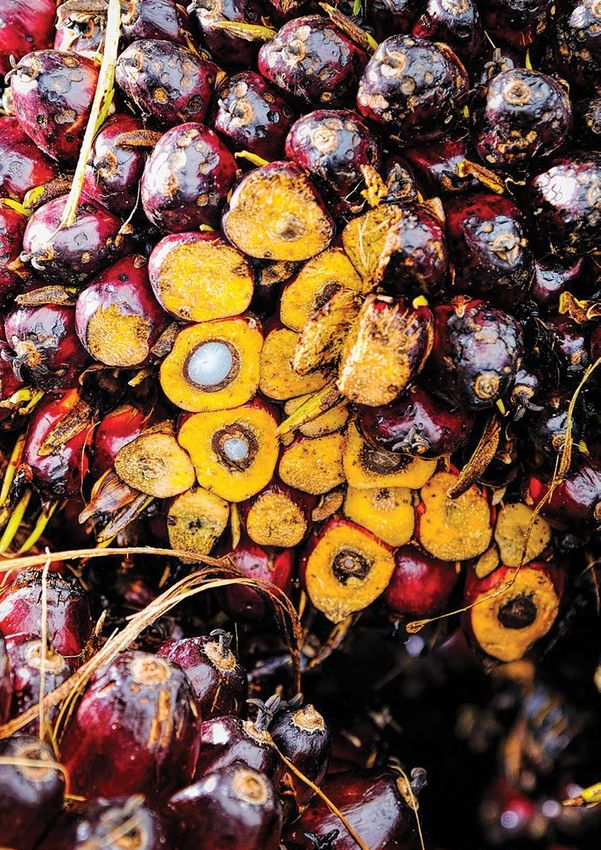
Case study:
1.1 Introduction " Aidenvironment – Sustainable
landscape
This report is the second annual monitoring projects
report presented by the European in West
Kalimantan"
Sustainable Palm Oil (ESPO) project. ESPO was established in 2015 by IDH, the
Sustainable Trade Initiative, and MVO, the Netherlands Oils and Fats Industry, to
stimulate the uptake of more sustainable palm oil by the European private sector.
The goal is to achieve 100% sustainable palm oil in Europe by 2020, working in close
collaboration with national initiativesAidenvironment
and associations to promote
is a value-driven shared learning,
consultancy that combines its knowledge of value chains and
improved monitoring of the use of sustainable
landscapes topalm oil, sustainable
enhance and transparent reporting
production onIt sees economic development as an
and trade.
the progress made. This second report givesthat
activity anblends
update of thewith
perfectly current state
nature of affairs.
conservation. Aidenvironment’s Asia office is based in
Indonesia and it is working with private sector companies, donor organisations and NGOs on the
As the world’s largest economy, and the second Sinceofitsthe
transformation lastpalm
report
oil,intimber
Novemberand 2016,
rubberwe now “This transformation entails two core
sectors.
largest global import market for palm oil, Europe approaches”, provide
FennekemoreBrascamp,
insights onsustainable
the palm oillandscapes
import andprogramme manager at Aidenvironment
is strongly positioned to lead the way in mitigating trade
Asia, tells us. “Oneflowis in 12 European
ensuring countries. The
full traceability report chains,
in supply also including traders, refineries and
the negative impact of palm oil production. Prior growers. The examines
other isthe theprogress
landscape of the 10 national initiatives
approach.”
to 2015, many declarations and commitments on united in ESPO. Ga. Nim ipsam ratia quas magniet
sustainable palm oil had been made — both in laboris velendu ntibus doluptam
Europe
With regard
and intopalm
traceability,
oil producing
Aidenvironment
countries. Building
helps consumer
Basedcompanies
on public sources,
trace palmexpertoilviews and the most simi, essi aut untestiorum repeles
upon these,
through their
ESPO
supply
waschains:
the firstainitiative
costly andto bring
time-consuming recent
task. and
“Various
complete types
dataofavailable,
researchthearereport equatestio. Nequae dollant
together thefor
conducted European
this, suchcountries
as deskmostresearch,
prominent
the collection
in provides
of satellite
comprehensive
images andbut drone
not yet
footage
exact insights ratquod ignissi molenim inctatque
the geographical
for palm oil supplyandchain.
agricultural
Working information,
closely with the
and continuous
on Europe’s monitoring’,
progress toward
says Priscillia
100% sustainable palm
Europeansustainable
Moulin, Palm Oil Alliance
sourcing
(EPOA),
programme
and the manager
Europeanat Aidenvironment.
oil. It is an open andSince honest
the fruit
analysis
only of the progress
Sustainable
stays fresh for
PalmoneOilorAdvocacy
two days, Group
bunches
(ESPOAG),
can be traced that
backwillto be
therepeated
plantation annually
withinasanESPO
areastrives toward
ESPO was
24-48 hours
alsodriving
instrumental
distance to around
gain support
the mills.
at Aidenvironment
its goal — engages
and aims directly
to engage
with all
palm
parties
oil who are
governmentusing
suppliers, levelawhich
landscape
resulted
approach.
in the 2015
“Together with not ouryetpartners,
active and
we toarejoin
working
the commitment
with palm for 100%
Amsterdam
oil companies Palmto Oil
set Declaration.
up sustainability policies and looking sustainable
for opportunities
palm oil. for them to work
together with the government, NGOs and villages on a landscape level”, says Brascamp. “Due
to their 25 to 30-year commitment to a plantation, these companies usually recognise they are
long-term stakeholdesr in the landscape and can therefore contribute to its development”, she
explains. In order to get there, Aidenvironment carries out spatial planning in villages around
the plantation to see which products other than palm oil could offer the villagers economic " We believe that
benefits, and their potential consequences for the landscape. “Palm oil trees need to grow for sustainable palm oil
five years before they fruit and provide few employment opportunities in this period, so other production can be
non-timber forest products may offer temporary employment for the villagers.” ideally integrated
into the landscape if
Brascamp admits that the myriad of actors within a landscape, besides the villagers and the palm oil industry
palm oil growers, make sustainable landscaping a difficult task. On the one hand, local or takes responsibility
central government may have other plans for the areas protected from deforestation by for sustainable
Aidenvironment, or they lack a landscape overview as government institutions often still local economic
looking discrete sector blocks (e.g. agriculture, forestry). At the same time, other companies development while
may have an adverse impact on the environment and claim they cannot influence regional protecting valuable
1
planning. Against this backdrop, Aidenvironment set up a forum in Ketapang district, West natural resources."
Introduction Kalimantan, where all these actors can connect. This allows community representatives, NGOs
and companies to share their knowledge as a way to help the government with sustainable
landscape planning.
Fenneke Brascamp,
sustainable landscapes
programme manager
One of the outputs of this forum is the business case for Indonesian palm grower Bumitama Aidenvironment
to take a landscape approach. They have been supported through the Bumitama Biodiversity
and Community Project (BBCP), convened by IDH. Together with implementer of the project
Aidenvironment, Bumitama has been working on the development of a wildlife corridor
between two high conservation value areas across some of their palm oil concessions in
Ketapang district. Local communities living in and around the corridor were simultaneously
supported in establishing land use plans.
Concluding, Brascamp says: “Aidenvironment believes that sustainable palm oil production
can be ideally integrated into the landscape if the palm oil industry takes responsibility for
sustainable local economic development while protecting valuable natural resources.”
14 ESPO monitoring report 15
3 Sustainable Palm Oil in Europe
                        As the second largest importer, Europe plays a key role in the global palm oil market.
                        The Netherlands, Germany, Spain and Italy in particular are large European importers
                        who hold a key position in the distribution of conventional and sustainable palm oil in
                        the European market.

                        3.1 Import of palm oil                                                       FIGURE 3
                        into Europe                                                                  Relative
                                                                                                      FIGURE 3 share of palm oil
                        The EU-28, India and China are the three largest                             importing    countries
                                                                                                      Relative share of palm oilcalculated
                                                                                                                                 importing countries
                        importers of palm oil. Other significant importing                           using   import
                                                                                                      calculated usinginimport
                                                                                                                         tonnesin tonnes
                        countries include Pakistan, Nigeria, Bangladesh
                        and the US, as illustrated in figure 3.                                                                                 India
                                                                                                                                                14%
                        Figure 4 shows that palm import by the EU-28 have
                        been relatively stable since 2013. The European
                                                                                                                                                 EU-28
                        Union imported 7.2 million tonnes in 2017, of which                                                                      12%
                        3.8 million tonnes for the food industry8 and 3.4                            Other
                                                                                                      54%
                        million tonnes for the energy sector. All feedstock                                                                      China
                        used for biofuels in the EU must comply with the                                                                         8%
                        Renewable Energy Directive (RED). This accounts                                                                          Pakistan
                        for 48% of Europe’s palm oil imports. Only the 3.4                                                                       4%
                        million tonnes used for food are considered in this                                                                    Nigeria
                        report, as the RED already stipulates the use of 100%                                                                  4%
                        certified feedstocks.                                                                                               Bangladesh
                                                                                                                                            2%
                                                                                                     Source: Oil World 2018            US
                                                                                                                                       2%

                        FIGURE 44
                          FIGURE
                        Total
                         Totalannual   import
                               annual import of of palm
                                                palm      oilIndia,
                                                     oil to    to EU-28,
                                                                    EU-28 and China
                        China,
                         (x 1000and India (x million tonnes)
                                 tonnes)

                       10

                        8

     3
                        6

         Sustainable    4

         Palm Oil
                                                                                                                                  EU-28
                        2                                                                                                         India
                                                                                                                                  China
                        0
                                      2012                  2013                   2014               2015           2016      2017

         in Europe      Source: Oil World 2018

                        8
                            Including relatively small volumes for feed and oleochemical industry.

16                                                                                                                                                          ESPO monitoring report 17
If we look at individual European countries in FIGURE
FIGURE 66
figure 5, it becomes clear that the Netherlands, Import
Import ofof physical
physical RSPORSPO certified
certified
Spain, Italy and Germany are the largest importers palm oilin in
palm oil EUEU (in tonnes)
(in tonnes)
of palm oil in the European Union (EU). Belgium, UK,
France and Poland are also significant players. At EU-
3,000,000
28 level the total import of palm oil is equal to the
total use, while trade between individual EU member 2,500,000
states is also an important factor that needs to be
2,639,181
2,547,767
considered. The Netherlands for instance, exports 2,000,000
a significant volume of palm oil to other European
2,044,541
countries, while Poland imports most of its palm oil 1,500,000
from other EU countries.
1,000,000
FIGURE 6
Import
FIGUREof
5 physical RSPO certified 500,000
Total
palm imports
oil in of palm oil
EU (in tonnes)
to the main players in EU 0
(x 1000 tonnes) 2015 2016 2017
Source: RSPO 2018
Netherlands 2515
In 2017, 271,000 tonnes of conventional palm oil
used by the European food industry was covered
1904 by Book & Claim certificates. This significant drop
Spain
in purchases of Book & Claim certificates in 2017
compared to 2016 is caused by a step-up to Mass
Italy 1485 Balance or Segregated supply chain models, which
is a positive development.
Germany 1316 FIGURE 7
Palmoil
FIGURE 7
in EU covered by Book
0 650 1300 1950 2600 and
Palm oil in EUcertificates
Claim covered by Book
Source: Eurostat/Comext, processed by (in
andtonnes)
Claim certificates (in tonnes)
Wageningen Economic Research for MVO -
the Netherlands Oils and Fats Industry, 2018
2,500,000
3.2 Sustainable palm oil 2,000,000
in Europe 2,206,948
2,206,948
The ambition of ESPO and the Figure 6 shows the import of RSPO physical certified 1,500,000
national initiatives is to use 100% sustainable palm oil (to refineries). RSPO is the main
certified sustainable palm oil certification standard for sustainable palm oil used 1,000,000
271,000
in Europe in the food, feed and for food in Europe. Imports of RSPO certified palm 766,658
766,658
oleochemical sector by 2020. oil into the EU-28 have increased rapidly from about 500,000
300,000 tonnes in 2012 to 2.6 million tonnes in
2017. This means that 74% of the palm oil imported
0
for food into Europe was RSPO certified sustainable 2015 2016 2017
palm oil in 2017.9 Source: RSPO 2018
More than 3 million smallholder farmers produce By 2020 ESPO and the national initiatives for
40% of the world’s palm oil. Certified sustainable sustainable palm oil aim to use 100% certified
palm oil helps smallholders to increase yields, sustainable palm oil in Europe. The following
improve their livelihoods, and reduce the risk of chapters (4-13) deal with the progress being made
land conversion. Buying special independent towards this ambition in those European countries
smallholder farmer credits improves access to with national initiatives. This doesn’t apply to all
international markets. In 2017, 8,100 tonnes of countries in Europe, as some are lacking a national
palm oil imported into Europe were covered by initiative and are therefore unable to report on
RSPO independent smallholder farmer credits the use of certified palm oil. This report focuses
bought by European companies. on eleven countries, represented by ten national
initiatives. In the coming years, we aim to conduct a
monitoring for all European countries.
9
Including relative small volumes for feed and the oleochemical industry.
18 ESPO monitoring report 194.1 Introducing the national “We immediately acted on the challenges they put
initiative to us and remain in a constructive dialogue”, says
The Belgian Alliance for Sustainable Palm Oil Jelmen Haaze, secretary general at BASP. BASP
represents the most significant food manufacturers also organised a palm oil conference with palm oil
and vegetable oil refiners in Belgium. As well as the producing countries in 2018.
food sector, producers of oleochemicals, cosmetics,
detergents, adhesives and sealants are also aligned BASP shares best practices and the latest
with the initiative, together representing some available research on sustainable palm oil with its
500 companies. Sector federations are also membership and relevant stakeholders. (and relevant
among BASP’s members. stakeholders toevoegen). Additionally, members BASP is contributing to
are encouraged to discuss how sustainable palm oil transitioning the sector
The commitment of the Belgian Alliance for results and monitoring can be improved. “The good to 100% sustainability. And with
Sustainable Palm Oil to have 100% CSPO by the thing about the situation in Belgium is that non- success: since December 2015,
end of 2015 has been met. At that time, the target members are just as aware as members of BASP’s BASP member companies have
was already combined with further ambitions in the activities and are willing to follow-up on our ideas”, achieved their aim of using only
areas of traceability, forest and peatland protection says Haaze. He adds that this was shown by the fact RSPO-certified sustainable palm
and support for smallholders by 2020. BASP defines that even invited non-member sectors have brought oil (Round Table for Sustainable
sustainable palm oil as being certified according to their members to an event organised by BASP in Palm oil) in their food
RSPO principles and criteria. It should be traded in October this year. products for the Belgian market.
conformity with either Book & Claim, Mass Balance,
Segregation or Identity Preserved. 4.3 Progress
Since December 2015, BASP member companies
On top of the 100% CSPO target already reached, have succeeded in their aim of using only RSPO-
members of BASP have committed to the following certified sustainable palm oil in their food products
additional requirements by 2020: for the Belgian market.
• Sustainable palm oil must be fully traceable
• Sustainable palm oil production may not Figure 9 shows the results for the Belgian market.
contribute to deforestation - preserving forests For 2017, BASP went beyond direct members in the
with High Conservation Values, High Carbon Stock reporting. This means that increased volumes were
Areas and peatland, irrespective of their depth reported. With 16 reporting companies BASP still
4
• Producers have to take action to reduce notes a reported 99% of sustainable palm oil used in
Belgium greenhouse gas emissions through the use
of RSPO Best Practices
• Sustainable palm oil respects the rights of
workers, local communities and the population,
products intended for the Belgian market.
The Belgian Alliance for Sustainable Palm Oil (BASP) based on the principle of free, prior and informed
was founded in 2012 and has members from sector consent of the communities
federations and companies. Its 500 company members • Sustainable palm oil production promotes the
represent small and medium sized companies (SMEs) development of small and independent farmers
and large manufacturers throughout the value chain by involving them in the supply chain
(for food and oleochemicals). The goal of 100%
certified sustainable palm oil (CSPO) was reached in Besides aiming for 100% CSPO and beyond, BASP
2016 and so BASP is currently working towards more aims to restore the image of palm oil in Belgium
ambitious targets for 2020 in the areas of traceability, and rebalance the debate on palm oil from a
forest and peatland protection and support for sustainability and nutritional point of view.
smallholders while continuing efforts to rebalance
the debate on palm oil.
4.2 Activities
To promote a more balanced public debate on
palm oil and ensure a greater uptake of sustainable
palm oil, BASP proactively engages with the media
and other relevant stakeholders. This is done in
coordination with relevant organisations at both
national and international levels. This year, for
example, BASP engaged with NGOs following
a critical report.
20 ESPO monitoring report 21FIGURE 10
General palm oil use in Belgium
FIGURE
(x 10008 tonnes)
General palm oil use in Belgium (x 1000 tonnes)
600 2015
2016
500 2017
400
300
200
100
0
Import Export
Source: Eurostat/Comext, processed by
Wageningen Economic Research for MVO -
the Netherlands Oils and Fats Industry, 2018
FIGURE 9
Share of sustainable palm oil used by BASP company members,
incl. supply chain model
2014
Total share 2015
RSPO 2016
2017
RSPO
Book & Claim
RSPO Mass
Balance
RSPO
Segregated
0 20 40 60 80 100
Source: BASP 2018
22 ESPO monitoring report 231.1 Introduction Case study:
" Agropalma – Family farming
and
Sustainable Palm Oil (ESPO) project. ESPO forest
was established in 2015conservation"
This report is the second annual monitoring report presented by the European
by IDH, the
Sustainable Trade Initiative, and MVO, the Netherlands Oils and Fats Industry, to
stimulate the uptake of more sustainable palm oil by the European private sector.
The goal is to achieve 100% sustainable palm isoila in
Agropalma Europe
large bycompany
palm oil 2020, working in close
and was the first in Brazil to produce 100% sustainable palm
collaboration with national initiativesoiland associations
in 2011. As well as to promote
39,000 shared
hectares learning,the company maintains 64,000 hectares of
of plantations,
improved monitoring of the use of sustainable palm
forest reserves and oil, and transparent
operates its own transportreporting
system, on
significantly enhancing its traceability efforts.
the progress made. This second report givesimportant
Another an update of the
aspect current
which typifiesstate of affairs.
Agropalma’s approach is its family farm programme, which
includes purchasing all the families’ palm fruits. Almost all Agropalma’s export production
As the world’s largest economy, and the second is exported Since
to Europe.
its last report in November 2016, we now
largest global import market for palm oil, Europe provide more insights on the palm oil import and
is strongly positioned to lead the way in mitigating trade flow in 12 European countries. The report also
the negative
“Being the first
impact
in Brazil
of palm
with
oil RSPO
production.
certification
Prior hasn’texamines
just benefitted
the progress
Agropalma’s
of the 10 national initiatives
to 2015, manysays
reputation”, declarations
Tulio Dias,andthecommitments
company’s Corporate
on united
Social in Responsibility
ESPO. (CSR) manager. Ga. Nim ipsam ratia quas magniet
sustainable
“It has alsopalm
broughtoil had
smallholders
been madevarious
— bothtools
in to improve their livelihoods. The areas in laboris velendu ntibus doluptam
Europethe
which andwein palm
operateoil producing
are home countries.
to many localBuilding
communities,”
Based on says
public
Dias,
sources,
“and these
expertare
views
critical
and the most simi, essi aut untestiorum repeles
upon
to Agropalma’s
these, ESPOlicence
was thetofirst
operate.”
initiative
25% to bring
of the fruit isrecent
produced and by
complete
small local
data farmers
available,and
the report " Wequatestio.
e keep, protect,
Nequae dollant
together
our integrated
the European
outgrowers.
countries
To make
most prominent
sure all smallholders
in provides
comply comprehensive but not yet exact insights monitor
with RSPO, Agropalma andmolenim
ratquod ignissi studyinctatque
the palm
sends teams
oil supply
of technicians
chain. Working
and agronomic
closely withengineers
the toontheEurope’s
family progress
farms at toward 100%a sustainable palm the 64,000 hectares
least twice
European
month. “Their
Palm assistance
Oil Alliancerelates
(EPOA),toand growing
the European
the palms oil.
better
It isand
an open
checking
and honest
performance of the progress of forest we have
analysiswith
Sustainable
key indicators
PalmforOil
RSPOAdvocacy
P&C, which
Group each
(ESPOAG),
farmer has tothatcomply
will be
with”,
repeated
Dias annually ESPO strives toward inside our own plan-
explains.asThis
ESPO washealth
includes also instrumental
and safety measures,
to gain support
such atas machineryitswith
goalvisual
— andand aims
audible
to engage
warnings, and who are tations and farms:
all parties
government on
regulations level
thewhich
use of
resulted
pesticides
in theor2015
advice on mechanical
not yetweeding.
active andAgropalma
to join the has
commitment
also for 100% we don't touch them
Amsterdam Palm
cooperated with Oil
Solidaridad,
Declaration.
a Dutch NGO that specialises sustainable
in supporting
palm oil.smallholders around but just keep them as
the world. “Together with them, we’ve brought almost all the farmers into RSPO compliance.” they are"
"
Dias is proud to say that Agropalma can truly deliver on traceability: “The mills belong to us, Tulio Dias,
we have documented agreements with all the plantations that supply the mills. The majority CSR manager Agropalma
of the fresh fruit bunches (FFB) comes from our own plantations. Every time a truck comes to
our mill to be weighted, it brings a full file specifying exactly which blocks of the plantation
the fruit comes from.” The fact that its own plantations and forest reserves form a continuous
block and that FFB suppliers are located around these plantations, makes the management
of this process yet easier. The forest reserves are another particular yet strategic factor in
Agropalma’s list of best practices. Realising that deforestation is a major concern for its
competitiveness, Agropalma protects the forest areas around its plantations from deforestation
and, in partnership with Conservation International, tries to enhance their biodiversity. “We
keep, protect, monitor and study our 64,000 hectares of forest and all the flora and fauna we
have inside our own plantations and farms. We don’t touch these forest reserves; just keep
them as they are. We employ 32 people to protect the boundaries of our forest reserves every
day, preventing loggers and hunters from entering the forest and removing traps.”
Satisfied with RSPO’s current position in stimulating sustainable palm oil around the world,
Dias concludes by emphasising the importance of a single clear certification system compared
with different competing private certification/sustainability methods that are popping up in the
market. “We are afraid that this will take us back to the situation before RSPO, with people
being really upset about palm oil production, a total lack of transparency and each company
sailing its own course through turbulence. Such a situation makes it very difficult for small
producers to deal with each of these different kinds of operators.”
24 ESPO monitoring report 255.1 Introducing the national 5.3 Progress
initiative The Danish palm oil initiative monitoring report is
The Danish palm oil initiative is led by the Danish expected by next year. The goal of 100% sustainable
Food and Drink Federation and sixteen of its largest palm oil usage, according to the Book & Claim
members have joined the initiative. The primary model, was reached in 2016. Its members are well
objective is to create more awareness of sustainable on the way to meeting the 2018 target of switching It is estimated that 65% of the
palm oil in Denmark and thereby increase demand. to segregated sustainable palm oil in their supply palm oil imported into Denmark is
By signing a statement confirming agreement with the chains. The Danish Ministry for Environment RSPO certified.
initiative’s objectives, members committed to use only and Food is also working with the University of
certified palm oil from 2016, according to the Book & Copenhagen in conducting a study on the use
Claim model, and to switch to segregated sustainable of sustainable palm oil in Dennmark. The study
palm oil by the end of 2018. estimates that 65% of the palm oil imported into
Denmark for food is RSPO certified.
5.2 Activities
In line with its objectives, the Danish palm oil
initiative has hosted several events on sustainable
palm oil. Last year, over a hundred university
students participated in a lively debate with civil
society organisations, WWF and Greenpeace, and
companies from the Danish food industry on how
palm oil sustainability can be advanced, including
through consumer choice. “Young consumers in
Denmark are concerned about the issues surrounding
palm oil and are eager to learn how they can
contribute. With this event, we provided an open
information exchange and contributed to knowledge
of sustainable palm oil”, says Sven Pedersen, senior
advisor in the Danish Food and Drink Federation
which leads the Danish palm oil initiative. This year,
an event on the Sustainable Development Goals was
5
organised as part of a Danish political festival. One
Denmark of the member companies, Arla Foods, highlighted
the work it is doing on sustainable palm oil. This
was very well received and helped to create more
awareness of our goal of 100% sustainable palm oil
The Danish Food and Drink Federation Initiative usage in Denmark.
for Sustainable Palm Oil was established in 2014
to stimulate the use of sustainable palm oil on the
Danish market. In 2016 it achieved its first objective of
100% sustainable palm oil usage in Denmark, at least
via Book & Claim. Progress on reaching its second
objective of switching to segregated sustainable palm
oil by 2018 is well underway.
FIGURE 10
General palm oil use in Denmark
(x 1000 tonnes)
200 2015
2016
2017
150
100
50
Source: Eurostat/Comext, processed by
Wageningen Economic Research for MVO -
0 the Netherlands Oils and Fats Industry, 2018
Import Export
26 ESPO monitoring report 276.1 Introducing the national
initiative
The Alliance for the Preservation of Forests
recognises the value of collective action - as
something greater than the sum of individual
corporate actions - in shifting all supply chains
towards greater responsibility. With that goal
in mind, the Alliance brings together financial
institutions, manufacturers, retailers and other
businesses whose activities lead to deforestation.
Members of the Alliance have committed to move
gradually to 100% verified procurement supply
chains for key commodities at a European level (palm
oil, soy, timber, cocoa, and beef being the initial
commodities). The members of the Alliance remain
committed to 100% sustainable palm oil by 2020,
with criteria exceeding RSPO. The members have
also committed to source 100% traceable and zero
deforestation palm oil.
6.2 Activities
With a strong belief that multi-sector and landscape
approaches are essential to leverage sustainable
production practices on the ground in producing
countries, the Alliance also recognises the support
needed from importing countries. On this demand Oil (EURT) in Paris in June 2018, followed by the
side, Laure d’Astorg, executive director of the Amsterdam Declaration Conference. Furthermore, the
Alliance for the Preservation of Forests, foresees Alliance supports the SALSA (Sustainable Agricultural
“a radical transformation of consumption patterns, Landscapes in Southeast Asia) platform initiated by
6
which must be accompanied by institutional the CIRAD (the French Agricultural Research Centre
France communication campaigns with the general public,
but also by the commitment of public authorities
and economic and financial operators to eradicate
deforestation in their supply chains”.
for International Development). Page 32 contains
further details of this initiative.
6.3 Progress
In April 2018, the French Alliance for Sustainable Figure 12 shows that by the end of 2017, the
Palm Oil became the Alliance for the Preservation of The Alliance engaged in various related activities in Alliance for the Preservation of Forests has almost
Forests. The reason behind this is that sector-wide 2018, including chairing. The “economic activities” achieved its first target of 100% certified sustainable
approaches which up to now have been developed working group of the National Group on Tropical palm oil purchased by its corporate members. The
in silos, are inadequate to fight deforestation and so Forests (GNFT) under the aegis of four Ministries company members of the Alliance are now focussing
it was felt that there was an urgent need to act in a (Ministry of Europe and Foreign Affairs, Ministry on their second target of using zero deforestation
concerted way. Moreover, multi-sector and landscape of Ecological and Solidarity Transition, Ministry of palm oil by 2020.
approaches are the only way to stop deforestation Agriculture and Food, Ministry of Overseas) and
according to the scientific community and NGOs. The formulating recommendations for the National Figure 13 shows the breakdown of sustainable
Alliance aims to support preserving the last remaining Strategy on No Deforestation (axis 15 of the Climate palm oil bought by the member companies via the
tropical forests and ecosystems of the world by uniting Plan), which was launched in November 2018. different supply chain models. In 2017, 77% of the
all committed private sector actors with the support of Also, during the French presidency of the Amsterdam palm oil was sourced under a segregated regime
NGOs and governments. This approach is in line with Declarations (January to June 2018), the Alliance (either through RSPO or a system equal or superior
the Paris Agreement, the United Nations Sustainable took part in several official delegations conducted to it). The period between 2012 and 2015 shows a
Development Goals (SDGs), the New York Declaration by the French Ambassador for the Environment to rapid decline in sourcing via the Book & Claim model
on Forests and the Amsterdam Declarations. Malaysia, Indonesia and Ivory Coast in order to and a sharp increase in other Segregated sustainable
reinforce dialogue and partnerships with palm oil.
producing countries.
As a member of the RSPO Principles & Criteria (P&C)
Review Task Force, the Alliance actively contributed
to reinforcements to P&C, to be voted upon during
the General Assembly on November 2018. The
Alliance also supported the RSPO in the organisation
of the European Roundtable on Sustainable Palm
28 ESPO monitoring report 29FIGURE XX
General palm oil use in France
(x 1000
FIGURE 11 tonnes)
General palm oil use in France (x 1000 tonnes)
500 2015
2016
400 2017
300
200
100
0
Import Export
Source: Eurostat/Comext, processed by Wageningen Economic
Research for MVO - the Netherlands Oils and Fats Industry, 2018
FIGURE XX
Proportion of sustainable palm oil
purchased by direct company
FIGURE 12
members of the French Alliance for
Percentage of sustainable palm oil purchased by direct company
Sustainable Palm Oil
members of the Alliance for the Preservation of Forests.
100%
80%
60%
40%
20%
0%
2012 2013 2014 2015 2016 2017
Source: The Alliance for the Preservation of Forests, 2018
FIGURE XX
Distribution of palm oil purchases
by type
FIGURE 13of supply chain model
Distribution of palm oil purchases by type of supply chain model
2017
RSPO Book 2016
& Claim 2015
2014
2013
RSPO Mass 2012
Balance
RSPO
Segregated
Other
segregated
0% 10% 20% 30% 40% 50% 60%
Source: The Alliance for the Preservation of Forests, 2018
30 Sustainable palm oil inESPO
10 European countries
monitoring report 311.1 Introduction Case study:
" ESPO
CIRAD –inSustainable
This report is the second annual monitoring report presented by the European
Sustainable Palm Oil (ESPO) project. was established 2015 by IDH, the
Agricultural Landscapes
Sustainable Trade Initiative, and MVO, the Netherlands Oils and Fats Industry, to
stimulate the uptake of more sustainable palm oil by the European private sector. in
collaboration with national initiativesSoutheast
and associations to promote Asia: the SALSA
The goal is to achieve 100% sustainable palm oil in Europe by 2020, working in close
shared learning,
the progress made. This second reportpartnership platform in
improved monitoring of the use of sustainable palm oil, and transparent reporting on
gives an update of the current state of affairs.
Malaysia and Indonesia"
As the world’s largest economy, and the second
largest global import market for palm oil, Europe
Since its last report in November 2016, we now
provide more insights on the palm oil import and
is strongly positioned to lead the way in mitigating
CIRAD, a French
trade public
flow in research
12 European
organisation
countries.with
The report
more than
also 70 years’ experience in tropical
the negative impact of palm oil production. Prior agriculture,examines
set up thetheSustainable
progress ofAgricultural
the 10 national
Landscapes
initiativesin Southeast Asia (SALSA) platform
to 2015, many declarations and commitmentsinon2016. Working united predominantly
in ESPO. on sustainable palm oil cultivation Ga.
in Nim ipsamand
Indonesia ratia quas magniet
Malaysia,
sustainable palm oil had been made — both in the project combines scientific research with advanced training forlaboris velendu
agricultural andntibus doluptam
conservation
Europe and in palm oil producing countries. Building
students andBased
professionals
on public sources,
who want expert
to become
views andsustainable simi, essi
the most plantation aut untestiorum
designers repeles
and managers.
upon these, ESPO was the first initiative to bring recent and complete data available, the report equatestio. Nequae dollant
together the
“Training is European
essential to
countries
the current
most certification
prominent inprocessprovides
for sustainable
comprehensive
agricultural
but notpractices
yet exact insights ratquod ignissi molenim inctatque
thetropical
in palm oilregions”,
supply chain.
says Working
Alain Rival,
closely
university
with theprofessor
on Europe’s
and focalprogress
point fortoward
CIRAD’s100%
palmsustainable
oil palm
Europeanprogramme.
research Palm Oil Alliance
“Training
(EPOA),theand
coming
the European
generation oil.
of farmers
It is an open
and plantation
and honest executives
analysis of the progress
Sustainable
is of paramount
Palm interest
Oil Advocacy
because
Groupthe(ESPOAG),
next generation are
thatnotwillinterested
be repeated
in this
annually
type as
of ESPO
work strives toward
ESPO
as they
was
perceive
also instrumental
farming astoonly
gainfield
support
workatfor those with
its goal
little— orand
no education.
aims to engage
Unlike
all parties who are
government
their parents,level
theywhich
now resulted
have access
in theto2015
education and are
notlooking
yet active elsewhere”,
and to join he
thecontinues.
commitment for 100%
Amsterdam farming
“However, Palm Oil will
Declaration.
need to be seen by the next generation
sustainable of palm
palmoil.
oil producers as an " Farming will need to
opportunity to get interesting jobs and create economic growth and prosperity in rural areas be seen by the next
which can provide a better quality of life to millennials than most of the congested Asian generation of palm
capital cities. Consequently, SALSA will focus on the emergence of an international Master’s oil producers as an
course aimed at attracting students to sustainable plantation management.” opportunity to get
interesting jobs and
The SALSA project is building directly on research into ecological intensification and best create economic
management practices following a landscape approach which enables the integration of growth and prosperity
conservation and agricultural and forestry activities. The aim is to coordinate science-based in rural areas"
approaches so that uncontrolled deforestation can be halted. SALSA also aims at investigating
the resilience of inter- or multi-cropping systems. The wide diversity of practices and Alain Rival, CIRAD
expectations found in smallholder farmers’ populations and their limited knowledge of good
agricultural practices, including good planting material, is yet another finding by SALSA’s
researchers. “Most independent smallholders don’t know which type of planting material
they’re buying. So by choosing the wrong seed, they make a 30-year mistake”, Rival explains.
“This also applies to unnecessary pesticide or fertilizer use: independent smallholders often
don’t benefit from advice from plantation or governmental extension services. Governments
are not doing enough in this respect and research has a role to play in making knowledge and
innovation available to people in the field”, Rival adds.
At the other end of the supply chain, palm oil buyers do not always appreciate the actual
circumstances at and around the plantations. The SALSA project organises plantation visits
since, according to Rival, “When people visit the plantations and surrounding villages, they
start realising why the landscape approach is so important. Additionally, it creates a lasting
dialogue for the upstream and downstream markets.” Together with the growing positive
stance of several Indonesian regional governments towards the landscape approach, Rival
expects this jurisdictional approach of sustainable plantation management to become an
increasingly common way of certifying sustainable palm oil.
Rival concludes with the importance of education for sustainability. “Beginning early
with sustainability in agricultural education is very important. Otherwise, future plantation
managers won’t understand sustainability certification or even the benefits of creating
sustainable landscapes.”
32 ESPO monitoring report 33You can also read


