City of Melbourne food PoliCy - planning for the future of our food
←
→
Page content transcription
If your browser does not render page correctly, please read the page content below
City of Melbourne Food Policy

planning for the
future of our food
4 Policy statement
 7 Introduction
11 Vision
11 Themes and ambitions
12 A strong, food secure
   community
14 Healthy food choices for all
16 A sustainable and
   resilient food system
18 A thriving local
   food economy
20 A city that celebrates food
23 Implementation
   and evaluation
26 References
27 Glossary

      2                           city of melbourne food policy   3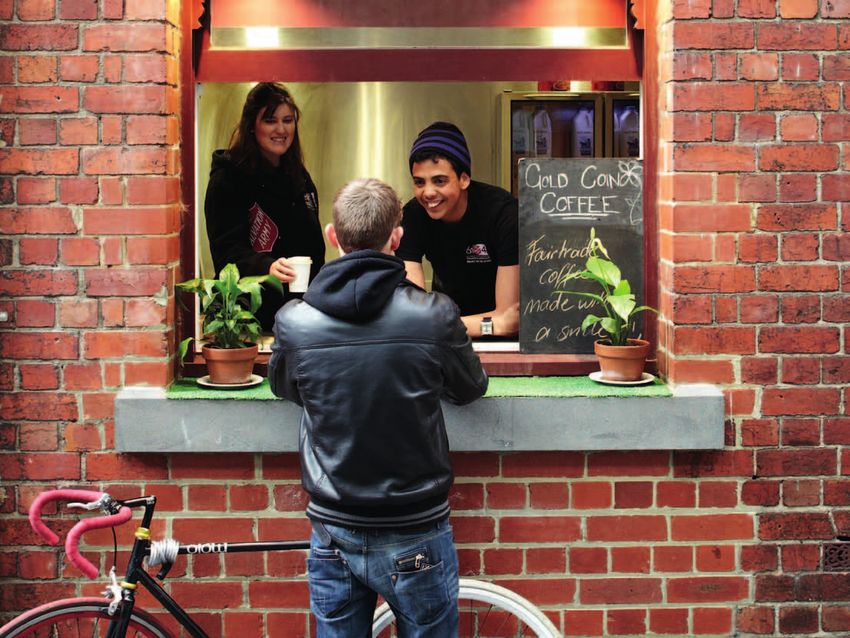
Policy Statement

The City of Melbourne recognises the impact food can
have on our lives and our community – it contributes to
our physical and mental health, can strengthen our local
economy and foster cultural and social connection.

In our role as a leading local government, the City of Melbourne
is committed to improving the health and wellbeing of our
community through promoting a food system that is secure,
healthy, sustainable, thriving and socially inclusive.
This policy provides us with a vision and framework to guide
coordinated action and decision-making to ensure sufficient
access to good food for all, now and into the future.

                                                                   ‘Food is such an important part of the Melbourne
                                                                     lifestyle and experience. To me, food means
                                                                     sharing a fun meal with friends, catching a
                                                                     quick bite to eat before a show, lounging over
                                                                     a weekend lunch with my someone special.’
                                                                   Laura, resident/student/worker

4                                                                                                                  city of melbourne food policy   5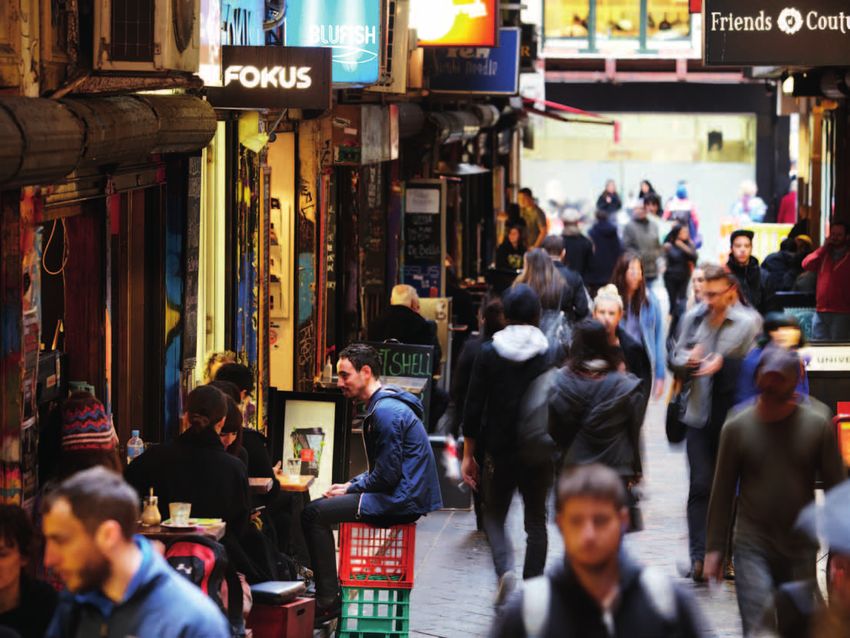
‘I love visits to the Victoria Market   Introduction
      and farmers’ markets, and getting
      really fresh vegetables and fish,
      free-range eggs, chicken and pork.’    Melbourne is renowned for the quality of its food and we often assume we will
    Michael, Resident
                                             always have plentiful access to good food. Our temperate climate allows a wide
                                             variety of foods to be grown close to Melbourne all year round. This ready food
                                             supply has drawn people to live and eat here for thousands of years, from the first
                                             Indigenous communities through to European settlers and the current population.

                                             The way we eat is an important part of how we connect as         fluctuations in the price of food. Resources such as oil,
                                             people and communities, and also influences the strength         land and water are becoming scarcer and more expensive,
                                             of our local economy and the quality of our environment.         increasing the cost of producing and transporting food and
                                             The availability, accessibility and sustainability of healthy    limiting where and how it can be grown. Simultaneously,
                                             food is as essential to Melbourne’s liveability as the quality   there is increasing demand for food as the population
                                             of our public spaces, services and neighbourhoods.               grows. These challenges mean we can no longer take
                                                                                                              our food supply for granted.
                                             The City of Melbourne has influenced the shape of our
                                             food system since its inception, when the first institutions     Our attitude to food is undermining our health. Almost
                                             of government were set up to enable the management of            half of males and nearly a quarter of females within
                                             its markets. Our food now comes from all over the world.         the municipality are now either overweight or obese,
                                             Vibrant markets, like the Queen Victoria Market, with its        and diet-related illnesses, such as type 2 diabetes and
                                             emphasis on fresh Australian produce, are still much             cardiovascular disease, are increasing. Rising levels of
                                             loved features of the city.                                      chronic disease are related to changes in our environment
                                                                                                              and our lifestyle, including an increase in the availability
                                             There are however, signs that our food system is facing
                                                                                                              and consumption of foods high in sugar, fat and salt.
                                             serious challenges, and the way we respond will shape
                                                                                                              Most of us are not eating enough fruit and vegetables
                                             the quality of life within the municipality for many years to
                                                                                                              to meet our nutritional needs.
                                             come. The changing climate is having a noticeable impact
                                             on the reliability of food production, causing significant

6                                                                                                                                  city of melbourne food policy         7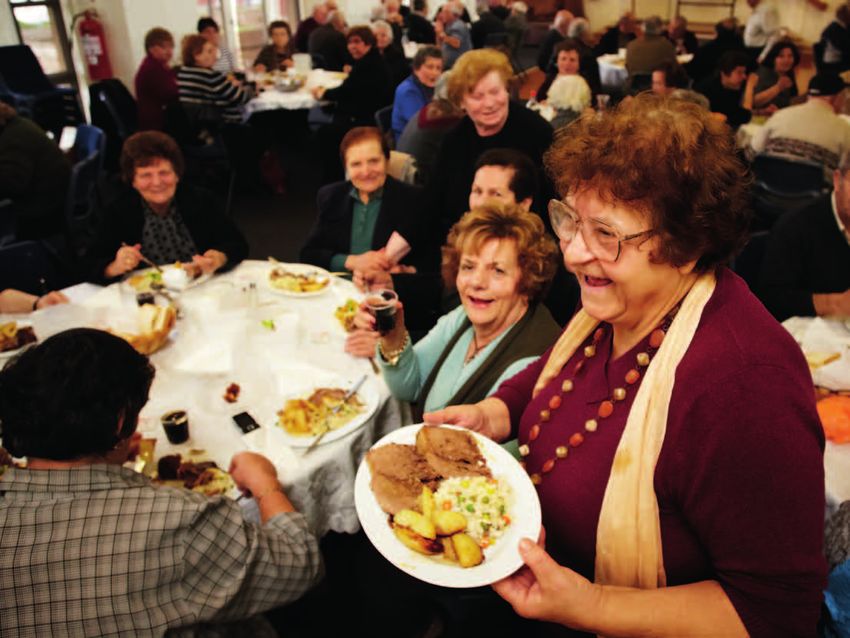
Many people within the City of Melbourne also face daily
challenges in accessing enough healthy food for a healthy
                                                              We can draw on the city’s unique character and flair for
                                                              innovation as we work towards a healthy, sustainable,
                                                                                                                             City of Melbourne Role
life. The people who are typically more vulnerable to poor    fair and thriving food system. For example, increasing
food access or food insecurity include:                       the amount of food we produce in the municipality could
                                                              strengthen community resilience, support education
›	low income households (including single parents,
                                                              about food, maximise the use of available resources            We all have a role to play in creating a food system that is secure, healthy,
   sole person households, students, people who
   are unemployed)
                                                              (like water and organic waste) as well as generate new         sustainable, thriving and socially inclusive, including community, business,
                                                              businesses. Working together to create a new food system
›	older adults, particularly those who are frail or          will shape who we are and have profound positive impacts
                                                                                                                             other organisations and all levels of government. The City of Melbourne
   socially isolated                                          on our quality of life, identity and culture for decades and   cannot bring about this change alone, but there are areas where we can
›	people with a disability or a mental illness               centuries to come.                                             make an effective local contribution. Our roles include:
›	people with poor access to transport                       The City of Melbourne Food Policy recognises we need to
›	people with a low proficiency in English, particularly     work together to address the challenges facing our food        Education and Community Development –                     Regulation and Infrastructure Management –
   new migrants and refugees                                  system and to ensure we have sufficient access to good         providing information and supporting the development      managing our statutory responsibilities as well as
›	people in housing stress or who are homeless.              food for all, now and into the future. This policy is the      of skills that enable people to choose, grow, prepare     our resources and infrastructure (such as open spaces,
                                                              result of significant work involving broad consultation with   and serve nutritious and sustainable food.                waste management and public buildings) to support
The challenges faced by these vulnerable groups in            the community and stakeholders, identifying and analysing                                                                the development of a healthy, sustainable and fair
accessing sufficient food may worsen over time as                                                                            Leadership and Advocacy – leading by example through
                                                              the issues and developing a vision and areas for action.                                                                 food system.
natural resource constraints and climate stresses affect                                                                     the food that we buy and make available and advocating
                                                              It is also founded on a strong evidence base to ensure it
our food supply, leading to increases in the cost of food                                                                    for policy change at all levels of government.            Research – building an evidence base to guide action and
                                                              aligns with current best-practice research in the field.
along with other essential household costs such as petrol                                                                                                                              decision-making including conducting research, collecting
                                                                                                                             Building and Strengthening Partnerships –
and utility costs.                                            The aim of this Food Policy is to improve people’s health                                                                and interpreting data about food supply and consumption
                                                                                                                             partnering with key players including community groups,
                                                              and wellbeing by promoting a food system that is secure,                                                                 patterns and investigating barriers to change.
Some people are also experiencing increasing disruptions                                                                     local business, professional stakeholders and other
                                                              healthy, sustainable, thriving and socially inclusive
to their food supplies as a result of emergency situations.                                                                  levels of government.
                                                              through partnerships, leadership, advocacy, education,
For example, extreme weather events can affect the food       community development, regulation, infrastructure
we have available to us. We also need to be prepared          management and research.
to support nearby communities who have suffered an
emergency which has impacted their ability to access food.    The policy provides an overarching vision and framework
                                                              for the City of Melbourne that guides coordinated action
A vibrant food economy thrives on diverse food supplies       and decision-making to improve our food system.
and business structures, the very qualities at the heart of
Melbourne’s food sector and multicultural food precincts.

8                                                                                                                                                                                                          city of melbourne food policy        9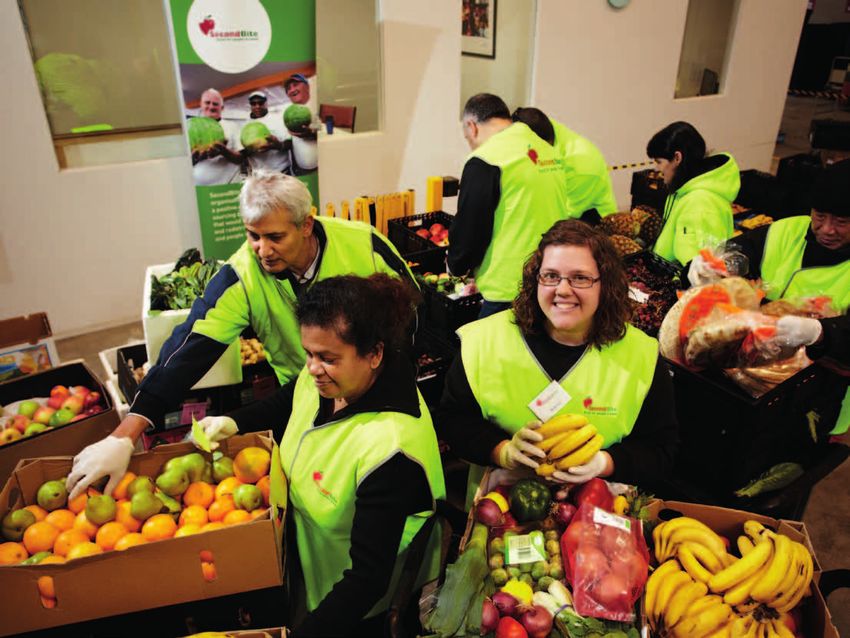
Vision

                                                     A food system that is secure, healthy, sustainable, thriving and socially inclusive.

                                                     The City of Melbourne will work with the community and other partners
                                                     to achieve a food system where:
                                                    › Everyone in our community has access to sufficient nutritious,
                                                      safe, fair and culturally appropriate food both now and in the future.
                                                    › Our community embraces healthy eating and nutritious food.
                                                    › The food we produce and consume improves our environment, regenerates
                                                      our natural resource base and promotes sustainable and fair food practices.
                                                    › Thriving and resilient food businesses and enterprises across the city and
                                                      the state support strong local and regional economies.
                                                    › We celebrate our diversity, multicultural food traditions and promote
                                                      Melbourne as a city of great food.

                                                     Themes and ambitions
‘More food should be grown locally. In a high
 density area like the municipality of Melbourne,
 vertical gardens and roof top gardening             Drawing on the results of the community consultation and research base,
 (public and private) should be promoted.’           the City of Melbourne has identified the following five key themes and a set
Melissa, worker
                                                     of ambitions to provide a framework for achieving the policy vision.

10                                                                                                              city of melbourne food policy   11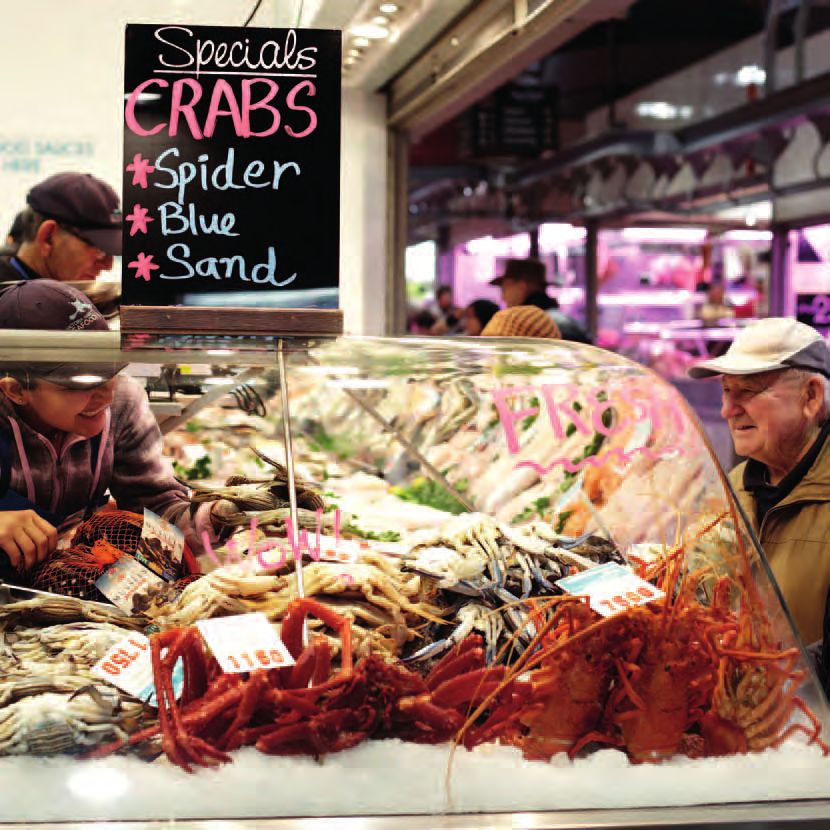
THEME 1

 A strong, food secure
 community

 Access to nutritious and safe food is a basic human right, but for some
 people there are challenges in consistently being able to get the food
 they need on a daily basis. Food security can be improved if communities
 increase their capacity to grow and prepare their own food. It can also
 be improved when communities are empowered to guide change, and
 work in collaboration with local government and businesses to shape
 their local food system.

 Our ambitions are to:
› Increase access to nutritious, safe, fair and
  culturally appropriate food for all people in the
  municipality – this requires a focus on those
  who are most vulnerable.
› Build knowledge and skills for food provision
  within the community.
› Encourage broad community participation
  in decisions and activities that shape the
  city’s food system.

 Actions to meet these ambitions could include: establishing a food
 policy committee or partnership forum that embeds community
 and business participation in shaping Melbourne’s food system,             ‘Being able to access food is a
 and creating opportunities for everyone to learn about good food –
 how to grow it, cook it and eat it.
                                                                              basic human right. Food = Life’
                                                                            Emily, worker

 12                                                                                     city of melbourne food policy   13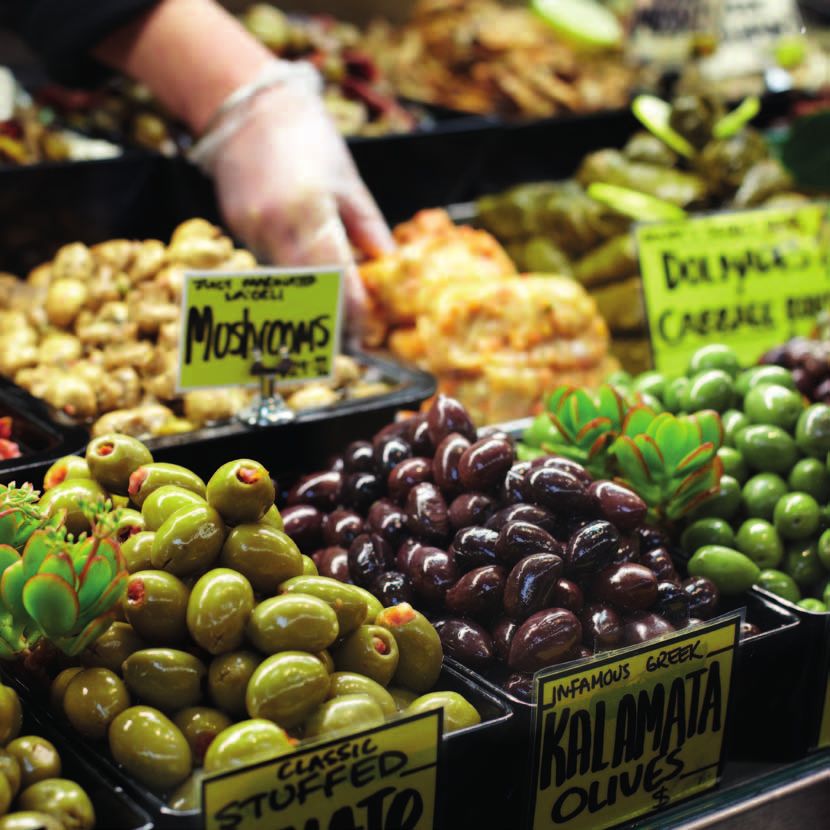
THEME 2
                                                                         ‘It means a lot of energy.
 Healthy food                                                              Food helps your body.’
 choices for all                                                         Caitlin (age 7), resident

 Increasing the availability of nutritious, sustainable and safe food
 within the city supports the health and wellbeing of people now and
 into the future. Raising awareness about the principles of a healthy,
 sustainable diet also enables people to make food choices that
 enhance their health and wellbeing.

 Our ambitions are to:
› Improve and promote the availability of
  nutritious food options in the municipality.
› Raise awareness about what is involved in
  a healthy, nutritious diet.
› Ensure the provision of safe food by regulation.

 Actions to meet these ambitions could include: developing healthy
 and sustainable procurement standards for food purchased by the
 City of Melbourne; giving awards for community programs that
 increase production and consumption of sustainably produced,
 seasonal fruit and vegetables; investigate ways to raise awareness
 around genetically modified food; and providing accessible food
 safety resources and support to businesses and community groups.

 14                                                                                                    city of melbourne food policy   15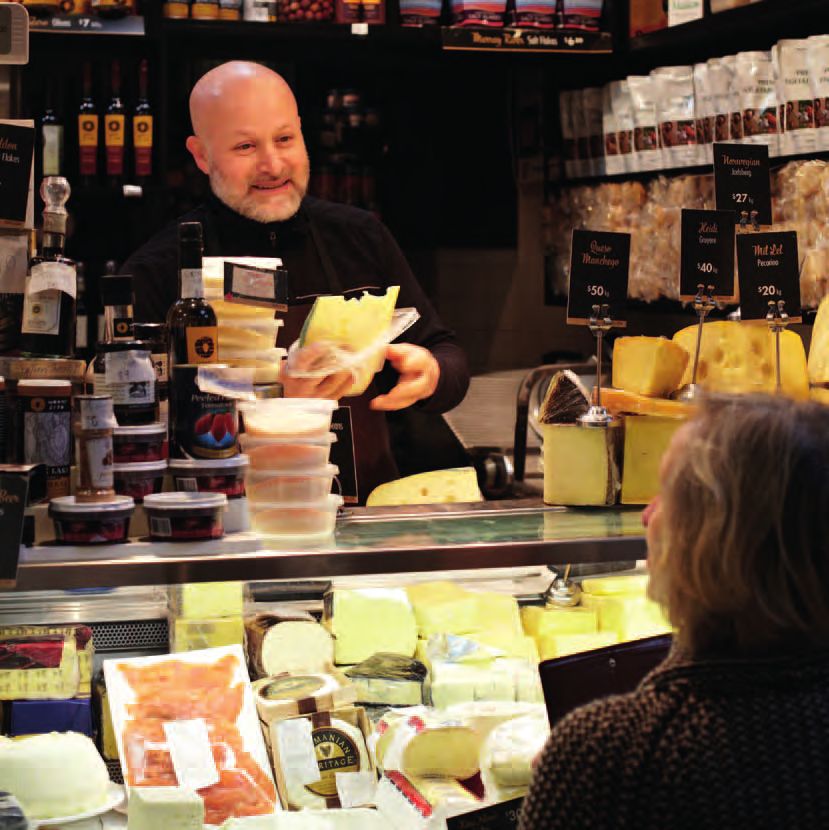
THEME 3

 A Sustainable and                                                    ‘Can we keep expecting so much
                                                                        variety and availability year round?
 resilient food system                                                  Can we continue wasting so much food?’
                                                                      Julia, resident

 By supporting sustainable food production and consumption
 within the city and nearby regions we can reduce the negative
 environmental impacts of Melbourne’s food system and enhance
 our future food security.

 Our ambitions are to:
› Encourage environmentally sustainable
  food practices.
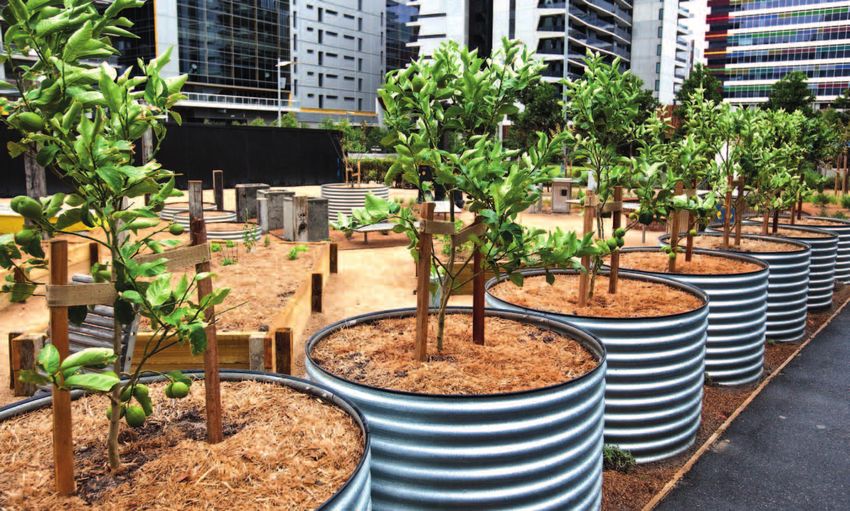
› Increase food production within the municipality.
› Reduce food waste through encouraging
  redistribution of food and recycling of organic
  waste and water.

 Actions to meet these ambitions could include: advocating for
 the preservation of prime agricultural land on Melbourne’s fringe;
 educating households and food businesses to reduce food waste;
 supporting innovative forms of local agriculture; and identifying
 opportunities to reduce the greenhouse gas emissions associated
 with Melbourne’s food consumption.

 16                                                                                                              city of melbourne food policy   17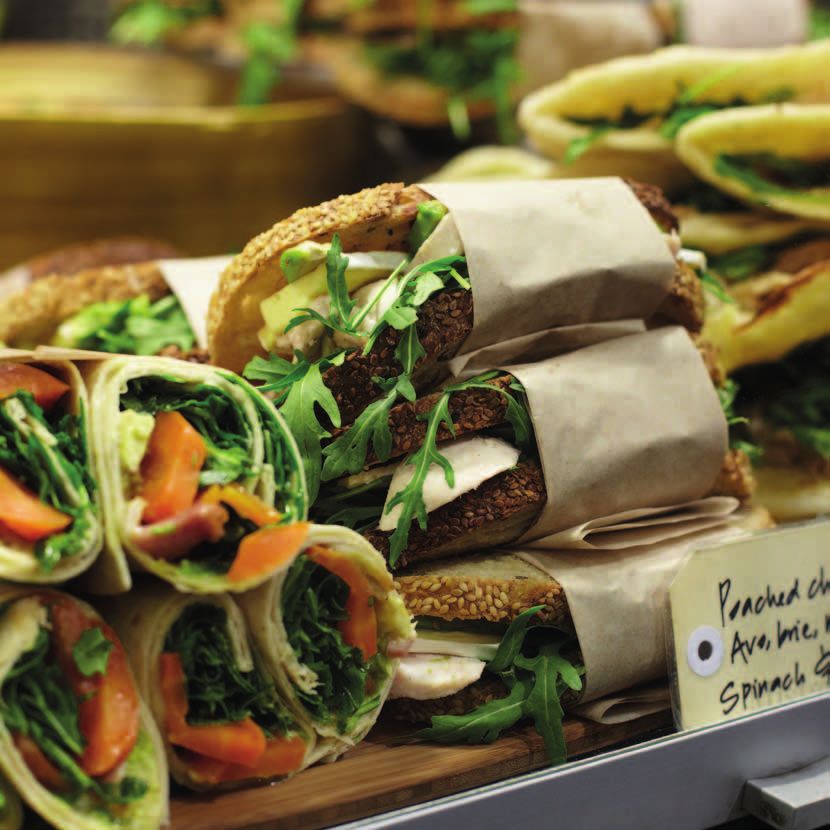
THEME 4

 A thriving local
 food economy

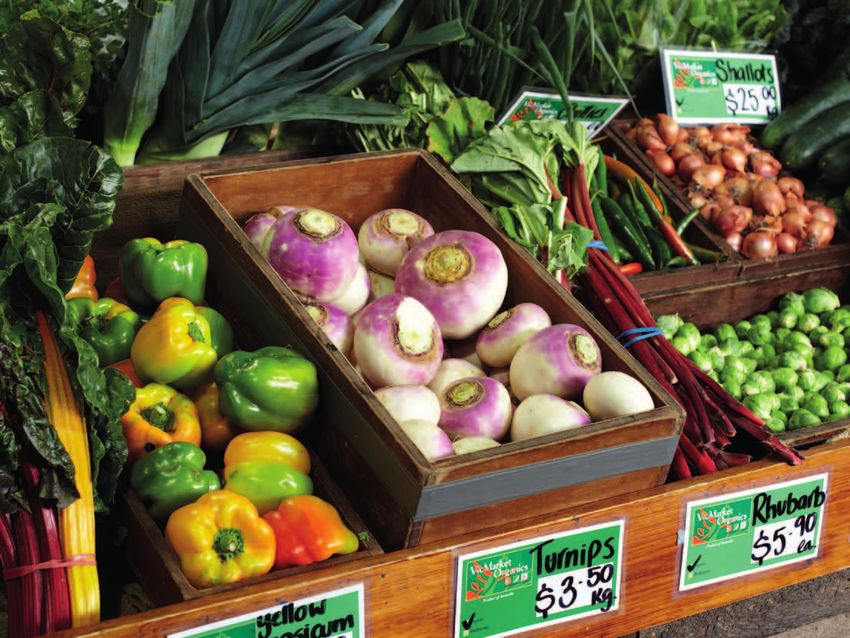
 Our thriving food sector provides a rich range of employment
 opportunities, strengthening our local economy. Increasing the
 opportunities to buy fresh, seasonal foods from Victorian producers
 also supports our regional economy and enhances the quality and
 character of the food sector within Melbourne.

 Our ambitions are to:
› Promote a vibrant and diverse food sector that
  extends Melbourne’s reputation as a world class
  ‘city of food’.
› Increase the opportunities for city residents and
  visitors to purchase local and regionally-
  produced food.
› Investigate innovative food system solutions.

 Actions to meet these ambitions could include: developing existing
 assets like the Queen Victoria Market as food hubs that facilitate
 business and community access to sustainable, regional food;
 encouraging and fostering small independent food businesses and
 social enterprise; and working with existing city food businesses to
 enhance and promote the availability of healthy food choices.

 18                                                                     city of melbourne food policy   19
THEME 5
                                                                           ‘Food is more than just a meal -
 A city that                                                                it is about bringing people together
 celebrates food                                                            and sharing conversations.’
                                                                           Jim, worker

 The experience of sharing meals and eating together is an
 important part of life and connects us with others. Melbourne is a
 city that loves to celebrate food through its markets and restaurants,
 its festivals and in the everyday shared celebrations that take place
 within our culturally diverse community.

 Our ambitions are to:
› Promote the diversity and quality of the
  municipality’s food cultures.
› Encourage shared celebrations of food that
  bring people together, strengthen social
  inclusion and build connected communities.
› Celebrate stories of food that reconnect us to
  its source and the natural world.

 Actions to meet these ambitions could include: celebrating and
 promoting the changing food seasons through events and activities;
 providing facilities that encourage sharing of food, such as community
 kitchens, cooking facilities and tables in shared spaces; encouraging
 the celebration of Indigenous and other culturally diverse food
 cultures; and increasing the range of healthy eating options at events.

 20                                                                                                                city of melbourne food policy   21
Implementation
and evaluation
This policy will be implemented through an action plan which
outlines timelines for achievement, resources required and
responsibilities for delivery. This policy will also undergo a
process of regular review to ensure its effectiveness in meeting
the policy aim and vision. This will include a process of evaluation
which measures what has been completed and the effect of the
work on the community and the local food system.
Progress and outcomes of the policy will be reported back to
the Melbourne City Council and community at regular intervals.
22 city of melbourne food policy 23Economic built natural social
environment environment environment environment
Challenges: Challenges: Challenges: Challenges:
5,000 22% 95% 46%
People find healthy food difficult to access[2]. People want more opportunities to grow food[3].
M
Some areas have poor People are worried about
adults ran out of food and of people say that the high access to supermarkets[2]. food quality and the use of of adults don’t eat of adults don’t eat IND
synthetic chemicals and enough vegetables. enough fruit[1]. ‘RES
were unable to afford more cost of food prevents them
genetic modification[3]. T
in the last 12 months[1]. from accessing the quality
and variety they want[1]. The fast food sector in the
40%
34% 14%
central city has grown by
Many people rely on emergency food relief services[11].
over 50% 1 in 3 40,000 of household
rubbish sent
MELBOURNE HAS GOOD
PUBLIC TRANSPORT AND
to landfill inAND CYCLING
of males are overweight of females are overweight
10% 11%
HIGH QUALITY NETWORKS
in the past decade[4]. FOR WALKING [3]
Existing assets: tonnes of organic waste from Melbourne is
city users consume food and retail services[4]. organic waste[5].
fast food when they
Diverse food businesses[3]. MELBOURNE’S FOOD IS A MAJOR
are in the city[4].
DRAW-CARD FOR THE TOURISM of males are obese of females are obese[1]
ExistingINDUSTRY,
assets:WITH EATING OUT IN THE Existing assets:
$108m
The city’s food services ‘RESTAURANT CAPITAL’ THE TOP THING
industry employs around TO DO FOR BOTH INTERNATIONAL
Rooftops cover People want knowledge and skills to cook and eat well[3].
The Queen Victoria Market TOURISTS
AND DOMESTIC Melbourne
[10] has good public
30,000 90%
is the municipality’s best transport and high quality
70%
source of fresh food[3]. networks for walking and
spent annually on food cycling[3]. People say they don’t have time to cook[3].
and beverage by business
tourists[7]. people and generates over of the Melbourne
of the potable water needs Existing assets:
$700m
CBD area[8].
could be met by stormwater
and roof-water runoff[9]. Rich diversity of cultural foods[3].
MELBOURNE HAS GOOD
PUBLIC TRANSPORT AND
HIGH QUALITY NETWORKS
to Melbourne’s economy FOR WALKING AND CYCLING[3] Many active food rescue organisations[3]. Melbourne’s food is a major draw-card for the tourism
(2009–10)[6]. industry, with eating out in the ‘restaurant capital’ the top
MELBOURNE’S FOOD IS A MAJOR thing to do for both international and domestic tourists[10].
DRAW-CARD FOR THE TOURISM
All figures relate to the City of Melbourne municipal area INDUSTRY, WITH EATING OUT IN THE
‘RESTAURANT CAPITAL’ THE TOP THING
24 TO DO FOR BOTH INTERNATIONAL city of melbourne food policy 25
AND DOMESTIC TOURISTS[10]References Glossary
1 Victorian Population Health Survey, 2008. Fair food Food system
2 Haw, C. & Pizzinga, J. (2010), An Assessment of the Accessibility and Affordability of Nutritious Foods in the City of Melbourne. Food that is adequately priced for farmers and consumers The chain of activities beginning with the production of
provided through a supply chain that has fair working food and moving on to include the processing, distributing,
3 City of Melbourne Food Policy Community Consultation, 2011. conditions and high standards of animal welfare. wholesaling, retailing and consumption of food and
4 City of Melbourne (2009), Urban Health Profile 2008, Melbourne City Research. eventually the disposal of waste.
Food access
5 Donovan, J., Larsen, K. & McWhinne, J. (2011), Food-sensitive planning and urban design: A conceptual framework Food access refers to the ability of individuals, households Healthy food
for achieving a sustainable and healthy food system. and communities to access and use the food supply Healthy diets are those that are high in fresh, plant based
6 SGS Economics and Planning (2011), Value of Hospitality Study: Economic Profile of Cafes, Bars, Catering Services available to them. Adequate access to the food supply foods such as fruits and vegetables, nuts and legumes
and Restaurants in the City of Melbourne. is defined as access to quality food in local communities and lower in meat and animal products. This can include
which is safe, affordable, culturally and environmentally a focus on organically-produced foods which are not
7 Melbourne data: CLUE (2008), National data: IBIS World 2007-2008 financial year. acceptable and nutritious. People experience good access genetically modified and are chemical free.
8 Melbourne Water (2011), Rooftop Greening – Treatment Measures. Melbourne Water, accessed 3 February 2011, when healthy food choices are within walking distance
(400–500 metres in urban areas) or by readily available, Resilience
http://wsud.melbournewater.com.au/content/treatment_measures/rooftop_greening.asp
frequent and affordable public transport. The resilience of a system refers to how effectively it
9 City of Melbourne (2009), Total Watermark: City as a Catchment, Melbourne City Council, can respond to shock and adapt to change while still
http://www.melbourne.vic.gov.au/Environment/WhatCouncilisDoing/Documents/city_as_catchment.pdf Food security continuing to provide food.
10 Tourism Victoria, Melbourne Marker Profile, 2008. Food security exists when all people, at all times, have
physical, social and economic access to sufficient, safe Safe food
11 Jacobs, G., Morrison, M., Irvine, D., & Palermo, C. (2012), Food Security in the City of Melbourne: Qualitative Research Project. Safe food has been prepared, manufactured, stored and
and nutritious food to meet their dietary needs and food
preferences for an active and healthy life. transported so it arrives at the consumer unadulterated,
fit for human consumption and does not cause food
When people do not have access to the food they need,
poisoning. Food is said to be unsafe when it causes
this is defined as food insecurity.
Acknowledgements: harm after consumption.
Thanks to Victorian Eco-Innovation Lab (VEIL) and Victorian Food Alliance for their contribution to this policy. Food supply
Sustainable food
A sustainable food supply is one that provides healthy
Sustainable food is produced in a way that regenerates or
food to meet current food needs. It is also important that
improves the natural environment. It comes to our plates
healthy ecosystems are maintained to provide food for
through short, efficient and fair supply chains which make
generations to come with minimal negative impact on
healthy food affordable for all people and provides fair
the environment.
returns to farmers.
26 city of melbourne food policy 27National Relay Service:
How to contact us If you are deaf, hearing impaired or speech-
impaired, call us via the National Relay Service: Teletypewriter (TTY)
users phone
Online: 1300 555 727 then ask for 03 9658 9658
melbourne.vic.gov.au
Telephone: 03 9658 9658
9am to 5pm,
7.30am Monday
to 6pm, Monday to Friday
to Friday
(Public
(public holidays excluded)
In person: services
Translation
Melbourne Town Hall - Administration Building
120 Swanston Street, Melbourne
7.30am to 5pm, Monday to Friday
(Public holidays excluded)
How to contact us
In writing:
Online: melbourne.vic.gov.au
City of Melbourne
Telephone:
GPO Box 1603 03 9658 9658
7.30am
Melbourneto 6pm, Monday to Friday
VIC 3001
(public holidays excluded)
Australia
Translation
Fax: 03 9654services
4854
National Relay Service: If you are deaf, hearing impaired or speech-
impaired, call us via the National Relay Service: Teletypewriter (TTY)
users phone 1300 555 727 then ask for 03 9658 9658
9am to 5pm, Monday to Friday
(Public holidays excluded)
In person:
Melbourne Town Hall - Administration Building
120 Swanston Street, Melbourne
7.30am to 5pm, Monday to Friday
(Public holidays excluded)
National Relay Service: If you are deaf, hearing impaired or speech-
impaired,
In writing:call us via the National Relay Service: Teletypewriter (TTY)
users
City ofphone 1300 555 727 then ask for 03 9658 9658
Melbourne
GPO Box 1603
9am to 5pm,
Melbourne VICMonday
3001 to Friday
(Public holidays excluded)
Australia
In person:
Fax:
City 03Melbourne
of 9654 48542012
Melbourne
ISBN: Town Hall - Administration Building
978–1–74250–969–3
120 Swanston Street, Melbourne
7.30am to 5pm, Monday to Friday
(Public holidays excluded)
In writing:
City of Melbourne
GPO Box 1603
Melbourne VIC 3001
AustraliaYou can also read


