CITY OF SALISBURY TOURISM & VISITOR STRATEGY 2016-2021
←
→
Page content transcription
If your browser does not render page correctly, please read the page content below
CITY OF SALISBURY
    TOURISM &
VISITOR STRATEGY
    2016-2021

    Salisbury a flourishing city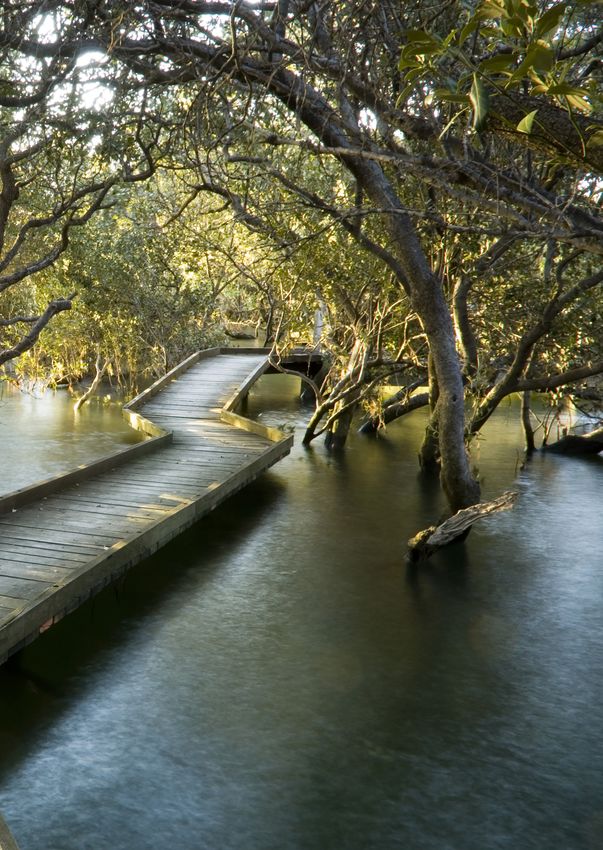
MESSAGE
    FROM THE
    MAYOR
    It gives me great pride to present the City of Salisbury’s first       providers as well as a range of multicultural retail and food
    Tourism and Visitor Strategy; developed in consultation with           businesses;
    the South Australian Government, local community groups             > our many dedicated volunteers who look after our unique
    and industry. The strategy builds on our existing focus on             attractions and preserve, share and celebrate our history;
    building City pride and community vibrancy and provides solid          and
    foundations to be laid over the next five years. Our aim is to      > The members of our community who, through the
    establish strong networks and collaborative partnerships to            development of this strategy, we recognise as our core
    support tourism and visitor growth and create awareness of             focus for increasing visitors to the area.
    all we have to offer.
                                                                        To build our visitor economy we need all of our community
    In developing this strategy, we have identified key themes,         members, both residents and workers to experience, share
    precincts and experiences that will, over time, help to create      and enjoy all that Salisbury has to offer and promote that to
    a profile for the City of Salisbury as a visitor destination. One   their visiting friends and family. This strategy aims to get the
    of the themes identified is nature based tourism. With St           word out there to the whole of South Australia that Salisbury
    Kilda as the southern gateway to the Adelaide International         is a great place to visit with great attractions, great food and
    Bird Sanctuary and the network of wetlands and nature trails        a fascinating story.
    threading throughout the area; we can be a key attractor
    of nature based visitors. ‘Family friendly’ is another theme        I encourage you to be a part of building tourism and visitation
    identified, complementing the nature based theme and                to the City of Salisbury by engaging in some of the initiatives
    capitalising on the area being home to South Australia’s best       in the strategy; or by spending time discovering the area for
    adventure playground and a range of military, aeronautical          yourself and importantly, spreading the word.
    and educational attractions.

    The City of Salisbury acknowledges the strength, resilience
    and enthusiasm of our people and that in building our visitor
    economy, people are our greatest asset. Our core strengths
    include:                                                            Gillian Aldridge JP
    > our heritage, history and culture; both Kaurna and               Mayor of Salisbury
       multicultural; and our innovative business history;
    > our forward thinking community leaders who have, over
       time, preserved and protected green space throughout the
       area and continue to protect our valuable environment;
    > our business owners, both large and small that include
       iconic brands, major defence, research and education

2   City of Salisbury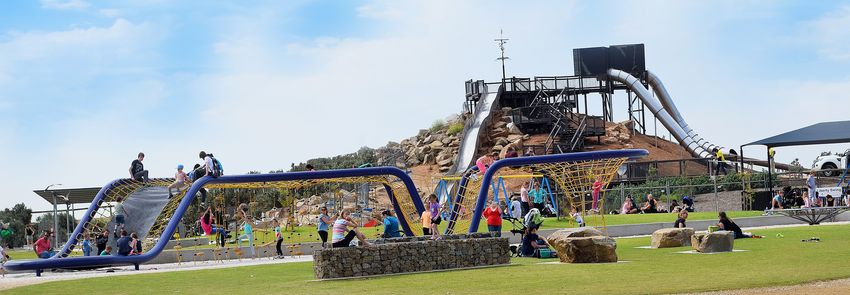
Tourism & Visitor Strategy

CONTENTS
Foreword                                                                                                     3

Executive summary                                                                                            4

About the City of Salisbury                                                                                  5

How the strategy was developed                                                                               5

Vision                                                                                                       6

Goals                                                                                                        6

Strategic pillars                                                                                            6

Current visitors                                                                                             7

Core target markets                                                                                          7

Our role                                                                                                     8

Objectives and strategies                                                                                    9

Alignment with stakeholder strategies & plans                                                                11

Measuring progress & success                                                                                 12

Implementation action plan                                                                                   12

Additional information and key contacts                                                                      13

ACKNOWLEDGEMENT OF COUNTRY
The City of Salisbury acknowledges the traditional country of the Kaurna people of the Adelaide Plains and pays respect to Elders
past and present. We recognise and respect their cultural heritage, beliefs and relationship with the land. We acknowledge that
they are of continuing importance to the Kaurna people living today.

                                                                         Salisbury a flourishing city                     City of Salisbury   3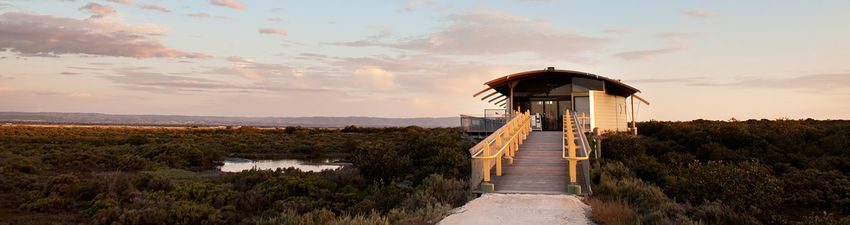
Interpretive Centre, St Kilda

    FOREWORD
    Visitors are important to the City of Salisbury; to our businesses and the general community. The definition of ‘visitor’ can be very
    broad and includes the traditional ‘tourist’ (someone who is visiting for holiday or leisure), people visiting a local business or local
    residents visiting a part of the area they don’t normally go to. All of these visitors are important to us as they boost our economy
    and if they have a great experience, they will promote Salisbury to other people.

    There are already a lot of businesses in the City of Salisbury that are involved in some way with tourism and what we call ‘the
    visitor economy’. This ranges from businesses that make and sell caravans and cabins or supply manufactured foods to airlines;
    to motel operators and restaurants serving visitors directly; and to general service providers such as supermarkets and petrol
    stations. It also includes local community groups that manage museums and galleries and organise events.

    The Northern Economic Plan (http://www.looknorth.com.au/) identifies ‘tourism, recreation and culture’ as an important sector
    for future growth and job creation. As a key partner in delivering on that plan and in line with our City Plan 2030; we have
    developed this strategy to help guide that future growth. Whilst there are a lot of people currently engaged in tourism and visitor
    attraction in the area, there is no formal structure in place to bring them together. In developing this strategy, Council aims to
    bridge that gap and provide initial industry leadership, direction and support whilst ongoing networks and relationships are
    established.

    The City of Salisbury already supports the local visitor economy in a range of areas including:
    > 	Providing visitor related infrastructure; including community spaces, facilities and services that enhance the visitor experience
        and the safety of residents and visitors;
    >	Investment, management and maintenance of visitor assets including walking trails, wetlands, recreation parks, John Harvey
        Gallery and St Kilda Adventure Playground;
    > Supporting environmental practices and conservation projects including water management, wetlands and nature trails;
    > Creating and supporting festivals, events and cultural programs;
    >	Fostering and building stakeholder partnerships at local, metropolitan Adelaide and state level to support tourism
        development;
    >	By playing a key role in the development of new attractions such as the Adelaide International Bird Sanctuary and the
        Northern Adelaide Food Park;
    > Providing direct assistance to businesses via The Polaris Business & Innovation Centre;
    >	Providing planning frameworks that support visitor attraction; development and planning advice and approval of development
        applications; and
    > Promoting the benefits of tourism and visitors to industry and the community.

    We are very proud of who we are and what we have achieved. We are passionate about preserving our environment; honouring
    and celebrating our people and cultures; and driving sustainable economic growth. Growing our visitor economy, brings together
    those aims.

4   City of Salisbury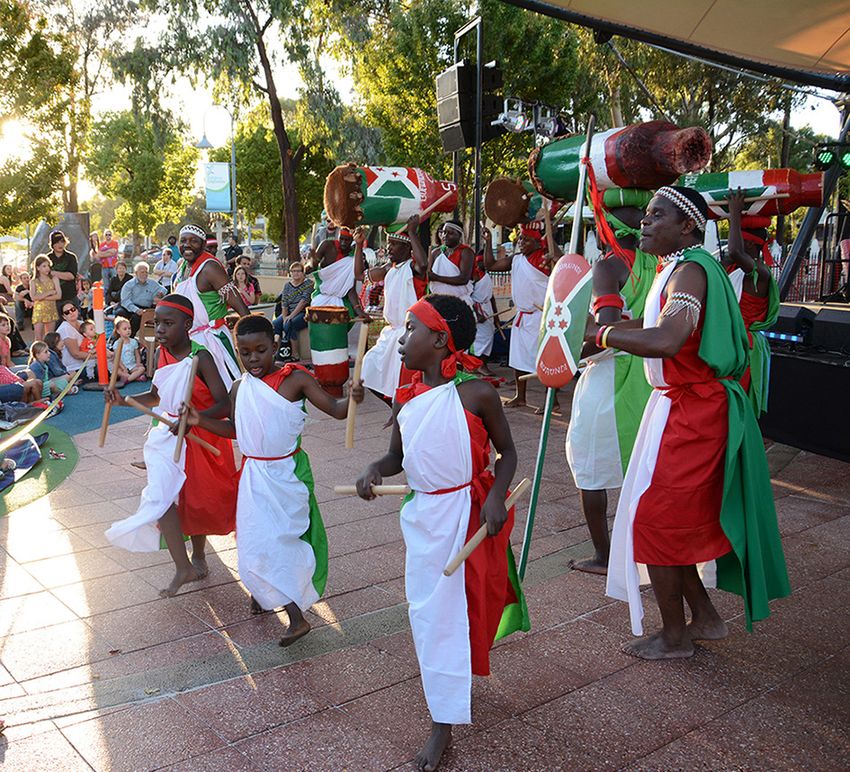
Boardwalk, Greenfields

EXECUTIVE SUMMARY
This strategy has been developed in line with our Building City Pride Strategy, City Plan 2030 and the City’s economic
development goals. The strategy defines the opportunities and enablers for tourism and visitor growth; and outlines the
necessary leadership and vision to achieve that growth. An exciting opportunity exists to develop and share ‘the ‘Salisbury story’
(the story of our people, cultural diversity, history, industries and our natural environment); to create awareness of existing visitor
experiences and to develop new experiences.

Currently there is no formal network of tourism and visitor oriented businesses in the area and there is a lack of connectedness
between attractions and experiences. Many businesses are not necessarily aware of the benefits to be gained by attracting and
engaging visitors. Feedback also indicates that there is a lack of awareness and information available about what the area has to
offer, with the area having many ‘hidden secrets’.

Now, more than ever, as the broader South Australian economic and employment outlook is challenged, we need to create
new, innovative opportunities in industries such as tourism. The closure of the Holden vehicle manufacturing plant will have a
profound effect on employment options for the people of Salisbury both directly and indirectly. Creative thinking and collaborative
partnerships and initiatives will be key to meeting this challenge.

The Northern Economic Plan identifies tourism, recreation and culture as an ‘economic sector of the future’ and provides programs
and projects to support that growth. Key opportunities include development of a ‘live music activation strategy’, investment in
a Northern Adelaide Food Park at Parafield Airport; and a $10 million Small Business Development Fund ‘to encourage small
businesses to grow and create sustainable jobs’. The opportunity exists to capitalise on these initiatives to create investment and
job outcomes for our local visitor economy.

Delivering the City of Salisbury Tourism and Visitor Strategy will require commitment, vision, common goals and collaboration
from industry, all levels of government and the community. Continuing to build city pride and capturing and marketing our
unique points of difference, will be integral to selling the Salisbury story. We have much to celebrate with our rich Kaurna
and multicultural history and community; proximity to South Australia’s premier wine and food region and amazing coastal
environment.

In developing this strategy, the City of Salisbury is outlining its commitment to growing the local visitor economy and the
leadership role it intends to play over the next five years. In making this commitment, the City of Salisbury acknowledges that
long term sustainability of the local visitor economy will also require:
   > Achieving recognition from the community and local businesses of our potential as a visitor destination;
   > Active engagement by Council, the community and local businesses in visitor attraction;
   > Building the capacity and capability of community groups and businesses to deliver visitor experiences,
      products and services; and
   > Achieving collaboration, partnerships and support from neighbouring Councils, relevant South Australian Government
      agencies and industry associations.

                                                                             Salisbury a flourishing city                    City of Salisbury   5
Tourism & Visitor Strategy

    ABOUT THE CITY OF SALISBURY
      KAURNA PEOPLE                       SALISBURY TOWNSHIP                 RAPID POPULATION                     TODAY
      The Kaurna people were the          The township of Salisbury was      GROWTH                               The 2011 Census indicated a
      first people associated with        established in 1848 by Scottish    In 1940 the addition of a new        total population of 129,108 with
      the Salisbury area; with the        migrant John Harvey.               munitions factory resulted in        a 9% growth rate since the
      estuarine waterways along Gulf                                         doubling of the population.          2006 census.
      St Vincent supporting significant   By 1881, the recorded population
      communities.                        was between 400 and 500            Since World War II the area has      The population is expected to
                                          people. The area’s main crops      expanded dramatically.               rise to more than 150,000 by
      Tidal reaches extending from        were oranges, wheat, hay &                                              2036.
      Barker Inlet right through to       dairy produce. The most notable    In 1933, the population was 2,385.
      Mawson Lakes was a significant      industries were flourmills and     By 1947, it was 4,160 and by 1981    The City of Salisbury is now
      communal area for the Kaurna        the Paternoster Engineering        it was 86,451.                       home to people born in over
      people.                             Works, which produced                                                   140 different countries; many of
                                          windmills.                         At the 2001 Census, the              whom retain strong links with
      Many occupational and sacred                                           population was recorded as over      their homelands.
      sites still exist around the                                           110,000.
      area, including the Greenfields
      Wetlands.

    The City of Salisbury has a diverse and growing population               The City of Salisbury economy is the fourth largest in South
    with a higher than average population of young people                    Australia and provides ongoing opportunities for local
    and a strong multicultural history and character. As a visitor           employment and business attraction. It is a recognised national
    destination, Salisbury lies perfectly centred between the city of        leader in a range of industries including defence, electronics
    Adelaide; Port Adelaide heritage and waterfront areas; and key           and technology; and in environmental endeavours such as
    tourism regions to the north. Located in Adelaide’s northern             developing wetlands technology. The City is also a centre
    suburbs (about 25 kilometres from the Adelaide CBD), the City            for manufacturing plants, factories, distribution outlets and
    is bounded by the City of Playford in the north, the City of Tea         warehousing.
    Tree Gully in the east, the City of Port Adelaide Enfield in the
    south and Gulf St Vincent in the west.

    Salisbury is one of Greater Adelaide’s largest Local Government
    areas, covering an area of some 158 km2 and incorporating
    31 suburbs. With the availability of land for residential
    and industrial development, an abundance of parks and
    recreational facilities, university and TAFE campuses, military
    base, airport and a major bus and train hub in the City centre,
    the area offers a wealth of opportunities for businesses and an
    enviable lifestyle for residents.
                                                                                                                           St Kilda Playground

    HOW THE STRATEGY WAS DEVELOPED
    A consultant was engaged to develop the strategy including consultation with key stakeholders (City of Salisbury Elected
    Members, staff, key State Government agencies, industry and the community); research and analysis. Research included sourcing
    case studies from other similar metropolitan local government visitor destinations (nationally) and reviewing where the City of
    Salisbury ‘fits’ in terms of tourism planning in South Australia.

    A review was also undertaken of relevant City of Salisbury, neighbouring Council and South Australian Government plans and
    strategies to ensure strategic alignment. Consultation included a number of workshops, one-on-one meetings and an online
    survey of key stakeholders and the business community.

6   City of Salisbury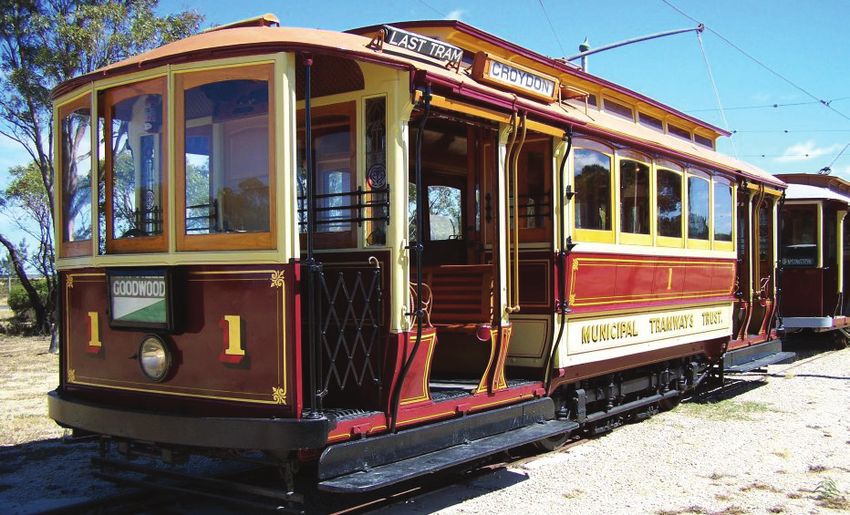
Tourism & Visitor Strategy

VISION
The City of Salisbury is as an emerging visitor destination with an established tourism identity that is aligned with and celebrates
our key strengths and diversity.

Community, businesses and government are working together to increase visitation and spend, to grow the tourism industry and
visitor economy and increase investment and jobs.

GOALS
> Define and establish the visitor economy
> Increase visitation, length of stay and spend
> Increase the size and output of the visitor economy
> Engage local businesses and the community in tourism and visitor attraction
> Increase investment and the number and range of job opportunities
> Maximise Council’s return on investment in tourism infrastructure and events
> Drive collaborative industry development
> Increase City pride and awareness of the City’s strengths
> Maintain a sustainable and healthy natural environment enjoyed
                                                                                                                        Civic Square
   by more people

STRATEGIC PILLARS
The following strategic pillars have been identified as the focus areas for development of objectives, strategies and actions.

  THEMES                             PRECINCTS                      KEY CURRENT                      KEY POTENTIAL
  Nature based                       St Kilda                       ATTRACTIONS                      ATTRACTIONS
  Family friendly                    Salisbury Town Centre          Secret Garden Fringe event       Adelaide International
                                                                    St Kilda Adventure Playground    Bird Sanctuary
  Cultural: events, multicultural,    Mawson Lakes
                                                                    Cobbler Creek bike trails        District Outlet Centre
  Kaurna tourism, arts, history      Parafield Airport
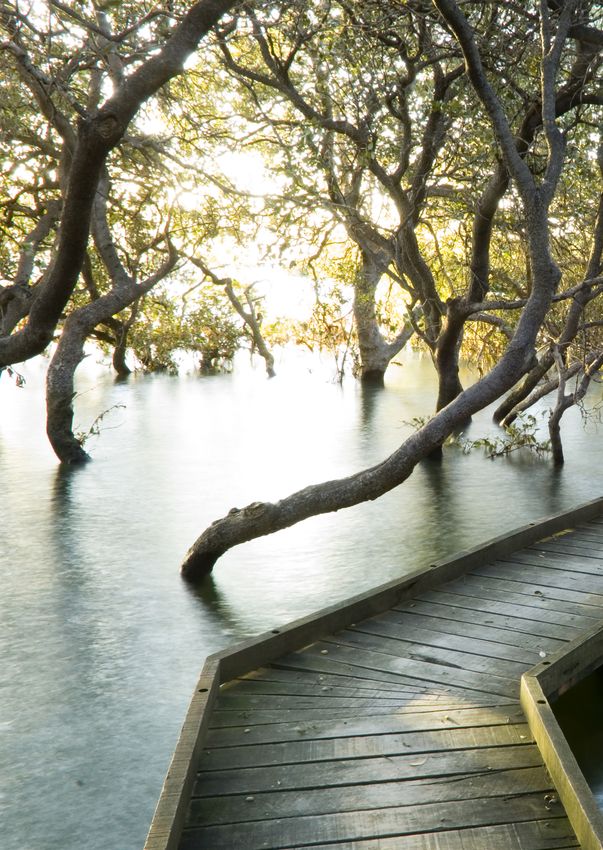
                                                                    Mangrove trails & wetlands       Parafield Airport
  Adventure, sport & recreation      Greenfields (wetlands)
                                                                    Multicultural retail /food       Northern Adelaide
  Business, industry & education     Dry Creek
                                                                                                     Food Park
                                     Edinburgh                      Recreation Parks
                                                                    Globe Derby Park SA Harness
                                                                    Racing Club

                                                                                                              St Kilda Playground

                                                                            Salisbury a flourishing city                     City of Salisbury   7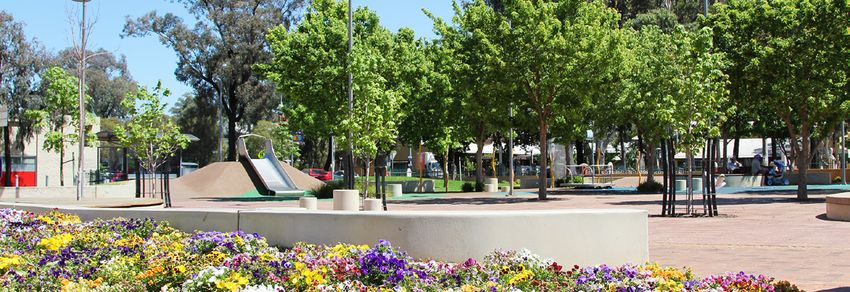
Tourism & Visitor Strategy

    CURRENT VISITORS
    Tourism data for South Australia is presented for each                    The City of Salisbury receives many visitors each year for a
    recognised tourism region. At this point in time, all of the              range of purposes. A snapshot is presented below based on
    Adelaide metropolitan area (including City of Salisbury) is               feedback gained from local businesses and the community
    represented as one region.                                                during consultation.

    Whilst specific visitor data is not captured for the City of
    Salisbury, anecdotal and recent business and community
    survey data indicates that the majority of visitors are locals,
    followed by intrastate visitors, with only a minor proportion of
    visitors coming from interstate or overseas.                                                                                    Civic Square

               >B
                 usiness / Medical:                       > Arts & culture:                       > Independent travellers:
                Corporate visitors                            Events                                   Caravans / Motorhomes / Recreational
                Conference & function attendee                Galleries & exhibitions                  Vehicles/Backpackers
                Retail / dining / markets                     Museums                                  Daytrippers - other
                Defence, aeronautics                          Multicultual experiences                 metropolitan areas
                Country people coming to                                                               People visiting friends & relatives
                Adelaide for appointments
                Visitors of hospital patients

                 >E
                   ducation                  / Science:   >O
                                                             rganised groups:                         >P
                                                                                                          eople visiting
                  Students                                  Community & cultural                          attractions / facilities:
                  Researchers                               Special interest                              Family based activities
                                                            Tours / programs / delegations                Sport & recreation
                                                                                                          Nature based

    CORE TARGET MARKETS
    In determining the core target markets for increasing visitation to the City of Salisbury in the next five years, consideration has
    been given to what our current strengths are and what markets are most likely to be attracted to those strengths.

    In line with the Strategic Pillars identified above, the two core target markets for initial focus are City of Salisbury residents,
    businesses and workers; and the broader South Australian intrastate market.

    It is noted however that for specific attractions such as the Adelaide International Bird Sanctuary, interstate and international
    markets (particularly the United Kingdom) will be targeted. Opportunities also exist to capitalise on existing sources of
    international visitors such as people visiting corporate businesses and families of international students.

    City of Salisbury residents, businesses and workers
    The City of Salisbury population forecast for 2016 is 139,207, and is forecast to grow to 151,538 by 2036.1 Encouraging local
    residents to ‘discover their own backyard’ will increase local knowledge, awareness, appreciation and advocacy for Salisbury as a
    visitor destination.

    Communicating the breadth of experiences available and encouraging visitation by locals and their visiting friends and relatives
    will also drive visitor spend and increase the visitor economy. Increasing local use of key visitor infrastructure (e.g. St Kilda
    Adventure Playground) and attending local events will also increase Council’s return on its investment.

    1
        http://forecast.id.com.au/salisbury

8   City of Salisbury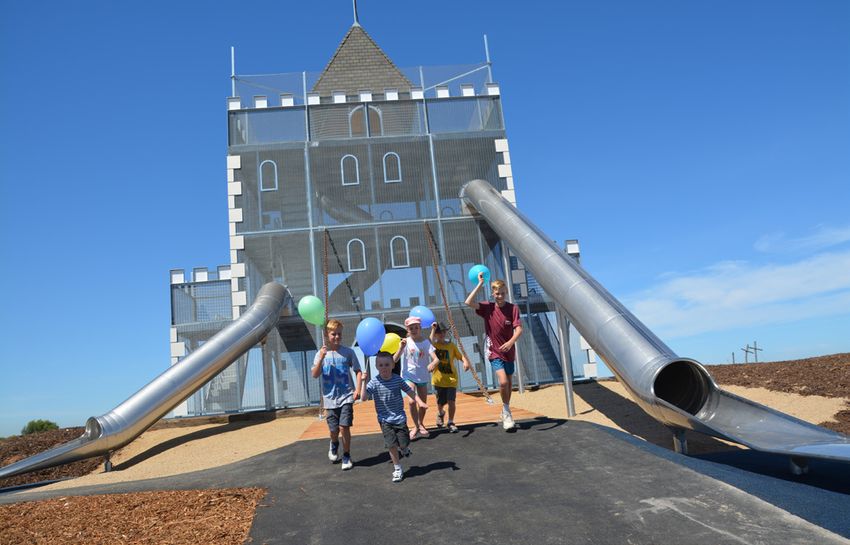
Tourism & Visitor Strategy

South Australian Intrastate market
The intrastate visitor market (Adelaide metropolitan areas and regional South Australia) represents 62% of total visits in South
Australia and 37% of visitor nights.2 This key market, particularly daytrippers, presents a significant opportunity for Salisbury to
increase visitation and visitor spend. Increasing awareness amongst South Australians of the visitor experiences available will
also assist in creating new perceptions of Salisbury as a visitor destination.

OUR ROLE
The City of Salisbury is a key driver in promoting visitation to the area, helping to build the visitor economy and improving visitor
experiences. Council will play a strong leadership role in implementing this strategy over the next five years in recognition of
tourism and visitor attraction being a relatively new area of focus for local industry and the community.

Council will fulfill a broad range of roles and functions, which are outlined below and referenced in the supporting strategies. As
we implement the strategies, we will be clear about our role, and work collaboratively with the community, Government and
industry to achieve the strategic vision.

Council’s roles and functions in relation to implementing this strategy include:

    > Leader                              rovide leadership and guidance to the community in line with the strategy. Create an environment
                                          P
                                          where visitors are important and valued by the community e.g. by applying a ‘visitor lens’ to the way
                                          we do things.

     Advocate                             S eek collaboration with other tiers of government and the private sector to deliver initiatives under
                                           the strategy.

> Initiator
          /                             Connect people, businesses and groups to pursue opportunities; and create catalyst opportunities.
     Facilitator/ Partner

> Service         provider                Direct –  R
                                                      esponsible for funding and providing a service (to visitors, to businesses, to the community
                                                     and groups).
                                          Partner – C ontribute funds and/or other resources towards a service or initiative that is delivered in
                                                     partnership with other organisations.
                                          Agent –  P rovide a service funded by or on behalf of others which involves hosting or other use of
                                                     Council resources to fill particular needs.

Role of the Tourism & Visitor Sub-Committee                                                            Membership of the Sub-Committee comprises representatives
Council established a section 41 Committee of Council in June                                          from the local commercial tourism industry, local history clubs, the
                                                                                                       Kaurna people, Salisbury business community, Elected Members
2016, the Tourism & Visitor Sub-Committee. The Terms of
                                                                                                       and a representative of the South Australian Government
Reference state that the purpose of the Committee is to:
                                                                                                       nominated by the Minister for Tourism.
> Promote and facilitate tourism and visitor opportunities for the
City of Salisbury;
> Identify and advise Council on tourism opportunities;
> Develop and maintain professional relationships that support
     the implementation of Council’s Tourism & Visitor Strategy; and
> I dentify linkages and opportunities to leverage benefit between
  the Tourism & Visitor Strategy and other state and local
                                                                                                                                                                    Kaurna Park Wetlands
  government plans and strategies.
South Australian Tourism Profile December 2012-2014 – Average Annual Visitors http://www.tourism.sa.gov.au/assets/documents/Research%20and%20Reports/South_Australian.pdf
2

                                                                                                                   Salisbury a flourishing city                                      City of Salisbury   9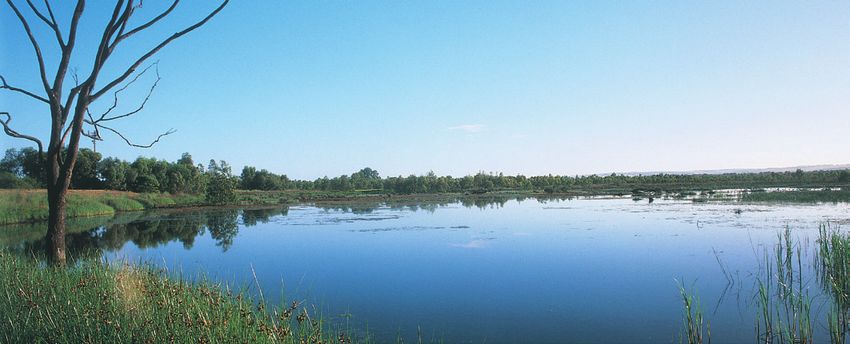
Tourism & Visitor Strategy

     OBJECTIVES AND STRATEGIES
     Please note the following with regards to the timeframes and Council’s role outlined below:

     Timeframes:
           > Short term – in the first twelve months
           > Medium term – in two to three years
           > Long term – greater than four years

     Council’s role:
     • Leader                     Advocate

         Initiator / Facilitator/Partner          Service provider                                                        Balancing Act Mawson Lakes

     Objective 1: Create an attractive and welcoming visitor environment; and improve access and availability of visitor information
                                                                                                                           Short (S)     Council’s
                   Strategies:                                                                                             Medium (M)
                                                                                                                           Long term (L) Rate

         1.1       Promote delivery of quality customer service and the welcoming of visitors                                    S

                   Capture, collate and develop key visitor information and materials and increase the availability and
         1.2                                                                                                                   S/M
                   ease of access to that information (including maximising use of digital technologies)

         1.3       Explore options to provide visitor information services throughout the area at key locations                S/M

                   Improve public transport accessibility and frequency to and between key precincts and visitor
         1.4                                                                                                                     L
                   attractions
                   Improve general amenity, vehicle access, traffic flows and parking around each key precinct (as
         1.5                                                                                                                    M
                   required)
                   Improve visitor infrastructure including signage (wayfinding, informational, interpretive and
         1.6                                                                                                                    M
                   promotional) and visitor amenities and facilities

     Objective 2: Celebrate who we are; and promote our key attractions, themes and precincts
                                                                                                                           Short (S)
                                                                                                                                         Council’s
                   Strategies:                                                                                             Medium (M)
                                                                                                                                         Rate
                                                                                                                           Long term (L)

         2.1       Develop and share the ‘Salisbury story’                                                                      M

                   Develop interpretive information that reflects the Kaurna, Salisbury, multicultural and industrial
         2.2                                                                                                                    M
                   history, heritage and culture of the area
                   Develop packages and bundling of products and experiences and associated visitor information and
         2.3                                                                                                                   S/M
                   promotional materials
                   Develop and deliver a marketing and communications program based around key themes, pre-
         2.4       cincts and attractions; focused towards identified key target markets; and maximising use of digital        S/M
                   technologies
                   Develop and deliver a marketing and communications program based around key themes, pre-
         2.5       cincts and attractions; focused towards identified key target markets; and maximising use of digital         M
                   technologies

         2.6       Develop and implement a public relations program                                                             M

10   City of Salisbury
Tourism & Visitor Strategy
Objective 3: Create new visitor experiences that address identified gaps, capitalise on key themes, precincts and attractions;
and increase visitor spend
Short (S) Council’s
Strategies: Medium (M)
Long term (L) Rate
Leverage the development of the Northern Adelaide Food Park to create tourism and visitor
3.1 M/L
economic outcomes
Develop tourism and visitor economic opportunities that capitalise on and complement the
3.2 S/M
establishment of the Adelaide International Bird Sanctuary
Develop opportunities to grow visitation to the St Kilda Adventure Playground and increase overall
3.3 S/M
visitor spend
Develop and support events and festivals that capitalise on our key strengths and attract both local
3.4 S/M
residents and intrastate visitors
3.5 Develop the ‘Meetings, incentives, conferencing and exhibitions’ (MICE) visitor market M/L
Work with industry, community groups and tourism stakeholders to develop new tourism and visitor
attractions, products and experiences. Key areas of focus include:
> Nature based (wetlands, walking and cycling trails)
> Family friendly
> Arts and culture
> History
3.6 > Multicultural (arts, culture, retail and food) M/L
> Kaurna (arts, culture, history and heritage)
> Adventure, sport & recreation
> Industry (science, technology, defence, food manufacturing)
> Defence
> Education
> Aeronautic (history and capabilities)
Capitalise on opportunities resulting from the Northern Economic Plan and from planned major
3.7 M/L
projects including the Northern Connector and electrification of Gawler to Adelaide rail line
3.8 Ensure that policy and planning supports tourism development and investment S/M
Objective 4: Create connections
Short (S)
Council’s
Strategies: Medium (M)
Rate
Long term (L)
Engage with key stakeholders in the South Australian Government in implementing actions under
4.1 S/M
this strategy and develop productive ongoing relationship
Collaborate with other Metropolitan Councils, the South Australian Tourism Industry Council and
4.2 the Local Government Association of South Australia in broader development of tourism in ‘greater S/M
metropolitan Adelaide’
Engage with and support local community groups to explore opportunities for tourism and visitor
4.3 S/M
attraction and growth
4.4 Establish collaborative promotional partnerships and marketing channels S/M
Engage with local and state based tour operators to create awareness of available visitor
4.5 S/M
experiences and promote inclusion in tour itineraries
Develop opportunities for business to business networking, collaboration and co-promotion
4.6 S/M
(including community groups that operate visitor experiences)
4.7 Increase local business engagement, capacity and capability in tourism and visitor attraction S/M
Salisbury a flourishing city City of Salisbury 11Tourism & Visitor Strategy
ALIGNMENT WITH STAKEHOLDER
STRATEGIES & PLANS
The below diagram sets out the broader planning environment that influences and impacts on the Salisbury visitor economy. As a
key step in implementing the Tourism & Visitor Strategy, the strategies contained will be cross checked against these stakeholder
strategies and plans. Opportunities to pool resources and work collaboratively to achieve mutual outcomes, will be pursued.
State & Federal Goverment City of Salisbury
Plans & Strategies: Plans & Strategies: Other Stakeholder
Annual Business Plan & Budget
Plans & Strategies:
Tourism 2020 Parafield Airport Master Plan
City Plan 2030
Northern Economic Plan Adelaide City Council Tourism
Building City Pride Strategy & Visitor Action Plan
30 Year Plan for Greater Adelaide
Reconciliation Action Plan 2013-2016
South Australian Tourism Plan 2020 (in development)
St Kilda Master Plan
South Australian 2015 Nature-Based The Game Plan (Action Plans for Open
Tourism Action Plan Space and Recreation Provision)
SATC Activating China – 2020 Strategy
Dept. Water, Environment & Natural
Resources People and Parks Strategy
Adelaide International Bird Sanctuary
Management Plan (in development)
City of
Salisbury
Tourism &
Visitor
Strategy
MEASURING PROGRESS & SUCCESS
As already noted, tourism data for South Australia is currently presented for the Adelaide metropolitan area (including City of
Salisbury) as one region. Data produced includes the number of visits, length of stay and average spend in key target markets
(intrastate, interstate and overseas). These traditional measures of growth are therefore currently not available for City of
Salisbury and are unlikely to become available due to the complexity and cost of capturing that information.
Other measures of progress and success for this strategy therefore need to be determined. Specific targets and measures will be
considered by the City of Salisbury as part of development of an Implementation Action Plan (please refer below). In addition to
achievement of objectives under this strategy, suggested measures may include:
> The number of businesses registered on the Australian Tourism Data Warehouse
> Increase in total number of products and experiences available for visitors (using the baseline data gathered in
development of this strategy)
> Number of businesses engaged in the visitor economy (measured via database growth)
> Number of attendees at events and traffic data for key precincts such as St Kilda
> Engagement by businesses in annual industry surveys
> Improvements noted in visitor data reported by individual businesses via annual survey
12 City of SalisburyTourism & Visitor Strategy
IMPLEMENTATION ACTION PLAN
Council has played a key leadership role in growing the local visitor economy by developing this inaugural Tourism and Visitor Strategy.
In order for the strategy goals and objectives to be achieved over the next five years, engagement and collaboration with the
community, local businesses and key stakeholders will be crucial.
For each of the objectives and strategies set out in the strategy, a list of potential implementation actions has been developed. Those
actions will be considered by Council in consultation with key stakeholders to develop an Implementation Action Plan. The plan will set
out agreed timeframes, roles and responsibilities, alignment to existing projects and programs; and resources to be applied.
As previously highlighted, there currently is no established ‘tourism network’ for the area and the region is not a recognised state
tourism region in its own right. As such there are currently no dedicated resources being applied to tourism and visitor economic
development for the area. Council will work in partnership with key stakeholders to align potential actions to existing projects, programs
and resources where possible. Following assessment of existing collective resources that can be applied, gaps will be identified to
determine any new resources that may be required. From Council’s point of view, resources will be determined through a combination
of funding for existing projects and programs, recurrent budgets and annual new initiative bids.
Key stakeholders to be engaged in developing the Implementation Action Plan include:
> Council staff and Elected Members
> The Polaris Business & Innovation Centre staff
> Council s41 Tourism & Visitor Sub-Committee
> Local community groups, industry associations and businesses
> Other metropolitan Adelaide councils and the Local Government Association of SA
> South Australian Government agencies
> South Australian Tourism Industry Council
The process to be undertaken to develop the Implementation Action Plan is proposed as follows:
> Council will review each of the potential actions against the objectives and strategies and determine its role, agreed priority
level (short, medium or long term) and potential outcomes. In undertaking that analysis, Council will aim to identify existing
projects, plans, initiatives and resources that actions are aligned to.
> Council will then engage key stakeholders (outlined above) to determine alignment of actions with existing stakeholder
plans, initiatives and resources and potential for collaborative partnerships to be developed.
> A gap analysis will then be undertaken to determine further resourcing requirements and funding options in order to
implement short and medium term priority actions.
> A draft Implementation Action Plan will be developed by the Council s41 Tourism and Visitor Sub Committee. Consultation on
the draft plan will be undertaken with key stakeholders to establish collective commitment to achievement of the plan.
> The final Implementation Action Plan will be endorsed by the s41 Tourism and Visitor Sub Committee and by Council.
Parra River Trails St Kilda Tram Little Parra
ADDITIONAL INFORMATION AND KEY CONTACTS
If you would like to be a part of building the City of Salisbury visitor economy by engaging with this strategy please contact our
Communications and Customer Relations Division on 08 8406 8222.
Salisbury a flourishing city City of Salisbury 13Tourism & Visitor Strategy
12 James Street, Salisbury, South Australia 5108
Telephone: 08 8406 8222 TTY: 08 8406 8596 (for people with a hearing impairment)
Email: city@salisbury.sa.gov.au www.salisbury.sa.gov.au
14 City of SalisburyYou can also read


