CLIMATE ADAPTATION AND RESILIENCE PLAN 2021
←
→
Page content transcription
If your browser does not render page correctly, please read the page content below

C L I M AT E A DA P TAT I O N
                      AND RESILIENCE PLAN
                                  2021
U.S. Embassy London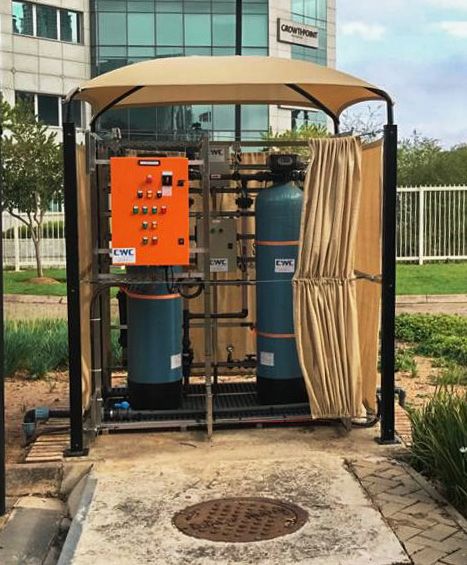
TABLE of CONTENTS

        U.S. DEPARTMENT OF STATE AGENCY POLICY FOR
        CLIMATE ADAPTATION AND RESILIENCE                                         3

        INTRODUCTION                                                              4
            Responsible Agency Official                                           4

        CLIMATE ADAPTATION AND RESILIENCE PLAN SUMMARY                            5

        PRIORITY ADAPTATION ACTIONS                                               6
            I. Enhancing Mobility and Remote Access for Diplomats and Citizens    6
            II. Emergency Preparedness/Action Assessments and Updates             8
            III. Program Building to Support Climate-Ready Sites and Facilities   10
            IV. Supply Chain and Procurement Evaluation                           12
            V. Improving Local Infrastructure Through Host Country Engagement     13

        TOPIC AREAS: CLIMATE VULNERABILITY ASSESSMENTS                            15
            I. People                                                             15
            II. Continuity of Operations                                          16
            III. Facilities (Non-residential)                                     16
            IV. Diplomatic Residences (Overseas)                                  16
            V. Utilities                                                          17

        ENHANCING CLIMATE LITERACY AND STAFF IN THE
        MANAGEMENT WORKFORCE                                                      18

        ACTIONS TO ENHANCE CLIMATE RESILIENCE                                     19
            I. Climate-Ready Sites and Facilities (Overseas)                      19
            II. Climate-Ready Supply of Products and Services                     19

U.S. DEPARTMENT of STATE                                                               2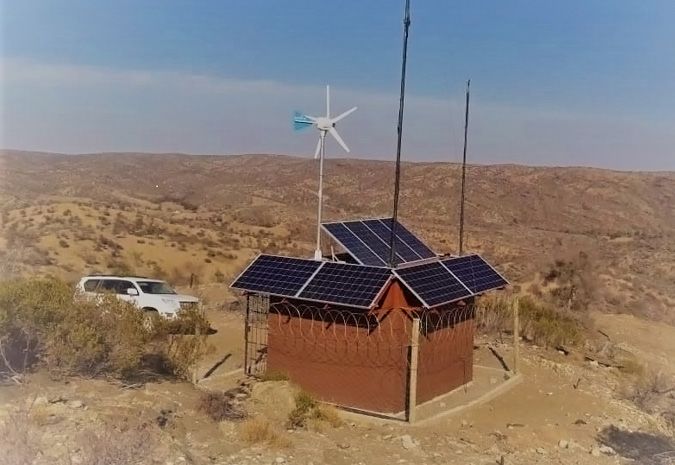
U.S. DEPARTMENT OF STATE
              AGENCY POLICY FOR CLIMATE
              ADAPTATION AND RESILIENCE

   Climate change poses a significant threat to the Department of State’s mission of advancing the interests, health,
   safety, and economic prosperity of the American people. The increasing frequency and severity of climate-related
   natural disasters disrupt ongoing operations and threaten our ability to advance foreign policy goals. It is the policy
   of the Biden Administration to organize and deploy the full capacity of its agencies to combat the climate crisis. The
   Department of State fully embraces the Administration’s focus on climate change, and Secretary Blinken named
   climate security and resilience as one of his top strategic priorities. I encourage all Department entities to implement
   this plan and related actions to ensure that this agency is a global leader in climate resilience and adaptation.

   The Department of State will put the climate crisis at the center of our foreign policy by integrating climate change
   adaptation and resilience into our global management platform. The goals of this overarching policy are three-fold:

     1. Protect the health and safety of our personnel;
     2. Ensure the continuity of services and diplomacy by preparing for and mitigating the impact of climate change
        on our people, facilities, operations, and supply chains; and
     3. Lead by example through showcasing resilience and adaptation solutions in our facilities and operations.

   To achieve these goals, the Department will:

     • Prioritize completing actions outlined in the annual Climate Adaptation and Resilience Plan, the Sustainability
       Plan, and related executive orders and statutes.
     • Integrate climate adaptation and resilience into agency strategies and policies, including the Joint Strategic Plan,
       applicable bureau strategies, Integrated Country Strategies, Bureau Resource Requests, the IT Strategic Plan,
       and the Enterprise Data Strategy.
     • Identify baseline capabilities and priority areas for investment in additional staff, resources, and training.
     • Prioritize addressing climate risks in planning for emergency management, mobility, infrastructure and building
       readiness, supply chain, and host nation engagement and collaboration.

   This plan is applicable to all domestic and overseas operations. It is effective immediately and will remain in effect
   until amended, superseded, or revoked.

   Brian P. McKeon
   U.S. Deputy Secretary of State for Management and Resources

U.S. DEPARTMENT of STATE                                                                                                      3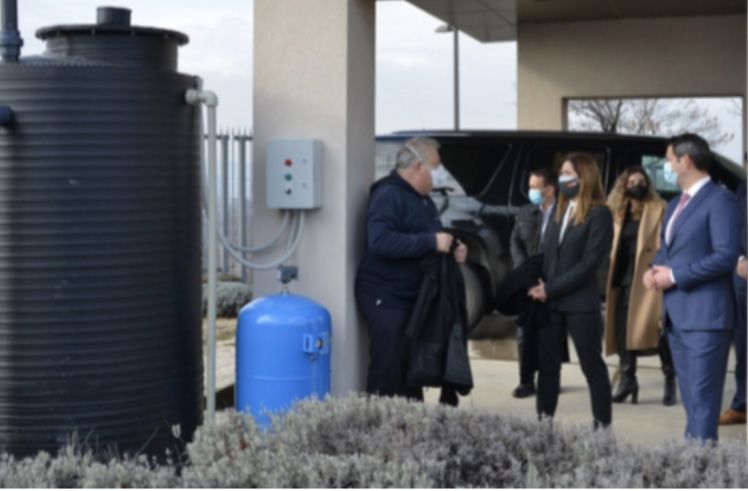
INTRODUCTION

   Executive Order 14008 states “we face a climate crisis that threatens our people and communities, public health
   and economy, and, starkly, our ability to live on planet Earth.” With a global footprint that supports critical foreign
   policy and national security work, American citizen services, and humanitarian assistance, the Department of State’s
   ability to achieve its mission will be inevitably impacted by climate change. In fact, it is already happening - from
   hurricanes that took State facilities offline in Charleston, South Carolina, to severe drought in Johannesburg, South
   Africa that required the installation of additional boreholes and water efficiency measures at the consulate, the
   increasing severity and frequency of natural disasters around the world has required the Department to adapt in
   order to sustain ongoing operations.

   The Department has three overarching climate adaptation and resilience goals: (1) protect the health and safety of
   personnel, (2) adapt Department facilities, operations, and mission-critical services to be more resilient, and (3) lead
   by example through showcasing climate adaptation and resilience solutions. Known challenges include limited
   climate related expertise within the management workforce to implement priority actions, the Department’s reliance
   on local infrastructure to provide mission critical supplies, such as electricity and water, and a lack of granular data in
   many areas overseas that lead to uncertainties regarding future climate impacts.

   The plan contains the Department’s five initial priority actions to advance the Department’s resilience and
   adaptation to climate change. These priority adaptation actions include enhancing mobility, updating emergency
   preparedness assessments, enabling climate-ready sites and facilities, evaluating supply chain and procurement, and
   improving local infrastructure through host country engagement.

   An essential enabler to achieving these five goals will be creating decision support tools that help track and identify
   the most at-risk facilities, supplies, and relevant local infrastructure in order to prioritize resources and action. In
   2022, the Department will conduct its first climate vulnerability assessment for overseas facilities using a newly
   developed tool, the Climate Hazards Dashboard, which will provide greater insight into the risks posed at our
   embassies and consulates around the world. The Department will continue to build decision support tools that
   leverage internal datasets, such as real-time power quality, air quality, and electricity data available via the Greening
   Diplomacy Initiative Internet of Things Network (IoT), as well as external datasets from our interagency and host
   nation partners.

   The Climate Adaptation and Resilience Plan complements the Sustainability Plan, which specifies metrics for
   measuring our progress to achieve the Department’s and Administration’s environmental and climate goals.

   RESPONSIBLE AGENCY OFFICIAL
   The responsible agency official is the Department’s Chief Sustainability Officer (CSO), the Under Secretary for
   Management. The CSO is supported by the Deputy Chief Sustainability Officer in the Office of Management
   Strategy and Solutions (M|SS).

U.S. DEPARTMENT of STATE                                                                                                         4
CLIMATE ADAPTATION AND
                 RESILIENCE PLAN SUMMARY

   The U.S. Department of State has three overarching climate adaptation and resilience goals: 1) protect the health
   and safety of personnel, 2) adapt Department facilities, operations, and mission-critical services to be more resilient
   to the impacts of climate change, and 3) lead by example through showcasing climate adaptation and resilience
   solutions. The following five priority actions support achieving these goals.

             T H EM ES            G OALS                             TARGE T S
              Enhanced
              Mobility            Utilize mobility, domestic         FY22
                                  telework, and remote access          — Continue to expand access to hardware, software,
                                  to systems and services to             and other programs to expand and enhance
                                  enable continuity of operations,       telework and flexibilities
                                  reduced risk to personnel, and
                                  support mission delivery.           — Launch online passport renewal service

              Emergency
                                                                     FY22
              Preparedness
                                                                       — Identify and prioritize posts most at-risk from
                                  Include climate hazards in             climate impacts for consultation
                                  emergency planning.
                                                                      — Update emergency management policy and
                                                                        planning to include climate risks

              Facilities
              Readiness                                              FY22
                                  Screen facilities for climate        — Conduct initial overseas portfolio baseline
                                  hazards to identify which              screening to identify at-risk facilities
                                  to prioritize for further
                                  assessment and intervention.        — Create a list of most at-risk facilities for more in-
                                                                        depth assessment and/or adaptation efforts

              Supply Chain
                                  Identify and reduce
              Resilience          climate vulnerabilities in         FY22
                                  the Department’s mission-            — Use GSA Supply Chain Climate Risk Management
                                  critical supply chain, ensure          Framework to assess mission critical supply
                                  continuous operations during           chains for vulnerabilities
                                  emergencies, and develop
                                  guidance and strategies             — Update guidance for procurement specialists and
                                  for programs to integrate             program offices
                                  sustainable procurement.

              Host Nation
              Engagement          Use eco-diplomacy platforms to     FY22
                                  share best practices, establish      — Guided by the overseas portfolio baseline
                                  joint projects with host nations       screening for at-risk facilities, begin to
                                  to improve resilience, and             engage host countries, through the Greening
                                  demonstrate U.S. climate               Government Initiative and Eco-Capitals Forum, to
                                  leadership.                            advance mutual adaptation priorities

U.S. DEPARTMENT of STATE                                                                                                        5
PRIORITY ADAPTATION ACTIONS
I. E
NHANCING MOBILITY AND
ADAPTATION ACTION:
REMOTE ACCESS FOR DIPLOMATS
Enhancing Mobility and Remote Access
AND CITIZENS AGENCY LEADS:
ACTION DETAILS Office of Management Strategy and Solutions;
Bureau of Information Resource Management;
• Action Description: The Department will 1) use a data- Bureau of Global Talent Management; Bureau
informed process, the Mobility Assessment Tool, to make of Consular Affairs
decisions about domestic telework for the future of work SUPPORTING AGENCY OFFICES:
at State; 2) continually assess optimization options for the Bureau of Administration; Bureau of Overseas
domestic real estate footprint; and 3) expand remote access Buildings Operations; Regional Bureaus
to, and automation of, relevant systems and services to BACKGROUND:
enable mobility and remote support for missions impacted
Climate change presents both acute and
by climate change. long-term challenges for ongoing operations
• Action Goal: Protect the Department’s continuity of and achieving key Department missions, such
operations and reduce risk to personnel and facilities during as American Citizen Services and diplomatic
climate and other emergencies through enhancing flexibility, engagement. Providing diplomats with remote
access to services and systems and increased
telework, and remote access to systems and services. mobility helps the Department achieve its
• Risk or Opportunity: Improving the flexibility of mission even when personnel must evacuate,
our workforce will improve the Department’s resilience or facility operations are impacted. Climate
to climate change-related disasters. These events may change-related disasters often create greater
demand for consular services, humanitarian
disrupt the ability of staff and customers to safely
assistance to support aid and recovery, and
get to our facilities and/or engage our services. This management services to support personnel
disruption is compounded when disasters adversely and families. Enhancing flexibilities for the
impact infrastructure. Increasing telework may also limit workforce, including expanding telework and
employee exposure to health and safety risks during severe remote access, and select automation of
events. systems, can support continuity of operations,
result in reduced risks to personnel, and
• Scale: Global. ensure services can be continually accessed
• Timeframe: Major projects related to this goal will be by U.S. citizens. These efforts align with the
completed through FY2023. Department’s ongoing work to revitalize the
national security and foreign policy workforce
− A pilot program to issue laptops to employees via in line with the President’s National Security
a centrally funded mechanism is projected to be Memorandum 3 on Revitalizing the Foreign
completed by the end of 2021. Policy and National Security Workforce (NSM-
− An assessment of all domestic positions for their 3) and the Office of Management and Budget’s
Future of Work efforts. This priority action
maximum telework eligibility will be completed by applies to domestic and overseas operations.
October 2021.
− An assessment of mobility implications in design and
construction standards for the domestic real estate footprint will be completed in FY2022.
− Expanding remote access to systems and automating processes is ongoing; one key project is online passport
renewal, which is expected to launch in FY2022.
− Design and construction for two domestic mobility hub pilots at the Harry S. Truman building are
anticipated to be completed in FY2021 and FY2023.
U.S. DEPARTMENT of STATE 6PRIORITY ADAPTATION ACTIONS
• Implementation Methods: For the domestic workforce, the Department is using a Mobility Assessment Tool
(MAT), a standard, quantitative survey to determine telework frequency for domestic positions. Overseas,
post leadership are receiving a “telework toolkit” and templates to develop and implement situational telework
policies for both U.S. direct hires and locally employed (LE) staff based on unique mission characteristics,
local conditions, and labor laws of their post. The results of the MAT and overseas telework policies will help
institutionalize long term work flexibilities to enable a mobile workforce.
• Performance: Performance will be tracked through key indicators, such as the percentage of domestic positions
categorized as eligible for telework; the number of new telework agreements after MAT process completion;
the ratio of telework eligibility versus in-office work; number of remotely accessible applications and automated
business processes; percentage of domestic employees that are desk sharing or hoteling; and adoption rate of
online passport renewal service.
• Intergovernmental Coordination: The Department participates in interagency working groups, such as the
President’s Management Council, Chief Data Officer Council, Chief Human Capital Officer Council, and
interagency groups focused on the Future of Work. The Bureau of Overseas Buildings Operations (OBO) and
the Bureau of Administration, as members of the Federal Real Property Council, coordinate and collaborate
with GSA, OMB, and all other Federal Agencies holding real property to implement best practices, improve
sustainability, and decrease the domestic footprint by enabling telework.
• Resource Implications:
− Sustained investment in infrastructure, equipment, and systems/program modifications, such as hoteling
software or bureau space allocation, is needed to increase telework and continued expansion of remote access.
− The Bureau of Administration is reviewing how to effectively right-size domestic space; redesign and retrofit
space for resilience, sustainability, and mobility; and support related operations and maintenance.
− CA is primarily fee-funded, and as a result of workload decreases tied to the COVID-19 pandemic, fee revenue
decreased sharply and is not expected to rebound to pre-pandemic levels before FY2024. This revenue loss may
delay broader rollout of remote services or impact the response to climate-related disasters.
• Challenges/Further Considerations: Deploying mobility hardware and software solutions to personnel will
require ongoing cybersecurity oversight and investments.
• Highlights of Accomplishments to Date:
− Completed a course for supervisor training for managing a virtual workforce, a “bring your own device” policy,
and a toolkit consolidating all Department mobility resources.
− Initiated a pilot to provide laptops with central funding desktops for 900 employees.
− Initiated two pilot programs for mobility hubs in domestic space including accelerating Wi-Fi accessibility in
the Harry S. Truman building.
− Implemented the first module of Archibus, real property management software that will lead to a hoteling
capability for domestic real property.
− Completed a pilot of the Mobility Assessment Tool, which establishes a data-informed approach to employee
telework levels.
− Created the CA Remote Assistance Team to help posts with virtual work such as email triage and pre-screening
of visa applications.
− Automated business processes and improved remote access for virtual oaths of office, Time and Attendance,
Entry on Duty, electronic payments, helpdesk support, clearances processes, and Consular Affairs citizen-facing
processes such as the Electronic Consular Report of Birth Abroad.
U.S. DEPARTMENT of STATE 7PRIORITY ADAPTATION ACTIONS
II. E MERGENCY
ADAPTATION ACTION:
PREPAREDNESS/ACTION
Overseas Emergency Preparedness Assessments and Updates
ASSESSMENTS AND
AGENCY LEADS:
UPDATES
Agency lead to be determined pending internal review of
authorities to direct
ACTION DETAILS
SUPPORTING AGENCY OFFICES:
• Action Description: The Department’s
Bureau of Diplomatic Security; Bureau of Overseas Buildings
crisis management practitioners and
Operations (OBO); Bureau of Consular Affairs; Bureau of
stakeholders, to include the offices Global Talent Management; Bureau of Administration; Foreign
listed above, will continue to review Service Institute’s Leadership and Management School’s Crisis
and update emergency management Management Training (FSI/LMS/CMT); Bureau of Medical
policies. The policies will evolve as Services; Regional Bureaus; Executive Secretariat’s Office of
the risk environment changes and new Crisis Management and Strategy (S/ES-O-CMS)
threats emerge. The Department will BACKGROUND:
utilize decision support tools and consult The Department of State is responsible for the direction,
with crisis management practitioners coordination, and supervision of the planning and
and stakeholders to add specific climate management of emergencies and crises for agencies
under Chief of Mission authority overseas. Post’s group
language to emergency management
of leading subject matter experts (SMEs) overseas provide
policies. The Department will assess the recommendations to the Chief of Mission/Principal Officer
feasibility of determining risk thresholds (COM/PO) for preparation and response to potential risks to
based on climate risk severity. the health, safety, and security of post personnel and private
U.S. citizens abroad. The Crisis Management Council (CMC)
• Action Goal: Prepare for climate
is an existing group that brings together crisis management
risks by including climate hazards in practitioners and stakeholders across the Department aimed
emergency management activities and at improving Department and U.S. diplomatic personnel
strategic planning efforts. capabilities to manage risk, prepare for, and respond to
• Risk or Opportunity: Where crises abroad. The Bureau of Diplomatic Security (DS)
focuses on security related aspects of emergency planning
applicable, climate related hazards
matters, consistent with the Omnibus Diplomatic Security
are addressed in posts’ emergency and Antiterrorism Act’s focus on security for U.S. government
preparedness activities. Additional personnel assigned to U.S. missions overseas. DS also
subject matter expertise and bandwidth maintains emergency management policy and provides a
is needed to support ongoing analysis framework for post leadership to develop Emergency Action
to improve climate risk integration Plans (EAPs). From an emergency planning perspective,
natural disaster and weather-related events are assessed at
into emergency preparedness activities.
the post level. If post determines a hazard-specific response
Deliberate planning helps posts prioritize plan is necessary, it is documented in the custom content
preparedness activities to reduce health section in the EAP. Additionally, these risks are addressed in
and safety risks for personnel and the standard EAP response plans and, include guidance for
operational disruptions. assisting U.S. citizens and host nations and for post drawdown
and evacuation procedures. The Foreign Service Institute (FSI)
• Scale: The Department is responsible conducts training with posts to create awareness and enhance
for emergency management oversight to preparedness.
ensure the safety of the U.S. government The Department is working to identify the appropriate
workforce and family members under organization(s) to lead the below adaptation action within
Chief of Mission authority at over 270 existing authorities or establish new authorities to integrate
overseas posts. strategic climate considerations into emergency preparedness.
U.S. DEPARTMENT of STATE 8PRIORITY ADAPTATION ACTIONS
• Timeframe: By Q3 FY2022, the Department will begin use of the Climate Hazards Dashboard in consultation
with the Department’s Climate Security & Resilience Program Office to identify posts with the highest climate
risks and conduct consultations for preparedness actions.
• Implementation Methods: The Department will update emergency management guidance to include
guidance for emergency action plans as required. Furthermore, S/ES-O/CMS will continue to coordinate
the Department’s Committee on Overseas Risk Evaluation (CORE) to serve as an additional planning and
preparedness function for posts by reviewing posts’ risks and mitigation tools. Posts will conduct climate-related
preparedness activities as needed.
• Performance: Number of EAPs integrating acute-onset climate events, as needed, based on risk assessment
conducted through the Climate Hazards Dashboard in consultation with the Climate Security & Resilience
Program Office.
• Intergovernmental Coordination: The Department participates in interagency exercises. All overseas U.S.
government personnel under Chief of Mission authority participate in Department emergency preparedness
activities.
• Resource Implications: Continued work to expand the Climate Hazards Dashboard and conduct risk
assessments is needed, which requires subject matter expertise and dedicated staff.
• Highlights of Accomplishments to Date: DS/HTP/SP Emergency Planning Unit continues to collaborate
with SMEs to develop a wildfire/air quality exemplar. This exemplar is being developed because a need was
identified after a largescale wildfire event affected an overseas post.
U.S. DEPARTMENT of STATE 9PRIORITY ADAPTATION ACTIONS
III. P
ROGRAM BUILDING TO SUPPORT
ADAPTATION ACTION:
CLIMATE-READY SITES AND
Climate-Ready Sites and Facilities –
FACILITIES Program Building
AGENCY LEAD:
ACTION DETAILS
Bureau of Overseas Buildings Operations,
• Action Description: The Department will continue Bureau of Administration
to build and expand decision support tools to assess and SUPPORTING AGENCY OFFICES:
screen facilities for climate hazards and identify potential
Office of Management Strategy and
interventions. Solutions; Regional Bureaus
• Action Goal: Using internal and external climate data, BACKGROUND:
assess facilities to identify the most at-risk to climate hazards.
The Department accounts for natural
• Risk or Opportunity: Climate hazards can be a significant hazards in the planning and design of
threat to diplomatic safety and security, government its facilities through traditional design
investments, and mission continuity. The best available standards and standard operating
procedures. The Department must ensure
climate and natural hazard data will drive threat analysis
climate risks are assessed and integrated
and scenario planning that must be continually integrated into its infrastructure planning. The
into new facility design and maintenance and retrofitting of Department has several new initiatives
existing facilities. to develop data and analytics decision
• Scale: This action covers domestic and overseas facilities support tools to proactively identify
emerging threats to its portfolio of more
managed by the Bureau of Administration and the Bureau
than 25,000 domestic and overseas
of Overseas Buildings Operations, respectively. real property assets across nearly every
• Timeframe: In 2022, the Climate Security & Resilience country. These tools will help prioritize
Program Office (CS&R) in the Bureau of Overseas Buildings efforts to increase resilience.
Operations (OBO) plans to complete its baseline overseas
portfolio screening assessment. The Department plans to leverage additional data from existing Internet of
Things (IoT) devices, such as power quality data from MeterNet, to provide additional insights for climate risk
mitigation.
• Implementation Methods: CS&R will continue to expand the dashboard to account for additional hazards
and seek opportunities to coordinate policy with other Bureaus and agencies to best identify vulnerabilities
to the Department’s facilities. The Bureau of Administration will continue to assess domestic facilities for
vulnerabilities and collaborate to ensure consolidated reporting. The Department will identify the resources and
timeline needed for implementation of a domestic dashboard.
• Performance: The number of study and/or project requirements impacted and/or elevated based on results of
this screening level assessment.
• Intergovernmental Coordination: CS&R’s long-term plan incorporates interagency collaboration, such
as with the General Services Administration (GSA), Department of Defense (DoD), National Geospatial-
Intelligence Agency (NGA), National Oceanic and Atmospheric Administration (NOAA), U.S. Geological
Survey (USGS), National Aeronautics and Space Administration (NASA), and the U.S. Agency for
International Development (USAID). These partnerships should result in efficient use of government resources
to bring forth best-in-class hazard exposure datasets and subject-matter best practices.
• Resource Implications and Challenges/Further Considerations: The Department needs additional
dedicated expertise, including data scientists, engineers, analysts, and health experts, to analyze data and help
implement associated program changes.
U.S. DEPARTMENT of STATE 10PRIORITY ADAPTATION ACTIONS
• Highlights of Accomplishments to Date:
− Since FY2019, the Greening Diplomacy Initiative (GDI) and OBO have partnered on the Resilience
Innovation Grant as part of the GDI Awards. Each year since FY2019, $1M is provided to overseas
diplomatic posts to implement projects that improve their climate resilience and adapt to ongoing climate
change impacts. Funded projects include greywater systems, solar arrays, and the installation of water
boreholes with solar-powered pumps to improve availability of water. This award also helps to encourage
climate literacy and employee engagement through providing an avenue for employees to identify and act on
climate needs.
− The Department has nearly 60 LEED certified buildings. As the newer versions of LEED contain points for
resilience, the Department will evaluate whether these points meet our resilience needs for new constructions
and major retrofits.
− In 2020, the Department created a Climate Security & Resilience Program Office (CS&R) in OBO. At that
time, CS&R conducted an initial planning exercise with broad representation from stakeholders within OBO
that established fundamental goals as well as guidelines for the program’s involvement with existing processes.
− CS&R created a Climate Hazards Dashboard in 2020 to serve as the central repository for global-level climate
hazard information as well as site-specific hazard exposure assessment maps as they are developed and made
available.
− In the FY2020 sustainability survey to overseas posts, the Department included questions on natural hazards,
including climate-related issues such as flooding and drought. The Department will incorporate post-
identified climate hazards into its short and long-term planning and decision support tools.
− Representatives from the Department’s CS&R program are participating with others in DoD’s current
update to their 2016 Defense Sea Level Rise (DSLR) database. CS&R is also participating in a Federal
Adaptation and Resilience Working Group (FARG), hosted by the U.S. Global Change Research Program
(USGCRP).
− Partnerships with NGA began in FY2021 to obtain topography and bathymetry information at select overseas
locations for conducting detailed flood studies in support of capital projects.
− Coastal flood studies are underway with NOAA’s Office of Coastal Survey to better understand the impact
that coastal flooding events have on overseas coastal-located Department missions.
− To date, there are 25 posts with the chancery and/or the Chief of Mission Residences designated by the
National Wildlife Federation as Certified Wildlife Habitats in recognition of their efforts to provide habitat
for pollinators and other wildlife by, inter alia, planting locally native plants that supply food, shelter, and
other benefits that support biodiversity and are adapted to local conditions, fostering climate resilience.
U.S. DEPARTMENT of STATE 11PRIORITY ADAPTATION ACTIONS
IV. S UPPLY CHAIN AND PROCUREMENT
EVALUATION ADAPTATION ACTION:
Supply Chain and Procurement Evaluation
ACTION DETAILS AGENCY LEAD:
• Action Description: The Department must assess which Bureau of Administration
mission-critical supplies are most at risk from climate impacts SUPPORTING AGENCY OFFICES:
and establish long-term risk mitigation strategies. Actions Office of Management Strategy and
may include consolidating and regionalizing services to reduce Solutions; Bureau of Overseas Buildings
exposure to climate risks; securing vendors that have climate Operations; Bureau of Diplomatic
risk mitigation plans; and creating procurement guidance for Security; Regional Bureaus
program offices. BACKGROUND:
• Action Goal: Identify and reduce climate vulnerabilities in The Department relies on a complex
system to ensure mission critical supplies
the Department’s mission-critical supply chain and ensure
are available when and where needed.
continuous operations during emergencies. Local supplies, including water, food,
• Risk or Opportunity: The Department’s local and global and electricity, that Department facilities
supply chains are at risk from acute climate impacts. rely on could be impacted by climate
disasters. Supply chain disruptions may
• Scale: Global. also be exacerbated by workforce strikes,
• Timeframe: The Department will complete the assessment terrorism, or other disruptive events
of the impacts of climate change on mission critical supply that could be worsened by the impacts
chains in FY2022. The Department will work with OMB of climate change. Other mission
critical supplies, such as IT equipment,
and GSA to produce updated guidance for procurement
construction materials, and medical
specialists by Q3 FY2022. supplies, have global supply chains
• Implementation Methods: The Department will utilize subject to climate emergencies that must
GSA’s Supply Chain Climate Risk Management Framework be mitigated.
to assess and determine the risk impact, likelihood, and risk
tolerance for mission critical supplies. Pending assessment results, the Department will review contracts for
mission critical supplies to incorporate findings into the Business Process Analysis and Business Impact Analysis
for major procurements.
• Performance: Performance will be measured by the completion of the supply chain climate risk management
framework during FY2022; integration of the results into Business Process and Impact Analysis; and the
development of employee guidance.
• Intergovernmental Coordination: When necessary, the Department will coordinate with other agencies who
share similar risks or supply needs, such as GSA, DHS, and DoD.
• Resource Implications: The Department will leverage existing climate working groups to contribute to
discussions and assessments on supply chain issues.
• Challenges/Further Considerations: Due to the complexity of managing global and localized supply
chains at more than 270 locations, the Department is not able to identify and assess all potential vectors at each
location. Sustainable and resilient supply chains also require collaboration that leverages other large agencies,
such as the Department of Defense, and external stakeholders like the private sector.
• Highlights of Accomplishments to Date: The Community of Interest for supply chain risk management
engages stakeholders from Department offices and bureaus and meets regularly.
U.S. DEPARTMENT of STATE 12PRIORITY ADAPTATION ACTIONS
V. I MPROVING LOCAL
INFRASTRUCTURE THROUGH ADAPTATION ACTION:
HOST COUNTRY ENGAGEMENT Improving Local Infrastructure Through Host
Country Engagement
ACTION DETAILS AGENCY LEAD:
U.S. Diplomatic Missions; Office of
• Action Description: Use eco-diplomacy platforms
Management Strategy and Solutions; Bureau
to share best practices and establish joint projects with of Oceans and International Environmental
host nations to improve resilience. The Department will and Scientific Affairs (OES); Office of Special
also seek to share relevant climate hazard data sets with Presidential Envoy on Climate (SPEC)
partners to encourage informed decision-making. SUPPORTING AGENCY OFFICES:
• Action Goal: Use eco-diplomacy platforms to share Bureau of Overseas Building Operations;
best practices, establish joint projects with host nations Regional Bureaus
to improve resilience, and demonstrate U.S. climate BACKGROUND:
leadership. While the Department has limited authority
• Risk or Opportunity: Without coordinated outreach over local systems and infrastructure,
to host nations and communities, the Department risks we are uniquely positioned to leverage
our diplomatic platform to influence and
duplicative adaptation and resilience investments or
work with host communities to improve
a lack of preparedness for near and long-term climate local adaptation and resilience efforts. By
impacts. Many of the physical improvements for sharing resources, the Department and host
safety and security will be reliant upon a host country communities can achieve mutually beneficial
government’s capacity to implement and the availability resilience improvements to infrastructure.
of Department funds and personnel. The Department will leverage bilateral and
multilateral forums, such as the Greening
• Scale: The scale of this effort is global, but engagement Government Initiative and the Department’s
will be directed towards priority locations as determined Eco-Capitals Forum, to engage with host
by a vulnerability assessment. country governments, civil society, and
international organizations to identify areas of
• Timeframe: The Department will conduct a baseline
cooperation on localized climate adaptation
overseas portfolio screening assessment to identify the and resilience and emergency preparedness.
most at-risk overseas locations by FY2022.
• Implementation Methods: The Department will
integrate host country engagement on climate adaptation and resilience related to Department operations into
Integrated Country Strategies and Regional Bureau Strategies. Beginning in FY2022, the Department will
identify our most at-risk critical assets and engage with host countries as needed on advancing their climate
adaptation priorities.
• Performance: The Department will track number of activities and joint projects.
• Intergovernmental Coordination: The Department will engage with other agencies as needed to support
cooperation for climate resilience and adaptation.
• Resource Implications: The Department requires adequate staff and training to conduct assessments of local
infrastructure, identify priority areas of collaboration, and share technical expertise as well as staff to support
ECF and GGI.
• Challenges/Further Considerations: Overseas, engaging with host country governments on climate
adaptation and resilience will require coordination across the Mission. Because host nation action is required
to improve climate resilience, the Department does not have authority over host country implementation of
climate adaptation efforts.
U.S. DEPARTMENT of STATE 13PRIORITY ADAPTATION ACTIONS
• Highlights of Accomplishments to Date:
− The Greening Diplomacy Initiative (GDI) shares best practices from Green Teams on engagement with host
communities on resilience and sustainability. GDI and OBO have committed nearly $3M via the Resilience
Innovation Grant to identify and fund small to medium scale projects that improve climate resilience.
− GDI supported the White House in the launch of the Greening Government Initiative (GGI). One hundred
countries have provided contacts to participate in GGI events.
ADAPTING TO
CHANGE
Devastating droughts in South Africa in 2018 led
to rapidly dwindling water supplies in Cape Town.
The U.S. Consulate General got to work by installing
a treatment plant on the facility boreholes and
rainwater harvesting tanks, bringing in experts to
advise the local government, and reducing use
of municipal water consumption by 70 percent.
The U.S. Consulate General in Johannesburg also
depended on a dwindling municipal water supply
to support its operations. In 2020, the Consulate
General won a Resilience Innovation Grant, funded
by OBO via the GDI Awards, to install a rainwater
recovery and treatment system to increase resilience
and reduce its impact on the local infrastructure.
CG Cape Town is also designated by the National
Wildlife Federation as a Certified Wildlife Habitat in
recognition of its support for pollinators and other The 2019 Resilience Grant helped pay for the
local wildlife. installation of a new rain water system for the U.S.
Consulate General Johannesburg’s gardens. (Photo
courtesy of U.S. Consulate General Johannesburg)
U.S. DEPARTMENT of STATE 14TOPIC AREAS
Per instructions from the Council on Environmental Quality, the following information is provided on specific
vulnerabilities and climate literacy efforts.
CLIMATE VULNERABILITY ASSESSMENTS
The Department’s first climate vulnerability assessment tool, the Climate Hazards Dashboard, references the same
resources as the Fourth National Climate Assessment (NCA4) to display present-day information for extreme wind,
flooding (coastal and riverine), extreme heat, and water stress. For some of these hazards, the dashboard provides
projections for 2035, 2065, and 2100. The Department will evaluate adding new data sets and advanced predictive
analytics using artificial intelligence and/or machine learning to this platform.
The Department evaluates related risks within its enterprise risk framework and emergency planning process.
However, these processes do not explicitly address climate risks. The Department will seek to increase staffing and
resources to further assess real property management, procurement, and financial systems for climate vulnerabilities.
Based on an interim assessment, the Department has identified the following five vulnerabilities:
1. People
Climate Threat and Expected Impact: Department personnel and their families will continue to experience
physical and mental health risks due to climate impacts, such as increased air pollution and higher rates of
communicable infectious diseases. At the same time, the rising frequency of climate emergencies will likely increase
demand for interventions, meaning that personnel with related duties may be overburdened. Without action, these
climate impacts could compromise the health and safety of Department personnel, negatively impacting national
security and U.S. foreign policy priorities. Additional risks of not taking corrective action include lower morale,
drawdowns, and disruptions to mission operations.
Adaptation Action, Timeline, and Indicators:
• In coordination with NSM-3 and Future of Work efforts, continue offering workplace flexibilities to support
risk reduction for personnel through the mobility priority adaptation action.
• Continue to provide actionable information on health risks for personnel and their families from climate
impacts. Current examples include the Air Quality Monitoring Program (DOSAir) and associated ZephAir
app, which provides reliable and real-time air quality information, and the Climate Hazard Dashboard, which
presents the number of days above an extreme Danger Threshold of 130 degrees Fahrenheit. The Department
will incorporate this data in emergency planning and enterprise risk management in FY2022, as outlined in the
emergency preparedness priority adaptation actions.
Resource Implications, Enterprise Risk Management:
• Resource implications include procuring equipment, such as room air cleaners to mitigate air pollution in
residences; retrofitting residences and offices as needed, such as installing additional insulation to efficiently
handle increased cooling loads; and training.
U.S. DEPARTMENT of STATE 15TOPIC AREAS: CLIMATE VULNERABILITY ASSESSMENTS
• Additional resource implications and how the Department incorporates mitigating vulnerabilities for its people
are discussed in the mobility and emergency preparedness priority adaptation actions.
2. Continuity of Operations for Critical Services and Operations
Climate Threat and Expected Impact: The Department must be able to rapidly respond to and recover from
climate change-related emergencies through proactive measures. The Department has an emergency preparedness
methodology that includes post emergency planning, Department-level continuity planning, and communication
infrastructure to enable continuity of operations. Without appropriately communicated and acted upon
vulnerability assessments, the Department risks leaving its diplomatic missions ill-equipped to rapidly respond to
and rebound from sudden or slow-onset stressors, limiting the time and resources we can expend to support host
country responses and vital U.S. citizen services.
Adaptation Action, Timeline, and Indicators:
• Actions, timelines, and indicators are provided for overseas operations in the emergency preparedness priority
adaptation actions.
• Domestically, the Department ensures that continuity of operations plans incorporate severe weather
and climate emergencies. The Department will continue to assess changes to potential climate crises for
incorporation into its emergency planning.
Resource Implications, Enterprise Risk Management:
• Additional resource implications and how the Department incorporates mitigating vulnerabilities for its
continuity of operations are discussed in the mobility and emergency preparedness priority adaptation actions.
3. Facilities (Non-residential)
Climate Threat and Expected Impact: Climate threats to our non-residential facilities include severe weather,
flooding, wildfires, and extreme heat. Depending on severity, threats range from minor operational issues to
wholesale destruction and closure of our facilities.
Critical domestic facilities supporting our secure data networks, interpretation and translation services for the entire
U.S. Government, worldwide financial centers and payroll, diplomatic security law enforcement activities, logistics
and supply chain functions, arms control, intelligence and research, and passport production are subject to local
operational disruptions in the event of weather disasters, grid interruptions, or internal equipment failures.
Adaptation Action, Timeline, and Indicators:
• Timeline, actions, and indicators are outlined in the emergency preparedness and mobility adaptation priority
actions.
Resource Implications, Enterprise Risk Management:
• Additional resource implications and how the Department incorporates mitigating vulnerabilities for its
continuity of operations are discussed in the mobility, facilities, and emergency preparedness priority adaptation
actions.
U.S. DEPARTMENT of STATE 16TOPIC AREAS: CLIMATE VULNERABILITY ASSESSMENTS
4. Diplomatic Residences (Overseas)
Climate Threat and Expected Impact: U.S. diplomats serving overseas typically reside in housing leased or
owned by the U.S. government. More than half of the total real estate assets overseas are diplomatic residences. In
some host nations, lack of building codes or enforcement makes finding housing that meets security and resilience
criteria difficult. To a large extent, diplomatic residences are leased, which may offer some flexibility in adapting to
some identified vulnerabilities (e.g., retreating from flood zones), but may pose challenges in adapting to others (e.g.,
implementing retrofits).
Adaptation Action, Timeline, and Indicators:
• The Department already has guidance and auditing processes to assess and improve residential properties. These
processes and policies will be updated over the next five years to incorporate screening tool datasets and host
nation engagement.
• The Department will continue to pilot lower-cost sensors to identify at-risk residences and equipment, both in
real-time and for long-term assessment.
Resource Implications, Enterprise Risk Management:
• To the extent possible, the Department will mitigate local limitations to our overseas diplomatic residences in
our risk management activities, including via leasing guidance, residential safety inspections, and commissioning
residences.
5. Utilities
Climate Threat and Expected Impact: The Department is often reliant on local infrastructure to support
operations. Utility infrastructure may be extremely vulnerable to short- and long-term climate impacts. Increasing
temperatures and storms may change the operational needs for utilities over time, leading to potential shortages.
The Department installs back-up diesel generators and back-up water supplies for its overseas facilities and some
domestic facilities. However, supplies are limited.
Adaptation Action, Timeline, and Indicators:
• In FY2022, the Department will evaluate creating a central repository of host country infrastructure to build its
central database of facility-level, real-time power quality and energy consumption data.
• In FY2022, the Department will evaluate the annual sustainability survey and other regular data exercises to
update the repository with current information.
• The Department will continue to work with other agencies and the private sector to identify and install back-up
sources, such as renewable energy, to support additional resilience in case of utility disruptions.
• A major roadblock is that the local utilities on which diplomatic missions rely are outside of the Department’s
control. This clearly impacts the Department’s ability to influence change with our utility providers.
• Additional relevant actions are outlined in the facilities and host country engagement priority adaptation
actions.
Resource Implications, Enterprise Risk Management:
• The Department requires sufficient staff and training to maintain newer technology.
• Local utility limitations will be considered as a part of risk management activities, including via the residential
and post site selection process, procurements, and development of on-site backup infrastructure.
• Additional relevant resource and enterprise risk management implications are outlined in the facilities and host
country engagement priority adaptation actions.
U.S. DEPARTMENT of STATE 17ENHANCING CLIMATE LITERACY
AND STAFF IN THE
MANAGEMENT WORKFORCE
The Department views climate literacy as an important overseas operations including facilities management,
tool to promote a culture of preparedness and human resources, financial management, and general
environmental stewardship. The Foreign Service services. Outside of formal training offered by FSI,
Institute (FSI) has committed to incorporating climate the Department will leverage the Greening Diplomacy
and sustainability modules into relevant training. FSI Initiative (GDI)’s communications efforts to raise
has assessed existing training offerings and is working climate literacy and engagement in the workforce.
with the Special Presidential Envoy for Climate, the
Bureau of Oceans and International Environmental The Bureau of Global Talent Management (GTM)
and Scientific Affairs, the Climate and Sustainability is also launching an effort to determine appropriate
Working Group, and the interagency to identify domestic and overseas staffing needs for climate
additional training needs and opportunities. After management and sustainability to inform a longer-term
the additional training needs assessment is complete, plan, to include the human resources needs identified
FSI’s Management Tradecraft Training division in this plan. The goal is to understand staffing and
plans to incorporate climate literacy modules into training gaps and prioritize areas of concern and
training for personnel involved in the day-to-day greatest need. After the assessment is complete, GTM
will develop a recruitment plan.
ADAPTING
TO CHANGE
U.S. Embassy Windhoek had frequent issues with
emergency radio broadcasts because of power fluctuations
to radio repeaters. To solve the problem and ensure the
radio would be available in a life-or-death situation, the
Embassy turned towards green solutions. They installed
a wind turbine and solar panels on the radio repeaters,
ensuring constant power to the site. They also incorporated
a Global System for Mobile (GSM) communications control
solution for repeater tower operations, meaning personnel
could perform basic maintenance tasks remotely. Not
only was the green solution the cheapest solution with
no associated monthly costs, but removing the need for
weekly maintenance trips saves Embassy Windhoek and Embassy Windhoek’s solar- and
the Department time and money while reducing their wind-powered radio repeater tower
overall carbon footprints.
U.S. DEPARTMENT of STATE 18ACTIONS TO ENHANCE
CLIMATE RESILIENCE
I. CLIMATE-READY SITES AND FACILITIES (OVERSEAS)
The Climate Hazards Dashboard review of existing facilities for climate hazards will create a priority list for
further detailed review and possible intervention. After the assessment phase is complete, the Department’s intra-
agency Climate and Sustainability Working Group will work to incorporate climate adaptation requirements into
management functions and decision points. The responsible offices and implementation timeline are listed in the
relevant priority actions.
The Department will work with host countries through our existing eco-diplomacy efforts to ensure no
maladaptation or inequitable distribution of environmental risks and benefits occurs. The requirement to confirm
the equitable distribution of environmental risks and benefits will be a consideration in the U.S. government’s
project planning process and included as a requirement for our designers of record.
II. C
LIMATE-READY SUPPLY OF
PRODUCTS AND SERVICES
As noted in the priority adaptation action on supply
ADAPTING
chain and procurement, the Department is currently
in the assessment phase. Though further study is
TO CHANGE
needed, the Department preliminarily identified five U.S. Embassy Skopje installed a rainwater
supplies and services as the most critical and at-risk: catchment system to reduce the risk of
flooding onsite. The storage tank also helps
1) IT infrastructure and data centers; 2) utilities; 3)
reduce Post’s reliance on the municipal water
transportation; 4) communications infrastructure, supply, and provides water for irrigating
including telecoms; and 5) American citizen, passport, the native pollinator friendly plants in the
and visa services. These at-risk supplies and services are National Wildlife Certified Backyard Habitat
addressed in our priority adaptation actions for facilities, landscape. The U.S. Ambassador showed this
supply chain, and mobility. project to North Macedonia’s Minister of the
Environment as an example of how a resilience
After the Department completes a more rigorous project can meet multiple goals.
assessment, the Department will develop processes that
prioritize climate readiness and prompt innovation in
materials, products, and contracting to meet mission
needs and mitigate risks. This work will include working
with industry advisory groups and across the interagency
to share best practices and leverage government-wide
efforts. The responsible offices and implementation Ambassador Kate M. Byrnes
timeline are listed in the relevant priority action. gives Macedonia’s Minister of the
Environment, Mr. Naser Nuredi-
ni, (pictured right) a tour of their
environmental projects
U.S. DEPARTMENT of STATE 19U.S. DEPARTMENT of STATE
You can also read


