Clinical Characteristics and Prognostic Factors for Intensive Care Unit Admission of Patients With COVID-19: Retrospective Study Using Machine ...
←
→
Page content transcription
If your browser does not render page correctly, please read the page content below
JOURNAL OF MEDICAL INTERNET RESEARCH                                                                                           Izquierdo et al

     Original Paper

     Clinical Characteristics and Prognostic Factors for Intensive Care
     Unit Admission of Patients With COVID-19: Retrospective Study
     Using Machine Learning and Natural Language Processing

     Jose Luis Izquierdo1, MD; Julio Ancochea2, MD; Savana COVID-19 Research Group3; Joan B Soriano2, MD, PhD
     1
      Hospital Universitario de Guadalajara, Guadalajara, Spain
     2
      Hospital Universitario de La Princesa, Madrid, Spain
     3
      Savana, Madrid, Spain

     Corresponding Author:
     Joan B Soriano, MD, PhD
     Hospital Universitario de La Princesa
     Diego de León 62
     Madrid, 28005
     Spain
     Phone: 34 618867769
     Email: jbsoriano2@gmail.com

     Abstract
     Background: Many factors involved in the onset and clinical course of the ongoing COVID-19 pandemic are still unknown.
     Although big data analytics and artificial intelligence are widely used in the realms of health and medicine, researchers are only
     beginning to use these tools to explore the clinical characteristics and predictive factors of patients with COVID-19.
     Objective: Our primary objectives are to describe the clinical characteristics and determine the factors that predict intensive
     care unit (ICU) admission of patients with COVID-19. Determining these factors using a well-defined population can increase
     our understanding of the real-world epidemiology of the disease.
     Methods: We used a combination of classic epidemiological methods, natural language processing (NLP), and machine learning
     (for predictive modeling) to analyze the electronic health records (EHRs) of patients with COVID-19. We explored the unstructured
     free text in the EHRs within the Servicio de Salud de Castilla-La Mancha (SESCAM) Health Care Network (Castilla-La Mancha,
     Spain) from the entire population with available EHRs (1,364,924 patients) from January 1 to March 29, 2020. We extracted
     related clinical information regarding diagnosis, progression, and outcome for all COVID-19 cases.
     Results: A total of 10,504 patients with a clinical or polymerase chain reaction–confirmed diagnosis of COVID-19 were
     identified; 5519 (52.5%) were male, with a mean age of 58.2 years (SD 19.7). Upon admission, the most common symptoms
     were cough, fever, and dyspnea; however, all three symptoms occurred in fewer than half of the cases. Overall, 6.1% (83/1353)
     of hospitalized patients required ICU admission. Using a machine-learning, data-driven algorithm, we identified that a combination
     of age, fever, and tachypnea was the most parsimonious predictor of ICU admission; patients younger than 56 years, without
     tachypnea, and temperature 39 ºC without respiratory crackles) were not admitted to the ICU. In contrast,
     patients with COVID-19 aged 40 to 79 years were likely to be admitted to the ICU if they had tachypnea and delayed their visit
     to the emergency department after being seen in primary care.
     Conclusions: Our results show that a combination of easily obtainable clinical variables (age, fever, and tachypnea with or
     without respiratory crackles) predicts whether patients with COVID-19 will require ICU admission.

     (J Med Internet Res 2020;22(10):e21801) doi: 10.2196/21801

     KEYWORDS
     artificial intelligence; big data; COVID-19; electronic health records; tachypnea; SARS-CoV-2; predictive model

     http://www.jmir.org/2020/10/e21801/                                                       J Med Internet Res 2020 | vol. 22 | iss. 10 | e21801 | p. 1
                                                                                                              (page number not for citation purposes)
XSL• FO
RenderX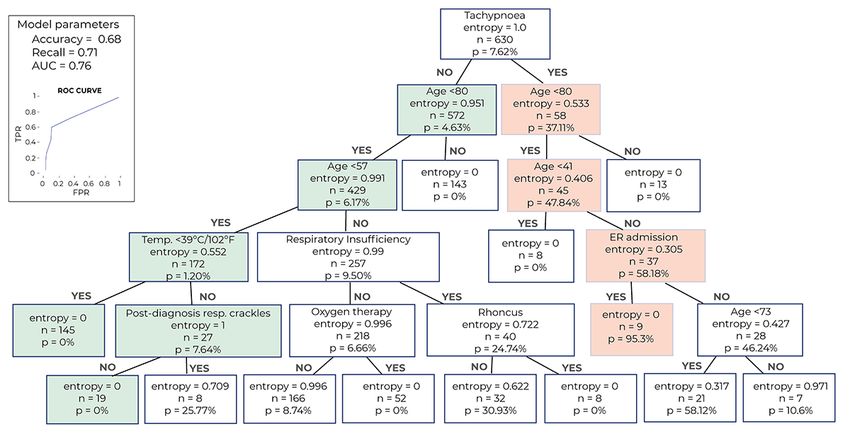
JOURNAL OF MEDICAL INTERNET RESEARCH                                                                                              Izquierdo et al

                                                                          learning (for predictive modeling) to analyze the clinical
     Introduction                                                         information contained in the EHRs of patients with COVID-19.
     The unprecedented global spread of SARS-CoV-2, the virus
     that causes COVID-19, requires innovative approaches that            Methods
     deliver real-time results [1,2]. To date, big data analytics have
                                                                          The BigCOVIData study was conducted in compliance with
     been primarily used to assess SARS-CoV-2 transmission [3]
                                                                          legal and regulatory requirements and followed generally
     and to indirectly estimate COVID-19 incidence using data from
                                                                          accepted research practices described in the International
     social media [4]. However, many factors involved in the onset
                                                                          Council for Harmonisation of Technical Requirements for
     and temporal distribution of the ongoing COVID-19 pandemic
                                                                          Pharmaceuticals for Human Use (ICH) Guideline for Good
     remain unknown. Similarly, both the individual and population
                                                                          Clinical Practice, the latest edition of the Helsinki Declaration,
     burdens of COVID-19 are only beginning to be elucidated.
                                                                          the Guidelines for Good Pharmacoepidemiology Practices, and
     Although big data analytics and artificial intelligence (AI) are
                                                                          applicable local regulations. This study was classified as a
     widely used in the realms of health and medicine [5-7],
                                                                          “non–postauthorization study” by the Spanish Agency of
     researchers are only beginning to use these tools to explore the
                                                                          Medicines and Health Products, and it was approved by the
     clinical characteristics and predictive factors of patients with
                                                                          Research Ethics Committee at the University Hospital of
     COVID-19, including mortality [8-11].
                                                                          Guadalajara (Spain). We and endorsed the STrengthening the
     Considering the unprecedented spread and severity of the             Reporting of OBservational studies in Epidemiology (STROBE)
     ongoing COVID-19 outbreak, focus has been given to hospitals’        guidance for reporting observational research [19].
     unmet needs, particularly their ICU requirements [8,9,12].
     Indeed, health systems have been or currently are near collapse,
                                                                          Study Design and Data Source
     and independent modelling efforts have aimed at forecasting a        This was a multicenter, noninterventional, retrospective study
     number of epidemiological estimators, including ICU use              using data captured in the EHRs of the participating hospitals
     [13-15].                                                             within the Servicio de Salud de Castilla-La Mancha (SESCAM)
                                                                          Health Care Network in Castilla-La Mancha, Spain (Figure 1).
     Previously, our team reported that a combination of big data         Data captured in EHRs were collected from all available
     analytics and machine learning techniques helped better              departments, including inpatient hospital, outpatient hospital,
     determine the quality of diagnosis and treatment of chronic          and emergency department (ED), for virtually all types of
     obstructive pulmonary disease (COPD) via an analysis of              provided services in each participating hospital. The study period
     hospital electronic health records (EHRs) using natural language     was January 1 to March 29, 2020.
     processing (NLP) and validated algorithms [16,17].
                                                                          The study database was fully anonymized in a structured format
     As part of the BigCOVIData study, our primary objectives are         and contained no personal information from patients. Likewise,
     to describe the clinical characteristics and determine the factors   personal information was not accessed during either the
     that predict ICU admission of patients with COVID-19.                application of automated and algorithmic methods (ie, NLP) or
     Determining these factors using a well-defined population can        the conversion of unstructured data into the structured database.
     increase our understanding of the real-world epidemiology of         Importantly, given that clinical information was handled in an
     the disease. To achieve this aim, we used a combination of           aggregate, anonymized, and irreversibly dissociated manner,
     classic epidemiological methods [18], NLP, and machine               patient consent regulations do not apply to the present study.

     http://www.jmir.org/2020/10/e21801/                                                          J Med Internet Res 2020 | vol. 22 | iss. 10 | e21801 | p. 2
                                                                                                                 (page number not for citation purposes)
XSL• FO
RenderX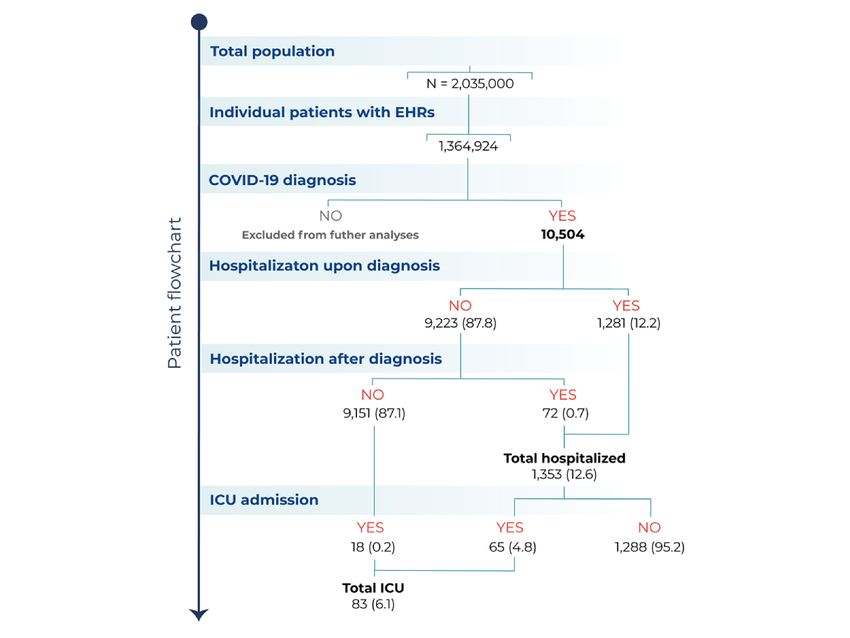
JOURNAL OF MEDICAL INTERNET RESEARCH                                                                                                         Izquierdo et al

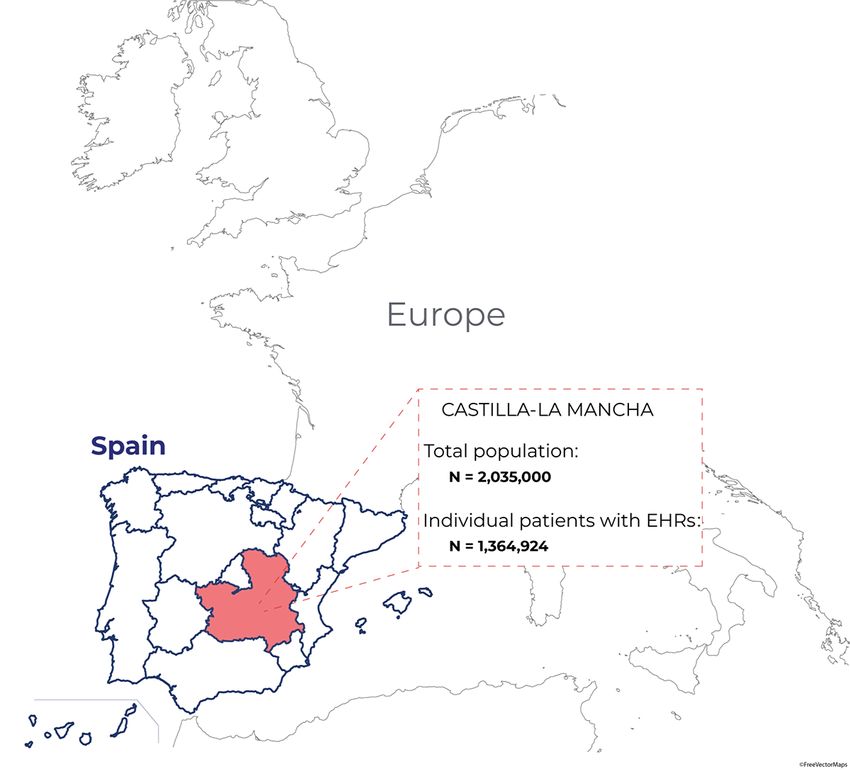
     Figure 1. Map of the Castilla-La Mancha region (red) within the Spanish (blue line) and European territories. From a general source population of
     2,035,000 inhabitants, we collected and analyzed the clinical information in the EHRs of 1,364,924 patients within the Servicio de Salud de Castilla-La
     Mancha (SESCAM) Health Care Network. EHR: electronic health record.

                                                                                  symptom- and imaging-based identification of patients with
     Study Sample                                                                 COVID-19, especially in early stages of the disease [20,22,23].
     The study sample included all patients in the source population
     who were diagnosed with COVID-19. Patients were identified                   EHRead
     on the basis of clinical diagnosis or microbiological test results.          To meet the study objectives, we used EHRead [24], a
     Clinical confirmation of COVID-19 cases was determined by                    technology developed by Savana that applies NLP, machine
     observed symptomatology, imaging (mostly chest X-ray), and                   learning, and deep learning to analyze the unstructured free-text
     laboratory results, as captured in the unstructured, free-text               information written in millions of deidentified EHRs. This
     information in the EHRs. Microbiological test result                         technology enables the extraction of information from all types
     confirmation of COVID-19 cases involved reverse                              of EHRs and subsequent normalization of the extracted clinical
     transcriptase–polymerase chain reaction (RT-PCR) or similar                  entities to a unique terminology. This process enables further
     available tests. Our decision to consider cases confirmed both               analysis of a descriptive or predictive nature. Originally based
     clinically and by RT-PCR was justified by the limited                        on Systematized Nomenclature of Medicine Clinical Terms
     availability of routinely administered RT-PCR tests in the region            (SNOMED CT) terminology, our unique body of terminology
     during the study period and supported by recent discussions on               comprises more than 400,000 medical concepts, acronyms, and
     the far-from-optimal sensitivity of RT-PCR for COVID-19 (ie,                 laboratory parameters aggregated over the course of five years
     a single negative result from a single specimen cannot exclude               of free-text mining, targeting the most common diseases (eg,
     the disease in suspected cases) [20,21]. Indeed, recent reports              respiratory diseases, cardiovascular diseases, and diabetes).
     highlight the clinical validity and relatively high sensitivity of

     http://www.jmir.org/2020/10/e21801/                                                                     J Med Internet Res 2020 | vol. 22 | iss. 10 | e21801 | p. 3
                                                                                                                            (page number not for citation purposes)
XSL• FO
RenderX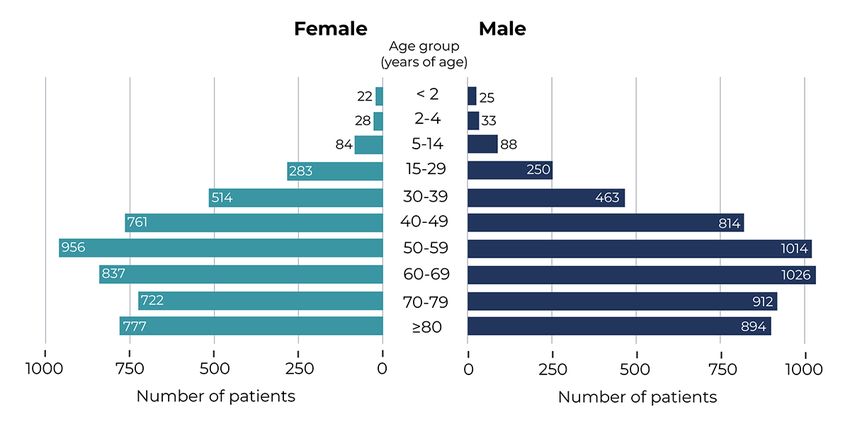
JOURNAL OF MEDICAL INTERNET RESEARCH                                                                                                Izquierdo et al

     Using a combination of regular expression rules and machine            admission; therefore, it is predictive from symptom debut until
     learning models, the terminology entities are detected in the          outcome. The tree is composed of nodes that branch to
     unstructured text and later classified based on sections typically     subsequent child nodes depending on the patient’s variables.
     contained in EHRs, hospital services, and other clinical               The tree is built in such a way that each branch separates the
     specifications. Importantly, each detected term is described in        two classes as much as possible. This separation is measured
     terms of negative, speculative, or affirmative clinical statements;    as the Shannon entropy, where a node with an entropy of zero
     this is achieved by using deep learning convolutional neural           indicates that the classification is perfect (either all or none of
     network classification methods that rely on word embeddings            the patients were admitted to the ICU) and an entropy of one is
     and context information (for a similar methodological approach,        the worst possible mix (50%/50%) [27].
     see [25]). The limitations of case-by-case detection are also
     overcome with a similar approach to ensure that the detected
                                                                            Model Training and Validation
     concepts are used within the appropriate context for the               The model was developed and tested on the available data from
     descriptive and predictive analysis.                                   hospitalized patients who had or had not been admitted to the
                                                                            ICU; the latter were either discharged from the hospital or died
     For particular cases where extra specifications are required (ie,      in the course of the disease. This amounted to a total of 900
     to differentiate COVID-19 cases from other mentions of the             patients. We validated our algorithm by splitting our COVID-19
     term related to fear of the disease or to potential contact), the      sample into a 70% training set and a 30% validation set. This
     detection output was manually reviewed in more than 5000               means that the model was trained with 630 patients (582 who
     reports to avoid any possible ambiguity associated with free-text      did not require intensive care vs 48 who did) and validated over
     reporting. All NLP deep learning models used in this study were        the remaining 270 patients. Because the two classes were
     validated using the standard training/validation/testing approach;     unbalanced (far fewer patients required ICU admission), we
     we used a 75/12/13 split ratio in the available annotated data         used the standard technique of oversampling the lower class to
     (between 2000 and 3000 records, depending on the model) to             guarantee a balance of accuracy and recall (ie, the tradeoff
     ensure efficient generalization on unseen cases. For all               between false positives vs false negatives). Further, we sought
     developed models, we obtained F scores greater than 0.89.              to replicate the results of this validation in an a posteriori
     Data Analyses                                                          sensitivity analysis, as per recent recommendations for
                                                                            predictive modeling in COVID-19 [28] and TRIPOD
     All categorical variables (eg, comorbidities, symptoms) are
                                                                            (Transparent Reporting of a multivariable prediction model for
     shown in frequency tables, whereas continuous variables (eg,
                                                                            Individual Prognosis or Diagnosis) guidance [29]. For this
     age) are described via summary tables that include the mean,
                                                                            second validation, we trained the model with data from the
     SD, median, minimum and maximum, and quartiles of each
                                                                            provinces of Ciudad Real and Guadalajara (38% of the study
     variable. To test for possible statistically significant differences
                                                                            sample from Castilla-La Mancha), and we used an independent
     in the distribution of categorical variables between study groups
                                                                            set with combined data set from the other three provinces,
     (ie, male vs female, ICU admission vs no ICU admission), we
                                                                            namely Toledo, Cuenca, and Albacete, for validation.
     used Yates-corrected chi-square tests. For continuous variables,
     mean differences were tested using t tests. Given our general          Additional details regarding the development and validation of
     population approach and our unusually large sample size, we            the predictive algorithm are included in the Supplementary
     were interested in exploring sex-related differences in patients       Methods in Multimedia Appendix 1. The workflow used for
     with COVID-19; therefore, most results were stratified by sex          the generation of the predictive algorithm is summarized in
     [26]. All statistical inferences were performed at the 5%              Figure S1 in Multimedia Appendix 1.
     significance level using 2-sided tests or 2-sided CIs.
     Predictive Model
                                                                            Results
     We developed a decision tree to classify patients with                 From a source general population of 2,035,000 inhabitants, we
     COVID-19 according to their risk of being admitted to the ICU.         used NLP and machine learning to analyze the clinical
     The two types of patients or classes considered in the model           information contained in the EHRs of 1,364,924 anonymous
     were therefore “admitted to the ICU” and “not admitted to the          patients (Figure 1). Among these, we identified a total of 10,504
     ICU.” The model maps the characteristics of the patients (the          patients diagnosed with COVID-19 (Figure 2). The flowchart
     variables) to their class in the shape of a tree. From a clinical      of participation in the study up to hospital admission, ICU
     perspective, this model contemplates all patient variables upon        admission, or discharge is presented in Figure 2.

     http://www.jmir.org/2020/10/e21801/                                                            J Med Internet Res 2020 | vol. 22 | iss. 10 | e21801 | p. 4
                                                                                                                   (page number not for citation purposes)
XSL• FO
RenderX
JOURNAL OF MEDICAL INTERNET RESEARCH Izquierdo et al
Figure 2. Patient flowchart depicting the total number of inhabitants in the source population, the number (%) of patients with available EHRs analyzed,
the number of patients diagnosed with COVID-19, and of those, the number of hospitalizations and ICU admissions. EHR: electronic health record;
ICU: intensive care unit.
Of the patients with COVID-19, 52.5% (5519/10,504) were were less common. Sex-dependent differences in sign and
male, with a mean age of 58.2 years (SD 19.7) (Table 1). Most symptom frequencies upon diagnosis are shown in Table 1. Of
patients with COVID-19 were aged ≥50 years (Figure 3). Upon note, we observed subtle increases in the frequency of diarrhea,
diagnosis, the most common symptoms reported were cough, myalgia, headache, chest pain, and anosmia in female patients
fever, and dyspnea (Table 1); notably, less than half of patients with COVID-19, while male patients showed significant
presented with all three of these symptoms. Further, respiratory increases in fever, dyspnea, respiratory crackles, rhonchus,
crackles, myalgia, and diarrhea were identified in ≥5% of cases, lymphopenia, and tachypnea (all PJOURNAL OF MEDICAL INTERNET RESEARCH Izquierdo et al
Table 1. Baseline demographics and clinical data of the patients in the study upon diagnosis (N=10,504).
Characteristic Female Male Total P valuea
Sexb, n (%) 4984 (47.4) 5519 (52.5) 10,504 (100) N/Ac
Age (years)JOURNAL OF MEDICAL INTERNET RESEARCH Izquierdo et al
Characteristic Female Male Total P valuea
Bronchiectasis 42 (0.8) 87 (1.6) 129 (1.2)JOURNAL OF MEDICAL INTERNET RESEARCH Izquierdo et al
Table 2. Associations of signs and symptoms and comorbidities with ICU admission upon diagnosis in patients with COVID-19 (N=10,504).
Variable Not admitted to ICUa (n=10,421), n (%) Admitted to ICU (n=83), n (%) P valueb
Signs and symptoms
Cough 5181 (49.7) 62 (74.7)JOURNAL OF MEDICAL INTERNET RESEARCH Izquierdo et al
b
P values from Yates-corrected chi-square tests of differences between percentages of patients in either outcome group. All tests were performed
individually for each variable (sign, symptom, or comorbidity, where applicable).
c
List of medical conditions according to Systematized Nomenclature of Medicine Clinical Terms terminology.
d
COPD: chronic obstructive pulmonary disease.
e
OSA: obstructive sleep apnea.
f
CKD: chronic kidney disease.
Finally, by using a machine-learning, data-driven algorithm, to the ED after being seen in primary care (entropy=0, n=104).
we identified that a combination of three easily available clinical As stated in the Methods section, we performed an additional
variables, namely age, temperature, and respiratory frequency, sensitivity analysis with different data sets to further validate
was the most parsimonious predictor of ICU admission among the results of our predictive model. The independent data set of
patients with COVID-19 (Figure 4). For this model, age and two provinces (Ciudad Real and Guadalajara, including a total
temperature were captured as continuous variables, whereas of 753,408 individual patients, or 38% of the entire study sample
tachypnea (yes/no) was defined as a respiratory frequency of from Castilla-La Mancha; Figure 1 and Supplemental Table S1
more than 20 breaths per minute. With accuracy, recall, and in Multimedia Appendix 1), was used to retrain our algorithm
area under the curve (AUC) values of 0.68, 0.71, and 0.76, to identify ICU admission at onset; validation was performed
respectively, the presented model reached optimal balance in in the remaining three provinces. As shown in Supplemental
terms of positive and negative predictive values for ICU Figure S2 in Multimedia Appendix 1, the new decision tree
admission. On the one hand, patients younger than 56 years, identified the same relevant clinical variables, that is age,
without tachypnea, and with temperature 39 ºC without respiratory crackles (entropy=0, n=18) similar (but not identical) thresholds in some variables. This
were not admitted to the ICU. On the other hand, patients with additional model achieved accuracy, recall, and AUC values of
COVID-19 aged 40 to 70 years were likely to be admitted in 0.85, 0.57, and 0.84, respectively, providing additional proof
the ICU if they presented with tachypnea and delayed their visit of validity for our main findings.
Figure 4. Decision tree of relevant clinical variables for the prediction of ICU admission in patients with COVID-19. The combination of three easily
available clinical variables, namely age, temperature, and respiratory frequency, was the most parsimonious predictor of ICU admission among COVID-19
patients. The number of patients, probability (p) of ICU admission predicted by the model, and level of entropy (a measure indicating how mixed or
pure the classification is, where 0 indicates optimal separation of classes) are indicated in each box. The green pathway indicates that patients with no
tachypnea, ageJOURNAL OF MEDICAL INTERNET RESEARCH Izquierdo et al
at onset by sex, while all comorbidities (except asthma) were applying NLP to exclusively analyze unstructured information.
significantly more frequent in male than female patients with Indeed, our state-ot-the-art methodology enabled rapid analysis
COVID-19. The variables identified in our ICU admission model of the unstructured free-text narratives in the EHRs of 1 million
(ie, age, temperature, and tachypnea) are clinically relevant, as patients from the general population of the region of Castilla-La
they are readily available and easily observable in everyday Mancha (Spain).
practice for patients with COVID-19. Although tachypnea is
Our methodology combined modules for sentence segmentation,
not an exclusive manifestation of COVID-19 and can be present
tokenization, text normalization, acronym disambiguation,
in patients suffering from other respiratory diseases (ie,
negation detection, and a multidimensional ranking scheme;
pneumonia), our model suggests that this sign (in combination
the latter involved linguistic knowledge, statistical evidence,
with age and temperature) is a more reliable predictor of ICU
and continuous vector representations of words and documents
use than other common symptoms and signs, such as cough,
learned via shallow neural networks. When applied to EHRs,
dyspnea, or respiratory crackles.
NLP enables both access to longitudinal health records for all
The reported sex-dependent differences in the symptomatology patients in the target population and the implementation of
of COVID-19 at onset have been further confirmed by our group exploratory analysis to clarify associations between variables
using similar methods [32] and should be interpreted in light that have remained undetected with traditional research methods.
of data suggesting that female teenagers and young adult women By considering all possible patients with the target disease, the
are significantly more affected by the disease than their male information and analyses used here (ie, real-world data and
counterparts [32]. In this regard, our results warrant further free-scale statistics) remained unbiased by the research question
investigations aimed at closing the gender gap in the ongoing or the observers. Unlike classical statistical methods (eg, logistic
pandemic [33]. regression), the main advantage associated with the use of
machine learning in this context is that it enables the automatic
Given that the stability and capacity of ICUs worldwide is
detection of meaningful relationships between variables. For
threatened by the rapid spread of COVID-19, the identification
instance, if a given symptom (ie, fever) is only relevant for
of individual factors that predict ICU admission may not only
certain patients (ie, older than 50 years), techniques such as the
improve patient management but also optimize health care
classification trees used here are suitable to uncover this
resource use and planning. Thus, recent studies using big data
relationship. In this context, although the total number of
and machine learning have explored the prognostic factors of
patients who required ICU use in the training set was somewhat
the disease, including ICU transfer, discharge, and mortality
low (48 patients), the number of variables considered in the
[8-11]. In line with our results, respiratory rate has also been
model was also very limited. In addition, the inclusion of a
identified as an important predictor of ICU transfer in patients
validation stage reduces the likelihood of overfitting. Ultimately,
with COVID-19 [9].
the use of classification trees in this study (as opposed to other
If further applied to other national and international health care models, such as artificial neural networks) is especially
networks, the tools and methodology presented in this study appropriate in the clinical context because they are easily
can potentially characterize and predict the prognosis of interpretable.
COVID-19 in a timely and unprecedented manner. As
Regarding the geographical location of our participating hospital
demonstrated in recent studies [34,35], there may be value in
sites, it is worth mentioning that with a total of 1,364,924
the application of AI to the current COVID-19 pandemic, not
patients from the region of Castilla-La Mancha (SESCAM
only to predict outbreaks [36] or read chest computed
Health Care Network), our sample is representative of the
tomography scans [37] but also to elucidate the clinical onset
Spanish population. Spain is among the countries that have been
and natural history of COVID-19 almost in real time. Indeed,
most affected by the pandemic in terms of both total cases and
classical methods would require months of questionnaire-based
mortality rates [40,41]; the Castilla-La Mancha region in
data collection and questionnaire validation along with multiple
particular is the third most affected region in the country, just
Ethics Board approvals and other practical hurdles; these steps
behind Madrid and Catalonia. For this reason, we anticipate
can be avoided with our current approach.
that the clinical conclusions drawn here will be relevant for
In the race against COVID-19 [38], where the goal is to curb clinicians worldwide. Of note, the ICU capacity in the region
the pandemic, it is imperative to leverage big data and intelligent during the study period had not yet been compromised, which
analytics for the betterment of public health. However, it is of protects against possible bias in our training data (all patients
the utmost importance not to neglect privacy and public trust, requiring intensive care were indeed admitted to the ICU).
to apply best practices, and to maintain responsible standards
The results and conclusions of the present study should be
for data collection and data processing on a global scale [39].
interpreted in light of the following limitations. First, we did
Strengths and Limitations not distinguish COVID-19 cases confirmed by laboratory results
To our knowledge, this is one of the first attempts to combine (ie, RT-PCR) from those exclusively diagnosed through clinical
NLP and machine learning to access and analyze unstructured, observation (ie, symptomatology, imaging and laboratory
free-text real-world data from EHRs in a large series of patients results). However, it should be noted that PCR and other rapid
with COVID-19. Although recent studies have used machine laboratory tests for the detection of SARS-CoV-2 were not
learning to predict ICU admission in patients with COVID-19 routinely administered in Spain during the study period. In
[9], our approach takes this methodology one step further by addition, this decision is supported by recent discussions on the
clinical validity and relatively high sensitivity of symptom- and
http://www.jmir.org/2020/10/e21801/ J Med Internet Res 2020 | vol. 22 | iss. 10 | e21801 | p. 10
(page number not for citation purposes)
XSL• FO
RenderXJOURNAL OF MEDICAL INTERNET RESEARCH Izquierdo et al
imaging-based identification of patients with COVID-19, Conclusion
especially in early stages of the disease [20,22,23]. Second, In this study, we found that in the largest series of patients with
independent replications by different research groups in larger COVID-19 attended during the first three months of the
patient sets are needed to further support the clinical validity pandemic in Spain, 6.1% of all hospitalized patients (83/1353)
of our results. required ICU admission. We also found that a combination of
Finally, future reports from the BigCOVIData study may easily obtained clinical variables, namely age, fever, and
incorporate laboratory results and treatments and may tachypnea, predicts whether patients with COVID-19 will
contextualize the results presented here in a larger clinical require ICU admission.
picture [28].
Acknowledgments
The members of the Savana COVID-19 Research Group are Ignacio H Medrano, MD; Jorge Tello; Alberto Porras, MD, PhD;
Marisa Serrano, PhD; Sara Lumbreras, PhD; Universidad Pontificia Comillas; Carlos Del Rio-Bermudez, PhD; Stephanie
Marchesseau, PhD; Ignacio Salcedo; Andrea Martínez; Claudia Maté, MD; Sergio Collazo, MD; Jesús Barea, MD; María
Villamayor, MD; Antonio Urda, MD, PhD; Carolina de la Pinta, MD; Imanol Zubizarreta; Yolanda González, PhD; and Sebastian
Menke, PhD. We thank all the Savaners for helping accelerate health science with their daily work. This study would have not
been possible without every single team member. This study was sponsored by Savana [42]. We also thank the SESCAM Health
Care Network in Castilla-La Mancha, Spain, for its participation in the study and for supporting the development of cutting-edge
technology in real time.
Conflicts of Interest
JLI has received consulting or speaking fees from AstraZeneca, Bayer, Boehringer Ingelheim, Chiesi, Glaxo, Grifols, Smith
Kline, Menarini, Novartis, Orion, Pfizer, Sandoz, and Teva.
Multimedia Appendix 1
Supplementary Methods/Supplementary Figures and Tables.
[DOC File , 366 KB-Multimedia Appendix 1]
References
1. Coronavirus (COVID-19). US Centers for Disease Control and Prevention. URL: https://www.cdc.gov/coronavirus/
2019-ncov/index.html [accessed 2020-04-08]
2. Zhu N, Zhang D, Wang W, Li X, Yang B, Song J, et al. A Novel Coronavirus from Patients with Pneumonia in China,
2019. N Engl J Med 2020 Feb 20;382(8):727-733. [doi: 10.1056/nejmoa2001017]
3. Ferretti L, Wymant C, Kendall M, Zhao L, Nurtay A, Abeler-Dörner L, et al. Quantifying SARS-CoV-2 transmission
suggests epidemic control with digital contact tracing. Science 2020 May 08;368(6491):eabb6936 [FREE Full text] [doi:
10.1126/science.abb6936] [Medline: 32234805]
4. Qin L, Sun Q, Wang Y, Wu K, Chen M, Shia B, et al. Prediction of Number of Cases of 2019 Novel Coronavirus (COVID-19)
Using Social Media Search Index. Int J Environ Res Public Health 2020 Mar 31;17(7):2365 [FREE Full text] [doi:
10.3390/ijerph17072365] [Medline: 32244425]
5. Topol EJ. High-performance medicine: the convergence of human and artificial intelligence. Nat Med 2019 Jan;25(1):44-56.
[doi: 10.1038/s41591-018-0300-7] [Medline: 30617339]
6. Divita G, Carter M, Redd A, Zeng Q, Gupta K, Trautner B, et al. Scaling-up NLP Pipelines to Process Large Corpora of
Clinical Notes. Methods Inf Med 2018 Jan 23;54(06):548-552. [doi: 10.3414/me14-02-0018]
7. Burgner D, Jamieson SE, Blackwell JM. Genetic susceptibility to infectious diseases: big is beautiful, but will bigger be
even better? Lancet Infect Dis 2006 Oct;6(10):653-663. [doi: 10.1016/s1473-3099(06)70601-6]
8. Liu Y, Mao B, Liang S, Yang J, Lu H, Chai Y, et al. Association Between Age and Clinical Characteristics and Outcomes
of Coronavirus Disease 2019. SSRN Journal Preprint posted online on March 31, 2020. [doi: 10.2139/ssrn.3556689]
9. Cheng F, Joshi H, Tandon P, Freeman R, Reich DL, Mazumdar M, et al. Using Machine Learning to Predict ICU Transfer
in Hospitalized COVID-19 Patients. J Clin Med 2020 Jun 01;9(6):1668 [FREE Full text] [doi: 10.3390/jcm9061668]
[Medline: 32492874]
10. Nemati M, Ansary J, Nemati N. Machine-Learning Approaches in COVID-19 Survival Analysis and Discharge-Time
Likelihood Prediction Using Clinical Data. Patterns (NY) 2020 Aug 14;1(5):100074 [FREE Full text] [doi:
10.1016/j.patter.2020.100074] [Medline: 32835314]
11. Darabi HR, Tsinis D, Zecchini K, Whitcomb WF, Liss A. Forecasting Mortality Risk for Patients Admitted to Intensive
Care Units Using Machine Learning. Procedia Computer Science 2018;140:306-313. [doi: 10.1016/j.procs.2018.10.313]
12. Horton R. Offline: COVID-19—what countries must do now. Lancet 2020 Apr;395(10230):1100. [doi:
10.1016/s0140-6736(20)30787-x]
http://www.jmir.org/2020/10/e21801/ J Med Internet Res 2020 | vol. 22 | iss. 10 | e21801 | p. 11
(page number not for citation purposes)
XSL• FO
RenderXJOURNAL OF MEDICAL INTERNET RESEARCH Izquierdo et al
13. Xu B, Gutierrez B, Mekaru S, Sewalk K, Goodwin L, Loskill A, et al. Epidemiological data from the COVID-19 outbreak,
real-time case information. Sci Data 2020 Mar 24;7(1):106 [FREE Full text] [doi: 10.1038/s41597-020-0448-0] [Medline:
32210236]
14. IHME COVID-19 health service utilization forecasting team, Murray CJL. Forecasting COVID-19 impact on hospital
bed-days, ICU-days, ventilator-days and deaths by US state in the next 4 months. medRxiv Preprint posted online on March
30, 2020. [doi: 10.1101/2020.03.27.20043752]
15. Sotgiu G, Gerli AG, Centanni S, Miozzo M, Canonica GW, Soriano JB, et al. Advanced forecasting of SARS-CoV-2-related
deaths in Italy, Germany, Spain, and New York State. Allergy 2020 Jul;75(7):1813-1815 [FREE Full text] [doi:
10.1111/all.14327] [Medline: 32306406]
16. Izquierdo J, Morena D, González Y, Paredero J, Pérez B, Graziani D, et al. Clinical Management of COPD in a Real-World
Setting. A Big Data Analysis. Arch Bronconeumol 2020 Feb 22:in press. [doi: 10.1016/j.arbres.2019.12.025] [Medline:
32098727]
17. Sociedad EDNYCT. Chart Review of Patients With COPD, Using Electronic Medical Records and Artificial Intelligence
(BigCOPData). ClinicalTrials.gov. 2019 Dec 20. URL: https://clinicaltrials.gov/ct2/show/NCT04206098 [accessed
2020-04-13]
18. Koo D, Thacker SB. In snow's footsteps: Commentary on shoe-leather and applied epidemiology. Am J Epidemiol 2010
Sep 15;172(6):737-739. [doi: 10.1093/aje/kwq252] [Medline: 20720100]
19. von Elm E, Altman DG, Egger M, Pocock SJ, Gøtzsche PC, Vandenbroucke JP, STROBE Initiative. The Strengthening
the Reporting of Observational Studies in Epidemiology (STROBE) statement: guidelines for reporting observational
studies. Bull World Health Organ 2007 Nov;85(11):867-872 [FREE Full text] [doi: 10.2471/blt.07.045120] [Medline:
18038077]
20. Long C, Xu H, Shen Q, Zhang X, Fan B, Wang C, et al. Diagnosis of the Coronavirus disease (COVID-19): rRT-PCR or
CT? Eur J Radiol 2020 May;126:108961 [FREE Full text] [doi: 10.1016/j.ejrad.2020.108961] [Medline: 32229322]
21. Wang W, Xu Y, Gao R, Lu R, Han K, Wu G, et al. Detection of SARS-CoV-2 in Different Types of Clinical Specimens.
JAMA 2020 May 12;323(18):1843-1844 [FREE Full text] [doi: 10.1001/jama.2020.3786] [Medline: 32159775]
22. Ai T, Yang Z, Hou H, Zhan C, Chen C, Lv W, et al. Correlation of Chest CT and RT-PCR Testing for Coronavirus Disease
2019 (COVID-19) in China: A Report of 1014 Cases. Radiology 2020 Aug;296(2):E32-E40 [FREE Full text] [doi:
10.1148/radiol.2020200642] [Medline: 32101510]
23. Xu J, Wu R, Huang H, Zheng W, Ren X, Wu N, et al. Computed Tomographic Imaging of 3 Patients With Coronavirus
Disease 2019 Pneumonia With Negative Virus Real-time Reverse-Transcription Polymerase Chain Reaction Test. Clin
Infect Dis 2020 Jul 28;71(15):850-852 [FREE Full text] [doi: 10.1093/cid/ciaa207] [Medline: 32232429]
24. Hernandez Medrano I, Tello Guijarro J, Belda C, Urena A, Salcedo I, Espinosa-Anke L, et al. Savana: Re-using Electronic
Health Records with Artificial Intelligence. IJIMAI 2018;4(7):8. [doi: 10.9781/ijimai.2017.03.001]
25. Yang Z, Dehmer M, Yli-Harja O, Emmert-Streib F. Combining deep learning with token selection for patient phenotyping
from electronic health records. Sci Rep 2020 Jan 29;10(1):1432 [FREE Full text] [doi: 10.1038/s41598-020-58178-1]
[Medline: 31996705]
26. The Lancet. The gendered dimensions of COVID-19. Lancet 2020 Apr;395(10231):1168. [doi:
10.1016/s0140-6736(20)30823-0]
27. Quinlan JR. Induction of decision trees. Mach Learn 1986 Mar;1(1):81-106. [doi: 10.1007/bf00116251]
28. Wynants L, Van Calster B, Collins GS, Riley RD, Heinze G, Schuit E, et al. Prediction models for diagnosis and prognosis
of covid-19 infection: systematic review and critical appraisal. BMJ 2020 Apr 07;369:m1328. [doi: 10.1136/bmj.m1328]
[Medline: 32265220]
29. Moons KG, Altman DG, Reitsma JB, Ioannidis JP, Macaskill P, Steyerberg EW, et al. Transparent Reporting of a
multivariable prediction model for Individual Prognosis Or Diagnosis (TRIPOD): Explanation and Elaboration. Ann Intern
Med 2015 Jan 06;162(1):W1. [doi: 10.7326/m14-0698]
30. Lescure F, Bouadma L, Nguyen D, Parisey M, Wicky P, Behillil S, et al. Clinical and virological data of the first cases of
COVID-19 in Europe: a case series. Lancet Infect Dis 2020 Jun;20(6):697-706. [doi: 10.1016/s1473-3099(20)30200-0]
31. Li Q, Guan X, Wu P, Wang X, Zhou L, Tong Y, et al. Early Transmission Dynamics in Wuhan, China, of Novel
Coronavirus–Infected Pneumonia. N Engl J Med 2020 Mar 26;382(13):1199-1207. [doi: 10.1056/nejmoa2001316]
32. Ancochea J, Izquierdo J, Savana COVID-19 Research Group, Soriano J. Evidence of gender bias in the diagnosis and
management of COVID-19 patients: A Big Data analysis of Electronic Health Records. medRxiv Preprint posted online
on July 26, 2020. [doi: 10.1101/2020.07.20.20157735]
33. Wenham C, Smith J, Morgan R. COVID-19: the gendered impacts of the outbreak. Lancet 2020 Mar;395(10227):846-848.
[doi: 10.1016/s0140-6736(20)30526-2]
34. McCall B. COVID-19 and artificial intelligence: protecting health-care workers and curbing the spread. Lancet Digit Health
2020 Apr;2(4):e166-e167. [doi: 10.1016/s2589-7500(20)30054-6]
35. Du RH, Liang LR, Yang CQ, Wang W, Cao TZ, Li M, et al. Predictors of mortality for patients with COVID-19 pneumonia
caused by SARS-CoV-2: a prospective cohort study. Eur Respir J 2020 May;55(5):2000524. [doi:
10.1183/13993003.00524-2020] [Medline: 32269088]
http://www.jmir.org/2020/10/e21801/ J Med Internet Res 2020 | vol. 22 | iss. 10 | e21801 | p. 12
(page number not for citation purposes)
XSL• FO
RenderXJOURNAL OF MEDICAL INTERNET RESEARCH Izquierdo et al
36. Ayyoubzadeh S, Ayyoubzadeh S, Zahedi H, Ahmadi M, Kalhori SRN. Predicting COVID-19 Incidence Through Analysis
of Google Trends Data in Iran: Data Mining and Deep Learning Pilot Study. JMIR Public Health Surveill 2020 Apr
14;6(2):e18828 [FREE Full text] [doi: 10.2196/18828] [Medline: 32234709]
37. Li L, Qin L, Xu Z, Yin Y, Wang X, Kong B, et al. Using Artificial Intelligence to Detect COVID-19 and Community-acquired
Pneumonia Based on Pulmonary CT: Evaluation of the Diagnostic Accuracy. Radiology 2020 Aug;296(2):E65-E71 [FREE
Full text] [doi: 10.1148/radiol.2020200905] [Medline: 32191588]
38. Editorial. The race against COVID-19. Nat Nanotechnol 2020 Apr 17;15(4):239-240. [doi: 10.1038/s41565-020-0680-y]
[Medline: 32303704]
39. Ienca M, Vayena E. On the responsible use of digital data to tackle the COVID-19 pandemic. Nat Med 2020 Apr
27;26(4):463-464 [FREE Full text] [doi: 10.1038/s41591-020-0832-5] [Medline: 32284619]
40. Coronavirus disease 2019 (COVID-19) Situation Report 64. World Health Organization. 2020 Mar 24. URL: https://www.
who.int/docs/default-source/coronaviruse/situation-reports/20200324-sitrep-64-covid-19.pdf?sfvrsn=723b221e_2 [accessed
2020-03-24]
41. Situación de COVID-19 en España. Ministerio de Sanidad 2020. URL: https://covid19.isciii.es [accessed 2020-04-13]
42. Savana. URL: https://www.savanamed.com/ [accessed 2020-10-23]
Abbreviations
AI: artificial intelligence
AUC: area under the curve
COPD: chronic obstructive pulmonary disease
ED: emergency department
EHR: electronic health record
ICH: International Council for Harmonisation of Technical Requirements for Pharmaceuticals for Human Use
ICU: intensive care unit
NLP: natural language processing
OSA: obstructive sleep apnea
RT-PCR: reverse transcriptase–polymerase chain reaction
SESCAM: Servicio de Salud de Castilla-La Mancha
SNOMED CT: Systematized Nomenclature of Medicine Clinical Terms
STROBE: STrengthening the Reporting of OBservational studies in Epidemiology
TRIPOD: Transparent Reporting of a multivariable prediction model for Individual Prognosis or Diagnosis
Edited by G Eysenbach; submitted 29.06.20; peer-reviewed by C Fincham, F Palmieri, I Mircheva, J Li; comments to author 21.07.20;
revised version received 28.07.20; accepted 20.10.20; published 28.10.20
Please cite as:
Izquierdo JL, Ancochea J, Savana COVID-19 Research Group, Soriano JB
Clinical Characteristics and Prognostic Factors for Intensive Care Unit Admission of Patients With COVID-19: Retrospective Study
Using Machine Learning and Natural Language Processing
J Med Internet Res 2020;22(10):e21801
URL: http://www.jmir.org/2020/10/e21801/
doi: 10.2196/21801
PMID:
©Jose Luis Izquierdo, Julio Ancochea, Savana COVID-19 Research Group, Joan B Soriano. Originally published in the Journal
of Medical Internet Research (http://www.jmir.org), 28.10.2020. This is an open-access article distributed under the terms of the
Creative Commons Attribution License (https://creativecommons.org/licenses/by/4.0/), which permits unrestricted use, distribution,
and reproduction in any medium, provided the original work, first published in the Journal of Medical Internet Research, is
properly cited. The complete bibliographic information, a link to the original publication on http://www.jmir.org/, as well as this
copyright and license information must be included.
http://www.jmir.org/2020/10/e21801/ J Med Internet Res 2020 | vol. 22 | iss. 10 | e21801 | p. 13
(page number not for citation purposes)
XSL• FO
RenderXYou can also read


