THE SALVATION ARMY RAY & JOAN KROC CORPS COMMUNITY CENTER - THE ECONOMIC HALO EFFECT OF
←
→
Page content transcription
If your browser does not render page correctly, please read the page content below
THE ECONOMIC HALO EFFECT OF

      THE SALVATION ARMY
      RAY & JOAN KROC CORPS
      COMMUNITY CENTER
    MEMPHIS, TENNESSEE

    a report to The Salvation Army • May 2015

Submitted by Partners
for Sacred Places
and McClanahan
Associates, Inc.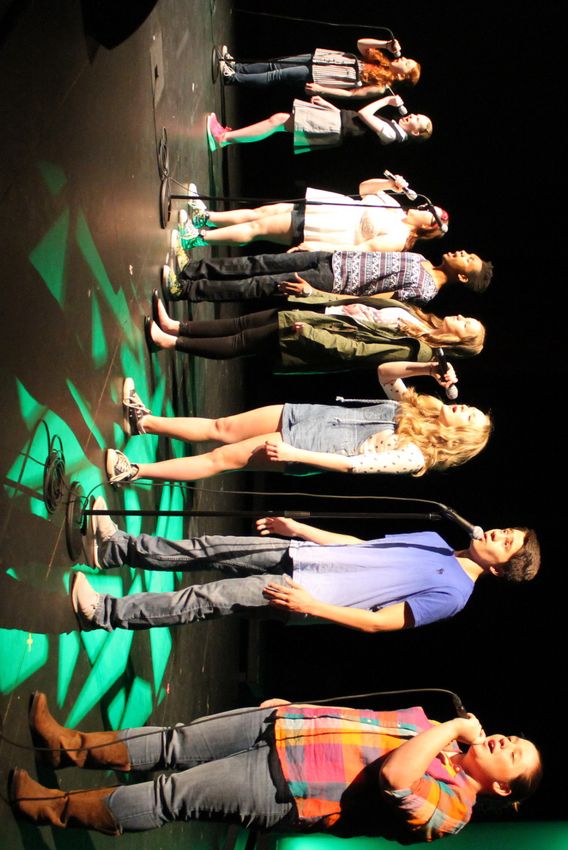
SUMMARY

                                                                                                                                 OVERVIEW OF FINDINGS
    Executive Summary
    This report, issued by Partners for Sacred Places (Partners) with support from McClanahan Associates, Inc.,
    provides an analysis of the annualized economic impact of the Memphis Kroc Center. It is part of a larger study of         Kroc Centers are designed to adapt and respond to the needs and interests of the particular communities and
    twenty-five Ray and Joan Kroc Corps Community Centers that are owned and operated by The Salvation Army.                   cities in which they are located, providing a mix of services and opportunities designed to enhance struggling
    Broadly, these centers provide facilities, programs, and services that encourage positive living, offer life-changing      communities. No two centers share the exact same mix of programming or physical features, and each has
    experiences for children and adults, strengthen families, and enrich the lives of seniors with the goal of uplifting       a unique feel, focus, and way of operating. Broadly, Kroc Centers include two core components: 1) the corps
    individuals and benefiting communities in need.                                                                            religious congregation of The Salvation Army; and 2) the center, which offers a range of health, fitness, education,
                                                                                                                               social, arts, outdoor space, and other programs and services. Centers are led by Salvation Army officers and
    The annualized economic impact of the center is derived using Partners’ “Economic Halo Effect” methodology,                staffed by a range of operations, program, and administrative experts who are not necessarily required to be
    developed in partnership with the University of Pennsylvania School of Social Policy and Practice. This methodology        members of the Army (Salvationists).
    quantifies the financial impact of congregations and other faith-based organizations on local and regional
    economies. The findings reported herein include two main categories of economic impact: the financial benefit to           The majority of individuals accessing the centers’ facilities and programs are not Salvationists, but come from the
    the community induced through the center’s construction and the total annual economic impact of the center as it           wider community. Kroc Centers offer membership to individuals and families who pay either annual or monthly
    currently operates. This total annual financial benefit monetizes a broad range of factors in four areas: 1) through the   membership fees. In some cases, centers provide discounted or entirely subsidized memberships for community
    center’s direct spending on staff, local goods, and services; 2) the value of day care and K-12 educational programs       members to ensure the center’s accessibility irrespective of income or ability to pay. Centers also offer day passes
    that allow parents and care-givers to work; 3) the worth of health and fitness programs that enable people to              for individuals who do not wish to become members.
    exercise regularly, lose weight, and eat healthily; and 4) a range of catalyzing or leveraging economic values such
    as recreation space, including the free use of outdoor parks, trails, playgrounds, and sporting fields; ‘magnet effect’
    – attracting visitors who patronize local businesses; and ‘invisible safety net’ – the combined value of membership                                                             HALO FINDINGS BY CATEGORY:
    subsidy, space, volunteer, scholarship, day-pass, and in-kind support provided to individuals and community-serving          Overall Halo Total:
    programs. Finally, this report illustrates, through stories and data provided by participants themselves, how the
    center has helped strengthen the lives of individuals and benefited the community.                                           $13,600,150                                        Recreation: $57,474
    For this report Partners for Sacred Places collected data in three ways: 1) using pre-tested survey instruments,
                                                                                                                                                                                    Magnet: $1,601,618
    Partners conducted on-site interviews with the center’s key management and program staff as well as center                 Annual Economic Benefit
    users and local civic leaders; 2) Partners reviewed documents related to center expenditures, construction                                                                      Fitness: $2,646,225
                                                                                                                               The Memphis Kroc Center makes a significant
    costs, membership, building entries, and space-usage; and 3) working with McClanahan Associates, Inc., Partners
                                                                                                                               contribution to the communities and individuals
    administered a cross-sectional participant survey to, first, gather information about the demographics of center                                                                Safety Net: $5,289,500
                                                                                                                               it serves. At the Memphis Kroc Center, the
    participants; second, get information from participants on the reasons they used center programs or services; and
                                                                                                                               total annual economic impact totals almost
    third, gain more detail on the health and wellness benefits experienced due to participation in center programs.                                                                Direct Spending: $4,005,333
                                                                                                                               fourteen million dollars — over 2.7 times its
    We made a deliberate attempt to be conservative in our valuation in three ways: first, if center staff were not able       average yearly budget.
    to estimate or document a particular service or activity or if the activity was not offered at the center, we assigned
    it a value of zero; second, with the exception of health and fitness, we chose not to assign monetary value to any
    of the data collected on how the center impacts individuals’ lives, because it is difficult to demonstrate cause-and-
    effect between center programs and individual benefit, and because that value is not easily corroborated by center
                                                                                                                               Financial Benefit from Construction of the Center
    beneficiaries or clearly demonstrated in relevant scientific literature; and third, we used conservative estimates         The construction of the Memphis Kroc Center induced significant spending and catalyzed over $66 million dollars
    related to spending induced by visitors and the value of membership subsidies.                                             of direct and induced spending and local wages earned as a result.

    Overall, the Memphis Kroc Center makes a significant economic impact on its community, contributing
    $13,600,150 in benefits to the community in 2014 through its programming, spending, and support of community
                                                                                                                                  CONSTRUCTION INDUCED
    members and organizations. Additionally, $66,015,638 in direct and induced spending was generated by the
    construction of the Memphis Kroc Center.                                                                                      SPENDING TOTAL:
                                                                                                                                 $66,015,638
                                                                                                                                                                                                                                         = $10 Million

2                                                                                                                                                                                                                                                        3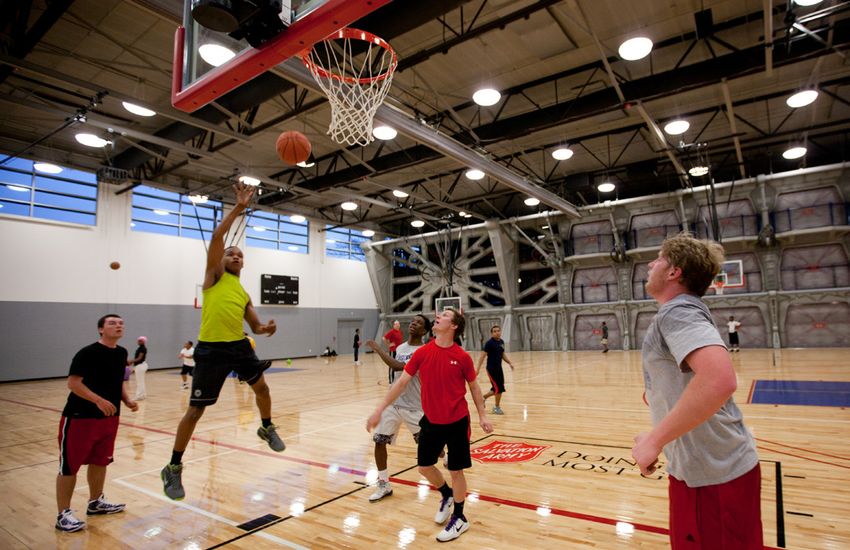
SUMMARY
                                                                                                                                             Arts and Music
                                                                                                                                             High-quality arts experiences and education are frequently unaffordable for individuals living in
      AMENITIES AND MISSION OF                                                                                                               disadvantaged neighborhoods and are increasingly unavailable in public schools. Kroc Centers provide a
                                                                                                                                             range of arts programs, especially music lessons, for members and for the general public. Often musical

      KROC CENTERS NATIONALLY                                                                                                     instruments are provided without cost or are heavily subsidized, especially for music lessons and programs geared
                                                                                                                                  towards children and youth. In addition, centers host performances by The Salvation Army bands and other groups.

                                                                                                                                               Special Events/Programs
                                                                                                                                               The centers have a variety of flexible meeting spaces ranging from small classrooms to large auditoriums

        *atPlease note that amenities with asterisks are not available currently
           the Memphis Kroc Center
                                                                                                                                               and outdoor gathering spaces. These spaces are used for a variety of special events, festivals, and fairs
                                                                                                                                               sponsored by the Kroc Centers. These spaces are also utilized by a number of outside organizations and
                                                                                                                                  individuals for trade shows, parties, meetings, conferences, and other gatherings. In many ways, the Kroc Centers
                                                                                                                                  function as affordable convention and special event centers in their communities, prompting visitor spending that
                  Fitness, Health, and Wellness/Sports and Recreation/Aquatics                                                    supports the local economy.
                  In order to address the health disparities common in low-income communities, Kroc Centers focus on
                  health, fitness, and wellness programming. Centers offer a broad array of health and wellness programs,                     Community Gardens/Outdoor Park Space
                  fitness equipment (including exercise equipment and weights), and specialized facilities such as                            Many centers sit on several acres or more of land and place an emphasis on using this outdoor space
    exercise classrooms, gyms, and pools. The majority of people using Kroc Centers do so to access these programs                            as an extension of their mission and programming. Typical features include community gardens,
    and facilities. Among the twenty-five included in this study, all but one has fitness facilities. Kroc Centers with fitness               walking/jogging paths, sports fields, parking spaces, landscaped park-like areas, and basketball or
    facilities offer a range of classes and expert instruction and also allow patrons to use gym equipment and pools on           other court spaces. Depending on the facility, access to many of these spaces is not controlled or monitored, so
    their own. Kroc Centers offer parents Childwatch or Playcare programming to allow them to exercise in the facility            community members can use the space as a de facto park for exercise, recreation, relaxation, contemplation,
    while their children are cared for in a safe and nurturing environment. Many Kroc Centers offer aquatics fitness              or sports. Furthermore, Kroc Centers are typically built on land or areas that had been neglected, blighted, or
    programs, swimming lessons, and swimming leagues, as well as free swim in the pools. Finally, many Kroc Centers               underused – restoring vitality and generating a neighborhood asset.
    offer recreational or league sports programs and make playing fields and courts available to the public for sport
    instruction, leagues, or other forms of recreation.                                                                                       Food
                                                                                                                                              Many centers provide healthy and affordable food options for center participants. Most often, this is
              Daycare/Childcare Centers
                                              *
              Certified, high quality, yet low cost childcare is a challenge for parents from economically-stressed
                                                                                                                                              achieved by providing space for a café that offers simple breakfast, lunch, or snack foods. In some
                                                                                                                                              locations, these cafés are run by the center staff; in other centers, a third-party operator manages the
              communities. Kroc Centers aim to fill this need by providing accredited daycare facilities. By providing            café. In both instances, they offer nutritious and convenient eating options for center users, as well as employment
              high quality care, centers give parents and care-givers the peace of mind to pursue employment outside              opportunities for local residents.
    of the home, contributing to the economic well-being of communities and their family. Moreover, the daycare
    programs at these centers provide needed employment opportunities for local community members.

               Senior Centers and Programs
                                                                                                                                        MISSION STATEMENT OF THE SALVATION ARMY
               High quality programs for senior citizens are essential to any vibrant community. Unfortunately, many                    “The Salvation Army, an international movement, is an evangelical part of the universal
               activities are inaccessible to low income, older adults. Recognizing this, the Kroc Centers provide a                    Christian Church. Its message is based on the Bible. Its ministry is motivated by the love of
               range of programs specifically geared to seniors including meals, enrichment programs, fitness classes,                  God. Its mission is to preach the gospel of Jesus Christ and to meet human needs in His name
    outings and socialization, and visits to nursing homes or senior housing facilities. By offering these range of services,
                                                                                                                                        without discrimination.”
    centers support seniors’ physical and emotional well-being and decrease isolation.
                                                                                                                                                                                                                           - THE SALVATION ARMY

                                        *
                After School/Camps/   Computer Lab
                Youth from low-income communities do not have access to the same enrichment and academic support
                programs as their more affluent peers. Many Kroc Centers aim to remedy this disparity by offering a                     MISSION STATEMENT OF KROC CENTERS
                range of programs geared toward school-aged children and youth including after-school programs,
    homework support and enrichment, as well as summer and school vacation camps. Many have computer labs
                                                                                                                                        “In keeping with the mission of The Salvation Army, Ray and Joan Kroc Corps Community
    available to youth and adults.                                                                                                      Centers provide facilities, programs and services that encourage positive living, offer
                                                                                                                                        life-changing experiences for children and adults, strengthen families, and enrich the lives of
             Family Resource Centers: Social Service Referrals                                                                          seniors. These facilities, programs and services promote educational enrichment, life skills
             To serve the most vulnerable and at-risk individuals and families in a supportive and professional                         development, and spiritual and physical wellness. In accordance with the Christian mission
             manner, most centers have formal programs in place to connect people with a range of government or                         of The Salvation Army, these resources will be offered without discrimination to uplift
             non-profit social service, food, and assistance programs. People accessing these services do not need                      individuals and benefit communities in need.”
    to be members of the Kroc Center.                                                                                                                                                                                      - THE SALVATION ARMY

4                                                                                                                                                                                                                                                          5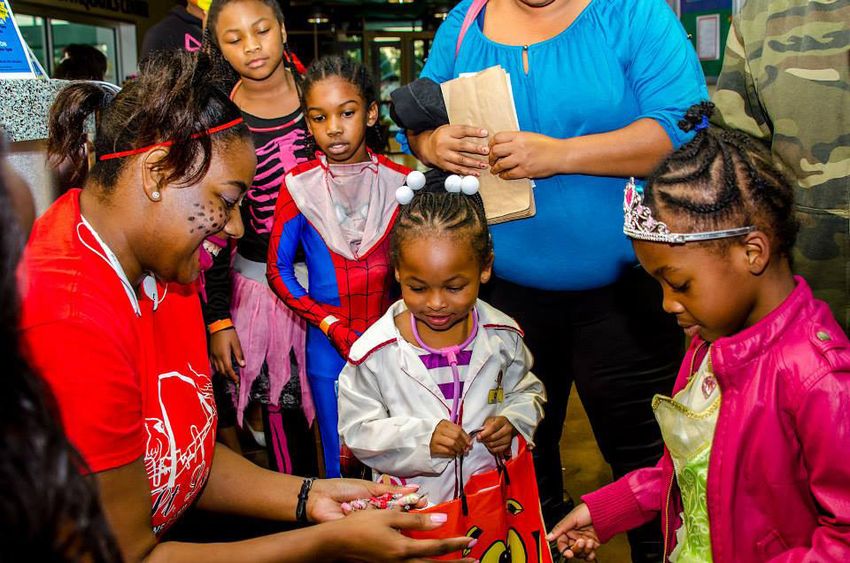
RESEARCH FINDINGS: ONE-TIME ECONOMIC IMPACT                                                                           RESEARCH FINDINGS: ANNUAL ECONOMIC VALUE (2014)

      CONSTRUCTION SPENDING                                                                                                 ANNUAL ECONOMIC IMPACT
    Construction of a Kroc Center provides a significant
                                                                                                                            OF KROC CENTER OPERATIONS
                                                                      Construction Induced Spending Total:
    infusion of economic activity into the community through
    construction spending and jobs, which induce spending in
    the community. We derived our estimates of the economic
                                                                                  $66,015,638                             The economic value that the Memphis Kroc Center brings to its community did not end when construction of
                                                                                                                          the center was completed. The Memphis Kroc Center attracts people into the community and provides spaces,
    benefit of building the Memphis Kroc Center by collecting the design, site preparation, material, labor, and          services, and jobs – all of which have meaningful financial impacts for community and constituents. We categorize
    construction management costs associated with the project and then applying data from the Research                    the ways that Kroc Centers benefit the local area in four broad areas: 1) through direct spending to hire staff and
    Foundation of the National Association of Industrial and Office Properties (NAIOP). The NAIOP provides estimates      purchase local goods and services; 2) the value of day care and K-12 educational programs that allow families to
    of the impact of construction using state-specific multipliers (including personal earnings, wages, and salaries of   work; 3) the benefits of health and fitness programs that enable people to exercise regularly, lose weight, and eat
    workers) and jobs created, which can be applied to direct construction costs to derive spending induced from new      healthily; and 4) a range of catalyzing or leveraging economic values, such as recreation space, including the free
    construction projects. Overall, the construction of the Memphis Kroc Center generated $66,015,638 in direct and       use of outdoor parks, trails, playgrounds, and sporting fields; ‘magnet effect’ – attracting visitors who patronize local
    induced spending.                                                                                                     businesses, and ‘invisible safety net’ – the combined value of membership subsidy, space, volunteer, and in-kind
                                                                                                                          support provided to individuals and community-serving programs.
      CONSTRUCTION INDUCED PERSONAL
      EARNINGS TOTAL:                                                                                                     Conservatively, the Memphis Kroc Center contributed over $13,600,150 annually (2014) in local value, bringing
                                                                                                                          economic and social vitality to the community. We describe each benefit in more detail in the sections that follow.
      $21,276,563
      NUMBER OF JOBS CREATED:
      544                                                                                                  = $5 Million

                                                                                                                                                                                                               Community building happens every
                                                                                                                                                                                                               day through special events and regular
                                                                                                                                                                                                               programming options
           The Memphis Kroc Center’s state-of-the-art building is a LEED Silver
           facility and opened to the public in February of 2013

6                                                                                                                                                                                                                                                       7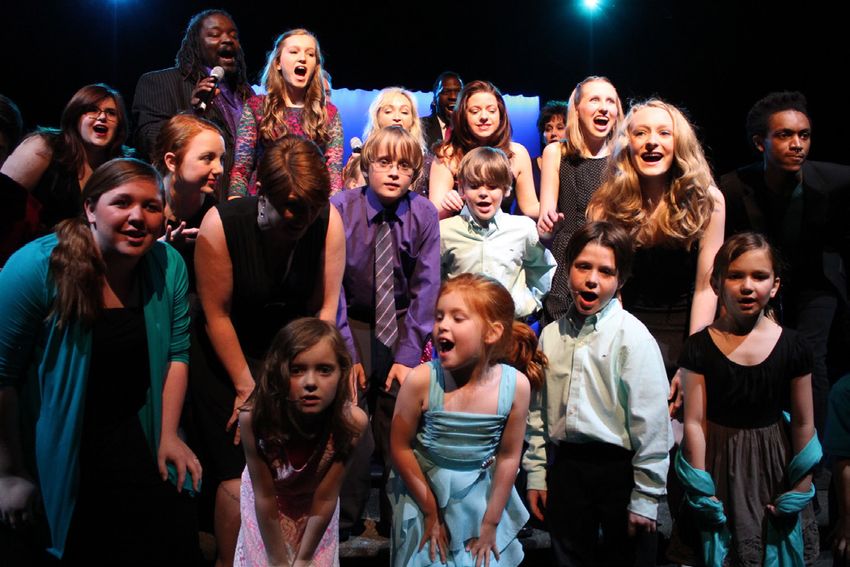
RESEARCH FINDINGS: ANNUALIZED ECONOMIC IMPACT (2014)                                                                     RESEARCH FINDINGS: ANNUALIZED ECONOMIC IMPACT (2014)

      DIRECT SPENDING                                                                                          $               SAFETY NET
    Kroc Centers invigorate local and regional economies                                                                     Kroc Centers routinely provide volunteer and in-kind support for a wide range of programs and events that serve
    by buying goods and services locally and employing                     Direct Spending Total:                            the wider public, and that are not primarily religious in nature. Free or inexpensive space is another benefit that

                                                                           $4,005,333
    local residents. The Memphis Kroc Center employs 41                                                                      the centers provide, subsidizing the operations of a wide range of activities for community organizations and
    full-time staff and 77 part-time staff with an emphasis                                                                  programs. All of these activities result in economic benefits for the community. In addition, centers provide free
    on hiring from the community.                                                                                            day passes to allow people short-term access to the centers and also offer scholarships to increase access to
                                                                                                                             programs. Kroc Centers also significantly subsidize membership in two ways: by providing high quality programs
    The research of Chaves and Miller, Cnaan, and others                                                                     and services at below market rates for those who can pay; and, in addition, by providing these services free-of-
    suggests we can attribute 80% of a faith-based                 Full-Time Staff: 41         Part-Time Staff: 77
                                                                                                                             charge or well below published rates to ensure access to others.
    organization’s budget and other spending to supporting
    staff and local vendors and businesses. The Memphis                                                                      We used the center’s own published rental rates as the market rate value of donated or subsidized space for
    Kroc Center’s spending results in a local impact of                                                                      programs benefiting the wider community. To value volunteer time at each center, we use the Independent
    $4,005,333.                                                                                                              Sector’s estimates of the average value of a volunteer hour for every state or for major metropolitan areas, where
                                                                       = 5 Staff Members                                                                                applicable. To value the subsidy provided to members, we compared
                                                                                                                                                                        the average costs of membership to facilities similar to Kroc Centers
                                                                                                                                  Safety Net Impact Total:
                                                                                                                                                                        (in terms of amenities and non-profit status) and compared those

                                                                                                                                  $5,289,500                            costs to the average income per member received by the center. In
                                                                                                                                                                        total, the estimated annual value of the Memphis Kroc Center’s safety
                                                                                                                                                                        net is $5,289,500.

      MAGNET EFFECT
                                                                                                                                    SAFETY NET FINDINGS BY CATEGORY:

                                                                In addition to direct spending, centers attract both
                                                                regular and out of town visitors for routine and
           Visitor Induced Spending Total:                      special events. These individuals spend money in the                Volunteer Hours Monetized: $139,202
           $1,601,618                                           community. Recreational users – those who come to
                                                                the center to use the fitness center, participate in a
                                                                                                                                    Scholarships: $129,750
                                                                program, or get a service – spend locally on items such
                                                                as beverages, food, and transportation. Those visiting              Space Donations: $27,000
             Building Entries Total:                            the center for special events that require an overnight
                                                                stay – such as sporting events and tournaments,                     Day Pass Giveaways: $3,000
             302,192                                            conferences or workshops, reunions, parties, and trainings
                                                                – spend money on overnight accommodations, meals,                   Membership Subsidy: $4,990,548
                                                                and incidentals.

    To estimate the amount of money each recreational user spent, center visitors who had attended one of the
    twenty-five Kroc Centers more than once were asked how much they spend going to and from the center in a
    given week, which yielded an average value of $5.30 per visit. The Memphis Kroc Center logged 302,192 building
    entries over a one-year period, each of which was assigned a value of $5.30. In total, participants in center events
    and activities infuse $1,601,618 into the local economy annually.

8                                                                                                                                                                                                                                                  9
RESEARCH FINDINGS: ANNUALIZED ECONOMIC IMPACT (2014)                                                                 RESEARCH FINDINGS: ANNUALIZED ECONOMIC IMPACT

       HEALTH AND FITNESS                                                                                                  OUTDOOR RECREATION
     The Kroc Centers’ central focus is health and fitness, striving to remedy health disparities faced by individuals                                                             Many Kroc Center campuses feature a range of outdoor
     from low income communities by providing access to robust and high quality fitness and wellness activities for           Outdoor Recreation Total:                            spaces and amenities including lawns, walking paths,
     community members. To estimate the economic value of the Memphis Kroc Center’s fitness offerings, using the                                                                   play areas and playgrounds, fields, and green space that
     participant survey we asked about the frequency of center users’ participation in fitness activities most commonly
     offered across centers, including the gym, aquatics, and sports activities. Using this data, we multiplied the
                                                                                                                              $57,474                                              are free and open to the general public. To value this
                                                                                                                                                                                   open recreation space, we use the U.S. Army Corps of
     percentage of participants who are regular exercisers at the Memphis Kroc Center by the average, per individual,                                                              Engineers data which assigns a value to a range of outdoor
     monetary benefit of physical activity as calculated by methodologies developed by East Carolina University, which        Outdoor Recreation Uses Total:                       recreation activities based on a conservative estimate
     monetizes the value of lower health care costs to both individuals and                                                                                                        of what people would be willing to pay for each use of
     the community and the value of increased productivity that results from
     routine exercise. We estimate that the value to the community of the
                                                                                      Fitness Impact Total:                   10,300                                               recreational space. That figure is multiplied by the number
                                                                                                                                                                                   of uses of Kroc Center recreation space per year. The
     Memphis Kroc Center’s fitness programming totals $9,378,332 annually.
                                                                                   $9,378,332                                                                                      value for the Memphis Kroc Center is $57,474.

                                                                                                                            BUILDING A DIVERSE COMMUNITY

                                                                  “
                                                                                                                                BY SHARING FACILITIES
                                                                     Ladies in the office have come up                      A Hispanic Soccer League uses the Memphis
                                                                     to [me] and said they have lost 40                     Kroc Center’s soccer fields for weekly practices
                                                                     pounds from spin class, I realized
                                                                     that 40 pounds for someone could
                                                                                                                “           and tournaments. While this brings many new
                                                                                                                            people to the facility, the greater impact is that
                                                                                                                            the soccer league brings in a minority group that
                                                                     possibly impact our health costs.                      is not represented in the surrounding community.
                                                                                                                            This example displays the vision Joan Kroc had
                                                                       - JIM PENTECOST, OWNER OF POWER & TEL,
                                                                                                                            for the establishment of Kroc Centers around
                                                                       ON THE IMPACT OF EXERCISE AT THE MEMPHIS
                                                                                                                            the country in which people have a place to
                                                                                        KROC FOR HIS EMPLOYEES
                                                                                                                            come together from diverse neighborhoods and
                                                                                                                            socioeconomic backgrounds.

         INVESTING IN THE HEALTH OF EMPLOYEES THROUGH KROC PARTNERSHIP
        A local business owner and an advisory board member of the Memphis Kroc Center, Jim Pentecost has
        created a unique relationship between the center his company, Power & Tel. For all Memphis based
        employees, Power & Tel will pay for Kroc Center memberships to facilitate healthy lifestyle choices.

        Inspired by overhearing several employees discussing their weight loss successes, Jim views the
        partnership as an investment. He noted, “ladies in the office have come up to [me] and said they have lost
        40 lbs from spin class, I realized that 40 lbs for someone could possibly impact our health costs.” While
        extending this opportunity to his employees, Jim also wanted to serve as an example of fitness. He noted that
        by joining the center, “I put my money where my mouth is, I try to get healthier and you’ll never know who you
        could meet here.” Several employees have taken advantage of this mutually beneficial program to broaden
        their fitness regimen.

        Beyond the health benefits, he sees the facility as a place where a diverse number of people can cross paths
        and learn from one another. “The position of having people come together from these diverse neighborhoods
        is a big deal.” Jim’s membership to the Memphis Kroc Center has contributed to maintaining a healthy
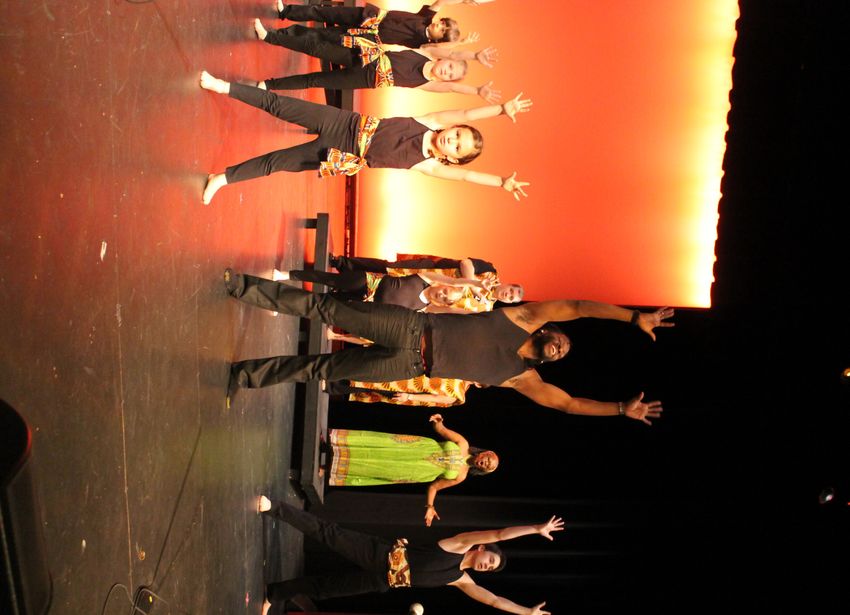
                                                                                                                                                                             With regular programming, seasonal initiatives, and special events for all
        lifestyle for himself and his employees and he believes “people really benefit from the Kroc.”
                                                                                                                                                                             ages, there is something for everyone at the Kroc Center!

10                                                                                                                                                                                                                                                        11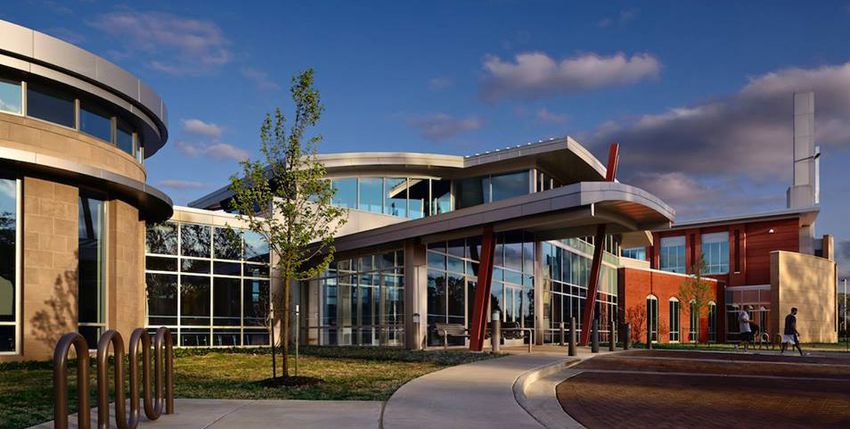
BACKGROUND AND HISTORY

       RESEARCH METHODOLOGY                                                                                                        ABOUT THE AUTHORS
     Early Research                                                                                                              Partners for Sacred Places
     In 1996, with the support of the Lilly Endowment and other funders, Partners sponsored the first scientific, national       Partners for Sacred Places was founded in 1989 by a task force of religious, heritage, community development,
     study to quantify how congregations serve the public by hosting and supporting a wide array of outreach and                 and philanthropic leaders as a national, non-profit, non-sectarian organization dedicated to care and support of
     social service programs. Conducted in partnership with Dr. Ram Cnaan and the University of Pennsylvania’s School            America’s sacred places. Since then, Partners has served thousands of congregations, faith-based and other
     of Social Policy and Practice and published by Partners as Sacred Places at Risk, the research found that on-               organizations through a range of programs and services including consulting, training, information, publications,
     average urban congregations provide over $140,000 (in 1997 dollars) in “replacement value” resources – volunteer,           and research.
     staff and clergy time, free or below-market space, cash and in-kind services – to support community-serving
     programs each year. In addition, the study found that four out of five of those benefiting from church or synagogue-        Partners’ research initiatives began in the mid 1990s focusing on the role that religious congregations played in
     hosted outreach are not members of those congregations.                                                                     providing social services to their communities, which culminated in a national study conducted with the University
                                                                                                                                 of Pennsylvania School of Social Policy and Practice. Other research topics include identifying exemplary social
     Sacred Places at Risk established a new methodology for documenting the public value of congregations and led               service programs housed in historic sacred places, gathering and analyzing data on congregation-hosted arts
     to a new course of scholarly study, inaugurated by Cnaan’s (with Robert Wineburg and Stephanie Boddie) book                 programs, and documenting how congregations that host social service programs positively contribute to the
     The Newer Deal: Social Work and Religion in Partnership, and subsequent studies that validated the research                 economic health and vitality of their communities.
     methodology: The Invisible Caring Hand: American Congregations and the Provision of Welfare and The Other
     Philadelphia Story: How Local Congregations Support Quality of Life in Urban America.                                       McClanahan Associates, Inc.
                                                                                                                                 McClanahan Associates, Inc. conducts evaluations that help non-profit organizations and funders achieve their
     Economic Halo                                                                                                               missions of improving people’s lives. We work closely with the organizations we partner with — capitalizing on their
     However groundbreaking, Sacred Places at Risk, or subsequent studies conducted by Dr. Cnaan that used the                   deep knowledge of the local context, the population they serve, and their own program — to generate information
     same methodology, did not attempt to look at all of the ways that congregations impact their communities.                   and recommendations that are understandable, practical, and useful. Our team, comprised of evaluation experts
                                                                                                                                 with deep knowledge of programs for young people living in marginalized communities has over thirty years of
     In 2010, Partners was funded by the William Penn Foundation to test the concept of a new study. Partners joined             experience in advocating for and conducting evaluations for social progress.
     with Dr. Ram Cnaan once again, and began to lay out a quantitative approach to understanding the fuller value
     congregations provide to their local economy. The pilot sought to factor in the value of green space/trees, building
     projects, tourism, and visitors to congregations, support for local business and vendors, budget and taxes, affiliated
     community development corporations and a congregation’s role as an incubator for new businesses or non-
     profits and role in impacting individual lives. Based on an extensive review of available, academically sound, and
     vetted methodologies, we identified over fifty areas in which we thought congregations made an impact on their
     communities that might be measured economically.

     Based on this test, Partners and Cnaan quantified a more comprehensive dollar value estimates of each
     congregation’s contribution to its local economy; overall, it allowed us to conclude that the approach was feasible,
     though still in need of additional fine-tuning. The results of the study were published in 2013 as “If you do not
     count it, it does not count: a pilot study of valuing urban congregations” in the scholarly peer-reviewed Journal of
     Management, Spirituality, and Religion.

     The results from the pilot suggested the need for a larger study, so Partners and Cnaan decided to take the
     next step in further testing the “Economic Halo” concept and methodology, with funding support from the Lilly
     Endowment and the McCormick Foundation. The significant changes in research design and scope were to: 1)
     greatly increase the number of congregations studied; 2) select those congregations at random; and 3) to expand
     the scope geographically, including the cities of Fort Worth and Chicago along with Philadelphia. We also decided
     to not analyze or monetize certain types of data we valued in the pilot. Results of this study affirm the findings of the
     original pilot and will be published in the summer of 2015.

12                                                                                                                                                                                                                                                      13
You can also read


