COMMUNITY INVOLVEMENT PLAN - NORTH CENTRAL ABANDONED URANIUM MINE REGION Oljato, Dennehotso, Kayenta, and Shonto Chapters Mine Sites - US ...
←
→
Page content transcription
If your browser does not render page correctly, please read the page content below
NORTH CENTRAL ABANDONED URANIUM MINE REGION
  Oljato, Dennehotso, Kayenta, and Shonto Chapters Mine Sites

COMMUNITY INVOLVEMENT PLAN

                                                   2021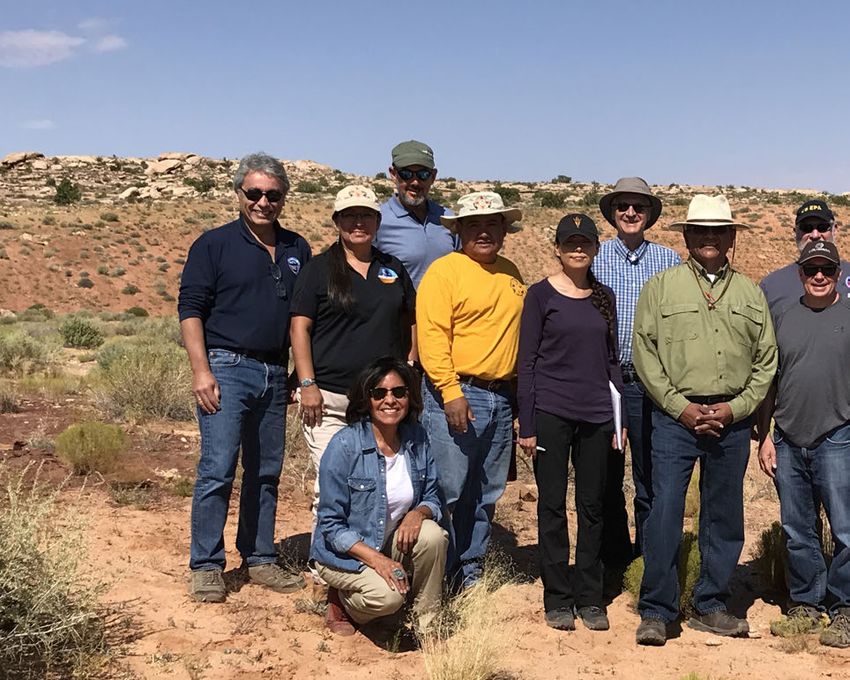
INTRODUCTION
    The Navajo Nation was the site of widespread        Under the Comprehensive Environmental                The Legacy of Uranium
    uranium mining from the 1940s to the 1980s.         Response, Compensation, and Liability                Contamination: Looking
    While uranium mining no longer occurs within        Act (CERCLA), also known as the federal              Back, Looking Forward
    the Navajo Nation, the legacy of uranium            Superfund law, the United States Environmental
    contamination remains. More than 500                Protection Agency Region 9 (EPA) – located           The AUMs have created public
    abandoned uranium mines (AUMs) are spread           in San Francisco, California – is working with       health and environmental challenges
    throughout the Navajo Nation, some homes            NNEPA and area communities to oversee                for everyone who calls the Oljato,
    were built with mine waste, and some water          uranium mine assessments and cleanups on             Dennehotso, Kayenta, and Shonto
    sources have elevated levels of uranium and         the Navajo Nation. Funds are available for 230       Chapters home. Contamination has
    other contaminants. The EPA and the Navajo          AUMs on the Navajo Nation as of 2021.                affected people’s lifeways for several
    Nation Environmental Protection Agency                                                                   generations.
    (NNEPA) implement removal actions where             Sixty-three AUMs are in the North Central
    contaminated structures and surrounding soils       AUM Region, which includes the Oljato,
                                                                                                             Despite these challenges, many of
    are found to pose a risk to residents. The Navajo   Dennehotso, Kayenta, and Shonto Chapters, and
                                                                                                             the people interviewed for this CIP
    Nation Abandoned Mine Lands Reclamation             is part of the Navajo Nation’s Western Agency.
                                                                                                             emphasized their lifelong love of
    Program (Navajo AML) addressed the physical         Funds are available to assess and conduct any
                                                                                                             the area, and their determination
    hazards at many AUMs by closing mine                necessary cleanup at 13 of these mines (see map
                                                                                                             to remain in their communities.
    openings and burying mine waste between the         on page 34).
                                                                                                             Ensuring effective and timely
    1990s and the 2000s.                                                                                     cleanups in the North Central AUM
                                                        This Community Involvement Plan (CIP)
                                                                                                             Region is a community-wide priority.
    The federal government continues to address         focuses on these residents, chapter officials, and
    the legacy of uranium contamination on the          other interested parties in the North Central
                                                                                                             EPA and NNEPA are committed
    Navajo Nation. The agencies’ goals are described    AUM Region. While there are additional mines
                                                                                                             to working with the communities
    in the Ten-Year Plan (2020-2029). This Plan         in these chapters that EPA and NNEPA may
                                                                                                             to address the legacy of uranium
    builds on the work conducted in the previous        address in the future, the agencies are currently
                                                                                                             contamination and protect public
    two Five-Year Plans, makes adjustments based        focusing on 13 mines in this area for which there
                                                                                                             health and the environment.
    on information gained during this time, and         is funding. For more information, please contact:
    describes the next steps in addressing the            Elsa Johnson
    risks to human health and the environment.            EPA Community Involvement Coordinator
    This Plan is available on EPA’s website: www.         (415) 947-3552
    epa.gov/navajo-nation-uranium-cleanup/
    federal-plans-related-documents.                      Tennille Begay
                                                          NNEPA Superfund Program                                        AUM: Abandoned
                                                          Remedial Project Manager                                       Uranium Mine
                                                          (928) 871-6859
2   North Central Abandoned Uranium Mine Region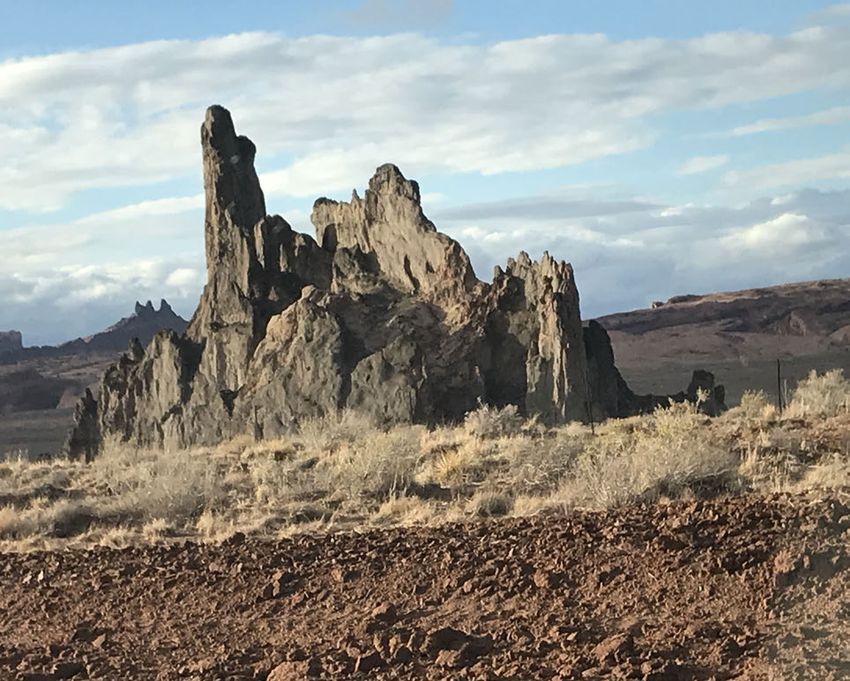
Role of NNEPA
The NNEPA Superfund Program (NSP) implements the Navajo
CERCLA by providing oversight of AUM work on the Navajo
Nation and serves as a co-regulator with EPA. The NSP
advocates for communities impacted by AUMs on the Navajo
Nation by working hand in hand with EPA to coordinate
community outreach. The NNEPA is committed to protecting
Mother Earth and Father Sky and all living beings through
environmental laws and regulations by honoring traditional
Diné teachings and culture.

This CIP is a guide for community members and EPA to ensure
that information sharing and dialogue regarding EPA’s activities
in the Oljato, Dennehotso, Kayenta, and Shonto Chapters are
participatory and meaningful. This document outlines specific
outreach activities to address community concerns and to meet
the following goals in these four chapters:

•   Provide community members with accurate, timely, and
    understandable information about EPA’s AUM activities that
    reflects community members’ communication preferences
    and culture

•   Provide information in the Navajo language, when needed,
    so all community members have an equal opportunity to
    participate

•   Coordinate with community members and tribal leaders
    to make sure EPA understands community concerns and
    considers community goals in its decision-making process
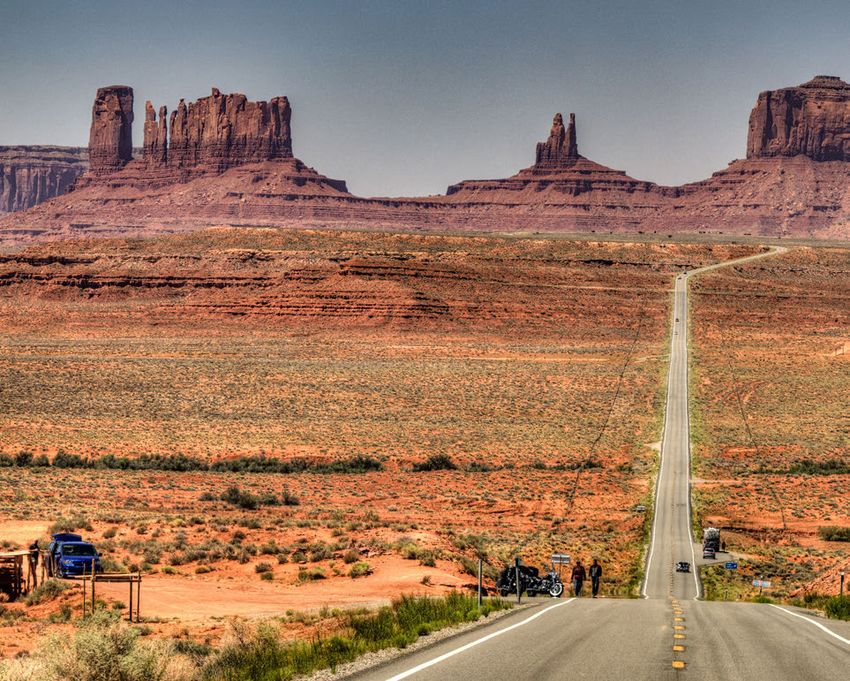
                                                                        Cover photo: Monument Valley silhouettes, summer rain.
•   Work with consideration of Navajo Nation’s goal to              This page: Winter in Monument Valley, Utah.
    implement Diné Fundamental Law, acknowledging the
    Navajo traditional lifeway, traditional ecological knowledge,
    and the laws of nature

                                                                                                                           Community Involvement Plan   3
NAVAJO LIFEWAY: The Navajo lifeway
                         is how Navajo live according to their
                         connection to the land and the seasons.
                         This traditional way of life is what tells
                         Navajos when to plant and harvest,
            when to shear sheep and hunt, and when to conduct
            certain ceremonies, among many other activities. It
            is important that cleanup activities take the Navajo
            lifeway into account to protect plants and areas of land
            that are sacred.

4   North Central Abandoned Uranium Mine Region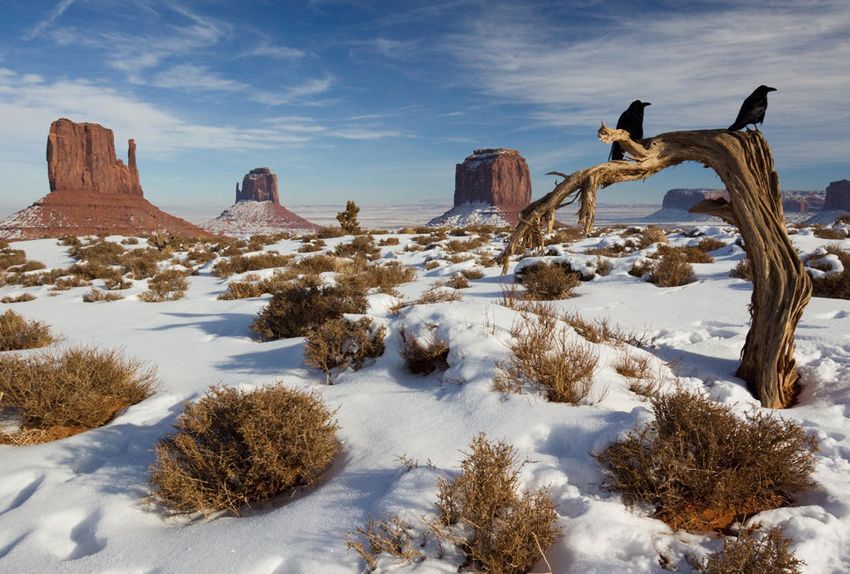
The Community
Involvement Plan (CIP)
The CIP is the foundation of EPA’s
Superfund Community Involvement
and Outreach Program. This CIP
is a living document to assist
communication between community
members and EPA. The document
outlines opportunities for individual
participation and meaningful
information sharing regarding EPA’s
activities in the Oljato, Dennehotso,
Kayenta, and Shonto Chapters. The
CIP is also a tool for the public to
make sure EPA is responsive to their
needs and concerns.

To put this plan together, EPA
interviewed community members,
chapter officials, and other
stakeholders in the area from March
2018 through February 2019.
Interview findings, combined with         We have concerns ... too many of our people here have
information from EPA experiences in       passed. It’s a very sorrowful and empty feeling. Our relatives
the community and additional reports,
guided the development of the             and animals have suffered tremendously.
CIP. The interviews with community
members are confidential; a summary                                                                       -- Community Member
of the responses is provided in this                                                                      August 2018 Interview
plan.

EPA’s Technical Assistance Services for
Communities (TASC) Program assisted
EPA during the interview process. EPA
has been working with the chapters
and community members to respond
to their needs with support from the          Left photo: The Counting Crows/Shotshop GmbH - Alamy Stock Photo.
TASC Program where appropriate.           This page: Horses crossing road in Oljato.
                                                                                                              Community Involvement Plan   5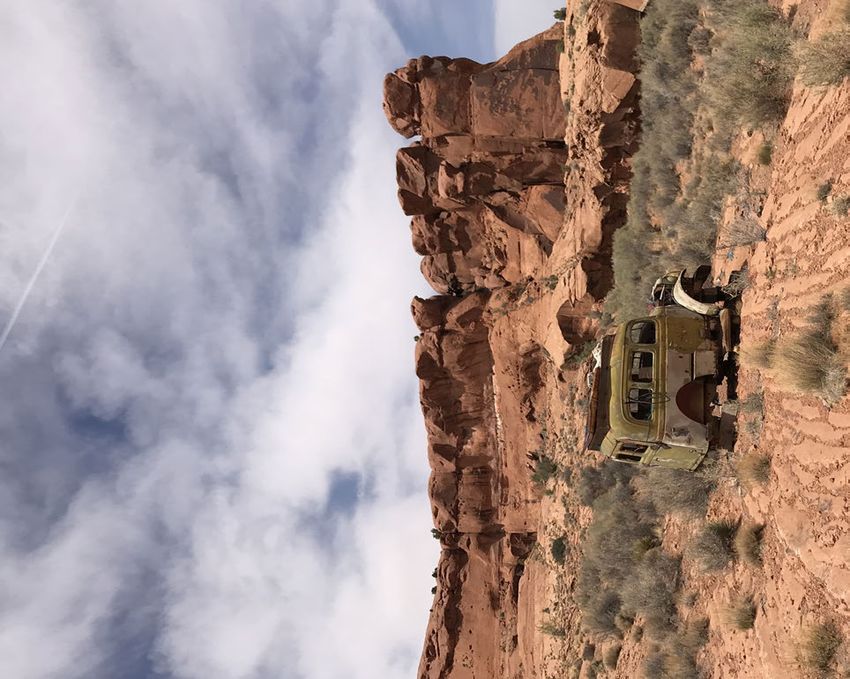
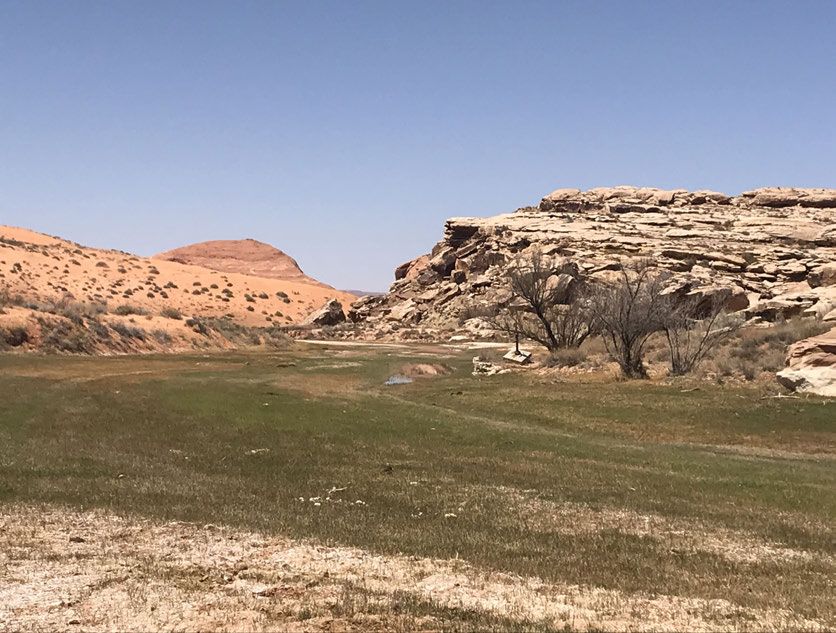
Wash in Cane Valley.

6   North Central Abandoned Uranium Mine Region
COMMUNITY INVOLVEMENT
PLAN ORGANIZATION
INTRODUCTION    This section introduces the Oljato, Dennehotso, Kayenta,       2
                and Shonto Chapters and the CIP.

THE COMMUNITY   This section provides a brief community profile and            8
                shares issues and concerns raised during the community
                interviews.

THE COMMUNITY   This section explains EPA’s plan for communicating and         22
INVOLVEMENT     engaging with the communities and stakeholders. It
ACTION PLAN     also outlines opportunities for community members to
                provide input during EPA’s decision-making process.

KEY CONTACTS

SUMMARY

APPENDICES      The appendices include information about:                      31
                • Oljato, Dennehotso, Kayenta, and Shonto Chapters
                  Mine Sites and Settlement History
                • EPA’s Superfund Process at the Navajo Nation
                • Glossary
                • List of Acronyms
                • Resource List

                                                  Community Involvement Plan   7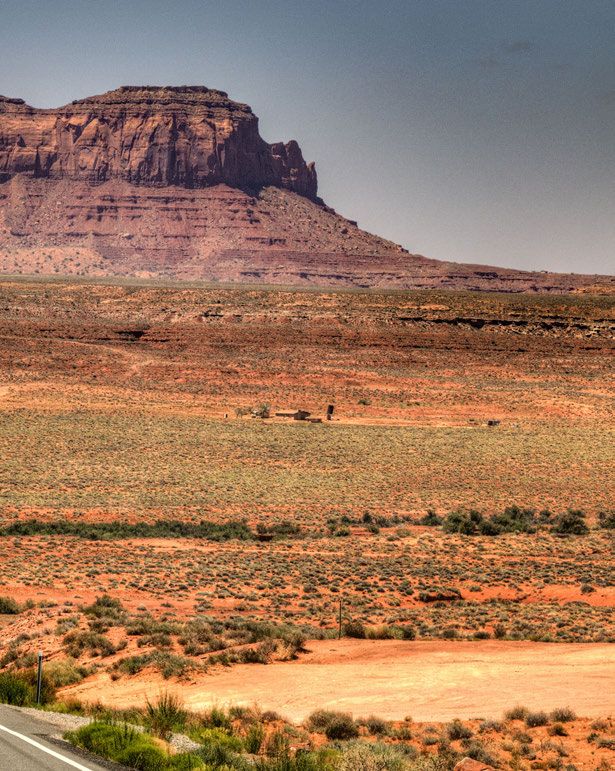
8 North Central Abandoned Uranium Mine Region
THE
   COMMUNITY

                    Community
Forrest Gump Hill, Monument    Involvement Plan
                            Valley.               9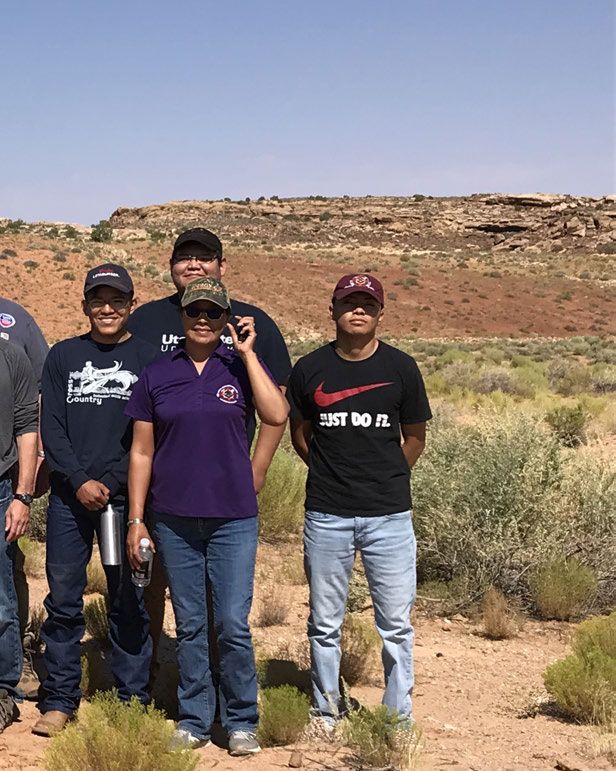
THE COMMUNITY
     COMMUNITY PROFILE

     The Oljato, Dennehotso, Kayenta, and Shonto             arms race with the Soviet Union. Beginning in      reclamation activities to address physical
     Chapters are located in a beautiful and                 1966, uranium ore was sold to the commercial       hazards at many of the mines beginning in the
     relatively remote area in northeastern Arizona          nuclear power plant and medical industries.        1990s.
     and southeastern Utah. The North Central
     AUM Region is part of the Navajo Nation’s               The North Central AUM Region was an                EPA and NNEPA, in cooperation with the
     larger Western Agency. The region lies within           important center of uranium mining on the          Oljato, Dennehotso, Kayenta, and Shonto
     Apache and Navajo Counties in Arizona, and              Navajo Nation. Uranium was mined in the            Chapters, are in the process of investigating and
     San Juan County in Utah. The North Central              Region in 1944 and between 1947 and 1968.          addressing the risk that 13 AUMs pose to these
     AUM Region borders other Navajo Nation                  Sixty-three productive uranium mines were          communities. EPA is conducting these activities
     chapters to the east, south, and west, and non-         in the region, and many of these mines also        under authorities granted in CERCLA, also
     tribal lands to the north. It covers about 2,829        produced vanadium. Ore bodies at or near the       known as the Superfund law.
     square miles of the Navajo Nation.                      surface were mined. After the price of uranium
                                                             collapsed in the mid-1960s, the mines were         There are 523 AUMs across Navajo Nation and
     From 1944 to 1986, uranium mines on and                 abandoned, leaving behind waste rock debris        there are funds available to begin work at 230
     near the Navajo Nation yielded 30 million tons          consisting of radioactive low-level ore. The       AUMs. Eleven AUMs in Oljato, Dennehotso,
     of uranium ore. The mines provided uranium              mines in the region are located in four chapters   Kayenta, and Shonto Chapters are being
     for the top-secret effort to develop an atomic          – the Oljato, Dennehotso, Kayenta, and             addressed by settlement agreements. Three of
     bomb, and for the weapons stockpile during the          Shonto Chapters. The Navajo AML performed          these mines, for which there is no responsible
                                                                                                                party, were investigated by the Phase 1 Trust and
                                                                                                                will be cleaned up as necessary under the Phase
                                                                                                                2 Settlement Agreement between the United
                                                                                                                States and the Navajo Nation. Eight funded
                                                                                                                mines in the region are being addressed under
                                                                                                                the terms of a 2017 settlement agreement with
                                                                                                                Cyprus Amax. Also, EPA is assessing the Skyline
                                                                                                                priority mine and the adjacent Utah No. 1 Lease
                                                                                                                mine. In 2011, EPA cleaned up mine waste near
                                                                                                                homes below the Skyline mine and placed the
                                                                                                                waste in an interim repository that is monitored
                                                                                                                regularly.
         U.S. EPA explaining the federal Superfund process prior to Phase 1 Trust
     presentation on assessment results of three area mine sites. Oljato, Utah.

10   North Central Abandoned Uranium Mine Region
It’s difficult to specify one
concern because past
mining has a multitude of
after-effects. Some places
may have been temporarily
covered, but what about
uranium/radon vapor and
contaminated dust emitted
through the air?
-- Community Member
December 2018 Interview
EPA meeting announcement.
THE SETTLEMENT AGREEMENTS: A CLOSER LOOK
• The United States and the Navajo Nation entered into two legal agreements (the Phase 1
Settlement in 2015 and the Phase 2 Settlement in 2016) that provide funds to assess and clean up
16 “priority” mines1, assess an additional 30 mines, and conduct two water studies on the Navajo
Nation. No responsible party is available to pay for the mines in these settlements.
• The 2017 settlement with Cyprus Amax and Western Nuclear, two companies owned by Freeport-
McMoRan, covers 94 AUMs. These mines are located across the Navajo Nation.
1
EPA and NNEPA identified 46 priority mines on the Navajo Nation based on
radiation levels and proximity to homes or potential for water contamination.
Community Involvement Plan 11Funded Abandoned Uranium Mines in North Central Region
Responsible Party, Trust, or Mine Number of Mines Superfund Process Status
Cyprus Amax Minerals Company • Removal Site Evaluations in progress for two
• Eight mines (two of which are priority mines)
(Cyprus Amax) priority mines and Monument No. 2
Phase 1 Trust (limited to mine assessment)
Phase 2 Trust (limited to mine cleanups, as • Three priority mines • Removal Site Evaluations completed in 2018
needed)
• EPA performed time-critical cleanup in 2011
Skyline Mine and Utah No. 1 Lease Mines • Two mines (one of which is a priority mine)
at Skyline mine
Total 13 mines (six of which are priority mines)
*One mine claim can include more than one site.
Mexican Hat Mill Site Monument No. 2 Mine
The Mexican Hat Mill Site in Halchita, Utah is located 1.5 miles The Monument No. 2 mine was reportedly the
south of the San Juan River on the Navajo Nation. A mill processed largest uranium mine in Arizona. Between 1943
uranium ore on site from 1957 to 1965. Much of the ore came and 1968, it produced over 700,000 tons of ore.
from the North Central AUM Region. Milling at the site produced Cyprus Amax will clean up this mine under a legal
radioactive materials that were mixed with water and transported agreement with EPA and NNEPA.
through pipes to two on-site tailings piles. The U.S. Department
of Energy (DOE), which replaced in part the Atomic Energy Monument Valley Mill
Commission, completed surface remedial action at the site in
1995. Radioactive materials from the former upper tailings pile, The Vanadium Corporation of America (VCA)
demolished mill structures, and 11 properties nearby were placed in constructed a mill approximately one mile from
a disposal cell at the former lower tailings pile location. Interviews Monument No. 2 to process low-grade ore. DOE
with community members identified concerns about health impacts removed contaminated surface materials from the
on former mill workers. Community members also expressed mill site from 1992 through 1994, and stabilized
concerns about soil and water quality from spills and accidents these materials in the Mexican Hat disposal cell
that were caused by trucks moving materials from the mines in the in Halchita, Utah, approximately 15 miles north
North Central AUM Region to the site during construction of the of the site and close to the San Juan River. DOE
disposal cell.2 continues to conduct groundwater monitoring and
remediation activities near the former mill site.
2
U.S. Department of Energy. Mexican Hat Mill Site Fact Sheet, November 2018.
12 North Central Abandoned Uranium Mine RegionAs an adolescent I worked as a laborer at VCA and later as a machine operator at the mill.
Everyday I’d be covered in dust. The company did not furnish safety gear of any sort, not
even ear plugs. They did not take safety measures. Dust suppression was unheard of and
the company did not wet the rocks. Later, I was hired as a truck driver. I witnessed several
workers die at the mine and mill site. Too many accidents. And, an old mechanic had to jump
out of a runaway truck when the brakes gave out and was run over by the truck following
him. Because of these accidents the company built an airstrip and there were a couple of
plane accidents, too.
-- Community Member Statement
Winter in Monument Valley
13Community Overview Economics Demographics
The Oljato, Dennehotso, Kayenta, and Shonto According to the Navajo Nation Division of About 12,000 predominantly Navajo people live
Chapters are home to vibrant communities with Economic Development, most jobs on the in the Oljato, Dennehotso, Kayenta, and Shonto
longstanding cultural ties. The area includes Navajo Nation are in the government and Chapters.4
lands of striking beauty, ancient history and one service sectors (including schools, hospitals,
of America’s top tourist attractions, long favored and hotels and motels). Additionally, many The languages spoken in the area are primarily
by the film industry—Monument Valley. In activities in the Navajo Nation economy are English and Navajo. According to the 2009-2013
addition to the chapter houses, community unreported, such as selling arts and crafts or American Community Survey, more than
facilities include schools, shopping areas, food at vendor stalls. Regardless of whether three-quarters of community members (over
public services, and recreation facilities, which unreported economic activities are considered 82 percent) in the area’s four chapters speak a
are mostly located in Kayenta Township. The in employment calculations, the actual language other than English at home. About a
township is the only incorporated town in the unemployment rate for the Navajo Nation is quarter of community members in the area (27
Navajo Nation. Chapter residents live near the substantially higher than the national average.3 percent) maintain fluent communication in their
chapter houses or in more remote locations. native Navajo language, particularly the elders.5
Many residents drive long distances to reach While economic information is not collected
stores and residents drive long distances to haul specifically for the North Central AUM Region, ⁴ Navajo Nation Division of Health and Navajo Epidemiology
Center. Navajo Nation Population Profile 2010 Census, December
water. the government and service employment sectors 2013.
are visible in the region. Tourism is also a visible ⁵ Navajo Nation Division of Economic Development. 2009-2013
Some community members in the area own part of the economy. The four chapters feature American Community Survey.
and graze sheep, cattle, and horses near their the Monument Valley Navajo Tribal Park, the
homesites and sheep camps. Most of the land Cane Valley area, Gouldings Trading Post, the
in the area is used for grazing and ranching, Navajo National Monument, the southern
though to a lesser degree now than in the past Canyon Lands, and northern Navajo sections of
due to various factors, including concerns over the Colorado Plateau province, a spectacular and
contamination. Various plants are also used for rugged landscape that includes sandstone buttes,
medicinal and traditional purposes. canyons, mesas, and extensive rock formations.
Bringing more visitors to the area is a major
interest of the chapters.
³ Navajo Nation Division of Economic Development.
Navajo Nation Comprehensive Economic Development Strategy,
April 2018.
14 North Central Abandoned Uranium Mine RegionCOMMUNITY CONCERNS
AND PREFERENCES
To better understand the community, its culture Community concerns and preferences are
and concerns, EPA interviewed community outlined in this section, and EPA’s community
members, local officials, and stakeholders in the involvement action plan is outlined in the next
area. All interviewees knew of nearby AUMs. section. The action plan explains how EPA
Many community members shared stories about plans to address the concerns listed here. Some
family members who worked in the mines, concerns described during the interviews are
grazed livestock nearby, lived in camps near mine within the scope of EPA’s work on AUMs and
sites, and drank from and washed in local water can be addressed by EPA working with the
sources. Children also played in these waters. community and local tribal leaders directly. EPA
The community’s livestock and area wildlife rely will refer concerns outside EPA’s scope to other
on these waters as well. Interviewees also noted federal, tribal, and community organizations.
the use of dirt and rocks from the mines for
homes, hogans, and sweat lodges in the area. Community concerns and preferences are
grouped into the following categories:
All interviewees shared the concern that the
mine cleanups should be thorough, protective, 1. Health Concerns
lasting, and timely. While community members 2. Concerns about Cleanup of AUM and Mill
expressed frustration at the approach and Sites
limits of past reclamation efforts and the delay 3. Future Land Use Concerns
in federal government involvement in mine 4. Air and Water Concerns
cleanup, most welcomed EPA’s current efforts 5. Communication and Information Preferences
in the area. Looking forward, interviewees 6. Compensation Concerns
emphasized the importance of economic
development that is safe for people and the
environment.
El Capitan in Monument Valley, Utah.
Community Involvement Plan 15Health Concerns
Many community members shared stories about Community members and local officials also
Many of us showered
their illnesses or illnesses of their loved ones. requested the following information:
with water from mine Community members and local officials also
pits. What about the expressed the following health concerns: • How to reduce contact with uranium and
women and children better understand the risks of everyday
• Health effects of dust blowing from the activities
who got secondary mines and area mesas • Site-related health information
exposure through the • Livestock and wildlife grazing in mine areas • Which health conditions may be related to
dust from our father’s • Quality of water for drinking and farming uranium and radiation exposure, as well as
clothing? At the end of • Limitations of past reclamation efforts in key findings from earlier health studies in
the area
each day they would the area
come home covered • Health effects such as cancers, breathing
Since CERCLA activities do not directly address
and hearing issues, skin conditions, and
in dust. Our mothers heart problems human illnesses, the 2021 Resource List on page
hand-washed their 42 identifies who to contact for these and other
topics.
work clothes and the
small children crawled
The Navajo Area Indian Health Service (IHS) provides health care
on their fathers and/or to eligible American Indians through a network of hospitals and
health centers. IHS also funds and develops water infrastructure
hugged them. Is there projects to serve Navajo homes.
such a thing as uranium-
The U.S. Agency for Toxic Substances and Disease Registry (ATSDR)
caused cancers passed protects communities from harmful health effects related to
exposure to natural and man-made hazardous substances. ATSDR
genetically? responds to environmental health emergencies; investigates
emerging environmental health threats; conducts research on the
-- Community Member health impacts of hazardous waste sites; and builds capabilities of
December 2018 Interview and provides actionable guidance to state and local health partners.
The Navajo Nation Department of Health participates in health
studies and conducts medical screenings related to uranium
exposures.
16Abandoned Uranium Mine
and Mill Site Cleanup Concerns
Many interviewees discussed their concerns air and water. Community members expressed
about community involvement in the cleanup concern about the limited protectiveness and
process. Community members requested that effectiveness of earlier reclamation efforts by the
chapter officials, affected families, and the Navajo AML, including buried waste piles.
general population receive timely updates. Many
community members expressed concern about Community members also expressed concern
whether EPA would consider their input in the that cleanup would be the same as previous
decision-making process. Community members reclamation efforts that addressed physical
and local officials also asked for clarification on hazards but did not remediate the mines
the roles of various organizations and noted the according to Superfund. Interviewees also noted
need for more outreach and education about that many areas include sacred sites, burial areas,
EPA’s cleanup process. People indicated that and ceremonial locations, and indicated that
many in the community have felt ignored for a cleanup should take these cultural and historical
long time and requested consistent engagement resources into account. Interviewees also shared
with NNEPA as well as EPA. concerns about poor road conditions and traffic
being made worse by future cleanup activities, as
Participants shared several concerns about well as long-term monitoring of the cleanup and
the cleanup of the affected environment. the availability of funding.
Community members and local officials worry
about the extent of cleanup, with a focus not
just on area mines and mill sites, but also on the
mesas, community areas and homes, grazing
land and wildlife habitat, and the need for clean
Community concerns and preferences.
Community Involvement Plan 17Communication and
Future Land Use Preferences Air and Water Concerns Information Preferences
Many interviewees emphasized the need to Air and water quality and access to clean water Many community members shared their
ensure that, in addition to the mines, community were among the most important environmental preferences for communication and receiving
areas are safe for people to live in, work and issues in the Oljato, Dennehotso, Kayenta, information. Most agreed that EPA should
gather for family events and cultural ceremonies. and Shonto Chapters. Chapter officials and be transparent about its work and strive to
Community members and local officials Council Delegates have asked for more water include all community members. Community
requested regular and consistent communication studies to understand the potential impact members want EPA to keep chapter officials
between EPA and the community in the future. from the AUMs on water quality in this area as updated on all work and share information
well as other areas across the Navajo Nation. directly with community members. Community
Community members and local officials also Many community members believe that water members shared a preference for in-person
shared their thoughts about future land use of sources and local wells have been contaminated communication, including home visits, small-
mine areas and mesas. Some questioned whether by AUMs. They are also concerned about group meetings, and more comprehensive
the land will ever be safe for humans, livestock, the mines’ potential effects on groundwater meetings at chapter houses or community
or wildlife. Many expressed their preference and its future use as a drinking water source. centers. Community members requested the use
that the land is returned safely to farming and Community members are also worried about of plain language in all written materials.
grazing use and wildlife habitat. Most agreed health risks from rainwater and snowmelt that
that the land should not be simply fenced off runs off from mines and mesas and toward
and restricted from use by current and future homes and community areas. Interviewees
residents. noted that wind-blown contamination and dust
are major concerns. They asked how and when
air monitoring could take place.
The state of the area vegetation is important to our life way.
My wife and kids planted, but we aren’t certain if it is safe to
plant and farm. Our soil, water, air, and vegetation are probably
damaged, too.
-- Community Member
August 2018 Interview
18 North Central Abandoned Uranium Mine RegionMy concern is the removal method. Where
will the waste be moved, how will it be
done, what method and why? Those are
the questions I’d like to have the agencies
answer and… to fully explain to the impacted
communities. Also, I’d like to know if these
mined areas can be re-used in the future –
land? Will our water be safe to use again?
-- Community Member
August 2018 Interview
Abandoned U.S. Atomic Energy Commission truck.
Community Involvement Plan 19Compensation Concerns
Community members are concerned about
There was never any ceremonial offering (yeel) conducted
limitations in the Radiation Exposure prior to opening of the earth that I am aware of. I want
Compensation Act (RECA). Many community these ceremonies done, thinking perhaps it would help our
members and chapter officials want to expand conditions and minimize the suffering.
RECA eligibility for uranium miners and their
spouses and children, as well as all people -- Community Member
affected by the mines. EPA is not responsible for December 2018 Interview
RECA compensation – that is the responsibility
of the U.S. Department of Justice. For more
information, contact the Navajo Nation
Uranium Mine Workers program and the Navajo
Nation Radiation Exposure Screening and
The uranium and mill companies destroyed our ceremonial
Education Program in Shiprock, New Mexico.
The uranium and radiation Resource List on ground. How will the federal government repair that?
page 42 identifies who to contact for uranium Ceremony is a part of our daily life... I feel we, elders,
workers radiation exposure compensation need to help so this doesn’t happen again in the future…
claims. What we keep wondering, too, is… why did the U.S.
government harm our land in the first place?
-- Community Member
August 2018 Interview
20 North Central Abandoned Uranium Mine RegionMy brother was turned down for compensation because he said he smoked. The medical
doctors thought he meant cigarettes, but it was a ceremonial smoke which is used once
during specific ceremonies and these ceremonies are years and years apart. This type of
misunderstanding is due to the white man not understanding our traditional ways.
-- Community Member
December 2018 Interview
Church Rock formation near Kayenta, Arizona.
2122 North Central Abandoned Uranium Mine Region
THE
     COMMUNITY
    INVOLVEMENT
    ACTION PLAN

   Summer 2019 tour with Navajo AUM Team including
EPA, NNEPA, Navajo AML and student interns.

                      Community Involvement Plan     23
THE COMMUNITY INVOLVEMENT
ACTION PLAN
After interviewing community members, local Community members can also contact EPA’s Written Communication
officials, and stakeholders to better understand Community Involvement Coordinator.
community issues and concerns, EPA prepared Most interviewees expressed a preference for
this community involvement action plan for EPA understands that many residents, especially receiving written communication from EPA.
the Oljato, Dennehotso, Kayenta, and Shonto elders, are Navajo language speakers. To facilitate Additionally, community members and local
Chapters. the inclusion and participation of all community officials noted that written communications are
members, EPA’s Navajo-speaking Community an effective tool for reaching remote residents.
• This action plan outlines the tools that Involvement Coordinator will speak in the They stressed that written communication be
EPA will use to share information with the Navajo language, as needed, during information short and simple, in plain language, and include
community meetings and door-to-door outreach. as many graphics as possible.
Interviewees recommended that EPA develop
• The action plan also outlines how EPA staff printed materials in English. EPA will provide written communications
will be available to receive input from the through factsheets and flyers, which will address
community that will be considered in the TOOLS FOR SHARING the community concerns identified during the
decision-making process INFORMATION AND interviews. EPA will make sure contact lists
OPPORTUNITIES FOR EPA TO are up to date and include interested residents
• Finally, the action plan details EPA’s LEARN FROM THE COMMUNITY in the area. Community members on EPA’s
partnership with the Navajo Nation tribal contact list will receive information such as EPA
government in the development and EPA will use the following tools to ensure that factsheets or postcard meeting invitations. To
implementation of all activities at AUM sites community members have opportunities to be added to EPA’s contact list, please contact
provide meaningful input and to make sure the EPA Community Involvement Coordinator.
Timing information is included with each community concerns are considered during
outreach tool to help community members EPA’s cleanup decision-making process.
understand when EPA will conduct outreach
activities and the type of activities to expect.
Community members can discuss concerns with EPA whenever a representative is in the area, or contact: EPA Community Involvement
Coordinator Elsa Johnson (415) 947-3552 | johnson.elsa@epa.gov | 75 Hawthorne Street, SFD 6-2, San Francisco, CA 94105
Community members should also feel free to contact the Navajo EPA Superfund Program’s Remedial Project Manager Tennille Denetdeel by
phone at (928) 871-6859.
24 North Central Abandoned Uranium Mine RegionInformation Sharing Tools Table
TECHNIQUES FOR SHARING INFORMATION
& FOR EPA TO LEARN FROM THE COMMUNITY
Factsheets Door-to-door Coordination with other EPA informational meeting and
agencies community gatherings
TO DESCRIBE NEW WORK, WHEN FIELD ACTIVITIES ONGOING WHEN MAJOR WORK IS
CONDITIONS OR AS MIGHT IMPACT SPECIFIC PLANNED, AS NEEDED AND
REQUESTED HOUSEHOLDS OR AS NEEDED AS REQUESTED
Table describing information-sharing tools between EPA and the community.
EPA has shared the following materials with
community members:
Health Factsheets Agencies to Contact with Site-specific Factsheets
EPA worked with the Agency for Toxic Questions Factsheet EPA has created a factsheet for mines in the
Substances and Disease Registry (ATSDR) EPA worked with partner agencies to create North Central AUM Region, which includes
and other partner agencies to create a series a factsheet to help community members summaries of site histories, background
of factsheets on uranium and radiation in determine which agency to contact for information, mine site locations, upcoming site
the Navajo Nation. These factsheets discuss questions related to uranium or radiation on the activities, and summaries of completed work.
uranium and radiation basics, the health effects Navajo Nation.
of uranium and radiation, and how to reduce
contact with uranium and radiation.
Community Involvement Plan 25Uranium Awareness
EPA Websites Door-to-Door Outreach Outreach Campaign
EPA will also provide information and Many community members and local officials EPA works with ATSDR to increase awareness
important documents on this webpage: requested that EPA share information with among Navajo people about uranium issues on
www.epa.gov/navajo-nation-uranium-cleanup. families that live or have grazing permits at the Navajo Nation. EPA, the Navajo Nation,
or near mines where work will take place. For and others developed a series of posters for
Information Library residents who are unable to attend community ten geographic regions of the Navajo Nation.
meetings, EPA can share information and discuss These posters feature a map showing locations
Several interviewees noted that information concerns through door-to-door outreach. EPA of AUMs, contaminated water sources,
should be made available to all community will coordinate with local officials to contact regulated watering points, and other landmarks.
members. grazing permit holders, homesite leaseholders, The posters also include information about
and homebound residents near these mine warning signs, reducing contact with uranium,
As a part of the Superfund process, EPA is areas. Interested individuals can contact EPA’s and maintaining good health. Some of these
required to maintain a set of documents and Community Involvement Coordinator to materials were provided to area residents during
information locally, where the public can request an in-person meeting with EPA and CIP interviews.
easily access printed or digital copies. This is NNEPA.
called the “Information Library.” Information The Indian Health Service (IHS) and the Navajo
libraries contain copies of technical or planning Newspaper and Radio Communication Department of Health Community Health
documents, factsheets, results of previous Representatives (CHRs) distributed these
meetings, and other similar types of information. EPA will use the following media channels for posters to IHS Health Clinics and chapters
EPA will set up an information library for the outreach: across the Navajo Nation. To prepare for this
Oljato, Dennehotso, Kayenta, and Shonto outreach, EPA, ATSDR, and IHS trained the
Chapters. Newspaper Communication CHRs on the information provided in the
Navajo Times posters. EPA will continue to distribute the
Farmington Daily Times posters during future meetings and by request.
Gallup Independent EPA will also continue to coordinate with
ATSDR, IHS, and the CHRs on uranium
Radio Communication awareness outreach. The Radiation Exposure
KTNN 660 AM: The Voice of the Navajo Nation Compensation Act and the Navajo Uranium
KNDN 960 AM Farmington Mine Workers Office of Compensation
programs were established to address
compensation for former mine workers and
downwinders. EPA invites these organizations
to their meetings but does not provide worker
compensation.
26 North Central Abandoned Uranium Mine RegionLandscape and homes near Monument Valley, Utah.
Working with Navajo Nation Tribal
Presentations Government
Workshops and Facilitated Discussions –
Many interviewees suggested that EPA present facilitated meetings designed to answer The Navajo Nation is a federally-recognized tribe
information about local uranium issues specific questions or address specific with its own governmental system. EPA policy is
at the chapter houses. Many interviewees community concerns. to consult on a government-to-government basis
recommended that EPA also host informational with federally-recognized tribal governments
gatherings, especially when more time is needed EPA will strive to send out meeting notices at when EPA actions and decisions may affect tribal
for deep engagement with community members. least one month before any gatherings via radio, interests.
Examples for these types of meetings include print, and chapter meeting announcements,
discussions about signs and fences, investigation and will contact community partners and other EPA interacts with the Navajo Nation
findings and cleanup options, settlement outlets as appropriate. EPA will need to follow government on several levels as a part of AUM
activities, or specific community concerns that up with community members to identify certain assessment and cleanup on the Navajo Nation.
need to be discussed in depth. days of the week and times that work well for EPA consults directly with the Navajo Nation
scheduling meetings. Office of the President and Vice President
Depending on the topics to be discussed, and the Navajo Nation Council for significant
EPA will use the following formats for these Typically, the EPA Community Involvement developments, consistent with EPA’s tribal
gatherings: Coordinator will make an announcement at policies and guidance. Examples of formal
chapter houses when major work is planned in consultation include major decisions and plans
Small Venue Meetings and Focus Groups – an area or to increase awareness about upcoming for addressing uranium contamination on the
smaller, more informal gatherings focused EPA activities. EPA will reach out to local Navajo Nation. EPA collaborates with NNEPA’s
on a specific geographic region, interested officials and coordinate presentations with the Superfund Program and the Navajo Nation
group, or extended family, that provide local community at chapter houses, community Department of Justice on all AUM assessment
opportunities for community members association meetings, and other events. and cleanup activities. Finally, EPA communicates
to share their thoughts and concerns with Organizations interested in a presentation periodically with officials such as local Navajo
EPA and NNEPA representatives. should contact the EPA Community Nation Council Delegates and chapter officials at
Involvement Coordinator. key times during the Superfund process.
Community Involvement Plan 27Key Contacts
U.S. Environmental Protection Navajo Nation Environmental
Agency Region 9 Protection Agency
Linda Reeves Dariel Yazzie
Remedial Project Manager Environmental Program Supervisor
EPA Region 9, Superfund Division Navajo Nation Superfund Program
75 Hawthorne Street, SFD 6-4 P.O. Box 2946
San Francisco, CA 94105 Window Rock, AZ 86515
(415) 972-3445 (928) 871-6859
reeves.linda@epa.gov darielyazzie@navajo-nsn.gov
Freyja Knapp Tennille Denetdeel
Remedial Project Manager Remedial Project Manager
EPA Region 9, Superfund Division Navajo Nation Superfund Program
75 Hawthorne Street, SFD 6-4 P.O. Box 2946
San Francisco, CA 94105 Window Rock, AZ 86515
(415) 972-3025 (928) 871-6859
knapp.freyja@epa.gov tbbegay@navajo-nsn.gov
Elsa Johnson
Community Involvement Coordinator
EPA Region 9, Superfund Division
75 Hawthorne Street, SFD-6-4
San Francisco, CA 94105
(415) 947-3552
johnson.elsa@epa.gov
Biological survey at Firelight No. 6.
28 North Central Abandoned Uranium Mine RegionCoordination with Other
Agencies and Organizations
The interviewees indicated the need for better EPA will continue to strengthen • Navajo Nation Department of Fish and
coordination among organizations working relationships with: Wildlife
on uranium issues in the area. Community • Federal Ten-Year Plan partners, including
members and local officials are often unsure of • Diné Uranium Remediation Advisory the U.S. Bureau of Indian Affairs, IHS,
the missions of different organizations and find Commission ATSDR, the U.S. Centers for Disease
it difficult to stay updated on progress and events • Navajo Nation Environmental Protection Control and Prevention, the U.S. Nuclear
hosted by the various groups. Agency Regulatory Commission, and the U.S.
• Navajo Nation Superfund Program Department of Energy
As part of the Ten-Year Plan (2020-2029) to • Navajo AML • Research universities, including the
address the legacy of uranium contamination • IHS Radiation Exposure Screening and University of New Mexico and Northern
on the Navajo Nation, federal agencies Education Program Arizona University
participate in a community outreach network • Navajo Birth Cohort Study staff, • Diné College and Navajo Technical
to coordinate federal efforts across the Navajo especially the Clinical Cohort Liaisons University
Nation. In addition, EPA is working to and Community Health Environmental • Community Land Use Planning
strengthen ties with other federal, tribal, and Research Staff Committees
community organizations in the North Central • Navajo Nation Department of Health • Chapter officials, local and agency grazing
AUM Region. EPA will continue to provide Community Health Representatives officials, and other elected representatives
information to community members about the • Navajo Nation Heritage and Historic • Others as suggested by community
roles of different organizations and events hosted Preservation Department members and local officials
by various groups in the area.
The Ten-Year Plan is available on EPA’s website:
https://www.epa.gov/navajo-nation-uranium-cleanup/
abandoned-mines-cleanup-federal-plans
Community Involvement Plan 29Summary
EPA interviewed community
members, local officials, and other
stakeholders in Oljato, Dennehotso,
Kayenta, and Shonto Chapters from
March 2018 through February 2019.
EPA used information from these
interviews to learn about community
concerns and prepare this CIP. EPA
would like to thank interviewees
and the communities for their time,
patience, and willingness to share
their stories and concerns.
EPA recognizes that input and
feedback from community members
are crucial to the success of uranium
cleanup on the Navajo Nation.
EPA will continue to work closely
with community members and
elected officials in the cleanup
process, as outlined in this CIP.
Additionally, community members
are always welcome to provide input
by contacting EPA’s Community
Involvement Coordinator.
Vendor stands near Monument Valley Tribal Park.
30 North Central Abandoned Uranium Mine RegionAPPENDICES
AML constructed erosion control measures at The settlement established a $13.2 million
FUNDING TO BEGIN THE
the repository site. EPA will conduct a detailed fund to be administered through the Navajo
CLEANUP PROCESS AT
assessment of the Skyline mine and the adjacent Nation AUMs Environmental Response
NAVAJO AUMS
Utah No. 1 Lease mine. Trust – Phase 1 to pay for the investigations.
As of 2021, funds are available to begin work at 230 Results from investigating the 16 sites provide
AUMs on the Navajo Nation. In the North Central
ENVIRONMENTAL information for later cleanup decisions. Sadie
AUM Region funds are available for 13 AUMs.
RESPONSE TRUST (PHASE 1 Hoskie served as the Phase 1 Trustee, and
SETTLEMENT AND PHASE 2 completed assessments of the 16 priority
SKYLINE MINE WASTE SETTLEMENT) sites, three of which are in the Oljato and
CLEANUP Dennehotso Chapters: Mitten No. 3, Charles
In 2015, the Navajo Nation settled a potential Keith and Harvey Blackwater No. 3 mines. On
lawsuit against the United States for uranium October 22, 2018, the Phase 1 Trustee Sadie
In 2011, EPA cleaned up mine waste near homes
contamination at 16 “priority” AUMs across Hoskie presented the assessment results to
below Skyline mine. The mine was operational
Navajo lands for which no viable responsible community members.
from 1944 to 1962 and produced 5,090 tons of
parties have been identified. These sites were
ore. A total of 25,000 cubic yards of mine waste
selected because they have elevated levels of
is located in an interim repository on site. The
radiation and are located near homes or water
interim repository is sealed with high-density
sources.
polyethylene and covered with local soil and rock.
It is regularly monitored, and in 2019 the Navajo
Recent Accomplishments across Navajo Nation (2008 to 2020)
• A total of 11 settlements with private companies
• Assessment field work completed at 111 mines
• Interim cleanup work at 29 mines and a transfer station
• Over 3,800 families received access to safe drinking water, in partnership with IHS
• Over 50 contaminated structures have been removed, with over 1,200 homes tested, to
address potential residential exposures Community Involvement Plan 31Phase 1 Trust Mines (Priority Sites) In October 2016, the Navajo Nation and the
United States reached another settlement for
these 16 sites. The agreement funds the costs
• Mitten No. 3 is located in the Oljato Chapter of engineering evaluations, cost analyses, and
and consists of a 2-acre area. The mine was cleanups at the 16 priority mines, as needed. It
identified as being operational in 1955. also funds assessments at another 30 mines and
While operational, the mine had a total two water studies. The work will be performed
reported production volume of 10 tons. by the Phase 2 Trustee Derrith Watchman-
• Charles Keith is located in the Oljato Moore, with oversight by EPA and NNEPA.
Chapter and consists of an 8-acre area. The In addition, the settlement provides Navajo
mine was identified as being operational Nation with funds for pre-assessment of natural
from 1954 to 1955. While operational, resources damages.
the mine had a total reported production
volume of 59 tons. CYPRUS AMAX AND
WESTERN NUCLEAR
• Harvey Blackwater No. 3 is located in the SETTLEMENT AGREEMENT
Dennehotso Chapter and consists of a 13-
acre area. The mine was identified as being In January 2017, the United States and the
operational from 1954 to 1955. While Navajo Nation entered into a settlement
operational, the mine had a total reported agreement with Cyprus Amax and Western
production volume of 557 tons. Nuclear, two companies owned by Freeport-
McMoRan, for the cleanup of 94 AUMs across
the Navajo Nation. Under the settlement,
valued at over $600 million, Cyprus Amax and
Western Nuclear will perform the work and the
United States will contribute about half of the
costs. Eight of these mines are in the Oljato and
Dennehotso Chapters.
Cyprus Amax and Western Nuclear agreed to
perform Removal Site Evaluations, Engineering
Evaluations and Cost Analyses, and cleanups
at the 94 mines. Removal Site Evaluation
reports are currently being prepared for about
30 mines, including the Rock Door No. 1 and
Firelight No. 6 mines in the Oljato Chapter, and
the Monument No. 2 mine in the Dennehotso
Chapter.
32Cyprus Amax Settlement Agreement Mine Sites
in the Oljato and Dennehotso Chapters
• Taylor Reid No. 1 is in the Oljato Chapter and consists of a 4-acre area. The mine was
identified as being operational from 1956 to 1966. While operational, the mine had a
total reported production volume of 7,850 tons.
• C-3 is in the Oljato Chapter and consists of a 6-acre area. The mine was identified as
being operational from 1957 to 1965. While operational, the mine had a total reported
production volume of 5,410 tons.
• Tom Holliday is in the Oljato Chapter and consists of a 3-acre area. The mine was
identified as being operational in 1950. While operational, the mine had a total reported
production volume of 12 tons.
• Rock Door No. 1 is in the Oljato Chapter and consists of a 5-acre area. The mine was
identified as being operational from 1953 to 1954. While operational, the mine had a
total reported production volume of 25 tons.
• Monument No. 1 is in the Oljato Chapter and consists of a 9-acre area. The mine was
identified as being operational from 1942 to 1953. While operational, the mine had a
total reported production volume of 4,164 tons.
• Monument No. 2 is in the Dennehotso Chapter and consists of a 177-acre area. The mine
was identified as being operational from 1943 to 1968. While operational, the mine had
a total reported production volume of 773,132 tons, reportedly the largest uranium
mine in Arizona.
• Monument No. 3 is in the Oljato Chapter and consists of a 2.5-acre area. The mine was
identified as being operational in 1949. While operational, the mine had a total reported
production volume of 6 tons.
• Firelight No. 6 is in the Oljato Chapter and consists of a 10-acre area. The mine was
identified as being operational from 1959 to 1960. While operational, the mine had a
total reported production volume of 2,141 tons.
Abandoned trucks from mining era. North Central AUM Region Community Involvement Plan 3334 North Central Abandoned Uranium Mine Region
Source: The source of the image is ESRI, used by the EPA with ESRI's permission. Date: July 6, 2020
Taylor Reid
( No. 1
!
C-3
!!
((!(
Mitten No. 3
(
!
Charles Keith
ÖOljato
×
Utah No. 1 Lease
Skyline
±
Rock Door No. 1
(
! (
! !!!
(( ((
!
( !
(
!
Monument No. 3
!!
(
(
!
Tom Holliday U t a h Harvey Blackwater No. 3
(!
( (
!
(
!
A r i z o n a (
!
(
!
!
(
!
(
(
! (
!
(
! (
! ((
! !!
(
!
(
(
! !
( !
(
(
!
(
! (!
!(
Monument No. 1 Monument No. 2
( !
! ( (
! (
! (
!
Firelight No. 6 (
!
(
!
( !
! (
!!
((
(
!
!
(
(
!
£
¤
163
Dennehotso
Ö
×
Navajo Nation Abandoned Uranium Mines
Map Area !
Utah !
! !!!
!
! !!
! !
!!
!
!!
!
!
!
! !
!
Colorado
! !!!! ! !!
! !!
Arizona
!
!
!!!! ! ! !! !
!! !
! ! ! !!
! !
! !
! !!
!
!
!! !! !
New Mexico
! !
!! !!
!
!!
!
! ! ! !
!
!!!!
!!!! ! !!
!
!
! !
!!
!!
!
!!
!
!
!
!
!! !
!
!
!
! !!
!
!
!! !
!!!
!!
!
!!
!
! ! !!
!!
!
!
!
!!
!
!
!
!!
!!
!
!!
!!!
!!
!
!!!
!!
!
! ! !
!!
!!
!
!!!
! !
!
!
!!
!
! !!
!!
!
! !! !!
! !!
!
! ! !!
!
!! !! !
!!!
!!! ! !
!
! ! ! !
! !!!
! !
!
! !!!!!
!!
!!
!
£
!
!
0 2 4 8
¤
160
Miles
Ö
×
Mines
Ö
× Chapter House
Abandoned Uranium Mines and Current Settlements Highway
!
( Cyprus Amax !
( US EPA Funded
(
! Phase I Trust (
! Currently Unfunded Navajo Nation Utah-Arizona Border Area Road
US State
Community Involvement Plan 35Source: The source of the image is ESRI, used by the EPA with ESRI's permission. Date: July 6, 2020
± Harvey Blackwater No. 3
U t a h
A r i z o n a
Harvey Blackwater
No. 1, No. 4, and Claim (South)
Cane Valley Area
Mexican
Oljato Water
Map Area
£
¤191
£
¤163
Ö
×
Dennehotso
£
¤191
Kayenta
£
¤160
Ö
×
Navajo Nation Abandoned Uranium Mines
!
Monument No. 2
Utah !
! !!!
!
! !!
! !!!
!
!!
!
!
! !
!
Colorado
!!!
! !!!! ! !!
! !!
Arizona
! !! ! ! !! !
! !! ! ! !
! !
!
!
!
!!
! !!
!
!! !! !
New Mexico
! !! !!
!!
!
! !!! ! ! !
!
!!!!! !
!! !!
!
!
! !
Map Area
!!
!
!!
!
!
!!
! !
!
!
!
!
! !
! !!
Bluestone No. 1
!
!
!
!! !
!!!
!!
!
!!
!
! ! !!
!!
!
!
!
!!
!
!
!
!!
!!
!
!!
!!!
!!
!
!!!
!!
!
! ! !
!
!!
! !
! !
£
!
¤
! !
!!
!
! !!
!
! !! !!
!
!
! !!!
160
! !
! ! !!
!!! !
! !
!!!
!!! ! !
!
! ! ! !
! !!! !!
! !!!! !
!
!!
!!!!
!
!
0 0.5 1 2
Miles
Mines Ö
× Chapter House
Cyprus Amax Abandoned Uranium Mines and Current Settlements Highway
Phase 1 Trust Navajo Nation Cane Valley Area Road
Currently Unfunded US State
36 North Central Abandoned Uranium Mine RegionSource: The source of the image is ESRI, used by the EPA with ESRI's permission. Date: July 6, 2020
± Navajo Nation Abandoned Uranium Mines
Utah !
! !!!
!
! !!
! !
!
! !!!!
!
!
!!
!
Map Area
!
!
! !!
!
! !
!!
!
!
Colorado
Arizona
!
!
!!!! ! ! !! !
!! !
! ! ! !!
! !
! !
!! !!
!
!! !! !
New Mexico
! !! !!
!!
!
! !
!!!!
!!! !
!
!
!!
!
!
!
! !! !
! !
!!
!
!!
!!
!
!
!
!
!! !
!
!
!
! !!
!
!
!
!! !
!!!
!!
!
!!!
! ! !!
!!
!
!
!
!!
!
!
!
!!
!!
!
!!
!!!
!!
!
!!!
!!
!
! ! !
!!
!!
!
!!!! !
!
!!
!! !!
!! !! !!
!!
! !!!
!
! !!
!
Taylor Reid No. 1
! !! !! !
!!!
!!! ! !
!
! ! ! !
! !!!
! !
!
! !!!!!
!!
!!
! !
!
C-3
Charles Keith
Mitten No. 3
Oljato
Ö
×
Utah No. 1 Lease
Tom Holliday
Skyline
Rock Door No. 1
Monument No. 3
U t a h
A r i z o n a
0 0.5 1 2
Miles
Mines
Abandoned Uranium Mines and Current Settlements Ö
× Chapter House
Cyprus Amax US EPA Funded Road
Phase 1 Trust Currently Unfunded Navajo Nation Oljato Area US State
Community Involvement Plan 37EPA’S PROCESS ON THE beginning work. After gaining access approvals, CA). Also, EPA, the Trustee, or the responsible
NAVAJO NATION EPA or the responsible company completes a party may place signs and/or fences at mines,
cultural resources survey, and EPA must consult depending on community input as well as the
EPA is addressing AUMs on the Navajo Nation with the Navajo Nation Heritage and Historic mine’s location and level of radiation.
in partnership with NNEPA’s Superfund Preservation Department Director on cultural
Program. This section provides an outline of resources that might be affected by assessment EPA uses the information in the EE/CA, along
the Superfund process on the Navajo Nation. or cleanup work. Additionally, a biological with community input EPA has been receiving
This outline specifically covers cleanup actions survey may be needed, and EPA may need to throughout the assessment process, to identify
requiring more than six months’ planning time; consult with the Navajo Nation Department cleanup options. EPA presents the EE/CA and
these are the most common actions on the of Fish and Wildlife and possibly the U.S. Fish cleanup options to the community during a
Navajo Nation. A similar process is used for and Wildlife Service on potential impacts to public meeting, which is followed by a public
cleanup actions requiring less planning time. threatened or endangered species. comment period.
EPA enters into legal agreements with After getting the necessary approvals, EPA, EPA uses this additional feedback from the
responsible companies to fund the mine the Trustee, or the responsible company community to select a cleanup option and issues
assessments and cleanup. EPA, in coordination conducts a detailed assessment of the extent of an Action Memorandum on the decision. The
with NNEPA, oversees work completed by contamination at the mine site. The assessment Action Memorandum includes a response to the
responsible companies. EPA, the Trustee, is outlined in a document called a Removal Site public comments received at the public meeting
or the responsible company must get access Evaluation (RSE). Next, a risk assessment is or submitted in writing during the comment
approvals from the Navajo Nation and seek done and an evaluation of cleanup options takes period. At this point, EPA or the responsible
access approvals from other parties such as place. Evaluation findings are summarized in company can begin the design and construction
homesite leaseholders, as appropriate, before an Engineering Evaluation/Cost Analysis (EE/ of cleanup on the mine site.
38 North Central Abandoned Uranium Mine RegionGLOSSARY Freeport-McMoRan – A mining company Trust/Trustee – The Navajo Nation and United
based in Phoenix, Arizona. It owns the Cyprus States governments created a two-phase Trust to
Abandoned Uranium Mine (AUM) Claim Amax and Western Nuclear companies that assess and clean up 16 priority uranium mines
– An AUM claim is generally associated with are responsible for 94 mines across the Navajo across the Navajo Nation, assess an additional
a patented or unpatented mining claim or a Nation. 30 mines, and conduct two water studies at
lease of federal, state, tribal, or private lands. A mines. Each Trust is a result of claims made by
claim may represent a single feature such as a Groundwater – The supply of fresh water found the Navajo Nation against the United States
surface or underground excavation, or it may beneath the Earth’s surface, usually in aquifers, government for contamination from uranium
include an area containing a complex of multiple which supply wells and springs. Because mining during World War II and later. Mines
interrelated excavations. As a result, one claim groundwater is a major source of drinking water, were assessed through the Phase 1 Trust.
may represent multiple “mines” listed in other there is growing concern over contamination. Funding for cleanup will be available via the
databases. Phase 2 Trustee. Sadie Hoskie was the Trustee
Information Library – A record storage area at for the Phase 1 Trust. Derrith Watchman-Moore
Action Memorandum – EPA’s primary or near a Superfund site that contains reports, is the Trustee for the Phase 2 Trust.
decision document that determines the need documents and factsheets pertaining to the site.
for a removal action, authorizes the removal Uranium – A heavy, naturally radioactive,
action, identifies the action and cleanup levels Radiation – Energy that travels in the form of metallic element used to produce nuclear
(if applicable), and explains the rationale for the waves or high-speed particles. One way that power plant fuel, nuclear weapons, and nuclear
removal response. radiation can be released to the environment medicine.
is during the decay of radioactive elements
Contamination – The presence of such as uranium. Harmful levels of radiation Western Nuclear – One of the two companies
microorganisms, chemicals, toxic substances, or may be found at abandoned uranium mines. owned by Freeport-McMoRan performing
wastes, at levels that make water, air, or soil unfit Other sources of radiation are generally not cleanup work under the terms of the January
for intended uses. harmful, including radiation from sunlight, x-ray 2017 settlement agreement for the cleanup of
machines, and microwave ovens. 94 AUMs on the Navajo Nation.
Cyprus Amax Minerals Company – One of the
two companies owned by Freeport-McMoRan Removal Action – Actions that address releases
performing cleanup work under the terms of of hazardous substances.
the January 2017 settlement agreement for the
cleanup of 94 AUMs on the Navajo Nation. U.S. Superfund – The program operated under
the legislative authority of CERCLA and the
Engineering Evaluation/Cost Analysis (EE/ Superfund Amendments and Reauthorization
CA) – An analysis of cleanup alternatives Act that funds and carries out EPA’s emergency
for removal actions requiring more than six and long-term removal and remedial activities.
months’ planning time. EPA selects one of the
alternatives outlined in the EE/CA in the Action
Memorandum.
Community Involvement Plan 39You can also read


