Conference Handbook - ser australasia
←
→
Page content transcription
If your browser does not render page correctly, please read the page content below
Conference Handbook

                        ok
                       dbo
                      Han

                             page 1
Sponsors:

Organising Institutions:

Trade Organisations:
                            ou
                           nk y
                       Tha

                                  page 2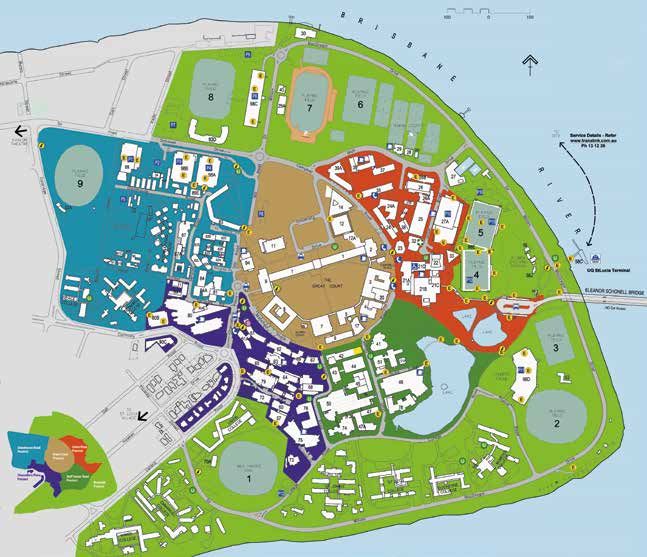
Contents
                                                          10   Field Trips                                            18
                                                                10.1         Field Trip: To the Big Scrub and Back!   18
                                                                10.2         Field Trip: Coastal Restoration
 1   Welcome Message				5                                                    – The mighty Tweed                       19
 2   About SERA				6                                            10.3         Field Trip: Stewartdale Nature Refuge
                                                                             koala habitat restoration project, Ripley 19
 3   About the Conference		                           7
                                                                10.4         Field Trip: Lower Beechmont Conservation
 4   Conference Organising Committee		 7                                     Area, Gold Coast                     20
 5   Venue					8                                                10.5         Field Trip: Riparian Reconstruction      20
      5.1       Venue				8                                      10.6         Field Trip: Marine Restoration
      5.2       Maps and floor plans			              8                       – Fish Habitat Restoration Projects      21

      5.2.1     Public Transport                     12   11   Program                                                22

      5.2.2     Cycle                                11         11.1         Program at a Glance                      22

      5.2.3     Parking                              11         11.2         Daily Program                            23
                                                                11.3         Poster presentations                     28
 6   Event Information                               11
                                                          12   Workshops                                              29
      6.1       Registration Desk                    11
      6.2       Registration Inclusions              12
      6.3       Accompanying Partners and Children   12
      6.4       Name Badges                          12
      6.5       Certificates                         12
      6.6       Catering                             12
      6.7       Lost and Found                       13
      6.8       Speakers Preparation                 13
      6.9       Mobile Phones                        13
      6.10      Wireless Internet                    13
      6.11      Social Media                         13
      6.12      Emergency First Aid & Medical        13
      6.13      Emergency Evacuation                 14
      6.14      Luggage Storage                      14
      6.15      International Delegates              14
      6.16      SERA Annual General Meeting          14

 7   Instructions for Presenters                     14
      7.1       Oral Presentations                   14
                                                                                                     s

      7.2       Symposium Presenters                 15
      7.3       Keynote Presenters                   15
                                                                                              tent

      7.4       Audio Visual Presentation            15
      7.5       Poster Presentations                 15

 8   Sustainability                                  16

 9   Social Events                                   16
                                                                                     Con

      9.1       Conference Gala Dinner               16
      9.2       Student and Early Career Function 16
      9.3       Poster and Trades Function           16
      9.4       UQ Guided Restoration Walk           17
                                                                                                                            page 3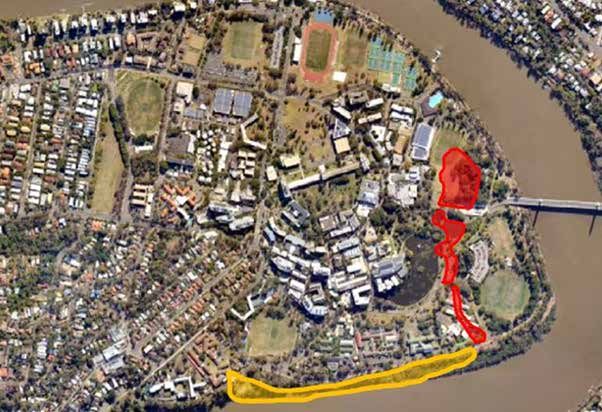
1 Welcome to Delegates of SERA 2018
Never before in the earth’s geological history have global ecosystems, species and humans themselves been so challenged.
By the end of this earth day, another 200,000 mouths will need to be fed. Each night, 870 million people go to bed
hungry. We now challenge the environment and our remnant wild nature more than ever.

Importantly we use resources at 50% the rate that the planet can sustain.

The world we face is one that is daunting indeed – a world without nature, natural resources and a world which will
become increasingly difficult for us to live in. We only need to look at the biodiversity hotspots in the Australasian region
to realise that all these regions are in a rapid and precipitous decline in their natural values – New Zealand alone now
contains more weed species than native species with another 2000 ‘sleeper weeds’ in home gardens.

But we are all here because we have a shared belief in a planet where the combined intellectual and creative capacity
of humans is harnessed to restore nature, natural capital and by extension, our ability to live in a future world replete
with nature.

Ecological restoration represents a response to the way we have changed the planet. As a science, practice and
activity touching the lives of so many people worldwide ecological restoration represents major new scientific,
industry and community challenges. Champions of industry now laud repair and restoration of ecosystems as
part and parcel of doing business with one resource company CEO recently saying, “Our business is only as

                                                                                                                            e
good as our restoration”.

                                                                                                                    sag
But the journey has just begun and we have much to do. This does not mean we ‘lower the bar’ on our
restoration prospects otherwise we are selling nature short. For all of us attending the conference and
beyond, we need to encourage our future stakeholders – our students who will become restoration
scientists, our communities who will be the guardians of future nature and our rich indigenous cultures
                                                                                                            Mes
who are custodians of so many important ecosystems.

So in conclusion, enjoy your time here in Queensland and Brisbane and the warm hospitality of
our hosts. Importantly without the professionalism and dedication of the organisers, particularly
the local team, a conference of this breadth and depth would not have been possible. I know
I extend from the participants and the Board of SERA a sincere vote of thanks for a job done
superbly.
                                                                                                      me

Kingsley Dixon
Chair, Society for Ecological Restoration Australasia (SERA)
                                                                                             co
                                                                                          Wel

                                                                                                                                page 4
The
         Even
             t

page 5
2 About SERA
The Society for Ecological Restoration Australasia (SERA) is a non-profit peak body in restoration and rehabilitation
that connects practitioners, industry, community and scientists across Australasia and through the peak international
organisation, the Society for Ecological Restoration (SER).

Founded in 2011, SERA now has members in 17 countries, and provides restoration support throughout Australasia.
SERA dovetails with the other 12 SER chapters that serve the regions of Asia, North America, and Europe and their
2300 global members.

SERA’s members are individuals and organizations who are actively engaged in ecologically-sensitive repair and
management of ecosystems through an unusually broad array of experience, knowledge sets and cultural perspectives.
They are scientists, planners, administrators, ecological consultants, natural areas managers, growers, community
activists, and volunteers, among others.

With SER (the parent body) recognised by public and private enterprises as the source for expertise on restoration
science, practice and policy, SERA aims to further develop regional expertise and achieve its objectives through
cooperation with partner organizations and the work of its Australasian membership.

SERA aims to:

•   Promote ecological restoration and the principles of ecological restoration as outlined in the Primer of the
    Society for Ecological Restoration International.

•   Promote an awareness of the need to conserve, protect, enhance and restore natural resources and
    promote natural ecological processes.

•   Contribute to and promote the development of policies that support ecologically sustainable land use.

•   Promote ecological restoration and the principles of ecological restoration through adherence to the
    international principles and aspirations of SER.

•   Obtain financial support for activities that will promote and ensure leading practice in ecological
    restoration and associated activities.

•   Facilitate two-way technological transfer between the fundamental sciences and practitioners
    of ecological restoration.
                                                                                                     ERA

SERA serves the growing field of ecological restoration through facilitating dialogue among
restorationists, encouraging research, promoting awareness of and public support for restoration
and restorative management, contributing to public policy discussions, recognizing those who
have made outstanding contributions to the field of restoration, and promoting ecological
restoration throughout Australasia through.
                                                                                               ut S

Conferences are the lifeblood of the SERA, where members and interested people can
convene to exchange ideas and information, and participate in workshops, field trips
and other activities.
                                                                                       Abo

                                                                                                                        page 6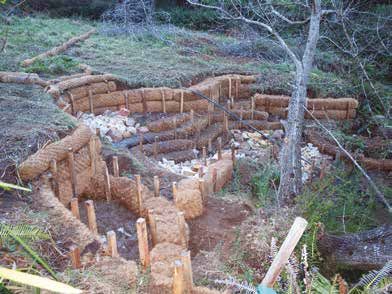
3 About the Conference
SERA is dedicated to providing education, specialised training, and networking opportunities for ecological and
environmental professionals working together to meet the challenges of ecosystem restoration. SERA2018 provides an
interactive forum for physical, biological, and social scientists, practitioners, engineers, resource managers, planners,
and policy makers to share their knowledge, experiences and research concerning terrestrial, aquatic and marine
ecosystem restoration on both national and international levels.

SERA conferences are held once every two years. The theme for 2018 is Striving for Restoration Excellence and will
provide the foundation, tools and latest research to make the most of your restoration project. The conference program
includes a combination of keynote, symposium, oral and poster presentations, spanning an array of themes from principles
and practice, biomes, impact and specialist disciplines.

The conference strongly encourages the participation of Indigenous ecologists, offering an Indigenous values in restoration
session to create a better link with Indigenous people working in ecology and land management.

4 Conference Organising Committee
Kingsley Dixon - ARC Centre for Mine Site Restoration, Curtin University; Chair of SERA

Peter Erskine - Centre for Mined Land Rehabilitation, The University of Queensland; SERA General Board Member

Jen Ford - Principal Restoration Ecologist, Ecosure; SERA General Board Member

Valerie Hagger - Centre for Excellence in Environmental Decisions, The University of Queensland; SERA
Ex-officio Board Member (Early Career and Student representative)
                                                                                                              nce
Tein McDonald - Principal, Tein McDonald & Associates; Editor, Ecological Management & Restoration;
SERA General Board Member (Affiliate and ENGO communication)

Renee Young - ARC Centre for Mine Site Restoration, Curtin University
                                                                                                       fere

Vanessa MacDonald - ARC Centre for Mine Site Restoration, Curtin University

Simone Pedrini - ARC Centre for Mine Site Restoration, Curtin University

Haylee D’Agui - ARC Centre for Mine Site Restoration, Curtin University
                                                                                                Con
                                                                                          The

                                                                                                                              page 7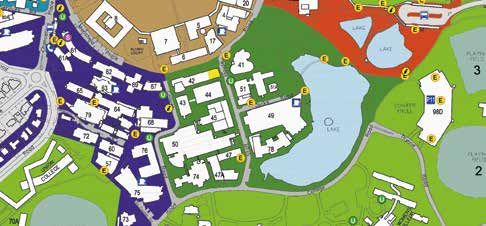
Preserving the world’s
   natural brilliance.

Ecology
Terrestrial and aquatic environmental solutions

Wildlife
Threatened species and human-wildlife conflict

GIS
Mapping, modelling and conservation planning

Ecological Restoration
Restoring our natural systems

Water
Quality, monitoring and management

Marine
Assessments and holistic restoration

Development
Construction science and compliance

                     ecosure.com.au • 1300 112 021
            Adelaide • Brisbane • Coffs Harbour • Gold Coast • Rockhampton • Sydney • Sunshine Coast

                                                                                                       page 8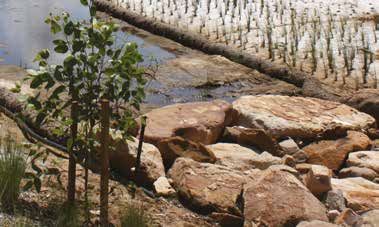
5 Venue
5.1      Venue
The venue of SERA2018 is the Hawken Engineering Building at The University of Queensland (UQ), St Lucia, Brisbane. As
one of Australia’s leading universities, UQ is consistently ranked first for business administration, mining engineering and
life sciences in Australasia and is top ten in global ranking for environmental sciences and ecology.

Address: Hawken Engineering Building, access via Cooper Rd, St Lucia, QLD 4072

5.2      Maps and floor plans
St Lucia campus map

                                                                Field Trip
                                                              Bus Departure

                                                                                                            Public Bus Station
                             Public Bus Station                                                                UQ Lakes
                             Chancellor’s Place

                                                                                                   Natural Amphit
                                                                                                           Amphitheatre
                                                                                                   (Lunch Venue)
                                                  UQ restoration walk
                                                    meeting point

                                                                              Hawken Engineering Building
                                                                                                   u    e
                                                                                               Ven

                                                                                                                                 page 9
St Lucia campus parking map

Lunch venue

    Hawken Engineering
        Building

                              Natural Amphitheatre
                                                      e

                              (Lunch Venue)
                                                         u
                                                     Ven

                                                             page 10
Hawken Engineering Building
Level 1
L103A L109A
L106 L107 L110A
L104 L108A
L103
L109 Room 2 Room 3
L151
L105 L106A L108 L110
L152 L195
L102
L121
L120 L119 L111 C101A
L100 C196
L197
L113 L112
L115 L128
L117 L116 L114 C106 C109
L118 C101
L122 L131 L132 L133
L127 C195 C197
L141 L123
C105 C108 C110
L142 L194
L130 L129
L143 L199
T108 C104A
L196 T107
T196
T199
S105B
T105 T198 S101 S102A S102 S103 S104
T104
T102T103A T102A
S105A
T101
T103
T109
T197
u e
Ven
page 11Hawken Engineering Building
Level 2
N298
L298
L211
N201 N202
L293
L213 N299
L210 L214
N203
L208 N204
C298
L207 C297
L209 L295
L297 L206 L294
L204B
L205 C208
C203
C206
L202
C204A C203B C203A
L204 L203 C201
L204A C204 C205
L203A
L203B L220
C201A
L218 L216 L215 L299
L217
T298 S293
T205 T204
L296
S204
T299
S204F
S204D
S204E
S201 S203
S202
T202
S204C
T203A
T202A
T203 S202A
T201
T109
Plenary
Room 4
and Room 1
Room 5 Room 6
Conference staff will be available at the registration desk for all registered delegates to
collect their conference materials. The registration desk will be located at the entrance
e
of the Hawken Engineering Building.
u
Ven
page 125.2.1 Public Transport
St Lucia campus has frequent public bus services from Brisbane CBD, Toowong and Indooroopilly. Some routes travel via
rapid-transit busways, which offer congestion-free services to and from campus. St Lucia campus has two bus stations,
located at Chancellor’s Place and UQ Lakes.
Ferry is a scenic way to travel to St Lucia campus from riverside suburbs, including South Bank, Toowong and West
End. The campus CityCat terminal is on Sir William Macgregor Drive, near the UQ Lakes bus station and the Eleanor
Schonell Bridge.
Information on routes and timetables can be found on the Translink website:
https://translink.com.au/
If travelling from Toowong, it is a short walk to ferry or bus to UQ, which takes 10 minutes. Catch Route 412 from the
bus stop on Coronation Drive or CityCat towards UQ St Lucia from the Regatta ferry terminal.
If travelling from South Bank, it is a short walk to ferry or bus to UQ, which takes 15-25 minutes. Catch Route 66 from
South Bank busway station or CityCat towards UQ St Lucia from South Bank 2 Ferry Terminal.
5.2.2 Cycle
St Lucia campus is easily accessed by bicycle, with a safe riverside bicycle path in Toowong, and the Eleanor
Schonell Bridge (bus, cycle and pedestrian bridge only) in Dutton Park connecting the campus to the Brisbane
CBD and surrounding suburbs.
You can use the Brisbane City Cycle on a casual basis to hire bikes from stations across inner Brisbane. There
are stations at UQ St Lucia. Just bring your helmet. Information on stations and fees can be found on their
website: http://www.citycycle.com.au/
5.2.3 Parking
We strongly encourage using public transport where possible. But if you need to drive, parking should
not be a problem during the conference period as it is mid-semester break. Paid casual parking is
available at UQ St Lucia in the Blue zone (14P daily). Consult the parking map for locations. Currently
$5 per day.
6 Event Information
6.1 Registration Desk
t
Even
Conference staff will be available at the registration desk for all registered delegates to
collect their conference materials. The registration desk will be located at the entrance of the
Hawken Engineering Building.
The registration desk will be open at the following times:
Date Times
Tuesday 25 September 8.00am – 6.45pm
The
Wednesday 26 September 8.00am – 6.45pm
Thursday 27 September 8.00am – 5.00pm
page 13Registration desk staff are here to assist you. If you have any questions or need any local information, please see the friendly
staff at the registration desk.
6.2 Registration Inclusions
Registration fees include full access to all conference sessions; buffet lunches and coffee breaks on all three days of the
conference program; participation at non-ticketed social events including the poster and trades function and early career
session (if relevant).
There are additional fees for pre and post conference field trips and the conference gala dinner. If you have not yet booked
in for field trips or the gala dinner and still wish to attend, please see our registration desk staff as soon as possible to check
availability.
6.3 Accompanying Partners and Children
SERA 2018 is a kid-friendly conference. You are welcome to bring your child/children along, as well as a support person.
They can eat for free, there are parenting rooms available, and there are childcare options. Lunches will be held under
marquees by UQ lakes, and the campus has many open spaces and a great aquatic centre. Please note: Accompanying
Partners will not be given access to conference sessions.
The nearest parenting rooms are located at:
• Room 350A, Sir James Foots Building (Building 47A). Equipment: fridge, comfortable chair, table, power point,
sink with hot and cold water, change table (building behind conference venue).
• Room 606, Advanced Engineering Building (Building 49). Equipment: comfortable chair, table, power
point, sink with hot and cold water, change table (building close to lunch venue).
6.4 Name Badges
Your name badge is entry to all sessions, events and all catering services. Please wear your name badge
at all times.
6.5 Certificates
Certificates for attendees and presenter authors can be requested at the registration desk or by emailing
katie@loud.events. All attendance certificates will be sent electronically.
6.6 Catering
Conference registration includes morning tea, lunch and afternoon tea on Tuesday, Wednesday
t
and Thursday of the conference. Pre-arranged dietary requirements that cannot be catered for
Even
with the standard selection will be available at a separate station. If you have any concerns
with dietary requirements, please see registration desk staff.
Lunches will be served at the UQ Natural Amphitheatre, located a short walk from the
conference building. Conference staff and volunteers will be on hand to direct delegates
to the Natural Amphitheatre.
The
page 146.7 Lost and Found
There will be a lost and found maintained at the registration desk. We kindly ask delegates to take any found items to the
registration desk.
6.8 Speakers Preparation
Speakers are required to check-in at the registration desk prior to 9am on the day of your presentation. We are encouraging
presenters to allow their PowerPoint presentation to be uploaded on the website after the event. If you are happy for your
presentation to be available, please let the team at the registration desk know or advise us by email to katie@loud.events.
The Speakers’ Preparation Desk will be located near the registration area and will provide a centralised service for the
easy transfer of presentation materials. At the Speakers Preparation Desk an experienced audio-visual technician will be
available to load your presentation to your allocated session. You will need to arrive either the day prior, or at the very
latest, prior to 9am on the day of your presentation to allow the technician to upload and check your presentation. Check
the program for the room and hours.
Further instructions for presenters is provided in Section 7.
Date Times
Tuesday 25 September 8.00–9.00am, 10.30-11.00am, 12.00-1.00pm
Wednesday 26 September 8.00–9.00am, 10.30-11.00am, 12.00-1.00pm
Thursday 27 September 8.00–9.00am, 10.30-11.00am, 12.00-1.00pm
6.9 Mobile Phones
Mobile phones and tablets should at all times be switched off or operated in “silent” mode out of consideration
for speakers and other conference attendees.
6.10 Wireless Internet
Complimentary wireless internet connection will be available to all delegates. You will need a username
and code which you can obtain from the registration desk.
6.11 Social Media
We encourage use of social media during the conference. However, please note the following
SERA2018 Twitter etiquette:
• Use the official twitter hashtag: #SERA2018
t
• Please positively promote the society and the conference
Even
• Please tweet responsibly
• Ensure you are always polite, respectful, and inclusive
• Check before you tweet pictures of people and pictures of data
• If you wish to send pictures for use in SERA social media, please send to:
Sera2018photos@gmail.com
6.12 Emergency First Aid & Medical
The
Emergency telephone numbers are:
UQ Security – 07-3365-3333
Police, Fire and Ambulance – 000
Dental – 07-3830-4157
page 15The nearest Public Hospital Adult’s Emergency is at the Mater Hospital Brisbane, Stanley Street, South Brisbane,
Telephone: 07-3840-8111
The nearest Public Hospital Children’s Emergency is the Lady Cilento Children’s Hospital, Stanley Street, South Brisbane,
Telephone: 07-3068-1111
The nearest Private Hospital Emergency (both adults and children) is at the Wesley Hospital, Chasely Street, Auchenflower,
Telephone: 07-3232-7000
In an emergency contact UQ Security on 07-3365-3333. Emergency includes fire, medical, environmental, bomb threats,
any critical incident. For general enquiries and non-urgent matters, phone Security on 07-3365-1234. Security if available
24 hours a day, 7 days a week.
6.13 Emergency Evacuation
Conference staff are trained to respond to emergency situations. If the conference has to be evacuated, audible alarms will
sound. Staff and volunteers will assist patrons to evacuation routes and assembly points during an emergency evacuation.
6.14 Luggage Storage
There will be no luggage storage available onsite at the conference venue. We suggest that you store luggage at your
accommodation facility if required.
6.15 International Delegates
A warm welcome to Australia to our international delegates. The official language of SERA2018 is English. For
more information on the location of your embassy, please visit www.embassy-finder.com
6.16 SERA Annual General Meeting
SERA’s Annual General Meeting (AGM) will be held during the conference on Tuesday 25th September
between 19:00 - 20:30 (GMT + 10 hours) at Saint Lucy Caffe, UQ St Lucia. Elections results will be
announced at the AGM. All current members are invited to attend. For those that can’t attend, the AGM
will also be conducted via teleconference to allow as many members as possible to contribute. Please
RSVP to Michael Just (SERA Secretary) at sera@seraustralasia.com
7 Instructions for Presenters
7.1 Oral Presentations
t
Even
As an open oral presenter in a concurrent session, you will be allocated 15 minutes to present,
inclusive of 3 minutes for questions and discussion from the audience. A session chair will
keep time and indicate minutes remaining. Should you run overtime, the session chair will
stop your presentation regardless of if you are finished or not. This ensures your fellow
speakers all receive their allocated presentation time too.
The
page 167.2 Symposium Presenters
As a symposium presenter in a symposium session, you will be allocated 15 minutes to present, inclusive of 3 minutes for
questions and discussion from the audience. Your symposium facilitator will keep time and indicate minutes remaining. Should
you run overtime, the facilitator will stop your presentation regardless of if you are finished or not. This ensures your fellow
speakers all receive their allocated presentation time too.
7.3 Keynote Presenters
As a keynote presenter, you will be allocated 30 minutes to present, inclusive of 5 minutes for questions and discussion from
the audience on your individual presentation.
Please ensure that your presentation is pre-loaded and in working order prior to the beginning of your session. It is also
advisable to bring a printed copy of your presentation just in case of technical difficulties. Speakers are asked to load their
presentations with technicians at the designated speaker’s preparation desk the day prior to their session, or at the very
latest, prior to 9am on the day of your presentation.
All speakers for any given session are asked to present themselves to the session chair or symposium organiser, 10 MINUTES
prior to their allocated session. They are asked to remain in that session until their presentation and sit in the row nearest
to the stage, so that change-over times are decreased.
7.4 Audio Visual Presentation
Please ensure that your presentation clearly describes outcomes and lessons learned. The process/method and
achievements that have already been implemented should be a key factor and we encourage you to share your
achievements and practical experience where possible. Remember you will be presenting to an international
audience, so describing your achievements, lessons learned and transferable outcomes will be of interest to
your audience.
Your audience will be a mix of restoration practitioners, scientists, policy makers, community members and
industry/business representatives.
We kindly ask that all speaker presentations are saved in the following format:
FIRST NAME SURNAME_Presentation Title (i.e JANE DOE_Shellfish Restoration in Great Barrier Reef)
All presentations will need to be saved as a Powerpoint file in 16:9 ratio, preferably on a white background.
7.5 Poster Presentations
Poster presenters will hang their posters upon arrival at the conference beginning on Tuesday 25
t
September. All posters should be in place by Tuesday morning at 7.45am prior to the
Even
commencement of registration. We will assign each presenter a number corresponding to the
board where your poster will be displayed.
Poster presentations will remain on display for the duration of the conference, with one
evening poster session on Wednesday 26 September from 4.45pm – 6.45pm, during
which time authors will have the opportunity to discuss their presentations with conference
attendees. Refreshments will be provided at the poster session.
Posters should be removed on Thursday 27 September from 3.00pm – 5.30pm.
The
Any posters not removed by this time will be recycled. The conference will not be
responsible for any posters left behind.
page 178 Sustainability
SERA is committed to hosting sustainable events that minimise our environmental impact.
To reduce waste, we are minimising all printed materials associated with SERA2018. Delegates can access our Conference
Handbook and Book of Abstracts online, by PDF (to be released prior to the conference).
Only the Conference Program will be printed, which delegates will receive in their satchel upon registration.
Water coolers will be available at the conference venue, and we ask delegates to bring their own water bottle to refill.
Water, juice, tea and coffee will be served by the caterers at break times, however water bottles will not be provided.
We also ask attendees of the conference field trips to bring along their pre-filled water bottle for the day. There will be spring
water available to refill water bottles on the buses.
9 Social Events
9.1 Conference Dinner and Restoration Awards Ceremony
The Conference Dinner and Restoration Awards Ceremony is being held at Hillstone St Lucia on Thursday 27th
September at 7pm. Guests will enjoy a banquet style dinner, beverages and live entertainment from a ten-piece soul
and funk band to light up the stage and fill the dance floor. As part of the dinner, we will celebrate the recipients of
the SERA Awards for Excellence in Ecological Restoration Practice for projects from Australia, New Zealand and
the Pacific Islands. Dress code is smart casual.
The Conference Dinner and Restoration Awards Ceremony is not included in the registration fee. Tickets should
have been pre-booked and paid for with registration. If you have not booked a ticket to the gala dinner and
would now like to attend please see the registration desk staff as soon as possible.
9.2 Student and Early Career Function
Students and early career professionals (within five years of their career) are invited to join us on Tuesday
25th September from 4:45pm – 6:45pm to discuss the variety of career paths available in restoration
with a panel of key people in research, government, practice and industry. This will be an excellent
opportunity to ask questions, get advice on the job market and explore your options. Canapés and
beverages will be served.
This function is included in the registration fee for students and early career delegates. However,
tickets should have been pre-booked with registration. If you have not booked a ticket and would
t
like to attend please see the registration desk staff as soon as possible.
Even
9.3 Poster and Trades Function
All delegates are invited to attend the Poster and Trades Function on Wednesday 26th
September from 4:45pm – 6:45pm. During this time, authors will have the opportunity
to discuss their poster presentations with conference attendees. Refreshments will be served.
This function is included in the registration fee for all delegates. However, tickets
should have been pre-booked with registration. If you have not booked a ticket and
The
would like to attend, please see the registration desk staff as soon as possible. There
will be an award for the best poster and we need judges to decide this. If you wish
to be a judge, please see staff at registration desk to pick up the judging criteria
and marking form. Judging can be done in your own time. page 189.4 UQ Guided Restoration Walk
The Society for Conservation Biology (SCB) UQ Brisbane chapter will be hosting a free, guided morning walk through a
restoration site on the UQ St Lucia campus. The guided walk will go from 7:30am – 8:30am, along the riverside and fin-
ishing at UQ Lakes (see map). Please meet at the registration desk at the conference venue (Hawken Engineering Building)
at 7.20am for a 7.30am sharp departure. On the walk, we will discuss the methodology behind our restoration design,
its purpose of creating habitat connectivity for local birds and butterflies, and the progress SCB UQ Brisbane has been
monitoring towards this goal. Some interesting bird species we may see at the restoration area include Striated & Spotted
Pardalote, Pied & Grey Butcherbirds, Pied Currawong, Bush Stone-Curlew, White-browed Scrub-wren, Buff-banded Rail
and Eastern Whipbird (if very lucky!), and up to 30 waterbird species are regularly at the UQ Lakes.
About the project
SCB UQ Brisbane completed a 3 year joint revegetation project on the UQ campus funded through the Everyone’s
Environment grant program and focused on riparian vegetation. Data from multiple surveys and volunteer days has been
used to inform the final reporting for this project and more than 11,500 trees have been planted. The chapter continues
to be involved in ongoing bird, butterfly, and plant cover monitoring, as well as land-care activities.
t
Even
Location of restoration site: (Orange = UQ restoration site, red = the vegetation corridor to UQ Lakes)
The
page 19DEVELOPMENT AND INFRASTRUCTURE
ECOTOURISM
INTENSIVE INDUSTRIES
RESOURCES AND ENERGY
GOVERNMENT AND NATURAL RESOURCES
RURAL PRODUCERS
t
Even
The
| P: 07 5502 2449 | E: STEVE@ENSC.COM.AU page 2010 Field Trips
A number of conference field trips are available for conference delegates, as described below. For more information please
visit https://www.sera2018.org/field-trips/
Packed lunches and snacks will be provided for all field trip attendees. However, please bring along a pre-filled water bottle
for the day. Water will be available on the buses to refill water bottles. All field trips will involve walking through the
restoration areas, so please bring hats, sunscreen and insect repellent, and wear long sleeve tops and pants, and walking
shoes.
The meeting point for the Friday field trips will be at the bus set down outside the Athletics Centre (Building 29a/Playing
Fields 7), on the corner of Sir William MacGregor Drive and Campbell Road, UQ, St Lucia at 7.30am. Buses will depart
at 8.00am.
If you have not booked a field trip and would now like to attend please see the registration desk staff as soon as possible.
10.1 Field Trip: To the Big Scrub and Back!
This 2- day field trip to northern NSW will occur on 21-24th September (inclusive of travel days) and is a once-in-a-life-
time opportunity to look at the progress being made in rainforest restoration in the ‘Big Scrub’ landscape near Lismore
over the last four decades. Big Scrub Landcare’s landscape scale restoration program received SERA’s 2016 Award
for Restoration Excellence in the Australian and large project categories. The very special thing about this field trip
is not just the sites but that we have assembled the very best tour leaders including those highly familiar with the
works on the sites and with the local botany and ecology. The tour will take in Australia’s oldest known modern
restoration project (initiated by Ambrose Crawford at Lumley Park, Alstonville, in 1935), historic Victoria Park and
Rocky Creek Dam restoration sites, as well as ongoing projects on private property. Strategic planning and
collaborations for landscape scale, long term involvement by landholders and agencies will be emphasised.
This will be a chance to share an inspiring experience with a small group of like-minded people. The field
trip is a collaboration between SERA, the Australian Association of Bush Regenerators and Big Scrub
Landcare.
Date and Time: Friday 21st September 5:00pm - Monday 24th September 6:00pm
Cost: Cost will vary depending on accommodation type and whether more than one person is sharing
- but indicative costs are $484 (single) or $644 (twin share). Accurate costs can be obtained by
enquiring through tein.mcdonald@seraustralasia.com and payment of accommodation (through
Tein) is required before your field trip booking will be validated. Cancellation cannot be later
than 2 weeks prior to the event unless we have a waiting list.
t
Even
Cost of the field trip includes bus transport for the two days, morning teas, lunches and a BBQ
on one evening and bus transport to the SERA2018 conference in Brisbane on Monday
24th. It does not include the cost of travel to Lismore or Ballina, accommodation, room
service, breakfasts, evening meals on Friday or Sunday or taxis to or from Lismore. Room
service cooked or continental breakfasts are available at the motel and the bus will stop
at food shop for picking up your own breakfast ingredients for preparing in your motel
or cabin.
The
page 21Departure / Arrival Place: Guests to arrange their own transport to Lismore or Ballina airport to arrive late afternoon of
Friday 21st September, and be met and transported to their motel. Departure from motel each day. Charter bus to Brisbane
in time for the opening of SERA2018 at 6.00 pm, Monday 24th September
10.2 Field Trip: Coastal Restoration – The mighty Tweed
Participants will explore three separate coastal restoration projects in the Tweed, an area that supports Australia’s third
highest diversity of flora and fauna and contains one of the highest concentrations of threatened species. Commence the
day by exploring a reconstruction project where 5 km of coast has been converted from a monoculture of weed (mainly
bitou bush) to littoral rainforest and sclerophyll communities. Contributions on the day from government representatives,
professional contractors and community can answer your questions on any part of the planning, implementation, monitoring
and maintenance process. Participants will travel to nearby Pottsville Environment Park where assisted regeneration has
facilitated the recovery of a range of coastal vegetation communities over the last 10 years. Lunch will be enjoyed as you
look over the Stotts Island Nature Reserve, one of the largest remaining areas of lowland floodplain rainforest in New
South Wales. Ecological restoration work has been occurring on this hard to access site since the 1990’s. Discussions on
approaches to restoration and techniques applied can occur over lunch. You will then travel to a 60 ha site that is being
restored via good planning and assisted regeneration. The site contains saltmarsh, mangrove, lowland rainforest and
sclerophyll forest. The works being undertaken along the ridge of the site is a great example of how to convert camphor
laurel forest to native vegetation via assisted regeneration. The project includes participation of landholders, Council
and professional contractors.
Date and Time: Friday 28th September 8:00am – 5:00pm
Cost: $50 per person. Includes travel, packed lunch and restoration guides.
Departure / Arrival Place and Time: Bus set down outside the Athletics Centre, corner of Sir William MacGregor
Drive and Campbell Road, UQ St Lucia at 7.30am
10.3 Field Trip: Stewartdale Nature Refuge koala habitat restoration
project, Ripley
The Stewartdale koala restoration project is the largest on ground koala restoration project implemented in
Queensland. Negotiations with the landholders, the Sporting Shooters Association of Australia and the
Queensland government commenced in 2012 and in 2013, the 969 ha site was declared a Nature
Refuge. Detailed restoration planning was undertaken and has guided the design and implementation
of the project including seed collection, site preparation and the installation of 18 km of fauna
friendly fencing designed to protect establishing trees while ensuring fauna movement throughout
the site is retained. The site is being restored by assisted regeneration across approx. 65 ha and
t
more than 114, 000 trees have been planted with approx. 92% success rate. Participants will
Even
be guided around the site to observe firsthand how it is developing while gaining insights into
the challenges and rewards of restoring large sites. Any questions you have about the project
will be answered by a representative from the State government, the project manager and
those intimately involved with the implementation of the project. Additional representatives
from Birds Australia will also be available to talk about the 69 bird species so far recorded
on Bundamba Lagoon and how this too influenced project design and works across the
211 ha project area. Queensland Parks and Wildlife
The
page 22Service have also established a koala food plantation at the entrance to the site to assist feeding koalas at the Daisy Hill
sanctuary. Morning tea and lunch on site overlooking Bundamba lagoon.
Partners in the project include the Sporting Shooters Association of Australia, the Department of Environment, Heritage and
Protection (State Government), Birds Australia and professional contractor, Ecosure.
Date and Time: Friday 28th September 8:00am – 3:00pm
Cost: $45 per person. Includes travel, packed lunch and restoration guides.
Departure / Arrival Place and Time: Bus set down outside the Athletics Centre, corner of Sir William MacGregor Drive and
Campbell Road, UQ St Lucia at 7.30am
10.4 Field Trip: Lower Beechmont Conservation Area, Gold Coast
Lower Beechmont Conservation Area is managed by the City of Gold Coast and covers a total of 789 ha. Restoration work
commenced on site in 2006 and more than 250 ha have been restored via assisted regeneration including large scale and
intensive weed control. Four separate revegetation projects have also been implemented to between 2006 and 2016. The
site contains 10 regional ecosystems ranging from remnant and regrowth sub-tropical rainforest and riparian areas to dry
sclerophyll systems. It is home to 180 relocated koalas as well as a number of threatened flora and fauna species. The
site is monitored and other management activities such as feral animal control and fire management continue together
with intensive and ongoing restoration works. It is also frequently visited by many visitors and residents of the Gold
Coast. Participants on this field trip will be able to see established regeneration areas, four stages of planting and
how these areas were chosen to link key zones across the lower part of the site, in addition to experiencing one
of the magnificent views looking over the heart of the Gold Coast. Morning tea on Clagiraba Creek and lunch at
Freemans Rd lookout, the highest part of the site.
This field trip will require walking up to 5 km along tracks through the forest. A couple of 4WD’s will be
available to assist less mobile people from the car park into much of the site.
Date: Friday 28th September 8:00am – 5:00pm
Cost: $50 per person. Includes travel, packed lunch and restoration guides.
Departure / Arrival Place and Time: Bus set down outside the Athletics Centre, corner of Sir William
MacGregor Drive and Campbell Road, UQ St Lucia at 7.30am
10.5 Field Trip: Riparian Reconstruction
Riparian areas are often a focus for restoration as these regularly disturbed systems are frequently
degraded by erosion, weed infestations and a higher edge to area ratio. When these systems are
highly degraded and require major works to stabilise an area, often the go-to solution is rock
t
which provide limited biodiversity outcomes.
Even
On this field trip, participants will visit two sites on the Gold Coast where reinstating bank
stability has been essential and balanced with a number of biodiversity objectives. One
site is a freshwater system and is an established 10 year old project while the other has
undergone recent works and is a tidal system. The site participants will visit is on the
beautiful Currumbin Creek and is, a 2.4 km stretch of creek that has been stabilised by
reconstructing the stream bed and utilising a number of approaches and materials,
geomorphic insights and the restoration of 10.4 ha. Works have involved engineers,
The
multiple Council departments, the local community group that formed in response to
works and adjacent landholders. This area has successfully survived multiple high
flow events and two large floods. The second site has recently been reconstructed
page 23and as a highly visited park required a safe and stable foreshore while ensuring the banks were not breached impacting
the lake. In addition to stabilisation, water quality improvements, mangrove, fish and crab restoration, approaches taken
on this site to reduce the velocity of water on the foreshore by manipulating hydraulic forces during flood and tidal events,
is show casing alternatives to simply installing rock. At both sites, geomorphologists, catchment and restoration experts as
well as community members will be on hand to answer any questions. Morning tea in the park adjacent to Currumbin Creek
and the lake and lunch on the foreshore of the Coomera River, Damien Leeding Park.
Date: Friday 28th September 8:00am – 5:00pm
Cost: $45 per person. Includes travel, packed lunch and restoration guides.
Departure / Arrival Place and Time: Bus set down outside the Athletics Centre, corner of Sir William MacGregor Drive and
Campbell Road, UQ St Lucia at 7.30am
10.6 Field Trip: Marine Restoration – Fish Habitat Restoration Projects
This scenic and informative trip north of Brisbane will explore fish habitat restoration projects in a range of coastal ecological
communities including a number of innovative designs for fish habitat restoration achieved through collaborative partnerships
with Traditional Owners, community groups, government, researchers and a regional NRM group. We will visit Hays Inlet
saltmarsh restoration project at Redcliffe, a subtidal shellfish habitat restoration project at Pumicestone including reefs
made from a biopolymer used for the first time in Australia and other projects where coir log designs are assisting the
recovery of mangroves at Golden Beach and the Maroochy River. A boat trip on the exquisite Pumicestone Passage
with a view of the Glasshouse Mountains across the water will be just one of the highlights of this journey.
Date: Friday 28th September 8:00am – 6:00pm
Cost: $55 per person. Includes travel, boat trip on Pumicestone Passage, packed lunch and restoration guides.
Departure / Arrival Place and Time: Bus set down outside the Athletics Centre, corner of Sir William MacGregor
Drive and Campbell Road, UQ St Lucia at 7.30am t
Even
The
page 24Sunday Monday Sunday
23 Sep 24 Sep Tuesday 25 Sep Wednesday 26 Sep Thursday 27 Sep 23 Sep
8.00am Registration
Keynote sessions
Room 1 (T203)
9.00am Welcome to Country & Conference Opening Bruce Pascoe Associate Professor Daniel Laughlin
9.30am Professor Jakki Mohr Gerry Turpin Linda Bell
10.00am Professor David Lindenmayer Professor Bruce Clarkson Professor Kerrie Wilson
10.30am Morning Tea
11.00am Dr Maksym Polyakov Dr Fangyuan Hua Dr Linda Broadhurst
11.30am
Dr Tein McDonald Dr Sarah Frias-Torres Dr Paul Gibson-Roy
12.00pm Lunch
Natural Amphitheatre
Concurrent sessions
Room 1 (T203) Room 2 (T103) Room 3 (T105) Room 4 (N201) Room 5 (N202) Room 6 (S201) Room 1 (T203) Room 2 (T103) Room 3 (T105) Room 4 (N201) Room 5 (N202) Room 6 (S201) Room 1 (T203) Room 2 (T103) Room 3 (T105) Room 4 (N201) Room 5 (N202)
1.00pm Symposium Open Session Symposium Symposium Open Session Workshop Symposium Open Session Symposium Symposium Open Session Workshop Open Session Open Session Symposium Symposium Open Session
Session 1 Session Session 2 Session Session 7 Session Session 8 Session 11 12 Session Session 13
Ecological Riparian and The Novel Social Theory and Adaptive Indigenous Emerging Expanding the Monitoring Using the Threatened Restoration in Seagrass Native Seed Returning
Big Scrub Field Trip
Restoration Coastal Multidiscipli- Techniques Dimensions of Practice in Coastal Values in Eco-Engineering Restoration and National Species a Restoration for Ecosystem
Practice in the Wetland nary Aspects and Restoration Species Restoration - Restoration Solutions and Toolkit Trajectory Standard's Conservation Changing Network: A Restoration, Function
90 mins
Big Scrub in Restoration of Successful Applications Modelling for Responding to Seed (Luke Shoo, Recovery Climate New Challenges
North-East Mine Site for Restoration Conservation Change and Enhancement Valerie Wheel at Community of and
NSW Rehabilitation Monitoring Restoration Implementing Technologies Hagger) Your Site: Research Opportunities
(Mike Delaney, (Marit Kragt) (Paul Nevill) PART 1 Management to Combat A Participatory and Practice (Simone
Tein McDonald) (Jemma Land Workshop (Elizabeth Pedrini)
Purandare) Degradation PART 1 Sinclair)
(Todd Erickson) (Tein McDonald)
2.30pm Afternoon Tea
Concurrent sessions
Room 2 (T103) Room 3 (T105) Room 4 (N201) Room 5 (N202) Room 6 (S201) Room 1 (T203) Room 2 (T103) Room 3 (T105) Room 4 (N201) Room 5 (N202) Room 6 (S201) Room 1 (T203) Room 2 (T103) Room 3 (T105) Room 4 (N201)
Conference Field Trips
3.00pm Open Session Open Session Open Session Open Session Workshop Symposium Symposium Open Session Open Session Symposium Workshop Symposium Open Session Open Session Open Session
3 4 5 6 Session Session Session 9 10 Session Session Issues Session 14 15 16
Aquatic Soil and Soil Mine Site Social Theory and From Small to Community Seed Databases, Mine Waste in Monitoring Trait-Based Scaling Up Marine Mine Site
Systems Biota Restoration Dimensions of Practice in Large Scale -Based Enablement, Tools, Rehabilitation Restoration Ecological Restoration Restoration Restoration
Restoration Monitoring Restoration Species Marine Ecological Technology Methods and for Ecological (Paul Nevill) Engineering –
90 mins
(cont.) Modelling for Coastal Restoration and Technology Sustainability- Are Plant Traits
and Science Conservation Restoration in the Tropics Genetics Industry a Useful
Communication Restoration (Phoebe (Robert Fisher) Perspectives Indicator of
PART 2 Stewart- (Longbin Restoration
Sinclair) Huang) Targets?
(Jarrah Wills,
Jen Firn)
4.30pm Conference Closing
4.45pm Room 1 (T203)
Early Career and Student Function Poster and Trades Session
Room 7 (C207) Room 7 (C207)
7.00pm
SERA Annual General Meeting (current members) Conference Dinner and Restoration Awards Ceremony
Saint Lucy Caffe, UQ St Lucia Hillstone St Lucia
page 2511 Program
Tuesday 25 September
08:00 - 09:00 Delegate Registration
09:00 - 10:30 Opening Plenary
Plenary 1 Room 1 (T203)
09:00 - 09:20 Conference Welcome
Confe
09:20 - 09:30 Welcome to Country
Welc
09:30 - 10:00 Professor Jakki Mohr: Challenges in innovation in ecological restoration: Data from the U.S.
Profe
10:00 - 10:30 Professor David Lindenmayer: Key lessons from long-term research for restoration and integrating conservation and agricultural production
Profe
Chair Kingsley Dixon
Kings
10:30 - 11:00 Morning Tea Break
11:00 - 12:00
Plenary 2
11:00 - 11:30 Dr Maksym Polyakov: Thinking differently about restoration: economists’ perspective
11:30 - 12:00 Dr Tein McDonald: How the National Restoration Standards’ affirmation of native ecosystems as references can strengthen SERA’s function
as a broad church
Chair TBA
12:00 - 13:00 Lunch Break
13:00 - 14:30 Symposium Session Open Session 1 Symposium Session Symposium Session Open Session 2 Workshop Session
Breakout Ecological Restoration Riparian and Coastal The Multidisciplinary Novel Techniques and Social Dimensions of Theory and Practice in
Practice in the Big Scrub Wetland Restoration Aspects of Successful Applications for Restoration Species Modelling for
session 1 in North-East NSW Mine Site Rehabilitation Restoration Monitoring Conservation
90 mins Restoration
PART 1
Room Room 1 (T203) Room 2 (T103) Room 3 (T105) Room 4 (N201) Room 5 (N202) Room 6 (S201)
Organiser Mike Delaney and Tein McDonald Marit Kragt Paul Nevill Sean Tomlinson
-
Chair Mike Delaney and Tein McDonald Valerie Hagger Maksym Polyakov Paul Nevill and Mieke van der Heyde Nikola Manos
13:00 - 13:15 Saving the Big Scrub Evolution of a riparian restoration Introduction: Mine site rehabilition - DNA metabarcoding - a new Engaging schools and the community Theory and Practice in Species
Mike Delaney project: stabilisation and revegetation an interdisciplinary approach approach to fauna monitoring in in riparian restoration - a Wilsons Modelling for Conservation
of the Damian Leeding Foreshore Marit Kragt mine site restoration River case study Restoration
Marjolein ""Mars"" Oram Paul Nevill Georgina Jones PART 1
13:15 - 13:30 Recovery processes underpinning Reef Aid: restoration of wetlands and The new standards for improving Assessing the use of metabarcoding Pest Free Auckland - enabling *Please note that participants will
rainforest restoration in the Big gullies in priority catchments to mine site restoration to monitor mine site restoration community-led conservation need to bring their own laptop to
Scrub improve water quality in the Great Kingsley Dixon Mieke van der Heyde Brett Butland this session, onto which they have
Tein McDonald Barrier Reef pre-loaded the statistics package
Lynise Wearne to be used in the workshop. The
statistics package and workshop
data are available on the SERA
13:30 - 13:45 Camphor conversion to rainforest: Case study of avifaunal diversity of Why is designing effective and Automated monitoring of seedling Rehabilitating Roe 8: a standard website, and installation
restoration of mixed rainforest and wetlands in industrial and efficient policies for mine emergence and early mortality from approach to a not so standard instructions are included in the
camphor laurel patches to lowland non-industrial areas, Vadodara, rehabilitation proving to be so hard? drone imagery restoration project workshop booklet. Macintosh
rainforest case study Gujarat, India Ben White Todd Buters Tom Atkinson users are recommended to either
Dan Cox Jagruti Rathod use Parallels, or bring a Windows
machine.
13:45 - 14:00 Wanganui Gorge ecological Implementing strategic coastal Economics to the rescue: non-market Using UAV-based Lidar to assess When the funding finishes -
restoration - a ten year case study in wetland restoration on a catchment valuation of mine site rehabilitation forest structural attributes for continuing conservation efforts
rainforest restoration in a scale Marit Kragt monitoring of restoration plantings through community connections
biodiversity hotspot Duncan Rayner Nicolo Camarretta Samantha Colbran
Ian Stych
14:00 - 14:15 Big Scrub - making a vision of Restoring coastal wetland water The global knowledge base on the Using invertebrate DNA (IDNA) Six years and $250,000 - what a
genetically appropriate seed quality: ecosystem service social aspects of mine closure metabarcoding to track restoration community group learnt from
production areas a reality provisioning by a native freshwater Sarah Holcombe trajectories of arthropods across two implementing a major project
Tony Parkes bivalve mine site chronosequences Suzanne Pritchard
Christina Buelow Kristen Fernandes
14:15 - 14:30 Facilitated questions Remediation of legacy acid sulfate A risk-based framework for Facilitated questions How ecological restoration can help
soil disturbance: East Trinity case completion criteria development for facilitate a nature conservation
study mine closure planning in Western culture
Michelle Martens Australia Todd Dudley
Renee Young
14:30 - 15:00 Afternoon Tea Break
page 26Tuesday 25 September (cont)
15:00 - 16:30 Open Session 3 Open Session 4 Open Session 5 Open Session 6 Workshop Session
Breakout Aquatic Systems Soil and Soil Biota Mine Site Restoration Social Dimensions of Theory and Practice in
Restoration Monitoring Restoration (cont.) Species Modelling for
session 2 and Science Conservation
90 mins Communication Restoration
PART 2
Room Room 1 (T203) Room 2 (T103) Room 3 (T105) Room 4 (N201) Room 5 (N202) Room 6 (S201)
Organiser Sean Tomlinson
-
Chair Lynise Wearne Alison Ritchie Peter Erskine Tein McDonald
15:00 - 15:15 Recreating wallum wetland habitat Walking to scale up soil restoration Measuring the recovery of coal mine The capacity of restored urban Theory and Practice in Species
for threatened 'acid' frog species by cyanobacterisation in drylands rehabilitation following fire in forests to support native birds: Modelling for Conservation
Ed Meyer Yolanda Canton Queensland using remote sensing Ecological or social restoration? Restoration
and ground surveys Elizabeth Elliot-Hogg PART 2
Phill McKenna
Connecting restoration science, policy *Please note that participants will
15:15 - 15:30 Integrated solutions for ecological Artificially-constructed depressions Developing objectives and and industry: lessons from the WA need to bring their own laptop to
restoration and management of provide insights into the role of soil completion criteria for post-mine Biodiversity Science Institute this session, onto which they have
tropical freshwater swamp forest disturbing animals in the recovery of landforms following silica sand Guy Boggs pre-loaded the statistics package
Yixiong Cai degraded drylands mining to be used in the workshop. The
David Eldridge Andrew Butler statistics package and workshop
data are available on the SERA
15:30 - 15:45 Trialing stream rehabilitation tools Geochemical and mineralogical Using data from drones to derive Using the YouTube platform to website, and installation
to attenuate high nitrate loads in factors limiting soil structure restoration targets for Ranger promote Gondwana Link instructions are included in the
agricultural headwaters formation in magnetite iron ore Uranium Mine eco-restoration workshop booklet. Macintosh
Brandon C. Goeller tailings Mitchel Rudge Basil Schur users are recommended to either
Songlin Wu use Parallels, or bring a Windows
machine.
15:45 - 16:00 Reverting the Brisbane River Estuary A question of time; Mycorrhizal Monitoring understorey from Creek Heroes' are winning the battle
from brown to blue community change along a UAV-derived data: a review and in the City of Onkaparinga urban
Jesper Nielsen restoration trajectory future directions for monitoring watercourse restoration project
Vicky McGimpsey ecosystem restoration Nikola Manos
Lorna Hernandez Santin
16:00 - 16:15 Using Hooded Plovers to promote Microbial Biobanking: Assessing understorey vegetation RegenTV - a new way to share stories
restoration of lake foreshores in Cyanobacteria-rich topsoil facilitates diversity of savanna woodland to about restoration
WA's Great Southern mine rehabilitation inform mine-site restoration in Virginia Bear
Basil Schur Wendy Williams Kakadu National Park
Jaylen Nicholson
16:15 - 16:30 The Mokoan Project: The ecological
renewal of an ephemeral wetland
system in North-east Victoria
Lisa Farnsworth
16:45 - 18:45 Early Career and Student Function Room C207
19:00 - 20:30 SERA Annual General Meeting (current members only) Saint Lucy Caffe, UQ St Lucia
page 27Wednesday 26 September
07:20 - 08:30 UQ Guided Restoration Walk hosted by the Society for Conservation Biology
08:00 - 09:00 Delegate Registration
09:00 - 10:30 Opening Plenary
Plenary 3 Room 1 (T203)
09:00 - 09:30 Bruce Pascoe: Slow food: The arc of taste
09:30 - 10:00 Gerry Turpin: Working with Indigenous biocultural knowledge in natural resource management
10:00 - 10:30 Professor Bruce Clarkson: Balancing the science and politics of an urban ecological restoration project
Chair Vern Newton
10:30 - 11:00 Morning Tea Break
11:00 - 12:00
Plenary 4
11:00 - 11:30 Dr Fangyuan Hua: Understanding potential synergies and trade-offs between biodiversity and ecosystem services to inform forest restoration strategies
11:30 - 12:00 Dr Sarah Frias-Torres: Restoring the coral reefs of the future
Chair Vern Newton
12:00 - 13:00 Lunch Break
13:00 - 14:30 Symposium Session Open Session 7 Symposium Session Symposium Session Open Session 8 Workshop Session
Breakout Adaptive Coastal Indigenous Values in Emerging Eco-Engineering Expanding the Monitoring and Using the National
Restoration - Restoration Solutions and Seed Restoration Toolkit Trajectory Standard's Recovery
session 1 Responding to Change Enhancement Wheel at Your Site:
90 mins and Implementing Technologies to Combat A Participatory Workshop
Management Land Degradation PART 1
Room Room 1 (T203) Room 2 (T103) Room 3 (T105) Room 4 (N201) Room 5 (N202) Room 6 (S201)
Organiser Jemma Purandare Todd Erickson Luke Shoo and Valerie Hagger Tein McDonald
-
Chair Jemma Purandare Gerry Turpin Todd Erickson and Jason Stevens Luke Shoo and Valerie Hagger Nicholas Dickinson
13:00 - 13:15 Introduction: Coastal restoration in Restoring tree cover in the Introduction: The science Introduction: Expanding the Responses of fauna to mine site Using the National Standard's
Australia and the Coastal Restoration Ramsar-listed Koorangie marshes underpinning Western Australian restoration toolkit restoration Recovery Wheel at Your Site: a
Network through an indigenous partnership restoration programs… and beyond Luke Shoo Sophie Cross Participatory Workshop
Jemma Purandare Damien Cook Jason Stevens Facilitators: Tein McDonald,
Paul Gibson-Roy, Jen Ford and
13:15 - 13:30 Sexual restoration on coral reefs Acoustic recording to monitor bird Recent advancements in Conservation orientated restoration - Defining the parameters of Damien Cook
Peter Harrison song after aerial 1080 operation restoration-engineering and seed rescuing threatened plant species by successful bush regeneration
from an indigenous Maori enhancement technologies for use in restoring their environments and outcomes
perspective land rehabilitation restoring environments using Brendan Stephen
Richard Witehira Todd Erickson threatened plant species
Sergei Volis
13:30 - 13:45 Reinventing the wheel: The use of Investigation on proximate and Seed ecology supports and enhances Using traits to learn lessons from Monitoring plant survival in
the Standards and Recovery Wheel underlying causes of deforestation restoration practices sub-optimal restoration outcomes revegetated agricultural landscapes
for marine and coastal restoration to identify remedial measures Shane Turner John Dwyer Sacha Jellinek
projects (Case study: Ywangan Township,
Adam Smith Shan State, Myanmar)
Phyu Phyu Lwin
13:45 - 14:00 Can bivalve habitat restoration Community solutions to Innovative seed technologies for Use of seasonal forecasting to Spatio-temporal analysis of savanna
improve degraded estuaries? rehabilitating seabird breeding restoration in a biodiversity hotspot manage weather risk in ecological woody cover to drive closure criteria
Ian McLeod habitat on Big Island (Booirodoong), Alison Ritchie restoration for Ranger Uranium Mine
Five Islands Nature Reserve Valerie Hagger Tim Whiteside
Rowena Morris
14:00 - 14:15 Coastal wetland fish nursery function Forest gardens are a financially-sound Innovative nature-based strategies Restore and Renew: Large scale Seedling growth responses to
in an agricultural dominated river land rehabilitation model for dryland restoration: The potential evolutionary, environmental and species, neighbourhood and
catchment - 20 years of Kamal Melvani of indigenous cyanobacteria ecological information in support of landscape scale effects during
management Investment Mirian Munoz-Rojas restoration practices tropical forest restoration
Nathan Waltham Maurizio Rossetto Lachlan Charles
14:15 - 14:30 Panel discussion: Crossing the divide Restoration engineering solutions to Smart allocation of restoration funds
between theoretical and applied: The direct seeding problems guided by Luke Shoo
value of science informing practitioner perceptions and seed
management requirements
Moderator: Jemma Purandare, Monte Masarei
including all speakers, Susie
Chapman, and Mark Read
14:30 - 15:00 Afternoon Tea Break
page 28You can also read


