CONFERENCE PROGRAM - University of Michigan ...
←
→
Page content transcription
If your browser does not render page correctly, please read the page content below
CONFERENCE PROGRAM
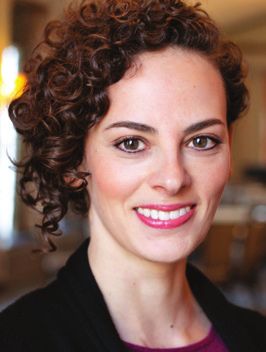
TABLE OF CONTENTS

    Thank You Donors! .  .  .  .  .  .  .  .  .  .  .  .  .  .  .  .  . 2   Tuesday Conference Schedule . . . . . . 8                             THANK YOU DONORS!
    Depression on College Campuses                                          Wednesday Conference Schedule  . . . 9                                The Depression on College Campuses
    Conference Planning Committee .  .  .  .  .  . 2                                                                                              Conference organizers would like to
    George Orley Student                                                    Keynote & Panel Descriptions  .  .  .  .  .  .  . 10                  thank the following for their financial
                                                                                                                                                  contributions to this effort. Without their
    Mental Health Advocate Award  .  .  .  .  .  .  . 3                     Session Descriptions  .  .  .  .  .  .  .  .  .  .  . 11-13           support and collaboration, this University-
    General Conference Information  .  .  .  .  .  . 4                      Speaker Profiles  .  .  .  .  .  .  .  .  .  .  .  .  .  .  . 14-18   wide initiative would not be possible.
    Resources for U-M Students  .  .  .  .  .  .  .  .  . 5
                                                                                                                                                  •   Katherine and Tom Goldberg
    Resources for Public .  .  .  .  .  .  .  .  .  .  .  .  .  .  .  . 6                                                                         •   Diane, Randy, Amanda and Sam Orley,
    Poster Session Titles  .  .  .  .  .  .  .  .  .  .  .  .  .  .  . 7                                                                              in memory of George Orley

    2021 DEPRESSION ON COLLEGE CAMPUSES CONFERENCE
    PLANNING COMMITTEE
    John F. Greden, MD, Co-Chair                                            Robert Ernst, MD                                                      Akilah Patterson, MPH
    Rachel Upjohn Professor of Psychiatry and                               Associate Vice President for Student Life                             Study Coordinator, Healthy Minds Study
    Clinical Neurosciences                                                  Executive Director, University Health Service                         Healthy Minds Network
    Founder, U-M Depression Center
    Founding Chair, National Network of                                     Angie Farrehi, MA, LLP                                                Stephanie Salazar, MPH, CHES
    Depression Centers (NNDC)                                               Director, Office of Student Support and                               Outreach & Education Program Manager
    Research Professor, Molecular and                                       Accountability                                                        Depression Center
    Behavioral Neuroscience Institute                                       College of Engineering
                                                                                                                                                  Annika Severson
    Todd Sevig, PhD, Co-Chair                                               Emma Flores-Scott, PhD                                                Undergraduate Student
    Director, Counseling and                                                Director, Graduate Student Recruitment/                               Michigan Ross School of Business
    Psychological Services                                                  Engagement/and Partnerships
    Chair, University of Michigan Mental Health                             Rackham Graduate School                                               Meghna Singh
    Work Group                                                                                                                                    Undergraduate Student
                                                                            Rebecca Lindsay, MPH, CHES                                            College of Literature, Science, and the Arts
    Nadia Bazzy, MA, LLMFT                                                  Research Program Manager, Youth
    Director, Office of Multi-Ethnic                                        Depression and Suicide Prevention Program                             Kimberly Snodgrass, BS
    Student Affairs                                                         Department of Psychiatry                                              Graduate Student
    Student Life                                                                                                                                  School of Public Health
                                                                            Laura Monschau, PhD
    Sarah Daniels, MA                                                       CAPS Embedded Psychologist, Rackham                                   Tracy Wright, RN
    Associate Dean of Students                                              Graduate School                                                       Nurse Consultant and Student Critical
    Dean of Students Office                                                 Counseling and Psychological Services                                 Events Coordinator
                                                                                                                                                  Division of Student Life
    Hannah Davies                                                           Toni Morales, MSW
    Undergraduate Student                                                   Academic Standards Board Member
    College of Literature, Science, and the Arts                            College of Literature, Science, and the Arts                          All Committee Members are part of the
                                                                                                                                                  University of Michigan mental health care
    Mary Jo Desprez, MA                                                     Taylor Pahl, MSW                                                      community.
    Director, Wolverine Wellness                                            Program Coordinator for Outreach
    University Health Service                                               and Education
                                                                            Depression Center

           depressioncenter.org                                                    @DepressionCntr                                                    UniversityofMichiganDepressionCenter

2             ADDRESSING THE DUAL PANDEMIC: THE IMPACT OF COVID-19 AND RACIAL INJUSTICE
2021 DEPRESSION ON COLLEGE CAMPUSES CONFERENCE

GEORGE ORLEY STUDENT MENTAL HEALTH ADVOCATE AWARD
Sara Abelson, MPH                                Michael Sczechowski                            About the Award
Doctoral graduate                                Senior, Philosophy major,                      To recognize outstanding
student, U-M School of                           University of Delaware                         student leadership in the
Public Health                                                                                   area of campus mental
                                                 In October of 2020,                            health, the University of
Sara Abelson is a                                Sean’s House was                               Michigan initiated the
nationally recognized                            created as a non-profit                        Student Mental Health
expert who has dedicated                         24/7 mental health                             Advocate Award in
herself to improving                             safe haven located on                          2007. Since 2009, the
student mental health                            University of Delaware’s                       selection committee has
at Michigan and beyond. Sara’s research          campus. Sean’s House provides peer             presented two awards – one to a student
focuses on student mental health, with a         support to teens and young adults              from the University of Michigan, and one to
particular emphasis on equity. Her advisor,      struggling with mental health issues free of   a student from another school – allowing
Daniel Eisenberg, describes her as a             charge, with a focus on suicide prevention.    us to honor student advocacy around the
“stellar scholar with a genuine passion for      The overwhelming support Sean’s House          country as well as on our own campus.
improving how colleges and universities          has received thus far is remarkable,
support the development and well-being           and much of the success wouldn’t be            The undergraduate and graduate students
of college students” and as someone who          possible without Michael. He jumped            who have been nominated from across
“has made important contributions to             at the opportunity to be a peer support        the country for this prestigious award
college health through advocacy, education,      specialist and completed weeks of training     have all made a significant impact in their
and research.” Sara is a member of the           to volunteer his time helping those who        campus communities by raising awareness
Rackham Graduate School’s Task Force on          have been struggling, especially during the    of mental health issues, advocating for
Student Mental Health, leading last year’s       pandemic.                                      mental health services on campus, and
working group on Rackham-level changes                                                          helping to reduce the stigma of depressive
and this year’s public safety and policing       Due to COVID-19, many of the volunteers        illnesses.
working group, which only exists thanks          were unable to donate their time. Michael
to her advocacy! She played an integral          saw the impact this would have on              In 2019, Randy and Diane Orley of
role in writing and shaping the task force       Sean’s House’s ability to provide services     Bloomfield Hills, Michigan along with
report, including the recommendations,           to the community and stepped up in a           their children Amanda and Sam Orley
all of which have been accepted. Sara has        tremendous way. Michael has donated            established an endowment at the
contributed to U-M inclusion efforts through     over 200 hours in the past few months and      University to fund this award in perpetuity.
many channels including leadership with the      has helped to serve over 500 individuals       The George Orley Student Mental Health
Network for Doctoral Diversity.                  since the opening of Sean’s House. He          Advocate Award is named to honor the
                                                 has played an integral role in training the    memory of Randy and Diane’s son, and
As a graduate student, Sara has positively       next cohort of peers, providing additional     Amanda and Sam’s brother, George, whose
impacted student mental health nationally        resources to offer guests, and has even        battle with depression ended prior to his
through producing resources for college          volunteered covering night shifts, which       junior year at the University of Michigan
administrators, such as a Higher Education       makes the 24/7 program possible.               in August 2013. Since losing George, the
Today article on centering equity in student                                                    Orley family has devoted time, energy
mental health task forces (their fifth most      Michael’s compassion and natural ability to    and resources to strengthen supports for
read article in 2020). She’s advised and         help others has made lasting impressions       young people struggling with mental health
helped lead student mental health initiatives    on every guest who has walked through the      issues.
with the American Council on Education,          doors. He treats everyone with empathy
Great Lakes Colleges Association, Steve          and sincerity and provides the safe space      For their tireless advocacy and for their
Fund, National Center for Institutional          that many teens and young adults need to       generous support in funding this award,
Diversity, Bringing Theory to Practice,          feel comfortable sharing their experiences.    we extend our gratitude to Randy, Diane,
American Cancer Society, and President of        His dedication to improving mental health      Amanda and Sam Orley.
the University of Minnesota. She’s facilitated   outcomes for his peers is truly inspiring
collecting important new data on student         and he will continue changing the lives of
mental health as Lead for Diversity, Equity      many as he enters graduate school.
and Inclusion Projects for the Healthy Minds
Network.

                                                                ADDRESSING THE DUAL PANDEMIC: THE IMPACT OF COVID-19 AND RACIAL INJUSTICE      3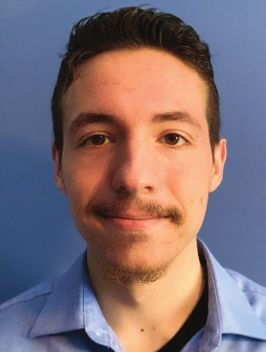
GENERAL CONFERENCE INFORMATION
    Conference Materials                           Evaluation Forms                             SAVE THE DATE FOR 2022!
    Virtual sessions will be recorded (with        Please remember to complete an               Our annual conference is set for March
    permission) and available for viewing by       evaluation form for each session you         9-10, 2022, in Ann Arbor, Michigan.
    registered attendees on the Depression         attend, and for the overall conference.      We hope you can join us!
    Center website following the conference:       Links for the evaluation forms for the
    depressioncenter.org/docc.                     overall conference and plenary sessions
                                                   can be found at:
    Continuing Education Credits                   depressioncenter.org/evals.

    Continuing education credits are available     These evaluations will help us to plan for
    for certified health education specialists     future conferences. THANK YOU!
    and social workers.
                                                   Resource Table
    To obtain continuing education credit, you
    must be present at the time of the live        Free educational and informational
    presentation and virtually sign in and out     materials from a variety of organizations
    of each workshop and concurrent session        will be available at the virtual resource
    you attend. You must also complete an          table. Posters will also be available for
    evaluation for each presentation that          viewing in the poster booth on the second
    you attend, as well as for the overall         day. Please take a moment during the
    conference.                                    breaks to look through these resources.

    The University of Michigan Depression          Speed Networking
    Center is an approved provider with
    the Michigan Social Work Continuing            Speed networking will be open during
    Education Collaborative. Approved              breaks. Stop in and meet someone new!
    Provider Number: MICEC-0063. This
    course is approved for 8 CE clock hours.       Social Media
    Out of state providers may need to
    contact their state licensing organization     Create or join the conversation! Use
    for answers about continuing education         #DOCC on Twitter during the conference.
    requirements.                                  Be sure to follow the Depression Center
                                                   on Twitter (@DepressionCntr) and
    This program is designated for Certified       Facebook.
    Health Education Specialists (CHES) and/
    or Master Certified Health Education
    Specialists (MCHES) to receive up to                                                           Help Improve DOCC!
    8.5 total Category I contact education
    contact hours. Maximum advanced-level
    continuing education contact hours
                                                                                                    PLEASE EVALUATE US!
    available are 0.
                                                                                                 depressioncenter.org/evals

        depressioncenter.org                            @DepressionCntr                           UniversityofMichiganDepressionCenter

4         ADDRESSING THE DUAL PANDEMIC: THE IMPACT OF COVID-19 AND RACIAL INJUSTICE
2021 DEPRESSION ON COLLEGE CAMPUSES CONFERENCE
RESOURCES FOR U-M STUDENTS
Active Minds at U-M Office of Services for Students Spectrum Center
A chapter of Active Minds, Inc. that is with Disabilities Education, information and advocacy
focused on peer-to-peer mental health The mission of the Office of Services for services to create an open, safe, and
advocacy and awareness. Students with Disabilities is to support inclusive environment for LGBTQ+ students,
the University’s commitment to equity and staff, and faculty of the campus and local
Addiction Treatment Services (UMATS) diversity by providing support services and community.
Offers clinical care for people recovering academic accommodations to students with
from addiction and chemical dependency, disabilities. Disabilities include students with Student Life
including assessments and a full range of mental health conditions, visual impairments, Student Life consists of many critical
therapy options. learning disabilities, ADHD, traumatic brain services that support University of Michigan
injury, autism spectrum disorders, mobility students and help them to get the most out
Athletes Connected impairments, hearing impairments, and of their time at the University. The Office of
A collaborative initiative developed by the chronic health problems. the Vice President for Student Life houses
University of Michigan School of Social Work, the central location for Student Life, which
Depression Center, and Athletic Department Office of Student Conflict is committed to preparing students to live
to increase awareness of mental health Resolution (OSCR) lives of dignity and purpose, to channel new
issues, reduce the stigma of help-seeking, OSCR has, among its responsibilities, the knowledge to humane ends, and to promote
and promote positive coping skills among commitment to help students learn skills for the public good.
student athletes. managing conflict in daily life.
University Health Service (UHS)
Campus Mind Works Psychiatric Emergency Services (PES) A comprehensive campus health resource.
A website and outreach initiative developed PES provides emergency/urgent walk-in Includes the Body-Peace Corps, a sponsored
by the U-M Depression Center which provides evaluation and crisis phone services 24 student organization whose members are
support for students with mental health hours a day, 7 days a week, for people of all passionate about promoting positive body
disorders. The website contains an extensive ages. Located in the University of Michigan image and preventing eating disorders.
database to help students easily locate the Hospital, 1500 East Medical Center Drive.
most appropriate support resources for (734) 936-5900 Wolverine Support Network (WSN)
their particular needs. In addition, the site Wolverine Support Network empowers
provides self-care tools and strategies to help Psychological Clinic University of Michigan students to create
students manage their symptoms and stay A wide range of mental health services an inclusive community and support each
healthy within the context of college life. for those who are 18 years and older and other’s identity, mental well-being, and day-to-
includes individual and group therapy. day lives through peer-facilitated groups and
Counseling and Psychological bi-weekly community events.
Services (CAPS) U-M Division of Public Safety
Offers a variety of services to help students and Security (DPSS) Additional Advising Resources
resolve personal difficulties and acquire DPSS can do “wellness checks” for students.
the skills, attitudes, and knowledge that will Consider calling if you are concerned about College of Literature, Science, and the Arts
enable them to take full advantage of their a student’s well-being. For emergencies call Newnan Academic Advising Center
experiences at U-M. 911; for non-emergencies call 734-763-1131. 1255 Angell Hall, 435 South State Street
734-764-0332 | ask.lsa.advising@umich.edu
MiTalk Peers Utilizing Leadership Skills for
A website with mental health resources such Education (PULSE) College of Engineering
as online screenings for depression and A student-run organization sponsored by Consultation, Assistance, and Resources
anxiety, skill-building tools, and recorded University Health Services promoting health in Engineering (C.A.R.E.) Center
workshops, lectures, and relaxation and wellness in residential communities, 129 Chrysler Center
exercises. Greek houses, and across campus 734-615-1405 | engin-support@umich.edu
through peer interactions and informative
Michigan Medicine Comprehensive programming. Have questions? Email Rackham Graduate School
Eating Disorders Program askpulse@umich.edu. Rackham’s Resolution Officer
The U-M Comprehensive Eating Disorders 1120 Rackham Building
Program provides individualized, Sexual Assault Prevention and Awareness 915 E. Washington Street
compassionate, evidence-based care for Center (SAPAC) 734-764-4400 | RackResolutionOfficer@umich.edu
patients age 8-24 with eating disorders. Educational, advocacy, and supportive
services for the U-M community for survivors
of sexual assault, intimate partner violence,
sexual harassment, and stalking.
ADDRESSING THE DUAL PANDEMIC: THE IMPACT OF COVID-19 AND RACIAL INJUSTICE 5RESOURCES FOR THE PUBLIC
Active Minds Heinz C. Prechter Bipolar The Steve Fund
Powered by a network of student advocates, Research Program The Steve Fund works with colleges and
Active Minds is the nation’s premier nonprofit Based at the U-M Depression Center, universities, non-profits, researchers, mental
organization supporting mental health with collaborations with other prominent health experts, families, and young people to
awareness and education for students. academic medical institutions, the Prechter promote programs and strategies that build
Program supports cutting-edge research understanding and assistance for the mental
American Association of in psychiatric genetics, pediatric bipolar and emotional health of the nation’s young
Suicidology (AAS) disorder, neuroimaging and neuroscience in people of color.
Promotes the understanding and prevention order to find a cure for bipolar disease.
of suicide and supports those who have been ULifeline
affected by it. The Jed Foundation An online resource center for college student
The Jed Foundation is one of the nation’s mental health and emotional well being,
American Psychiatric Association (APA) leading organizations working to reduce aimed at students and campus professionals.
Information about mental health from emotional distress and prevent suicide
the APA, the world’s largest psychiatric among teens and young adults. The Jed University Center for the Child &
organization. Foundation has programs for colleges, high the Family (UCCF)
schools, students, and parents. Offers a comprehensive range of mental
American Foundation for Suicide health services for children and families
Prevention (AFSP) Mental Health America (MHA) in the Ann Arbor community. Research
Works toward understanding and preventing A national community-based nonprofit opportunities are available for qualifying
suicide through research, policy and dedicated to addressing the needs of those individuals.
education, and reaching out to people with living with mental illness and to promoting
mood disorders and those affected by the overall mental health of all Americans. University of Michigan Depression Center
suicide. The University of Michigan Depression
National Alliance on Mental Center is the first ever multi-disciplinary
Anxiety and Depression Association of Illness (NAMI) center dedicated to research, education, and
America (ADAA) The largest grassroots mental health treatment of depressive and bipolar illnesses.
Non-profit organization dedicated to the organization dedicated to building better lives The Depression Center brings together the
prevention, treatment, and cure of anxiety, for the millions of Americans affected by world-class resources of Michigan Medicine
depressive, obsessive-compulsive, and mental illness. and many of the U-M Schools and Colleges.
trauma-related disorders through education, The result: a unified approach to diagnosing,
practice, and research. National Institute of Mental understanding, treating—and eventually
Health (NIMH) preventing—depression.
Depression and Bipolar Support Information about mental health from the
Alliance (DBSA) U.S. government.
Patient-directed organization focusing on
depression and bipolar disorder. DBSA Seize the Awkward
works to ensure that people living with mood Ad campaign developed by the American
disorders are treated equitably. Foundation for Suicide Prevention, in
partnership with the Jed Foundation and the
Families for Depression Awareness Ad Council, to empower teens and young
Helps families recognize and cope with adults to reach out and help a friend who may
depressive disorders. be struggling with their mental health.
HelpGuide Suicide Prevention Resource Center
Provides empowering, evidence-based A federally funded organization that provides
information that can be used to help prevention support, training, and resource
individuals and their loved ones. materials to strengthen suicide prevention
networks.
6 ADDRESSING THE DUAL PANDEMIC: THE IMPACT OF COVID-19 AND RACIAL INJUSTICE2021 DEPRESSION ON COLLEGE CAMPUSES CONFERENCE
POSTER SESSION TITLES
2020 Educational Perspectives Survey: Depression, Anxiety, Integrating Prevention, Advocacy, Teaching, and Research in
and Distraction in the Virtual Learning Environment Depression Screenings on a College Campus
Ashley Parks, DrPH, MBA, MPH, MTech, MCHES1; Zornitsa Kalibatseva, PhD; Christine Ferri, PhD;
Matthew Lazari, MHA, FACHE2 Nate Morell, MSW, LCSW; Julie Coker, BSW; Loretta Mooney, PhD
1
California Baptist University Stockton University
2
CHOC Health & University of Southern California
Positioning Well-being as an Equity Issue: The Impact of a
A Longitudinal Medical Student Mental Health Survey: Credit-Bearing Mental Health and Well-being Curriculum on
Preliminary Results Historically Marginalized Students
Hai-Uyen Nguyen, BA1; Kristie Pham Tu, BS1; Shayna Ratner, MD2; Leah Goodman, OTD, OTR/L; Michelle Manno, PhD
Madhukar H. Trivedi, MD1; Tracy Greer, PhD1; Preston Wiles, MD1; University of Illinois at Chicago
Maria Monastirsky, MS1
1
University of Texas Southwestern ResilientNU: Enhancing Student Social and Emotional Wellness
2
Columbia University through Small Group Programming
Samantha Conway, MA, LCSW; Angela E. Mitchell, MA, LCSW
A Mixed Methods Investigation of Gender Differences in Northwestern University
Mental Health Help-Seeking Among Black College Men
and Women The Impact of COVID-19 Pandemic on International Students’
Janelle R. Goodwill, MSW; Atiya Addie; Safa Mohamed Mental Health
University of Michigan Ismatara Reena, EdD, MBBS, CHES1;Nirmal Chandra Gope, MEd1;
Shankari Mondal Dipti, BA1; Kumer Pial Das, PhD1;
Career/Life Training and Mental Health Outcomes for Edward Hebert, PhD2; Raymond Doe, PhD3
Underserved College Students 1
University of Louisiana at Lafayette
Maya Hareli, BA1; Carol Hundert, MA1; Colleen Conley, PhD1; 2
Southeastern Louisiana University
Christie Asif, MA1; Meg Seth, MA2 3
Lamar University
1
Loyola University Chicago
2
DePaul University The Impact of Emotional Intelligence Training on COVID-Related
Worry in College Students
Caring Collaborations Across Campus: WSU’s Counseling and Carol Hundert, MA; Abigail Blum, BA; Maya Hareli, BA; Colleen
Psychological Services, WSU’s Office of Multicultural Student Conley, PhD
Engagement and WSU’s Warrior Vision and Impact Programs Loyola University Chicago
Jennifer Fuller-Bohanon, MA, LPC; Leonard Savala III, PhD;
Stephanie Hawkes, EdD; Kenya Swanson, MEd The Role of Race/Ethnicity and Acculturation in Different Types
Wayne State University of Stigma and Mental Health Service Utilization
Kristen Fleming, BA; Zornitsa Kalibatseva, PhD
The Healthy Minds Network: College Student Mental Health Stockton University
Data: Covid-19 and Racial Injustice
Matthew Jirsa, BA1; Sarah Ketchen Lipson, PhD, MEd2; Using Tailored Feedback to Increase Mental Health Support
Sasha Zhou, PhD3; Sara Abelson, MPH1; Justin Heinze, PhD1; Seeking Among Non-White Students: A Theory of Planned
Jasmine Morigney, BA4, Akilah Patterson, MPH1; Behavior Intervention
Amber Talaski, MPH1; Meghna Singh1; Adam Wheeler, MPH1; Daniel Emily Derecktor, BA; Eran Magen, PhD; Marian Reiff, PhD
Eisenberg, PhD5 University of Pennsylvania
1
University of Michigan
2
Boston University Wolverine Support Network: A Peer Support Model Reshaping
3
Wayne State University Student Mental Health
4
Eastern Michigan University Nick Brdar; Liadan Solomon
5
University of California, Los Angeles University of Michigan
How to Utilize Remote Telemental Health and Creative Virtual
Outreach Activities to Promote Mental Health on Campus during
the COVID-19 Pandemic, Reduce Stigma of Counseling, and
Serve Those Indigenous and Marginalized Student Population
Chun-Fang “Frank” Kuo, PhD
University of Hawaii at Hilo
ADDRESSING THE DUAL PANDEMIC: THE IMPACT OF COVID-19 AND RACIAL INJUSTICE 7TUESDAY, MARCH 9, 2021 (All times Eastern)
12:00 - OPENING KEYNOTE
1:30 p.m.
The Mental Health and Well-Being of Students of Color: COVID and Beyond
David Rivera, PhD, Associate Professor of Counselor Education, Queens College, City University of New York;
Carlota Ocampo, PhD, Provost, Trinity Washington University;
Farha Abbasi, MD, Assistant Professor of Psychiatry, Michigan State University;
Chevaughn Wellington, Medical Student, Quinnipiac University
1:45 - CONCURRENT SESSIONS
2:45 p.m.
The Impact of COVID-19 on College Student Mental Health and Wellbeing: Data from the Healthy Minds Study and the
ACHA National College Health Assessment III
Akilah Patterson, MPH, Study Coordinator, Healthy Minds Study, University of Michigan;
Mary Hoban, PhD, Chief Research Officer, American College Health Association
Let’s Talk About Wellness: Race, Ethnicity, and Wellbeing at a Predominately White Institution
Laura McAndrew, MPH, PMP, Health Educator, Sexual Health, Wolverine Wellness,
University Health Service, University of Michigan;
Chidimma Ozor Commer, LLMSW, MA, E-RYT 200, RYT 500, YACEP, Chidimma Ozor Consulting
Leading the Charge: Collectively Navigating Student-Athlete Mental Health & Wellness
Abigail Eiler, MSW, LMSW-Clinical, QMHP, Assistant AD, Director of Athletic Counseling, Clinical Assistant Professor of Social
Work, University of Michigan, Big Ten Mental Health & Wellness Cabinet;
Brad Foltz, PhD, Counseling and Sport Psychologist, Purdue University, Big Ten Mental Health & Wellness Cabinet;
Adam Neuman, JD, MPA, Chief of Staff, Strategy and Operations & Deputy General Counsel,
Office of the Commissioner, Big Ten Conference;
Michelle Garvin, PhD, Director of Clinical and Sports Psychology, University of Maryland,
Big Ten Mental Health & Wellness Cabinet;
Randy Ballard, MS, Associate Director of Athletics, Sports Medicine, Director of Integrated Performance, University of Illinois,
Big Ten Mental Health & Wellness Cabinet
3:00 - MINI-WORKSHOPS
4:30 p.m.
Equity in Mental Health: Support Strategies for Diverse Student Populations
Sofia B. Pertuz, PhD, Chief Diversity & Inclusion Officer, The JED Foundation;
Jan Collins-Eaglin, PhD, Senior Scientific Advisor, Project Lead, Equity in Mental Health Framework for the Steve Fund
How to Address Religion and Spirituality in Support of Student Wellbeing with Clients in a Non-Religious Institution
Kaifa Alsoofy, LMSW, University Counselor II, Counseling and Psychological Services, Wayne State University;
Ebony Fails, MA, LPC, University Counselor II, Counseling and Psychological Services, Wayne State University
4:45 - POSTER & NETWORKING SESSION
6:00 p.m.
8 ADDRESSING THE DUAL PANDEMIC: THE IMPACT OF COVID-19 AND RACIAL INJUSTICE2021 DEPRESSION ON COLLEGE CAMPUSES CONFERENCE
WEDNESDAY, MARCH 10, 2021 (All times Eastern)
12:00 - PANEL DISCUSSION & PRESENTATION OF THE GEORGE ORLEY STUDENT MENTAL HEALTH ADVOCATE AWARD
1:30 p.m.
Mental Health and the Dual Pandemic: The Student Experience
Brandon Bond, Masters Candidate, School of Public Health, School of Social Work, University of Michigan;
Ananya Cleetus, Undergraduate Student, University of Illinois Urbana-Champaign;
Tran Doan, PhD candidate, School of Public Health, University of Michigan;
Geela Margo Ramos, Undergraduate Student, University of Central Florida;
Preetam Vupputuri, Undergraduate Student, University of Michigan;
Moderator: Joy Pehlke, MEd, Health Educator, Wellness, Coach, Lead of Student Engagement & Academic Partnerships,
Wolverine Wellness, University of Michigan
1:45 - CONCURRENT SESSIONS
2:45 p.m.
Addressing Mental Health and Wellbeing, and the Impacts of COVID-19 in Higher Education
Jeena Thomas, MS, National Academies of Science, Engineering, and Medicine Program Officer for the Committee on Women
in Science, Engineering, and Medicine (CWSEM) and the Board on Higher Education and Workforce in the Policy and Global
Affairs Division
Institutionalizing Vulnerability: Why Creating Psychological Safety is Critical to Inclusive Excellence
Erin McClintock, MEd, Head of Impact, Social and Emotional Learning, EVERFI;
Jesse Bridges, MEd, Senior Vice President of Diversity, Equity, and Inclusion, EVERFI
Shaping Black College Men’s Mental Health with Social Media Tools: The YBMen Project
Daphne C. Watkins, PhD, Professor of Social Work, Founder and Director of the YBMen Project, University of Michigan
3:00 - International Student Mental Health—Here and Abroad
4:00 p.m. Victor Hong, MD, Psychiatrist, University of Michigan;
Ludmila Barbosa DeFaria, MD, Clinical Assistant Professor, University of Florida
Addressing Student Loneliness Through Research & Design
Nathaan Demers, PsyD, Vice President and Director of Clinical Programs, YOU at College
Active Minds: Your Voice is Your Power Panel
Amy Gatto, MPH, Senior Campus Program Manager, Active Minds;
Robyn Suchy, BA, Chapter Manager, Active Minds
4:15 - CLOSING KEYNOTE
5:15 p.m.
Campus Climate as a Mental Health Equity Issue: Centering the Diverse Experiences of Students of Color
Tabbye Chavous, PhD, Director, National Center for Institutional Diversity (NCID), Associate Vice President for Research,
Professor of Education, Professor of Psychology, University of Michigan
ADDRESSING THE DUAL PANDEMIC: THE IMPACT OF COVID-19 AND RACIAL INJUSTICE 9KEYNOTE AND PANEL DISCUSSION DESCRIPTIONS
Opening Keynote Closing Keynote
Tuesday, March 9 | 12:00 - 1:30 p.m. Wednesday, March 10 | 4:15 - 5:15 p.m.
The Mental Health and Well-Being of Students of Color: Campus Climate as a Mental Health Equity Issue:
COVID and Beyond Centering the Diverse Experiences of Students of Color
David Rivera, PhD, Associate Professor of Counselor Education, Tabbye Chavous, PhD, Director, National Center for Institutional
Queens College, City University of New York; Carlota Ocampo, PhD, Diversity (NCID), Associate Vice President for Research, Professor of
Provost, Trinity Washington University; Farha Abbasi, MD, Assistant Education, Professor of Psychology, University of Michigan
Professor of Psychiatry, Michigan State University;
Chevaughn Wellington, Medical Student, Quinnipiac University Mental health challenges among college students has become a
national imperative. While multiple factors contribute to students’
The COVID-19 pandemic, along with the murder of George Floyd, mental health and well-being, campus contexts can play unique
brought into stark view the deeply ingrained racial inequalities in and important roles in promoting or inhibiting students’ personal,
our country. This session will highlight a set of recommendations psychological, and social adjustment.
for higher education professionals to better understand how their
campus communities have been affected as a result of our current For many Students of Color, one critical aspect of their campus
events and how they can support the mental health and well-being context is its racial climate. Students of Color in particular may
of students of color. be tasked with navigating climate experiences that can negatively
influence their mental health, including interpersonal discrimination
The session will introduce the Steve Fund’s Crisis Response Task and stereotype-based treatment, hostility related to their (actual
Force recommendations and explore a number of questions, or perceived) immigration status, and marginalization based in
including why it is important to acknowledge the racial injustice intersections of multiple identities such as race/ethnicity, gender,
movements amid COVID-19, how campuses have responded to the social class, and sexual identity.
increased need to support the mental health of students, and why it
is important to continue to center the voices and lived experiences Yet, there is a relative dearth of research specifically focused on
of students of color when we discuss mental health. the roles and impacts of campus climates characterized by these
types of experiences on the mental health and well-being of college
Panel Discussion & Presentation of the George Students of Color. Such gaps in knowledge inhibit our ability to
Orley Student Mental Health Advocate Award fully provide high quality, responsive, and equitable and inclusive
environments, supports, and services to all students. In this talk, I
Wednesday, March 10 | 12:00 - 1:30 p.m. (a) provide a framework for campus climate and how it operates at
structural/institutional, social, and interpersonal levels; (b) share
Mental Health and the Dual Pandemic: The Student Experience research examples from local and national studies that center and
Brandon Bond, Masters Candidate, School of Public Health, illuminate students’ experiences of their campus climates and
School of Social Work, University of Michigan; Ananya Cleetus, implications for their positive mental health adjustment; and (c)
Undergraduate Student, University of Illinois Urbana-Champaign; engage with audience members to consider how understanding the
Tran Doan, PhD Candidate, School of Public Health, University of nature of campus climate and how it affects students can help us
Michigan; Geela Margo Ramos, Undergraduate Student, University create more effective spaces, opportunities for collaboration, and
of Central Florida; Preetam Vupputuri, Undergraduate Student, strategies for action.
University of Michigan; Moderator: Joy Pehlke, MEd, Health
Educator, Wellness Coach, Lead of Student Engagement & Academic
Partnerships, Wolverine Wellness, University of Michigan
This panel discussion will feature the perspectives of current
students as they share their diverse experiences of being a college
student during the dual pandemics of COVID-19 and racial injustice.
Panelists will consider how institutions can better support their
mental health and wellbeing during the current climate, as well as
what has been done successfully. We hope that this conversation
will provide practical strategies and spark new ideas for supporting
student mental health on any campus.
10 ADDRESSING THE DUAL PANDEMIC: THE IMPACT OF COVID-19 AND RACIAL INJUSTICE2021 DEPRESSION ON COLLEGE CAMPUSES CONFERENCE
SESSION DESCRIPTIONS
Tuesday Concurrent Sessions Leading the Charge: Collectively Navigating Student-Athlete
Mental Health & Wellness
1:45 - 2:45 p.m. Abigail Eiler, MSW, LMSW-Clinical, QMHP, Assistant AD, Director
of Athletic Counseling, Clinical Assistant Professor of Social
The Impact of COVID-19 on College Student Mental Health and Work, University of Michigan, Big Ten Mental Health & Wellness
Wellbeing: Data from the Healthy Minds Study and the ACHA Cabinet; Brad Foltz, PhD, Counseling and Sport Psychologist,
National College Health Assessment III Purdue University, Big Ten Mental Health & Wellness Cabinet; Adam
Akilah Patterson, MPH, Study Coordinator, Healthy Minds Study, Neuman, JD, MPA, Chief of Staff, Strategy and Operations & Deputy
University of Michigan; Mary Hoban, PhD, Chief Research Officer, General Counsel, Office of the Commissioner, Big Ten Conference;
American College Health Association Michelle Garvin, PhD, Director of Clinical and Sports Psychology,
University of Maryland, Big Ten Mental Health & Wellness Cabinet;
In this session, the presenters will share data from the Healthy Randy Ballard, MS, Associate Director of Athletics, Sports Medicine,
Minds Study and the ACHA National College Health Assessment Director of Integrated Performance, University of Illinois, Big Ten
III. During the onset of the COVID-19 pandemic, the Healthy Minds Mental Health & Wellness Cabinet
Network and the American College Health Association partnered
to create a set of survey items focused on students’ experiences In this session, presenters will provide an overview of the Big Ten
during the onset of the COVID-19 pandemic. The presenters Mental Health and Wellness Cabinet and discuss working with
will share data on student’s attitudes, preventive behaviors, the student-athlete population during the pandemic. They will
mental health and wellbeing, and their perceived supportiveness highlight mental health trends across the NCAA and B1G and share
of colleges and universities during the onset of the COVID-19 information about integrated care and racial injustice initiatives to
pandemic. support student-athlete mental health and wellness.
Let’s Talk About Wellness: Race, Ethnicity, and Wellbeing at a Tuesday Mini-Workshops
Predominately White Institution
Laura McAndrew, MPH, PMP, Health Educator, Sexual Health, Equity in Mental Health: Support Strategies for Diverse
Wolverine Wellness, University Health Service, University of Student Populations
Michigan; Chidimma Ozor Commor, MSW, MA, E-RYT 200, RYT 500, Sofia B. Pertuz, PhD, Chief Diversity & Inclusion Officer, The JED
YACEP, Chidimma Ozor Consulting Foundation; Jan Collins-Eaglin, PhD, Senior Scientific Advisor,
Project Lead, Equity in Mental Health Framework for the Steve Fund
Students of color, non-white, and/or multiracial students attending
college or graduate school at a predominantly white institution Mental health is a major issue on college campuses that intersects
(PWI) may encounter unique supports and challenges to wellbeing. with diverse identities. This interactive session invites participants
In 2019, staff from Wolverine Wellness held focus groups and to learn about and discuss a comprehensive approach and specific
interviews with 90 University of Michigan students to understand recommendations to addressing the unique needs of students of
what elements enhance or hinder their well-being on campus. color and other marginalized and underrepresented populations in
ways that support the well-being of all students. Data will be shared
Participants in this session will learn about the perspectives from the Jed Foundation and Steve Fund’s active engagement with
students shared, understand multiple ways racism can affect a pilot cohort of schools implementing the Equity in Mental Health
student wellbeing at a PWI (including interactions with services, Framework.
academic and social climates, and other areas), and gain
recommendations for enhancing services and climate to better How to Address Religion and Spirituality in Support of Student
support equitable student health and wellbeing. Wellbeing with Clients in a Non-Religious Institution
Kaifa Alsoofy, LMSW, University Counselor II, Counseling and
Psychological Services, Wayne State University;
Ebony Fails, MA, LPC, University Counselor II, Counseling and
Psychological Services, Wayne State University
In this workshop presenters aim to address religion and
spirituality in clinical settings. The workshop goals are to help
identify attendees’ identities and biases as it relates to religion
and spirituality and examine how they impact the therapeutic
relationship specifically with clients who have different or similar
religious and spiritual identities.
ADDRESSING THE DUAL PANDEMIC: THE IMPACT OF COVID-19 AND RACIAL INJUSTICE 11SESSION DESCRIPTIONS
Wednesday Concurrent Sessions, Session I Institutionalizing Vulnerability: Why Creating Psychological
Safety is Critical to Inclusive Excellence
1:45 - 2:45 p.m. Erin McClintock, MEd, Head of Impact, Social and Emotional
Learning, EVERFI; Jesse Bridges, MEd, Senior Vice President of
Addressing Mental Health and Wellbeing, and the Impacts of Diversity, Equity, and Inclusion, EVERFI
COVID-19 in Higher Education
Jeena Thomas, MS, National Academies of Science, Engineering, The topics of diversity, equity, and inclusion and student mental
and Medicine Program Officer for the Committee on Women in health are two that have, in recent years, become more top of
Science, Engineering, and Medicine (CWSEM) and the Board on mind for many institutions. As institutions grapple with how to
Higher Education and Workforce in the Policy and Global Affairs best support the needs of all members of their communities, there
Division also exists a need to create environments that are trusting and
psychologically safe. Inclusive excellence is one way in which
This presentation will highlight ongoing trends in mental health institutions are making efforts to create welcoming and diverse
and well-being at colleges and universities prior to and shortly after communities.
the start of the COVID-19 pandemic. The National Academies of
Science, Engineering, and Medicine (NASEM) consensus study, Recent research into employee wellbeing has found that
Supporting the Whole Student: Mental Health and Well-Being in psychological safety and the ability to be emotionally vulnerable is
STEMM Undergraduate and Graduate Education, detailed ways in a direct contributor (or detractors) to success at work, particularly
which colleges and universities provide treatment and support for for historically underrepresented populations. This session will
the mental health and well-being of undergraduate and graduate explore what implications this has on college populations, and the
students, focusing on STEMM students. The resultant report role that psychological safety and emotional vulnerability have
provides recommendations that can be applied across campuses, on student well-being. Using research from the field, and utilizing
professional society meetings, and other venues when generally a public health framework, attendees will leave this session
addressing mental health and well-being amongst those in higher with specific strategies that institutions can take to make their
education. communities safer for the vulnerability and emotional trust of
students, and a deeper understanding of the role that inclusive
The workshop series, Response of Higher Education to COVID-19: excellence plays in this process.
Virtual Workshops on Graduate and Undergraduate Education,
held by NASEM from September to October 2020, explored the Shaping Black College Men’s Mental Health with Social Media
impact of higher education’s immediate response to COVID-19 Tools: The YBMen Project
on undergraduate and graduate students. The presentations and Daphne C. Watkins, PhD, Professor of Social Work, Founder and
discussions at these workshops revealed early indicators of direct Director of the YBMen Project, University of Michigan
impacts of COVID-19 on student populations, including short-term
effects on the mental health and well-being of students. Based This session will provide an overview of the YBMen project, an
on these NASEM publications, this presentation will describe the intervention for young black men who may be uncomfortable
general trends in mental health and well-being in higher education seeking mental health information and social support face-to-face.
as well as potential impacts that the COVID-19 pandemic is having The YBMen intervention is delivered via social media whereby
on present day trends of mental illness among students in higher black men’s health researchers and practitioners moderate
education. This presentation will highlight preliminary research on gender-specific and culturally-relevant discussions using prompts
mental health and well-being trends in undergraduate and graduate from popular culture. Outcome data and lessons-learned will be
students during COVID-19, including ways in which institutional presented, along with discussion around how this strategy can be
responses can impact students differently based on their race, modified for scalability and further expansion.
ethnicity, backgrounds, and current situations.
12 ADDRESSING THE DUAL PANDEMIC: THE IMPACT OF COVID-19 AND RACIAL INJUSTICE2021 DEPRESSION ON COLLEGE CAMPUSES CONFERENCE
SESSION DESCRIPTIONS
Wednesday Concurrent Sessions, Session II Farha Abbasi, MBBS
Dr. Farha Abbasi is an Assistant Professor in the Department of
3:00 - 4:00 p.m. Psychiatry at Michigan State University and core faculty member
of the Muslim Studies Program. She is from Pakistan and settled
International Student Mental Health—Here and Abroad in the United States in the year 2000 with her three daughters.
Victor Hong, MD, Psychiatrist, University of Michigan; Her areas of interest are cultural psychiatry and teaching medical
Ludmila Barbosa DeFaria, MD, Clinical Assistant Professor, students how to provide culturally appropriate care to Muslim
University of Florida patients. She works directly with the Muslim American community
to encourage integration rather than isolation from mainstream
The very nature of college experience has been transformed by society. In addition to her efforts to build bridges between the two
globalization, both by students who study abroad and international cultures, Dr. Abbasi’s work as a psychiatrist has led her to address
students who come to the U.S. The student population is an the barriers that stigmatize and silence mental health.
increasingly international cohort, requiring mental health providers
to be culturally aware and sensitive. There are specific stressors Kaifa Alsoofy, LMSW
that international students encounter, leading to social isolation, Kaifa Alsoofy graduated from Grand Valley State University with
low help-seeking behaviors, and high rates of mental health a Masters in Social Work, and currently works as a University
problems. Counselor II at Wayne State University. Areas of interest includes
women’s mental health issues/empowerment, anxiety, depression,
For U.S. students who are abroad, inconsistent access to care, empowering first-generation college students, building health
limited supports, and different laws regarding medications are coping skills, self-esteem, managing stress, mindfulness, and self-
among the challenges faces by those with mental health problems. care.
“International Student Mental Health- Here and Abroad” presents
two sides of the international student experience. The presenters Randy Ballard, MS
will explore the challenges regarding mental health care of U.S. Randy Ballard is the Associate Director of Athletics - Sports
students who are abroad and international students coming to the Medicine and Director of Integrated Performance for the University
U.S. The scope of the problems will be defined, unique stressors of Illinois. Randy has been a member of the University of Illinois
will be described, and potential interventions will be explored. Division of Intercollegiate Athletics Sports Medicine Department
for 15 years. During that time, he spearheaded the creation of the
Addressing Student Loneliness Through Research & Design Integrated Performance Team and has been on the leading edge of
Nathaan Demers, PsyD, Vice President and Director of Clinical new technology that enhances student-athlete performance while
Programs, YOU at College maintaining the highest level of safety. Randy has worked as an
athletics trainer for the volleyball, cross country and track and field
Loneliness is a significant contributing factor to student attrition teams. A 1999 graduate of Kansas State University, Ballard earned
and poor mental health that has been drastically exacerbated in his master’s degree in kinesiology from the University of Texas in
light of COVID-19. This presentation will highlight the impact of 2001.
Nod, a scalable digital intervention that proactively addresses the
issue of loneliness on campus. Results of a randomized controlled Ludmila Barbosa DeFaria, MD
trial and subsequent launch at several universities will be presented Dr. Ludmila De Faria has been a psychiatrist in Florida for over
alongside key insights and learnings that can assist campuses in 15 years. She currently works at the University of Florida seeing
decreasing loneliness amongst their student bodies. patients, teaching psychopharmacology and participating in
research. Dr. DeFaria has a special interest in and works closely
Active Minds: Your Voice is Your Power Panel with minority populations. She is especially interested in increasing
Amy Gatto, MPH, Senior Campus Program Manager, Active Minds; access and decreasing mental health disparities among minorities,
Robyn Suchy, BA, Chapter Manager, Active Minds and providing a culturally sensitive environment for both patients
and heath care professionals.
In Fall 2020, Active Minds implemented the Your Voice is Your
Power campaign to highlight the need for equity and inclusivity in
mental health. Students will share how their campuses embraced
the campaign to advocate for the needs of BIPOC students.
ADDRESSING THE DUAL PANDEMIC: THE IMPACT OF COVID-19 AND RACIAL INJUSTICE 13SPEAKER PROFILES
Brandon Bond minority students, including relations among individuals’ racial/
Brandon Bond (he/him/his) is a first-generation and first-year ethnic, gender, and academic identities; (3) educational transitions
dual master’s student from Belleville, Michigan in the School of in secondary schooling and higher education; and (4) diversity and
Public Health and Social Work at the University of Michigan. His multicultural climates in secondary and higher education settings
concentrations include Interpersonal Practice in Integrated Health, and implications for students’ academic, social, and psychological
Mental Health, and Substance Abuse for his MSW and Health adjustment. In collaboration with a number of her graduate student
Behavior & Health Education with a certificate in Injury Science for and postdoctoral mentees, she has published extensively in these
his MPH. He was a 2020 graduate from the University of Michigan areas.
where he studied Biopsychology, Cognition, Neuroscience,
and International Studies: Global Environment & Health with a Ananya Cleetus
minor in Community Action Social Change. His diverse array of Ananya is a computer science student at the University of Illinois
interests led him to focus on the influence one’s identities, culture, Urbana-Champaign. She got involved in mental health advocacy
and global environment have on their conceptualizations and through her own lived experiences with bipolar disorder and
behaviors relating to mental health. Additionally, the role it plays anxiety. She is the founder of Anemone, a mental health crisis-
in the acknowledgment and treatment of mental health-related planning app. She was a member of the Mental Health America
concerns. In addition to his studies, Brandon advocates for DEI Collegiate Innovation Council and has served as a mental health
advancements, empowerment, and equity through his work and advisor for various federal projects and tech companies, including
extracurricular activities. Also, through his position as a Wellness Google. She has also given a TEDx talk about her journey as an
Coach for Wolverine Wellness, Brandon works with UM students to Indian-American college student with a mental illness. On-campus,
help them build the skills and capacity necessary for navigating the she leads many policy initiatives with groups like Active Minds
various concerns they encounter. and UIUC’s Counseling Center. She wants to focus on improving
mental health awareness, especially among minority groups,
Jesse Bridges, MEd and promoting higher education faculty training. She has spoken
Jesse Bridges serves as the SVP of Diversity, Equity and Inclusion about her mental health work through groups such as AnitaB.org
(DEI) at EVERFI. In this capacity, she is EVERFI’s lead subject and Wogrammer and been recognized by the National Center for
matter expert on DEI, representing thought leadership across our Supercomputing Applications, Carle Illinois College of Medicine,
corporate, higher education, and K12 networks. Jesse also serves TeenVogue, Washington Post, and others. Ananya has also been
as part of the executive team to enhance diversity, equity, and awarded by the White House, Mayor of Pittsburgh, and Carnegie
inclusion within the organization. Prior to joining EVERFI, Jesse Science Awards for her past work in computer science and
served as the Senior Director of Organizational Culture and Head of robotics. When she’s not coding or tinkering around, Ananya enjoys
Diversity and Inclusion at Education Advisory Board (EAB). In this baking and trying to beat her sister at Just Dance.
role, Ms. Bridges developed and executed against an integrated
diversity strategy that spanned talent management, community and Jan Collins-Eaglin, PhD
team member engagement and equity in customer offerings. Jan Collins-Eaglin serves as the Senior Scientific Advisor and
Project Lead for the Equity in Mental Health Framework for the
Tabbye Chavous, PhD Steve Fund. She had previously served as the Project Director for
Dr. Tabbye Chavous is the director of the National Center for the Substance Abuse and Mental Health Administration suicide
Institutional Diversity (NCID), associate vice president for research, prevention grant and Senior Associate Dean of Students for
and a professor of education and professor of psychology at Wellness and Personal Success and the Disability Coordinator
the University of Michigan. A native of Aiken, South Carolina, Dr. for Pomona College. She was responsible for mental health and
Chavous attended the University of Virginia where she received wellness initiatives, staff development, and all ADA cases. She
her bachelor’s degree and went on to earn a PhD in Community also served as the Intergroup Dialogue consultant for the college.
Psychology. Following her graduate work, Dr. Chavous entered the Dr. Collins-Eaglin has presented at numerous and international
University of Michigan as an assistant professor and moved up the conferences on collegiate mental health. She developed nationwide
ranks to professor. Prior to her directorship of NCID, she served as mental health program for African American women through Alpha
chair of the Combined Program in Education & Psychology (CPEP) Kappa Alpha, Inc. and The Links, Incorporated, international African
and as associate dean of academic programs and initiatives within American women’s community service organizations. Dr. Collins-
the Rackham Graduate School at the University of Michigan. She Eaglin holds a Bachelor’s degree from California State University,
is also a co-founder, co-director, and principal investigator in U-M’s Dominguez Hills and Masters of Psychology, Education Specialist,
Center for the Study of Black Youth in Context (CSBYC). and Doctorate from the University of Michigan.
Dr. Chavous’ expertise and research activities center around (1)
social identity development among Black adolescents and young
adults; (2) achievement motivation processes among ethnic
14 ADDRESSING THE DUAL PANDEMIC: THE IMPACT OF COVID-19 AND RACIAL INJUSTICE2021 DEPRESSION ON COLLEGE CAMPUSES CONFERENCE
SPEAKER PROFILES
Abigail Eiler, LMSW, QMHP Ebony Fails, MA, LPC
Abigail Eiler, is a licensed clinical social worker and educator with Ebony Fails graduated from Wayne State University with a Master
more than 15 years of experience working in tribal and non-tribal of Arts in Community Counseling. Ebony is currently a University
communities across the country and in Canada. In 2014, Professor Counselor at Wayne State University Counseling and Psychological
Eiler started as a LEO Lecturer at the University of Michigan School Services. Ebony’s areas of interest include stress management,
of Social Work and joined the governing faculty in May 2018 as anxiety, depression, crisis intervention and adjustment related
a Clinical Assistant Professor. She teaches various interpersonal concerns.
practice courses to MSW and PhD students enrolled in the
school’s MSW program, as well provides instruction in the school’s Brad Foltz, PhD
Community Action and Social Change Undergraduate Minor. She Dr. Brad Foltz is a counseling and sport psychologist for Purdue
deeply values teaching about social justice and implementing Athletics. In this role, he provides psychological counseling,
its principles into her clinical practice. She utilizes an anti-racist performance enhancement, psycho-education, consultation and
framework and makes intentional strides to address Privilege, team-building services to student-athletes, coaches and staff. Prior
Oppression, Diversity and Social Justice (PODS) theories, research, to coming to Purdue, Dr. Foltz held positions as head of athletics
and practice central to her social work pedagogy. counseling services for Georgetown University and assistant
director of the University of Oklahoma Psychological Resources
Nathaan Demers, PsyD for OU Student-Athletes (PROS) program. During his time as a
Nathaan Demers, PsyD, is a clinical psychologist with experience graduate student at Indiana, he also served as sport psychology
working in a variety of clinical settings, including college consultant with the athletics department. Dr. Foltz earned his
counseling. In addition to his clinical experience, he worked as a counseling psychology doctorate from the Indiana University in
Behavioral Health Research and Technical Assistance Associate 2014, his master’s degree in community counseling from Indiana
at the Western Interstate Commission for Higher Education - in 2009 and his bachelor’s degree from Kent State University in
Behavioral Health Program, a nonprofit working to bring quality 2006. Dr. Foltz’s clinical interests include mindfulness, anxiety
behavioral health services to rural and underserved areas in the disorders, mood disorders, sport and performance psychology
Western 15 states and American Territories in the Pacific. Nathaan and identity development. Additionally, Dr. Foltz continues to
completed his dissertation research on the topic of maturity make academic contributions to the field of sport psychology
in adolescent and young adult populations and has sat on the by giving presentations at national organization meetings and
Colorado Psychological Association Board and Primary Care conferences as well as publishing articles on subjects such as
Provider Suicide Prevention Workgroup in the state of Colorado. cognitive approaches to sport performance enhancement and sport
Nathaan is currently the Vice President of Clinical Programs & psychology education/training.
Strategic Partnerships with Grit Digital Health, working at the
intersection of behavioral health and technology with the majority Michelle Garvin, PhD
of his time spent working with improving student behavioral health, Dr. Michelle Garvin joined the University of Maryland team in June
well-being, and success. 2017 as the Director of Clinical and Sports Psychology Services.
In this role, Dr. Garvin is developing a comprehensive mental
Tran Doan health and performance enhancement program for the University
Tran Doan (she/her) is a doctoral candidate in the Department of Maryland student-athletes. In this role, she provides individual
of Health Management and Policy in the University of Michigan therapy and performance enhancement sessions, conducts team
School of Public Health and belongs to the inaugural cohort of the workshops, and implements outreach and prevention programming.
Health Policy Research Scholars with the Robert Wood Johnson She works as part of a multi-disciplinary team of sports medicine
Foundation. Her dissertation—focused on the cost-effectiveness of providers, nutritionists, coaches and administrators to provide
universal screening for major depression in adolescents by primary coordination of care for student-athletes. Additionally, she is the
care physicians—has the potential to change national pediatrics department’s campus and community liaison for mental health and
guidelines and improve the health of teenagers across the United provides training and consultation for athletic department staff.
States. Dr. Garvin is a Licensed Psychologist in the state of Maryland.
She graduated from Princeton University with a bachelor’s degree
Tran has been open and honest with her own mental health journey in Psychology and received her PhD in Clinical Psychology from
as the eldest child of Vietnamese refugee-immigrant parents and The George Washington University. She completed her clinical
a first-generation student. She is the main orator for “The War internship at the University of California, Davis where she worked in
Less Travelled,” a radio documentary that highlights the intricate the Applied Sport Psychology Program. She served on the executive
intergenerational trauma experienced by Southeast Asian refugees board of APA’s Division 47 and is a member of the Association for
and their children in America born after the War in Vietnam. She Applied Sport Psychology.
is Yoga Alliance-certified and teaches trauma-sensitive yoga for
YogaforBlackLives.com.
ADDRESSING THE DUAL PANDEMIC: THE IMPACT OF COVID-19 AND RACIAL INJUSTICE 15You can also read


