Connecting with Nature - Draft Biodiversity Action Plan for South Dublin County 2020 2026 - Draft Biodiversity Action ...
←
→
Page content transcription
If your browser does not render page correctly, please read the page content below
Connecting with Nature
Draft Biodiversity Action Plan for
South Dublin County
2020 - 2026                          July 2020
Biodiversity Action Plan for South Dublin County 2020 - 2026

                                                          Table of Contents						                                                Page
                                                          Mayor’s Address       							                                           5

                                                          Chief Executive’s Address							7

                                                          Chapter 1      Why prepare a Biodiversity Action Plan?		                9
                                                                1.1      What is biodiversity all about.				                      9
                                                                1.2      Our connection with the natural world.                   11
                                                                1.3      Taking action for our future                             12

                                                          Chapter 2      Nature in South Dublin County.				                       15
                                                                2.1      A Nature Network in South Dublin County.                 15
                                                                2.2      Connecting with Nature in the County                     16

                                                          Chapter 3      Protecting Biodiversity in South Dublin County.          19
                                                                3.1      Protected Sites for Nature                               19
                                                                3.2      Nature Outside of Protected Sites                        24
                                                                3.3      Stepping Stones for Nature - a ‘Green Infrastructure’    25
                                                                                                                                                                                                       3
                                                          Chapter 4      Why nature is so important to us.			                     27

                                                          Chapter 5      Why we need to act?         				29
                                                                5.1      How are we faring in Ireland?   31
Biodiversity                                                    5.2
                                                                5.3
                                                                         Threats to biodiversity
                                                                         Playing our part
                                                                                                         32
                                                                                                         35
The variety of plant and animal life in the world or in   Chapter 6      A plan for action.						37
a particular habitat, a high level of which is usually          6.2
                                                                6.3
                                                                         Actions for Biodiversity
                                                                         Alignment of south dublin county biodiversity
                                                                                                                       41
                                                                                                                       47

considered to be important and desirable and which                       action plan with objectives of the national
                                                                         biodiversity plan 2016-2021

is key to our survival as a species.
Connecting with Nature                                               Biodiversity Action Plan for South Dublin County 2020 - 2026

                             Mayor’s Address

                             I am very pleased to present South Dublin County         We know that the well-being of our citizens
                             Council’s first draft Biodiversity Action Plan,          is closely interconnected with our ability to
                             Connecting with Nature.                                  enjoy and protect our natural resources, our
                                                                                      open spaces, parks, countryside, and the
                             In recent years, the accelerated loss of species         wide variety of habitats and species with
                             and habitats in Ireland and around the world             whom we share this County.
                             poses significant problems for us all and for
                             following generations.  This challenge is further        We are now looking for your input on this
                             compounded by the growing and very real threat           draft action plan and to ensure we prepare
                             posed by climate change.                                 and adopt as robust and considered a plan
                                                                                      as we can. This plan and its actions can help
                             This draft plan has been prepared to ensure this         make South Dublin County the best place to
                             Council works in a proactive manner to help              live, work, and do business.
                             address these worrying trends where we can. We
                             aim to be to the forefront of positive action for all
4                            the residents in the County, including its wildlife      Cllr. Ed O’Brien,                                 5
                             and their habitats.                                      Mayor,
                                                                                      South Dublin County Council
Connecting with Nature                                              Biodiversity Action Plan for South Dublin County 2020 - 2026

                             Chief Executive’s Address

                             I am delighted to present this Biodiversity Action      This plan presents a targeted and coordinated
                             Plan for the County.   The Plan sets our plan to        road map, outlining as it does a clear set of
                             protect and enhance biodiversity across our             robust and deliverable actions that the Council
                             County.  This commitment is already embedded            will lead on over the coming years.  These actions
                             across Council plans and policy guidance                will ensure that this Council in partnership with a
                             documents and is aligned with national, EU and          wide range of individuals, communities, interest
                             international policy and legislative requirements.      groups, businesses, and state agencies will
                                                                                     promote greater awareness and protection of
                             Biodiversity conservation and the sustainable           biodiversity.
                             use of its components, together with climate
                             change are among our greatest challenges.               Nature, the natural world, and its ecosystems are
                             Our ambition must be to find the best balance           for the enjoyment of everyone.   Education and
                             possible between these challenges and those             awareness across all of society together with
                             of demographic and economic growth.   The               focused plans like this one will greatly assist our
                             preparation of this Biodiversity Action Plan is part    ambition to preserve our most valuable assets
6                            of a multi-faceted response to this sustainability      for future generations.                               7
                             challenge.

                                                                                     Daniel McLoughlin
                                                                                     Chief Executive,
                                                                                     South Dublin County Council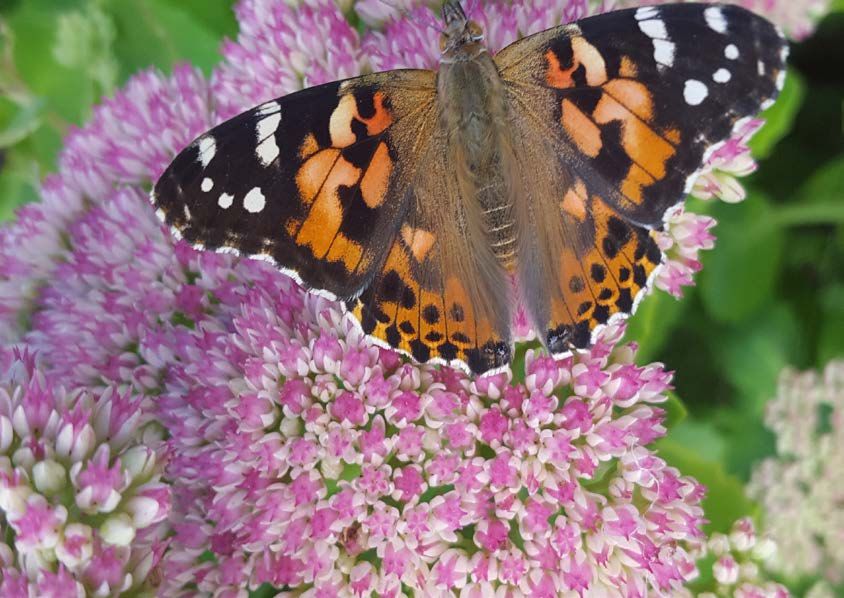
Connecting with Nature                                                                                                            Biodiversity Action Plan for South Dublin County 2020 - 2026

                                                                               1       WHY PREPARE A BIODIVERSITY ACTION PLAN?

                                                                               1.1     What is biodiversity all about?
                                                                               The word ‘biodiversity’ is used to describe
                                                                               the huge variety of different plants, animals,
                                                                               insects, spiders, birds, fish, fungi, bacteria, and
                                                                               other micro-organisms that occur around us in
                                                                               nature.   It is not known for certain how many
                                                                               different species exist in the natural world but it
                                                                               is estimated that we share the planet with more
                                                                               than 9 million different species

                                                                           1
                                                                               The word ‘biodiversity’ is also used to describe
                                                                               the wide variety of different habitats or places
                                                                               where these creatures live and interact with one
                                                                               another.  In South Dublin County, these habitats
                                                                               include different types of grasslands, woodlands,
                                                                               hedgerows, roadside verges, streams and rivers,
8                                                                              upland bogland and heath, public parks, and                                                                           9
                                                                               private gardens.

                                                                               There are many reasons why this diversity of life is
                                                                               vitally important to our survival as human beings
    ….. I knew the stars, the flowers and the birds, the grey and wintry       (see Chapter 4), but one important element of
                                                                               biodiversity is genetic diversity.   Variations in
    sides of many glens, and did but half remember human words, in             the genetic code allow species (including us) to
                                                                               adapt and survive in a changing world.  If we lose
                                                                               too much genetic diversity in the plant varieties
    converse with the mountains, moors and fens…..                             and the animal breeds that we depend upon, we
                                                                               could lose vital opportunities to ensure our own
                                          Nature’s Child, J.M.Synge            survival into the future.

                                                                               Diversity truly is the spice of life!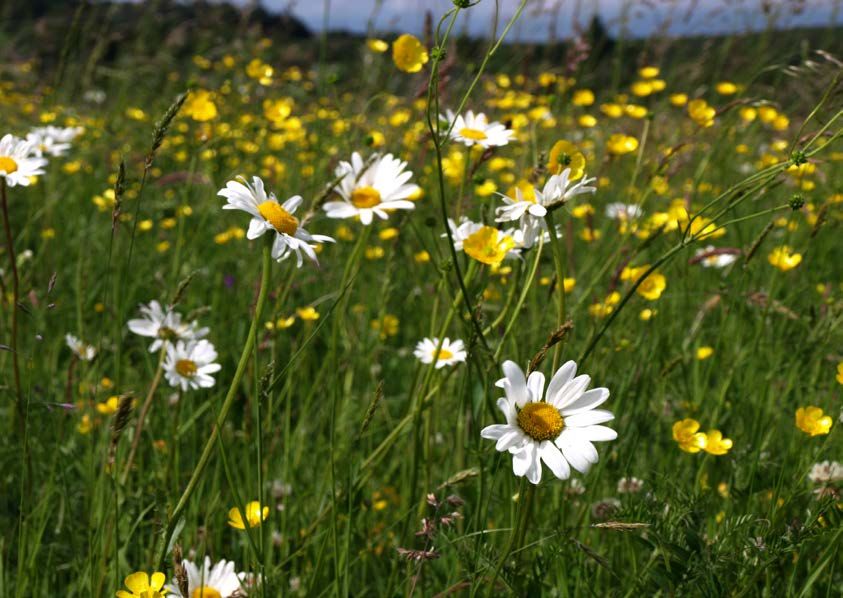
Connecting with Nature                                                                                                    Biodiversity Action Plan for South Dublin County 2020 - 2026

                              1.2     Our connection with the natural                Our natural surroundings have also been                his warriors (na Fianna) had for the natural world
                                      world                                          celebrated in our poetry, art and music.  Many of      was the source of much of their extreme strength
                                                                                     our customs and local traditions also have their       and agility.  Many animals and plants were also
                              As a nation, we have had a very long association       origins in an older time when we had a closer          deemed to have magical properties e.g. the
                              with nature, from the time of our early ancestors      relationship with the land and with the plants,        oak was a sacred tree.   Fionn was said to have
                              who were hunters and gatherers in the wild             animals and birds that lived around us.                received all the wisdom of the world by tasting
                              woods, down through the centuries when                                                                        An Bradán Feasa (the Salmon of Knowledge),
                              agriculture was our main economic driver.  Today,      The natural world also shines through in Irish         which had already acquired all this knowledge
                              while other industries and economies dominate          historic myths and legends.  Ancient texts suggest     by eating sacred hazel nuts that dropped into the
                              and when more than half of us now live in built-       that the pure ‘joy’ that Fionn Mac Cumhaill and        salmon’s pool from a hazel bush growing at its
                              up towns and cities, keeping a connection with                                                                edge.
                              nature is becoming harder.

                              The natural world has been a source of vital
                              nourishment for us, providing clean air and
                              water, essential food and medicines for our
                              bodies, pollinators for our food crops, and many
10                            raw materials for our daily lives.  Without these                                                                                                                  11
                              ‘services’ our own survival as a species is at risk.

                              Nature has also been an inspiration for our
                              spiritual and our creative minds.   The earliest
                              form of writing in Ireland, Ogham, is based on
                              an alphabet where the letters represent the first
                              letters in the Irish names of 20 trees and plants,
                              showing how nature was a core part of our early
                              ancestors’ world.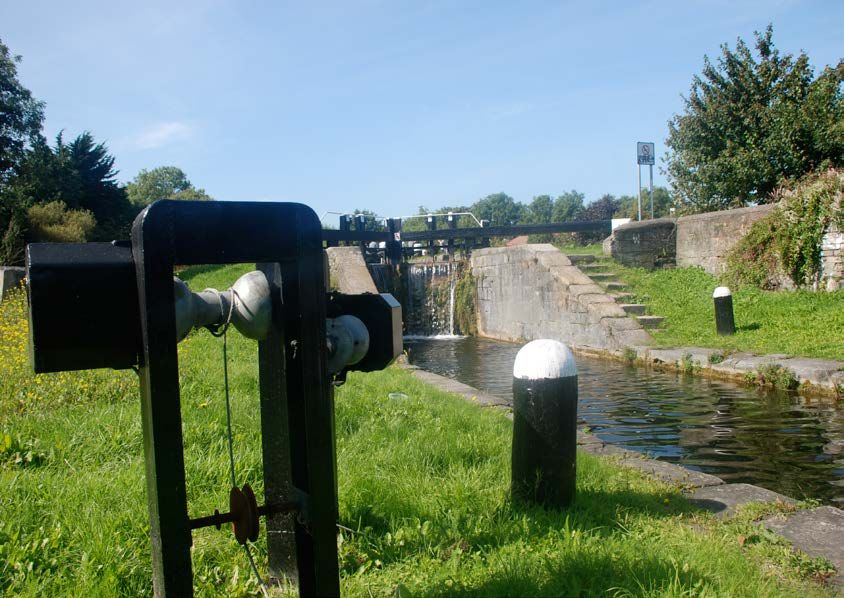
Connecting with Nature                                                                                                                                                                                                                             Biodiversity Action Plan for South Dublin County 2020 - 2026

     1.3     Taking action for our future                            We need to be more creative and find ways to                 The preparation of this Biodiversity Action Plan                   •        the mainstreaming of biodiversity issues                  Local Authorities are identified in the National
                                                                     keep existing habitats wherever we can and to                is an objective of the   South   Dublin County                              across the decision-making in all sectors;                Biodiversity Action Plan as key partners to
     Today, for the first time in human history, over                bring nature back into our surroundings whenever             Heritage Plan and the South Dublin County                          •        the strengthening of the knowledge                        assist with the implementation of the national
     half (54%) of the world’s population now lives                  possible.   We need to plan all new living and               Council Development Plan  2016-2022 in Policy                               base for conservation, management and                     plan.   The South Dublin County Biodiversity
     in a built-up urban environment.   By 2050, it is               working spaces in a way that will include nature,            HCL1 Objective 2: To support the objectives and                             sustainable use of biodiversity;                          Plan therefore represents South Dublin County
     expected that this will rise to 66%1.                           so that wildlife (and us) can adapt to a world in            actions of the County Heritage Plan, including                     •        increasing public awareness and                           Council’s commitment to the achievement this
                                                                     which weather and climate is becoming more                   the preparation of a County Biodiversity Plan.                              appreciation of biodiversity and                          national vision.
     As more and more of the world’s citizens                        unpredictable.                                                                                                                           ecosystem services;
     become urban dwellers, the challenge will be                                                                                 The South Dublin County Biodiversity Plan was                      •        the conservation and restoration of                       Through the series of direct actions and policies
     to provide the necessary good quality housing,                  By doing this we will be helping to safeguard our            prepared in the context of a range of national and                          biodiversity and ecosystem services in                    listed in Chapter 6 of the South Dublin County’s
     transport routes and employment opportunities                   own future.                                                  international plans for biodiversity protection                             the wider countryside;                                    Plan, and in co-operation with a wide range of
     for people while also protecting the  sources of                                                                             and enhancement (see Appendix 1).                                  •        the conservation and restoration of                       partners, the Council aims to support the National
     our food and the very diversity in nature that is               Following a public consultation process, the                                                                                             biodiversity and ecosystem services in                    Biodiversity Plan and protect  biodiversity in the
     the essential foundation of our own existence as                South Dublin County Biodiversity Action Plan                 Ireland’s ‘Vision for Biodiversity’ is stated in the                        the marine environment;                                   County by:
     human beings.                                                   was prepared in conjunction with a County                    country’s third National Biodiversity Plan 2017-                   •        the expansion and improved
                                                                     Biodiversity Forum and the County Heritage                   20212.                                                                      management of protected areas and                         -      gathering information on and improving
     Because we rely on biodiversity for so many things              Officer.   Its main objective is to plan and take                                                                                        species;                                                         our understanding of the County’s
12   (see Chapter 4), we need to design practical and                action for the protection of the County’s                    The National Biodiversity Plan lists a range of                    •        the strengthening of international                               biodiversity resource                          13
     achievable nature policies and projects that                    biodiversity into the future.                                actions for biodiversity that aim to achieve this                           governance for biodiversity and                           -      encouraging engagement with
     will improve the lives of both urban and rural                                                                               vision, arranged under a series of 7 Strategic                              ecosystem services.                                              biodiversity and enjoyment of nature in
     dwellers, while also leaving space for nature to                The Plan is a 6 year programme of policies                   Objectives.  These objectives include:                                                                                                       the County
     thrive around us.                                               and actions that aim to raise awareness and                                                                                                                                                        -      leading the way in good implementation
                                                                     appreciation of the natural world in the County.                                                                                                                                                          of biodiversity policies and governance
     We must avoid becoming cut off from the natural                 Through this Plan, we will work with a wide
     world around us by finding easy and enjoyable                   range of partners and groups to identify ways in                                                                                                                                                   By acting together we can make a real difference.
     ways to connect, or re-connect, with nature.  We                which we can protect and enhance this valuable                                                                                                                                                     We will be contributing to the achievement of
     need to find ways to protect the natural resources              resource into the future for the benefit of wildlife,                                                                                                                                              both national and international objectives for
     that we still have and we need to be aware that                 the County’s residents, and visitors and tourists                                                                                                                                                  biodiversity but more importantly, we will be
     we must make space for nature as our towns and                  to South Dublin County.                                                                                                                                                                            ensuring a good quality of life for all in South
     populations grow.                                                                                                                                                                                                                                                  Dublin County into the future.

     1
      United Nations, Department of Economic and Social Affairs, Population Division (2014).  World Urbanization Prospects: The
                                                                                                                                  2
                                                                                                                                   “That biodiversity and ecosystems in Ireland are conserved and restored, delivering benefits essential for all sectors of society
     2014 Revision, Highlights (ST/ESA/SER.A/352). https://esa.un.org/unpd/wup/                                                   and that Ireland contributes to efforts to halt the loss of biodiversity and the degradation of ecosystems in the EU and globally.”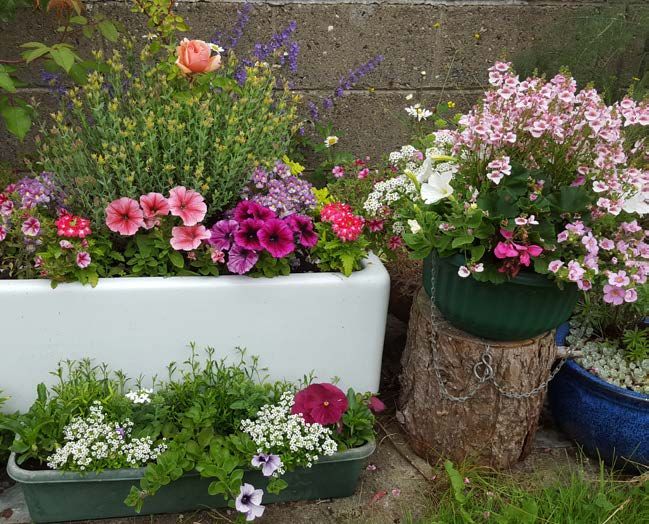
Biodiversity Action Plan for South Dublin County 2020 - 2026

                                                                           2      NATURE IN SOUTH DUBLIN COUNTY

                                                                           2.1    A Nature Network in South 		                   Overlain onto this green landscape is the               In conjunction with the Grand Canal which forms
                                                                                  Dublin County                                  County’s ‘blue network’ of rivers, streams,             a ‘blue’ link between the River Shannon and
                                                                                                                                 and the Grand Canal.  These rivers  include the         Dublin Bay, all of these water bodies act as vital
                                                                           Seen from the air, more than half of South Dublin     River Dodder, the Whitechurch Stream (or River          habitats and corridors for wildlife between rural
                                                                           County is green landscape.    In the low-lying        Glynn), the Owendoher, the Camac, the Poddle,           areas and throughout the built-up area.
                                                                           areas across most of the southwest, the west          the Lisheen and the Brittas River, the Shinkeen,
                                                                           and the northern boundary of the County, there        the Greenogue Stream, the Baldonnell Stream,            When all of these ‘green’ and ‘blue’ elements
                                                                           are agricultural fields, hedgerows, different types   the Tobermaclugg Stream, the Griffeen River, and        are linked together, we start to see a pattern of
                                                                           of grasslands, and small local pockets of trees.      of course, the River Liffey located at the County’s     spaces that connect together to form a green
                                                                           In the uplands of the Dublin Mountains, there         northern boundary.                                      network for nature throughout the County.
                                                                           are mountain grasslands and gorse scrub, larger
                                                                                                                                 Open ponds and lakes also occur throughout              This network forms the foundation of the County’s

                                                                       2
                                                                           areas of commercial forestry, and open wet
                                                                           bogland and heath.                                    the County such as the upper and lower lakes            ‘Green Infrastructure’, where our rivers, streams
                                                                                                                                 of the Bohernabreena Reservoir in the Dublin            and green spaces interlink with one another to
                                                                           Some of these habitats and their specialised          Mountains, the Brittas Ponds, a variety of lakes        form a network of corridors through the County
                                                                           range of species are protected under Irish and        and ponds in our public parks (Corkagh Park,            where wildlife and humans can travel.
                                                                           European legislation but much of our biodiversity     Tymon Park, Ballymount Park, Rathfarnham
                                                                           occurs outside of these protected sites, making it    Castle Park, and Ballycragh Park), the attenuation                                                           15
                                                                           easy for us to connect with nature whenever we        lake in Grange Castle Business Park, and a range
                                                                           wish.                                                 of smaller water bodies located in the County’s
                                                                                                                                 various golf courses.
                                                                           In the built-up central and eastern areas of the
….The hedges are all drowned in green grass seas, and bobbing              County, green spaces occur in the Council’s
                                                                           large regional parks and smaller areas of open
poppies flare like Elmo’s light, while siren-like the pollen-stainéd       space and also in the mosaic of private gardens
                                                                           scattered across the residential areas.
bees drone in the clover depths…….
                                       ‘June’, Francis Ledwidge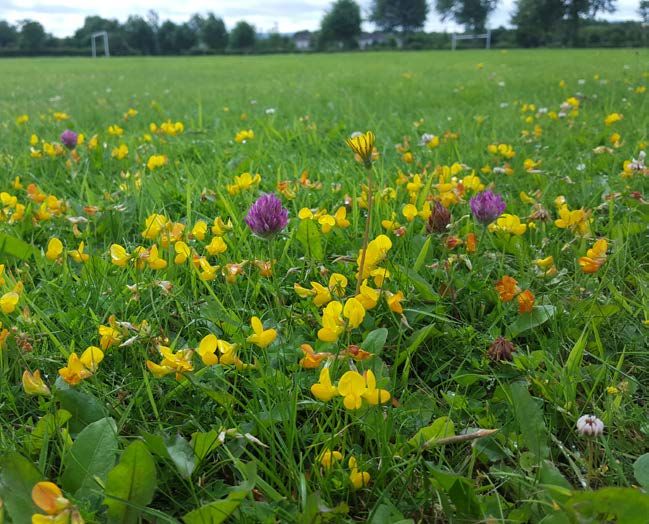
Connecting with Nature                                                                                                                                                           Biodiversity Action Plan for South Dublin County 2020 - 2026

                              2.2    Connecting with Nature in the 		                Reports of pine marten and stoat along the           of our parks where soils are suitable and where          Connecting with nature and getting to know and
                                     County                                          upper reaches of the River Dodder River are also     grass cutting is managed in such a way as to             enjoy all of the different habitats and species in
                                                                                     encouraging.                                         encourage native wild flower meadows.  Where             the County is a primary objective of the South
                              Nature and its biodiversity occurs throughout                                                               these meadows have a high number of flowering            Dublin County Biodiversity Plan.  The information
                                the County and much of it can be easy to             Of the 9 species of bats known to occur in           plants and grasses (species-rich), they become           gathered as part of this Plan will help the Council
                                   connect with and enjoy.    While certain          Ireland, eight have been recorded in South Dublin    very important habitats for pollinating insects          achieve its objectives to provide a sustainable
                                     plants, animals, birds, insects and             County - Common Pipistrelle, Soprano Pipistrelle,    such as honey bees, bumble bees, and hoverflies          County for both its human and its wildlife
                                       habitats are especially protected in          Nathusius’ Pipistrelle, Leisler’s Bat, Brown Long-   and other creatures such as beetles, spiders, and        populations.
                                         legally protected sites, some also          eared Bat, Daubenton’s Bat, Natterer’s Bat and       ants.  Surveys in our public parks tell us that we
                                           occur in publicly-owned parks or          Whiskered Bat.  These species hunt at dawn and       have a number of very interesting insect types
                                            in our own gardens.                      dusk in areas with low levels of street lighting,    which, because of their rare or threatened status,
                                                                                     flying along the tops of hedgerows and trees or      are particularly important to protect.
                                                Much of our wildlife is not          skimming across the surface of rivers and lakes
                                                spotted very often by the            searching for moths and other insects.               In woodland along the River Liffey and along
                                                 County’s human population as                                                             some of our upland streams, flowers such as
                                                 many animals are nocturnal,         The wide variety of soil types in the County give    the scarce Yellow Archangel can be found in
                                                 waiting until nightfall before      rise to different habitats and species, adding       springtime, while riverside plants such as the
16                                              they come out to feed and            to the biodiversity potential in South Dublin        rare Green Figwort are known to occur along the                                                                17
                                                move around.        The most         County.   Dry lime-rich or calcareous soils occur    River Dodder and the River Liffey.
                                               common and widespread                 across the middle of the County and along the
                                              animals in the County include          Dodder River, giving rise to pockets of meadows      Areas that have a high value for nature (High
                                             foxes, rabbits, hedgehogs and           and grassland with good biodiversity interest.       Nature Value Areas) act as crucial ‘stepping stones’
                                            rodents such as rats and mice.           The deep neutral soils in the west of the County     for nature through the built-up environment,
                                                                                     supports an agricultural landscape with its          helping species to move about more freely, to
                                          Less commonly seen are animals             lines of hedgerows and trees.   Wet river banks      feed and reproduce, while also helping them
                                        such as otters.  These occur along some      support some interesting wet woodlands and           to adapt to changing environmental and
                                     of our larger rivers like the River Liffey,     wet grasslands, while the more acidic soils in the   climatic conditions.  These areas are key
                                  along the Grand Canal, and in some of the          Dublin Mountains give rise to upland grasslands,     locations or nodes in the Council’s plan
                               lakes in our public parks.  Along our waterways,      scrub, and waterlogged bogland.                      to develop a Green Infrastructure
                              wherever we see animals such as otter and birds                                                             Strategy, as outlined in the South
                              such as kingfisher, dipper, and wagtails, we know      Wild orchids such as the Common Spotted              Dublin County Development Plan
                              that the water quality is good enough to support       Orchid, Pyramidal Orchid, Common Twayblade           2016-2022.
                              the insects and fish that these species rely upon.     and the Bee Orchid can be seen in some areas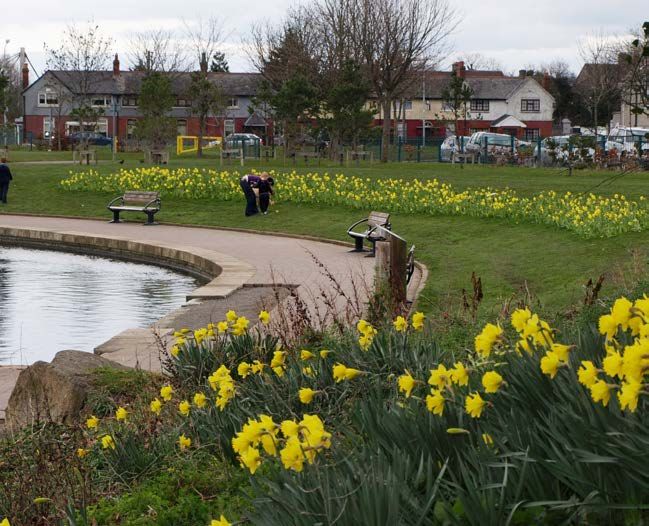
Biodiversity Action Plan for South Dublin County 2020 - 2026

                                                                                3       PROTECTING BIODIVERSITY IN SOUTH DUBLIN COUNTY

                                                                                Biodiversity in the County is protected in a              3.1     Protected Sites for Nature                     of Culture, Heritage, and the Gaeltacht.  As the
                                                                                number of ways.  Irish and European legislation                                                                  pNHAs within South Dublin County are proposed
                                                                                has developed over the years to extend protection         Areas of particular biodiversity importance in         sites, they are protected at a local level under the
                                                                                to a wide range of species in Ireland and to the          South Dublin County are protected in a number          South Dublin County Council Development Plan
                                                                                habitats in which they live.                              of ways including the designation of locations         2016-2022:
                                                                                                                                          as proposed Natural Heritage Areas (pNHAs), as
                                                                                In effect, the Council works within a national            Special Areas of Conservation (SACs), as a Special     HERITAGE, CONSERVATION AND LANDSCAPES (HCL)
                                                                                framework for the protection of wildlife and              Amenity Area Order (SAAO), and also as County          Policy 13 Natural Heritage Areas
                                                                                habitats.   Key legislation and policy include the        Geological Sites.
                                                                                Wildlife Act, the European Union Habitats and                                                                    It is the policy of the Council to protect the ecological,
                                                                                Birds Directives, and the National Biodiversity           3.1.i   Proposed Natural Heritage Areas                visual, recreational, environmental, and amenity
                                                                                Action Plan (see Appendix 1 for relevant national,

                                                                            3
                                                                                                                                                                                                 value of the County’s proposed Natural Heritage
                                                                                European, and international legislation and               Five locations throughout the County (see Map          Areas and associated habitats.
                                                                                policy).                                                  2) are listed as proposed Natural Heritage Areas
                                                                                                                                          (pNHAs).  Two of these are located within County       The Dodder Valley pNHA occurs   within the
                                                                                Working at the local level in the County, projects        Council parks while the remainder are in private       Council’s Dodder Valley Linear Park and
                                                                                can be identified which will assist with the              ownership:                                             represents a wet woodland habitat with shifting
                                                                                implementation of these protection measures,                                                                     streams and gravels which are subject to                     19
                                                                                safeguarding the quality of life for our human            •       Dodder Valley pNHA (Site Code 000911)          periodic flooding by the river.  This gives rise to
                                                                                residents as well as our wildlife populations.            •       Liffey Valley pNHA (Site Code 000128)
                                                                                                                                          •       Grand Canal pNHA (Site Code 002104)
                                                                                Protection    for    nature    and     biodiversity  in   •       Lugmore Glen pNHA (Site Code
                                                                                general is enshrined in the South Dublin County                   001212)
‘… sometimes my heart hath shaken with great joy to see a leaping               Council Development Plan 2016-2022, where
                                                                                a variety of strategies are in place to safeguard
                                                                                                                                          •       Slade of Saggart and Crooksling
                                                                                                                                                  Glen pNHA (Site Code 000211)
                                                                                and promote our natural resource. One of
squirrel in a tree, or a red lady-bird upon a stalk, or little rabbits in       these strategies is to  develop  a healthy ‘Green         (see Appendix 2 for descriptions of
                                                                                Infrastructure Network’ across the County,                these sites).
a field at evening, lit by a slanting sun …’                                    benefiting both wildlife and people.
                                                                                                                                          Proposed Natural Heritage Areas
                                       The Wayfarer, by Padraic Pearse                                                                    are locations identified at a national
                                                                                                                                          level by the National Parks and
                                                                                                                                          Wildlife Service of the Department
Connecting with Nature Biodiversity Action Plan for South Dublin County 2020 - 2026
a very changeable environment where plants otter, badger, and bats. The waters of the sites, are protected under both European and These three Natura sites are home to a range
and insects need to be very adaptable in order canal itself supports a variety of fish, crayfish, Irish legislation and form part of a European- of specialised and highly sensitive habitats
to survive. Other more accessible habitats along dragonflies and a wide range of other insects and wide network of similarly protected sites. The that include bogland, heath, upland grassland,
the Dodder Valley Linear Park include flower-rich water plants. designation of these sites and the development mountain streams, freshwater springs, fens,
grasslands, hedgerows, and wooded areas. of management plans that aim to maintain their and woodlands. A variety of mammal, bird and
Lugmore Glen and the Slade of Saggart and conservation interest is the remit of National plant species also occur. Natura 2000 sites are
A section of the Liffey Valley pNHA is Crooksling Glen pNHAs are in private ownership Parks and Wildlife Service of the Department of protected in law from inappropriate development
also located within a Council park in and represent different types of woodland habitat Culture, Heritage and the Gaeltacht. or other activities that would impact on the
Waterstown Park, Palmerstown. in a ravine. Old woodland habitats are rare in special habitats and species that occur in these
At this location, the pNHA is South Dublin County so these two locations are There are three Natura 2000 sites in South Dublin locations.
represented by a fringe of important examples. The Slade of Saggart and County.
old wet woodland and wet Crooksling Glen pNHA also includes the area of Being located in the uplands, these three
grassland habitat that occurs the Brittas Ponds, adding a significant wetland • the Glenasmole Valley Special Area of sites form the foundation of the highly scenic
along the banks of the river. It habitat to the interest of this pNHA. Conservation (Site Code 001209) landscapes of the Dublin Mountains, drawing
is along these banks that the • a portion of the Wicklow Mountains visitors and locals alike to enjoy the views and
rare Green Figwort plant has 3.1.ii Natura 2000 Sites Special Area of Conservation (Site Code engage in outdoor activities
been recorded. Additional 002122)
20 areas of wet and dry flower- Three special areas in the Dublin Mountains (see • a portion of the Wicklow Mountains 21
rich meadows, hedgerows, a Map 1) are protected under the European Union Special Protection Area for Birds (Site
mill race, and wooded areas Habitats Directive and the European Communities Code 004040)
occur in the Park outside of the (Birds and Natural Habitats) Regulations, 2011.
pNHA boundary. These sites, known collectively as Natura 2000 (See Appendix 1 for more detailed descriptions
of these three sites).
The Grand Canal pNHA is in the
ownership of Waterways Ireland and
represents a vital corridor for wildlife,
linking habitats that stretch all the way
from the River Shannon to South Dublin
County and into Dublin City. The woodlands,
wet grassland and reed beds that occur along
the publically accessible canal towpaths provide
habitat for birds and animals such as kingfisher,Connecting with Nature Biodiversity Action Plan for South Dublin County 2020 - 2026
Getting the balance right between public access, The Liffey Valley pNHA is located within the Alternatively, the more acidic nature of other HERITAGE, CONSERVATION AND LANDSCAPES (HCL)
protecting the livelihood of upland communities SAAO and a number of Council-owned parks rocks and soils can result in the formation of the Policy 19 Objective 1
and protecting the very landscapes, habitats and also occur within this boundary at Palmerstown upland grasslands and the bogland habiats of the
species that we wish to enjoy and promote can (Waterstown Park) and Lucan, (Lucan Demesne/ Dublin Mountains. To protect designated County Geological Sites
be challenging. The protection of these areas St. Catherine’s Park). The remaining lands from inappropriate development and to promote
is supported under the South Dublin County within the boundary of the SAAO are in private The South Dublin County Council Development the importance of such sites through the County’s
Development Plan 2016-2022: ownership and are therefore not accessible to Plan 2016-2022 lists 10 County Geological Sites Heritage Plan.
the public. The SAAO is afforded protection that reflect the variety and importance of the
HERITAGE, CONSERVATION AND LANDSCAPES (HCL) under the South Dublin County Development County’s geological heritage. 3.2 Nature Outside of Protected Sites
Policy 12 Natura 2000 Sites Plan 2016-2022:
• The Dodder Terraces While specially protected areas such as those
It is the policy of the Council to support the HERITAGE, CONSERVATION AND LANDSCAPES (HCL) • Greenhills Esker listed above will help to protect the animals,
conservation and improvement of Natura 2000 Sites Policy 14 Liffey Valley SAAO. • Kippure Mountain plants and birds that live in them, many species of
and to protect the Natura 2000 network from any • Lucan Esker protected mammals and birds are not restricted
plans and projects that are likely to have a significant It is the policy of the Council to implement the Liffey • Newcastle Buried Channel to these sites and can occur in other locations
effect on the coherence or integrity of a Natura 2000 Valley Special Amenity Area Order (SAAO) and to • The Brittas Gravel Complex throughout the County. The Irish Wildlife Act
Site. seek to improve and extend the Liffey Valley Special • Belgard Quarry and the European Habitats and Birds Directives
22 Amenity Area and to promote its tourism potential. • The N4 Lucan Cutting and Regulations extend protection to a range of 23
• The Liffey Valley Centre Road Sections species, whether they occur inside or outside of
3.1.iii Liffey Valley Special Amenity Area 3.1.iv County Geological Sites • Ballinascorney Quarry designated protected sites.
The special landscape through which the River At the foundation of all ecological habitats are Of these 10 geological sites, the soils of the Dodder
Liffey flows is protected under a Special Area the geological rocks and soils underneath. The Terraces, the esker at Greenhills (in Tymon Park),
Amenity Order which was made in 1990 (see nature of this geology directs the type of habitat the gravels at Brittas, and the uplands peatland of
Map 3). Within South Dublin County, this Order that will naturally develop on the surface. For Kippure in the Dublin Mountains, are particularly
covers approximately 199.6 hectares of land example, light, sandy and limey soils provide important for the biodiversity that they support.
between the river and the N4 roadway and perfect conditions for grasslands that are very Parts of the Dodder Terraces and the Greenhills/
it aims to maintain the integrity of the Liffey rich in flowering plants, grasses, butterflies, Tymon Esker are located within Council-owned
Valley landscape, to limit development within bumblebees and other insects. Examples of parks while Kippure Mountain is protected
its borders and to provide essential recreational these habitats can be seen along the Dodder within the Wicklow Mountains Special Area of
space for the wider region. River, in Tymon Park and in parts of Lucan. Conservation. The County’s geological sites are
recognised under the County Development Plan
2016-20122:Connecting with Nature Biodiversity Action Plan for South Dublin County 2020 - 2026
The Wildlife Act protects all wild species in 3.3 Stepping Stones for Nature - a South Dublin County Council is working towards Sources of water are very important to wildlife
Ireland while the EU Habitats Directive requires ‘Green Infrastructure’ this is by managing selected areas in our public and many of our parks have open ponds,
that species such as otter and bats are protected parks and open spaces for the benefit of wildlife. streams or river habitats running through them
even outside of formally designated sites. The To survive in a changing world and to keep their This is done by reducing the level of grass cutting e.g. the Griffeen Valley Park and Vessey Park in
South Dublin County Council Development genetic resource healthy, small mammals, birds, in suitable locations to allow wild flowers to Lucan, and Corkagh Regional Park in Clondalkin
Plan 2016-2022 also recognises the need bats, and insects need to be able to explore and flower and set seed. This approach not only and Tymon Park in Tallaght. The Grand Canal,
to protect species outside of designated find opportunities in new areas to feed and have brings more colour into our parks for us to enjoy, which is managed by Waterways Ireland, is a
areas: young. it also offers more opportunities for pollinators vital water corridor through the county and also
such as honey bees, butterflies, bumblebees, has important areas of hedgerow and grassland
Ensuring there are green links or ‘stepping stones’ and hoverflies. Local birds and bats benefit along its towpaths.
HERITAGE, CONSERVATION AND between protected and unprotected areas for from the higher numbers of insects, resulting
LANDSCAPES (HCL) Policy 15 Non- biodiversity will help wildlife move safely through in a healthier ecological situation and a more We should also not forget the contribution that
Designated Areas the County, assisting them to adapt to changing interesting environment for local people to enjoy. private house owners, schools, businesses, local
environmental conditions such as the loss of communities, and groups such as Tidy Towns,
It is the policy of the Council quality habitat or the effects of climate change. In 2019, South Dublin County Council committed Residents Associations, and environmental
to protect and promote the Article 10 of the EU Habitats Directive recognises to undertake projects that will specifically benefit groups, can make to the development and
conservation of biodiversity the importance of these stepping stones and pollinators in our parks and open spaces by management of this green corridor network.
24 outside of designated areas requires us to maintain areas of wildlife interest formally becoming a signatory to the All-Ireland These private areas can be a very important 25
and to ensure that species and outside of protected sites2. Pollinator Plan link for biodiversity in the built-up environment,
habitats that are protected under particularly when property owners plant a
the Wildlife Acts 1976 and 2000, In the countryside, wildlife moves from place Parks with very sensitive natural environments variety of flowers and bushes and avoid the use
the Birds Directive (1979) and to place using the protective cover of natural such as the Dodder Valley Linear Park in of pesticide and herbicide sprays.
the Habitats Directive (1992) are features such as hedgerows, ditches, tree lines, Rathfarnham/Firhouse, or Waterstown Park along
adequately protected. old walls, rivers and streams. These features the Liffey in Palmerstown, or the esker grasslands
are even more important in our cities and of Tymon Park in Tallaght, have special areas that
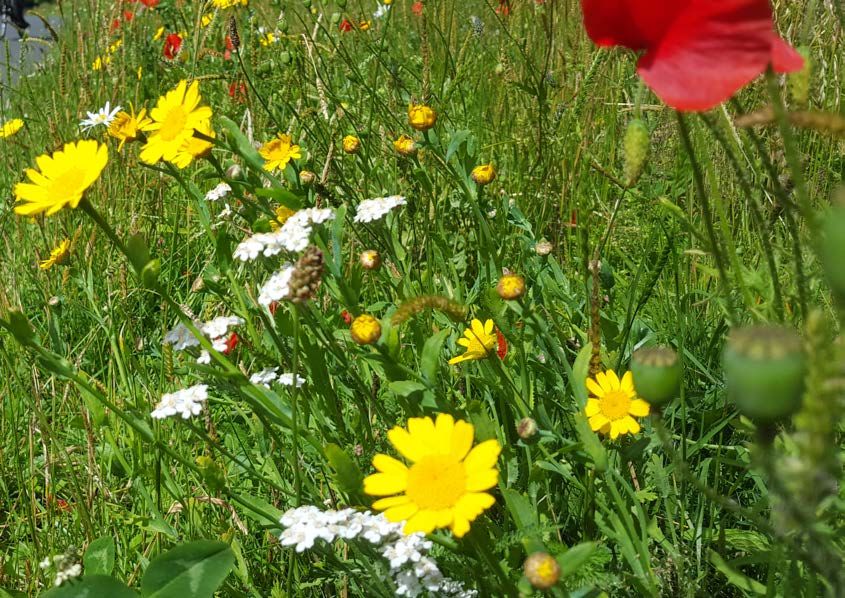
towns. If routes through South Dublin County are rich in wild flowers, butterflies, bumblebees,
can be identified to link the countryside and the and other insects. Some of these grasslands are
protected sites listed above to public parks and of County or National importance, supporting as
private gardens in our towns and villages, then they do a range of interesting orchid and insect
an effective network of corridors or stepping populations. These parks also have old, mature
stones for nature can be achieved. hedgerows which are vital nesting and feeding
corridors for birds, mammals, bats, and insects.
https://eur-lex.europa.eu/legal-content/EN/TXT/?uri=CELEX:31992L0043
2Biodiversity Action Plan for South Dublin County 2020 - 2026
4 WHY NATURE IS SO IMPORTANT TO US
In addition to providing us with our basic needs • Reduce impact of flooding - our wetlands
of food, water, medicines and raw materials, the and bogland habitats are important as
natural world also provides a wide range of what they can help reduce the impacts
are termed additional benefits. These are very of flooding. The plants and mosses that
important benefits that we receive from nature grow in these places hold water in the
which are less obvious than our food and water specialised cells of their leaves and
but which are vital to our quality of life. stems. As this water is released slowly
over time, this reduces the effects of
These benefits are termed ‘ecosystem services’, sudden flash floods.
or natural activities that occur in natural habitats
that we benefit from. These include the following: • Carbon storage – trees, hedgerows,
and wetland habitats also act as
4
• Pollination by insects - bees, ‘carbon sinks’, removing harmful
bumblebees, hoverflies and other carbon dioxide from the atmosphere
insects pollinate many of our food and safely storing it in the growing
and fruit crops. Without these insects wood or in the layers of accumulating
doing this work for us, we would lose plants in peatlands.
much of the variety of fruit and 27
vegetables that we eat. • Health and well-being - more and more,
studies are showing the health benefits
• Clean air – trees take in carbon dioxide and the cost savings to our health
…. O unworn world enrapture me, enrapture me in a web of and use it to grow, returning oxygen to services that are associated with living in
the atmosphere. By doing this, areas that offer good opportunities
fabulous grass and eternal voices by a beech, feed the gaping trees, hedgerows and woodlands help to engage with nature. Any outdoor
to clean the air we breathe while they activity, from a gentle stroll in the
need of my senses, give me ad lib to pray unselfconsciously with are also providing vital habitats
and ‘corridors’ for wildlife to move
park to more energetic activities such
as mountain biking have been proven to
overflowing speech, for this soul needs to be honoured with a along. They are also very important
habitats for pollinating insects.
help reduce stress levels and improve
our mental health.
new dress woven from green and blue things and arguments that Once gone, all of these additional benefits or
ecosystem services that nature provides to us are
cannot be proven …. very difficult and very costly to replace.
Canal Bank Walk, Patrick KavanaghBiodiversity Action Plan for South Dublin County 2020 - 2026
5 WHY WE NEED TO ACT?
Over the millions of years that this planet has During the planet’s different development
been evolving, many changes have occurred. phases, there have been five major extinction
Continents have formed and reformed, different events for species. These mass extinctions
habitats and ecosystems have dominated the were caused by natural phenomena such as ice
world, and countless numbers of species have ages, meteorites colliding with the planet, mass
evolved and become extinct. volcanic eruptions, and changing positions of
oceans and continents.
These changes were brought about by natural
geological and climatological changes, with Today, however, the planet is experiencing very
species evolving and adapting very slowly to the rapid change in a relatively very short period. We
changes, over long eons of time. are seeing extensive reductions and extinctions
in a wide number of species all around the world.
5
Nature, when left to her own devices, maintains a The extent of the current loss in biodiversity is so
delicate balance between species. Prey numbers large and so rapid that it is being referred to as
determine numbers of predators and complex the sixth mass extinction. Instead of occurring
interdependencies and predation levels manage slowly because of natural change, this event has
population sizes within the resources of the occurred quickly, primarily because of the impact
habitats in which these creatures live. of just one species, humans. 29
Nothing is wasted and nothing is produced that Recent studies from Germany in 2019 suggest
cannot be recycled. that insects in particular may be in a state of
‘catastrophic population collapse’ due to a
Today, however, the natural world has never been combination of factors including habitat loss,
under so much threat from one species. Across pesticide usage, and climate change effects. The
…Tá Tír na nÓg ar chúl an tí, tír áilinn trína chéile, lucht ceithre chos the world, species are currently being lost up to reduction in insect numbers has a corresponding
1,000 times faster than the natural rate. Habitat negative impact on the populations of birds, bats,
ag súil na slí, gan bróga orthu ná léine, gan Béarla acu ná Gaeilge… and species loss, pollution, over-use and waste
of natural resources, and the resulting changes
amphibians, and fish that feed on these insects.
Insects are also vital pollinators of food crops for
in our weather and climate patterns threatens us humans and farmed animals while many (e.g.
all. ladybird and hoverfly larvae) also act as natural
‘Cúl an Tí’, Seán Ó Ríordáin pest controllers.Connecting with Nature Biodiversity Action Plan for South Dublin County 2020 - 2026
5.1 How are we faring in Ireland? Currently in Ireland, two bee species have already Swifts, an iconic bird of the urban environment,
become extinct and one-third of the remaining has shown an alarming 40% decline between
The EU Habitats Directive (Directive 92/43/EEC) bee species are threatened with extinction. This the years 1998-2013. it is thought that the loss
and the Birds Directive (Directive 79/409/EC) is incredibly worrying as we rely on bees for the of available nest sites due to the renovations of
require that Member States submit a report every pollination of key food crops. The reasons for this old buildings and the impacts of climate change
6 years to the European Commission on how our decline in pollinators include the loss of habitats could be significant factors.
habitats and species are faring. Ireland’s most such as hedgerows, wild verges and flowering
recent report in 2019³ on the conservation status meadows; the introduction of insect pests and Outside of protected sites, biodiversity is
of those habitats and species protected under diseases; the widespread use of pesticides and deemed to be even more at risk. Habitats such
these EU Directives is worrying, particularly in herbicides; and changing weather and climatic as hedgerows, scrub, stands of trees, flowering
relation to our habitats. conditions. roadside verges, wet ditches and wild bramble
patches do not receive specific legal protection.
In Ireland, 85% of our habitats are considered Recent studies⁴ show that over 60 per cent Yet these habitats are vital for the survival of so
to be in an ‘unfavourable’ state, due to being of the 202 species of commonly occurring many species of insects, birds and mammals,
degraded, fragmented, or destroyed. This means birds in Ireland is now on the red and amber while also acting as critical green ‘stepping stones’
that the species that would be typical of these conservation lists. Birds like the Curlew has through the landscape, between protected sites.
habitats are not living in a healthy enough state suffered widespread declines across its European
30 to guarantee survival of the habitat type into the range, and bird experts estimate that in Ireland, 31
future. there has been a 97% decline in numbers over
the last 40 years.
Most worryingly, the survival of 41% of the 58 EU
protected habitats in Ireland was deemed even
to be in doubt as a habitat type. Some of these
protected habitats exist in South Dublin County
and include heath and blanket bog, orchid-rich
grasslands, lowland hay meadows, and tufa-
forming springs.
https://www.npws.ie/publications/article-17-reports/article-17-reports-2019
3
https://birdwatchireland.ie/birds-of-conservation-concern-in-ireland-2014-2019
4Connecting with Nature Biodiversity Action Plan for South Dublin County 2020 - 2026
5.2 Threats to biodiversity 5.2.i Loss, deterioration, and The Biodiversity Action Plan will support the 5.2.ii Pollution reducing their changes of survival. Excessive dust 5.2.iii Non-native invasive species
fragmentation of natural habitats development, delivery, and implementation of and smog can clog the pores on leaves, reducing
Biodiversity in Ireland faces many threats. a Green Infrastructure Strategy for South Dublin All forms of pollution pose a serious threat to the ability of trees and plants to breathe and Nature maintains a delicate balance between
Even in locations that are protected under One of the greatest challenges facing nature in County, planning ahead to ensure a linked-up biodiversity and to us. The term ‘pollution’ grow, and provide us with oxygen. species, a balance which develops over a very
environmental legislation, maintaining a high- Ireland and across the world today is the loss network of parks, green spaces, hedgerows, describes any form of contaminant or disturbance long period of time. This results in an intricate,
quality environment for wildlife and biodiversity and deterioration of natural habitats and the protected sites, parks and waterways to allow that enters the natural environment and which Excessive and unnecessary use of pesticides and finely-tuned web of interactions where no single
is a problem. Given our reliance on nature, (see breaking up or fragmentation of wild spaces in wildlife to move throughout the County. results in unwanted negative effects. The term is herbicides is also damaging our environment, species is allowed to dominate completely over
Chapter 4), this has significant knock-on effects the landscape. most often used to describe impacts on air, water, impacting dramatically on beneficial species others.
on our own quality of life. and soil quality but it can also refer to excesses in such as bees while also reducing the capacity
Wildlife populations need to move and connect light, noise, and unpleasant smells. for natural predators to maintain the delicate When a new, non-native species is introduced
Five main categories of threats can be identified: with populations in other areas to remain balance that nature strives for. into this environment the balance can be
the loss, deterioration, and fragmentation of genetically healthy. Species living in small areas Littering and dumping of waste in rivers, streams, disturbed, particularly if the new species has the
habitats; pollution and litter; the threat from non- of isolated habitats like woodland, wetland, or hedgerows, woodlands, parks, and open spaces Working with the Council’s own Litter capacity to grow and spread rapidly and if there
native invasive species; amenity and recreational flowering grasslands, face significant challenges introduces damaging contaminants. These Management Plan5 and through the actions are no predators in its new home to control it.
pressures; and challenges arising from climate in finding sufficient food and shelter in order contaminants have both direct and indirect and projects undertaken under the County These are then referred to as invasive species.
change. to survive. The lack of genetic interaction with effects on the very habitats and species that Biodiversity Plan, the threats to biodiversity
others of their own species from outside of we reply upon to keep our water and air clean, and to us from pollution, litter and dumping in In South Dublin County, plants like Japanese
32 their immediate area can also lead to reduced our pollinating insects healthy, and our soils full the County will feature strongly in the efforts to Knotweed, Himalayan Balsam, and Giant 33
capacity to resist disease and adapt to changing of essential recycling invertebrates and micro- improve quality of life for biodiversity and for us. Hogweed fall into this category of invasive
situations. organisms. species. Because these plants grow and spread
rapidly, they shade out native plant species,
These challenges are made worse by the The impact on flora and fauna can be significant. excluding them from their natural habitat. This
additional pressure of climate change which is Waste dumped in or near rivers and streams can reduces habitat and feeding areas for native
likely to force species to migrate northwards as flow into larger water bodies and can ultimately insects and birds.
temperatures increase. Without natural links cause oceanic pollution. If animals consume
in the landscape (such as lines of hedgerows or waste it can cause health complications, even
trees) to allow for this migration, the health of death.
existing small pockets of habitat will disintegrate.
Tiny particles of soot or dust can be breathed
A high quality ‘green infrastructure’ network of into the lungs by us and by wildlife. These
interconnecting, habitats is essential to facilitate particles can also cause damage to biodiversity
the free movement and mixing of wild species, by changing wider environmental conditions,
helping habitats and species, and us, to survive.
https://www.sdcc.ie/en/services/environment/recycling-and-waste/litter-management/
5Connecting with Nature Biodiversity Action Plan for South Dublin County 2020 - 2026
Because these invasive plants die back over 5.2.iv Amenity and recreational pressures Dublin Mountains are also a significant backdrop 5.2.v Climate Change The SDCC Climate Change Action Plan contains
winter, they leave bare soil behind. This exposes to the County, inviting more challenging actions for nature protection and adaptation
riverbanks to winter floods, increasing erosion Evidence for the significant physical, recreational activities like hill walking, and The impacts of climate change present a unique measures under its ‘Nature-based solutions’
and flooding potential. psychological, and spiritual health benefits that mountain biking. challenge to the County’s environment, its themes. The Biodiversity Action Plan will act to
we receive from being in the outdoors is growing. residents, and its economy. A predicted rise coordinate and support the efforts of the CCAP
Non-native invasive animal species in the County Getting the balance right between promoting in temperature of 1.5o with increased intensity in achieving these and other climate-based
include American Mink and Grey Squirrel. In South Dublin County, our public parks offer enjoyment of our outdoor spaces while avoiding of rainfall, drought or snow events will pose objectives.
Without natural predators in Ireland, their a range of both active and passive recreational damage to the landscapes and habitats that we extreme of weather event rainfall levels
numbers have increased unchecked. Mink prey experiences for its residence and visitors including wish to enjoy is not easy. Direct impact can occur 5.3 Playing our part
on water birds and fish, affecting numbers of formally managed landscapes for walking, well- to habitats and species when there is an increase A projected increase in global temperature,
ducks, kingfisher, dippers, and trout, while grey used football and soccer pitches, cricket pitches, in disturbance from walkers and dogs, littering, wind speeds, cold snaps and rainfall will put In May 2019, following an uncontested vote in
squirrels have pushed native red squirrel out of skate parks, and natural play and exploration increased noise, and the installation of lighting. an increased stress on biodiversity, by inflicting the Dáil, Ireland became the second government
their natural range. spaces. Their wilder, less-intensively managed damage, causing habitat loss and increasing the in the world to declare a climate and biodiversity
ecological spaces also offer an important refuge Careful planning and sensitive design can help prevalence of invasive species. emergency.
The additional impact of climate change on the for many species and habitats in the urban achieve better outcomes for biodiversity and for
challenge of invasive species is as yet unknown. environment. us. SDCC’s Climate Change Action Plan 2019-2024 Within the context of national and European
For example, released pets such as Terrapins are (CCAP) sets out measures to address the long- efforts to tackle biodiversity loss and climate
34 sometimes encountered along our waterways term causes of climate change by reducing our change impacts, the Biodiversity Action Plan 35
and in the ponds in our parks. These species do greenhouse gas emissions, while also adapting to for South Dublin County represents a road map
not currently reproduce in the wild in Ireland effects of climate change over the short, medium, that will assist us in the implementation of
because temperatures are too low. However, if and longer terms. The aim to improve our energy government policy at a local level in this County.
temperatures increase by as much as is being efficiency by 33% by 2020 has been achieved By undertaking and achieving the actions as listed
suggested, this will make it easier for these non- and revised to a 50% improvement by 2030. in this Plan, many of the threats to biodiversity
natives to increase in numbers. A target of a 40% reduction in greenhouse gas that are described above can be addressed and
emissions by 2030 has been adopted. Works are minimised.
South Dublin County Council are already progressing on public lighting upgrades, district
undertaking an annual programme of mapping heating, building upgrades, flood protection and
and treatment of non-native invasive species. the electrification of the Council’s fleet.
The control of such species in the County will
continue to be an on-going response.Biodiversity Action Plan for South Dublin County 2020 - 2026
6 A PLAN FOR ACTION
The primary objective of the Plan is to encourage 6.1 Targets and Actions 2. Telling the story - connecting with
residents and visitors alike to connect with the nature around us, encouraging
incredible biodiversity around us in the County The actions arising from the consultation process awareness and community
and to identify ways in which we can protect and are listed as follows under three agreed themes involvement in biodiversity
enhance this diversity, for our own good and for or targets. projects, celebrating and promoting
the good of wildlife. the County’s biodiversity,
1. Getting to know what we have - communicating our objectives and our
The Plan was prepared in consultation with a wide surveying and mapping habitats achievements, undertaking biodiversity
range of people, communities and organisations, and species in the county, research studies.
and with Council staff and Elected Members. identifying high nature value areas
and local biodiversity spots, mapping More and more people are re-discovering nature
The Actions listed in Section 6.2 of this Chapter and connecting with it in a new and meaningful
6
the County’s Green Infrastructure,
represent the agreed aims and targets of these locating and managing non-native way. This target aims to celebrate and promote
groups. They represent a road map for Council invasive species the natural environment in South Dublin County
to work in partnership with interested groups by encouraging and supporting activities and
and individuals to achieve positive results for Getting to know and understand how dependent projects that raise awareness and appreciation
biodiversity in the County. The Plan will ultimately we are on the diversity in the natural world of the wide variety of habitats and species that
help safeguard our own futures as well as that of around us is the first step towards protecting occur in the County. 37
the wildlife we share the County with. and maintaining biodiversity. By recognising,
appreciating, and enjoying biodiversity around We also need to better understand the
The actions of the South Dublin County us, we can begin to fully value the contribution it complexities of the natural world around us, to
Biodiversity Action Plan were formulated with makes to our own lives, particularly in an urban see how interdependent everything is, and to
the aim of addressing local biodiversity needs environment where green space may be limited. see how changes in biodiversity directly effect
… There were dragonflies, spotted butterflies, but best of all was and addressing key actions of the National us and our quality of life. Undertaking research
Biodiversity Action Plan 2017-1721. The Surveying and mapping the areas in the County studies into these complex relationships will help
the warm thick slobber of frogspawn that grew like clotted water alignment of the South Dublin County Plan with
the objectives of the National Biodiversity Action
that form the building blocks of our Green
Infrastructure network for species and habitats
us in this.
in the shade of the banks… Plan is presented in Section 6.3. is a vital first step for the Biodiversity Action Plan.
‘Death of a Naturalist’, Seamus HeaneyConnecting with Nature
• learn to identify the plants, birds, animals and insects around • help those around you understand why nature is so
you and attend events that help connect us with nature. important to our survival and to our quality of life.
• turn your garden (no matter how small) into a wildlife friendly • celebrate our strong cultural heritage links with nature
zone – avoid chemicals, plant nectar-rich plants, feed the birds. in our art, poetry, mythology, music, and literature.
• get involved in ‘citizen science’ and help gather biodiversity • develop a Nature Trail in your area.
information in your area.
3. Leading the way - good governance, 6.2 The next steps
addressing the threats to biodiversity
in the County by striving for better The South Dublin County Biodiversity Action Plan
implementation of local, national, and is a six-year plan for the protection, enhancement,
international biodiversity policy and and future adaptation of biodiversity in the Tell the
Connect with
action for climate change. County. Biodiversity Story!
Nature!
There are many laws and national and The implementation of the agreed targets and
international policy objectives in place in Ireland
to help protect biodiversity. Many of these
actions will be overseen by a County Biodiversity
Forum composed of Council staff, Elected Things We
legislative and policy objectives are enshrined members, representatives of the South Dublin
locally in the South Dublin County Development
Plan 2016-2022. The Council is also implementing
County Public Participation Network, local and
environmental groups, and state agencies.
Can All Do Network for
actions for climate change through its Climate
Change Action Plan 2019-2024.
Nature!
With an annual budgetary allocation (subject
to available resource allocation), projects will Tackle the threats
38 By striving for excellence in our own actions be agreed, implemented, and monitored by the 39
for biodiversity and climate change at the local County Biodiversity Forum, with an annual report
to Nature!
Council level, and by working in partnership with issuing to South Dublin County Council recording
other groups and agencies to act likewise, we progress and achievements.
can all strengthen our efforts to find better ways
to implement biodiversity protection measures.
By working together to tackle the challenges Get better • form partnerships and work with as many
• protect natural corridors for wildlife in your area and help results! groups and individuals as possible to help
that face biodiversity in this County, we will be
safeguarding the future for both our wildlife to identify and create new ‘biodiversity stepping stones’. achieve positive actions for nature.
populations and for ourselves. • learn more about invasive species and how to prevent
their spread.
• ‘Think globally and act locally’ – many small actions can
add up to a big result! • help to implement the County Biodiversity Plan.
• learn more about how nature is protected under Irish and
European law.
• attend biodiversity training events that teach us how to
protect nature in our own local area.You can also read


