Construction, Engineering & Property 2019 - TARGETcareers
←
→
Page content transcription
If your browser does not render page correctly, please read the page content below

2019
                        Edition 5

Construction,
Engineering
& Property

                      In partnership with
targetcareers.co.uk
TAKE
CONTROL
GO
CONSTRUCT
Over 320,000 women choose to work in the
UK construction industry. With many ways to
start out including paid apprenticeships and
traineeships, along with degree entry-level
jobs, there is a role for everyone.

GOCONSTRUCT.ORG

                                               POWERED BY:

                                               Construction Industry
                                               Training Board
2019
              Welcome                                                                                                                     Edition

                            What’s the right path for you?

                            W
                                                 elcome to the fifth edition of            opportunities for you to be part of something big. You
                                                 TARGETcareers FUTUREWISE                  could be hands-on in a skilled craft to maintain heritage
                                                 Construction, Engineering & Property.     buildings or use your technical and artistic skills to improve
                                                 As a school or college student, this      designs. You could oversee construction work, manage the
                                                 guide will help you explore all of your   building of schools and hospitals, help shape your city’s
                            career options in the construction, engineering and            skyline, or make buildings more environmentally friendly.
                            property professions. It will also help you decide on the      If you wanted to, you could work for an international
                            best study route for you, whether that’s university, an        company, a small family business or, if you’d like to be
                            apprenticeship or a training programme.                        your own boss like many within the sector, you could be
                               Here at the Construction Industry Training Board            self-employed. Whatever your skills, ambitions, interests or
                            (CITB), we appreciate that choosing your career path is        qualifications, construction has a role for you.
                            an important task. That’s why we’re proud to support               You could to go university full time, but many students
                            this publication and its website targetcareers.co.uk.          choose to start out on an apprenticeship after their GCSEs
                            We also have our own dedicated careers resource at             or A levels (or equivalents). Some choose to go to
                            goconstruct.org, where you can complete our popular            university for free by completing a degree apprenticeship.
                            personality quiz to find out what career may suit you          The opportunities are varied and this publication will help
                            and use our career explorer tool to learn about the broad      you find out more about all of your options.
                            range of opportunities on offer. We also have lots of              We look forward to you joining a successful and
                            useful careers resources for your teachers and careers         dynamic sector at the heart of the UK’s economy.
                            advisers so that they can be as informed as you are!
                               With over 2 million people already working in               Best wishes,
                            construction roles in the UK and one of the highest average    Stephen Cole, head of careers strategy, CITB
                            salaries across all sectors, there are truly plenty of

                                                                                                                             The Grade I listed Humber
                                                                                                                             Bridge is the eighth longest
                                                                                                                             single-span suspension
                                                                                                                             bridge in the world.
With thanks to Go Construct and CITB

                                                                                              TARGETcareers FUTUREWISE Construction, Engineering & Property 2019
2

     Contents                                         Welcome to your future                                    Which job role?
                                                      Your choice of careers................................4   Five steps to the right career ..................14
                                                      Your choice of career routes ......................6      How the construction industry works ....16
                                                                                                                The different construction job roles ........19
                                                                                                                The crafts and trades ..............................22
                                                      Which route?                                              The engineering industries ......................24
                                                      Quiz: which route is best for you? ............9          The different engineering job roles ........27
                                                      Thinking about apprenticeships? ..........10              Property defined ......................................33
                                                      Thinking about university?......................12        The different property job roles ..............34
         12 THINKING ABOUT UNIVERSITY?                                                                          Professional qualifications explained ....38
                                                                                                                Seen a career you like?............................39

         24 ENGINEERING INDUSTRIES
         EXPLAINED

                                                                                                                                          39 SEEN A
                                                                                                                                          CAREER YOU LIKE?

    TARGETcareers FUTUREWISE Construction, Engineering & Property 2019
3

                                       Career stories from                                         Applying to uni
                                       students and apprentices                                    Brighten up your uni
                                                                                                   personal statement..................................48
                                       My site management degree
                                       apprenticeship ........................................40   Your interview blueprint
                                                                                                   – what to expect ......................................49
                                       My bricklaying apprenticeship ................41
                                       My property surveying degree                                Apprenticeship applications
                                       apprenticeship ........................................41
                                       My architecture degree course ..............43
                                                                                                   and interviews
                                       My nuclear engineering degree                               Preparing your application toolkit ..........50
                                       apprenticeship ........................................43   The foundations of a strong CV................52
                                       My quantity surveying degree                                The key to a well-crafted covering letter..54                    33 PROPERTY DEFINED
                                       apprenticeship ........................................44   Get up to speed with application forms ..55
                                       My civil engineering apprenticeship ......44                Sparkle at interviews and
                                       My building services engineering                            assessment days ....................................56
                                       degree apprenticeship ............................47        A–Z of organisations who want to hear
                                       My electrical fitting apprenticeship ........47             from you....................................................58
With thanks to Go Construct and CITB

                                         22 THE CRAFTS
                                         AND TRADES

                                                                                                                                                                    55 GET UP TO SPEED WITH
                                                                                                                                                                    APPLICATION FORMS

                                                                                                                                          TARGETcareers FUTUREWISE Construction, Engineering & Property 2019
4
                             Construction is...
                             Saying ‘I helped build that!’. Designing and
                             building the ‘built’ environment around us:
                             the tallest skyscrapers, state-of-the-art
                             football stadiums, homes for people to
                             live in and so on.
                                                               See page 16
                                                               for more about
                                                               construction careers      The Al Wakrah Stadium for the
                                                                                         2022 FIFA World Cup in Qatar.
                                                                                         With thanks to Barratt London

                            WELCOME TO YOUR FUTURE

                     Your choice of
                     careers
                             Engineering is...
                             Problem solving. Designing, creating
                             and fixing many of the items that make
                             our lives easier – from smartphones
                             and satellites to cars
                             and medicines.            See page 24
                                                              for more about
                                                              engineering careers
     With thanks to AECOM

                                       Engineers working on the Drumbeg Drive
                                       wastewater pumping station in Northern Ireland.

    TARGETcareers FUTUREWISE Construction, Engineering & Property 2019
The Crossrail                                                                             5
                                                              project in London.

                                       With thanks to AECOM                                                            With thanks to Mott MacDonald

                                                               With thanks to Turner & Townsend
The San Francisco skyline, including
the Transamerica Pyramid.
                                                                                                  Property is...
                                                                                                  Increasing the value of land
                                                                                                  and real estate. From houses
                                                                                                  and offices to farmland and
                                                                                                  wind farms, property
                                                                                                  professionals work to ensure
                                                                                                  that land and
                                                                                                  property         See page 33
                                                                                                  make money. for more about
                                                                                                                   property careers

                                                                                   TARGETcareers FUTUREWISE Construction, Engineering & Property 2019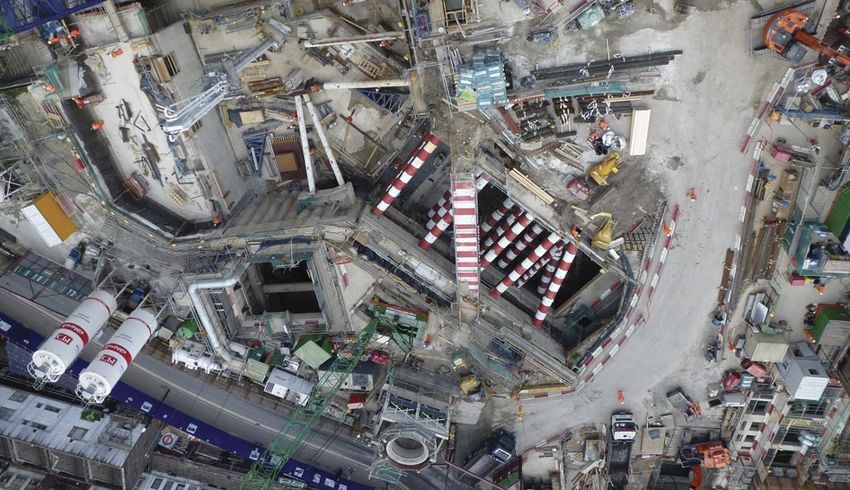
6
        WELCOME TO YOUR FUTURE

        Your choice of                                                         caree
                                                             Your options at

                                                                   16
                                                     Finish key stage 4
                                                                     PAGE 10
           Apprenticeship                                                      Stay in education
           You can complete an intermediate or advanced apprenticeship.        You can go to a sixth form or further
           You will study part time while working for an employer. All your    education college and study:
           training is paid for and you get paid too.
                                                                               • A levels.
           Intermediate (level 2) apprenticeships                              • Vocational qualifications,
                                                                                   eg an NVQ in engineering.
           • Entry requirements vary – from no GCSEs to five GCSEs.
           • The end qualification you receive is equivalent to five GCSEs
             or an NVQ level 2.
           • For jobs such as electricians, bricklayers, mechanics and
             plumbers.
           • Lasts one to four years.

           Advanced (level 3) apprenticeships                                  This can lead to...
           • Entry requirements vary – typically five GCSEs A*–D or 9–3.       • An entry-level job, eg building
           • The end qualification you receive is equivalent to two                surveying technician.
             A levels or an NVQ level 3.
                                                                               •   A higher apprenticeship or
           • For jobs such as bricklayers and maintenance engineers, civil         alternative school leaver training
             engineers, aerospace modellers and instrument fitters.                programme.
           • Lasts one to four years.
                                                                               •   University – HNC/HND/BEng/
                                                                                   MEng/BSc qualification.

           This can lead to...
           • A job (either with the same employer or a different one).
           • Another, higher level apprenticeship or qualification
               (if an employer supports you).

    TARGETcareers FUTUREWISE Construction, Engineering & Property 2019
7

r routes
                                                    Your options at

                                                       18
                                               Finish key stage 5
                                      PAGE 10                               PAGE 11                                  PAGE 12
 Apprenticeship                                        School leaver                             University
 The traditional apprenticeship option is the higher   training programme                        You can study a degree
 apprenticeship, in which you’ll work full time for                                              qualification full or part time.
                                                       Some employers offer
 an employer with dedicated time for studying.                                                   • Entry requirements vary – all
                                                       alternatives to apprenticeships
 However, employers are now also offering degree                                                   ask for a number of UCAS
                                                       for A level students who don’t
 apprenticeships. With an apprenticeship, your                                                     points, some require specific
                                                       want to study full time at
 training is paid for and you get a salary too.
                                                       university. These are similar to            subjects and some won’t
                                                       apprenticeships, but are                    accept general studies or
 Higher (level 4) apprenticeships                      customised to the employer                  critical thinking A levels.
 • Entry requirements vary – usually two               rather than having to follow
                                                       apprenticeship frameworks.                • Fees cost up to £9,250
   A levels and five GCSEs.
                                                       These employer training                     a year for UK students. Can
 • The end qualification is equivalent to an NVQ       schemes usually involve you                 be funded by a student loan,
   level 4 or a foundation degree/HNC/HND.
                                                       studying for a degree while                 bursaries or through an
 • For jobs such as designers, construction            working for the employer; the               employer.
   managers and engineers – but you’ll have less       employer pays all (or most) of
   responsibility than if you’d got a degree.          your fees.
                                                                                                 • Courses typically last three
                                                                                                   or four years, plus an
 Degree (level 6) apprenticeships                                                                  optional work experience
                                                                                                   placement year.
 • Complete a degree and a relevant
   professional qualification.
 • Typically lasts three to six years.                  This can lead to...
 • Entry requirements vary – usually
   two A levels and five GCSEs.                         • A job.                                  This can lead to...
 • For jobs such as engineers, architectural
   assistants, quantity surveyors and site                                                        • A graduate scheme or
   managers.                                                                                         graduate-level job, which
                                                                                                     often includes management
                                                                                                     responsibility.

                                                                                                  • Further study.
 This can lead to...
 • A job (with your employer or a different one).
 • University (for higher apprentices).

                                                                   TARGETcareers FUTUREWISE Construction, Engineering & Property 2019
Degree
                      Explorer

Match your interests to
UK university courses.

Take part online at
9
WHICH ROUTE?
Which route is best for you?
What would suit you best: university, apprenticeship or training programme?
Our quiz can help you work it out. Choose the statement you most agree with.
A B
1
I enjoy the learning I am keen to
environment and am looking enter the workplace
forward to student life. straight away.
I enjoy learning
in the classroom.
2 I enjoy learning
through doing.
I don’t want to work I feel able to combine
full time and have
to study on top. 3 full-time work with
part-time study.
I want higher earning I want to earn some
potential in the long term,
even if I have student debt
in the short term.
4 money straight away
and I don’t want any
student debt.
I want to be in a position to I don’t mind working my
be offered management
opportunities virtually
straight away.
5 way up to management
level.
Mostly You might Mostly
You might
want to explore... want to explore...
As? University courses Bs? Apprenticeships or
and full-time study training programmes
SEE PAGE 12 SEE PAGE 10
TARGETcareers FUTUREWISE Construction, Engineering & Property 201910
WHICH ROUTE?
Thinking about
apprenticeships?
A
pprenticeships and school
leaver training programmes
offer you the chance to
develop your skills and
work towards qualifications
while earning money in a real job.
They are a tried and tested way to
start your career, but you need to
know what you are signing up to.
What’s involved?
Apprenticeships allow you to work in
an entry-level job while getting trained
up. For example, you might spend one >
TARGETcareers FUTUREWISE Construction, Engineering & Property 201911
day a week at a further education • apply to a training provider who
college or training centre. You can
ou t m ore at will then place you with an
gain vocational and technical Find ers.co.u
re
k employer. Training providers can be
targetca
qualifications and improve your private businesses, charities or, like
functional skills (for example, in CITB, professional bodies.
maths and English). Some The application process can involve
employers provide training in filling in a form, sending in a CV, one
business skills too. or more interviews, an assessment
Apprenticeships can be found in a you’ll need an employer’s cooperation centre and online tests (eg for
huge number of different areas – from to do so: they may want you to numeracy). See pages 50–57 for advice
crafts such as stonemasonry to aspects perform the job you’ve been trained in. on applying.
of project management. An If you have managerial ambitions, the 1
Figures correct as of April 2019.
apprenticeship will train you to do a quickest way to fulfil them may be
specific role and it may be hard to through a degree, either through
change that role later on. See pages joining a graduate scheme after going The pros and cons
6–7 for an outline of the different to university or by finding an
You can earn, learn and work at the
types of apprenticeship available. apprenticeship that includes a degree.
same time, and you won’t have
You may also start working
Applying for apprenticeships any student debt.
towards a ‘professional qualification’
during or after your apprenticeship. Deadlines for apprenticeships depend
These tell clients and employers that on the employer: for example, some
you are trained to ‘industry standard’ close in January, some in May and
and are an important step in others are open all year. There are
A job is not guaranteed at the end
construction, engineering and property three ways to apply, you can:
of an apprenticeship.
professionals’ careers. See page 38 to • apply directly to an employer
find out more. offering apprenticeships (see the
A–Z of organisations from page 58)
Cashing in • apply via a further education college
As of April 2019 the minimum wage is
Balancing the demands of work
£3.90 per hour for apprentices aged
16–18 or for those aged 19 or over in Training programmes and study can be hard.
their first year. After the first year,
apprentices aged 19 or over are paid Training programmes (also called school
the national minimum wage, which leaver programmes) are schemes run
changes depending on your age: £6.15 by employers that usually involve
Graduates may start with a higher
if aged 19–20, £7.70 if 21–24 or £8.21 studying for a qualification while
salary and more responsibility than
if aged 25 or over.1 However, many working for the employer. You typically
a more experienced apprentice.
employers pay more than the apply by contacting an employer
minimum wage: see the A–Z of directly. These are similar to
organisations from page 58. apprenticeships, but they do not have
to meet specific criteria set by the
What happens afterwards? government.
You could go on to take
Most employers will try to keep you The names ‘training programme’
higher qualifications after your
on in a job after your apprenticeship. and ‘apprenticeship’ may be used
apprenticeship.
However, this might not always be interchangeably. For example, an
possible. If this is the case, you will employer’s training programme may
typically have qualifications and years include an apprenticeship. The most
of work experience that will help you important thing is to look at the skills,
find a job with another employer. qualifications and pay an employer is
You study the qualifications
An apprentice could progress to a offering, rather than the name of the
your employer wants you to –
higher level apprenticeship, a training scheme.
you don’t choose.
programme or a university course. But
TARGETcareers FUTUREWISE Construction, Engineering & Property 201912
WHICH ROUTE?
Thinking about university?
What to expect Funding university
G
oing to university is a
popular choice and an Around 25–40% of your time will be If you are a UK national, you will pay
established way for spent in lectures, seminars and a maximum of £9,250 a year for
academically-minded tutorials, but the rest of your time will tuition fees. You’ll also need to factor
people to accelerate their be spent doing independent study: in living expenses. You can get loans
careers. But, with tuition fees to check out unistats.ac.uk for the ratios to cover the costs of tuition and
consider, you need to know which of specific courses. You’ll be assessed living (maintenance) costs – the
course and university are right for through exams, presentations, student finance calculator on gov.uk
you and how to make the most of extended essays and/or research tells you how much you could get.
your time at university. projects. You’ll also be encouraged to You pay back your loan in
apply for work experience with instalments after graduating and only
The qualifications explained employers during the holidays and/or when you earn over £25,000 in
Universities offer undergraduate and a placement year. England and Wales or £18,330 in
postgraduate qualifications that can Construction, engineering and Scotland and Northern Ireland. There
be studied full time, part time or property courses are more practical are other ways to fund your studies.
online. Most undergraduate degrees than other degrees, but they are still Check out the sections below.
are bachelor degrees, usually taken theory based. Engineering students, for
after A levels. example, learn a lot of maths. If you Employer sponsorship
On graduating, construction and prefer a more practical approach, Many employers will pay for your
property students typically become perhaps investigate apprenticeships or studies in return for you working for
bachelors of science (BSc). training programmes. them during holidays and after
Engineering students can become graduation. Some employers will offer
either bachelors of engineering (BEng) Choosing a course and university this before you start university; many
or masters in engineering (MEng) – Consider: more will offer this to second-years
this is technically an undergraduate • the reputation of the university for who have completed a work placement
qualification, but is equivalent to a the subject with them. See the A–Z of
postgraduate masters degree. • whether the course is accredited by organisations starting from page 58 to
Postgraduate qualifications are taken relevant professional bodies see who offers sponsorship.
after bachelor qualifications. • whether tutors/lecturers are involved
There are shorter undergraduate in cutting-edge research or have Bursaries and scholarships
courses that offer recognised, but worked in industry There are a number of bursaries and
lesser, qualifications: higher national • the range of modules and projects scholarships available – which you
certificates (HNCs), higher national • the relationships the department and don’t need to pay back – but you’ll
diplomas (HNDs) and foundation careers service have with employers need to search for them. Look at the
degrees. They are offered by further • facilities, including laboratories, websites of individual universities and
education colleges in addition to computer-aided design software, professional institutions (see page 38
universities. You can progress to access to journals and case study for institutions’ websites).
a bachelor degree from these courses; materials
sometimes students take them if they • other general factors, such as the After your degree
have insufficient UCAS points for social life on offer, whether it’s a Unless you’ve been sponsored by an
a bachelor course. campus or city university and your employer, university does not
gut feeling! guarantee you a job. You’ll need to
The courses on offer Don’t just rely on university apply for graduate-level jobs. If you
There are many undergraduate prospectuses and websites to find these graduate in July and want to start
subjects available – browse courses things out: go along to open days and work in October, you should apply in
at targetcareers.co.uk and ucas.com. ask course leaders and students. the first term of your final year.
You can study either one subject in
depth (single honours) or study two
(joint or combined honours).
Sponsored degrees
The vast majority of courses in
construction, engineering and
If you want to get a degree while earning money, a sponsored degree or degree
property include the opportunity to
apprenticeship may be for you. You will likely work full time for an employer and
take a ‘placement’ year (where you
attend university in week- or month-long ‘blocks’, so you may not experience ‘typical
spend a year working for an
student life’. Your tuition fees will be paid for by an employer, but you may be required
employer).
to study a particular course or at a particular university.
TARGETcareers FUTUREWISE Construction, Engineering & Property 201913
The pros and cons
The median salary of a Joining a graduate scheme
graduate aged 21–30 is can be a quicker way into
£5,000 higher than for a management than an
non-graduate the same apprenticeship. Qualification Typical length
age.1 (full time)
It may enable you to study
HNC (level 4) One year
It can be expensive and for a higher level professional
you may end up with qualification while on the job, HND (level 5) Two years
student debt, but it can be leading to higher status and Foundation Two years
paid for via sponsorship salaries. This isn’t always degree (level 5)
or bursaries. the case for apprentices. BSc, BEng Three years
A job isn’t guaranteed after A degree is a passport into (level 6) + optional
university, but you’ll have many careers, not just the one-year
placement
a dedicated careers team subject you are studying –
to help you find one. great if you change your MEng (level 7) Four years
career plans. + optional
one-year
1 According to the Department for Education’s
placement
Graduate Labour Market Statistics: 2017 report.
TARGETcareers FUTUREWISE Construction, Engineering & Property 201914
WHICH JOB ROLE?
Five steps to
the right career STEP THREE:
Identify
your skills
Follow the steps below to help you think Now think about what skills you’ve
about which job is right for you. needed for each of your subjects and
activities. For example, if you play
rugby, you will have turned up on time
for the match and for training (time
management), been a team player
(teamwork) and talked through game
plans with your team (communication).
STEP TWO: If you’re not sure what skills you’ve
Work out what used, ask your teachers, family, friends
and coaches for their suggestions.
you enjoy General skills, such as
communication, time management and
For each activity or subject, think about teamwork, are needed for every
what you enjoy – and what you don’t construction, engineering or property
enjoy. If you’re studying physics, do you job, but some jobs require specific
like conducting experiments but dislike skills and qualities. For example,
STEP ONE: memorising formulas? Or, if you’re architects need to be able to draw and
Make a list studying history, do you like going on
field trips but dislike writing essays?
scaffolders can’t be afraid of heights.
Make a list of your school/college If you play football, do you like working in
subjects and extracurricular a team but wish you could be indoors?
activities. You could create your list Or, if you play a musical instrument, do
by drawing a mind map on a huge you like learning new pieces but dislike
piece of paper or you can use an app. practising scales? Considering your likes
Then follow steps two and three to and dislikes will help you find a job that
help you write down the things you you love.
like about each subject or activity
and the different skills you need to
take part in them.
TARGETcareers FUTUREWISE Construction, Engineering & Property 201915
STEP FIVE:
Use our career-matching tool
Now you’ve completed your list and thought about your priorities, use our
STEP FOUR: career-matching tool opposite to start your search for the right job. It will
Decide what’s direct you to overviews of job roles that you might enjoy and be good at.
Moving forward, when you are reading up on potential jobs, refer back to
most important your list and think about whether the job is a match for your skills and
interests.
Think about which of your likes and
skills on the list are the most
important to you. This will help
you figure out what your priorities
are when choosing your career.
d ou t m ore at
Fin ers.co.u
re
k
targetca
If you like... If you like... If you want a...
designing... being in charge... green career...
Consider: All jobs can lead to management, Roles where you’ll have a
Architecture ................................page 19 particular focus on minimising our
but if you want to start off as
Building services engineering environmental impact include:
(design roles) ........................page 19
a manager, consider:
Civil/structural/geotechnical All construction jobs..........pages 19–21
Engineering (design roles) ......page 28 Automotive engineering ............page 28
engineering (on site) ................page 20
Landscape architecture ............page 20 Chemical engineering ................page 29
Property surveying ....................page 35
Environmental engineering ........page 30
If you like getting... Site management........................page 21
Manufacturing engineering ........page 30
If you want to be... Planning ......................................page 35
the best deal...
If you want to...
Consider: out and about
Estate agency ..............................page 34
Manufacturing engineering ........page 30 all day... work with
Property surveying ....................page 35
Quantity surveying ....................page 21
Consider: your hands...
Building services engineering ..page 19
Building surveying ....................page 34 Consider:
If you like... Construction crafts and
Civil/structural/geotechnical
engineering (on site) ............page 20 skilled trades ..........................page 22
interpreting rules... Engineering (depending on Motor vehicle technician work..page 28
Consider: the industry and employer)..page 28
Architectural technology ..........page 19 Estate agency ..............................page 34 Keep your list to hand
Building services engineering ..page 19 Planning ......................................page 35
Property surveying ....................page 35 Don’t just complete this list and forget
Building surveying ....................page 34 you ever made it. When you are ready
Estate agency ..............................page 34 Quantity surveying (on site) ....page 21
to apply to university or for
Manufacturing (process) Site management........................page 21
apprenticeships, you’ll need to be
engineering ............................page 30 prepared with evidence of your skills
Planning ......................................page 35 and interests. Your list will help you
Property surveying ....................page 35 jog your memory .
TARGETcareers FUTUREWISE Construction, Engineering & Property 201916
WHICH JOB ROLE?
How the construction
industry works
Different organisations work together to build a project. Here’s how...
1 It starts with the client 2 The client then hires consultants
...who decides something should be ...who will advise them on matters • civil, structural, mechanical and
built. They might be a property relating to the design, cost and any electrical engineering employers.
development company, a local regulations. The client could employ Consultants then look after the design
authority, a central government several consultancies or one phase of the project – they design the
department, a private business consultancy to advise on everything. structure and work out how much that
or an individual. Either way, one consultant design will cost to build. Once this has
The client decides what they want organisation will often oversee the been established, they decide which
to build, the timeframe in which it project on behalf of the client. construction contractor should do the
should be built and how much it Consultant organisations include: construction work. Contractors have to
should cost. • architecture practices ‘bid’ for the work – put forward case for
• cost consultancy (quantity why they are the best company to carry
surveying) employers out the work and state their price.
1 The traditional process 2 Working for a consultancy • You work office hours (typically
The flowchart above shows the If you work at a consultancy, your 8.30 am to 6.00 pm) but may have
typical process of how a work will be on the design phase. Civil to work longer hours close to a
construction project gets built, but engineers make sure that the technical deadline.
some larger firms offer details on plans will work and quantity • You usually work on a number of
a design-and-build service where surveyors price up how much the projects at the same time.
they take on the typical work of a design would cost. As a consultant: • As you work on a project in its early
consultant and a contractor. Large • You work in an office... stages, it may be years before you
projects can take years to get from • ...you sometimes get to visit sites see the finished project
the initial idea to being fully and occasionally you could be in operation.
completed. ‘seconded’ (sent) to work on a site.
TARGETcareers FUTUREWISE Construction, Engineering & Property 201917
ou t m ore at
Find ers.co.u
re
k
targetca
3 Contractors carry out ...but may get subcontractors to help
the construction work... If there is work involved in the • reinforced concrete works
Once the contractor has won the project that needs specialist skills • structural steelwork
work, construction begins on site. or knowledge, the contractor might • work on the foundations
They ensure the project is built to the offer the work to specialist • plumbing and electrical work.
agreed quality, budget and organisations that have more Subcontractors tend to be smaller,
timeframe. They take instructions expertise in specific areas. Typical local employers. They work in
about the design from the design tasks that might be given to similar conditions to contractors.
consultancy and run any design- subcontractors include:
related problems past them.
3 Working for a contractor What else do you need to know?
Job roles with contractors include
site managers, civil engineers, A project could be a ‘new build’, a employers are more likely to work in a
quantity surveyors, and trades or renovation or a refurbishment. It can particular region. Consultants are also
crafts people. As one of these: cover anything in the built environment more likely to stay in their local area, but
• You work on site (or from a around us, for example: may need to travel to visit sites.
temporary office on site) in all • houses, office blocks, warehouses,
factories and hospitals
If you work for an international
employer, you might get to work abroad
weathers.
• Depending on the project, you • train stations and airports – although you may need to get a few
might need to work shifts or • roads, railways, bridges and tunnels years’ experience under your belt first.
overnight. • piers, dams and coastal defences If this is the case, the company usually
• Working hours are longer out • nuclear power plants and other
generators of energy.
pays for your accommodation.
on site (typically 7.30 am to
6.00 pm) and you may need to Know your markets
work longer hours if things get Relocation, relocation, relocation... Larger construction companies specialise
behind schedule. or commute in particular ‘markets’ or sectors – for
• You typically work on one Don’t be surprised if you have to relocate example, they might offer civil and
project at a time. for the job or face a long commute. This is structural engineering services for
• You get to see things being built more likely if you work for a contractor, healthcare projects. Some work in a range
before your very eyes. as you’ll be expected to go to where the of sectors while other companies provide
projects are. If you work for a national expertise in just one or two areas. Many
employer, the project can be anywhere construction professionals specialise in
across the country but smaller a particular type of project over time.
TARGETcareers FUTUREWISE Construction, Engineering & Property 2019BUILD
SOMETHING
AMAZING
YOUR CAREER
Start your career at an
award winning employer
where training, on-the-job
qualifications and
progression are built
from the ground up.
Apply now at
wates.co.uk/earlycareers
Above all, it’s about peopleThe Rio 2016 19
Olympic Park.
Architects,
architectural
technologists
and technicians
With thanks to AECOM
Architects design buildings that are
safe, attractive and as environmentally
friendly as possible. They stay involved
throughout the construction process,
adapting their plans if the budget,
environmental factors or client’s
wishes change. They are assisted by (either as a university student or as an designing, implementing and
architectural technologists and apprentice) before you can apply. maintaining: air conditioning,
technicians. Most architectural elevators, telecoms systems, electricity
Architectural technologists ensure technologists have studied a three-year supplies and lighting, water supplies
that the technical aspects of a design degree approved by the Chartered and heating.
work and comply with regulations. Institute of Architectural Technologists
They work in a similar role to civil (CIAT). Most architectural technologist Routes in
engineers in that way. Architectural courses do not request specific subjects You can become a building services
technologists may also be hired to at A level (or equivalent), although the engineer through an apprenticeship or
oversee a project from start to finish. CIAT recommends you choose science, a degree. If you have GCSEs (or
Technicians help prepare drawings, technology and/or construction equivalent), you can choose to
compile technical information such as subjects. complete an advanced apprenticeship,
surveys, and help put together Technicians have typically studied become an engineering technician and
proposals and contracts. an HND/HNC before applying for a work your way up to become a
Most architects, technologists and job, but there are a few chartered engineer, the highest
technicians work in architectural apprenticeships available. With further qualified type of engineer (see page 27).
practices; many experienced architects study, they can become technologists. Apprenticeships may specialise in a
and technologists set up their own. specific area, such as design or heating
There are a few vacancies with large A good choice if... and ventilation.
construction employers and in the The quickest way to become a
public sector. • You are good at freehand drawing. chartered engineer is through an MEng
Routes in
• You are creative. degree or a BEng with a postgraduate
• You can get your head around maths. qualification. This can be in building
Most architects go to university. It takes
seven years in total and includes an
• information
You can get to grips with detailed
on building regulations.
services engineering or a related subject
(such as mechanical engineering or
undergraduate degree approved by the electrical engineering) that is accredited
Royal Institute of British Architects by a relevant professional body such as
(know as ‘part 1’), your part 2 the Chartered Institution of Building
qualification – usually an MArch degree Services Engineers, the Institution of
– and two years of work placements. Building services Mechanical Engineers or the Institution
Useful A level subjects include of Engineering and Technology. You
art/graphic design, geography, maths engineer may be able to get a MEng or BEng
and physics. Many universities want a through a degree apprenticeship.
combination of arts and sciences. Building services engineers see that a Maths, physics, chemistry and IT
You can do an architectural building has more than walls and a are good A level (or equivalent) subject
assistant or architect degree roof. They are responsible for the choices.
apprenticeship but, as these routes electrical, mechanical, utility and
were only introduced in July 2018, telecoms systems in new building. In A good choice if...
there aren’t too many on offer. You’ll short, they take a new building from
need A levels to do the architectural
assistant apprenticeship. You’ll work
being an empty shell to being a
comfortable living space that meets
• You want to be at the forefront of
technological development – building
towards your part 1 qualification, so health and safety regulations. services engineers work with the
you’ll need to commit to further study Depending on the type of employer most up-to-date ‘building services
to then become an architect. The you work for, you could be responsible intelligence’ technology.
architect degree apprenticeship
involves working towards a part 2
for designing systems, implementing
systems on site or maintaining and
• You like getting into the nitty gritty
of design or making designs work in
qualification, so you need to have repairing systems in an up-and- the real world.
completed the part 1 qualification running building. You could work on
TARGETcareers FUTUREWISE Construction, Engineering & Property 201920
Civil, structural Landscape
and geotechnical architects
engineers Landscape architects aim to improve
the quality of the environment by
Civil and structural engineers design, designing and managing the open
build and maintain the constructed spaces around us. They combine
world around us: bridges, tunnels, artistic skills with knowledge of
roads, railways, dams, pipelines, human activity and the natural
buildings, power plants, offshore wind environment to design public areas in
facilities and so on. They ensure the towns, cities and the countryside. They
technical detail in architects’ plans will use computer-aided design packages to
work in practice. They often specialise model and experiment with designs;
in a type of project, such as highways. visit, survey and analyse sites that
Structural engineers have particular could be developed; draw up plans for
responsibility for ensuring that the foundations or slopes are stable, how the space will be developed in the
structure (inner-framework) of the designing foundations and overseeing longer term; help to protect and
project holds up, even in bad weather. work on a construction site. conserve the environment; deal with
clients; and work alongside other
Consultants vs contractors Your options construction professionals.
If you work for a construction or There are some structural engineering Landscape architects tend to work
engineering consultant – who designs degrees but it’s more common to study for specialist landscape architectural
and plans projects – you will be civil engineering or civil and structural practices, environmental consultancies,
working on the technical aspects of engineering. Most geotechnical transport planners and large
designs, using computer-aided design engineering degrees are at postgraduate engineering consultancies. There are
packages. If you work for a level. Most apprenticeships are in the also a few vacancies in the public
construction or engineering contractor field of civil engineering but you may sector.
– who builds the project – you’ll make cover structural or geotechnical
sure that the design is implemented engineering too. Useful A levels (or Do you need a degree?
properly. If you work for a public equivalent) are maths, physics, geography, To become a landscape architect, you
sector organisation or utilities supplier, ICT, languages, art and design. need to study a degree approved by the
you’ll help to investigate the need for Landscape Institute. This is usually a
public services, such as roads, and A good choice if... three-year undergraduate degree plus a
maintain them. See page 27 for more one-year postgraduate diploma in
information on how to start your
engineering career.
• You can draw basic sketches – you
don’t have to be an artist.
landscape architecture. But if you
complete an undergraduate degree in a
Building foundations
• You like knowing the technical details
of how things work (for jobs with
subject such as art, geography or
horticulture you can do a postgraduate
If structural engineering takes your consultancies). ‘conversion’ masters lasting up to two
fancy, consider geotechnical
engineering too. Geotechnical
• You’d like to work on site instead of in
an office (for jobs with contractors).
years. Most universities do not specify
A level (or equivalent) requirements
engineers are responsible for
structures’ foundations, assessing data
• You want to be able to say ‘I helped
build that!’
but the Landscape Institute suggests
that the following subjects would be
from the field, finding ways to ensure good choices: art, design, graphics,
chemistry, physics, biology, geography,
An artist’s impression of English, technology, ICT or history.
Cherrybrook Station, part Some universities may ask you to have
of the new Sydney Metro. art to at least GCSE level. The
Landscape Institute is currently
looking to develop landscape
apprenticeships.
A good choice if...
• You are creative.
• You are good at art and biology.
• You like the outdoors.
• environment.
You want to help protect the
With thanks to Turner & Townsend
TARGETcareers FUTUREWISE Construction, Engineering & Property 201921
Quantity equivalents). They’ll then pay for you based on site. As with any job role on
to study an HND or bachelors site, you may have to work night and
surveyors qualification while working for them. weekend shifts, and hours can be long:
a 40-hour week is normal and you
Quantity surveyors (QSs) are also A good choice if... will probably have to work overtime
known as cost consultants, commercial as deadlines approach.
managers, cost managers or cost • You’re good at maths.
Routes in
engineers. But whatever you’re called,
your role is to help a construction
• buy or good
You’re
deal.
at figuring out the best
You can start out as an assistant
project to make a profit. You’ll keep a
close eye on how much everything
• You like keeping track of systems
and pay attention to detail.
manager if you have studied a
construction or project management
costs (the materials, the time taken and
the workers’ salaries) and make
• You like people. degree approved by the Chartered
Institute of Building, or another closely
payments. related subject such as civil
If you work for a construction or engineering. A few employers might
QS consultancy – which looks after the hire you with a different degree and
‘design’ stage of the project – you’ll be Site managers sponsor you through a postgraduate
based in an office. You’ll spend most course.
of your time working out how much Construction site managers ensure The quickest way to get into
different designs cost. If you work for things get done on a construction site. management via an apprenticeship
a contractor – which builds the project They make sure that the building route is to complete a higher or degree
– you’ll be based in an office on a work is finished on time, within apprenticeship, for which you’ll either
construction site. You might help to budget and to a high standard. They need A levels (or equivalent), an
choose which materials to buy, be out organise schedules of work, manage advanced apprenticeship in something
on site checking completed work, workers and deal with issues such as like construction site supervision or
track the materials used or pay health and safety, logistics and the experience in the industry.
subcontractors for their work. effects of the building work on
members of the public. On larger and A good choice if...
Do you need a degree? more complicated projects, an
Employers will want you to gain an experienced site manager will have a • You like to take charge.
undergraduate or postgraduate degree number of assistant managers, each • You can make decisions quickly.
that has been approved by the Royal looking after one part of the project • You like
You solving problems.
Institution of Chartered Surveyors or (or package), such as the foundations. • You are organised.
the Chartered Institute of Building. But
some will hire you onto an Working hours
• and don’t want to work in an office –
you don’t mind being out in all
apprenticeship or trainee scheme with Site managers typically work for weathers.
GCSEs and/or A levels (or construction contractors and are
With thanks to Go Construct and CITB
An aerial view of the
Tottenham Court Road
station upgrade.
TARGETcareers FUTUREWISE Construction, Engineering & Property 201922
WHICH JOB ROLE?
The crafts and trades
For those who prefer working with their hands to book learning.
Brickwork Demolition
I
f you choose a career in one of
the traditional construction
crafts or skilled trades, you can Brickwork is probably the most well- You need to be at least 18 to work in
go straight from sitting your known and popular construction craft. demolition, although you typically
GCSEs to working on site. You It includes bricklaying as well as only need GCSEs (or equivalent).
can complete an intermediate or stonemasonry, and you can choose to You’ll usually start off as a demolition
advanced apprenticeship. Alternatively, specialise in one or both of these areas. operative and there’ll be lots of power
you can take a vocational qualification As a bricklayer, you’ll work as part of tools to use and crane-based work to
at college and then find an entry-level a ‘brickwork gang’ to trim bricks and do. So, it’s essential you have a head
job. You could find work with large shape natural stone, lay bricks, apply for heights and an awareness of health
construction employers, smaller mortar and check the courses are and safety. You’ll spend your days
specialist employers or within the straight. There could be several gangs blowing up or pulling down disused or
public sector. Many experienced trades on site, depending on the size of the unattractive buildings, as well as
and crafts people work for themselves. project. clearing the site and removing debris,
Here are some of the main crafts or Stonemasonry is a traditional yet rubbish and hazardous waste. You
trades open to you. increasingly uncommon skill, but it’s might specialise in preparing the site
essential to our heritage and great if for demolition (for example, putting
you like history. Stonemasons – who up rails and laying dustsheets),
create and restore stonework on removing fittings and dismantling
buildings and other structures – might roofs, or cutting steel frameworks and
specialise in curving, laying or fixing. removing fragile roofs.
Carpentry Electrical
and joinery work
Carpenters and joiners work together Electricians (sometimes known as
to prepare and install the wooden parts electrical technicians) install and
of buildings, from floorboards and repair the electrical systems around us.
roof trusses to windows and doors. You might find yourself specialising in
Typically, a joiner uses drawings to installation or maintenance, or in a
prepare the materials and a carpenter particular area such as highways
installs them and does any structural maintenance and street lighting or
work – but the two roles overlap and solar panels. You may work in a team
sometimes one person will do both. or on your own. You’ll need to be a
Joinery can be split into two areas: site logical thinker and problem solver.
(floors, doors and roofs) and bench You need a level 3 electrical or
(counters, kitchens and staircases). electrotechnical qualification to be an
You can also specialise in building electrician. You can do this through an
temporary supports, which are used to apprenticeship. Be aware that you may
hold setting concrete in shape. This is need to take extra on-the-job
called formwork or shuttering. qualifications to ensure you are able to
carry out tasks such as PAT testing
(portable appliance testing).
TARGETcareers FUTUREWISE Construction, Engineering & Property 201923
Painting and Scaffolding and Becoming a
decorating steeplejacking card carrier
You will paint and decorate in a range As a scaffolder, you will put up and Many construction employers
of environments, from redecorating take down temporary scaffolding using want their site workers to gain a
the homes of the rich and famous to a series of metal tubes (standards), Construction Skills Certification
applying finishing paint touches to horizontal poles (ledgers) and wooden
structures such as bridges. You could working platforms (battens). You’ll
Scheme (CSCS) card, which
choose to specialise in a particular need a head for heights, good hand-eye proves that you are trained and
technique such as restoration. Be coordination and to be resilient to qualified to do your job properly.
prepared to wear a protective mask extreme weather. You’ll need to demonstrate that
or climb a ladder in order to carry out Steeplejacks use a variety of systems you have obtained the
a job. – scaffolding, harnesses, belay rope appropriate qualification for your
fall-arrest systems, bosun’s chairs and job and pass an appropriate
abseil equipment – to carry out general
maintenance work and repairs at great
Construction Industry Training
Plumbing heights. As a steeplejack, you will Board health, safety and
environment test.
work across the main areas of
Plumbers do more than you might construction, doing tasks such as
think. They design and fix sanitation repairing masonry and fitting aircraft
systems and leaky pipes, work on warning lights on tall structures.
heating and air-conditioning systems, A good choice if...
fit bathrooms, install dishwashers and
more. But they might also work on a • You are physically fit.
construction site or on tasks such as Wall and
planning where pipes need to go. • You don’t mind interacting with
Plumbers can sometimes work floor covering customers if required.
unsociable hours if asked to deal with
an emergency. There are four main careers within this • You are practical and like
craft: plastering, dry lining, tiling and working with your hands.
floor fitting/laying. Accuracy and the
ability to work from drawings that • You don’t want to work in an
someone else has done are core skills. office – and don’t mind being
You could be doing anything from out in all weathers.
pebble dashing (as a plasterer) or
applying grout (as a tiler) to improving • Keeping up to date with building
acoustics (as a dry liner) or re-hanging and health and safety
doors (as a door fitter). regulations wouldn’t bother you.
TARGETcareers FUTUREWISE Construction, Engineering & Property 201924
WHICH JOB ROLE?
The engineering
industries
Engineers specialise in different industries. Find out more about them
and discover which interests you the most.
Aerospace Chemicals
WHAT IT IS: flying things... helicopters, WHAT IT IS: the backbone of
fighter jets, unmanned vehicles, industry... oil companies,
commercial planes, satellites, space manufacturers, pharmaceuticals, water
stations, rockets etc. treatment companies and more – those
who use and produce chemicals that
FACTORS AFFECTING THE create products and make factories
INDUSTRY: world events and conflicts, and other industrial sites work.
high levels of regulation, environmental
concerns, cost and availability of FACTORS AFFECTING THE
materials, searches for new fuels. INDUSTRY: the price of oil, world
events and conflicts, environmental
ENGINEERS TYPICALLY NEEDED: concerns.
aerospace/aeronautical, chemical,
electrical, electronics, environmental, ENGINEERS TYPICALLY NEEDED:
manufacturing, mechanical, software.* chemical, civil/structural, electrical,
environmental, manufacturing,
mechanical.*
Automotive
WHAT IT IS: all things relating to Defence
motor vehicles, from mainstream and
premium/sports car manufacturers to WHAT IT IS: equipment, support and
bus and coach manufacturers. There services for the armed forces and
are also lots of other companies national security, whether that is the
involved in putting vehicles together. latest weaponry, military vehicles or
cyber security. Engineers often work
FACTORS AFFECTING THE at the cutting edge of technology.
* Always check individual INDUSTRY: the increasing reliance on
employers’ requirements. electronics and software, the need to FACTORS AFFECTING THE
reduce carbon emissions. INDUSTRY: the needs of military
personnel, military strategy,
ENGINEERS TYPICALLY NEEDED: costs/budgets, the need to deliver
aerospace, automotive, chemical, products/projects quickly.
electrical, electronics, environmental,
manufacturing, mechanical, software.* ENGINEERS TYPICALLY NEEDED:
aerospace, automotive, chemical,
civil/structural, electrical, electronics,
environmental, manufacturing,
mechanical, software.*
TARGETcareers FUTUREWISE Construction, Engineering & Property 201925
Electronics Fast-moving
WHAT IT IS: smartphones, medical consumer goods
scanners, TVs, games consoles,
washing machines, radios, unmanned (FMCG)
vehicles… the creation of anything
that includes electronic systems. WHAT IT IS: the manufacturing of
goods that fly off the production line
FACTORS AFFECTING THE only to fly off shop shelves just as
INDUSTRY: the emphasis on safety, quickly. These tend to be everyday
trends in technology (eg ‘the Internet products: food, cleaning products,
of Things’ and wireless charging), cosmetics etc. Thousands of goods can
the changing behaviour/expectations be produced every minute.
of consumers.
FACTORS AFFECTING THE
ENGINEERS TYPICALLY NEEDED: INDUSTRY: the need to minimise cost
electrical, electronics, software.* and wastage, needing to keep
production moving, environmental
concerns.
Energy ENGINEERS TYPICALLY NEEDED:
aerospace, automotive, chemical,
and power civil/structural, electrical, electronics,
environmental, manufacturing,
WHAT IT IS: finding energy sources mechanical, software.*
and generating power… oil, gas, tidal,
wind, solar, nuclear etc. The industry
is divided into generating,
transmitting/distributing, metering and Marine
sales. Oil and gas generation is divided
into ‘upstream’ (exploring and WHAT IT IS: ships and other sea-faring
producing) and ‘downstream’ (refining vessels or equipment – eg equipment
ready for use). aimed at off-shore and sub-sea
exploration.
FACTORS AFFECTING THE
INDUSTRY: accessing dwindling FACTORS AFFECTING THE
supplies and harnessing newer sources, INDUSTRY: designing for a wet, windy,
environmental concerns, world events salty and unstable environment,
and conflicts. demands for global shipping and
energy, the need to improve efficiency,
ENGINEERS TYPICALLY NEEDED: environmental concerns.
aerospace, automotive, chemical,
civil/structural, electrical, electronics, ENGINEERS TYPICALLY NEEDED:
environmental, manufacturing, chemical, civil/structural, electrical,
mechanical, software.* electronics, environmental,
manufacturing, mechanical,
software.*
i nd ou t more atuk
F eers.co.
r
targetca
TARGETcareers FUTUREWISE Construction, Engineering & Property 2019You can also read


