Corporate Presentation - March 2018 - Bionomics
←
→
Page content transcription
If your browser does not render page correctly, please read the page content below

Corporate Presentation
March 2018
Safe Harbor Statement

    Factors Affecting Future Performance
    This presentation contains "forward-looking" statements within the meaning of the United States’ Private
    Securities Litigation Reform Act of 1995. Any statements contained in this presentation that relate to
    prospective events or developments, including, without limitation, statements made regarding Bionomics’
    drug candidates (including BNC210, BNC105 and BNC101), its licensing agreement with Merck & Co. and any
    milestone or royalty payments thereunder, drug discovery programs, ongoing and future clinical trials, and
    timing of the receipt of clinical data for our drug candidates are deemed to be forward-looking statements.
    Words such as "believes," "anticipates," "plans," "expects," "projects," "forecasts," "will" and similar expressions
    are intended to identify forward-looking statements.
    There are a number of important factors that could cause actual results or events to differ materially from
    those indicated by these forward-looking statements, including unexpected safety or efficacy data, unexpected
    side effects observed in clinical trials, risks related to our available funds or existing funding arrangements, our
    failure to introduce new drug candidates or platform technologies or obtain regulatory approvals in a timely
    manner or at all, regulatory changes, inability to protect our intellectual property, risks related to our
    international operations, our inability to integrate acquired businesses and technologies into our existing
    business and to our competitive advantage, as well as other factors. Results of studies performed on our drug
    candidates and competitors’ drugs and drug candidates may vary from those reported when tested in
    different settings.
    Subject to the requirements of any applicable legislation or the listing rules of any stock exchange on which
    our securities are quoted, we disclaim any intention or obligation to update any forward-looking statements as
    a result of developments occurring after the date of this presentation.

2
Bionomics Overview

                                                             •At the forefront in ion                                                              Anxiety and
                                         ionX &
                                                              channel modulation                                                                   Depression1
                                        MultiCore
                                                             •Broad IP
                                                                                                                                                US$20.6b
                                                                                                                                                     PTSD1
                                                                           •US$506m
                                                                           •Milestones                                                        US$4.7b US
                                                          4.5%             •+ Royalties on sales                                              market potential
                                                     shareholding          •Validation
                                                                                                                                              Merck (MSD)
                                                                                                                                            Alzheimer’s Disease
                                                                                                                                               collaboration
                                                      Proprietary           •Valuable Markets                                                US$506m +
                                                         drug                                                                                Royalties on sales
                                                                            •Unmet need
                                                      candidate
                                                       pipeline             •Lack of innovation
                                                                                                                                                  Market
                                                                                                                                                   Cap.
                                                            •    Market cap. A$178.5m (22                                                        A$178.5m
                                         Strong                  February 2018)
                                                            •    Cash @ 31 December 2017                                                           (22 February
                                       Financials                                                                                                      2018)
                                                                 A$32.0m (current ~ A$38m)

    1. Eligible Patient US Market Potential: PTSD+MDD+BP+Panic+SAD+Agitation+GAD: PTSD 3.4-4% prevalence >18 yrs., ~25% of patients diagnosed and treated; MDD 6.7% prevalence, ~50% co-morbid
    anxiety, ~50% diagnosed and treated; BP 2.9% prevalence, 50% co-morbid anxiety (range in literature 25% to 75%), ~50% diagnosed and treated; Panic 2.7% prevalence, ~50% diagnosed and treated; SAD
    6.8% prevalence, 15-20% diagnosed and treated; Agitation 3.1% dementia prevalence >40 yrs., ~9% agitation patients diagnosed and treated; GAD 2. 3.1% prevalence, ~25% diagnosed and treated, ~50% of
    SSRI patients treated are partial responders or relapsers; 3. 2.7% prevalence, ~50% diagnosed and treated. Assumes 5% premium to Trintellix 2016 AWP for 30-day supply of $380 – compliance adjusted.

3
Bionomics’ – MSD: Overcoming Cognitive
        Impairment and Memory Loss

    There is a significant market opportunity for drugs that improve
    cognition
    This market includes many neurodegenerative & psychiatric
    disorders:                                 Estimated global
                                                  Prevalence
                                                                      sales p.a.

                                                  7.6m (2016)        $3.0b (2016)
                          Alzheimer’s disease
                                                9.6m (2026 est.)   $14.7b (2026 est.)
                                                                     No approved
                                                 21m worldwide
                          Schizophrenia                              products for
                                                   (2011 est)
                                                                   cognitive deficits
                                                Diagnosed 12mth
                                                                      $6.1b (2014)
                          ADHD                       26.5m
                                                                   $13.9b (2024 est.)
                                                  Treated 5.7m
                                                                     $3.1b (2012)
                          Parkinson’s Disease     3.2m (2012)
                                                                   $4.7b (2022 est.)
     Source: Global Data, WHO
4
                                                                                        10
Clinical Progression of Cognition Drug Candidate in
    MSD Collaboration Provides Technical Validation

    Partnership with MSD in cognition generated US$20M in upfront payment in
    2014, research funding 2014-2017 and US$10M first clinical milestone in
    February 2017
    Deal valued up to US$506M in upfront, research and milestone
    payments plus additional royalties on net sales of licensed drugs

                                               Validates ionX and MultiCore
                                               drug discovery platforms
              PA R T N E R S H I P
                                               Value creation through strategic
                                               partnering business model

                                               Future success based revenue
                                               streams & royalties

5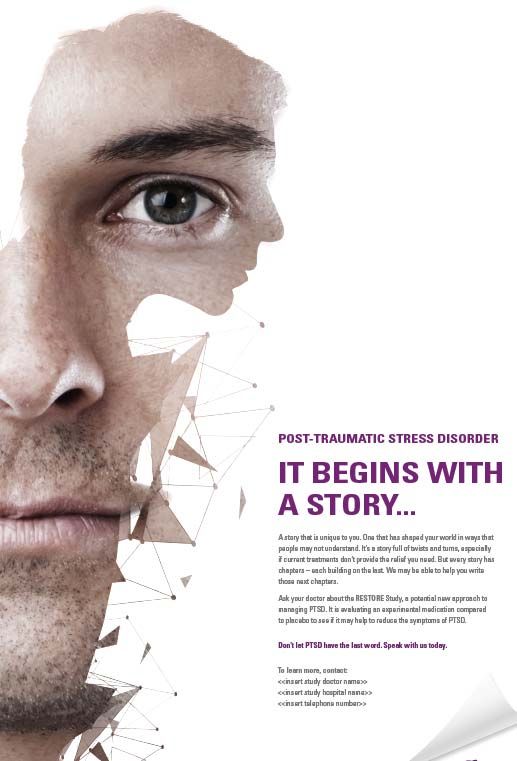
Bionomics Pipeline

                CNS                                        Discovery or
                                                            Pre-Clinical                                      Phase 1 or 2a                                            Phase 2b
                                                                                                                                                                                                                        Bionomics
                                                                                                                                                                                                                       Commercial
        programs                                           Development                                                                                                                                                 Opportunity

                                                                                                                                                                            Phase 2b
               BNC210                                                                                                                                                       Ongoing;
                                                                                                                                                                                                                          US $4.7b
                PTSD                                                                                                                                                         results
                                                                                                                                                                              2H18
                                                                                                                                                                                                                       Eligible Patient US
                                                                                                                                                                                                                       Market Potential1

               BNC210                                                                                                   Positive                                                                                          US $2.7b
                                                                                                                         Phase
                GAD                                                                                                       2a
                                                                                                                                                                                                                        Eligible Patient US
                                                                                                                                                                                                                        Market Potential2

                                                                                                                         Positive
               BNC210                                                                                                     CCK-4
                                                                                                                                                                                                                          US $4.4b
                                                                                                                         induced                                                                                        Eligible Patient US
                Panic                                                                                                      Panic                                                                                        Market Potential3

                                                                                                                                                                                                                         US$506m
            Merck                                                                                                       Phase 1                                                                                     In Upfront+Milestones
        collaboration                                                                                                   Ongoing
                                                                                                                                                                                                                     + additional Royalties
                                                                                                                                                                                                                           on Sales

       Pain, Depression,
           Memory
        Enhancement
    1. 3.4-4% prevalence >18 yrs., ~25% of patients diagnosed and treated; 2. 3.1% GAD prevalence, ~25% diagnosed and treated, ~50% of SSRI patients treated are partial responders or relapsers; 3. 2.7% prevalence, ~50% diagnosed and treated.
    Assumes 5% premium to Trintellix 2016 AWP for 30-day supply of $380 – compliance adjusted.

6
BNC210: A Next Generation Treatment for Anxiety,
    Depression and Trauma-related Disorders

    • BNC210 seeks to overcome problems associated with currently
        marketed drugs such as Valium and Prozac:
         – Safe, rapid action
         – Lacks major side effects such as sedation, potential for addiction and memory
           impairment
    • Positive clinical data in suppressing symptoms of Panic attacks
        and demonstrating anti-anxiety effects in patients with
        Generalised Anxiety Disorder (GAD)
    •    Approaching Major Infection Point with Phase 2 Data in PTSD
        2H, CY2018
    •   Bionomics retains all rights to development and
        commercialisation
    •   Strong IP position which includes composition of matter
    •   Significant market opportunity across a range of conditions
        including anxiety and depressive disorders and PTSD
7
BNC210: Next Generation Drug Candidate with
Potential to Treat Anxiety & Depression
Potential Competitive Advantages of BNC210*
No withdrawal No memory No drug/drug Once-a-day
Drug No sedation Fast acting
syndrome impairment interactions dosing
BNC210
Valium and other BZD x x x x
Prozac and certain other
SSRI/SNRI x x x
Anxiety Treatments Depression Treatments
• Dominated by benzodiazepines • SSRIs and SNRIs used to treat depression and
• Associated with sedation, abuse liability,
anxiety
tolerance and cognitive disturbances • Modest efficacy, late onset of action,
• Not recommended for long-term treatment
discontinuation, weight gain, sexual
dysfunction and increased thoughts of
suicide in adolescents
• Many have black box warnings
*Based on data from preclinical studies, Phase 1 & 2 clinical trials.
8
BNC210 Targets Multi-Billion Dollar Markets with Unmet Need
US Prevalence and Revenue Potential
17M
8.7-9M
8-8.5M
6.5-7M 7M
Innovative, first-in-class
5M Unmet need in large
patient population
3-3.5M
Advancement in care
1.7M 1.5M
1.0M 1.0M 0.9M
0.5M 0.5M
Limited branded
competition
PTSD MDD+Anx BP+Anx Panic SAD Agitation GAD
$4.7B $3.2B $1.5B $4.4B $2.5B $1.6B $2.7B Ability to achieve large
market share
ELIGIBLE PATIENT US MARKET POTENTIAL
Assume 5% premium to Trintellix 2016 AWP for 30-day supply of $380 – Compliance Adjusted
1 3.4-4% prevalence >18yrs., ~25% of patients diagnosed and treated
2 6.7% prevalence, ~50% co-morbid anxiety, ~50% diagnosed and treated
3~2.9% prevalence, 50% co-morbid anxiety (range in literature 25 to 75%), ~50% diagnosed and treated
4~2.7% prevalence, ~50% diagnosed and treated
5~6.8% prevalence, 15-20% diagnosed and treated
6 ~3.1% dementia prevalence >40yrs., ~9% agitation patients diagnosed and treated
7 3.1% GAD prevalence, assumes ~25% diagnosed and treated, ~50% of SSRI patients treated are partial responders or relapsers
9PTSD: Poorly Served by Current Medications
• High prevalence of PTSD worldwide and it is a condition receiving greater attention.
• Patients are not well served with current medications and there is high off-label usage with
unproven or contraindicated treatments.
• BNC210 may represent a potential opportunity to displace current therapies and expand market.
10Insufficient PTSD Treatment Landscape
• Sertraline (Zoloft) and paroxetine (Paxil) are only FDA approved anti-
depressants drugs for PTSD.
• VA/DoD recommend fluoxetine (Prozac) & venlafaxine (Effexor) as first-line
treatments.
• VA/DoD ‘Practice Guideline for PTSD’ recommends against the use of
benzodiazepines (BZDs) such as Valium for PTSD.
• Evidence is mounting on harms associated with chronic benzodiazepine use in
PTSD patients.
• Despite lack of efficacy, addictive potential and other harms associated with
chronic use, BZDs are still over-prescribed.
• VA has several initiatives in place to reduce use of BZDs among patients with
PTSD.
• There is 50% increase in overall mortality rates associated with long-term
benzodiazepine use in PTSD patients– overdosing, sudden unexplained
deaths, car crashes, falls.
11
38BNC210 May Impact Multiple PTSD Symptoms
RE-EXPERIENCING AVOIDANCE
THE MECHANISM
AND
PHARMACOLOGY OF
ANXIETY DEPRESSION
BNC210 INDICATE ITS
THERAPEUTIC
POTENTIAL FOR
SEVERAL PTSD
SYMPTOM CLUSTERS
SLEEP DISTURBANCES HYPER-AROUSAL / REACTIVITY
12Phase 2 Trial in Post Traumatic Stress Disorder (PTSD) – Ongoing
in Australia and US, Data Anticipated 2H, CY18
Subjects • 192 PTSD Patients
• Double-blind, placebo controlled, randomized, multi-centre
Protocol • 4 arms, 1 placebo, 3 BNC210 dose level treatment arms
• 12 weeks, twice daily oral treatment
Primary • To determine whether BNC210 causes a decrease in symptoms of
Objective PTSD as measured by CAPS-5
Secondary & • To determine the effects of BNC210 on anxiety (HAM-A),
Exploratory depression (MADRS) and cognitive functions
Endpoints • Correlation of genotype and imaging pharmacodynamics markers
PTSD is a risk factor for depression, alcohol or substance abuse,
absenteeism/unemployment, homelessness, violent acts, suicidal thoughts and suicide
13Half Year to 31 December 2017
A$'000 31‐Dec‐17 30‐Jun‐17
Cash & Cash Equivalents $ 32,021 $ 42,874 ‐25% • Cash equivalent to approx. 2
R&D Tax Incentive (Jan 18) $ 6,788
years Operating Cashflow
$ 38,809 $ 42,874 ‐9%
• Increased Cash Outflows
Revenue from Continuing Operations $ 7,169 $ 7,137 0%
reflect increased investment in
Research & Development Expenses $(11,757) $ (9,337) 26% Research & Development
• Primarily BNC210 PTSD
Administration $ (3,872) $ (3,791) 2%
Occupancy $ (675) $ (1,272) ‐47% Phase 2 study
Compliance $ (371) $ (439) ‐15%
• Reduction in other
$ (4,918) $ (5,502) ‐11%
expenditure consistent with
Unrealised exchange differences $ (206) $ (941) ‐78% continued lean operations
Finance expenses $ (867) $ (986)
$ (1,073) $ (1,927)
‐12%
‐44%
management philosophy
(Loss) before tax $(10,579) $ (9,629) 10%
14Outlook & Milestones
• Continue recruiting patients in ongoing Phase 2 trial of BNC210 in
patients with PTSD with data expected in 2H, CY18.
– Anticipate complete recruitment end 1Q, CY18
– Phase 2 PTSD data a major value inflection point
• Work closely with MSD, enabling MSD to reach milestones and
demonstrate Bionomics’ strength in drug discovery.
Cognition therapeutic candidate entered clinical development triggering a
US$10M milestone payment in February 2017.
• Progress pipeline of differentiated preclinical assets
• Monetisation of “off strategy” assets
1516
You can also read


