CORPORATE PRESENTATION - NASDAQ/TASE: PPBT JANUARY 2021 - Purple Biotech
←
→
Page content transcription
If your browser does not render page correctly, please read the page content below

CORPORATE PRESENTATION

            NASDAQ/TASE: PPBT
            JANUARY 2021
Forward-looking Statements and Safe Harbor

Certain statements in this presentation that are forward-looking and not statements of historical fact are forward-looking statements within the meaning of the safe harbor provisions of the
Private Securities Litigation Reform Act of 1995. Such forward-looking statements include, but are not limited to, statements that are not statements of historical fact, and may be identified by
words such as “believe”, “expect”, “intend”, “plan”, “may”, “should”, “could”, “might”, “seek”, “target”, “will”, “project”, “forecast”, “continue” or “anticipate” or their negatives or variations of
these words or other comparable words. You should not place undue reliance on these forward-looking statements, which are not guarantees of future performance. Forward-looking statements
reflect our current views, expectations, beliefs or intentions with respect to future events, and are subject to a number of assumptions, involve known and unknown risks, many of which are
beyond our control, as well as uncertainties and other factors that may cause our actual results, performance or achievements to be significantly different from any future results, performance or
achievements expressed or implied by the forward-looking statements. Important factors that could cause or contribute to such differences include, among others, risks relating to: the plans,
strategies and objectives of management for future operations; product development for NT219 and CM24; the process by which early stage therapeutic candidates such as NT219 and CM24
could potentially lead to an approved drug product is long and subject to highly significant risks, particularly with respect to a joint development collaboration; the fact that drug development and
commercialization involves a lengthy and expensive process with uncertain outcomes; our ability to successfully develop and commercialize our pharmaceutical products; the expense, length,
progress and results of any clinical trials; the lack of sufficient funding to finance the clinical trials; the impact of any changes in regulation and legislation that could affect the pharmaceutical
industry; the difficulty in receiving the regulatory approvals necessary in order to commercialize our products; the difficulty of predicting actions of the U.S. Food and Drug Administration or any
other applicable regulator of pharmaceutical products; the regulatory environment and changes in the health policies and regimes in the countries in which we operate; the uncertainty
surrounding the actual market reception to our pharmaceutical products once cleared for marketing in a particular market; the introduction of competing products; patents attained by
competitors; dependence on the effectiveness of our patents and other protections for innovative products; our ability to obtain, maintain and defend issued patents; the commencement of any
patent interference or infringement action against our patents, and our ability to prevail, obtain a favorable decision or recover damages in any such action; and the exposure to litigation,
including patent litigation, and/or regulatory actions, and other factors that are discussed in our in our Annual Report on Form 20-F for the year ended December 31, 2019 and in our other filings
with the U.S. Securities and Exchange Commission (the “SEC”), including our cautionary discussion of risks and uncertainties under “Risk Factors” in our Registration Statements and Annual
Reports. These are factors that we believe could cause our actual results to differ materially from expected results. Other factors besides those we have listed could also adversely affect us. Any
forward-looking statement in this presentation speaks only as of the date which it is made. We disclaim any intention or obligation to publicly update or revise any forward-looking statement, or
other information contained herein, whether as a result of new information, future events or otherwise, except as required by applicable law. You are advised, however, to consult any additional
disclosures we make in our reports to the SEC, which are available on the SEC’s website, http://www.sec.gov.

                                                                                                                                                                                                           2
Our Transformation into Oncology

                                                                             CONSENSI®                       NT219 – Phase
                                                          Acquisition of   NDA approval &   Acquisition of   1/2 initiation,
                                                            TyrNovo/           China         FameWave/       CONSENSI® US
                                                             NT219          partnership        CM24             launch

                                            Oncology
                                            Pivot
                                                             2017              2018            2019             2020

   2011        2013          2015              2017

 Established    TASE      CONSENSI®          CONSENSI®
               listing      Phase III           NDA
                         positive results    submission
                         & NASDAQ IPO
                                                                                                                               3
Advancing Clinical-stage Novel
Oncology Therapies

CM24 - First-in-class α-CEACAM1 mAb,          Strong balance sheet and
Validating clinical collaboration with             cash position
                                             Purple Biotech (NASDAQ/TASE: PPBT)

NT219 - First-in-class, small molecule,          ADSs outstanding: 17.2M
dual inhibitor of IRS 1/2 and STAT3          $61M cash as of December 31st, 2020

                                          CONSENSI® commercial royalties supports
H2:21 - Two phase 1 study readouts                pipeline development

                                                 Cash runway through 2024

                                                                                    4
Expanding Pipeline

  Program                  Indication                 Preclinical   Phase 1   Phase 2 Phase 3       Partner             Value Drivers
              Solid tumors (monotherapy)
              (Completed)
              Solid tumors (combination with                                                                         Expansion arms on
    CM24      nivolumab)                                                                                             RP2D: Initiation Q4:21
 (CEACAM-1) NSCLC (combination with nivolumab)
                                                                                                                     Topline data: H2:21
              Pancreatic Cancer (combination with
              nivolumab and nab-paclitaxale)

              Solid tumors (monotherapy)
                                                                                                                     Expansion arms on
   NT219
              R/M HNSCC & CRC (dose escalation with                                                                  RP2D: Initiation Q4:21
  (IRS1/2 &
    STAT3)    cetuximab); R/M HNSCC (expansion -
              combination with cetuximab on RP2D)                                                                    Topline data: H2:21

                                                                                   Done / Ongoing
                                                                                      Expansion     Done / Ongoing           Planned study

           Multiple data read-outs expected in the next 12 months                                                                             5
Experienced
Leadership    Isaac Israel                        Eric K. Rowinsky, MD
              Chief Executive Officer             Chairman of the Board
              Former CEO of BeeContact Ltd.       Former CMO at ImClone, Stemline,
              (TASE:BCNT). NextGen Biomed         Board member at Biogen Inc.
              (TASE: NXGN)

              Gil Efron
              Deputy CEO                          Hadas Reuveni, Ph.D.
              and Chief Financial Officer         Vice President, R&D
              Former Deputy CEO & CFO at Kamada   Formerly at Keryx (NASDAQ:KERX)
              (NASDAQ:KMDA)

              Bertrand Liang, MD, PhD,            Michael Schickler, Ph.D
              MBA, AMP                            Head of Clinical & Regulatory
              Chief Medical Officer               Affairs
              Formerly at Biogen Idec,            Formerly at Hoffmann-La Roche, CEO
              Amgen, NCI                          at CureTech

                                                                                     6
Advancing First-in-Class
Oncology Therapies
CM24 - an α-CEACAM1 mAb

CEACAM1* Plays a Key Role in Cancer Biology

 01 | ADHESION                                02 | IMMUNE CELLS/                       03 | IMMUNO-
                                                   IMMUNE EXCLUSION                         ONCOLOGY
  Horst, 2011                                   Tsuzuki, 2020                          Bloomberg, 2015

   “CEACAM1 creates a pro-angiogenic             “Immune‐checkpoint molecules on        “CEACAM1 regulates
   tumor microenvironment that                   regulatory T‐cells as a potential      TIM-3-mediated tolerance and
   supports tumor vessel maturation”             therapeutic target in head and neck    exhaustion”
                                                 squamous cell cancers”

  Ferri, 2020                                   Tsang, 2020                            Shively, 2013

   “Neutrophil extracellular trap-               “[Blockade] enhances natural
   associated CEACAM1 as a putative              killer cell cytotoxicity against       “CEACAM1 regulates Fas-mediated
   therapeutic target to prevent                 tumor cells through blockade of the    apoptosis in Jurkat T-cells via its
   metastatic progression of colon               inhibitory CEACAM1 / CEACAM5           interaction with β-catenin”
   carcinoma”                                    immune checkpoint pathway”

                                                                                                                              8
     *Carcinoembryonic Antigen Cell Adhesion Molecule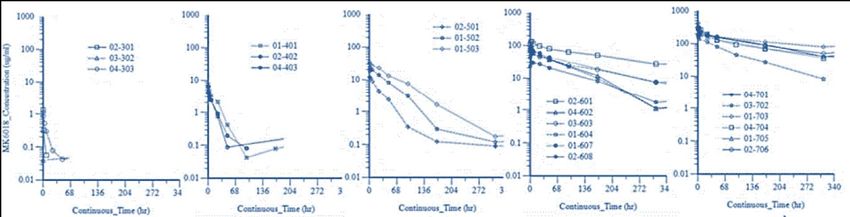
CM24 MOA | Immuno-oncology

                                           Tumor                                                                                  Tumor cell or pAPC
                                                                                                                                                            CEACAM1

                                                                                                            MHC
         CEACAM1                         CEACAM5

                                                                                                                                     CD45/148
                                                                                                                                                                     PtdSer
                                                                                                              TCR                                           Gal-9
                                                                                                                      CD4/8
                                                                                                                                                                              CEACAM1

                                                                                                                                            TIM3
   CEACAM1                                         CEACAM1

                          CD8+T & NK Cells                                                                        TCR Signaling

                       Activation                                                                                                       T cell
    enhanced cytotoxic activity & cytokine production
                                                                                                                                                                                        9
   Markel et al, J Immunol 2002, 2006; Immunology, 2008; Cancer Immunol Immunother 2010; Ortenberg et al, Mol Cancer Ther 2012; Zhou, 2009; Li, 2013; Huang, 2015;
   Acharya N, et al. J Immunotherapy Canc 8:e911-22, 2020.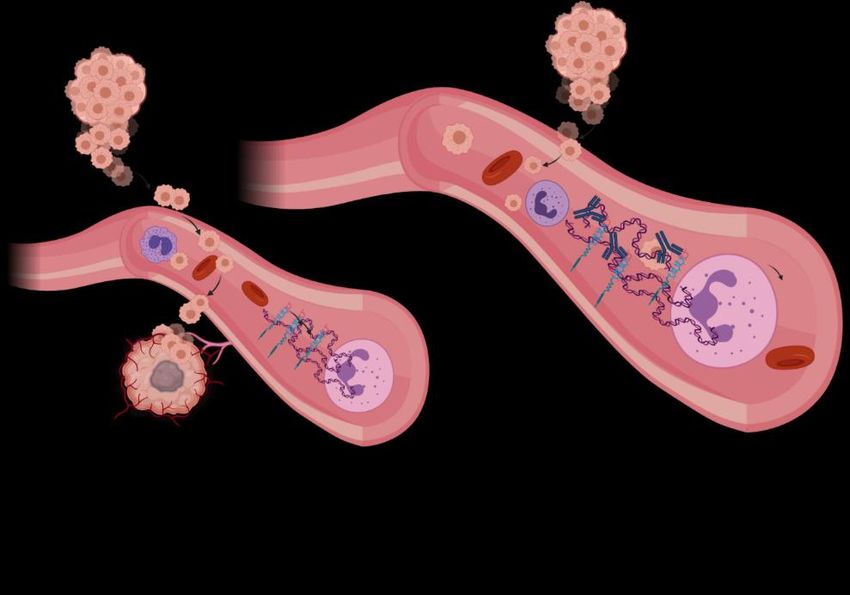
CM24 MOA | Adhesion

Neutrophil extracellular trap-associated CEACAM1 as a putative
therapeutic target to prevent metastatic progression:

    Primary Tumor Metastasizing

                                                                                                                           CEACAM1 creates a pro-angiogenic tumor
                                                                                                                         microenvironment that supports tumor vessel
                                                         CM24                                                           maturation. CM24 is proposed to attenuate/block
                                                                                                                            tumor growth and metastatic processes.

    Metastatic Tumor

                                                                                                                                                                                               10
          Rayes RF, et al. Neutrophil Extracellular Trap-Associated CEACAM1 as a Putative Therapeutic Target to Prevent Metastatic Progression of Colon Carcinoma. J Immunol. 2020; Gerstel,
          D. et al. CEACAM1 creates a pro-angiogenic tumor microenvironment that supports tumor vessel maturation. Oncogene 30, 4275–4288 (2011)
Anti-cancer Effect Following Treatment
Preclinical Data With CM24 + TIL and CM24 + α-PD1
TIL + IgG
TIL + CM24
Naïve
• Xenograft, lung lesion, Mel 526 (IV)
Combination index (CI) = 0.15
• Tumor burden was monitored 26 days post last CM24
treatment < 1 synergy
Significant benefits as both single agent and in combination with α-PD-1 11CM24 Phase 1 Monotherapy Trial
# pts
• Open-label, multi-dose escalation 0.01mg/kg 1
monotherapy study to assess safety and
tolerability 0.03mg/kg 1
27 patients:
• Heavily pre-treated patients with a median
Colorectal 11 0.1 mg/kg 3
of 4 prior regimens (range 2-8) Overall,
treatment was well tolerated Melanoma 7 q2wks 6-week Q2wks x
0.3 mg/kg 3
• Most of the responding patients were Ovarian 4 X4 observation 20
treated with the highest dose levels of Gastric 3 1.0 mg/kg 3
3mg/kg & 10mg/kg
NSCLC 2
• PK analysis revealed non-linearity, 3.0 mg/kg 9
modeling recommended to continue
administration of higher doses to reach 10.0 mg/kg 7
saturation
*24 patients evaluated
No DLTs up to No discontinuation of No drug related 33.3% SD
10 mg/kg study drug due to an AE mortalities (RECIST) 12PK/PD Modeling Provides Dosage
& Schedule Guidance
Simulated TMDD1 saturation at Ctrough Predictions with
with Q2W regimen Q3W regimen
• Consistent with observed PK showing high clearance at doses • Modeling with increased interval between doses
10 mg/kg • With Q3W, 20mg/kg dosing is not sufficient for
dose is needed for saturation across population saturation across population
Nivolumab (OPDIVO®) administered Q2W or Q4W, representing good
clinical and commercial fit for CM24 13
1Target-mediated drug disposition. 2 OPDIVO® is a registered trademark of Bristol-Myers Squibb. Ctrough is the drug concentration reached by CM24 before the next dose is administeredLarge Market Opportunity in NSCLC & Pancreatic Cancer
• NSCLC accounts for ~200K new cases/year in the • Pancreatic Cancer accounts for ~60K new cases/year
US; with a 5-year relative survival rate of 23%2 in the US; with a 5-year relative survival rate of 10%2
• Immunotherapy is now recommended as first line • I/O approaches have been limited to patients with
therapy in all patients with NSCLC and no driver high microsatellite instability (MSI-H) or high tumor
mutations3 mutational burden (TMB-H)
• 5-year overall survival rates with chemotherapy in • 5-year overall survival rates with chemotherapy in 2L
2L is 2.6% and with I/O Opdivo® is 13.4%4 is 3%2
Combining nivolumab • CEACAM1 expression correlates with poor prognosis in NSCLC and
Pancreatic cancer1
with CM24 in a clinical
• Preclinical data support significant synergy
collaboration with
• Receptor saturation with CM24 is better achieved with a Q2W
regimen, aligning with the nivolumab regimen
1 Dango et al, Lung Cancer 2008; 60:426 & Calinescu et al, Journal of Immunology Research 2018: 7169081.
2 American Cancer Society, Cancer Facts & Figures 2019, and the ACS website, https://seer.cancer.gov/statfacts/html/pancreas.html 14
3 Economopoulou P, Mountzios G. The emerging treatment landscape of advanced non-small cell lung cancer. Ann Transl Med. 2018;6(8):138. doi:10.21037/atm.2017.11.07 14
4 Gettinger S, et al "Five-year outcomes from the randomized, phase III trials CheckMate 017/057: Nivolumab vs docetaxel in previously treated NSCLC" WCLC 2019; Abstract OA14.04.CM24 Phase 1/2 Combination Study Design
A Phase 1/2 open label multi center Primary endpoints: Measurement of CEACAM1 based
study of CM24 in combination with: Phase 1: Evaluate the safety, PK and the bio-marker.
• Nivolumab in selected cancer indications MTD/RP2 dose Exploring further studies in other
(Phase 1) and NSCLC (Phase 2) Phase 2: Evaluate preliminary efficacy in tumor types as well as monotherapy
• Nivolumab and nab-paclitaxel in pancreatic 2nd line NSCLC and pancreatic cancer
cancer (Phase 2)
2021 2022 2023-24
Dose Escalation Expansions
Doses: 10, 15, 20mg/kg q2wk CM24 (@MTD) + nivolumab (480mg) q4w
+ nivolumab (480mg q4w) I/O refractory NSCLC; 2nd line
3+3 design n=13+14 (Simon 2 Stage Design) Clinical collaboration with:
9 ≤ n ≤ 18
Indications: NSCLC, Pancreatic, CM24 (@MTD) + nivolumab (480mg) q4w
+ nab-paclitaxel
Ovarian, CRC, Melanoma,
Locally advanced, unresectable pancreatic cancer; 2nd line
Papillary Thyroid Carcinoma n=13+14 (Simon 2 Stage Design)
15Advancing First-in-Class Oncology Therapies NT219 – A Dual Inhibitor of IRS 1/2 and STAT3
NT219 - Dual Inhibitor of IRS1/2 & STAT3

IRS1/2
• Scaffold proteins, mediating mitogenic,
  metastatic, angiogenic and anti-
  apoptotic signals from IGF1R, IR, IL4R
  and other oncogenes, overexpressed
  in multiple tumor types                                                                                                                                                         STAT3
• Regulates major survival pathways                                                                                                                                               • Well-established transcription
  such as the PI3K/AKT, MEK/ERK and
  Wnt/β-catenin
                                                                                                         NT219                                                                      factor associated with the
                                                                                                                                                                                    tumorigenic phenotype
• Activated as a feedback response to                                                                                                                                             • Provides a crucial axis to support
  anti-cancer therapies                                                                                                                                                             cell proliferation and survival
                                                                                                                                                                                  • Active in tumor JAK/STAT3 and TGF
                                                                                                                                                                                    beta resistance mechanisms

         1Hadas Reuveni et al.; Cancer Res 2013;73:4383-4394. 2013 , 2Machado-Neto, et al. Clinics (Sao Paulo, Brazil) vol. 73,suppl 1 e566s. 11 Oct. 2018, doi:10.6061/clinics/2018/e566s
         3Naokazu Ibuki1,2, Mazyar Ghaffari1,3, Hadas Reuveni4 et al. DOI: 10.1158/1535-7163.MCT-13-0842 Published December 2014; 4Rampias T, Favicchio R, Stebbing J, Giamas G. 2016 May 19;35(20):2562-4. doi: 10.1038/onc.2015.392. Epub 2015 Oct 19.
         PMID: 26477311
         5Flashner-Abramsonet al.. Oncogene. 2016 May 19;35(20):2675-80. doi: 10.1038/onc.2015.229. Epub 2015 Jun 29. PMID: 26119932, 6Sanchez-Lopez E,. Oncogene. 2016 May 19;35(20):2634-44. doi: 10.1038/onc.2015.326. Epub 2015 Sep 14. PMID:                    17
         26364612; PMCID: PMC4791217.
         7Zhao C, et al. Trends Pharmacol Sci. 2016 Jan;37(1):47-61. doi: 10.1016/j.tips.2015.10.001. Epub 2015 Nov 12. PMID: 26576830, 8 Johnson, Daniel E et al. “Targeting the IL-6/JAK/STAT3 signaling axis in cancer.” Nature reviews. Clinical oncology vol.

         15,4 (2018): 234-248. doi:10.1038/nrclinonc.2018.8
Novel MOA: IRS Degradation By NT219
Blocking IGF1R-AKT Pathway1
1 Binding to IRS 2 Ser-phosphorylation 3 Degradation
IGF1
IGF1R IGF1 IGF1 IGF1
IGF1R IGF1R IGF1R
IRS
NT pS
PI3K IRS IRS pS
AKT AKT AKT AKT
SURVIVAL APOPTOSIS APOPTOSIS APOPTOSIS
Covalent binding to IRS1/2 leads to the Serine phosphorylation prevents IRS1/2 is degraded by the
dissociation of IRS1/2 from IGF1R re-binding of IRS1/2 to the receptor proteasome
18
1Reuveni et al. Cancer Res 2013NT219
Efficacy as
Monotherapy
Animal model
Head & Neck Cancer
(SCC-9) NSG™, PBMCs-
injected1
Drugs
α-PD1
Cetuximab (Erbitux®)
NT219 20mg/kg
NT219 60mg/kg
1 NSG mice were injected SC with SCC-9 cells. PBMCs (18*106 cells per mouse) administered 4 weeks prior to first treatment.
NT219, α-PD1, and cetuximab were administered IV (NT219) and IP (α-PD1 and cetuximab) twice a week for 4 weeks. Graph reflects 19
relevant data adapted from 2020 Multidisciplinary Head and Neck Cancers Symposium Poster presentationSTAT3 and IRS are Essential in
Therapeutic Resistance
Blocking survival pathways Proof of Concept: PDX model of Head and Neck Cancer
Erlotinib
DRUG Control (n=6)
EGFR Erlotinib (n=8)
ONCOPROTEIN Erlotinib+NT219 (n=6)
Erlotinib+Ruxolitinib (n=6)
NT219 MEK
NT219 Ruxolitinib Buparlisib
Erlotinib+Buparlisib (n=6)
Erlotinib+Ruxolitinib+Buparlisib (n=8)
MEK / ERK
ERK
STAT3 IRS
TUMOR STAT3 IRS
REGRESSION
Tumor Tumor PI3K
Survival Regression
AKT
Tumor
Survival
By blocking both STAT3 and IRS pathways, NT219 prevents tumor resistance and
re-sensitizes tumors to anti-cancer therapies 20NT219 + Targeted *
Therapies
Tumor Volume (mm3)
2,000
1,500
Established Efficacy 1,000
in PDX Models 500
0
Control NT219 Osimertinib Osimertinib+NT219
NSCLC Osimertinib 5 mg/kg, NT219 65 mg/kg, mean tumor volume at the end point, 3 mice/group;
Exon 19 deletion EGFR and
T790M, biopsy of bone
marrow metastasis, patient **
previously progressed on * **
afatinib and osimertinib
Tumor Volume (mm3)
R/M HNSCC
metastasis, patient
previously progressed on
chemoradiation, several
chemotherapies, and
pembrolizumab Control NT219 Cetuximab Cetuximab+NT219
Treatments on days 0, 3 and 10, cetuximab - 1mg/mouse, 3 mice/group; PBMCs (1.4M cells/mouse) were injected on day 621
** pNT219 + α-PD1
Re-sensitizes to 1200
Control (n=3)
Refractory α-PD1 1000
NT219 (n=3)
Keytruda (n=3)
Tumors Keytruda + NT219 (n=3)
Tumor volume (mm3)
800
PDX Model 600
Humanized PDX of
Esophagus Cancer (refractory
400
to pembrolizumab)
200
Drug
Pembrolizumab 0
(Keytruda®) 0 5 10 15 20
Days following treatment initiation
Autologous PBMCs
(2.1 M/mouse)
* Double autologous model - Tumors & PBMCs are from the same patient (#RA236) | Keytruda - 6mg/kg IP, NT219 - 60mg/kg IV 22First Market Opportunity
Recurrent or Metastatic Squamous Cell Carcinoma of Head and Neck (SCCHN)
Targeting the unmet medical need
• 1L Standard of care has shifted from chemotherapy towards immuno-
oncology + chemotherapy
• Only < 20% of R/M SCCHN patients respond to α-PD1s
• 175k new cases/year are expected by 2024
Rationale for combining Cetuximab + NT219 1L α-PD-1 +
• EGFR and PD(L)-1 are the only clinically validated targets in SCCHN 60K pts Chemo
• Only < 15% of R/M SCCHN patients respond to Cetuximab
• Cetuximab inhibits EGFR signaling and promotes ADCC in EGFR expressing tumors
• STAT3 and IRS-to-AKT activation contributes to resistance to cetuximab in HNSCC
2L
37K pts Cetuximab NT219
NT219 + Cetuximab has the potential to become an attractive 2nd line therapy 23
23
Global Data 2018: Head and Neck Squamous Cell Carcinoma: Opportunity Analysis and Forecasts to 2026 ; Internal best current estimates of patient numbers based on external research, 5 major global territoriesNT219 Monotherapy and Combination
Phase 1/2 Study Design
Study title Endpoints
A phase 1/2 study with open-label, dose escalation phase Primary endpoints:
followed by single-arm expansion to assess the safety, Safety, pharmacokinetics and to determine the MTD
tolerability, PK, PD and efficacy of NT219, alone in adults with Secondary endpoints:
recurrent or metastatic solid tumors and in combination with Obtain preliminary efficacy data
Erbitux® (cetuximab) in head and neck cancer
2020 2021 2022 2023
NT219 as a single agent in subjects with R/R solid tumors
Dose Escalation Expansion
NT219 q1w NT219 q1w @ RP2D
18 ≤ n ≤ 30 n=11+18 (Simon 2 stage design)
NT219 + cetuximab in subjects with R/M head and neck cancer1
Dose Escalation Expansion
NT219 q1w + cetuximab q1w NT219 q1w + cetuximab q1w
9 ≤ n ≤ 18 n=11+18 (Simon 2 stage design)
24
1Colorectal Adenocarcinoma pts will be recruited in the Dose Escalation phase Indication TBD (expansion not part of the study protocol)Advancing Clinical-stage Novel
Oncology Therapies
CM24 - First-in-class α-CEACAM1 mAb, Strong balance sheet and
Validating clinical collaboration with cash position
Purple Biotech (NASDAQ/TASE: PPBT)
NT219 - First-in-class, small molecule, ADSs outstanding: 17.2M
dual inhibitor of IRS 1/2 and STAT3 $61M cash as of December 31st, 2020
CONSENSI® commercial royalties supports
H2:21 - Two phase 1 study readouts pipeline development
Cash runway through 2024
25We are
committed
to providing cancer
patients with first-in-class
therapies to OVERCOME
tumor drug resistance,
ENHANCE treatment
response and SLOW
tumor progression
26THANK YOU Contact Us: ir@purple-biotech.com
Appendix A - CM24
Inhibition of Melanoma Growth Following CM24
and CM24 + TIL Treatment

      CM24 activity is Demonstrated as Single Agent and in Combination with TILS

                                                                         *P
PHASE 1 PK DATA
Target saturation was not reached with doses up to 10mg/kg
0.1 mg/kg 0.3 mg/kg 1 mg/kg 3 mg/kg 10 mg/kg
Slower clearance with increasing dose
Higher half-life with increasing dose
30Appendix B - NT219
Selected Publications

 Michael                Alexander
  Karin
                         Levitzki

Menashe                 Michael
 Bar-Eli                 Cox

                                    32
NT219 | Suppresses β-Catenin activity in CRC Cells
Silencing IRS2 inhibits
NT219 downregulates IRS2 and suppresses the b-catenin activity CRC Cell Viability (72hr)
b-catenin activity
DMEM
β-catenin luciferase activity
1.5 *** DMEM
(Relative to SH-NS DMEM)
*** iAKT
β-catenin luciferase activity
1.5
(Relative to SH-NS DMEM)
** **
Alpelisib
NT219 NS iAKT
1.0 NT-219 ***
- + * NS Alpelisib
***
1.0 ***
0.5
*** NT-219
IRS2 *** ***
Active 0.0
SW403 sh-NS SW403 sh-IRS2
0.5
***
β-Catenin
***
β-actin NT219 concentrations (mM)
IRS2 0.0
LS513sh-NS LS513sh-IRS2
Colon cancer LS-513 cells overexpressing IRS2 demonstrate enhanced b-catenin activity.
Targeted inhibition of IRS2 by NT219 or IRS2-SH RNA, suppresses the increased b-catenin activity and inhibit LS-513 cell viability.
AACR Virtual Special Conference on Epigenetics and Metabolism, Oct 2020
Ido Wolf, MD, Head of Oncology Division, Tel Aviv Sourasky Medical Center
33NT219 |
Pancreatic Cancer Highly effective anti cancer activity exhibited by NT219
in combination with Gemcitabine
in Combination
with Gemcitabine
PDX model
Pancreatic Cancer
Drug
Gemcitabine (Gemzar®)
34RNA Sequencing |
Reduced expression of IRS1, Ki67, FOXM1 & TGFb is exhibited by pancreatic
Analysis of Tumors cancer treated with NT219 alone and in combination with gemcitabine
Following Treatment
PDX model
Pancreatic Cancer
Drug
Gemcitabine (Gemzar®)
35Appendix C - CONSENSI®
CONSENSI® | From IND to the U.S. Market

                              CONSENSI® is the only NSAID whose labeling indicates reduction of blood
                              pressure and consequent risk reduction of heart attack, stroke and death
                                 Full U.S. Prescribing Information is available at http://www.consensi.com
                                                                  Fixed dose combination of
                                 Celecoxib,                                                   Amlodipine
                           a COX-2 selective NSAID                         +   a blood pressure-lowering agent (a calcium
                           (the active ingredient in Pfizer’s Celebrex®)        channel blocker) (the active ingredient in Pfizer's Norvasc®)

                                    Launched in the USA- Coeptis Pharmaceuticals
                                    Partnered in China- CSBio
                                    Partnered in S. Korea- Kuhnil Pharmaceutical

   Purple Biotech’s clinical, regulatory and medical teams developed CONSENSI® internally from
                  IND, through successful Phase III clinical trials, to FDA approval

                                                                                                                                                37
CONSENSI® Phase III Trial Results
• Primary efficacy endpoint was successfully achieved (P=0.001)
Blood Pressure Reduction of Consensi® vs.
Amlodipine and Celecoxib* • Demonstrated 2.5x better blood pressure reduction than FDA requirement
(50% of amlodipine arm)
• Demonstrated consistent reduction in all measures of blood pressure
• Observed beneficial renal functions:
Measure Consensi® Amlodipine
Creatinine
-3.22 -2.55
plasma level
μmol/L μmol/L
reduction
Peripheral
edema 8.2% 15.6%
(% patients)
Consensi® demonstrated even better BP reduction
• Additional Phase III/IV clinical trial to scientifically validate the renal
than same amount of amlodipine given without
benefits (not required for NDA submission) was completed. Topline results
celecoxib
were announced in October, 2017
* Error bars – standard error of mean
38Purple Biotech Commercial Drug: CONSENSI®
CONSENSI® is the only NSAID whose labeling indicates reduction of blood pressure and consequent
risk reduction of heart attack, stroke and death
Full U.S. Prescribing Information is available at: : http://www.consensi.com
Fixed dose combination of
Celecoxib,
a COX-2 selective NSAID
(the active ingredient in Pfizer’s
Celebrex®)
Simultaneous treatment of osteoarthritic pain
+ and hypertension
Amlodipine,
a blood pressure-lowering
agent (a calcium channel
blocker) (the active ingredient in
Pfizer's Norvasc®)
• Approved for marketing by U.S. FDA on May 31, 2018
• Clinical data showed Consensi™ was more effective at lowering blood pressure than amlodipine alone
• Clinical data also demonstrated beneficial renal function measures
• Formulated with 200 mg celecoxib and three different dosages (2.5, 5, 10 mg) of amlodipine
• Manufactured by Dexcel Pharma – Israel’s largest private pharmaceutical company
*Celebrex® is a registered trademark of G.D. Searle LLC (a subsidiary of Pfizer Inc.). 39
Norvasc® is a registered trademark of Pfizer Inc.CONSENSI® U.S. Target Markets
CONSENSI® targets osteoarthritis (OA) patients currently treated with NSAIDs
(celecoxib as well as others) who also suffer from existing or newly diagnosed hypertension
OSTEOARTHRITIS
50 million patients*
ARTHRITIS PREVALENCE* HYPERTENSION
PREVALENCE**
• More than 50 million
adults in the U.S. have • 29% of U.S. adults
doctor-diagnosed older than 18
Celecoxib
osteoarthritis 24% HYPERTENSION
• 65% of U.S. adults
NSAIDs Consensi
• 67 million people are of all NSAIDs older than 60
60% ™
expected to have of all
doctor-diagnosed OA Rxs COMORBIDITIES
osteoarthritis by 2030 • 44% of adults with
high blood pressure
have osteoarthritis**
* Arthritis Foundation: http://www.arthritis.org/ ** Hypertension Among Adults in the United States: National Health and Nutrition Examination Survey, 2011–2012
40You can also read


