Corporate Presentation - December 20 19 Targeting Disease at the Nuclear Pore - Karyopharm ...
←
→
Page content transcription
If your browser does not render page correctly, please read the page content below

Targeting Disease at the Nuclear Pore
   Corporate Presentation
          December 2019
Forward-looking Statements and Other Important Information
This presentation contains forward-looking statements within the meaning of the “safe harbor” provisions of The Private Securities Litigation Reform Act of 1995. Such forward-
looking statements include those regarding Karyopharm’s expectations relating to XPOVIO® for the treatment of patients with heavily pretreated multiple myeloma, the
therapeutic potential of and potential clinical development plans and commercialization for Karyopharm’s drug candidates, including the timing of initiation of certain trials, of
the reporting of data from such trials, of the submissions to regulatory authorities and of potential commercial launches, the potential availability of accelerated approval
pathways, the potential size of the markets for multiple myeloma drugs and multiple myeloma drugs for treatment of patients with relapsed multiple myeloma and Karyopharm’s
strategic and financial plans and expectations as well as financial projections for Karyopharm. Such statements are subject to numerous important factors, risks and
uncertainties that may cause actual events or results to differ materially from Karyopharm’s current expectations. For example, there can be no guarantee that Karyopharm will
successfully commercialize XPOVIO, that regulators will agree that selinexor qualifies for conditional approval in the E.U. as a result of the data from the STORM study in
patients with penta-refractory myeloma or accelerated approval in the U.S. based on the SADAL study in patients with relapsed/refractory DLBCL or that any of Karyopharm’s
drug candidates, including selinexor and eltanexor (KPT-8602), Karyopharm’s second generation SINE compound, or KPT-9274, Karyopharm’s first-in-class oral dual inhibitor
of PAK4 and NAMPT, or any other drug candidate Karyopharm is developing, will successfully complete necessary preclinical and clinical development phases or that
development of any of Karyopharm’s drug candidates will continue. Further, there can be no guarantee that any positive developments in Karyopharm’s drug candidate
portfolio will result in stock price appreciation. In addition, even if Karyopharm receives marketing approval for selinexor in additional indications or for any other drug
candidate, there can be no assurance that Karyopharm will be able to successfully commercialize that drug candidate. Management’s expectations and, therefore, any
forward-looking statements in this presentation could also be affected by risks and uncertainties relating to a number of other factors, many of which are beyond Karyopharm’s
control, including the following: the timing and costs involved in commercializing XPOVIO or any of Karyopharm’s drug candidates that receive regulatory approval; the ability
to retain regulatory approval of XPOVIO or any of Karyopharm’s drug candidates that receive regulatory approval; Karyopharm’s results of clinical trials and preclinical studies,
including subsequent analysis of existing data and new data received from ongoing and future studies; the content and timing of decisions made by the FDA and other
regulatory authorities, investigational review boards at clinical trial sites and publication review bodies, including with respect to the need for additional clinical studies; the
ability of Karyopharm or its third party collaborators or successors in interest to fully perform their respective obligations under the applicable agreement and the potential future
financial implications of such agreement; unplanned cash requirements and expenditures; development of drug candidates by Karyopharm’s competitors for diseases for which
Karyopharm is currently developing its drug candidates; that the markets for multiple myeloma drugs will grow as predicted; and Karyopharm’s ability to obtain, maintain and
enforce patent and other intellectual property protection for any drug candidates it is developing. These and other risks are described under the caption “Risk Factors” in
Karyopharm’s Quarterly Report on Form 10-Q for the quarter ended September 30, 2019, which was filed with the Securities and Exchange Commission (SEC) on November
4, 2019, and in other filings that Karyopharm may make with the SEC in the future. Any forward-looking statements contained in this presentation are for informational
purposes only and speak only as of the date hereof. Other than as is required by law, Karyopharm expressly disclaims any obligation to update any forward-looking
statements, whether as a result of new information, future events or otherwise. Karyopharm’s website is http://www.karyopharm.com. Karyopharm regularly uses its website to
post information regarding its business, drug development programs and governance. Karyopharm encourages investors to use www.karyopharm.com, particularly the
information in the section entitled “Investors,” as a source of information about Karyopharm. References to www.karyopharm.com in this presentation are not intended to, nor
shall they be deemed to, incorporate information on www.karyopharm.com into this presentation by reference. Unless otherwise noted, this presentation contains data that are
interim and unaudited based on site reports. In addition, data included in this presentation have not been updated and are as of the cutoff date for the applicable medical
conference presentation. Other than the accelerated approval of XPOVIO, selinexor, eltanexor, KPT-9274 and verdinexor are investigational drugs that have not been
approved by the FDA or any other regulatory agency, and the safety and efficacy of these drugs has not been established by any agency.

  ©2019 Karyopharm Therapeutics Inc.                                                                                                                                               2
Karyopharm at a Glance
• Founded 10 years ago by team of highly successful cancer drug
  developers; Initial public offering in 2013

• Novel technology approach with potential for broad clinical applicability
   ➢ Industry leader in targeting nuclear export dysregulation as a mechanism to treat cancer

• First drug, XPOVIO® (selinexor), received accelerated approval from the
  FDA in July 2019

• XPOVIO is a first-in-class, oral Selective Inhibitor of Nuclear Export (SINE)
  compound
   ➢ Available in the U.S. for patients with heavily pretreated relapsed refractory multiple myeloma
   ➢ MAA submitted for Europe in January 2019 with decision expected in early 2020
   ➢ 2nd NDA in relapsed or refractory DLBCL is expected to be submitted by end of 2019
   ➢ Pivotal Phase 3 BOSTON study on track for top-line data in early 2020

• Ongoing clinical development for selinexor and next-generation programs in
  earlier lines of treatment, in combination trials, and in additional tumor types across
  both hematologic and solid tumor malignancies

• All programs developed in-house with patent protection on lead compound to 2032+

• Numerous data read-outs and potential key milestones expected over the next 12-24 months

      ©2019 Karyopharm Therapeutics Inc.                                                               3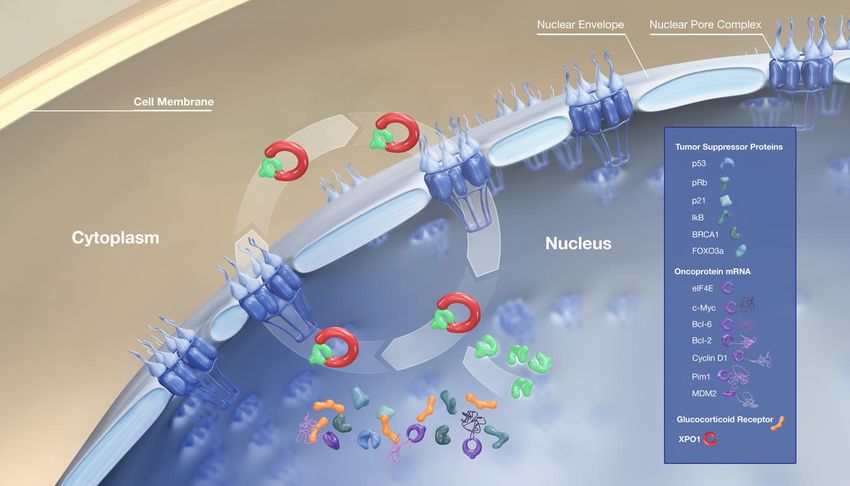
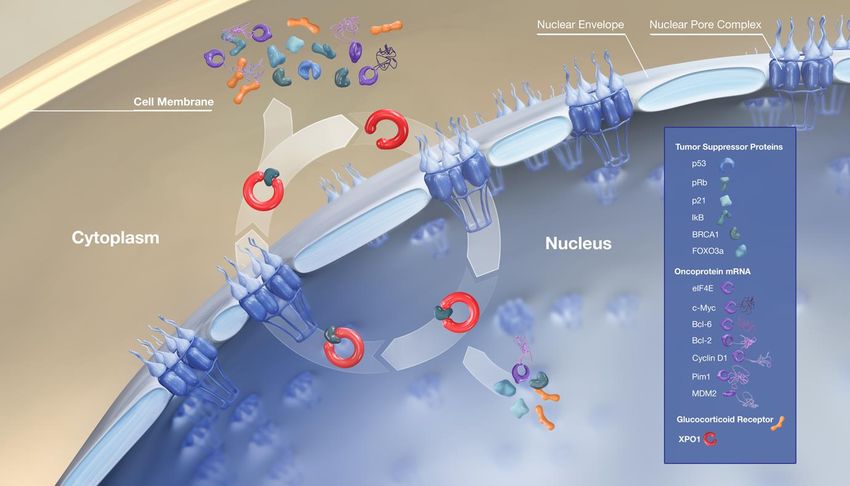
XPOVIO/SINE Mechanism of Action: Inhibition of XPO11-4
              Inhibition of XPO1 impacts
                     tumor cells via
                  3 core mechanisms

           1. Increases nuclear levels
              and activation of tumor
              suppressor proteins

           2. Traps oncoprotein mRNA
              in the nucleus leading to
              reduced oncoprotein levels

           3. Retains activated
              glucocorticoid receptor
              in the nucleus                                                                                                                                                                           Selinexor

1 Gupta  A, et al. Therapeutic targeting of nuclear export inhibition in lung cancer. J Thorac Oncol. 2017;12(9):1446-1450. 2 Sun Q, et al. Inhibiting cancer cell hallmark features through nuclear export inhibition. Signal Transduct Target Ther. 2016;1:16010.
3   Gandhi UH, et al. Clinical implications of targeting XPO1-mediated nuclear export in multiple myeloma. Clin Lymphoma Myeloma Leuk. 2018;18(5):335-345. 4 Gravina GL, et al. Nucleo-cytoplasmic transport as a therapeutic target of cancer. J Hematol Oncol. 2014;7:85.

                   ©2019 Karyopharm Therapeutics Inc.                                                                                                                                                                                                   4
XPOVIO® (selinexor) Received Accelerated Approval
by the FDA in July 2019
                                                            XPOVIO is indicated in combination with dexamethasone for
                                                            the treatment of adult patients with relapsed or refractory
                                                            multiple myeloma (RRMM) who have received at least 4 prior
                                                            therapies and whose disease is refractory to at least 2
                                                            proteasome inhibitors (PI), at least 2 immunomodulatory
                                                            agents (IMiD), and an anti-CD38 monoclonal antibody (mAb)1
                                                             This indication is approved under accelerated approval based on response rate. Continued
                                                             approval for this indication may be contingent upon verification and description of clinical
                                                             benefit in a confirmatory trial. The ongoing, randomized Phase 3 BOSTON study evaluating
                                                             selinexor in combination with Velcade® (bortezomib) and low-dose dexamethasone will
                                                             serve as the confirmatory trial.

• XPOVIO is the first and only nuclear export inhibitor approved by the FDA
• XPOVIO is the first and only prescription medicine approved for patients whose multiple myeloma is
  refractory to proteasome inhibitors, immunomodulatory agents, and an anti-CD38 monoclonal antibody

                  Full Prescribing Information and Medication Guide are available at www.XPOVIO.com
1XPOVIO   Prescribing Information

©2019 Karyopharm Therapeutics Inc.                                                                                                                  5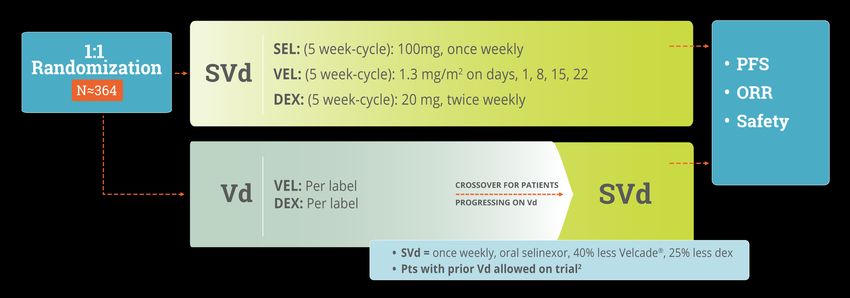
Safety Highlights from the XPOVIO Prescribing Information1
• Warnings and Precautions
            •   Thrombocytopenia                     • Infections
            •   Neutropenia                          • Neurological Toxicity
            •   Gastrointestinal Toxicity            • Embryo-Fetal Toxicity
            •   Hyponatremia
• No Black Box Warnings and No Contraindications
• Patient Medication Guide
• Monitoring Instructions and Recommended Concomitant Treatments
  • Monitor complete blood count (CBC), standard blood chemistry, and body weight at baseline and during treatment as clinically indicated. Monitor
    more frequently during the first two cycles of treatment
  • Patients are advised to maintain adequate fluid and caloric intake throughout treatment. IV hydration should be considered for patients at risk of
    dehydration
  • Patients receiving XPOVIO should be provided prophylactic concomitant treatment with a 5-HT3 antagonist and/or other anti-nausea agents prior
    to and during treatment with XPOVIO
  • Recommended XPOVIO dosage reductions and dosage modifications for adverse reactions are included in the Prescribing Information

                Full Prescribing Information and Medication Guide are available at www.XPOVIO.com
 1XPOVIO   Prescribing Information

  ©2019 Karyopharm Therapeutics Inc.                                                                                                              6
Q3 2019 Was a Landmark Quarter for Karyopharm

                                                                     Pipeline/Clinical
                                      Launch Update                                                  Balance Sheet
                                                                       Data Update
                                 • Achieved quarterly            • New England Journal of       • Entered into royalty
                                   XPOVIO net product              Medicine publication and       agreement with
                                   sales of $12.8 million          additional supportive data     Healthcare Royalty
                                   following July 9th U.S.         presented at the 17th          Partners for up to $150
                                   commercial launch               International Myeloma          million
                                                                   Workshop
                                 • >300 physicians /                                            • Ended Q3 with ~$270
                                   accounts have prescribed      • DLBCL NDA submission           million in cash, cash
                                   XPOVIO in the first 3           expected by end of 2019        equivalents, restricted
                                   months                                                         cash and investments
                                                                 • BOSTON Phase 3
                                 • >500 XPOVIO                     top-line data on-track       • Cash runway expected
                                   prescriptions have been         by early 2020                  to be sufficient to fund
                                   fulfilled through Sept 30th                                    operations into the
                                                                 • MAA decision expected          middle of 2021
                                                                   by early 2020

©2019 Karyopharm Therapeutics Inc.                                                                                          7
XPOVIO (Selinexor) Clinical Data Overview Multiple Myeloma Diffuse Large B-Cell Lymphoma (DLBCL)
Planned XPOVIO (selinexor) Development Strategy in
     Multiple Myeloma
                                                                                                                  Phase 2b STORM study1 addressing patients
                                                                                                                  with heavily pretreated relapsed refractory
                                                                                                                  multiple myeloma
                                                                                                                  • Disease refractory to PIs, IMiDs and Darzalex®
                                                                                                                  • Highest unmet medical need in multiple myeloma
                                                                                                                  Pivotal Phase 3 BOSTON study addressing
                                                                                                                  patients with relapsed or refractory disease
                                                                                                                  following 1-3 prior lines of therapy
                                                                                                                  • Selinexor combined with once-weekly Velcade® and low-dose
                                                                                                                    dexamethasone

                                                                                                                  Phase 1b/2 STOMP as a potential backbone
                                                                                                                  therapy in combination with standard
                                                                                                                  approved therapies
                                                                                                                  • Selinexor and low-dose dexamethasone combined with Revlimid®,
                                                                                                                    Pomalyst®, Velcade®, Kyprolis® or Darzalex®
                                                                                                                  • Future Phase 2/3 studies in combination for labeling

1.
 The accelerated approval of XPOVIO was based upon the efficacy and safety in a prespecified subgroup analysis of the 83 patients in STORM whose disease was refractory to bortezomib, carfilzomib, lenalidomide, pomalidomide, and
daratumumab, as the benefit-risk ratio appeared to be greater in this more heavily pretreated population than in the overall trial population.

      ©2019 Karyopharm Therapeutics Inc.                                                                                                                                                                                              9
STORM Study: Patients Studied in Part 2 of STORM Study Had Highly
Refractory Disease and Included Patients With Significant Co-Morbidities
Key Patient Characteristics1,2 Broad Enrollment Criteria
(n=83)
• No upper age limit (included patients > 75 years old)
Refractory to all five of the standard of care
• Moderate-to-severe renal dysfunction
myeloma drugs: bortezomib, carfilzomib,
100% • Hematopoietic function with up to Grade 2 cytopenia
lenalidomide, pomalidomide, and daratumumab
• ANC ≥ 1000/mm3
Refractory to 2 PIs, 2 IMIDs, and daratumumab 100% • Hemoglobin ≥ 8.5g/dL
• Platelets ≥ 75,000/mm3 or ≥ 50,000/mm3 if 50% marrow
plasmacytosis
Prior treatment regimens, median (range) 8 (4-18)
• Permitted prior infections, thromboembolism, heart disease,
High-risk Cytogenetics and concomitant medications
(Includes any of del(17p)/p53, t(14; 16), t(4; 14), 1q21)
57%
STORM study was a single-arm clinical trial in which patients received oral XPOVIO 80 mg and
dexamethasone 20 mg, twice weekly
1XPOVIO Prescribing Information.
2The accelerated approval of XPOVIO was based upon the efficacy and safety in a prespecified subgroup analysis of the 83 patients whose disease was refractory to bortezomib, carfilzomib, lenalidomide, pomalidomide, and daratumumab,
as the benefit-risk ratio appeared to be greater in this more heavily pretreated population than in the overall trial population.
©2019 Karyopharm Therapeutics Inc. 10Overview of Efficacy Data for Accelerated Approval of XPOVIO
(n=83)
Key Efficacy Data in Patient Population Supporting Approval (n=83)1
INCLUDING:
25.3% 1 Stringent complete response
0 Complete responses
Overall Response Rate (ORR) 4 Very good partial responses
16 Partial responses
• Median time to response: 4 weeks
• Median duration of response: 3.8 months
1 XPOVIO Prescribing Information
©2019 Karyopharm Therapeutics Inc. 11Efficacy Data from Part 2 of STORM Published in New England
Journal of Medicine Further Supports Ongoing Randomized Study
in RRMM (n=122)1
Change in M-Protein Levels2 Overall Survival by Group3
71% of patients had a reduction in disease burden
300%
100%
100%
*
Reduction in
Percent Survival
75% **
Percent 50%
Disease Burden
Maximal
Tumor 25% 15.6 months
Change 0%
(M-
protein) -25%
Stable Disease 8.6 months
-50%
Minimal Response 1.7 months
-75% Partial Response
-100% Very Good Partial Response
Complete Response
Months Following Initiation of
Selinexor and Dexamethasone Treatment
* ≥MR = Patients had a minor response or better; at least a 25% decrease in M protein
** PD/NE = Patients had progressive disease or disease not evaluable
1.
The accelerated approval of XPOVIO was based upon the efficacy and safety in a prespecified subgroup analysis of the 83 patients whose disease was refractory to bortezomib, carfilzomib, lenalidomide, pomalidomide, and daratumumab,
as the benefit-risk ratio appeared to be greater in this more heavily pretreated population than in the overall trial population. .2 Selinexor ODAC Presentation, February 2019. 3 Chari A, et al. New England Journal of Medicine 2019.
©2019 Karyopharm Therapeutics Inc. 12Overview of Safety Data from STORM
Patients who Received XPOVIO 80 mg in Combination with Dexamethasone 20 mg on
Days 1 and 3 of Every Week1 (n=202)
• The most common adverse reactions (incidence ≥20%) were thrombocytopenia, fatigue, nausea, anemia,
decreased appetite, decreased weight, diarrhea, vomiting, hyponatremia, neutropenia, leukopenia,
constipation, dyspnea, and upper respiratory tract infections
• The treatment discontinuation rate due to adverse reactions was 27%
• 53% of patients had a reduction in the XPOVIO dosage and 65.3% of patients had the dosage of XPOVIO
interrupted
• The most frequent adverse reactions requiring permanent discontinuation in 4% or greater of patients who received
XPOVIO included fatigue, nausea, and thrombocytopenia
• The rate of fatal adverse reactions was 8.9%
Full Prescribing Information and Medication Guide are available at www.XPOVIO.com
1 XPOVIO Prescribing Information
©2019 Karyopharm Therapeutics Inc. 13BOSTON1: A Phase 3 Study as 2nd Line+ Treatment in Myeloma
Top-line data expected in early 20203
N≈402
Ongoing randomized, open-label clinical trial evaluating once weekly selinexor and Velcade®
(bortezomib) plus low-dose dex versus standard twice-weekly Velcade® plus low-dose dex in
patients with relapsed or refractory MM, who have had 1-3 prior lines of therapy
1 Bortezomib, Selinexor and dexamethasone 2 Pts must have achieved ≥PR, and completed proteasome inhibitor therapy at least 6 months prior. 3 Pending PFS events.
©2019 Karyopharm Therapeutics Inc. 14STOMP1: A Phase 1b/2 Study in Myeloma
SRd SPd SVd SKd SDd
SEL: 60mg QW SEL: 60 or 80mg QW SEL: 100mg QW SEL: 80 or 100mg QW SEL: 100mg QW
REV: 25mg QD POM: 2-4mg QD VEL: 1.3mg/m2 SC QW KYP: 56 or 70 mg/m2 IV QW DARZ: 16mg/kg IV QW
DEX: 40mg QW DEX: 40mg QW DEX: 40mg QW or 20mg BIW DEX: 40 mg QW DEX: 40mg QW
Same regimen as in the BOSTON Study
Revlimid® Pomalyst ® Velcade® Kyprolis® Darzalex®
Combination Combination Combination Combination Combination
Based on positive results of this Continued data read-out
combination in the relapsed
setting, Karyopharm initiated a at future medical meetings
new, front-line arm in June 2018 in 2019
Ongoing multi-arm clinical trial evaluating selinexor and low-dose
dex in combination with several currently marketed “backbone” therapies2
in patients with relapsed or refractory MM
1 Selinexor and Backbone Treatments of Multiple Myeloma Patients; dosing regimens represent recommended Phase 2 dose (RP2D) in RRMM for SRd, SVd and SDd. RP2D has not been determined for other study arms.
2 Revlimid®, Pomalyst®, Velcade®, Kyprolis® or Darzalex®
©2019 Karyopharm Therapeutics Inc. 15STOMP1: A Phase 1b/2 Study in Myeloma
Safety:
In combination with a proteasome inhibitor
• Predictable and manageable
Selinexor + Velcade® + dex (SVd)2 Selinexor + Kyprolis®
+ dex (SDd)3 tolerability profile; results
(n=19 ”BOSTON” Type Patients) (n=14 / Median of 4 prior regimens) consistent with those reported
from other selinexor studies
100% • Most common Grade 1/2 AEs
100% 20
17.8 were constitutional symptoms
Overall Response Rate
84%
Overall Response Rate
71% (e.g. nausea, fatigue, anorexia)
75%
15
PFS (Months)
75%
63% • Most common Grade 3/4 AEs
50% were cytopenias (e.g.
50% 10 9.0 thrombocytopenia, neutropenia,
n=14
n=19
n=19
anemia)
23%
25% 5 25%
• In the selinexor + Velcade+ dex
arm (SVd), peripheral
0% 0 0% neuropathy across all patients
Selinexor + Velcade + Benchmark Study: Selinexor + Velcade + dex: Benchmark Study: Selinexor + Kyprolis + dex: Benchmark Study: Kyprolis
dex: Velcade + dex Non-refractory to PIs 4 Velcade + dex Kyprolis-naïve alone 6 was Grade 1/2 and limited to six
5
Non-refractory to PIs 4 (twice weekly) 5 (twice weekly) patients (14%)7
Provides strong rationale for further clinical investigation of selinexor in combination
with standard, approved therapies8
Note: The STOMP study does not include any arms studying current myeloma backbone therapies without the combination of selinexor. The purpose of displaying the “Benchmark” data above for
Velcade and Darzalex is to highlight that the clinical results from STOMP reported to date strongly support ongoing / additional clinical investigation of selinexor in combination regimens
1 Selinexor
and Backbone Treatments of Multiple Myeloma Patients. 2 Bahlis NJ, et al. Blood 2018. 3 Gasparetto C, et al. ASH 2019. Abstract 122902. 4 Patient population eligible for Phase 3 BOSTON study. 5 Dimopoulos MA et al.,
Lancet 2016. 6 Kyprolis Package Insert; Study PX-171-003 A1. 7 Five of six had prior Velcade exposure. 8 Revlimid®, Pomalyst®, Velcade®, Kyprolis® or Darzalex®.
©2019 Karyopharm Therapeutics Inc. 16STOMP1: A Phase 1b/2 Study in Myeloma
In combination with immunomodulatory drugs Safety:
Selinexor + Revlimid® + dex (SRd)2 Selinexor + Pomalyst® + dex (SPd)3 • Predictable and manageable
(n=16 ≥ 2nd Line) (n=46 / Median of 4 prior regimens) tolerability profile; results
consistent with those reported
from other selinexor studies
100%
92% • Most common Grade 1/2 AEs
were constitutional events
Overall Response Rate
75%
12.2
Overall Response Rate
12
(e.g. nausea, fatigue, anorexia)
75%
67%
PFS (Months)
56% • Most common Grade 3/4 AEs
n=12
8 were cytopenias (e.g.
50%
n=32
thrombocytopenia, neutropenia,
50%
n=32
4 3.6 anemia)
29% • Exploring frontline setting:
25% 25% 0 Initiated new all oral arm
Selinexor + Revlimid + Benchmark Study: Selinexor + Pomalyst Benchmark Study: Selinexor + Pomalyst Benchmark Study:
dex: Revlimid + dex 4 +dex: Pomalyst + dex 5 +dex: Pomalyst + dex 5 evaluating selinexor + Revlimid® +
Revlimid-naïve Pomalyst-naïve Pomalyst-naïve
and Revlimid and Revlimid
dex in newly diagnosed patients
Relapsed Relapsed
or Refractory or Refractory
Provides strong rationale for further clinical investigation of selinexor in combination
with standard, approved therapies6
Note: The STOMP study does not include any arms studying current myeloma backbone therapies without the combination of selinexor. The purpose of displaying the “Benchmark” data above for
Revlimid and Pomalyst is to highlight that the clinical results from STOMP reported to date strongly support ongoing / additional clinical investigation of selinexor in combination regimens.
1 Selinexorand Backbone Treatments of Multiple Myeloma Patients. 2 White D, et al. ASH 2017. Abstract 1861. 3 Chen C, et al. ASH 2019. Abstract 141. 4 Stewart et al. NEJM 2015. 5 Pomalyst Package Insert. 6 Revlimid®, Pomalyst®,
Velcade®, Kyprolis® or Darzalex®.
©2019 Karyopharm Therapeutics Inc. 17STOMP1: A Phase 1b/2 Study in Myeloma
In combination with an anti-CD38 mAb
Selinexor + Darzalex® + dex (SDd)2
(n=32 / Most Triple/Quad Refractory)
Safety:
• Predictable and manageable
100% tolerability profile; results
consistent with those reported
73% from other selinexor studies
75%
Overall Response Rate
• Most common Grade 1/2 AEs
50%
were constitutional symptoms
(e.g. nausea, fatigue, anorexia)
29%
n=30
25% • Most common Grade 3/4 AEs
were cytopenias (e.g.
thrombocytopenia, neutropenia,
0% anemia)
3
Selinexor + Darzalex + dex: Benchmark Study: Darzalex
Darzalex-naïve alone
Provides strong rationale for further clinical investigation of selinexor in combination
with standard, approved therapies4
Note: The STOMP study does not include any arms studying current myeloma backbone therapies without the combination of selinexor. The purpose of displaying the “Benchmark” data above for
Darzalex is to highlight that the clinical results from STOMP reported to date strongly support ongoing / additional clinical investigation of selinexor in combination regimens.
1 Selinexor and Backbone Treatments of Multiple Myeloma Patients. 2 Gasparetto C, et al. EHA 2019. Abstract S1606. 3 Lonial et al., Lancet 2016. 4 Revlimid®, Pomalyst®, Velcade®, Kyprolis® or Darzalex®.
©2019 Karyopharm Therapeutics Inc. 18SADAL1: A Phase 2b Study In DLBCL
• Enrollment completed and top-line data reported at ASH 2018 and Updated at ICML 2019
• Fast Track designation granted by FDA
N=127
Relapsed or Refractory or Transformed DLBCL
• For patients after at least two prior multi-agent therapies and who are
ineligible for transplantation, including high dose chemotherapy with
stem cell
• Includes patients with GCB and non-GCB subtypes
Oral Selinexor 60
mg
selinexor twice weekly
(4 week cycle)
1 Selinexor Against Diffuse Aggressive Lymphoma
©2019 Karyopharm Therapeutics Inc. 19SADAL: A Phase 2b Study In DLBCL1,2
Selinexor 60mg twice weekly (n=127)
OVERALL RESPONSE RATES ADDITIONAL ENDPOINTS
Safety:
• Most common treatment
Durability of Response related non-hematologic
AEs were fatigue,
• Median DOR was 9.2 months nausea and anorexia,
primarily Grade 1/2, and
CRs 10.2% • Most responses at first scan most were manageable
All Patients 28.3%
(n=127) PRs 18.1% (~2 months) with dose modifications
and/or supportive care
• Most common Grade 3/4
AEs were
Genetic
Subsets 33.9% 20.6% Overall Survival thrombocytopenia,
GCB (n=59) non-GCB (n=63) • All patients (n=127) = 9.0 months anemia, and neutropenia,
and most were also
Note:5 additional patients had an unclassified
subtype of which 1 had a CR and 2 had PRs
• Patients with CR or PR (n=36) = manageable with dose
modifications and/or
Not Yet Reached
supportive care
• Patients with Progressive Disease or
No Response (n=80) = 4.1 months
1 Per Lugano Classification (Cheson, 2014); as adjudicated by an Independent Central Radiological Review Committee 2 Kalakonda N, et al. ICML 2019. Abstract 031.
©2019 Karyopharm Therapeutics Inc. 20Selinexor: A Growing Body of Safety Data
• Side effects of dosing regimens utilized in key Phase 2
and 3 trials (e.g., BOSTON, STORM, STOMP, SADAL
and SEAL) were generally predictable and often managed
with dose adjustments or supportive care, particularly
when used once weekly in combination regimens
• Major organ toxicities were not prominent in clinical studies
• No clinically significant cumulative toxicities in clinical studies
• Combination regimens have demonstrated additive or
synergistic activity in studies with potential to re-sensitize
malignancies to prior therapies with predictable and
manageable tolerability profile
©2019 Karyopharm Therapeutics Inc. 21Selinexor Tolerability Profile Across Diseases and
Dosage / Schedule in Clinical Studies
STOMP – STOMP –
STORM1 Pomalyst® Velcade® SADAL4 SEAL5
Combination Arm2 Combination Arm3
Relapsed/Refractory Relapsed/Refractory Relapsed/Refractory Relapsed/Refractory Relapsed/Refractory
Disease Setting
Multiple Myeloma Multiple Myeloma Multiple Myeloma DLBCL Liposarcoma
# of Patients
202 33 26 127 26
Reported
Median Lines of
7 4 3 2 2
Prior Treatment
Dose / Schedule 60, 80, or 100 mg,
80 mg, twice per week 100 mg, once per week 60 mg, twice per week 60 mg, twice per week
of Selinexor once per week
Incidence Non Nausea: 9% Nausea: 0% Nausea: 0% Nausea: 6.3% Nausea: 3.8%
Heme
of Select Fatigue: 22% Fatigue: 9% Fatigue: 23.1% Fatigue: 9.4% Fatigue: 3.8%
Grade 3 & 4
Adverse Thrombocytopenia: 61% Thrombocytopenia: 27.3% Thrombocytopenia: 30.8% Thrombocytopenia: 39.4% Thrombocytopenia: 11.5%
Heme
Neutropenia: 21% Neutropenia: 57.6% Neutropenia: 19.2% Neutropenia: 20.5% Neutropenia: 7.7%
Reactions
1 XPOVIO Prescribing Information. 2 Chen C, et al. ASH 2019. Abstract 141. 3 Bahlis NJ, et al. Blood 2018. 4 Kalakonda N, et al. ICML 2019. Abstract 031. 5 Gounder M, et al. ASCO 2018 Abstract 11512
©2019 Karyopharm Therapeutics Inc. 22Commercial Opportunity Multiple Myeloma Diffuse Large B-Cell Lymphoma (DLBCL)
Multiple Myeloma Represents a Large Commercial Opportunity
    Where Patients are In Need of New Treatment Options

                                                       Multiple Myeloma         ~32,000 new cases
                                                  is the 2nd most common         expected in 2019
                                                      cancer of the blood     ~130,000 patients living
                                                                                 with the disease

                                                         The median age          ~13,000 deaths
                                                         at diagnosis is 69    expected in the U.S.

U.S. Statistics, 2019

    Source: SEER Cancer Stat Facts, 2019. National Cancer Institute

     ©2019 Karyopharm Therapeutics Inc.                                                                  24
An Estimated 6,000 Patients Being Treated in the 4th Line+
Setting in the U.S.
Estimated U.S. Multiple Myeloma Patients
Treated by Line of Therapy, 2019
~69,000 ~31,000 1L
Patients treated Patients by Line
with drug of Treatment
~20,000 2L
therapy in 2019
~12,000 3L
An additional 60,000+ patients not on
active treatment or in long-term remission
during the year ~6,000 4L+
# of patients with relapsed / refractory
disease is growing annually by mid-single
digits due to population growth and
increased life expectancy as a result of
newly available treatment options
Sources: Karyopharm analysis based on data from Decision Resources, Kantar Cancer Impact and SEER Cancer Stat Facts. National Cancer Institute
©2019 Karyopharm Therapeutics Inc. 25Total WW Market for Myeloma Drugs is >$17B1 Annually with
Significant Opportunity for Numerous Brands in the Refractory Setting
Year Launched Initial Myeloma Current Myeloma
Drug 2018 WW Sales1
(U.S.)1 Indication Settings1 Indication Settings1
Revlimid® 2006 2L 1L, Maintenance $9.8B
$2B
(Peak of
Velcade® 2003 3L 1L
$2.6B
in 2014)
1L , 2L, 3L (+Pd), 3L
3L (3 prior lines or mono
Darzalex® 2015 refractory to (3 prior lines or $2B
PI and IMiD) refractory to PI and
IMiD)
Pomalyst® 2013 2L (post RVd) 2L (post RVd) $2B
2L - 4L (+d or Rd), 2L
Kyprolis® 2012 2L (post RVd) $1B
(mono)
Ninlaro® 2015 2L 2L $589M
Note: R= Revlimid®, V= Velcade®, P= Pomalyst ®, d= dexamethasone, PI= Proteasome Inhibitor, IMid = Imuunonmodulatory drug
1 Source: Evaluate Pharma
©2019 Karyopharm Therapeutics Inc. 26Supporting a Successful XPOVIO Commercial Launch
Establish Position
nuclear export inhibition as a novel, XPOVIO as the oral, agent of choice
fundamental approach in the with a clinically meaningful efficacy
treatment of multiple myeloma profile in its approved indication
®
Launch
Imperatives
Educate Minimize
HCPs and patients on XPOVIO’s access barriers to help appropriate
side effect profile and related patients start and stay on therapy
management strategies
©2019 Karyopharm Therapeutics Inc. 27Highly Experienced Team Educating the Market About XPOVIO
Customer-Facing Field Force Prescriber Base1
• ~70 sales representatives and nurse liaisons • ~400 accounts generate ~50% of all
supporting commercial launch prescriptions for multiple myeloma drugs
• ~20 average years of pharmaceutical experience
• ~1,300 accounts generate ~80% of all
• ~12 average years of Hem/Onc experience prescriptions for multiple myeloma drugs
• ~5 average years of multiple myeloma experience
• Top accounts generally consist of larger
• Experienced account management team academic institutions and multi-site
responsible for payors and distribution partners community oncology practices
• Extensive patient and HCP support program
anchored by KaryForward platform
1 Based on analysis of Symphony Claims data
©2019 Karyopharm Therapeutics Inc. 28DLBCL Represents an Additional Large Commercial Opportunity
Where Patients are In Need of New Treatment Options
DLBCL
is the most common ~32,000 new cases
form of Non Hodgkin's expected in 2019
Lymphoma (NHL)
40-50% of patients are not ~63% of patients in the U.S.
cured by currently available
treatment options survive 5 years or longer
U.S. Statistics, 2019
Sources: SEER Cancer Stat Facts, 2019. National Cancer Institute, Decision Resources NHL and CLL Landscape and Forecast 2018, Kantar Health
©2019 Karyopharm Therapeutics Inc. 29An Estimated 9,000 DLBCL Patients Being Treated in the 3rd Line+
Setting in the U.S.
Estimated U.S. DLBCL Patients
Treated by Line of Therapy, 2019
~57,000 ~32,000 1L
Patients treated Patients by Line
with drug of Treatment
~16,000 2L
therapy in 2019
~7,000 3L
# of patients with relapsed / refractory
disease is growing annually by low to mid- ~2,000 4L+
single digits due to population growth and
increased life expectancy as a result of
newly available treatment options
Sources: Karyopharm analysis based on data from Decision Resources, Kantar Cancer Impact and SEER Cancer Stat Facts. National Cancer Institute
©2019 Karyopharm Therapeutics Inc. 30Total Major Market Sales for DLBCL Drugs Expected to Grow
from $1.9B in 2016 to Over $4B by 20221
Projected DLBCL Drug Sales in U.S., EU5, and Japan Estimated U.S. Patient Share of DLBCL Drugs, By
$5,000 ($MM)1 Line of Therapy3
$4,500 100% 89%
$4,527 $4,629
$4,509
$4,000 $4,266
80% 79%
$4,036 80%
$3,500 $3,741
$3,000 $3,337
60% 49% 45%
$2,948
$2,500 $2,766 40%
$2,000 15% 13%
$1,915 Total sales in the relapsed / refractory (R/R) 20% 11%
$1,500 $1,855
setting are expected to exceed $3B by 2027
with the expectation of new, approved drugs 0%
$1,000
coming to market2 1st Line 2nd Line 3rd Line+
$500
Rituxan Containing Cyclophosphamide Containing
$-
2016 2017 2018 2019 2020 2021 2022 2023 2024 2025 2026 Revlimid Containing
Bars are not mutually exclusive; a regimen containing two
agents would appear in bars for both agents
1,2 Decision Resources NHL and CLL Landscape and Forecast, 2018 and 2019 3 Intrinsiq, Drug Combo LOT Monthly, Dec 2018
©2019 Karyopharm Therapeutics Inc. 31Current Partnerships
Commercial partnerships to serve global markets
Ono Pharmaceutical Co. Ltd.
Licensing transaction for selinexor and eltanexor in all oncology indications in Japan and other Asian countries1
Antengene Corporation
Licensing transaction for selinexor, eltanexor, verdinexor and KPT-9274 in China and other Asian countries2
Europe and Other Key Markets
Seeking potential collaboration arrangements with commercial partners; analyzing potential for Karyopharm to commercialize in
select European markets
Karyopharm is committed to working across the globe
to bring novel therapies to patients
1Transaction includes Japan, South Korea, Taiwan, Hong Kong and ASEAN countries. 2 Transaction includes China and Macau for selinexor and eltanexor and China, Macau, Taiwan, Hong Kong, South Korea and the ASEAN
countries for verdinexor and KPT-9274.
©2019 Karyopharm Therapeutics Inc. 32Future Opportunities and
Additional HighlightsAll Oral Pipeline
AREA OF THERAPY PRECLINICAL PHASE I PHASE II PHASE III COMMERCIAL RIGHTS
HEMATOLOGIC MALIGNANCIES
Multiple Myeloma Top-Line Data
Relapsed/refractory | BOSTON SELINEXOR + VELCADE1 Expected Early 2020
Relapsed/refractory | BOSTON
Penta-refractory | STORM SELINEXOR2
Penta- refractory | STORM FDA Approved4
Relapsed/refractory | STOMP
Relapsed/refractory and front-line | STOMP SELINEXOR + BACKBONE THERAPIES3
NDA Submission
Diffuse Large B-cell Lymphoma | SADAL SELINEXOR Expected End of
20195
SOLID TUMOR MALIGNANCIES Japan*
Liposarcoma | SEAL SELINEXOR
Endometrial Cancer | SIENDO SELINEXOR
Glioblastoma | KING SELINEXOR China**
ADDITIONAL ONCOLOGY PROGRAMS
MDS, CRC, PrC ELTANEXOR
Solid Tumors KPT-9274
China***
OTHER INDICATIONS
Lymphoma in Companion Animals VERDINEXOR ****
Oral SINE compound and XPO1 inhibitor KPT-350 acquired by Biogen for treatment of certain neurological and neurodegenerative conditions, including ALS, in Jan 2018
1 Oral selinexor, Velcade® (bortezomib) and dexamethasone vs. Velcade and dexamethasone *Territories: Japan, S. Korea, Taiwan, Hong Kong, and ASEAN countries.
2 Oral selinexor + dexamethasone ** Antengene licensed rights to selinexor and eltanexor in China and Macau.
3 Oral selinexor and dexamethasone + Revlimid® (lenalidomide), Pomalyst® (pomalidomide), Velcade, Kyprolis®
*** Antengene licensed rights to KPT-9274 and verdinexor in mainland China, Macau, Taiwan, Hong Kong, South Korea, and the ASEAN countries.
(carfilzomib) or Darzalex® (daratumumab)
4 Full Prescribing Information and Medication Guide are available at www.XPOVIO.com **** Anivive holds exclusive worldwide rights to research, develop and commercialize verdinexor only for the treatment of cancer in companion animals
5 With request for accelerated approval (U.S.).
©2019 Karyopharm Therapeutics Inc. 34Selinexor in Solid Tumor Malignancies
• Ongoing Phase 3 SEAL study; randomized, double-blind trial evaluating single-agent
selinexor versus placebo in patients with advanced unresectable dedifferentiated
liposarcoma after at least two systemic therapies
Selinexor • Primary endpoint: PFS (crossover from placebo to selinexor is allowed)
in Liposarcoma
• Top-line data expected in 2020
• Selinexor achieved PFS of 5.5 months versus 2.7 months for placebo in Phase 2 (n=56),
HR=0.67 (RECIST v1.1)1
• Ongoing Phase 3 SIENDO study; recently transitioned to a company-sponsored
trial evaluating once weekly selinexor as a maintenance therapy versus placebo
Selinexor
in patients with endometrial cancer after first-line chemotherapy
in Endometrial • Achieved 45% DCR, 3 months mPFS and 8 months mOS in Phase 2 SIGN
study (n=20)2
Cancer
1 Gounder, M, et al. ASCO 2018. Abstract 11512. 2 Vergote, I, et al. ESMO 2016. Abstract 8540.
©2019 Karyopharm Therapeutics Inc. 35Other Pipeline Programs
• Oral, 2nd generation SINE compound
• Preclinical results show substantially less brain penetration versus selinexor
Eltanexor • Currently being evaluated in Phase 1/2 study in myelodysplastic syndrome (MDS),
colorectal cancer (CRC) and metastatic castrate-resistant prostate cancer (mCRPC)
(KPT-8602) • Reported updated data from Phase 1 portion at ASH 2017, CRC data at ESMO 2018,
mCRPC data at ASCO-GU 2019, and MDS data at ASH 2019
• Adverse events were generally manageable and predictable to date in >50 patients
• Oral dual Inhibitor of PAK4 and NAMPT
• In Phase 1 clinical testing in advanced solid tumors
KPT-9274 • Generally well tolerated (n=21) with early signals of anti-tumor activity
• Additional supportive preclinical research presented at ASH 2017
©2019 Karyopharm Therapeutics Inc. 36Financial Highlights
Into
$270M Middle of 63M
Cash, cash equivalents, restricted cash and
2021
investments
73M fully diluted
BALANCE SHEET EXPECTED RUNWAY WITH SHARES OUTSTANDING
30-Sept-20191 CASH ON HAND1 30-Sept-20191
1 Third Quarter Financial Results of Karyopharm Therapeutics as of 11/4/19.
©2019 Karyopharm Therapeutics Inc. 37Expected Milestones: An Event-Driven 2019-2020
Multiple Myeloma Multiple Myeloma DLBCL
(Highly-refractory1) (Relapsed/refractory; 1-3 prior lines of therapy) (Relapsed/refractory)
Hematologic Malignancies
SELINEXOR
✓ MAA submission2 – Jan 2019 ✓ Completion of BOSTON accrual • NDA submission3 – end of 2019
✓ FDA approval – July 2019 ✓ Provide updates for Phase 1b/2 STOMP • MAA submission2 – 2020
✓ U.S. Launch – July 2019 study at future medical meetings
• EMA decision – early 2020 • Top-line Phase 3 BOSTON data – early
20204
• NDA submission5 – 2020
Liposarcoma Endometrial Cancer
(Relapsed/refractory) (Maintenance after first- or second-line therapy) Other Programs
Solid Tumor Malignancies
SELINEXOR
• Top-line Phase 3 SEAL data –2020 • Enrollment Completion– 2020 ✓ Eltanexor: Report additional Phase 2
solid tumor data – 1H 2019
• NDA submission3,6 – 2020
• KPT-9274: Report updated Phase 1/2
safety and tolerability data – 2020
1 Patients who have previously received two PIs, Velcade® (bortezomib) and Kyprolis® (carfilzomib), and two IMiDs, Revlimid® (lenalidomide) and Pomalyst® (pomalidomide), and the anti-CD38 monoclonal antibody Darzalex®
(daratumumab), and their disease is refractory to at least one PI, at least one IMiD, and Darzalex®, and their most recent therapy. 2 With request for conditional approval (EU). 3 With request for accelerated approval (U.S.).
4 Pending PFS events. 5 Assuming positive outcome from Phase 3 BOSTON study. 6 Assuming positive outcome from Phase 3 portion of SEAL study.
©2019 Karyopharm Therapeutics Inc. 38Thank You
You can also read


