COUNCIL STRATEGIC PRIORITY PROJECTS 2015 - 2018 Term in Review - Niagara Region
←
→
Page content transcription
If your browser does not render page correctly, please read the page content below
Niagara Region

   COUNCIL
 STRATEGIC
   PRIORITY
  PROJECTS
2015 - 2018 Term in Review

                      CAO 17-2018
                      July 26, 2018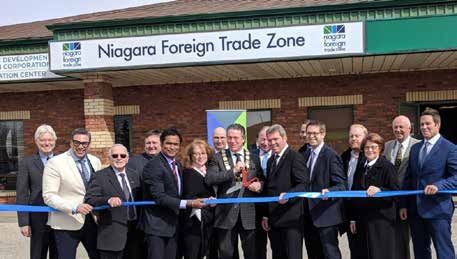
A Message
    from the CAO
The 2015 – 2018 Niagara Region strategic plan was created at
the direction of current Regional Council, and was one of inspiring
forward-looking transition for Niagara as a community. From
this strategic plan, Regional Council established an aggressive                  Carmelo D’Angelo
implementation plan which identified 30 projects across a broad                  CAO, Niagara Region

range of topics, all of which have produced significant positive
benefits to Niagara. These projects were above and beyond the
core services that the Region provides to the community, signifying        “Myself, and the Corporate
the strong will of Council to make a positive impact and significant          Leadership Team, are
progress on driving Niagara towards a better future. The project             very proud of the hard
successes which resulted from the guidance and leadership from                work, dedication, and
Council also showcase the tremendous talent and efforts of staff              professionalism from
that drove each of these high profile projects forward. Many                 all staff in successfully
projects included significant community consultation, ensuring                completing Council’s
that the objectives and outcomes of the projects were aligned                    strategic priorities.
with the voice of residents. This term in review report showcases             Having these projects
the outcomes of Council’s strategic plan - the community impacts,               cross the finish line,
                                                                                Niagara Region has
benefits and resulting progress that Niagara has made over the last
                                                                              increased the level of
four years. The Region remains committed to implementing the
                                                                               quality services and
outcomes and driving further the opportunities that have evolved
                                                                            programs that will meet
from the 2015-2018 Council strategic priorities.
                                                                             the emerging needs of
                                                                               the communities we
                                                                                       serve.”
                              Carmelo D’Angelo
                              CAO Niagara Region

                                                                       i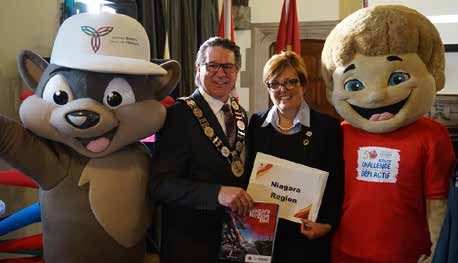
Forward

     The Niagara Region is situated in a unique geographic location
     and hosts the benefits of both rural and urban communities. The
     2015-2018 Regional Council strategic plan was developed to
     deliver on driving the mandate of Fostering Economic Prosperity
     in Niagara, taking into account the diverse needs and landscape
     across the region. The plan encompasses the following six
     strategic priorities:

     •   Moving People and Goods
     •   Fostering Innovation, Investment and Entrepreneurship
     •   Building a Labour-ready Workforce
     •   Positioning Niagara Globally
     •   Doing Business Differently
     •   Advancing Organizational Excellence

     The overarching goal of Council’s strategic priorities was to push
     Niagara forward to support growth, employment, investment
     and infrastructure through responsible taxation while supporting
     Niagara’s unique community needs. These six areas of focus
     became the basis for what Niagara Region has dubbed “dials” of
     success.

     Out of this process, a performance dashboard was created to
     measure the success of the Region’s activities and influences.
     This dashboard is an online tool used to track the Region’s key
     performance measures along with other key data points to
     provide a regularly updated snapshot of the Region’s trends and
     current state across the six dials listed above. The dashboard is
     available at www.niagararegion.ca/priorities/dashboard.

     With the establishment of the strategic priorities, and the
     supporting dials, an implementation plan was developed made
     up of 30 high-profile projects identified for their ability to move
     the strategic mandate of Regional Council forward.

ii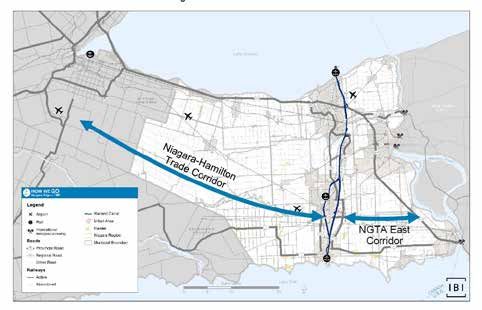
Projects focused on empowering residents by connecting
employers with job seekers, pursuing funding to support the
reduction of our homeless population, and review of long-term
care strategies.

They focused on preparing Niagara for growth through
population growth planning, ensuring the Provincial Plan review
heard Niagara’s voice, and by pursuing broadband research,
and developed strategies on a global attractiveness and youth
retention.

Priorities drove responsible government through alternative
service delivery reviews, advocacy for Niagara’s needs at higher
levels of government and opportunities for greater internal
efficiencies.

Projects strove to increase connectivity across our region through
a transportation master plan, GO rail, airport, transit hub and
corridor efforts.

Efforts were made towards driving economic growth with unique
tools such as the foreign trade zone, expedited development
processes and efforts to increase Niagara’s global attractiveness.

The following report provides a final term in review overview
of the successes, further opportunities and accomplishments
achieved through the 30 projects implement as part of the 2015-
2018 Regional Council strategic plan.

                                                                     iii
Niagara Regional Council’s six strategic priorities are the focus
                                                                              of the 2015-2019 strategic plan, and the associated projects
                                                                              identified to drive change in these priority areas, and are outlined
                                                                              in further detail below.

Project                                                       Page
                                                                              Moving People and Goods
Airport Study and Governance Strategy ...                            1        Creating strong linkages between all modes of transportation for
Hub and Transit Stations Study . ..................                  2        people and goods.
Long-Term Transit Strategy for Niagara ......                        3
Port Robinson Ferry .......................................          4
Provincial Commitment to                                                      • People need reliable and effective transportation modes that
Go Rail Expansion ..........................................         5          allow them to easily move from where they live to places
Niagara Greater Toronto Area                                                    such as work, leisure, health care, and education
East Corridor ....................................................   6
Transportation Master Plan ..........................                7
                                                                              • Similarly, the inter-connectedness, along with ease of use
                                                                                and efficiency of various types of transportation is essential
                                                                                for the movement of goods to support businesses to employ,
                                                                                locate, invest, and expand in existing and new markets

Project                                                       Page
                                                                              Fostering Innovation, Investment
Expedited Process for Development .......... 8
                                                                              and Entrepreneurship
Influencing Provincial Plan Review .............. 9                           Provide necessary infrastructure to foster growth and be a
Joint Economic Development
Action Plan ..................................................... 10
                                                                              catalyst to attract investment.
Southwestern Integrated Fibre
Technology (SWIFT) ..................................... 11                   • It is essential to create an attractive environment for both
Tourism Strategy ........................................... 12                 current and prospective businesses and investors to innovate,
                                                                                invest and embark on new and exciting entrepreneurial
                                                                                ventures
                                                                              • The new economy will be dependent on innovation to keep
                                                                                ahead of global competition, so it is necessary to foster
                                                                                creativity, celebrate innovation successes, support research
                                                                                and development and encourage new and expanded business
                                                                                opportunities in Niagara

                                                                         iv
Building a Labour-Ready                                                Project                                                     Page

Workforce                                                              “Bend the Curve” on the
Economies are facing rapid change and unique skills and training       Ontario Works Caseload ............................. 13
                                                                       Joint Strategy on Youth Retention
are required to stay ahead of the competition.                         with Post-Secondary Institutions .............. 14
                                                                       Provincial Commitment to Increased
• There is currently a phenomenon of “jobs without people,             Homelessness Funding ................................ 15
  and people without jobs” and this strategy seeks to bridge
  the gap
• Careers in the new economy have been difficult to fill because
  job seekers do not have the right skills to meet labour demand

Positioning Niagara Globally                                           Project                                                     Page

Diversifying Niagara’s population, economy and opportunities.          Federal Commitment to a
                                                                       Foreign Trade Zone in Niagara ...................                 16
                                                                       Growth Strategy: Net New Population
• Niagara has a global brand and regularly hosts international         Growth in Niagara of at Least 10,000.......                       17
  travelers, students and businesses.                                  Foreign Financial Institution .......................             18
• Connect with people in Niagara who are already connected             Strategy to Improve Niagara’s Global
  to global markets to understand foreign investment                   Attractiveness ................................................   19

  opportunities and better market Niagara to attract skilled
  immigrants, foreign investors and international students

                                                                   v
Project                                                 Page
                                                                        Doing Business Differently
Long-Term Care Home Redevelopment                                       Promote the values and implement the strategies that foster
Alternative Service Delivery ...................... 20                  economic prosperity in Niagara Region.
Niagara Week is Every Week ..................... 21
Social Housing Alternative
Service Delivery ............................................ 22        • Niagara’s performance can be improved by changing the way
                                                                          Niagara Region does business. Continuous improvement has
                                                                          now been embedded in much of the organization and within
                                                                          its programs and services

                                                                        Advancing Organizational
Project                                                Page
                                                                        Excellence
Committee Review ....................................... 23
Procedural By-law Review .......................... 23                  Advance the six strategic priorities and push the Niagara Region
Comprehensive Asset                                                     corporation to its capacity.
Management Plan ........................................ 24
Enhanced Financial
Management Service ................................... 25
                                                                        • Achieving results is only possible if there is a disciplined,
External Value for                                                        focused approach by Council, the corporate leadership team,
Money Audits ................................................ 26          and employees.
Customer Service ......................................... 27
People Strategy ............................................. 28
Revenue Generation and
Line-by-Line Budget Review ....................... 29

                                                                        With the establishment of the strategic priority goals, an
                                                                        implementation plan was developed which was comprised of
                                                                        30 high profile projects which were identified for their ability
                                                                        to move the strategic mandate of Regional Council forward.
                                                                        This term in review report provides a high level summary of the
                                                                        achievements of Regional Council over the last four year term
                                                                        by highlighting the successes and outcomes of each of the 30
                                                                        projects.

                                                                   vi
Moving People and Goods
Airport Study and Governance Milestone Timeline
Strategy
December 2015
Objective Budget Approved for Airport Study
To deliver reports to the Transportation Strategy Steering Committee outlining for Budget approval for external expertise required
each the Niagara District Airport (NDA) and Niagara Central Dorothy Rungeling to support airport reviews.
Airport (NCDRA) the governance and funding options available, financial viability and
risks, as well as recommendations for a potential Regional role in the operation and
funding. February 2016
Meeting with LAMs
Budget Spent First Status Update Meetings with Local
$108,534 Municipalities & Commission to discuss:
• Purpose of report
• Introduction of staff to consultants
• Identify necessary timelines
April 2016
Continued Conversations between Airport
and the Region
• Workshops with Airport Management
• Second status meetings with local
Photo: Niagara District Airport municipalities and Commission to discuss
report update, information needed, and next
Impact and Outcomes steps
The following outcomes have been achieved as a result of the Airport Study for the
two phases:
May 2016
Phase 1 highlights: Public Information Meetings and Online
• Airport Study completed and presented to transportation strategy steering Survey
committee (June 2016) • Niagara Region sought public input into the
• Regional Council adopts recommendations supporting in principle sole potential future involvement of the Region
responsibility for operations and governance of Niagara District Airport and in one, both or neither of Niagara’s two
Niagara Central Dorothy Rungeling Airport municipally funded airports
• Additionally, exploring financial and operational
Phase 2 highlights: involvement in Niagara’s airports
• Airport Negotiations consist of implementing Regional Council’s motion and are
subject to the completion of an environmental site assessment (ESA) paid for by
the current owners/operators June 2016
• Requests for proposals for ESA’s are initiated and Phase 2 of the project is Final report to Transportation Strategy Steering
completed Committee
Key recommendations were motioned:
Recommendations and Next Steps • Region support adopting sole responsibility for
• Continued implementation of Regional Council recommendations are ongoing both airports
• Negotiations with current funding partners at both airports continue • Staff begin negotiations with the funding
partners of both facilities
• A transition plan be developed
• Results of the negotiations be provided and
presented to Regional Council
1Moving People and Goods
Hub and Transit Station Study Milestone Timeline
Objective
To plan for transit-supportive development around Niagara's GO Station sites in September 2015
Grimsby, St. Catharines, and Niagara Falls, as well as for the potential future GO Hub and Transit Station Study Initiation
Station site in Beamsville. Study components for each Station Area includes: Creation • Four municipalities: Town of Grimsby, Town
of a Secondary Plan land use policy framework, completion of a transportation of Lincoln, City of St. Catharines, and City of
analysis and land value market analysis, and identification of infrastructure Niagara Falls
improvements to accommodate pressures associated with anticipated growth. • Memorandum of Understanding was signed
with the Region to undertake and initiate the
Budget Spent Hub and Transit Station Study
$792,612
June 2016
Secondary Plan Public Engagement &
Visioning Sessions
These sessions helped to establish core
community objectives unique to each Secondary
Plan Area.
Niagara Go Rail Expansion Station Locations, Niagara Region 2016 July 2017
Integrated Mobility Assessment Completed
Measurable Results • Analyzed current and future travel behaviours
17w/ 980 & 1,384
within Secondary Plan Areas
• Identified priority infrastructure improvements
Engagement Attendees Online surveys May/June 2018
Events completed Grimsby and Niagara Falls GO Stations
Approved
Regional Council approval of the Grimsby GO
Impact and Outcomes Transit Station Secondary Plan and the Niagara
Secondary Plan recommendations for policy and guidance to achieve: Falls Transit Station Secondary Plan.
• A comprehensive 20-year vision for the lands surrounding each GO Station
• Land use plans which ensure transit-supportive development near GO Stations
• Provisions that protect the character of existing neighbourhoods. July, 2018
• Identified infrastructure improvements necessary to safely accommodate all St. Catharines & Beamsville GO Stations
modes of transportation accessing GO Stations Approved
• Detailed streetscape and public realm elements which promote universal, barrier- • Regional Council approval of the St.
free design Catharines GO Transit Station Secondary Plan
• Improved connections to and between GO Stations, active transportation and Beamsville GO Transit Station Secondary
networks, and municipal transit systems Plan
• Conclusion of the Hub and Transit Station
Recommendations and Next Steps Study
Regional staff will continue to work with local area municipalities to review and plan
for implementation of zoning by-laws for secondary plans.
2Moving People and Goods
Long-Term Transit Strategy for Milestone Timeline
Niagara
March 2017
Objective Council Endorses Niagara Transit Service
To collaborate with the Mayors, CAOs and transit managers from St. Catharines, Delivery & Governance Strategy
Welland and Niagara Falls, with support from the Regional Chair and CAO, to provide Dillon consulting recommends in the transit
strategic recommendations for the improvement of transit services throughout proposal by area Transit Operators (incl. Mayors,
Niagara. Chair and CAOs), to initiate 'triple majority'
process for Region to operate transit.
Budget Spent
$162,000 (integration efforts only - not NRT operations) June 2017
Niagara Region Transit Achieves Permanent
Impact and Outcomes Service Status
Established permanent Niagara Region- Unanimous 'triple majority' achieved through
funded Inter-Municipal Transit (IMT) passage of CAO 8-2017 by Niagara area
service municipalities enabling Niagara Region Transit to
transition to permanent service from pilot status.
Established Linking Niagara Transit
Committee (LNTC) to provide guidance
and direction to Inter-Municipal Transit July 2017
Working Group (IMTWG) New Joint Governance Structure
Implementation of the Dillon recommendations
The IMTWG continues to pursue every endorsed and established the following:
opportunity to harmonize, integrate and • Terms of Reference for the Inter-Municipal
enhance the transit rider experience Transit Steering Committee (later changed to
including: Linking Niagara Transit Committee - LNTC)
• Standardized on-bus customer service • Staff-led Inter-Municipal Transit Working
policies deployed across all four large Group (IMTWG)
transit systems
• All Niagara transit systems’ routes are
available on a single digital mobile platform (Transit App) to find route, schedule December 2017
and bus information (real-time effective October 1, 2018) Unanimous Adoption of Transit
• Implementation of the ‘Moving Transit Forward’ campaign aimed at raising public Memorandum of Understand (MOU)
awareness to transit integration activities Transit MOU between Niagara Region,
• Consolidated after-hours customer service calls to single provider St. Catharines, Niagara Falls and Welland
• Harmonized rates and agreements with post-secondary institutions to undertake the next steps of the
• NRT multi-year extension 2018-2020 recommendations laid out in the Dillon Report.
• Commitment to come back with cost of
Recommendations and Next Steps governance options for future transit model
Under the direction of the LNTC, IMTWG will be focused on advancing a number of
key enabling actions including but not limited to:
• Advancing the financial and asset valuation analysis together with municipal January 2018
partners related to identified governance options 2018-2019 Workplan Finalized
• Advancing Provincial Gas Tax program discussions with MTO seeking a solution to • IMTWG provides 2018-2019 workplan to
keep Niagara transit systems financially whole during any future transition and/or LNTC.
route consolidation • Customer-focused operational integration
• Continued implementation of route rationalization remains focus, with service changes and route
• Governance options to be presented in 2019 rationalization as precursors to governance
options.
3Moving People and Goods
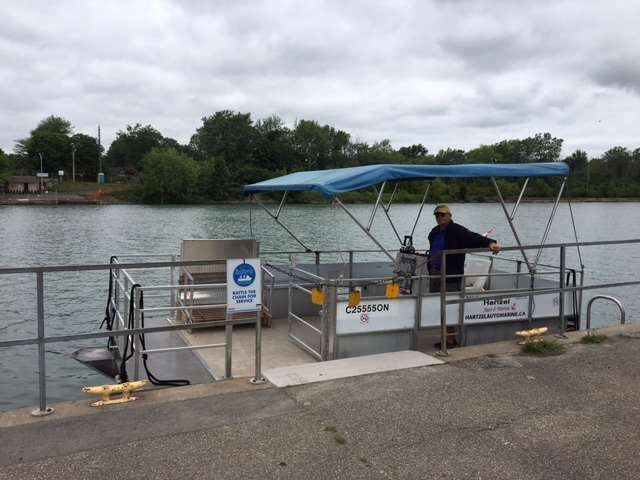
Port Robinson Ferry Milestone Timeline
Objective
To support the Port Robinson Ferry service as part of active transportation and to April 2016
grow cycling tourism in Niagara. City of Thorold Requests Support from
Niagara Region
Budget Spent • Agreement with the Seaway was concluding
$66,500 • A number of risks were identified with the
Ferry capital (boat) and operations (accessible
docks)
• Niagara Region extends funding for two year
period pending negotiations with Seaway
June 2017
City of Thorold Signs New Agreement with
Seaway
• Port Robinson Ferry Committee (City of
Thorold) formed with Regional support for
marketing and promotion of the Ferry. Brands
"Bridge-it" route
• Capital upgrades to Ferry docks completed by
City of Thorold
Photo: Port Robinson Ferry September 2017
New Linkages Identified
Measurable Results • Port Robinson to Chippawa cycling route
that includes the Ferry link identified in the
2017 Ferry Ridership Regional Transportation Master Plan
3,762
40% 66%
w/ Bikes over 2016
November 2017
Sustained Funding for Ferry Approved
• Business case submitted for sustained funding
Total
118%
Passengers for operations of the Port Robinson Ferry
2,885 increase over starting 2018 Operating Budget
w/o Bikes over 2016 2016 vs 2017 • Regional Council approves long term funding
for Port Robinson Ferry
Impact and Outcomes
The City of Thorold signed an 11 year lease agreement with the St. Lawrence Seaway
Management Corporation.
The Ferry ridership was declining in previous years. In 2017, following the
infrastructure upgrades, marketing and promotion (Bridge-it campaign by the Port
Robinson Ferry Committee) the ridership has increased significantly.
The Ferry is an important element in growing bicycle tourism in Niagara, particularly
for the growth of bicyclists coming from outside of the region using the GO Train.
Recommendations and Next Steps
Ongoing support for the Port Robinson Ferry is committed with a 10 year funding
plan for Ferry operations.
4Moving People and Goods
Provincial Commitment to Milestone Timeline
GO Rail Expansion
March 2015
Objective NiagaraGO Campaign Launched
To plan, prepare and advance all GO expansion advocacy, and develop a • Rallied unanimous support from LAM and
comprehensive business case seeking commitment from the Government of Ontario widespread business/public endorsement
to expand daily GO train service to Niagara with stops in Grimsby, St. Catharines and • Conducted public rallies, government advocacy
Niagara Falls. with MPPs, MPs, Ministers and Premier, and
local media briefings
Budget Spent • NiagaraGO.ca online campaign received a Gold
$4,809,175 Award for Canadian Government Relations
Campaign of the Year from the Canadian Public
Relations Society
April 2015
Niagara GO Business Case Submitted
• Comprehensive technical business case
submitted to Province advocating for
expansion of daily GO Rail service to Niagara,
directly leads to inclusion of daily GO rail
service to Niagara in 2015 Provincial Budget.
Niagara GO Rail Expansion and Daily Service Announcment, July 2016
Measurable Results July 2016
3
GO Rail Expansion to Niagara Announced
New GO • Province of Ontario announces daily GO rail
3
Rail Stations expansion to Niagara with stops in Grimsby
4
Regional (2021), St. Catharines (2023) and Niagara Falls
Road (2023).
Secondary Plans Access
Approved Projects
May 2017
Impact and Outcomes Dedicated Project Team Established
Council established the GO Implementation Office to coordinate, manage, and Council establishes dedicated project team
positively influence relationship with Metrolinx and local area municipalities (LAMs) through GO Implementation Office to:
and accelerate project timelines. Significant success of this model has been achieved • Accelerate service plan, project management,
with LAMs in landing coordinated functional station designs (precursor for detail coordination of regional/local planning/
design), accelerated service plan, ridership studies and project direction with infrastructure projects
Metrolinx leadership. • Single window conduit to Metrolinx and GO
stakeholders
Additionally, significant advocacy and a comprehensive business case has led to the
following:
• Provincial announcement of daily GO rail service to Niagara May 2018
• GO Implementation Office established Planning and Design Acceleration
• 3 new GO rail stations (Grimsby, St. Catharines, Niagara Falls) • "Future Home of" station signage installed
• 4 approved GO station secondary plans • GO station functional designs completed at
• 3 station access Regional road projects (Casablanca Blvd., St. Paul St. West, Grimsby and St. Catharines
Bridge St.) identified and underway • GO station area secondary plans approved for
future station locations
Recommendations and Next Steps • Casablanca Blvd. environmental assessment
The GO Implementation Office will continue utilizing and resourcing the dedicated launched
project model to enable acceleration of the opening day implementation timelines for
2021-2023.
5Moving People and Goods
Niagara Greater Toronto Area Milestone Timeline
East Corridor
June 2017
Objective Niagara Advocates for NGTA
The Niagara Greater Toronto Area (NGTA) East Corridor will connect Highway 406 Niagara Region Transportation Master Plan
to QEW (Fort Erie) and form a key link in the Niagara-Hamilton Trade Corridor as recommended a strategy that Niagara Region
proposed in the Transportation Master Plan. advocate to Provincial and Federal Governments
to advance the Niagara-Hamilton Trade Corridor
The NGTA East Corridor would provide additional capacity and network redundancy and the NGTA East Corridor.
for the movement of goods through Niagara Region.
September 2017
Expression of Interest Submitted by
Niagara Region
Niagara Region submits an "Expression of
Interest" to the National Trade Corridors Fund
seeking Federal funding to construct the NGTA
East Corridor - Phase 1 of Niagara-Hamilton
Trade Corridor.
November 2017
Expression of Interest accepted by
Transport Canada
Transport Canada accepts "Expression of
Interest" and Niagara Region submits formal
National Trade Corridor Fund Application.
Proposed Niagara-GTA Corridor, Niagara Region
Measurable Results June 2018
Awaiting National Trade Corridor Fund
Trade crossing Niagara’s borders Approval
If awarded approval of the National Trade
$100,000,000,000 Corridor Fund submission, Niagara Region will
work closely with Ministry of Transportation and
Transport Canada to implement the NGTA East
14% total United States/ Canada goods traded corridor.
Impact and Outcomes
The National Trade Corridors Fund, announced by the Federal government will:
• Provide the first important link to improve the efficiency and reliability of trade
corridors through Niagara Region
• Be part of the longer term Niagara-Hamilton Trade Corridor strategy
Recommendations and Next Steps
Niagara Region to continue to advocate for Niagara-Hamilton Trade Corridor with
Provincial and Federal Partners.
6Moving People and Goods
Transportation Master Plan Milestone Timeline
Objective
The Transportation Master Plan (TMP) will provide Niagara Region with guidance and November 2015
strategic vision for transportation and its implications over the next 25 years. Public Engagement Session #1
3 locations: Grimsby - Port Colborne -St.
TMP will plan to: Catharines
• Enhance quality of life through pedestrian and cycling facilities Engaged with the public on the following:
• Demand responsive and conventional transit, and • Public input on existing transportation issues
• Create an integrated network of roads and highways and long term transportation vision
• Overview of TMP process
Budget Spent • Overview of travel characteristics / patterns
$1,350,000
February 2016
Measurable Results Public Engagement Session #2
3 locations: Fort Erie -West Lincoln -
Welland
Engaged with the public on the following:
• Emerging transportation trends
• Transportation system performance
• Transportation opportunities / complete
Public streets / network efficiency
Information
Centres
February 2017
TMP Map 6: 2041 Road Network, 2017 Public Engagement Session #3
4 locations: Welland: St. Catharines
Impact and Outcomes -Grimsby - Niagara Falls
TMP and Development Charges identified an Engaged with the public on the following:
estimated Capital costs for a recommended 2041 • Vision and goals
network road capacity improvements of $494 • Needs and opportunities
million and $25.8 million for active transportation • Complete streets / active transportation
infill projects.
Online • Moving goods / system management
Surveys
The local area municipalities and members of the
public support the TMP process and endorse the June 2017
following: Sharing of Public Engagement Results with
• Incorporate complete streets Regional Council
• Wayfinding Stakeholder • Presentations to Public Works Committee and
• Active transportation to implement strategic Advisory Regional Council
cycling network Group (SAG) • Council Approved TMP (June 17, 2017) and
Meetings
• Flexible transit service implementation of actions to proceed
• Opportunities for higher order transit
• A long term road network that facilitates, where possible, all modes of travel.
• Advocate for the advancement of a new trade corridor in Niagara Region May 2018
• Implementation of the Capital Program Initiation of Environmental Assessment
Studies
Recommendations and Next Steps Consultant awarded Environmental Assessment
The TMP provides an action plan to implement the recommendations identified. Studies for two areas:
Early actions have been identified and are in progress. Additional support by the • Casablanca Boulevard (RR10) from North
Region is needed to implement long-term actions. Service Road to Main Street (RR81) and GO
Station Access
• Livingston Avenue Extension (RR512) from
west of Emily Street to Main Street
7Investment, Innovation and
Entrepreneurship
Expedited Process for Milestone Timeline
Development
May 2016
Objective Rapid Response Team Created
To develop an expedited planning approvals process that will increase approval • Decision by Local Area Municipalities to
certainty and accelerate the review period with a focus on creative solutions for develop a "Rapid Response Team" approach to
development initiatives. attract, encourage, and manage game-changing
projects (i.e. GE Canada)
Budget Spent • They concluded a need for the identification
$79,725 of "shovel-ready" lands as a key component
May 2017
Project Request for Proposal Issued
MDB Insight was awarded the contract to:
• Conduct a best practices review
• Interview realtors, brokers, and site selectors
• Develop a premier site scoring matrix
Website promotional branding - site launch coming soon April 2018
Methodology and Inventory Created
Impact and Outcomes The methodology and Premier Site inventory
• Created an evidence-based evaluation procedure to evaluate sites and determine includes:
if they qualify for Premier Site status • A-list (Premier, Shovel-ready sites)
• Showcase Niagara's "shovel-ready" sites in the Niagara Premier Sites section of • B-list and C-list properties (Considered to need
the Niagara Canada website to promote the Region's competitive advantage in more work before being classified as A-List)
attracting new investment
Recommendations and Next Steps July 2018
Identify specific sites that fall short of Premier Site status and work with the property Final Report to be Completed
owner to increase the site's investment attractiveness. This could include leveraging Final report to go to Council for approval. Once
the Ontario Certified Sites Program for additional funding and advertising. approved, the "Niagara Premier Sites" section of
the Niagara Canada website will be added and
advertised through LinkedIn and other social
media and online channels.
8Investment, Innovation and
Entrepreneurship
Influence Provincial Plan Review Milestone Timeline
Objective
To review the planning policies in the Provincial Comprehensive Review considering March 2015
the benefits/implications for Niagara, provide site specific examples of Niagara Collaborative meetings
demonstrating how planning policies and mapping impact growth, and make • Region led stakeholder engagement to collect
submissions to draft planning policy, mapping and guidelines under the Provincial feedback and provided a unified response
Comprehensive Review. with Local Area Municipalities and Niagara
Peninsula Conservation Authority
April 2015
Public Engagement Session #2
3 locations: Fort Erie -West Lincoln -
Welland
• Stakeholder engagement (Development
Industry and Council)
July 2015
Public Engagement Session #3
Covers form updated Provincial Plans, 2017 4 locations: Welland - St. Catharines
-Grimsby - Niagara Falls
Measurable Results • Staff reports on policy and mapping adopted
and submitted
September 2016
Sharing of Public Engagement Results with
Regional Council
100
Over • Submission of comments to Provincial
Properties Comprehensive Review
Amended through
Policy and/or Mapping
Recommendations
March 2018
Initiation of Environmental Assessment
Studies
Impact and Outcomes • Submission of comments to Provincial
Submissions were made to provincial planning policy documents and associated guidelines
guidance documents - Growth Plan, Greenbelt Plan, Niagara Escarpment Plan.
The outcome of this project has resulted in a comprehensive assessment on
the impact of provincial planning policy and mapping to the future growth and
development of Niagara.
Recommendations and Next Steps
The Provincial Comprehensive Review is now complete however through the
preparation of the new Niagara Region Official Plan, provincial planning policies,
guidelines and mapping will need to be challenged.
9Investment, Innovation and
Entrepreneurship
Joint Economic Development Milestone Timeline
Action Plan
April 2015
Objective Action Plan Development Begins
In collaboration with local businesses, economic development officers, CAOs, post- Began development of Joint Economic
secondary institutions and innovation centres, the Niagara Region will be developing Development Action Plan in consultation with
an economic development action plan. The plan will emphasize investment Team Niagara.
attraction, innovation and entrepreneurship, economic research and analysis, and
advocacy to drive growth in the Region.
April 2016
Budget Spent Foreign Trade Zone Designation Announced
$2,000,000 (By end of 2018) Targeted program funding was used to send Team
Niagara investment missions to Germany with a
focus on manufacturing.
Measurable Results
From 2011 to 2016
May 2017
ECONOMIC DEVELOPMENT ACTION PLAN
(2015-2018)
Niagara’s population grew
3.8
Further Development of Foreign Trade Zone
April 2, 2015
% 16,542 and International Missions
individuals
A coordinator was appointed for the Niagara
From 2015 to 2017 Foreign Trade Zone. Team Niagara investment
8%
missions were sent to the UK with a focus on
growth in agri-business.
new business
+365 +1,942
w/ employees w/o employees
April 2018
Creating Further Development of Foreign Trade Zone
6,593 jobs
and International Missions
The Foreign Trade Zone store front was opened
in Fort Erie. Investment mission to selected
$238.18
million in
Canadian Consulates in the U.S. started in March.
Commercial Industrial
Construction Values June 2018
Strategic Marketing Launched
Impact and Outcomes Completion of Strategic Marketing plan and soft
• Built organizational capacity related to targeted economic research and analysis launch of economic development website.
and established administrative frameworks and protocols to implement the
action plan
• Conducted strategically focused trade mission activity and industry participation
• Developed marketing materials to promote Niagara's competitive advantage and
support lead generation activities
Recommendations and Next Steps
Business case to be developed to incorporate Team Niagara funding into the
Economic Development base budget to continue current activities and include in the
joint Team Niagara Action Plan.
10Investment, Innovation and
Entrepreneurship
Southwestern Integrated Fibre Milestone Timeline
Technology (SWIFT)
June 2015
Objective Niagara Region Project Granted
To support the growth of small businesses in rural areas by expanding access to Participation
online and e-commerce tools, securing significant Federal and Provincial investment Acceptance for participation in SWIFT project by
to improve Niagara’s information infrastructure, and providing better connections for Western Ontario Wardens Caucus.
residents in rural communities with online information and services.
Budget Spent September 2016
$1,161,893 Current State Analysis
Tasks were initiated to understand the current
state for expansion into rural areas:
• Feasibility analysis
• Gap analysis study
July 2016
SWIFT Project Funding Received
SWIFT project received $180 million dollars
in combined funding from the Government of
Southwestern Integrated Fibre Technology (SWIFT) Logo Canada and the Government of Ontario.
Measurable Results
October 2016
1,248 km Niagara Region Appointed Seat on SWIFT
Board of Directors.
Niagara Region appointed seat on SWIFT
of fibre required to Board of Directors ensuring Niagara will have
interconnect Niagara’s “Connect to Innovate” voice at the table to advocate for residents and
eligible communities businesses.
Impact and Outcomes January 2018
Niagara is now a key partner in a larger buyer group and will be able to leverage Request for Proposals Issued to Begin
this to attract broadband providers to build connectivity into smaller and rural Project
communities. SWIFT releases RFPs to start the build of high-
speed fiber backbone.
The SWIFT project has received $180 million dollars in combined funding from the
Government of Canada and the Government of Ontario.
Recommendations and Next Steps
Niagara Region will continue to look for funding opportunities to expand broadband
connectivity in under-served communities.
11Investment, Innovation and
Entrepreneurship
Milestone Timeline
Tourism Strategy
Objective November 2015
To ensure that tourism is part of the Niagara Region's Economic Development Tourism Industry Analysis and Options
Strategy by facilitating discussions on transportation access initiatives, developing Study Completed
a Regional Wayfaring Plan, promoting five scenic routes and supporting event This analysis included the following which was
bids, and to advocate on behalf of industry stakeholders and undertake investment presented to Council:
attraction initiatives. • An analysis of the tourism industry in Niagara
• An overview of roles and responsibilities of
Budget Spent stakeholders across the region
$250,000
December 2016
Niagara Hosts Tourism Summit
Council agreed that a regional Tourism Summit
be held in the Fall to collaborate with tourism
stakeholders. The Summit was held on December
7, 2016. The purpose was to gather stakeholder
feedback to guide the future role of the Region in
tourism.
June 2017
Niagara to Host Canada Summer Games
Gateway Niagara Signage 2021 is Announced
14
Announcement released that Niagara was
Measurable Results awarded the 2021 Canada Summer Games in
million
March 2017:
Niagara Busiest Season • Planning underway with the Canada Games
visitors annually Council
region Jul Sept
welcomes to • Negotiations started with the tourism industry
1 30 partners (TPN) to assume the lease of the
approximately Niagara Gateway Kiosk in Grimsby
Top
3
Countries : Canada United States United Kingdom November 2017
MOU Signed with Gateway Center Partners
An MOU was signed between the Gateway
Impact and Outcomes Centre partners (Niagara Region, the Tourism
Niagara Region Economic Development has a defined role in tourism that avoids Partnership of Niagara, and the Niagara West
duplication of effort, while ensuring appropriate support for the tourism industry. Tourism Group) regarding the operations of the
Some of the major impacts as a result of the collaborative work among the Gateway Gateway Centre.
Niagara partners includes:
• Tourism Summit held December 2016 A Letter of Intent was negotiated and signed
• Niagara awarded the 2021 Canada Summer Games between the TPN and the landlord.
• Lease agreement signed by the Tourism Partnership of Niagara (TPN) for the
Niagara Gateway Kiosk in Grimsby
• Supported bid for the 2020 Brier event July 2018
Niagara Gateway Kiosk Lease is Signed
Recommendations and Next Steps A lease for the Niagara Gateway Kiosk Grimsby
Niagara Region Economic Development is resourced and funded to fulfill their has been signed between the landlord and the
defined role in tourism. Ongoing efforts will continue to advocate to ensure that TPN with funding from Niagara Region. It will be
tourism is part of the Niagara Region's Economic Development Strategy. sub-leased to the Niagara West Tourism Group.
12Labour Ready Workforce
“Bend the Curve” on the
Milestone Timeline
Ontario Works Caseload
Objective September 2015
To increase the number of Ontario Works and Ontario Disability Support Program Preliminary Analysis
clients with employment. The long term goal of this project is to further reduce the • Internal systems / applications assessment
Ontario Works caseload. • External scan & gap analysis
• Employment Ontario Agencies consultations
Budget Spent • Other Ontario Works site analysis (Peel,
$313,093 Hamilton, Brantford, Ottawa and Toronto)
September 2016
Vendor Selection and Initiated Project Build
• Signed contract with successful vendor
• Privacy impact assessment
• Security risk assessment
• System design is intuitive, ensures data
integrity and was built for growth (scalable)
July 2017
BENN Logo, Niagara Region 2016 Beta Testing / Piloting Program
• 35 front line staff, using real data participated
Measurable Results in beta testing
Through BENN, from January to June, 2018: • Staff feedback was incorporated into changes
before implementing to all staff
489
• Beta testers became BENN champions and
Jobs posted
spread the word to their co-workers
in BENN
1,952 Client secured
employment
October 2017
Training and Activation
• Staggered the roll out of training and activation
over four weeks in October 2017
Impact and Outcomes • Preloaded necessary data for training programs
The BENN (Building Employment Networks Niagara) system launched in November & job postings for day 1
2017. The shift from manual tracking to system automation has resulted in an • Utilized a priority matrix approach to balance
increase in the quantity of referrals and efficiency (real-time) of matches to training impact to all staff roles and the five SAEO
programs and employment opportunities. offices
The introduction of an employability assessment has significantly improved the
quality of matches between clients and employers. As a result of the enhancements November 2017
to service delivery, Niagara was chosen for the Ontario Municipal Social Services System Launch
Association (OMSSA) Local Municipal Champion Award. • Imported data of over 11,000 employers
gathered through the Niagara Employment
Over 10 Ontario Works offices across Ontario have contacted Niagara to learn more Inventory – creating the ability to match
about the benefits of BENN. potential clients to jobs
• BENN was successfully launched in November
Recommendations and Next Steps 2017 to all SAEO staff
Data analysis from BENN is ongoing to support and shape future training and
employment program planning for Ontario Works and Ontario Disability Support
clients.
13Labour Ready Workforce
Joint Strategy on Youth Retention Milestone Timeline
with Post-Secondary Institutions
August 2017
Objective Sector Partnership Grant Submission
Develop a strategy to ensure that Niagara, has a skilled and educated workforce by Participated in a Sector Partnership Grant with
attracting, engaging and retaining youth (under 40) to locate in the Niagara region. Niagara Workforce Planning Board (NWPB) and
Niagara Region to support the development of a
Budget Spent Youth in Advanced Manufacturing Strategic Plan.
$75,000
December 2017
Initiation of a Workforce Development
Strategy
Formed a Partnership with NWPB to complete
a workforce development strategy (youth and
Immigration) as part of our 2018 work plans.
Measurable Results January 2018
Pilot Project Initiation: Youth and
Manufacturing
Initiated a Pilot Project with District School Board
of Niagara, Niagara Region and EdgeFactor.
An interactive, media rich platform that
showcases real world applications of Science,
Technology, Engineering and Math (STEM)
education and identifies possible career
opportunities in manufacturing and the trades to
students.
February 2018
Youth and Manufacturing Success Stories
released
The first two of six, youth and manufacturing,
Impact and Outcomes Niagara success stories filmed and distributed to
Partnerships have been developed between the Region and the Niagara Workforce partners.
Development Planning Board, Niagara Local Immigration Partnership, Niagara
Industrial Association, and regional education providers at all levels to execute on the
strategy when complete. March 2018
Joint Strategy Announcement
This project has been moved into the implementation phase. Data has been Formal announcement of the joint strategy
collected and a joint strategy is being prepared in partnership with the Niagara between the Niagara Region and the Workforce
Workforce Planning Board in the third quarter of 2018. Development Planning Board was made with an
Currently executing on manufacturing specific aspects of the plan that were expected completion date in September, 2018.
identified in phase 1 of the project.
Recommendations and Next Steps
Continue to support the development of a labour ready workforce by executing on
joint strategies with our regional partners. A key component is to continue funding
the collection of data as well as creating and distributing media rich content to
engage with our target audiences.
14Labour Ready Workforce
Provincial Commitment to Milestone Timeline
Increased Homelessness Funding
March 2015
Objective Provinces Announces Funding Increase
To increase homelessness funding from the Provincial and Federal government that is Provincial commitment to increase CHPI funding
representative of Niagara's need and economic indicators. Community from $5 M to $6.9 M for the next two years.
Homelessness Prevention Initiative (CHPI) funding is the primary source of homeless
funding in Niagara.
August 2016
Council Presents on CHPI Funding
Presentations made by representatives from
Council and staff at Association of Municipalities
of Ontario regarding the inequities of the CHPI
funding allocations in Ontario as part of the
government relations strategy.
October 2016
Province Announces 3-Year CHPI Fund
Provincial commitment to CHPI funding of $7.2
M, $7.5 M and $7.8 M for the three fiscal years
ending March 31, 2018, 2019 and 2020.
May 2017
Niagara Region presentation with Minister
Measurable Results Ballard
168
Meeting with Minister Ballard to discuss CHPI
Creation Housing First funding levels in Niagara, including a presentation
of: program units of data on funding shortfalls based on variety of
socio-economic indicators.
40 Community based
supportive housing units
In addition, discussed Niagara's application for
Home For Good monies.
28 Supportive housing
building units awarded
September 2017
Niagara Receives Home for Good Money
Niagara received $5.4 million in Home for Good
money, including capital and operating funds to
Impact and Outcomes develop both community units and construct
• Provincial commitment to increased funding for homelessness from a baseline additional units.
(2015/16) of $5 M to $7.8 M effective the fiscal year 2019/20
• Received "Home for Good" supportive housing funding, $5.4 million over three Contracts were executed in December 2017
years for community based units and March 2018 for
• Increased funding to homelessness priorities including shelter, prevention and construction of new units.
supportive housing
Recommendations and Next Steps
Continued sharing of Niagara's homelessness funding challenges and data to support
further increases.
15Position Niagara Globally
Federal Commitment to a Milestone Timeline
Foreign Trade Zone in Niagara
April 2016
Objective Foreign Trade Zone (FTZ) Designation
To raise global and national business awareness of the Niagara region's ability Announced
to encourage and support export-focused business operations. It addresses an Public-private task force has joined to support
opportunity to provide a single referral point for businesses to the many Federal, NFTZ as an attractive one window point
Provincial, Regional and local municipal programs and services available to exporters. to help companies launch and scale into
international markets, provide resources for
Budget Spent reducing operational costs and to leverage their
$300,000 international competitiveness.
May 2017
Coordinator Appointed for Niagara Foreign
Trade Zone
FTZ coordinator connects with companies as an
information provider and expediter for export
related government incentives and programs.
September 2017
Operational and Business Plan Approved
Established the FTZ operational plan in
collaboration with local Economic Development
Officers through internal meetings and updates
that help stakeholders and task force members
serve companies effectively.
Photo: Official opening of the Niagara Foreign Trade Zone Centre, Fort Erie
Measurable Results February 2018
16
Received Funding from Invest Canada
7
clients look upon FTZ as a Community Initiative
resource to develop Funding for planning, research, sector marketing,
their export Local and International website development and lead generation in
FTZ leads identified Europe and the United States.
Impact and Outcomes May 2018
The Foreign Trade Zone places emphasis on the key advantages of: Foreign Trade Zone Storefront
• Reducing the paper burden (red tape for imports/exports) Foreign Trade Zone Storefront opens in Fort Erie.
• Ensure no geographic restrictions
• Help improve business cash flow (GST/HST)
• Reduce business operating costs
• Increase international competitiveness
Overseas and national inquiries have been received seeking FTZ incentives resulting
in seeding of new ventures such as medical IV fluid facilities, food processing,
logistics facilities, exporting educational services to international markets.
Recommendations and Next Steps
Foreign Trade Zone transitioned to Niagara Development Corridor Partnership Inc
(NDCPi) for development of a brand at regional, national and international levels and
to increase maturity and accountability from stakeholders.
16Position Niagara Globally
Growth Strategy: Net New Milestone Timeline
Population Growth of at Least 10,000
June 2015
Objective Needs Assessment with Developers and
To increase the population growth rate in the Niagara Region by: Investors Completed
• Meeting with developers and investors to understand their needs, facilitate Met with developers and investors to understand:
greater development in key areas • Short term business needs
• Find ways to help move business projects forward, and • Building plan needs
• Build better relationships with developers and investors
Budget Spent February 2016
$53,372 Real Estate Research Study Initiated
The Real Estate Research Study - "Builder &
Buyer Market Trends" initiated:
• A cross-departmental team of Strategic Project
Leads for a steering committee to manage and
engage the PMA Brethour Group
• Initiated to understand more about Niagara's
real estate market and trends
May 2017
Niagara Population Growth Achieved
On Census day (May 10, 2016), Niagara Region
had a total population of 447,888 (excluding
Measurable Results undercount). Based on the recent 2016 Census
data release, the Niagara Region grew by 16,542
From the 2016 Census, In 2017, people (3.83%) between 2011 and 2016.
Niagara’s population totalled Niagara’s population grew
447,888 up 3.83%
from 2011 4,829 est
(+1.06%) November 2017
Real Estate Research Study Completed
Identified four key areas for improvement:
Impact and Outcomes • Make residential development a priority
Many actions identified by the Real Estate Research Study are currently being • Revamp the Region’s development webpage
implemented in partnership with Economic Development and Planning and and/or create a new separate site
Development including a “Why Niagara” website with a Niagara Marketing Plan • Create a strategy for attracting young
including Global Attractiveness, Immigration Portal, Economic Development and New professionals to the Niagara region
Growth. • Create a “Why Niagara” website for
prospective residents to utilize
Population growth was the greatest it has been in over a decade as Niagara’s
population increased by 4,829 people in 2017.
Residential and Non-Residential building permit values increased 28.5% to over an
estimated $1.15 billion dollars in 2017 compared to 2016.
Recommendations and Next Steps
• The final report has already been shared with all 12 Local Area Municipalities,
specifically with the Area Planners, EDOs and CAOs
• Continually working with our planning partners to make residential development
a priority through customer service and finding creative solutions to move
projects forward
• Developed a greater understanding of Niagara’s housing market - efforts are
ongoing
17Position Niagara Globally
Foreign Financial Institution Milestone Timeline
Objective
10
To attract at least one foreign financial institution focused on commercial banking in May 2015
Niagara. President of Bank of China Comes to
Canada
Measurable Results An initial meeting was held with the President of
Bank of China in Canada, at their Head Office in
Markham. Representatives from Niagara Region
over
Contacted received a positive response.
March 2017
Foreign Meeting with Bank of China at Niagara
Region
Financial Representatives of the Bank of China met at the
Niagara Region Headquarters with staff from
Institutions Economic Development and Organizational
Performance to explore potential opportunities.
Impact and Outcomes
Representatives from the Bank of China and other foreign financial institutions have May 2017
indicated that they would require a compelling business case, based on market size Niagara Chinese Business Council is
and customer attractiveness, to establish a location in Niagara. Launched
The Greater Niagara Chamber of Commerce,
Foreign and domestic financial investors with a global presence have been made Niagara Region and the Bank of China assisted
aware of the advantages of the Niagara region as a location for investment. in the launch of the Niagara Chinese Business
Council. An opening ceremony was held on May
Recommendations and Next Steps 25, 2017.
The project will be operationalized through the Team Niagara Trade and Investment
Work Plan.
December 2017
First Collaboration between Canada and
Bank of China
The Bank of China worked with Canada BW
Logistics and Bonded Warehouse on establishing
their business in Niagara. Representatives of
the Bank of China attended the grand opening
of Canada BW Logistics in Niagara Falls on
December 8, 2017.
February 2018
Continued Partnership with Bank of China
The Niagara Chinese Business Council invited
representatives from the Bank of China and
other foreign banks to attend the Niagara
Chinese Lunar New Year celebration on February
20, 2018.
18Position Niagara Globally
Strategy to Improve Milestone Timeline
Niagara’s Global Attractiveness
September 2016
Objective Understanding Current State
To support community readiness for Niagara to be a welcoming community, create a The following actions were completed to
new strategic marketing plan and improve Niagara’s existing marketing and migrant/ understand current state:
immigrant focused websites and collateral, and support programs that will retain • Literature review
immigrants and international students • Data analysis
• Survey and focus group of new residents and
Budget Spent key stakeholders completed
$450,000
February 2017
Global Attractiveness Strategy Created and
Approved by Council
The strategy provides direction to increase
Niagara’s readiness for being a welcoming
community.
July 2017
Inter-Departmental Team Created
• Regional departments (Economic
Development, Communications, Planning,
Niagara Canada Immigration Portal Branding: Your Home | Your Future Niagara Public Health and Community Services) align
Canada and consolidate resources to achieve joint
strategic projects
Impact and Outcomes • Strategic Marketing Manager hired to lead
A Global Attractiveness Strategy has been created and adopted by Council that project
provides direction to increase Niagara’s readiness for being a welcoming community.
The following key outcomes have taken place as a result of the project:
• Strengthened relationships between Regional departments, the Local Immigration July 2018
Partnership and local newcomer services providers Strategic Marketing Plan Developed
• Re-development of Niagara’s Immigration Portal and marketing collateral A strategic marketing plan for resident and
• Improved access to local information immigrant attraction was created and approved
by Council. The plan outlines how to promote
Recommendations and Next Steps the Niagara region as a place for domestic and
Immediate recommendations include: international residents to choose Niagara as their
• Create a Diversity Council at Niagara Region home.
• Advocate for organizations and businesses to create similar groups
• Highlight and promote organizations that are successful in being inclusive and Niagara Immigration Portal Re-developed
share regional success stories and Launched
• Support cultural sensitivity/diversity training in workplaces, schools, places of Site launched July 1, and provides information
recreation and worship, in the legal community and law enforcement for new immigrants on how to prepare for their
arrive, what to expect when they arrive and how
The Global Attractiveness report identified the requirement for a plan on how to to get established in Niagara and Canada.
deliver the remaining recommendation not included here.
19You can also read


