COVID-19 DELIVERING PARLIAMENTARY DEMOCRACY - CPA Toolkit for Commonwealth Parliaments - Commonwealth Parliamentary Association
←
→
Page content transcription
If your browser does not render page correctly, please read the page content below
COVID-19
DELIVERING PARLIAMENTARY DEMOCRACY

CPA Toolkit for Commonwealth Parliaments
COVID-19: CPA TOOLKIT FOR COMMONWEALTH PARLIAMENTS   III
II   COVID-19: CPA TOOLKIT FOR COMMONWEALTH PARLIAMENTS

Purpose of the Toolkit
This toolkit is published by the Commonwealth Parliamentary Association (CPA) www.cpahq.org for
the benefit of its membership of 180 Commonwealth Parliaments and Legislatures and for the wider
international community1.

This information is intended to supplement the current global pandemic advice and information from a
wide range of international organisations. Further links to this information can be found at the back of
this toolkit.

About the CPA
                                                                                                                  TABLE OF CONTENTS
The Commonwealth Parliamentary Association (CPA) connects, develops, promotes and supports
parliamentarians and their staff to identify benchmarks of good governance and the implementation
of the enduring values of the Commonwealth. The CPA collaborates with parliaments and other
organisations, including the intergovernmental community, to achieve its statement of purpose. It
                                                                                                                  INTRODUCTION 										1
brings parliamentarians and parliamentary staff together to exchange ideas among themselves and with
experts in various fields, to identify benchmarks of good practices and new policy options they can adopt
or adapt in the governance of their societies. www.cpahq.org.                                                     KEEPING PARLIAMENT OPERATIONAL 				5
© Commonwealth Parliamentary Association, Published April 2020.
All rights reserved. This publication may be reproduced, stored, or transmitted in any form or by any             THE ROLE OF PARLIAMENT 						                                    12
means, electronic or mechanical, including photography, recording or otherwise provided it is used
only for educational purposes and is not for resale, and provided full acknowledgement is given to the
Commonwealth Parliamentary Association as the original publisher. Rights are not extended for the                 GLOBAL POLICY RESPONSES 						                                   19
reproduction of any photography or design not owned by the Commonwealth Parliamentary Association
as contained in this publication.

Views and opinions expressed in this publication are the responsibility of the Commonwealth
Parliamentary Association Headquarters Secretariat and should not be attributed to any parliament or
member of the Association.

Have you used this publication? If you have, let us know as we are always keen
to hear how our products are being used. Our details are on the back.

1.     This guide does not supersede existing national guidance and plans. Rather, this guide should be used to
       augment existing relevant national plans and focus the support of the international community.

II
COVID-19: CPA TOOLKIT FOR COMMONWEALTH PARLIAMENTS                     1
IV    COVID-19: CPA TOOLKIT FOR COMMONWEALTH PARLIAMENTS

FOREWORD                                                                                                                 WHAT IS COVID-19?
The outbreak of COVID-19 (Coronavirus), a severe respiratory disease that was first recorded in Wuhan, China in
November 2019, has since spread rapidly to at least 180 countries and has been documented as a global health
pandemic. The detrimental nature of this virus has consequently plunged many Parliaments across the globe into a         Coronaviruses (CoV) are a large family of viruses that cause illness ranging from the common cold to
state of emergency. The Commonwealth Parliamentary Association (CPA) Headquarters Secretariat has conducted              more severe diseases such as Middle East Respiratory Syndrome (MERS-CoV) and Severe Acute Respiratory
research amongst our membership to synthesise a forward-looking ‘CPA Toolkit for Commonwealth Parliaments and            Syndrome (SARS-CoV). Coronavirus disease (COVID-19) is a new strain that was discovered in 2019 and has
Legislatures on the COVID-19 (Coronavirus) pandemic and delivering parliamentary democracy.’ This toolkit provides       not been previously identified in humans.
various measures that can be adopted by both Parliaments and Parliamentarians in order to continue to deliver on the
Legislatures’ role of scrutinising legislation and delivering democracy during a global pandemic.                        Common signs of infection include: respiratory symptoms, fever, cough, shortness of breath and breathing
                                                                                                                         difficulties. In more severe cases, infection can cause pneumonia, severe acute respiratory syndrome, kidney
The CPA has been championing parliamentary democracy across the Commonwealth since 1911 and has since served             failure and even death.
as a forum that enables the development of the best parliamentary practice. The CPA Headquarters Secretariat has
conducted research into the current COVID-19 Coronavirus pandemic to produce a clear and concise forward-looking
document that ascertains possible measures for adoption by Commonwealth Parliaments and beyond. The outbreak             Standard recommendations to prevent the spread of infection include regular hand washing, covering
of the virus is developing at different stages around the world, with some countries experiencing fewer cases and        mouth and nose when coughing and sneezing, thoroughly cooking meat and eggs. Avoid close contact
others experiencing an epidemic that is harder to contain with mass numbers infected. The measures outlined for          with anyone showing symptoms of respiratory illness such as coughing and sneezing.
consideration in this toolkit are therefore inspired primarily by measures actioned by various CPA Legislatures in the
midst of this current outbreak, combined more broadly with independently sourced research on business continuity         COVID-19 PANDEMIC2
and crisis management.
                                                                                                                         A pandemic is a global outbreak of disease. Pandemics happen when a new virus emerges to infect people
This CPA toolkit provides an overview of what the current global pandemic is and the basic protective measures that
                                                                                                                         and can spread between people sustainably. Because there is little to no pre-existing immunity against the
have been determined by Public Health officials worldwide. The toolkit then highlights ways in which Legislatures
can remain operational, in continuing to uphold their democratic responsibilities and exert their democratic rights.     new virus, it spreads worldwide.
An assessment of the different types of emergency legislation currently being enacted is detailed for the purpose
of establishing solutions to the practical challenges faced by a democracy under a state of emergency. Key policies      The virus that causes COVID-19 is infecting people and spreading easily from person-to-person. As the virus
and response recommendations have been identified for careful consideration by Commonwealth Parliaments,                 has continued to spread, cases have now been detected in most countries worldwide. On 11 March 2019, the
Parliamentarians and parliamentary officials towards the conclusion of this toolkit.                                     COVID-19 outbreak was characterised as a pandemic by the World Health Organisation (WHO).

The CPA will continue to work with its membership of over 180 Commonwealth Parliaments and Legislatures and with         The current situation is the first pandemic known to be caused by the emergence of a new Coronavirus. In
international partners to support the work of Parliaments and Parliamentarians during the current global pandemic.       the past century, there have been four pandemics caused by the emergence of novel influenza viruses. As
                                                                                                                         a result, most research and guidance around pandemics is specific to influenza, but the same premises can
We will provide maximum support to our Members and partners by using alternative means to deliver on our mandate
                                                                                                                         be applied to the current COVID-19 pandemic.
of developing, promoting and supporting Commonwealth Parliamentarians and parliamentary staff to identify
benchmarks of good governance and to implement the enduring values of the Commonwealth.
                                                                                                                         Pandemics of respiratory disease follow a certain progression outlined in the Pandemic Intervals Framework.3
                                                                                                                         Pandemics begin with an investigation phase, followed by recognition, initiation, and acceleration phases.
                                                                                                                         The peak of illnesses occurs at the end of the acceleration phase, which is followed by a deceleration phase,
Mr Jarvis Matiya                                                                                                         during which there is a decrease in illnesses. Different countries can be in different phases of the pandemic
                                                                                                                         at any point in time and different parts of the same country can also be in different phases of a pandemic.
Acting CPA Secretary-General
April 2020

                                                                                                                         2       https://www.who.int/emergencies/diseases/novel-coronavirus-2019
                                                                                                                         3       https://www.cdc.gov/coronavirus/2019-ncov/php/pandemic-preparedness-resources.html

IV
A pandemic is a global outbreak of disease. Pandemics happen
 COVID-19                     Coronaviruses (CoV) are a
                            family of viruses that cause
                                                                                                          COVID-19      when a new virus emerges to infect people and can spread
 What is
 Coronavirus?                   illness ranging from the                                                  PANDEMIC      between people sustainably. Because there is little to no pre-
                                                                                                                        existing immunity against the new virus, it spreads worldwide.
      2                   common
           COVID-19: CPA TOOLKIT  FORcold  to more severe
                                      COMMONWEALTH   PARLIAMENETS                                                                              COVID-19: CPA TOOLKIT FOR COM-
                          diseases. Coronavirus disease                                                                 The virus that causes COVID-19 is infecting people and
                              (COVID-19) is a new strain                                                                spreading easily from person-to-person. Cases have been
                            that was discovered in 2019                                                                 detected in most countries worldwide and community spread is
                           and has not been previously                                                                  being detected in a growing number of countries. On 11 March
                                    identified in humans.                                                               2019, the COVID-19 outbreak was characterized as a pandemic
                                                                                                                        by the WHO.

                                                                                                                                               PUBLIC HEALTH IMPACTS
   Common signs of infection
   include:                                                                                                                                    The public health impacts of the Coronavirus outbreak
   •   Respiratory symptoms                                                                                                                    are widespread. Some of the areas of public health
                                                                                                                                               affected will include:
   •   Fever
                                                                                                                                               • Increased mortality rate – the primary health impact
   •   Cough                                                                                                                                      of the global pandemic
   •   Shortness of breath                                                                                                                     • Physical health of the general population – for
   •   Breathing difficulties                                                                                                                     those who suffer from the virus but also through
                                                                                                                                                  lack of exercise/fresh air, poor diet, etc during social
   In more severe cases,                                                                                                                          distancing measures
   infection can cause:                                                                                                                        • Social care provision - particularly for elderly or
   • Pneumonia                                                                                                                                    vulnerable groups
   • Severe acute respiratory                                                                                                                  • Mental health – particularly through stress, anxiety,
     syndrome                                                                                                                                     isolation especially during social distancing measures
   • Kidney failure                                                                                                                            • Health services – a global pandemic will have a
   • Death                                                                                                                                        huge effect on the public health services in any given
                                                  SYMPTOMS                                                                                        jurisdiction.

                                                                                            Maintain social                           Practice respiratory                               Avoid touching eyes,
                             Washing of hands                                               distancing                                hygiene                                            nose and mouth
                             frequently                                                     Maintain at least 2                       This means covering                                Hands touch many
                             Regularly and                                                  metre (6 feet) distance                   mouths and noses with                              surfaces and can
                             thoroughly clean hands                                         between people,                           either the bent elbow                              pick up viruses. Once
                             with an alcohol-based                                          especially those                          or a tissue when people                            contaminated, hands
                             hand rub or wash them                                          who are coughing or                       cough or sneeze.                                   can transfer the virus
                             with soap and water.                                           sneezing.                                                                                    to the eyes, nose or
         2
                                                                                                                      PREVENTION                                                         mouth.
Source: https://www.who.int/emergencies/diseases/novel-coronavirus-2019/advice-for-public
CUSTOMERS BUYING LESS
Fear of the virus and government advice to stay at
home is having a devastating impact on the retail,
tourism, leisure, hospitality and hotel industries
across the world. COVID-19: CPA TOOLKIT FOR COMMONWEALTH PARLIAMENTS 5
TRAVEL INDUSTRY
DECLINE
The travel industry has been
badly damaged, with airlines
cutting flights and people
KEEPING PARLIAMENT
GROWTH COULD cancelling holidays and business
STAGNATE
If the economy is growing, that
generally means more wealth
trips. Governments around the
world have introduced travel
restrictions to try to contain the
OPERATIONAL
and more new jobs. According to virus.
the Organisation for Economic
Cooperation and Development In order to successfully preserve the operation of Parliament, during a time of global pandemic whereby the
(OECD) , the world’s economy could key functions of Parliament as a legislative body are arguably most needed, it is crucial that Commonwealth
grow at its slowest rate since 2009, Parliaments take appropriate, proportionate and reasonable measures to facilitate this.
‘SAFER’ due to the coronavirus outbreak.
INVESTMENTS HIT The measures outlined below seek to ensure that the safety of Parliamentarians and parliamentary staff are
When a crisis hits, investors of vital importance as well as taking into consideration the manner in which the Parliament or Legislature
often choose ‘less risky’ would ordinarily operate.
investments. Gold is
traditionally considered a It is the responsibility of all Parliaments and Legislatures to scrutinize all legislation and policies proposed by
‘safe haven’ for investment The economic impacts of the government. This includes the routine laws required to run the country and the emergency powers that
in times of uncertainty but
the price of gold globally has
the Coronavirus outbreak the government proposes as any global pandemic unfolds. In order for Parliament to remain operational,
it must ensure that it acts just as efficiently in scrutinising all legislation and holding the Executive to
fallen. The global oil price has COVID-19’s have left businesses account under all circumstances. Although Governments do have the option to propose procedural changes
also fallen as investors fear around the world to facilitate alternative ways of working, it is for the Speaker and the House Procedure Committees to
that the global spread of the
virus will further hit the global
ECONOMIC counting costs and trying decide on the most appropriate action to be taken. For many Parliaments for example, there is no standard
procedure in place yet for operating the Legislature remotely.
economy and demand for oil.
IMPACT to understand how the
economy will be affected
in the future. At the Norwegian Parliament (the Storting), a number of measures were introduced during the current
global pandemic including: a reduction in the number of Members of Parliament at plenary meetings and
during voting from 169 to 87; the plenary will only take decisions on urgent issues identified by the President
in consultation with the Leaders of parliamentary party groups; some rules of procedure are temporarily
suspended including extended deadlines and the requirements for physical presence in Committee meetings
with priority given to video conferencing; reduced Committee workload with priority given to urgent business;
and the cancellation of international and domestic Committee Members’ travel. The Storting also established
UNEMPLOYMENT a Coronavirus Special Committee to examine Emergency Legislation and government measures4.
Businesses in non-essential services
may close, resulting in temporary or
permanent unemployment in the
services sectors. Governments have
taken steps to provide benefits and the
freezing of debt repayments to cushion
the impact.
FINANCIAL MARKETS
DECLINE 4. https://www.stortinget.no/en/In-English/About-the-Storting/News-archive/Front-page-news/2019-2020/
Financial markets around the world the-storting-constitutes-coronavirus-special-committee/
INDUSTRIAL PRODUCTION SLOWED have seen huge falls since the outbreak
With the restrictions on movement across the world, industrial began. Investors fear the spread of the
production has slowed. In China, for example, where the Coronavirus coronavirus will destroy economic growth
first appeared, industrial production, sales and investment all fell in and that government action may not be
the first two months of 2020, compared with the same period in 2019. enough to stop the decline. In response,
China makes up a third of manufacturing globally and is the world’s central banks in many countries have cut
largest exporter of goods. Supply chains for all major industries will be interest rates.
affected by the industrial slow down.COVID-19: CPA TOOLKIT FOR COMMONWEALTH PARLIAMENTS 7
6 COVID-19: CPA TOOLKIT FOR COMMONWEALTH PARLIAMENTS
GUIDANCE FOR PARLIAMENTS
A TRANSPARENT INSTITUTION PRODUCE DIGITAL GUIDANCE
Demonstrate transparency in communicating to the Demonstrate how public proceedings may be ‘live’
general public how the global pandemic may affect the streamed via online platforms and social media as
PRACTICAL AND INNOVATIVE STEPS TO KEEP PARLIAMENT FUNCTIONING process in which Parliament will operate and the impact an alternative to welcoming visitors to Parliament.
that this could have on Parliament’s functions. Ensure Demonstrate how parliamentary colleagues can interact
that this information is easily accessible either via the through virtual meetings via online applications like
⬤ Management of ‘social distancing’ measures in accordance with official guidance. The usual practice parliamentary website or public announcements. Ensure Skype. Demonstrate how Parliamentary Committees can
is that Members of Parliament walk into voting lobbies in close proximity to each other, or via voting that all elected and non-elected Parliamentarians have continue to function and to conduct effective scrutiny via
buttons located in the Chamber both of which constitutes a clear risk of spreading any virus during a accurate information that they can share with their local videoconferencing for Members, support staff, participants
global pandemic. If the distance between those voting can be managed effectively in a way that the constituents. Media briefings will assist with distributing and witnesses. Produce and publish your step-by-step
recommended distance of at least 2 metres (6 feet) is maintained between people, this could ensure the message more broadly to wider society. guide on digital working in order to establish the required
that voting can still take place and that the Parliament is able to operate in a safe and controlled arrangements and to manage any disruption.
environment. Managing the process for ‘in-person’ voting may be complex to implement, especially in
some Parliament buildings, so as advised, the safer alternative would be for Members and parliamentary
staff to work from home. However, if that is not suitable then proxy voting could be employed or pairing
through whips to keep the number of Parliamentarians physically present kept to a minimum. Presiding
Officers could then temporarily suspend standing orders specifically related to quorums.
⬤ Voting remotely via email at a fixed time could be presented as an option for the continuation of
parliamentary procedures and participation. The sample rules for voting can be drafted by the relevant SUPPORT HEALTHCARE WORKERS RESTRICT NON-ESSENTIAL BUSINESS
persons, reflective of the standard practice of the given Parliament, with amendments to accommodate
the new circumstances and may be circulated to all voters accordingly. The ever-growing pressure on the healthcare system In the case that your Parliament gives access to the general
during any global health pandemic can lead to increasing public to fulfil democratic access measures, operates
pleas for former medical practitioners to go back into the commercial or non-commercial tours of the Parliament
The Parliament of Spain already has remote voting technology in place for Members of Parliament who medical field. Many Members of Parliament who were buildings (including school visits), accommodates public
cannot sit for medical reasons, pregnancy or maternity/paternity leave. This technology has now been rolled previously medical practitioners can volunteer to go back viewing galleries used by visitors to watch proceedings - it
into their former roles to assist and Parliaments should may be necessary to temporarily suspend these activities
out to all Members during the global pandemic and was used by the Senate for the first time. The system
offer support to Members and staff who wish to do this. to ensure that your Parliament is upholding the official
also includes electronic voting for MPs5. guidance.
It is just as important that Parliaments promote the
message for all citizens to stand in solidarity with all medical
staff and caregivers by providing support where necessary.
Parliaments can encourage the public to demonstrate
support by engaging in voluntary work, creating social
media hashtags or by encouraging visible demonstrations
of support (e.g. supporting public campaigns such as a
‘national’ applause for health workers).
5 . https://www.ipu.org/parliaments-in-time-pandemic#S
6SET UP VIRTUAL PUBLISH REPORTS
COMMITTEES STANDING
8 COVID-19: CPA TOOLKIT FOR COMMONWEALTH PARLIAMENTS
Parliaments should consider
ONLINE ORDERS
Parliaments should maximise
creating special the use of their websites by To accommodate new ways
Committees or holding special publishing Hansard, committee of working online, it may
inquiries to look at the COVID-19 reports and legislation online in a be necessary to update or
pandemic and how their timely fashion. suspend the Parliament’s
government is tackling the issue. rules of procedure or
This can be Standing Orders. Or the
done via remote Speaker may need to make
meetings using special rulings to enable
THE ROLE OF INFORMATION TECHNOLOGY (IT) easily accessible the Parliament to meet
software and virtually.
A global pandemic (such as the COVID-19 pandemic) challenges some of the corporate business strategies of many COV-
equipment.
public facing organisations such as Parliaments, and how they conduct their primary business functions. In the wake of ID-19:
recent global pandemics, many private sector organisations have been able to adapt quickly and maintain the efficient CPA TOOLKIT FOR
delivery of their business operation. This was largely achieved by: COMMONWEALTH PAR-
LIAMENTS 9
⬤ Establishing and embedding efficient digital workspaces
⬤ The proactive acknowledgment of the importance of IT as a core element for organisational operation, and
GOING
⬤ Investing appropriately in: establishing and managing an agile future-focused IT strategy; ensuring the availability
of essential IT equipment and resources, and; embedding and enforcing a technology culture within their
organisations.
IT SYSTEMS &
Suggested IT Strategies for Parliaments CYBERSECURITY
Some short-term
VIRTUAL
1. Develop and maintain a robust IT strategy and conduct regular IT health checks
investment may need to be
2. Build and incorporate agile and proactive IT infrastructure and services into the overall business strategy; IT strategy
must support the overall organisational strategy
made to provide suitable
3. Involve IT in all corporate governance planning and decision making; IT must be represented during decision equipment and software
making meetings as well as ensuring IT
4. Adopt innovative IT solutions such as secure cloud technologies; examples include Microsoft Office 365, Microsoft staffing support is on-hand.
Teams, Skype for Business, Microsoft Azure, AWS, Google Cloud and SharePoint Remember
5. Budget and invest appropriately in technology, both the technology and the personnel behind the technology to also put in
6. Invest in training and embedding the use of technology as part of the Parliamentary operational culture place adequate
7. Balance the use of any IT with robust cybersecurity measures to safeguard its use against any potential risks to security and
data and importantly personal information. guidance as well
8. Encourage innovation. to keep systems
safe.
In addition, Parliaments can aim to adhere to a minimal technology benchmark, which is tested frequently. This will
help promote better ways of delivering parliamentary services as well as better prepare Parliaments for potential
emergency situations.
In the Parliament of the Maldives (People’s Majlis), despite measures that restrict travel and non-essential movement,
e-VOTING
Parliaments should look at ways
the Parliament is continuing with parliamentary sittings via video conferencing and online facilities, with Members
for legislators to vote electronically.
of Parliament joining remotely from home. The first online sitting was held on 30 March 2020 and was attended by
This can be done verbally via video-
71 MPs out of 87. The Members of Parliament debated a motion on the Government’s proposed financial support
programme as the country prepared for the economic and social impact of the COVID-19 global pandemic6.
e-ETIQUETTE conference or via special e-voting
Parliamentarians should remember to be patient software.
with new systems and approaches. There will be the With testing
need for trial and error. However video-conferencing new systems it
6 . https://www.ipu.org/parliaments-in-time-pandemic#M modalities will sometimes require speaking one at a is important that
time, muting when not speaking, not always having Members have a
the benefit of seeing body-language, giving shorter chance to approve
speeches, setting up your meeting much earlier and the process or not.
waiting for sessions to start.
8COVID-19: CPA TOOLKIT FOR COMMONWEALTH PARLIAMENTS 11
10 COVID-19: CPA TOOLKIT FOR COMMONWEALTH PARLIAMENTS
ACTION POINTS FOR PARLIAMENTARIANS ACTION POINTS CONTINUED
1 2 3 4 5 6
WORK REMOTELY COMMUNICATION WITH ENCOURAGE LIAISE WITH PUBLIC SUPPORT FOR DO NOT LOSE FOCUS ON
CONSTITUENTS COMMUNITY SPIRIT VOLUNTEER GROUPS MENTAL WELLBEING OTHER THINGS
AND SELFLESSNESS
The same advice applies to those During times of domestic and global Parliamentarians are in a unique Mental wellbeing is just as important There is a temptation in
working in Parliaments as in all public uncertainty, the public often turn Parliamentarians can be seen as position to identify the local as physical wellbeing during any circumstances such as an
institutional bodies. It is important to their elected representatives for the voice of reason and authority volunteer groups who are seeking to global pandemic as morale is often international or national crisis to
that Parliamentarians continue to leadership and support. Although during a time of crisis. Therefore, provide support to their constituents low. Recommendations to ‘social be distracted from other issues
uphold their responsibilities whilst it may be more challenging under Parliamentarians can use their and to liaise with them to ensure that distance’ can lead to increased that may seem on the surface to
ensuring that they are prioritising such a high-pressure environment, own platforms to encourage the appropriate support reaches the loneliness, particularly amongst have less priority but are still very
their own and others health and it is crucial that Parliamentarians responsibility, safety and local local people who will benefit most the most vulnerable groups. important. The running of the state
safety. Parliamentarians should engage with their constituents community support during any from it. Groups delivering food to Parliamentarians can play a vital role or jurisdiction must also continue
ensure that they identify the key more than ever. Communication global pandemic. In times of crisis, it vulnerable people in the community in encouraging their communities and parliamentary scrutiny is vitally
tasks that are able to be completed can be in the form of an email or is often the case that there is a shift may require the support of their to talk to each other and offer important. It is also important that
while working from home. letter to assure local constituents in ‘normal’ behaviours. Member of Parliament in enlisting support, encouraging positive Parliamentarians do not lose focus
of their support and to reiterate volunteers or identifying vulnerable messaging and spreading optimism. on areas such as education, the
For example, when dealing any public health advice that may For example, there can be an people. Members of Parliament can Parliamentarians can help to create environment, housing, defence and
with constituency casework for not have yet reached them. It may increase in ’panic-buying’ by people help by circulating notices to make a ’wellbeing’ campaign with local other national and global issues
local constituents, Members of be a good idea to encourage those who may not otherwise realise the people aware of the local support mental health organisations to which still need time and resources
Parliament should consider doing who may be considered most consequences of their actions. A available. circulate to local communities that focused on them.
so only through emails and phone vulnerable, or high-risk, to contact Member of Parliament can remind support is available.
calls and try to limit, where possible, the appropriate authorities so that local people that such shortages can Parliamentarians can also help to
the face-to-face interactions that they can ensure that they are being have devastating impacts on their identify professional healthcare Parliamentarians must also prioritise
they may otherwise have with given the necessary local support. local communities. Parliamentarians coordinators to liaise with local their own welfare alongside their
local constituents, parliamentary can assist with distributing public services when Members are duties. Parliamentarians that fall ill
staff and parliamentary colleagues. information leaflets and flyers that contacted by constituents who are are unable to effectively serve their
Investigative work by Parliamentary educate local populations on the ill or are in need of social care or local communities. It is therefore
Committees can be done via detrimental impacts of stockpiling. assistance. essential that priority be given to
videoconferencing, provided It is important to encourage avoiding putting Parliamentarians
the appropriate IT and technical communities to rally together and or others at risk and to heed all of
assistance is in place. support each other. the advice that is being given.
10COVID-19: CPA TOOLKIT FOR COMMONWEALTH PARLIAMENTS 13
12 COVID-19: CPA TOOLKIT FOR COMMONWEALTH PARLIAMENTS
THE ROLE OF PARLIAMENT EMERGENCY LEGISLATION
For many states and territories, the threat of a global pandemic virus has been considered a primary civil Emergency, fast-tracked legislation can be proposed which can be passed on an expediated timetable.
emergency risk over the past decade. Many jurisdictions and the wider international community have Such legislation is used to take decisive and rapid action in response to emergencies such as the current
produced strategies to guide coordinated and effective preparedness and how to respond to a global pan- COVID-19 global pandemic. Emergency Legislation could take the form of delegated or secondary legislation
demic - an outbreak that the World Health Organisation (WHO) stated was a matter of ‘When, not if’7.
emanating from Executive Orders or new primary legislation. The way that Emergency Legislation is
In 2019, the WHO published its Global Influenza Strategy for 2019 – 20308 aimed at building stronger country enacted differs across jurisdictions - this can include the presence of a specific process for Emergency
capacities for disease surveillance and response, prevention and control, and preparedness and calling on Legislation or the inclusion of measures within Standing Orders11. In the case that there is no procedure
every country to have a tailored influenza programme. As such, various other countries have developed their for Emergency Legislation, a Parliament often has the means to pass Emergency Legislation through its
own preparedness strategies, including the Canadian Pandemic Influenza Preparedness: Planning Guidance standard parliamentary channels but on a fast-tracked schedule, if there is broad agreement that this is
for the Health Sector (CPIP)9 and the UK Influenza Pandemic Preparedness Strategy10. Such guides have been necessary within the Parliament (and with the agreement of the Speaker).
built to develop and guide the world’s responses to pandemics and global health emergencies.
TYPES OF LEGISLATION ENACTED DURING A GLOBAL PANDEMIC
Responding to any global pandemic will also require a legislative response and there are many different
types of legislation that can be enacted as outlined below:
⬤ Existing legislation may have provisions that allow governments to react to the virus, such as Public
Health Acts that include measures such as quarantine, detention and compulsory medical examination
powers for national and local authorities.
⬤ New legislation during a global pandemic that is passed by Parliaments to meet the demands of the
required response that existing legislation simply is unsuited for. A range of emergency bills have been
introduced across many Commonwealth Parliaments during different global pandemics.
⬤ Greater Executive powers may also be used such as secondary/delegated/subsidiary legislation
through Executive Orders or through a Minister if this isn’t possible. This may require a Parliament to be
summoned even if it is not already sitting.
7 World Health Organization. (2019). Global influenza strategy 2019-2030
8 https://www.who.int/influenza/global_influenza_strategy_2019_2030/en/
9 https://www.canada.ca/en/public-health/services/flu-influenza/canadian-pandemic-influenza-prepared-
ness-planning-guidance-health-sector.html
10 https://www.gov.uk/government/publications/review-of-the-evidence-base-underpinning-the-uk-influen-
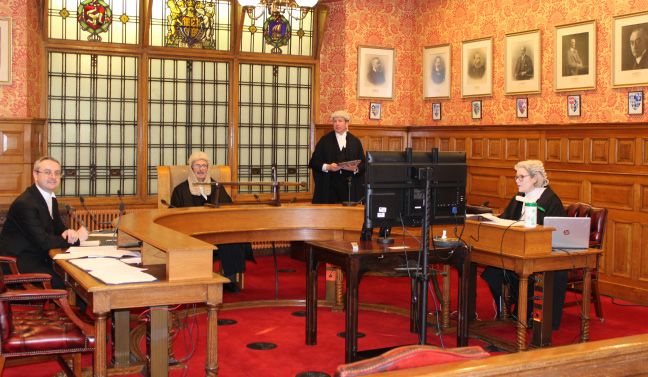
za-pandemic-preparedness-strategy Going virtual: The Tynwald in the Isle of Man hold a plenary session virtually in response to the COVID-19
pandemic (Image courtesy of the Speaker of the House of Keys, Parliament of Tynwald).
11 https://publications.parliament.uk/pa/ld200809/ldselect/ldconst/116/11614.htm
12COVID-19: CPA TOOLKIT FOR COMMONWEALTH PARLIAMENTS 15
14 COVID-19: CPA TOOLKIT FOR COMMONWEALTH PARLIAMENTS
CHALLENGES FOR PARLIAMENT
Although the introduction of Emergency Legislation may be necessary during a global pandemic and the
emergency measures are crucial for the functioning of the government authorities, they also bring some
potential problems. The massive extension of Executive power and the curtailing of certain civil liberties
in society, in conjunction with a restricted Parliament, means that Parliamentarians are crucial to ensuring
that scrutiny is applied and that any government is held to account as far as possible, but in a manner that
does not impede the national effort against the global pandemic.
BEST PRACTICES FOR EMERGENCY LEGISLATION
The challenges faced by Parliaments during a global pandemic can include:
⬤ Scrutiny: The need to ensure that effective parliamentary scrutiny is maintained in all situations. Can effective
parliamentary scrutiny still be undertaken when the progress of bills is fast-tracked? ⬤ Increased pressure on government departments and parliamentary staff: those involved in the
drafting and passing of Emergency Legislation need to work fast to develop the draft legislation and to
⬤ ‘Good Law’: Ensuring the technical quality of Emergency Legislation is maintained and improved. Is there any make policy decisions while ensuring that the legislation is passed quickly.
evidence that the fast-tracking of legislation has led to ‘bad law’?
⬤ Participation: It is important to provide interested bodies and affected organisations with the opportunity to ⬤ Lack of scrutiny: Because a new piece of Emergency Legislation may be passed with significantly
influence the legislative process. This is a key role for Parliamentarians who often represent the interests of many reduced numbers of Members of Parliament in the chamber or without a vote at all, such Emergency
different groups within society. Is Parliament able to take account of the work of campaigners in its scrutiny work Legislation can suffer from a lack, or complete absence of, parliamentary scrutiny. This is significant
when a bill completes its parliamentary passage so quickly? considering the far-reaching powers that such legislation most often brings and for how long the
Emergency Legislation may be enacted.
⬤ Proportionate: It is crucial that legislation remains proportionate, justified and appropriate in its response and that
fundamental constitutional rights and principles are not permanently jeopardised. Ensure legislation has some
form of continuous-review mechanism and perhaps it is time limited in its application. Governments should also, In the UK Parliament, an Emergency Coronavirus Bill was fast-tracked through all parliamentary stages. The
where possible, be including impact-assessments to accompany legislation to enable Parliaments to see the full bill aims to increase the available health and social care workforce by, for example, removing barriers to allow
ramifications on any new laws. recently retired health workers to return to work and easing the administrative burden on frontline staff.
⬤ Transparency: To what extent is the policy-making process within government and the parliamentary legislative
process compromised when bills are fast-tracked?
⬤ Lack of expertise or access to experts: With the inevitable restrictions in place due a global pandemic,
Parliaments can be restricted in their access to experts by social distancing measures. In addition, when
parliamentary sessions or Committees take place with fewer Members of Parliament then the sources
of expertise usually present amongst Parliamentarians can be missing.
⬤ Too much Executive Power: with measures having the potential to greatly concentrate power in
government authorities, often for an unspecified period, and the impact on civil liberties, it is crucial that
such Emergency Legislation is scrutinised effectively to ensure that such powers are used proportionately.
14COVID-19: CPA TOOLKIT FOR COMMONWEALTH PARLIAMENTS 17
16 COVID-19: CPA TOOLKIT FOR COMMONWEALTH PARLIAMENTS
ACTION POINTS FOR PARLIAMENTS ACTION POINTS CONTINUED
1 2 3 4 5 6
SCRUTINY PARLIAMENTARY POST-LEGISLATIVE SAFEGUARDS REDUCE THE NUMBERS BI-PARTISANSHIP
COMMITTEES SCRUTINY
A Parliament can work to change The impact on the formal activities In the absence of robust scrutiny Parliamentarians can push for Following the measures of ‘social In times of emergency such as a
or suspend their Standing Orders of Parliamentary Committees, during the passage of Emergency time-bound provisions within distancing’ and minimising contact global pandemic, party-politics
to make the necessary changes including receiving evidence and Legislation, it is even more a bill through sunset clauses. during a global pandemic, it may be should be put aside as far as
that would allow the services of producing reports, could be severely important during this period for With emergency measures necessary to drastically reduce the possible. Parliamentarians must
the House to continue if large compromised due to changes in a Parliamentarians to identify any potentially limiting civil liberties number of Members of Parliament in also be careful to balance their
numbers of Parliamentarians were Parliament’s operation. Although unintended effects of emergency on an unprecedented scale and the House temporarily. Having fewer role in scrutinising and holding the
forced to work from home or were new Emergency Legislation related measures and to suggest changes centralising power in the Executive Parliamentarians would also affect government to account without
absent due to illness, particularly to a global pandemic may bypass where necessary. Post-legislative and government authorities, it is the process of decision-making in unnecessarily hindering a swift and
relating to how decisions are made the Committee stage (or take place scrutiny can also examine crucial that Emergency Legislation the House. A solution proposed urgent national response when it is
in the chamber. This could include as a Committee of the whole House), procedural issues in addition to does not continue indefinitely and by the UK Parliament’s Procedure needed most. It is also important
limiting the number of written these mechanisms still play an the implementation of legislation, beyond necessity. Committee was to drastically to note that many of the changes
questions that a Member can table important role during times of crisis. particularly as the rapid passing of reduce the number of Members of required to maintain the operation
on a particular day, changes to the While the Parliamentary Committee bills can place additional pressure Parliament in the main chamber at of the Parliament will also have
arrangements for Motions or in systems’ scope and function may on processes within Parliaments. any one time, the Members selected to be decided through informal
some circumstances, office opening be significantly restricted during the to attend in person would represent cooperation and political agreement.
hours. crisis period of a global pandemic, the current party balance of the
additional solutions such as taking House. Such alterations to standard
evidence from witnesses by video parliamentary procedures would
link, and Committee Members also come alongside decisions
taking part electronically with only by the Speaker on what business
the Committee Chairperson in the should and should not continue
inquiry room, could be employed. during this period and perhaps,
postponing certain non-essential
business.
16COVID-19: CPA TOOLKIT FOR COMMONWEALTH PARLIAMENTS 19
18 COVID-19: CPA TOOLKIT FOR COMMONWEALTH PARLIAMENTS
GLOBAL POLICY RESPONSES
A number of key measures that can both protect the public from the spread of a global pandemic as well as
mitigate from the direct and indirect, social and economic effects can and have been employed by national
governments and advocated by the international community. Commonwealth Parliamentarians can focus
CASE STUDIES their activities on these policy areas during their scrutiny of the Executive and to ensure that parliamentary
scrutiny continues. These key policy areas can also continue to be scrutinised following a global pandemic as
⬤ Committee: As a direct response to the current global pandemic, the Parliament of New Zealand part of the response and planning for similar events in the future.
quickly established an Epidemic Response Committee with government and opposition Members of
Parliament to scrutinise government actions and the Committee is meeting via video-conferencing.
The global response so far has largely been shaped by three focuses: public health policy;
⬤ Innovation: In Brazil, the Parliament passed a new resolution which enables Parliamentarians and monetary and fiscal policy; and international cooperation.
parliamentary staff to work remotely during the current global health emergency using video-conferencing
and virtual management tools. The system allows Members of Parliament to register to a session and
shows all phases of the legislative process including the bill under discussion, amendments, the results
of each voting round, speeches, and committee agendas. The first remote plenary session took place
on 20 March 2020 and was livecast to the public through the Parliament’s media and digital platforms.
⬤ Reducing the numbers: The UK Parliament has to-date continued to conduct proceedings with face-
to-face plenary sittings, albeit with a reduced number of Members of Parliament in the chamber (the
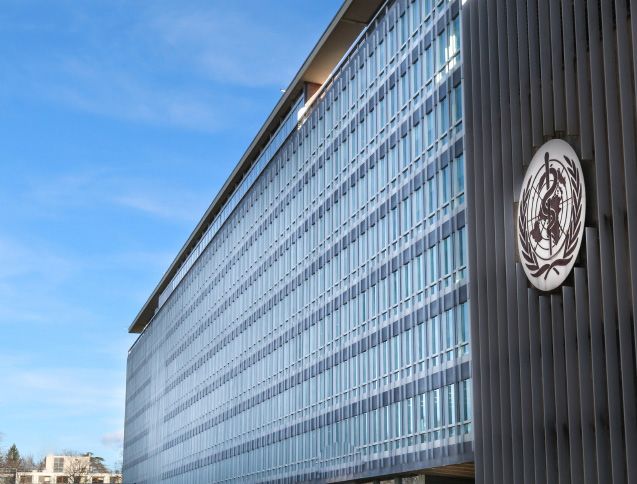
quorum in the House of Commons is 40). Parliamentary staff have also been encouraged to work At the centre of the global COVID-19 pandemic response:
remotely. World Health Organisation (WHO) Headquarters,
Geneva, Switzerland
⬤ Bi-partisanship: In Pakistan, a Parliamentary Committee comprising party representatives from across
the political divide has been formed to deliberate and make recommendations to the government, on
how to manage COVID-19. Likewise in South Africa, there has been a show of unity across all 14 political
parties within the national Parliament in response to the spread of the virus across the country.
18COVID-19: CPA TOOLKIT FOR COMMONWEALTH PARLIAMENTS 21
20 COVID-19: CPA TOOLKIT FOR COMMONWEALTH PARLIAMENTS
PUBLIC HEALTH RESPONSES ECONOMIC RESPONSES
LIMITING CONTACT TESTING RESEARCH AND DATA FISCAL POLICIES MONETARY POLICIES
Perhaps the most important policy Extensive, early and exhaustive The medical and scientific community Supply chain and distribution, business operations, Governments and central banks across the world have
responses at this stage are those testing, as has been done in South can work to develop vaccines in employee support, and Small and Medium Enterprises a role to play in initiating measures in an attempt to
taken to contain the global pandemic, Korea during the Coronavirus response to any global pandemic. (SME) support are all areas where policymakers can provide blunt some of the economic impacts from a global
particularly through limiting the pandemic, has been suggested as Procedures for determining the anti- effective economic responses to any global pandemic. pandemic. Interest rates can be lowered to historic lows
population’s activities in public. being effective in containing a global bodies against a specific virus and Some policy responses may include suspending the and quantitative easing programmes can be introduced.
The key to this policy approach is pandemic. By tracing the spread establishing medical data on those payment of payroll taxes and/or the refundability for paid The International Monetary Fund (IMF), the World
ensuring that populations keep as of the pandemic, acting early and who have already contracted a sick leave for employers; expanding and streamlining loan Bank, and other international financial bodies are able
much distance between themselves mobilising resources, it is suggested particular virus can also be developed programmes for small and medium sized businesses; to make available their own tools, such as the IMF’s
as possible. On the most extreme that jurisdictions can prevent a sharp ‘at pace’ across countries. These and enable facilities for larger businesses to access Rapid Financing Instrument and Rapid Credit Facility
end of the scale, measures have and exponential increase in cases as measures may be less useful for the loans and loan guarantees. Parliamentarians have a key for countries with balance of payment problems. Some
been introduced to lockdown parts well as get important data for future ‘here and now’ but will be essential role in highlighting these areas and responding to the initial global coordination on economic policy can also
and/or even whole countries from all responses to the global pandemic. to protect populations against the requirements of their local constituents. take place through the Group of Seven (G7) and Group
but the most essential activity. The prolonged spread or future outbreaks of Twenty (G20). Parliamentarians need to scrutinise
economic impacts from this policy of the global pandemic and must monetary policies introduced during a global pandemic
response are hugely significant but proceed in tandem with more to ensure that they are meeting the needs of citizens.
evidence suggests that this measure immediate measures.
has proven effective in limiting the
spread of the virus.
INTERNATIONAL COOPERATION
In a period of division and fragmentation of the global political system, a global pandemic or health crisis could be a
shock to national and sub-national governments and so it is important to emphasise that this pandemic is a global
problem which requires cooperation and shared solutions across international borders. Parliamentarians should ensure
that international connections and networks are maintained as the work towards vaccine development, information
sharing about the global pandemic and its spread, as well as the longer-term outlook for recovery will be strengthened
by Parliaments and Parliamentarians working together across the international community. International and inter-
parliamentary organisations such as the Commonwealth Parliamentary Association can be important arenas whereby
Parliaments and Parliamentarians can share experiences, exchange important information and impart best practice
from their respective jurisdictions.
Further difficult decisions will likely have to be made which will challenge political unity as the economic ramifications
set in. Parliamentarians can play a vital role in emphasising national and global unity. National development plans will
have to be altered to account for the changing reality; progress towards the Sustainable Development Goals (SDGs)
will be affected; and policy reforms that strengthen jurisdictions’ resilience to similar situations in the future will likely
be prioritised. It is therefore critical that the role of Parliaments and Parliamentarians continue the momentum of
cooperation and inclusive decision-making.
20COVID-19: CPA TOOLKIT FOR COMMONWEALTH PARLIAMENTS 23
22 COVID-19: CPA TOOLKIT FOR COMMONWEALTH PARLIAMENTS
RESOURCES AND INFORMATION Legislative Assemblies Business Continuity Network (LABCoN)
⬤ The Legislative Assemblies Business Continuity Network (LABCoN) has a range of expertise for
Parliaments and Legislatures and has published: ‘Managing Disruption: Business Continuity for
The situation regarding the latest global pandemic and COVID-19 (Coronavirus) is rapidly changing and so Legislatures’ (2019) – visit https://labcon.network/ to download a copy.
this information resource and the links below are subject to change. Please check the latest information
online. UK Parliament: House of Commons Library
World Health Organisation – www.who.int ⬤ The UK Parliament’s House of Commons Library has produced a wide range of briefing papers and
information available online about the Coronavirus and the Legislative response in the UK. Visit https://
⬤ Coronavirus disease (COVID-19) outbreak - https://www.who.int/emergencies/diseases/novel- commonslibrary.parliament.uk/coronavirus/
coronavirus-2019
⬤ The briefing paper on ‘Coronavirus: Changes to practice and procedure in other Parliaments’ is also
⬤ Country & Technical Guidance - Coronavirus disease (COVID-19) - https://www.who.int/emergencies/
available at: https://commonslibrary.parliament.uk/research-briefings/cbp-8874/
diseases/novel-coronavirus-2019/technical-guidance
⬤ Coronavirus disease (COVID-19) travel advice - https://www.who.int/emergencies/diseases/novel-
coronavirus-2019/travel-advice Scottish Parliament Information Centre – Coronavirus Information and Research
⬤ Global research on Coronavirus disease (COVID-19) - https://www.who.int/emergencies/diseases/
novel-coronavirus-2019/global-research-on-novel-coronavirus-2019-ncov ⬤ The Scottish Parliament Information Centre has published information on the ongoing Coronavirus
⬤ Coronavirus disease (COVID-19) advice for the public: Myth busters - https://www.who.int/emergencies/ crisis and the response of the Scottish Government. Visit https://spice-spotlight.scot/2020/03/30/
diseases/novel-coronavirus-2019/advice-for-public/myth-busters coronavirus-covid-19-hub-for-spice-material/
Commonwealth Coronavirus Response Centre Institute for Government
⬤ Providing a wide range of information on the COVID-19 pandemic in Commonwealth countries with ⬤ Analysis and information from a leading think tank on government and parliamentary affairs. Visit:
further advice on action by governments, organisations, like the Commonwealth Secretariat, and https://www.instituteforgovernment.org.uk/explainers/uk-parliament-coronavirus
individuals; and links to a network of over 250 technical institutions globally that respond to acute public
health events - www.thecommonwealth.io/coronavirus-response-centre
⬤ Commonwealth Coronavirus Trajectory Tracker – providing a daily update on the scale of the Coronavirus PARTNER ORGANISATIONS FOR PARLIAMENTS
outbreak in Commonwealth countries, primarily based on the data provided by the World Health
Organisation - www.commonwealthsdgdata.org Government Ministries
Non-Governmental Organisations (NGOs)
Inter-Parliamentary Union (IPU): Parliaments in a time of pandemic International Non-Governmental Organisations (NGOs)
International and Commonwealth networks
⬤ The IPU have published a wide range of information about the response from national Parliaments to Civil Society Organisations
the Coronavirus pandemic on their website: www.ipu.org/parliaments-in-time-pandemic Healthcare bodies and professionals
Local volunteer groups
Military and emergency services (police, fire, ambulance/paramedics)
Local government
Media
22The Commonwealth Parliamentary Association (CPA) will continue to work with
its membership of over 180 Commonwealth Parliaments and Legislatures and with
international partners to support the work of Parliaments and Parliamentarians.
If you would like to support the international work of the CPA in providing advice and
guidance to Commonwealth Parliaments and Parliamentarians during a global pandemic
and developing support for business continuity planning then please contact the CPA
Headquarters Secretariat hq.sec@cpahq.org.
Image credits: CPA Secretariat and CPA Branches, Tynwald, shutterstock.com, freepik.com, file
images.
Published by the Commonwealth Parliamentary Association (CPA), April 2020.
Registered Charity Number 263147.
CPA Headquarters Secretariat
Richmond House, Houses of Parliament
London, SW1A 0AA
United Kingdom
Telephone: +44 (0)20 7799 1460
Email: hq.sec@cpahq.org
Website: www.cpahq.org
24You can also read


