COVID-19 PHASE 3 RE- OPENING PLAN - For Virginia Public Health private school division consideration and approval - Williamsburg Montessori School
←
→
Page content transcription
If your browser does not render page correctly, please read the page content below
WILLIAMSBURG MONTESSORI SCHOOL

  COVID-19 PHASE 3 RE-
    OPENING PLAN
       For Virginia Public Health private school
         division consideration and approval
                              WMS School Board Approved
                                        7/13/2020

This document contains a set of documents which together outline the procedures the
school will utilize beginning with the September, 2020 school year to provide
educational services to our students while protecting those students, their families, our
staff, and the community at large while responding to the COVID-19 virus.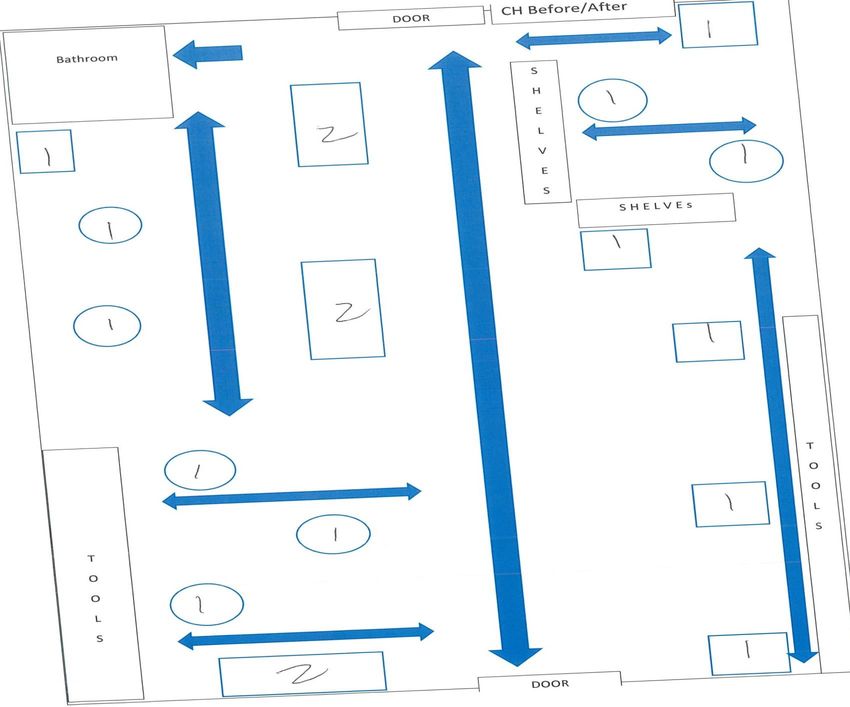
WMS School Board COVID Response Plan
INDEX
     SCOPE…………………………………………………………………………. 2
     REFERENCE
          WEBSITES…………...…………………………………………………. 4
          POINTS OF CONTACT ……………………………………………….. 5

ENCLOSURES
    ENCLOSURE 1             PANDEMIC PLAN
    ENCLOSURE 2             HEALTH AND WELLNESS MEASURE
    ENCLOSURE 3             BOARD ACTION PLAN
    ENCLOSURE 4             FACILITIES
    ENCLOSURE 5             QUICK REFERENCE CHECKLISTS

                       Page |1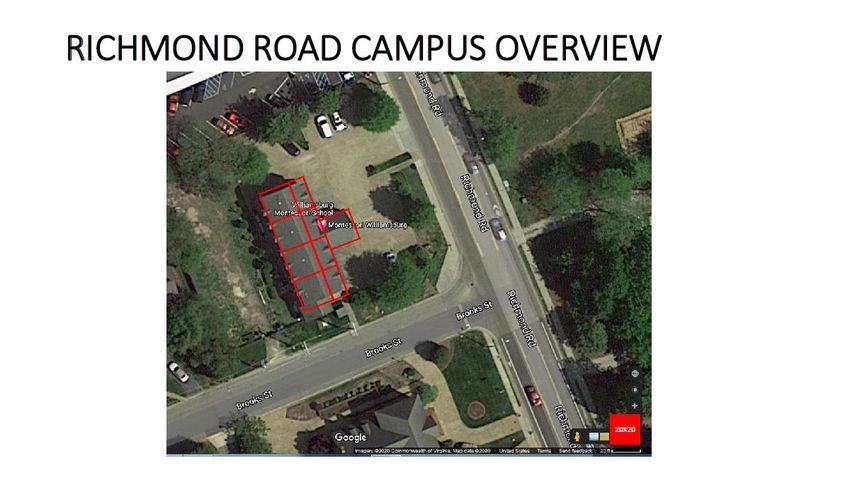
SCOPE & OVERVIEW
This document contains a set of documents which together outline the
procedures the school will utilize beginning with the September, 2020 school year to
provide educational services to our students while protecting those students, their
families, our staff, and the community at large. Many of the procedures listed have
been directed by various government entities. Nothing in this document is meant to
contradict those directives. We are instead attempting to provide an explanation of how
WMS plans to implement those directives and its own procedures in order to safely and
effectively enable student learning.
The plan's focus is on reaching our educational goals for the school while also
complying with mandated safety procedures. As the Montessori Method follows the
'whole child' approach fostering cognitive, social, and emotional growth, these are, in
fact, mutually supportive. This plan remains true to the Williamsburg Montessori vision
of intrinsic motivation, independent, self-directed learning, and social responsibility as
it's foundation. Having spent almost three months providing distance learning for our
students during the spring of 2020, we are confident that these procedures and
processes will support our Community. As we continue to adapt to the regulatory
changes, our Community based family-focused educational partnership will be the
enablers that ensure we provide a quality educational experience in the scenarios we’ve
planned.
This plan is based on the guidance outlined by the Virginia Department of
Education1 (VDOE),Department of Health2 (VDH) and Virginia Department of Social
Services3 (VDSS) to be used in the COVID-19 era to protect students, staff, and families
in a way that is aligned with the WMS vision for education. It is important to remember
that there is no ‘one size fits all’ for school plans of how families integrate back into the
new ‘normal’ of school life, and that the State policies may change when the school year
begins or during the school year. The overall intent of this document is to provide:
(Figure 1 – WMS RE-Opening Framework):
The WMS Board a comprehensive framework and process to assess and adapt
our teaching environment to the risk of COVID exposure;
The WMS community with an overarching Pandemic Plan;
The families, teachers and staff with a day to day WMS Health and Wellness
Measures and some quick reference check lists;
The HOS with a set of planning milestones for various groups and activities.
Page |2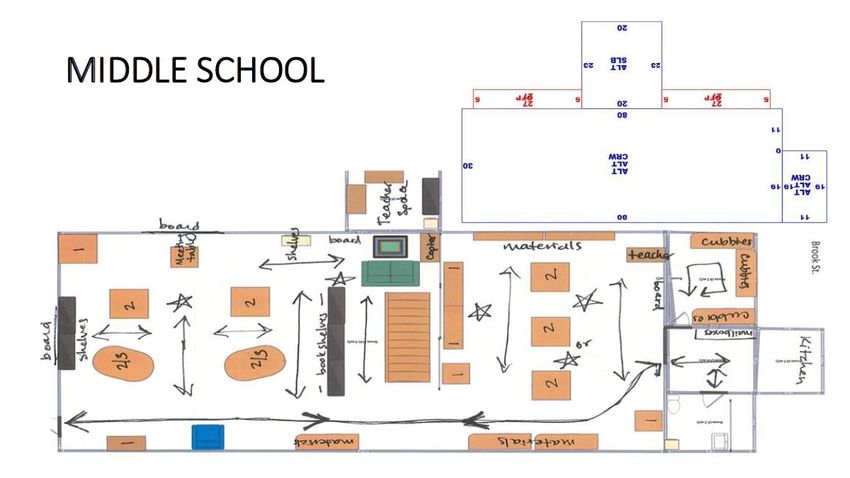
Figure 1: WMS RE-Opening Framework
The overall plan included in this document is a framework for the Board’s
subcommittee to review, assess, communicate and recommend on the various options
for the WMS 2020-21 School year. It is developed in accordance with the VDOE Health
Plan Guidance1 for Schools The aim is to provide the Board timely guidance in order to
prepare the Administration, Teachers, and families for the potential options with buy-in
for the plan from all these stakeholders.
The initial WMS Emergency Pandemic Operations Plan remains extant as the
Pandemic Transition Plan. It provides a comprehensive directive for how the Board
wanted the school to execute its transition to distance learning, and how the school
would deal with issues as the 2019-2020 school year came to a close. It will be
reviewed by the Board in order to transition to the 2020-2021 school year to determine
when it has been superseded by events. The focus of the Pandemic Plan in this
document has two parts:
For the Board and subcommittee, to assess and determine if the current CDC
guidance forecast and Virginia guidance could impact the school year in order
to provide the community with time to prepare for changes from the current
posture;
For the HoS and Staff, to provide a framework for ensuring that they have taken
the steps necessary to prepare the school for the changes a pandemic may
require. It is an attempt to write down the steps that need to be taken so that
fewer items are missed when the time of execution arrives. These planning
milestones will be updated periodically as new information is obtained or as
best practices are learned
The Health and Wellness Measures is a day to day operations plan for the
community to attend educational services (virtual or in person) and is executed in
parallel with the Pandemic Plan.
The Pandemic Plan will support operations under any of the three scenarios
listed below.
Classrooms are open and all students attend school each day
Page |3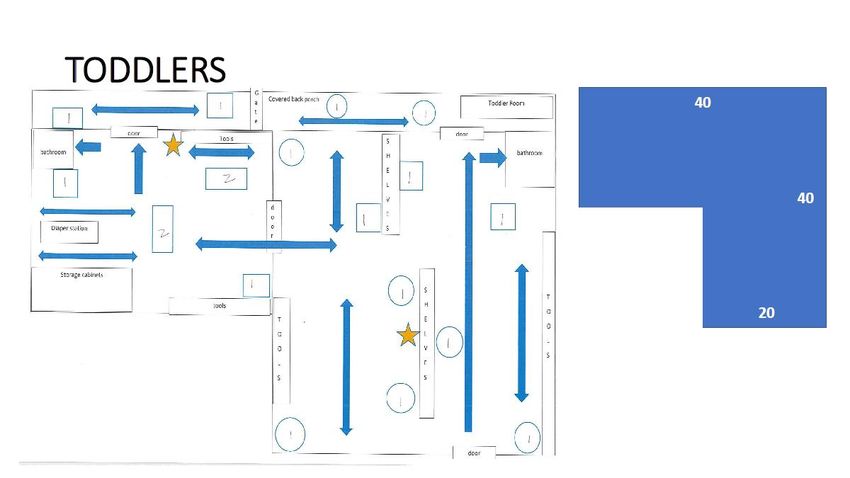
Classrooms are closed and all students work from home via remote learning.
This scenario may include some level of daycare for pre-K children of first
responders.
Some classrooms are open and some students are allowed to attend each day.
The restrictions imposed by local and state officials will drive the rotation
schedule.
For each of these scenarios the Pandemic Plan attempts to answer each of the
following questions:
What do we ask of parents before they drive their child to school each day?
What do we ask of staff before they come to school each day?
What do we do at drop-off?
How do we handle late arrivals?
How do we conduct morning work cycles?
How do we prepare for, serve, and clean up after lunch or snacks?
How do we allow for outside activities?
How do we set up for nap time?
How do we prepare for pick up at the end of school or during afterschool?
Do we provide morning & afternoon bus service? If so, what rules apply?
How do we handle after school inside and outside?
How do we clean classrooms in preparation for the next school day?
How do we handle a sick child during the day?
How do we respond to a report of a COVID-19 positive test result among our
student body or staff? How do we ensure not only isolation of the positive
‘case’, by excluding him/her from attending school, but also ensure appropriate
quarantine periods are enforced among potential case contacts as identified by
local Health Department staff in cooperation with the school (IAW VDOH
Contact Tracing as a Partnership involving VDOH, the Child and
Parents/Guardians and Schools/Child Care Programs)?
How might an outbreak of COVID-19 (2 or more cases, associated by person,
place, and time) among students or staff change our three possible scenarios
outlined above?
Page |4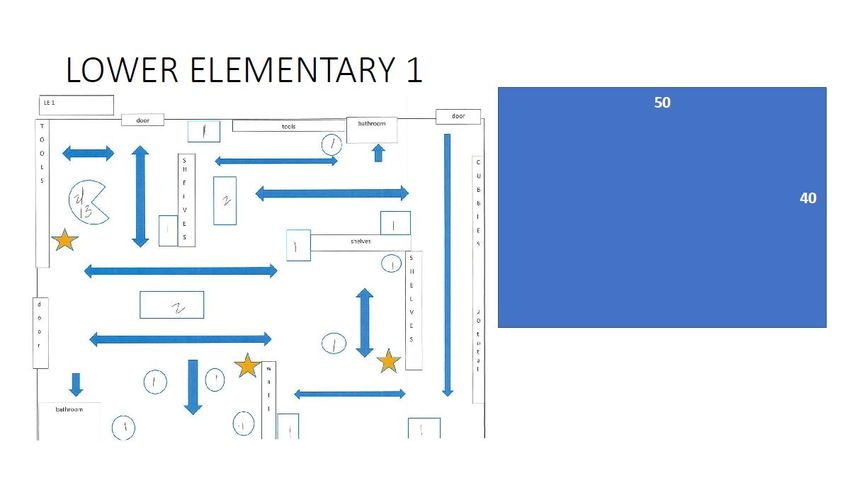
Websites
These references were used to develop the two plans and Board framework.
They are cited throughout the plans to provide the community with timely information
related to recommended responses as the virus changes.
1. VDOE Reopening http://www.doe.virginia.gov/support/health_medical/covid-19/recover-
Guidance redesign-restart.shtml
VDOE Guidance for Virginia Public and Private pre-K-12 Schools submitting
COVID-19 Mitigations Health Plans
2. VDH COVID Guidance https://www.vdh.virginia.gov/coronavirus/schools-workplaces-community-
locations/k-12-education/
VDH Guidance for Virginia Public and Private pre-K-12 Schools
https://www.vdh.virginia.gov/peninsula/schools-workplaces-and-community-
locations/
VDH Peninsula Guidance for Schools, Workplaces, and Community locations
3. VDSS COVID https://www.dss.virginia.gov/cc/covid-19.html#guidance
Guidance VDSS COVID-19 Childcare updates and resources
4. VA COVID19 Health https://vasn.us/vasn-covid-19-health-services-recovery-plan/
Services Recovery https://vasn.us/dev/wp-content/uploads/2020/06/VA-COVID-19-Health-
Plan Services-Recovery-Plan-FINAL-JUNE-12-2020-1-1-4-1.docx
5. CDC COVID-19 https://www.cdc.gov/coronavirus/2019-ncov/index.html
CDC COVID Portal for Public
https://www.cdc.gov/coronavirus/2019-ncov/prevent-getting-
sick/prevention.html
CDC Prevention recommendations
6. Montessori -Action https://montessori-action.org/montessori-for-a-new-world
Guide Public Montessori in Action is an L3C: a low-profit business on its way to
becoming a non-profit organization who’s vision is to bring to fruition
Montessori schools’ ability to serve all children and families. We seek to
leverage the revolutionary pedagogy that is Montessori education to ensure
equity, inclusion, rigor, and transformation.
7. Opportunity Labs https://returntoschoolroadmap.org/
Return to School Opportunity Labs response plan road map, a non-for profit social business.
General plan
8. Wellness Plan https://storage.trailstowellness.org/trails-2/covid-19-resources/self-care-
during-covid-19-for-student-support-professionals.pdf
Trails (Transforming Research into Action to Improve the Lives of Students)
to Wellness, a University of Michigan student wellness program
9. METLIFE COVID https://us.morneaushepell.com/toolkit-individuals
Support Individual Wellness toolkit
Toll Free through 20 Sep 20: 1-800-366-1192
10. CDC Guidance for https://www.cdc.gov/coronavirus/2019-ncov/community/schools-
Child Care Programs childcare/guidance-for-childcare.html
CDC Guidance for Childcare programs
11. CDC Guidance for https://www.cdc.gov/coronavirus/2019-ncov/community/reopen-guidance.html
Cleaning and CDC Guidance for Cleaning and Disinfecting Public spaces
Disinfecting
Link on right hand side, nine page .pdf
12. EPA list of Disinfectants https://www.epa.gov/pesticide-registration/list-n-disinfectants-use-against-
Page |5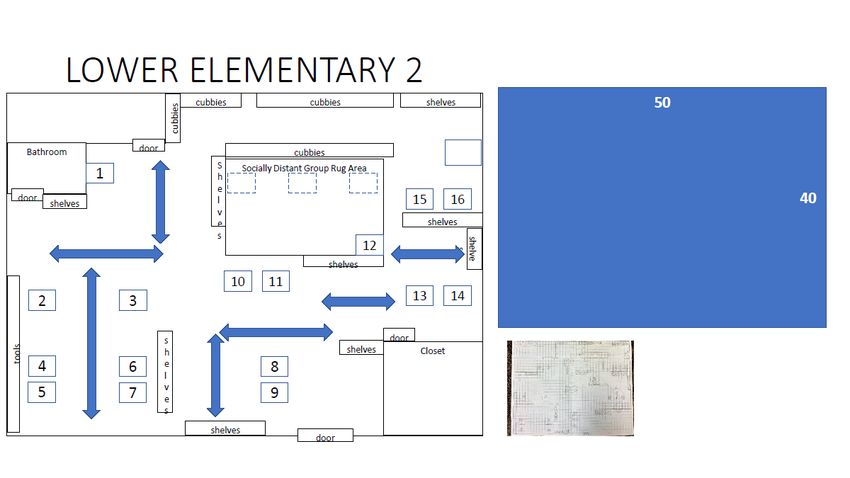
sars-cov-2
EPA recommended products meet criteria for use against SARS-CoV-2, the
virus that causes COVID-19
13. CDC Guidance for https://www.cdc.gov/coronavirus/2019-ncov/community/schools-
School childcare/schools.html
CDC considerations for schools
14. CDC Guidance for https://www.cdc.gov/coronavirus/2019-ncov/community/parks-rec/index.html
Parks and Recreational CDC Guidance for Parks and Recreational facilities
facilities
Link on bottom back to reference 8-nine page .pdf and two page .pdf
flow chart
15. VA Guidance for http://www.doe.virginia.gov/support/health_medical/office/covid-19.shtml
Virginia Public Schools VDOE StateCOVID-19 Portal
16. National Association https://www.nais.org/articles/pages/additional-covid-19-guidance-for-schools/
of Independent National Association of Independent Schools COVID-19 Guidance
Schools Guidance for
Schools
17. WHO and UNISEF https://www.who.int/docs/default-source/coronaviruse/key-messages-and-
Guidance for Schools actions-for-covid-19-prevention-and-control-in-schools-march-
2020.pdf?sfvrsn=baf81d52_4&gclid=CjwKCAjw8df2BRA3EiwAvfZWaPrg6zJk
AuNvqQjMKuHtosOY6Q2ChlBkuak9YZV1iwsV3phHin3YzhoCcOcQAvD_Bw
E
WHO and UNICEF COVID-19 Guidance for Schools
18. American Federation https://www.aft.org/sites/default/files/covid19_reopen-america-schools.pdf
of Teachers Plan to American Federation of Teachers COVID-19 Guidance for Schools
reopen Schools
19. NPR Article on post https://www.npr.org/2020/04/24/842528906/what-it-might-look-like-to-safely-
COVID Environment reopen-schools?origin=NOTIFY
NPR Article Related to School Re-opening
20. Signage Examples https://www.google.com/search?q=k-12+covid-
19+cleaning+image&hl=en&sxsrf=ALeKk01Pkw2zezdxspvJnIjVRJch3ebxqA:
1591133843477&source=lnms&tbm=isch&sa=X&ved=2ahUKEwjI2568i-
TpAhVQUt8KHahiCYoQ_AUoAXoECAsQAw&biw=1600&bih=832#imgrc=Il4
uzV6cHKFPrM
21. VDOE Daily Log https://www.vdh.virginia.gov/content/uploads/sites/182/2020/03/Daily_Monitor
ing_Log.pdf
22. CDC School Decision https://www.cdc.gov/coronavirus/2019-ncov/community/schools-
Tree childcare/guidance-for-schools.html
23. School Supplies https://www.schooloutfitters.com/catalog/index
24. AV Systems https://www.blackmagicdesign.com/products/atemmini
Points of Contact {iaw ref 8, para 1.b}
1. METLIFE Support 1-800-366-1192 https://us.morneaushepell.com/toolkit-
individuals
2. VDH Peninsula (757) 594-7069 (COVID-19) https://www.vdh.virginia.gov/peninsula/
Department of Health (757) 594-7305 Anticipate leaving message for call back
call center duty
receptionist
Page |6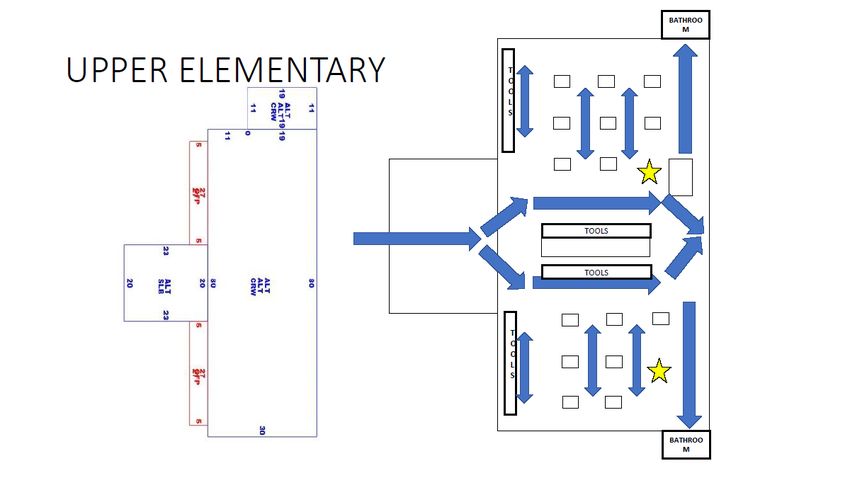
3.   Williamsburg           (757) 253-4813         https://www.publichealthdepartments.us/city/
     Department of Health                          va-williamsburg.html
4.   WMS COVID-19           Brad Crain             fly98rpi@gmail.com
     Subcommittee

                                         Page |7
WMS PANDEMIC PLAN
Purpose
Protecting the health of students, staff and the community from highly
contagious, infectious diseases during a pandemic is a high priority for Williamsburg
Montessori School (WMS). The WMS Pandemic Plan provides a framework for the
school to prepare for, respond to, and recover from a pandemic outbreak and any
resulting factors that may impact the school’s ability to remain fully operational.
This plan was developed with input from the Peninsula Department of Health
(PDH) and is based on guidance from the Virginia Department of Education (VDOE),
the Virginia Department of Health (VDH) and the Centers for Disease Control and
Prevention (CDC).
Authorities
In Virginia, and locally in Williamsburg and James City County, various agencies
and public officials have overlapping authority when it comes to protecting public health
and safety. Should a pandemic event take place, WMS will work collaboratively with
state and local health experts, emergency management staff from Williamsburg and
James City County and state and federal officials to:
Limit (as possible) the spread of illness;
Provide continuity of school functions; and
Minimize the loss of instruction.
According to the Code of Virginia § 44-146.17(7), the Governor of Virginia has
authority to declare a state of emergency when the safety and welfare of the people of
Virginia require emergency measures due to a threat of or actual disaster. He also has
the authority to close public and private schools.
According to the Code of Virginia § 32.1-43, the State Health Commissioner has
the authority to require quarantine and/or isolation under exceptional circumstances
when any communicable disease becomes a public health threat.
Introduction5
The “COVID novel flu or COVID-19,” is a contagious respiratory illness caused
by flu viruses that infect the respiratory system (nose throat, lungs). Symptoms range
from fever, dry cough, runny nose and muscle aches that could potentially lead to
pneumonia, acute respiratory distress, and other more severe complications. COVID-19
can cause illness in all ages and in some cases can cause severe illness and life-
threatening complications.
COVID-19 can spread quickly, especially when large groups of individuals
gather, like in the educational setting. Droplets from the nose or mouth spread the virus
from person to person, typically through coughing and sneezing. School staff and
students are often in close contact, sharing the same space, supplies and equipment for
long periods of time. Therefore, they are at risk of spreading flu and other illnesses to
each other.
In the event of a health crisis such as the COVID-19 pandemic, it will likely
become necessary to modify school operations from in classroom to virtual/remote
Page |8
ENCLOSURE 1learning. However, that can only be determined based on the characteristics of the
specific COVID-19 progress and the extent of spread through individual communities.
The School is carefully considering the community’s risk of exposure as a key
guiding principle. VDOE emphasizes in their planning guidance the more people a
student or staff member interacts with and the longer that interaction, the higher the risk
of COVID-19 spread. VDOE categorizes COVID-19 risk1 as follows:
Lowest Risk: Students and teachers engage in virtual-only classes, activities,
and events.
More Risk: Small, in-person classes, activities, and events. Groups of students
stay together and with the same teacher throughout/across school days and
groups do not mix. Students remain at least 6 feet apart and do not share
objects (e.g., hybrid virtual and in-person class structures, or staggered/rotated
scheduling to accommodate smaller class sizes).
Highest Risk: Full sized, in-person classes, activities, and events. Students are
not spaced apart, share classroom materials or supplies, and mix between
classes and activities.
It is important to remember that these risk levels are relative to each other and to
the overall level of risk in the environment. WMS’s philosophy of education combined
with the plan outlined in the following sections will assist in promoting behaviors that
reduce the risk of spreading COVID-19, maintaining healthy environments and
operations and preparing for and acting when someone gets sick and/or presents with
symptoms.
During pandemic planning the school will prepare to operate under one or more
of the following scenarios:
Classrooms are open and all students attend school each day
Classrooms are closed and all students work from home via remote learning.
This scenario may include some level of daycare for pre-K children of first
responders.
Some classrooms are open and some students are allowed to attend each day.
The restrictions imposed by local and state officials will drive the rotation
schedule.
To organize its plan WMS has grouped its action steps related to a Pandemic into
the following sections and each Response to the Pandemic Action Steps build in
progression from level to level.
Preparing for Pandemic: new virus, no human to human transmission
Responding to Pandemic, Level 1: human to human transmission, not
local
Responding to Pandemic, Level 2: human to human transmission in VA
Responding to Pandemic, Level 3: human to human transmission local
Recovering from a Pandemic
The pandemic plan incorporates the WMS Health and Wellness Measures, which
are codified in a separate section of this document (Enclosure 2). Together, the higher
level planning actions listed in the Pandemic Plan and the more day-to-day classroom
Page |9
ENCLOSURE 1level procedures listed in the Health and Wellness Measures enable the school to
execute the breadth of actions necessary to operate safely in a pandemic environment.
A pandemic such as the COVID-19 novel flu event will have widespread effects
on the citizens of the Commonwealth. Because each event will be unique, this plan
provides a framework for WMS staff to work from, while still allowing flexibility to react to
ever-changing conditions.
WMS is committed to ensuring continuity of student learning and providing a safe
and secure environment for students and staff. As such, this plan will be reviewed
annually to reflect current practices, technology and available resources to support
coordinated planning and response to a pandemic.
P a g e | 10
ENCLOSURE 1PREPARING FOR PANDEMIC
Pandemic Description
New communicable disease subtype detected in humans.
No human-to-human spread, or at most rare instances of spread to a close
contact.
Small clusters of human infection occurring with limited human-to-human
transmission.
State and/or local officials recommend schools take steps to prepare.
WMS Action Steps
Establish WMS COVID sub-committee with appropriate stakeholders. The
stakeholders should include staff with oversight of the essential workflows
detailed in the roadmap (this may include the Head of School, Curriculum, a
medical/epidemiologist subject matter expert, and Finance as a minimum). .{iaw
ref 8, para 1.a}
Review current school, state, and national guidance to be incorporated into
standing school policies and plans. {iaw ref 8, para 1.e}
Review CDC, VDOH, VDOE and VDSS information specific to current virus and
update:
Review and be familiar with the WMS Pandemic Plan in order to be
prepared for WMS’s response to VDOE guidance for operations. {iaw ref
8, para 1.d, 7.a, 7.b}
Review and be familiar with WMS Health and Wellness Measures in order
to care for faculty, staff and students when they are sick, have been
exposed or are at risk of exposure. {iaw ref 8, para 1.d, 1.f, 2.a, 3.a, 3.b,
4.a, 5.a, 5.c, 6.d}
Assess where additional capacity and support may be needed from external
partners to support revising or updating plans and policy and garner support for
execution. Subsequently, develop strategies, including procurement
considerations, for securing assistance. {iaw ref 8, para 2.b, 3.c}
Communicate appropriate information:
To staff, students, and families regarding general communicable disease
prevention, healthy habits and build awareness. .{iaw ref 8, para 1.d}
To refine and update communication protocols and tools for information
sharing between state public health agencies, policy leaders and district
stakeholders relative to school operational status. {iaw ref 8, para 1.d}
Establish baseline absentee rates and develop a method for tracking disease-
related student and staff absences. .{iaw ref 8, para 1.c}
Ensure best practices for cleaning and disinfecting schools and buses are being
followed. {iaw ref 8, para 2.a}
P a g e | 11
ENCLOSURE 1Responding to Pandemic – Level 1
Pandemic Description
Larger clusters of human infection by human-to-human spread.
No cases of virus reported in Virginia.
State and/or local officials recommend schools take steps additional steps.
WMS Action Steps
Maintain ongoing communication with Peninsula Health Department. {iaw ref 8,
para 1.d, 1.e, 6.d}
Monitor CDC, VDOH, VDOE, VDSS, and World Health Organization (WHO)
websites and announcements for guidance and information. {iaw ref 8, para 1.e}
Approve any new or amended Pandemic Response Plans and Health and
Welfare Measures Plans:
Based on lessons learned from the COVID-19 outbreak that will help
inform planning and execution for social distancing, hygiene practices,
cleaning and disinfecting, facilities adjustments, bussing, supplies, or
operations in school year 2020-2021, should it materialize. {iaw ref 8, para
1.e, 2.d, 3.b-d, 4.a, 4.b}
This should include observations, discussions, and recommendations from
all stakeholders in order to incorporate changes within a timely manner.
{iaw ref 8, para 3.a}
Approve the operational scenario from Pandemic Plan. {iaw ref 8, para 4.a, 5.a-
c}
The following three scenarios will be discussed in detail below:
School opens in September with all students attending in classroom.
School opens in September with virtual format.
School opens in September with some portion of students attending in
classroom each day:
o K-8 classrooms closed and below-K classrooms open,
o K-8 classrooms open on rotation for in classroom session and K
classrooms open,
o Limited “first responder” care on campus,
These questions should be answered for each scenario:
What do we ask of parents before they drive their child to school each
day?
What do we ask of staff before they come to school each day?
What do we do at drop-off?
How do we handle late arrivals?
How do we conduct morning work cycles?
How do we prepare for, serve, and clean up after lunch or snacks?
How do we allow for outside activities?
How do we set up for nap time?
How do we prepare for pick up at the end of school or during afterschool?
Do we provide morning & afternoon bus service? If so, what rules apply?
P a g e | 12
ENCLOSURE 1 How do we handle after school inside and outside?
How do we clean classrooms in preparation for the next school day?
How do we handle a sick child during the day?
How do we respond to a report of a COVID-19 positive test result among
our student body or staff? How do we ensure not only isolation of the
positive ‘case’, by excluding him/her from attending school, but also
ensure appropriate quarantine periods are enforced among potential case
contacts as identified by local Health Department staff in cooperation with
the school (IAW VDOH Contact Tracing as a Partnership involving VDOH,
the Child and Parents/Guardians and Schools/Child Care Programs)?
How might an outbreak of COVID-19 (2 or more cases, associated by
person, place, and time) among students or staff change our 3 possible
scenarios outlined above?
Review input from key stakeholders to understand their expectations for school
operations across issue areas (e.g., teacher, administration, parents). {iaw ref 8,
para 1.d}
Establish procedures for the first day of school based on alert level12: {iaw ref 8,
para 3.a}
Guidance for school operations must be based on recommendations by
the CDC and local health officials.
Limit access to a small number of fixed entrances to ensure that persons
entering are required to be present.
Consider establishing support focused on:
Student and staff mental health and wellness. {iaw ref 8, para 1.i}
Provide resources for staff self-care, including resiliency strategies. {iaw
ref 8, para 4.c}
Consider for each classroom: .{iaw ref 8, para 2.d}
Layout (see ENCLOSURE 4): {iaw ref 8, para 2.d.i}
o Flow directions
o Key points to highlight (provide specifics, i.e. recording location,
entrance, exit, etc.)
Flow for social distancing (enter, exit, tool access, eating, bathrooms and
gathering size). {iaw ref 8, para 2.d.ii}
AV considerations (camera location, subject, lighting, access within
classroom, recording frequency, recording time management within
classroom schedule). {iaw ref 8, para 2.d.iii}
Promotion of healthy hygiene with signage.{iaw ref 8, para 2.c}
Ensure appropriate supplies and resources are available for student and staff
protection. {iaw ref 8, para 2.a, 2.b, 2.d}
Assess and update student enrollment and attendance policies and plan for
health and absenteeism monitoring/approaches17. {iaw ref 8, para 1, 3, 4, 5.}
Consult legal counsel to preemptively address liability questions, related
concerns, or vendor issues relative to COVID-19 and socialize with school
leaders. {iaw ref 8, para 1.e.}
P a g e | 13
ENCLOSURE 1 Complete budget review to help plan for changing enrollment patterns, new
staffing needs, and resource constraints or additional dollars. {iaw ref 8, para 2.b}
Create master teaching schedules, student and faculty arrival/dismissal
schedules, bus schedules, lunch schedules for staff and students with social
distancing guidelines and facility access control in mind. {iaw ref 8, para 3, 4, 5.}
Develop a plan for assessing returning students’ learning progress that includes
multiple forms of assessment. {iaw ref 8, para 1.c}
Assess the community needs by holding community meeting for plan
consideration. {iaw ref 8, para 1.d}
Ensure Staff and Teachers are familiar with CDC and state guidelines and
where to find them3, 14. These include but are not limited to:
o Plan for daily health screening questions1,21 and log for staff and
students. {iaw ref 8, para 2.a.i-iv)}
o Emphasize healthy hygiene practices: {iaw ref 8, para 3.b, 4.b}
Create cleaning and disinfection protocols that include
frequently touched surfaces; transport vehicles; schedules for
increased cleaning, routine cleaning, and disinfection; {iaw ref
8, para 3.b.i}
Ensure adequate cleaning supplies and correct use/storage.
{iaw ref 8, para 3.b.ii-iii}
Review plan for providing instruction to students including the learning
needs based on: {iaw ref 8, para 1.c}
o Progress from 2019-20 year COVID response,
o Contingency plan for ensuring continuity instruction should further
closures be necessary.
Continue heightened surveillance of student and staff absences and share
information with VDOH as required. {iaw ref 8, para 3.a, 4.a, 4.c, 5.a-c}
Identify and prepare an area away from others for individuals who may display
symptoms until picked up by a parent/guardian. {iaw ref 8, para 6.a-c}
Inventory necessary materials and supply chain for cleaning, disinfecting, and
preventing spread of disease. {iaw ref 8, para 2.b}
Direct teachers to review and/or develop learning activities and materials that
may be delivered electronically or by paper packet to students in the event that
school operations are adjusted. {iaw ref 8, para 5.c, 7.a}.
Assess school needs and essential functions that will need to continue in the
event of an extended classroom closure. {iaw ref 8, para 7.b}
Cross-train program staff as necessary on essential functions to ensure
continuity in case of staff illness. {iaw ref 8, para 4.d}
Evaluate contingency plans in the event of future food shortages which would
require younger students to provide their own lunch, or the need to adjust the
manner in which food is served and students eat as a group in the classroom.
{iaw ref 8, para 1.a}
Increase communication with staff and families about VDOH and CDC guidance
for preventing the spread of communicable diseases. This includes use of School
Messenger and the WMS website to rapidly share information. {iaw ref 8, para
1.d}
P a g e | 14
ENCLOSURE 1Responding to Pandemic – Level 2 (plus all Level 1 actions)
Pandemic Description
Larger clusters of human infection by human-to-human spread.
Cases of illness reported in Virginia, but none or few in Williamsburg, James City
County, or immediately surrounding municipalities.
Potential for illness at school increases.
WMS Action Steps
Increase collaboration with state and regional health partners and local
emergency managers and provide guidance and best practices to school
community related to:
Review of VDOH, VDOE and VDSS potential updates and need to modify
school operations (field trips, activities, etc.) and restrict use of school
buildings/campuses by the community, examine the potential for
classroom closure. {iaw ref 8, para 1.b, 1.e}
Promoting Behaviors That Reduce Spread of COVID-19, {iaw ref 8, para
1.d.}
Maintaining Healthy Environments, {iaw ref 8, para 3}
o Provide guidance for cleaning and disinfecting all core assets,
including school buildings and playgrounds commensurate with the
alert level. {iaw ref 8, para 3.b}
Maintaining Healthy Operations; {iaw ref 8, para 4}
Be prepared to implement a bussing plan that meets social distancing
requirements, if necessary (including pick-up, in-transit, and drop off) and
cleaning and disinfection protocols8. {iaw ref 8, para 3.b.i.}
Verify that student and staff handbooks and planners are printed and ready for
distribution. Create a master list of any changes to distribute at the first staff
meeting. {iaw ref 8, para 1.d.}
Communicate with parents via a variety of channels school operations and
transition information including6: {iaw ref 8, para 1.d.ii}
o De-stigmatization of COVID-19,
o Understanding normal behavioral response to crises,
o General best practices of talking through trauma with children,
o Resilience strategies for children.
Provide WMS Health and Wellness Measures Guidance to parents at
contract signing. {iaw ref 8, para 1.d.i.}
Head of school will be prepared
To coordinate informational meetings with classroom leads to review best
practices, expectations, and steps to deep clean and secure buildings, if
necessary. {iaw ref 8, para 1.d.}
To communicate school plans which may include suspension of activities
and/or adjustment of school schedules. Information should also be shared
about plans to deliver instruction remotely in the event that classrooms are
closed. {iaw ref 8, para 1.d.}
P a g e | 15
ENCLOSURE 1 Ensure teachers are provided input to and are aware of communication plan with
parents the school operations and transition information including5: {iaw ref 8,
para 1.d.ii}
De-stigmatization of COVID-19,
Understanding normal behavioral response to crises,
General best practices of talking through trauma with children,
Resilience strategies for children.
Information related specifically to vacation/sick leave requirements and
preparation/expectations for potential closure
If applicable, send sick children and staff members home in accordance with
health department guidance. {iaw ref 8, para 7.a, 7.b}
P a g e | 16
ENCLOSURE 1Responding to Pandemic – Level 3 (plus all Level 2 actions)
Pandemic Description
Larger or localized clusters of human infection by human-to-human spread.
Cases of WMS student or staff illness reported.
WMS Action Steps
Provide consistent updates on schoolwork and pandemic response planning with
stakeholders. {iaw ref 8, para 1.d}
Implement a Health and Wellness Measure screening for all students. {iaw ref 8,
para 1.d.i, 5.a}
Establish ongoing reporting protocols for school staff to evaluate physical and
mental health status. At this time, there is no guidance indicating that students
should submit to a physical examination before entering the school building. {iaw
ref 8, para 1.i}
Implement training plan and communicate plan for assessment with parents for
how students will integrate into school operations that include timelines for giving
assessments and making adjustments to curriculum and academic goals.{iaw ref
8, para 1.d}
Share a comprehensive account of academic interventions and social-emotional
and mental health support services available through the state and region. {iaw
ref 8, para 1.e-h}
Align expectations around onboarding school communities, including students,
teachers, school leaders, and parents are aware of the following considerations:
{iaw ref 8, para 2.a}
Hand hygiene and respiratory etiquette,
Use of cloth face coverings,
Staying home when sick,
Encouraging physical distancing.
Review assessment to identify overall trends and specific gaps in student
learning to design targeted remediation that leads to appropriate progress. {iaw
ref 8, para 1.c., 4.c}
Evaluate the effectiveness of any remote learning experiences by surveying
school leaders, teachers, and parents to gather their feedback and input, to make
improvements in case of any additional disruptions to school time. {iaw ref 8,
para 1.e}
Alert cleaning staff, teachers and landlord of any changes in recommended
cleaning guidelines issued by Virginia, OSHA, or the CDC. It is expected that
this guidance will be updated in real-time based on circulating levels of the virus
in local geographies. Ensure best practices for cleaning and disinfecting school
buildings and school bus are being followed multiple times a day. Increase
frequency of custodial staff cleaning, if necessary. {iaw ref 8, para 1.e}
Where possible, parents of young children should remain in vehicles or outside of
the building where their students will be brought to them. {iaw ref 8, para 4.c}
If parents must enter the building, require hand washing and face masks.
Any person with cough or respiratory symptoms should remain outside of
WMS facilities.
P a g e | 17
ENCLOSURE 1 Preparations for case of sick individuals 2,4: ({iaw ref 8, para 6.a-d, 7.a-b}
Educate staff/parents/guardians on:
o COVID-19 POSITIVE CASE:
In accordance with the WMS Parents Handbook, call and inform
the HoS. Staff or students that are positive will remain home
and not to return until they have met CDC criteria to discontinue
home isolation, which means3:
At least 3 days (72 hours) have passed since recovery
defined as resolution of fever without the use of fever-
reducing medications and improvement in respiratory
symptoms (e.g., cough, shortness of breath); and,
At least 10 days have passed since symptoms first
appeared. https://www.cdc.gov/coronavirus/2019-
ncov/hcp/disposition-in-home- patients.html
WMS will:
Inform those exposed to a person with COVID-19, with
less than 6 feet of space for more than 10-15 minutes2,4, to
stay home per CDC guidelines and self-monitor for
symptoms and follow CDC guidance if symptoms develop.
Per CDC guidelines, data is insufficient to precisely define
the duration of time that constitutes a prolonged exposure.
Brief interactions are less likely to result in
transmission; however, symptoms and the type of
interaction (e.g., did the person cough directly into
the face of the individual) remain important.
https://www.cdc.gov/coronavirus/2019-
ncov/php/public-health-recommendations.html
Inform the local health dept if a person has been
diagnosed with COVID-19 within the educational setting.
https://www.cdc.gov/coronavirus/2019-
ncov/community/schools- childcare/guidance-for-
schools.html
Based on local health department recommendations,
dismiss students and most staff in affected classroom
for 2-5 days4 and switch to a virtual based classroom
while determination made when to reconvene.
This initial short-term dismissal allows time for the
local health officials to gain a better understanding of
the COVID-19 situation impacting the school.
P a g e | 18
ENCLOSURE 1 This allows the local health officials to help the
school determine appropriate next steps, including
whether an extended dismissal duration is needed to
stop or slow the further spread of COVID-19.
https://www.cdc.gov/coronavirus/2019-
ncov/community/schools-childcare/guidance- for-
schools.html
o Head of School will send a notice to return to work/school in
accordance with county office of education and department of health
policy allowing employees or students return to work or school,
respectively.
In classroom sick individual procedures4:
Individual with non-COVID issue
Individual with COVID-19 Symptoms
(i.e. injury, headache, etc)
Ask if they have been around
someone with COVID-19 or have Move to an areas away from other
signs and symptoms of COVID-19. If staff and students
Initial response yes, send immediately to COVID-19
Physical distancing marked off or
isolation and call parent/send home.
in separate rooms
Physical distancing marked off,
Additional non-health compromised
staff may be necessary to monitor
students while individual is being
attended to. Staff should already be
Staff responding to incident may wearing masks and put on gloves.
consider wearing gloves depending Restroom facilities need to be nearby
Staff
on the level of COVID-19 community for sick students (separate space) as
considerations
transmission. Plexiglass or plastic younger students may have GI
barriers may be in place. symptoms
HoS will notify the WMS community
and local Public Health department
as applicable,
P a g e | 19
ENCLOSURE 1 Students sanitize/wash hands,
Students put on masks,
Locate non-contact
thermometer(s),
Use separate restrooms,
Establish procedures for safely
Classroom
Students sanitize/wash hands, transporting anyone sick home or to
actions Arrange to clean area after a healthcare facility. If you call 9-1-1,
students leave. please share with the dispatcher if
the individual has signs or symptoms
of COVID- 19,
Ventilate the room to outside air
after student leaves,
Clean area 24 hours after space is
cleared.
Campus Isolation area
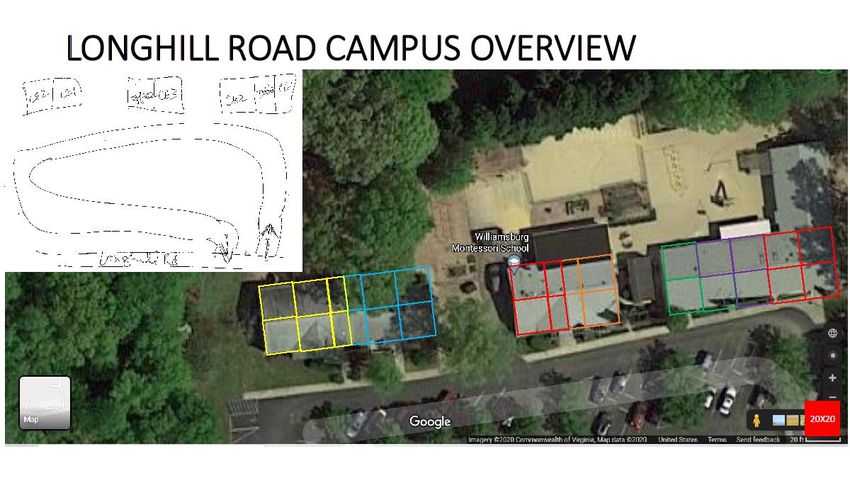
Longhill Road Outside area adjacent to Main Office or main entrance
isolation area.
Richmond Road Outside area adjacent to Main entrance or in main
entrance isolation area.
Provide routine updates:
To staff and families of affected classroom based on CDC, local health
department or environmental changes related to WMS classroom
closure/adjusted schedule plans and provide related resources to families
and staff. {iaw ref 8, para 1.d.ii.}
To WMS community if positive case detected in school. {iaw ref 8, para
1.d.iii.}
Review (Head of School and School Board) updated VDOH, VDSS, and VDOE
guidance to determine if the potential need to close classrooms and restrict use
of school buildings/campuses by the community is required and prudent. {iaw ref
8, para 7.a}
Adjust school schedule and/or close classrooms if needed and distribute learning
activities/materials and instructions for completion to students in the days just
prior to classroom closure. {iaw ref 8, para 7.b}
P a g e | 20
ENCLOSURE 1Recovering from a Pandemic
Pandemic Description
Outbreak of illness has slowed.
Public Health risk is reduced.
Due to unpredictability of a pandemic, recovery activities/strategies may be used
at any point of the pandemic or be used in phases.
WMS Action Steps
Provide consistent updates on:
Return to school ‘normal’ operations, pandemic response planning, and
updated guidance to staff on infection control measures relative to alert
level with stakeholders. {iaw ref 8, para 1.d}
Guidance to staff on infection control relative to alert level. {iaw ref 8, para
5.b}
Coordinate with landlord to ensure facilities are properly disinfected and safe
after prolonged shutdown:
Ensure ventilation system is working properly and adequate for space.
{iaw ref 8, para 3.c}
Ensure water systems are safe and adequate. (iaw ref 8, para 7.b}
Maintain infection control procedures based on pandemic alert level and public
health guidance. {iaw ref 8, para 5.a}
Resume regular school schedule and classroom operations as soon as safety
permits based on review of VDOH, VDOE and VDSS guidance. Consider the
following factors: {iaw ref 8, para 5.c}
Timeline for re-opening in phases or in entirety based on pockets of
continued illness.
Adjust school calendar further, if needed, to provide teachers adequate
time to review and grade student work completed during classroom
closure
Restock cleaning and health supplies. {iaw ref 8, para 2.b}
Monitor student and staff absences and report to health department officials. {iaw
ref 8, para 3.a, 4.a, 5.b}
Prepare for a potential second wave of illness. {iaw ref 8, para 7.a, 7.b}
Provide information about: {iaw ref 8, para 3.a}
Signs and symptoms of post-traumatic stress to teachers and staff.
Where to obtain emotional or psychological support as necessary based
on students and staff experiencing loss of loved ones or other trauma.
Request assistance of community health officials as needed.
Where to obtain resources to cope with stress, grief, or anxiety.
Conduct post-pandemic evaluation of planning and response with school, health
and emergency management officials. {iaw ref 8, para 5.a}
P a g e | 21
ENCLOSURE 1WMS HEALTH AND WELLNESS MEASURES
Prologue
Since COVID-19 is a novel virus with no current vaccination and/or known immunity,
social distancing measures, infection control practices (personal protection equipment)
and sanitation are our best defenses. WMS will re-open classrooms when permitted by
the Governor of Virginia. The purpose of this guidance is to ensure that, when WMS
returns to campus, the adults and children are taking every reasonable precaution to
prevent the spread of COVID-19 among our community. The measures outlined below
will remain in effect until formally lifted at the direction of the Head of School and
announced publicly.
Keys for using guidance
In keeping with a fundamental Montessori principle and to ensure everyone’s safety is
assured, the community will have specific actions they are responsible to accomplish.
Additionally, it is important to highlight per the WMS Parents Handbook, we need to
know when your child contracts a contagious disease so that parents of the other
children may be advised of possible exposure.
In the margins, responsible stakeholders will be indicated as:
[C] Children,
[P] Parent,
[T] Teacher,
[A] Administrative.
A consolidated Quick Reference Checklist (Enclosure 5) is provided for each
stakeholder that consolidates the actions throughout the action plan for children and
Parents.
Health & Wellness Guidelines
Drop-off - Symptoms are an Indicator.
[P] Parents must measure their child(ren)’s temperature every morning and look
for symptoms4,,20,21 prior to bringing them to school (Quick Reference Checklist,
enclosure 5). If the child’s temperature is 100.4 degrees or greater, he or she
must be kept at home until fever free for 72 hours4, in the absence of fever-
reducing medications (per VDSS Guidelines).
[P] Parents will check in with a staff member during car line to ensure a daily
health checklist18 with questions for parents such as if anyone at home is ill or
has a family member traveled out of the area in the last two weeks is accurate
and complete.
[T, A] A WMS staff member will take the temperatures of all students using a
temporal artery contactless thermometer, perform and record a daily health
P a g e | 22
ENCLOSURE 2
Initial____observation upon arrival at school while the parent waits for “all clear” from
teacher.
[P, T] If an elevated temperature is detected upon arrival the parent must
take the child home.
[T, A] During the day, if the child’s temperature is 100.4 degrees or
greater, a WMS staff member will ensure the student is correctly wearing a
mask (or assist those under three years old of age with donning a mask),
isolate him or her from others in the designated areas for each campus
and notify the office.
Campus Isolation area
Longhill Road Outside area adjacent to Main Office or main entrance
isolation area.
Richmond Road Outside area adjacent to Main entrance or in main
entrance isolation area.
[A] The office will use emergency contact numbers to call a parent or
caregiver to return to school and pick up the child as soon as possible. As
described above, and at a minimum, the child must be kept at home until
fever free for 24 hours, in the absence of fever-reducing medications (per
VDSS Guidelines).
[P] It is recommended that the parents, of a child who falls ill while at
school, consult with their family physician or pediatrician’s office via phone
to determine whether or not the child should be tested for COVID-19. This
can be achieved either at a physician’s office or many commercial
pharmacies, such as Walgreens and Walmart, also offer rapid COVID-19
testing now.)
o Parents may also utilize symptom checker websites such as Buoy
Health’s COVID-19 Check:
https://www.vdh.virginia.gov/coronavirus/covidcheck/ or
o Riverside Health System’s:
https://www.riversideonline.com/symptom-checker.cfm to self-triage
their child’s symptoms prior to seeking in-person healthcare.
[P, A] IAW the WMS Parent Handbook (latest revision, 2017-2018),
parents should notify the Head of School if their child(ren) is/are diagnosed
with ANY contagious disease so that parents of other children may be
advised of potential exposure. Confidentiality is important to maintaining
the integrity of our community, and as such only the Head of School will
communicate directly with the local health department to initiate a public
health investigation. “According to §32.1-41 of the Code of Virginia,
VDOH is required to maintain the anonymity of any persons reported to
have a reportable disease, including COVID-19. The State Health
P a g e | 23
ENCLOSURE 2
Initial____Commissioner can release identifying information about such an individual
if pertinent to an investigation. Therefore, VDOH staff conducting case
investigations and contact tracing will make every effort to preserve the
confidentiality of the information gained through these processes and will
follow strict procedures that allow for sharing the minimal amount of
information that is deemed necessary to ensure protection of the health of
others. (VDOH Contact Tracing Ref)”
[T] Faculty and staff members will measure their temperature at home and
remain there if they have a temperature of 100.4 degrees or greater.
[T, A] All staff members will have their temperatures taken upon arrival at school
each day and recorded. The same procedures as described above apply to staff
members.
[P, T, A] Preparations for case of sick individuals 2,4: ({iaw ref 8, para 6.a-d, 7.a-b}
COVID-19 POSITIVE CASE:
o In accordance with the WMS Parents Handbook, call and inform the
HoS. Staff or students that are positive will remain home and not to
return until they have met CDC criteria to discontinue home isolation,
which means3:
At least 3 days (72 hours) have passed since recovery defined
as resolution of fever without the use of fever-reducing
medications and improvement in respiratory symptoms (e.g.,
cough, shortness of breath); and,
At least 10 days have passed since symptoms first appeared.
https://www.cdc.gov/coronavirus/2019-ncov/hcp/disposition-in-
home- patients.html
o WMS will:
Inform those exposed to a person with COVID-19, with less
than 6 feet of space for more than 10-15 minutes2,4, to stay
home per CDC guidelines and self-monitor for symptoms and
follow CDC guidance if symptoms develop. Per CDC guidelines,
data is insufficient to precisely define the duration of time that
constitutes a prolonged exposure.
Brief interactions are less likely to result in transmission;
however, symptoms and the type of interaction (e.g., did
the person cough directly into the face of the individual)
remain important.
https://www.cdc.gov/coronavirus/2019-ncov/php/public-
health-recommendations.html
Inform the local health dept if a person has been diagnosed with
COVID-19 within the educational setting.
P a g e | 24
ENCLOSURE 2
Initial____https://www.cdc.gov/coronavirus/2019-
ncov/community/schools- childcare/guidance-for-schools.html
Based on local health department recommendations,
dismiss students and most staff in affected classroom for
2-5 days4 and switch to a virtual based classroom while
determination made when to reconvene.
This initial short-term dismissal allows time for the local
health officials to gain a better understanding of the
COVID-19 situation impacting the school.
This allows the local health officials to help the school
determine appropriate next steps, including whether an
extended dismissal duration is needed to stop or slow the
further spread of COVID-19.
https://www.cdc.gov/coronavirus/2019-
ncov/community/schools-childcare/guidance- for-
schools.html
o Head of School will send a notice to return to work/school in
accordance with county office of education and department of health
policy allowing employees or students return to work or school,
respectively.
In classroom sick individual procedures4:
Individual with non-COVID issue
Individual with COVID-19 Symptoms
(i.e. injury, headache, etc)
Ask if they have been around
someone with COVID-19 or have Move to an areas away from other
signs and symptoms of COVID-19. If staff and students
Initial response yes, send immediately to COVID-19
Physical distancing marked off or
isolation and call parent/send home.
in separate rooms
Physical distancing marked off,
Additional non-health compromised
staff may be necessary to monitor
students while individual is being
attended to. Staff should already be
Staff responding to incident may wearing masks and put on gloves.
consider wearing gloves depending Restroom facilities need to be nearby
Staff
on the level of COVID-19 community for sick students (separate space) as
considerations
transmission. Plexiglass or plastic younger students may have GI
barriers may be in place. symptoms.
HoS will notify the WMS community
and local Public Health department
as applicable,
P a g e | 25
ENCLOSURE 2
Initial____ Students sanitize/wash hands,
Students put on masks,
Locate non-contact
thermometer(s),
Use separate restrooms,
Establish procedures for safely
Students sanitize/wash hands, transporting anyone sick home or to
Classroom
actions Arrange to clean area after a healthcare facility. If you call 9-1-1,
students leave. please share with the dispatcher if
the individual has signs or symptoms
of COVID- 19,
Ventilate the room to outside air
after student leaves,
Clean area 24 hours after space is
cleared.
Social Distancing.
[T, A] School schedule will be set by HoS after consultation from teachers (drop
off stagger.
To reduce the spread of infection, parents must drop their children off at
the door of the classroom and will not be permitted to enter the school
building(s).
Parents are required to practice social distancing and wear a mask for
drop off/pick up.
Tentative Schedule Drop-off Pick-up
Longhill TODDLER TODDLER TODDLER
Road Half Day: 8:30 to 12:00 Full Half Day: 8:15-8:30 Half Day: 12:00-12:15
Day: 7:30 to 5:30 Full Day: 7:30-7:45 Full Day: 5:30-5:45
CHILDREN’S HOUSE CHILDREN’S HOUSE CHILDREN’S HOUSE
Half Day: 8:30 to 11:45 Half Day & Extended Day: Half Day: 11:45-12:00
Extended Day: 8:30-3:00 CH1: 8:20-8:30 Extended Day: 3:00-3:15
CH2: 8:30-8:40
CH3: 8:40-8:50
LOWER ELEMENTARY LOWER ELEMENTARY LOWER ELEMENTARY
8:30 to 3:00 8:30-8:45 3:00-3:15
Richmond UPPER ELEMENTARY UPPER ELEMENTARY UPPER ELEMENTARY
Road 8:30 to 3:15 8:15-8:30 3:15-3:30
MIDDLE SCHOOL MIDDLE SCHOOL MIDDLE SCHOOL
8:15 TO 3:30 8:00-8:15 3:30-3:45
[P, T, A] Following CDC Guidance5,
Cover your mouth and nose with a cloth face cover when around others
P a g e | 26
ENCLOSURE 2
Initial____You could spread COVID-19 to others even if you do not feel sick.
Everyone should wear a cloth face cover when they have to go out in
public, for example to the grocery store or to pick up other necessities.
o Cloth face coverings should not be placed on young children under
age 2, anyone who has trouble breathing, or is unconscious,
incapacitated or otherwise unable to remove the mask without
assistance.
o The cloth face cover is meant to protect other people in case you are
infected.
o Continue to keep about 6 feet between yourself and others. The cloth
face cover is not a substitute for social distancing.
Parents will provide at least two masks for each child in case of lost or
malfunctioning masks occurs during the day. These masks should be
washed at the end of each day.
[P, T] WMS recognizes the challenges of asking younger children to wear masks
and will engage the children in role modeling, positive redirection and
considerate choices if a child removes or refuses to wear a mask. Tables and
workstations are being spaced apart by 6 feet to maintain social distancing which
would allow children to remove masks. We encourage parents to practice
wearing, removing and handling masks with their children.
[T, A] Faculty and Staff members will avoid congregating in common areas and
will remain six feet apart from their nearest neighbor. To make social distancing
possible, no more than twenty children will be together in groups and no more
than ten toddlers will be together during sessions while VA is in Phase II and III
of Governor’s Re-opening plan.
[T, A] Children will work on separate, assigned mats and will be engaged in more
independent activities. The mats will be washed daily.
[T, A] Siblings will be kept together to the extent possible.
[T, A] The same WMS staff member will be kept with the same group of children
to the extent possible.
[T, A] Nap mats will be placed further apart, and more space will be provided
between cubby areas/storage spaces to help prevent the mixing of children’s
belongings.
Food preparation and service changes.
[P] Individual bag lunches are still permitted, but sharing is not allowed.
[P, T] No self-serve snacks are permitted.
[T] Adults will serve individual snacks to students.
[T, A] WMS will provide hot lunches that adults will plate and serve to children
(Toddler and CH) sitting apart at tables (no family style)
[T] Children can neither assist with food prep nor wash dishes.
P a g e | 27
ENCLOSURE 2
Initial____ [T, A] WMS implements “Hand Hygiene” during all school day to day operations.
This exercise includes washing or sanitizing hands every hour by everyone
present at school. In addition, everyone will practice “Hand Hygiene” upon
entering any school building, before eating, after eating and as needed (i.e.
especially after blowing one’s nose, coughing or sneezing, going to the
bathroom, etc.).
Prevention and Cleaning.
[T, A] The school’s cleaning service has conducted a special disinfection and will
increase frequency of cleaning and disinfection.
[T] During recess, teachers will ensure students play in small groups while
practicing distancing
[P, T] Waving, elbow bumps at a distance and smiles will replace hugging,
handshaking, high fives and other forms of contact until further notice.
[T, A] Classroom and office staff will intensify cleaning and disinfecting efforts,
including but not limited to:
Frequently disinfecting items that are touched often (doorknobs, faucets,
etc.) and cleaning the classrooms daily with a 1 percent bleach solution.
Shared materials will be cleaned after each use by an additional staff
member dedicated to this function.
If the school operates a split schedule, all materials handled will be
disinfected between morning and afternoon sessions (as well as at the end
of each day).
Playground equipment will be cleaned between use by each class.
Other Protective Measures
[A] WMS is not screening students or staff specifically to identify cases of
COVID-19. If the school has a sick child (including typical symptoms of COVID-
19), a staff member will notify local health officials for further guidance.
[T, A] Prior to the re-opening, staff members are required to attend an in-service
on COVID-19 information and new protocols (how it spreads, requirement for
face masks, hand washing requirements, material sanitizing, proper cleaning
techniques, food prep and service, what to do if a child displays symptoms).
P a g e | 28
ENCLOSURE 2
Initial____You can also read


