COVID-19 Research Roundup - August 17, 2020 - Boya Lake, Northern BC - Destination BC
←
→
Page content transcription
If your browser does not render page correctly, please read the page content below
COVID-19 Research Roundup
August 17, 2020

                            Boya Lake, Northern BC
                                                     1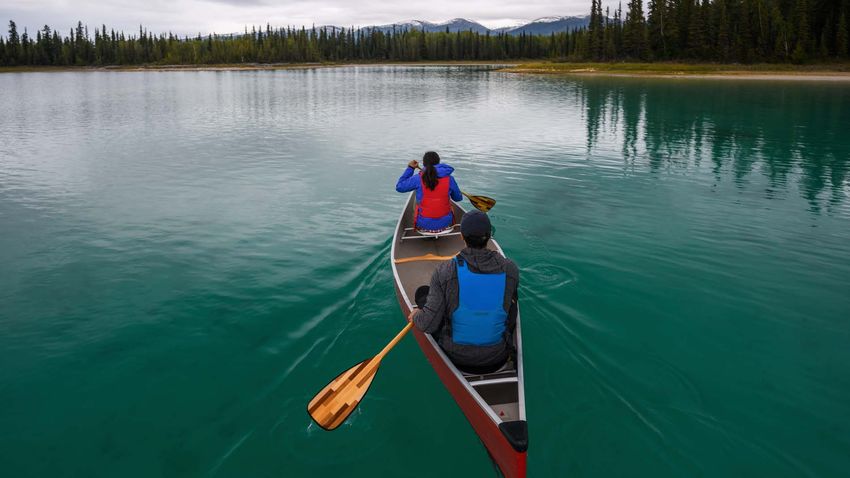
British Columbia is in Phase 3 of BC’s Restart Plan

  On June 24, 2020, it was announced that
                                                        While BC is in Phase 3 of the
  British Columbia is taking the next step              BC Restart Plan, and is not
  in BC’s Restart Plan with a gradual                   open to non-essential travel
  transition to Phase 3, including the smart,           from the US or International
  safe and respectful return of travel and              countries, information
                                                        provided in this Research
  tourism within the province.                          Roundup Report highlights
                                                        not only local insights, but
                                                        global insights which may be
  On August 14, 2020, Canadian and US officials         applicable to BC now.
  agreed to keep the border between the two countries
  closed to non-essential travel until September 21,
  2020.

                                                                                        2
Destination BC is rounding up relevant research and articles each week related to the travel
and tourism industry and COVID-19. tourism resilience
This week we are highlighting some positive news during the continued challenges tourism
faces:
•   BC residents’ intentions to travel remain similar to weeks prior
•   BC residents are net positive for advertising their community to other BC visitors
•   Canadian residents likely to consider BC as travel destination
•   Travellers are most anxious about overall exposure to other guests
•   Movement within BC has declined from previous week
•   In BC, more time spent in parks, less time on retail and recreation
•   BC’s hotel occupancy continues to grow as reported by STR
•   Airline bookings to BC increase
•   Global air passenger traffic estimated to drop up to 70% in 2020
•   Adventure travellers expect to resume travel before overall US market
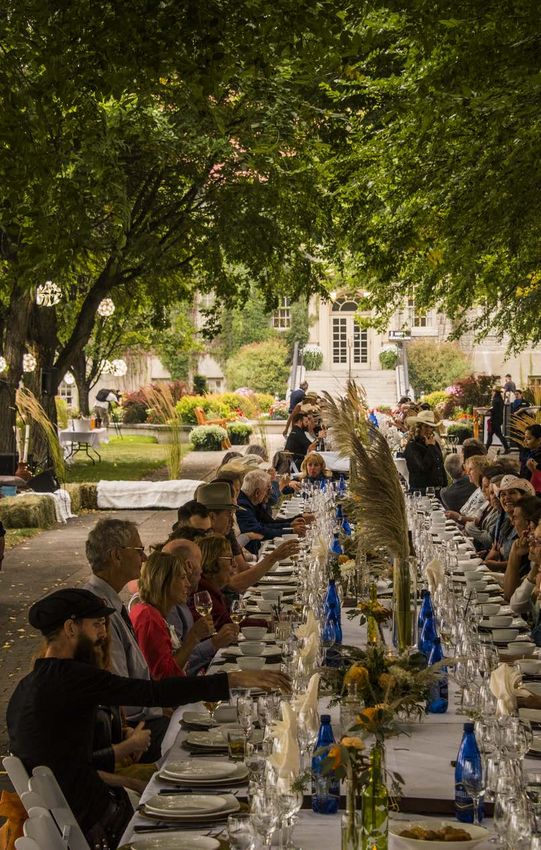
•   Examples of tourism resiliency

                                                                                               3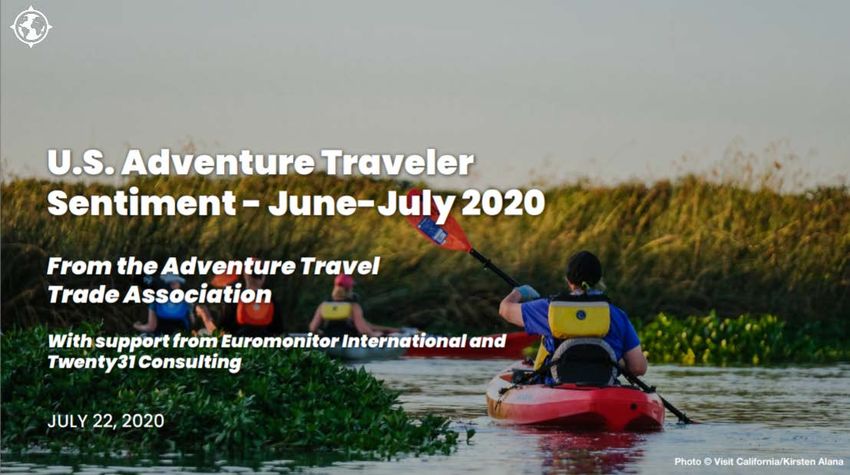
BC residents’ travel intentions remain unchanged since July 22

• BC residents’ intentions to travel haven’t changed
  since Wave 6, July 22. Intentions to take day trips
  in the next 4 weeks remain the highest at 59%,
  followed by overnight trips to other parts of the
  province at 33%.

• BC residents remain uninterested in travelling to
  the US or other countries without a vaccine or
  treatment.

• 43% of BC residents are concerned with
  welcoming visitors from nearby communities, up
  from 37% in Wave 6, while 56% are concerned
  with welcoming visitors from other parts of the
  province, up from 52%.

                                                        Source: Destination BC’s BC Resident’s Public Perceptions: COVID-19 Travel and Tourism Wave 7,
                                                        Insights West, August 10, 2020                                                                   4
BC residents are net positive for advertising their community to other BC
visitors

• Destination Canada’s Weekly Resident
  Sentiment Wave 14 report shows BC
  residents’ receptivity of their community
  being advertised to other BC visitors has
  increased since July 28.

• Receptivity of advertising towards Canadian,
  US and International visitors has continued
  to remain net negative.

• Sentiment of BC residents’ comfort of
  welcoming visitors into their community
  overall, by urban/rural comparison, and by
  province, can be found in the full report.

                                                 Source: Destination Canada’s Weekly Resident Sentiment, Wave 14, Leger, August 11 2020
                                                                                                                                          5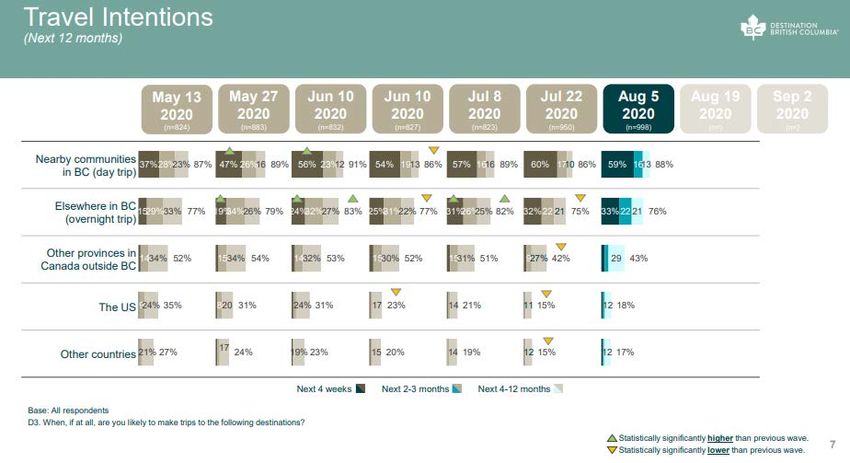
Canadian residents likely to consider BC as travel destination
• According to Destination Canada’s Global Tourism Watch
  COVID Special Survey Wave 2 (July), 48% of Canadian
  residents (not including BC residents) would consider a taking a
  trip to BC in the next year. This is followed by 41% of residents
  considering a trip to Ontario (not including Ontario residents),
  and 32% of residents considering taking a trip to Alberta (not
  including Alberta residents).

• BC residents (when choosing the top two) claimed the most
  important conditions impacting their travel interest were strict
  cleaning protocols (47%), physical distancing (40%), and staff
  masks (36%), however, the impact of having these conditions and
  others in place have decreased since Wave 1 (June) of this survey.

• The full report, covering Canadian travel intentions, domestic
  resident characteristics and COVID-related topics, will be
  posted online shortly, along with future Waves as they complete.
  In the meantime, please email Destination BC’s Research &
  Analytics team at TourismResearch@DestinationBC.ca for               Source: 2020 Global Tourism Watch COVID Special Survey Wave 2,
  more insights.                                                       Destination Canada, July 2020                                    6
Travellers are most anxious about overall exposure to other guests

• McKinsey & Company reports that,
  weighted for importance to the journey,
  travellers are most anxious about staying in
  rooms and their overall exposure to other
  guests. Making a reservation was the least
  anxious part of their experience.

• When it comes to flights, travellers are most
  anxious about their overall exposure to other
  guests and boarding their flight. They were
  least anxious about getting to the airport.

• McKinsey states that COVID-19 is
  accelerating the evolution of traveller needs,
  including:
  •   More analytics and disruptive tech
  •   A shift to digital and mobile
  •   Environmental impact considerations
  •   Expanded well-being service offerings
  •   Fundamental shifts in food and beverage
                                                   Source: McKinsey & Company, June 15, 2020
                                                                                               7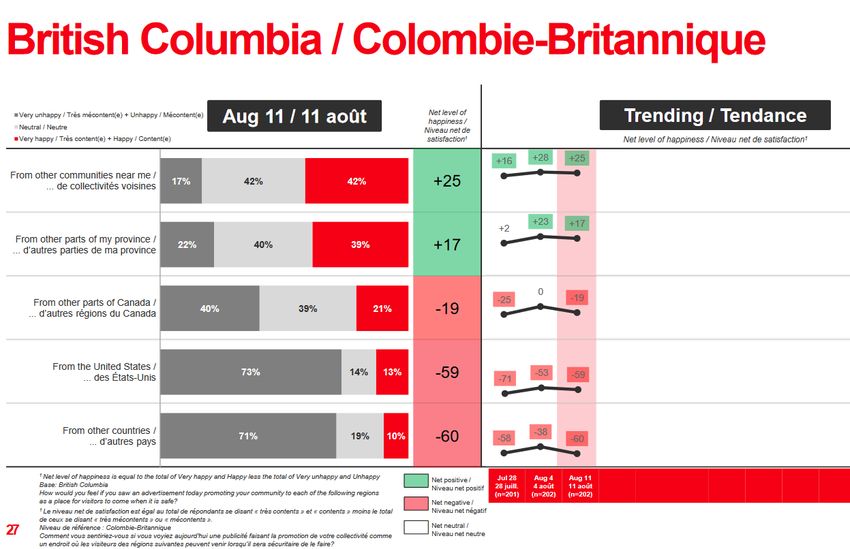
Movement within BC has declined from previous week

                                                                                   BC's Domestic Overnight Visitation
•   Movement within BC has declined from the
    week ending August 9, compared to the                                              Week over Week Variation
    previous week.                                70%                                                                           British Columbia
                                                                                                                                Vancouver, Coast & Mountains
                                                  60%
•   According to Environics Analytics Weekly      50%
                                                                                                                                Vancouver Islands
                                                                                                                                Thompson-Okanagan
    COVID Tracker Report, a decline in            40%                                                                           Cariboo Chilcotin Coast
    domestic overnight visitation within BC was   30%                                                                           Kootenay Rockies
    seen (-5.1%). Decreases in visitation were                                                                                  Northern BC
                                                  20%
    seen throughout the province – for example,
                                                   10%
    Thompson-Okanagan (-8.4%), Vancouver,
                                                   0%
    Coast & Mountains (-6.7%), Northern BC
                                                  -10%
    (-3.3%), Kootenay Rockies (-2.5%), and
    Cariboo Chilcotin Coast (-1.4%).              -20%
                                                  -30%

•   Vancouver Island saw an increase of           -40%

    domestic overnight visitation (+6.8%) from
    the previous week.

                                                         Source: Environics Analytics Weekly COVID Tracker Report, August 9, 2020
                                                                                                                                                               8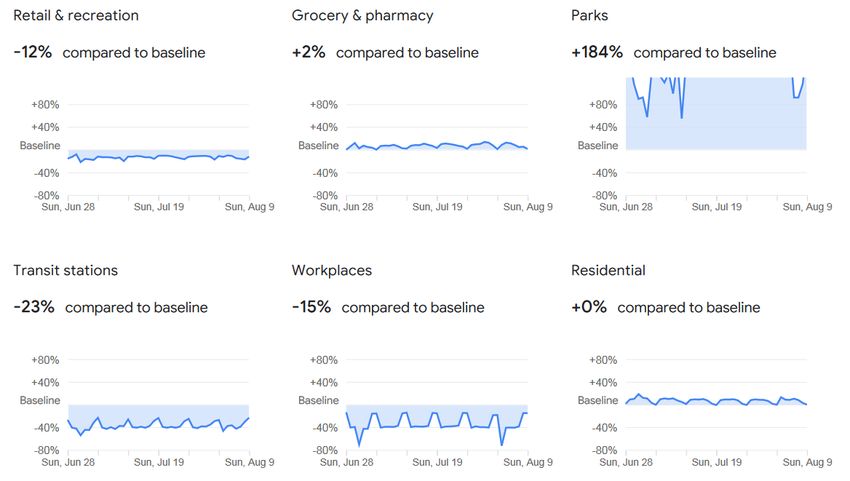
In BC, more time spent in parks, less time on retail and recreation

•   According to Google mobility data,             Movement in British Columbia
    movement in parks is up 184% compared
    to a baseline of the first five weeks of the
    year. However, this is down from 191% on
    August 4.

•   Less movement is seen in retail and
    recreation areas, down -12% on August 9
    and in transit stations, down -23%, of
    which none are significant changes since
    August 4.

                                                      Source: COVID-19 Community Mobility Report, Google, August 9, 2020
                                                                                                                           9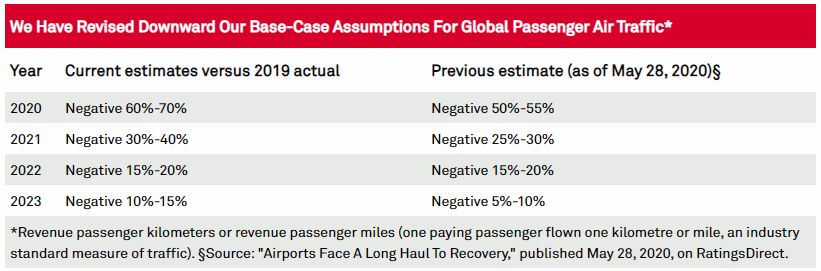
BC’s hotel occupancy continues to grow as reported by STR

• STR, an agency which captures hotel occupancy
  and ADR, reports a continued, steady rise in BC
  hotel performance, week after week.

• BC’s hotel occupancy for the week of Aug 2-8
  was 50.2%. This represents a positive increase of
  2.0 points from the previous week. BC was the
  only Canadian province to reach a 50%
  occupancy level.

• The average occupancy rate for the City of
  Vancouver was 27.4% (up 1.2 points from the
  previous week), Kelowna 82.3% (up 7.9 points),
  Kamloops 59.6% (down 0.4 points), Victoria
  41.4% (up 1.5 points), Whistler 60.3% (up 3.9
  points), and Richmond 40.3% (down 0.1
  points).
                                                      Source: 2020 STR, STR Global Ltd
                                                                                         10
Airline bookings to BC increase
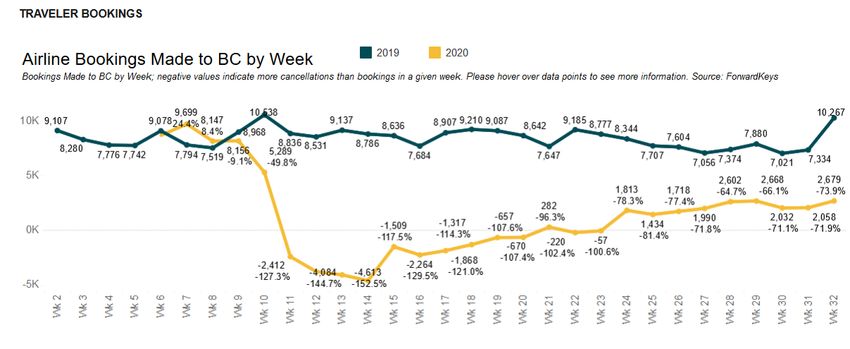
• ForwardKeys, a flight analysis company, has
shown in the week of August 3, 2020, there
were 2,679 airline bookings made to BC.
While this is a change of -73.9% compared
to last year, it is the highest number of
bookings since the pandemic began, and an
uptick from the two weeks previous.
• These insights from ForwardKeys and more
can be found in the Signals & Sentiment
dashboard located on the Destination BC
COVID-19 Hub, under Destination BC
Response Signals & Sentiment Dashboard
tab.
Source: ForwardKeys, Signals & Sentiment Dashboard, Destination BC
11Global air passenger traffic estimated to drop up to 70% in 2020
• S&P Global now expects global air passenger
traffic to drop by 60-70% in 2020
compared with last year.
• S&P Global also reports that they expect a
more gradual recovery than previously
estimated, reaching pre-COVID levels by
2024.
• For more insights, visit S&P Global website.
Source: S&P Global, August 12, 2020
12Adventure travellers expect to resume travel before overall US market
• A study by the Adventure Travel Trade
Association has reported that Adventure
travellers expect to resume near pre-
COVID level travel spending in 2021, three
years before the overall US travel market is
expected to recover.
• In the next 6 to 12 months, out of those US
adventure travellers likely to travel, 53%
intend to travel abroad, including 8% to
neighbouring countries and 45% for an
international trip involving an airplane.
Source: ATTA, U.S. Adventure Traveler Sentiment - June-July 2020 Report
13Examples of tourism resiliency
With the tourism industry facing challenges worldwide, it is important to recognize signs
and strategies as tourism businesses pivot and adapt on the road to recovery. These are
just a few of the positive stories across BC.
• The British Columbia Regional Tourism Secretariat reported that 24% of businesses
were experiencing business as usual in July, up 13% from June. 907 staff have been
rehired by 203 businesses. Source
• After closing to all lodging, the historic Chilcotin Lodge successfully reopened as a car-
hop: a drive-in burger bar. Source
• After reopening, WildPlay Element Parks created a Reseller Program, offering partners
a commission for any tickets sold while taking the opportunity to cross-promote other
tourism businesses. Source
• Tally-Ho Carriage Tours has been able to re-start operations, in part by the
development of a partnership with three other local businesses to create the new Tally-
Ho & Sea Cider Picnic Experience, a three-hour, horse-drawn carriage tour. Source
• More BC Stories of Resilience can be found on the BC Tourism Resiliency Network
website.
14This report can be found online on the Destination BC COVID-19
Research & Insights webpage
Research & Analytics
TourismResearch@DestinationBC.ca
15You can also read


