Decent Work, ILO's Response to the Globalization of Working Life: Basic Concepts and Global Implementation with Special Reference to Occupational ...
←
→
Page content transcription
If your browser does not render page correctly, please read the page content below
International Journal of
           Environmental Research
           and Public Health

Article
Decent Work, ILO’s Response to the Globalization of
Working Life: Basic Concepts and Global
Implementation with Special Reference to
Occupational Health
Jorma Rantanen 1, *, Franklin Muchiri 2 and Suvi Lehtinen 3
 1    Department of Public Health/Occupational Health, University of Helsinki, 00290 Helsinki, Finland
 2    International Labour Office, 1211 Geneva, Switzerland; Muchiri@ilo.org
 3    International Affairs, Finnish Institute of Occupational Health, FIOH, 00250 Helsinki, Finland;
      suvi.a.lehtinen@outlook.com
 *    Correspondence: jorma.h.rantanen@gmail.com

 Received: 27 March 2020; Accepted: 27 April 2020; Published: 12 May 2020

 Abstract: Twenty years ago, the International Labour Organization (ILO) launched a new strategy,
 the Decent Work Agenda, to ensure human-oriented development in the globalization of working life
 and to provide an effective response to the challenges of globalization. We searched for and analysed
 the origin of the Decent Work concept and identified the key principles in ILO policy documents,
 survey reports, and relevant United Nations’ (UN) documents. We also analysed the implementation
 of the Decent Work Country Programmes (DWCPs) and examined the available external evaluation
 reports. Finally, we examined the objectives of the ILO Decent Work Agenda and the Decent Work
 targets in the UN 2030 Agenda for Sustainable Development in view of occupational health. In two
 thirds of the ILO’s Member States, the Decent Work Agenda has been successfully introduced and so
 far fully or partly implemented in their DWCPs. The sustainability of the Decent Work approach
 was ensured through the UN 2030 Agenda, the ILO Global Commission Report on the Future of
 Work, and the ILO Centenary Declaration. However, objectives in line with the ILO Convention
 No. 161 on Occupational Health Services were not found in the DWCPs. Although successful in
 numerous aspects in terms of the achievement of the Decent Work objectives and the UN Sustainable
 Development Goals (SDGs), the Decent Work Agenda and the Decent Work Country Programmes
 need further development and inclusion of the necessary strategies, objectives, and actions for
 occupational health services, particularly in view of the high burden of work-related diseases and,
 for example, the present global pandemic. In many countries, national capabilities for participation
 and implementation of Decent Work Country Programmes need strengthening.

 Keywords: Decent Work; globalization; ILO; occupational health; SDGs

1. Introduction
      A total of 3.5 billion people—63% of the world’s population—belong to the global workforce.
They spend more than one third of their adult life at work and produce a total world gross domestic
product (GDP) of US$ 88 trillion [1], maintaining the social fabric and providing the material basis
for living for nations, communities, families, and individuals. In spite of revolutionary technological
development, the globalization of economies, digitalization, artificial intelligence, and robotization,
human work continues to be the key factor behind the material and social well-being of all countries.
Thus, the health and safety of workers and their work ability, competence, skill, and labour participation
are the key factors of the socioeconomic development and sustainability of every country.

Int. J. Environ. Res. Public Health 2020, 17, 3351; doi:10.3390/ijerph17103351     www.mdpi.com/journal/ijerph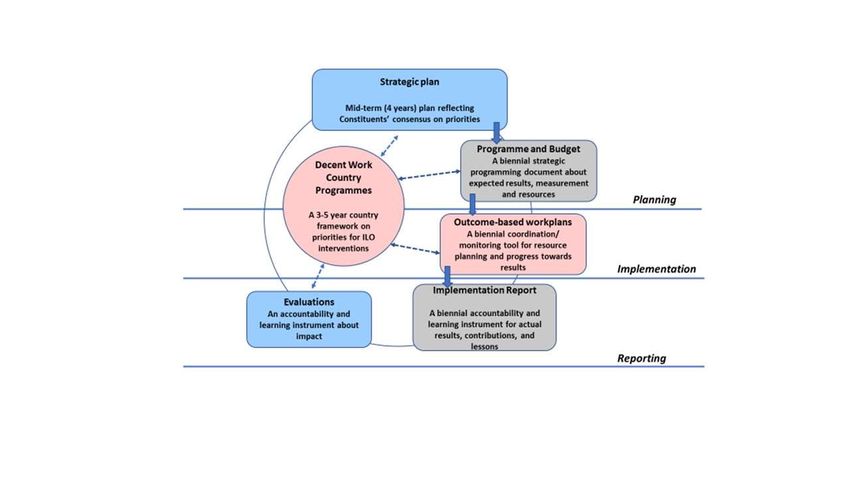
Int. J. Environ. Res. Public Health 2020, 17, 3351                                                2 of 27

     There is evidence of the positive impact of globalization on the global economic growth of the
world as a whole, particularly on the growth of world trade and the improved distribution of wealth
also to the developing world, for example by halving the global poverty rates in the past 20 years.
A similar positive impact is seen in the distribution of new technologies and the Internet throughout
the continents and enhancement of global connectivity.
     The social impact of globalization, and on occupational health in particular, is, however,
not universally positive. The transfer of basic and manufacturing industries to low-wage countries
has generated many positive impacts there, but left behind major employment and social problems in
the former host countries and communities. Still, most of the two billion workers of the developing
world, of whom over 50% are informal, have not benefited from globalization; sometimes quite
the opposite. In particular, agricultural and rural populations, family farmers, fishers, and forestry
workers, domestic workers, and small and microenterprises in developing countries have been losers
in globalization. Several vulnerable groups in both the industrialized and developing countries are
also recognized as potential victims. Mr. Juan Somavia, Director General of the ILO, stated before
the 87th International Labour Conference: “Globalization has brought prosperity and inequalities,
which are testing the limits of collective social responsibility” [2–5].
     The ILO Decent Work Agenda is a unique global-scale response to the challenges of globalization,
employment, economic, social protection policies, and social dialogue. This article describes the origin
of the Decent Work concept and analyses its implementation at the national level, and particularly the
role of occupational health as a part of the social protection pillar of the Decent Work Agenda [5].

2. Methods
     This explorative literature review was drawn up by studying the origin of the Decent Work
concept and its key principles in selected and relevant ILO policy documents, survey reports, and
relevant UN documents (Supplementary 1). The selection of the documents was done by the authors
with long-time follow-up of the ILO Decent Work policies. The implementation of the Decent
Work Country Programmes (DWCPs) was examined from the available ILO documents. Finally,
we examined the Decent Work targets in the ILO Decent Work Agenda and in the UN 2030 Agenda for
Sustainable Development. A special focus was set on occupational health elements in the DWCPs. In
addition to policy documents, important sources of information for the analysis were the ILO external
high-level evaluation reports of subregional Decent Work Programmes and their imbedded national
programme evaluations. The ILO evaluation criteria, relevance, coherence, effectiveness, efficiency,
impact, sustainability, and overall performance were examined and used for the overall assessment
and drawing our general conclusions on the realization through DWCPs of the Decent Work Agenda
in selected subregions and their countries.

3. Decent Work–Basic Concepts

Origin of the Decent Work Concept
     In the 1980s, the pace of globalization was accelerated by several geopolitical changes (opening of
global markets, particularly China) and the increasing wide-scale implementation of new information
and communication technologies. Working conditions changed radically; enterprise structures
were reorganized (downsizing, outsourcing, offshoring); and working contracts became fragmented
(precarious work, zero-hour contracts, long and deviating working hours, agency work).
     In 1998, a year before launching the Decent Work Country Programme (DWCP) approach, the 86th
International Labour Conference (ILC) launched the Declaration on Fundamental Principles and Rights
at Work [2], which was to apply to all working people in all 187 Member States of the ILO, regardless of
the level of economic development and whether the Member States had ratified the fundamental
conventions. The Declaration also covered groups with special needs, including the unemployed and
migrant workers. The declared universal fundamental rights and principles were: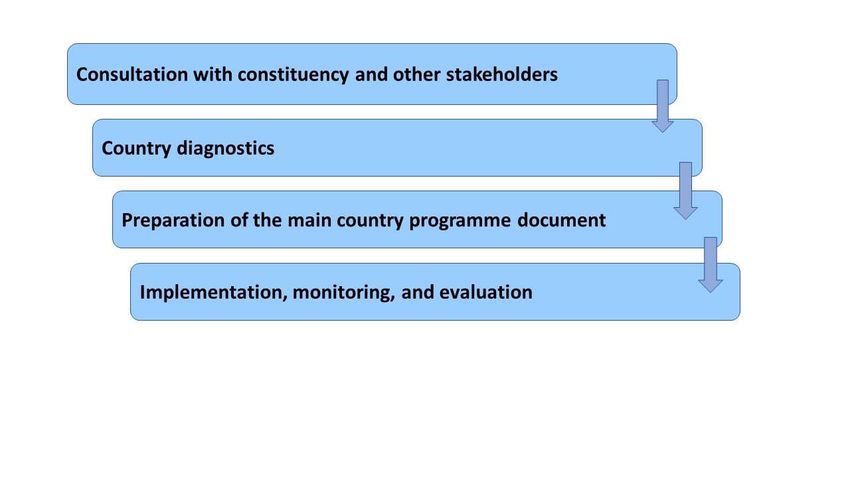
Int. J. Environ. Res. Public Health 2020, 17, 3351 3 of 27
Int. J. Environ. Res. Public Health 2020, 17, x 3 of 28
1. Freedom of association and right to collective bargaining;
fundamental conventions. The Declaration also covered groups with special needs, including the
2. Elimination
unemployed of migrant
and forced or compulsory
workers. labour; universal fundamental rights and principles were:
The declared
3. Abolition of child labour;
1. Freedom of association and right to collective bargaining;
4. Elimination of discrimination in employment and occupation.
2. Elimination of forced or compulsory labour;
3. TheAbolition of child
eight ILO labour;
Fundamental Conventions concern the freedom of association, the effective
4. Elimination of discrimination in employment
recognition of the right to collective bargaining, and
forced occupation.
labour, the abolition of forced labour, the effective
abolitionTheof child
eight labour, the minimum
ILO Fundamental age convention,
Conventions concernequal remuneration,
the freedom and thethe
of association, elimination
effective of
recognition of
discrimination therespect
with right totocollective
employment. bargaining, forced labour, the abolition of forced labour, the
effective abolition
By ratifying, theof child labour,
countries commit thethemselves
minimum age convention,
to regulation andequal remuneration,inand
implementation linethe
with
theelimination
Conventions. of discrimination with respect to employment.
This commitment is supported by the ILO Follow-up procedure. The Member
By ratifying,
States that have notthe countries
ratified one commit
or morethemselves
of the ILOtoFundamental
regulation andConventions
implementation areinasked
line with
eachtheyear
Conventions.
to report on theThis statuscommitment
of the relevantis supported
rights by andthe ILO Follow-up
principles withinprocedure. The Member
their borders and to note Statesany
that have not
impediments to ratified
ratificationone and
or moreareas ofinthewhich
ILO Fundamental
they may requireConventions are asked
assistance. These each year
reports to reviewed
are report
on the status of the relevant rights and principles within their borders
by the Committee of Experts on the Application of Conventions and Recommendations (CEACR). and to note any impediments
to ratification
Their observations and in areas in which
turn are they may
considered by therequire
ILO’sassistance.
GoverningThese Body.reports are reviewed by the
Committee of Experts on the Application of Conventions
As a response to globalization, the ILO developed the Decent Work approach to and Recommendations (CEACR).
provideTheir a social
observations in turn are considered by the ILO’s Governing Body.
dimension to globalization and to initiate an intensive human-oriented approach to the challenges
As a response to globalization, the ILO developed the Decent Work approach to provide a social
posed by the globalization of working life. In February 1999, the Secretary General of the UN,
dimension to globalization and to initiate an intensive human-oriented approach to the challenges
Mr. Kofi Annan, in introducing the new UN concept of the Global Compact before the World Economic
posed by the globalization of working life. In February 1999, the Secretary General of the UN, Mr.
Forum [3], emphasized the importance of shared values and principles in managing the challenges
Kofi Annan, in introducing the new UN concept of the Global Compact before the World Economic
of globalization. “Unless the
Forum [3], emphasized globalization
importanceworks for values
of shared all, it will
andwork for nobody,”
principles in managinghe stated. He called
the challenges
for of
policies that give
globalization. a human
“Unless face to the
globalization global
works for market and
all, it will invited
work businesshe
for nobody,” leaders
stated.to He“embrace,
called
support and enact a set of core values in the areas of human rights, labour standards,
for policies that give a human face to the global market and invited business leaders to “embrace, and environmental
support In
practices”. and Juneenact
1999, a the
set Director
of core values
Generalinofthe theareas
ILO, Mr.of human rights, labour
Juan Somavia, standards,
in his Report to theand
87th
ILC,environmental
responded topractices”.
this appeal In byJune 1999, the an
presenting Director
extensiveGeneral of the ILO,
document Mr. Juan
on Decent Work Somavia,
(Figurein1)his[4,5].
Report to
According to the
the 87th ILC,General,
Director responded to this
Decent appeal
Work by presenting
is defined by the ILOan extensive document
as “productive work onfor
Decent
women
andWork
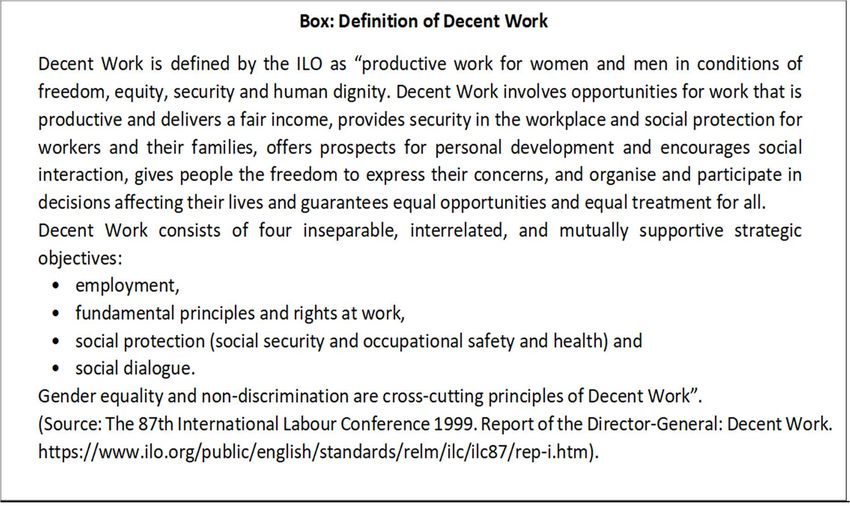
men (Figure 1) [4,5].
in conditions of According
freedom, equity,to the security
Director and
General,
humanDecent Work is defined by the ILO as
dignity”
“productive work for women and men in conditions of freedom, equity, security and human dignity”
Figure
Figure 1. 1.
TheThe ILOdefinition
ILO definitionofofdecent
decent work
work is collected
collected from
fromILO
ILOkey
keydocument
documenttoto
BOX [5].[5].
BOX
The ILO’s Decent Work Agenda promotes a development strategy that recognizes the central
role of work in everyone0 s life. The Organization provides support in the form of integrated Decent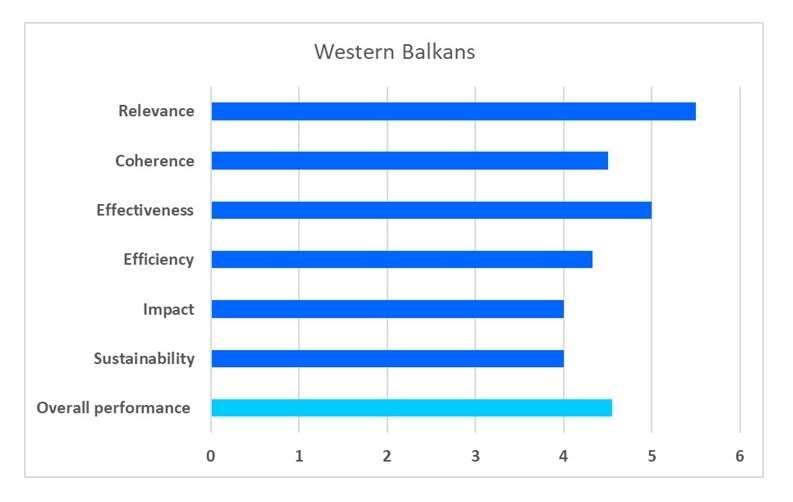
Int. J. Environ. Res. Public Health 2020, 17, 3351                                                   4 of 27

Work programmes developed at the country level with ILO0 s constituents. These programmes set
priorities and targets within national development frameworks and aim to tackle major Decent Work
shortcomings through effective programmes that also meet each of ILO0 s four strategic objectives:

a.      to promote and implement the standards and fundamental principles and rights at work;
b.      to enhance opportunities for men and women to obtain decent employment and wages;
c.      to expand the scope and heighten the effectiveness of social protection for all;
d.      to strengthen tripartism and social dialogue.

     In addition, Mr. Somavia in his address to the 87th ILC recalled the issues inherent in the concept
of Decent Work and outlined the future role of ILO: “The ILO is concerned with Decent Work. The goal
is not just the creation of jobs, but the creation of jobs of acceptable quality. The quantity of employment
cannot be divorced from its quality. All societies have a notion of Decent Work, but the quality of
employment can mean many things. It could relate to different forms of work, and also to different
conditions of work, as well as feelings of value and satisfaction. The need today is to devise social and
economic systems which ensure basic security and employment while remaining capable of adaptation
to rapidly changing circumstances in a highly competitive global market” [4].
     Later in 2008, the 97th Session of the ILC adopted the ILO Declaration on Social Justice for a
Fair Globalization [6], which is implemented in the context of the Decent Work Agenda and its four
strategic pillars: rights at work, employment creation and enterprise development, social protection,
and social dialogue.
     Since 1999, the ILO has initiated large numbers of DWCPs, which have also been evaluated.
The ILO Secretariat regularly reports on the development and implementation of the Decent Work
programmes to the ILO Governing Body and the ILC, at which Member States of the ILO meet in June
every year in Geneva, Switzerland. This ensures regular follow-up by the highest governance levels of
the Organization.
     In the course of the globalization process, the relevance of and the need for the Decent Work
Agenda have become even more important amid the widespread uncertainty in the world of work,
from the financial turmoil and economic downturn of the last two decades to growing unemployment,
informal employment, insufficient social protection, and labour migration. These have challenged
governments and social partners—workers’ and employers’ organizations—to adopt the Declaration
on Social Justice (for fair globalization) to strengthen the ILO’s capacity to promote its Decent Work
Agenda and forge an effective response to the growing challenges of globalization.
     Both the Decent Work Agenda and its implementation and, at the time, the UN Global Strategy
with its Millennium Development Goals (MDGs) aim to eradicate extreme poverty and hunger through
achieving full and productive employment and Decent Work for all, including women and young
people (MDG Target 1b). This target highlights the fact that, despite progress, almost half of the world’s
employed people are still working in vulnerable conditions, especially in Sub-Saharan Africa and
Southern Asia. The MDGs succeeded in halving absolute poverty in the target period [7]. In spite of
such significant success, according to ILO, more than 204 million people remained unemployed in
2015. This was over 34 million more than before the start of the 2008 economic crisis, and 53 million
more than in 1991.
     In 2015, the UN launched the new Global Strategy, Transforming our world: the 2030 Agenda for
Sustainable Development, which contains 17 Sustainable Development Goals (SDGs) with hundreds
of targets and actions addressing people, planet, prosperity, peace, and partnership [8].
     The SDG strategy contains several goals, targets, and actions relevant to workers’ health and safety,
particularly SDG No. 1 on the Elimination of poverty, SDG No. 3 on Health, and SDG No. 8 on the
Promotion of inclusive and sustainable economic growth, full and productive employment and decent
work for all. The ILO has been appointed the custodian of 13 different SDG indicators [9]. The UN,
through the SDGs, recognizes the central role of Decent Work in enhancing the global sustainable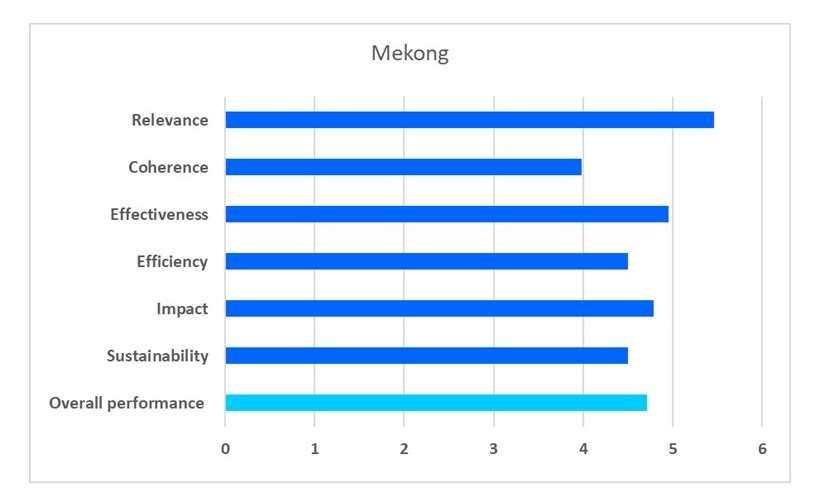
Int. J. Environ. Res. Public Health 2020, 17, 3351                                                  5 of 27

development agenda. Thus, the UN Agenda will extend the life of the Decent Work Agenda until 2030,
and likely beyond.

4. Decent Work Country Programmes

4.1. Background
     The ILO launched the Decent Work concept in 1999, and the first DWCPs were begun in 2000
in the Philippines and the Ukraine. The DWCPs were intended to be well coordinated at the
national level with other ILO and UN programmes on the development of working life, in order
to make as effective use of scarce resources as possible. The DWCPs aimed at the distinct ILO
contribution to UN country programmes and constituting one main instrument to better integrate
regular budget and extra-budgetary technical cooperation [10]. The ILO biennial programme outcomes
were designed to align well with the SDGs, enabling the ILO Global Technical Teams, field structures,
flagship programmes, Centenary Initiatives, and DWCPs to work together and within the UN system
to support Member States [11]. Decent Work called for quality jobs, dignity, equality, a fair income,
and safe and healthy working conditions and environments; it strived to put people at the centre of
development and create a future that is inclusive and sustainable [12].

4.2. Preparing the DWCPs
     There has been long-term, logical continuity in the drafting and development of the DWCPs
and the coordination, implementation, and independent evaluation of the accomplishments of the
programmes. In order to facilitate the preparation of the DWCPs, in 2015, the ILO published a guideline
for country-level actors’ support [10]. This guideline aims to provide a well-informed, comprehensive,
but short diagnostic narrative of the growth, productive employment, and Decent Work situation and
trends of each country. It provides the ILO constituents and other national stakeholders with coherent
data on and analysis of the progress and situation related to Decent Work in each country. At the same
time, it recognizes the key Decent Work challenges facing the country. The analytical report of the
country offers data for the national development discourse. The analysis of the country situation can
also be used as a basis for national training, capacity planning, and building for constituents and other
      Int. J. Environ. Res. Public Health 2020, 17, x                                              6 of 28
key stakeholders [13,14] (Figure 2).

                              Figure 2. Country programming process Modified from [14].

     The country diagnostics provide an overall national development framework with demographics
and data related to education, health and human development, the structure and performance of the
economy, aspects related to inequality, vulnerability, and poverty in the country, employment and the
                            Figure 2. Country programming process Modified from [14].
labour market, the labour force, fundamental principles and rights at work, the implementation of
international
          Thelabour
              logic ofstandards,
                       the DWCPdecent
                                  processworking   conditions
                                          of the ILO           andinoccupational
                                                     is described    Figure 3.    safety and health (OSH),
equal opportunities and treatment in employment, and questions related to social protection and social
dialogue, to help identify and recognize the main Decent Work challenges ahead.
     The logic of the DWCP process of the ILO is described in Figure 3.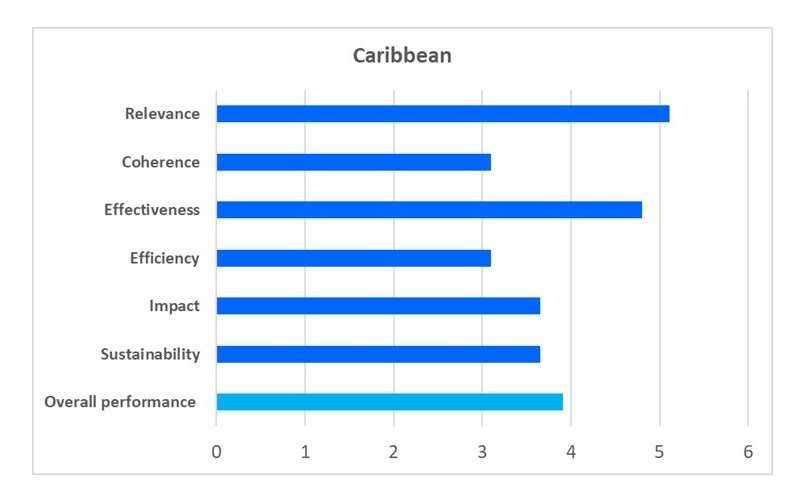
Figure 2. Country programming process Modified from [14].

      The logic of the DWCP process of the ILO is described in Figure 3.
Int. J. Environ. Res. Public Health 2020, 17, 3351                                                                 6 of 27

                          Figure 3. ILO results-based programming cycle. Modified from [14].

     On the basis of the diagnostics of the country situation, the national stakeholders, in collaboration
with ILO experts, will draft a DWCP document to be discussed and agreed on in the tripartite process of
                     Figure also
the country. The process     3. ILO  results-based
                                   serves           programming
                                            as a learning         cycle.
                                                           cycle for  theModified  from [14].
                                                                           development      of Decent Work. Examples
of the main contents of the DWCPs are poverty reduction through the creation of Decent Work
     On the basis
opportunities  with aoffocus
                          the on diagnostics
                                    young men   of and
                                                    the women,
                                                         country the
                                                                   situation,
                                                                      reduction theof national  stakeholders,
                                                                                      child labour               in
                                                                                                     and elimination    of
collaboration  with  ILO  experts,   will  draft  a DWCP    document     to be discussed    and
its worst forms, or more and better employment for vulnerable groups, and responding to HIV and agreed    on in the
tripartite
AIDS       process in
       challenges  of the
                      the world
                           country. ofThe
                                       work.process  also serves
                                               The selected       as a learning
                                                              priorities   depend cycle  for deficits
                                                                                     on the  the development
                                                                                                       recognizedof in the
Decent   Work.  Examples     of  the  main
Decent Work diagnosis of the country [15].   contents   of the DWCPs       are poverty    reduction   through   the
creation of Decent Work opportunities with a focus on young men and women, the reduction of child
     The DWCP process since the beginning of the DWCP implementation from 2000 to September
labour and elimination of its worst forms, or more and better employment for vulnerable groups, and
2019 is summarized by region in Table 1, showing a total of 121 countries’ participation.
responding to HIV and AIDS challenges in the world of work. The selected priorities depend on the
deficits recognized in the Decent Work diagnosis of the country [15].
                                     Table 1. ILO DWCPs, 2000–2019.

                                      Concept        Draft   Final   Grand Total, Countries     Total No. of Countries
  ILO Region
                                      DWCP           DWCP    DWCP        in the Process           in the ILO Region
  Africa                                  4            2       43           49 (91%)                      54
  Americas and the Caribbean              3            2       21           26 (74%)                      35
  Arab States                             3                    5            8 (67%)                      11
  Asia and the Pacific                    2            3       19           24 (67%)                      36
  Europe and Central Asia                                      14           14 (27%)                      51
  Total                                   12           7      102          121 (64%)                     187
  Source: ILO Decent Work website: https://www.ilo.org/global/topics/decent-work/lang--en/index.htm. Discussions of
  high-level evaluations: Strategies and Decent Work Country Programmes [16].

     The actual situation in September 2019 shows that Africa has the highest number of ongoing
DWCPs, followed by Asia. Africa’s activities are even more prominent if the number of countries and the
size of the workforce are considered (Table 2). A total of 41 programmes have been drafted, and 51 have
already been approved by the Regional Director of the ILO. Regional Decent Work Programmes (DWPs)
have also been adopted through regional meetings such as the DW Programme for Africa 2007–2015
and the Decent Work Programme for the Southern African Development Community (SADC).
Int. J. Environ. Res. Public Health 2020, 17, 3351                                                                      7 of 27

                                       Table 2. ILO DWCPs as of 15 September 2019.

              Status of Decent Work Country Programme Development by Region (as of 15 September 2019)
                                           Draft DWCP Document (1) in the Process of
                                                                                            DWCP Final Document (2)
                 Region                        Drafting and in Consultation with
                                                                                          Approved by Regional Director
                                                     Tripartite Constituents
  Africa *                                                    22                                         19
  Arab States                                                  1                                          5
  Asia and the Pacific                                        14                                         15
  Latin America and the Caribbean                              2                                          3
  Europe and Central Asia                                      2                                          9
  Total                                                       41                                         51
  * In addition to DWCPs, there is one sub-regional Programme for Southern African Development Community (SADC).
  Development of the sub-regional DWP for the Western Africa Economic Community for West African States (ECOWAS) has
  commenced. Explanatory notes: (1) Draft DWCP documents include all the elements of the DWCPs developed through a
  process of consultation with tripartite constituents. They are appraised through the quality assurance process. (2) DWCP
  final documents that, while subject to modification if conditions change, have met the requirements for approval and can be
  cited as the vehicle for the ILO [17] (ILO 2019. Status of Decent Work Country Programme Development by Region).

     The independent evaluations of the national DWCPs have been carried out at the sub-national,
national, and regional levels, and the ILO has published the lessons learned to facilitate the further
planning of new programmes. Evaluations have been carried out of both the individual country
programmes and the regional programmes, such as those of the Arab Region (Jordan, Lebanon,
the Occupied Palestinian Territory OPT), North Africa, the Caribbean, the Western Balkans, and Mekong
Sub-region. These evaluations have identified success factors and needs for development and provided
guidance for further actions [18].

5. Decent Work and Occupational Health
     One of the fundamental principles of the ILO Constitution is the “protection of the worker against
sickness, disease and injury arising out of his employment” [19]. In adopting the Declaration on Social
Justice for a Fair Globalization [6], the ILO institutionalized the Decent Work concept, which had been
earlier adopted at the 87th ILO Conference [4] and reaffirmed the continuation of OSH as the basic
principle of Decent Work. It also established the InFocus Programme on SafeWork. This was further
reinforced by the adoption of the ILO Centenary Declaration [20], confirming OSH as a fundamental
element of Decent Work.
     In 2003, the 91st ILC adopted the Conclusions of the Global Strategy on Occupational Safety and
Health. These Conclusions confirmed OSH as key principles of Decent Work: “Decent Work must be
safe work” [21]. The Conclusions pinpointed the need for tripartite national commitment and national
action in fostering a preventive approach and a safety culture, which are key to achieving lasting
improvements in safety and health at work.
     In addition to the DW policy principles, the ILO has also produced legal instruments for the
implementation of Decent Work in occupational health practice. Already before the 87th ILC (and
Convention No. 161), Recommendation No. 112 (R112) on Occupational Health Services from 1959
guided the Member States in the organization of occupational health services (OHS) for their workers.
In 1985, the ILC adopted the Occupational Health Services Convention No. 161 (C161) [22] and the
related Recommendation No. 171 on Occupational Health Services [23], which superseded R112.
These instruments guide the Member States in the development of national policies and corporate
policies, laws and regulations, human resources and service infrastructures, and activities for the
development of a national occupational health service, the OHS system. C161 has been ratified by
33 countries, and several countries have reported on its use as guidance for the development of
OHS without ratification [24]. In 2017, the ILO Standards Review Mechanism-Technical Working
Group established by the Governing Body reviewed C161 and R171 on Occupational Health Services,
classified them as up-to-date standards, recommended specific promotion of C161 as a practical and
time-bound follow-up action, and requested to be regularly updated in this respect [25].
Int. J. Environ. Res. Public Health 2020, 17, 3351 8 of 27
ILO’s Convention No. 187 on the Promotional Framework for Occupational Safety and Health [26]
emphasizes the importance of building national OSH systems. Item 3 of Article 4 of C187 lists OHS as
an element of the national OSH system.
Recently, new evidence on the growing need for occupational health and OHS has accumulated.
Globally, occupational diseases, occupational injuries, and work-related diseases (WRDs) are estimated
to cause 2.8 million fatalities a year and over 300 million cases of non-fatal health outcomes that affect
the health and work ability of workers, leading to a 4% loss of GDPs on average. Occupational injuries
lead to 380,500 fatalities annually, whereas the mortality from WRDs is estimated at 2.41 million a
year [27]. The cost estimates are based on the calculation of disability adjusted life years (DALY)
from mortality and non-fatal health events. The majority of the estimated losses take place in the
poorest countries and among the poorest and most vulnerable workers. In the process of globalization,
particularly in rapidly growing and emerging economies, working people are increasingly vulnerable
and have no access to OHS [24].
The trend of WRDs is expected to grow as working populations are ageing and numerous
vulnerable groups such as migrant and refugee workers, several types of workers with vulnerabilities,
and workers with partial work ability are recruited into the workforce and the number of informal
workers grows. For example, half of the one billion World Health Organization (WHO) Western Pacific
Region’s (WPRO) workers are informal. The informal status of workers is the key determinant of
the absence of health, safety, and workers’ rights at work. The informal workers work in high-risk
jobs, are exposed to high numbers of chemical, physical, biological, and social hazards, and are most
vulnerable, for example, to infectious epidemics [27–30].
6. Challenges for Occupational Health and OHS in Decent Work
The SDGs aim among other things to eliminate poverty. In the long term, the only sustainable
way out of poverty for countries, communities, families, and individuals is the gainful employment of
working-age people. Successful employment needs job opportunities at the systems level and good
employability at the individual level. A prerequisite for individual employability is good work ability
(including health, functional capacity, competence, skill, and motivation), decent working conditions,
and safety and health at work. The SDGs cannot be achieved without good health and work ability in
working populations, as all the resources available for societies are derived from productive work.
Some countries have included or are in the process of including the objectives of the development of
occupational health, work ability, and OHS in their National Health 2030 strategies, thus harnessing
occupational health for achieving the SDGs.
Some countries have achieved reasonably good working conditions and work environments, as
well as occupational health, although the majority of countries still face great challenges in meeting the
international standards set out in the Occupational Health Services Convention, C161. All countries
need to exert a great deal of effort to achieve the UN’s SDGs in the field of health, safety, and work
ability of workers. The greatest challenges lie in the improvement of the occupational health and
work ability of workers in micro- and small-scale enterprises, the self-employed, and workers in
the informal sector, who comprise the majority of the world’s workforce. Today, the majority of the
workers of the world are still severely underserved and vulnerable. The gradual extension of the
coverage and content of comprehensive OHS, including prevention, protection, promotion of health
and work ability, care, rehabilitation, compensation in cases of injuries, and services for return to work
is needed for all workers. Workers not yet covered, such as those in agriculture, the informal sector,
and the self-employed, have the most urgent need for these services [24,27,30].
All occupational health and safety hazards can be prevented. Economics researchers have found
the control of occupational accidents and diseases and the improvement of working conditions and
occupational safety and health to be financially productive and profitable mainly through:
(a) the reduction of economic loss by preventing the loss of work ability through accidents, diseases,
presenteeism, disability, and sickness absenteeism andInt. J. Environ. Res. Public Health 2020, 17, 3351 9 of 27
(b) increased productivity derived from better work ability, better motivation, and smoother flow of
production (i.e., the ergonomic principle).
The high coverage, comprehensive content, and good functioning of OHS have been positively
associated with the human development index (HDI) of the United Nations Development Programme
(UNDP), the competitiveness index (World Economic Forum) and GDP per capita of countries, and the
success and sustainability of enterprises [24].
Work does not produce only economic and material assets; participation in working life enables
important social contacts, support from the work community, opportunities for vocational and
professional development, and gives the individual a place and status in working organizations,
institutions, living communities, and society at large.
Work itself is an important determinant of workers’ health, providing potential enhancement of
health and work ability in good jobs and adverse effects in poor working conditions. Workers’ health and
work ability also have a crucial impact on the health of families. In many societies, labour participation
is the prerequisite for registration in social security schemes, which for their part reduce the risk
of poverty. Still today, job opportunities and employment conditions vary greatly between and
within countries and between different groups of workers and have great inequities among working
people [31–33].
OSH has been a central issue for the ILO ever since its creation in 1919 and continues to be a
fundamental requirement for achieving the objectives of the Decent Work Agenda. In reaffirming
this, the ILO Centenary Declaration for the Future of Work, adopted by the ILO Conference at its
108th session in Geneva in June 2019, stated “Safe and healthy working conditions are fundamental to
decent work” [20]. With respect to OSH, the DWCPs have provided a key avenue for including OSH
objectives as part of national development plans and for stimulating high-level decision-makers in
governments to allocate resources for OSH [15].
Examination of the DWCPs have revealed that the contributions of occupational health and OHS
have not been sufficiently utilized in national programmes. Even the total coverage of OHS in the
world has remained low (18.5%). There may be several reasons for this, but the governance model
of OHS is likely not the cause, as 73.5% of the respondent countries in International Commission on
Occupational Health, ICOH’s OHS survey were governed by the ministry of labour alone or jointly by
the ministry of labour and ministry of health [24].
Globally, the majority of work-related loss of DALYs is estimated on the basis of WRDs and
only about 11% on the basis of occupational injuries [27]. The management and prevention of WRDs
constitute a major challenge for the development of Decent Work. This challenge centres on a few WRDs:
musculoskeletal disorders (MSDs) (15%), cardiovascular disorders (CVDs) (17.2%), and occupational
cancer (12.4%). The rest, almost 50%, comes from “others”, mainly various types of WRDs. Diseases are
responsible for almost 90% of all WRD-DALY loss. The ILO has earlier initiated important measures
for identifying and recognizing occupational diseases by providing a list of them (a guidebook on
diagnostic criteria is also under preparation), guiding workers’ health surveillance, and providing the
ILO International Classification of Radiographs of Pneumoconiosis (now being finalized to include
the digital standard). The Joint ILO-WHO Committee on Occupational Health has also initiated and
implemented two WHO-ILO global programmes: the Global Programme for Elimination of Silicosis
and the Global Programme for Elimination of Asbestos-Related Diseases (ARDs). The continuation of
such policy trends fits well with the DWCPs. The practical prevention and management of the massive
problem of WRDs, however, require the availability of comprehensive multi-professional OHS, i.e.,
universal occupational health coverage.
Including the development of OHS in the DWCPs would provide a strong substantive and
practical contribution to the implementation of the DWCPs and make OHS available for underserved
sectors as shown in the needs and provisions analysis in Table 3. The ILO is in the process of initiating
a special campaign for the promotion of OSH conventions, including C161. This will also support the
implementation of ILO’s C161 and also the achievement of the SDGs.Int. J. Environ. Res. Public Health 2020, 17, 3351 10 of 27
Table 3. Needs and provisions for OHS and DWCPs.
What Is Needed of DWCP for OHS? What Is Needed of OHS for DWCP?
• Policy containing, for example objectives • Policy and regulatory support
for OHS • Institutionalization of OHS
• National development programme for OHS • In the optimal case, provision of comprehensive,
• Regulation on OHS multidisciplinary content of OHS
• Government governance, enforcement, • Infrastructure for universal OHS provision
and inspection of OHS • Competent human resources in OHS
• Political will and inclusion of OHS as a priority • Expert support, advice, and OHS
in the national development agenda • Sustainable financing for OHS
• Effective feedback systems from the grassroots • Statistics and registration of occupational
level to governance bodies and policies diseases and WRDs
What DWCP Can Offer OHS What OHS Can Offer DWCP?
• Occupational health dimension to DWCP and
link to health sector
• Identification, prevention, diagnosis,
• Collaboration between national health 2030 and recognition of occupational and
strategies and DWCPs work-related diseases
• SDG 8 Framework • Provision of comprehensive OHS,
• Tripartite support mechanism including prevention, protection, care,
• Collaboration with other activities, safety, social rehabilitation, promotion of health,
protection, employment and work ability
• Integration with the national DWCP • Provision of expert advice and services in
occupational health, occupational medicine,
ergonomics, psychology, rehabilitation, work
ability, and compensation schemes
7. How to Develop Universal Occupational Health Coverage within the Framework of Decent Work
The WHO Global Strategy on Occupational Health for All (1995) called for universal OHS (“for
all”) [31]. The United Nations General Assembly discussed universal health coverage (UHC) in its
Sessions in 2012 and 2019 [34,35]. In May 2019, the World Health Assembly adopted three Resolutions,
Nos. 72/2-4, on universal health coverage, aiming at the widest possible coverage of primary health
care services for all people [36–38]. Universal health coverage is intended for the provision of basic
general health for the total population, while universal occupational health coverage (UOHC) aims to
cover working populations with the minimum of basic OHS. The occupational health of workers and
the workplaces is not covered by general UHC, as occupational health requires paying attention to
the specific needs of the workers’ work-specific health problems, as well as problems of work ability,
the prevention of hazards and exposures at work and in the workplace, the management of working
conditions and workloads, and the development of safe and healthy working conditions. The UN
General Assembly in September 2019 requested among other things the provision of Decent Work and
occupational health services for all, i.e., universality. Occupational health has three different groups of
patients; workers, the workplace, and the working community at large. UOHC requires competence in
occupational health, which is different from primary health care competencies of general practitioners
(GPs) or family doctors. A unique feature of UOHC is that, like all other occupational health and safety
issues, it is subject to tripartite collaboration between government authorities, employers, and workers.
The WHO Regional Office for the Western Pacific has supported the provision of UOHC in the
Western Pacific Region [39,40]. The Strategy aims to fill the coverage gap in OHS in the WHO Region
by focusing specifically on underserved and uncovered sectors, such as small and medium-sized
enterprises (SMEs), the self-employed, and informal sector workers.Int. J. Environ. Res. Public Health 2020, 17, 3351 11 of 27
As stated by the ILO: “Decent Work is safe work” [5]. Workers’ health is a wider concept than
traditional occupational safety only. It also contains health aspects, i.e., the prevention of health risks
and hazards at work and in the workplace; the protection of workers against physical, chemical,
biological, ergonomic, safety, psychological, and social factors hazardous to health; the promotion of
workers’ health and work ability; the provision of health services to workers particularly in view of
occupational and work-related diseases, acute health events, accidents, and emergencies; and guidance
for workers in rehabilitation services and healthy working practices and healthy lifestyles. Pillar 4 of
the Decent Work Agenda addresses occupational safety well, but occupational health less effectively.
ILO’s C161 on OHS provides a valid international standard for the implementation of OHS within the
Decent Work framework. The ILO-WHO-ICOH Basic Occupational Health Services approach provides
a practical instrument for this implementation [41]. In particular, the new infectious epidemics and
pandemics deserve more attention than before, which needs strengthening of occupational health
services and in fact UOHC [37–40].
8. Globalization, Decent Work, and Future Challenges
The globalization process has continued over centuries, but during the last 30 years, it has
developed and modified working life more intensively and faster than ever before. It is characterized
by growing global trade and the movement of capital, materials, services, and people [42].
Globalization exposes all countries and enterprises to challenges and changes. Production
structures will be radically modified; some branches of the economy will disappear; and new ones will
appear. There will be changes in enterprise structures, their production methods, working practices,
and work environments. Enterprises will need to adjust to several new trends; new work organizations,
management systems, working contracts, working hours, OSH, and OHS. All of these mean that
working life is expected to undergo major changes in terms of employment opportunities and
requirements for competence, skills, and work ability [42–46].
In spite of progress in OSH in developed economies, the global situation is still unsatisfactory,
with 2.8 million fatalities from occupational accidents and diseases a year and a manifold number
of non-fatal injuries and diseases (see above). Many of the negative impacts of globalization hit
the low-income and low and middle-income countries the worst, but they also affect advanced
economies. Digital disruption affects enterprise and institutional structures. Some sectors of traditional
economies are dying out, and their workers and professionals are at risk of exclusion from working life.
Many traditional jobs are disappearing, and new challenging ones being generated; labour markets
are being polarized; and in spite of improving averages, the inequities and gaps between the richest
and the poorest are at risk of growing even further. New competence demands require new types
of training, and numerous jobs are disappearing virtually overnight in large geographical areas,
requiring movement of working populations to seek new job opportunities (particularly rural-urban
migration). Downsizing, outsourcing, and offshoring in industries and services are leading to a new
division of work between different countries and continents, which may affect the health and lives of
working populations [47–49]. In particular, smaller countries, but also all national governments, need to
adapt to global megatrends and develop new survival strategies. Policies, economies, production,
and trade are being strongly dominated by giant multinationals.
With the help of new information and communication technologies, international interactions are
being facilitated through ever-growing global connectivity and communication, including social media.
Many other technological advancements, the introduction of new substances and materials including
nanotechnologies and new e-technologies, digitalization, automation, and robotization in particular,
and the use of artificial intelligence and big data are becoming effectively distributed throughout the
global world of work. Automation and robotization are expected to eliminate 30–50% of current jobs,
but new jobs are also being generated with different competence demands. Earlier, only physical and
manual human power was replaced by automation, but the new trend is also partially replacing humanInt. J. Environ. Res. Public Health 2020, 17, 3351 12 of 27
intelligence by artificial intelligence: for example, speech recognition, problem-solving, learning,
and planning.
The national and international division of work has changed due to technology transfer and
the outsourcing, downsizing, and offshoring of industries and services. Global giant multinationals
will dominate economic activities, exceeding the influence of national governments. Changes in
production and in consumer markets will lead to a new division of work; some countries may become
primarily producers of materials and producers of goods, others dealers of products only, and others
only consumers with no large-scale production. This may result in occupational structures becoming
one-sided and even more vulnerable to changes in global markets. National markets will mainly be
transformed into global markets.
Due to robotization and artificial intelligence, the human role in production has become more
one of planning, designing, quality control and services, transport and commercial, and marketing
activities. The production of goods and materials will become assigned to automatic systems and
robots. Some new branches of the economy will be generated, such as environmental and green
economies, new energy economies, and knowledge economies. All these will have an impact on job
contents, competences, and work ability profiles. [45,46,50–52].
Major changes have been observed in the demographic structures of the global workforce. Four of
these macro trends are [53–55]:
The ageing of the workforce in most countries: In both the developing and industrialized countries,
this is a dominant trend. Both developing and advanced economies show a comparatively rapid
increase in the average age of working populations, known as the global ageing epidemic. This raises
numerous challenges: the maintenance of decent employment for ageing individuals, the maintenance
and promotion of their competence and work ability, the provision of employment opportunities,
social protection, and the prevention of age discrimination. Better use of the competences and
experience of ageing workers is warranted.
Youth: Some developing and emerging economies are facing challenges in the employment of
younger age cohorts, which, particularly in Africa, has led to both internal (rural-urban migration) and
international migration, particularly to Europe, but also elsewhere. The working conditions, OSH,
training and education, fair remuneration, social protection, and overall life situation of young migrant
workers is a huge international challenge.
The feminization of the workforce: In various parts of the world, this is progressing, providing
many advantages for female workers, formal jobs, legal and social protection, better income, and more
independence. Simultaneously, several jobs may have health hazards, long working hours, several
psychosocial risks, reproductive hazards, balance of work and family life, and lack of gender equality
and sexual harassment, calling for special protection of female workers at work.
Migrants, the handicapped, workers with partial work ability, and informal and domestic workers:
These form a vulnerable group of workers and together constitute the majority of the global workforce.
Their labour markets and social situation in global working life have not necessarily improved during
the era of globalization, often in fact the opposite. International organizations, particularly the ILO,
and non-governmental organizations (NGOs) have put great effort into the special protection of
vulnerable groups of workers and made it a key element in Decent Work programmes.
Global economies are characterized by increased uncertainty of work contracts and employment;
sudden changes in employment opportunities due to outsourcing and transfers of industries to new
areas; quick, high peaks of employment, which may then dramatically drop; casual and temporary
working contracts; and in general, higher risks of unemployment and insecure jobs. Such insecurity
together with associated high job demands [48,56,57] and the high pace of global working life have
caused psychological stress to become a global epidemic. General global challenges include growing
global interdependence, climate change, and environmental degradation, which also modify the work
environment, increase risks to workers’ health and safety, and affect families’ lives. Climate change
challenges communities, enterprises, and private practices to respond through environmental protection,Int. J. Environ. Res. Public Health 2020, 17, 3351 13 of 27
the greening of industries, and new consumer behaviour. These challenges also have an occupational
health dimension in protecting workers against health hazards from climate and environmental
hazards, such as excess solar radiation and air pollution, and in certain occupations, such as those of
emergency response and rescue workers, against natural disasters. New green technologies also need
to be carefully assessed for occupational health hazards [58–60].
Good work ability and psychological and physical functional capacity are key prerequisites
for successful and productive employment. In the wider sense of the term, the concept of work
ability is multidimensional and complex and includes workers’ personal health, psychological,
cognitive, and physical capacity, knowledge, skills, and competence, attitudes and motivation to work,
and personal social networks (particularly family). However, good work ability and functional capacity
also require a healthy and safe work environment, a conducive working community, a secure labour
contract, and social protection. Just and fair management supports work ability, as does the availability
of OHS with service modules for work ability [46,61].
In the course of the development of working life, the challenges related to the occupational health
and work ability of workers are gaining more importance. This is due to the growing psycho-social
demands of work, the need to address the work ability problems of ageing workers, support and
protection of the health of vulnerable groups, and consideration of the numerous health needs of migrant
workers and other vulnerable groups. Maintaining and promoting the work ability of all working
people requires decent working conditions, a safe and healthy work environment, physiologically
and psychologically sound working time schedules, and limits of maximum working hours. This all
requires well-functioning OHS for all working people in all types of jobs and enterprises and all modes
of working contracts and employment models, i.e., UOHC.
The SDGs, particularly SDG 8, Decent Work for All, constitute a global response to the challenges
of globalization by all sectors of societies and all regions of the world [8]. The Global Guarantee
proposed by the ILO Global Commission in 2019 continues to humanize the further development of
working life in the new era: “All workers, regardless of their contractual arrangement or employment
status, should enjoy fundamental workers’ rights, an ‘adequate living wage’, maximum limits on
working hours and protection of safety and health at work. Collective agreements or laws and
regulations can raise this protection floor. This proposal also allows for safety and health at work to be
recognized as a fundamental principle and right at work.” [19,20,46].
OSH and labour inspection (which are critically important for Decent Work) have been relatively
well introduced as elements of Decent Work and are even further emphasized by Goal No. 8 of
the UN Strategy on Sustainable Development, the ILO Global Commission, and the ILO Centenary
Declaration [8,20]. In spite of the fact that about 89% of all occupational fatalities and a vast majority
of non-fatal cases are attributed to WRDs and about 11% to occupational accidents, the occupational
health dimension, however, has remained in the shadows in both the ILO Decent Work provisions
and other national and international OSH policies. Recently, the WHO and UN provisions for UHC
considered the scaling up of OHS [35–38]. All current and future trends, however, indicate a growing
need for an occupational health approach in order to provide an effective response to the challenges
of globalizing working life and to maintain the social fabric through the health and work ability of
working people. In addition to all the regulatory, inspection, and control strategies, well-developed
OHS are also needed to achieve the SDG for Decent Work. It is likely that this SDG’s objectives will not
be achieved without the provision of UOHC for all working people.
9. External Evaluations of DWCPs
Each year, the ILO’s Evaluation Office holds consultations with senior management, the Evaluation
Advisory Committee, and constituents to select topics for future high-level evaluations. The selected
topics are then presented to the Governing Body (GB) for approval [62].
A total of 53 programmes of 121 DWCPs have so far been evaluated by external evaluators,
as either regional or subregional or individual country evaluations using pre-set criteria [14,62–65].Int. J. Environ. Res. Public Health 2020, 17, 3351 14 of 27
The information needed for the DWCP evaluations was collected from country case studies and country
missions and both group and individual interviews of national stakeholders. The collected data and
information were subjected to systematic analysis using inductive, deductive (according to the ILO’s
results-based management (RBM) approach), or abductive reasoning [65–69]. Triangulation between
sources and methods was the primary method for ensuring the credibility of the findings and
conclusions, and it was complemented by the stakeholders’ comments on the first draft of the
evaluation report.
The following parameters were standardized for all DWCP evaluations:
1. Relevance to the ILO DW agenda, DW/CPO, and country needs
2. Design, coherence, and validity
3. Effectiveness
4. Efficiency
5. Impact
6. Sustainability
Data from national DWCP reports were used in regional and sub-regional analyses.
Evaluation projects during the period 2006–2018 are presented in Supplementary 2. The regional
evaluation projects were implemented at different times, depending on the time schedules of the
national programmes. Below are four concise descriptions of regional evaluations as examples of
evaluation efforts.
9.1. Independent Evaluation of the ILO’s DWCP, Strategies and Actions in the Caribbean (2010–2015)
The Caribbean region, with twenty countries of diverse sizes, varying from 5900 to three million
citizens, is home for a total of approximately 60 million people. It has a young population structure
(60% below 30) and is multi-ethnic and multi-lingual, mainly English-, French-, and Dutch-speaking,
and its population is highly literate and well-educated.
The Caribbean economies are mainly based on agriculture, sugar, and spices and related rum
distillation, but are complemented to a growing extent by light industries, electronics, textiles,
handicrafts, and tourism. Some countries also have a notable mining industry. Half of the countries
belong to the UNEP high human development group and the other half to the medium group.
Informal employment is common, making workers vulnerable because of their lack of legal and social
protection. The region shows high unemployment rates among youth and women. Increasing migration
of female workers and highly educated people in particular to Northern America and partly to Europe
is a growing concern. Common natural disasters, tropical storms, floods, earthquakes, and volcanic
eruptions are also a major concern.
On the basis of high-level political commitments by ministers of labour and other high-level
government representatives, and employers’ and workers’ organizations of the English- and
Dutch-speaking Caribbean, the DWCPs were launched for 2010–2015 in their respective countries.
In collaboration with the ILO, DWCPs have been developed in the Bahamas, Barbados, Belize,
Guyana, Suriname, and the member countries of the Organization of Eastern Caribbean States (OECS),
comprising the Leeward Islands: Antigua and Barbuda, St. Kitts and Nevis, Montserrat, Anguilla, and
the British Virgin Islands, and the Windward Islands: Dominica, St. Lucia, St. Vincent, the Grenadines
and Grenada, Martinique, and Guadeloupe. The ILO has also provided technical support to Jamaica
and Trinidad and Tobago, where no formalized DWCPs have been launched.
The DWCPs were designed to enhance the ratification and reporting of ILO Conventions in
order to strengthen tripartism and social dialogue, upgrade legislation, advance OSH policies,
tackle discrimination on the basis of HIV/AIDS patients, and eliminate child labour. Through the
programmes, measures for equalizing working conditions and formalizing the status of informal
workers were developed, as well as for integrating workers with disabilities. Administrative capacities
in public sector agencies and judicial capacity in the legal system were strengthened. Other inputsYou can also read


