Delivering Sustainability - Retail Insiders
←
→
Page content transcription
If your browser does not render page correctly, please read the page content below
Delivering
Sustainability

1
Contents

Introduction                                                    3

Online or offline. What is the most sustainable way to shop?   4
A matter of behaviour                                           5
The most sustainable type of shopper                            5
The environmental cost of e-commerce packaging                  6
Which is the more sustainable?                                  6

The environmental impact of missed deliveries                   7

The environmental impact of returns                            10

How sustainable are different delivery methods?                11
Same-day delivery                                              12
Pick-up points                                                 13
Click&Collect                                                  14
Standard delivery                                              15
Green delivery                                                 16

The sustainability efforts of delivery carriers                20
Bpost                                                          21
DPD                                                            21
DHL                                                            22
PostNL                                                         23
Royal Mail                                                     23
UPS                                                            24

Customer attitudes towards sustainability in e-commerce        25

Conclusion                                                     27

Sources                                                        28

Introduction
In the world of e-commerce where customers want it all and want it now -
and retailers give it to them – there seems to be little consideration for the
sustainability of this practice of instant gratification. With brands looking
every which way to delight their customers, super-fast delivery, excessive
packaging and ‘try before you buy’ schemes have become the norm.

With consumers becoming ever more environmentally aware we have
explored how sustainable our current methods are and how e-commerce
delivery is adapting to an increasingly conscious market.

                                                                                3
Online or offline. What
is the most sustainable
way to shop?

4
A matter of behaviour
It is widely reported that online retail is more       then go into the store to make a purchase. Some
efficient than offline. After all, the environmental   of us will browse in-store, obtain the required
cost of 30 customers – and potentially 30 cars         information from the sales assistant and then
- travelling to a store compared to one van            order the item online.
delivering 30 items is pretty straight forward.
However customer shopping and browsing                 Then there is the matter of returns! Some
behaviour patterns are actually far more               customers order an item online and then return
complex.                                               it to a store, some will return it by courier
                                                       and some via a pick-up point. With so many
Not all of us conduct the entire shopping process      possibilities what was previously 30 customers
online and not all of us conduct the entire            versus one delivery van has now become one
shopping process in a bricks and mortar store.         delivery van plus 30 customers with their 30 cars.
Some of us conduct our research online and

           offline shoppers have a carbon footprint
            of almost twice that of online shoppers

The most sustainable type of shopper
One study conducted by the MIT Centre for              because the delivery carrier uses an optimised
Transportation & Logistics, which analysed             delivery process. Whereas the offline shopper’s
the environmental impact of various shopping           carbon emissions are mainly due to their
techniques, categorised customers into different       transportation and multiple trips to store.
profiles. These profiles range from the traditional
shopper who conducts all of their shopping             The study also revealed that the further away
offline and makes multiple visits to a store           the customer lives from the store the more
before making a purchase. To the online shopper        inefficient their transportation method tends
who completes their entire shopping process            to be. Customers that have a large distance to
online.                                                travel are more likely to do so by car. In urban
                                                       areas where the distance to the store is shorter,
The study revealed that traditional offline            customers are more likely to opt for greener
shoppers have a carbon footprint of almost             modes of transport such as walking, cycling and
twice that of online shoppers. Although the            public transport. With this in mind the further
carbon footprint of an online shopper does             away the customer lives from the store the more
increase when they opt for express delivery.           environmentally efficient it is for them to shop
                                                       online.
Online shopping has a lower carbon footprint

                                                                                                         5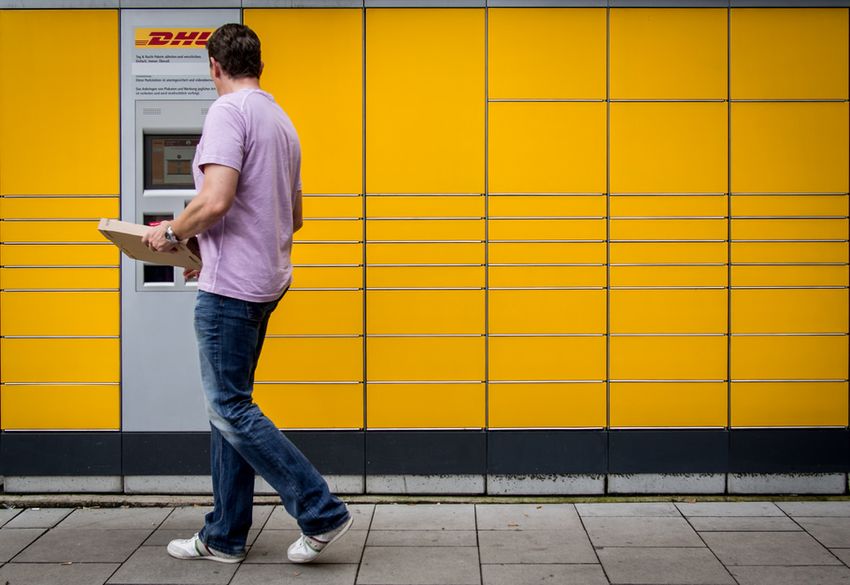
The environmental cost
of e-commerce packaging
While online shopping may save on transport
emissions, it produces more packaging. Many
e-commerce players are aware that overpacking
items is an issue and are going to great lengths
to tackle it. Amazon has already looked at ways
to streamline its packaging system so that
their products are more efficiently packed with
minimal wasted space.

                                                   So… which is the more
                                                   sustainable?
                                                   Online shopping has the edge over offline in
                                                   terms of sustainability. But ultimately whether
                                                   online or offline shopping is the more sustaina-
                                                   ble will depend on the customer in question.

                                                   If an offline shopper travels to the store by bike
                                                   the environmental cost of their transportation
                                                   will decrease. So in that situation online shopping
                                                   could be the less efficient option. However if an
                                                   offline shopper lives in a rural location travelling
                                                   to the store will cause more emissions than if
                                                   they shopped online and the carrier delivers the
                                                   item.

                           Online shopping has
                          the edge over offline

6
The environmental
impact of missed
deliveries
Dutch economist Walther Ploos van Amstel has
identified the two main stumbling blocks that
disrupt the sustainability of online shopping. The
first is that customers are not home to collect
their deliveries and the second is that excessive
packaging means that retailers are effectively
transporting air.

                                        Royal Mail

                  Something for you
                       12:25                         03/07
                      John Doe
                      Paradise street

                                                31
                                                             7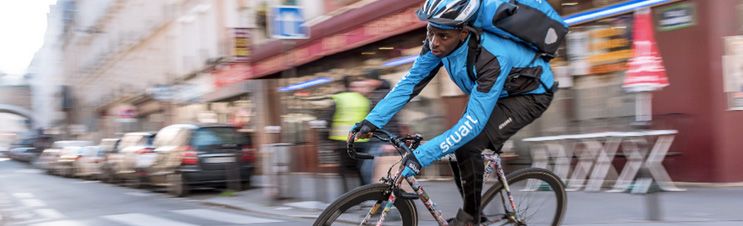
Most delivery carriers work during business
hours when the majority of customers are not
at home. In fact up to 60% of customers miss
their first delivery attempt and alternative
arrangements need to be made to get the item
into the hands of the customer (9).
                                                                    60% of customers
                                                                     miss their first
Research carried out by the University of Heriot
Watt in Edinburgh analysed exactly how much                         delivery attempt
extra carbon a delivery van produces when a
percentage of their deliveries fail. If a carrier
vehicle fails to deliver half of their packages
and then attempts to deliver them all a second
time during the same working shift, their carbon
emissions will be 50% higher than if all items had
been delivered successfully first time (8). The
table below is based on information collected in
the study.                                                            271

                                                     235

                                  199
                 181

                  100% success       10% failure      30% failure          50% failure

                            Rate of first-time              Carbon footprint
                            van-based delivery             gCO2 per drop

             If a carrier vehicle fails to deliver
            half of their packages...their carbon
            emissions will be 50% higher than if
                all items had been delivered
8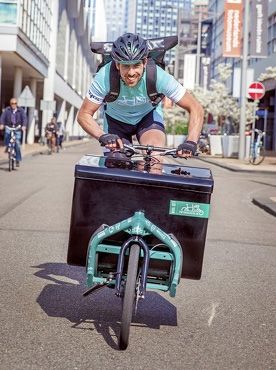
The research also assesses the environmental        itself if taken by car can produce more carbon
effect of what is often an inevitable outcome       emissions than further delivery attempts would.
of missed deliveries; further failed delivery       The research showed that in the most extreme
attempts and ultimately the customer collecting     circumstance that they tested the environmental
the item from a warehouse.                          cost of a customer travelling 25 miles to a
                                                    warehouse and back produces the same
The location of carrier warehouses tend to be       amount of emissions as 26 delivery attempts (8).
on the outskirts of urban areas to allow for easy
truck access and so this is potentially quite a
significant journey for the customer. The journey

                  produces the same amount of
                 emissions as 26 delivery attempts

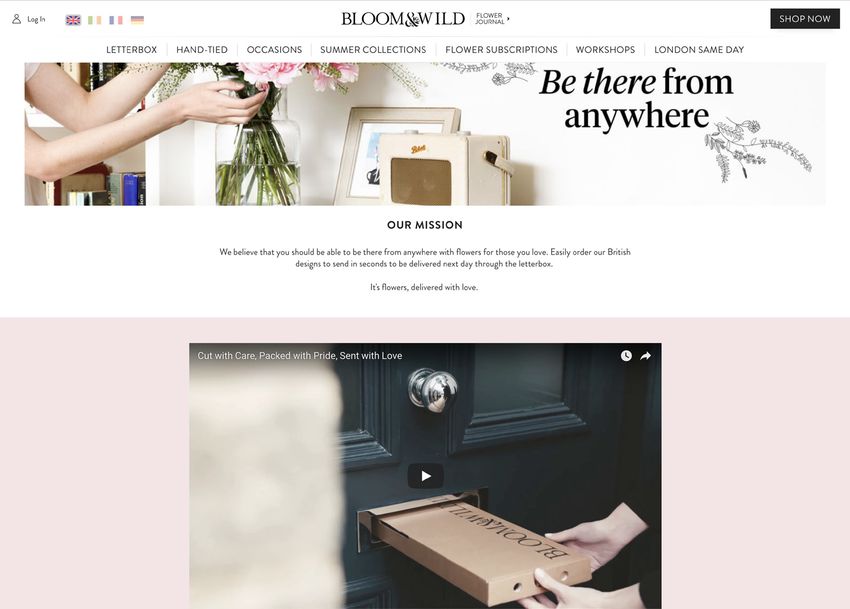
To combat the number of missed deliveries a         Naturally not every item is able to fit through
number of retailers have worked on packaging        a letterbox, so another solution is simply to
their products into letterbox-sized bundles. One    conduct the deliveries outside of working hours.
such example is UK-based flower-delivery brand      Evening and weekend deliveries are becoming
Bloom & Wild who hand pack their blooms into        an increasingly common and desired delivery
letterbox-sized boxes.                              option. Pick-up points are another alternative to
                                                    combat missed deliveries.

                                                                                                        9
The environmental
impact of returns
In e-commerce returns are big. With retailers offering free returns we are
now living in a culture where many online shoppers admit to ordering
multiple items with the intent of keeping only one and returning the rest.

The environmental cost of transporting, packaging and processing the
returned items is significant enough, but a major problem that retailers
have with returns is the waste. In general if it is more cost-effective to
throw items away than to repackage and resell them then that is what
companies tend to do.

One of the most common reasons that items are returned is because
they are damaged during transit, making the item trash before the retai-
ler can even consider the possibility of re-selling.
How sustainable are
different delivery
methods
3000

2500

2000

1500

1000

500

  0

       Bike   Green   Diesel   Bike    Green      Diesel    Bike     Green     Diesel   Bike   Green         Diesel
              van     van              van        van                van       van             van           van
              Today                    Tomorrow                      Evening                   Nominated
                                                                                               4 hour slot

The graph above is based on data collected by              the largest item the coffee machine has the
Thuiswinkel and compares the carbon footprint              highest carbon footprint because it can be less
of delivering a book (pink), a pair of shoes (red)         efficiently packed and transported.
and a coffee machine (purple). In this graph the
last mile of delivery will be via bike, green-gas          Same-day delivery has the highest carbon
van or diesel van. The totals take into account            footprint whereas next-day delivery has the
ground transportation to the warehouse.                    lowest because the carrier has more time
                                                           to work efficiently. Evening delivery and the
The graph shows that transporting the book has             nominated-time slot reduce the number of
the lowest carbon footprint. Being a small item            missed deliveries making them more sustainable
they can be efficiently packed into the delivery           than same-day delivery.
van and also the package size will fit through
letterboxes avoiding missed deliveries. Being
                                                                                                                      11
Same-day delivery
72% of customers in the UK are more likely to example their same-day delivery method, ASOS
shop online if same-day delivery is available (7). Instant means that customers who order before
Retailers such as ASOS and Revolve are giving noon can have their item delivered that evening.
their customers what they want when they want ASOS have restricted this service to only those
it, and they want their items delivered the same that live in certain postcodes in the major
day. This could potentially be the most inefficient metropolitan areas of London, Birmingham,
way to deliver and it all comes down to how the Leeds and Manchester. Keeping the same-day
retailer handles it. delivery to areas close to their warehouses
will reduce the miles – and emissions – of their
Some retailers put location limits on their same- delivery vans.
day delivery options. If we take ASOS as an
72% of customers in the UK are more likely to
shop online if same-day delivery is available
The sustainability issue with same-day delivery centres across Europe - are promising to offer
is that time pressure leaves the retailer with little express delivery with zero emissions.
time to fill the delivery van to its full capacity
and so they are often going out for delivery half Maybe it is possible to provide same-day delive-
– or even less - full. ry without compromising on your carbon foot-
print after all. Just as long as the item is in stock
But all is not lost for same-day delivery! New and the customer lives within cycling distance of
startups such as Stuart - a bike-based courier your store!
service offering last-mile delivery services in city
ASOS have restricted this service to only
those that live in certain postcodes
12Pick-up points
Pick-up points alleviate missed deliveries and collect at their convenience.
in doing so alleviate the additional carbon
emissions that come with re-delivery. They also The sustainability issue with pick-up points is
reduce the number of delivery vans on the road when the customer comes to collect their item,
and the amount of kilometers that need to be or rather how they choose to collect it. Pick-up
completed. points are conveniently located in newsagents,
small retailers, supermarkets and petrol stations.
Rather than delivering ten packages to ten In fact the pick-up point networks of some
different addresses the delivery van can countries are so vast that DHL stated 90% of
potentially take one journey to one pick-up point Germans are within ten minutes of a DHL pack
and deposit all ten items for the customers to station (DHL).
90% of Germans are within ten
minutes of a DHL pack station
13If we apply the findings from the MIT study
which are that the further away the customer
lives from the store the more sustainable it is to
shop online. City dwellers who live close to the
pick-up point will probably use more sustainable
forms of transport like walking, cycling or taking
a bus. Whereas for customers who live in more
rural areas they may need to drive to the pick-
up point and so in this situation it is probably
more sustainable to have the item delivered to
their home.
City dwellers who live close to the pick-up point will
probably use more sustainable forms of transport
like walking, cycling or taking a bus.
Click & Collect
The findings of the MIT study are that the One of the major sustainability benefits of
shopper who opts to order their item online Click & Collect is that returns are often made
and collect in store has the second highest immediately - this is especially the case for
carbon footprint of the online shopping fashion brands – and so an extra trip to store to
profiles. Although this is still a third less than return the item is no longer required.
the traditional shopper who conducts all their
shopping in a bricks and mortar store. Click & Collect also alleviates missed deliveries
as customers can collect the item at their
The increase in emissions for the Click & Collect convenience. It also relieves customers of
opting customers is due to the use of their multiple browsing trips to the store as they will
own transportation. Again it can be argued probably conduct the majority of their research
that depending on what form of transport the online.
customer opts for will determine how sustainable
Click & Collect is as a delivery option.
Returns are often made immediately – this is
especially the case for fashion brands – and so
an extra trip to store to return the item is
14
no longer requiredStandard Delivery
In MIT’s study the shopper with the lowest have with standard delivery allows them to find
carbon footprint is the online shopper who a more efficient way to deliver, for example
opts for standard delivery. Their transportation ensuring that the van is appropriately full.
emissions are low because the retailer will
generally have a more efficient delivery process
than if the customers were to travel to the store
themselves. The extra time that the retailers
15Green Delivery
Currently green delivery is not very widespread, carriers can ensure their delivery vans are full
but some retailers offer their customers a green and plan the most efficient delivery method.
delivery option where they find the most efficient
way of getting the item to its end destination. If retailers have more time they can calculate the
best delivery route to maximise the number of
Yes, the delivery time could be noticeably longer deliveries in one area and in doing so minimise
than consumers have become accustomed to. driving time and fuel emissions.
But without time pressure retailers and logistics
the most efficient way of getting
the item to its end destination
16A study conducted by the University of
Washington discovered that food delivery
companies can emit 80-90% less carbon dioxide
when they take delivery routes that cluster
customers together rather than catering to
individual time slots (12). This does of course
assume that all customers are home to receive
their delivery.
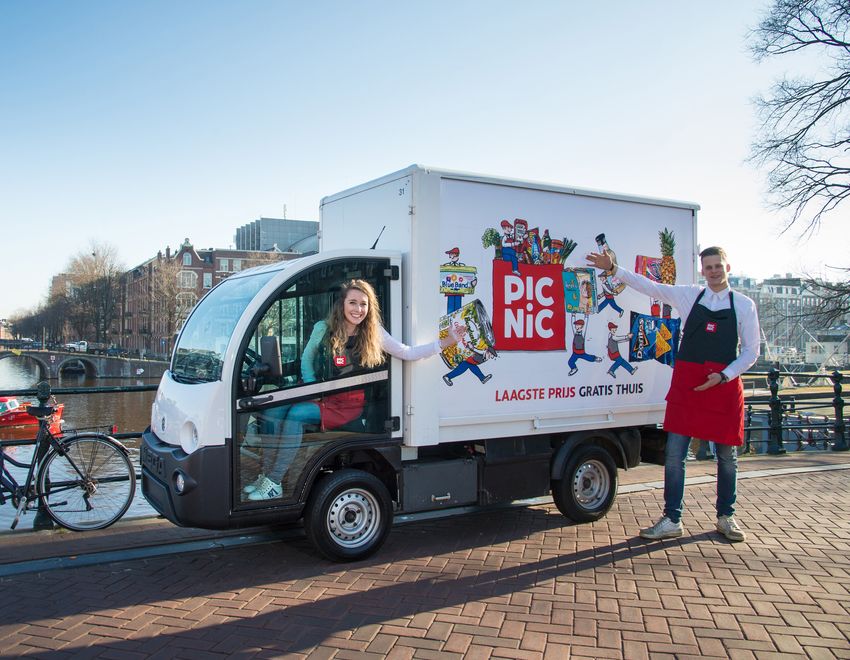
A similar approach has been adopted by Dutch
delivery company Picnic. Rather like modern-
day milkmen they deliver according to set
routes at set times. Picnic customers know what
time their delivery will be – and they can also
track it on the Picnic app – so it is up to them
to be home to receive it. This efficient delivery
approach and Picnic’s use of electric powered
vehicles enables them to deliver for free.
17The British online supermarket Ocado and delivery! Logistics firm B2C Europe revealed
supermarket chain Sainsbury’s currently offer that 85% of customers would choose a greener
green delivery options. When their customer delivery option - even if that meant a longer
chooses their delivery slot the times when delivery time - if it was communicated that it
there is another delivery in the same area are would cut down on pollution (3).
highlighted as being their green delivery slots.
Customers are more inclined to opt for green
85% of customers
would choose a
greener delivery
option- even if that
meant a longer
delivery time
18Dutch bicycle supply store FuturumShop have to increase the number of deliveries that are
partnered with Fietskoeriers a delivery carrier pedal powered. In 2016 they announced that
that operates solely by bike to bring their city they wanted 40% of their deliveries to be via
dwelling customers the ultimate in convenience bike by mid-2017 (10). What a great partnership!
without compromising on their carbon footprint. We are sure their cycling-enthusiast customers
Deliveries including same-day delivery will be will appreciate receiving their orders by bike in
couriered by bike and all deliveries are free of addition to reduced congestion and emissions.
charge. FuturumShop are also activey working
the ultimate in convenience without
compromising on their carbon footprint
19The sustainability efforts of delivery carriers So now let’s turn to the people that are actually delivering our online shopping, the carriers. And we are impressed! Many carriers are operating with electric or low-emission vehicles, setting themselves ambitious sustainability targets and are even using solar power to run their warehouses. Let’s meet them. 20
Bpost
Belgium's largest delivery carrier Bpost has            eco-delivery specialists Bubble Post. This
their own sustainable delivery fleet consisting of      move demonstrates their plan to expand their
2,561 bicycles, 2,652 electric bicycles, 324 electric   sustainable delivery efforts further.
delivery three-wheelers and one eVan.
In 2017 they partnered with Belgium based

DPD
The DPDgroup is responsible for almost 5% of            produce, taking steps to reduce this amount and
the total voluntarily offset of CO2 emissions in        then offsetting the remaining emissions. In 2017
Europe. In 2017 all of the 1.2 billion parcels that     DPD reduced the amount of carbon produced
DPD delivered were carbon neutral. This is part         per parcel by 11% compared to 2016 (5). This
of their commitment to delivering carbon neutral        was also the year that they offset 912,731 tonnes
packages without any additional costs for their         of CO2. DPD are also increasing the number of
customers. They have done this by measuring             deliveries that are made by clean vehicles such
the amount of carbon that their processes               as bikes and electric-powered tricycles.

                                                                 reduced the amount
                                                                 of carbon produced
                                                                   per parcel by 11%
                                                                                                       21
DHL
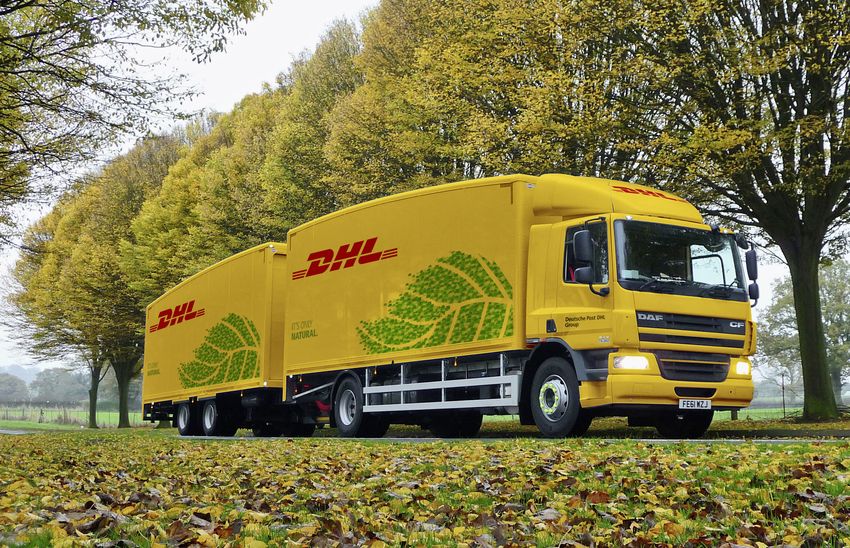
DHL set themselves the ambitious target of of up to 125 kg and cover an average of 50
operating with 30% more carbon efficiency by kilometers per day.
2020 against their 2007 numbers. One of the
ways that they are working towards this target DHL massively reduced their carbon footprint by
is through greener and cleaner transportation. replacing 3,400 of their diesel powered delivery
DHL have 10,500 e-bikes and e-trikes. They vans with electric powered vans manufactured
operate pedal powered vehicles in 80 European by StreetScooter. In addition to emitting no
cities across 13 European countries. Their latest carbon emissions, the new electric vans are
introduction is the cubicycle, which are four- quieter reducing the amount of noise pollution.
wheeled bikes that are able to carry containers
operate pedal powered vehicles in 80
European cities across 13 European countries
22PostNL
The Dutch national carrier, which delivers 22,000 routes in Amsterdam saving 60,000 kilos of
parcels a day has added some cleaner options carbon dioxide emissions – the same as three
to its collection of delivery vehicles in recent households – each year. The plan is to roll out
years. PostNL use biogas vehicles, electric their eco efforts into other Dutch cities in the
vehicles, e-cargo bikes, electric scooters and upcoming years. They have stated that by 2025
e-bikes to carry out their operations. they would like to deliver in 25 city-centres with
zero carbon dioxide emissions.
The carrier now uses electricity to power 100
Saving 60,000 kilos
of carbon dioxide
emissions - the same
as three households
Royal Mail
In 2011 Royal Mail announced that they were delivery vehicles manufactured by British
reducing the number of deliveries carried out automobile manufacturers Arrival. The plan
by bike for speed and safety reasons. While to go electric has the potential to significantly
they believed it would be more time-efficient it reduce noise and air pollution as well as reduce
undoubtedly impacts their sustainability efforts. operational costs by more than half.
Thankfully in recent years Royal Mail has
demonstrated their commitment to reducing They also announced in their 2017-18 corporate
their carbon footprint. responsibility report that they had reduced their
carbon emissions by 4.6% compared to the
In 2017 the largest delivery carrier in the United previous year.
Kingdom started a pilot of nine fully electric
pilot of nine fully
electric delivery
vehicles
23UPS
UPS have a fleet of over 9,000 alternative fuel Germany, where deliveries in the city centre are
and advanced technology vehicles. They have conducted by foot, bike and electrically-assisted
set themselves a number of sustainability tricycles. They have found that in city centres
targets one of which is that by 2025 40% of the they have to navigate between pedestrians, cars
fuel for their ground vehicles will come from a and bikes and so smaller more agile vehicles are
sustainable source. practical as well as efficient.
They are also experimenting with a number of
sustainability pilots. One of such is in Hamburg,
smaller more agile vehicles are practical
as well as efficient
24Customer attitudes
towards sustainability
Research conducted by logistics company B2C Europe revealed that over
half of consumers are unaware that express delivery services produce
more emissions than slower delivery services (3). Despite this the results
showed that the environmental effects of delivery were important to the
1,000 consumers that were surveyed. 85% of respondents answered that
they would opt for slower delivery if it was clearly communicated that this
meant a reduction in emissions (3).
2569% of the customers surveyed stated that they
would be more motivated to purchase from
retailers who follow sustainable practices, and
59% stated that they were worried about air
pollution (3).
The findings from this research is further backed over half of
consumers are
up by the work of Dr Niels Agatz from the
Erasmus University Rotterdam who specialises
in delivery and logistics. He has looked into unaware that express
how retailers can persuade customers to opt
for more efficient delivery. He concluded that delivery services
retailers can either offer a discount at the time produce more
of ordering or they can clearly communicate
that this option is more energy efficient and emissions than slower
will produce less emissions. His findings were delivery services
that when customers are made aware that the
delivery method is green it is almost as effective
as when a discount is offered in terms of the
number of customers choosing that method.
It is clear that customers are worried about the
effects of e-commerce delivery on air quality,
congestion and the environment. There is also
the indication that customers are willing to forgo
speed for a lower carbon footprint as long as
the retailer communicates this to them.
when customers are made aware that the
delivery method is green it is almost as
effective as when a discount is offered
26Conclusion
The efficiency of online and offline shopping comes down to transport.
The method that ensures the fewest number of carbon-producing
vehicles on the road is often the most efficient.
Whilst online shopping tends to have the edge over offline, the main issue
in e-commerce is that speed of delivery can cause what is usually an
efficient delivery process to cut corners in the mission to get the item to
the customer as fast as possible. It is exciting to see that delivery carriers
are committed to improving their processes to reduce the amount of
emissions that they produce.
The retailers themselves could do more to tackle the inefficiency in
e-commerce delivery. Customers are more environmentally aware than
ever before and are crying out for ways to be more sustainable. If the
brands themselves communicated to their customers the carbon footprint
of their various delivery methods, customers would be more likely to opt
for more sustainable practices.
The e-commerce industry already has the technology to make positive
changes. Now through communication e-commerce can truly become
the most sustainable way to shop.
Customers are more environmentally
aware than ever before and are crying
out for ways to be more sustainable.Sources
1. Blanco, E. Cheikhrouhou, N. Craig, A. 7. Ecommerce News. (2016). 72% of UK
Environmental Analysis of US Online Shopping. consumers shop more if same-day delivery
[Online] Available at: http://ctl.mit.edu/ is possible [Online] Available at: https://
sites/ctl.mit.edu/files/library/public/Dimitri- ecommercenews.eu/72-uk-consumers-shop-
Weideli-Environmental-Analysis-of-US-Online- day-delivery-possible/ [accessed 29 Jun. 2018]
Shopping_0.pdf [accessed 29 Jun. 2018]
8. Edwards, J, McKinnon, A, Charrett T,
2. City Logistics. (2017). DHL expands green McLeod F, Song, L. (2009) The CO2 benefits
urban delivery with City Hub for cargo bicycles. of using collection-delivery points for failed
[Online] Available at: http://www.citylogistics. home deliveries [Online] Available at: https://
info/uncategorized/dhl-expands-green- eprints.soton.ac.uk/348551/1/__soton.
urban-delivery-with-city-hub-for-cargo- ac.uk_ude_PersonalFiles_Users_fnm_
bicycles/#more-216 [accessed 29 Jun. 2018] mydocuments_utils1_papers_archive_
TRB2010_Failed%2520Delivery%2520-
3. Cuff, M. (2018). Will online shoppers wait longer %2520Edwards%2520et%2520al%2520-
for greener deliveries? [Online] Available at: %2520FINAL.pdf [accessed 29 Jun. 2018]
https://www.businessgreen.com/bg/news-
analysis/3027397/survey-online-shoppers- 9. Frontier. Infographic: the cost of missed
would-wait-longer-for-greener-deliveries deliveries. [Online] Available at: http://www.
[accessed 29 Jun. 2018] frontierscs.com/business-del-infographic-
missed-deliveries [accessed 29 Jun. 2018]
4. DPD. (2018). Home delivery by electric three-
wheeler: DPD delivers parcels with 8 TRIPL 10. Futurumshop. (2016)Futurumshop gaat 40%
scooters [Online] Available at: https://www. van pakketten per fietskoerier bezorgen [Online]
dpd.com/de_en/company/company/press_ Available at: https://www.futurumshop.nl/blog/
centre/press_releases/en_press_releases/ article/futurumshop/futurumshop-gaat-40-van-
home_delivery_by_electric_three_wheeler_ pakketten-per-fietskoerier-bezorgen [accessed
dpd_delivers_parcels_with_8_tripl_scooters 3 Jul. 2018]
[accessed 29 Jun. 2018]
11. Hall, M. (2017). Online vs offline shopping
5. DPD. (2017). Driving Change corporate which is better for the environment? [Online]
responsibility report 2017. [Online] Available Available at: http://www.dw.com/en/online-
at: https://www.dpdgroupdrivingchange.com/ vs-offline-shopping-which-is-better-for-the-
documents/DPDgroup_DrivingChange_CSR%20 environment/a-37394625 [accessed 29 Jun.
report_2017_EN.pdf [accessed 29 Jun. 2018] 2018]
6. Ecommerce Logistiek. Groen bezorgslot werkt 12. Huang, R. (2017). Ecommerce in Rural
bijna net zo goed als goedkoop bezorgslot Areas and Environmental Sustainability:
[Online] Available at: https://ecommerce- The Last-Mile Delivery. [Online] Available
logistiek.nl/groen-bezorgslot-werkt-bijna-net-zo- at: https://pdfs.semanticscholar.org/
goed-als-goedkoop-bezorgslot/ [accessed 29 a1de/628936714b08441ccaa4ab1132e870074080.
Jun. 2018] pdf [accessed 29 Jun. 2018]
2813. Ma, M. (2013). Grocery Delivery is greener 21. UPS. GreenBiz. (2017). The Road to
than driving to the store [Online] Available at: Sustainable Urban Logistics. [Online] Available
http://www.washington.edu/news/2013/04/29/ at: https://sustainability.ups.com/media/UPS_
grocery-delivery-service-is-greener-than- The_Road_to_Sustainable_Urban_Logistics.pdf
driving-to-the-store/ [accessed 29 Jun. 2018] [accessed 29 Jun. 2018]
14. Nemoto, T. Browne, M. Visser, J. (2014). Home
Delivery and the Impacts on Urban Freight
Transport: A Review. [Online] Available at:
https://www.sciencedirect.com/science/article/
pii/S1877042814014906 [accessed 29 Jun. 2018]
15. PostNL. Corporate Responsibility [Online]
Available at https://www.postnl.nl/en/about-
postnl/about-us/cr/ [accessed 29 Jun. 2018]
16. Royal Mail. (2011). Royal Mail Group Corporate
Responsibility Report 2010/11. [Online] Available
at: https://www.royalmailgroup.com/sites/
default/files/CSR_Report_2010-11.pdf [accessed
29 Jun. 2018]
17. Royal Mail. (2017). Royal Mail Group
Corporate Responsibility Report 2016-17 [Online]
Available at: https://www.royalmailgroup.com/
sites/default/files/Royal%20Mail%20CR%20
Report%202016-17_0.pdf [accessed 29 Jun.
2018]
18. Royal Mail. (2018). Royal Mail Group
Corporate Responsibility Report 2017-18 [Online]
Available at: https://www.royalmailgroup.com/
sites/default/files/2017-18%20Royal%20Mail%20
CR%20Report.pdf [accessed 29 Jun. 2018]
19. Stuart. (2016). On-demand delivery the
untapped goldmine [Online] Available at:
https://stuart-bucket.s3.amazonaws.com/share/
the-untapped-goldmine-research.pdf [accessed
29 Jun. 2018]
20. Transport for London. What are the main
trends and developments affecting van traffic
in London [Online] Available at: http://content.
tfl.gov.uk/technical-note-05-what-are-the-main-
trends-and-developments-affecting-van-traffic.
pdf [accessed 29 Jun. 2018]
29Power Paazl
Jacob Bontiusplaats 9
to the
1018LL Amsterdam
The Netherlands
www.paazl.com
hello@paazl.com
parcel!
+31 (0)20 77 36 303You can also read


