DER Customer Insights - Presentation to BEHAVE2020 21 April 2021
←
→
Page content transcription
If your browser does not render page correctly, please read the page content below
DER Customer Insights

Presentation to BEHAVE2020
21 April 2021

Contact:
Dani Alexander, Project Director, danielle.alexander@uts.edu.au
Scott Dwyer, Project Manager, scott.dwyer@uts.edu.au
DER Customers Insights Series: customer values and the customer journey
  ISF was commissioned to develop two reports for the ARENA ‘DER Customer Insights Series’. The series
  investigates the experiences of customers involved in twenty ARENA-funded Distributed Energy
  Resources (DER) projects.

 The content of today’s presentation:

  1          Our project team and methodology

  2          A values-based approach to motivate new DER
             customers

  3          Lessons from the customer journeys of new
             DER customers

  4          Overarching conclusions

DER Customer Insights | Institute for Sustainable Futures                                                2
About our team and approach
About ISF

• The Institute for Sustainable Futures (ISF) is an
  interdisciplinary research and consulting organisation at the
  University of Technology Sydney.

• ISF has been setting global benchmarks since 1997 in
  helping governments, organisations, businesses and
  communities achieve change towards sustainable futures.

• This project is a collaboration between two of our ten
  research areas: Energy Futures; and Learning and Social
  Change

People are at the heart of our vision for Australia’s energy future.

          Institute for Sustainable Futures
          University of Technology Sydney
          PO Box 123 Broadway, NSW, 2007
          www.isf.uts.edu.au
                                                                       4
ISF project team
 A team of DER experts with a shared vision for a new energy ecosystem

   Dani Alexander                                     Dr Scott Dwyer                                    Dr Chris Briggs             Prof. Chris Riedy
   Project Director                                   Project Manager                                   Research Principal          Expert advisor – social research

    •    Customer energy                             •    Customer energy                           •    Policy (cities, energy &   •   Sociocultural change
         innovation                                       innovation                                     climate)                       methodologies
    •    Networks & customers                        •    Markets & customers                       •    Energy markets             •   Energy transformations &
                                                                                                                                        transitions
    •    Energy system                               •    Business models                           •    Just transition & energy
         flexibility                                                                                     fairness                   •   Energy & sustainability
                                                                                                                                        governance

DER Customer Insights | Australian-German Climate & Energy College Webinar | Institute for Sustainable Futures
                                                                                                                                                                       5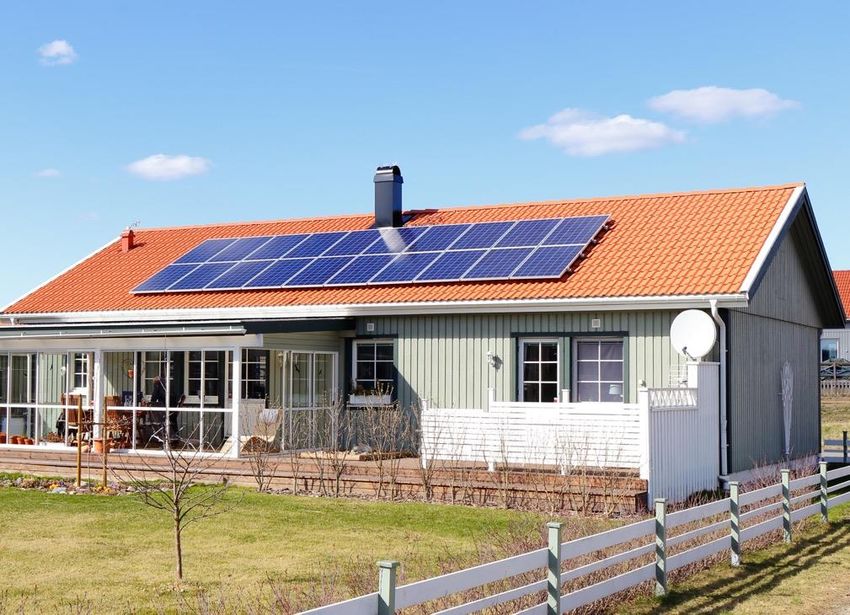
…greater awareness and appreciation of the
                                                              context in which households make decisions
The challenge                                                 about their energy is crucial to understanding
                                                              their receptiveness to DER, and their DER
Bloomberg New Energy Finance forecasts that                   preferences
approximately one-third of Australia’s electricity capacity                         – University of Tasmania
                                                                                       Social Science Report
will sit behind-the-meter by 2035

How can we unlock and share consumer
insights from DER innovation projects that will
support the continued growth of DER for the
benefit of all customers?

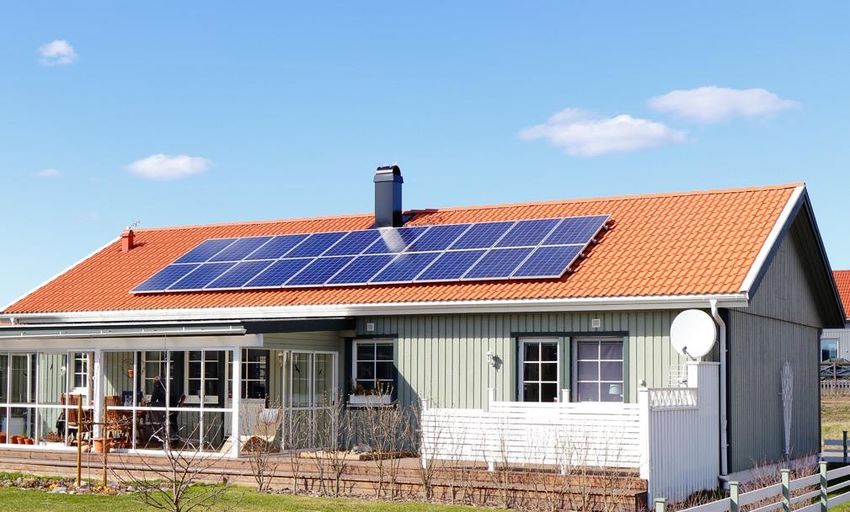
                                                                                              Source: Synergy (image)

DER Customer Insights | Institute for Sustainable Futures                                                   6
Investigating DER projects and
their customers

To better understand DER customers, we
analysed 19 DER projects funded by the
Australian Renewable Energy Agency

13 demonstration projects:
• involved over 1,300 customers who chose to
   have DER systems installed in their homes.
• were mostly on-grid residential solar and
   storage trials

6 non-demonstration projects (including
feasibility studies, standards development and
market testing)

DER Customer Insights | Institute for Sustainable Futures

Our approach to the DER Customer Insights Series

  We used a five-stage methodology to capture insights, using NVIVO - a qualitative data analysis computer software package – as
  a key tool for extracting meaning and identifying themes.

          Initial review of                 *Deep Research,    * “Coding” of all   Producing two        Evaluation tool
          reports from                        Discovery &       customer           reports using the    developed for
          ARENA-funded                        Analysis (~100    insights,          coded information    gathering future
          DER projects                        reports)          aggregating        as source material   qualitative insight
                                                                against themes

* ISF  used NVIVO to “code” and organise insights from ~100 reports from ~20 ARENA-funded projects, before summarising them
  in two separate documents

DER Customer Insights | Institute for Sustainable Futures                                                                          8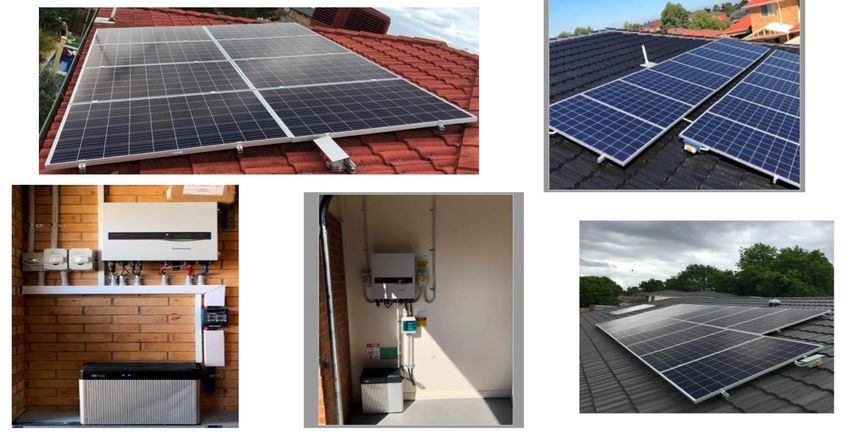
The two reports under the DER Customer Insights Series

DER Customer Insights | Institute for Sustainable Futures   9
The two reports under the DER Customer Insights Series

                Report 1: DER Customer                           Report 2: The DER Customer
                  Types & Motivations                                      Journey

  As market forces drive Australia towards a more           Characterising the DER customer journey can facilitate
  decentralised energy system, it is important to more      better understanding and lead to continual improvement
  deeply understand the customers that DER products         for the organisations involved in the projects. It can also
  and projects are seeking to serve. This report seeks to   lead to better customer outcomes and help maximise the
  determine:                                                benefits of DER to them and to the energy system.

  1. The types of customers that were targeted in the       For the purposes of this Customer Insights Series, the
     ARENA-funded projects, and how to find the right       DER customer journey has been simplified into four
     types of customers in future projects.                 main steps:
                                                            1. Engagement & acquisition
  2. What inherently motivates different types of           2. Installation
     customers and what engagement strategies could be      3. Operation & maintenance
     effective in future projects.                          4. Retention

  The research uses a values-based framework that is a      The DER customer journey was assessed across these
  well-accepted method for understanding and motivating     four separate stages documenting approaches,
  different groups of people.                               experiences, issues and key lessons.
DER Customer Insights | Institute for Sustainable Futures                                                                 10
A values-based approach to motivate new DER customers
Universal values and values modes
A value based approach cuts across demographics and can help to understand and target a broader
range of potential DER customers

                                                            * Based on Schwartz’s universal values (1992) and Rose’s values modes (2011)
DER Customer Insights | Institute for Sustainable Futures                                                                                  12
‘Values modes’ offer a simple method for understanding many customers
Sustenance driven, needing safety, Want success, including the esteem Focused on new ideas and self-
security and belonging of themselves and others actualisation
Example signposts: Example signposts: Example signposts:
“And I just can't be bothered looking at it because I'm not “I think it’s clumsy and I would hope that in the not-too- “[I’m] attracted to the holistically sustainable and well
interested in it. If it's done it's done, I get paid so much, distant future that’ll become a lot more refined...I think thought through design of the building”
but I can't be bothered just checking it.” there's going to be far better options in the not-too-distant – Gen Y member of White Gum Valley trial
– CONSORT trial participant future.”
– CSIRO focus group participant “I mean Bruny's got a very strong community, and I think
“…I don’t like other companies controlling my devices and it's good to give back to it. I don’t see it's a major issue
money…” “I’m using the solar from hybrid to power other half of at all”
– CSIRO focus group participant house. Not happy with recommendation to leave in Bypass – CONSORT trial participant
until advised otherwise”
– Ergon Energy trial participant 13The research mapped eight of the nine motivators of DER customers against the
universal values and values modes
* Driver from or across other value mode
DER Customer Insights | Institute for Sustainable Futures 14Appealing to the target DER customers
Projects will likely achieve better outcomes by deeply
understanding their target customers before developing
and communicating the DER product
• Most projects experienced delays in customer
recruitment and many did not reach their original
participant targets
• Thus, there appears to be an opportunity to design better The customer load profile which presents the
DER offerings that appeal to more customers best economic value for the network from a
Solar Storage perspective is one which is
relatively consistent over a given peak period
• The analysed projects are mostly on-grid residential solar and is not lumpy.
and storage trials therefore it is important to consider the – United Energy
nuances of other contexts when applying these findings
DER Customer Insights | Institute for Sustainable Futures 15Cost is a big motivator, and can be communicated across value modes
Key insights
• Cost was described as the strongest motivator for participating
in the projects in all but one case.
Hot buttons
• However, financial motivations cut across the value modes:
• “Reduce your electricity costs to
Settlers value cost savings as a financial security measure
take care of your family”
Prospectors see smart investments to ‘get ahead’, and • “Make a smart investment and
Pioneers expect ‘good value for money’ and fair choose the best energy option”
compensation.
• “Choose the fairest, most ethical
• It is important to adjust and/or communicate value propositions option, that will help others in the
differently, according to the target group community”
• Saying the same thing in three different ways can help reach
more customers
DER Customer Insights | Institute for Sustainable Futures 16Motivating Settlers, Prospectors and Pioneers
Developing and communicating DER products to align with
customer value modes will likely lead to better customer uptake
Key insights Even in electricity supply
• Settlers are motivated by security so products should
areas with high reliability,
minimise threats, both financially and to energy reliability customers were very
interested in uninterruptible
power for specific devices
• Prospectors are excited about ‘getting ahead’ so products
should be attractive, both aesthetically and financially
– Reposit Power
• Pioneers are willing to support ‘the greater good’ so product
design and implementation should consider social equity
DER Customer Insights | Institute for Sustainable Futures 17Trust is critical to a customer-centred energy future
A key question for future DER projects is: “How does this
project help build customer trust?”
Key insights
You haven't even started and
• Trust is critical to public acceptance and advocacy and also
cuts across the three value modes they're not being upfront with
their information. How can they
• Customer’s trust in our energy market continues to be low – earn your trust? You couldn't do
only 32%* of households believe that the market is working in
business like that.
their interests
• There are already negative perceptions for DER projects to - APVI focus group participant
overcome e.g. the belief that one needs to look out for
‘cowboy’ or ‘rogue’ installers
• To build trust, projects may want to consider models such as
the “Trust Equation” (credibility, reliability, intimacy, self-
orientation) – recommended by DNV-GL
DER Customer Insights | Institute for Sustainable Futures *Energy Consumers Association, 2019 18Lessons from the customer journeys
of new DER customersThe DER Customer Journey Characterising the customer journey can facilitate better understanding and lead to continual improvement for the organisations involved in the projects. DER Customer Insights | Institute for Sustainable Futures
Insights through the customer journey

Engagement & Acquisition

    Key considerations for success

•     Communicating the offer and pricing simply.

•     Address customer enquiries quickly and effectively.

•     Maintain customer resources that are accessible,
      relevant, and up to date.

•     Creating excitement in the community as part of the
      engagement.

•     Identifying and working with a ‘Local Champion’
      (where relevant).

DER Customer Insights | Institute for Sustainable Futures   21
Insights through the customer journey
Engagement & Acquisition
Challenges
Customer acquisition was challenging for the majority of
ARENA’s DER projects (taking longer than expected, or
recruiting less customers than originally targeted).
Those that had more success with this part of the customer
journey:
• Undertook detailed customer research in advance to
better understand the needs of their target customers.
• Targeted communities that they were already familiar
with and/or had high-levels of engagement on energy
issues already.
• Had modest customer acquisition targets.
DER Customer Insights | Institute for Sustainable Futures 22Engagement channels for acquisition
A range of engagement methods were employed in the projects, often
encompassing both ‘offline’ and ‘online’ approaches.
Offline Online
Direct mail Email campaigns
Public/’Townhall’ meetings Project partner websites
Community workshops Other websites (including news
Home visits Social media
Community information desks Media releases
Print material, banners and
signage
Traditional Media
Source: Synergy (image)
DER Customer Insights | Institute for Sustainable Futures
23Insights through the customer journey
Installation
A key moment with lasting impacts on the customer
and their view of the technology and the provider.
• If the installation is not planned well, it can be source of
frustration for both installers and customers with multiple
communications and repeat visits needed.
• This step involves direct contact with the customer, with
whom the installer may or may not have been in contact
before (depending on if they were involved in the
engagement or acquisition process).
• A number of projects emphasised strongly the need to
enlist well-trained, knowledgeable installers who deeply
understand customers and the product.
Source: United Energy (Images)
Presentation to ARENA | Institute for Sustainable Futures
24Insights through the customer journey
There were fewer insights from the post-installation phases (Operation & Maintenance,
Retention) – possibly due to the focus of ARENA-funded DER projects.
Operation and Maintenance
• Most projects acknowledged the importance of providing
timely and effective support to customers.
• Keeping communication channels open is a way to
ensure integrity of the installed technology and build
trust.
• As with installation, customers cared about having
access to well-trained and knowledgeable personnel.
DER Insights | Institute for Sustainable Futures
25Insights through the customer journey
There were fewer insights from the post-installation phases (Operation & Maintenance,
Retention) – possibly due to the focus of ARENA-funded DER projects.
Retention
• An important but under-reported phase that would lead
to a customer becoming an important advocate of DER.
• A wide range of interactions could be involved: the
customer visiting an online portal/smart phone app,
proactively contacting the supplier/operator/installer, or
passively receiving alerts (via email, text, or a mobile
phone app).
• The implementation of ongoing communication plans as
part of a retention strategy can contribute to maintaining
a generally positive sentiment towards the technologies
and the providers.
DER Insights | Institute for Sustainable Futures
266 ingredients to a happy DER customer Customer knowledge and
understanding
Earned-trust
Know who your customers are and
Trust is critical in public
the values that drive them
acceptance and advocacy.
‘Super-installers’
Installation is a critical Clear value proposition
moment – enlist well trained, The customer value proposition
knowledgeable installers and the benefits are clearly
who understand customers articulated for the customer.
and the products being
installed
Smooth customer experience
Provide a smooth experience along Market ready products
the entire customer journey, with a The product works and is ready for
key and knowledgeable point of being deployed with customers.
contact for when support is needed.
DER Customer Insights | Institute for Sustainable Futures 27Conclusions
Key insights

• DER projects can benefit from deeply
  understanding their target customer base before
  developing and communicating the product offering.
• A values-based approach may be an effective way
  to engage and tailor messages to many types of
  customers.
• Characterising the customer journey can facilitate
  better understanding and lead to continual
  improvement for the organisations involved in the
  projects.
• We identified “6 Key Ingredients” to a happy DER
  customer.
• A key question for future DER projects is “How does
  this project help build customer trust?”

  There are many ways that future DER projects can
  drive a more customer-centered clean energy               1: Understanding the customer   4: Smooth customer experience
  transition                                                2: Clear value proposition      5: ‘Super-installers’
                                                            3: Market ready products        6: Earned-trust
DER Customer Insights | Institute for Sustainable Futures                                                             29
Thank you
isf.uts.edu.auAppendix: customer values & motivations
isf.uts.edu.auExecutive summary
1. DER projects can benefit from better understanding
their target customer base before developing and
communicating the product offering.
2. A values-based approach may be an effective way to
engage and tailor messages to many types of
customers. Values are stable psychological structures that
motivate behaviour, cutting across demographic
characteristics.
3. Projects approaching the mass market are likely to be more
successful if they communicate their product in multiple
ways to appeal to all three “values modes”.
4. Building trust, including ensuring fairness (social equity),
through design and implementation will help protect future
projects from customer backlash and move the sector AGL and Synergy used formal segmentation methods
closer to a customer-centred energy future. (Mosaic is a proprietary customer segmentation product) to
more deeply understand target customers.
DER Customer Insights | Institute for Sustainable Futures 32Apples and oranges: customers targeted in different ways
Energy retailers segmented the Network businesses targeted Community/developer led projects
customer base locational constraints involved customers in design
AGL and Synergy used formal Distribution network businesses used Projects led by communities or
segmentation approaches via the blanket campaigns for achieving a high property developers came from a
Mosaic Groups (a proprietary customer customer conversion rate in a network starting point of good customer
segmentation product) to better constrained area (e.g. AusNet Services in understanding, making it easier to
understand their target populations Yackandandah) design the trial according to their needs
(e.g. Huntlee’s microgrid)
DER Customer Insights | Institute for Sustainable Futures 33Motivating Settlers
Settlers are most concerned about security, expressed as a
desire for reliability and “maintaining the status quo”
Key insights
• Security values were found to sometimes trump the financial
benefits (CONSORT, Networks Renewed, United Energy).
Even in electricity supply
• Security of supply (e.g. battery storage) was particularly
relevant in regional / fringe-of-grid trial locations. areas with high reliability,
customers were very
• Theory assumes that people tend to start as Settlers and
then, as basic needs are met, move on to the other values interested in uninterruptible
modes. Even when we express higher-level values, we still power for specific devices
“all have a Settler inside of us”.
• Therefore, to maximise uptake across a broad audience, it – Reposit Power
is important that product offerings minimise their threat to a
customer’s security, including energy reliability and financial
risk.
DER Customer Insights | Institute for Sustainable Futures 34Motivating Prospectors
Prospectors, who often lead mainstream investment in new
technology, are excited about ‘getting ahead’
Key insights
• Prospectors are mainstream adopters who are willing to make
higher-risk investments in new DER technologies if they see
an opportunity to ‘get ahead’, financially or socially. It seems to me to be
something in its infancy and
• However, rapid changes in a technology can be a demotivator
for some Prospectors who may want to wait until the product is developing rapidly. I think
is more mature – this is a space for future research there’s going to be far better
• When targeting Prospectors it is important that the product is options in the not-too-distant
attractive (financially and aesthetically) future
• Two strategies for targeting Prospectors include showing:
1. how the DER option will be a smart investment, and
- APVI focus group
participant
2. how it can be showcased as a status symbol
DER Customer Insights | Institute for Sustainable Futures 35Motivating Pioneers
Pioneers will want fairness and to support the ‘greater good’
Key insights
• Altruism was apparent in some trials (e.g. in the Latrobe
Valley and Yackandandah) but the DER option generally still
needed to be cheaper
…respondents, who feel
– Customers appear to be willing to ‘do the right thing’
responsible for energy
(e.g. emissions, equity) over convenience and comfort,
once their financial needs are met problems, have stronger
personal norms and are
– Promoting environmental and community benefits can generally more supportive
help engage Pioneers, however this should be mindful towards distributed energy
of their financial and energy security
technologies…
• Several projects did experience minor customer backlash
when aspects of the trial were perceived as ‘unfair’ – CSIRO (2012)
– Ensuring fairness (social equity) in the project design
and implementation will protect a project from customer
backlash
DER Customer Insights | Institute for Sustainable Futures 36It is important to consider whether projects are “priming” customer values
‘Priming’ cost as a motivator
• There is a chance that the type of DER product may be
‘priming’ customer values towards cost factors.
• In most cases, the projects promoted the cost-benefits as part
of the initial customer engagement, which may have prioritised
cost as the primary motivator for those customers.
• This may lead to two missed opportunities:
– The chance that people may be prepared to pay more for Research has shown that by raising a
(or ask less from!) participating in projects, and/or motive from a person’s memory can
– Turning away people who are strongly motivated by increase that person’s drive towards
conflicting values (e.g. benevolence). that motive. This can also come at the
• An in-depth design phase could address this by allowing expense of other conflicting motives.
project proponents to restructure product offerings after
thoroughly investigating the needs of the target customers. (Maio et al. 2009; Vohs, Mead & Goode, 2006)
DER Customer Insights | Institute for Sustainable Futures 37You can also read


