Digital Education Action Plan: priorities, actions and timeframe - europa.eu
←
→
Page content transcription
If your browser does not render page correctly, please read the page content below

Digital Education Action Plan:
priorities, actions and timeframe

                            Georgi Dimitrov & Fabrizia Benini,
                                       European Commission
              Directorate-General Education, Youth, Sport and
               Culture & Directorate-General Communications
                           Networks, Content and Technology
                                          24 September 2018
How can we prepare today’s learners for life
and work in an age of rapid digital change?
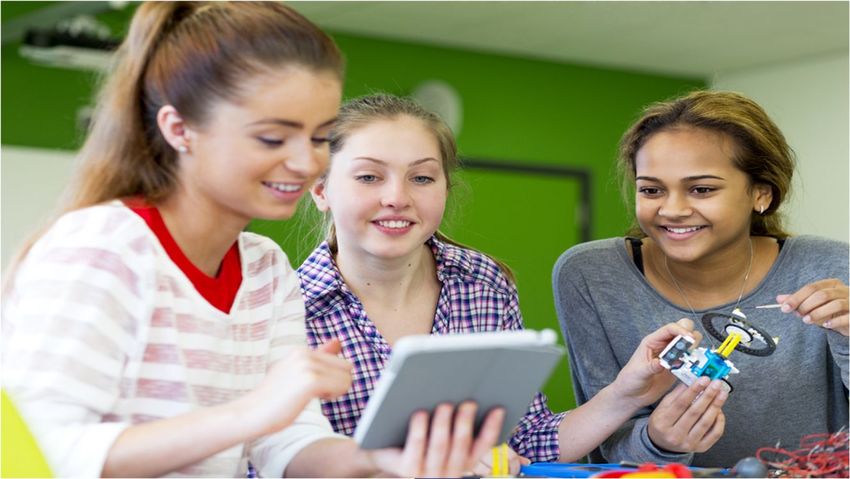
Evolution in ownership of smart phones

Transformation brings opportunities
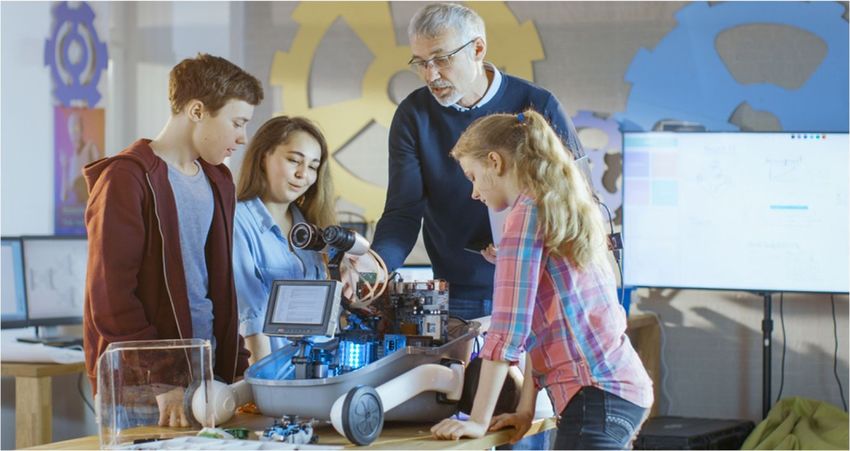
How can we ensure that digital transformation
is inclusive?
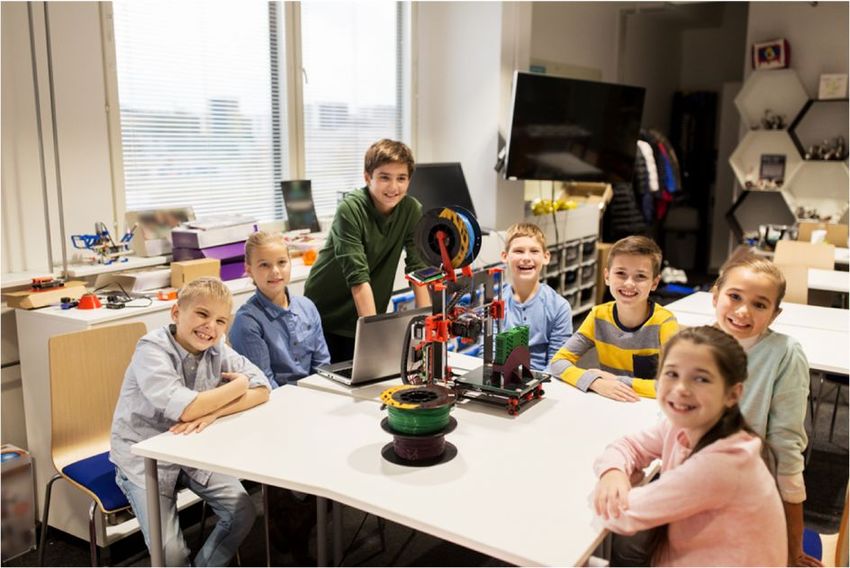
How can education keep pace?

                     Less than half of   20-25% are taught
95% of 16-24 year    children are in
olds in the EU are                       by digitally
                     schools that are    confident and
regular internet     highly digitally
users                                    supportive teachers
                     equipped
Political momentum

Priority 1               Priority 2                    Priority 3
Making better use of     Developing relevant digital   Improving education
digital technology for   competences and skills for    through better data
teaching and learning    the digital transformation    analysis and foresight
Priority 1: Making better use of digital technology
for teaching and learning
Priority 1: Policy challenges

                                Where do you access the Internet? Eurostat 2013
Priority 2: Developing relevant digital skills and competences for the digital transformation
Priority 2: Policy challenges
Priority 3: Improving education with better data
and foresight

  PriPriority 2 - Developing digital competences
  and skills

 ority 1
Priority 3: Policy challenges

     Data is currently under-     User-generated data is      Foresight might allow
     exploited for educational   already available and can   education to anticipate
             purposes                help identify needs             change
Priority 1 Priority 2 Priority 3 Making better use of Developing relevant digital Improving education digital technology for competences and skills for the through better data teaching and learning digital transformation analysis and foresight
ACTION 1: Support the roll-out of high
capacity broadband in schools
Raising awareness of the benefits for schools
and available funding opportunities
Supporting connectivity i.e. through a voucher
scheme focusing on disadvantaged areasACTION 2: Scaling the SELFIE self-
assessment tool to one million teachers,
trainers and learners
Self-assessment tool
on digital readiness
of schools
Upscale SELFIE to reach one million teachers,
trainers and learners
Promote a mentoring scheme to support school
in the uptake of SELFIEACTION 6: Bring EU Code Week to
schools in Europe
Participation – from
• EU Code Week celebrates creativity, problem 10,000 to 1.2 million
solving and collaboration through coding and
other tech activities. and other tech activities
• EU Code Week offers participants the
possibility to make their first steps as digital
creators.
• Teachers can access free professional
development opportunities and teaching
resources.
• Activity organisers pin their activity on the map by registering
online.
• Teachers can build network of activities, to engage as many
students as possible, and earn a Certificate of Excellence through
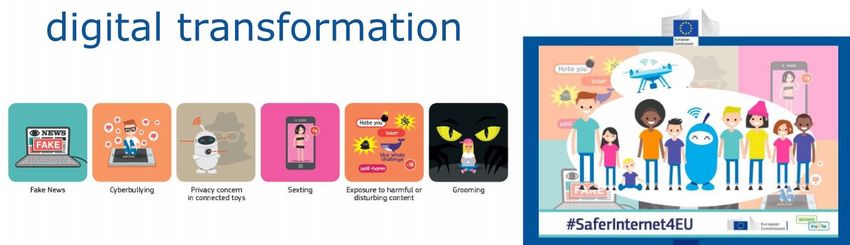
the CodeWeek4All challenge.ACTION 7: Tackle the challenges of digital transformation • Launching an EU-wide awareness-raising campaign to foster online safety, cyber hygiene and media literacy • Launching a cyber-security teaching initiative building on the Digital Competence Framework for Citizens
ACTION 8: Programme to support digital
and entrepreneurial competences of
female students
Self-Employed
people in the EU
Gender gap
Wom
en
ICT specialists by gender (2005-2015) Population working in jobs with ICT-related
studies by gender (2011-2015)
Support measures to decrease the gender gap in
technology and entrepreneurial sectors
Equip girls with digital skills and inspirational modelsACTION 10: Artificial intelligence and
learning analytics pilot actions
Use of data
for improving education
Make better use of the huge amount of data already
available
Develop relevant toolkit and guidance for Member
States to use data for educationThank you
Georgi.Dimitrov@ec.europa.eu
Fabrizia.Benini@ec.europa.eu
#EUDigitalEducationYou can also read


