Using Machine Learning in the delivery of ads - Ruth Garcia NDR Conference - June 07, 2018 Iasi, Romania
←
→
Page content transcription
If your browser does not render page correctly, please read the page content below
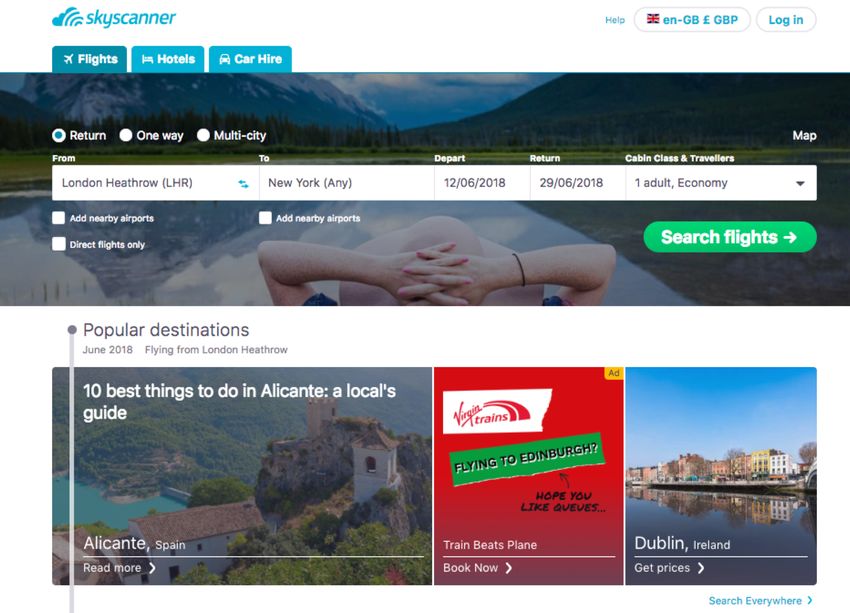
Using Machine
Learning in the
delivery of ads
Ruth Garcia
NDR Conference – June 07, 2018
Iasi, Romania
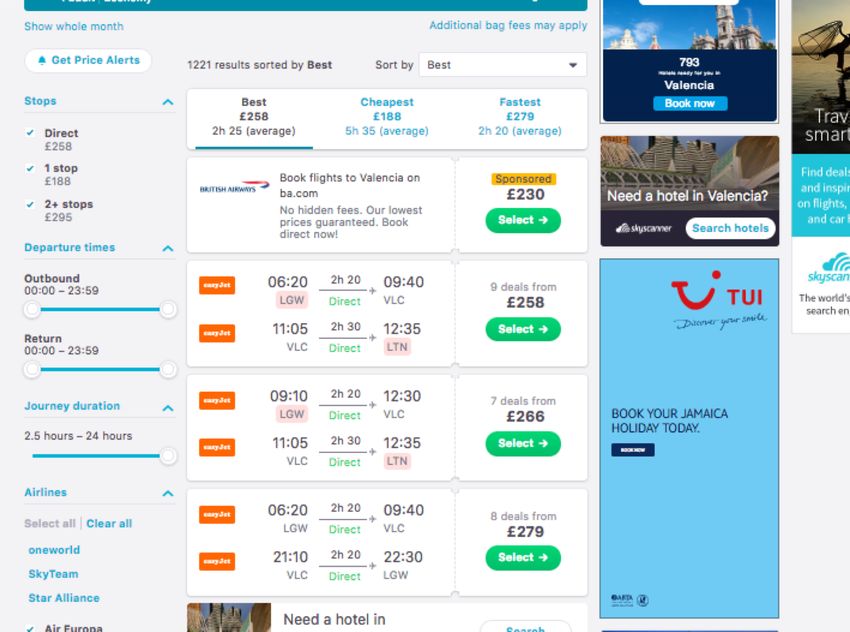
What is Skyscanner?

        Skyscanner is a leading global travel search site offering a
        comprehensive and free flight search service as well as online
        comparisons for hotels, car hire and now trains.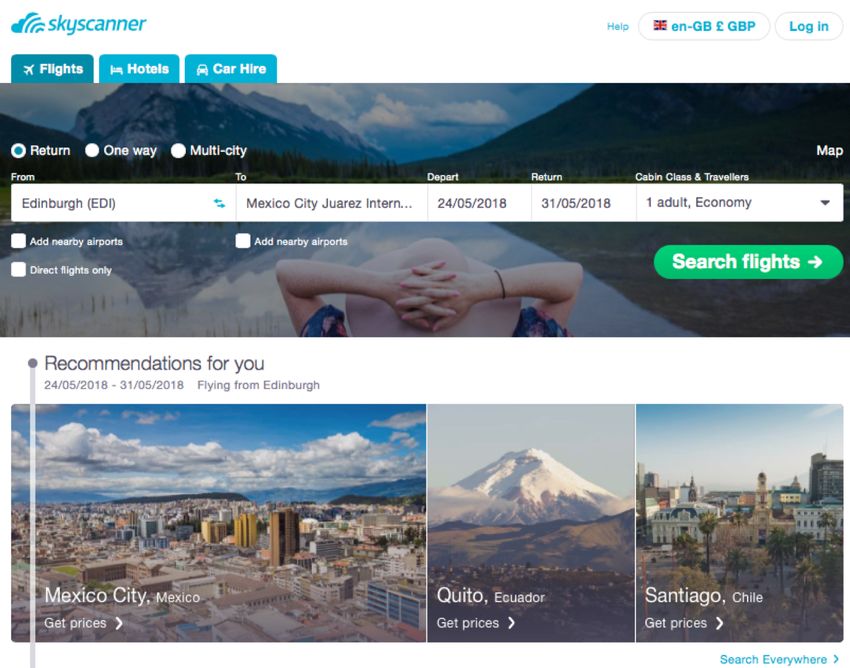
Data Science at Skyscanner

     1. Decision Science: Ensuring we have the right data; insights and
        information to make the most impactful, scientific decisions in every aspect
        of our operations.

     2. Building Data Products: Leveraging our vast wealth of data to build more
        contextual, relevant products for Travellers and Travel Suppliers (our
        Partners)
                                       Eng.
                                 D.S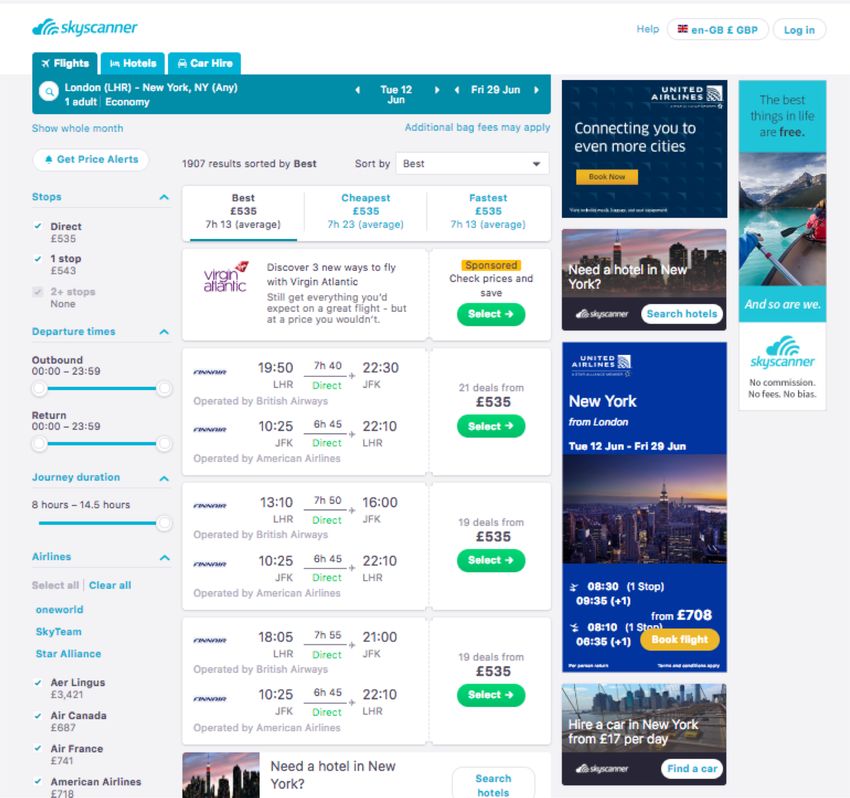
Machine Learning at Skyscanner

                                                Recommendations

  • Destination recommendations
  • Itinerary mashups
  • Advertising

               Mashups

                                  Advertising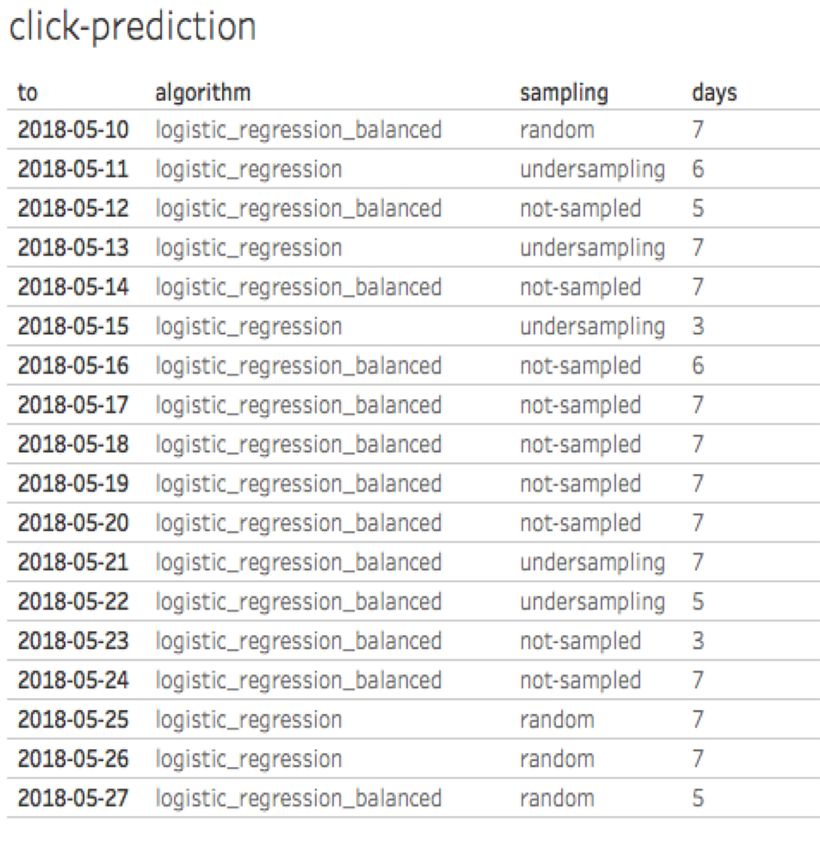
Ads at Skyscanner

Not always annoying ads
Advertising schemes

                                         Machine Learning
                                              efforts

                 Brand awareness   Traffic             Action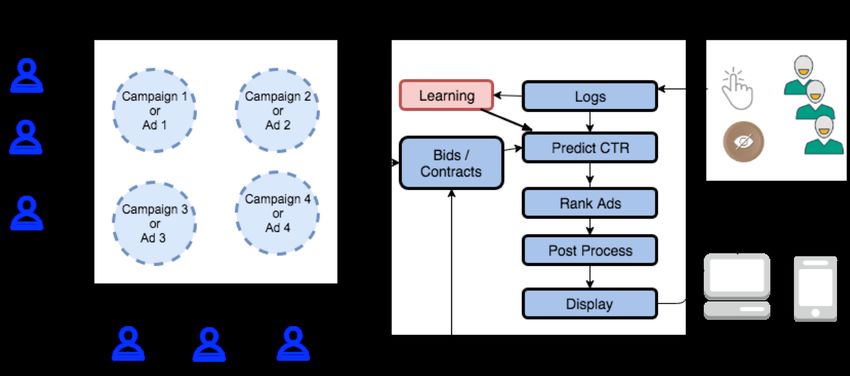
Advertising schemes

                 Brand awareness   Traffic   Action
Advertising Schemes

                                   Machine Learning
                                        efforts

                 Brand awareness       Traffic        Action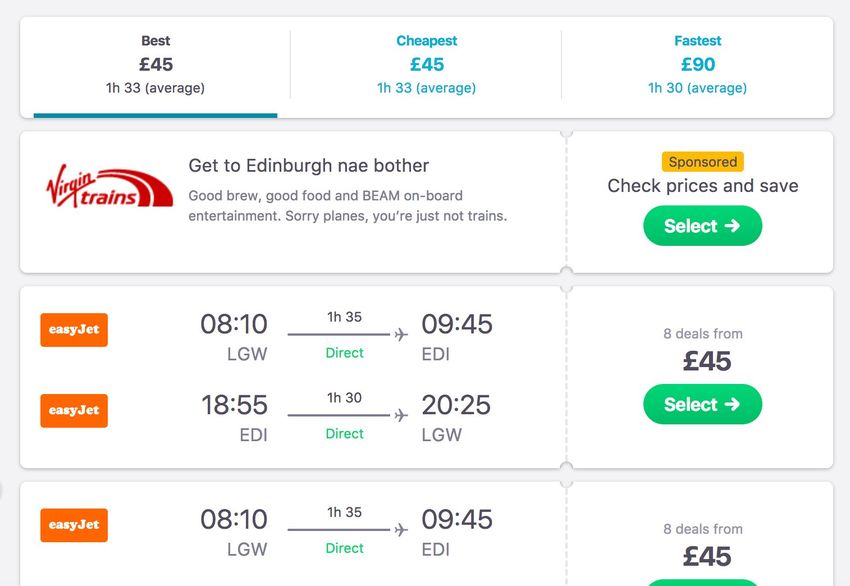
Ads at Skyscanner
Ads at Skyscanner

                                        Make sure,
                                      ads are delivered

                        =
                            No need to worry about
                            how ads are delivered
                    ?
Delivery of Ads
Solution
? Skyscanner Ads
Data Manager
Black box Technical
algorithms difficulties ownershipClick prediction algorithm
Click prediction algorithm
Candidates
Ranking algorithmCloud services and tools at Skyscanner
Languages
AWS services
Batch
S3Overview of an Advertising System
Expectation vs. reality
                                                    Flexible but with the risk of not
                   Expectation                            being fast enough.

       Features:             Tensorfiow
       • User history,       • Optimization technique
       • User features,      • Embeddings
       • Route features ,    • Crossed columns
       • Ad features with,   • Hashing
         colors, text
Expectation vs. reality
Not flexible but fast and
easier to implement.
Reality
Features: Tensorfiow
• User history, • Optimization technique
• User features, • Embeddings
• Route features , • Crossed columns
• Ad features with, • Hashing
colors, textChallenges in building the model
Goal: model, that estimates the likelihood of
whether an impression will result in a click or not.Challenges: Which model to use?
Model Possibilities (easy to read in node.js):
Gridsearch for
• Logistic regression hyperparameteres
• Random Forest : gets lost
• Neural networks: too slow hard to put it in json
Solvers:
• Logistic regression: Liblinear, sag Train all data at once
• SGDClassifier Train data in batches
Saves memoryChallenges: Categorical values
Categorical values:
• One hot encoding
• One hot encoding grouping less frequent features
• Hashing trick
• One hot encoding grouping
• One hot encoding • Less frequent features
Creatives C1 C2 C3 Creatives C1 C2 C3 C4
C1 1 0 0 C1 1 0 0 0
C2 0 1 0 C2 0 1 0 0
C3 0 0 1 C3 0 0 1 0
C4 0 0 0 1Challenges: Categorical values
• Hashing Trick: Same hashing function in training, testing and production
id features id Feat_1 Feat_2 Feat_3 …. Feat_k
123 creative1, 123 1 0 1 …. 0
advertiser2,mobile, etc. 321 1 0 0 …. 1
321 creative2,
advertiser4,mobile, etc.
We gainMachine Learning Performance
AUC: if caring about ranking
Log-Loss: if caring about the
value of CTR
Other metrics:
Precision at 1: based on
target groups.
Mean Reciprocal RankChallenges: How to monitor performance? Updating model based on different Sampling methods.
The road ahead: Balancing exploitation and exploration

                       Choose ad based on   Choose ad based on
                           ONLY CTR           OTHER criteria
The road even further ahead: quality
Post-click, colors, images, text,
landing pageConclusions
1. Machine Learning can bring many benefits to the product the challenge is to prove it
2. Bringing ML into production could hard at the beginning
3. Cooperation between data scientists and engineers is crucial
Eng.
D.SThank you @ruthygarcia Questions?
You can also read


