Digital Strategy 2021 2024 - January 2021 Kindness Courage Respect - Northern Lincolnshire and Goole NHS ...
←
→
Page content transcription
If your browser does not render page correctly, please read the page content below

Digital Strategy
2021 – 2024

January 2021       Kindness • Courage • Respect

Contents
Glossary                                                                   3

Foreword                                                                   4

Introduction                                                               5

NLaG: A Snapshot                                                           7

Regional and national context                                              8

Digital - what does this mean?                                            10

Northern Lincolnshire and Goole NHSFT ambitions                           12

    Strategic Plan                                                        12

Where are we now?                                                         16

What we heard                                                             18

What will change look like?                                               23

    Building a digital ecosystem                                          23

How will we achieve change?                                               25

    Principles for NLaG digital journey                                   27

    Roadmap recommendations                                               28

Strategic horizons                                                        30

    Digital transformation horizon		                                      31

Next steps – NLaG digital roadmap                                         32

Summary                                                                   33

Acknowledgements                                                          34

Appendices                                                                35

2      Digital Strategy 2021 - 2024               Kindness • Courage • Respect
Glossary
API		           Application Processing Interface
CCIO		          Chief Clinical Information Officer
CEO             Chief Executive Officer
CIO             Chief Information Officer
CNIO		          Chief Nursing Information Officer
DPoW            Diana, Princess of Wales Hospital
ED		            Emergency Department
EHR		           Electronic Health Record
EMRAM           Electronic Medical Record Adoption Model
EPR		           Electronic Patient Record
HASR            Humber Acute Services Review
HCV		           Humber Coast & Vale
HDO		           Health Delivery Organisation
HIE		           Health Information Exchange
HIMSS           Health Information and Management Systems Society
ICS		           Integrated Care System
INFRAM          Infrastructure Adoption Model
KPI		           Key Performance Indicator
NAO             National Audit Office
NHS E / I       NHS England / Improvement
NLaG		          Northern Lincolnshire and Goole Foundation Trust
PAS		           Patient Administration System
PCN             Primary Care Network
PMO             Project Management Office
SDEC		          Same Day Emergency Care
SGH             Scunthorpe General Hospital
STP             Sustainability and Transformation Partnership
YHCR		          Yorkshire Humber Care Record

  3         Digital Strategy 2021 - 2024                            Kindness • Courage • Respect
Foreword
As we write this healthcare services across the world are facing the Covid-19 pandemic. On top of this they
are having to deal with the increasing challenges of complex care - due to patients with comorbidities, finite
resources, skilled workforce shortages and the rapid pace of new technology to deliver care and treatments.
Northern Lincolnshire and Goole NHS Foundation Trust provides health services to a population of 450,000
across North, North East Lincolnshire and the East Riding of Yorkshire. To be able to deliver quality care and
continue to be responsive to our communities we must develop new models of care and transform our ways of
working to meet growing demands.
One crucial change we need to embrace is to leverage digital technologies and maximise the benefits they
can bring. This Digital Strategy sets out our approach to doing this, so we can better meet our workforce
and patient needs. The engagement from our staff, other providers and stakeholders has helped shape this
strategy. Our plans over the next few years will allow us to deploy new technology in numerous ways. These
include digital innovation from real-time data and analytics through to robotic process automation, placing us
in a strong position to take advantage of the delivery of precision medicine in the future. We know this will
take a lot of collaboration with partners in our region, as well as with the NHS, and we are looking forward to
exploring our plans with them further.
Our ambition is to deliver better outcomes for our population through improving the digital maturity in our
Trust. This requires updating our technology and bringing in solutions to reduce our reliance on paper patient
records. To realise our ambition means we will endeavour to work on an integrated health record throughout
our hospitals and partner health services striving to achieve “one patient one record”. We will collaborate
with others to establish solid digital foundations, aligned to our Integrated Care System in the Humber Coast
and Vale region. We will be creative in finding ways to improve digital learning and knowledge so we can
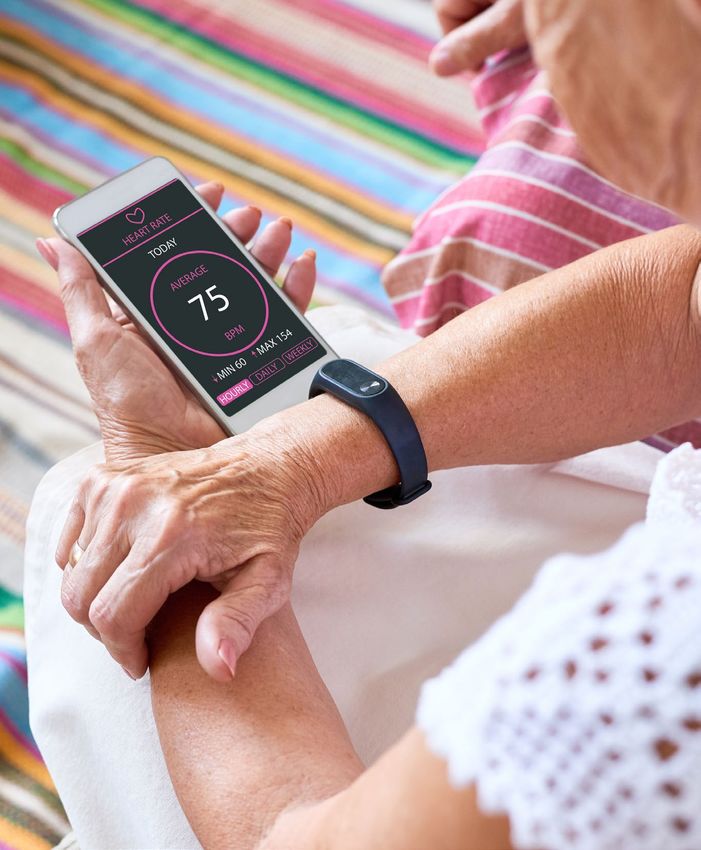
implement wearable technology as well as other solutions that improve virtual and out of hospital care. We will
work with the NHS and partners to achieve the investment in technologies and initiatives required to deliver this
strategy.
As a Trust delivering acute and community services we want to be there when you need us and we want to
help you stay well and healthy. We will do this by providing services in a different way using innovation in
technology as a foundation. Across the NHS, healthcare is being reimagined and we want to play our part in
leading the way in creating a healthy workplace for our employees and clinicians while delivering outstanding
outcomes for the people we serve.
We are excited about the future for our staff and community and how we can work together to ensure we all
benefit from the changes technology will bring. This strategy sets out our approach to digital transformation.

Terry Moran						Peter Reading
Chair 					                                         Chief Executive

   4      Digital Strategy 2021 - 2024                                            Kindness • Courage • Respect

Introduction

   Our vision:
   “To embrace digital technologies so we can provide a workplace that enables
   our staff to deliver the best possible care for our patients and improve health
   outcomes in our community”

A Digital Strategy is equally about business transformation as well as adopting new technology and a digital
mindset. A few years ago, it was thought digital was an enabler - now digital is the core of any business. A
more apt description may be a Data Strategy. It is the access to information (data) and analysis of the data that
is key to healthcare delivery in this complex digital age.
This strategy is a key pillar which compliments a number of other Trust strategies and plans1 that have been
developed as part of a broader picture to deliver safe, quality care to patients and create an inspiring workplace
for employees. Key principles and priorities for health and care transformation enabled by digital technologies
have been identified from engagement sessions with many stakeholders. They have provided forward direction,
with the key outcome for Northern Lincolnshire and Goole NHS Foundation Trust (NLaG) to create a digital
environment that is easy to use, eliminates duplication of efforts and supports individuals and teams to work
more effectively across the region delivering efficient, safe, quality care.
This new way of working includes a greater focus on enabling citizens to engage with their healthcare
more easily through the use of digital tools, ensuring that digital inclusion is considered at every step. The
commitment demonstrated by the NLaG community provides a high degree of confidence that the ambitions
set forth in this strategy will be achieved. Northern Lincolnshire and Goole NHS Foundation Trust is on a journey
to realise its ambition to deliver safe, quality care while operating in a sustainable way.
This Digital Strategy could not have been written without acknowledging the significant economic challenges
which have been generated by the COVID-19 global pandemic, and that in the UK it is expected there will be
a significant impact for years to come. The COVID-19 pandemic has only highlighted further the imperative
to achieve a high level of digital maturity across the healthcare system. One positive of COVID-19 is that it has
accelerated broad collaboration and system wide working. This cultural shift has been championed by leaders
in the healthcare sector and these opportunities must continue to be capitalised.
Understanding the digital maturity of the community and supporting people to become digitally skilled will be
important to leverage the benefits that digital usage can achieve on a broader scale. In addition, to maintain
confidence and trust, it is vital that data is managed safely and can be quickly and securely accessed in real time
with the assurance that the information presented is the most up to date and single point of truth.
Digital solutions have enabled us to gather enormous amounts of data and information. This data must be
structured in a way that provides insight and enables informed and agile decision making to support continued
improvement in healthcare delivery.

   1
       Appendix 2 - List of references

   5         Digital Strategy 2021 - 2024                                           Kindness • Courage • Respect
Introduction
Robust reporting that trends the impact digital change is having, both internally and within the wider
community, in a way that correlates a number of data inputs and presents insights that enable system level
decision making can now be achieved. This will contribute to ensuring clinical, administrative, and patient
channels work in a synchronised manner to improve quality and safety of care.
Ensuring our ambition for a ‘new’ health and care system represents best value for money and is sustainable
will be critical to long term success. While creating a digital organisation requires investment, over time it
has been shown that this investment can lead to reduced running costs in other areas through reducing
duplication, building capacity to meet increasing demands, improving the working environment for employees
and most importantly enabling the delivery of safer care, reducing errors and variation.
A mature digital hospital should be where people want to work. With the competition for healthcare workers
so high, those that can offer a digital first experience are able to attract the brightest talent. In NLaG’s current
organisation strategy and clinical plans, the ambition to continue broader collaboration is recognised as
important to creating a community across the Humber, Coast and Vale region which thrives on sharing and
learning with its citizens. Continuing this collaborative journey has been strongly echoed by those within NLaG.
NLaG is at the stage where it now needs to make decisions to support the provision of modern digital
technology, which will enable a sustainable way forward that delivers this digital future to the region. In
order for NLaG to achieve its aspirations and overcome current challenges, it is imperative that the Board,
its Executives, Clinicians, community services and all other staff embrace a digital first approach that places
the patient and care providers equally as leading this change. This will require significant courage, resilience,
and compromise, but will also lead to huge benefits. Delivering a digital first strategy and sustained digital
transformation at all levels will enable the organisation to better meet its objectives and improve the safety and
quality of care.
In summary, this Digital Strategy’s ambition is that we will transform our health service through the integration
of digital technologies across NLaG through collaboration with our partners across the region, delivering high
quality care using innovative care models, supported by cutting edge technology.
We will achieve this through the courageous and inspiring teamwork of our employees and clinicians and their
drive for excellence. As NLaG moves to a fully digital environment, our health and care teams will be supported
with mobile “on-the-go” decision-making technologies.
Our ambition to improve the experience of our patients, delivering more personalised out of hospital care
with wearables and monitoring technologies, leveraging the rich data available to present predictive and
preventative medicine will be realised. What is most encouraging has been the engagement with the NLaG
community in creating this strategy, which has left no doubt that the energy and drive exists within the
organisation and the community to become digital leaders. Let’s make it happen!

   6       Digital Strategy 2021 - 2024                                              Kindness • Courage • Respect

NLaG: A Snapshot2

    Our annual budget is                            NLaG provides acute
    circa £421 million,                             hospital services and
    we have 860 beds                                community services to
    across three hospitals,                         a population of more
    including community                             than 450,000 people
    services in Northern                            across North and North
    Lincolnshire, and                               East Lincolnshire and
    employ around 6,800                             East Riding of Yorkshire.
    members of staff.

                                                    NLaG covers
    All three sites                                 a wide
    provide inpatient,                              geographical
    day care and                                    area and
    outpatient                                      has a gross
    services.                                       floor area of
                                                    142,535 m2.

    Every year more than 135,000 people are seen in the
    emergency departments (EDs), deliver more than 4,500
    babies, carry out around 30,000 operations, treat 120,000
    inpatients and book 400,000 outpatient appointments.

2
    Prior to COVID-19

7         Digital Strategy 2021 - 2024                                 Kindness • Courage • Respect
Regional and national context
The focus of this strategy refresh was on NLaG, a conscious decision was made that the main report would
not repeat the aspirations included in the many documents available from regional and national partners. It
should be noted that these documents were reviewed and are listed in the reference section of this strategy. It
is the intention that this NLaG Digital Strategy aligns and supports the Humber Coast & Vale (HCV) Partnership
Long Term Plan, the HCV Integrated Care System (ICS) Digital Strategy “Fast Forward” plan, while aligning
with deliverables being set by NHS England / Improvement and NHS X plans. There are common threads across
all these plans and strategies, and it is intended that within this NLaG strategy it is clear to see the alignments
that are in common:

•   Digital decisions must be made so that access to information for care providers and citizens is as seamless
    and as easy as possible
•   A digital first mind-set from leadership and governance must underpin future planning that improves on
    the health and care outcomes for people
•   Our value proposition is our people. It is evident in the engagement sessions and our interactions that there
    is a strong desire to embrace digital solutions and technologies
•   Build on the collaborative spirit that currently exists & leverage system solutions where many can benefit
•   Being mindful of financial challenges, seek investments that offer best return on investment and work with
    vendors and partners to get the most from limited financial resources
Being courageous, take some risks, use innovation such as Artificial Intelligence (AI) and robotic automation
where tangible results can be measured. Below is a brief summary of the key messages from some of these
documents.
Regional
Humber Coast and Vale Health & Care Partnership Long Term Plan 2019 - 2024
To ensure that any digital transformation achieved within NLaG is aligned to wider regional and ICS level to
support collaborative working, the current Digital Strategy also recognises the ambitions for harnessing digital
technology at an ICS scale. The HCV Long Term Plan outlines the focus for opportunities over the next five
years:
•       Sharing information and ensuring our digital systems talk to one another.
•       Upgrading basic infrastructure to support the changes set out in this plan.
•       Using technology to increase access to care and support wider wellbeing.
•       Fostering innovation to tackle challenges in new ways.

Humber Coast & Vale ICS Digital “Fast Forward” Plan
As already acknowledged, the challenges and opportunities which have been presented by the COVID-19
pandemic have forced many to embrace digital tools and technology at such speeds many thought impossible.
This is a credit to the magnificent response from everybody at all levels within the system.

    8      Digital Strategy 2021 - 2024                                               Kindness • Courage • Respect
Regional and national context
As part of recognising the strides that have been made in recent times to advance the digital agenda, the HCV
ICS has released a digital fast forward plan. This seeks to capitalise on recent achievements and avoid reverting
back to past ways of working which have not always served the healthcare system well. The strategic priorities
which underpin the “Fast Forward” Plan are:
•       Inspired transformational leadership and governance
•       Our incredible workforce
•       Information management, protection, and security
•       Financial planning, commitment, and investment
•       Digital skills, knowledge, and deployment.

National
It is also important to recognise the changing national landscape, and that any digital transformation work
completed by NLaG needs to ensure it is aligned. The specific references to digital transformation in the Long
Term Plan outline the importance and significant benefits digitally enabled care can bring to patients and staff
across the health and care sector. It is vital for the direction and outputs of this Digital Strategy to be aligned
with these milestones for digital technology, of which the key pillars include:
•       Empowering people
•       Supporting health and care professionals
•       Supporting clinical care
•       Improving population health
•       Improving clinical efficiency and safety.

    9      Digital Strategy 2021 - 2024                                              Kindness • Courage • Respect
Digital - what does this mean?

    In the course of gathering insights for this Digital Strategy, it was observed on
    multiple occasions that individuals were unsure what “digital” meant.

There is common misperception around digital terminology and language within various organisations, as many
perceive digital purely as technology (devices, servers, software). Others might perceive digital as an electronic
health record and other clinical systems.
The simplest definition is that digital is the application of information and technology to raise human performance.
In the past digital was simply seen as an enabler to healthcare transformation. However, nowadays digital and
digital technology has become an essential component to all healthcare delivery much like key utilities such as
gas, electricity and water are essential to modern living.
An integrated digital care platform weaves through all processes, and touches all aspects of the administration
of healthcare and the patient journey. The diagram below provides a schematic overview of digital care3 delivery
in a digitally mature organisation.
The patient and clinician are at the centre, surrounded by interventions and pathways that are enabled by a
robust digital platform.

Digital Care Delivery
                                                                                                     Remote
The Digital Care Platform is:                                                         3D Printing
                                                                                                    Monitoring
                                                                       Precision
                                                                       Medicine                                       Wearables
•    A Clinical Colleague and Mentor
                                                                                      Care
•    A Patient Advisor and Health Coach                  AI Imaging
                                                                                   Management         Wellness and
                                                                                                                             Speech Analysis
                                                                                                       Prevention
                                                        Interpretation                                                        and Diagnosis
•    A Virtual Assistant
                                                                                        Clinician
•    A Virtual Patient Connection                                         Treatment
                                                                                                               Investigate
                                                    External Clinical                                                             Telehealth
                                                    Decision Support                                Patient

                                                                                   Diagnose
                                                                                                    Self-Monitoring
                                                          Predictive
                                                          Analytics                                                               EHR

                                                                                                                  Pop. Health
                                                                   Algorithmic                                    Management
                                                                    Medicine
                                                                                        VPHA        Open Notes

    3
        The Digital Care Delivery Framework for Healthcare Provider CIOs

    10        Digital Strategy 2021 - 2024                                                                Kindness • Courage • Respect
Digital - what does this mean?
To achieve this health ecosystem requires digital building blocks. A best practice
example shown below (taken from a Gartner digital care delivery platform)
demonstrates the five constituent building blocks for digital care delivery
from a healthcare providers’ perspective.
Digital Care Delivery Building Blocks
Health
Engage Interact
Customers Ecosystems
ience
Intelligence
Cost
Exper
Things IT Systems
Sense Run
11 Digital Strategy 2021 - 2024 Kindness • Courage • RespectNLaG ambitions
While this document aims to outline the future direction and ambitions for
digital transformation across NLaG, it is vital to pause and take stock of
how this current strategy will be aligned with existing initiatives.
It is important to note while a number of key strategies and initiatives are referenced directly, it is acknowledged
there are many other initiatives which the Digital Strategy must be aligned with to ensure the transformative
changes can be fully realised.
Strategic Plan
A Digital Strategy must align with the strategic aims and ambitions of NLaG. The Digital Strategy will be a key
enabler for NLaG to achieve the five objectives in the Strategic Plan 2019-20244. The graphic below is taken
from the strategic plan. It provides, what NLaG is setting out to achieve in the next five years, the objectives and
2024 priorities – as well as how they want to do it. The Digital Strategy is crafted to support and enable NLaG
to meet these objectives.
Strategic Framework 2024 prorities - NLaG will have:
Vision Committed to caring for you Integrated urgent and emergency care
Values Kindness Courage Respect Transformed outpatient services
Digital Solutions
Right care, right Whole system
thinking, whole Worked in partnership
place, right time system practice with Primary Care Networks
Principles
Patient centred care Transformation Reconfigured specialities on
of services to one site where appropriate
To give great care
To be a good employer Restructured cancer services
Objectives To live within our means
To work more collaboratively
To provide strong leadership Created a sustainable hospital at Goole
4
NLaG Strategic Plan 2019 – 2024.
12 Digital Strategy 2021 - 2024 Kindness • Courage • RespectNLaG ambitions
The importance of modernising data collection methods and harnessing technology will be vital to supporting the
future ambitions of NLaG. Improved information reporting will contribute to proactive decision making, better
monitoring of Trust estates and facilities, as well as ensuring staff wellbeing is supported while meeting patient’s
needs. To successfully deliver transformative changes whilst supporting patients and staff, the Digital Strategy
endeavours to support tackling the key issues outlined within NLaG’s operational plan5:
Vacancies across multiple Estates, Estates maintenance, IT/
Workforce staff groups and specialities Technology &
Technology, equipment, and
challenges impacting on clinical Infrastructure
challenges infrastructure challenges.
sustainability across all sites.
The trust successfully achieved
Financial and Quality special
Financial its NHSI control total in 2019 - Regulatory
measures status; Care
challenges 2020, but it’s annual deficit was challenges
Quality Commission.
still £48.1m.*
It is well documented that digital is an enabler for all teams at all levels, with an underlying fundamental element
being that it contributes to providing patients and staff the best possible experience. Recognising the support that
needs to be provided to clinicians, the Digital Strategy underpins the ability to successfully deliver the clinical6 and
operational plans envisioned for NLaG. Implementing digital solutions that provide multiple benefits and are not
single use solutions will enable NLaG to leverage more benefit from its investments. This will be a catalyst to help
clinicians with the changes required in terms of consolidating and reconfiguring clinical services to ensure capital
investments are returning the best possible value.
The ambition of a digital first mindset is to enable and contribute to improvement within the six identified business
priorities outlined in the Strategic Plan which are to:
Integrate Work in
Restructure
urgent and partnership
cancer
emergency with Primary
services
care Care Networks
Create a
Transform Reconfigure
sustainable
outpatient specialties where
hospital at
services appropriate
Goole
5
NLaG Operational Plan 2019-2020 Final 4th April 2019 *This excludes: NHSI funding support (PSF/FRF/MRET),
and a £25.3m deficit including adjustments relating to
6
Interim Clinical Plan and CQC Response NHSI funding support.
13 Digital Strategy 2021 - 2024 Kindness • Courage • RespectNLaG ambitions
In addition, any Digital Strategy decisions need to also support the clinical quality objectives
outlined in the Strategic Plan:
Improve
recognition and
management of the
Reduce mortality
deteriorating patient
and sepsis to improve
safety of services
Improve
Improve patient performance against
flow through NLaG’s constitutional standards
hospitals will result in to improve the clinical
safer, more effective effectiveness and safety
care delivery of Trust services
Improve patient Reduce waiting
experience and times and outpatient
effectiveness backlogs to improve
of cancer the effectiveness
pathways and experience
Aspiration for NLaG
to become a learning
organisation,
which will lead to
improved safety
standards and a better
patient experience
14 Digital Strategy 2021 - 2024 Kindness • Courage • RespectNLaG ambitions
Large scale transformation is required to achieve improvements in quality of care and future sustainability of
services. This Digital Strategy has been created with the intention of being flexible and agile to align with the
Humber Acute Services Review (HASR) and support the reconfiguration and development of infrastructure and
re-alignment of clinical services to support the right models of care over the next five to ten years.
The Digital Strategy supports the current on-going work to produce the future NLaG Estates Strategy, as well
as encompass the existing work completed to shape the ambition for the future estates of NLaG7. With the
changes that have occurred with COVID-19, businesses are now rethinking their estate requirements and have
proven that remote working can allow reduction in costly real estate, or in many healthcare organisations
enable re-design of current space thereby deferring costly additions to square footage.
New ways of working have been developed and implemented. However, NLaG needs investment into its
estate to help better transformation, as it is not fit for purpose at both Diana, Princess of Wales (DPOW) and
Scunthorpe General Hospital (SGH) - nor is built to enable new service integration. NLaG is currently working
on a £28.46m full Business Case for two Acute Assessment Units at both DPOW and SGH to provide new
ways of integrating medicine, surgery and paediatrics. NLaG has also secured £30m to rebuild both Emergency
departments at DPOW and SGH, which will include a Same Day Emergency Care (SDEC) area.
Considering the ambitions outlined in the NLaG strategic plan, operational plan, clinical plan, and estates plan
it is the Digital Strategy that will drive the successful achievement of those plans. Implementing digital solutions
that are integrated as much as possible will have a positive impact on the quality of service delivery and will be
necessary to steer NLaG out of special measures and to receive a favourable CQC report.
7
NLaG: 2050 – Estates Masterplan 2020 – 2050
15 Digital Strategy 2021 - 2024 Kindness • Courage • RespectWhere are we now?
The Digital Strategy Refresh 2017 - 2019 outlined a number of initiatives to advance the digital maturity of
NLaG. In support of this, NLaG engaged with the NHS Digital Trust System Support Model (TSSM) service for
a three-phased Strategic and Tactical review to gain assurance around NLaG’s digital plans and associated
operational processes. Many of the recommendations were developed as part of operational business plans
and work towards strengthening the organisation’s digital maturity baseline. NLaG is to be commended that
many of those initiatives are on track and / or have been implemented8. A theme that runs through that report
is the need to make decisions that will move NLaG to a more mature digital organisation.
Going forward, what this means is that there is a clear statement on the mandatory requirements for any digital
decisions within NLaG, agreement that the organisation will seek to create integrated systems, not stand alone
one use solutions, and acceptance that there is a wider system operating and that departments can no longer
work in isolation. Decisions will be prioritised to get the most value and deliver on ICS and NLaG core priorities.
This will be challenging and requires compromise however will leverage more value for the system.
At present, NLaG benefits from the use of the in-house system “WebV” as an evolving EPR, that functions for
numerous clinical areas within NLaG. WebV is a system that saw 15 modules created to serve different areas
over the period 2011 - 2016 and since 2016 has had 15 modules redeveloped into a modern and industry
standard code base to suit more modern devices as well as serve a more commercial purpose. WebV brings
the ability to respond to digital requirements swiftly through the agile nature of the product, more recently
responding to the pandemic needs, but also 2 modules both developed within 3 months. The current WebV
roadmap has modules prioritised for the next 24 months that would see NLaG progress in its digital maturity
and move further along its paperless journey serving the patient pathways. Although NLaG is not using
WebV to its fullest extent, uptake is progressing and with further Project Management Office (PMO) support,
implementation will follow. As well as NLaG the system is now licensed for use across 4 other NHS Acute
customers, 2 of which came on board in the last year bringing in over £1.5m, with a potential for another 2
NHS Trust customers over the coming 12 months.
WebV is currently integrated with 26 other disciplines/systems of care within the Trust enabling quicker access
and a single system to sign into to access these records. As well as being connected to areas outside the Trust
such as the Yorkshire Humber Care Record (YHCR), external pathology services from Nottingham and more
recently GP connect, that will enable the Trust clinicians to view the patients primary care record. Conversely the
primary care and community areas have been enabled with their systems linking into WebV giving them instant
access to the patient’s secondary care record.
As an additional piece of work to the Digital Strategy 2017 - 2019, an information reporting strategy (June
2019) provided context regarding the importance of focusing efforts to better utilise data collected which can
provide informative insights for current and future decision-making. This was also a recurring theme when
engaging with staff as part of developing this Digital Strategy. Many stakeholders expressed that NLaG would
8
Appendix 3 - Digital Strategy 2017 - 2019 Status Table
16 Digital Strategy 2021 - 2024 Kindness • Courage • RespectWhere are we now? benefit from enhancing its ambitions for how data will be managed and synthesised for generating reports that enhanced the confidence in the accuracy of the data. Conversations with stakeholders on several occasions suggested that reports can be produced using what is thought to be the “same data inputs” yet the resulting documents do not have the same presentation of information. As this strategy was being written, the Board and Executive have begun the journey of improving the way information is reported, enabling more insights and useful information to be presented. Improving the current data warehousing capabilities will help improve the reporting capability. In addition a standardized approach with central oversight of all final reports would improve the quality of the reports, enable problems to be picked up and corrected and also help find ways where digital could be deployed to improve the reporting. Inconsistency in reporting can result in a lack of confidence and potential of not enabling the best decisions to be made by the Executive and Board. At the end of day, a critical element of a mature digital organisation is the ability to access accurate information. In fact, one of the most sought after benefits of digital use is the richness of the information it can provide for future impact. 17 Digital Strategy 2021 - 2024 Kindness • Courage • Respect
What we heard
The Digital Strategy aims to support staff to work more effectively, making informed decisions led by safety,
quality and how to best serve the health and wellbeing needs of patients and the local community. Whilst
developing this refreshed Digital Strategy, a cross section of staff from within NLaG and wider local region
participated to ensure the strategy reflects the thoughts, needs and ambitions of those it will serve.

Input was gathered through a variety of engagement activities, including an online survey, semi-structured
interviews and facilitated workshops9. Feedback was invited from clinical and corporate services across NLaG, as
well as representation from community organisations, regional local authorities and ICS representatives.

Engagement with Trust staff highlighted there was an overwhelming support and desire for a renewed focus
on quality and safety in patient care and the role digital could play in achieving this, as well as a recognition that
the digital foundations within NLaG need to be modernised. It was also reiterated that any digital tools and
systems introduced or reviewed need to support efficient and collaborative working and empower patients to
better self-manage their wellbeing needs.

Listed below are the high-level themes identified through the engagement activities as key priorities of focus for
NLaG and for patients.

  9
      Appendix 4 – Project and engagement activities methodology overview

 18         Digital Strategy 2021 - 2024                                              Kindness • Courage • Respect
What we heard
Digitally Enabled Care
Digital infrastructure. Committing to a sustainable and continued investment to improve
existing digital infrastructure. Ensuring staff have the right tools and equipment for the job
wherever they are, improving decision making and quality and safety of care to patients. This
will include new hardware and devices that enable working “on the go”, updated networks,
improved remote working capabilities, and effective document management systems.
Digital health record. Giving staff secure access to real-time information with a single source
of truth. Moving to a ‘system of systems’ where health and care information is brought
together in one place and can be accessed across all healthcare settings (primary care,
secondary care, mental health, community services, social care) that supports collaborative
working and care delivery. This means a patient only has to tell their story once, and is
able to view and contribute to their own health record. Collaborative working and access
to “one patient one record” will reduce duplication and improve communication thereby
reduce untoward incidents. Care providers want a seamless digital health record with patient
pathways from birth to end of life care.
Digital systems and processes. Supporting efficient and integrated working. This will
support staff to store clinical and non-clinical information in a paperless digital format which
can be easily located in one place to streamline processes and reduce duplication. This requires
an enterprise information platform that allows capturing and managing clinical and business
documents and connecting them to core applications to streamline access and workflows.
Data and information. Vast amounts of data are currently collected within NLaG, however
this is often hard to extract and interpret. By harnessing technology, this data can be
manipulated to provide insight-driven information. Combined with business intelligence
tools trends can be modelled to provide departments with accurate real-time information
and predictability algorithms to support planning, decision making and support quality
improvement methodology and projects.
Collaboration and innovation. By driving a shift to work more collaboratively across
organisations this will support teams to capitalise on shared funding opportunities, and to
share successes, innovation, and best practice across NLaG and wider Humber, Coast and Vale
region.
Digital as Business As Usual. Developing a digital leadership mindset which regularly
engages with staff will drive through the above changes and develop a digital first culture
within NLaG. Staff are supported to develop the necessary digital skills and are empowered
to lead innovation, with digital initiatives supported by dedicated implementation and change
management resources. This includes education and training to increase the digital literacy
across the organisation and within the community.
19 Digital Strategy 2021 - 2024 Kindness • Courage • RespectWhat we heard
Digitally Enabled Self-Care
Digital triage and virtual consultations. Delivering digital triage utilising AI to support
clinical decision making and virtual consultations where clinically appropriate will contribute
to care being delivered from anywhere. Due to the large and mixed geography that NLaG
serves, this presents a great opportunity not just for NLaG but also for patients in terms of
reducing travel time and associated costs.
Digital communication with care providers. This will allow patients to make and track
healthcare requests, including appointment bookings and reminders, prescriptions requests,
and test results. Using digital tools will also allow patients to easily communicate with care
providers.
Empowering patients to manage their own health. Giving patients access to their own
health record will create a two-way relationship in managing individual health care. This
includes access to verified apps and online services and wellbeing information, as well as use
of wearable technologies to promote self-monitoring to reduce the need for patients to visit
hospital and provider sites where possible.
Supporting patients in the community. Any transformative changes must be inclusive to
all members of the community. Working with the community to better understand the digital
literacy and attitude towards digital readiness of the local population will be vital. Testing
initiatives and engaging with local communities will ensure NLaG has the right tools which
are relevant to meeting the needs of the local population.
The engagement activities also captured participants’ thoughts on a number of important questions and topics
including “what should be the single greatest digital outcome or focus for NLaG over the next three years”.
Shown below are the four main recurring themes:
Improvements for
Patients – outcomes, Improved Enhanced Empowering
quality, waiting digital digital patients to
times, safety infrastructure health record manage own
health
20 Digital Strategy 2021 - 2024 Kindness • Courage • RespectWhat we heard
Throughout the various engagement activities, the following
challenges and barriers to successfully achieving digital
transformative changes within NLaG were identified:
Differing
Prorities and
Pressures
Need for
increased
Collaborative
Working
Resources -
Funding
and Staff
Current
Digital
Infrastructure
& Estates
Individuals identified the relevant tools were not currently available to participate in a way that made access
to digital easier, as well as acknowledging frustrations with outdated infrastructure. Just under 50% of the
IT equipment in NLaG is over five years old. In addition, the way we work has changed and the focus in
healthcare is now on mobile working.
This requires a rethinking of the devices from desktops to laptops and tablets to enable “on-the-go” working.
As reported in the National Audit Office (NAO) report in May 2020, Trusts capital expenditures on IT has been
shown to have increased over the past six years. However, it is estimated Trusts spend less than 2% of total
expenditures on IT, and even with the aim to increase to 5% of turnover by 2020 it still falls short of most
businesses today. Since 2018, NLaG’s IT spend has remained at around 2.5%10.
It was also recognised there was a need to improve staff capacity to support implementing large-scale digital
projects. An example solution would be establishing a dedicated PMO that included both digital and business
transformation expertise.
Another recurring theme during engagement was there needed to be more focus and courage on sustaining
major changes (paperless). The move to broader collaborative working was a challenge to the “the old ways of
working”. Most acknowledged that agreement on priorities and other pressures often impacted the digital and
transformation initiatives which impacts confidence as the promised changes are not realised due to the lack of
attention to see changes through.
10
Appendix 5 - Digital Strategy Finance Table v1
21 Digital Strategy 2021 - 2024 Kindness • Courage • RespectWhat we heard Finally, in some discussions concern was expressed about the digital access for people in the region. Appendix 6 shows statistics of digital inclusion in the UK and the Yorkshire and Humberside area. The area has 8% of the UK population, with 12% of those falling within the low digital/low financial capability segment. An additional note is that the Yorkshire and Humberside areas have 6% of the region’s population with zero of the five basic digital skills, with the majority of those falling in the over 65 age group. The over 65 age group are showing higher growth from 2008 to 2020 (16% to 65%). In Yorkshire and Humberside 87.9% used the internet in the last three months. Statistics also show that those who describe themselves as disabled also show as struggling with digital skills. What the statistics do show is the trend of increasing digital literacy, with 96% of digital households in February 2020 having internet access. There is often a tendency to focus on what we perceive to be those that do not have access, yet that number is smaller than we might think. We do not want to leave people behind and it is encouraging that the numbers are relatively small and can be overcome with creative thinking. 22 Digital Strategy 2021 - 2024 Kindness • Courage • Respect
What will change look like?
Building a digital ecosystem
NLaG is on a journey of improvement. The recent operational plan relies on a system-wide approach,
working in collaboration to align key assumptions on income, expenditure, activity and workforce between
commissioners and providers.
We live in a digital world. There are mixed opinions on the positive and negative impacts of technology, but it
cannot be ignored that business models embracing digital initiatives are now superseding traditional business
operations.
No businesses are immune to these changes. Many businesses that are investing in and embracing innovative
technology are those that are succeeding. Leading healthcare providers have spearheaded the way by investing
in technology and digital processes.
Those which have embraced technology are realising efficiencies in administrative processes, safer care delivery
and improved quality of care and outcomes for patients. It has also driven shared responsibility for health by
patients and care providers and contributed to attracting and retaining a workforce that wants to work with
the cutting-edge technology. People want to work at digitally advanced Trusts and organisations.

While a Digital Strategy is about the business, it is equally about people and culture. To be successful, it will
require everyone to lead and model the behaviours of a “digital hospital”

            NLaG Digital First Vision: “To embrace digital technologies so we can provide a
            workplace that enables our staff to deliver the best possible care for our patients
                          and improve health outcomes in our community”.

By adopting a digital first approach, patients, families, and care providers can expect:

                   Better, more connected tools for frontline providers: Providers will be able to access
                   patient records stored across multiple health service providers to provide better, safer, faster
                   care. Digital initiatives championed and owned by clinicians will be identified and driven
                   through to create a more user-friendly experience to help care providers better manage
                   patient pathways and improve quality of work life for employees.

                   Greater data access for patients: More patients will be able to review their secure health
                   record online and make informed choices about their care. This means that the patient’s
                   electronic records are interoperable and connect with other systems.

 23        Digital Strategy 2021 - 2024                                               Kindness • Courage • Respect
What will change look like?
Digital inclusion: Understand the digital maturity of our community and create ways to
educate and help citizens access and use digital tools to support the management of their
health and wellness journey.
Digital workforce: Upskilling current staff in digital skills and building a digitally literate
workforce which will be able to champion innovation and drive through digital initiatives, as
well as attracting digital talent. Digital leadership through a Chief Information Officer (CIO)
/ Chief Clinical Information Officer (CCIO) / Chief Nursing Information Officer (CNIO) will
help with targeting where digital skills need to be focused for employees and will support
embedding of digital literacy within the organisation.
Data integration and predictive analytics: Providers will face fewer barriers to integrating
and using secure health information to manage health resources and improve patient
care. The goal will be to achieve improvements such as earlier intervention and better
management of chronic disease. To provide correlations across data sources to predict and
improve health outcomes.
Strengthening of community linkages to broaden the circle of care: Modernising
digital tools will enable NLaG to reach primary care, community care services and care homes
joining up the patient’s life cycle from cradle to end of life care.
More virtual care options to enable “care where I am”: Expanding availability of video
consultations and enabling other virtual care tools such as secure messaging and electronic
reminders. Additionally, providers will be able to leverage a variety of virtual care technologies
that best meet patient’s needs. This includes remote monitoring devices that enable remote
care delivery and broader reach within the community.
Introducing innovation: Once the foundations are modernised and there is high adoption
of digital processes and transformation, NLaG will be in a position to introduce AI and robotic
automation and recommend apps that provide more personalised choice and access to
health and care information.
24 Digital Strategy 2021 - 2024 Kindness • Courage • RespectHow will we achieve change? In recent years, the NHS has commissioned and produced a number of reports that all require a high level of digital maturity. While the measurement for digital maturity is still debated, there are models that can be accessed as a guide to how an organisation and community is advancing. The internationally recognised Health Information and Management Systems Society (HIMSS) has a number of models that can be used to assess infrastructure, electronic health records and community level health, communication and digital maturity. The NHS has provided a digital maturity assessment model; however, there is difficulty comparing this model against international benchmarks. It is the HIMSS seven stage model that is used most widely to track digital maturity and is the recommended route for NLaG. In 2017 Gartner reviewed forty large national level eHealth and Digital Policies or Strategies from Health Delivery Organisations (HDOs) and found there was a shift away from provider centric models and towards a consumer mediated paradigm of care delivery. It was noted organisations that solely focus on scaling digital services within their own enterprises cannot respond, as consumer demands for care coordination are increasing at a fast pace. Traditional business and IT models for Health Information Exchange (HIE) are no longer sufficient. The NHS is banking on ICSs and Sustainability and Transformation Partnerships (STPs) with standards based interoperable systems as a way to improve care coordination and address ongoing pressures for financial and human resources in the NHS. 25 Digital Strategy 2021 - 2024 Kindness • Courage • Respect
How will we achieve change?
When seen from the perspective of the broader ecosystem of healthcare, where the patient is centred within
a co-ordinated care model, there is an additional level of digital maturity that can be achieved. Rather than
simply scaling within an individual HDO (Trust) to support the internal and external needs, new digitally enabled
business capabilities and maturity are viewed on two levels:

Level 1 maturity - Adoption of new digital services to drive transformation and optimisation inside an
individual organisation (see Adoption Curve No. 1 below).

At this level, the electronic health record and internal administrative processes are primarily all digitally enabled
processes and the use of traditional methods (paper, fax etc.) have been significantly reduced or eliminated. The
organisation has begun to think as a digital leader.

Level 2 maturity - Adoption of cross-ecosystem capabilities that connect enterprises to ensure consumer focus
and centricity (scaling out beyond the single enterprise view, see Adoption Curve No. 2 below). At this level,
there is interoperability across the ICS/STP and sharing of information across the circle of care between patients
and families, GPs, social care, and nursing homes is seamless.

E-health requires scale and maturity on two levels
                                                                               Ecosystem Maturity

                                  Health Organisation Maturity                                                ce
                                                                                                            pa

National
                                                                                                         em

E-Health
                                                                                                      st
                                                                                                    sy

Maturity
                                                                                                     o
                                                                                                  Ec

                                                                           Adoption Curve No. 2
                                                                           Digital ecosystem capabilities

                Adoption Curve No. 1
                All HDOs are digitally enabled (e.g, EHR)

                                     Time                         (1)                                          (2)

 26        Digital Strategy 2021 - 2024                                              Kindness • Courage • Respect
Principles for NLaG digital journey
To support NLaG on its journey to successfully deliver this Digital Strategy six relevant and realistic principles
were developed. These principles aim to contribute to the desired outcome which is a “meaningful end user
digital experience”.
People first - Staff will be supported to build digital skills to create a system that when
patients view information there is a “legend of interpretation” to know what is meant. There
will be provision on the normal range of results so patients can understand the context on an
individual basis. Solutions will be explored from the human perspective first, then prototype,
learn, and iterate. Make life easy!
Quality and safe care - Systems will be rationalised and Trust staff will work together to
implement processes and digital technology that improves the safety and quality of care for
patients while working to improve quality of life for staff.
Resource sustainability - Gaining efficiency and realising benefits by not duplicating
processes. Being clear on what NLaG needs to stop doing and what will be enabled with
digital. A digital first approach will help to attract and retain resources. New ways of
working will be required, including working more collaboratively and finding creative ways
of managing finances. This will be done together with the right people to manage risk (not
avoid risk).
Modernised IT infrastructure for scalability and flexibility - Leveraging cloud services
appropriately and moving architecture toward Application Processing Interfaces (APIs) to gain
access to the data that is in legacy systems. Rationalising systems to improve efficiency and
decommissioning systems that are not able to meet current operating standards for security
and interoperability.
Open platform for interoperability - Adopting the use of APIs to interface with a network
of providers so that, with permission, NLaG can exchange member data. In alignment with
NHS standards, it will be mandatory for all systems procured to meet this open standard. The
objective will be for data points to move seamlessly where and when needed across the ICS.
Reliability and security - Meeting and maintaining the cyber security essentials assessment.
Security of information is a constant concern in healthcare. To gain trust, the organisation
must continue to fortify its infrastructure to protect against a constantly evolving security
threat. As the organisation is becoming more dependent on technology, it will become even
more important that the technology used is reliable, resilient, and robust.
27 Digital Strategy 2021 - 2024 Kindness • Courage • RespectRoadmap recommendations
To deliver the ambitions and principles in the Digital Strategy, a series of recommendations are outlined below.
These are aligned to the earlier mentioned best practice models of maturity, recognising there is a necessary
order for actions to be completed by NLaG to ensure digital transformation is achieved in a logical and efficient
manner. Reflecting back to the figure displayed on page 24, examples of activities to be completed in each
maturity segment are noted below.
Level 1 Maturity
Complete Maximise N365
HIMSS Electronic Consistent devices/ functionality across the
Medical Record hardware across all organisation:
Single
Adoption Model three Trust sites – focus - Digital transformation plan –
Sign-on for care providers
(EMRAM); Infrastructure on mobile working i.e. all meetings, appointments
(phase 1)
Adoption Model (Laptops, tablets, are booked in N365
(INFRAM) smartphones) - Using MS Teams on wards
assessments11 for clinicians to converse
Gain consensus on the
steps for a fully electronic
Network and data Implement new Patient
Electronic Health Record (EHR)
centre, with Administration Single Sign-on for
- eliminate historical use of
Wi-Fi bandwidth System (PAS) Administrators
paper records; improve electronic
to support future and re-imagine workflows (phase 2)
capture of patient information,
solutions/processing
keep WebV or procure new
EHR
Agree and use Key For example - Develop
Performance Indicators digital systems to
Rationalise informatics
Eliminate (KPIs) to support specific deliver 30% of outpatient
reporting into responsive
duplicated outcome expectations attendances out of hospital
dashboards which measure
efforts to create a digital first and reduce outpatient
and validate data
organisation that delivers backlog to 4,000 by 2022
quality care
11
Appendix 7 - HIMSS Analytics Adoption Models
28 Digital Strategy 2021 - 2024 Kindness • Courage • RespectRoadmap recommendations
Level 2 Maturity
Integration/
interoperability with 50% of
other providers (HIMSS outpatient visits Trial home
Community Continuity conducted monitoring devices
of Care Adoption using virtual visits
Model)
Adopt robotic
automation for Procure and
some administration Work with
implement a
functions and AI to transformation team
command centre
support to change business
with identified
clinical and processes to support
deliverables and
administrative command centre
outcomes
processes
29 Digital Strategy 2021 - 2024 Kindness • Courage • RespectStrategic horizons
People – building digital literacy
Processes – redesigned for digital first operations
Technology – modern processing and devices
Horizon
one Information – information that is accurate and is delivered in real
Establishing the time to enable algorithms to be run to present predictions for future
foundations decision making
(2021 - 2022)
EHR / EPR - connect to community ICS, upgraded PAS, workflows
reducing duplication, a detailed plan for “one record of truth” - one
patient one record’
Out of hospital care – Transform patient care (virtual visits, online
Horizon access to patients, and digital communication helping to make work
two life better for those delivering care and supporting care providers)
Evolution
(2022 - 2023) Patient experience – improvement of digital literacy for end users
Horizon Re-imagine the future - (new hospital, command centre, paperless)
three
The Digital Hospital Expand integrated systems - such as Building Information Management
(2023 - 2024) Systems and AI
30 Digital Strategy 2021 - 2024 Kindness • Courage • RespectDigital transformation horizon
Precision
medicine
AI
Remote patient
monitoring Assistive
robots
Command
centre
Early stages
of AI to support
Data Centre/ processes
Data warehouse
capabilities
Single
sign on
Population
health
Devices that management
support mobile Virtual
working consultations
Years 1 -2 Years 2 - 5 Years 5 -10
31 Digital Strategy 2021 - 2024 Kindness • Courage • RespectNext steps – NLaG digital
Finance the strategy EHR and elimination of
• Develop a projected four year digital capital and paper documentation
revenue plan
• Gain consensus on the priority and direction
of the EHR / PAS approach
Infrastructure • Ensure pharmacy (prescribing/dispensing);
• Modernise devices and processing (laptops, radiology, lab, operating theatres, booking, patient
tablets, aim for fleet to be a maximum of three flow, the management and access to information
is available in one location
years old or less)
• Map patient pathways in EHR
• Modernise datacentre (migrate to cloud)
• Integrate system data-enterprise information
• Conduct the HIMSS, INFRAM and EMRAM platform/content management
assessment to establish an industry recognised
baseline for digital maturity • Maximise functionality in current systems
• Work with ICS, CCG, NHS E / I and other partners • Eliminate use of paper
to manage expectations and plan for future needs
Data quality and reporting
Digital literacy, engagement • Determine approach for one robust Data
warehouse, maximise use of power BI
and digital quality oversight
• Eliminate non-value add informatics reports
• Recruit CNIO and CCIO
• Support a central oversight team that validates
• Implement a Digital Operations Group responsible accuracy and assures reports are in compliance
for business case approvals, monitoring project with agreed standards for production
progress, and recommending digital projects
to the Digital Strategy Board. Members include • Meet mandatory reports and work with NHSE / I
to develop statistical process control reporting
representatives from administrative/corporate and
clinical providers across the three sites • Improve reporting dashboard for department
managers
• Agree on mandatory requirements to support
the direction of getting the most out of assets, • Establish central monitoring to enable data
enterprise wide digital systems, where possible viewing and decision making by the operations
avoid fragmented “one off/ single use” purchases team to improve patient flow (phased approach to
full integrated data centre for patient and resource
• Build digital resources to host digital café, and management-command centre)
literacy support for use of digital tools
• Continue to work with ICS, NHS E / I, and local Patient Flow
councils to survey and obtain the levels of digital
access within population • Conduct market assessment to procure command
centre and use AI to assist with system level
management of patients
32 Digital Strategy 2021 - 2024 Kindness • Courage • RespectYou can also read


