DOT's Top Management Challenges - FY2021 | October 21, 2020 - Federal Aviation ...
←
→
Page content transcription
If your browser does not render page correctly, please read the page content below
DOT’s
Top
Management
Challenges
FY2021 | October 21, 2020
Highlights
DOT’s Fiscal Year 2021 Top Management Challenges
Required by the Reports Consolidation Act of 2000 and OMB Circular A-136
Office of the Secretary of Transportation | PT2021002 | October 21, 2020

What We Looked At
As required by law, we report annually on the Department of Transportation’s (DOT) most significant
challenges to meeting its mission. We considered several criteria in identifying DOT’s top management
challenges for fiscal year 2021, including their impact on safety, documented vulnerabilities, large
dollar implications, and the ability of the Department to effect change. In addition, we recognize that
the Department faces the extraordinary task of meeting these challenges while also responding to the
Coronavirus Disease 2019 (COVID-19) global pandemic, including implementing the Coronavirus Aid, Relief,
and Economic Security (CARES) Act. Accordingly, we included CARES Act and COVID-19 considerations in all
eight of our top management challenges.

What We Found
We identified the following top management challenge areas for fiscal year 2021:

•   Aviation safety. Key challenges: improving FAA’s oversight of aircraft certification processes and
    enhancing aviation safety oversight while working in a collaborative environment.
•   Surface transportation safety. Key challenges: ensuring compliance with safety regulations and
    programs and continuing progress in safety monitoring and enforcement.
•   Air traffic control and airspace modernization. Key challenges: modernizing new systems while
    introducing new capabilities and implementing new performance-based navigation flight procedures
    and delivering benefits to airspace users.
•   Surface transportation infrastructure. Key challenges: enhancing oversight of surface transportation
    projects and employing effective asset and performance management.
•   Contract and grant fund stewardship. Key challenges: awarding pandemic relief and other DOT
    contracts and grants efficiently, effectively, and for intended purposes and enhancing contract and grant
    management and oversight to achieve desired results and compliance with requirements.
•   Information security. Key challenges: addressing longstanding cybersecurity weaknesses and
    developing Departmentwide policy to validate the proper adoption and security of cloud services.
•   Financial management. Key challenges: strengthening procedures to monitor and report grantee
    spending and preventing an increase in improper payments.
•   Innovation and the future of transportation. Key challenges: adapting oversight approaches for
    emerging vehicle automation technologies and ensuring the safe integration of Unmanned Aircraft
    Systems in the National Airspace System.

All OIG audit reports are available on our website at www.oig.dot.gov.
For inquiries about this report, please contact our Office of Government and Public Affairs at (202) 366-8751.
Table of Contents

      01.        Memorandum

      02.        Index of DOT Operating Administrations Discussed in Each Chapter

      03.        Aviation Safety

      04.        Surface Transportation Safety

      05.        Air Traffic Control and Airspace Modernization

      06.        Surface Transportation Infrastructure

      07.        Contract and Grant Fund Stewardship

      08.        Information Security

      09.        Financial Management

      10.        Innovation and the Future of Transportation

      11.        Exhibit A. List of Last Year’s Top Management Challenges

      12.        Exhibit B. List of Acronyms

      13.        Appendix. Department Response

DOT Top Management Challenges (FY2021)            www.oig.dot.gov
U.S. DEPARTMENT OF TRANSPORTATION
        OFFICE OF INSPECTOR GENERAL

Memorandum
Date:          October 21, 2020

Subject:       INFORMATION: DOT’s Fiscal Year 2021 Top Management Challenges
               Report No. PT2021002

From:          Howard R. “Skip” Elliott
               Acting Inspector General

To:            The Secretary
               Deputy Secretary

               The United States transportation system is vital to our Nation’s economy and way of life,
               connecting Americans to workplaces, schools, goods and services, and each other. The
               Department of Transportation (DOT) works to ensure our Nation has the safest, most efficient,
               and modern transportation system in the world, one that improves our quality of life and
               increases the productivity of American workers and businesses.

               Our office supports the Department’s mission through audits and investigations that identify
               improvements to the management and execution of its transportation programs. Each year,
               as required by law, we report on DOT’s top management challenges to help the Department
               meet its strategic priorities across its wide-ranging transportation program areas. These
               priorities include enhancing safety, improving transportation infrastructure, fostering
               innovation, and promoting accountability.

               At the same time, we recognize that the Department faces the new and extraordinary
               task of meeting these priorities while also responding to the Coronavirus Disease 2019
               (COVID-19) global pandemic. The transportation industry has been one of the hardest hit
               by the pandemic, which has dealt sweeping and likely long-lasting impacts to all sectors,
               from aviation and public transit to infrastructure construction projects and more. In March
               2020, the Coronavirus Aid, Relief, and Economic Security (CARES) Act provided DOT with over
               $36 billion to prevent, prepare for, and respond to COVID-19. Implementing the act became
               an immediate priority and a new challenge for the Department.

               DOT rose to this challenge by quickly obligating CARES Act funding. As of September 28,
               2020, the Department reports that it has obligated more than 93 percent of these funds to our
               Nation’s airports, transit agencies, Amtrak, and other critical recipients.

               As we noted in our June 17, 2020, memorandum, we are committed to helping the
               Department maximize the efficacy of CARES Act funds, recognizing that the speed with
               which the funds had to be disbursed created new oversight challenges. Undoubtedly, the
               challenges surrounding COVID-19 and oversight of CARES Act requirements will influence the
               Department’s priorities and actions for years to come. Accordingly, in this year’s report, we

DOT Top Management Challenges (FY2021)          www.oig.dot.gov                                                1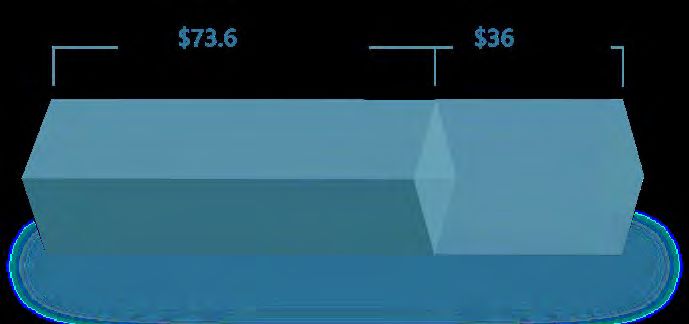
have included CARES Act and COVID-19 considerations in all eight of our top management
               challenges.

               For example, the safety of the traveling public remains DOT’s top priority, but the
               pandemic has added new dimensions to the Department’s efforts. In the area of aviation,
               the Department will need to improve oversight of aircraft certification processes and air
               carrier safety programs, while also reviewing and responding to numerous requests from
               the industry to update regulations and guidance in response to COVID-19. For surface
               transportation, DOT must enhance oversight to ensure compliance with vital safety
               regulations for highway, motor carrier, pipeline, and railroad programs. At the same time, the
               Department will need to address the economic impacts the pandemic may have on State and
               local funding for surface transportation safety programs.

               Responding to COVID-19 and the CARES Act also increases DOT’s existing challenges related
               to strengthening our Nation’s transportation infrastructure. For example, DOT continues its
               multibillion-dollar investment in efforts to modernize our aging air traffic control network
               and implement new, advanced capabilities. However, completing these efforts—and
               achieving their expected benefits—will likely face delays due to the monumental decline in air
               traffic resulting from COVID-19. In addition, the CARES Act has added an additional $26 billion
               to the Department’s typical $50 billion annual investment in highway, transit, and railroad
               infrastructure programs. While robust oversight is always critical to ensure that infrastructure
               projects adhere to Federal requirements, the additional CARES Act projects mean that
               States and other grantees must place increased emphasis on sound asset and performance
               management practices.

               In addition, because the pandemic could have long-term effects on our transportation
               system, the Department will need to target some of its innovation priorities to address new
               and evolving needs. For example, DOT is currently working to oversee the safe integration of
               Unmanned Aircraft Systems (UAS) in the same airspace as manned aircraft. This challenge
               is now compounded by the fact that the COVID-19 emergency has increased the sense of
               urgency to approve expanded use of UAS into daily life, such as delivery of medical goods and
               supplies.

               In light of these heightened challenges, it is more important than ever that the Department
               focus management attention on its goal of accountability, particularly with regard to efficient
               use of taxpayer funds. Chief among DOT’s challenges will be awarding pandemic relief
               and other DOT contracts and grants efficiently, effectively, and for intended purposes. The
               recent influx of new grant funding may also present financial management challenges. For
               example, DOT will now have to monitor significantly more grants and grantees to continue
               reducing improper payments and to comply with mandatory reporting requirements. DOT
               must also ensure it protects the integrity of its financial management information systems to
               effectively administer and oversee CARES ACT funds while maintaining focus on longstanding
               cybersecurity weaknesses.

DOT Top Management Challenges (FY2021)           www.oig.dot.gov                                                  2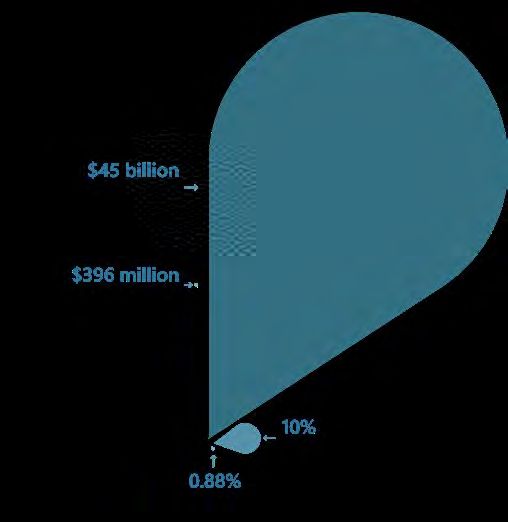
We considered several criteria to identify the Department’s top management challenges
                for fiscal year 2021, including safety impact, documented vulnerabilities, large dollar
                implications, and the Department’s ability to effect change. In the enclosed report, we
                identify and discuss the following challenge areas:

                • Aviation Safety
                • Surface Transportation Safety
                • Air Traffic Control and Airspace Modernization
                • Surface Transportation Infrastructure
                • Contract and Grant Fund Stewardship
                • Information Security
                • Financial Management
                • Innovation and the Future of Transportation

                As always, we will continue to work closely with DOT officials to support the Department’s
                efforts to improve safety, enhance efficiency, and protect resources, including oversight of
                the funding provided through the CARES Act. We appreciate the Department’s commitment
                to prompt action in response to the challenges we have identified. This report and the
                Department’s response will be included in DOT’s Annual Financial Report, as required by law.

                If you have any questions regarding this report, please contact me at (202) 366-1959. You
                may also contact Barry J. DeWeese, Principal Assistant Inspector General for Auditing and
                Evaluation, at (202) 366-1302.

                cc: DOT Audit Liaison, M-1

DOT Top Management Challenges (FY2021)            www.oig.dot.gov                                              3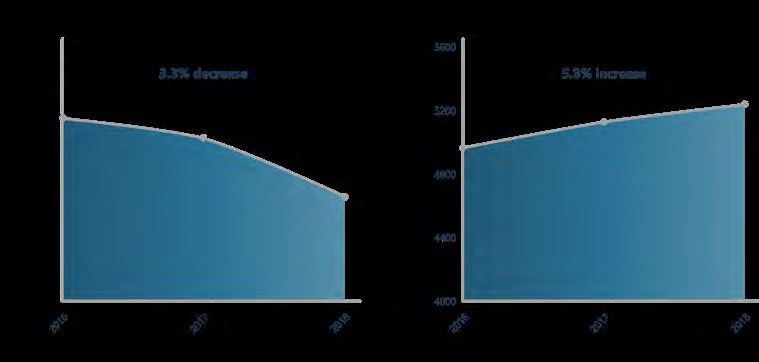
Index of DOT Operating Administrations (OAs) Discussed in Each Chapter

  Operating Administrations                       Chapter

  Federal Aviation Administration (FAA)           Aviation Safety
                                                  Air Traffic Control and Airspace Modernization
                                                  Innovation and the Future of Transportation

  Federal Highway Administration (FHWA)           Surface Transportation Infrastructure
                                                  Innovation and the Future of Transportation

  Federal Motor Carrier Safety Administration     Surface Transportation Safety
  (FMCSA)                                         Innovation and the Future of Transportation

  Federal Railroad Administration (FRA)           Surface Transportation Safety
                                                  Surface Transportation Infrastructure
                                                  Innovation and the Future of Transportation

  Federal Transit Administration (FTA)            Surface Transportation Infrastructure
                                                  Innovation and the Future of Transportation

  National Highway Traffic Safety Administra-     Surface Transportation Safety
  tion (NHTSA)                                    Innovation and the Future of Transportation

  Pipeline and Hazardous Materials Safety         Surface Transportation Safety
  Administration (PHMSA)

  Cross-modal/Departmentwide                      Contract and Grant Fund Stewardship
                                                  Information Security
                                                  Financial Management

DOT Top Management Challenges (FY2021)          www.oig.dot.gov                                    4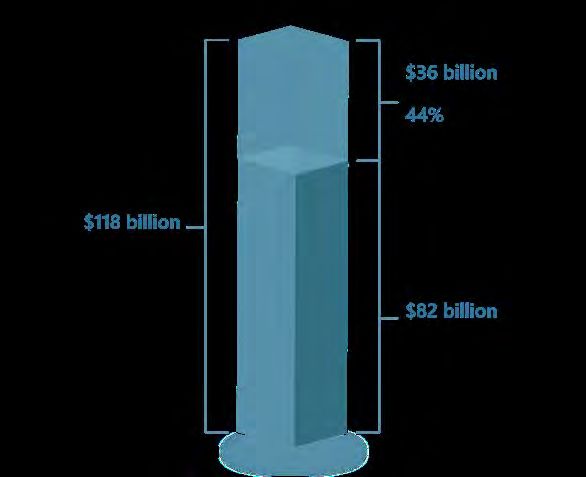
Aviation Safety                                                              FAA is responsible for maintaining the safety of a diverse, complex, and
                                                                                rapidly evolving aviation industry. While FAA has historically maintained an
                                                                                excellent safety record, two fatal accidents in October 2018 and March 2019
                                                                                and the subsequent grounding of the FAA-certified Boeing 737 MAX aircraft
                                                                                brought to light significant issues related to FAA’s certification process
                                                                                and use of delegation authority to certify new aircraft designs. In addition,
   OAs Impacted                 Related DOT Strategic Goals                     FAA continues to face challenges related to air carrier safety oversight
   FAA                          Safety                                          and aircraft maintenance, as we highlighted recently at Allegiant Air and
                                                                                Southwest Airlines.

Improving FAA’s Oversight of Aircraft Certification Processes                                                          CARES Act
• Recognizing that it is not possible for FAA employees to oversee every facet of the large
                                                                                                                       Considerations
aviation industry, Federal law allows the Agency to delegate certain functions to private                              While the CARES Act does not
individuals or organizations, such as determining compliance with aircraft certification                               directly address aviation safety,
regulations.                                                                                                           the COVID-19 pandemic has
                                                                                                                       challenged FAA in certain areas:
• While delegation is essential to meeting FAA’s certification goals, the Agency faces the
significant challenge of ensuring that manufacturers maintain high standards and comply                                • Air carrier operations.
with safety regulations, especially as delegation increases throughout a certification project.                        Passenger carriers have
For example, as we recently reported, by the final stages of the Boeing 737 MAX 8 certification                        experienced an unprecedented
process, FAA had delegated more than 85 percent of the aircraft’s certification plans to                               drop in demand for air travel,
Boeing (see figure).                                                                                                   resulting in reduced schedules.

• Resolving identified issues related to the certification of the 737 MAX aircraft—such as                             • Aircraft airworthiness.
inconsistent communication within FAA and between FAA and industry—will remain a key                                   Aircraft removed from
challenge for FAA.                                                                                                     service temporarily will
                                                                                                                       need to undergo additional
• FAA must also continue to improve its oversight processes for its delegation program, as
                                                                                                                       maintenance prior to return to
we recommended in 2015. We are continuing to examine the certification process for an
                                                                                                                       service.
upcoming report. Ultimately, continued management attention will be critical to ensure FAA
identifies and monitors the highest-risk and safety-critical areas of aircraft certification.                          • Industry requests. FAA is
                                                                                                                       evaluating a large number
Boeing 737 MAX 8 Certification Plans Delegated and Retained by FAA at Key                                              of requests from across the
Certification Milestones
                                                                                                                       aviation industry to help
Certification Plans at Master                             Certification Plans as of                                    address COVID-19 related
Certification (November 2013)                             November 2016
                                                                                                                       effects, including amending
      28 Plans / 32%                                              12 Plans / 13%                                       regulations and issuing
                                                                                                                       guidance.

 59 Plans / 68%                                                79 Plans / 87%
     Certification Plans Delegated                          Certification Plans Retained

Note: FAA certified the Boeing 737 MAX 8 in March 2017.
Source: OIG analysis of FAA and Boeing data

DOT Top Management Challenges (FY2021)                               www.oig.dot.gov                                                                            5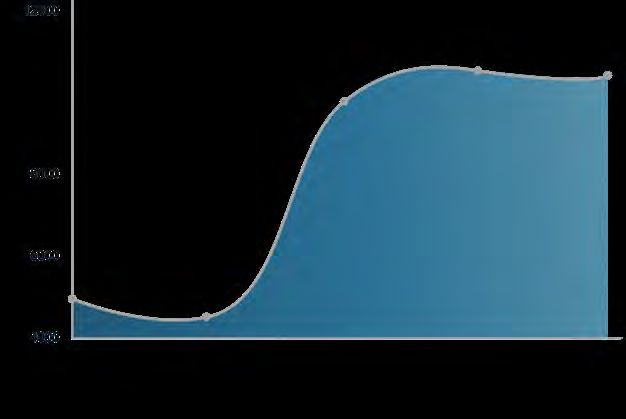
Enhancing Aviation Safety Oversight While Working in a                                            Recent Progress Reported
Collaborative Environment                                                                         by the Department
• In recent years, FAA has implemented changes aimed at enhancing collaboration with              • Boeing 737 MAX certification.
industry to mitigate safety risks. Through its Compliance Program, which began in 2015,           FAA is taking steps to address
FAA prefers to first work with air operators to address root causes of safety violations rather   recommendations from multiple
than impose enforcement actions.                                                                  external and internal reviews,
                                                                                                  including areas we identified in
• However, we found that FAA inspectors face challenges in navigating these changes
                                                                                                  our October 2015 report.
when attempting to hold operators accountable for regulatory compliance. For example, as
we reported in December 2019, local inspectors proposed a 30-day suspension for a repair          • Oversight. In response to
station due to a severe maintenance issue, only to be overruled by regional officials who         our recommendation, FAA is
ordered the case closed without any punitive action.                                              working on a policy revision to
                                                                                                  implement a risk-based approach
• At another carrier, FAA relied on the carrier’s risk assessments to justify continued
                                                                                                  to Organization Designation
noncompliances with safety regulations, such as operating noncompliant pre-owned
                                                                                                  Authorization oversight by
aircraft. As we reported in February 2020, these actions put more than 17 million
                                                                                                  December 2020.
passengers at risk (see figure).
                                                                                                  • Air carrier safety oversight. FAA
• In both reports, we made a number of recommendations to help FAA meet its safety
                                                                                                  is working toward resolving our
oversight challenges, including to improve guidance for FAA inspectors on evaluating air
                                                                                                  20 recommendations aimed at
carrier safety risk assessments and addressing recurring noncompliances.
                                                                                                  enhancing oversight of Allegiant
                                                                                                  Air and Southwest Airlines.

Safety Concerns at Southwest Airlines Identified in Our February 2020 Report

                                                                                                  Related OIG Work
2 YEARS                                                                                           Timeline of Activities Leading to
                                                                                                  the Certification of the Boeing 737
amount of time FAA Allowed the carrier to resolve
ongoing aircraft safety issues                                                                    MAX 8 Aircraft and Actions Taken
                                                                                                  After the October 2018 Lion Air

150,000                                                                                           Accident (June 29, 2020)
                                                                                                  >> We did not make recommendations;
                                                                                                  the data gathered were informational in
number of flights operated on previously owned                                                    response to the Secretary’s request.
aircraft that did not meet U.S. safety standards
                                                                                                  FAA Has Not Effectively Overseen

17.2 million
                                                                                                  Southwest Airlines’ Systems for
                                                                                                  Managing Safety Risks
                                                                                                  (February 11, 2020)
passengers put at risk                                                                            >> 11 recommendations (10 open, 1 closed)

Source: OIG analysis of FAA data                                                                  FAA Needs To Improve Its
                                                                                                  Oversight To Address Maintenance
                                                                                                  Issues Impacting Safety at
                                                                                                  Allegiant Air (December 17, 2019)
For more information on the issues identified in this chapter, please contact:
                                                                                                  >> 9 recommendations (9 open, 0 closed)

                                                                                                  For the current status of all our
                      Matthew E. Hampton
                                                                                                  recommendations, visit our
                      Assistant Inspector General for Aviation Audits
                                                                                                  Recommendation Dashboard
                      (202) 366-0500 | Matthew.E.Hampton@oig.dot.gov
                                                                                                  online.

DOT Top Management Challenges (FY2021)                      www.oig.dot.gov                                                                   6
Surface transportation DOT’s top priority is to ensure the U.S. transportation system is the safest
in the world. Although the number of fatalities in all motor vehicle traffic
crashes on U.S. roadways decreased by 3.3 percent from 2016 to 2018,
safety fatalities in crashes involving large trucks or buses have increased by
5.8 percent. To enhance safety, the Department faces the ongoing challenge
of ensuring compliance with regulations for safety programs nationwide.
OAs Impacted Related DOT Strategic Goals At the same time, DOT must continue making progress on monitoring and
FMCSA, FRA, Safety enforcement efforts in order to have timely and effective outcomes for
NHTSA, PHMSA highway, motor carrier, pipeline, and railroad safety programs.
Ensuring Compliance With Safety Regulations and Programs CARES Act
• As part of its effort to reduce crashes involving large trucks and buses, FMCSA must provide
Considerations
robust oversight of States’ compliance with requirements for commercial driver’s license (CDL) The CARES Act authorized the
programs. This includes, for example, monitoring certified medical examiners who conduct Department to temporarily
physical examinations to confirm drivers are qualified to operate commercial vehicles. waive certain Federal
In addition, FMCSA must take steps to identify and prevent CDL fraud. OIG investigations requirements associated with
have uncovered fraud related to several CDL issues, including commercial driver medical the surface transportation
examinations involving doctors or drivers, public corruption of State employees, CDL third- system and related grant
party testers, reincarnated carriers, and other CDL-related issues (see figure). programs. Challenges include
monitoring the use of waivers
• Regarding rail safety, FRA will be challenged to develop audit procedures, training, and
to ensure they do not adversely
support tools for railroad safety staff to address regulations such as positive train control,
impact program effectiveness
system safety, and risk reduction. Based on our recent audits, taking these actions is critical
and public safety, providing
to focus the Agency’s limited resources on oversight, enforcement, and following up on
transparency, and meeting
high-risk safety requirements and performance areas. FRA also needs to improve program
congressional reporting
management capabilities critical to verifying that railroads take corrective actions in areas
requirements.
such as drug and alcohol testing, railroad conductor certification, and rail safety data
reporting. In addition, DOT will need to
address economic impacts the
• An overall challenge to PHMSA’s oversight of the Nation’s aging pipeline infrastructure is
pandemic may have on State
enforcing compliance with pipeline safety-related laws and requirements. PHMSA will need
and local funding for surface
to manage its workforce needs to ensure it can provide oversight of the safe transportation
transportation safety programs.
of natural gas, petroleum, and other hazardous materials. This includes hiring and retaining
pipeline safety staff to address longstanding retention and recruitment challenges.
OIG Investigations Related to CDL Fraud,* 2016–2020
Source: OIG
* Cases include CDL medical
examination fraud involving doctors
or drivers, public corruption of State
employees, CDL third-party tester
fraud; reincarnated carriers, and
other CDL fraud.
DOT Top Management Challenges (FY2021) www.oig.dot.gov 7Continuing Progress in Safety Monitoring and Enforcement Recent Progress Reported
• One of FMCSA’s key safety challenges is identifying motor carriers with safety concerns
by the Department
and better prioritizing high-risk carriers for interventions. As we reported in 2019, FMCSA is The Department has implemented
testing a statistical model to gauge how it prioritizes motor carrier safety interventions, but several OIG recommendations
the Agency lacks implementation details for improving transparency and its assessment of in recent years. These include
carrier safety rankings. To meet this challenge, FMCSA must take steps to ensure it has the PHMSA’s improvements to its
quality data needed to support its assessment of motor carrier safety performance. oversight policies for liquefied
natural gas facilities, FMCSA’s
• Identifying vehicle safety defects and monitoring recalls remains key to reducing overall
efforts to strengthen controls for
traffic crashes and fatalities. To better meet this goal, NHTSA recently established process
reviewing high-risk carriers, and
improvements such as establishing an online portal for manufacturer recall submissions;
FRA’s new procedures and training
enhancing requirements for owner notification letters; and establishing a risk-based
on auditing compliance with
approach to review recalls for adequate scope and remedy. NHTSA must remain vigilant
railroad safety data requirements.
and focus on manufacturers’ adherence to these improvements to ensure the safety of
vehicles operated on our Nation’s roads. Additionally, DOT has taken action
to ensure that nearly all U.S. rail
systems subject to the statutory
Fatalities in Motor Vehicle Crashes (Total Crashes vs. Crashes Involving Large Trucks or mandate have successfully
Buses), 2016-2018 implemented positive train
control systems, an area that we
previously identified as a top
management challenge.
Related OIG Work
Oversight Weaknesses Limit
FRA’s Review, Approval, and
Enforcement of Railroads’ Drug
and Alcohol Testing Programs
(April 29, 2020)
>> 4 recommendations (3 open, 1 closed)
FMCSA’s Plan Addresses
Recommendations on Prioritizing
Safety Interventions but
Source: OIG analysis of DOT data Lacks Implementation Details
(September 25, 2019)
>> 2 recommendations (2 open, 0 closed)
PHMSA Has Improved Its
Workforce Management but
Planning, Hiring, and Retention
Challenges Remain
(November 21, 2017)
For more information on the issues identified in this chapter, please contact: >> 3 recommendations (1 open, 2 closed)
For the current status of all our
David Pouliott
recommendations, visit our
Assistant Inspector General for Surface Transportation Audits
Recommendation Dashboard
(202) 366-5630 | David.Pouliott@oig.dot.gov
online.
DOT Top Management Challenges (FY2021) www.oig.dot.gov 8Air Traffic Control and FAA continues to modernize the National Airspace System (NAS) through
the multibillion-dollar Next Generation Air Transportation System
(NextGen) program. As envisioned, NextGen will provide safer, more
Airspace Modernization efficient air traffic management by 2025. While it has implemented new
capabilities, FAA still faces challenges in upgrading aging infrastructure,
continuing NextGen’s deployment, and achieving intended benefits in a
OAs Impacted Related DOT Strategic Goals cost-effective manner. These challenges may be compounded in part by the
FAA Innovation, Accountability ongoing impacts of the COVID-19 pandemic on the aviation industry.
Modernizing New Systems While Introducing New Capabilities CARES Act
• The En Route Automation Modernization (ERAM) system is a foundational NextGen system
Considerations
that will improve the efficiency of the NAS by providing capabilities such as satellite-based While the CARES Act does not
navigation and high-altitude data communication systems. Air traffic controllers rely on directly relate to this issue,
ERAM to manage high-altitude flights at 20 air traffic control facilities nationwide. However, the COVID-19 pandemic has
as we recently reported, technical challenges and schedule delays have hindered FAA’s challenged FAA in certain areas:
efforts to replace ERAM’s original computer hardware and modernize its system software. FAA
• NextGen. Air traffic has
expects that COVID-19 will further impact ERAM progress.
significantly dropped. For
• FAA has integrated another key NextGen capability with ERAM—Data Communications example, the number of
(DataComm). DataComm provides two-way digital communications between controllers passengers declined by more
and flight crews, improving accuracy, efficiency, and safety. Last year, we reported that than 90 percent in April 2020
DataComm was scheduled to be implemented by the end of 2021 at the high-altitude en when compared to the previous
route centers. However, due to the impacts of the 2019 Government shutdown, latent air-to- year (see figure). This drop
ground interoperability issues, and the new challenge of COVID-19, that timeline has slipped in traffic will likely impact
to at least 2022. Currently, en route DataComm services are operational at three high-altitude the timeline and amounts of
en route centers. However, the deployment to the other 17 centers is now on hold. NextGen projected benefits. FAA
also expects the pandemic will
Number of Domestic Passengers Traveling Through Transportation Security Agency (TSA) delay efforts to modernize key
Checkpoints, 2019 vs. 2020 systems.
3000000
• Staffing at air traffic facilities.
After temporarily shutting down
2500000 the Chicago Midway Tower in
March 2020, FAA developed a
2000000 cleaning regimen and is using
existing contingency plans to
1500000 cover air traffic operations at all
facilities when needed.
1000000
500000
20
20
20
20
20
20
20
20
20
20
20
20
20
20
1/
1/
1/
1/
1/
1/
1/
3/
4/
5/
6/
7/
8/
9/
2019 Passenger Throughput 2020 Passenger Throughput
Source: OIG analysis of TSA passenger throughput data
DOT Top Management Challenges (FY2021) www.oig.dot.gov 9Implementing New PBN Flight Procedures and Delivering Recent Progress Reported
Benefits to Airspace Users by the Department
• FAA’s Metroplex program aims to implement performance-based navigation (PBN) • ERAM. FAA continues to replace
to more efficiently manage air traffic in congested metropolitan areas. While FAA has ERAM’s original hardware at
implemented Metroplex at 8 of the 12 selected locations, the Agency does not expect to 20 sites and is working on a series
complete the remaining sites—Denver, Las Vegas, and South/Central Florida—until 2021, of enhancements. Of the four OIG
4 years later than originally planned. (FAA canceled one of the 12 sites—Phoenix—due to recommendations since 2018, FAA
ongoing lawsuits.) has taken action to close three
and plans action for the fourth by
• FAA still faces challenges with resolving key obstacles to PBN implementation, such as
December 2020.
the lack of automated decision support tools for controllers, unclear terminology that
pilots and controllers use to refer to flight paths, and the lengthy procedure amendment • Metroplex. FAA has completed
process. one additional Metroplex site
for a total of eight since we last
• FAA and industry identified PBN as a NextGen priority due to its expected benefits to
reported on this project in August
increase efficiency and reduce fuel costs. However, due to design and implementation
2019. FAA has taken appropriate
challenges, Metroplex benefits to airspace users have fallen well short of predictions
steps to close three of the report’s
so far (see figure). In post‐implementation reports, FAA estimated annual benefits of
five recommendations.
$36.3 million, which is $36.6 million (50.2 percent) less than the minimum amount initially
expected.
• In our 2019 report, we made recommendations to improve FAA’s efforts to resolve PBN
obstacles and achieve benefits, including assessing the effectiveness of PBN training for air
Related OIG Work
traffic controllers.
Estimated Annual Benefits at Metroplex Implementation Sites, Pre- and Post- FAA Has Begun To Update ERAM
Implementation (in Millions) but Faces Challenges Realizing
Full Benefits for Airspace Users
$30
$25 (July 29, 2020)
$20
>> 1 recommendation (1 open, 0 closed)
$15
$10
$5
FAA Has Made Progress in
- 52%
$0
Implementing Its Metroplex
($5)
($10) Program, but Benefits for Airspace
Houston North Texas Northern Washington Charlotte Atlanta Southern Cleveland,
California DC California Detroit Users Have Fallen Short of
Expectations
Overall Estimate
Low
Estimate
High
Estimate
Actual (Low/High Estimate (August 27, 2019)
unvailable)
>> 5 recommendations (2 open, 3 closed)
Source: OIG analysis of FAA data
FAA Has Taken Steps To Address
ERAM Outages, but Some
Vulnerabilities Remain
(November 7, 2018)
>> 3 recommendations (2 open, 1 closed)
For more information on the issues identified in this chapter, please contact:
For the current status of all our
Matthew E. Hampton
recommendations, visit our
Assistant Inspector General for Aviation Audits
Recommendation Dashboard
(202) 366-0500 | Matthew.E.Hampton@oig.dot.gov
online.
DOT Top Management Challenges (FY2021) www.oig.dot.gov 10Surface transportation DOT annually invests over $60 billion through highway, transit, and railroad
infrastructure programs that are vital to the American economy and our
everyday lives. A significant challenge for DOT is to effectively manage
infrastructure these various programs and ensure that funded projects adhere to Federal
requirements, including those funded by the CARES Act. Moreover, due to
limited resources and evolving demands, DOT must ensure that States and
OAs Impacted Related DOT Strategic Goals other grantees use sound asset and performance management practices.
FHWA, FRA, FTA Infrastructure and Accountability These are critical to improve the condition of the Nation’s infrastructure
and address overall surface transportation needs cost effectively.
Enhancing Oversight of Surface Transportation Projects CARES Act
• FHWA oversees over $40 billion in annual Federal funds to construct and improve the
Considerations
Nation’s highways. To be effective, the Agency must leverage its limited resources to The CARES Act provides over
implement its risk-based oversight process and ensure successful project delivery. In May $26 billion in supplemental
2020, we reported that FHWA lacked effective guidance for assessing and documenting appropriations to surface
project risks and developing project oversight plans. We recommended that the Agency transportation agencies to
improve its guidance for risk-based project involvement. prevent, prepare for, and
respond to COVID-19. These
• FRA needs to continue to strengthen oversight of the hundreds of millions of dollars it
appropriations include
annually grants for railroad infrastructure projects. This includes ensuring the proper use
$25 billion to FTA and $1 billion
of Federal funds and that projects achieve their intended goals. For example, we reported
to FRA (see figure). To meet
in January 2020 that FRA missed opportunities to better assess and mitigate risks with the
Federal requirements and
California High Speed Rail project, a project with a significant Federal investment.
mitigate the impact of COVID-19
• To better safeguard and manage risks with Federal disaster relief and infrastructure on in-person oversight
funds, FTA has opportunities to improve grantee oversight. As we reported in October activities, DOT agencies need
2019, chief among them is to ensure that grantees carry flood insurance when required and to adjust existing oversight
appropriately use insurance proceeds for recovery projects in the aftermath of a disaster. mechanisms to carry out
the act.
DOT Funding for Surface Transportation Agencies for FY2020, Including CARES Act
Additionally, losses in non-
Appropriations
Federal revenues resulting from
COVID-19 may delay higher
FHWA priority projects or decrease
States’ and grantees’ ability to
perform oversight tasks, such
as project reviews and other in-
FTA person operations.
FRA
$0 $10 $20 $30 $40 $50
Appropriations in Billions of Dollars
CARES Act Appropriations Other Funding
Source: OIG analysis of DOT data
DOT Top Management Challenges (FY2021) www.oig.dot.gov 11Employing Effective Asset and Performance Management Recent Progress Reported
• Billions of dollars are needed to tackle pressing infrastructure needs, including the
by the Department
nearly $1 trillion backlog to maintain highway and transit assets. FHWA and FTA will • FHWA is implementing
be challenged to ensure that States and transit agencies effectively manage funds to nationwide improvements to its
strengthen decision-making and accountability. FHWA and FTA will also need to monitor risk-based oversight approach
progress that States and transit agencies make toward various national goals set by and plans to complete actions on
our related recommendations by
Congress, such as improving safety, providing system reliability, promoting environmental
December 31, 2021.
sustainability, and reducing project delivery delays. Another key priority is to maintain
conditions in a state of good repair. As shown in the figure below, a significant percentage • In response to our 2020 recom-
of the Nation’s bridges, highways, and transit assets need improvement. mendations, FRA is strengthening
project and grant compliance poli-
• In 2012, the Moving Ahead for Progress in the 21st Century Act (MAP-21) required the cies and procedures by revising
Department to develop performance measures. It also requires each State and transit its guidance, project management
agency to develop targets for asset condition and performance and asset management tools, and monitoring procedures.
plans. In 2015, the Fixing America’s Surface Transportation Act continued emphasizing FRA plans to implement these
MAP-21’s performance management approach. DOT will need to apply sustained actions by December 15, 2020.
management attention to realize performance-based approaches and be prepared to
• FTA has committed to take
effectively integrate any related changes in Congress’s next reauthorization of surface actions to improve oversight of
transportation programs. Hurricane Sandy grantees’ compli-
ance with insurance requirements
in response to our recommenda-
tions by December 31, 2020.
Condition of DOT’s Surface Transportation Infrastructure
Condition of National Highway
System Bridges by Deck Area
Condition of National
Highway System Pavement
Condition of the Nation’s
Transit Capital Assets
Related OIG Work
Gaps in FHWA’s Guidance and the
KEY Florida Division’s Process for Risk-
Good KEY
Good
Based Project Involvement May
Fair Limit Their Effectiveness
Fair or Poor
(May 12, 2020)
Poor
>> 8 recommendations (8 open, 0 closed)
Improved FRA Decision Making
and Financial Oversight Processes
Could Have Reduced Federal Risks
Note: The condition of transit assets, including vehicles, facilities, and track infrastructure, are assessed in from the California High-Speed
different ways to a state of good repair benchmark. For transit assets, the percentage of “good” and “poor or fair” Rail Project (January 22, 2020)
represent those that meet and do not meet the benchmark.
>> 4 recommendations (4 open, 0 closed)
Source: OIG analysis of DOT data
FTA’s Limited Oversight of
Grantees’ Compliance With
Insurance Requirements Puts
Federal Funds and Hurricane
Sandy Insurance Proceeds at Risk
For more information on the issues identified in this chapter, please contact: (October 30, 2019)
>> 8 recommendations (7 open, 1 closed)
For the current status of all our
David Pouliott
recommendations, visit our
Assistant Inspector General for Surface Transportation Audits
Recommendation Dashboard
(202) 366-5630 | David.Pouliott@oig.dot.gov
online.
DOT Top Management Challenges (FY2021) www.oig.dot.gov 12Contract and Grant In fiscal year 2019, DOT obligated almost $73.6 billion for contracts and grants
to support its mission of ensuring our Nation has one of the world’s safest, most
efficient, and modern transportation systems. In addition to its annual funding for
Fund Stewardship contracts and grants, the CARES Act provided the Department with an additional
$36 billion in fiscal year 2020 to distribute for COVID-19 pandemic relief (see figure).
DOT must place sustained focus on its contract and grant awards and oversight to
OAs Impacted Related DOT Strategic Goals ensure these funds are efficiently and effectively spent for their intended purpose
Departmentwide Accountability and result in the expected quality of services, products, and performance.
Awarding Pandemic Relief and Other DOT Contracts and CARES Act
Grants Efficiently, Effectively, and for Intended Purposes Considerations
• To achieve efficiency and effectiveness and realize the best value for taxpayers, DOT needs The CARES Act appropriated
to promote competition to the extent practicable and verify fair and reasonable pricing $25 billion to FTA, $10 billion
before agency-funded contracts are awarded. This includes developing sound independent to FAA, and $1 billion to FRA
Government cost estimates, conducting price and/or cost analyses, and requiring adequate to prevent, prepare for, and
justification for single bids. Our past work—including oversight of FHWA’s American Recovery respond to COVID-19. Most
and Reinvestment Act spending—found key deficiencies in these areas and identified billions of these funds came with
in Federal funds at risk. Recently, we assessed FAA’s competitive award practices for major distinct requirements on how
acquisition program contracts and recommended that FAA could put up to $4.9 billion in they can be used and with
Federal funds to better use by improving its ability to establish contract pricing that is fair, a mandate that DOT award
reasonable, and realistic. them quickly. Our previous
emergency and disaster
• Our previous reviews of DOT and grantee contracting activities also identified issues
response work demonstrates
with the qualifications and training of DOT staff who award funds, as well as recipient staff.
that providing clear guidance
Given the significant influx of CARES Act funding and the distinct rules associated with these
concerning eligibility, training,
funds, it is critical that DOT ensure that individuals making agency or recipient awards
and focused oversight will be
have the appropriate authority and training to ensure compliance with applicable laws and
critical to support DOT’s proper
regulations and that funds are used for intended purposes.
stewardship and accountability
of these funds.
Contract and Grant Administration Burden Added by CARES Act 2020
Source: OIG analysis of DOT data
DOT Top Management Challenges (FY2021) www.oig.dot.gov 13Enhancing Contract and Grant Management and Oversight Recent Progress Reported
To Achieve Desired Results and Compliance With by the Department
Requirements • DOT is swiftly distributing the
• The Department’s large infusion of CARES Act funding comes on top of its already $36 billion provided by the CARES
multibillion-dollar annual contract and grant spending. Thus, it is vital that DOT provide Act (see figure). DOT reported
clear direction to contractors and grantees on the requirements surrounding the funding, that as of September 28, FTA had
including expected results. As a key part of this communication, DOT must tell grantees obligated over $23 billion of the
how they are required to document their expenditures. $25 billion appropriated, FAA had
obligated over $9.3 billion of the
• Our past work has found that DOT can do more to direct grantees to provide supporting
$10 billion appropriated, and
documentation for their reimbursement requests and reviews to avoid improper payments
FRA had obligated all $1 billion
and to ensure review recommendations are tracked and resolved. Finally, given the
appropriated.
Department’s limited resources, focusing its grant and contract oversight according to risk
will be critical. • FAA has taken corrective
actions to address five of our
DOT Progress in Obligating CARES Act
recommendations to improve
compliance with Agency
Appropriations as of August 2020 requirements relating to
DOT Progress in Obligating CARES Act Appropriations as of September 28, 2020
noncompetitive awards and
reduce their overall use.
$2.3 billion
unobligated
Related OIG Work
FAA Competitive Award
Practices Expose Its Major
Program Contracts to Cost
and Performance Risks
(March 9, 2020)
>> 10 recommendation (10 open, 0 closed)
FAA’s Limited Oversight of
Grantees’ Compliance With
$33.7 billion Insurance Requirements Puts
obligated Federal Funds and Hurricane
Sandy Insurance Proceeds at Risk
(October 30, 2019)
Source: DOT >> 8 recommendations (7 open, 1 closed)
FTA Has an Opportunity
Grant Administration To Improve the Integrity
Monitor Program for
d by CARES Act 2020 Hurricane Sandy Grantees
(September 9, 2019)
>> 8 recommendations (7 open, 1 closed)
$36 billion
For more information on the issues identified in this chapter, please contact:
Matthew E.(CARES
Hampton
on) Act appropriation)
Mary Kay Langan-Feirson For the current status of all our
Assistant Inspector General for Acquisition and Procurement recommendations, visit our
Audits Recommendation Dashboard
(202) 366-5225 | MaryKay.Langan-Feirson@oig.dot.gov online.
DOT Top Management Challenges (FY2021) www.oig.dot.gov 14Information security DOT relies on over 450 information systems to carry out its mission, which
includes safely managing air traffic control operations and administering
billions of dollars. However, the Department faces challenges in strengthening
oversight to address longstanding cybersecurity weaknesses. Addressing
internal control weaknesses will be key to protect information and systems
from attacks and other compromises that may pose risks to safety or
OAs Impacted Related DOT Strategic Goals taxpayer dollars, including DOT’s large infusion of CARES Act funding. To
Departmentwide Innovation, Accountability better mitigate risks, DOT must also develop policy to validate the proper
adoption and security of internet-based cloud computing services.
Addressing Longstanding Cybersecurity Weaknesses CARES Act
• DOT must resolve the 51 open recommendations identified through our 2020 Federal
Considerations
Information Security Management Act (FISMA) audit. This includes addressing the risk • The Department uses
associated with the 10,385 security weaknesses identified in DOT’s plans of actions and multiple financial management
milestones (POA&Ms; see figure). The Department did not enforce requirements with information systems, such as
Operating Administrations regarding completing POA&Ms, including establishing target DOT’s Delphi and FTA’s TrAMS,
completion dates, monitoring progress, and ensuring timely remediation of weaknesses. Last for processing and monitoring
year, we also recommended that DOT better document the reasons for closing POA&Ms once billions of dollars in CARES ACT
they are complete. grants, as well as distributing
payments. Given the significant
• Since 2010, we have identified weaknesses in DOT’s annual security training process.
influx in funds and their rapid
Initially, DOT’s policies and procedures were not sufficiently developed to guide Operating
distribution, DOT must minimize
Administrations in identifying, tracking, and validating contractors’ required annual security
the risk of compromise or
training. DOT has yet to identify and implement automated tools to better track contractors
outages of these systems.
and training requirements.
• DOT will need to take steps
• Since 2011, we have also identified weaknesses in DOT’s contingency planning. In 2019
to ensure the confidentiality,
we reported that DOT needed to work with the Operating Administrations’ chief information
availability, and integrity of
officers to remediate identified weaknesses in contingency plans and Business Impact
its financial management
Analysis, such as missing information, lack of timely review, and inadequate approvals.
information systems to
Total Number of Open POA&Ms* Departmentwide Since 2016 effectively manage and oversee
these CARES Act funds.
Source: OIG analysis of DOT data
*Open POA&Ms are security weaknesses that DOT has identified but not yet resolved, such as those discussed
in this chapter.
DOT Top Management Challenges (FY2021) www.oig.dot.gov 15Developing Departmentwide Policy To Validate the Proper Recent Progress Reported
Adoption and Security of Cloud Services by the Department
• Over the past decade, Federal agencies have increasingly used internet-based computing • In 2018, the DOT Office of
services (commonly referred to as cloud services) to address their information technology the Chief Information Officer
needs. DOT has begun adopting cloud computing for transportation management services established a shared services
across its various Operating Administrations. However, securing information stored in the initiative—Destinations DIGITAL—
cloud from cyberattacks poses significant challenges. which focuses on streamlining
commodity IT services so
• Since 2015, DOT has yet to establish Federal Risk and Authorization Management
resources can be redirected to
Program (FedRAMP) compliance guidelines and oversight for the Department and ensure
support DOT’s mission.
that each Operating Administration puts plans in place to meet FedRAMP requirements
on how to securely adopt and manage the use of cloud services. FedRAMP is a • The purpose of Destinations
Governmentwide program that provides a standardized approach to security assessment, DIGITAL is to prioritize safety,
authorization, and continuous monitoring for cloud-based services. innovation, and infrastructure as
the Department moves towards
• Furthermore, several Operating Administrations employed cloud services but did not
shared services.
ensure the cloud providers adhered to FedRAMP requirements before authorizing them
for use. According to DOT, the Department is not currently funded at a level to ensure that • DOT has established nine goals
all cloud service providers in use are FedRAMP-authorized. The Department also does not associated with Destinations
have a complete inventory of cloud services authorized by each Operating Administration. DIGITAL, such as delivering best-
Until DOT establishes and oversees these requirements, DOT’s information and systems in-class IT service, optimizing
may face increased vulnerability to cyber attacks. administration and contracts,
and advancing transportation
cybersecurity.
Related OIG Work
FAA Lacks Sufficient Security
Controls and Contingency
Planning for Its DroneZone System
(April 20, 2020)
>> 13 recommendation (13 open, 0 closed)
Quality Control Review of
the Independent Auditor’s
Report on DOT’s Information
Security Program and Practices
(October 23, 2019)
>> 14 recommendations (12 open, 2 closed)
FISMA 2018: DOT’s Information
Security Program and Practices
(March 20, 2019)
For more information on the issues identified in this chapter, please contact: >> 12 recommendations (12 open, 0 closed)
For the current status of all our
Kevin Dorsey recommendations, visit our
Assistant Inspector General for Information Technology Audits Recommendation Dashboard
(202) 366-1518 | Kevin.Dorsey@oig.dot.gov
online.
DOT Top Management Challenges (FY2021) www.oig.dot.gov 16financial management The recent influx of new grant funding may present financial management
challenges for the Department. On an annual basis, DOT typically disburses
about $82 billion in cash. With the CARES Act, DOT will have the potential
to outlay $118 billion—a 44-percent increase from the prior year (see figure).
Although the Department has made progress in its financial management,
such as reducing improper payments, DOT will now have to monitor
OAs Impacted Related DOT Strategic Goals significantly more grants and grantees to continue reducing improper
Departmentwide Accountability payments and to comply with the Digital Accountability and Transparency
Act (DATA Act), which requires agencies to improve reporting on spending.
Strengthening Procedures To Monitor and Report Grantee CARES Act
Spending Considerations
• Ensuring that grantees properly report their spending is key to monitoring and overseeing • Grants are typically paid using
Federal funds. The DATA Act establishes Governmentwide standards for financial data cash, which has high inherent
reporting and requires agencies to provide accurate and searchable data on grantee risk because of the potential
spending for policy makers and the public. of theft and misappropriation.
This increase in cash and related
• Our recent review of DOT’s implementation of the DATA Act found that although the
transactions, resulting from
quality of DOT’s data was considered “higher,” some required contract and grant award
the CARES Act, significantly
data were not submitted completely, accurately, or timely. For example, we reported that
augments this risk.
the Department of Treasury’s DATA Act Broker system identified four errors that were not
considered significant enough to prevent reporting but should be resolved for accuracy. To • The increased workload
enhance oversight, we recommended that DOT implement a formal quarterly review process placed on staff who are
to ensure the Department investigates such errors and documents actions to address them. processing these funds further
increases this risk. For example,
• Handling the recent significant grant activity increase may result in a recurrence of related
a supervisor who reviews
DATA Act reporting issues. To help mitigate risks and enhance accountability as DOT quickly
transactions may need to review
disburses CARES Act funds, it will be critical to implement data quality procedures for
more transactions in less time,
improving DATA Act reporting.
potentially diminishing review
quality and increasing the risk
COVID-Related Increase in Outlays of improper payments.
Source: OIG analysis of DOT data
DOT Top Management Challenges (FY2021) www.oig.dot.gov 17Preventing an Increase in Improper Payments Recent Progress Reported
• Detecting and avoiding improper payments is critical to ensure that grantees spend
by the Department
funds as intended and meet Federal requirements. The Improper Payments Elimination • The Department’s most recent
and Recovery Act (IPERA) requires agencies to report improper payment estimates for DATA Act audit showed an
susceptible programs. improvement in DOT’s reporting.
Although the audit noted some
• We recently reported that the Department has successfully reduced its improper
concerns, it found that DOT’s data
payment rates (on tested programs) to under 1 percent—well under the Office of
quality was “higher.”
Management and Budget’s target of 10 percent.
• Over the last decade, the
• However, the increase in grant-related transactions from the CARES Act without a
Department has considerably
matching increase in resources or processing time increases the risk of errors, particularly
improved its IPERA reporting
in controls that require human intervention, such as manually reviewing transactions.
results and is currently compliant
• Strengthening DOT’s procedures will help reduce the risk of future improper payments. with IPERA requirements.
For example, after finding that an FHWA program was susceptible to improper payments,
we recommended in April 2020 that FHWA develop a process to detect grantees who
have not reduced improper payments within the last 3 years. We also recommended
implementing procedures to review the root causes for those grantees’ improper payments
to better implement effective corrective actions. These actions can help ensure DOT grant
funds are put to their best use.
Related OIG Work
Improper Payments Identified in Our Fiscal Year 2019 IPERA Review DOT’s Fiscal Year 2019
IPERA Compliance Review
(April 27, 2020)
>> 2 recommendation (2 open, 0 closed)
Quality Control Review of the
Independent Auditor’s Report on
the Department of Transporation’s
Audited Consolidated
Financial Statements for
Fiscal Years 2019 and 2018
(November 18, 2019)
>> 8 recommendations (8 open, 0 closed)
Quality Control Review of the
Independent Auditor’s Review of
DOT’s DATA Act Implementation
(October 29, 2019)
>> 4 recommendations (4 open, 0 closed)
Source: OIG analysis of DOT data
For more information on the issues identified in this chapter, please contact:
For the current status of all our
Louis C. King
recommendations, visit our
Assistant Inspector General for Financial Audits
Recommendation Dashboard
(202) 366-1407 | Louis.King@oig.dot.gov
online.
DOT Top Management Challenges (FY2021) www.oig.dot.gov 18Innovation and the A top DOT priority is to guide the country into the future of transportation
through innovation. Emerging technologies and innovative approaches
to such areas as financing and project delivery will ultimately transform
future of transportation how DOT carries out its mission, shapes its workforce, and deploys
resources. One immediate challenge is stewarding the fast pace and scope
of emerging technologies in vehicle automation and Unmanned Aircraft
OAs Impacted Related DOT Strategic Goals Systems (UAS) as they are integrated into our Nation’s transportation
FAA, FHWA, FMCSA, Innovation, Safety system. These technologies have the potential for long-term benefits but
FRA, FTA, NHTSA also pose new safety, oversight, and regulatory challenges.
Adapting Oversight Approaches for Emerging Vehicle CARES Act
Automation Technologies Considerations
• DOT has developed proactive approaches and guidance related to automated vehicles. As • While the CARES Act did not
the technology evolves, DOT will need to apply lessons learned and the results of new data contain any specific funding for
analyses to integrate these systems safely into transportation networks. innovation initiatives, COVID-19
could have long-term effects on
• The Department will also face a significant challenge to develop standards and test new
our transportation system, as
tools that might be necessary to oversee and regulate these emerging technologies.
some innovations may develop
• As these new technologies evolve, DOT will need to likewise assess and oversee the impact to address evolving needs.
on surface infrastructure. This includes planning asset investments; implementing pilot For example, perceived risks
programs and testing; and interfacing roads, traditional vehicles, pedestrians, and other road from human contact could
users with automated vehicles. increase demand for automated
• While the Department has taken initial steps to collaborate with the automobile industry, vehicles. Alternatively, as
academic institutions, technology firms, and State and local agencies to develop vehicle- more employers embrace
to-everything technologies, much work remains to fully deploy the products of those telework, ridership on both
collaborations. However, uncertainty remains regarding the availability of the 5.9GHZ Safety public transit and roads may
Band, which is critical for successful deployment. decrease, stimulating demand
for innovative financing
approaches.
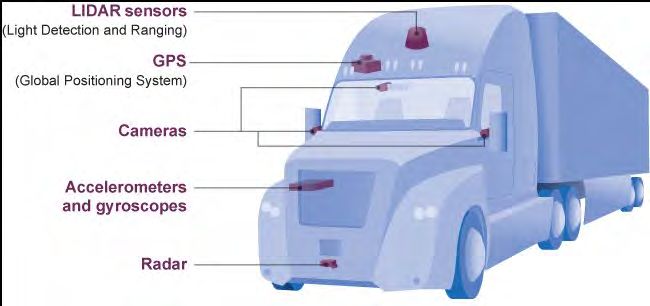
Examples of Automated Vehicle Technologies for Commercial Trucks
• The COVID-19 emergency
has also increased the sense
of urgency for FAA to approve
integrated and expanded use
of UAS (i.e., drones) into daily
life, such as delivery of medical
goods and supplies.
Source: Government Accountability Office (GA0 Report No. GAO-19-161)
DOT Top Management Challenges (FY2021) www.oig.dot.gov 19You can also read


