NSW Electricity Infrastructure Roadmap - Building an Energy Superpower Overview NSW Department of Planning, Industry and Environment - Energy ...
←
→
Page content transcription
If your browser does not render page correctly, please read the page content below
NSW Department of Planning, Industry and Environment

NSW Electricity
Infrastructure
Roadmap
Building an Energy Superpower
Overview
November 2020

                                              energy.nsw.gov.au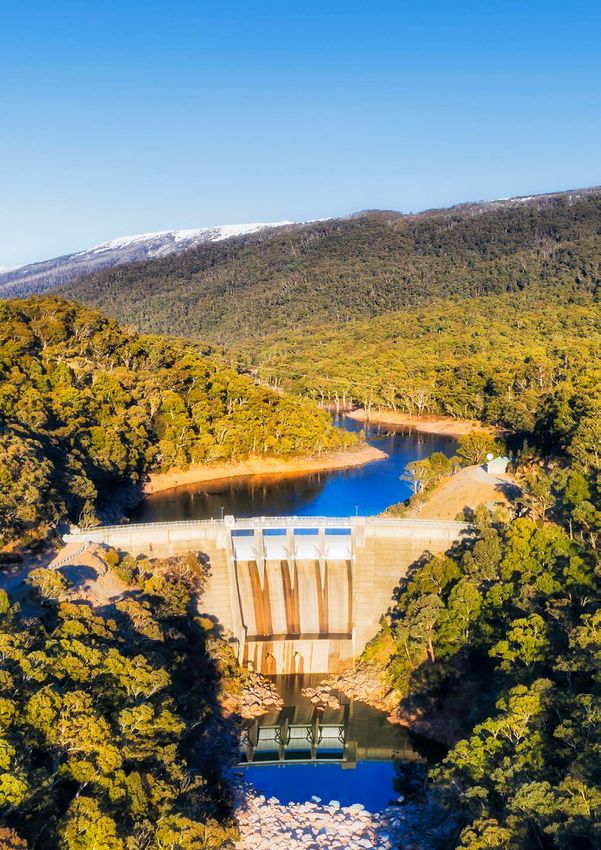
The NSW Electricity Infrastructure Roadmap                             economic opportunities associated with
    was informed by advice from a range of                                 the reforms.
    leading energy market advisers. Specifically,                      • NAB supported the Department with a
    the NSW Department of Planning, Industry                             review and evaluation of the weighted
    and Environment (the Department)                                     average cost of capital (WACC) used by
    commissioned consultancies to help advise                            Aurora when determining the cost of new
    on the development and assessment of                                 investment in the energy sector.
    specific policies identified and proposed by
                                                                       • Aurora supported the Department with all
    the Department.
                                                                         aspects of the energy market modelling
    • KPMG was engaged to analyse the core                               including long term wholesale energy price
      policies developed and proposed by the                             forecasts and consumer prices associated
      Department which have been summarised                              with the policies.
      in this document. Additionally, KPMG                             • The Office of the Chief Scientist and
      was engaged to prepare a report on the                             Engineer led the work on future industrial
      industry opportunities to identify broader                         and economic opportunities associated
                                                                         with the policies.

    The work of all advisers has been provided to the Department of Planning, Industry and Environment according to an agreed scope of
    works and subject to the limitations outlined in each advisers report and terms of engagement.

Find out more
www.energy.nsw.gov.au

Title: NSW Electricity Infrastructure Roadmap

Subtitle: Building an Energy Superpower Overview

First published: November 2020

Department reference number: ISBN 978-1-76058-412-2

Cover image: Solar farm at Dubbo, NSW. Image courtesy of Neoen.

© State of New South Wales through NSW Department of Planning, Industry and Environment 2020.
You may copy, distribute, display, download and otherwise freely deal with this publication for any
purpose, provided that you attribute the NSW Department of Planning, Industry and Environment as the
owner. However, you must obtain permission if you wish to charge others for access to the publication
(other than at cost), include the publication in advertising or a product for sale, modify the publication,
or republish the publication on a website. You may freely link to the publication on a
departmental website.

Disclaimer: The information contained in this publication is based on knowledge and understanding at
the time of writing (November 2020) and may not be accurate, current or complete. The State of New
South Wales (including the NSW Department of Planning, Industry and Environment), the author and
the publisher take no responsibility, and will accept no liability, for the accuracy, currency, reliability or
correctness of any information included in the document (including material provided by third parties).
Readers should make their own inquiries and rely on their own advice when making decisions related to
material contained in this publication.

2   NSW Department of Planning, Industry and Environment | NSW Electricity Infrastructure Roadmap Overview
Contents
Minister’s foreword
Minister’s foreword                                                                                                    4

Executive summary                                                                                                       6

The energy superpower vision                                                                                            8

Why we need a Roadmap                                                                                                  10

Why we need to act now                                                                                                 11

What is the Roadmap?                                                                                                   12

The future of electricity in NSW                                                                                       12

Pillar 1: Regional NSW - the State’s powerhouse                                                                        14

Pillar 2: Delivering energy storage infrastructure                                                                     18

What is the Electricity Infrastructure Investment Safeguard?                                                           24

Pillar 3: Delivering Renewable Energy Zones                                                                            26

Pillar 4: Firming                                                                                                      32

Pillar 5: Opportunities for industry                                                                                   34

Additional information                                                                                                 44

              NSW Department of Planning, Industry and Environment | NSW Electricity Infrastructure Roadmap Overview    3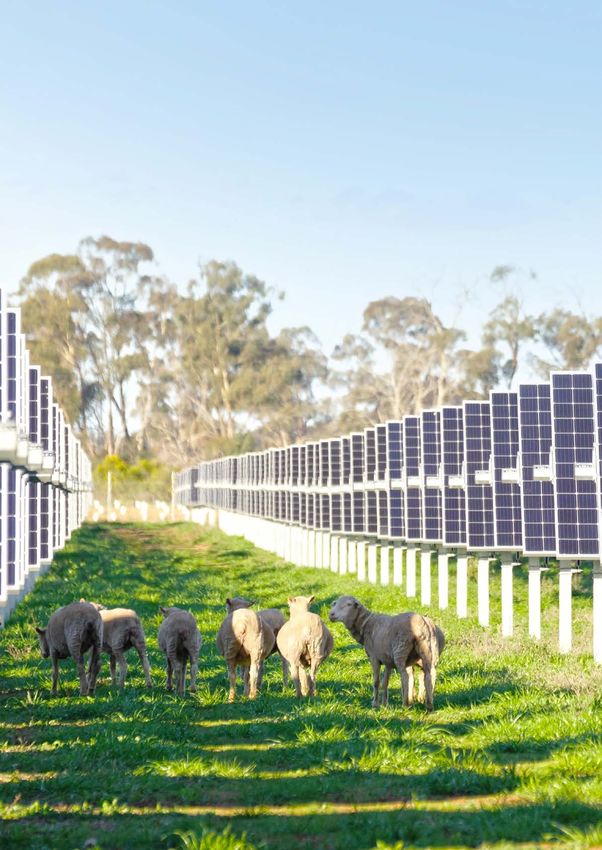
Minister’s foreword
                                                              Our electricity system has served us well, but it
                                                              is under increasing pressure. Most of our power
                                                              stations are coming to the end of their lives and
                                                              need to be replaced. We need new sources of
                                                              power to help our State grow.

                                                              Making sure that we build our modern grid at
                                                              the lowest cost and in places that work for our
                                                              regional and rural communities is an absolute
                                                              priority of the NSW Government. New energy
                                                              infrastructure needs to support, rather than take
                                                              away from, our communities. If we don’t act
                                                              now, we are going to become heavily dependent
                                                              on electricity imported from other states, risk
The Hon. Matt Kean MP                                         years of higher electricity prices in NSW or see
Minister for Energy and Environment                           development in the wrong places.

                                                              Instead, we can use our world class regional
                                                              dams to build pumped hydro power stations that
                                                              work hand in hand with cheap solar and wind
                                                              power. We can locate these projects in places
                                                              that help our rural and regional communities, and
                                                              we can encourage the private sector to build the
                                                              lowest cost generation needed to replace the
                                                              closing power stations.

4   NSW Department of Planning, Industry and Environment | NSW Electricity Infrastructure Roadmap Overview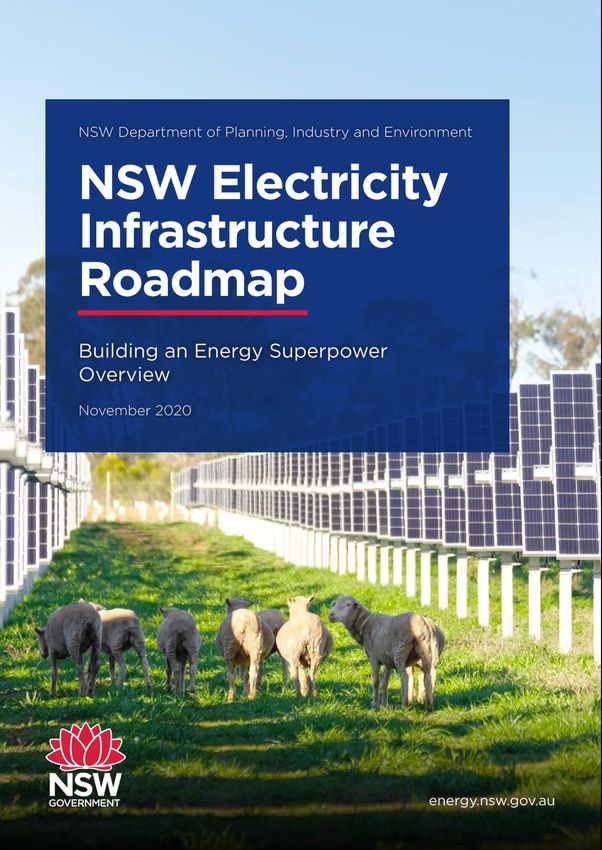
NSW has an enormous opportunity if we act now.                             This means lower electricity bills for households
The NSW Government has a vision to deliver                                 and businesses. This means cheap, low carbon
some of the cheapest, most reliable and cleanest                           electricity that our industries need to thrive
energy in the world.                                                       into the future.

The private sector sees the potential in NSW                               This plan will drive an estimated $32 billion in
and has signalled it is ready to invest with over                          private investment to 2030 and support an
120 large-scale energy generation projects                                 estimated 6,300 construction jobs and 2,800
already in the pipeline, totalling over $25 billion in                     ongoing jobs, mostly in regional NSW in 2030. It
potential investment.1                                                     will also provide a competitive advantage in low
                                                                           cost, clean energy, re-industrialising the State and
The NSW Electricity Infrastructure Roadmap
                                                                           attracting even more investment, jobs
will provide on-the-ground benefits for
                                                                           and innovation.
regional communities who have been doing
it tough with drought, bushfires and the                                   NSW is faced with an important choice: to be
COVID-19 crisis. This plan will not only help                              left behind as the world transitions to a low cost,
us recover, but also set our State up to be                                low carbon future, or set ourselves up to be a
an energy and economic superpower.                                         State where new industries thrive and jobs and
                                                                           wealth are created.
Our plan will deliver three Renewable Energy
Zones, pumped hydro schemes and generation                                 The NSW Government thinks the choice is clear.
to power our economy, day and night, for
decades to come.                                                           The Hon. Matt Kean MP
                                                                           Minister for Energy and Environment

1.   As of October 2020. Based on project information on the NSW Planning Portal and Major Projects register.

                    NSW Department of Planning, Industry and Environment | NSW Electricity Infrastructure Roadmap Overview       5
Executive summary
NSW is at a crossroads. As our existing power                            4. Keeping the grid secure and reliable:
sources come to the end of their lives and global                           backing the system with gas, batteries or
markets seek cleaner, cheaper and more reliable                             other reliable sources as needed.
energy sources, we have a once in a generation                           5. Harnessing opportunities for industry:
opportunity to redefine the State as a modern,                              empowering new and revitalised industries with
global energy superpower.                                                   cheap, reliable and low emissions electricity.
Timely action to deliver the electricity                                 The Roadmap is a coordinated framework to
infrastructure of our future—pumped hydro,                               deliver that modern electricity system. It is
Renewable Energy Zone (REZ) generation, firming                          a whole of system approach to deliver new
and transmission—can unlock internationally                              generation, transmission, long duration storage
competitive energy prices to grow the economy,                           and firming.
support jobs, and attract major new industries.
The scale of potential benefits is substantial:                          This Roadmap will set us ahead of global trends,
around $32 billion in private investment and an                          keeping our industries competitive—and attracting
estimated 6,300 construction jobs and 2,800                              new ones—with forecast NSW heavy industry
ongoing jobs in 2030.2                                                   electricity prices indicatively expected to be
                                                                         in the lowest 10 per cent of the Organisation
The NSW Electricity Infrastructure Roadmap is our                        for Economic Co-operation and Development
plan to transition the electricity sector and seize                      (OECD).3 It will make it cheaper to do business
those opportunities. It is a decisive step down the                      at all scales, saving the average small business
path towards thriving regions, a revitalised and                         an estimated $430 (small business bills) a year
re-industrialised economy, and better livelihoods                        on electricity bills. It is also expected to directly
for all NSW citizens.                                                    improve NSW livelihoods, with estimated savings
                                                                         of around $130 a year for the average household
Our modern electricity system will be built on five
                                                                         electricity bill. The Roadmap will set NSW apart
foundational pillars:
                                                                         as a true global leader delivering the electricity
1. Driving investment in regional NSW:                                   infrastructure needed to support a modern,
   supporting our regions as the State’s                                 prosperous economy.
   economic and energy powerhouse.
2. Delivering energy storage infrastructure:
   supporting stable, long-term energy
   storage in NSW.
3. Delivering Renewable Energy Zones:
   coordinating regional transmission and
   renewable generation in the right places for
   local communities.

2. All ongoing jobs estimates include on-site and off-site employment generated through investment in electricity generation and storage
   infrastructure. Source: University of Technology Sydney, Institute for Sustainable Futures, Renewable Energy Employment in Australia:
   Methodology, June 2020.
3. NSW Department of Planning, Industry and Environment calculations based on data from: International Energy Agency, World Energy Prices
   2018, May 2018.

6    NSW Department of Planning, Industry and Environment | NSW Electricity Infrastructure Roadmap Overview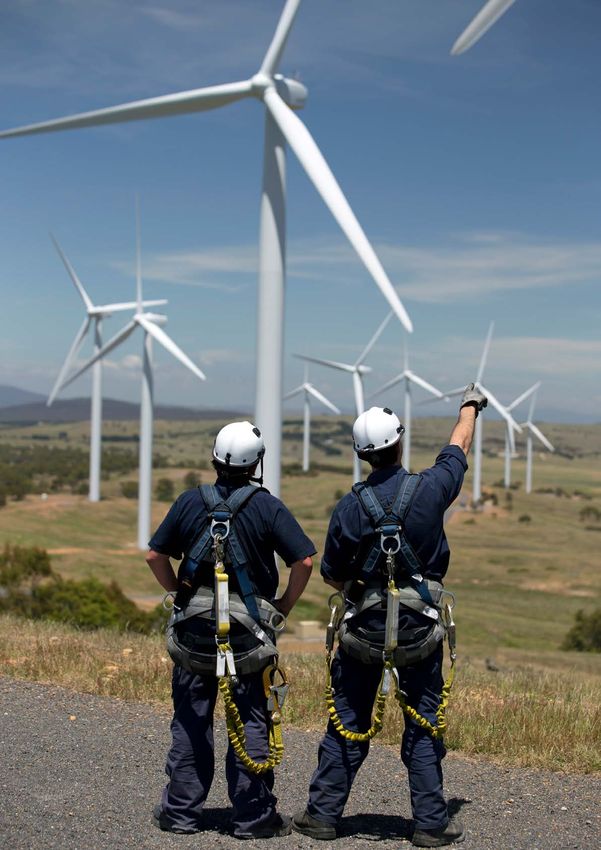
Photography
                                                      A wind farm near the town of Dalgety, NSW.

NSW Department of Planning, Industry and Environment | NSW Electricity Infrastructure Roadmap Overview   7
The energy superpower vision
Our vision is for NSW consumers to enjoy some                             Our regions will be the State’s powerhouse.
of the cheapest, cleanest, most reliable energy in                        They will see an estimated $32 billion by 2030
the world. This will make NSW one of the most                             in significant development opportunities arising
attractive places to start and grow a business,                           from electricity infrastructure investment and new
while our households will spend less on electricity                       jobs. We will open the door for new low carbon,
bills and can invest more in themselves.                                  energy intensive industries to compete in global
                                                                          markets, and attract modern industries to our
Under the Roadmap, we estimate average
                                                                          regions. This will be done in a way that supports
industrial electricity prices to fall to around
                                                                          our farmers and landowners, with lease payments
USD$84 per megawatt hour (including grid costs)
                                                                          from infrastructure helping to drought-proof
—placing NSW prices in the cheapest 10 per cent
                                                                          the regions.
of OECD jurisdictions.4 Unlocking our abundant
clean energy resources ensures we can also                                Becoming an energy superpower requires a clear
meet growing international investor and market                            plan and consistent signals to the energy sector.
demand for new, low carbon industries. With the                           The Roadmap is the NSW Government’s plan to
estimated 3 gigawatts (GW) of firm capacity by                            do just that.
2030 under the Roadmap, we can also ensure this
supply is reliable.

Meanwhile, we estimate households will pay, on
average, $130 less a year on their electricity bills
from 2023 to 2040. Small businesses are expected
to save an average of $430 (small business bill
savings) a year on their electricity bills over the
same period.

     All estimates of private investment, transmission capacity, jobs, bill savings, pricing
     and related outcomes are based on indicative development pathway forecasts developed by
     Aurora Energy Research for the Department. The Consumer Trustee, once appointed, will publish
     a detailed plan on the development pathway and the long term interests of consumers.

4. Based on International Energy Agency (IEA) industrial energy price information for 2018 collated for the OECD, and KPMG and Department
   analysis of delivered energy costs for a small industrial customer in NSW. NSW costs based on wholesale and scheme cost forecasts from
   Aurora Energy Research prepared for the Department with adjustments for equivalence with IEA prices. NSW prices include network costs for
   a typical customer using 10 gigawatt hours a year in the Ausgrid network area with an 80 per cent load factor and a 3 per cent retailer margin
   and existing NSW and Commonwealth schemes (e.g. Large-scale Generation Certificates, Small-scale Technology Certificates, Energy Savings
   Certificates, Climate Change Fund). Foreign exchange rate based on five year average.

8    NSW Department of Planning, Industry and Environment | NSW Electricity Infrastructure Roadmap Overview
Icons – Page 12

    Icons   – investment
      Attract  Page 12in industries of                                           Booming NSW regions
        the future

                             Top 10 for lowest industrial                                          $32 billion in regional energy
                             electricity prices across                                             infrastructure investment expected
                             the OECD.                                                             to 2030.

                             $200 million opportunity                                              6,300 construction jobs and 2,800
                             per year in Gross Domestic                                            ongoing jobs expected in 2030,
                             Product (GDP) growth from                                             mostly in regional NSW.
                             national hydrogen industry
                             by 2030.

                             $20 million opportunity                                               $1.5 billion in lease payments
                             in annual revenue for every 1%                                        estimated by 2042 to landholders
                             increase in ‘green’ steel output.                                     hosting new infrastructure where
                                                                                                   communities want it and in a way
                                                                                                   that supports farming.

        More for small businesses                                                More for NSW households

                             Forecast $430 a year                                                      Forecast $130 a year
                             saving on an average small                                                saving on an average
                             business electricity bill from                                            household electricity bill
                             2023 to 2040.                                                             from 2023 to 2040.

        Reliable energy                                                          Clean energy

                             3 gigawatts                                                               90 million tonnes
Department of Planning, Industry and Environment
                            of firm  capacity1                                                         of reduced carbon
 Department of Planning, Industry and Environment                                                                  Department of Planning, Industry and E
                             estimated by 2030.                                                        emissions to 2030.

    1                                                                  Department of Planning, Industry and Environment

        Note: The estimates above represent expected benefits of the NSW Electricity Infrastructure Roadmap based on available information at the time
        of this report.

Department of Planning, Industry and Environment

                          NSW Department of Planning, Industry and Environment | NSW Electricity Infrastructure Roadmap Overview                    9
Why we need a Roadmap
With some of the best natural energy resources
in the world, NSW is in a unique position to
                                                                                   According to AEMO, the cheapest
benefit from emerging low cost technologies like
                                                                                   replacement is a mix of wind, solar,
wind, solar, batteries and pumped hydro. Global
                                                                                   storage, gas and transmission.5
investors are poised to invest in clean, reliable
and affordable infrastructure if we get the market
settings right.
                                                               By providing the right investment environment,
By acting now, we can ensure NSW continues to
                                                               we create a substantial economic opportunity for
enjoy reliable electricity supply into the future
                                                               NSW. We can create a competitive advantage for
as our power stations approach the end of their
                                                               local businesses in the production of low cost,
operational lives over the next 15 years. A clear
                                                               low emissions energy with heavy industry hubs,
and coordinated Roadmap can drive investment
                                                               infrastructure and skills, to support low emissions
in new electricity infrastructure where we need it,
                                                               fuel and material production.
coordinating new generation without congesting
the grid, delivering cheaper energy to households
and businesses, and providing new jobs and
industries for our regions.

The Roadmap can unlock economic opportunities
                                                                                   Expected power station
—optimising our water infrastructure through
                                                                                   retirements in NSW
pumped hydro, growing our regional communities
through coordinated development where locals
                                                                                                   12,000
welcome it, and implementing a world class
                                                                                                                          Liddell retires
grid. We will be putting the State on the path to
                                                                                                   10,000
                                                                Forecast capacity reduction from

becoming one of the lowest cost, lowest carbon                                                                                                 Vales Point B
                                                                  retiring power stations (MW)

                                                                                                                                               retires
regions in the world.
                                                                                                   8,000
                                                                                                                                                             Eraring
This Roadmap takes action to seize                                                                                                                           retires

these opportunities.                                                                               6,000
                                                                                                                                                                    Bayswater
                                                                                                                                                                    expected
The NSW Government is committed to getting                                                                                                                          to retire
                                                                                                   4,000
the settings right to deliver the electricity
infrastructure we need. This will put into action                                                  2,000
the commitments made in the NSW Electricity
Strategy and complement the NSW Government’s                                                           0
                                                                                                            2020

                                                                                                                   2022

                                                                                                                          2024

                                                                                                                                 2026

                                                                                                                                        2028

                                                                                                                                               2030

                                                                                                                                                      2032

                                                                                                                                                             2034

                                                                                                                                                                     2036

                                                                                                                                                                            2038

                                                                                                                                                                                   2040

household and small business energy initiatives.

We will make the reforms needed to properly
coordinate generation, transmission, storage and                        Source: AEMO
                                                                             Source: AEMO, 2020 Integrated System Plan, July 2020.
firming investment at the time and scale needed.
For consumers, coordinated development means                                       Four of the five NSW coal power stations,
lower construction costs, a more reliable system,                                  accounting for three quarters of NSW’s
greater bill savings and fewer price shocks. For                                   electricity
                                                                                    6          supply, are expected to close in                                                           Depar

businesses, it makes NSW the best and easiest                                      the next 15 years.
place in which to invest and grow.

5. CSIRO, GenCost 2019-20, May 2020.

10    NSW Department of Planning, Industry and Environment | NSW Electricity Infrastructure Roadmap Overview
Why we need to act now
Keeping costs down and ensuring ongoing when average NSW electricity prices increased by
reliability means taking action now to deliver new 60 per cent after power station closures in South
electricity infrastructure. Australia (Northern) and Victoria (Hazelwood).6
The backbone of our current electricity system The cheapest replacement infrastructure we need
took 30 years to build and commission. Almost all has long construction times. It can take up to
of it was built by Government. 10 years to build a Renewable Energy Zone and
eight years to build a large pumped hydro project.
Four of the State’s five existing coal fired power
stations are expected to close within 15 years, The status quo encourages investors to wait
starting with the Liddell power station in 2022-23. for high price signals before committing to
These power stations currently provide around new projects. This leaves a long delay between
three quarters of NSW’s electricity supply and rising prices and new generation or storage
two thirds of the firm capacity we need during coming online, in the meantime leaving our State
summer heat waves. As those power stations get vulnerable to price spikes and electricity shortfalls.
older, they also start to fail more often, creating
Strategic planning and committed engagement
reliability problems.
are also critical to ensuring new private sector
If we take action to coordinate and unlock led investment. This will allow for new generation,
investment before they close, households and transmission and storage to be built before power
businesses will benefit from stable electricity stations close over the next 15 years in order to
prices and supply, avoiding issues that occurred avoid a rapid increase in prices.
The infrastructure needed to replace power stations has long lead times
Source: AEMO, 2020 Integrated System Plan, July 2020.
6. AEMO, National Electricity Market Data Dashboard, www.aemo.com.au/energy-systems/electricity/national-electricity-market-nem/data-nem/
data-dashboard-nem#nem-dispatch-overview
NSW Department of Planning, Industry and Environment | NSW Electricity Infrastructure Roadmap Overview 11What is the Roadmap?
The five pillars of our Roadmap:
The NSW Electricity Infrastructure Roadmap is
Regional NSW - the State’s
the NSW Government’s plan to deliver the major 1 powerhouse (pages 14-17)
infrastructure needed to modernise our electricity
system and power our economy.
Delivering energy storage
Under the Roadmap, consumers will benefit from 2 infrastructure (pages 18-25)
low cost, clean electricity generation backed up
by 24 hour power sources. To do this, weSnowy
areMountains Hydroelectric Scheme, NSW.
Delivering Renewable Energy
getting the investment settings in NSW right for 3 Credit: iStock
Zones (pages 26-31)
the private sector to compete to deliver the new
infrastructure we need at the lowest cost.
Snowy Mountains Hydroelectric Scheme, NSW.
Firming
The Roadmap complements other NSW
4Credit: iStock
(pages 32-33)
Government initiatives that are already helping
NSW households and businesses to reduce their Opportunities for industry
energy use and save money on energy bills, 5 (pages 34-43)
including the Energy Security Safeguard, Solar
for Low Income Households and Empowering
Homes programs.
The future of Cheaper electricity under the Roadmap
electricity in NSW $140
Average wholesale electricity price ($/MWh)
$140
Average wholesale electricity price ($/MWh)
The NSW Government has a vision for our $120
future that will deliver cheap, reliable and $120
Average $73 per MWh
$100
clean energy that powers the economy. Average $73 per MWh
$100
That means giving households and $80
$80
businesses access to cheap electricity,
$60
revitalising regional areas with an influx of $60
investment and jobs and attracting new
$40$40
industries and businesses to NSW. AroundAround
$50 per$50
MWhper MWh
$20$20
This future also means a more reliable
electricity system while we transition to new, $0 $0
2024
2026
2028
2030
2032
2034
2036
2038
2040
cleaner energy sources that will deliver on
2024
2026
2028
2030
2032
2034
2036
2038
2040
our ambition of net zero emissions by 2050.
Forecastelectricity
Forecast electricity prices
price under
s unde thessBusiness
r B usine as Usua l as Usual scenario
Forecast electricity price s unde r B usine ss as Usua l
sce nario
sce nario
Forecast
Forecast electricity prices under
electricity prices underthe
Roadmap
Roadmap
Forecast electricity prices under Roadmap
Source: Aurora Energy Research forecasts prepared for
the Department.
12 NSW Department of Planning, Industry and Environment | NSW Electricity Infrastructure Roadmap OverviewPhotography
Snowy Mountains Hydroelectric Scheme, NSW.
NSW Department of Planning, Industry and Environment | NSW Electricity Infrastructure Roadmap Overview 13PILLAR 1
Icons – Page 1
Regional NSW - the State’s powerhouse
Icons – Page
Through the coordinated build out of electricity The Renewable Energy Zones will also help
infrastructure under the Roadmap, we can drought-proof farming communities, providing
deliver growth and long term jobs where our new income streams for landholders that host
communities need it most. Our Renewable Energy energy infrastructure. We will also encourage
Icons – Page 12
Zones and pumped hydro sites have the potential investors to build renewables in places and ways
to deliver a huge boost to local communities. that support farming.
Host communities could also benefit from To ensure lasting benefits beyond construction,
improvements to their distribution networks, the NSW Government will work to attract energy
connecting them with the low cost, clean intensive industries, such as minerals processing,
electricity generated locally. IT and data centres, agriculture, manufacturing or
food processing to be co-located with the new
Major energy infrastructure projects will bring jobs
energy infrastructure.
to the regions with flow on benefits, including
improvements to roads and telecommunications.
An estimated Around
$32 billion 6,300 regional
private investment construction jobs
in energy infrastructure expected in 2030.
by 2030.
$1.5 billion in New
lease payments agricultural jobs
by 2042 estimated for through intensified
landholders choosing cultivation and food
to host electricity manufacturing supply
infrastructure. chain opportunities
unlocked by
cheaper energy.
1
14 NSW Department of Planning, Industry and Environment | NSW Electricity Infrastructure Roadmap OverviewPhotography
Workers inspecting wind farm near Bungendore, NSW.
NSW Department of Planning, Industry and Environment | NSW Electricity Infrastructure Roadmap Overview 15Case study
Renewables and agriculture
Tom Warren is a sheep farmer from Dubbo. Since
2017, he has hosted a 55 hectare solar farm on his
property which is owned and operated by Neoen.
Tom’s farm is an example of the benefits that can
be realised through co-locating agriculture
Grazing of sheep, of the
and renewables.
appropriate breed, and solar
Tom grazes his Merino wether sheep on the farming can co-exist without
land under the tracking solar panel system. The a problem whatsoever, and
condensation that runs off the solar panels in the with a net benefit overall to
mornings helps to keep the grass growing, and the community and also to
provides a food source for his sheep, while the the owner of the land and the
panels themselves provide shade for the sheep in owner of the sheep. It’s a win-
the warmer months. Tom is a firm believer in the win. An absolute win-win.”
benefit of multi-purposing farming land, for the
Tom Warren
benefit of both farmers and renewable
energy producers.
Photography
Solar farm at Dubbo, NSW. Image courtesy of Neoen.
16 NSW Department of Planning, Industry and Environment | NSW Electricity Infrastructure Roadmap OverviewBy supporting the coordinated build out of energy
infrastructure, the Roadmap can provide new
Energy Corporation of NSW
investment, growth and long term jobs in
the regions. The interests of local regional communities
will also be a core consideration of the
Under the Roadmap, new energy projects will
Energy Corporation of NSW, the entity
not only compete to generate low electricity
responsible for coordinating the delivery
prices, but also on how they will deliver the best
of the Renewable Energy Zones in the
outcomes for local communities. This includes
Central-West Orana, New England and
commitments for how they will:
South West NSW.
• improve local employment and
The Energy Corporation will take a
business opportunities
holistic view of Renewable Energy Zone
• ensure compatibility and complementarity infrastructure delivery. This includes
with existing agricultural land uses engaging with communities to understand
• maintain strong local community engagement local expectations and realising on-the-
and support for their project. ground benefits.
Regions hosting Renewable Energy Zones The Energy Corporation will seek to
can also benefit from improved achieve a balance between electricity,
telecommunications capacity, leveraging agriculture, heritage, visual amenity, mining
the ability for telecommunications infrastructure and other land uses within the proposed
to be co-located with transmission lines. Renewable Energy Zones. It will also
be able to restrict network connection
Improvements to local electricity distribution
of projects over 30 megawatts (MW)
networks could allow regional communities to
in Renewable Energy Zones where
directly benefit from the cheap, clean electricity
reasonably necessary to maintain social
produced locally in Renewable Energy Zones.
licence, such as where projects would be in
close proximity to towns and face strong
local community opposition.
Forecast construction and ongoing jobs
Source: Forecast jobs figures were calculated using the methodology in University of Technology Sydney, Institute for
Sustainable Futures, Renewable Energy Employment in Australia: Methodology, 2020.
NSW Department of Planning, Industry and Environment | NSW Electricity Infrastructure Roadmap Overview 17PILLAR 2
Delivering energy storage infrastructure
Energy storage infrastructure—such as batteries
Ensuring 24 hour power and pumped hydro—allows renewable energy to
While renewables are the cheapest and be stored and then released on demand when it
cleanest form of new generation, they rely on is needed, creating stability and reliability in the
environmental factors—like sun and wind—to electricity system.
produce electricity. Sometimes, like when the sun
is shining and the wind is blowing, these natural
resources are abundant. Other times, less so. This
means renewables need to be backed up by long
duration storage, to ensure power is available at all
times when it is needed.
How storage ‘firms’ renewables 7
1 Wind and solar can produce abundant energy, but not always when we need it. The figure above is a hypothetical
example of how batteries and pumped hydro can ‘firm’ renewables by storing excess energy when demand is low, like
in the middle of the day, and releasing it when demand is high, like in the evening as people return home from work
or school.
7. Chart is illustrative only, based on typical generation profiles.
18 NSW Department of Planning, Industry and Environment | NSW Electricity Infrastructure Roadmap OverviewPumped hydro
Pumped hydro projects will stimulate
One of the most effective and reliable forms of regional NSW economies through
long duration storage is pumped hydro—when the construction and operation, supporting
sun’s not shining and the wind’s not blowing, the jobs and attracting new industries.
water runs down a hill through massive turbines.
It works by running water from an upper reservoir Pumped hydro is a proven form of large scale
to a lower one through a turbine to generate energy storage technology used across the world
electricity. When cheap, clean energy is available, to produce reliable electricity.
water is pumped back to the upper reservoir.
Here it is stored, ready to be released and
generate electricity when needed. It can also
provide inertia and important services to
support electricity grid stability.
How a pumped-storage hydroelectric power station works
1. 2. 3.
Water is pumped into When there is a spike in The water flows quickly
the upper reservoir using demand, or a drop off in down the pipes which
cheaper energy when wind or solar generation turns the turbines to
demand is low or there is an —even for a short time— generate power.
excess of renewable energy energy is called for and
because the sun is shining the water is released.
and the wind is blowing.
Electricity Upper
grid reservoir
Pump up to
Release flow
store water
to generate
Lower power
reservoir
Power station
(turbines & pumps)
NSW Department of Planning, Industry and Environment | NSW Electricity Infrastructure Roadmap Overview 19The Australian Energy Market Operator’s (AEMO) However, the costs of feasibility studies can be
Integrated System Plan finds that by the mid-2030s, prohibitive for developers. Furthermore, projects
NSW will need about 2.3 GW of energy storage can take, on average, eight years to plan and build.
with four to 12 hours of duration to maintain
Given the long lead times and upfront costs, the
system reliability and security.8 This is in addition
NSW Government is taking action now to provide
to the new 2 GW of capacity at Snowy 2.0 being
the support that is needed to ensure pumped
developed by the Commonwealth. NSW needs to
hydro projects are built before the closure of
invest in more pumped hydro infrastructure.
existing power stations to deliver reliability in the
As highlighted in the NSW Pumped Hydro energy system.
Roadmap, NSW has considerable potential for
pumped hydro projects and the private sector
is ready to invest.
Working with the Australian National University, the NSW Government mapped
20,000 reservoirs in the natural landscape that could be used as storage for pumped
hydro energy as part of the NSW Pumped Hydro Roadmap.9
North East
4,350 reservoirs
35,250 possible schemes
Lower North Coast
22.6 TW of opportunities
3,350 reservoirs
16,750 possible schemes
Goondiwindi
9.2 TW of opportunities
Ballina
Moree
Grafton
Central West
1,500 reservoirs
5,600 possible schemes Armidale Coffs Harbour
2.2 TW of opportunities
Baradine
Tamworth
Macquarie
Broken Hill
Dubbo
Shoalhaven
950 reservoirs Newcastle
2,550 possible schemes Orange
1.3 TW of opportunities
Sydney
Mildura
Griffith
Wollongong
Goulburn
Wagga Wagga
Riverina Canberra
2,350 reservoirs
Batemans Bay
10,600 possible schemes Legend
Legend
5 TW of opportunities Cooma National Park
Albury Opportunity Score
7 - 10
South East
10 - 12.5
1,850 reservoirs
13,900 possible schemes 12.5 - 15
9.1 TW of opportunities 15 - 17.5
17.5 - 20
Map
NSW Pumped Hydro Roadmap.
8. Australian Energy Market Operator, 2020 Integrated System Plan, July 2020.
9. NSW Government, NSW Pumped Hydro Roadmap, December 2018.
20 NSW Department of Planning, Industry and Environment | NSW Electricity Infrastructure Roadmap OverviewPhotography
Hume Dam, NSW. Image courtesy of WaterNSW.
NSW Department of Planning, Industry and Environment | NSW Electricity Infrastructure Roadmap Overview 21What action are we taking?
The NSW Government will support the development of lowest cost energy storage by getting the
settings right to encourage private sector investment.
1 2
Electricity Infrastructure Pumped Hydro Recoverable
Investment Safeguard – Grants Program
long duration storage Developing pumped hydro infrastructure has a
The NSW Government will reform the electricity high degree of financial risk because of the lack
infrastructure investment market by creating the of detailed subterranean information, meaning
Electricity Infrastructure Investment Safeguard. complex feasibilities studies are required.
A Consumer Trustee will be appointed to protect
The Pumped Hydro Recoverable Grants Program
the long-term interests of consumers.
will provide grants to developers to assist with
The Consumer Trustee will run competitive the cost of early stage, detailed project feasibility
processes on behalf of consumers to award studies for new pumped hydro projects.
Long Term Energy Services Agreements. These
The program will allow the initial project risks to
Agreements will provide investors with the
be shared between the NSW Government and
long-term certainty they need to lower the cost
developers and provide a runway to support
of electricity.
projects that otherwise may not be advanced
The first limb of the Electricity Infrastructure enough to compete in the Infrastructure
Investment Safeguard involves a clear Safeguard market. If a project moves to the
Development Pathway for long duration storage construction phase, the grant will be repaid to the
projects—like pumped hydro—to balance out the NSW Government.
higher penetration of variable renewable energy.
A budget of $50 million will be available to
This will maintain the reliability and security of our
support up to 3 GW of pumped hydro projects,
electricity supply.
with an estimated 1 GW of undeveloped greenfield
The Consumer Trustee will follow an investment land and around 2 GW of previously developed
objective for long duration storage of 2 GW by brownfield land projects.
2030 (in addition to Snowy 2.0) and as otherwise
Three pumped hydro projects have already been
needed to support the State in maintaining
awarded grants in the first round of the NSW
reliability over the medium term while keeping
Emerging Energy Program to assist with early
downward pressure on energy prices.
stage development activities. This next round will
provide larger funding amounts to fast track
more development work needed to build these
types of projects.
22 NSW Department of Planning, Industry and Environment | NSW Electricity Infrastructure Roadmap OverviewCase study
Snowy 2.0
Snowy 2.0 is a project to expand the original Snowy 2.0 will be critical to the future security
Snowy Mountains Hydroelectric Scheme with an and reliability of our energy system and will put
additional 2 GW of electricity generation capacity downward pressure on electricity prices through
and 350,000 megawatt hours of energy storage. providing much needed generation capacity and
Producing enough power for 500,000 homes, it energy storage, reducing our reliance on more
will link the Tantangara and Talbingo Reservoirs expensive forms of generation.
with a 27 km tunnel and a new power station that
will be around 1 km underground.10
Photography
Tumut Hydroelectric Power Station, Snowy Mountains, NSW.
10. Australian Government Department of Industry, Science, Energy and Resources, Pumped hydro,
www.energy.gov.au/government-priorities/energy-supply/pumped-hydro-and-snowy-20
NSW Department of Planning, Industry and Environment | NSW Electricity Infrastructure Roadmap Overview 23What is the Electricity Infrastructure
Investment Safeguard?
The Electricity Infrastructure Investment A Consumer Trustee will be appointed to run a
Safeguard (Infrastructure Safeguard) is an competitive process to offer Long Term Energy
investment signal to deliver the new electricity Services Agreements to projects on behalf of
infrastructure NSW needs. consumers. The Agreements will drive investment
in projects that align with identified needs and
The Infrastructure Safeguard provides a
provide investors with certainty.
framework for technologies to compete to deliver
the energy services they are best placed to In this way, the Infrastructure Safeguard will
deliver, including: provide a pathway for the delivery of low-cost,
reliable energy infrastructure.
• Renewable Energy Zone generation
• long duration storage The Infrastructure Safeguard will also support the
NSW Energy Security Target while striking the
• firming.
right balance of technologies to replace our retiring
power stations and support local communities.
Operation of Long The Consumer Trustee
Term Energy Services The Consumer Trustee is responsible for
Agreements protecting the interests of consumers. It does this
by finding the best Long Term Energy Services
The nature of each Long Term Energy Services Agreements for consumers. In order to make sure
Agreement will depend on the type of project electricity retailers are able to secure long-term
and identified need. For Renewable Energy Zone contracts, the Consumer Trustee will be allowed
projects, the Agreements give generators the to on-sell any energy services purchased through
option to sell their electricity at an agreed price. the Infrastructure Safeguard to retailers or NSW
Options contracts give generators assurance of a companies. It can also require contributions from
minimum price for their electricity, while distribution network businesses to cover any of
a competitive process maximises value its remaining costs. While those contributions are
for consumers. added to network charges, consumers are the
ultimate beneficiaries of lower electricity prices
For long duration storage projects, Agreements under the Infrastructure Safeguard.
will give projects the option to receive an
availability payment. This provides revenue The Consumer Trustee will be responsible for
assurance for the term of the Agreement and following infrastructure investment objectives
ensures long duration storage projects are built and determining the design and schedule of
to keep the grid reliable. If a shortfall in the NSW competitive processes to award Long Term
Energy Security Target is forecast, Agreements Energy Services Agreements.
can be used to support the delivery of firm
generation to meet the State’s reliability needs.
24 NSW Department of Planning, Industry and Environment | NSW Electricity Infrastructure Roadmap OverviewPutting consumers first • ensuring sufficient capacity in the system to
keep the lights on when demand is high.
The Infrastructure Safeguard has been
designed to ensure new energy infrastructure Long Term Energy Services Agreements give
optimises benefits for consumers at lowest investors confidence by providing assurance
cost and risk. It will do this by: of a competitively set minimum return.
However, under the Infrastructure Safeguard,
• encouraging new, low cost projects payments are only likely to be triggered if
• keeping project costs down, leading to consumers are already benefiting from low
lower energy bills energy prices.
• reducing risks of delayed investment and If prices increase again and the project is
associated price spikes making strong returns in the market, the
project repays consumers – a win-win scenario.
Photography
Large scale solar generation.
NSW Department of Planning, Industry and Environment | NSW Electricity Infrastructure Roadmap Overview 25PILLAR 3
Delivering Renewable Energy Zones
Renewable Energy Zones are the modern-day The Government is prioritising the delivery of
equivalent of traditional power stations. They three Renewable Energy Zones, including a 3 GW
combine generation, transmission, storage and zone in the Central-West Orana region and an
system strength services to ensure a secure, 8 GW zone in the New England region.
affordable and reliable energy system.
They will play a crucial role in delivering affordable
energy to help replace the State’s existing power
stations as they retire over the next 15 years.
What is a Renewable Energy Zone?
System
Security
Wind Services Solar
Other Dispatchables Hydro
Transmission
Connection
Line
New shared network
Existing shared network
Renewable Energy Zone Infrastructure
Transmission Line
26 NSW Department of Planning, Industry and Environment | NSW Electricity Infrastructure Roadmap OverviewCoordinating generation Our Renewable Energy
and transmission Zone goals
infrastructure The Renewable Energy Zones will unlock a
substantial pipeline of large-scale renewable
Investment in generation and transmission on
energy and storage projects and deliver lasting
this scale has not occurred in NSW for decades.
benefits for NSW, including:
Our regulatory and market frameworks are not
set up for the private sector to deliver the • more reliable energy from significant
electricity infrastructure we need in the time and amounts of new energy supply
at the scale needed. • energy bill savings from reduced wholesale
The transmission system is congested and its electricity costs
capacity to connect new generators is limited. • emissions reduction from a cleaner
Transmission projects have long lead times and electricity sector
can take many years to develop. These projects • community partnership from strategic
cannot currently be approved unless there is planning and best practice engagement
matching forecast generation. At the same time, and benefit sharing.
generators will not commit to build unless the
transmission has been approved to be built. Even
with transmission, generators still need revenue
certainty. This creates a ‘chicken and egg’ problem
that is stifling investment in our energy sector.
If left to existing market signals, investment could
come too late to prevent price spikes and reliability
issues. It is also likely to occur ad-hoc, negatively
impacting local communities. Coordination will
ensure that investment is orderly, timely, optimised
and efficient. It also allows for careful and
deliberate consideration of community priorities
and concerns.
NSW Department of Planning, Industry and Environment | NSW Electricity Infrastructure Roadmap Overview 27Pilot Central-West Orana Renewable Through a Registration of Interest process, the
Energy Zone NSW Government received 27 GW of generation
and storage proposals from investors looking to
Work is already underway on a pilot Renewable build in the Renewable Energy Zone—more than
Energy Zone in the Central-West Orana region— nine times the proposed capacity of 3 GW.
due to be shovel-ready by the end of 2022.
3 GW Enough to
new transmission power around
capacity. 1.4 million homes.
Around 3,900 Up to $5.2 billion
expected peak
Ä Moorambilla
ª private investment
Girilambone Solar Farm Ä Gunnedah
ª
Solar Farm construction jobs. WARRUMBUNGLE expected into the Central-
Solar Farm TAMWORTH
LGA !
Ä
ª COONAMBLE
LGA
West Orana region to 2030.
GUNNEDAH
LGA
Legend
Solar Developments TAMWORTH
LGA
REGIONAL
rren Hut ªÄ In Planning
lar Farm
Ä Moorambilla
ª Ä Moorambilla
ª
Girilambone Solar Farm Ä Gunnedah
ª ªÄ Gunnedah ª
Solar Farm
Girilambone
Solar Farm
Solar Farm WARRUMBUNGLE
LGA WARRUMBUNGLE
Solar Solar
Ä Approved
FarmFarm TAMWORTH
TAMWORTH
LGA !
Ä NYNGAN
ª Ä
ª WARREN
GILGANDRA
LGA
COONAMBLE COONAMBLE
ªÄ Under Construction
!
Central-West Orana REZ
LGA LGA LGA LIVERPOOL PLAINS
Ä Bogan River
ª
LGA
! GUNNEDAHGUNNEDAH
LGA
LGA Legend
an Solar Farm Indicative Location ªÄLegend
Operational
Solar Developments TAMWORTH REGIONAL
Solar Developments TAMWORTH
LGAREGIONAL
Plant Nevertire
Yarren Hut
Liverpool Range Wind Developments LGA
ÄIn Planning
Ī
In Planning
arren Hut Wind Farm
Solar
SolarFarm
Farm Ī In Planning
¤
olar Farm Ä
ª Gilgandra Ä Ä
ª
¤
Approved
Ä
ª Solar Farm
GILGANDRA
Ä
Ī ª Approved
Approved
¤
NYNGAN WARREN
Ä
LGA
LGA
Dunedoo Orana REZ
Central-West Valley of LIVERPOOL PLAINS Ä Under Construction
NYNGAN ª ªÄ Bogan River
!
WARREN
GILGANDRA
LGA Ä
ª LGA
Ī
ĪUnder Construction
Solar
Central-West Orana Farm
REZ Ä the Winds ÄUnder Construction
¤
LIVERPOOL PLAINS
Indicative Location
LGA
¤
Operational
ªÄ Bogan River Nyngan Solar Farm LGA
!
UPPER HUNTER
Ä
ª
Indicative Location Wind Farm LGA
Liverpool Range Ī
Ä Operational
¤
Solar Plant Nevertire Operational
Wind Developments
gan Solar Farm Dubbo Wind Farm
Solar Farm Liverpool Ä
Operating System Voltages (kV)
ar Plant Ä Range In Planning
¤
Nevertire Wahroonga Solar Hub Gilgandra North
Wellington Wind Developments
¤
NARROMINE
Ä
ª Stubbo Wind Farm
ÄÄ
LGA
Solar Farm 132kV Approved
Solar Farm Solar Farm
¤
Solar Farm Dunedoo
Solar Farm Valley of In Planning
¤
Narromine ªÄª Gilgandra Ä
ª Ä
¤ ¤
Ä
ª Ä Solar Farm Ä the Winds Ä
330kV Under Construction
¤
DUBBO ! Solar Farm Ä
Bodangora Dunedooª ÄÄ
Approved
ªÄ
¤
Solar Farm
UPPER HUNTER
Ä Valley of Wind Farm
ª LGA 500kV Operational
¤
(Dubbo Solar Hub) Ä Maryvale
ª Wind Farm Solarª
Dubbo Ä Beryl
Farm the Winds ÄUnder Construction
¤
Ä Operating System Voltages (kV)
Primary Road
¤
Wahroonga
Solar Farm Ä
Solar Hub Wellington Solar
North Farm
Ä Wollar
UPPER HUNTER
NARROMINE
Ä
ª Stubbo ª
¤
Wind Farm LGA
Ä Local
Operational
132kV
¤
LGA
Solar Farm Solar Farm Government
Solar FarmSolar Farm
Suntop
Narromine ªÄ
Dubbo
Ä DUBBO
ª Ä
ª Ä
ª Operating
330kV
System Voltages (kV)
Farm Solar Hub ª Ī
ÄWellington
!
Indicative Location of Renewable
NARROMINE Solar
WahroongaSolarFarm Ä
ª North Bodangora Stubbo 500kV
(DubboFarmSolar Hub) Maryvale Ä Burrundulla Beryl Energy
132kVZone
¤
LGA
Solar Ä Wind Farm
Suntop Stage 2 Ä
ªª Solar Farm
Solar Farm Uungula Ä ÄSolar
ªSolar FarmÄFarm
ª Solar Farm
Primary Road
Narromine ª ÄªÄ DUBBO Ä Wollar
ª
¤
MUSWELLBROOK 330kV
HLAN
Solar Farm
Solar Farm
Ä
ª
!
Suntop ÄWind Farm ª
ª Ä Solar Farm LGA Local Government
GA
Solar FarmÄ Bodangora
ª Ä
ª Ä
ª Beryl
MID-WESTERN REGIONAL
LGA
500kV
Indicative Location of Renewable
(Dubbo Solar Hub) Maryvale Mumbil Wind Farm ÄÄ
ª Burrundulla
Energy Zone
¤
Solar Farm
Suntop 2Ä ª
Stage Solar ªÄ
ÄFarm Solar
Uungula Farm ª Ä Wollar
Primary Road
SolarªÄ
¤
Wellington Farm
WindCrudine
Farm Ridge
MUSWELLBROOK
LACHLAN
Solar Farm SolarMID-WESTERN
Farm REGIONAL LGA Local Government
LGA
PARKES SuntopSolar Farm Ä DUBBO
ª Ä
ª Wind Farm LGA
LGA
Solar Farm Ī
ª Ä REGIONAL Mumbil
Ä
SINGLETON
LGA
Indicative Location of Renewable
Ä Solar Farm Burrundulla Energy Zone
¤
LGA
¤
Parkes Suntop Stage 2 ªÄMolong
Ī Wellington
Uungula Ä
ª Crudine Ridge
CESSNOCK
LGA
Solar Farm
PARKES
Quorn Park LGASolar Farm Solar Farm
Solar Farm DUBBO Solar Farm Wind Farm MUSWELLBROOK LAKE MACQUARIE
WindREGIONAL
Farm
CHLAN SINGLETON
LGA LGA
LGA
Ä ª Ä Solar FarmParkes Ä ª
ª ÄOrangeMolong Ä MID-WESTERN LGA
¤
ª LGA
LGA
REGIONAL
CESSNOCK
LGA
Goonumbla Solar Farm Quorn Park Mumbil Solar Farm LAKE MACQUARIE
Manildra
Ä Solar Solar
Solar Farm Farm
LGA
Solar Farm Ä ª
ª Farm Ä
Farm ª
Wellington
Solar
Ä
ª Crudine Ridge
Jemalong PARKES Goonumbla Solar Farm ORANGE
Ä
ª Orange BATHURST REGIONAL
LITHGOW CITY
HAWKESBURY
LGA
LGA
Solar Farm
Manildra
DUBBO
!
Solar Farm LGA
Wind Farm LGA SINGLETON CENTRAL COAST
Solar Farm
Ä Daroobalgie
REGIONALª
SolarORANGE
Farm Ä ÄEglinton ª
ª Ä Ä BATHURSTLGAREGIONAL
ª LGA HAWKESBURY LGA
¤
Jemalong CABONNE
Molong
LGA
LGA
ORANGE
LITHGOW CITY LGA
Ä
ª Parkes
FORBES
Ä Solar FarmSolar FarmSolar
ª
!
Farm
LGA
Solar Farm
!
Eglinton Ä
ª
LGA CESSNOCK
CENTRAL COAST
LGA
Quorn Park Ä Daroobalgie Solar Farm
ª CABONNE
ORANGE
LGA
Brewongle
LGA
LAKE MACQUARIE
Jemalong Ä FORBES
ª
Ä
ª
! LGA
Flyers Creek Solar
ªÄFarm LGA
Solar Thermal LGAª
FORBES
Ä ª Ä Jemalong
Solar Farm Solar Farm Ä
ª Wind Farm Solar Farm Brewongle
Ä Orange Flyers Creek Ä
ª
Goonumbla
¤
FORBES
Pilot Plant Solar Thermal LGA Solar Farm
Solar Farm
Manildra Solar Farm
Ä Blayney Ä Wind Farm NEW
¤
Pilot Plant
Solar Farm ª Ä SOUTH
¤
BLUE MOUNTAINS
Jemalong Ä
ª
BLAYNEY
Wind BLAYNEY
Farm Ä Blayney
BATHURST REGIONAL LGA BLUE MOUNTAINS HAWKESBURY
WALES
NEW
SOUTH
2 Wind Farm D
¤
LITHGOW CITY
ORANGE LGA LGA LGA
! LGA WALES
LGA CENTRAL COAST
Solar Farm
LGA
Ä Daroobalgie
ª CABONNE
ORANGE
LGA
Eglinton Ä
ª LGA
Ä
ª Ä
ª FORBES !
Solar Farm
LGA
COWRA COWRA
Solar [Farm
[
LGA
Kilometres Brewongle
LGA
Jemalong WEDDIN LGAFORBES
WEDDIN
LGA 0 5Flyers
10 20Creek
Kilometres
30 0 5 10 20 30 ªÄ Solar
OBERON OBERON
SYDNEY
SYDNEY !
!
Farm
LGA LGA
Solar Thermal LGA Wind Farm Scale: 1:1,250,000 @ A3
Scale: 1:1,250,000 @ A3
Ä
¤
Pilot Plant
Ä Blayney
NEW
SOUTH
¤
BLUE MOUNTAINS
BLAYNEY
LGA
Wind Farm LGA WALES
COWRA
LGA
[ Industry and Environment
Department of Planning,
SYDNEY !
WEDDIN Kilometres
OBERON
NSW Department of Planning, Industry and Environment | 2NSW Electricity Infrastructure Roadmap Overview D
LGA 0 5 10 20 30
28 Scale: 1:1,250,000 @ A3
LGAThe Roadmap builds on The NSW Government is also establishing a
special access rights regime for generators and
our existing work storage providers to connect to the Renewable
Energy Zones. Dedicated rights can de-risk new
In June 2020, the NSW Government announced
projects, enabling them to better forecast energy
that it would set up the Energy Corporation
exports and revenue streams and lower their costs
of NSW to work closely with communities and
of finance. This also ensures strategic and optimal
industry stakeholders, coordinating generation
use of new transmission infrastructure, maximising
and transmission at every level. The NSW
the benefits of these investments to consumers.
Government also committed $120 million to get
the State’s first two Renewable Energy Zones up This Roadmap introduces new elements to
and running, and the Commonwealth Government remove more barriers to investment and maximise
committed to financially support the transmission Renewable Energy Zone benefits for communities.
for the Central–West Orana pilot Renewable
Energy Zone.
Photography
Solar farm at Moree, NSW.
NSW Department of Planning, Industry and Environment | NSW Electricity Infrastructure Roadmap Overview 291 2
Renewable Energy Zone – Electricity Infrastructure
Transmission Development Scheme Investment Safeguard – Renewable
The Government will establish the Transmission
Energy Zone generation
Development Scheme to de-risk Renewable The Electricity Infrastructure Investment
Energy Zone grid investment. Safeguard will unlock new generation in
Renewable Energy Zones and increase
The Scheme will bridge the gap between when
competition in the energy market to drive down
the grid is built and when generators connect,
energy prices. It will give Renewable Energy Zone
solving the ‘chicken and egg’ problem that
investors the long-term revenue certainty they
currently prevents large-scale grid expansion.
need to secure lower cost project finance and
The Scheme will be supported by a regulated build new infrastructure in NSW.
cost recovery process that will facilitate low cost
Long Term Energy Services Agreements will
financing for new transmission development.
be awarded through a competitive process to
The Scheme is designed to minimise costs to Renewable Energy Zone generation projects.
consumers. It will involve a rigorous, independent Projects will be assessed against a range of
assessment to determine the reasonable and eligibility and merit criteria to ensure they meet
prudent costs of building the Renewable Energy the NSW Government’s objectives of delivering
Zone transmission. This will protect consumers low cost electricity and strong
from cost overruns. community outcomes.
This builds on the financial support committed Awarding of Agreements will encourage
by the Commonwealth Government for the pilot generators to support local jobs and the local
Central-West Orana Renewable Energy Zone, and economy, engage with local communities and
will enable additional zones to be built. proceed in locations and ways that
support agriculture.
The Renewable Energy Zones will also support
improvements to the distribution network, The Consumer Trustee will follow an investment
benefiting local communities. objective for Renewable Energy Zones. This will
see generation equivalent to the size of the 3 GW
Overall, the Scheme will allow Renewable Energy
Central-West Orana Renewable Energy Zone,
Zones to be planned in a way that meets the long-
8 GW New England Renewable Energy Zone built
term energy needs of NSW.
and a 1 GW allowance for outstanding projects
by 2030 and otherwise to maintain reliability and
minimise consumer prices.
30 NSW Department of Planning, Industry and Environment | NSW Electricity Infrastructure Roadmap Overview3
Planning
The NSW Government will support
The NSW Government will establish a Renewable
planning processes to reduce assessment
Energy Zone planning framework to streamline
timeframes and planning fees for
assessments, attract investment, optimise
Renewable Energy Zone projects, saving
complementary land uses and deliver enduring
investors time and money.
benefits for regional communities.
For communities, it will provide an opportunity
to engage with Renewable Energy Zone delivery
as a whole, rather than in a piecemeal, project-
by-project way. It will also seek opportunities for
broader scale community benefit sharing and
better environmental outcomes.
Photography
Worker inspecting solar panels.
NSW Department of Planning, Industry and Environment | NSW Electricity Infrastructure Roadmap Overview 31PILLAR 4
Firming
Dispatchable electricity infrastructure is critical
Firming refers to generation that can deliver electricity to the market on demand.
Firming can be provided by a range of South Australian ‘Emu’ Curve
technologies, including batteries, gas forecasting a steeper evening ramp
generators and demand response. In the over time11
future, fast firming may also be able to
1600
be provided by hydrogen generators.
SA Operational Demand Forecast (MW)
1400
1200
As the electricity market moves towards more 1000
generation that relies on variable conditions, like 800
weather, firming is increasingly valuable to ensure
600
we can quickly stabilise the electricity system and
meet peak demand. 400
200
The Electricity Infrastructure Investment
0
Safeguard will ensure enough firming capacity
-200
is in the market to back up renewables and keep 12 AM 6 AM 12 PM 6 PM 12 AM
the system stable. 2019 2020 2021 2022 2023
For example, gas peaking plants can help provide
As renewable generation, particularly
stability because they can sit at a low-level or even
rooftop solar, enters the system, the
be offline during low-demand periods, and rapidly
ramp up in evening electricity demand
ramp-up to meet evening demand. Big batteries
on the grid is predicted to become
can also store and dispatch energy when needed.
steeper without action, as shown here
Bioenergy can also provide on-demand energy,
in South Australia’s ‘emu curve’. Firming
complementing other firm technologies.
technologies can rapidly increase their
Where a breach of the State’s Energy Security output to meet this demand trend.
Target is identified, these projects will be eligible
to compete for Long Term Energy Service
Agreements. The firming pillar is technology
neutral, with technologies eligible if they meet the
technical requirements.
11. Australian Energy Market Operator, Minimum operational demand thresholds in South Australia, May 2020.
32 NSW Department of Planning, Industry and Environment | NSW Electricity Infrastructure Roadmap OverviewYou can also read


