DRAFT Recovery, Rigor, Readiness - Anne Arundel County ...
←
→
Page content transcription
If your browser does not render page correctly, please read the page content below

DRAFT

       Recovery, Rigor, Readiness

                        REOPENING

9.17
Superintendent’s Message
                                                                                          George Arlotto, Ed.D.

                             Without question, the             For family and staff planning purposes, we have
                             COVID-19 pandemic has             announced virtual learning for the entire first semester.
                             proven to be an incredibly        It is certainly our hope; however, that we can begin to
                             difficult time in our history     bring students and staff back into buildings more quickly
                             and certainly in the life of      than that. We are having conversations now about ways
                             our school system. We have        in which we can bring students who will most benefit
                             desperately missed our            from face-to-face instruction and support — students
                             students and very much look       with special needs, students in our Centers of Applied
                             forward to the day we can         Technology, and English Language Learners — into
                             begin to welcome them back        buildings more quickly.
into our buildings in a safe and healthy manner.
                                                               Teachers will engage students in more robust virtual
Our entire AACPS community has been patient, resilient,        learning with real-time instruction approximately four hours
and focused on the needs of our students and our staff.        each day, four days a week. The fifth day will be used for
For that, we are all very thankful.                            individual or small group real-time learning support.
                                                               At all levels, there will be daily social-emotional learning
We have never had to close our schools and, therefore, we
                                                               and our emphasis on social justice awareness will continue.
have never had to go through the process of reopening
them. This has been incredibly difficult, time consuming,      Daily attendance is expected and will be recorded, and
and fraught with uncertainty. The information and              we will resume normal grading procedures laid out in
guidance we rely on to make sound decisions changes            Administrative Regulation II-RA, Grading. We will also
frequently and, unfortunately, our country and certainly       conduct diagnostic assessments of students in the first
our state and county are experiencing an increase in           three weeks of the school year to identify and address
numbers of those who are directly affected by the virus.       gaps that exist so that we can continue our work to
                                                               eradicate them.
We have done — and continue to do — our part. We are
in regular conversations with county health officials and      There are many difficult decisions that lie ahead, and the
with educational colleagues at the state level. The 24 local   road between today and the day all of our students and
school system superintendents also meet regularly to           staff return to our buildings may be a bit bumpy. Our 14
share information and best practices.                          working committees will now focus on the immediate
                                                               work involving the virtual learning environment, but will
I have said from the beginning of this crisis that we — the
                                                               soon pivot to address issues related to hybrid and full
school system — would not be the reason students, staff,
                                                               in-person experiences.
and families contract the virus. We have concentrated our
efforts on devising return-to-school models that focus first   In the meantime, our school community can access the
and foremost on the health and safety of our community.        information around the work in this document and on an
                                                               ongoing basis at www.aacps.org/fall2020.
The decision to open the 2020–2021 school year virtually
was not made lightly. We have taken into account the
needs and input of our students, teachers, staff, and
families. Let’s be clear: There is no perfect
solution, no plan that meets the needs of
every sector. At this stage, based on the data and
advice of our health and medical experts, opening the
school year virtually is the only way to ensure the safest
environment for students and staff.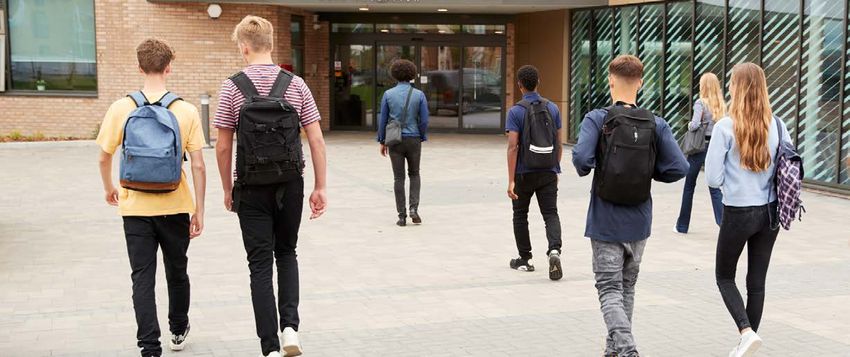
Table of Contents
Roadmap to Reopening
  Guiding Principles for Reopening Schools................................................................................................1
  Survey Results....................................................................................................................................................2
  Equity.................................................................................................................................................................... 3
  Social Justice...................................................................................................................................................... 3
  2020–2021 School Year Information.......................................................................................................... 3
  Virtual Learning................................................................................................................................................. 3
        Professional Development.....................................................................................................................................4
        Recovery, Rigor, and Readiness...........................................................................................................................4
  Limited In-Person Classes.............................................................................................................................. 6
        Special Education.....................................................................................................................................................6
        Centers of Applied Technology.............................................................................................................................6
        English Language Learning ................................................................................................................................. 7
  Chromebooks & Connectivity.......................................................................................................................7
  Virtual Desktop Initiative............................................................................................................................... 8
  Supplies for Students....................................................................................................................................... 8
  The Virtual School Day................................................................................................................................... 9
        Course Expectations.................................................................................................................................................9
        Virtual School Day Schedules..............................................................................................................................9
  Attendance and Grading.............................................................................................................................. 22
  Parent Portal.................................................................................................................................................... 22
  Social Emotional Learning and Support................................................................................................. 22
        Mental Health Resources.....................................................................................................................................23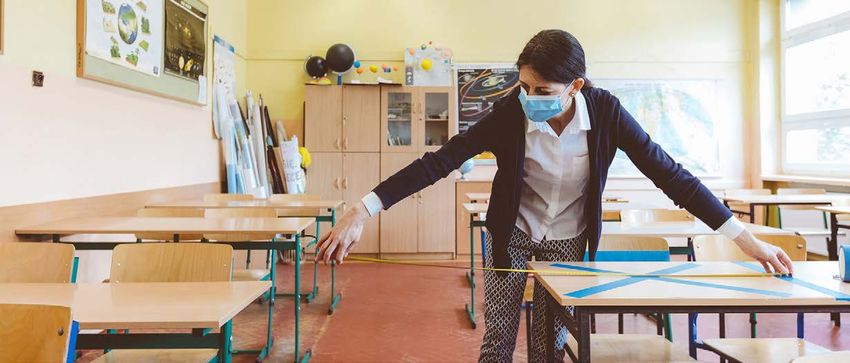
Meeting the Needs of Special Populations............................................................................................ 24
        Special Education...................................................................................................................................................24
        Students with 504 Plans.......................................................................................................................................25
        Home & Hospital Students..................................................................................................................................25
        Homeless & Displaced Youth..............................................................................................................................25
        English Language Learners.................................................................................................................................26
        Evening High School..............................................................................................................................................26
        Gifted & Talented Students..................................................................................................................................26
        Career Technology Education.............................................................................................................................27
        Internships.................................................................................................................................................................27
  Tutoring.............................................................................................................................................................. 28
  School Meals.................................................................................................................................................... 28
  Athletics and Clubs........................................................................................................................................ 28
  Childcare............................................................................................................................................................ 29

Working to Welcome Students Back to Buildings
  Virtual-Plus, a Hybrid Learning Model ..................................................................................................30
  Health and Safety........................................................................................................................................... 31

Facilities
  Cleaning and Disinfection............................................................................................................................ 32
  Shared Objects................................................................................................................................................. 32
  Ventilation......................................................................................................................................................... 32
  Water Systems................................................................................................................................................. 32
  Modified Layouts............................................................................................................................................ 33
  Physical Barriers and Guides...................................................................................................................... 35
  Communal Spaces......................................................................................................................................... 35
  Security & Building Access.......................................................................................................................... 35
  Food and Nutrition Services........................................................................................................................ 35
        Meals in Classrooms..............................................................................................................................................35
        School Meals Program..........................................................................................................................................35
        Cleaning and Disinfection....................................................................................................................................35
  Transportation................................................................................................................................................. 36
Stay Informed
  Resources at your Fingertips....................................................................................................................... 37
  Video Outreach................................................................................................................................................ 37
       Reopening Reports..................................................................................................................................................37
       Virtual Learning Family Quick Tips...................................................................................................................37
  Automated Avenues...................................................................................................................................... 38
  Quick Links for Students, Family, and Staff .......................................................................................... 38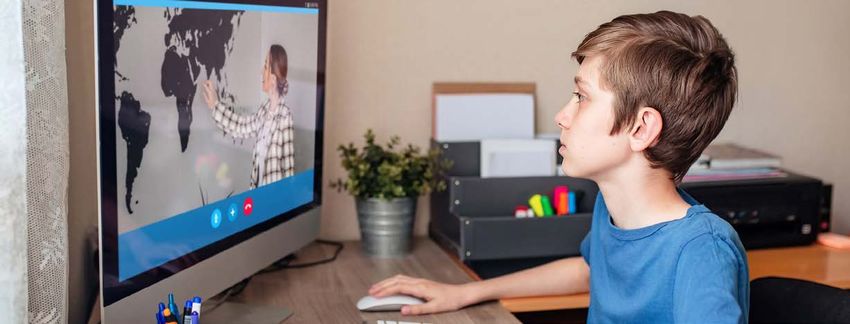
Roadmap to Reopening

Guiding Principles for Reopening Schools

    Prioritize                Cultivate                           Maintain

    the health and          a robust, equitable                strong relationships
  safety of students      learning environment                    with students,
       and staff                                                   families, and
                                                               community partners

                                           1
                           AACPS | Reopening 2020 Draft Plan
Survey Results
AACPS followed the COVID-19 Checklist in the Maryland Together: Maryland Recovery Plan for Education as
a tool to inform and guide the organization for reopening. As part of the reopening planning process, AACPS
invited families and staff to provide data and input that could help inform decisions regarding school
operations for the fall. Through an online survey, several questions were posed that focused on learning
platform preferences.

How would you prefer for your student(s)
to attend school in 2020–21? (Question 9)
45,121 Parent Responses
                                                                45.97%                32.55%
                                                                In-Person             Hybrid

                                                                                21.48%
                                                                                  Virtual

What are the most important factors when deciding which
school model is best for you as an AACPS Employee? (Question 7)
9,885 Staff Responses

         Schedule that allows working
         virtually through fall semester    47.43%
               Shortest breaks possible
               between in-person work       14.83%
                      Consistent weekly
                      learning schedule     53.79%
                  Schedule that allows
                  working out of home       20.35%
        Maximizing face-to-face school
   attendance regardless of scheduling      21.81%
      Allow for daily classroom cleaning;
maximizes classroom & instructional tools   51.96%

Upon advisement of the Anne Arundel County Department of Health, state limited in-person activities
stipulations, and in response to rising virus case numbers, the decision was made to start with a fully virtual
learning platform. The survey results will be among the data used to inform the work
required for a healthy transition to in-person instruction.

                                                                  2
                                                  AACPS | Reopening 2020 Draft Plan
Equity
Every day, AACPS works to impart the values of kindness, acceptance, and inclusion as outlined in the AACPS
Educational Equity Policy. In a true effort to elevate all students and eliminate all gaps, AACPS has engaged,
designed, and administered professional development to empower its workforce to become equity minded.
Initiatives such as providing Chromebooks for every student; helping families with Internet connectivity;
supporting academic recovery through summer learning academies and summer school; offering evening
sessions and tutoring; hosting clubs at all school levels; and celebrating Project Unity are some of the ways
AACPS is committed to meeting the needs of every child to promote their success.
Additionally, we are committed to providing equitable online teaching and classroom practices to ensure the
inclusion of all AACPS learners to make their learning experiences safe, relevant, and effective at all times.
Social Justice
This summer, AACPS student leaders organized important discussions to highlight and promote social justice.
These conversations will continue with a focus on eliminating injustices and engendering anti-racism in our
school communities. AACPS will continue to provide resources to students in support of social justice activism,
as well as provide a platform for students, families, and staff to be involved. Professional development for
Central Office and school based staff will continue to focus on social justice, antiracism, equity, diversity and
inclusion throughout the school year, even in the virtual environment where professional development for all
teachers will occur every Wednesday in the virtual school schedule. (www.aacps.org/letstalkjustice).
2020–2021 School Year Information
School will begin for students in grades 1–12 on Tuesday, September 8, 2020.
There are no staggered openings for middle and high school students as there have been in the past. ECI,
pre-kindergarten, and kindergarten students will have staggered start dates and will receive more information
from their schools about beginning the virtual learning process.
The first semester of the 2020–2021 school year is September 8, 2020 through January 29, 2021.
The first marking period ends on November 13, 2020. The second marking period begins on
November 16, 2020. (full 2020–2021 school calendar)
Virtual Learning
Virtual learning will be very different from the e-learning experience of last spring. Using the G Suite (Google)
complement of educational tools and applications, teachers will shift to a dynamic, interactive
approach to engage students in real-time instruction.
Students access their classes in Google Classroom where teachers post class hours, help times, activities,
assignments, and announcements. Google Classroom is accessed through ClassLink which provides
instructional apps and tools for learning. Students sign into ClassLink using their individual student
credentials. (www.aacps.org/gsuite). Technology staff will be offering help-desk support for employees and
families during the day and early evening hours in the fall semester to assist with their technology challenges.
3
AACPS | Reopening 2020 Draft PlanRegardless of the platform, all schools in AACPS will deliver curriculum in alignment with the Maryland
College and Career Ready Standards (MCCRS Curriculum Frameworks) for all content areas at all grade levels.
Such commitment will continue to focus on providing an instructional experience that is differentiated to
meet student needs, challenging to encourage academic growth, and flexible to accommodate various
circumstances. Teachers will employ models ideal for low student-to-teacher ratio that support differentiation
for all students and offer specially designed instructions for students with individual education plans (IEPs).
Pending staff availability, most of the usual courses promoted in the programs of study for high school
and middle school, including many electives, will be offered to students. All elementary curricula, including
English Language Acquisition, Advanced Learner Programs (ALPs and Gifted and Talented) and Enhancing
Elementary Excellence (Triple E) program details can be found in the Blackboard online communities for
schools. As the beginning of the school year approaches, families will be able to learn more about virtual
learning at: www.aacps.org/virtuallearning.
Teachers will have the option of where they wish to perform their lessons and other duties. Those teachers who
wish to instruct from their classrooms in school buildings will be afforded a safe environment that respects
social distance, face coverings, and CDC-guided cleaning protocols. Through www.aacps.org/virtualeducator,
teachers will have tools, resources, and FAQ’s to support their success in the virtual learning environment.
Professional Development
AACPS educators participated in significant professional development (PD) during the summer and will
continue to do so to effectively deliver instruction and manage the virtual learning environment.
Since statewide school building closures in March 2020, all AACPS teachers participated in
professional development on using Google’s G Suite for Education to facilitate
student eLearning. This PD included how to build and use Google to facilitate student engagement
and learning; use Google Voice to connect with families and meet with students in small learning groups;
and embrace and use Google Meet in live sessions with students to support student learning and
social-emotional wellness.
To build upon the spring offerings and in preparation for virtual learning, the Department of Professional
Growth & Development collaborated with the Office of Instructional Technology to support the need to
cultivate teachers moving from novice to expert distance learning educators over the summer. All of
these efforts were implemented with a keen focus on equity as outlined and upheld in the AACPS Strategic
Plan, to which commitment has not wavered during the COVID-19 pandemic. In fact, the emphasis on equity
has increased in response to the needs of students; therefore, equity PD requirements reflect the school
system’s true desire to elevate all students and eliminate all gaps no matter the circumstances.
In addition to a plethora of PD offerings that integrate traditional curriculum framework standards, 90
minutes every Wednesday is built into the schedule for teachers to engage in PD that enhances curriculum
planning and the student experience. This PD learning block for teachers is designed to deepen teachers’
commitment to equity while growing their knowledge for strong, equitable instructional practices in the
virtual and hybrid learning environments.
Recovery, Rigor, and Readiness
The Academic Team spent the last few months identifying critical content, concepts, and skills in all
subject areas and courses on which teachers should focus this fall. This includes both prior content that
may have been missed last spring as well as major concepts and skills contained in this year’s courses and
subject areas. Using the iReady assessment tool, there will be a three-week assessment
period to determine the instructional needs of every student in kindergarten
through Grade 8. The first assessment will be diagnostic focused on reading and math. The results
4
AACPS | Reopening 2020 Draft Planfrom this assessment will provide teachers with data to guide students to master standards-based reading
and math concepts. Where there are significant learning gaps, teachers will be able to use this data to
identify small groups of students to provide targeted support and instruction. Academic Flex Time blocks
and teacher Office Hours/Connection Time blocks have been built into the virtual school day for teachers to
work with student groups on targeted concepts or skills.
In addition, the iReady platform will automatically create a unique learning path for each student. Students
will be asked to spend 10–15 minutes after school hours using iReady to review specific skills and standards.
This aspect of iReady is an engaging gamified way of helping students build skills in which they need
additional support while also providing enrichment and practice for the skills they have already mastered.
Research about iReady suggests that students who spend at least 45 minutes a week working individually
on the platform have above average growth. Students will be reassessed in the platform in the winter and
spring to measure such growth and to plan for any necessary adjustments to learning during this school year.
Moreover, to ensure that students are on the path to recover any lost learning as a consequence of the current
pandemic, the iReady data will be compared to the standards-based reading and math benchmarks to check
for alignment and student growth. AACPS will also be offering the Virtual Family Support Center two nights
per week to assist elementary school parents/guardians with guidance and strategies to further support their
students’ learning of math at home.
Secondary students who received “no grade” marks for at least one course during the fourth marking period
of the 2019-2020 school year were invited to a summer recovery program. Hundreds of students were
engaged in the program, fulfilling course requirements and readdressing skills in preparation for the next
school year. Such intensive and targeted work laid a strong foundation of support for students that will also
help to inform instructional pathways for the 2020-2021 school year.
For middle school content areas besides reading and math, as well as for high school courses, teachers
will receive professional development to help them choose appropriate diagnostic activities to determine
any gaps in knowledge or skills that need to be retaught or reviewed before introducing new material.
Diagnostic assessments in all middle and high school courses will be
administered during the first three weeks of school. Teachers will have newly enhanced
curriculum guides that include suggested resources and activities to help students address identified
gaps and prepare for course and grade level expectations. Assessment and curricular suggestions for
educators can be found in their online Blackboard curriculum communities, primary resource locations for
content and pedagogy to be used in the virtual teaching and learning environment.
Middle and high school teachers will identify and invite students with significant learning gaps to
engage in small group instruction with them during Academic Flex time and in office hours. Additionally,
they will counsel these students to avail themselves of the evening virtual tutoring offered five nights
per week with AACPS teachers providing live tutoring support. Secondary teachers will use quarterly
assessments as tools to monitor student growth as well as identify gaps that remain in students’
conceptual understanding or skill development. Teachers will adjust their teaching strategies based on
persistent gaps in student understanding and individual student needs.
5
AACPS | Reopening 2020 Draft PlanLimited In-Person Classes
In-person, hands-on, and creative virtual avenues are being explored for special education students, vocational
technology students, and English Language Learners. This will be a three-phase effort starting with our most
vulnerable learners in very intimate, yet safe spaces. Beginning with small groups of students in developmental
centers, centers of applied technology, and English Language Acquisition programs, progression to additional
phases of in-person instruction and hybrid learning will depend on staffing availability and the public health
climate. Ideally, all three phases will be implemented before the end of the first marking period.
Special Education
Instruction
Central Special
Marley Glen
8–10 1–2 2hrs/week
Classrooms Students per Classroom morning | afternoon | evening
Ruth Parker Eason
Proper cleaning will occur between sessions and on the fifth weekday that the schools are not being
utilized for in-person instruction.
During each two-hour session, students will have another student, their aide, and perhaps a behavior
specialist present, but socially distanced in the classroom. Materials and equipment used during the
sessions will either be put away solely for that student, removed, cleaned, or swapped out for next
rotation. Classroom use will be staggered to maximize space and minimize high traffic of any one area.
Door-to-door transportation is available.
Therapy Services
Physical therapy, occupational therapy, and speech language pathology services will be offered
to students who receive special education services. Arrangements for these services are based on
staff availability and made by appointment.
Centers of Applied Technology
10–12 2hrs/week
Students per Classroom morning | afternoon | evening
per Program
Desks/workstations will be spaced out or organized to allow for social distancing. Minimal staff will be
in the classroom with students. Cleaning of equipment and tools will be performed between sessions
and on the fifth weekday that the schools are not open for in-person instruction. Transportation will be
available from community hubs throughout the county.
6
AACPS | Reopening 2020 Draft PlanEnglish Language Learning
10–12 1–2 hrs/week
Students per Classroom
Pending staff availability, middle school English Language Learners with significant language and
literacy needs will be invited to attend school in-person for two hours 1–2 days per week. There would
be 10–12 students per classroom, per CDC recommendations, with a small number of instruction and
support staff present. Classrooms at conveniently located middle schools in various communities will be
used for this phase. Transportation will be available from community hubs throughout the county.
Chromebooks & Connectivity
With most students online at the same time, schedules will overlap and students in the same families
will need their own devices. In order to provide equitable, reliable access to virtual instruction,
AACPS will distribute Chromebooks to every student. This process will take time beyond the
beginning of the school year, but every student will have their own device to participate in learning before the
end of the first quarter. According to the family survey conducted over the summer, many AACPS households
have at least 1 to 2 devices for students to use. Therefore, Chromebook distribution will focus first on those
students who need them the most. Students who must begin the school year with an alternative device will
still be able to fully access the virtual learning platform though personal laptops, desktop computers, an iPad,
and/or Android tablet. Students at charter and contract schools will have a different plan for their technological
needs and instructional delivery that will be communicated by their schools. Chromebook requests can be
made by contacting the school principal.
AACPS is working closely with city, county, civic and business partners to increase Internet access for
families so that all students will be able to access online learning by the start of the school year. Through
the generosity of community members and organizations along with government grants, there is
funding available to support families to get connectivity to the Internet and access
vital programming in the virtual environment.
Elementary and Secondary School Chromebooks
Emergency Relief (ESSER) | $11,855,603 E-Learning Professional Development
Funds supporting the following: Coronavirus Relief Fund—Tutorin
Chromebooks $6,338,178
Google Classroom Funds supporting the following
Learning Management System Various Tutoring programs
Professional Development K-8 Math/Reading intervention
Instructional Software Special Education Assessments, Recovery Services,
Tutoring Support Compensatory Services, and Tutoring
Non Public Schools K-5 Backpack Initiative
Governor’s Emergency Education Enhanced Summer Programming
Relief (GEER) | $729,435 Governor’s Office of Rural Broadband—
Funds supporting the following Broadband for Underserviced Students
Chromebooks Grant $58,989
Non Public Schools Funds supporting the following
Coronavirus Relief Fund—Technology 4 months of Internet Access for roughly 550 AACPS
$9,433,292 families (AACPS will cover internet access for the
Funds supporting the following same families the other 6 months)
7
AACPS | Reopening 2020 Draft PlanThrough such generosity, AACPS is ready to help assist families that still need Internet access. Families who need
this resource should:
• Email the principal or call the school of your • Send an additional email to AACPS
youngest student and let them know that Technology staff at internet@aacps.org to
you still need Internet connectivity. let them know that you still need Internet
connectivity. Please give them your name,
address, email address, and phone number
where you can be reached. Tell them the schools
where your children will attend this fall.
AACPS staff will follow-up by email or phone to further assist with this process. In addition, AACPS will further
extend its WiFi reach from school buildings as another source of Internet connectivity for families.
Virtual Desktop Initiative
Throughout the spring 2020 semester, hundreds of students and teachers per day used Windows Virtual Desktop
(WVD) per day to access programs such as Adobe Creative Cloud and Project Lead the Way for career technology
education. These students and teachers were also able to access and share files stored on servers behind the
AACPS firewalls and not accessible from the Internet. This satisfied a great need for teachers and students to
collaborate in a digital setting without sacrificing work quality.
This fall, AACPS will expand access to WVD to all secondary school students and teachers at all levels.
WVD is a perfect complement in the student technological offerings by AACPS as programs not compatible with
Chromebooks can easily be accessed by WVD. The following WVDs are being tested by teachers and staff:
AACPS-High (includes software that is on the standard high school lab computer)
AACPS-Targeted (includes software for Computer Science, PLTW and STEM and TechEd)
AACPS-Music and PVA (includes software that is on the standard music and PVA lab computers)
AACPS-Middle (includes software that is on the standard middle school lab computer)
These new WVDs will be ready for use by the beginning of the fall semester.
Supplies for Students
AACPS will provide backpacks filled with supplies for every student in pre-kindergarten through
Grade 5. The backpacks will be safely distributed at the beginning of the school year and will include:
math textbook paper markers letter/number cards
writing/math templates clipboard crayons headphones
folders pencils sharpener
notebooks pens dry erase sleeve
Schools will provide novels, targeted textbooks, musical instruments, and other unique learning materials
will be distributed at secondary schools throughout the county. Families of secondary students can review
suggestions for school supplies at www.aacps.org/schoolsupplies.
Special education students in ECI, K–12 specialty programs (ACC and Autism), the three developmental
centers, and students attending non-public schools who are working toward a certificate of program
completion will receive learning materials and other resources such as basic school supplies, various learning
visual aids, and math manipulatives (www.aacps.org/schoolsupplies).
8
AACPS | Reopening 2020 Draft PlanThe Virtual School Day
School schedules in the virtual learning environment are student-centered with emphasis
on growing through social-emotional learning, developing tools for success, and providing quality instruction
with practice time for mastery. The schedule is also teacher-focused with structured flexibility for educators to
address student academic needs, have time for sufficient planning, and offer office hours to support students
and families.
Teachers will work from 8:00 a.m. to 4:00 p.m. daily and provide real-time instruction in the morning and
afternoon on Mondays, Tuesdays, Thursdays, and Fridays. Real-time learning will also take place in the
morning on Wednesdays with teachers holding office hours in the afternoon to connect with families and offer
extra support for students who may need it. Additionally, teachers will be engaged in professional development
each Wednesday afternoon.
Students will experience 4–4.5 hours of live, synchronous instruction four days per
week and at least 3.5 hours of live instruction on Wednesday for learning support.
The instructional day will start at:
9:00 a.m. Pre-kindergarten–Grade 2
8:30 a.m. Grades 3–5
8:30 a.m. Grades 6–12
Instruction will end between 2:45 and 3:00 p.m., depending on grade level. Students will have about two hours
away from instruction for lunch, with an option to participate in virtual clubs and activities during that time. Each
day, time will be reserved at all levels to support relationship building and social-emotional growth.
Although live engagement is the expectation, lessons will be recorded so that students will have access in
case of absence or extenuating circumstances. In addition, virtual tutoring opportunities will be available for
students in major content areas (www.aacps.org/tutoring).
Course Expectations
All curriculum is developed using the Pre-K-12 Maryland College and Career Ready Standards (MCCRS)
Frameworks. The standards include requirements for environmental literacy and health which will be
infused in instruction during major content area blocks at the elementary level and in STEM and specific
courses at the secondary level. All schools in AACPS will deliver curricular content as prescribed by the
MCCRS Frameworks under the supervision, monitoring, and accountability of the AACPS Division of
Academics & Strategic Initiatives.
Secondary students will be registered according to staff availability and preferred course selections
per the middle and high school programs of study. AACPS graduation requirements remain
unchanged for the 2020-2021 school year and can be reviewed at www.aacps.org/graduationrequirements.
Virtual School Day Schedules
Filled with core subjects, encore or elective courses, club activities, and fun time, the following pages show
the student and teacher schedules for the Fall 2020 Virtual School day. Students average over 4 hours/day
of synchronous instruction at all grade levels. In addition, students have learning blocks for social emotional
learning, time to learn and apply academic tools for success, time when they can visit teachers during office
hours, and flex time where they can review classwork, work on projects, or seek teacher assistance. All
schedules, including early childhood, Centers for Applied Technology, and Developmental Centers, can be
viewed at www.aacps.org/fall2020schedules.
9
AACPS | Reopening 2020 Draft PlanAnne Arundel County Public Schools | Fall 2020 Virtual School Day
Half-Day Pre-Kindergarten Student Schedule
On Monday, Tuesday, Thursday, and Friday, the school day is two hours Circle Time launches each day with students listening, sharing, and
in length beginning at 9:00 am for students attending the Morning building friendships. They learn about themselves and others as they
Session and 1:00 pm for the students attending the Afternoon Session. begin to build relationships with one another.
On Wednesday, the school day is 9:00—10:30 am for the morning Special Education instruction and services will be provided during the
students and 9:30—11:00 am for the afternoon students. Students
day on a schedule provided by your student’s teacher.
will be engaged weekly in Reading, Writing, Foundational Literacy,
Small Group Literacy, Math, Science, and Social Studies learning.
Daily
Monday Tuesday Wednesday Thursday Friday
Schedule
Time available, if needed,
8:30– Teacher Office Hours/ Teacher Office Hours/ Teacher Office Hours/ Teacher Office Hours/
to communicate with
teacher and get support
9:00 am Connection Time Connection Time Connection Time Connection Time
9:00– Circle Time
9:25 am Circle Time Circle Time (AM Pre-K)
Circle Time Circle Time
9:00–11:00 am
(Wed: 9:00–10:30 am)
9:30– 9:30–10:30 am
Morning Pre-K 11:00 am
Foundation
Flexible Group
Foundation
Live Synchronous Math Learning Time— Math
Literacy (Whole and Small Language Arts/Math Literacy (Whole and Small
Teaching [movement & Groups) Groups)
music transitions are Writing (AM & PM Pre-K ) Writing
Science (Optional) Science
embedded between Small Group Small Group
subject areas] Literacy Social Studies 10:35–11:00 am Literacy Social Studies
Circle Time (PM Pre-K)
Monday Tuesday Thursday Friday
1:00– (Afternoon Pre-K
1:25 pm Circle Time Circle Time includes 9:30–11:00 am Circle Time Circle Time
1:00–3:00 pm on Wednesday)
(Wed: 9:30–11:00 am)
1:30–
Afternoon Pre-K 3:0o pm
Foundation
Live Synchronous Math Foundation Math
Literacy (Whole and Small Literacy (Whole and Small
Teaching [movement & Groups) Groups)
music transitions are Writing Writing
Science Science
embedded between Small Group Small Group
subject areas] Literacy Social Studies Literacy Social Studies
2:30–3:30 pm
Teacher Office Hours/
Time available, if needed, 3:00– Teacher Office Hours/ Teacher Office Hours/ Connection Time Teacher Office Hours/ Teacher Office Hours/
to communicate with 3:3o pm Connection Time Connection Time Connection Time Connection Time
teacher and get support
10
AACPS | Reopening 2020 Draft PlanAACPS | Fall 2020 Elementary Teacher Schedule—Half-Day Pre-K
(See notes on page two)
Color Live Synchronous Teaching/Learning Activity Time
(Open to all Students)
Key
Teacher Office Hours/Connection Time
Communication between Teacher & Caretaker(s) using Google Voice/Time to Support Students
Lunch
Non-Instructional Time
Individual and Collaborative Planning Time, Administrative Meetings (Whole School/Subject/Grade Level),
IEP Meetings, and Professional Development
Daily
Monday Tuesday Wednesday Thursday Friday
Schedule
8:00–
8:30 am Meeting Meeting Meeting Meeting
Extended
8:30– Meeting Time
Teacher Office Hours/ Teacher Office Hours/ Teacher Office Hours/ Teacher Office Hours/
9:00 am Connection Time Connection Time Connection Time Connection Time
9:00– Circle Time
9:25 am Circle Time Circle Time (AM Pre-K)
Circle Time Circle Time
9:30– 9:30–10:30 am
Morning Pre-K
11:00 am Math Whole Flexible Group Math Whole
Foundational Literacy, Foundational Literacy,
and Small Group Learning Time— and Small Group
Writing & Writing &
& Language Arts and Math &
Small Group Literacy Small Group Literacy
(ends 10:35 am Science & Social Studies (AM & PM Pre-K ) Science & Social Studies
on Wednesday) (30 minute class times (Optional) (30 minute class times
(30 minute class times (30 minute class times
with movement transi- with movement transi-
with movement transi- with movement transi-
tions embedded) 10:35–11:00 am tions embedded)
tions embedded) tions embedded)
Circle Time (PM Pre-K)
11:05–
11:35 am Non-Duty Lunch Non-Duty Lunch Non-Duty Lunch Non-Duty Lunch Non-Duty Lunch
11:35–
1:00 pm
Planning Planning Planning Planning Planning
(Individual) (Collaborative) (Individual) (Collaborative) (Individual)
(Afternoon Pre-K
includes 9:30–11:00 am
on Wednesday)
1:00–
1:25 pm Circle Time Circle Time Circle Time Circle Time
1:30– 1:00–2:30 pm
Afternoon Pre-K
3:00 pm Foundational Literacy,
Math Whole Professional Foundational Literacy,
Math Whole
and Small Group Development and Small Group
Writing & Writing &
& &
Small Group Literacy Small Group Literacy
Science & Social Studies Science & Social Studies
(30 minute class times (30 minute class times
(30 minute class times (30 minute class times
with movement transi- with movement transi-
with movement transi- with movement transi-
tions embedded) tions embedded)
tions embedded) tions embedded)
2:30–3:30 pm
Teacher Office Hours/
3:00– Teacher Office Hours/ Teacher Office Hours/ Connection Time Teacher Office Hours/ Teacher Office Hours/
3:3o pm Connection Time Connection Time Connection Time Connection Time
3:3o–
4:00 pm Meeting Meeting Meeting Meeting Meeting
11
AACPS | Reopening 2020 Draft PlanAnne Arundel County Public Schools | Fall 2020 Virtual School Day
Primary Student Schedule: Pre-K–Grade 2
On Monday, Tuesday, Thursday, and Friday, the school day for students Special Education, ESOL, Primary Talent Development, and Reading
is 9:00 am–3:00 pm with an option for Friends & Fun Time on Tuesday and Intervention supports and extensions will be provided during the day on
Thursday. On Wednesday, the school day is 9:00 am–11:00 am with one a schedule provided by your student’s teacher.
Cultural Arts block and Academic Flex time for learning support, practice, Primary Talent Development is embedded in subject area teaching.
review, and enhancement in reading, writing, and mathematics. These supports and extensions may be embedded into the subject area
Circle Time launches each day with students listening, sharing, teaching or be purposefully placed into Academic Flex time.
and building friendships. During Cultural Arts, students participate
in Art, General Music, Media, Physical Education and either Comput-
er Skills or Triple E.
Monday, Tuesday, Thursday, and Friday Wednesday
Pre-K Kindergarten Grade 1 Grade 2 All Grades
Time available, if needed,
8:30– Teacher Office Hours/ Teacher Office Hours/ Teacher Office Hours/ Teacher Office Hours/
to communicate with teacher
and get support. 8:55 am Connection Time Connection Time Connection Time Connection Time
9:00–
9:25 am Circle Time Circle Time Circle Time Circle Time Circle Time
9:00–11:00 am
Morning Block 9:30–
Live Synchronous 10:00 am Literacy Literacy Math Academic Flex Cultural Arts
Teaching [movement &
music transitions are 10:00–
10:30 am Academic Flex Academic Flex Literacy Math
embedded between Academic Flex
subject areas] 10:30– (Literacy/Math)
11:00 am Math Math Academic Flex Literacy
11:05– Friends and Fun Time Virtual Learning
Teacher Facilitated (optional for students) ends for students
11:35 am at 11:00 am.
(Tuesday and Thursday only)
Lunch & Learning Café
Students use this time to eat lunch, play, explore, go outside, rest,
11:00–
exercise or take a nap. AACPS will provide a website with fun resources for
1:00 pm those students who wish to engage in virtual learning activities.
(Monday, Tuesday, Thursday, Friday)
1:00– Tools Science/
1:30 pm Cultural Arts Literacy
for Success Social Studies
1:00–3:00 pm
Afternoon Block 1:30– Tools Science / Social
Live Synchronous 2:00 pm Literacy Cultural Arts
for Success Studies
Teaching [movement &
2:00– Science/ Tools
music transitions are Literacy Cultural Arts
2:30 pm Social Studies for Success
embedded between
subject areas] 2:30– Tools Science
Literacy Cultural Arts (2:35–3:00 pm)
3:00 pm for Success Social Studies Teacher Office Hours/
Mission Debrief Mission Debrief Mission Debrief Mission Debrief Connection Time
Time available, if needed, 3:00–
to communicate with teacher Teacher Office Hours/Connection Time
3:30 pm (Monday, Thursday, and Friday only)
and get support.
12
AACPS | Reopening 2020 Draft PlanAACPS | Fall 2020 Elementary Teacher Schedule—Primary (Pre-K–2)
(See notes on page two)
Color Live Synchronous Teaching/Learning Activity Time
(Open to all Students)
Key
Teacher Office Hours/Connection Time
Communication between Teacher & Caretaker(s) using Google Voice/Time to Support Students
Lunch
Non-Instructional Time
Individual and Collaborative Planning Time, Administrative Meetings (Whole School/Subject/Grade Level/Program),
Planning Meetings (504/Special Education/IEP/ESOL/Intervention/Programs), and Professional Development
Daily
Monday Tuesday Wednesday Thursday Friday
Schedule
8:00–
Meeting Meeting Planning Meeting
8:30 am (Individual)
Planning
(Collaborative)
8:30– Teacher Office Hours/ Teacher Office Hours/ Teacher Office Hours/ Teacher Office Hours/
8:55 am Connection Time Connection Time Connection Time Connection Time
9:00–
9:25 am Circle Time Circle Time Circle Time Circle Time Circle Time
9:30– Literacy Literacy Literacy Literacy
Cultural Arts
11:00 am --- --- (30 minutes) --- ---
Math Math Math Math
--- --- --- ---
Academic Flex Academic Flex Academic Flex Academic Flex
Academic Flex
(30 minute class times (30 minute class times (Literacy/Math) (30 minute class times (30 minute class times
(60 minutes)
with movement transitions with movement transitions with movement transitions with movement transitions
embedded) embedded) embedded) embedded)
11:00– (11:05–11:35) (11:05–11:35)
12:25 pm Friends and Fun Time Friends and Fun Time
Teacher Facilitated Teacher Facilitated
Planning Planning Planning
(Individual) (11:35–12:25) (Individual) (11:35–12:25) (Individual)
Planning Planning
(Collaborative) (Collaborative)
12:25–
12:55 pm Non-Duty Lunch Non-Duty Lunch Non-Duty Lunch Non-Duty Lunch Non-Duty Lunch
1:00–
3:00 pm Cultural Arts Cultural Arts Cultural Arts Cultural Arts
--- --- --- ---
Literacy Literacy 1:00–2:30 pm Literacy Literacy
--- --- Professional --- ---
Science / Social Studies Science / Social Studies Development Science / Social Studies Science / Social Studies
--- --- --- ---
Tools for Success Tools for Success Tools for Success Tools for Success
(30 minute class times (30 minute class times (30 minute class times (30 minute class times
with movement transitions with movement transitions 2:35–3:00 pm with movement transitions with movement transitions
embedded) embedded) Teacher Office Hours/ embedded) embedded)
Connection Time
3:0o– Teacher Office Hours/ Teacher Office Hours/ Teacher Office Hours/
3:30 pm Connection Time Connection Time Connection Time
3:05–4:00 pm
Planning
(Individual) Extended
3:35– Meeting Time
4:00 pm Meeting Meeting Meeting
13 (Updated 8/26/2020)
AACPS | Reopening 2020 Draft PlanAnne Arundel County Public Schools | Fall 2020 Virtual School Day
Intermediate Student Schedule: Grades 3–5
On Monday, Tuesday, Thursday, and Friday, the school day for students Special Education, ESOL, ALPs, and Reading Intervention supports
is 8:30 am–3:00 pm with an option for Friends & Fun Time on Tuesday and and extensions will be provided during the day on a schedule provid-
Thursday. On Wednesday, the school day is 8:30 am–11:15 am with one ed by your student’s teacher. These supports and extensions may be
Cultural Arts block and Academic Flex time for learning support, practice, embedded into the subject area teaching or be purposefully placed into
review, and enhancement in reading, writing, and mathematics. Academic Flex time.
Building Community time launches each day with students listening,
sharing, and building trust and respect for one another. During Cultural
Arts, students participate in Art, General Music, Media, Physical Educa-
tion and either Computer Skills or Triple E.
Monday, Tuesday, Thursday, and Friday Wednesday
Grade 3 Grade 4 Grade 5 All Grades
8:30– Building Building Building
8:55 am Community Community Community
Cultural Arts
9:00–
8:30–11:15 am 9:45 am Science / Social
Cultural Arts Math
Morning Block Studies
Live Synchronous Academic Flex
Teaching [movement & 9:45–
music transitions are 10:30 am Science / Social
Cultural Arts Math Targeted Time for
embedded between Studies
Intervention
subject areas]
Instrumental Music
10:30–
11:15 am Science / Social ESOL
Math Cultural Arts Enhancement
Studies
Support
Friends and Fun Time Virtual Learning
11:20– Teacher Facilitated (optional for students) ends for students
11:50 am (Tuesday and Thursday only) at 11:15 am.
Lunch & Learning Café
Students use this time to eat lunch, play, explore, go outside, rest,
11:15–
exercise or take a nap. AACPS will provide a website with fun resources for
1:15 pm those students who wish to engage in virtual learning activities.
(Monday, Tuesday, Thursday, Friday)
1:15–
1:15–3:00 pm 2:00 pm
Literacy Academic Flex Literacy
Afternoon Block
Live Synchronous
Teaching [movement & 2:00–
music transitions are 2:45 pm
Academic Flex Literacy Academic Flex
embedded between
subject areas] (2:35–3:00 pm)
Teacher Office Hours/
2:45–3:00 pm Mission Debrief Mission Debrief Mission Debrief Connection Time
Time available, if needed, 3:00–
to communicate with Teacher Office Hours/Connection Time
3:30 pm (Monday, Thursday, and Friday only)
teacher and get support.
14
AACPS | Reopening 2020 Draft PlanAACPS | Fall 2020 Elementary Teacher Schedule—Intermediate (3–5)
(See notes on page two)
Color Live Synchronous Teaching/Learning Activity Time
Building Community—Building Relationships/2nd STEP/ Virtual Field Trips/Guest Speakers (Open to all Students)
Key
Teacher Office Hours/Connection Time
Communication between Teacher & Caretaker(s) using Google Voice/Time to Support Students
Lunch
Non-Instructional Time
Individual and Collaborative Planning Time, Administrative Meetings (Whole School/Subject/Grade Level/Program),
Planning Meetings (504/Special Education/IEP/ESOL/Intervention/Programs), and Professional Development
Daily
Monday Tuesday Wednesday Thursday Friday
Schedule
8:00–
Meeting Planning Meeting Planning Planning
8:30 am (Individual) (Individual) (Individual)
8:30–
8:55 am Building Community Building Community Building Community Building Community
Cultural Arts
9:00–
11:15 am
Cultural Arts Cultural Arts Cultural Arts Cultural Arts
--- --- Academic Flex --- ---
Science/Social Studies Science/Social Studies Science/Social Studies Science/Social Studies
--- --- --- ---
Math Math Math Math
Targeted Time
(45 minute class times (45 minute class times for Intervention (45 minute class times (45 minute class times
movement transitions movement transitions Instrumental Music movement transitions movement transitions
embedded) embedded)) embedded) embedded)
ESOL
Enhancement Support
11:15– (11:20–11:50) (11:20–11:50)
12:40 pm Friends and Fun Time Friends and Fun Time
Teacher Facilitated 11:15–12:30 pm Teacher Facilitated
Planning Planning Planning
(Individual) (Individual) (Individual)
Planning Planning
(Collaborative) (Collaborative)
12:30–1:00 pm
12:40– Non-Duty Lunch
1:10 pm Non-Duty Lunch Non-Duty Lunch Non-Duty Lunch Non-Duty Lunch
1:15–
2:45 pm Academic Flex Academic Flex 1:00–2:30 pm Academic Flex Academic Flex
--- --- Professional --- ---
Literacy Literacy Development Literacy Literacy
(45 minute class times (45 minute class times (45 minute class times (45 minute class times
movement transitions movement transitions movement transitions movement transitions
embedded) embedded) embedded) embedded)
2:35–3:00 pm
Teacher Office Hours/
2:45–3:00 pm Mission Debrief Mission Debrief Connection Time Mission Debrief Mission Debrief
3:0o– Teacher Office Hours/ Teacher Office Hours/ Teacher Office Hours/
3:30 pm Connection Time Connection Time Connection Time
Planning 3:05–4:00 pm
(Collaborative) Extended
3:35– Meeting Time
4:00 pm Meeting Meeting Meeting
15
AACPS | Reopening 2020 Draft PlanAnne Arundel County Public Schools | Fall 2020 Virtual School Day
Developmental Centers Student Schedule
The school day for students is 8:30 am–2:30 pm with an option for Friends Friends & Fun Social Time is facilitated by teachers and will
& Fun Time on Tuesday and Thursday. On Wednesday, the school day is include social skills practice.
8:30 am–11:00 am. Morning and Afternoon Learning Blocks will be devel- Office Hours and Meeting Times can also be used for
oped to accommodate the individual needs of each student as outlined in IEP Meetings.
student’s IEP.
Special services (OT/PT/SLP) may be provided during the instructional
time blocks or as a block option for small groups of students elsewhere in
the school day.
Daily
Monday Tuesday Wednesday Thursday Friday
Schedule
8:30–
11:00 am
Instruction Time Instruction Time Instruction Time Instruction Time Instruction Time
8:30–11:00 am
Morning Block Math Math Math Math Math
Live Synchronous Reading/ Reading/ Reading/ Reading/ Reading/
Teaching [movement & Language Arts Language Arts Language Arts Language Arts Language Arts
music transitions are Social Studies Social Studies Social Studies Social Studies Social Studies
embedded between Science Science Science Science Science
subject areas] Cultural Arts Cultural Arts Cultural Arts Cultural Arts Cultural Arts
11:05–11:35 am
(Tuesday/Thursday Only)
11:05– Friends and Virtual Learning Friends and
Friends and Fun Time 11:30 am ends for students
Teacher Facilitated Fun Time Fun Time
at 11:00 am.
(optional for students)
Lunch & Learning Café Lunch & Learning Café
Students use this time to eat lunch, play, Students use this time to eat lunch, play,
explore, go outside, rest, exercise or take explore, go outside, rest, exercise or take
(Wed: 12:00–12:55 pm) 11:00– a nap. AACPS will provide a website with a nap. AACPS will provide a website with
Time available, if needed, 1:00 pm 12:00–12:55 am
fun resources for those students who fun resources for those students who
to communicate with wish to engage in virtual learning activities. Teacher Office Hours/ wish to engage in virtual learning activities.
teacher and get support Connection Time
(Monday, Tuesday, Thursday, Friday) (Monday, Tuesday, Thursday, Friday)
1:00– Instruction Time Instruction Time Instruction Time Instruction Time
Afternoon Block 2:30 pm
Math Math Math Math
Live Synchronous Reading/ Reading/ Reading/ Reading/
Teaching [movement & Language Arts Language Arts Language Arts Language Arts
music transitions are Social Studies Social Studies Social Studies Social Studies
embedded between
Science Science Science Science
subject areas]
Cultural Arts Cultural Arts Cultural Arts Cultural Arts
2:30– Teacher Office Hours/ Teacher Office Hours/
4:0o pm Connection Time Connection Time
(mon/Fri: 2:30–3:00 pm
Thur: 2:30–4:00 pm) Teacher
Time available, if needed, Office Hours/
to communicate with teacher Connection Time
and get support
16
AACPS | Reopening 2020 Draft PlanYou can also read


