Eat well. Move well. Live well - Unlocking young people's attitudes to healthy living - Sainsbury's
←
→
Page content transcription
If your browser does not render page correctly, please read the page content below

Eat well.
Move well.
Live well
Unlocking young people’s
attitudes to healthy living
A Sainsbury’s Active Kids Report

Eat well. Move well. Live well Unlocking young people’s attitudes to healthy living

                                   Foreword
           There is considerable evidence that the UK’s children are
            living increasingly unhealthy lifestyles, for a number of
           reasons, including the rise of social media, the increased
            availability of cheap fast food and the move away from
                                 home cooking.

At Sainsbury’s we want to help young people in the                Our commitment to improving children’s health
UK lead healthy, active lifestyles. We commissioned               is well-documented. The Sainsbury’s Active Kids
the ‘Eat well. Move well. Live well’ Report to delve              programme, now in its thirteenth year, donates
into the current issues surrounding young people’s                millions of pounds worth of equipment and
attitudes to their nutrition, health and fitness and              experiences to UK schools and kids’ clubs around the
draw attention to how we, as a society, can work                  UK.
together to tackle some of these issues.
                                                                  We also continue to look for long-term ways to
The report focusses specifically on the 11-14 year old            improve children’s health and well-being. Between
age group as this is the time when children make                  2011 and 2015, we reduced salt in own-brand products
the transition from primary to secondary school,                  by nearly 14%. In both 2014 and 2015, we removed
becoming increasingly independent and with more                   over 2,370 tonnes of sugar from our own-brand soft
freedom to start making their own decisions about                 drinks and in 2016, we reduced the sugar in our
what and when they eat and the exercise they do.                  own-brand cereals by 452 tonnes, an average of 13%
Through our work with a number of health industry                 across the range (far exceeding the Government’s
bodies, such as Public Health England and UK Active,              targets of a 5% reduction by the end of 2017). We’ve
this was identified as a particularly vulnerable age              called on the Government to introduce mandatory
group and a critical tipping point that can determine             targets across a level playing field of retailers,
future relationships with food and nutrition. Our                 manufacturers and the food service industry to help
research identified that having greater freedom to                tackle obesity.
make decisions without the proper information at
this age can lead to poor judgement – skipping                    We will use the findings of this research to evolve
meals, cutting out food groups, eating junk food and              our Active Kids programme from 2018 and help us
not doing enough exercise - despite the majority of               continue to progress towards responsible measures
children thinking they’re living a healthy lifestyle.             that help young people and their families eat well,
                                                                  move well and live well.

                                                                  Judith Batchelar, Director of Sainsbury’s Brand

  2
Eat well. Move well. Live well Unlocking young people’s attitudes to healthy living

                        Key Findings
         With an increasing number of young people classified as
         overweight or obese1, the Sainsbury’s Eat well. Move well.
         Live well Report explores the attitudes of 2,000 11-14 year
       olds2 from across the country towards exercise and nutrition.

More children in the UK are leaving primary school                However, the research also reveals a contradiction.
overweight or obese than ever before3; teenagers in               While many young people believe their lifestyle
England drink more sugar-sweetened drinks than                    is healthy (69%), they are not doing enough to
anywhere in Europe4, consuming three times the                    actually achieve this. This includes not exercising
official recommendation for sugar5. Judging by                    enough, not eating enough fruit and vegetables and
these facts, it would be easy to conclude that the                not attempting to control the amount of sweets,
UK’s young people have little interest in living a                chocolate or fried food they consume. This is despite
healthy lifestyle, but this new study shows it is more            findings that show they know it’s important to:
complicated than this.
                                                                  •• Maintain a balanced diet (95%)
The findings uncovered a strong desire among the
UK’s 11-14 year olds to be healthy. In fact, 84% of               •• Eat their 5-a-day (95%)
young people surveyed believe that being healthy is               •• Have an hour of exercise a day (93%)
important and are aware of the steps they should be
                                                                  •• Get enough sleep (91%)
taking to lead a healthy lifestyle, with most of those
surveyed demonstrating a good sense of how to be                  •• Drink 6-8 glasses of water (87%)
healthy.

                                                                                                                      3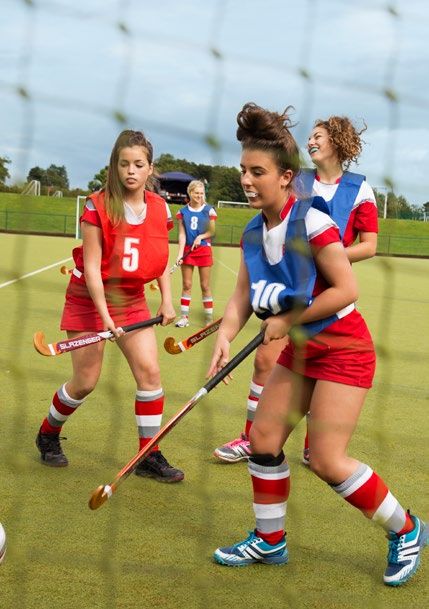
Eat well. Move well. Live well Unlocking young people’s attitudes to healthy living

                             Eating well
        While most of the young people surveyed demonstrated a
       sound understanding of why they should eat healthily, there
         is plenty of room for improvement when it comes to their
                           diet and daily routine.

Most young people want to eat well                                However, a significant proportion of young people
                                                                  simply do not understand the importance of eating
The good news is that most of the children surveyed               well, suggesting a lack of clear information around
understood the importance of healthy eating. The                  this topic and presenting a red flag for their future
most common reasons for wanting to eat well                       health and lifestyle choices.
related to health and fitness, with 55% saying that it
is important to eat well in order to feel healthy and
36% saying a nutritious diet is important to avoid
becoming ill.                                                     13%                 don’t think it’s important to eat
                                                                                      healthily when you’re young

                                                                  21%
Body image was another factor. One in three (36%)                                     believe eating fast food can help
11-14 year olds say eating well is important to help                                  keep you healthy
them manage their weight, with 15% believing it

                                                                  31%
could help them look more attractive.                                                 just don’t think about whether
                                                                                      or not their food is healthy
Notably more girls than boys stated reasons relating
to their appearance as motivation for healthy eating:
                                                                 “I would say that I’m quite an active
                                                                 person but my diet isn’t that good.”
       43%                                37%                    Talia, age 13, Buckinghamshire
                28%                                17%

Girls see eating well as          Girls believe eating well is
more important to help            more important for having
manage weight than boys           good skin than boys

                                                                                                                          4
Eat well. Move well. Live well Unlocking young people’s attitudes to healthy living
Junk food is still a preference Favourite snacks
While having a treat every now and again will not do When snacking on the go, crisps are by far the most
any harm, it is important that the intake of fast food popular choice, with cereal bars and fruit only cited by
is carefully regulated for a balanced diet. Although 11% of children as an option they would consider.
most young people surveyed recognised a range of
incentives for eating well, eating habits among this What are you most likely to snack on?
age group are not as health-conscious as they should (% of respondents)
be, with junk food often favoured over more nutritious 30%
Packet of crisps
options.
Chocolate bar 24%
There was no notable difference between the 14%
Bag of sweets
attitudes of those from a variety of socio-economic
backgrounds, with 26% of ABC1 children believing Cereal bar 11%
they eat healthily most of the time compared to 19%
of C2DEs, which is possibly not the outcome that Piece of fruit 11%
would be expected. Children from both backgrounds
admitted to favouring crisps as a snack over fruit. “It was when I turned 12 and that I
In total:
was first on the GB team that I truly
began to understand what I was
eating affected my performance.
IWhich
wasoffortunate toare
the following foods have plenty
you able to cook?
71% 54% (% of respondents)
of guidance from professionals
which
Cheese on allowed
toast me to gain a well – 67%
rounded understanding of nutrition 51%
do not limit the amount of Over half will only Basic pasta dish
sweets or chocolate they eat occasionally or never limit from a young age – something
their intake of fried food IPizza
hope I can pass on as an Active 48%
topping*
Kids ambassador. It is through
Sainsbury’s programme that we 46%
Scrambled egg / omelette
can continue to educate young
27% Cake or bread
people on the importance of making
36%
healthy
Rice dish lifestyle choices.” 11%
Over a quarter of children Ellie Simmonds OBE, British Paralympic
have a fizzy drink with Swimmer and Sainsbury’s Active Kids Brand
their evening meal Ambassador
Why do you exercise?
(% of respondents who say they do a lot of exercise)
Enjoy being active 81%
Want to be healthy 56%
Gives me more energy 42%
5
Joining in with friends 30%Eat well. Move well. Live well Unlocking young people’s attitudes to healthy living
What prevents children from eating Skipping meals
well? As well as the quality of food young people eat,
Healthy food is seen as dull having regular meals and not relying on snacks to
fill up is essential for good health. Despite the health
Many believe healthy food simply does not taste as
risks of not eating often, it was found that some
good as unhealthy options, with 34% saying taste is
young people are regularly skipping meals.
more important than nutritious value. There is also a
common misconception that healthy food is boring; •• On a typical day, 14% of 11-14 year olds skip at
31% say this stops them from eating more healthily. least one meal
In fact, one in five believe that skipping meals can
Fast food seen as cheaper even be a positive contributor in a healthy lifestyle.
Financial motivation plays a part in the decision Young people become more likely to skip meals as
to opt for less healthy options; 13% say it’s cheaper they enter their teens; the study found that more
to buy fast food when out and about, compared to 14 year olds skip meals than 11 year olds (probably
healthier options. as they become increasingly independent with
less parental supervision), with breakfast the most
Parental influence common meal skipped.
Children are more likely to take their cues on eating •• 18% of 14 year olds said they skipped breakfast
well from their parents (65%), than from school yesterday compared to 7% of 11 year olds
(57%). However, it can sometimes be the case that
The research also found young people commonly
parents may be misinformed about what constitutes
neglect other areas that contribute to a healthy
a healthy diet or weight for their child. Recent
routine, such as drinking enough water and getting
research found almost half of mothers (48%) and
enough sleep.
43% of fathers said their obese child was about the
right weight6.
51% 21%
Misinformation from social media
The research found that nearly a quarter (21%)
of young people refer to social media, YouTube
stars and bloggers to find information on healthy rarely or never drink 6-8 rarely or never have nine
eating. This is potentially concerning as vloggers, glasses of water a day hours of sleep7
Instagrammers and other social media “stars” are
not qualified nutritional experts and as such their “Obesity is a very complex issue.
advice is not monitored, so can be misleading or While it’s great that so many
simply wrong. For instance, 44% of young people
teenagers rate their health so highly,
think that cutting out a food group (e.g. gluten or
dairy) can create a healthy lifestyle. This increases to
the fact that they still eat the wrong
50% among social media users. foods and think that skipping meals
is the answer, shows that we have
a lot of work to do. Active Kids is a
terrific way of encouraging healthy
eating and healthy activity.”
Rosie Boycott, Chair of the London Food Board
6Eat well. Move well. Live well Unlocking young people’s attitudes to healthy living
Learning to cook
What are you most likely to snack on?
Among the 11 to 14 year olds surveyed, most said that parents
(% of respondents)
made
Packet of crisps their meals, with only30%a third of the children preparing
Chocolateat
bar least one meal a week. While
24% children do not necessarily
need to cook at this age, their
Bag of sweets 14% future health depends on them
developing these skills before they leave home.
Cereal bar 11%
What can young people cook?
Piece of fruit 11% “My dad always let me help with
cooking and my nan used to bake a
Unfortunately, the findings reveal limited cooking
skills among young people with nearly half of 11-14 lot. As a small child I was always in
year olds (49%) admitting they are not able to cook a the kitchen, so by the time I was a
simple pasta dish. teenager, I was cooking on my own
- homemade soups and salads were
Which of the following foods are you able to cook? my main meals.”
(% of respondents)
67%
Lucy Bronze, Football Player for Manchester City
Cheese on toast and England and Sainsbury’s Active Kids Brand
Ambassador
Basic pasta dish 51%
48%
Gender disparities
Pizza topping*
There is evidence to suggest gender bias in cooking
Scrambled egg / omelette 46%
with girls having stronger cooking skills than boys,
revealing a particular need to focus on getting more
Cake or bread 36%
boys into the kitchen at a younger age:
Rice dish 11%
36% 47%
However, there are encouraging signs that children’s 21% 24%
cookery skills improve within the first three years
of secondary school, with the percentage of young
people describing their cooking skills as good or very
Why do you exercise?
good rising by 15% from the age of 11 to 14.
(% of respondents who say they do a lot of exercise)
A greater proportion of Nearly twice as many girls say
girls describe their cooking they can bake a cake or make
Enjoy being active 81% skills as good or very good bread compared to boys
Want to be healthy 56% compared to boys
Gives me more energy 42%
7
* using a ready
Joining made
in with base and adding the topping
friends 30%
Want to look good 26%Eat well. Move well. Live well Unlocking young people’s attitudes to healthy living
“I’ll admit, between my mum and “My dad’s parents died when he was
my sisters, I didn’t get much chance 15, … so now because he can’t cook
to cook, I was however in charge whenever my mum is ill we always
of washing up!! I was 7 years old, I just order fast food. So I think it’s
think, when I helped cook my first good to learn to cook when you’re
meal, but properly began cooking younger because it will be useful,
for myself when I started living on and it gets harder to learn when
my own at 18 years old.” you’re older.”
Jonnie Peacock MBE, British Paralympic Sprint Rachel, age 11, Surrey
Runner and Sainsbury’s Active Kids Brand
Ambassador “I was able to start understanding
food and got a knowledge of what
Who teaches young people to cook? was in the food I ate simply by
Parents play a significant role in teaching their getting involved in cooking at home.
children to cook; 83% of children say that it is their I cooked with my grandmother from
parents who taught them how to cook, compared to the age of three and food has always
only 52% learning at school. This sets those children
been a big part of my life ever since.
whose parents cannot cook at a disadvantage. An
important emerging source of information on how to
We had home cooked humble British
cook is YouTube, which one in ten children said has classics with veg that we would grow
helped them. ourselves – keeping it as natural and
nutritional as possible. The process
of creating dishes, cooking with your
family and understanding food is so
important for us all as we grow.”
Luke Thomas, who became the youngest Head
Chef in the UK in February 2012, at the age of 18
8Eat well. Move well. Live well Unlocking young people’s attitudes to healthy living
Keeping active What are you most likely to snack on?
(% of respondents)
Packet of crisps
30%
Chocolate bar 24%
Many young people are not active enough, with
14%
sedentary lifestyles and a lack of understanding of
Bag of sweets
how much exercise they needCereal
holding
bar them back from 11%
achieving basic fitness
Piece of fruit levels. 11%
Children are not getting enough “It is vital that all children have
exercise access to a varied and inclusive
physical activity offering outside
An active lifestyle is fundamental in maintaining
health levels at any age. Sadly, British children are of school
Which timefoods
of the following
(% of respondents)
to help
are youthem
able to cook?
among the least active in the world, and fitness maintain the CMO’s physical activity
67%
levels are plummeting. guidelines
Cheese on toast of achieving 60 minutes
of moderate to vigorous physical 51%
Basic pasta dish
One of the fundamental problems is that children activity each day.”
think they are doing enough exercise, when actually Pizza topping* 48%
they are not meeting the recommended level8. UK Active spokesperson
While over half of children surveyed claimed they Scrambled egg / omelette 46%
do enough exercise to be healthy, 30% are only Incentives to exercise
exercising once a week in school and 28% do not Cake or
Even bread many young people are not doing 36%
though
exercise for an hour or more on any day out of enough physical activity, it was found that 81% of
school. Rice dish 11%
those who exercise a lot do so because they enjoy it.
Girls who like to exercise were more likely to say they
79% of those who consider their are motivated by looking good, while boys are more
lifestyle as healthy do not do an influenced by celebrities and sports stars.
hour of exercise a day
Why do you exercise?
(% of respondents who say they do a lot of exercise)
If they remain unaware of
what “enough” is, they will Enjoy being active 81%
likely make no proactive Want to be healthy 56%
changes to their routine, Gives me more energy 42%
putting themselves in
Joining in with friends 30%
serious danger of becoming
Want to look good 26%
overweight.
9Eat well. Move well. Live well Unlocking young people’s attitudes to healthy living
What puts children off exercising? Social media and gaming are significant factors
contributing to this sedentary lifestyle. It was found
Of course, not all children naturally enjoy keeping fit. that:
When asked what prevents them from doing more
63%
exercise, it was found that a large proportion finds it of boys play video games daily
boring and over a quarter don’t think they are good (compared to 29% of girls)
at it.
75% of girls use social networks daily
(compared to 57% of boys)
30% 26% The use of social media grows significantly among
older children within this age group, with 59% of 14
year olds using Instagram compared to 34% of 11
think exercise is boring don’t think they are any year olds. Similarly, 56% of 14 year olds use Snapchat
good at sport
compared to 31% of 11 year olds. The danger is that
as they spend more time on their mobiles or other
devices they spend less time being active.
48% 43% “Movement has been stripped out of
modern living, meaning Generation
would simply rather be cited bad weather as a
Inactive are driven to school and fed
doing other things deterrent a staple diet of sofa play and screen
time, while being starved of outdoor
One in ten said they feel it is not important to activities.”
exercise when you’re young, which rings alarm bells Dr Steven Mann, Research Director at not-for-
for the future health of these young people. profit health body, UK Active10
“I think I should do more exercise, I
just can’t be bothered.”
Francesca, age 13, Buckinghamshire
Increasingly sedentary lifestyles
Sitting in front of a screen is an inevitable part of
modern life for today’s young people, with official
figures showing that five to 15 year olds spend an
average of nearly 14 hours watching TV per week and
15 hours online9.
10Eat well. Move well. Live well Unlocking young people’s attitudes to healthy living
Where do we go
from here?
In offering extensive insights into the attitudes of young
people towards living and eating healthily, it is hoped that
this report will prompt discussion amongst parents, teachers,
children’s health professionals, and all those with an interest in
tackling children’s inactive lifestyles and poor diets.
While it is not surprising that today’s young people Food for thought for the future
are spending increasing amounts of time on social
media, and that this is contributing to poor health, Compulsory measured targets across all nutrients -
it is important that this fact is highlighted before not just sugar - and mandatory traffic light labelling
it becomes widely accepted that children do not across all food and drink products, should be part of
move as much as they used to. The same goes for a holistic approach to tackle childhood obesity. This
the report’s findings relating to young people’s should be combined with clear, consistent guidelines
unhealthy eating habits and poor cooking skills; we from Government on portion sizes.
must find solutions to ensure these trends do not
become the new normal in society. Sainsbury’s has publicly committed to improving
the healthy balance of customers’ baskets by
“Helping young people to lead an lowering the prices of many every day fruit and
vegetables. It has also made a number of changes
active life has never been more
to price promotions, including phasing out multi-
important - this generation face a buy promotions on products such as confectionery,
complex mix of lifestyle challenges biscuits, soft drinks and crisps.
associated with the digital age, fast
food and sedentary lifestyles. Play,
sport and physical activity not
only impacts on children’s physical
health, but also their social and
emotional wellbeing and in turn
their achievement in the classroom.”
Alison Oliver, CEO Youth Sport Trust
11Eat well. Move well. Live well Unlocking young people’s attitudes to healthy living
“Obesity is a complex problem but Empowering young people
it can be turned around if we all With clear evidence of the lack of understanding
get behind the proven solutions. among young people of what constitutes enough
Sainsbury’s is one of many exercise, and an enduring preference for unhealthy
companies contributing to our own food, there is an urgent need for more education for
Healthy Eating programme. This both children and their parents about healthy eating
has three components: helping and and living. Teachers, parents, the food and drink
inspiring shoppers to use nutritional industry and the Government must increase efforts
to empower young people to make the right choices
information on pack, spreading the
for their bodies.
learnings as companies reformulate
their products to be healthier and Within the home, in particular, parents need to have
finding the most effective ways to the skills and knowledge to teach their children to
encourage healthy eating in the cook. This was a common theme among the athletes
workplace.” we spoke to as part of the research, all of whom
stated their parents’ influence in the kitchen as a key
Joanne Denney-Finch, Chief Executive, IGD
factor in their success. Even if young people do not
want to grow up to be sportsmen and women, this
Alongside this, these behavioural insights will shape
support is vital to their futures.
the future of the Sainsbury’s Active Kids programme,
which has 12 years credentials as a proactive,
effective and sustained contributor towards the “Encouraging children to participate
fitness levels of young people, with millions of in sport and to educate them about
pounds of equipment already donated to schools eating well is a real passion of
and sports facilities. mine. I helped in the kitchen from a
young age and my dad and uncles
“It’s great to see Sainsbury’s Active were professional footballers so
Kids going from strength to strength they taught me about the nutrition
in helping our future generations required for a professional athlete to
learn healthy habits. With almost a perform at their best.”
third of children aged two to fifteen
being overweight or obese, we have Daniel Sturridge, Football Player for Liverpool
and England and Sainsbury’s Active Kids Brand
to come together as a society to Ambassador
defuse the ticking time bomb. What
kids eat, how they play and get
active are crucial life lessons.”
Sheila Mitchell, Director of Marketing, Public
Health England
12Eat well. Move well. Live well Unlocking young people’s attitudes to healthy living
Appendices:
About the research: •• Alison Oliver, CEO Youth Sport Trust
Sainsbury’s commissioned Relish to survey 2,000 •• Joanne Denney-Finch, Chief Executive, IGD
11-14 year olds from across the UK, including a •• Sheila Mitchell, Director of Marketing, Public
representative sample of regions, genders and Health England
backgrounds. The research was undertaken in
•• Daniel Sturridge, Football Player for Liverpool
January 2017. and England and Sainsbury’s Active Kids Brand
Qualitative research11 was carried out to gain a Ambassador
deeper understanding of children’s lifestyles.
Footnotes:
Quotes from the children interviewed are included 1
Statistics on Obesity, Physical Activity and Diet, England 2016
throughout the report. Official public health bodies report
and UK ambassadors for children’s sport were also 2
The age bracket of 11 to 14 was chosen as this is the time when
consulted. children make the transition from primary to secondary school
and have more freedom to start making their own decisions
about diet and exercise
With thanks to the following 3
NCMP results published by NHS Digital, November 2016
contributors:
4
Brooks, F. et al (2010) Health Behaviours in School-aged
•• The Chalfonts Community College, Children, cited in Government report, Childhood obesity: a plan
for action, 20 January 2017
Buckinghamshire
5
Public Health England (PHE) research, September 2016, gov.uk
•• Ellie Simmonds OBE, British Paralympic
Swimmer and Sainsbury’s Active Kids Brand 6
The Health Survey for England 2015, published by NHS Digital
Ambassador 7
NHS recommendations of at least 9 hours sleep for this age
group
•• Rosie Boycott, Chair of the London Food Board 8
“The UK chief medical officers recommend that all children
•• Lucy Bronze, Football Player for Manchester City and young people should engage in moderate to vigorous
and England and Sainsbury’s Active Kids Brand intensity physical activity for at least 60 minutes every day”,
Government report, Childhood obesity: a plan for action, 20
Ambassador January 2017
•• Jonnie Peacock MBE, British Paralympic Sprint 9
Ofcom findings, November 2016
Runner and Sainsbury’s Active Kids Brand
Ambassador
10
Quoted in Guardian article, October 2016
•• UK Active Two focus groups conducted with pupils of Esher Church
11
School in Surrey and The Chalfonts Community College in
•• Esher Church School, Surrey Buckinghamshire, in January 2017
•• Luke Thomas, who became the youngest Head
Chef in the UK in February 2012, at the age of 18
13You can also read


