ECTS-/ERASMUS Information package and Course Catalogue - Academical Year 2014-2015 - Universitätsklinikum des ...
←
→
Page content transcription
If your browser does not render page correctly, please read the page content below
ECTS-/ERASMUS
     Information package and
         Course Catalogue

          Academical Year 2014-2015

                                                                      1
                                                                      Seite

ERASMUS – ECTS – Information Package and Course Catalogue 2014/2015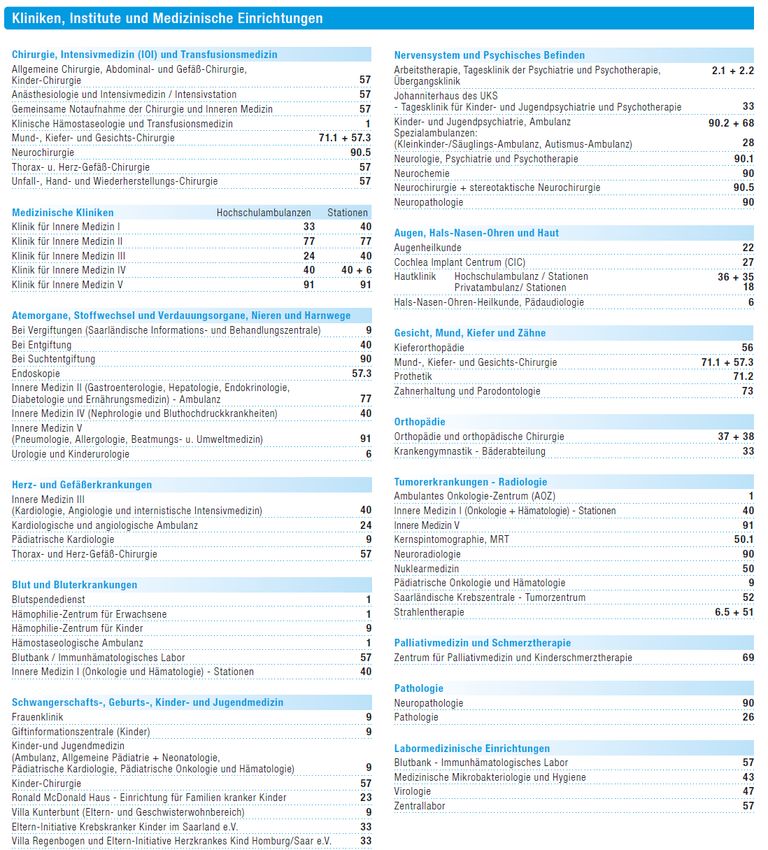
www.uks.eu/erasmus
Revised Version Winter semester 2014 / Summer semester 2015
Authors:
Dr. med. Kurt W. Becker
Clare Menzel-Dowling MBChB, M.R.C.P.
Univ.-Prof. Dr. med. Ernst-Wilhelm Kienecker
Revised in 2008 by:
Florian S. Schmitz, M.D. ECTS Departmental Coordinator
Revised in 2014 by:
Nele Hein, ECTS Departmental Coordinator
Translation: John Heaven, Birmingham/ UK
Saarland University
Medical Faculty
Dept. for Study and Teaching Affairs (Bldg. 15)
D -66421 Homburg/Saar
Tel: +49 (0) 6841-162 6001/-6072
Fax +49 (0) 6841-162 6324
ects@uks.eu
2
Seite
ERASMUS – ECTS – Information Package and Course Catalogue 2014/2015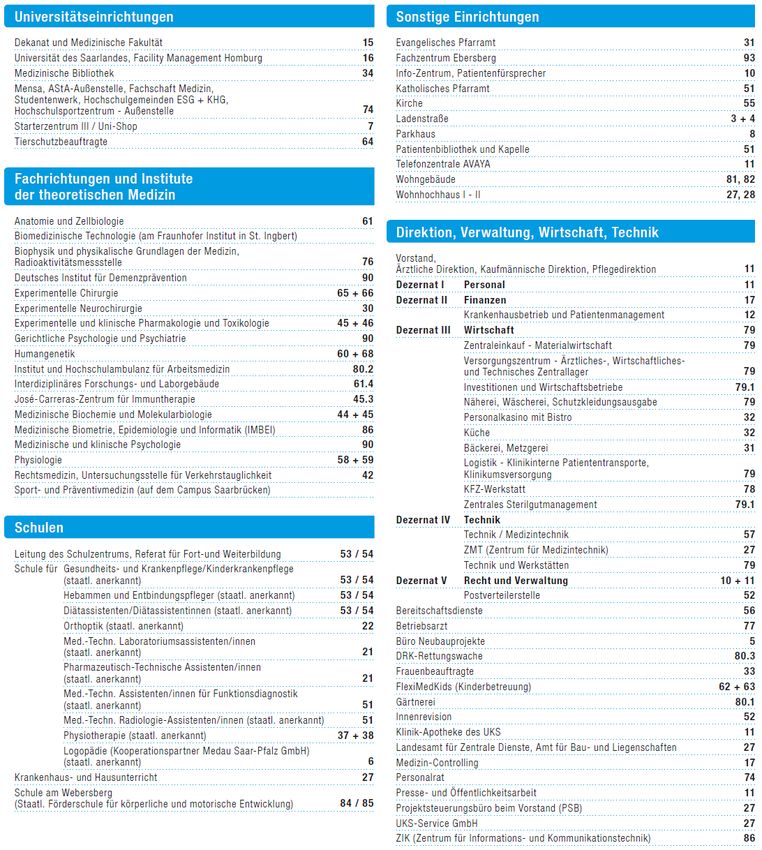
Dear ERASMUS Student,
Dear ERASMUS Partner,

W are very happy about your interest in an ERASMUS stay at the medical faculty of the Saarland
University.

At the Moment we have 33 Partner Universities in 14 European countries

Medical students of our partner universities should first get in contact with their local ERASMUS
coordinator and ask about the application procedure. Once the approval of the home institution
exists, the application can be send to Homburg.

The following information will help you to prepare your stay in Homburg and assist you with the first
steps

Please visit us as soon as you arrive in our office in Homburg, so we can discuss everything further.

We will do our best to help you with any questions and problems.

Homburg, March 2014

Nele Hein & Dr. Jasmin Cirillo
ERASMUS-Coordinators of the Medical faculty

                                                                                                        3
                                                                                                        Seite

             ERASMUS – ECTS – Information Package and Course Catalogue 2014/2015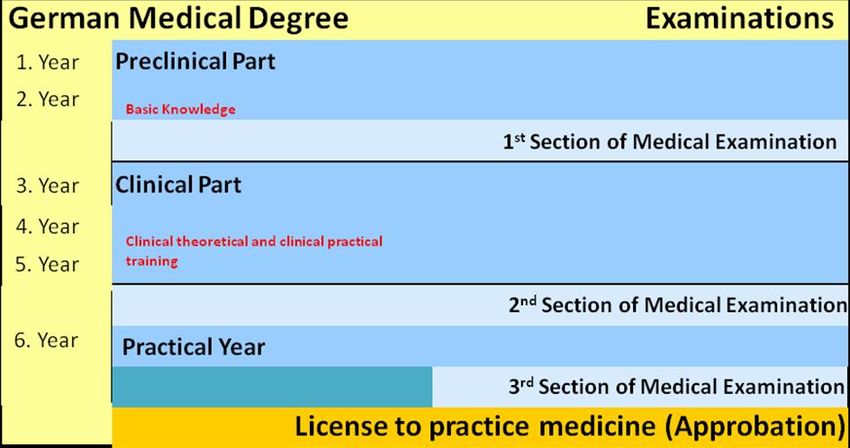
Table of Contents
Partner-Universities ..................................................................................................................................................6
The Medical Faculty of the Saarland University ................................................................................................7
Spezialisation in the Medical Faculty ..................................................................................................................8
Contacts .................................................................................................................................................................10
   Erasmus Office Homburg ................................................................................................................................10
   International Office Saarbrücken .................................................................................................................10
   ZIS (Zentrum für internationale Studierende) ..............................................................................................10
The City of Saarbrücken1 ....................................................................................................................................11
Homburg: The Town1 ............................................................................................................................................14
Maps and Area Plans...........................................................................................................................................15
Information for foreign ECTS students ...............................................................................................................20
   Application ........................................................................................................................................................20
   Arrival in Homburg ...........................................................................................................................................20
   Matriculation .....................................................................................................................................................20
   Academic Calendar .......................................................................................................................................20
   Accommodation / Living costs .....................................................................................................................20
   Living costs (examples) ...................................................................................................................................21
   Language courses ...........................................................................................................................................21
   Student Body for Medicine ............................................................................................................................21
   Library and Internet Access ...........................................................................................................................22
   In case of illness ................................................................................................................................................22
The German Medical Degree ............................................................................................................................22
   Overview ............................................................................................................................................................22
   Aims and structure of medical training .......................................................................................................23
     Lectures, seminars et al ................................................................................................................................23
     Practical Year (internship) ...........................................................................................................................24
     First aid training ..............................................................................................................................................24
     Nursing service ...............................................................................................................................................24
     Famulatur (‘electives’) .................................................................................................................................25
     Grade definitions...........................................................................................................................................25
Courses – ECTS-Codes – Credits.........................................................................................................................25
   Course Catalogue ...........................................................................................................................................26
   Subjects ..............................................................................................................................................................28
     General Medicine .........................................................................................................................................28
     Anaesthesiology ............................................................................................................................................28
     Occupational Medicine ..............................................................................................................................28
     Ophthalmology .............................................................................................................................................29
     Surgery.............................................................................................................................................................29
     Dermatology and Venereal diseases .......................................................................................................29
     Obstetrics and Gynaecology .....................................................................................................................30
     Ear, Nose and Throat ....................................................................................................................................30
     Human Genetics ...........................................................................................................................................30
     Hygiene, Microbiology, Virology ................................................................................................................30
     Internal Medicine ..........................................................................................................................................31
     Paediatrics ......................................................................................................................................................32
     Clinical Chemistry and Laboratory Diagnosis ..........................................................................................32
     Neurology .......................................................................................................................................................32
     Orthopaedics .................................................................................................................................................33
     Pathology .......................................................................................................................................................33
     Pharmacology und Toxicology ..................................................................................................................33
     Psychiatry und Psychotherapy ...................................................................................................................34
     Psychosomatic Medicine and Psychotherapy .......................................................................................34
     Legal/Forensic Medicine .............................................................................................................................35
     Urology ............................................................................................................................................................35
                                                                                                                                                                               4

   Integrated Subjects .........................................................................................................................................35
                                                                                                                                                                               Seite

     Epidemiology, Medical Biometrics and Medical Information Studies ................................................35

                      ERASMUS – ECTS – Information Package and Course Catalogue 2014/2015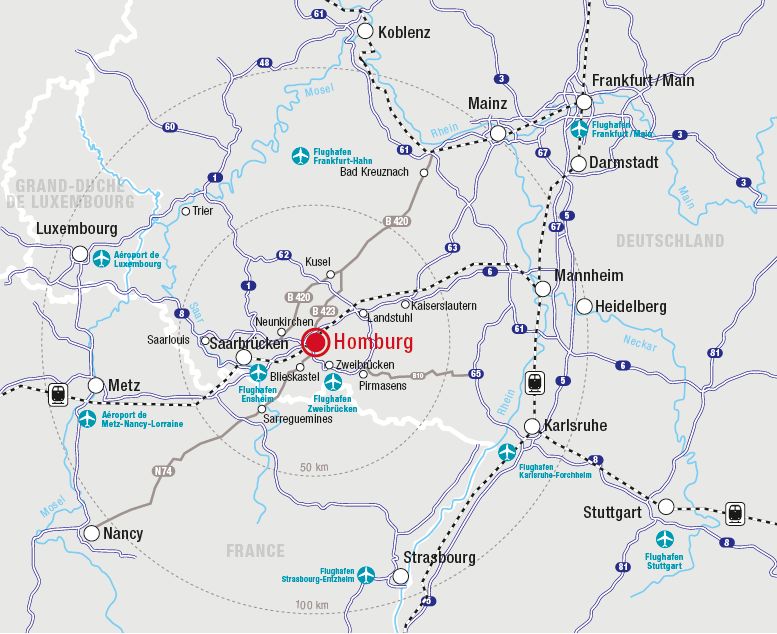
The History, Theory and Ethics of Medicine ..............................................................................................36
  Health Economics, the Health System and Public Health, Prevention, ..............................................36
  Rehabilitation, Physical Methods in Medicine, natural healing methods..........................................36
  Infection and Immunology .........................................................................................................................36
  Clinical-pathology Conference .................................................................................................................36
  Environmental Medicine ..............................................................................................................................37
  The Medicine of Aging and of the Elderly ...............................................................................................37
  Emergency Medicine ...................................................................................................................................37
  Clinical Pharmacology and Pharmacotherapy .....................................................................................37
  Medical Imaging, Radiotherapy and Radiation Protection ................................................................38
  Palliative Cares ..............................................................................................................................................38
  Pain Medicine ................................................................................................................................................38
Blockpracticals .................................................................................................................................................38
Subjects of Choice ...........................................................................................................................................39
Timetable ...........................................................................................................................................................40

                                                                                                                                                                          5
                                                                                                                                                                          Seite

                 ERASMUS – ECTS – Information Package and Course Catalogue 2014/2015
Partner-Universities
           University                                                             Persons   Months
           Belgium
           Antwerpen - University of Antwerp                                          3        30
           Brüssel - Université Libre de Bruxelles                                    2        20
           Finnland
           Kuopio - University of Kuopio                                              1        10

           France
           Nancy - Université Henri Poincaré                                          9        45
           Paris - Université Pierre et Marie Curié                                   1        10
           Rennes – Université Henri Poincaré                                         4        36
           Straßburg – Université Louis Pasteur Strasbourg I                           5        45
           Greece
           Kreta - Panepistimio Kritis                                                1         6
           Thessaloniki - Aristoteleio Panepistimio Thessalonikis                      1        9
           Great Britain
           Manchester - The University of Manchester                                  3        18
           IItaly
           Bari - Università degli studi di Bari                                      1         5
           Catanzaro - Università degli Studi Magna Græcia di Catanzaro               1         6
           Bologna – Università di Bologna                                            2        24
           Foggia - Università degli studi di Foggia                                  1        12
           Napoli - Università degli studi di Napoli Frederico II                     3        30
           Perugia – Università degli studi di Perugia                                5        30
           Netherlands
           Leiden – Universiteit Leiden                                               2        12
           Norway
           Bergen - University of Bergen                                              2        10
           Poland
           Lodz - Uniwersytet Medyczny                                                1         9
           Krakau - Uniwersytet Jagiellonski                                           1       12
           Portugal
           Coimbra - Universidade de Coimbra                                          3        30
           Switzerland
           Lausanne – Université de Lausanne                                          2        20
           (Basel – Universität Basel)                                                2        12
           Spain
           Alicante - Universidad Miguel Hernández de Elche                           2        12
           Barcelona – Universitat de Barcelona                                       2        12
           Oviedo - Universidad de Oviedo                                             2        18
           Tarragona – Universitat Rovira I Virgili (Medical Faculty Reus)            2        12
           Tenerife - Universidad de La Laguna                                        3        27
           Valencia - Universidad de València                                         2        20
           Valladolid - Universidad de Valladolid                                     2        20
           Czeck Republic
           Prag - Karls-Universität Prag 1st Faculty (Prag)                           4        24
           Hradec Králové - Karls-Universität Prag 5th Faculty (Hradec Králové)       4        40
                                                                                                     6

           Hungary
                                                                                                     Seite

           Budapest – Semmelweis Universität                                          2        20

         ERASMUS – ECTS – Information Package and Course Catalogue 2014/2015
The Medical Faculty of the Saarland University

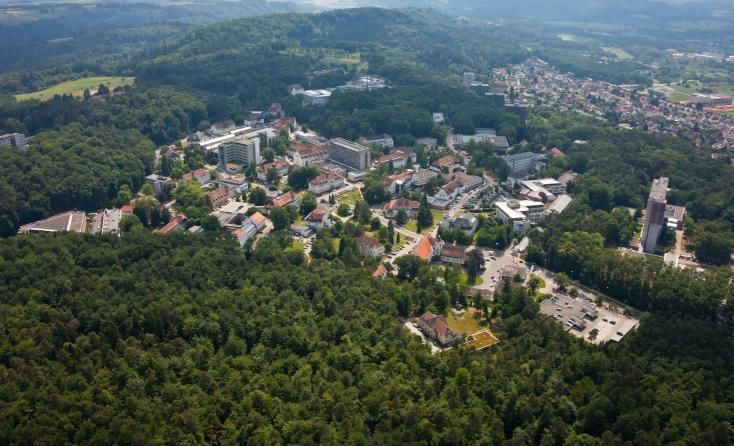
Saarland University has campuses in Saarbrücken and Homburg. Homburg (or ‘Homburg/Saar’ to
distinguish it from Bad Homburg) is the home of the medical faculty and university hospital.
Saarland University, one of the first universities to be opened after the Second World War, was
founded in several stages: with the support of the French military government in Saarland,
professors at Homburg State Hospital set up three-month training courses for the clinical semester in
January 1946. Since then, Homburg has been a university town and has played host to the Medical
Faculty. The University of Nancy sponsored it and established an “Institut de Médecine” as part of
the University of Nancy.
The decision to establish this institute in Saarbrücken as an independent university with four faculties
was made on 9th April 1948 in Paris. The preparatory phase was concluded by the start of the
1948/49 academic year: 511 students (127 medical students remained in Homburg) began their
degrees in temporary barracks in the Saarbrücker Stadtwald, the forest near the centre of
Saarbrücken. At first, they studied at the faculties of Law and Philosophy, then from 1950 also at the
faculty of Natural Sciences. Saarland’s unique situation at the time – politically semi-autonomous,
closely bound to France economically and monetarily – shaped the university in those early years.
When Saarland became part of Germany again, the Government of Saarland’s decision to fund
the University without help from outside Saarland caused a break in the University’s history. On 26th
May 1957, when the Saarland State Parliament passed the first University Ordnance, the formal
incorporation into the Association of German Universities was complete. With the integration of the
School of Education in 1978, the number of subjects on offer was also extended.
The young university developed into a bilingual, European-facing university. An international and
European profile, with special links to France, are still some of the hallmarks of Saarland University.
These are exemplified by postgraduate and undergraduate degrees that centre on France and/or
Europe and the opportunity for students of many different subjects to pursue a dual diploma
(namely, a French qualification as well as a German qualification) and the high level of
participation in EU exchange programmes, as well as the maintenance of partnerships with
universities outside Europe. The special relationship with France is the central focus of the University’s
international character, which in 1966 led to the founding of a ‘France Centre’. Saarland
University’s experience and wisdom in all things French was an important reason for basing the
                                                                                                             7

Franco-German University, a supranational organization, in Saarbrücken.
                                                                                                             Seite

             ERASMUS – ECTS – Information Package and Course Catalogue 2014/2015
Spezialisation in the Medical Faculty
Theoretical Medicine and Biosciences
Specialization 2.1 – Anatomy and Cellular Biology
Specialization 2.2 – Physiology
Specialization 2.3 – Medical Biochemistry and Molecular Biology
Specialization 2.4 – Experimental and Clinical Pharmacology and Toxicology
Specialization 2.5 – Biophysics
Specialization 2.6 – Human Genetics
Clinical Medicine
Specialization 2.7 – Internal Medicine
Medical clinic and outpatient clinic
Internal Medicine I (Hematology, Oncology, Immunology, Rheumatology)
Internal Medicine II (Gastroenterology, Diabetology, Endocrinology, Nutritional Medicine)
Internal Medicine III (Cardiology, Angiology, Intensive Care)
Internal Medicine IV (Nephrology)
Internal Medicine V (Pneumology)
Clinical-chemical Central Laboratory
Specialization 2.8 – Ophthalmology
Eye clinic und and outpatient clinic
Specialization 2.9 – Surgery
Surgical clinic and outpatient clinic
Clinic for General Medicine, Visceral Surgery, Pediatric Surgery and Vascular Surgery
Institute for Clinical-Experimental Surgery
Clinic for Trauma Surgery, Hand Surgery and Reconstructive Surgery
Clinic for Thoracic and Cardiovascular Surgery
Clinic for Clinical Hämostaseologie’ and Transfusion Medicine
Specialization 2.10 – Anesthetics
Clinic for Anesthesiology, Pain Therapy and Intensive Care
Specialization 2.11 – Neurosurgery
Neurosurgery Clinic and Research Laboratory
Specialization 2.12 – Gynecology
Gynecological Clinic and Outpatient Clinic
Specialization 2.13 – Ear, Nose and Throat
Clinic and Outpatient Clinic for Ear, Nose and Throat
Specialization 2.14 – Dermatology
Clinic for Dermatology, Phlebology, Venereal Diseases and Allergology
Specialization 2.15 – Pediatrics
Clinic for Pediatrics
Clinic for Pediatric Cardiology
Clinic for Pediatric Hematology and Oncology
Specialization 2.16 – Orthopedics
8
Clinic and Outpatient Clinic for Orthopedics and Orthopedic Surgery
Seite
ERASMUS – ECTS – Information Package and Course Catalogue 2014/2015Specialization 2.17 - Neurology and Psychiatry
Clinic for Neurology
Clinic for Psychiatry and Psychotherapy
Clinic for Pediatric Psychiatry
Specialization 2.18 – Forensic Psychology and Psychiatry
Institute for Forensic Psychology and Psychiatry
Specialization 2.19 – Radiology
Radiological Clinic
Clinic for Diagnostic and Interventional Radiology
Clinic for Radiotherapy and Radio-Oncology
Clinic for Nuclear Medicine
Clinic for Diagnostic and Interventional Neuroradiologie
Specialization 2.20 – Urology and Pediatric Urology
Clinic and Outpatient Clinic for Urology and Pediatric Urology
Specialization 2.21 – Facial, Oral and Maxillofacial Therapy
Clinic and Outpatient Clinic for Facial, Oral and Maxillofacial Illnesses
Department for Prosthodontics and Materials
Department for Orthodontics
Department for Tooth Care and Periodontics
Department for Facial, Oral and Maxillofacial Surgery
Specialization 2.22 – Pathology
Institutes for Pathology
Institute for General and Specific Pathology
Institute for Neuropathology
Specialization 2.23 – Legal/Forensic Medicine
Institute for Legal/Forensic Medicine
Specialization 2.24 – Medical Microbiology and Hygiene
Institute for Infectious Diseases
Institute for Bacteriology and Hygiene
Institute for Virology
Specialization 2.25 – Clinical Psychotherapy and Psychometrics
Institute for Psychoanalysis, Psychotherapy and Psychosomatic Medicine
Specialization 2.26 – Medical and Clinical Psychology
Specialization 2.27 – Sport and Preventative Medicine
Spezialisation 2.28 – Medical Technology
Fraunhofer-Institut für Biomedizinische Technik
Specialization 2.29 – Medical Biometry, Epidemiology and Medical Informatics
Specialization 2.30 – Occupational Medicine
Institute and Outpatient Clinic for Occupational Medicine and Environmental Medicine;
Preventative
Medicine Center
9
Seite
ERASMUS – ECTS – Information Package and Course Catalogue 2014/2015Contacts
Erasmus Office Homburg
ECTS Departmental Coordinators
Nele Hein, M.Sc.
Stephanie Orlich, Dipl. Biol.
Dr. Jasmin Cirillo, Dipl. Biol.
Consultants for Study & Teaching Affairs
The Saarland University
Medical Faculty
ERASMUS-/ ECTS-Coordination-Office
Bldg. 15
D - 66421 Homburg/Saar
Mail: ects@uks.eu
Tel. (0049) 6841 – 16 26001/ -26072
Fax (0049) 6841 – 16 26324
International Office Saarbrücken
ECTS Institutional Coordinator
Fabienne Saunier Replumaz
European Programmes & Erasmus Institutional Coordinator
The Saarland University
International Office
Bldg. A 2 2, Zi. 3.25
D - 66041 Saarbrücken
Mail: f.saunier@io.uni-saarland.de
Tel. (0049) 681 – 302 4395
Fax (0049) 681 – 302 4489
ZIS (Zentrum für internationale Studierende)
http://www.uni-saarland.de/info/europainternationales/zis.html
The center for international students is a division of the International Office. It organizes excursions,
city and campus tours, specialties days in the cafeteria, cultural evenings in the dorm, regular
meetings, cultural events and the Buddy Program "you & me" (student tutors for Incoming Students).
10
Seite
ERASMUS – ECTS – Information Package and Course Catalogue 2014/2015The City of Saarbrücken1
In the last centuries before the birth of Christ, the Mediomatrici, a Celtic tribe, inhabited the region
surrounding what we now know as Saarbrücken. When Caesar’s troops conquered Gall, the entire
left
bank of the Rhine was occupied by the Romans.
999
First documentary reference to Saarbrücken: King Otto III gives the castle “Castellum Sarabrucca”
to
the bishops of Metz.
1120
Saarbrücken evolves out of the existing fiefdom when, through the arrival of knights, merchants and
those seeking protection, the area surrounding the castle develops into a settlement. By the start of
the
14th century the inhabitants of Saarbrücken and St Johann, opposite, are villeins.
1321
Earl Johann I of Saarbrücken-Commercy signs the charter that grants Saarbrücken the status and
rights of a town.
1604-1617
Earl Ludwig orders the building of a new castle in Renaissance style. He also founds the
Ludwigsgymnasium (a school).
1618-1648
Saarbrücken does not escape the terror of the Thirty Years War, which leaves awful marks. The
number of inhabitants sinks from 4,500 in 1628 to 70 in 1637. Before the trauma of the Thirty Years
War can be overcome, the Louis XIV instigates a series of war, including the War of Devolution.
1677
Saarbrücken is reduced to just eight houses after the town is all but consumed in flames during Louis
XIV’s wars.
1741
During Wilhelm-Heinrich’s reign, the town experiences a remarkable economic upturn. The Earl
nationalises the coal mines. New iron foundries are built, allowing ores to be used more effectively.
Infrastructure and society experience change, too: the introduction of a regular postal service; the
development of a school system; Earl Wilhelm-Heinrich promotes the erection of churches of all
permitted faiths and tasks Gottfried Hofer, the printer, with publishing a weekly newspaper; the
genial
Baroque architect Friedrich-Joachim Stengel arrives in Saarbrücken and creates the town’s image.
1738-48
Thanks to Stengel the ruins of the Renaissance castle were replaced with a Baroque chateau.
Other
significant Stengel buildings are the Friedenkirche (1745), the Old Town Hall at Schloßplatz (1750)
and
the katholische Pfarrkirche St. Johann – a minor basilica (1754).
1775
Stengel builds his last building in Saarbrücken, the Ludwigskirche.
1793
French revolutionary forces occupt the town. The Baroque chateau is plundered and burned to the
ground, leaving only the foundations intact.
1797/1801
The treaties of Campo Formio (1797) and Lunéville (1801)) grants Saarbrücken to the French.
1815
Saarbrücken and the Saar region fall into the possession of the Kingdom of Prussia. A
Bürgermeisterei
of Saarbrücken is established, covering Saabrücken and St. Johann as well as Malstatt, Burbach,
Brebach and Rußhütte.
1852
11
Saabrücken celebrates the opening of its first train station, connecting the Ludwigsbahn railway in
Palatinate (Pfalz) with the French Ostbahn.
Seite
1856
ERASMUS – ECTS – Information Package and Course Catalogue 2014/2015Work at the Burbach ironworks begins.
1860 onwards
Canalisation of the river Saar allows the transport of coal. At the same time, the Saar is connected
to
the significant French canal network.
1870/71
Franco-German War: a bloody battle takes place at the Spicherer Höhen, directly in front of the
city
gates.
1 Source: Landeshauptstadt Saarbrücken,Öffentlichkeitsarbeit, 66104 Saarbrücken (2004)
http://www.saarbruecken.de
- 19 -
1909
The ‘Saar towns’ Saarbrücken, St. Johann and Malstatt-Burbach are united to form the City of
Saarbrücken with a population 105 000. It is now the fifth largest German city on the left-bank of the
Rhine.
1911
A Zeppelin airship lands on the fields of St. Arnual. Saarbrücken’s first airport is built on this site.
Saarbrücken airport is now located at Saarbrücken-Ensheim.
1914
Saarbrücken is the concentration area of the front that stretches from Verdun to the north Vosges.
1915
An aerial bombardment makes Saarbrücken fee the suffering of the War for the first time
1918
The Saarland industrial area is to be annexed. The last German troops leave the city. Marschall
Foch
moves into Saarbrücken with his troops and dissolves the workers’ and soldiers’ councils.
1919
The Treaty of Versailles put Saarland under administration of the League of Nations for fifteen years.
The mines become French property.
1935
Saarland’s future is decided by a referendum. Ninety per cent of the population vote to return
Saarland
to Germany.
1939/1944
Saarbrücken is the victim of several heavy bombings during the Second World War. The population
had to be evacuated twice. Saarbrücken’s old town is almost completely destroyed. A total of
11,000
houses are destroyed. Towards the end of the war, US troops occupy Saarbrücken. In the same
month,
the French military government assumes the administration of Saarland.
1947
Saarland becomes an autonomous state, with Saarbrücken as the capital and the seat of
government.
In November the Saarland economy is linked to France.
1948
Foundation of Universität des Saarlandes, Saarland University.
1955
In a referendum on the future of Saarland, two-thirds of voters reject the Saar Statute, which would
have brought political independence.
1957
Saarland becomes the eleventh German state; Saarbrücken is the state capital.
1959
From 5th July, Saarland is also economically part of the Federal Republic of Germany. The following
years see Saarbrücken’s transition to a regional economic metropolis, which is reflected in the
12
erection
of new buildings and Saarbrücken’s growth. Examples of new developments are the
Seite
Stadtautobahn (a
ERASMUS – ECTS – Information Package and Course Catalogue 2014/2015motorway running through the centre of the city), the Deutsch-Französischer Garten (‘Franco-
German
Garden’) and Saarbrücken Zoo. These are accompanied by office buildings, banks and
department
stores.
1965
The French city of Nantes becomes Saarbrücken’s first twin city.
1970
The small airport at Ensheim is expanded into a passenger airport. Work on sanitisation in the old
town
begins
1974
The Gebiets- und Verwaltungsreform (territorial and administrative reform) makes the neighbouring
town of Dudweiler and surrounding boroughs part of Saabrücken. leading to an increase in
population
from 123,006 to 209,104.
1975
Tbilisi, Georga, becomes Saarbrücken’s second twin city. Saarbrücken becomes the first German
town
to maintain a partnership with a town in the then Soviet Union
1989
Saarbrücken celebrates its eightieth birthday as a city.
1992
Saarbrücken receives a UN award on the occasion of the Rio de Janeiro environment conference
for its
work on energy policy with the public utility company.
1994
After Wiesbaden (1991), Kiel (1992) and Hamburg (1993), Saarbrücken becomes the fourth German
partner city of the UN’s children’s relief organisation.
- 20 -
1999
With over 300 events, Saarbrücken celebrates its thousandth year as a town.
At the turn of the millennium, Saarbrücken’s economy is developing especially in thte IT area, which
is
creating thousands of new jobs. Thanks to the exemplary Starterzentrum (centre for those wishing to
start a business) at the University and its Science Park academia and economy are even more
closely
related.
A large number of people visit the shops, theatre, museums, restaurants and cafés that adorn the
old
town with its pleasant pedestrian area. The French influence is especially evident in the state
capital’s
food. Saarbrücken’s proximity to France and Luxembourg gives it a particular attraction and its
location
in the heart of Europe make it particularly interesting and amiable.
13
Seite
ERASMUS – ECTS – Information Package and Course Catalogue 2014/2015Homburg: The Town1
The town’s seal from 1699 bears the inscription “Homburg - Crescere nil obstat", loosely translated as
"Homburg is starting to grow". That prognosis has been confirmed. The development of this district
university town that was declared a town in 1330 and has ca. 45,000 inhabitants is to be seen
everywhere you go. The basis of this favorable trend was a consistent economic and development
policy since the start of the last century, whereby the settlement of ecologically friendly industrial
plants was favored. In Homburg, around 30,000 people are employed, including ca. 13,000
commuters from the eastern Saar region, from the western part of Rhineland-Palatinate and from
France.
The Medical Faculty and the University Hospital are amongst the largest employers in the town. The
fact that Homburg is the medical centre of Saarland is of significance for the town, which profits in
numerous ways from the prestige of the Medical Faculty and University Hospital, including its ability
to attract people from all over the world. Almost 2,000 medical students and around 4,000 medical
employees help to define the town’s image.
Homburg has become one of the region’s important retail centers with an excellent service sector.
Department stores, specialist shops and workshops are able to fulfill a customer’s every wish. The
face of the town has changed significantly within the last fifteen years. The sanitation of the old
town has been accompanied by the renovation of pedestrian precincts and the refurbishment of
squares and fountains, which combine to make a visit to Homburg a pleasure. Pleasant Saarland
pubs and cafés, first-class restaurants and outstanding hotels make a significant contribution to this.
The high proportion of forest in the area of the “town of the tree” is one of Homburg’s hallmarks.
Long walks in the surrounding forests remind the visitor of a great and sometimes proud history:
historical ruins, like the Hohenburg, Karlsberg Castle and the Cistercian abbey in Wörschweiler –
renovated by specialists – and the Gustavsburg bear witness to Homburg’s past. The sandstone
caves on the Schlossberg, Europe’s largest soft sandstone caves, and the Roman Museum, one of
the finest openair museums in Germany, are widely renowned tourist attractions that attract in the
region of 10,000 visitors per year.
Numerous cultural events show that Homburg is a very lively town. The monthly flea-market, one of
the largest and most famous in south-west Germany, deserves a mention here. The large number of
public festivals and concerts are very popular within Saarland and Palatinate; the regular top-
quality concerts that take place in Homburg have made the town Saarland’s secret “musical
capital”.
1
Quelle Text und Bilder: www.homburg.de
14
Seite
ERASMUS – ECTS – Information Package and Course Catalogue 2014/2015Maps and Area Plans
The state of Saarland is centrally located in Europe, in southwestern Germany, bordering France,
Luxembourg and the state of Rheinland-Pfalz.
Homburg is located about 30 km from Saarbrücken to the motorways Paris-Mannheim-Karlsruhe
and Trier, as well as on the railway line between Paris and Frankfurt. The nearest airports are
Zweibrücken (10km) and Saarbrücken-Ensheim (20km).
Easily accessible Homburg is also the airports Strasbourg, Paris, Luxembourg, Frankfurt and Frankfurt
/ Hahn.
You find a city map of Homburg on www.homburg.de or at the ECTS-Office.
15
Seite
ERASMUS – ECTS – Information Package and Course Catalogue 2014/201516
Seite
ERASMUS – ECTS – Information Package and Course Catalogue 2014/2015Medical Faculty and University Hospital
17
Seite
ERASMUS – ECTS – Information Package and Course Catalogue 2014/201518
Seite
ERASMUS – ECTS – Information Package and Course Catalogue 2014/201519
Seite
ERASMUS – ECTS – Information Package and Course Catalogue 2014/2015Information for foreign ECTS students
Application
In order to study at the Medical Faculty of the University of Saarland under the ECTS programme,
you need the following documents, which must be signed by the Departmental Coordinator of your
home university:
• ECTS-Bewerbungsformular (ECTS Application Form including picture)
• Studienprogramm (Learning Agreement)
• Datenabschrift (Transcript of Records) of your home university detailing your grades to date.
These documents should be sent to the following address:
Universität des Saarlandes
Medizinische Fakultät
ERASMUS-/ ECTS-Büro
Geb. 15
D – 66421 Homburg
Arrival in Homburg
Following arrival, applicants should present themselves to the ERASMUS-/ ECTS-office. It is open from
Mo-Fr 09-12 am and by appointment.
Matriculation
You do not have to pay student fees. Formalities necessary for matriculation can take place in the
ECTS-Office in Homburg. You must bring the following:
• Proof of health insurance (European Health Insurance Card)
• 4 recent passport photos
The students’ union requires a fee of € 97. In return you receive a ‘semester ticket’ that entitles you
to use all public transport within Saarland (buses and local trains).
Registration / Authorities
ECTS students are obliged to register with the citizenship office (Einwohnermeldeamt) in Homburg.
(You will receive more details about this when you arrive.)
Academic Calendar
The academic year at Saarland University is divided into two semesters. The winter semester begins
in mid-October and ends in mid-February; the summer semester begins at the start of April and
ends at the end of July. ECTS students are advised to arrive two to three weeks before lectures start.
Start of lectures in winter semester 2014/ 2015: 20.10.2014
End of lectures in winter semester 2014/ 2015: 13.02.2015
Start of lectures in summer semester 2015: 20.04.2015
End of lectures in summer semester 2015: 31.07.2015
20
Accommodation / Living costs
A Mensa academica (canteen) is placed at the disposal of those studying in Saarbrücken and
Seite
Homburg. The prices for lunch range from around € 1,60 – € 3,50.
ERASMUS – ECTS – Information Package and Course Catalogue 2014/2015Within walking distance as the Medical Faculty campus are halls of residence
(http://www.studentenwerk-saarland.de/) which can accommodate around 400 people, including
ECTS students. The monthly rent is around € 180-€ 250 €. To apply for a room, ECTS students should
contact the Studentenwerk directly on:
Studentenwerk im Saarland e.V.
c/o Frau Marlies Jonderko
Campus Homburg
Gebäude 74
D - 66421 Homburg/Saar
Phone +6841-162 7484
Fax +6841-162 7485
m.jonderko@studentenwerk-saarland.de
Living costs (examples)
Daily newspaper 1 - 1,5 Euro Bread 500 g 1,5 - 2,5 Euro
Haircut 10 - 15 Euro Sliced white bread 750 g 1,2 - 1,8 Euro
Computer magazine 3 - 4 Euro Milk 1 Litre 0,5 - 0,8 Euro
A pair of jeans 50 - 70 Euro Butter 250 g 1,2 - 1,4 Euro
Cinema ticket 4 - 8 Euro Cereals 350 g 1,9 - 2,1 Euro
Stamp (standard) 0,56 Euro Potatoes 1000 g 0,7 - 0,9 Euro
Coffee 500 g 4 - 5 Euro Spaghetti 500 g 0,6 - 0,8 Euro
Phone call 1 Min. 0,12 Euro Pizza 300 g 1,5 - 2 Euro
Instant coffee 200 g 4 - 5 Euro Pizza (Restaurant) 4 - 8 Euro
Petrol 1 Litre 1,40 Euro Big Mac 2,5 - 3 Euro
Tomatoes 500 g 1 - 1,4 Euro Beer 0.5 Litre (Shop) 0,6 - 0,8 Euro
Taxi (10 km) 10 Euro Bier 0.5 Litre (Restaurant) 2,5 - 3 Euro
Cheese 100 g 0,5 - 1 Euro Orange juice 1 Litre 0,5 - 1,5 Euro
Chocolate 100 g 0,5 - 1 Euro Mineral water 1 Litre 0,5 - 0,8 Euro
Paracetamol 500 mg 1,75 Euro Lemonade 0.33 Litre 0,5 - 0,7 Euro
Oranges 1000 g 0,6 - 1 Euro Toilet roll 1,2 - 1,5 Euro
Bananas 1000 g 1,5 - 1,8 Euro Toothpaste 100 ml 1,5 - 2 Euro
Pork 500 g 2 - 2,5 Euro
Language courses
ECTS students who wish to brush-up their German can attend a German language course.
Up-to-date information with information about prices can be found at:
http://www.uni-saarland.de/info/europainternationales/udsweltweit/sprachkurse/sprachkurse.html
There is also a German Course in Homburg if there are enough students who are interested. Please
ask the Coordinators in Homburg (ects@uks.eu).
Student Body for Medicine
According to the University ordnances, the students of Saarland University collectively form the
Student Body (Studierendenschaft). This is a University body and participates in the election of
officers to the board of the University.
Fachschaft Medizin
Geb. 74
Campus Homburg
Tel. +6841-162 7499
21
http://www.medizinhomburg.de/
– represents the interests of medical students and offers them support relating to their courses.
Seite
The Student Body organizes cultural, sport and free-time events.
ERASMUS – ECTS – Information Package and Course Catalogue 2014/2015Library and Internet Access
The medical section of the Saarland University and State Library has reading rooms and PC work
stations and is located on the Medical Faculty campus. It is open from Monday to Friday between
08.00 and 20.00 and on Saturdays between 08.00 and 13.00.
Reading and study rooms (open Monday – Friday from 8.00 – 20.00) are situated in the canteen
building, the Mensa-Building.
PC workstations for students are available in the Department of Anatomy building.
In case of illness
EU students should present their European Health Insurance Card to the doctor or dentist who treats
them. Doctor’s and hospital fees are then reclaimed by AOK from your health insurance at home.
The ECTS Departmental Coordinators are – according to the illness in question – able to help in
finding a doctor or specialist and can, in some cases, give advice themselves.
The German Medical Degree
Overview
Medical training in Germany is governed by law through the Approbationsordnung für Ärzte from
June 27 th, 2002. It encompasses:
• a medical degree of six years’ duration from a University or equivalent college. The last year
of the degree must be practical training (Internship, or Praktisches Jahr) of 48 weeks’ duration;
• first aid training;
• three months service as a nurse;
• practicals lasting 4 months;
• the medical examination, divided into three sections.
The recommended duration of the entire degree is six years and three months, including
examinations.
The medical examination takes the following form:
22
Seite
ERASMUS – ECTS – Information Package and Course Catalogue 2014/2015Aims and structure of medical training
The aim of medical training in Germany is to produce doctors who are academically and
practically competent and who are capable of independently working as a doctor, engaging in
further education and undertaking continual training. The training should convey fundamental
knowledge and skills in all subjects as necessary for comprehensive health care of the population.
Medical training is academically based but is carried out practically and patient-oriented. It should
impart —
• the fundamentals of the body’s functions and spiritual attributes,
• the fundamentals of illnesses and ill people,
• knowledge and skills in diagnosis, therapy, promotion of health, prevention and rehabilitation
necessary to work as a doctor,
• practical experience in dealing with patients, including a multidisciplinary approach to illnesses
and the ability to co-ordinate treatment,
• the ability to appreciate the implications of a doctor’s work for health economics,
• the fundamentals of the influence that family, society and environment have on health, the
organization of health care and overcoming the consequences of illness,
• the spiritual, historical and ethical basis of a doctor’s work
— on the basis of the most recent research.
Lectures, seminars et al
The University offers an education that corresponds to the above aims and that enables students to
acquire the knowledge and skills that are required in the examinations.
To this end, not only lectures (Vorlesungen) but also practical exercises and seminars are held. (As
well as this, the University can also arrange teaching in other formats, e.g. workshops. ‘Practical
exercises’ include learning at the hospital bed and all forms of work experience.)
The teaching you receive should promote interdisciplinary thinking and should be based on
problem solving as far as this serves the purposes of effective tuition. Universities must offer tuition
that is sufficiently cross-disciplinary and tuition in multi-disciplinary subjects. Teaching of natural
sciences and a grounding in theory has to be concentrated on areas that are relevant to
medicine.
Practical exercises means a student independently completing practical tasks under the direction
and supervision of a member of teaching staff. During practical exercises, it is important that
students are guaranteed a practical insight. As far as the subject matter requires it, work must take
place in small groups. The subject matter must be relevant to the requirements of medical practice.
Tuition on healthy subjects and – according to how advanced the student’s skills are, and
especially after the first part of the medical examination – on patients is emphasized.
Practicals are completed after the first part of the medical examination and are accompanied by
a minimum of twenty per cent of theoretical tuition in seminars or workshops. Students should be
given ample opportunity to work with patients under the direction and supervision of a doctor in as
far as this is necessary for the acquisition of skills. Where directly patient-oriented tuition takes place,
only a small group of patients can be tutored at once. To elaborate:
• groups no larger than six can be present at patient demonstrations,
• groups no larger than three can take part in patient examinations.
The total time dedicated to practical patient-based tuition is divided equally into patient
demonstrations and patient examinations. In total, bedside tuition takes 476 hours. Blockpraktika
(‘block practicals’) are one to six week long practicals dealing with differential diagnosis and
therapy of the most important illnesses within a clinic and outpatient setting. Blockpraktika account
for at least 20 per cent of practicals following the First Section of the medical examination.
In seminars, the content already taught through lectures and practical exercises is discussed in
more detail and in a practice oriented way that concentrates on particular issues. The seminars are
organized in a way that allows students to learn about important medical relationships. Seminars
23
also include presentation of patients. Through their own contributions, students are expected to
work through problems, in particular those of a multidisciplinary nature. The maximum number of
Seite
participants per seminar is twenty.
ERASMUS – ECTS – Information Package and Course Catalogue 2014/2015Workshops are intended for discussion of material presented in practical exercises, lectures and
seminars and to practise independent problem-solving. In workshops, the study group should
particularly concentrate on case studies. The above methods of teaching are prepared and
accompanied by systematic lectures.
Students are awarded certificates in order to prove their regular and successful participation in
practical exercises, seminars and workshops as well as regular appearance at the lectures that
prepare for them. A student has successfully participated in a practical exercise when he/she has,
in an appropriate manner for the subject at hand, demonstrated that he/she has acquired the
necessary knowledge and skills and is able to apply these in practice.
As student has successfully participated in a seminar when he/she has demonstrated an
understanding of the course content in its correct context, and is able to explain it.
A successful workshop participant is a student who has demonstrated an ability to work
independently and appropriately to the subject at hand, especially in solving case studies.
During the first section of the medical examination, and before the start of the Praktisches Jahr
(internship), the student must choose one Wahlfach or elective course. For the first section, students
can choose any elective course that the University offers; for the elective course in the second part,
students may choose any area of study that the University has to offer. Performance in elective
courses is evaluated and graded. The above tutorials are regularly evaluated and the results are
made public.
Practical Year (internship)
The Practical year takes place in the last year of the medical degree. This internship is structured as
follows, with each part lasting 16 weeks:
• Internal Medicine
• Surgery, and
• one elective subject.
The internship takes place in the University hospital or general practice surgeries.
During the internship – which should focus on patient-based training – students should expand and
deepen the medical knowledge and competencies acquired during their degree. To this end, they
should carry out the medical tasks assigned to them according to their level of medical experience
and under supervision and direction of the doctor responsible for them. As a rule, they should be
present at the hospital every work day for the whole day. An integral part of the internship is
participation in medical conferences, including pharmacological and clinical pathology meetings.
First aid training
Through theoretical and practical tuition, first aid training should convey a thorough knowledge of,
and practical ability in, first aid. The training can take place in outside organisations (e.g. the Red
Cross). Proof of having qualified to practise a statutorily regulated healthcare profession in
Germany is also accepted as proof of having completed first aid training. Participation in first aid
training is has to be,proven in order to register for the first section of the medical examination.
(Training in Ersten,ärztlichen Hilfe (first aid for doctors) und in trauma medicine takes place in the first
section of medical,training.)
Nursing service
The three-month-long service as a nurse has to be completed at a hospital before beginning a
medical degree or during the holidays before registering for the first section of the medical
examination. The aim of this is to introduce the student, or prospective student, to the organisation
and running of a hospital and to familiarise him/her with standard mechanisms of healthcare.
Nursing service can be completed in three sections, each of a month in duration. This also includes
24
nursing service completed abroad. Completed nursing service has to be proven as part of
registration for the first medical examination.
Seite
ERASMUS – ECTS – Information Package and Course Catalogue 2014/2015Famulatur (‘electives’)
The Famulatur is intended to familiarise students with health care for patients in hospital and
outpatients. The Famulatur is completed in the following stages:
1. one month in an organisation that offers out-patient care and is under the direction of doctors,
or a dedicated medical practice,
2. two months in a hospital, and
3. one further month in either No. 1 or No. 2.
Famulaturs completed abroad are recognised as long as they are completed in one of the above.
The four-month Famulatur is to be completed during the holidays after passing the first section of
the medical examination and before beginning the praktisches Jahr internship. It has to be proven
during registration for the second section of the medical examination.
Grade definitions
German grading System
Definition
(marks)
1 EXCELLENT – outstanding performance with only minor
sehr gut errors
2 GOOD – above the average standard but with some
gut minor errors
3 SATISFACTORY – generally sound work with a number of
befriedigend notable errors
4
SUFFICIENT – performance meets the minimum criteria
ausreichend
5 FAIL – some more work required before the credit can be
mangelhaft awarded
6
FAIL – considerable further work is required
ungenügend
Courses – ECTS-Codes – Credits
ERASMUS Students are generally allowed to visit any course written in the course catalogue.
Please note that not every course is offered in each semester.
Please note that some events have been renamed and the curriculum has changed also in some
parts compared to previous years.
In addition to the general courses we offer students to do clinical electives in a department of
choice in vacation time between the semesters.
Requirements are:
At least one week (40 hours), more weeks are possible
The department agrees to host the student during the desired timeframe
1.5 ECTS Credits per week
If you have further questions, don´t hesitate to ask the departmental coordinators (ects@uks.eu)
25
Seite
ERASMUS – ECTS – Information Package and Course Catalogue 2014/2015Course Catalogue
Academic Year 2014/ 2015
Study Years 3-5
1
D-LSUD- Subject hours ECTS
5-MED-GenMed General Medicine 24 3,00 Course
4-MED-Anae01 Anaesthetics 14 1,00 Lecture
5-MED-Anae-Block 14 1,00 Block-Practical*
5-MED-OccMed Occupational Medicine 24 4,00 Course
4-MED-Opht01 Ophthalmology 28 2,00 Lecture
4-MED-Opht02 14 1,00 Practical
3-MED-Surg01 Surgery 76 6,00 Lecture
3-MED-Surg02 50 3,00 Seminar/
Practical
5-MED-Derm01 Dermatology, Veneral Diseases 28 3,00 Lecture
5-MED-Derm02 21 3,00 Practical
4-MED-Gyn01 Obstetrics & Gynaecology 28 3,00 Lecture
4-MED-ENT01 Ear, Nose and Throat 28 2,00 Lecture
4-MED-ENT02 14 1,00 Practical/
Seminar
3-MED-HumGen Human Genetics 28 2,00 Lecture
3-MED-Microbiol Hygiene, Microbiology, Virology 56 5,00 Practical
3-MED-IntMed01 Internal Medicine 28 2,00 Lecture1
Only in winter
3-MED-IntMed04 Lecture1 (3Parts): Kardio-Angio / Nephro / Pneumo-Allergo 28 2,00 Lecture2
Lecture2 (2Parts): Haemato-Onco / Gastro-Endocrino
Only in summer
4-MED-IntMed03 28 3,00 Seminar 1+2
4-MED-IntMed03 over 2 semesters
3-MED-Paed01 Paediatrics 14 2,00 Course/Lecture
4-MED-Paed02 60 4,00 Lecture
3-MED-ClinChem Clinical Chemistry & Pathobiochemistry 28 1,00 Practical
4-MED-Neurol01 Neurology 42 6,00 Lecture
4-MED-Neurol02 28 3,00 Practical
3-MED-Ortho01 Orthopaedics 28 1,00 Lecture
3-MED-Ortho02 28 2,00 Practical
3-MED-Patho101 Pathology 70 6,00 Lecture1
3-MED-Patho102 84 8,00 Practical/
Course
3-MED-Patho103 56 5,00 Lecture2
Compulsory when
taking Practical
3-MED-Pharm01 Pharmacology, Toxicology Only in winter 112 9,00 Lecture
3-MED-Pharm02 56 2,00 Course
5-MED-Psychiatry01 Psychiatry and Psychotherapy 28 3,00 Lecture
5-MED-Psychiatry02 28 3,00 Practical
5-MED-Psychiatry03 14 1,00 Seminare
4-MED-PsySom01 Psychosomat. Medicine/Psychotherapy 28 3,00 Lecture
5-MED-PsySom-Block 28 3,00 Block-Practical*
5-MED-LegMed01 Legal/ Forensic Medicine 28 3,00 Course
4-MED-Uro01 Urology 28 2,00 Lecture
5-MED-Uro-Block 20 2,00 Block-Practical*
5-MED-W-[xxx] Subject of Choice** 14 1,50 See below
26
1
The Subjects, Integrated Subjects and Block Practicals are given marks
Seite
* not possible to combine with other courses/lectures during semester
** Subjects of Choice are not always offered/ offered depending the numbers of students – please ask the coordinator
ERASMUS – ECTS – Information Package and Course Catalogue 2014/2015Integrated Subjects
D-LSUD- Subject hours ECTS
3-MED-Biometry01 Epidemiology, Med. Biometrics/ 28 1,00 Practical
3-MED-Biometry02 Medical Informatics 28 1,00 Lecture
3-MED-History History, Theory and Ethics of Medicine 14 1,00 Lecture
5-MED-SocMed Social Medicine; 36 7,00 Combined
5-MED-PubHealth Health Economics, Public Health Course
5-MED-Prevent Disease Prevention, Health Promotion
5-MED-RehaPhys Rehabilitation, Physical Medicine,
Natural Healing Methods
5-MED-InfectImmun Infectious Diseases & Immunology 28 3,00 Course
4-MED-PathConf Clinical-pathological Conference 14 1,00 Conference
4-MED-Patho2Neur Neuropathology 14 1,00 Lecture
5-MED-EnvirMed Clinical Environmental Medicine 14 1,00 Lecture/
Seminare
5-MED-Age Medicine of the Ageing and the Elderly 14 1,00 Lecture
4-MED-Emergency01 Emergency Medicine 28 2,00 Lecture
4-MED-Emergency02 7 1,00 Practical
5-MED-ClinPharm Clinical Pharmacology, 28 3,00 Lecture
Pharmacotherapy Only in winter
4-MED-MedImage Medical Imaging, Radiotherapy, 84 6,00 Course
Radiation Protection
4-MED-PallMed Palliative Cares 24 1,00 Course
4-MED-SchmerzMed Pain Medicine 24 1,00 Course
Block Practicals
- Not possible to combine with other courses/lectures during semester – please ask Coordinator for other solutions
- All Block Practicals possible as a package in one semester (see timetable clinic)
D-LSUD- Subject hours ECTS
5-MED-IntMed-Block Internal Medicine 80 8,00 Block Practical
5-MED-Surg-Block Surgery 80 8,00 Block Practical
5-MED-Paed-Block Paediatrics 40 3,50 Block Practical
5-MED-Gyn-Block Obstetrics and Gynaecology 40 3,50 Block Practical
5-MED-GenMed- General Medicine 80 8,00 Block Practical
Block
Examination: 2nd Part of Medical State Exam (written)
Study Year 6 („Practical Year“)
2
D-LSUD- Fächer Duration ECTS
6-MED-IntMed-PJ Internal Medicine 4 Months 20,00 All day
clinical work
6-MED-Surg-PJ Surgery 4 Months 20,00 All day
clinical work
6-MED-W-PJ Subject of Choice 4 Months 20,00 All day
clinical work
Examination: 3rd Part of Medical State Exam (practical-oral)
Subjects of Choice (Studienjahre 3-5)
3
List of subjects of choice differs every semester. Please look here:
http://www.uniklinikum-saarland.de/de/lehre/humanmedizin/2_studienabschnitt/
“Übersicht Fächer”
27
Seite
2
The PJ attachments are not given marks
3
The Subjects of Choice are marked.
ERASMUS – ECTS – Information Package and Course Catalogue 2014/2015You can also read


