Edelman Trust Barometer 2020 - Global Report
←
→
Page content transcription
If your browser does not render page correctly, please read the page content below

Global Report

Edelman Trust
Barometer 2020
20th ANNUAL                                                            General Online Population

EDELMAN TRUST                                                          1,150           Ages         All slides show general
                                                                                                    online population data
                                                                                                                                    Informed Public
                                                                       respondents     18+                                    500 respondents in U.S. and China;
BAROMETER                                                              per market
                                                                                                    unless otherwise noted
                                                                                                                              200 in all other markets

Methodology                                                                                                                   Represents 17% of total global population
                                                                                                                              Must meet 4 criteria
                                                                                                                              ‣ Ages 25-64
                                                                                                                              ‣ College-educated
                                                                                                                              ‣ In top 25% of household income per
                                                                                                                                age group in each market
                                                                                                                              ‣ Report significant media consumption
Online survey in 28 markets                                                                                                     and engagement in public policy and
                                                                                                                                business news
34,000+ respondents total

All fieldwork was conducted between                                                                                                 Mass Population
October 19 and November 18, 2019
                                                                                                                              All population not
                                                                                                                              including informed public
28-market global data margin of error: General population +/- 0.6%               2020 Gen Z oversample                        Represents 83% of total
(N=32,200), informed public +/- 1.2% (N=6,200), mass population +/-
0.6% (26,000+), half-sample global general online population +/-                250 respondents age 18-24 per market          global population
0.8% (N=16,100).
Market-specific data margin of error: General population +/- 2.9%
(N=1,150), informed public +/- 6.9% (N = min 200, varies by market),
China and U.S. +/- 4.4% (N=500), mass population +/- 3.0% to 3.6%
(N =min 736, varies by market).
Gen Z MOE: 28-market = +/- 1.5% (N=4,310)
Market-specific = +/- 5.3 to 10.5% (N=min 88, varies by market).                                                                                                       2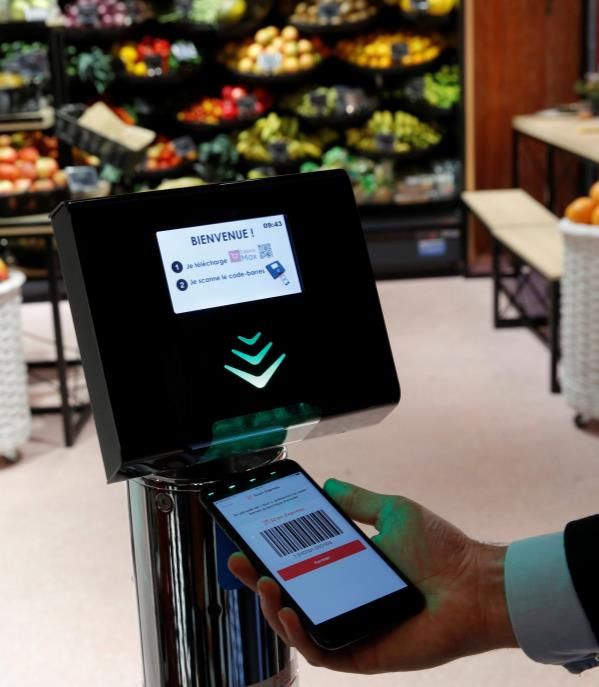
TRUST ESSENTIAL
FOR FUTURE
SUCCESS                                                        Consumers           Employees         Regulators
20 years of Edelman                          Trust
research on trust                           matters           Trusted companies      Trust drives   Trusted companies
                                                                have stronger         workplace        have greater
                                             to…              consumer buyers     recommendations   license to operate
                                                                and advocates

• 2M+ respondents

• 145 companies
                                                                Resilience                             Media
• 80k employee reviews                     Investors           against risk        The market
                                                                                                      coverage
• Interviews with 50+ business leaders   Trusted companies                           Trust drives
                                                              Trusted companies                     Trusted companies
                                            have greater        have stronger         workplace
• 23M measures of trust                  license to operate                       recommendations      have greater
                                                              consumer buyers                       license to operate
• Review of 150+ academic articles and                          and advocates
  80+ models of trust

• Trust and stock price analysis for
  80 companies

                                                                                                                         3
20 YEARS OF TRUST

2001            2002            2003            2004             2005            2006             2007            2008           2009       2010

Rising          Fall of the     Earned Media    U.S.             Trust           A “Person Like   Business More   Young People   Trust in   Performance
Influence of    Celebrity CEO   More Credible   Companies in     Shifts from     Me” Emerges      Trusted Than    Have More      Business   and
NGOs                            Than            Europe Suffer    “Authorities”   as Credible      Government      Trust in       Plummets   Transparency
                                Advertising     Trust Discount   to Peers        Spokesperson     and Media       Business                  Essential to
                                                                                                                                            Trust

2011            2012            2013            2014             2015            2016             2017            2018           2019       2020

Business Must   Fall of         Crisis of       Business         Trust is        Growing          Trust in        The Battle     Trust      Trust:
Partner With    Government      Leadership      to Lead          Essential to    Inequality       Crisis          for Truth      at Work    Competence
Government to                                   the Debate       Innovation      of Trust                                                   and Ethics
Regain Trust                                    for Change

                                                                                                                                                           4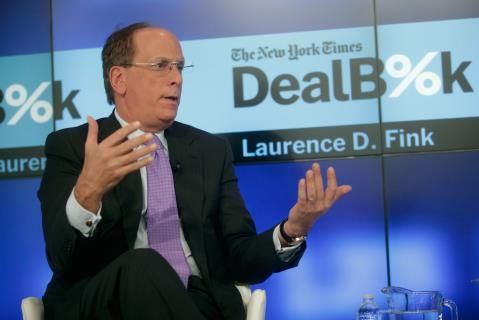
INCOME INEQUALITY NOW AFFECTS TRUST MORE
                                                                                                                                                                                            Distrust Neutral Trust

THAN ECONOMIC GROWTH
Percent trust
                                               GDP Growth                                                                                 Income Inequality
                                         High growth              Low growth                                                            Less inequality           More inequality

                                            52                       50                                                                      50                      52
                                                                            47                                                                       46
                                                    43                                                                                                                        40
 Developed markets                                                                 Little effect                                                                                      High inequality
                                                                                   on trust                                                                                           linked to less trust
                                                                                                                                                                                      in government

                                            72                                                                                               69
                                                    64                                                                                              62                63
                                                                     60

                                                                            44
                                                                                                                                                                             38
 Developing markets                                                                Low growth linked                                                                                High inequality
                                                                                   to less trust in                                                                                 linked to less trust
                                                                                   government                                                                                       in government

2020 Edelman Trust Barometer. TRU_INS. Below is a list of institutions. For each one, please indicate how much you trust that institution to do what is right. 9-point scale; top 4 box, trust.
General online population, 23-mkt avg., by developed and developing markets. High-growth economies are those with a Q2 2019 GDP of 1.4% or higher. Developing market high-growth
economies: China, Colombia, India, Indonesia, Kenya, Malaysia, UAE; low growth economies: Argentina, Brazil, Mexico, Russia, Saudi Arabia, S. Africa, Thailand. Developed market high-growth
economies: Australia, Canada, France, Ireland, The Netherlands, Spain, U.S.; low -growth economies: Germany, Hong Kong, Japan, Italy, Singapore, S. Korea, U.K.                                                      5
GROWING SENSE   v

OF INEQUITY
2019                      2020
                                                                                 General population        General population
CONTINUED
                                                                            53    Global 26           54    Global 26           Distrust Neutral   Trust
DISTRUST                                                                    79    China               82    China
                                                                                                                                (1-49)   (50-59)   (60-100)

                                                                            73    Indonesia           79    India                -

                                                                                                                                                   +
                                                                                                                                         0
Trust Index                                                                 72    India               73    Indonesia           Change, 2019 to 2020
                                                                            71    UAE                 65    UAE
                                                                            70    Saudi Arabia        62    Mexico
                                                                            62    Singapore           62    Singapore
                                                                                                                                Declines in
                                                                            59    Malaysia            61    Saudi Arabia
                                                                            58    Mexico              60    Malaysia
                                                                                                                                Saudi Arabia           -9
                                                                            56    Canada              57    The Netherlands
                                                                            55    Hong Kong           53    Canada
                                                                                                                                UAE                    -6
 Global Trust Index increases 1 pt., with                                   54    The Netherlands     53    Colombia
 increases in 16 of 26 markets measured                                     52    Colombia            51    Brazil
                                                                            49    U.S.                50    Hong Kong           Hong Kong              -5
                                                                            48    Australia           50    S. Korea
 12 of 26 markets are distrusters,                                          46    Argentina           49    Argentina           Canada                 -3
 down 2 from 2019
                                                                            46    Brazil              49    Italy
                                                                            46    Italy               47    Australia           U.S.                   -2
                                                                            46    S. Korea            47    U.S.
                                                                            45    S. Africa           46    Germany             Australia              +5
                                                                                                                                                       -1
                                                                            44    France              45    France
                                                                            44    Germany             45    Ireland             S. Africa              -5
                                                                                                                                                       -1
                                                                            43    U.K.                45    Spain
                                                                            42    Ireland             44    S. Africa
                                                                                                                                U.K.                   -1
                                                                            40    Spain               42    Japan
2020 Edelman Trust Barometer. The Trust Index is the average
percent trust in NGOs, business, government and media. TRU_INS.
                                                                            39    Japan               42    U.K.
Below is a list of institutions. For each one, please indicate how          29    Russia              30    Russia
much you trust that institution to do what is right. 9-point scale; top 4
box, trust. General population, 26-mkt avg.                                                                                                                   7
2020 2020
Informed public Mass population Trust gap
TRUST INEQUALITY
65 Global 28 51 Global 28 14 Distrust Neutral Trust
SETS NEW 90
87
China
India
77
74
China
India
13
13
(1-49) (50-59) (60-100)
RECORDS 82
80
Indonesia
Saudi Arabia
70
64
Indonesia
UAE
12
11
Trust Index 78 Thailand 62 Thailand 16
75 UAE 60 Singapore 11
71 Mexico 59 Saudi Arabia 21
71 Singapore 58 Malaysia 10
68 Australia 58 Mexico 13
68 Malaysia 57 The Netherlands 10
67 Canada 56 Kenya 2
67 The Netherlands 52 Colombia 10 Record trust inequality
Mass population 14 points less trusting
64 Germany 51 Canada 16
64 Italy 49 Brazil 11 8
Nr. of markets
63 France 49 Hong Kong 5 with record trust
23 markets with double-digit trust gaps 62 Colombia 49 S. Korea 1 inequality at an
60 Argentina 48 Argentina 12 all-time high
60 Brazil 48 Italy 16
60 Ireland 45 Australia 23
59 Spain 45 U.S. 8
58 Kenya 44 Germany 20
57 U.K. 44 S. Africa 5
54 Hong Kong 43 Ireland 17 1
53 Japan 42 France 21
53 U.S. 42 Japan 11
2012 2020
2020 Edelman Trust Barometer. The Trust Index is the average 50 S. Korea 42 Spain 17
percent trust in NGOs, business, government and media. TRU_INS. 49 S. Africa 39 U.K. 18
Below is a list of institutions. For each one, please indicate how
41 Russia 27 Russia 14
much you trust that institution to do what is right. 9-point scale; top 4
box, trust. Informed public and mass population, 28-mkt avg. 8
TWO DIFFERENT TRUST REALITIES
Percent trust
                                                                                                                                                                                                  Distrust Neutral   Trust

                                                                                           NGOs                              Business                           Government                            Media

                                                                                              70                                   70

     65
                                                                                                                                                                         59                              61

                                   Informed public
                                   Three of four
                                   institutions trusted
     TRUST INDEX

                                   Trust gap,
             14                    informed public vs.
                                   mass population
                                                                                             15                                   15                                    12                              14

     51
     TRUST INDEX
                                   Mass population
                                   No institutions trusted
                                                                                              55                                   55
                                                                                                                                                                        47                               47

2020 Edelman Trust Barometer. TRU_INS. Below is a list of institutions. For each one, please indicate how much you trust that institution to do what is right. 9-point scale; top 4 box, trust.
Informed public and mass population, 28-mkt avg.                                                                                                                                                                             9
PESSIMISTIC ABOUT ECONOMIC PROSPECTS
Percent who believe they and their families will be better off in five years’ time
-
+
0 Change, 2019 to 2020
Majority pessimistic in 15 of 28 markets
90
77 77 80
75
68 69 70
66
57 58 59 60
47
42 43
34 35 36 37 37
29 31 31 32
27
23
19
15
l llllllllllllllllllllllllllll
-5 -3 -4 -4 -2 -7 -9 0 -2 -6 -2 -4 -10 -9 -8 -7 +1 -2 n/a -10 -9 -4 -6 -4 +3 -8 -5 -3 n/a
2020 Edelman Trust Barometer. CNG_FUT. Thinking about the economic prospects for yourself and your family, how do you think you and your family will be doing in five years’ time?
5-point scale; top 2 box, better off. General population, 26-mkt avg. 10FEAR BEING LEFT BEHIND
Percent who are worried I worry about people like
me losing the respect
and dignity I once
Majority share concern in 21 of 28 markets enjoyed in this country
73
68 67 66 64 64 64 63 62 62 62 62
57 59 59 57 55 55 53 52 52 51 50 50 49 48
44 42 41
2020 Edelman Trust Barometer. POP_EMO. Some people say they worry about many things while others say they have few concerns. We are interested in what you worry about. Specifically,
how much do you worry about each of the following? 9-point scale; top 4 box, worried. General population, 28-mkt avg. 11CAPITALISM UNDER FIRE
Percent who agree -
+
0 Change, 2019 to 2020
How true is this for you?
Capitalism as it exists today
does more harm than
Sense of injustice 74 48 good in the world
Desire for change 73
Lack of confidence 66
Lack of hope 26 34
The system is…
18
-2
Working for me
-2
Not sure
+3
Failing me
56 %
2020 Edelman Trust Barometer. “System failing” measure. For full details on how the “system failing” measure was calculated, please refer to the Technical Appendix. POP_MDC. Below is a
list of statements. For each one, please rate how true you believe that statement is. 9 -point scale; top 4 box, true. General population, 26-mkt avg. Sense of injustice is an average of
POP_MDC/1,2,3,8; Desire for change is POP_MDC/9; Lack of confidence is POP_MDC/10; Lack of hope is an average of POP_MDC/18,1 9,20 [reverse scored]. TMA_SIE_SHV. Please indicate
12
how much you agree or disagree with the following statements. 9-point scale; top 4 box, agree. Question asked of half of the sam ple. General population, 28-mkt avg.UNPREPARED v FOR THE FUTURE
WORRY ABOUT THE FUTURE OF WORK
Percent of employees who worry about job loss due to each issue

                                                                                                             Freelance/gig economy                                                                    61
            I worry about losing my job
            due to one or more of these causes                                                                    Looming recession                                                                   60

                                                                                                               Lack of training/skills                                                               58

                                                                                                     Cheaper foreign competitors                                                                55

                                                                                                    Immigrants who work for less                                                                54

                        83                              %
                                                                                                                             Automation

                                                                                                   Jobs moved to other countries
                                                                                                                                                                                            53

                                                                                                                                                                                           50

2020 Edelman Trust Barometer. POP_EMO. Some people say they worry about many things while others say they have few concerns. We are interested in what you worry about. Specifically,
how much do you worry about each of the following? 9-point scale; top 4 box, worried. Job loss net = codes 1,2,3,4,5,23,24. General population, 28-mkt avg, among those who are employed
(Q43/1).                                                                                                                                                                                                   14
WORRY TECHNOLOGY IS OUT OF CONTROL
Percent who agree
The pace of change in I worry technology will make Government does not Trust in technology
2019-2020
technology is too fast it impossible to know if what understand emerging
people are seeing or technologies enough to Global 26 -4
hearing is real regulate them effectively
Largest declines in:
France -10
Canada, Italy,
Russia, Singapore -8
61 66 61 % % %
2020 Edelman Trust Barometer. CNG_POC. For the statements below, please think about the pace of development and change in society today and select the response that most accurately
U.S.
Australia
-7
-6
represents your opinion. 9-point scale; top 4 box, fast. 28-mkt avg. ATT_MED_AGR. Below is a list of statements. For each one, please rate how much you agree or disagree with that statement.
9-point scale; top 4 box, agree. 28-mkt avg. PER_GOV. How well do you feel the government is currently doing each of the followi ng? 5-point scale; bottom 3 box, not doing well (data excludes
DK responses). 25-mkt avg. (data not collected in China, Russia, and Thailand). TRU_IND. Please indicate how much you trust busi nesses in each of the following industries to do what is right. 15
9-point scale; top 4 box, trust. 26-mkt avg. All questions asked of half of the sample among the general population.WORRY ABOUT QUALITY INFORMATION
Percent who agree
The media I use are contaminated I worry about false information or fake
with untrustworthy information news being used as a weapon
57 % 76 %
+6
pts
Change,
2018 to 2020
2020 Edelman Trust Barometer. ATT_MED_AGR. Below is a list of statements. For each one, please rate how much you agree or disagree with that statement. 9-point scale; top 4 box, agree.
Question asked of half of the sample. General population, 25-mkt avg. Data on the left not collected in China, Russia and Thailand. Data on the right excludes Kenya, Thailand, and Saudi Arabia. 16SOCIETAL LEADERS NOT TRUSTED
TO ADDRESS CHALLENGES
“
Percent trust Distrust Neutral Trust
I do not have confidence that
80
our current leaders will be able
69
to successfully address our
country’s challenges
“ 65
51 50
46
42
36
66 % Scientists People in
my local
community
Citizens of
my country
CEOs Journalists Religious
leaders
Government
leaders
The very
wealthy
2020 Edelman Trust Barometer. POP_MDC. Below is a list of statements. For each one, please rate how true you believe that statement is. 9-point scale; top 4 box, true. TRU_PEP.
Below is a list of groups of people. For each one, please indicate how much you trust that group of people to do what is righ t. 9-point scale; top 4 box, trust. General population, 28-mkt avg. 17TAKING THE FUTURE INTO THEIR OWN HANDS
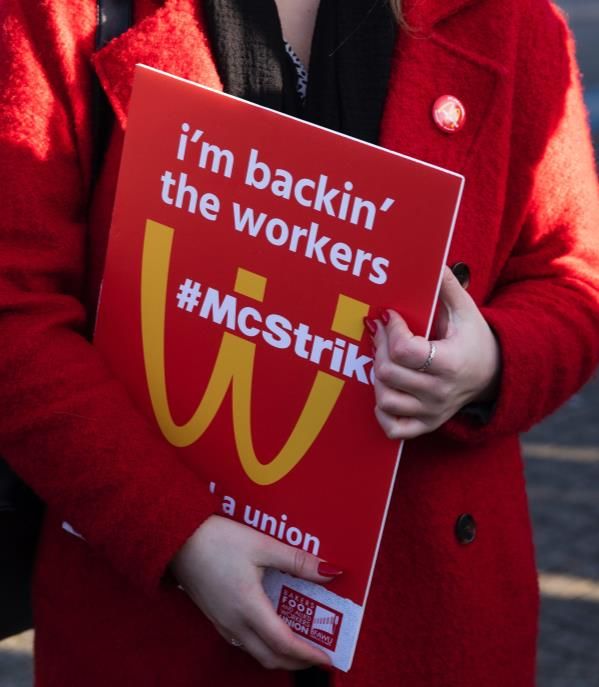
Climate Change Automation Income Inequality #MeToo
Paris, February 2019 Angers, August 2019 London, November 2019 Oregon, December 2019
Students protest Unions protest a McDonald’s Nike employees
to draw attention Géant automated employees protest protest company’s
to climate change supermarket for higher wages treatment of women
18TRUST IS BUILT ON
v
COMPETENCE AND ETHICSNO INSTITUTION SEEN AS
BOTH COMPETENT ETHICAL
35
AND ETHICAL
(Competence score, net ethical score)
NGOs
(-4, 12)
LESS COMPETENT - 50 50 COMPETENT
Business
Media (14, -2)
(-17, -7)
Government
(-40, -19)
-35
UNETHICAL
2020 Edelman Trust Barometer. The ethical scores are averages of nets based on [INSTITUTION]_PER_DIM r1-r4. Question asked of half of the sample. The competence score is a net based
on TRU_3D _[INSTITUTION] r1. Depending on the question it was either asked of the full of half the sample. General population , 25-mkt avg. Data not collected in China, Russia and Thailand.
For full details regarding how this data was calculated and plotted, please see the Technical Appendix. 20ONLY BUSINESS
SEEN AS COMPETENT ETHICAL
(Competence score,* net ethical score) 35
*This institution is
good at what it does
NGOs
(-4, 12)
LESS COMPETENT - 50 50 COMPETENT
Business
Media (14, -2) n Business doing best at:
(-17, -7) Generating value for owners 56
Being the engine of innovation 51
Government
Driving economic prosperity 51
(-40, -19)
-35
UNETHICAL
2020 Edelman Trust Barometer. The ethical scores are averages of nets based on [INSTITUTION]_PER_DIM r1-r4. Question asked of half of the sample. The competence score is a net based
on TRU_3D _[INSTITUTION] r1. Depending on the question it was either asked of the full of half the sample. PER_GOV. How well do you feel government is currently doing each of the
following? 5-point scale; top 2 box, doing well. Question asked of half of the sample. General population, 25 -mkt avg. Data not collected in China, Russia and Thailand. For full details regarding
how this data was calculated and plotted, please see the Technical Appendix. 21ONLY NGOS
SEEN AS ETHICAL ETHICAL
(Competence score, net ethical score*) 35
n NGOs doing best at:
*This institution… Protecting the environment 48
• Is purpose driven Civil and human rights 47
• Is honest
Poverty, illiteracy, disease 45
• Has vision
• Is fair NGOs
(-4, 12)
LESS COMPETENT - 50 50 COMPETENT
Business
Media (14, -2)
(-17, -7)
Government
(-40, -19)
-35
UNETHICAL
2020 Edelman Trust Barometer. The ethical scores are averages of nets based on [INSTITUTION]_PER_DIM r1-r4. Question asked of half the sample. The competence score is a net based
on TRU_3D _[INSTITUTION] r1. Depending on the question it was either asked of the full of half the sample. PER_NGO. How well do you feel NGOs are currently doing each of the following? 5-
point scale; top 2 box, doing well. Question asked of half the sample. General population, 25 -mkt avg. Data not collected in China, Russia and Thailand. For full details regarding how this data
was calculated and plotted, please see the Technical Appendix. 22INSTITUTIONS SEEN AS UNFAIR
Percent who cite each as a reason they trust or distrust each institution
This institution…
• Is purpose-driven
• Is honest
• Has vision - 27 - 25 - 19 -2
• Is fair
57
54
51
Serves the Serves the interests
interests of of everyone equally 42
only the few and fairly 40
30 32
29
Government Business Media NGOs
2020 Edelman Trust Barometer. Net scores represent positive responses minus negative responses to the following questions: [INSTITUTION]_PER_DIM. In thinking about why you do or do
not trust [institution], please specify where you think they fall on the scale between the two opposing descriptions. 11 -point scale; top 5 box, positive; bottom 5 box, negative. Question asked of
half of the sample. General population, 25-mkt avg. Data not collected in China, Russia and Thailand. 23Washington, August 2019
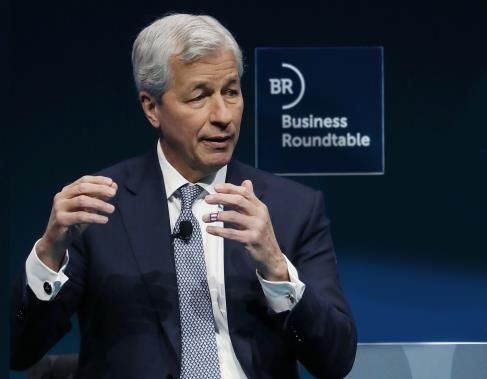
ETHICAL DRIVERS 3X MORE The Business
Roundtable redefines
IMPORTANT TO COMPANY TRUST the purpose of a
corporation
THAN COMPETENCE
Percent of predictable variance in trust explained by each dimension Biarritz, August 2019
Business for Inclusive
Growth (B4IG) coalition
Competence Ethics forms to address
inequality and diversity
24% Integrity
76% New York, September 2019
Coalition of business,
Ability 49 civil society and UN
24 leaders pledge to set
climate targets to 1.5°C
Dependability
New York, January 2020
15 Purpose
BlackRock shifts
12 investment strategy to
focus on sustainability
2019 Edelman Trust Management Tracking Study. U.S., U.K. and German general population data, collected between January and December of 2019, based on 40 major companies. 24BUSINESS: v CATALYST FOR CHANGE
SERVE THE INTERESTS OF ALL STAKEHOLDERS

Percent who ranked each group as most important                                                                                                 Percent who agree

               Communities

                  13
                    12
             Shareholders
                                          Employees
                                              37                                          87
                                                                                       Stakeholders, not
                                                                                                                         %                                    73
                                                                                                                                                      a company can take actions
                                                                                                                                                                                           %
                                Customers
                                                                                       shareholders, are most                                         that both increase profits
                                    38                                                 important to long-term                                         and improve conditions in
                                                                                       company success                                                communities where it operates

2020 Edelman Trust Barometer. PPL_RNK. Please rank the following four groups of people in terms of their importance to a company achieving long-term success. Give the most important
group a rank of 1 and the least important a rank of 4. Stakeholders is a net of “Communities,” “Customers,” and “Employees”. TMA_SIE_SHV. Please indicate how much you agree or disagree
with the following statements. 9-point scale; top 4 box, agree. Question asked of half of the sample. General population, 28 -mkt avg.                                                         26
CEOS MUST LEAD
Percent who agree
It is important that my employer’s CEO speak out on CEOs should take the lead
one or more of these issues on change rather than waiting
for government to impose it
Training for jobs of the future 84
Automation’s impact on jobs 81
Ethical use of tech 81
92 %
Income inequality
Diversity
78
77
74 %
+9
pts
Climate change 73
Immigration 62 Change,
2018 to 2020
2020 Edelman Trust Barometer. CEO_ISS. How important is it to you that the CEO or head of the organization you work for speaks out publicly about each of the foll owing issues? 9-point
scale; top 4 box, important. Question asked of those who are an employee (Q43/1). Issues is a net of codes 1 -7. General population, 28-mkt avg. CEO_AGR. Thinking about CEOs , how strongly
do you agree or disagree with the following statement? 9-point scale; top 4 box, agree. Question asked of half of the sample. General population, 25-mkt avg. 27TRUST IS LOCAL:
EMPLOYEES EXPECT TO BE HEARD
-
+
Percent trust 0
Percent of employees who expect
Change, 2019 to 2020 Distrust Neutral Trust
each from a prospective employer
76
58 58
49 49
73 % 73 %
l l
Opportunity to shape Employeesincluded
+1 +1 +1 +1 +1
the future of society in planning
2020 Edelman Trust Barometer. EMP_IMP. When considering an organization as a potential place of employment, how important is each of the following to you in deciding whether or not you
would accept a job offer there? 3-point scale; sum of codes 1 and 2, important. Question asked of those who are an employee (Q43/1). TRU_INS. Below is a list of institutions. For each one, please
indicate how much you trust that institution to do what is. 9-point scale; top 4 box, trust. “Your employer” asked of those who are an employee (Q43/1). General population, 26-mkt avg. 28CONSUMERS EXPECT BRANDS TO ACT
Percent of customers who are belief-driven buyers -
+
0 Change, 2017 to 2018
64 64
Belief-driven buyers:
Brand Democracy
+13
51 • choose
• switch
I believe brands can be a • avoid
powerful force for change. • boycott
a brand based on its
I expect them to represent me stand on societal issues
and solve societal problems.
My wallet is my vote.
2017 2018 2019*
2018 Edelman Earned Brand. Belief-driven buying segments. 8-mkt avg. Belief-driven buyers choose, switch, avoid or boycott a brand based on its stand on societal issues.
*2019 Edelman Trust Barometer Special Report: In Brands We Trust? Mobile Survey. Belief-driven buying segments. 8-mkt avg. See Technical Appendix for a detailed explanation of how
the Belief-driven buying score was calculated. 29OVERCOME SKEPTICISM THROUGH ACTION
Percent who agree
Business has a duty to do this I trust business will do this
Retrain employees
affected by automation 30 79
or innovation
Pay everyone a decent
wage, even if that means 31 82
I must pay more
2020 Edelman Trust Barometer. CMP_DUT. For each of the actions below, please indicate whether you believe that this is something that companies have a dutyto do, but you do/do not trust
that they will ever follow through and consistently do it. 3-point scale; sum of codes 2 and 3, have a duty; code 3, have a duty and are trusted. General population, 28-mkt avg. 30PARTNERSHIP BETWEEN BUSINESS
AND GOVERNMENT ESSENTIAL ON JOBS
Percent who say each institution is the one they trust most to address each challenge
Protect workers in the gig economy Workforce retraining necessary
as a result of automation
Media Media
9 NGO 8 NGO
18 17
Business
Government
40
Business
32 42 Government
32
2020 Edelman Trust Barometer. INS_ADD. For each of the challenges described below, please indicate whether you trust business, government, media or NGOs the most to address that
challenge and develop workable solutions. Question asked of half of the sample. General population, 28 -mkt avg. 31ADDRESSING GREATEST FAILURES
GETS EVERY INSTITUTION TO TRUST
Percent who think each institution is doing well/very well on the issue, Distrust Neutral Trust
and the potential trust gains associated with doing each well
NGOs Business Government Media
Transparency about funding 35 Partner with NGOs 33 Reduce partisanship 26 Keep social media clean 34
Expose corruption 35 Jobs that pay a decent wage 35 Partner with NGOs 30 Being objective 35
Avoid becoming politicized 35 Partner with government 37 Community-level problems 31 Information quality 38
Partner with government 38 Deal fairly with suppliers 40 Social services for the poor 34 Important vs sensationalized 38
Partner with business 38 Contribute to communities 41 Partner with business 34 Differentiate opinion and fact 39
75
72
69
65
59 58
48 49
+13 +17 +17 +20
2020 Edelman Trust Barometer. Regression analysis. TRU_INS. Below is a list of institutions. For each one, please indicate how much you trust that institution to do what is right. 9-point scale;
top 4 box, trust. PER_[INSTITUTION]. How well do you feel [institution] is currently doing each of the following? 5 -point scale; top 2 box, doing well. Question asked of half of the sample. General
population, 25-mkt avg. Data not collected in China, Russia and Thailand. For a full explanation of how this data was calculated, please see the Technical Appendix. 32TRUST RESTORES
BALANCE AND ENABLES ETHICAL
PARTNERSHIP 35
NGOs
(29, 34) Among those who
(Competence score, net ethical score)
Media trust, institutions
(25, 22) more closely aligned
Business
Government
NGOs (35, 16)
(19, 17)
(-4, 12)
LESS COMPETENT - 50 50 COMPETENT
Business
Media (14, -2)
(-17, -7)
Government
(-40, -19)
-35
UNETHICAL
2020 Edelman Trust Barometer. The ethical scores are averages of nets based on [INSTITUTION]_PER_DIM r1-r4. Question asked of half of the sample. The competence score is a net based
on TRU_3D _[INSTITUTION] r1. Depending on the question it was either asked of the full of half the sample. General population , 25-mkt avg. Data not collected in China, Russia and Thailand.
Data for blue triangle is among those who trust each institution (TRU_INS top 4 box, trust). For full details regarding how this data was calculated and plotted, please see the Technical Appendix. 33BUILDING TRUST
FOR THE FUTURE ETHICAL
35
NGOs
Media
• Pay fair wages Business
Government
• Focus on education
and retraining
50 COMPETENT
• Embrace an
all-stakeholders model
• Partner across
institutions
2020 Edelman Trust Barometer. For details regarding how this model of trusted institutions, please see the Technical Appendix. 34SUPPLEMENTAL DATA
2020 Edelman Trust Barometer
TABLE OF                       1. Institutions: trust and performance   •   Local vs central government

CONTENTS                            •   NGOs                            •   The United Nations

                                    •   Business                        •   The European Union

                                    •   Government                      •   Performance
                                    •   Media

                               2. Trust in business in detail

Supplemental Data              3. Modeling trust

                               4. Trust and information

                               5. Societal issues

                               6. Employee expectations

                                                                                                     36
Institutions: Trust and Performance
TRUST IN NGOS
                                                                                                                                                                     -

                                                                                                                                                                                      +
                                                                                                                                                                              0
INCREASES IN 16 OF 26 MARKETS                                                                                                                                       Change, 2019 to 2020               Distrust Neutral   Trust

Percent trust in NGOs

                        Distrusted in
                         5 markets                                                                                                                                                                                        80
                                                                                                                                                                                                       72    73    74
                                                                                                                                                                                     68     69
                                                                                                                                                64     64      65        65   66
                                                                                                                  59     59      59     61
  58                                                                                               57     58
                                                                     54     54      54     55
                                       48      49     50      50
                                43
                        40

                 25

l llllllllllllllllllllllllllll
  +1            +2      +2      -1     +1      +5     +3      -2     -2      +4     -12     -4     +4      +2     +2      -1     +3      -4     +1      -4     +3        +2   n/a     0     +4     n/a       +1     0     +8

2020 Edelman Trust Barometer. TRU_INS. [NGOs in general] Below is a list of institutions. For each one, please indicate how much you trust that institution to do what is right. 9 -point scale; top
4 box, trust. General population, 26-mkt avg.                                                                                                                                                                                     38
TRUST IN BUSINESS
-
+
0
INCREASES IN 15 OF 26 MARKETS Change, 2019 to 2020 Distrust Neutral Trust
Percent trust in business
Distrusted in 7 markets
82 82
79
72 73
66 68
63 64 64 65
62
58 57 58 58
52 52 53
48 48 49 50 50 50
45 45 47
35
l llllllllllllllllllllllllllll
+1 +1 0 +6 0 +1 +4 +5 0 +6 -4 +3 0 -3 +4 -2 0 +2 +2 +6 n/a -8 +1 -6 +1 n/a 0 +2 +5
2020 Edelman Trust Barometer. TRU_INS. [Business in general] Below is a list of institutions. For each one, please indicate how much you trust that institution to do what is right. 9 -point scale;
top 4 box, trust. General population, 26-mkt avg. 39TRUST IN GOVERNMENT
-
+
0
INCREASES IN 15 OF 26 MARKETS Change, 2019 to 2020 Distrust Neutral Trust
Percent trust in government
Distrusted in 17 markets 90
81
76 78
75
70
58 59 60
50 51
49
43 44 44 45
41 41 42
37 39
34 34 35 36
33 33
30
20
l llllllllllllllllllllllllllll
+1 -1 +4 -4 -1 +3 n/a +3 -6 +9 -1 +3 -2 -13 +4 +2 +10 +5 -3 +3 -2 +5 n/a +3 0 -6 +2 +7 +4
2020 Edelman Trust Barometer. TRU_INS. [Government in general] Below is a list of institutions. For each one, please indicate how much you trust that institution to do what is right. 9 -point
scale; top 4 box, trust. General population, 26-mkt avg. 40CAUTION: DATA NOT FACT CHECKED, DO NOT DISTRIBUTE
MORE TRUST IN LOCAL GOVERNMENT
Percentage point gap between trust in local/state government and central/federal government Distrust Neutral Trust
c
54 c
63 c
54 c
54 c
61 c
47 c
49 c
77 c
68 c
51 c
64 c
42 c
39 c
41 c
54 c
25 c
83 c
46 c
71 c
34 c
40 c
73 c
79 c
46 c
43
Local government more trusted in 18 out of 24 markets
Local/State
government
11 11 9 8 8
3 6 6 6 5 4 4 3 2 2 2 2 1 1
-2 -3 -3 -4 -4 -5
Central/Federal
government
c
51 c
52 c
43 c
45 c
53 c
39 c
43 c
71 c
62 c
46 c
60 c
38 c
36 c
39 c
52 c
23 c
81 c
45 c
70 c
36 c
43 c
76 c
83 c
50 c
48
2020 Edelman Trust Barometer. TRU_INS. [Central/federal government and your local/state government] Below is a list of institutions. For each one, please indicate how much you trust that
institution to do what is right. 9-point scale; top 4 box, trust. General population, 24-mkt avg. Data not collected in China, Hong Kong, Russia and Thailand. 41TRUST IN MEDIA RISES,
-
+
0
IN 16 OF 26 MARKETS Change, 2019 to 2020 Distrust Neutral Trust
Percent trust in media
Distrusted in 16 markets
80
73
69
64
58 59
55 56
52 53 53 53
49 48 48 49 49
44 46
42 42 43
39 40
35 37 37 37
28
l llllllllllllllllllllllllllll
+1 +2 -2 +1 +2 +2 -1 -1 +4 +6 +1 +3 -17 +4 0 +5 +4 -2 -4 +1 -7 -1 n/a +2 +6 n/a -1 +9 +4
2020 Edelman Trust Barometer. TRU_INS. [Media in general] Below is a list of institutions. For each one, please indicate how much you trust that institution to do what is right. 9 -point scale; top
4 box, trust. General population, 26-mkt avg. 42TRUST IN THE UNITED NATIONS
-
+
0
INCREASES IN 11 OF 26 MARKETS Change, 2019 to 2020 Distrust Neutral Trust
Percent trust in the United Nations
Distrusted in
83 85
3 markets 79
78
73 74
70
65 65 67
61 61 62 62 63
58 58 58 60
55 56 57
52 54
50 51
48
44
39
l llllllllllllllllllllllllllll
+1 +7 +5 +1 +2 -15 -2 -1 -1 0 +5 +7 +6 -2 -2 0 +4 -2 -1 -1 -5 -2 +2 0 n/a +2 n/a 0 +6
2020 Edelman Trust Barometer. TRU_INS. [United Nations] Below is a list of institutions. For each one, please indicate how much you trust that institution to do what is right. 9 -point scale; top 4
box, trust. General population, 26-mkt avg. 43TRUST IN THE EUROPEAN UNION
-
+
0
INCREASES IN 14 OF 26 MARKETS Change, 2019 to 2020 Distrust Neutral Trust
Percent trust in the European Union
Distrusted in 10 markets
74 75 76
69
66
61 61 62 63 63 63
60 60
54 54 54 56
54 51
46 47 47 48
44 45
41 42
39
28
l llllllllllllllllllllllllllll
+1 +4 -4 -1 +4 -1 +2 -4 +3 -1 -3 +2 +9 -14 +2 +7 +2 +4 +1 +5 -3 0 n/a -4 0 0 n/a +2 +7
2020 Edelman Trust Barometer. TRU_INS. [The European Union] Below is a list of institutions. For each one, please indicate how much you trust that institution to do what is right. 9 -point
scale; top 4 box, trust. General population, 26-mkt avg. 44INSTITUTIONAL PERFORMANCE Strength > 50%
Percent who think each institution is doing well/very well on the issue
Weakness < 50%
NGOs Business Government Media
Protect the environment 48 Generate value for owners 56 International alliances, defense 43 Covering national news 61
Protect civil and human rights 47 Engine of innovation 51 Safe and modern infrastructure 41 Covering international news 57
Poverty, illiteracy, disease 45 Drive economic prosperity 51 Maintain law and order 38 Covering local news 57
Educate people for good decisions 44 Meet customer expectations 47 Protect civil and human rights 38 Enough journalists 53
43 42 Balance national interests and 44
Community-level problems Diversity in the workplace 37 Information for good decisions
international engagement
Global-level problems 42 Sustainable business practices 42 Let people be heard 43
Education 37
Set goals with regular public updates 40 Invest in employee training 42 Exposing corruption 42
Regulate emerging tech 37
Partner with business 38 Contribute to communities 41 Differentiate opinion and fact 39
Partner with business 34
Partner with government 38 Deal fairly with suppliers 40 Important vs sensationalized 38
Social services for the poor 34
Avoid becoming politicized 35 Partner with government 37 Information quality 38
Community-level problems 31
Expose corruption 35 Jobs that pay a decent wage 35 Being objective 35
Partner with NGOs 30
Transparency about funding 35 Partner with NGOs 33 Keep social media clean 34
Reduce partisanship 26
2020 Edelman Trust Barometer. PER_[INSTITUTION]. How well do you feel [institution] is currently doing each of the following? 5-point scale; top 2 box, doing well. Question asked of half of
the sample. General population, 25-mkt avg. Data not collected in China, Russia and Thailand. 45Trust in Business in Detail
TRUST DECLINES ACROSS SECTORS,
                                                                                                                                                                 -

                                                                                                                                                                                 +
                                                                                                                                                                        0
LED BY TECHNOLOGY                                                                                                                                             Change, 2019 to 2020                Distrust Neutral   Trust

AND ENTERTAINMENT
Percent trust in each sector

                                                                                                                                                                                                    75
                                                                                                                                               68          68           69           70
                                                                  65           66           67          67           67           67
                            63           63          63
               57

             l l l l l l l l l l l l l l l
                -1          -3           -3           -2           -4          -2           -3           -2           -1          -1           -3           -1           -1          -1             -4

2020 Edelman Trust Barometer. TRU_IND. Please indicate how much you trust businesses in each of the following industries to do what is right. 9-point scale; top 4 box, trust. Industries shown
to half of the sample. General population, 26-mkt avg.                                                                                                                                                                       47
INDUSTRY SECTORS OVER TIME
-
+
0
Percent trust in each sector
Change, 2012 to 2020 Distrust Neutral Trust
8yr.
Industry 2012 2013 2014 2015 2016 2017 2018 2019 2020 Trend
Technology 77 74 77 74 75 76 75 78 75 -2
Automotive 63 66 70 67 61 66 62 69 67 +4
Food and beverage 64 65 66 64 65 68 64 68 67 +3
Healthcare - - - - 64 67 65 68 67 n/a
Telecommunications 59 62 62 60 61 64 64 67 65 +6
Entertainment - 63 66 64 65 65 63 68 64 n/a
Energy 54 58 58 57 59 63 63 65 63 +9
Consumer packaged goods 58 61 62 61 62 64 61 65 62 +4
Financial services 44 48 49 49 53 55 55 57 56 +12
2020 Edelman Trust Barometer. TRU_IND. Please indicate how much you trust businesses in each of the following industries to do what is right. 9-point scale; top 4 box, trust. Industries shown
to half of the sample. General population, 23-mkt avg. 48TRUST DECLINES FOR ALL COUNTRY BRANDS
-
+
0
Trust in companies headquartered in each market
Change, 2019 to 2020 Distrust Neutral Trust
67 68 69 69
63 63 63
58
52 52 53
45 47
37 38 38
33
l l l l l l l l l l l l l l l l l
-3 -4 -2 -2 n/a -2 -2 -3 -3 -4 -3 -1 -3 -2 -3 -1 -2
2020 Edelman Trust Barometer. TRU_NAT. Now we would like to focus on global companies headquartered in specific countries. Please indicate how much you trust global companies
headquartered in the following countries to do what is right. 9-point scale; top 4 box, trust. Markets shown to half of the sample. General population, 26-mkt avg. 49FAMILY BUSINESS MOST TRUSTED
Percent trust in each sector
Distrust Neutral Trust
67
60 58
52
Family owned Privately owned Public State owned
2020 Edelman Trust Barometer. TRU_ORG. Thinking about different types of businesses, please indicate how much you trust each type of business to do what isright. 9-point scale; top 4 box,
trust. Question asked of half of the sample. General population, 28-mkt avg. 50Modeling Trust
INSTITUTIONS SEEN AS LACKING HONESTY
Percent who cite each as a reason they trust or distrust each institution

This institution…
 • Is purpose-driven
 •     Is honest
 •     Has vision                                                     - 19                                     -5                                        0                                      19
 •     Is fair

                                                                 52
Corrupt and         Honest                                                                                                                                                                              49
biased              and fair                                                                              43
                                                                                                                     38                            38        38
                                                                            33
                                                                                                                                                                                           30

                                                               Government                                    Media                                 Business                                   NGOs

2020 Edelman Trust Barometer. Net scores represent positive responses minus negative responses to the following questions: [INSTITUTION]_PER_DIM. In thinking about why you do or do
not trust [institution], please specify where you think they fall on the scale between the two opposing descriptions. 11 -point scale; top 5 box, positive; bottom 5 box, negative. Question asked of
half of the sample. General population, 25-mkt avg. Data not collected in China, Russia and Thailand.                                                                                                        52
This institution…
INSTITUTIONS SEEN AS LACKING A VISION • Is purpose-driven
•
AND PURPOSE FOR THE FUTURE •
Is honest
Has vision
Percent who cite each as a reason they trust or distrust each institution • Is fair
Lacks purpose Is purpose-driven Does not have a vision for Has a vision for the
the future that I believe in future that I believe in
-13 4 12 20 -15 -8 5 11
49 50
47
44 45
43
41 41
37 36
34 35 35 34
32
29
Government Media Business NGOs Government Media Business NGOs
2020 Edelman Trust Barometer. Net scores represent positive responses minus negative responses to the following questions: [INSTITUTION]_PER_DIM. In thinking about why you do or do
not trust [institution], please specify where you think they fall on the scale between the two opposing descriptions. 11 -point scale; top 5 box, positive; bottom 5 box, negative. Question asked of
half of the sample. General population, 25-mkt avg. Data not collected in China, Russia and Thailand. 53NGOS: COMPETENCE AND
ETHICS ACROSS MARKETS ETHICAL
(Competence score, net ethical score) 35
KEN
ESP UAE
COLARG
MEX
SIN IND
BRA
KSA MAS
FRA
CAN KOR
AUS
GER IDN
JAP NED H.K.
LESS COMPETENT - 50 RSA
50 COMPETENT
ITA U.K. IRL
-35
UNETHICAL
2020 Edelm an Trust Barometer. The ethical scores are averages of nets based on [INSTITUTION]_PER_DIM r1-r4. Question asked of half of the sample. The competence score is a net based on TRU_3D
_[INSTITUTION] r1. Depending on the question it w as either asked of the full of half the sample. General population, by market. Data not collected in China, Russia and Thailand. For full details regarding how this data
w as calculated and plotted, please see the Technical Appendix. 54BUSINESS: COMPETENCE AND
ETHICS ACROSS MARKETS ETHICAL
(Competence score, net ethical score) 35
UAE
IND
KSA IDN
SIN MAS
KEN
COL MEX
JAP NED
LESS COMPETENT - 50 BRA
50 COMPETENT
ESP U.S.
AUS
ITA RSA U.K. CAN
GER IRL KOR
ARG H.K.
FRA
-35
UNETHICAL
2020 Edelm an Trust Barometer. The ethical scores are averages of nets based on [INSTITUTION]_PER_DIM r1-r4. Question asked of half of the sample. The competence score is a net based on TRU_3D
_[INSTITUTION] r1. Depending on the question it w as either asked of the full of half the sample. General population, by market. Data not collected in China, Russia and Thailand. For full details regarding how this data
w as calculated and plotted, please see the Technical Appendix. 55GOVERNMENT:
COMPETENCE AND ETHICS ETHICAL
X Y
n KSA 17 38
35
ACROSS MARKETS UAE
(Competence score, net ethical score) SIN
IND
IDN
LESS COMPETENT - 50 50 COMPETENT
NED MAS
X Y
n RSA -103 -64 GER CAN
n ESP -80 -38
AUS
KOR
n ARG -74 -29 FRA
n COL -69 -43 IRL JAP
n ITA -69 -43
n KEN -69 -41 U.S.
n BRA -64 -40
-35
n U.K. -61 -31
n HK -56 -29
UNETHICAL
n MEX -52 -36
2020 Edelm an Trust Barometer. The ethical scores are averages of nets based on [INSTITUTION]_PER_DIM r1-r4. Question asked of half of the sample. The competence score is a net based on TRU_3D
_[INSTITUTION] r1. Depending on the question it w as either asked of the full of half the sample. General population, by market. Data not collected in China, Russia and Thailand. For full details regarding how this data
w as calculated and plotted, please see the Technical Appendix. 56MEDIA: COMPETENCE AND
ETHICS ACROSS MARKETS ETHICAL
(Competence score, net ethical score) 35
KEN
IDN
SIN
IND
KSA NED
H.K. CAN
GER UAE MAS
LESS COMPETENT - 50 50 COMPETENT
U.S.
AUS
X Y ESP BRA RSA
n JAP -57 -23 U.K. IRL
MEX
ITA COL FRA
KOR
ARG
-35
UNETHICAL
2020 Edelm an Trust Barometer. The ethical scores are averages of nets based on [INSTITUTION]_PER_DIM r1-r4. Question asked of half of the sample. The competence score is a net based on TRU_3D
_[INSTITUTION] r1. Depending on the question it w as either asked of the full of half the sample. General population, by market. Data not collected in China, Russia and Thailand. For full details regarding how this data
w as calculated and plotted, please see the Technical Appendix. 57Trust and Information
CHAMPION RELIABLE SOURCES
Percent who trust each source of news                                                                                                    Search       Traditional media       Owned media          Social media

                                                                                                                                                                    -

                                                                                                                                                                                      +
                                                                                                                                                                             0             Change, 2019 to 2020

                Global 26

                                                                                                                                                                                 71
         62                                                                       63                                                          64
                60                                                                                                  61                               60                               59
                                                                            55                                                                                                                57
                                                                                                             54                                                                                      52
                       46                                                                                                                                   48    47
                             41                                                          43
                                                                                                                          36
                                                                                                  29                             29

       llll
          -4    -5     -4     -3
                                                                          llll llll llll llll
                                                                            -3     -2        -2   -4         -7     -4     -6    -5           -4     -6     -5    -3             -4   -7      -3     -1

               Global 26                                                                EU                        U.S./Canada                      APACMEA                            LATAM

2020 Edelman Trust Barometer. COM_MCL. When looking for general news and information, how much would you trust each type of source for general news and information? 9-point scale;
top 4 box, trust. Question asked of half of the sample. General population, 26 -mkt avg and by region.                                                                                                            59
TRADITIONAL MEDIA AND SEARCH ENGINES MOST TRUSTED
Percent trust in each source for general news and information
64 65 65
63 63 63 63
65
60 61
62 62
61 61
59 59 Traditional media
58 58
Search engines*
49
47 Owned media
45 46
45 44 46
42 45 41 Social Media
44 44 43
42 42 40
41 40
2012 2013 2014 2015 2016 2017 2018 2019 2020
2020 Edelman Trust Barometer. COM_MCL. When looking for general news and information, how much would you trust each type of source for general news and information? 9-point scale;
top 4 box, trust. Question asked of half of the sample. General population, 23 -mkt avg.
*From 2012-2015, “Online Search Engines” were included as a media type. In 2016, this was changed to “Search Engines.” 60ADVERTISERS HELD ACCOUNTABLE FOR FAKE NEWS
Percent who agree
Companies should stop advertising with any media platform
that fails to prevent the spread of fake news and false information
85
80 82
76 76 76 77 77 77 78 78 78
73 74 75 75 75
72 70 71 72
68 69 69
62 64 64
56
48
2020 Edelman Trust Barometer. CMP_DUT. For each of the actions below, please indicate whether you believe that this is something that companies have a dutyto do, but you do/do not trust
that they will ever follow through and consistently do it. 3-point scale; sum of codes 2 and 3, have a duty. General population, 28-mkt avg. 61CONTINUED ENGAGEMENT WITH NEWS
How often do you engage in the following activities related to news and information?
2018 2019 2020
THE DISENGAGED
24 23 Consume news less than weekly
44
26 26 CONSUMERS
Consume news about weekly or more
22
AMPLIFIERS
50 50 Consume news about weekly or
more AND share or post content
34 several times a month or more
2020 Edelman Trust Barometer. News Engagement Scale, built from MED_SEG_OFT. How often do you engage in the following activities related to news and information? Indicate your
answer using the 7-point scale below. General population, 25-mkt avg. For details on how the News Engagement Scale was built, please refer to the Technical Appendix. 62 62EXPERTS AND PEERS MOST CREDIBLE
Percent who rate each source as very/extremely credible -
+
0 Change, 2019 to 2020
68 66
61
54
47 47 47
44 44
36
33
l l l l l l l l l l l
+3
Company
+3
Academic
0
A person
+1
Regular
0
CEO
-6
Financial
-5
Successful
0
Board of NGO
-4 -1
Journalist
-2
Government
technical expert expert like yourself employee industry entrepreneur directors representative official
analyst
2020 Edelman Trust Barometer. CRE_PPL. Below is a list of people. In general, when forming an opinion of a company, if you heard information about a company from each person, how
credible would the information be—extremely credible, very credible, somewhat credible, or not credible at all. 4-point scale; top 2 box, credible. Spokespeople asked of half of the sample.
General population, 26-mkt avg. 63Societal Issues
CAPITALISM IN QUESTION
ACROSS GENERATIONS, GENDERS AND INCOME GROUPS
Percent who agree

    Capitalism as it exists today does more harm than good in the world

                                                                             Age                                                   Gender                                      Income

             56
                                                                              57            59                                        57            56                                       59         57
                                                                                                          53                                                                   55

                                              %
                                                                            18-34         35-54          55+                         Men        Women                       Bottom         Middle      Top
                                                                                                                                                                            Quartile       Quartile   Quartile

2020 Edelman Trust Barometer. TMA_SIE_SHV. Please indicate how much you agree or disagree with the following statements. 9-point scale; top 4 box, agree. Ques tion asked of half of the
sample. General population, 28-mkt avg, by age, gender and income.                                                                                                                                               65
CAPITALISM IN QUESTION AROUND THE WORLD
Percent who agree
Capitalism as it exists today does more harm than good in the world
Majority agree in 22 of 28 markets
75 74
69 68 66
63 61 60 60 59 58
56 57 57 56 55 55 55 54 54 53 53 51 50
47 47 46 45
35
2020 Edelman Trust Barometer. TMA_SIE_SHV. Please indicate how much you agree or disagree with the following statements. 9-point scale; top 4 box, agree. Ques tion asked of half of the
sample. General population, 28-mkt avg. 66Highest job loss worry in each market
JOB LOSS Second-highest job loss worry
Third-highest job loss worry
Percent who are worried about losing their job due to each reason
Gig-economy Looming recession Lack of training/skills Foreign competitors Immigration Automation Job moved abroad
Argentina 61 65 57 55 54 51 46
Australia 60 51 51 49 48 45 41
Brazil 64 67 68 56 52 58 54
Canada 56 49 50 42 43 45 36
China 65 62 67 59 56 63 59
Colombia 74 74 69 69 74 65 60
France 65 54 54 51 52 55 49
Germany 51 45 43 42 41 40 46
Hong Kong 60 52 58 46 49 50 44
India 82 80 81 79 80 77 77
Indonesia 61 58 61 58 56 57 52
Ireland 57 55 50 45 42 39 40
Italy 60 64 55 57 53 51 70
Japan 44 37 45 38 44 38 40
Kenya 64 64 63 58 49 52 49
Malaysia 70 71 67 73 71 69 61
Mexico 71 71 67 64 59 60 59
Russia 49 60 49 38 43 34 27
Saudi Arabia 47 48 44 46 45 41 44
Singapore 67 67 66 64 67 59 60
S. Africa 61 70 63 53 55 51 45
S. Korea 60 69 57 58 50 63 44
Spain 68 66 65 62 58 57 58
Thailand 68 76 67 66 67 65 60
The Netherlands 49 34 38 36 38 35 29
UAE 62 65 63 62 64 59 59
U.K. 53 52 49 46 44 46 43
U.S. 55 49 51 42 47 46 40
2020 Edelman Trust Barometer. POP_EMO. Some people say they worry about many things while others say they have few concerns. We are interested in what you worry about. Specifically,
how much do you worry about each of the following? 9-point scale; top 4 box, worried. General population, 28-mkt avg, among those who are employed (Q43/1). 67TECHNICAL APPENDIX
Edelman Trust
Barometer 2020       1. Methodology

                     2. Sample sizes and margin of error
TABLE OF
CONTENTS             3. Markets covered and languages used

Technical Appendix
                     4. How we measured belief in the system

                     5. How we plotted the institutional competence and ethics scores

                     6. How we measured the importance of competence and ethics in
                        determining trust in a company

                     7. How we measured belief-driven buying

                     8. How we calculated the trust gains associated with improved
                        institutional performance

                                                                                        69
20th ANNUAL General Online Population
EDELMAN TRUST 1,150 Ages All slides show general
online population data
Informed Public
respondents 18+ 500 respondents in U.S. and China;
BAROMETER per market
unless otherwise noted
200 in all other markets
Methodology Represents 17% of total global population
Must meet 4 criteria
‣ Ages 25-64
‣ College-educated
‣ In top 25% of household income per
age group in each market
‣ Report significant media consumption
Online survey in 28 markets and engagement in public policy and
business news
34,000+ respondents total
All fieldwork was conducted between Mass Population
October 19 and November 18, 2019
All population not
including informed public
28-market global data margin of error: General population +/- 0.6% 2020 Gen Z oversample Represents 83% of total
(N=32,200), informed public +/- 1.2% (N=6,200), mass population +/-
0.6% (26,000+), half-sample global general online population +/- 250 respondents age 18-24 per market global population
0.8% (N=16,100).
Market-specific data margin of error: General population +/- 2.9%
(N=1,150), informed public +/- 6.9% (N = min 200, varies by market),
China and U.S. +/- 4.4% (N=500), mass population +/- 3.0% to 3.6%
(N =min 736, varies by market).
Gen Z MOE: 28-market = +/- 1.5% (N=4,310)
Market-specific = +/- 5.3 to 10.5% (N=min 88, varies by market). 702020 EDELMAN TRUST BAROMETER
SAMPLE SIZE, QUOTAS AND MARGIN OF ERROR
General Population Informed Public
Sample Size* Quotas Set On** Margin of Error Sample Size* Quotas Set On*** Margin of Error
+/- 0.6% total sample Age, Education, +/- 1.2% total sample
Global 32,200 Age, Gender, Region 6200
+/- 0.8% half sample Gender, Income +/- 1.8% split sample
China and +/- 2.9% total sample Age, Education, +/- 4.4% total sample
1,150 Age, Gender, Region 500
U.S. +/- 4.1% half sample Gender, Income +/- 6.2% split sample
All other +/- 2.9% total sample Age, Education, +/- 6.9% total sample
1,150 Age, Gender, Region 200
markets +/- 4.1% half sample Gender, Income +/- 9.8% split sample
NOTE: Questions that afforded respondents the opportunity to criticize their government were not asked in China, Russia and Thailand.
* Some questions were asked of only half of the sample. Please refer to the footnotes on each slide for details.
** In the U.K. and U.S. there were additional quotas on ethnicity.
*** In the UAE and Saudi Arabia there were additional quotas on nationality. 712020 EDELMAN TRUST BAROMETER
LANGUAGES AND INTERNET PENETRATION BY MARKET
The Edelman Trust Barometer is an online survey. In developed markets, a nationally-representative online sample closely mirrors the general population. In markets
with lower levels of internet penetration, a nationally-representative online sample will be more affluent, educated and urban than the general population.
Internet Internet Internet
Languages Languages Languages
Penetration* Penetration* Penetration*
Global - 59% India English & Hindi 41% English &
Singapore 88%
Simplified Chinese
Argentina Localized Spanish 93% Indonesia Indonesian 64% South Africa English & Afrikaans 56%
Australia English 87% Ireland English 92%
South Korea Korean 96%
Brazil Portuguese 71% Italy Italian 93%
Spain Spanish 93%
English &
Canada 93% Kenya English & Swahili 90%
French Canadian
Thailand Thai 82%
China Simplified Chinese 60% Japan Japanese 94%
The Netherlands English & Dutch 96%
Colombia Localized Spanish 63% Malaysia Malay 81%
UAE English & Arabic 98%
France French 92% Mexico Localized Spanish 65%
Germany German 96% U.K. English 95%
Russia Russian 81%
English & U.S. English 89%
Hong Kong 89% Saudi Arabia English & Arabic 93%
Traditional Chinese
*Data source: http://www.internet worldstats.com/stats.htm 722020 EDELMAN TRUST BAROMETER
Sense of Injustice Items
HOW WE MEASURED “The elites who run our institutions are out of touch with
regular people” POP_MDCr8
BELIEF IN THE SYSTEM “The elites who run our institutions are indifferent to the
will of the people” POP_MDCr1
Four dimensions were examined to determine whether or not respondents
believe the system is failing them: “As regular people struggle just to pay their bills, the
elites are getting richer than they deserve” POP_MDCr2
1) A sense of injustice stemming from the perception that society’s elites have
co-opted the system to their own advantage at the expense of regular people, “The system is biased against regular people and in
favor of the rich and powerful” POP_MDCr3
2) A lack of hope that the future will be better for you and your family,
Lack of Hope Items
3) A lack of confidence in the leaders of societal institutions to solve the
country’s problems, and “My hard work will be rewarded” (reverse scored)
POP_MDCr18
4) A desire for forceful reformers in positions of power that are capable of
bring about much-needed change. “My children will have a better life than I do”
(reverse scored) POP_MDCr19
“The country is moving in the right direction”
Overall scores were calculated by taking (reverse scored) POP_MDCr20
the average of the nine item scores.
Lack of Confidence Items
Respondents were categorized into one of Respondents were asked:
three segments based their mean score: “I do not have confidence that our current leaders will
For each one, please rate how true
be able to address our country’s challenges” POP_MDCr10
you believe that statement is using
• Those who averaged 6.00 or higher believe
a nine-point scale where one means Desire for Change Items
the system is failing them
it is “not at all true” and nine
“We need forceful reformers in positions of power to
• Those who averaged between 5.00 and 5.99 means it is “completely true”. bring about much-needed change” POP_MDCr9
were labelled as uncertain
• Those who averaged less than 5.00 believe
the system is working
732020 EDELMAN TRUST BAROMETER
HOW WE PLOTTED THE INSTITUTIONAL
COMPETENCE AND ETHICS SCORES
The competence score (the x-axis of the plot): An institution’s competence score is a net of the top 3 box (AGREE) minus the bottom 3 box (DISAGREE) responses
to the question “To what extent do you agree with the following statement? [INSTITUTION] in general is good at what it does”. The resulting net score was then
subtracted by 50 so that the dividing line between more competent and less competent institutions crossed the Y-axis at zero.
The net ethical score (the y-axis of the plot): The ethics dimension is defined by four separate items. For each item, a net score was calculated by taking the top 5
box percentage representing a positive ethical perception minus the bottom 5 box percentage representing a negative ethical perception. The Y-axis value is an
average across those 4 net scores. Scores higher than zero indicate an institution that is perceived as ethical.
DIMENSION ETHICAL PERCEPTION UNETHICAL PERCEPTION
Respondents were asked: Highly effective agent of Completely ineffective agent
Purpose-Driven
positive change of positive change
In thinking about why you do or do not trust
[INSTITUTION], please specify where you think they Honest Honest and fair Corrupt and biased
fall on the scale between the two opposing
descriptions. (Please use the slider to indicate where Has a vision for the future Does not have a vision for the
Vision
that I believe in future that I believe in
you think [INSTITUTION] falls between the two
extreme end points of each scale.) Fairness
Serves the interests of everyone Serves the interests of only
equally and fairly certain groups of people
The plot of trusted institutions: The version of the plot under conditions of trust (the smaller blue triangle) was calculated in exactly the same way as described
above. The only difference was that the competence and ethics scores were calculated only among those who said they trusted that institution to do what is right (i.e.,
they gave that institution a top 4-box rating on the general trust question).
74EDELMAN TRUST MANAGEMENT
HOW WE MEASURED THE IMPORTANCE OF COMPETENCE
AND ETHICS IN DETERMINING TRUST IN A COMPANY
The data used was collected across the 12 monthly waves of the 2019 Edelman Trust Management brand tracking study conducted i n Germany, the
U.K. and the U.S among 23,000+ respondents. For this analysis, we looked at 40 global companies that were common across all three markets.
For each company, respondents were asked whether they trusted it or not to do what is right. They were then asked to evaluate each company
across the four trust subdimensions – ability, integrity, dependability and purpose. Ability defined the competence dimension while integrity,
dependability and purpose were rolled up to define the ethics dimension.
An ANOVA was performed to measure the proportion of the variance in company trust each of the four subdimensions explained. The data shown on
the slide represents the percentage of the total variance explained by all four subdimensions together accounted for by each of the individual
subdimensions separately.
COMPETENCE DIMENSION:
Respondents were asked: ABILITY: [COMPANY] is good at what it does
Please indicate to what extent you agree or ETHICS DIMENSION:
disagree with the following statements using
a nine-point scale where one means it is INTEGRITY: [COMPANY] is honest
“disagree strongly” and nine means it is
“agree strongly”. DEPENDABILITY: [COMPANY] keeps its promises
PURPOSE: [COMPANY] is trying hard to have a
positive impact on society
752019 EDELMAN TRUST BAROMETER SPECIAL REPORT:
• Even if a company makes the product that I like most, I
IN BRANDS WE TRUST will not buy it if I disagree with the company’s stand on
important social issues
HOW WE MEASURED
• I have bought a brand for the first time for the sole
BELIEF-DRIVEN BUYING reason that I appreciated its position on a controversial
societal or political issue
We classified respondents into three belief-driven buyer segments
based on their responses to the scale questions:
• I have stopped buying one brand and started buying
1) Leaders: Have strongly-held, passionate beliefs. The brands they buy are one another because I liked the politics of one more than the
important way they express other
those beliefs.
• I have strong opinions about many societal and political
2) Joiners: Depending on the issue and the brand, they will change issues. The brands I choose to buy and not buy are one
their buying behavior based on the important way I express those opinions
brand’s stand.
3) Spectators: Rarely buy on belief or punish brands that take a stand. • If a brand offers the best price on a product, I will buy it
even if I disagree with the company’s stand on
Respondents were categorized into one of the three controversial social or political issues [reversed scored]
segments based their overall mean score across the Respondents were asked:
six scale items: • I have stopped buying a brand solely because it
Please indicate how much you remained silent on a controversial societal or political
• Those who averaged 6.00 or higher were agree or disagree with the following issue that I believed it had an obligation to publicly
categorized as Leaders statements using a nine-point scale address
• Those who averaged between 5.00 and 5.99 where one means it is “disagree
strongly” and nine means it is
were categorized as Joiners
“agree strongly”.
• Those who averaged less than 5.00 were
categorized as Spectators
76You can also read


