Elections 2019 - South African National Editors Forum
←
→
Page content transcription
If your browser does not render page correctly, please read the page content below
Elections 2019

COMMUNITY
RADIO
TOOLKIT
Published by The Children’s Radio Foundation 1 Introduction
www.childrensradiofoundation.org
Funded by the Open Society Foundation for South Africa
2 About this toolkit
www.osf.org.za
3 Section One: Elections 101
March 2019 4 How South Africa’s democracy works:
setting the scene for elections.
4 Voting
This work is licensed under a Creative Commons Attribution 4.0 International License. This means that you are 5 Voting Rights in a Constitutional Democracy
free to share and adapt this work so long as you give appropriate credit, provide a link to the license, and indicate 7 The Multi-party System and Proportional
if changes were made. 8 The Role of the IEC during Elections
8 The Voting Process
11 Elections Reporting: Laws And Codes
13 Reporter accreditation
14 Election Milestones
15 Section Two: Your Community Radio 28 Section Three: Formats and Platforms to
Station at Election Time Amplify Broadcast
16 Ethics and Fairness: developing an editorial vision 29 Broadcast and Social Media
for your station for elections 29 Understanding your audience
16 The importance of Community Radio 30 content creation and content curation
16 Developing a Code of Ethics for Your Newsroom 31 interactive content
and Election Coverage 31 Mobile journalism
18 Safeguarding, Mitigating Risks 32 Extending the shelf-life of good audio
18 Safe Spaces for Community Dialogue
20 Covering Local issues for a National Election
32 Top tips for SA’s social media platforms:
32 Facebook
24 Dealing with the hot election issues: land, gender,
33 Twitter
service delivery, crime, youth
33 Instagram
26 Station resources and constraints: 33 WhatsApp
working with what we’ve got
34 Check your stats
27 Production planning for your election coverage 34 Other useful social media tools
36 Section Four: Fact Checking
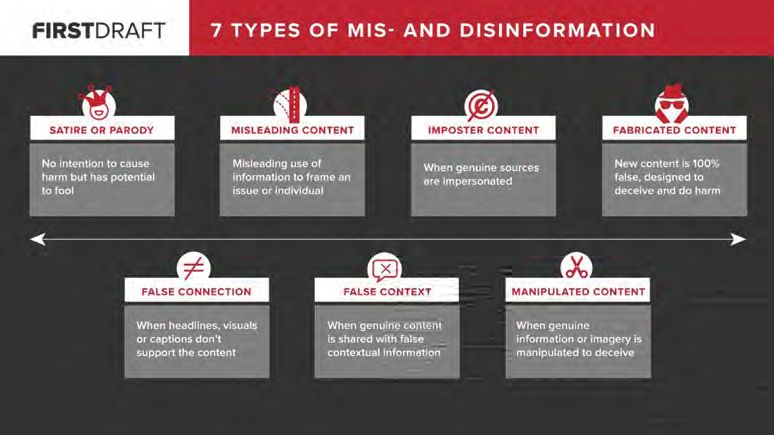
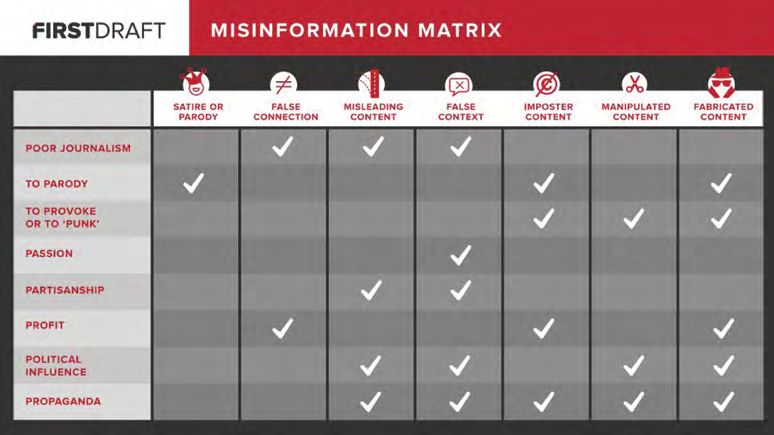
36 Beware “Fake News”
37 Fact VS Opinion
37 know the difference
38 who is creating these Kinds of misinformation & why
39 Don’t be fooled, get it right
CONTENTS 41 “Fact checking” yourself
42 Fact Checking Tools Suggested by Africa Check
42 Fact Checking Images
The Children’s Radio Foundation would like to thank its partners for the development of this toolkit.
43 APPENDIX
43 CONTACTS
53 Other Useful Links
44 FACT SHEETS
44 Demand for land in South Africa, in numbers
47 South Africa’s official poverty numbers
50 Nearly 39% of young South Africans unemployed?
51 Violence against South Africa’s women, children
Cover image source: Sydelle Willow SmithAbout this toolkit
This toolkit has set out to cover all the major areas of
consideration for community broadcasters during election
time. From regulations, to production and social media,
we have proposed ways of thinking, through to ways of
producing the final product.
A feature of this toolkit are the prompts for programming,
production and social media. These are practical
suggestions for how to turn the big ideas into a broadcast
output. As a hint, these are useful parts of the toolkit to look
out for as you use this resource at your radio station.
Image source: Sydelle Willow Smith
South Africa is readying itself for its fifth national election to choose its national and provincial government, a
fundamental democratic process that impacts the political, economic and social lives of all South Africans.
Section One: Elections 101
INTRO
Since the first democratic vote on the 27th April 1994, community radio stations have been taking deals with the aspects of voter education and election regulations for both citizens and the
root and growing across provinces within urban, peri-urban and rural areas. Community media media.
aims to democratise the press and provide print, radio and television access to all people, as well
as localised programming focused on the interests and needs of their audience.
Currently, over 240 community radio stations have an estimated audience of about 9 million
Section Two: Your Community Radio Station at Election Time
suggests ways to reflect local issues in election coverage and how to make the most of the
listeners across the country. You and your station are central to this election process and to the
resources you’ve got.
democratic project. It is the duty of the media to report fully on all aspects of elections so that
citizens can exercise their right to make an informed choice. The media also provides a platform
for political parties, who have a right to put their policies across.
Section Three: Formats and Platforms to Amplify Broadcast
is a dive into social media approaches and tools that can extend the reach of your content to
Several partners support this project, all of them champions of media freedom and community
connect with more and diverse audiences.
broadcasting. It is with this vision and passion that we trust this resource will help you to produce
quality election coverage.
Section Four: Fact-checking
is all about how to make sure you’ve got it right, and you’re not being fooled by
misinformation.
The Appendix
contains a few issue-based resources. These are Fact Sheets compiled by Africa Check on
hot election issues like poverty, land and gender violence. There is also a list of contacts and
other tools.
1 2SECTION ONE
Elections 101
How South Africa’s democracy works:
setting the scene for elections.
Voting Production Tip
Voting to elect government representatives is a You can do vox pops to get an idea of what
fundamental political right in a democracy, and one of the is one people’s minds.
most important ways of participating and making your voice
heard in the political life of society. Ask just one question for each vox pop
segment and edit all the answers together
We elect government to represent the needs and
interests of the majority of people. We give them the Q: What is the most important problem the
mandate to make decisions relating to land and housing, government should address?”
water and sanitation, health and the environment, media
and culture, education, training and employment among Q: Why are you voting or not voting?
others.
Our audiences across the country are dealing with the
impacts of poverty and inequality, facing issues like crime,
gender violence and the lack of service delivery daily.
Citizens have the right to information about political parties
and policies in elections, to make an informed choice and
understand the impact of national policies at a provincial
and municipal level.
In a democracy, the government is accountable and
answerable to the citizens, and regular elections means a
chance to vote out a government that is failing to meet the
needs of people. Community radio stations service citizens
in their local area and language, and can often reach them
in ways that other media can’t.
Pre-, mid- and post-election, your reporting and
programming at the radio station will be central to your
audience accessing and acting on their right to vote.
3
Image source: Sydelle Willow Smith 4Voting Rights in a Constitutional Democracy
In a constitutional democracy, the Constitution is the highest The 1996 Constitution guarantees the democratic rights
law of the country and no person can go against it. Even the to freedom of expression, access to information, to form
president and Parliament cannot rule and pass laws against organisations and to meet. It also guarantees the right to
it. The Constitution contains the Bill of Rights which states vote, the calling of elections every five years and drawing up
the rights and responsibilities of all citizens. of a national Voters’ Roll. Production Tip Think About
* Voter rights education can be National government makes, enforces and
developed into a series of public service rolls out laws and policies for the whole
Who can vote? South African citizens who are 18 years and older, registered on the Voters’ Roll, with a
bar-coded or temporary identity (ID) document or smart ID have:
announcements (PSAs) that can also be
posted to social media.
country. It is made up of: (i) Parliament led
by the Speaker and (ii) national government
led by the President and Ministers.
* Interview the IEC or voter rights educator
1 The right to free and fair elections - the right to information to make your choice, access to registered political parties
and candidates, who should be able to hold meetings freely, and given fair amounts of time on radio and television.
about each right and discuss whether the
rights are accessible to all citizens in the
Provincial government makes and
carries out laws and policies that affect
audience who want to vote. the province only. It is made up of: (i)
Legislature led by the Speaker (ii) provincial
2 The right to vote - is one of your political rights under the Constitution and your democratic right as a citizen. No-one is
allowed to stop you from voting.
* Interview citizens who are living with
disabilities about their right to vote and the
government led by the Premier and
Members of the Executive Council.
process of voting.
3 The right not to vote - it is also your democratic right not to vote. No-one is allowed to force you to vote.
* Interview the IEC and elections personnel
about the right to make a complaint and
how to do so.
4 The right to spoil your vote - you have the democratic right to spoil your ballot paper (voting paper). This is when you
deliberately vote for more than one party on the ballot paper, or fill your ballot paper out in a way that a counting officer
* Voter rights education messages can be
sent on WhatsApp groups and / or social
cannot work out who you are voting for. Some people choose to vote by spoiling their ballot to show there is no political
media like Facebook and Twitter.
party that represents them.
5 The right to vote once in your voting district - you have the right to vote once in the voting district where you are
registered with the bar-coded ID system. This means citizens cannot try to vote again at a station in another voting district,
or vote under another name at the same voting station.
6 The right to your own free choice - only you can choose which party to vote for. No-one is allowed to pay you or
threaten you to vote for their party.
7 The right to a secret vote - no-one can force you to tell who you voted for. Your vote is secret because your name is not
on the ballot paper. No-one is allowed to watch you when you go into the voting booth. If you ask for help to vote, and any
election official, observer or party agent sees how you vote, they are sworn to secrecy.
8 The right to get help to vote - If you are physically or visually challenged, you can choose someone to help you at the
voting station.The presiding officer can also help you cast your vote but an observer and, if available, two agents from
different parties must be present. Ask for an interpreter if you need help with the translation of any instructions. You may
take someone to help you (family or a friend); the person must be 18 years or older, and cannot be a party agent or a
candidate.
9 The right to vote safely - there will be security at the voting station to ensure a safe voting environment. Alert the
police or presiding officer if you feel any threat to your safety.
10 The right to make a complaint - if you are unhappy about anything during the elections and at the voting station,
such as harassment or intimidation.
5 Image source: Sydelle Willow Smith 6The Role of the IEC during Elections
The Independent Electoral Commission (IEC) is an independ-
ent, impartial institution established by Chapter 9 of the
Constitution to strengthen democracy. The IEC manages and
ensures election processes are transparent and trustworthy,
and that there is free and fair participation of citizens, civil
society and political parties includes the following:
The Multi-party System and Proportional
Production Tip Representation (or Party List System) • Supervising and organising the elections Production Tip
• Making the regulations needed to run the elections
* A vox pop question could be, “What will When voting in the national and provincial elections in • Registering voters and compiling a voters’ roll * Interview the IEC or voter educators
make you vote for a particular political South Africa, we use the proportional representation • Promoting democracy and voter education about how to lodge objections, appeals and
party?” system which means that: • Keeping contact and cooperating with political parties complaints, the process thereof, and the
and candidates role of the Electoral Court.
* Interview first time voters about why they • Voters choose the political parties who will represent • Making sure that the elections are free and fair
are voting, and what they hope the elected them provincially and nationally. • Responding to complaints and sorting out disputes * Create a PSA about the role of the
party will achieve? between political parties Electoral Court.
• The registered political party chooses candidates who • Announcing the election results
* Interview political parties about their will become its Members of Parliament (MP).
* Create graphics / cards for social media to
manifesto and how it will address the issues The Electoral Court was established in terms of section 18 of explain key concepts / terms relating to the
in your province / area. • Each party will get a certain number of seats in the Electoral Commission Act. The powers and functions of elections.
Parliament, proportional to how many votes the party the Electoral Court extend to:
got in the election.
1 Investigating allegations against IEC members, and
making recommendations to the National Assembly
2 Hearing and determining matters related to the inter-
pretation of law, referred by the IEC
3 Hearing appeals of decisions made by the IEC, which
must be conducted on an urgent basis and disposed of
as expeditiously as possible.
Allocation of seats in the National Assembly
The Voting Process
If Party A receives 60% of the votes, it will be allocated 60%
(240) of the 400 seats. Voting
If Party B receives 25% of the votes, it will be allocated 25% • In the national election citizens vote twice. The first Production Tip
(100) of the 400 seats. vote is for their national political party of choice, to be
represented in the National Assembly. The second vote is * Produce voter education PSAs about
If Party C receives 15% of the votes, it will be allocated 15% for their provincial political party of choice, represented voting, counting, objections and results
(60) of the 400 seats. in the Provincial Legislature and in the National Council of processes
Provinces. * Interview IEC and voter educators about
In line with this example, the first 240 people on Party A’s the voting process and role of each voting
list will be allocated seats in the National Assembly, as will • If a mistake is made before placing the ballot paper in the official
the first 100 people on Party B’s list and the first 60 people box, a new one can be requested from the presiding officer, * Announce the details of voting stations,
on Party C’s list. while marking the incorrect ballot paper “cancelled”. hours and procedures
* Interview analysts about results of the
In the 2014 general election, a party needed approximately • Once ballots have been placed in the ballot box, they can’t count and predictions
45 000 votes nationally to get one seat in the National be removed. * Update these reports on social media
Assembly. platforms
• During voting full ballot boxes are sealed by the presiding
officer in the presence of available agents who seal them.
• After voting, unused ballot boxes, cancelled ballot papers,
Credit: SANEF
the certified voters’ roll and written objections are sealed
and stored separately.
7 8Objections and Appeals
• Any participant in elections - voters, party agents,
or ward councillors - can lodge an objection when
irregularities occur that may affect the determination of Production Tip
the final result of the election at that voting station.
* Voter education PSAs should include
• These objections could relate to voting procedures, information on the process of lodging an
counting and verification of votes, conduct of political objection
party agents and election officials, or harassment and
intimidation of voters. * Interviews with election officials and
voter educators should describe examples
• An appeal can be made about the decision of the of objections to educate citizens about
presiding officer by submission to the IEC. irregularities to look out for
• If the IEC or Electoral Court decide that a serious
irregularity has occurred they may order that:
- the votes cast at a specific voting station do not count
in whole or part,
- or that votes cast in favour of a registered party at a
specific voting station must
- be deducted in whole or in part from votes cast in
favour of that registered party.
Credit, IEC
Counting
After the voting station is closed the presiding officer sorts
the ballot papers, rejecting any ballots that are unmarked,
illegible, show the voter’s identity, is an unofficial ballot, or is
unmarked by the presiding officer. The rest are counted.
Remember
• Votes are counted at the voting station they were cast
* You can interview only the IEC presiding at immediately after closing, unless the IEC decides
officer at the voting stations. No other otherwise.
officials may be interviewed. • The counting officer determines the results for the
national and provincial elections at the voting station. It
* Only the IEC has the legal authority to must announce the result to members of the public and
announce the election results. agents present at the voting station and inform the IEC.
• The results are then sent to the municipal electoral
* The IEC is required to determine and offices, where they are verified, scanned and captured in
declare the result of the election by the IEC’s central results system.
adding together the results received from
all voting stations within seven days after The overall election results will be worked out at the
voting day. centralised Results Operation Centres which are under the
control of the IEC. There is one national Results Operation
Centre based in Pretoria, Tshwane. Each province has its
own results centre. Accredited media are permitted to be
present for announcements of the results.
9 10Elections Reporting: Laws And Codes are handed to the station by authorised representatives
of political parties
Several codes of conduct have been adopted by most
• Section 58 states that if the station decises to broadcast
commercial and community newspapers, magazines
PAs, allowance must be given to all political parties who
and broadcasters like community radio stations as a way
request it, with no prejudice or preference. PAs must be
of regulating themselves. The laws and codes we have
obtained from authorised representatives of political
highlighted below guide community radio broadcasters
parties.
during elections.
• Section 59 states that when stations decide to cover
Broadcasting Act 4 of 1999 frames broadcasting policy
political parties and election issues, they must provide
in the public interest; to strengthen the cultural, political,
reasonable opportunities for:
Remember social and economic fabric of South Africa; to ensure
plurality of news, views and information.
- the discussion of opposing views,
* A Party Election Broadcast (PEB) is a direct - the right to reply to criticism
Independent Communications Authority of South
address or message
Africa (ICASA) Act 13 of 2000 regulates broadcasting
broadcast free of charge to advance the
and telecommunications, including the Complaints and The Community Radio Election Guidelines of 2014 were
interest of any political party
Compliance Committee: developed by the National Community Radio Forum to
* A Political Advert (PA) is an advertisement assist community radio stations to strengthen their role.
• Community radio stations must observe the ICASA To summarise, here are a few of the principles that you can
broadcast to advance the interests of any
political party, for which the broadcaster
Code of Conduct which guides election broadcasting,
and follow the ICASA Final Amendment Regulations on
adopt for your station: Think About
receives payment
Party Election Broadcasts, Political Advertisements, • The press exists to serve society and its work is guided * What are the particular concerns you
and Equitable Treatment of Political parties by by the public interest have about interference at your station?
Broadcasting Licensees for the 2019 National Elections. • The press serves to uphold the Constitutional Right to
freedom of expression * What are the ways you can avoid
• The prescriptions apply to the broadcast of Party Election • News and information must be obtained legally, honestly interference at your station?
Broadcasts (PEBs) and Political Adverts (PAs). and fairly, unless public interest dictates otherwise
• News and information shall be truthful, accurate and fair * Has your station aligned itself with any
• ICASA’s Complaints and Compliance Committee • News and information will be presented in context and political party and how have they indicated
receives complaints about broadcasters. It holds be balanced this publicly or privately?
hearings with complainants and broadcasters, and • The station will observe the right to reply
makes recommendations to the ICASA Council. Any • No commercial, political, or personal considerations will
person may lay a complaint in respect of Election influence reporting
Broadcast Regulations, about a PEB or PA within 48 • No bribes and favours will be accepted
hours after the broadcast. ICASA must communicate the • Corrections will be made to mistakes
outcomes to the complainant within 48 hours. • Opinion will not be reported as news and information
• The station will respect the rights, reputation and
integrity of others
• Local issues and voices will be encouraged
Electronic Communications Act (ECA) 36 of 2005 is read
• The station will strive to represent the voices of women
with the ICASA codes and governs media broadcasting of
• The station will strive to represent diversity through the
PEBs and PAs as follows:
voices of marginalised groups and diverse viewpoints
Think About • PEBs must not contain material exposing the broadcast-
ing licensee to legal liability (being sued);
* Broadcasting PEBs and PAs need careful The Electoral Code of Conduct, Clause 8 guides political
planning so that you can monitor and run • PEBs must be of a technical quality acceptable to ICASA; parties and candidates in respect to the media, ruling that
the correct number of slots allocated by and must not be broadcast later than 48 hours (2 days) they must:
ICASA before voting starts - that is, later than 07:00am two days
before election day. • respect the role of the media before, during and after an
* Broadcast PEBs and PAs at times reaching election
similar listenership figures • Section 56 rules that broadcasting licensees can only • may not prevent access of media to public political
broadcast PEBs and PAs during the ICASA proclaimed meetings, marches, demonstrations and rallies; and
* Inform political parties in your area of election broadcast period • take all reasonable steps to ensure that journalists
your election programming slots are not subjected to any forms of violence by
• Section 57 rules that commercial and community broad- representatives or supporters
casters who choose to air PEBs must ensure that PEBs
11 12Reporter accreditation
Election Milestones
Having accreditation should get you access to interviews
with members of the community, civil society, elected ELECTION DATES
Think About government officials and political party representatives.
Proclamation of the election 26 February 2019
It should grant you access to areas and events where you
* Organise accreditation for your reporting obtain information and interviews for your reports like
Provisional voters’ roll becomes available for inspection 1 March 2019
team - this means that reporters can report voting stations and the Results Operation Centres.
on election matters at election-related A Press Card identifies you and the community radio Cut-off for objections to the voters’ roll 8 March 2019
venues. station you are reporting for and shows transparency and
accountability. Submission of list of candidates 13 March 2019
Notifications to vote outside of the country 13 March 2019
Getting a press card:
Certification of voters’ roll 18 March 2019
Print and Digital Media SA (PDMSA) issues press cards - in
Closing of applications for special votes 18 April 2019
English - to reporters as a system of accreditation:
Publication of lists of political party candidates by IEC 23 April 2019
• Download and complete the application form from
PDMSA, including signature from the station manager. ICASA invites contesting political parties, public broadcasters TBA
• Forward the completed application form with your and interested commercial and community broadcasters to
photograph and payment to the PDMSA for processing. briefing session to allocate PEB slots
• Check www.pdmedia.org.za/presscards for more details.
The Council of ICASA proclaims the Election Broadcast TBA
• Alternatively, a signed letter from your station manager Period; and ICASA publishes the PEB schedule in the
or news editor on the radio station’s letterhead with an ID government gazette
or passport, can also serve as media accreditation.
• If any difficulties arise with media access at voting Voting at South Africa’s foreign missions 27 April 2019
stations, a reporter can approach the presiding officer for
assistance. Special voting days 6 - 7 May 2019
• Queries that fall outside of the mandate of the presiding
Election day 8 May 2019
officer will be escalated to the official spokesperson of
the IEC at the Results Operation Centres, either nationally
Counting and verification of votes, IEC rules on Voting Objec- 8 May 2019 onwards
or for the province.
tions and Appeals
IEC announces Final Result 15 May (or earlier )
13 14SECTION TWO
Your Community Radio Station at Election Time
Ethics and Fairness:
developing an editorial vision
for your station for elections
The importance of Community Radio Developing a Code of Ethics for Your Newsroom
and Election Coverage
Media broadcasters should provide audiences with a
guide to make better choices for elections. They should be Ethics do not just have to do with following the rules. They
proactive in offering balanced news and information about have to do with a set of moral principles and guidelines
electoral processes, political parties and the big issues to that your station should follow.
their audiences. In Section One, reference was made to the Community
Radio Guidelines that follow from the ICASA and IEC
The role community radio stations play is even more codes of conduct for broadcast media. Besides the ethical
crucial, as you speak to specific geographical communities considerations of fairness, accuracy, and independence,
that experience national issues in a very local way. How community media has the responsibility and mandate to
you reflect their voices, concerns and needs is of utmost reflect the diverse voices of its audience. These will include
importance during an election time. voices that are not always heard on political matters, like
women, youth, children, LGBTIQ+, and ethnic and cultural
There are three sets of rights at the heart of every election minorities. Keep in mind that when issues and voices are
and as a community broadcaster, you are helping to realise absent in the media, the likelihood of these being a priority
these rights: in the public and state’s imagination is very slim.
• The right of voters to make an informed choices Women
• The right of political parties to put their policies across According to Media Monitoring Africa (MMA), women were
quoted in the media only 18% of the time in the lead up to
• The right of the media to fully report on elections the 2014 National Elections. That means that men got 82% of
all media attention. Female politicians also got the short end
of the stick. They were only quoted 15% of the time across
Image source: Sydelle Willow Smith
15 16all media. Some of the issues relating to women are land Safeguarding, Mitigating Risks
ownership, customary law, gender violence, employment,
single parenting, health, childcare and education. Being forced to delete audio, video or photos. Being
threatened by politicians, community members, or police.
Programme Tips Youth Being attacked or robbed while covering a story. These are
incidences of intimidation and violence that can happen to
* Audiences are more engaged and active The issues surrounding youth, and youth opportunities, members of the media. As we strive for excellent election
these days through Whatsapp and social health and employment did not feature in the top 10 issues coverage, we should not put our reporters in harm’s way.
media. Share your code of conduct with discussed in the 2014 elections according to an MMA
them via these channels. They can help you
stay accountable.
post-election report. MMA also cautioned media of casting
youth in the stereotyped roles of victim and suspect, mostly
Some practical safety considerations
Remember
covering stories on crime, sports and protests. It is a fact • Always carry identification proving you work in the media
that black youth make up the majority of South Africa’s The South African National Editors’
* How many women are running in this
population, but they receive the least coverage. • Be familiar with the election guidelines for media and Forum (SANEF) has urged journalists to
election for the National Assembly and for
understand your journalistic rights leave press conferences or rallies held by
your provinces? What does this say about
Children political parties if they feel under threat or
gender balance in politics? Use these kinds
• Never carry a weapon intimidated.
of questions to cover gender programming
during elections. Children are not eligible to vote but they bear the
consequences of adult choices, and the policies that the • Inform your employers of any threats or violence Refer to the Rights of Journalists in
elected government roll out. As in the case of youth, directed at them. Your stations must report this to the Section One
* Have you captured the voices of women
voters, across all ages and socio-economic MMA report that media rarely reflects children’s issues or IEC
groups? children’s voices and when they do, it is mostly from the
more urban provinces like the Western Cape and Gauteng. • You can refuse an assignment if you feel it’s too
* Are there issues that get left behind dangerous
on politicians’ agenda? Who is speaking Indigenous Groups
to LGBTIQ+ rights? People living with • You should let your employers, colleagues and family
disabilities? Indigenous groups like the San and the KhoKhoen, collectively know where you are going on assignment and when you
called the Khoisan, are also underrepresented in media. expect to be back
* Have you interviewed children about what Indigenous groups are mainly concentrated in the Northern
they think, feel and want from elections, Cape, Western Cape, Eastern Cape and Free State. The
even though they can’t vote? What is their Khoisan are fighting for recognition as South Africa’s First
message to adults? Nation, recognition of their languages, and restitution of land
stolen from them during colonial and Apartheid eras.
Migrants
Migrants from other countries are not eligible to vote in Safe Spaces for Community Dialogue
elections if they do not have South African citizenship
and a South African identity document. They do however Community radio should be a place where community
experience the consequences of government policies in members feel they can share their views and opinions.
many areas of their lives, from the services and support Community radio in South Africa was set up to advance
they receive at Home Affairs, at health clinics, at education democracy and to support freedom of expression. For
Remember institutions, to their integration and acceptance in
communities where they live. Xenophobia is a hate crime
many poorer citizens, community radio remains one of the
few channels where they can be heard.
Remember
that many migrants have experienced and some have even
Journalists are bound by the code of Hate speech is when offensive and
lost their lives to. What is their vision for South Africa and To be able to encourage dialogue, stations need to be
their profession to protect their sources. inflammatory language is used to disrespect
what election issues are important to them? able to hear many perspectives and differing opinions.
Revealing the sources of your information others, often through stereotyping.
Remember that dialogue is not about being right, it’s about
can threaten someone’s safety and their LGBTIQ+ having the respectful space to say something and to be
life. The Press Code for South Africa states: Hate speech contains threatening, abusive
heard.
“As journalists we commit ourselves to the or insulting messages, usually targeted at
The Constitution supports sexual minorities but queer
highest standards, to maintain credibility a group to stir hatred on the basis of race,
communities have not been seen to be high on political Community radio stations must encourage community
and keep the trust of the public. This culture, gender, sexual orientation, or
parties’ agendas. Faced with the reality of hate crimes members to participate in their shows and programming.
means always … acting independently.” nationality.
and hate speech, the queer community experiences With social media having such a far reach, there are ever
unacceptable levels of violence and discrimination. How more opportunities for participation to happen.
are political parties speaking to the queer community’s See how to use social media to do this in Section 3.
concerns? What are they doing to support their advocacy for
safety and non-discrimination?
17 18Covering Local issues for a National Election
Covering elections may feel like a huge and overwhelming
task. There is so much to talk about, and so many rules,
Programme Tips There are also a few guidelines that community members regulations and issues to cover. Part of your job as a re- Programme Tips
must follow when participating in broadcasts: porter for community radio is to help bring the issues home
Develop deliberate segments in your to your audience, and to share information and stories in a * Can you help tell a story of service
programming for audiences to participate. • Do not defame others (damage their reputation or name) way that matters to them. delivery, land, water, crime, or gender
You could have an “election question time” violence through one person’s experience?
during one of your shows, when audiences • Do not start rumours There is a formula that can help make things simpler - The 4 Don’t forget children and youth experiences
send in their questions on social media, P’s of election coverage. These steps can help you come up are valuable too! For example, Simphiwe
Whatsapp or SMS. You can answer both on- • Do not mention the names, addresses or any other with story angles and different reporting formats too. has not had running water from her
air and in a daily round-up of all questions personal information about somebody else that could household tap for the past three months.
and answers on social media. Voter threaten their safety P-for-People She has three children and a household to
education, election day arrangements and support as a single mom. Tell the story of
procedures will feature quite a lot, so be • Do not disclose your own identity if the information you According to Media Monitoring Africa, political parties had how a lack of water impacts her life.
prepared to answer this for your district. are sharing could threaten your own safety most of the airtime during our 2014 National Elections. That
means politicians and not people had the mic. * Is there anyone in your community who is
changing the party they vote for, or will they
Focussing on people is one of the best ways to capture vote for the same party as before? Why?
your audience’s attention. It gives your reporting a sense of
humanity and reality. The personal is powerful! * Talk to someone who didn’t register to
vote. Find out why.
* Talk to a young first time voter. What
motivated them to go make their mark?
On Air Tips Production Tip
* Ask voters whether they examine the
party lists or if they vote out of party
loyalty.
Radio presenters and hosts must be vigilant Audio profiles open a window into who
and at full attention when receiving call- that person is, where they are, what
ins and posts on social media. Having the they’re doing. A profile takes some
right and privilege to participate as an planning and preparing the person to
audience does not mean that people can tell a part of their story. There is only the
say anything they like. Here are a few tips character’s voice in a profile--we do not
for handling callers: hear the interviewer. That part you need to
do beforehand. Here is how:
* Observe journalistic principles of
accuracy, fairness and ethical conduct at all * Ask your your character to talk through Remember
times the story they want to tell. Ask them to
explain, paint the picture. Take your vox pops a step further by
* Be prepared to cut off a caller who is shooting them as videos on your phone, not
using hate speech and who disregards the * Focus the story on an important just audio. You can use a smartphone lapel
stations ethical guidelines and the law moment, where something or someone mic like the Rode Smartlav+ which costs
changed, where there was a realisation. under R1000 and gives broadcast quality
* Listen to voice notes before broadcasting audio. Your video can be used on social
them and filter out those that break your * Your character must be in an media, and the audio from it can be used on
station’s ethical codes environment that makes sense for them air. You can quickly and easily cut video with
and their story. If you’re talking to a nurse Kinemaster and cut audio with Wavepad
* Treat audiences with respect, honesty and about health issues, don’t record her (both free apps).
fairness where there are lots of cars driving by.
Remember to take a picture of the character
* Respect the privacy of callers and * Natural sound supports the story, so feel in their surroundings so you can post to
safeguard their information free to use it! social media!
* An audio profile is about 2 - 3 minutes
long
19 20P-for-Processes
P-for-Parties
These are the details of elections that may not be terribly
Party manifestos spell out what political parties have set as exciting, but are critically important to people actually
Programme Tips their values, priorities, and goals. It’s a good place to start coming out to cast their ballot on voting day. It is part of Production Tip
researching before you invite a politician into the studio! your mandate as a community radio station to provide this
You can cover political parties and their That way you have more control of where to direct the information. * You can interview a voter who participated
promises before, during, and after conversation. The manifesto sets out the party’s position in elections before to hear their experience.
an election. It’s a way to keep them on health, corruption, water, the economy, gender-based Start your coverage of P-for-Process with voter education,
accountable to the promises they’ve made, violence and many other issues that require urgent for pre-election programming. Here are a few tips: * You can interview a first-time voter to
especially if you have it recorded. attention, and how they will tackle these, should they win. hear what they are expecting and looking
• Know why it is important to vote. forward to.
Question whether disagreements between What kind of a track record do parties have in your (Refer to Section One).
parties are worth the airtime. A lot of communities or region? Have they followed through on their * Interview an IEC official or an election
media time is taken up accusing each other promises? Has there been significant changes in voters’ • Remind audiences that only registered voters can cast a observer - someone qualified enough - to
of breaking regulations. A good tip would support for different parties since the last election? ballot. talk about the voting process.
be to take things seriously if complaints
have been registered with the IEC. Parties campaign by holding rallies, visiting projects, health • Remind audiences that you have to come to the voting
facilities, and disaster areas. It’s a time of high energy and station with your bar coded ID, smart card ID, or
big promises, so don’t forget to stay objective and ask the temporary ID. Even if you are registered but don’t have
hard questions while covering the campaign trail. this document, you will not be able to vote.
• Know the locations of the voting stations in your
community. Name them along with addresses. The
IEC’s “Find Your Voting Station” site is useful for this.
http://maps.elections.org.za/vsfinder/ or call you local /
P-for-Places provincial office.’
What are the places in your community that can tell the story • Understand what parties are campaigning for. Referring
of the election? Access to water, jobs, youth opportunities,
Production Tip gender violence, housing, employment?
to party manifestos is a good start.
• Profile political candidates.
An audio postcard tells the story of a What is the biggest asset of your community or region and
place and relies on natural sound. The how much is that being celebrated as a success by locals and • Political analysts and academics are good to give opinion
reporter or character will narrate the story politicians? and commentary on the big issues like land, service
by describing the place and its issue, and delivery, the economy, gender, youth, etc...
perhaps even conduct a short interview. Has anything changed in the area because of party
Places to capture in an audio postcard promises? What does that story look and sound like?
could be: P-for-Process during mid-election will inform your
programming in the following ways. Here are a few tips:
* where water trucks come to deliver water
to drought stricken communities • Updates on voting stations getting ready for voting day Production Tip
* the spaza shop where unemployed youth • Reports on delays, mishaps and incidences at polling *Ask voters who are standing in queues, or
hang out stations or related to elections who have just voted to send in a voice note
about their experience period.
* land people have occupied • Updates from polling stations on voting day
Ask voters to post a selfie in the voting
* clinics, day hospitals and rape crisis • Report politicians, community leaders and members, queue or after they have voted outside of
centres first-time voters casting their ballot - where and when the polling station with the hashtag your
and how they felt radio station has chosen for elections. Use a
* transport hubs like train stations, taxi tool like Tweetdeck to monitor this hashtag
ranks, bus terminals • Report incidences of election violence or intimidation if (see Section Three).
they occur
21 22P-for-Process after the election it is all about the counting, Get commentary from credible sources on how winning Dealing with the hot election issues: land, gender,
the results, the winners and losers. It’s also about the longer votes translates into the numbers of seats in parliament. service delivery, crime, youth
reporting game of holding politicians to account, but that
has less to do with electoral process and more about our When the result has been finalised from the results centre, Reporting on the issues that are on voters’ minds is not a
journalistic muscles. So let’s look at how you can tackle the get reactions and opinions from your audiences about the simple task. It is also an important task, as what politicians Production Tip
direct aftermath of the elections. national result and the provincial (regional) result. say about these issues may motivate people to vote for
them. Politicians will make many claims about these issues, As a reporter, it is crucial for you to have
You can post election results updates in news slots and on For longer term post-election coverage, tell your audiences and they will sound very appealing. researched these issues. There are a few
social media by following the action from the results centre about the promises you’ll be monitoring and how you’ll be factsheets in the appendix of this toolkit.
as they roll in. doing it. Your job as an election reporter is to help audiences: They deal with some of these hot election
issues to help you understand the basics as
You can repost analysis from trusted sources about what the • Understand how parties and politicians intend to address well as accurate statistics.
outlook for provinces look like, and if there are any surprises. these issues
• Question the evidence of what these parties and
politicians have done in the past to address these issues.
What is their track record on this, and what have they
delivered?
• If you do not have a politician in studio, do some research
on the party’s policies and manifestos and search the
news sources for credible reporting on the politician
Interview Tip
Politicians are servants of the public. They are our * Do not offer a personal opinion in your question.
elected representatives who make decisions on A politician may discuss your opinion and ignore
our behalf. They need to be accountable, clear and your question.
engaging. Asking them good questions is a must.
Here are a few tips: * Do not ask two or more questions in one.
Politicians usually choose the easy question and
* Ask short questions. Do not ask questions that ignore the tough one. A smart politician will only
begin with a long statement. A smart politician answer the easy question.
might only respond to your statement and ignore
your question. * Ask follow-up questions, or ask the same question
another way to get a full answer.
23 24Remember the basics of interviewing. You do not want politicians to answer YES or NO, you want them to explain and
provide a full picture. Focussing on the What? How? Why? could get you better answers. For example:
Station resources and constraints: working with what we’ve got
Planning election programming means taking stock of what resources are available for production. Scan the sections below
to assess the resources you can utilise at the station and in your community to prepare your programming and content
What will your party do production.
about the water crisis
in the Eastern Cape?
At the radio station
this crisis?
What has led to
People Skills
Why has it
become a cr
isis in the fi
rst place? • How many reporters, producers and programmers will
How many people have the skills to fulfill these roles?
be involved in election broadcasting?
• news and current affairs editor
How do you intend to support people in this region until we are out of crisis mode? • Determine how teams will need to be reconfigured or • programmer
their work times adjusted if necessary for this period • producer
How do you inte • reporter - live and pre-recorded material
nd to win votes
in this commun
ity?
• researcher and writer
• sound technician
• social media
Remember parties and politicians are not the beginning and end of the game. Local people and organisations and Hardware Match the equipment with the production format.
their efforts, achievements and projects are also noteworthy and valuable to feature.
What kind of equipment do you have? • Use field recorders to get audio outside the station:
• Audio recorders interviews, natural audio, vox pops
• Smartphones with a good camera
• Editing software for audio, still pictures and video • Smartphones can also be used to record the above
• Wifi sound but check if it is broadcast quality. Smartphones
Production Tip Programme Tips • Station phone loaded with data for out of studio
production
can be used for still pictures and video for social media
When you know a politician will be in Evaluate if it’s safe to have a debate with
studio, alert your audiences on social rival politicians in studio. It could provoke Mobility How can we report from community and elections
media. Social media is useful before, during communities in the wrong way, especially if centres?
and after a big interview. there is a history of this in your community. • Can reporters and the production team get around
If it is safe, it’s an energising live format but in the community - travel to rallies/protests/ political • Research election activity in your community like political
Before: Ask your audience to post their you do need to be strong on two points: events? rallies, visits by politicians, preparing voting stations etc.
questions on social media or send in voice
notes. 1. The host must be a good and firm • Will reporters be out at voting stations on election day? • Determine which productions can be done with the
facilitator with no bias towards any Whose money will they use? Can the station support available travel budget, and resources and assign
During: Set up a phone/camera on a tripod one party. Bias can create community community members to get to the studio? reporters to activities
in studio and live stream the interview on backlash.
social media platforms. Make sure you use • If reporters cannot travel, schedule telephonic interviews
a suitable mic. 2. Keep the debate focussed on an issue.
Don’t let the politicians slug it out about
After: Make the interview available as a which party is better. Mapping Community Next, write down all the people you would find at these
podcast (see Section Three). Identify places. Then think of the issues linked to these places and
the best quotes and make social media people. Here are two examples:
Mapping your community means looking at the people,
cards from them. Share the live video again
places and activities. This community map will assist you in
as a recording on Facebook or a highlight Place: Taxi rank
finding who you can access, where and when. It can help you
on Instagram. People: Workers, parents, children, vendors, taxi drivers
think of stories, news features, interviewees, natural sound
and issues that are important for your programming. Start Issues: Safety, transport, business opportunities, no
out by writing down all the places in your community - places disability access
of worship, clinic, sports field, police station, supermarket, Place: Church/Mosque
taxi rank, tavern, school, community hall, park, SASSA offices, People: Elderly people, children, parents, priest/preachers,
labour union, municipal dump etc. homeless people
Issue: Housing, charity, church creche (education), migrants
25 26SECTION THREE
Formats and Platforms to Amplify Broadcast
Production planning for your election
coverage
Now that you know what resources you’re working with, Programme Tips
how best can you use them?
• Prepare clear voter education points you
want to share and cycle them through
Getting “production real” with where your station is at: programming. Simple quizzes via
WhatsApp or call-ins about voter education
1 Do presenters prepare well for their shows? would be effective.
2 Do they reflect local content and people’s stories?
3 Does your current affairs team produce any pre-recorded Example:
/ packaged content? Question - What two things are needed for
4 Do you use a show clock / hot clock? you to be able to make your mark on voting
5 Do you plan programming? day?
6 Do you use any production formats (like vox pops, audio Answer - You need to have registered and to
profiles, locally recorded interviews, or natural sound)? have an ID.
7 Do you have structures of accountability and leadership • Prioritise phone and studio interviews,
that demand a certain quality of programming and with audience call-ins and voice notes
production? after. Round-table discussions (with
8 Do you regularly call on professionals and civil society to multiple in-studio and/or call-in guests) are
give specialist information and advice on your shows? a good way to generate robust debate and
keep listeners interested.
• Prioritise short, bite-sized updates for
What is your score? news slots about politicians and election
processes (Refer to the 4 P’s above
If you answered YES to less than 4 of these questions, it in Section Two)
would be unrealistic to set high production goals for voting • Get other people at the station involved
time. It would appear that your station does not produce a during elections according to their skill
lot of original, creative, local content. It could be too much and networks. Election reporting is not the
pressure to reinvent the wheel for this busy time, so stick business of current affairs only.
with what works already - don’t get despondent. • Go Live on Facebook or Instagram
to create an interactive, immersive
Maybe you create high quality social media content that experience for your listeners. Encourage
gets a lot of audience engagement. Ramp this up and see audiences to ask questions, which you can
how to translate good social media content into radio answer immediately on air.
content and vice versa. See Section Three for tips on
how to do this.
Maybe your station is not good at pre-producing content,
but you do have great hosts who can carry a show and get If you answered YES to more than the four questions above,
the community involved. you are well on your way to having rich and diverse election
coverage. Plan weekly for social media posts, pre-produced
features and live studio guests across all the election phases.
Image source: Sydelle Willow Smith
27 28• Send in voice notes to your WhatsApp number, which
can be played on air (remember to carefully listen to
them in full first to make sure there are no legal or
Broadcast and Social Media Trend #1: Internet access in South Africa is steadily increasing.
In 2019, close to 60% of South Africans have access to the ethical issues).
internet.
• Tag your station when posting to Facebook, Instagram
Not too long ago, radio stations could focus solely on what Trend #2: More people are getting smartphones. There are over or Twitter if they want to bring something to your
they did best: radio. That’s where their audiences were, 20 million smartphone users in South Africa and this is expected attention. You want to make your audience feel like they
and it was a happy relationship. Now, things are a bit more to reach over 25 million by 2022. are valued, so engage with them and acknowledge their
complicated. Three trends are creating a new reality for contributions as often as possible.
traditional media organisations, and they’re having to follow Trend #3: Data is slowly but surely getting cheaper. Additionally,
and adapt to the platforms and devices their audiences are free wifi is becoming easier to find. • Submit user-generated photos and videos via WhatsApp,
choosing to use. which can be distributed on social media platforms.
This means that social media usage continues to grow at a
• Tweet their thoughts about whatever/whoever is
staggering rate in South Africa, with the vast majority using social
media on their mobile phones, as the following table shows: currently on air, using a hashtag that you monitor. Remember
• Remind listeners that audio content is available online Don’t post anything to your personal
January 2018 January 2019 Percentage growth social media accounts that could bring
(see below for ideas on this).
Active Social Media users 18 million 23 million 35% your station’s name into disrepute. On
Content creation and content curation social media, private/personal posts can
Active mobile Social Media users 16 million 22 million 38%
become public very quickly — don’t learn
source
When media organisations broadcast or publish content the hard way. If in doubt, leave it out.
of any type, it’s either created by them, or they curate it
With online consumption of media on the up, traditional or care for social media. You will also have people in your (gather it) from elsewhere, like other media organisations,
media like TV, radio and newspapers are having to work audience who are constantly browsing social media on press releases, user-generated content, etc. Generally,
harder than ever to keep and grow their audiences. Media their smartphone and hardly ever listen to traditional radio creating content is preferable, since original content is
organisations including community radio stations must adapt broadcasts. what audiences value, but curating it can also be a low-
to shifts in audience behaviour to offer a diverse experience effort, high-return approach if done with sound editorial
that plays to the strengths of both traditional and digital In the middle — the overlap — you’ll have people who listen judgement.
media. to your broadcasts and interact with your station/content on
social media at the same time. This is the sweet spot and Let’s look at a few content formats that work well on social
Understanding your audience this is where the magic happens. media, and how to create and curate them:
As a reporter who works at a community radio station, your You can take steps to grow this ‘sweet spot’ audience by Still images: These can be photographs taken by your staff/
audience is made up of all the people who consume and regularly cross-promoting your live broadcast and your team, or submitted by your listeners, or sourced from
engage with your content — not only what goes out on air but social platforms. Invite listeners and social media users to elsewhere (be sure to credit appropriately!). You can also get
also what goes out on your station’s social media platforms. contribute, engage and take action in multiple ways. For free high quality photographs from sites like www.pexels.
This means that you will have people in your audience example you could ask them to: com and
who only listen to the radio and do not own a smartphone www.unsplash.com, but it’s preferable to use original
imagery if available.
The South African government also has a Flickr account with
plenty of high quality, free-to-use images at
https://www.flickr.com/photos/governmentza/
Production Tip
Adding short, snappy text and/or numbers/
You can also use Google Image Search, but make sure you statistics to still images is a highly effective
select the ‘labeled for reuse’ option from the tools menu. way of grabbing people’s attention. There
sweet spot Video: Generally, video attracts higher engagement rates
are many ways to do this: try using Adobe
Spark if you’re on a desktop, or Snapseed if
where the magic than other types of posts. If you’re creating your own videos you’re using an iOS or Android device.
(a great idea!), keep them short except for live videos,
happens
which should be at least 15 minutes. Try to include a call
to action at the end, asking audiences to share, subscribe,
sign up, tune in, etc. Keep an eye on YouTube for any strong
elections-related content that grabs people’s attention and
re-post this to Facebook or Twitter with your own comment/
slant/angle to generate further discussion.
29 30You can also read


