Clár Éire Ildánach The Creative Ireland Programme - End of Year Report 2018
←
→
Page content transcription
If your browser does not render page correctly, please read the page content below
Clár Éire Ildánach
The Creative Ireland Programme
End of Year Report 2018

                                 1
Contents
The Vision .................................................................................................................................. 1
Pillar I: Creative Youth ............................................................................................................... 2
Pillar II Creative Communities ................................................................................................... 8
Pillar III: Cultural Investment ................................................................................................... 15
Pillar IV: Creative Industries .................................................................................................... 16
Pillar V: Ireland: a Creative and Cultural Nation ..................................................................... 17
National Creativity Fund .......................................................................................................... 18
Citizen Engagement ................................................................................................................. 19
Appendix I - Expenditure ......................................................................................................... 22
Appendix 2- National Creativity Fund ..................................................................................... 28
Appendix 3 – Creative Communities ....................................................................................... 34

                                          Creativity is the act of bringing into
                                          being what doesn’t yet exist, or of
                                          transforming what does exist into a
                                          better version of itself.

                                                                                                                                                  2
CREATIVE IRELAND PROGRAMME

THE VISION
                The vision of the Creative Ireland Programmes is of a country where creativity
                is at the heart of public policy; where everyone has the opportunity to realise
                their full creative potential; an Ireland where participation in cultural and
                creative opportunity promotes the wellbeing of the individual, the community
                and the nation at large.

Through the Creative Ireland Programme, Ireland is now among the first countries in the world to prioritise
creativity as vital to our personal and collective wellbeing and success. The Programme promotes understanding
and appreciation of the value of creativity in all of its forms; it engages and influences decision makers to embed
creativity across public policy; and it supports and enables participation in creative activities.

In 2018, we worked with various Departments and agencies using our three guiding principles of creativity,
collaboration and transformation. The Creative Ireland Programme made significant progress across a number of
key areas which is documented in this report.
2018 was the second year of the Creative Ireland Programme and an increased budget of €6m was allocated to
progress the objectives of the Programme. A full breakdown of this allocation is provided at Appendix 1.

                                                           Mr Everybody, Cruinniú na nÓg 2018, Cork City
                                                           (Photo credit: Clare Keogh)

                                                                                                                 1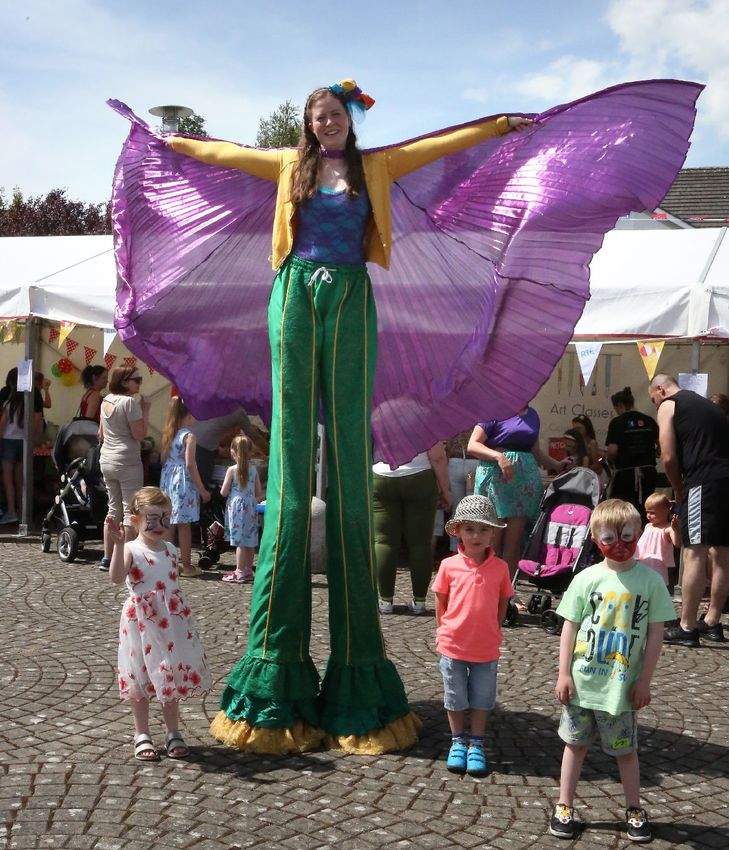
PILLAR I—CREATIVE YOUTH

CREATIVTY
CREATES
POTENTIAL
Creative Youth: a Plan to Enable the Creative Potential of Every Young Person was launched on 7 December 2017
and significant progress on its objectives was achieved in 2018. The Plan set out a number of measures to deliver
on one of the key goals of the Creative Ireland Programme, namely to ensure that every child in Ireland has
practical access to creative activities by 2022. The Creative Ireland Programme secured investment of over €2m,
through the Department of Culture, Heritage and the Gaeltacht and the Department of Education and Skills to
enable the creativity of our children and young people in 2018.

The plan is led by the Creative Ireland Programme in partnership with the Department of Education and Skills, the
Department of Children and Youth Affairs and the Arts Council. As well as specific measures and strategies, the
Plan proposes a broader long-term objective for the Creative Ireland Programme - to provide enhanced cultural and
creative education for all our children and young people. Working collaboratively, the aim is to help promote a
society in which knowledge and creativity are equal partners in the formation of our young people and where
schools can support creativity and innovation in teaching and learning in an integrated way.

An Expert Advisory Group chaired by Dr Ciarán Benson was established in 2018 to assist the Programme in defining
and achieving the primary objectives of the Creative Youth Plan. In addition, the actions are led and monitored by a
Pillar 1 Working Group made up of all the partners, and who meet regularly, to ensure implementation of the Plan
and that all initiatives are as effective as possible in delivering the overall aims. The full text of Creative Youth can
be accessed here. The Plan is designed to be flexible and responsive to changes and modifications, as the various
initiatives evolve, to ensure maximum relevance and impact for the children and young people of Ireland.

Members of the Expert Advisory Group
Dr Ciaran Benson (Chair)
Dr Gary Granville (Retired Prof. of Education the National College of Arts and Design)
Aideen Howard (Director, The Ark)
Gary Ó'Donnchadha (D/ES Inspectorate – Deputy Chief Inspector)
Martin Drury (Arts Consultant)
Nigel Flegg (Head of Learning and Participation - NCH)
Dan Colley (Director of Collapsing Horse Theatre Company)
Nora Twomey (Creative Director, Cartoon Saloon)
Dr Anne Looney (DCU – Executive Dean, Faculty of Education)
Anne O’Donnell (Head of Citizen Participation, DCYA – Hub na nÓg Coordinator)
Dr Carmel O’Sullivan (Associate Prof. School of Education, TCD convenor of the AERG)

                                                                                                                        2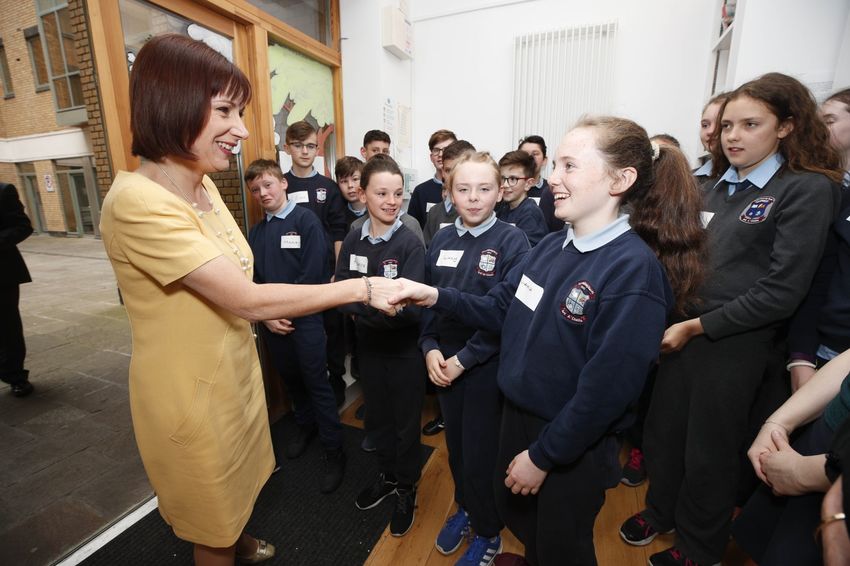
Cruinniú na nÓg event, Limerick 2018

                                                                                         (Photo credit: Limerick Co. Co.)

Achievements in 2018:
Voice of the child
The principle of children and young people’s participation in decision making has been embedded throughout the
implementation of Creative Youth during 2018. ‘Voice of the Child’ training was woven into the majority of
actions in the Creative Youth Plan through Hub na nÓg in the Department of Children and Youth Affairs and will
continue into 2019. This ensures that children and young people are actively involved in the policy development
of Creative Youth.

Cruinniú na nÓg
Ireland is the first, and only, country in the world to have a day of free creative activities for children and young
people. An initiative of the Creative Ireland Programme, in partnership with the Local Authorities and supported
by RTE, the first national day of creativity for children Cruinniú na nÓg took place on Saturday 23 June 2018 with
over 500 events across the country. The aim of the initiative was to encourage as many children and young
people as possible to try new creative activities in their own community, unlocking their individual creative
potential.

Creative Schools
A total of 150 schools across the country, covering both primary and post-primary and Youthreach, are now
taking part in the Creative Schools initiative announced in June 2018. Developed in early 2018 and rolled out in
September 2018, the first pilot group of Creative Schools will run through to end 2019. In addition, 50 Creative
Associates have been appointed to work with the students, teachers and parents of each school to develop their
individual Creativity Plan. At the launch of Creative Schools, Minister Madigan said:

     This pilot we are launching today – the Creative Schools initiative – aims to put the arts and creativity at the
     heart of children and young people’s lives. It recognises that schools are different and have different
     strengths and interests. This Initiative will provide schools with the opportunity to develop a programme
     which responds to their unique needs with children and young people having a central role in shaping their
     own plan. This is really important – your voices must be heard.

To read the full speech, click here. A video of Creative Schools can be viewed here. The full press release is
available here. Details of expenditure are included in Appendix 1. Creative Schools is a flagship initiative of the
Creative Ireland Programme and is led by the Arts Council with funding support from the Department of Culture,
Heritage and the Gaeltacht, and the Department of Education and Skills. The Creative Ireland Programme is
partnering with RTÉ to develop a documentary on the Creative Schools initiative.

                                                                                                                            3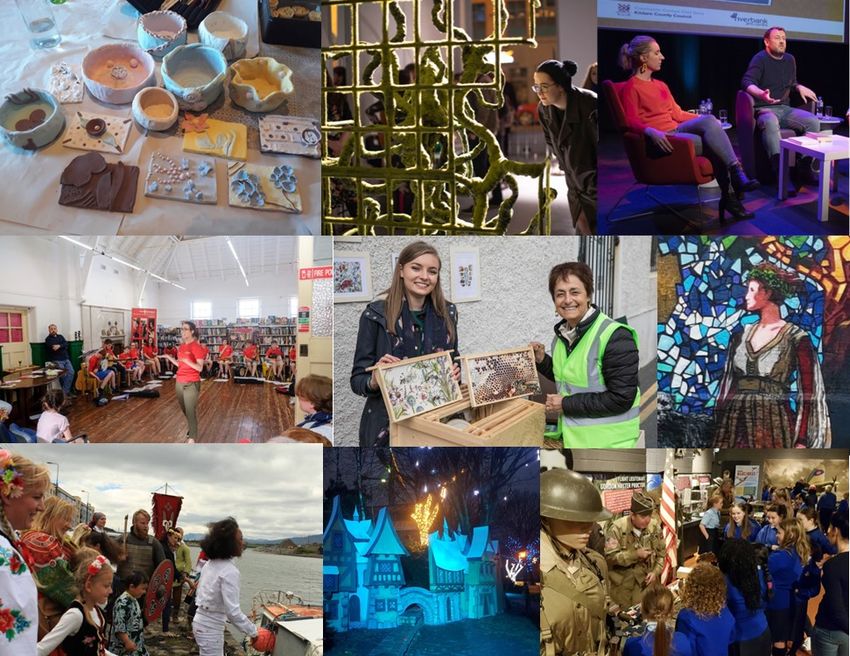
PILLAR I—CREATIVE YOUTH

CREATIVE SCHOOLS

                                                                                  Children with Whale
                                                                                  (Photo credit: The Heritage Council)

         The Creative Schools pilot project is one of the flagship projects of Creative Youth. This initiative aims to
         understand, develop and celebrate the arts and creativity as a core aspect of school life. It strives to
         foster children and young people’s creativity, potential and participation in the arts as an integral part of
         their education. The initiative recognises that the arts and creativity are a powerful means through which
         children and young people can explore communication and collaboration, stimulate their imaginations to
         be inventive, and harness their boundless curiosity.

         It will establish a range of collaborative opportunities for schools and will develop and strengthen the
         relationships between schools and the broader cultural and community infrastructure within which they
         operate. The long term aim is for every school to be supported to fully embrace the arts and creativity,
         ensuring a positive experience and strong outcomes for children and young people. It is also hoped to
         have a positive impact on teaching practices and on the general wellbeing of students and teachers.

         The Creative Schools pilot project was launched on 12 February 2018. Approximately 10% of all schools
         in the country applied for the pilot and 150 schools were chosen from 400 applications. Of the 150
         schools participating, 110 are primary, 30 post primary, 7 special schools and 3 Youthreach centres.
         41 DEIS schools were chosen for inclusion in the pilot across primary and post-primary levels.

           150 Schools in Pilot €2,000 grant 50 Creative Associates
         Each participating school has access to a Creative Associate, who is essential in embedding inspirational
         and sustainable creative practices in teaching and learning. Creative Associates are a mixture of
         practising artists and teachers with an understanding of creativity and its potential to transform the lives
         of children and young people.

         Participating schools, working with their Creative Associate, are completing the development of a school
         development plan for arts and creativity and implementing these plans. The Creative Associates will
         explore new links for schools with artists and with arts, cultural and creative organisations, both locally
         and nationally, to help develop their plan. To assist this, each participating school was awarded €2,000
         for implementation of their plan.

                                                                                                                         4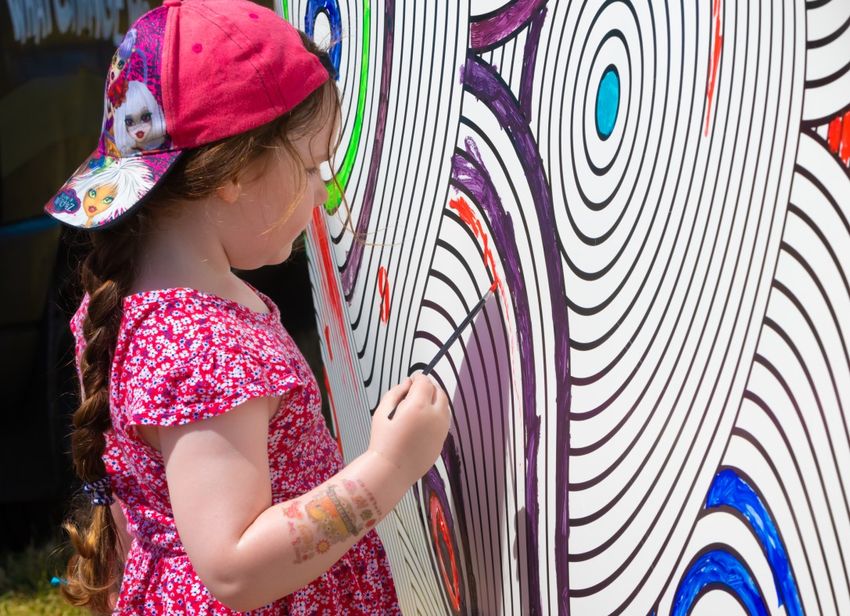
After-School Group,, discussing marine
ecology, Malin Head, Donegal
(Photo credit: Donegal Co. Co.)

    Creative Clusters
    73 schools (in 23 clusters) are taking part in the new Creative Clusters scheme which is funded by the Department of
    Education and Skills. Creative Clusters are groups of 2-5 schools, within an education centre, coming together to work
    on a creative project. A facilitator provided by the Education Centre will help them formulate the plan and €2,500 is
    provided to each cluster to put this plan into action. Projects include coding, drama, Green Forest and Wellbeing.
    Details of the schools involved in the scheme are available here.

    Coding and Computational Thinking
    There are now new coding courses available in junior and senior cycle curricula. 40 schools are engaged in Phase 1 of
    Leaving Certificate Computer Science. This element is managed by the Department of Education and Skills.

    CPD
    Successful Continuing Professional Development (CPD) initiatives were rolled out in both primary (Teacher/Artist
    Partnership – T/AP) and post primary (Arts in Junior Cycle) schools. T/AP provides a summer course and a funded in-
    school Artist in Residency opportunities in which participating teachers and artists work together in collaboration in
    the school during the following academic year. During the summer of 2018, 159 teachers and 59 artists took part in
    TAP. Junior Cycle for Teachers (JCT) ran a number of CPD courses in English and Visual Art in 2018 and they were very
    successful. Details of expenditure are included in Appendix 1. This is co-funded between Creative Ireland
    Programme and Department of Education and Skills.

    Music Generation
    Phase 2 expansion of the Music Generation programme continued to progress in 2018 with the announcement of five
    additional Local Music Education Partnerships scheduled to roll out in 2019. Music Generation also began developing
    a quality assurance framework for Music Education Partnerships. Details of this phase are available here.

    Local Creative Youth Partnerships
    Three new pilot Local Creative Youth Partnerships (led by Kerry, Laois/Offaly and Limerick/Clare Education and
    Training Boards) were announced on 13th December 2018, following a competitive process which opened on 27 July,
    2018 and closed on 21 September 2018. The Partnerships aim to provide structure for the development and co-
    ordination of out-of-school creative activities for children and young people. These Partnerships will also aim to
    enhance creative and cultural activities in disadvantaged areas.

    Speaking at the announcement, Minister McHugh said:

          I am delighted to be able to announce the successful applicants for this pilot scheme. There was significant
          interest from the ETB sector in this initiative and we received a high number of applications. I would like to thank
          all those who submitted applications for this initiative…It is important that skills in creativity and flexibility are
          developed in our children and young people to equip them for the future.

    To read full press release, please click here. Funding support for the Local Creative Youth Partnerships is provided
    through the Department of Education and Skills.

                                                                                                                             5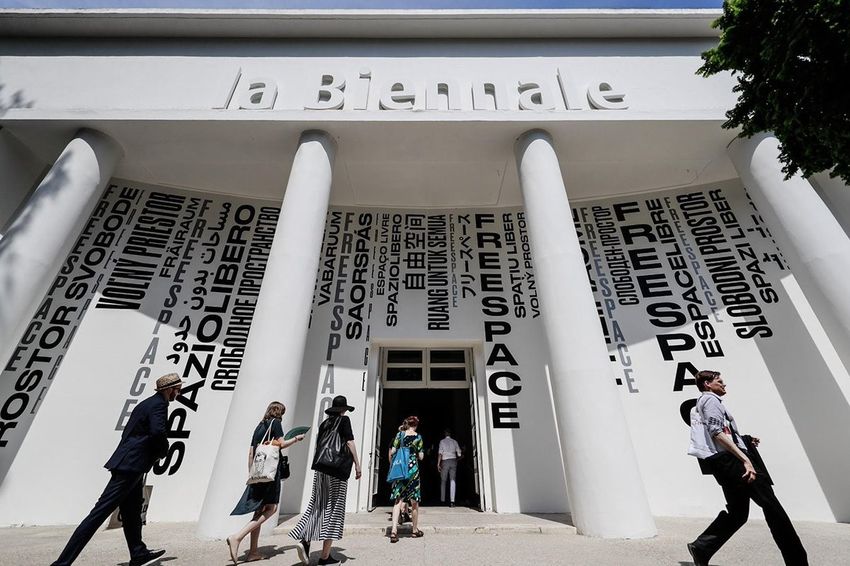
PILLAR I - CREATIVE YOUTH

ARTS IN EDUCATION CHARTER

 Arts in Education Charter

 A huge amount of important work has been carried out over the past number of years to
 embed the artistic processes in education, through the Arts in Education Charter and
 other initiatives. Now, through Creative Youth, we are building on this with greater
 collaboration at national level, local authority level and between the various groups and
 professionals operating around the country. This continued during 2018.

 Arts in Education Portal

 The Arts in Education Portal was one of the objectives of the Arts in Education Charter.
 The ethos for the portal is about building a community of practice within arts and
 education, and providing a space where both artists and teachers can be supported and
 inspired. It provides a platform through which good collaboration practice in arts-in-
 education and arts education is supported, developed and enhanced.

 Arts in Education National Portal Day

 On 21 April, the third Arts in Education Portal National Day took place NUI Maynooth in
 partnership with Froebel Department of Primary and Early Childhood Education. The
 portal national day is building momentum as a very significant event in the arts and
 education calendar in Ireland. One of the guest speakers for the day, Professor Gary
 Granville remarked, “Be assertive in making space for the arts in education”

 NAPD Creative Engagement

 The Creative Engagement programme is operated by the National Association of
 Principles and Deputies (NAPD) and is a programme which has been jointly funded by
 DCHG and Department of Education and Skills since 2005. Both Departments increased
 their funding allocations in 2018. The funding goes directly to provide arts services and
 materials to schools. Almost 90 schools were given funding for Creative Engagement in
 the 2017/2018 academic year and this funding provided a very enriching experience for
 all schools involved. Details of expenditure are included in Appendix 1.
 See http://www.creativeengagement.ie/ for further information

                                                                                             6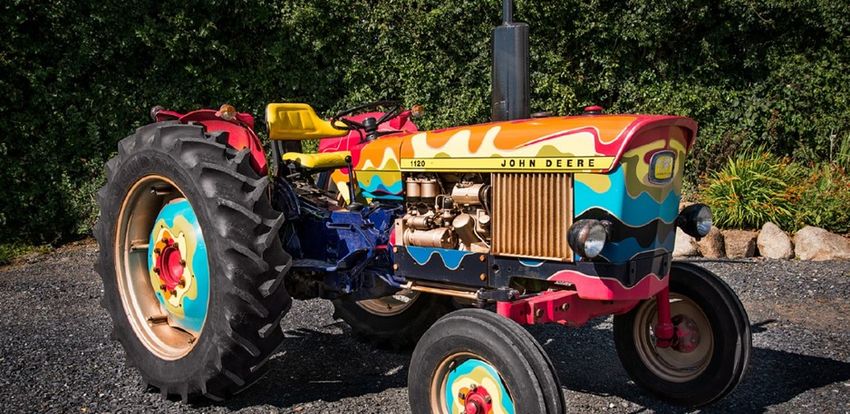
PILLAR I—CREATIVE YOUTH

FIGHTING WORDS

                                                                                Minister Madigan at launch of
                                                                                Fighting Words-Creative Ireland
                                                                                Programme partnership, Behan
                                                                                Square, May 2018
                                                                                (Photo credit: Mark Stedman)

         Fighting Words, founded by Roddy Doyle and Seán Love, has provided free tuition, mentoring and
         publishing in all forms of creative writing for more than 90,000 children and young people since opening
         in Dublin in 2009.

         Motivated by the belief that creative writing is an essential part of every child’s education, the mission of
         Fighting Words is to make its free service available to all children, young adults and adults who did not
         have this opportunity as children, to discover and harness the power of their own imaginations and
         creative writing skills. All are welcome on an equal basis, with priority access for those with additional
         needs.

         The Fighting Words model has been shown to positively impact on personal, social and academic
         development of participants. To further research and develop this aspect, the Department of Education
         and Skills and Fighting Words entered into a partnership with Dublin City University Institute of Education
         to contribute to education programmes.

          The Creative Ireland Programme partnered with
          Fighting Words through the National Creativity
          Fund to help support and deliver the main
          objective of Creative Youth and also support Pillar
          2 of the Programme, enabling creativity in every
          community. The Creative Ireland Programme
          funded a regional officer and three new venues/
          counties began working with Fighting Words in
          2018, allowing them to reach many more children,
          young people and adults with additional needs.

          Minister Madigan and Roddy Doyle at Fighting Words –
                 Creative Ireland Programme partnership launch,
                                        Behan Square, May 2018
                                    (Photo credit: Mark Stedman)

                                                                                                                     7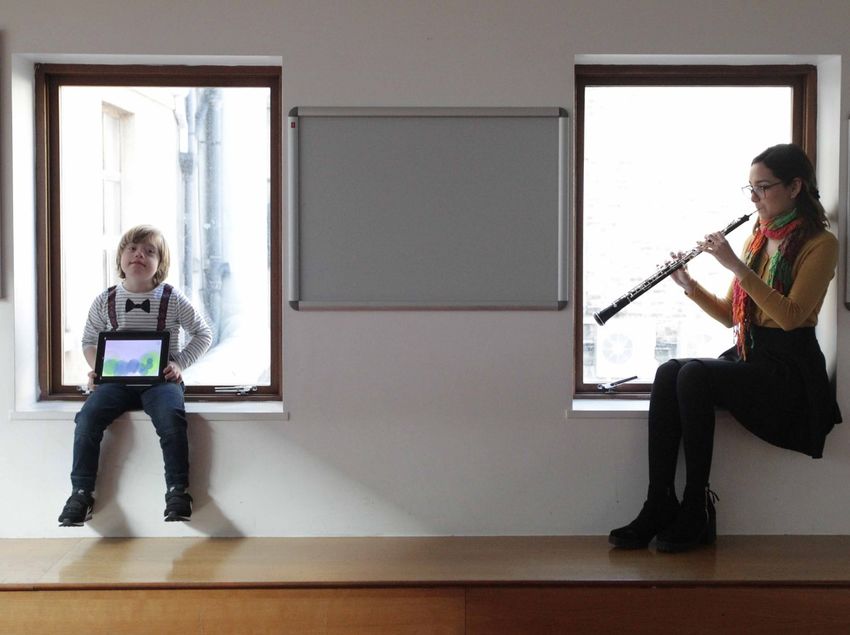
PILLAR II—CREATIVE COMMUNITIES

CREATIVTY
CREATES
COMMUNITY
                The ambition of the Creative Ireland Programme is to support, facilitate and
                unlock the creative potential of our citizens and communities.
Throughout 2018, the Creative Ireland Programme continued to develop the important structures that were
embedded through the local authority network in the first year of the Programme. Culture and Creativity teams,
led by Creative Ireland Programme coordinators were established in 2017, in each of the 31 local authority areas.
They continued to meet and engage with people, organisations, community groups and local stakeholders to
ensure that local Creative Ireland Programmes are inclusive, relevant and locally informed.

The Creative Ireland Programme team met with the coordinators and culture and creativity teams four times
collectively in 2018 to discuss the various challenges and opportunities within the Programme. These meetings
with the local authority culture and creativity teams also provided opportunities to share the wider Programme
objectives and various national initiatives with the local teams. For example, a joint meeting was held in November
with the local authority teams and newly appointed Creative Associates working with the pilot Creative Schools and
representatives from the Creative Ireland Programme’s National Creativity Fund. The aim of these particular
meetings is to encourage further collaboration and synergies between local and national programmes.

The Programme team also visited a number of projects and initiatives across the country to see first-hand how the
programmes are working on the ground and to provide encouragement and support where required.

Culture and Creativity Strategies 2018-2022

      Launch of the Culture and Creativity Strategies, September 2018 (Photo credit: Reg Gordon)

In September 2018, the Creative Ireland Programme published 31 five-year Culture and Creativity Strategies.
Developed in consultation with local communities, these strategies outline priorities and areas of main focus for
delivering the Creative Ireland Programme vision over a five-year period to the end of 2022.

                                                                                                                    8
PILLAR II—CREATIVE COMMUNITIES
CULTURE & CREATIVITY STRATEGIES
The strategies embody the spirit and practice of collaboration, central to the Creative Ireland Programme and aim
to provide meaningful opportunities for citizens and local communities to build, nurture and sustain a creative
society. All 31 strategies were launched on 12 September 2018 in the Irish Architectural Archive on Merrion
Square, Dublin 2. The event was attended by An Taoiseach, Leo Varadkar, T.D., Minister for Culture, Heritage and
the Gaeltacht, Josepha Madigan, T.D., Minister for Housing, Planning and Local Government, Eoghan Murphy, T.D.,
CEO’s and representatives from 31 local authorities and the local Creative Ireland Programme coordinator from
each local authority. Speaking at the launch of the strategies, An Taoiseach, Leo Varadkar, T.D., said:
Creative Ireland is all about improving access to culture and creativity in every county nationwide, to
improve public wellbeing. The Culture Teams in each local authority have been absolutely essential to
fulfilling this aim
These strategies highlight the critical role local authorities’ play as providers and enablers of cultural and creative
experiences in communities across Ireland, with all of the vitally important social and economic consequences that
follow. All 31 strategies can be accessed here.
Projects delivered in 2018
Funding of €2m was allocated to the local authorities under the Creative Ireland Programme in 2018 – double the
funding provided in 2017. This was augmented by €1m from the Department of Housing, Planning and Local
Government. Each local authority therefore received a minimum of €97k in core funding last year. Additional
funding of €0.380m was subsequently provided for a number of special additional projects which local Culture and
Creativity Teams had prioritised within their plans. A sum of €0.697m was provided to the local authorities to
support Cruinniú na nÓg in 2018.
Collectively this funding supported over 1,300 community-led, cross-sectoral projects spanning heritage, the Irish
language, arts, architecture, design, gastronomy, and technology, among many others, right across the country (for
further information, see Appendix 3).
John Deere, County Carlow (Photo credit: Karl Davis)
Specific guidelines were provided to local authorities in 2018 in relation to Creative Ireland Programme funding, namely
to consider the areas below in the development of their programmes:
Proposals involving the arts, culture, creative industries, heritage and the Irish language
Small grant schemes and strategic development initiatives
Projects supporting the European Year of Cultural Heritage 2018
Projects supporting Bliain na Gaeilge 2018
9PILLAR II—CREATIVE COMMUNITIES
COLLABORATION
Embracing creativity in its widest sense, the projects supported last year are indicative of the range of different
activities at local level that are important for local communities. These projects are only made possible by culture
teams working collaboratively in local authorities
Category Approx. no of Projects
Archaeology 12
Architecture/Architectural Heritage 25
Grants awarded under various local schemes 279
Biodiversity/Natural Heritage 34
Community/Social 77
Crafts/artisan/gastronomy 57
Creative/Cultural Development 29
Dance 30
Design, Science, Technology, Engineering or Maths 42
Film/Screen/Cartoon 39
Folklore/Archives 7
History 62
Literature and/or Poetry 78
Multidisciplinary 16
Music/Spoken Word 122
Operational/Administrative Costs 60
Promoting the Irish language 58
Storytelling/Oral heritage 44
Street Art, Spectacle and/or Circus 34
Tangible/Intangible Heritage 42
Theatre, Drama and/or Comedy 79
Visual Art (painting, photographs, sculpture, etc.) 117
Total 1343
This table gives an insight into the variety of projects supported in 2018
(with the caveat that many projects were multi-disciplinary)
One of the guiding principles of the Creative Ireland Programme is collaboration, bringing colleagues, groups and
people together in new ways. Local events and initiatives showcasing the power of collaboration can be seen online
here throughout the year.
10PILLAR II—CREATIVE COMMUNITIES
CULTURE & CREATIVITY TEAMS
Culture Team meeting, National Concert Hall, September 2018 (Photo credit, Reg Gordan)
Integral to the delivery and success of the Creative Ireland Programme are the 31 Culture and Creativity teams
established in each local authority. Established at the outset of the Programme, each team brings together
Directors of Service, arts officers, heritage officers, librarians, archivists, local enterprise officers and other relevant
officers or external personnel as decided by each Council. These teams are the primary instruments of community
engagement and are responsible for local programme delivery.
Local Culture and Creativity Teams met four times, collectively, in 2018. These meetings presented an opportunity
for the coordinators and culture teams to work together, network and meet other partners from the Creative
Ireland Programme such as the National Creativity Fund and the Creative Associates who work in schools in their
areas.
By facilitating and coordinating these meetings the Programme team are effecting a mechanism for collaborative
working, which in turn empowers local teams to meet and work with colleagues in a more cross sectoral way. These
meetings also provide an opportunity for coordinators and culture teams to meet with officials from various
Departments, and to share best practice from pioneering projects and initiatives on national issues which have
potential for local impact.
Communicating the key message and encouraging citizen engagement
The Creative Ireland Programmes 2018 communications plan continued to showcase and highlight the work being
undertaken by the local authorities across the country, raising awareness of the overall Programme and
encouraging citizen participation in the various programmes and initiatives.
The Creative Ireland Programmes used a range of social media platforms including Twitter, Facebook, YouTube and
Instagram to promote events and initiatives taking place across the country. In 2018, over 171 specific
individualised posts were generated to support local Creative Community initiatives.
In addition, a series of promotional videos (see page 20) were commissioned as a representative selection to
highlight the work being undertaken around the country and to showcase the type of projects which people were
involved in – either in a developmental or participation capacity.
11PILLAR II—CREATIVE COMMUNITIES
Cruinniú
na nÓg
The 23 June 2018 saw the first ever national day of culture and creativity for children and young people. A day of
free participatory events for children and young people was delivered all over Ireland by the Creative Ireland
coordinators and culture teams. Fulfilling a key commitment of the Creative Youth Plan and delivered by the
Culture teams, Cruinniú na nÓg encouraged children and young people all over Ireland to participate in cultural and
creative activity through performances, coding, theatre, art and music workshops, readings, screenings and other
special events.
The Creative Ireland Programme developed guidance for local authorities to assist them in curating their own local pro-
grammes of activity. The following were key elements of this guidance:
All events should be focussed on children and young people (up to 18) and should be based on what children want and
need. The majority of events should be activity based i.e. children and young people ‘doing’, ‘making’, ‘creating’ but
with a selection of suitable commissioned events also;
Ground-up, community led approach mixed with commissioned pieces based on a clear and transparent, open-call pro-
cess;
'Harder to reach' children and young people must be included.
Library facilities and where possible other publicly owned spaces to be used across local authorities to programme ex-
citing and innovative workshops and events for children and young people. Co-ordinators were free to identify poten-
tial locations and programme as they wish.
The Creative Ireland Programme, in partnership with Hub na nÓg, held consultations with children and young
people to ask their views on the type of events that they would like to participate in on the day to ensure that the
event was about them rather than for them. This enabled the voice of the child to be heard in the development of
this initiative. The results of these consultations were shared with the local co-ordinators to assist them in the
development of their Programmes.
In a Press Release issued on June 23, Minister Madigan provided context for the day:
Today’s inaugural Cruinniú na nÓg embodies so much of what the Creative Ireland Programme is all
about. Thousands of children and young people across the country will have the opportunity to
participate in a whole range of creative activities, to express themselves and to share their ideas and
inspiration with friends and peers, and it is all happening right on their doorstep, in the heart of their
local communities.
12PILLAR II—CREATIVE COMMUNITIES
CRUINNIÚ NA nÓG
Students from Larkin College, Dublin with All Out Design (Photo credit, bigO Media )
For Cruinniú na nÓg, the Creative Ireland Programme commissioned a series of videos to promote the event and
encourage children and young people to participate in Cruinniú na nÓg:
Preview - including footage from children’s consultation
Cruinniú na nÓg - encouraging children and young people to get involved
In addition, a dedicated Cruinniú na nÓg website was developed to provide a central information hub for all events,
co-ordinated by the Creative Ireland Programme Team.
Over 500 free creative events took place across the country for children and young people on Cruinniú na nÓg.
Thousands of children participated in events ranging from bicycle tyre painting in Leitrim to learning circus skills in
Waterford to playing musical instruments made from waste materials in Dublin! To celebrate the day, and say
thank you to those who participated and those who made it happen, the Creative Ireland Programme
commissioned a final ‘thank you’ video which captures a flavour of the day.
13PILLAR II—CREATIVE COMMUNITIES
CRUINNIÚ NA nÓG
Cruinniú na nÓg - citizen engagement plan
As a new national event initiative of the Creative Ireland
Programme, the development and delivery of a brand
identity for Cruinniú na nÓg was undertaken in 2018.
The Programme partnered with RTÉ to design and roll
out an extensive national TV and radio campaign in
addition to a regional radio marketing campaign and
digital strategy to promote awareness of, and
participation in, Cruinniú na nÓg.
In partnership with the Irish Independent, the
Programme produced a comprehensive 16 page national
supplement with an additional four double-page inserts
to promote programme activities and partners taking
part in Cruinniú na nÓg events across the country.
All costs associated with this initiative, including
supplements and radio campaign are included in
Appendix 1.
Cruinniú na nÓg, Dunamaise Arts Centre, Portlaoise
(Photo credit: Laois Co. Co)
Cruinniú na nÓg funding
Each local authority was allocated €10,000, with
Dublin City Council receiving €350,000 to develop
and deliver a bespoke programme of events for the
children and young people living in their local
authority area. A small amount of additional
funding was provided to various local authorities
who requested additional funding for larger scale
programmes.
One of the key aims of the day was to give children
and young people a flavour of the type of creative
activities that they could get involved in locally.
Feedback from the event was overwhelmingly
positive with Cruinniú na nÓg 2019 scheduled to Cruinniú na nÓg, Carlow 2018
take place on Saturday, 15 June 2019. (Photo credit: Carlow Co. Co.)
Cruinniú na nÓg – citizen engagement programme
In partnership with the Irish Independent
Dedicated 16 page supplement published on 1 June 2018
Double page insert was published on 2, 9, 16 & 23 June, 2018.
The supplement and inserts included s and with young people who participate in creative activities. a selection of the 500 free
events taking place, interviews with participating professional artists and with young people participating in activities.
Regional Radio Campaign
A series of geographically tailored informative advertisements ran over a 4 week period in the month preceding
Cruinniú na nÓg.
14PILLAR III—CULTURAL INVESTMENT
CREATIVTY
CREATES
WELLBEING
The ambition of the Creative Ireland Programme is to secure investment in our
cultural and creative infrastructure as a vital component of a modern and
progressive creative society.
As part of Project Ireland 2040, on 10 April 2018, Minister Madigan announced the Government’s plan to invest
€1.2 billion in our culture, heritage and language infrastructure. Investing in Our Culture, Language and Heritage
2018-2027 is a ten year plan setting out the commitment for capital investment which was launched as part of a
special forum in the National Gallery of Ireland. The development of this plan was facilitated by the Creative
Ireland Programme vision. The plan has the following broad objectives:
to enhance cultural participation;
to promote and celebrate Ireland as a centre of cultural excellence;
to promote Ireland as a source of rich natural and built heritage and the home of one of Europe’s oldest
languages
Minister Madigan, in her introduction, referenced the founding proposition of the Creative Ireland Programme as
the articulation of the Government investment:
The core proposition is that participation in cultural activity drives personal and collective creativity, with
significant implications for individual and societal wellbeing and achievement.
The investment programme, as part of Project Ireland 2040 is closely aligned with the cultural infrastructure,
creative communities and creative industries pillars of the Creative Ireland Programme. It includes investment of:
€460 million in our National Cultural Institutions
€265 million for cultural and creativity infrastructure nationwide
€285 million in our natural and built heritage
€178 million in the Gaeltacht, the Irish language and the Islands.
To highlight the work of the Department and the bodies and agencies under its aegis, the Creative Ireland
Programme produced a video that showcased work being undertaken currently and that will be commenced
throughout the country by the Department and to highlight the benefits that the investment will bring. A press
release was also issued by the Department outlining details of the capital investment plan.
Work took place across many of the National Cultural Institutions in 2018 to prepare for the roll out of Project
Ireland 2040, with the National Library of Ireland and National Archives both moving from the appraisal stage to
detailed planning and design. Preliminary appraisals also commenced on a number of the other institutions.
In 2018, the Department delivered on its Project Ireland 2040 commitment to support regional cultural
infrastructure through its support for local cultural infrastructure under the Arts and Culture Capital Scheme. This
scheme provides much needed funding for the refurbishment and enhancement of the existing stock of arts and
culture facilities throughout the country, including arts centres, theatres, galleries, museums and creative spaces.
Of the 134 projects allocated funding over the period 2017 to 2020, 47 completed their projects in 2018.
Throughout 2018, upgrades of the trails network in the National Parks and Nature Reserves commenced, including
the Diamond Trail at Connemara National Park, and the White Route in the Wicklow Mountains National Park
15PILLAR IV—CREATIVE INDUSTRIES
CREATIVTY
CREATES
OPPORTUNITY
The creative industries are a significant and vital contributor to Ireland’s
growing creative economy. Our ambition is to harness opportunities and
increase training and employment across this sector.
In 2018, the Creative Ireland Programme facilitated investment of €200m in the audio-visual sector over the next
ten years, as part of Project Ireland 2040. The industry wide Audio-visual Action Plan, published in June 2018,
supports the Government’s ambition to enable Ireland to become a global hub for the production of film, TV drama
and animation. The actions identified in the Audio-Visual Action Plan will be delivered across Government by
relevant Departments and agencies.
The action plan is underpinned by Economic Assessment of the Audio-Visual Industry in Ireland, a report which was
carried out by international consultants Oldsberg SPI on behalf of the Departments of Culture, Heritage, and the
Gaeltacht, Communications, Climate Action and Environment, and Business, Enterprise and Innovation. The action
plan was also informed by the Media Production Workshop which was carried out by the Creative Ireland
Programme in May of 2017.
Audio-visual Action Plan
16PILLAR V—IRELAND A CULTURAL AND CREATIVE NATION
CREATIVTY
CREATES
REPUTATION
Our ambition is for Ireland and Irish people to be recognised internationally as
a cultural and creative nation
The Creative Ireland Programme ensured that Irish culture and creativity featured prominently in Global Ireland
2025, the most ambitious expansion of Ireland’s international presence ever undertaken in terms of diplomacy,
culture, business, trade and tourism.
In 2018, the Creative Ireland Programme continued to work in partnership with Culture Ireland by co-producing
GB18 video to promote the year-long programme of performances, tours, exhibitions and concerts brought to the
UK throughout the year. The Creative Ireland Programme also produced a video celebrating architects, Shelly
McNamara and Yvonne Farrell, curators of the 2018 Venice Biennale.
Venice Biennale 2018 whose theme was “Freespace” curated by Shelly McNamara and Yvonne Farrell (Photo credit: la biennale)
Fulbright Creative Ireland Museum Fellowships:
A new partnership between the Creative Ireland Programme and Fulbright was launched in 2017 to enable three
Irish post-graduate students amazing opportunities to undertake short-term research at one of three world-class
museums in the United States.
In July 2018, Irish postgraduate students Sally McHugh and David Stone were announced as the very first Fulbright-
Creative Ireland Fellows. NUI Galway’s Sally McHugh will undertake her fellowship in The Exploratorium and UCD’s
David Stone will join the team at The Smithsonian Institution. Further information can be found here.
17INNOVATION
NATIONAL
CREATIVITY
FUND
These initiatives offer new opportunities for more integrated, local,
community-focused interventions which bring together all aspects of creativity
and wellbeing – from good health, community cohesion and resilience, to
building strong social networks, culture, arts and local economies
In June 2018, the Creative Ireland Programme launched the National Creativity Fund 2018/2019. This new scheme
aimed to identify, support and collaborate with a range of strategic partners on projects that are genuinely
innovative. The aim was to significantly add value and/or scale to the implementation of the programme and to
help inform policy and/or cross-sectoral development in the area of culture, creativity and wellbeing. Grants
of €10,000 to €70,000 were available to individuals, organisations, community groups, colleges and cultural
institutions, amongst others. Three themes were identified as areas of priority for the scheme:
Individual and collective wellbeing
This included (but was not limited to) creativity-based projects and initiatives that support and advance
policy development in the areas of (a) physical, psychological and mental health (b) social cohesion and (c)
sustainable, inclusive and nurturing environments.
Innovation
This could include imaginative and innovative projects in areas such as (but not limited to) architecture,
fashion, heritage, the Irish language, video, film, animation, photography, music, performing arts, creative
writing, visual arts, publishing, software/coding, radio and television and craft and design, development of
creative clusters.
Connecting communities
This could include projects and initiatives that address or explore how community challenges can be
addressed through increasing participation to creativity, culture and the arts, particularly isolated, rural and
disadvantaged communities and/or the diaspora.
A robust evaluation process was undertaken by
an independent panel of experts to ascertain
projects submitted and, in October 2018, 30
National Creativity Fund projects were
announced with allocated funding of €1.2m
over 2018/2019. Six pilot projects are also
included in the scheme and which were
initially developed to showcase the types of
projects which could be funded as part of this
new initiative. A full breakdown of the
National Creativity Fund Partners is available in
Appendix 2 in addition to the Press Release
issued to mark the launch.
Milo O’Brien (7) and RIAM student Maria Rojas at the launch of Le Chéile,
Ireland’s first national orchestra for disabled musicians (Photo credit:
Mark Stedman)
18COMMUNICATION
CITIZEN
ENGAGEMENT
One of the fundamental intentions of the Programme is an Ireland where
participation in cultural and creative opportunity promotes the wellbeing of the
individual, the community and the nation at large; the effective use of both
traditional and new media platforms insures that as diverse an audience as
possible is reached to communicate this.
In 2018, the Creative Ireland Programme communications plan built on the impact achieved in 2017. Throughout
the year the Programme developed and implemented a series of focused awareness raising campaigns, based
specifically around the activities and initiatives of the Programme Pillars. The strategic objectives of the
communications plan for 2018 included:
Building awareness and understanding of the Programme’s aims and objectives;
Encouraging participation in the cultural and creative activities taking place in local authority areas;
Defining the relationship between creativity and wellbeing, building understanding of their value within
contexts such as creativity in education, creativity in our rural and urban communities, creativity in science
and technology.
In partnership with the Irish Independent, the Creative Ireland Programme produced:
A 16 page news print supplement and four double-page inserts in June 2018 to promote Cruinniú na nÓg
(see Cruinniú section for further details);
A four page insert in the Irish independent on 28 September 2018 to mark the launch of the 31 Local
Authority Culture and Creativity Strategies 2018-2022. Featured content included a range of creative
community initiatives in Limerick, South Dublin, Laois and Mayo;
As part of this package, a series of two follow-up double page inserts to promote the local authority
Creative Communities initiatives appeared on 6 and 13 October 2018, with features on Tipperary, Donegal,
Fingal, Dun Laoghaire Rathdown, Kildare and Sligo. A further 3 appeared on 10, 17 and 24 November. In
addition to highlighting the work of the local authorities, the inserts reflected the diverse creative activities
taking place across the country;
A double page spread in the Ploughing edition of the Farming Independent focusing on creativity in rural
communities on 18 September 2018.
19COMMUNICATION
Social Media
During 2018, the Creative Ireland Programme engaged with other Government
Departments, Programme partners, stakeholders and members of the public to
increase awareness of the Programme initiatives and events using social media
platforms Twitter, Facebook and YouTube in addition to more traditional print media.
It was important, given the investment in social media platforms and commissioned
content, that these were properly promoted online. This involved driving online traffic
towards the websites, social media platforms using SEO to optimise engagement. In
terms of the overall budget, optimising the Creative Ireland Programme's online
presence is included in Digital Content Development as outlined in Appendix 1.
COMMUNICATION
Videos
Over 2.3m people viewed 18 bespoke pieces of digital content featuring a range of Programme initiatives and partnerships
shared and promoted across our social media channels in 2018.
Videos included a “Year in Review” showcasing progress achieved in 2017, the powerful theatre piece, “Aisling?”, in
partnership with Ealaín na Gaeltachta Teo celebrating Seachtain na Gaeilge, “Venice Biennale” featuring Grafton Architects,
Shelly McNamara and Yvonne Farrell, curators of the Architecture Biennale 2018, “GB18” to celebrate Culture Ireland's
programme of Irish artistic activity in Britain in 2018, “Heritage in schools” in partnership with the Heritage Council and a
video showing communities preparing for St. Patrick’s Day. Two videos were also produced to inform citizens of the work of
the wider Department. Links to all these videos are below.
A Year in Review “Aisling?” Venice Biennale GB18
Heritage in Schools St. Patrick’s Festival Investing in Creativity Budget19
To celebrate Creative Communities, a suite of six videos were produced to coincide with the launch of 31 local authorities
Culture and Creativity Strategies. This included the poet, Stephen James Smith’s piece “We Must Create” commissioned for
the launch of the local strategies, see links below:
The Welcoming Project The Bold Step Social Farming
The Sugar Factory Studios Tools of the Trade “We Must Create”
For Pillar one: Creative Youth, four videos were produced in 2018, links below:
Creative Schools Cruinniú na nÓg - Preview Cruinniú na nÓg Thank you
20COMMUNICATION
Website
www.creativeireland.gov.ie
The Creative Ireland Programme website was further developed during 2018 to include two new microsites and a new user
interface portal for use by our local authority Culture and Creativity Teams. The two microsites included a dedicated, fully
searchable events-based site developed for Cruinniú na nÓg, and the Creative Communities microsite that allows each local
authority to promote their work and position it as part of the national Programme.
The user interface portal was developed for both local authority Culture and Creativity teams and the Creative Ireland
Programme Office. The portal allows for comprehensive reporting, data collection and analysis. The portal is also linked to the
microsites enabling the local authority Culture and Creativity teams to upload their events and initiatives which are, in turn,
used to promote and increase awareness of their local programmes across all digital platforms. The portal also serves as a
repository of images from the hundreds of events supported under Creative Ireland Programme locally, a sample of which are
shown hereunder (Photo credit: various local authorities).
21Appendix 1
EXPENDITURE 2018
Overview of Programme Expenditure in 20181
Area of Expenditure Total %
Administration Costs €178,012 3%
Citizen Engagement €46,248 1%
Creative Youth €937,250 18%
Cruinniú 2018 €745,602 14%
Digital Content Development €257,544 5%
Local Authorities €2,380,270 45%
National Creativity Fund €446,116 8%
Operational Expenses €260,430 5%
Website Development €84,878 2% Overall in 2018, 82% of Creative Ireland
Programme funding was allocated to programme
Total €5,336,349 100% development while 18% was spent on services
The single biggest recipient of funding in
2018 were the local authorities who
received nearly 60% of overall funding
(Strategic funding allocations and Cruinniú
na nÓg funding).
1
Please note that these figures are subject to final audit. 22Appendix 1
BREAKDOWN OF EXPENDITURE 2018
Administration Costs €178,012
Contracted Services €147,914
External Panellists €22,962
Creative Youth Consultation €720
National Creativity Fund Evaluation Panel €22,242
Programme Development €7,136
Moderator fees €7,136
Citizen Engagement €46,248
Irish Independent €19,188
Media Procurement Services €27,060
Creative Youth €937,250
Creative Youth Initiatives €927,250
Creative Schools (RTÉ documentary) €100,000
Fighting Words €57,250
NAPD (Creative Engagement Programme) €55,000
Post-Primary CPD (TAP, Monaghan EC) €85,000
Primary Schools CPD (JCT, Tralee EC) €230,000
Roll out of Creative Schools Initiative (Arts Council) €400,000
Research/Development €10,000
Research on Choral Initiative €10,000
Cruinniú 2018 €745,602
Local Creative Programmes €696,822
Carlow County Council €10,850
Cavan County Council €9,479
Clare County Council €6,557
Cork City County Council €17,981
Cork County Council €7,379
Donegal County Council €12,387
Dublin City Council €350,000
Dun Laoghaire Rathdown County Council €6,299
Fingal County Council €9,986
Galway City Council €16,100
Galway County Council €12,360
Kerry County Council €11,627
Kildare County Council €10,000
Kilkenny County Council €9,865
Laois County Council €12,333
Leitrim County Council €13,019
Limerick City & County Council €20,000
Longford County Council €10,000
Louth County Council €10,000
Mayo County Council €20,000
Meath County Council €10,096
Monaghan County Council €13,348
Offaly County Council €10,551
Roscommon County Council €12,120
Sligo County Council €16,649
South Dublin County Council €9,174
Tipperary County Council €6,026
Waterford County Council €13,000
Westmeath County Council €6,390
Wexford County Council €12,983
Wicklow County Council €10,262
Cruinniú regional awareness radio campaign €48,780
23Appendix 1
BREAKDOWN OF EXPENDITURE 2018
Digital Content Development €257,544
Content Management* €9,471
Local Authority Microsite €9,471
Copywriting* €27,128
Creative Ireland Website €6,673
Cruinniú na nÓg Microsite €7,196
Local Authority Microsite (over 1,000 entries) €13,259
Online traffic driving (SEO)* €15,000
Digital Content Promotion €15,000
Photography €1,050
Cruinniú na nÓg Microsite €450
Local Authority Strategic Plans €600
Social Media Content (Twitter, Facebook)* €66,420
January-December 2018 €66,420
Technical fees €6,175
Technical fees €6,175
Translation into Irish €14,375
Creative Ireland Website €14,375
Video Production €117,925
"We must Create" €3,290
Budget 2018 €2,497
Creative Communities (5 videos) €27,583
Creative Schools €12,186
Cruinniú na nÓg (3 videos) €24,815
GB18 (in partnership with Culture Ireland) €7,903
Heritage-in-Schools (in partnership with the Heritage Council) €8,364
Project 2040 (Investing in our Culture, Language & Heritage) €16,113
St. Patrick's Day (in partnership with St. Patricks Day Festival) €7,073
Venice Biennale 2018 (Grafton Architects) €8,102
Content Management
- Creation and management of website content, content strategy, managing translations,
image sourcing , image editing, research and uploading, scheduling and publishing.
Copywriting
- editing and proofing of text before publishing online.
Search Engine Optimisation (SEO)
- the process of optimising the online visibility of a website when you search online using
a browser. In general, the higher ranked on a search, and more frequently a website
appears in a search result, the more visitors it will receive.
Social Media Content
- Research, copywriting, image sourcing and scheduling of social posts
24Appendix 1
BREAKDOWN OF EXPENDITURE 2018
Local Authorities* €2,380,270
Carlow County Council €64,516
Cavan County Council €84,516
Clare County Council €94,516
Cork City Council €99,516
Cork County Council €64,516
Donegal County Council €64,500
Dublin City Council €69,516
Dun Laoghaire Rathdown County Council €68,470
Fingal County Council €64,516
Galway City Council €83,016
Galway County Council €79,516
Kerry County Council €102,000
Kildare County Council €64,516
Kilkenny County Council €64,516
Laois County Council €64,516
Leitrim County Council €79,516
Limerick County Council €90,516
Longford County Council €74,216
Louth County Council €64,516
Mayo County Council €89,516
Meath County Council €77,516
Monaghan County Council €94,516
Offaly County Council €99,516
Roscommon County Council €64,000
Sligo County Council €79,516
South Dublin County Council €102,516
Tipperary County Council €64,516
Waterford County Council €64,516
Westmeath County Council €64,700
Wexford County Council €71,016
Wicklow County Council €67,000
*This excludes the €1m allocated to the local authorities by the Department of Housing, Planning and Local Government
25Appendix 1
BREAKDOWN OF EXPENDITURE 2018
National Creativity Fund €446,116
National Creativity Fund Projects €380,158
100 Archive €17,911
Age & Opportunity €10,600
Business to Arts €4,250
Civic Theatre €7,000
Design & Crafts Council of Ireland €9,050
Draoicht €22,000
EVA International €17,500
First Fortnight Limited €14,500
Groundswell Arts and Galway Childcare Committee €6,310
Helium Arts €17,760
Irish Architecture Foundation €13,385
Irish Chamber Orchestra €17,000
Mary Immaculate College €36,828
Narrative 4 Ireland €9,550
National Print Museum €3,250
Royal Irish Academy of Music €52,000
TCD Dept of Film Studies €51,469
The Ark €28,000
The Discovery Programme €11,500
The Dock/Leitrim Arts Development €16,000
Youth Theatre Ireland €14,295
Pilot National Creativity Fund Projects €65,958
HeadSpace Symposium €10,000
Kilkenny Animated Festival €15,000
NCH Creative Work by Female Musicians €10,958
NLI Diversity & Inclusion Programme €10,000
NMI Irish Community Archive Network €20,000
26Appendix 1
BREAKDOWN OF EXPENDITURE 2018
Operational Expenses €260,430
Catering €16,180
Design and print costs €177,860
Audiovisual Plan €14,071
Creative Ireland Forum 2017 €3,813
Creative Youth Plan €1,287
Cruinniú na nÓg €15,673
31 Individual bilingual Local Authority Strategic Plans €118,973
Miscellaneous €1,230
Project 2040 (Investing in our Culture, Language & Heritage) €22,814
Performance Fees €6,519
Photography €2,111
Production/Technical Fees €45,554
Translation into Irish €12,205
Website Development €84,878
Creative Ireland Programme main website €24,045
Cruinniú na nÓg microsite €35,257
Hosting €1,285
Local Authority microsite €12,498
Local Authority portal €11,793
Total €5,336,349
27You can also read


