EPPING FOREST DISTRICT - VISITOR ACCOMMODATION NEEDS ASSESSMENT Phase 1 Report - EFDC Local Plan
←
→
Page content transcription
If your browser does not render page correctly, please read the page content below
EB608

EPPING FOREST DISTRICT
VISITOR ACCOMMODATION
     NEEDS ASSESSMENT

     Phase 1 Report

             Prepared for
     Epping Forest District Council

            August 2016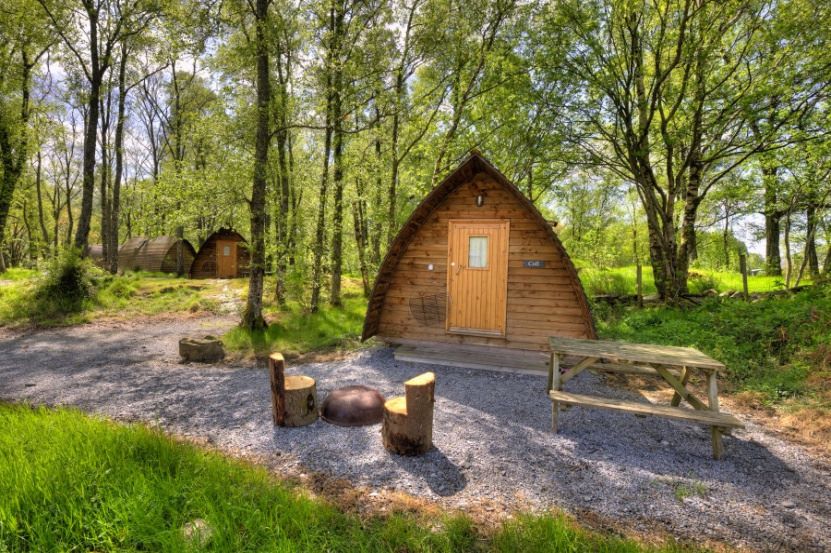
EB608

                                CONTENTS
                                                                       Page

1      INTRODUCTION ……………………………………………………………… 1

1.1    Purpose of the Study ………………………………………………………………. 1
1.2    Phase 1 Approach & Work Modules …………………………………………… 1

2      CURRENT VISITOR ACCOMMODATION SUPPLY & PROPOSALS ……… 2

2.1    Current Visitor Accommodation Supply in Epping Forest District ………… 2
2.2    Recent Changes in Visitor Accommodation Supply ………………………...4
2.2    Comparisons with Other Districts …………………………………………………5
2.2    Proposals for Visitor Accommodation …………………………………………. 6

3      THE NEED FOR VISITOR ACCOMMODATION DEVELOPMENT ………… 9

4      CURRENT & POTENTIAL FUTURE DEMAND FOR VISITOR
       ACCOMMODATION IN EPPING FOREST DISTRICT ………………………10

4.1.   Current Markets for Visitor Accommodation …………………………………. 10
4.2    National Leisure Tourism Demand Trends & Forecasts ……………………… 11
4.3    Prospects for Future Growth in Accommodation Demand ……………….. 11

5      VISITOR ACCOMMODATION DEVELOPMENT OPPORTUNITIES ………. 12

5.1    Market Opportunities for Visitor Accommodation Development by Type 12
5.2    Key Locations of Opportunity ……………………………………………………. 14

6      BARRIERS TO ACCOMMODATION DEVELOPMENT IN EPPING FOREST
       DISTRICT ………………………………………………………………………. 15

6.1    Barriers to the Development of Visitor Accommodation ………………….. 15
6.2    Implications of these Findings …………………………………………………… 16

7      CURRENT POLICY STRATEGY & RESEARCH HEADLINES ……………….. 17

8      LESSONS FROM POLICY APPROACHES ELSEWHERE …………………… 21

9      POTENTIAL PLANNING POLICY APPROACHES ……….………………… 28

9.1    Emerging Issues …………………………………………………………………….. 28
9.2    Planning Policy Approaches …………………………………………………….. 28

10     CONCLUSIONS & POLICY GUIDANCE …………………………………                        34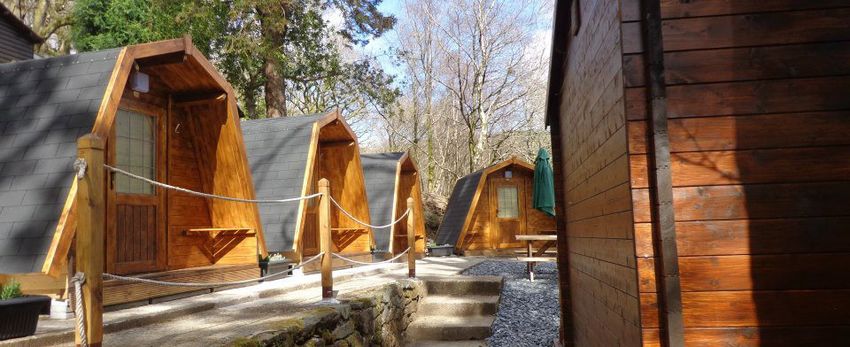
EB608

APPENDICES

1    Glossary of Definitions – Tourist Accommodation
2    Epping Forest District – Visitor Accommodation Establishments
3    Current Tourist Accommodation Supply in Comparator Districts
4    Visitor Accommodation Development Proposals
5    National Tourism Forecasts, Trends & Influences
6    National Visitor Accommodation Development Trends of Relevance to
     Epping Forest District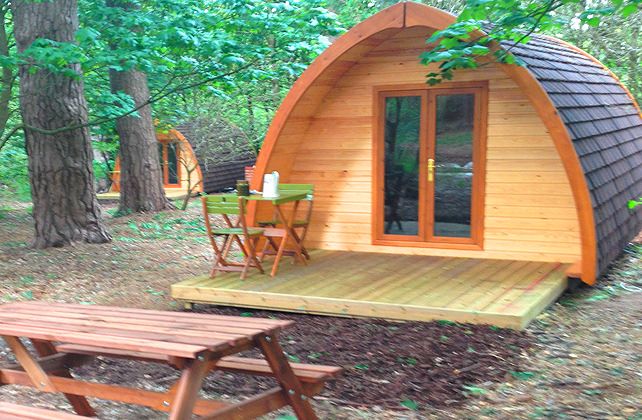
EB608

       Epping Forest Visitor Accommodation Needs Assessment – Phase 1 Report
______________________________________________________________________________________

1      INTRODUCTION
_____________________________________________________________
1.1    The Purpose of the Study

       Hotel Solutions has been commissioned by Epping Forest District Council to
       undertake a Visitor Accommodation Needs Assessment.            The purposes of the
       study are:

          •   To provide a clear understanding of the future potential for hotel and
              visitor accommodation development in Epping Forest District

          •   To inform planning policy for visitor accommodation development as part
              of the new Local Plan – including draft policy wording for the Consultation
              Draft (as the key output from Phase 1 in August 2016)

          •   To advise on other roles that Epping Forest District Council can play to
              accelerate hotel and visitor accommodation development in the District.

1.2    Phase 1 Approach & Work Modules

       The first phase of this study has taken place in August 2016, to tie in with the
       timeline for producing the Local Plan Consultation Draft, with the work informing
       the draft visitor accommodation policy. To do so, the following modules of work
       have been completed:

          •   An audit of current visitor accommodation supply;

          •   A review of past and current proposals for visitor accommodation;

          •   A review of national trends in hotel and visitor accommodation
              development;

          •   Consultations with Lee Valley Regional Park Authority, Vibrant Partnerships
              and City of London (Epping Forest);

          •   Consultation workshops with District Council Officers and Members;

          •   A review of examples of tourist accommodation planning policies.

       This report summarises the above research and analysis and provides part of the
       evidence base for the draft Visitor Economy policy in the new Local Plan.

______________________________________________________________________________________
Hotel Solutions                          1                             August 2016
EB608

       Epping Forest Visitor Accommodation Needs Assessment – Phase 1 Report
______________________________________________________________________________________

2       CURRENT VISITOR ACCOMMODATION SUPPLY, RECENT
        CHANGES & PROPOSALS
_____________________________________________________________

2.1     Current Visitor Accommodation Supply in Epping Forest District

        Our research has identified a total of 40 commercial visitor accommodation
        businesses and 41 airbnb1 listings in Epping Forest District, with an estimated total
        of 3,786 letting bedspaces. This supply is analysed by type of accommodation in
        the table below. A full listing of all of the accommodation establishments in the
        District is provided at Appendix 2. In addition to this land-based accommodation
        supply, Roydon Marina has 315 berths for canal boats and cruisers. We do not yet
        know how many of these berths are used for permanent moorings, so are unable
        to say how many berths might be considered as part of the District’s visitor
        accommodation supply.
                                      Table 1
      EPPING FOREST DISTRICT VISITOR ACCOMMODATION SUPPLY – AUGUST 2016

        Type of Accommodation                  Total       Total         Total          % of
                                              Estabs    Bedrooms/     Bedspaces      Bedspaces
                                                           Units/
                                                          Pitches
Hotels                                          9           543           1086          28.7
Inns                                            7            62            124           3.3
Restaurants with Rooms                          0            0              0             0
Guest Houses/ B&Bs                              3            11             22           0.6
airbnb                                          41           41             74           1.9
Self-Catering                                   9            11             57           1.5
Holiday Lodge Parks                             1            66            264           6.9
Caravan & Camping Sites                         4           406           1624          42.9
Glamping Sites                                  0            0              0             0
Camping Pod sites                               0            0              0             0
Holiday parks                                   0            0              0             0
Residential Conference Centres                  1            35             70           1.9
Wedding Venues with Accommodation               1            7              14           0.4
Spa Resorts/ Health Farms                       0            0              0             0
Youth Hostels                                   0            0              0             0
Bunkhouse Barns                                 0            0              0             0
Outdoor Activity/Education Centres              3           n/a            341           9.0
Other                                           2           n/a            110           2.9
TOTAL                                           81                        3786          100

1
  airbnb is an online platform that allows people to rent out rooms in their homes for short
stays

______________________________________________________________________________________
Hotel Solutions                          2                             August 2016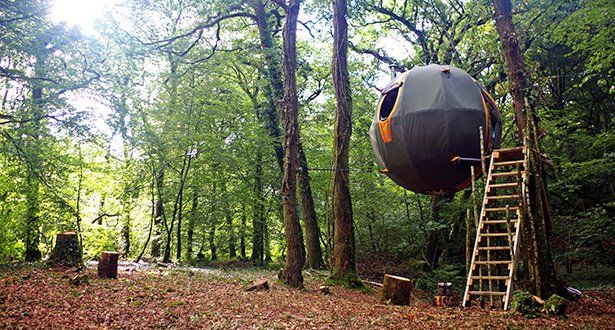
EB608

       Epping Forest Visitor Accommodation Needs Assessment – Phase 1 Report
______________________________________________________________________________________

       Epping Forest District has a relatively small supply of visitor accommodation at
       present. It has one major 4 star hotel at Waltham Abbey (the Marriott Waltham
       Abbey), and budget hotels at Waltham Abbey, Buckhurst Hill and Chigwell.
       Epping has two low quality hotels – the Bell Hotel and Thatched House Hotel. The
       District has three other hotels: the Phoenix Epping Hotel at North Weald (formerly
       a Travelodge), which judging by its Tripadvisor reviews seems to offer low quality
       accommodation; Mulberry House at Chipping Ongar; and the Roydon Marina
       Village Hotel. There are a number of significant hotels just outside the District in
       Harlow, Cheshunt, Woodford Bridge and Hatfield Heath.

       Other than hotels, the District has a number of rural pubs that offer
       accommodation. This accommodation appears to be of a good quality, and
       includes a boutique inn (The Blue Boar at Abridge). The District has very little in
       terms of B&B accommodation, and a number of B&Bs have recently closed. The
       number of people offering rooms to let through the airbnb home sharing website
       has however increased significantly. The District also has very little in terms of self-
       catering accommodation. It has one large caravan and camping site (Lee
       Valley Campsite at Sewardstone), and a large campsite (Debden House
       Campsite at Loughton) and two certificated caravan and camping sites. There
       are two large caravan and camping sites in other parts of the Lee Valley
       Regional Park, and a large Camping and Caravanning Club site at Kelvedon
       Hatch. Roydon Marina Village is a major accommodation site in the District, with
       a marina, holiday lodges and the hotel. There are two activity centres with
       accommodation in the south of the District operated by the Scout Association
       and Girlguiding UK; and outdoor education centre (Lambourne End); a religious
       retreat and events centre (Woodland Camp at Lambourne); and a respite
       holiday centre for disabled people at Chigwell (Jubilee Lodge).

______________________________________________________________________________________
Hotel Solutions                          3                             August 2016
EB608

       Epping Forest Visitor Accommodation Needs Assessment – Phase 1 Report
______________________________________________________________________________________

2.2    Recent Changes in Visitor Accommodation Supply

a)     New Establishments

       The only addition to the District’s visitor accommodation supply since 2009 has
       been the opening of new accommodation for wedding parties at the Blake Hall
       wedding venue at Ongar.

b)     Changes to Existing Establishments

       Changes to existing accommodation establishments in the District since 2009
       have been as follows:

          •    Lee Valley Campsite at Sewardstone has added 42 touring caravan
               pitches and 10 camping pods;
          •    Roydon Marina Village has replaced 82 static caravans with 53 log
               cabins;
          •    Travelodge has ceased operating the Harlow North Weald Travelodge:
               the hotel is now operated independently as the Phoenix Epping Hotel;
          •    The Chigwell Innkeeper’s Lodge has been rebranded as the Travelodge
               Chigwell.

c)     Closures

       The following visitor accommodation businesses in the District have closed since
       2009:

           • Thatched House Hotel, Epping (13 bedrooms) – although the hotel is still
               open,     it   is   understood   to   be   primarily   providing   emergency
               accommodation for homeless people;
           • Railway Hotel, Sawbridgeworth (12 bedrooms) – currently being converted
               to residential apartments;
           • The Elms Caravan Park, High Beech (30 pitches) – absorbed into the
               adjacent residential park homes site.

       In addition, the Epping Forest Youth Hostel closed in 2008, as the YHA was unable
       to negotiate a new lease with the landlord.

______________________________________________________________________________________
Hotel Solutions                          4                                 August 2016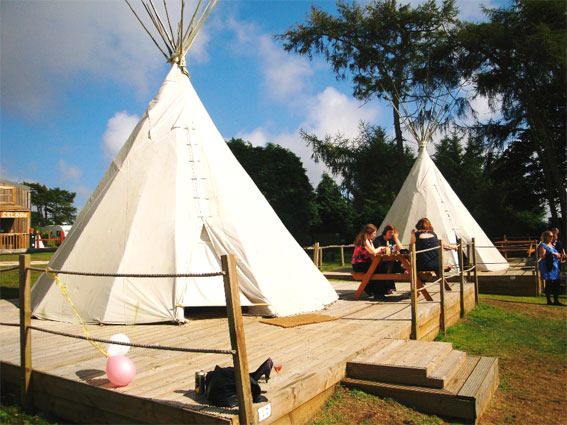
EB608

       Epping Forest Visitor Accommodation Needs Assessment – Phase 1 Report
______________________________________________________________________________________

       In the surrounding area, the Churchgate Hotel at Harlow closed in 2014. The
       Briggens House country house hotel at Stanstead Abbotts in Hertfordshire closed
       in 2006, and has not since reopened.

2.3.   Comparisons with Other Districts

       We have provided at Appendix 3 visitor accommodation supply tables for two
       districts in the South East where we have recently completed hotel and visitor
       needs accommodation assessments – Horsham District in West Sussex and
       Sevenoaks District in Kent. Both districts have similar restrictions to Epping Forest
       District in terms of landscape designations: 93% of Sevenoaks District is designated
       Green Belt, while the southern part of Horsham District lies within the South Downs
       National Park. While there are differences between the two districts and Epping
       Forest District, we make the following broad observations:

          •   Epping Forest District has over twice as much visitor accommodation as
              Sevenoaks District. This is largely due to the two large caravan and
              camping sites that Epping Forest District has – Sevenoaks District only has a
              few small certificated caravan and camping sites.

          •   Epping Forest District has a significantly smaller supply of accommodation
              than Horsham District. This is largely due to the three large holiday parks in
              Horsham District and the greater self-catering supply here. None of
              Horsham District is in the Green Belt.

          •    Compared to these two other districts, Epping Forest District has a
              deficiency of B&B and self-catering accommodation, and a lack of any
              glamping provision. It has a similar hotel supply to Horsham District and a
              greater number of hotel rooms than Sevenoaks District.

______________________________________________________________________________________
Hotel Solutions                          5                                 August 2016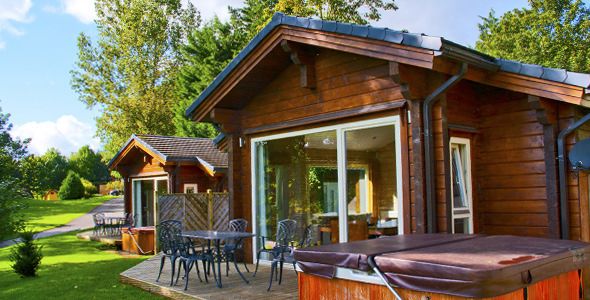
EB608

       Epping Forest Visitor Accommodation Needs Assessment – Phase 1 Report
______________________________________________________________________________________

       We have provided in the table below comparative data on the current hotel
       supply in neighbouring and other Essex districts. Epping Forest District has the
       highest number of hotel bedrooms compared to these districts.

                                         Table 2
                  EPPING FOREST DISTRICT – HOTEL SUPPLY COMPARISONS2

                               District                   Hotel
                                                        Bedrooms
                               Epping Forest               544
                               Broxbourne                  363
                               Harlow                      467
                               Brentwood                   422
                               Chelmsford                  515
                               Basildon                    505

2.4    Proposals for Visitor Accommodation

       A trawl of planning applications demonstrates interest and activity in terms of
       proposed visitor accommodation development across the District. The table at
       Appendix 4 summarises these schemes, alongside further intelligence that we
       have picked up through our consultations.

       In overview:

           •   There have been some proposals of scale, most notably the PGL
               children’s activity holiday centre proposal for Royal Gunpowder Mills (900
               bedspaces), and a 240 berth extension to Roydon Marina.

           •   There is a proposal for a new hotel at Waltham Abbey, and plans have
               been approved for a 34-bedroom extension to the Waltham Abbey
               Premier Inn. The other hotel proposal in the District is the planned
               redevelopment and upgrading of Mulberry House at High Ongar.

           •   Smaller scale proposals include bedroom extensions to pubs (up to 10
               rooms), small scale caravan and camping site applications (15+ pitches),
               interest   in   camping    pods,   and   redevelopment   (up-grading   and
               expansion) of an existing hotel (up to 25 rooms).

2
 We have not included a comparison with Uttlesford as the significant hotel supply at
Stansted Airport distorts the district’s hotel supply, making comparison invalid.

______________________________________________________________________________________
Hotel Solutions                          6                                 August 2016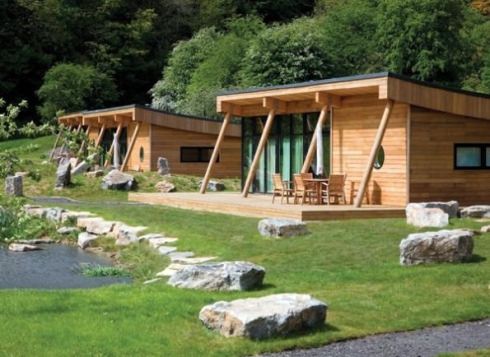
EB608

       Epping Forest Visitor Accommodation Needs Assessment – Phase 1 Report
______________________________________________________________________________________

       Some schemes have been refused – the most notable one recently being the
       PGL scheme.      The grounds quoted have included the scale of new build
       development in the Green Belt being inappropriate, harm to heritage assets, and
       failure to demonstrate need.

       In addition to these proposals, other potential schemes that could come forward
       include:

          •   A number of sites where hotel use is being considered, usually as part of a
              mixed use scheme.        These include the Civic Offices in Epping, the St
              John’s Road site in Epping, North Weald Airfield, and bordering Epping
              Forest District, the GSK site in Harlow (associated with the potential PHE
              relocation), and Harlow Enterprise Zone;

          •   There is known hotel operator interest in Epping, Waltham Abbey and
              Buckhurst Hill from Premier Inn and Travelodge, both of which have these
              towns on their active site acquisition target lists;

          •   The Lee Valley Regional Park Development Framework identifies the
              development of visitor accommodation as a key requirement for
              developing the Park as a destination for outdoor sport and recreation,
              and identifies a number of sites as being suitable for accommodation
              development, both within and bordering Epping Forest District, including
              the Lee Valley White Water Centre, Lee Valley Country Park, Dobbs Weir,
              Picketts Lock, Lee Valley Campsite, Royal Gunpowder Mills and Roydon
              Marina Village.

       There are a number of hotel proposals in the areas that immediately surround
       Epping Forest District. They include:

          •   A proposed 46-bedroom Premier Inn adjacent to the Potter’s Arms
              Brewer’s Fayre pub restaurant at Church Langley in Harlow. A planning
              application was submitted in August 2016;

          •   The conversion of the Grade II listed Broxbournebury Manor at the
              Hertfordshire Golf & Country Club at Broxbourne into a 95-bedroom luxury
              hotel. Planning permission was granted in 2011;

______________________________________________________________________________________
Hotel Solutions                          7                                 August 2016
EB608
Epping Forest Visitor Accommodation Needs Assessment – Phase 1 Report
______________________________________________________________________________________
• Proposals for a major mixed-use development on land to the west of
Hoddesdon that were granted outline planning permission in 2014 include
a hotel with a gym and restaurant;
• Broxbourne Borough Council’s Development Options document (April
2016) identifies potential for a hotel as part of the proposed development
of the 347-acre Brookfield Area.
______________________________________________________________________________________
Hotel Solutions 8 August 2016EB608
Epping Forest Visitor Accommodation Needs Assessment – Phase 1 Report
______________________________________________________________________________________
3 THE NEED FOR VISITOR ACCOMMODATION DEVELOPMENT
______________________________________________________________________________________
The Brief for this Visitor Accommodation Needs Assessment set out the Council’s
ambition to develop the District’s visitor economy, drawing on the ‘green and
unique’ character of the District, through a different approach to planning policy
in the new Local Plan and broader pro-activity by the local authority and
partners locally. Additional visitor accommodation is needed to increase the
number of staying visitors, which are currently dwarfed by the volume of day
visitors attracted to the District. The Draft Economic Development Objectives
formulated from Member workshops (November 2014) includes tourism as one of
6 priorities, identifying the need to increase and expand the visitor economy
through promotion and the provision of new guest accommodation.
Whilst the need for visitor accommodation development identified here is as a
key strand to deliver economic benefits, a number of wider needs were identified
through our consultations and workshops with Officers and Members. These
include:
• Economic benefits around the enhanced value/spending of staying
visitors;
• The need to develop the rural economy, help sustain village and rural
businesses, and encourage farm diversification;
• Developing the evening economy in the District’s towns, creating vitality
and spending on food, drink and entertainment;
• The need to serve the business community, primarily in terms of hotel
accommodation to allow companies to do business effectively, cater for
their business visitors, and provide facilities for meetings and conferences;
• Supporting the sustainability of existing businesses, enabling them to
attract new markets and improve their viability;
• Creating employment;
• Delivering improved facilities for the local community, and helping
support local facilities such as rural pubs;
• Developing the Lee Valley Regional Park as a destination, increasing
length of stay and enabling new markets to be attracted.
______________________________________________________________________________________
Hotel Solutions 9 August 2016EB608
Epping Forest Visitor Accommodation Needs Assessment – Phase 1 Report
______________________________________________________________________________________
4 CURRENT & POTENTIAL FUTURE DEMAND FOR VISITOR
ACCOMMODATION IN EPPING FOREST DISTRICT
_____________________________________________________________
4.1. Current Markets for Visitor Accommodation
While the Phase 1 work has not included any detailed research to understand the
key markets that are currently using hotel and visitor accommodation in Epping
Forest District, the research that we undertook in 2009 to assess the District’s hotel
market (as part of the Essex Hotel Futures research programme), and the
anecdotal evidence that we have picked up through the Phase 1 consultations
suggest the following as the key markets for accommodation in the District:
• Business visitors using the District’s hotels in the week;
• Contract workers staying in hotels and pub accommodation during the
week;
• People attending weddings and family events;
• People visiting friends and family;
• Leisure tourists using the District as a base for visiting London;
• People taking part in outdoor sports and recreation, particularly in the Lee
Valley Regional Park;
• Those escaping from London for a rural break, particularly at the
weekend.
______________________________________________________________________________________
Hotel Solutions 10 August 2016EB608
Epping Forest Visitor Accommodation Needs Assessment – Phase 1 Report
______________________________________________________________________________________
4.2. National Leisure Tourism Demand Trends & Forecasts
4.2.1. Appendix 5 provides a summary of national tourism market trends and forecasts.
Key trends of relevance to hotel and visitor accommodation development in
Epping Forest District are as follows:
• The continued growth in demand for domestic short breaks from the
emptynester, family and Generation Y markets3;
• The growth in leisure trips linked to visits to friends and relatives;
• The increasing interest in outdoor activity holidays and breaks;
• The growth in intergenerational family holidays and breaks;
• The trend for families and friends to get together for celebration
weekends, reunions and weekends away;
• The continued growth in inbound tourism to the UK;
• The growing market requirement for high quality, distinctive and
contemporary accommodation;
• The increasing importance of online marketing and booking channels and
social media for short break decision making and planning, enabling
accommodation businesses to reach customers much more cost
effectively than they have ever been able to before.
4.3. Prospects for Future Growth in Accommodation Demand
From our initial assessments, all of the current markets for hotel and visitor
accommodation in Epping Forest District look set to grow as:
• The local economy develops, boosting business demand for
accommodation;
• The population increases in the District and surrounding area, generating
increased demand from people attending weddings and family
occasions, and those visiting friends and relatives;
• The District’s visitor attraction and outdoor sport and recreation offer
develops, providing new reasons for leisure tourist stays;
• The domestic leisure break market grows;
• Inbound tourism to the UK increases.
3
Also known as the Millennial Generation – people born in the 1980s/1990s who are now in their 20s and 30s
______________________________________________________________________________________
Hotel Solutions 11 August 2016EB608
Epping Forest Visitor Accommodation Needs Assessment – Phase 1 Report
______________________________________________________________________________________
5. VISITOR ACCOMMODATION DEVELOPMENT OPPORTUNITIES
______________________________________________________________________________________
5.1 Market Opportunities for Visitor Accommodation Development by
Type
Our analysis of the District’s current hotel and visitor accommodation supply;
national accommodation development trends of relevance to Epping Forest
District (see Appendix 6); the potential for future growth in demand for
accommodation in the District, and what will drive this; and knowledge of current
hotel and visitor accommodation developer interest in the District, suggests the
following potential market opportunities for hotel and visitor accommodation
development in Epping Forest District:
The improvement of existing low quality hotels;
Potential for budget hotels in the District’s key towns and those parts of the
District that border London – Epping (a target for Premier Inn and
Travelodge), Waltham Abbey (a target for Travelodge), Buckhurst Hill (a
target for Travelodge), Loughton, Chigwell and Debden;
• New-build pub restaurants with lodge accommodation (typically 30-40
bedrooms);
• Boutique hotels in Epping and Chipping Ongar, given suitable properties
for conversion.
• Luxury and/or boutique country house hotels, given suitable properties for
conversion. This could require some new-build extensions to achieve a
viable hotel;
• Hotels on golf courses, possibly through the conversion of existing
buildings, but probably involving new-build hotel bedrooms and facilities;
• Pub accommodation in towns, villages and rural locations. This may
require new-build bedroom extensions;
• Restaurants with rooms;
• Accommodation at wedding and events venues, perhaps requiring new-
build extensions;
• B&Bs;
______________________________________________________________________________________
Hotel Solutions 12 August 2016EB608
Epping Forest Visitor Accommodation Needs Assessment – Phase 1 Report
______________________________________________________________________________________
• Holiday lets in terms of the letting of residential properties and barn
conversions;
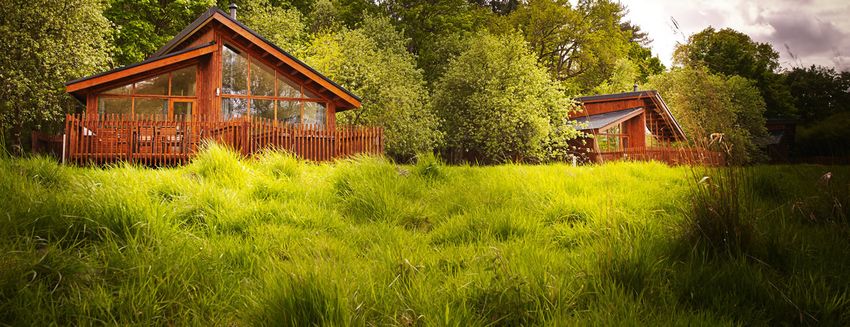
• Holiday lodge parks and eco lodge parks, with lodges for rental and/or
outright or timeshare ownership, particularly in the Lee Valley Regional
Park, and potentially also in the rural parts of the District, give suitable sites
that can achieve planning permission;
• Golf lodges on golf courses;
• Fishing lodges around fishing lakes:
• Watersports holiday parks around watersports lakes, potentially in the Lee
Valley Regional Park;
• Treehouses;
• The enhancement and possible expansion of existing touring caravan and
camping sites;
• The development of new touring caravan and camping sites;
• Eco camping;
• Glamping sites;
• Camping pod developments;
• Tree camping;
• The development of existing group and youth accommodation –
Woodland Camp, Lambourne End, Gilwell Park Scout Activity Centre,
Chigwell Row Camping & Activity Centre;
• New group and youth accommodation – hostels, bunkhouses, outdoor
activity centres with accommodation;
• Children’s activity holiday centres – along the lines of the recently refused
PGL proposal at Royal Gunpowder Mills;
• Wellness retreats and spas with accommodation.
______________________________________________________________________________________
Hotel Solutions 13 August 2016EB608
Epping Forest Visitor Accommodation Needs Assessment – Phase 1 Report
______________________________________________________________________________________
5.2 Key Locations of Opportunity
Our initial assessment suggests that there are two key locations of opportunity for
accommodation development in Epping Forest District – Lee Valley Regional Park
and the area around Epping Forest as areas for outdoor sport and recreation.
One of the strategic aims of the Lee Valley Regional Park Development
Framework is to develop the Park as a high quality and regionally unique visitor
destination. Developing the Park’s accommodation offer is seen as an important
part of achieving this aim. The Park Authority would like to develop
accommodation in a number of locations, with each providing a mix of different
types of accommodation, including hotels, hostels, holiday villages, touring
caravan and camping sites, mobile home parks and recreational moorings. Key
sites within or bordering Epping Forest District that are identified in the Park
Development Framework as offering potential for accommodation development
are the Lee Valley Campsite at Sewardstone (for expansion and enhancement);
Lee Valley Country Park; Royal Gunpowder Mills; Lee Valley White Water Centre;
Waltham Abbey and Roydon Marina Village.
The other possible location of opportunity for accommodation is around Epping
Forest, where accommodation development could play a role in developing the
Forest as a destination for outdoor recreation, and generating an income stream
to support Forest management. While the many protections and restrictions on
development in the Forest limit the potential for accommodation in the Forest
itself, there could be opportunities for accommodation development in the
buffer lands and other areas immediately adjacent to the Forest. There are a
number of types of accommodation that we think could be considered here,
including holiday lodges, touring caravan and camping sites, camping pods,
treehouses, tree camping and glamping.
______________________________________________________________________________________
Hotel Solutions 14 August 2016EB608
Epping Forest Visitor Accommodation Needs Assessment – Phase 1 Report
______________________________________________________________________________________
6 BARRIERS TO ACCOMMODATION DEVELOPMENT IN EPPING
FOREST DISTRICT
_____________________________________________________________
6.1 Barriers to the Development of Visitor Accommodation
We have identified four key barriers to realising the opportunities for visitor
accommodation development in Epping Forest District:
• Green Belt policy clearly imposes significant restrictions on the potential
for accommodation development in the District’s rural areas, particularly
in terms of new-build accommodation development and
accommodation developments of any scale.
• Landscape, conservation and scientific designations in Epping Forest, as
well as the requirement under the governing Act of Parliament to
safeguard the Forest for public access, restrict the potential for
accommodation development in the Forest.
• The availability of suitable and affordable sites for hotel development in
Epping, Waltham Abbey, Buckhurst Hill, Loughton, Chigwell and Debden is
a significant barrier to realising the potential for budget hotel
development in these locations. Hotels are likely to get squeezed out of
suitable sites by higher value uses, in particular residential.
• The poor quality of some of the District’s hotels is preventing them from
generating enough profit to invest in upgrading. Current owners have not
invested for many years.
______________________________________________________________________________________
Hotel Solutions 15 August 2016EB608
Epping Forest Visitor Accommodation Needs Assessment – Phase 1 Report
______________________________________________________________________________________
6.2 The Implications of These Findings
The research has identified market potential for a wide range of different visitor
accommodation offers, some key areas of opportunity with aspiration and
interest in developing visitor accommodation, and a need for new visitor
accommodation to be delivered to grow staying tourism and meet economic,
employment, social, community and environmental objectives of EFDC and its
partners. However, there are clearly significant challenges to delivering new
visitor accommodation, which planning policy can play a role in helping to
address, along with other interventions.
______________________________________________________________________________________
Hotel Solutions 16 August 2016EB608
Epping Forest Visitor Accommodation Needs Assessment – Phase 1 Report
______________________________________________________________________________________
7 CURRENT POLICY STRATEGY & RESEARCH HEADLINES
_____________________________________________________________
The Phase 1 work has involved reviewing a wide range of current policy, strategy
and research documents, together with outputs of meetings, workshops and
consultations, a number of which have been part of the process of building up an
evidence base for the Local Plan and engaging stakeholders in the process. This
has included:
• Economic Impact of Tourism (Destination Research, 2014)
• Economic and Employment Evidence to Support the Local Plan and
Economic Development Strategy (Hardisty Jones, September 2015)
• Lee Valley White Water Centre Economic Development Study 2011
• Lee Valley Park Development Framework – Thematic Proposals (Lee Valley
Regional Park Authority January 2011)
• Lee Valley Regional Park Development Framework Area 5 Proposals
(adopted April 2013)
• Tourism: Jobs and Growth – The Economic Contribution of the Tourism
Economy in the UK (Deloiitte November 2013)
• Epping Forest Hotel Investment Fact Sheets (Visit Essex January 2010)
• NPPF (2012)
• Epping Forest District Adopted Local Plan (1998) and 2006 Alterations
• Visit Epping Forest Tourism Conference 2015 presentation
• St John’s Rd Epping Design & Development Brief (2012)
• Lee Valley Visitor Economy Stakeholder Workshop (2015) notes
• Consultations with Lee Valley Regional Park Authority, Vibrant Partnerships,
City of London (Epping Forest), EFDC Officers, EFDC Members.
______________________________________________________________________________________
Hotel Solutions 17 August 2016EB608
Epping Forest Visitor Accommodation Needs Assessment – Phase 1 Report
______________________________________________________________________________________
Some of the headlines emerging from our analysis of these documents and
discussions that are of relevance to future policy for visitor accommodation
development are summarised below, grouped thematically:
Planning Policy & Its Implementation
• The NPPF Green Belt policy can be seen as restrictive or as presenting ‘hooks’
onto which visitor accommodation proposals could be attached; there is the
opportunity to interpret the NPPF guidance positively to support appropriate
accommodation development if the Council wishes to.
• Permissions have been granted in Green Belt in the past, but a new policy
that is generically positive and indicating that the Council is keen to see the
development of visitor accommodation would help open the door to
approving appropriate schemes.
• Greater transparency around appropriateness, very special circumstances
and measuring/balancing harm would be helpful and ensure consistency of
approach. The recent refusal of the PGL scheme is a case in point, which
Officers felt met the requirements and Members did not e.g. reference to 30%
new build being disproportionate.
• Greater transparency around need and how to demonstrate this would also
be helpful – this was cited in relation to the Mossford Green Nursery
application.
• The professional advisors to the White Water Centre concluded that local
authority planning policies whilst broadly supportive were not adequate to
actively promote the type and scale of development envisaged.
• There is concern around the potential for developers to use visitor
accommodation as a route to secure permission for permanent residential
accommodation and doubts over the effectiveness of planning and legal
tools to prevent this.
______________________________________________________________________________________
Hotel Solutions 18 August 2016EB608
Epping Forest Visitor Accommodation Needs Assessment – Phase 1 Report
______________________________________________________________________________________
Tourism Strategy & Potential
• EFDC has identified the visitor economy as a priority, as one of 6 economic
development objectives for the Local Plan, that seeks to increase and
expand the visitor economy through promotion and the provision of new
guest accommodation.
• There is no Tourism Strategy or Destination Management Plan for the District or
wider destination partnership area (Lee Valley/Epping Forest). This means
there is a lack of clarity about unique selling propositions, target markets and
their requirements to inform the Local Plan Visitor Economy policies.
• Economic impact research provides some understanding of the dimensions
and characteristics of visitors, most notably that:
o Day visitors dominate at 3.2m compared to 169,000 staying visitors;
o Only half of staying visitors use commercial accommodation;
o People staying with friends and relations account for 50% of staying
visitor trips and 65% of nights;
o Within paid accommodation, serviced accommodation accounts for
the biggest number of nights (36%) followed by camping at 5%;
o Business visits, the mainstay of the hotel market in the District, make up
only 17% of trips and 12% of nights.
• The Hardisty Jones study identified the need for 150 bedspaces over the Local
Plan period. This was not based on any market work, and appears to have
been worked back from an employment forecast. We would question the
validity of this figure therefore.
______________________________________________________________________________________
Hotel Solutions 19 August 2016EB608
Epping Forest Visitor Accommodation Needs Assessment – Phase 1 Report
______________________________________________________________________________________
Site Availability and Deliverability
• Whilst there are sites that are being considered for hotel use, including
Council owned sites, there is clearly a tension over the need or desire to
achieve best value and maximum return, with residential beating the likely
value that hotels can deliver by a significant margin. There are already signs
that hotel use will be squeezed out of these sites.
• The fact that the potential for hotel development in some of the District’s key
towns that was identified in 2009 has not been delivered, despite active
interest from budget hotel companies, is likely to be a reflection of the
shortage of sites, high land values and pressure from other uses.
• Restrictions on new build development and enclosing land in Epping Forest
mean that accommodation development is unlikely in the Forest itself, other
than potentially in terms of the re-use of redundant buildings, and perhaps
some small-scale, low impact types of accommodation, such as eco
camping, eco pods, tree camping or glamping.
______________________________________________________________________________________
Hotel Solutions 20 August 2016EB608
Epping Forest Visitor Accommodation Needs Assessment – Phase 1 Report
______________________________________________________________________________________
8 LESSONS FROM POLICY APPROACHES ELSEWHERE
_____________________________________________________________
We have undertaken a review of the planning policies for visitor accommodation
of other local authorities to see what lessons can be learned from their
approaches. In selecting those to examine we were mindful to focus on areas
with sensitive landscapes and therefore associated constraints, such as National
Parks, and also authorities just outside major metropolitan areas and cities with
Green Belt designations. We have also revisited the planning policies of some of
the Councils we have worked with on hotel and visitor accommodation studies to
see how they have used the evidence that we have produced for them in their
plan and policy making. Finally, we have looked at neighbouring authority
policies – notably Broxbourne, to see how they have treated the Lee Valley
Regional Park.
The table overleaf provides some headline comments in each case. We provide
a summary of key messages below:
• A variety of approaches have been adopted, from one very simplified
visitor accommodation policy to 4+ policies, including separate policies
for different types of accommodation.
• The policies are at different stages in the Plan-making process –
consultation, preferred options, adopted – and a mix of Core Strategies,
Development Management policies and new/old Local Plan documents,
and therefore they have more or less supporting text and detail
accordingly.
• Given that NPPF only came into force in 2012, this is all quite new and
evolving, from the early post 2012 policies that will have been in process
for some time before NPPF came in.
• In some cases, visitor accommodation was covered by a separate policy,
in others it was part of a broader visitor economy policy with sub-points.
• In some cases policies are supported by an SPD/SPG to provide more
detailed guidance.
______________________________________________________________________________________
Hotel Solutions 21 August 2016EB608
Epping Forest Visitor Accommodation Needs Assessment – Phase 1 Report
______________________________________________________________________________________
• Some policies are also supported with area policies for key locations;
• Several include an accommodation retention policy, sometimes for
hotels/visitor accommodation, sometimes generally for visitor facilities;
• Only one authority (Rother District Council in East Sussex) gave the full
flavour of what there was potential for, referencing our work and listing
the types of accommodation that we identified market potential for.
• In the case of Broxbourne, their policies cover some sites such as the Lee
Valley White Water Centre that are split between the two authorities. It will
clearly be helpful to have some consistency around this from both
authorities.
• A number of policies included criteria for visitor accommodation
development, including :
o Positive criteria in terms of the scheme bringing benefits such as
creating employment, supporting the local/rural economy;
o Criteria that seek to minimise negative impacts e.g. around
access, visual appearance;
o Criteria that reflect local issues or priorities e.g. supporting visits to
the coast, sport and active use of the countryside, the
development of a heritage city as an international destination.
• In many cases, the policy had been informed by a visitor survey and a
visitor economy/destination development strategy, so that there was
clarity around what the Council was trying to achieve in terms of tourism
development, target markets etc., which the Local Plan is then creating
the development framework to deliver.
______________________________________________________________________________________
Hotel Solutions 22 August 2016EB608
Epping Forest Visitor Accommodation Needs Assessment – Phase 1 Report
_________________________________________________________________________________________________________________________________
LOCAL PLAN VISITOR ACCOMMODATION POLICIES
LOCAL AUTHORITY DOCUMENT TITLE/DATE POLICY SUMMARY – KEY FEATURES ADDITIONAL
INFORMATION
Brecon Beacons Brecon Beacons NPA Local SP14 Sustainable Tourism
National Park Authority Plan 2007-2022, Adopted • One strategic policy – enable proposals for
(Dec 2013) sustainable tourism development that
promote enjoyment and understanding of the
National Park and ensures conservation and
enhancement of its natural beauty and
heritage
• Text cites the sustainable tourism strategy and
how the Local Plan can contribute to the
delivery of this and the Park Management
Plan
Section on holiday accommodation that sets out
objectives in terms of supporting the local
economy, with key considerations around
mitigating impacts.
Four visitor accommodation policies
Policy 45 New Buildings for Holiday
Accommodation
• Only in settlements or on non-allocated sites
(hotels, hostels, guest houses)
Policy 46 Non-permanent Holiday
Accommodation
• Permitted in exceptional circumstances where
integrates with the landscape; onsite facilities
are in converted buildings; there are no
permanent residents; and access is adequate
• Refers to caravans, chalets, glamping, that
can be removed with no permanent trace on
the landscape. This policy is supported by an
SPG on Low Impact Tourist Accommodation.
_________________________________________________________________________________________________________________________________
Hotel Solutions 23 August 2016EB608
Epping Forest Visitor Accommodation Needs Assessment – Phase 1 Report
_________________________________________________________________________________________________________________________________
Policy 47 New or Extended Sites for Touring
Caravans Camper Vans and Tents
• Only to be permitted where seasonal
conditions apply, no permanent residents,
integrated with the landscape visually, on-site
facilities through building conversion.
Policy 48 Outdoor Activity Centres
• New centres or extensions permitted where
within a settlement; utilising an existing
building; not extending beyond the building
curtilage; or in the countryside having no
significant detrimental impact on landscape
and proving the need for a countryside
location.
Broxbourne Borough Regulation 18 Draft Local Policy ED3: Visitor Infrastructure and Attractions
Council Plan Consultation Document • Three parts to the policy, the second
(July 2016) welcomes hotel development.
• The other two generally support proposals for
new attractions/facilities and identify specific
sites – Lee Valley White Water Centre
(adrenalin hub), Broxbourne Leisure Pool,
Spitalbrook.
Policy LV1: Lee Valley Regional Park
• Supports the LVRPA in the continuing
improvement of the Park
• Text says the Council is supportive of the
majority of the proposals in the Park
Development Framework and that the Local
Plan contains policies to make provision for
the key proposals.
Policy LV2: Lee Valley White Water Centre
• Supports the development of an adrenalin
hub at LVWWC
Three other Lee Valley policies, LV3,4 5 – policies
re the development of other sites
_________________________________________________________________________________________________________________________________
Hotel Solutions 24 August 2016EB608
Epping Forest Visitor Accommodation Needs Assessment – Phase 1 Report
_________________________________________________________________________________________________________________________________
Cheshire West & Local Plan (Part One) Econ 3 Visitor Economy Part Two Land
Chester Council Strategic Policies, Adopted • General support for expanding existing tourism Allocations & Detailed
(Jan 2015) assets and creating new where enhances Policies – Preferred
tourism offer, benefits the local community, Approach
and suitable in scale and type for the Consultation Aug/Sep
location.
• Directs major development to key centres or in
countryside where scale and type protects
the countryside
• Criteria plus Green Belt controls in terms of
enhancing the role of Chester as an
international visitor destination; supporting the
vitality of towns by growing visitor numbers;
bringing regeneration benefits especially on
brownfield land; providing sustainable
access/close to attractions; improving access
to rights of way, waterways and green
infrastructure; supporting farm diversification.
• Caravan and camping sites supported where
an unmet need, small in scale and utilising
existing rural buildings.
Rother District Council Rother Local Plan Core Policy EC6: Tourism Activities and Facilities Allocations &
Strategy, Adopted (Sep 2014) • One policy that is generally permissive of Development
proposals subject to 7 criteria: enhancing Management Plan to
accommodation to meet customer follow (2016
expectations; supporting active use along the consultation)
coast; developing markets for local
produce/cultural assets; no loss of
accommodation; increasing supply;
occupancy is restricted to holiday use
• The text lists the particular opportunities by
type of visitor accommodation (from Hotel
Solutions study)
• Text also refers to tourism strategy/target
markets
_________________________________________________________________________________________________________________________________
Hotel Solutions 25 August 2016EB608
Epping Forest Visitor Accommodation Needs Assessment – Phase 1 Report
_________________________________________________________________________________________________________________________________
Sevenoaks District Allocations & Development Policy LY1 – Tourist Accommodation and Visitor
Council Management Plan, Adopted Attractions
(Feb 2015) • One simple policy that recognises the benefits
to the local economy of tourism proposals
• Includes a policy to protect tourist
accommodation and attractions from
change of use unless it can be demonstrated
the use is not viable or is inappropriately sited.
South Downs National South Downs NPA Local Plan Strategic Policy SD20: Sustainable Tourism and the
Park Authority Preferred Options (Sep 2015) Visitor Economy
Five sections to the policy.
• An overall generally permissive policy subject
to 5 criteria (design, impact, using existing
buildings, levels of activity, increasing
enjoyment) plus in the countryside must
demonstrate need for that location,
appropriate scale, sustainable access,
associated with other tourism infrastructure.
• A retention sub-policy, subject to marketing
and viability tests
• Support for relocating/redeveloping
accommodation harming the National Park
• Support for a year round visitor economy –
relax seasonal restrictions but protect
occupancy
• Refusal of schemes with unacceptable
adverse impact
• Text details research and related policy –
economic impact results, visitor survey, visitor
accommodation review, and sustainable
tourism strategy.
_________________________________________________________________________________________________________________________________
Hotel Solutions 26 August 2016EB608
Epping Forest Visitor Accommodation Needs Assessment – Phase 1 Report
_________________________________________________________________________________________________________________________________
Wiltshire Council Core Strategy, Adopted (Jan Two Core Policies
2016) Core Policy 39: Tourist development
• Covers attractions and accommodation, in
towns and outside main settlements, around
sequential test.
• Criteria for development outside settlements,
relating to being associated with a
countryside attraction; no alternatives;
compatible scale and design; adequate
access and infrastructure
• Extensions of appropriate scale and to help
business viability
• Proposals for camping and touring caravan
sites supported where no adverse impact
Core Policy 40: Hotels, bed and breakfasts, guest
houses and conference facilities
• Support for new and extensions subject to
criteria in terms of location within settlements;
outside settlements where conserves a historic
building; no detrimental impact on town
centre vitality; no unacceptable traffic
• Change of use resisted – demonstrate no
longer a need in current use or alternative
tourism/cultural use.
_________________________________________________________________________________________________________________________________
Hotel Solutions 27 August 2016EB608
Epping Forest Visitor Accommodation Needs Assessment – Phase 1 Report
______________________________________________________________________________________
9 POTENTIAL PLANNING POLICY APPROACHES
_____________________________________________________________
9.1 Emerging Issues
The various strands of research in Phase 1 have raised a number of issues that
need to be considered in formulating a visitor accommodation policy for Epping
Forest District. Dependent upon the Council’s relative priorities, they could
require different policy approaches. We discuss these below.
9.2 Potential Planning Policy Approaches
a) The Need for Criteria for Hotel Development in Settlements
NPPF defines hotels as a town centre use and requires the application of a
sequential test for non-town centre hotel applications. EFDC will need to consider
whether this is enough to manage or facilitate hotel development in the District’s
towns, or whether any other criteria might be needed.
b) Criteria for Accommodation Development in the Green Belt
Green Belt restrictions suggest that the potential for accommodation
development is likely to be limited to small-scale developments that make use of
existing buildings or building footprints. Para 81 states that local planning
authorities should plan positively to enhance the beneficial use of the Green Belt,
including looking at opportunities to provide for outdoor sport and recreation.
Para 89 states that local authorities should regard the construction of new
buildings as inappropriate in the Green Belt, unless they:
• Are buildings for agriculture and forestry, outdoor sport and recreation;
• Involve the proportionate extension or alteration of an existing building;
• Replace an existing building in the same use;
• Involve the partial or complete redevelopment of previously developed
(brownfield) sites, without a greater impact on the openness of the Green
Belt.
______________________________________________________________________________________
Hotel Solutions 28 August 2016You can also read


