ERADICATING BOVINE TB FROM HURUNUI-WAIPARA
←
→
Page content transcription
If your browser does not render page correctly, please read the page content below
ERADICATING
BOVINE TB FROM
HURUNUI–WAIPARA
JUNE 2019 | VERSION 2.0

OVERVIEW                                   The TBfree programme is delivered
                                           through TB management areas (TMAs).
                                                                                           have been infected throughout this
                                                                                           coastal area, with the most recent
The TBfree programme is delivered          Each TMA has a specific TB control plan         cases identified in 2011, however
through TB Management areas (TMAs)         designed to eradicate TB as effectively         there are currently no infected
and aims to control, and eventually        as possible.                                    herds in this area.
eradicate, bovine tuberculosis (TB)
from New Zealand by 2055.                  This notice provides an overview

OSPRI’s main goals for TB control
                                           of TB control work planned for this             HURUNUI
in the Hurunui-Waipara area are:
                                           TMA. It is not a formal notice of any
                                           specific operation. All operation dates
                                                                                           –WAIPARA
• Maintain TB freedom in livestock         provided are provisional and subject            The Hurunui-Waipara TMA covers
                                           to consultation.                                45,440 ha including the coastal strip
• TB freedom in possums by 2021                                                            from Main South Road to the coast

                                           TB HISTORY
The programme uses possum control,                                                         between Waipara and Hurunui Rivers.
regular herd testing and movement                                                          The area also encompasses the
restrictions to control TB. When           The Hurunui-Waipara area has a long             Tiromoana exotic forest and Motunau
planning for operations wild animal        history of TB infection in local wildlife       village. The habitat is a mix of broken
surveys, TB history, herd testing          and cattle herds. The most recent TB            coastal limestone, open rolling hills
results and past operation history         infection cases were ferrets found in           and patches of bush and scrub.
are all used to determine the level        the Blythe Valley in 2014, and prior            Altitudes range from sea level to
of control required to eradicate TB.       to that in Motunau. Over time, herds            about approximately 550m.

 OPERATIONAL TIMEFRAME
 Planned control and surveillance management activities
 are outlined in the table below.

  TYPE OF                           HOW MANY
  CONTROL             WHEN?*        HECTARES?                               WHERE?

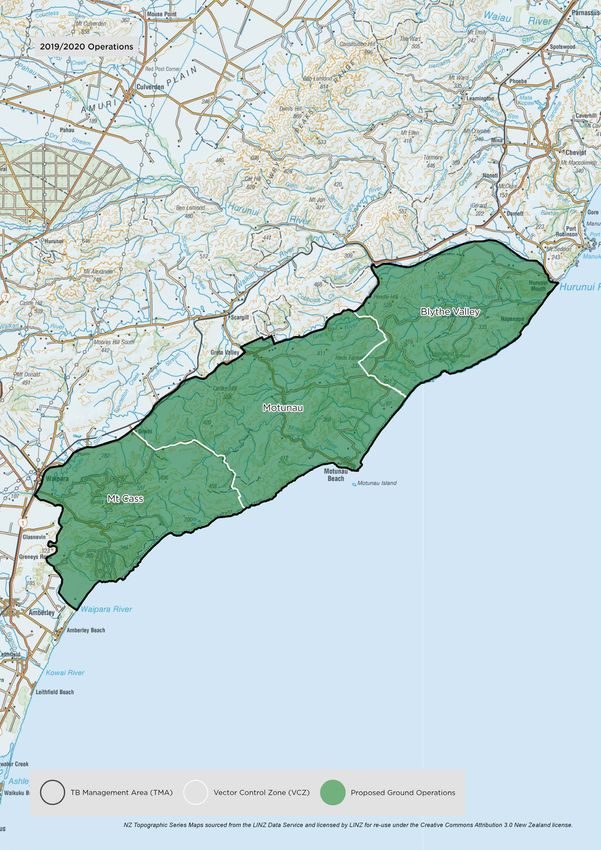
  Ground control    2019/2020           45,400       Blythe Valley, Motunau, Mt Cass

 Hectares under control are indicative only and may change after consultation.
 * The operational year runs from 1 July – 30 June
                                                                                                                          TMA Location

                           TBfree is an OSPRI programme                                ospri.co.nz              0800 482 463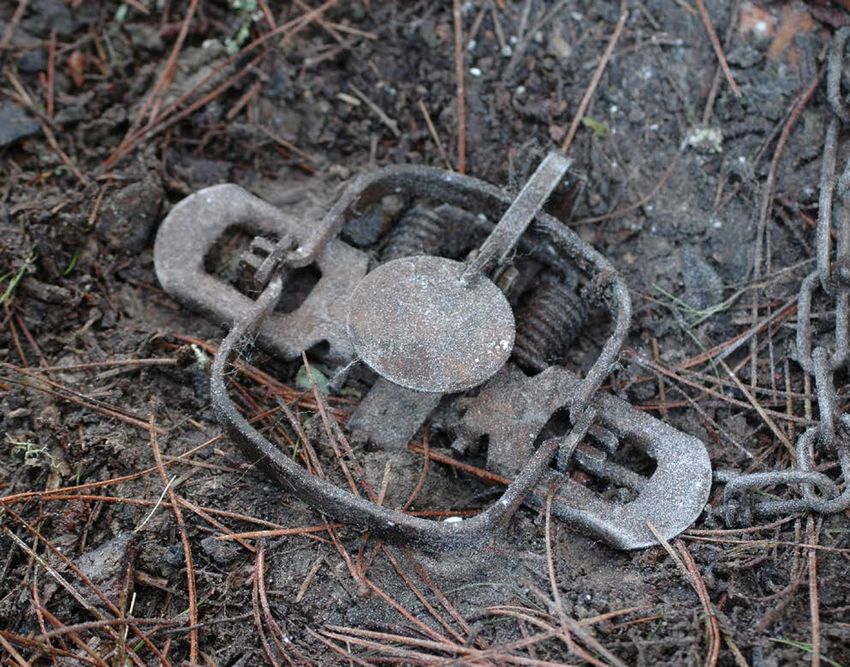
2019/20 OPERATIONS

               TBfree is an OSPRI programme   ospri.co.nz   0800 482 463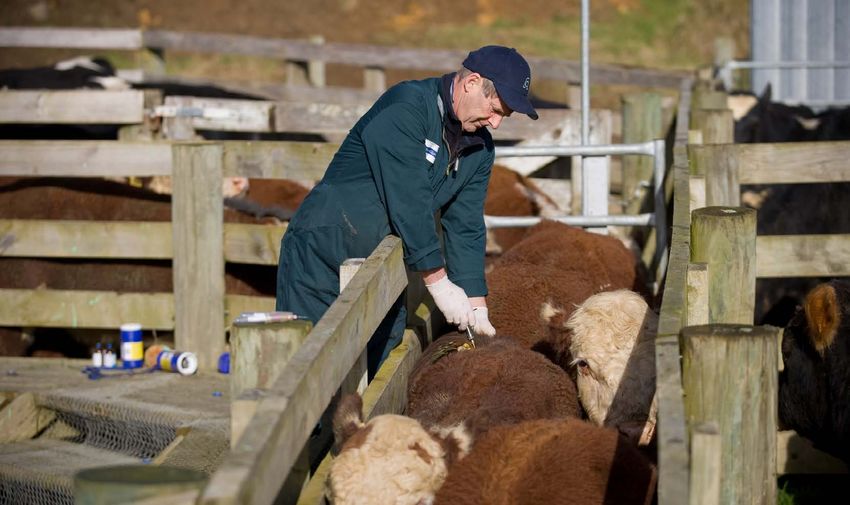
ROAD TO
                                                                                        TB ERADICATION
                                                                                               TESTING WILDLIFE
                                                                                               We check the wildlife to see
                                                                                               if TB is present in an area.

                                                                                               POSSUM CONTROL
                                                                                               – YEAR ONE
                                                                                               Possums spread TB.
                                                                                               Getting numbers low
                                                                                               will help stop TB.

                                                                                               KEEPING POSSUM
                                                                                               NUMBERS LOW
                                                                                               It’s really important to
                                                                                               keep possum numbers
                                                                                               low over multiple years
                                                                                               to break the TB cycle.

                                                                                               TESTING WILDLIFE
                                                                                               We test wildlife to check if
                                                                                               TB still exists. The animals
CONTROL HISTORY                          disease management has dramatically
                                         reduced the number of infected herds in
                                                                                               will be checked for signs of
                                                                                               TB. Samples may be grown
Ground based possum control has          the Northern Canterbury/ Marlborough
                                                                                               in a laboratory. If TB is found,
previously been undertaken in the        region. However, monitoring has shown
                                                                                               you will be told by TBfree.
Blythe Valley, Motunau and Mt Cass       that further control work is needed in
areas. These operations were last        the Hurunui- Waipara area to reduce
completed in 2018. Ferret surveys        the possum population, to minimise
                                         the risk of the disease spreading
                                                                                               TB ERADICATED
were undertaken in the Blythe Valley,
Motunau and Mt Cass areas during         through wild animal populations
2016 and a pig survey in the Mt Cass     and onto farmed cattle and deer
area was completed in 2017.              and to ensure further good progress
                                         towards disease eradication.

POSSUM
POPULATION                               THE METHOD
                                         GROUND CONTROL
ASSESSMENT                               OSPRI contractors will use toxins and
Before control work is carried out, an   traps to carry out this possum control
assessment of the wildlife population    operation. Different toxins are used
may be undertaken.                       depending on the size and terrain of the
Following control work, the possum       operational area. Toxins will either be
population density may also be           placed in bait stations, stapled to trees
monitored to assess the operation’s      in biodegradable bags or hand-laid.
success. From the results, OSPRI can     Contractors will consult with landowners
assess whether further possum control    on which toxin will be used to ensure
                                         the safety of livestock, pets and native
work needs to be done in the area.
                                         animals. There are many different types
                                         of traps, such as leg-hold or kill traps. In
TARGETING                                choosing the right one, we will take into

POSSUMS                                  consideration ease of access, set-up and
                                         maintenance time, animal welfare factors
To eradicate bovine TB from possum       and the potential risks to livestock, pets
populations, possum numbers need         and native animals. On occasion our
to be kept extremely low – around        contractors may also use corflute chew
one to two animals every ten hectares.   cards or wax tags to identify possum
Previous possum control and livestock    populations where control is required.

                            TBfree is an OSPRI programme                         ospri.co.nz              0800 482 463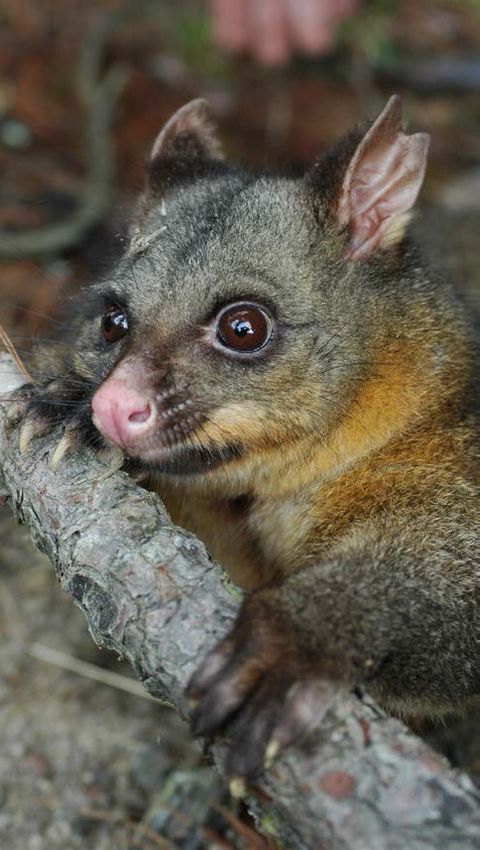
CONSULTATION                            TESTING HERDS
OSPRI listens to feedback from          Cattle and deer herds are monitored
communities, land occupiers and         for TB through a combination of herd
land users about proposed operations    testing and carcass inspection at

                                                                                   CONTACT
and notifies planned operations well    slaughter. The frequency of testing
in advance so affected parties can      depends on the herd’s location,
submit feedback about any possible      management and TB history.
                                        To check the testing frequency for
                                                                                   DETAILS
risks or sensitive areas that need
to be managed. OSPRI will always        your property visit ospri.co.nz/dcamap     OSPRI Christchurch Office
seek the willing cooperation of land
                                                                                   PO Box 8674
occupiers when TBfree programme         MOVEMENT                                   Riccarton
work needs to be carried out on their
land. Before any operation begins,      CONTROL                                    Christchurch 8440

affected landowners and occupiers       The Conway-Waiau TMA is in the             P 03 363 3090
will be contacted and visited by one    Northern Canterbury/Marlborough            E vectornsi@ospri.co.nz
of our contractors. Depending on the    Movement Control Area. That means
methods used and the location of the    TB testing is required for cattle and      The eradication activities in this
operations, consents may be required    deer before they are moved to another      TMA are delivered by specialist
from the Department of Conservation     herd or farm.                              wildlife and pest control Contractors
and Ministry of Health.                                                            employed by OSPRI. The contact

                                        ACHIEVEMENTS                               details for the contractor delivering
                                                                                   are below.
WHAT                                    TO DATE
NEXT?                                   OSPRI has made significant progress        Excell Biosecurity
                                        towards eradicating TB from vector         P 0508 392355 or 0508 EXCELL
Dates and control methods for the
                                        risk areas (VRA) across New Zealand.
proposed operations are provisional                                                E nsi.excell@excell.co.nz
                                        Since 2011, VRA status has been
and subject to consultation. OSPRI
                                        revoked from 2.02 million hectares,
contractors will be in contact with
                                        with 7.78 million hectares in 14 areas
affected landowners and occupiers       still to be cleared before freedom from
before any work starts.                 disease in wildlife can be declared.

                          TBfree is an OSPRI programme                       ospri.co.nz            0800 482 463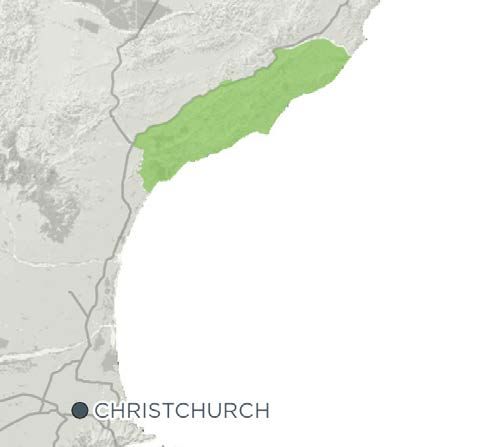
You can also read


