Extensive coverage for 5G - global regulatory best practice to maximise 5G's socio-economic impact
←
→
Page content transcription
If your browser does not render page correctly, please read the page content below

Extensive coverage for 5G –
global regulatory best practice to
maximise 5G’s socio-economic impact

  Stela Bokun, Andy He, Caroline Gabriel, Andrew Chern,
  Neil Kiritharan, Hugues-Antoine Lacour and Michela Venturelli

2020574-21
Contents   Executive summary
                        Introduction
                        Socio-economic benefits of 5G
                        Challenges to 5G roll-out
                        Regulatory measures to address key challenges
                        Case studies

2020574-21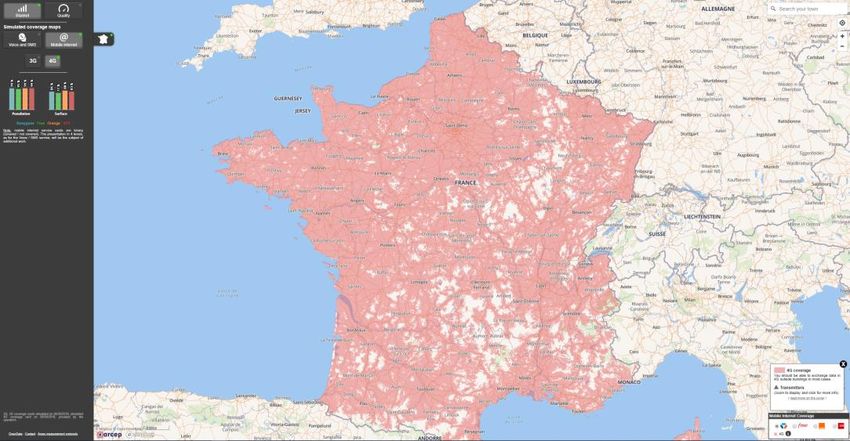
Contents   Executive summary
                        Introduction
                        Socio-economic benefits of 5G
                        Challenges to 5G roll-out
                        Regulatory measures to address key challenges
                        Case studies

2020574-21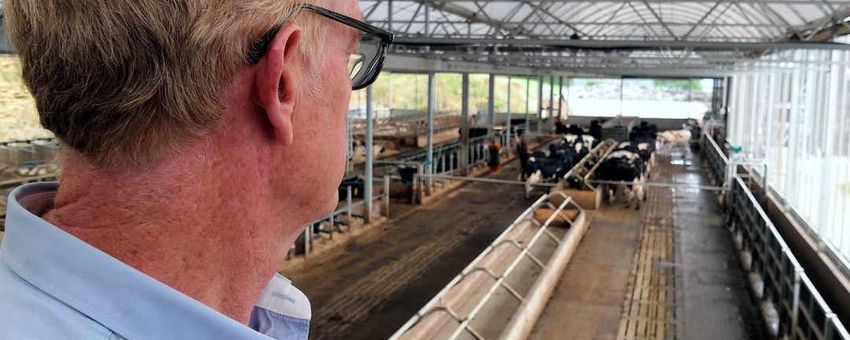
4

Executive summary: Extensive 5G coverage will require NRAs to consider sensible
ways to incentivise MNOs to realise the potential of 5G

             Worldwide deployment: 57 operators in 33 countries across all major regions have commercial 5G offerings by
             January 2020

             Digital experience and transformation: 5G deployment promises to improve consumers’ digital experience and facilitate
             digital transformation efforts for various industry verticals

             Balancing act: Extensive 5G coverage will be required to realise the benefits promised by 5G but this objective of policy
             makers may be hard to align with mobile network operators’ (MNOs’) commercial goals

             Challenges ahead: MNOs’ 5G deployments face a number of challenges that impact their ability to offer extensive 5G
             coverage, including uncertain business cases

             Rich toolkit: National regulatory authorities (NRAs) can tap into a combination of measures to incentivise MNOs to
             achieve extensive 5G coverage

2020574-21
Contents   Executive summary
                        Introduction
                        Socio-economic benefits of 5G
                        Challenges to 5G roll-out
                        Regulatory measures to address key challenges
                        Case studies

2020574-21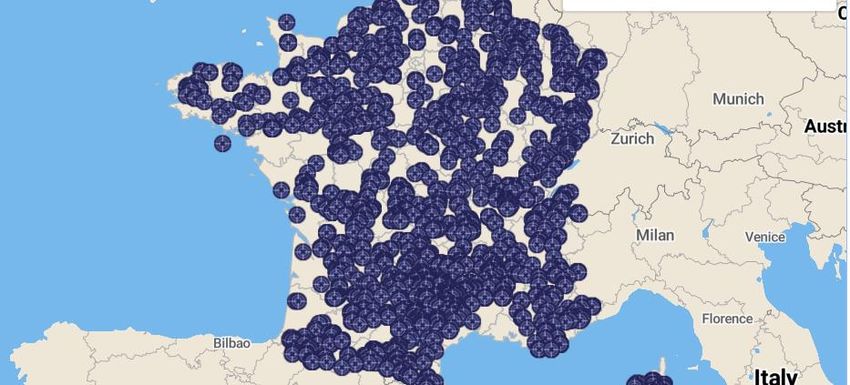
6

Analysys Mason has been advising telecoms stakeholders on strategic issues for 35
years with both a global and local perspective

▪   Analysys Mason is a trusted adviser on telecoms, media and          Assignments completed
    technology. We work with our clients, including operators,
    regulators and end users, to:
    – design winning strategies that deliver measurable results
    – make informed decisions based on market intelligence and
      analytical rigour
    – develop innovative propositions to gain competitive advantage
    – implement operational solutions to improve business efficiency
▪   With around 330 staff in 17 offices worldwide, we are respected
    internationally for our exceptional quality of work, independence
    and flexibility in responding to client needs
▪   For 35 years we have been helping clients in more than 110
    countries to maximise their opportunities                                    Offices located in Europe, the Middle East,
                                                                                            Asia and the Americas

2020574-21
7

We have conducted a study on measures available to national regulatory authorities
to incentivise MNOs to accelerate 5G network roll-outs

    Context                                                                    Methodology
▪    Mobile network operators (MNOs) have been progressively               ▪   Analysys Mason has conducted a study to identify the key ways
     introducing commercial 5G worldwide.                                      that national regulatory authorities (NRAs) can incentivise
▪    5G is considered equivalent to wireline technologies in access            MNOs to accelerate 5G network roll-outs to deliver the extensive
     speeds, enabling broadband to all citizens and bridging digital           coverage needed to fulfil the potential promised by 5G use
     divides.                                                                  cases.

▪    Extensive coverage with full 5G capability is considered one of       ▪   Analysys Mason has conducted this study through extensive
     the critical success factors to achieve the full benefits of 5G.          desk research, combining

▪    Several challenges need to be overcome to accelerate MNOs’                 –   A review of documents published by NRAs and
     5G deployment, including spectrum availability, uncertainties                  international associations, i.e. GSMA
     around the business case and high deployment costs.                        –   Ad-hoc discussions and interviews with industry
                                                                                    stakeholders on 5G coverage and relevant policies

                                                                                    A review of in-house materials

                                         This study was commissioned by a mobile industry stakeholder.

2020574-21
8

Coverage definitions: the variety of roles 5G is expected to play have led to different
types of coverage obligations

                                                                                                                  Country examples

   Geographical/population/                                                     ▪    Germany: Existing operators are required to provide coverage to 98% of
   household coverage                                                                households by 2022

                                                                                ▪    France: ARCEP will require 20–25% of 3.4–3.6GHz sites to be deployed in
   Rural area coverage
                                                                                     sparsely populated areas (i.e. >2400 sites)

                                                                                ▪    UK: Ofcom will require a minimum of 500 new wide-area macro
   New site coverage
                                                                                     sites for 700MHz and 3.6–3.8GHz bands

                                                                                ▪    France: ARCEP has defined the minimum speed required at each 5G cell
   Speed thresholds
                                                                                     site to be at least 240Mbit/s by 2025

                                                                                ▪    UK: Ofcom has a downlink RSRP* threshold requirement of –105dBm
   Signal strength
                                                                                     underlying its coverage definition

                         *: Reference Signal Received Power, the average received power of the downlink reference signal in one radio frame
                         Sources: NRA websites, Analysys Mason
2020574-21
9

Structure of the report: the report is arranged into four main sections

 1                     Benefits for                        Benefits for                    Benefits for                     Benefits for the
 Socio-                consumers                           enterprises                      operators                        wider society
 economic
 benefits of
                                                                       Socio-economic impact
 5G

 2
                        Spectrum                            Costly site                     Return on                     Access to affordable
 Challenges             availability                       deployments                     investment                        fibre backhaul
 to 5G roll-out

 3                     Spectrum                     Infrastructure roll-out              Monitoring                          Funding

                  Spectrum availability         Obligations and targets            Compliance assessment          Tax rebates and subsidies
 Regulatory
 measures to
                  Technology neutrality             Access to public sites               Reporting                  Universal service fund
 address key
 challenges
                     Spectrum fees                  Infrastructure sharing        Fines and other penalties        Cross-sector partnerships

                   Spectrum sharing                                                                               Anchor tenant agreements

 4                                                                                                                          South      Saudi
                  Austria    France       Germany       Italy        UK       China     Japan     Malaysia    Singapore
 Case studies                                                                                                               Korea      Arabia

2020574-21
Contents   Executive summary
                        Introduction
                        Socio-economic benefits of 5G
                        Challenges to 5G roll-out
                        Regulatory measures to address key challenges
                        Case studies

2020574-21
11
This section discusses the main economic and societal benefits that 5G is expected
to enable
1 Benefits for Benefits for Benefits for Benefits for the
Socio- consumers enterprises operators wider society
economic
benefits of
Socio-economic impact
5G
2
Spectrum Costly site Return on Access to affordable
Challenges availability deployments investment fibre backhaul
to 5G roll-out
3 Spectrum Infrastructure roll-out Monitoring Funding
Spectrum availability Obligations and targets Compliance assessment Tax rebates and subsidies
Regulatory
measures to
Technology neutrality Access to public sites Reporting Universal service fund
address key
challenges
Spectrum fees Infrastructure sharing Fines and other penalties Cross-sector partnerships
Spectrum sharing Anchor tenant agreements
4 South Saudi
Austria France Germany Italy UK China Japan Malaysia Singapore
Case studies Korea Arabia
2020574-2112
Status update of 5G deployment: commercial 5G offerings are available across 57
operators in 33 countries
Western Europe (16)
Americas (9) Central and Eastern Europe (6)
• USA: AT&T, Sprint, • Romania: Vodafone, DIGI Mobil, Orange
T-Mobile, Verizon • Estonia: Elisa
• Canada: Rogers • Latvia: Tele2
• Uruguay: Antel • Hungary: Vodafone
• Guam: DoCoMo Pacific
• Puerto Rico: T-Mobile
• US Virgin Islands: T-Mobile Emerging Asia–Pacific (4)
• China: China Telecom, China
Africa (2)
Unicom, China Mobile
• South Africa: Rain • Philippines: Globe Telecom
• Lesotho: Vodacom
Western Europe (17)
• Switzerland: Sunrise, Swisscom
• UK: EE, Vodafone, Three, O2
• Ireland: Vodafone, EIR
• Spain: Vodafone
• Italy: Vodafone, TIM
• Finland: Elisa, TeliaSonera Developed Asia–Pacific (7)
Middle East (12)
• Monaco: Monaco Telecom • Australia: Optus, Telstra
• Germany: T-Mobile, VDF • Qatar: VDF, Ooredoo • South Korea: SKT, KT, LG U+
• Austria: Three Austria • UAE: Etisalat, du • New Zealand: Vodafone, Spark
• Kuwait: STC, Zain, Ooredoo
• Bahrain: Batelco, STC
• Saudi Arabia: STC, Zain
• Maldives: Dhiraagu
Source: GSA
2020574-2113
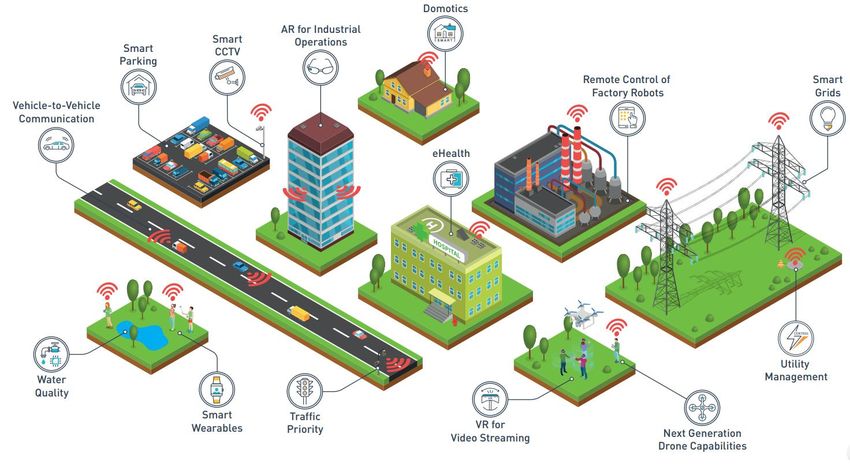
Benefits for consumers: 5G may improve consumers’ experience of existing digital
services and will support a range of new services
Real-time responses to
emergency events Remote monitoring of medication
and exercise, remote symptom
assessment
Autonomous vehicles,
smart traffic
management
Long-range remote
control and monitoring
Entertainment/virtual
training/collaboration
Source: Analysys Mason
2020574-2114
Benefits for enterprises: 5G may accelerate the digital transformation efforts of
enterprises in various verticals
▪ 5G data from smart vehicles will increase public ▪ Optimised transport routes/improved commutes
Transportation transport efficiency, address complex traffic ▪ Reduced pollution
situations and decrease congestion ▪ Decreased fatalities
▪ 5G will enable virtual training, remote co- ▪ Improved healthcare quality and access
Healthcare operation and remote diagnostic services, plus ▪ Lower healthcare costs
better-connected healthcare devices ▪ More wearable sensors and devices
▪ VR and AR will allow remote access to high-quality ▪ Improved access and availability
Education learning, especially for activities that require fine ▪ Improved quality
manual skills (e.g. surgery) (due to real-time feedback during training)
▪ 5G networks can be used to deliver mission- ▪ Faster, more efficient emergency responses
Public safety critical communications, as well as enabling ▪ Increased safety
connected ambulances and drones ▪ Better remote monitoring of developing events
▪ Smart factories will be enabled, improving ▪ More efficient production processes
Industry operational efficiency and quality assurance, while ▪ Increased safety
remote control will minimise danger
▪ Improved efficiency of processes will contribute ▪ More efficient agricultural production
Agriculture to sustainable farming through better remote ▪ Reduced wastage
monitoring and automation ▪ More environmental sensors and devices
Source: Analysys Mason
2020574-2115
Benefits for operators: mobile operators consider 5G to be an opportunity to enable
adjacent or new revenue streams
Top 3 drivers of 5G deployment for MNOs*
Lower cost to deliver gigabit speeds 46%
Lower network total cost of onwership 40%
Increased revenue from current target user base 38%
Increased enterprise and IoT business 32%
Lower churn 30%
Access new spectrum bands 30%
Enable brand new revenue streams 26%
Many MNOs plan to tap into new market
Most MNOs are quite conservative with None of the top 3 drivers requires
segments such as fixed-wireless access
their short-term 5G target, focusing on extensive 5G coverage, which makes the
(FWA) and enterprise, using their 5G
cost reduction to deliver data services cost reduction target harder to achieve
networks to enable new revenue streams
*: Based on a survey of 84 Tier-1 and Tier-2 operators conducted by Analysys Mason in 1Q 2019:
‘What are your top 3 drivers for mobile 5G deployment?’
2020574-2116
Benefits for the wider society: governments worldwide believe that the introduction
of 5G will bring environmental benefits and new job creation
Objective Initiative
New national programme for 5G
The government worked alongside Future
testbeds and trials (5GTTP), which
Communications Challenge Group and Network
tracks evolution of 5G projects such
216 billion & Information Systems to develop a 5G strategy
as RuralFirst, Smart Tourism,
FCCG report suggests USD216 billion of UK Worcestershire 5G Consortium
GDP growth over 10 years
USD50 million invested in 5GTTP
Wireless industry in the USA plans FCC is pursuing the ‘5G FAST’ plan
USD275 billion investment in 5G networks
Three key components:
500 billion US government estimates 3 million jobs will be • introduce more spectrum
created and USD500 billion will be added to the • update infrastructure policy
US economy as a result • modernise outdated regulations
South Korean government
The government expects to gain USD153 billion
announced ‘5G+ Strategy’ to
in productivity and USD73 billion in revenue
promote creation of new
226 billion from exports
industries and services based
It also expects 600 000 related jobs to be off 5G and more efficient 5G
created by 2026 ecosystem
Sources: Government results, Analysys Mason
2020574-2117
Socio-economic impact of 5G: the benefits of 5G are expected to have a significant
impact on the global economy
Agriculture
and mining 6%
Manufacturing
and utilities:
Industrial digitalisation,
ICT and
14% interconnected smart
trade
35% workplaces, AI and IoT
efficiency opportunities
USD2.2 trillion
by 2034
16% (5.3% of GDP growth)
Public
services
Professional and
financial services:
Enhanced customer
experience due to greater
29% data accessibility
Degrees of impact from 5G
Lowest impact Highest impact
Source: GSMA
2020574-2118
Socio-economic impact of 5G: 5G has started to bridge the digital divide, with real-
world use cases in both emerging and mature markets
Hospital in Chengdu, China performing remote ultrasound diagnosis via 5G; Zipline provides drone delivery of blood and medical supplies in Rwanda,
others are trialling remote diagnosis supplying 21 remote transfusion clinics
Agri-EPI Centre is trialling 5G connected collars that enable farmers to 5G emergency rescue system used after Changning earthquake; AR, VR and
monitor cow location and health through eating habits and exercise drone applications enabled remote assistance and diagnosis
Sources: GovInsider, Zipline, Associated Press
2020574-21Contents Executive summary
Introduction
Socio-economic benefits of 5G
Challenges to 5G roll-out
Regulatory measures to address key challenges
Case studies
2020574-2120
This section explores the key challenges that are widely considered to be the most
critical inhibitors of extensive 5G coverage
1 Benefits for Benefits for Benefits for Benefits for the
Socio- consumers enterprises operators wider society
economic
benefits of
Socio-economic impact
5G
2
Spectrum Costly site Return on Access to affordable
Challenges availability deployments investment fibre backhaul
to 5G roll-out
3 Spectrum Infrastructure roll-out Monitoring Funding
Spectrum availability Obligations and targets Compliance assessment Tax rebates and subsidies
Regulatory
measures to
Technology neutrality Access to public sites Reporting Universal service fund
address key
challenges
Spectrum fees Infrastructure sharing Fines and other penalties Cross-sector partnerships
Spectrum sharing Anchor tenant agreements
4 South Saudi
Austria France Germany Italy UK China Japan Malaysia Singapore
Case studies Korea Arabia
2020574-2121
Key success factors: comprehensive or high 5G coverage will be required to realise
the benefits promised by 5G
In the 5G era, and driven by a range of new concerns, the main objective of policy makers has been to increase coverage. Measures to
address these concerns have included some aimed at consumers, and others focusing on locations that play an important role in the
delivery of enterprise, industrial and IoT services.
Geographical/population/ household ▪ Germany: Existing operators are required to provide coverage to 98% of
coverage households by 2022
▪ France: ARCEP will require 20–25% of 3.4-3.6GHz sites to be deployed in
Rural area coverage
sparsely populated areas (i.e. >2400 sites)
▪ UK: Ofcom will require a minimum of 500 new wide-area macro
New site coverage
sites for 700MHz and 3.6–3.8GHz bands
▪ France: ARCEP has defined the minimum speed required at each 5G cell
Speed thresholds
site to be at least 240Mbit/s by 2025
▪ UK: Ofcom has a downlink RSRP threshold requirement of –105dBm
Signal strength
underlying its coverage definition
Sources: NRA websites, Analysys Mason
2020574-2122
Key success factors: policy makers’ objectives for significant 5G coverage may be
difficult to align with MNOs’ commercial goals
Comparison of unique drivers of 5G roll-out for MNOs and Illustrative relationship between cumulative revenue and
policy makers number of sites deployed
Urban Suburban Rural
MNOs Policy makers
100%
▪ Lower cost to deliver ▪ Reduce digital divide in rural 80% 50% of sites account for
gigabit speeds communities less than 10% of revenue
Percentage of revenue
▪ Increase enterprise and ▪ Drive industrial digital 60%
(cumulative)
IoT business transformation with 5G to 80% revenue = top 30% of
every industrial site 40% sites
▪ Enable brand new
revenue streams ▪ Enable unconnected
20% 50% revenue =
industries, i.e. agriculture
10% of sites Low profitability sites
0%
0% 20% 40% 60% 80% 100%
Percentage of sites deployed (cumulative)
MNOs’ commercial goals involve network priorities that are MNOs’ goals in TCO reduction and profitability improvement
incompatible with 5G objectives of government/policy makers will be limited if they are required to build networks in
unprofitable areas
Sources: NRA websites, Analysys Mason, Techeconomy
2020574-2123
Key challenges: MNO 5G deployments face a number of challenges that will impact
the MNOs’ ability to offer extensive 5G coverage
Key challenges for 5G development Summary of key challenges
Spectrum ▪ Lack of access to low, mid or high bands
availability may be an obstacle in some countries
Access to affordable
fibre backhaul
Site deployment ▪ Current approval processes may be too
Stakeholder lengthy/costly for extensive deployment of
collaboration small cells and larger antennas
Uncertain
business
Most case for ▪ 5G networks require high capex and
Business case
common MNOs operators are unsure how to monetise the
challenges new networks; see the next slide
Affordable backhaul ▪ Lack of affordable access to high-quality
fibre backhaul may decrease competition
Spectrum unless addressed by NRAs
availability Costly and lengthy
processes for site
deployment Stakeholder ▪ MNOs may be reluctant to offer service-
specific connectivity, whereas
collaboration
enterprises want bespoke connectivity
NRAs will have to be aware of the challenges facing MNOs and intervene when required
Source: Analysys Mason
2020574-2124
Key challenges – uncertain business case: rolling out a new generation of mobile
networks is costly and will take time to break even
Mobile ARPU by technology, 2016–26 Mobile capex intensity, 2016–26
70
60 5G ARPU to decline rapidly and 17% 17%
blended ARPU to slightly decline over 15% 16% 16% 16% 16%
15%
USD per month
50 14%
the next few years 12% 13%
40
service revenue
As % of mobile
30
Launch of first Capex intensity peaks with key period
20 9.4 9.2 9.0 8.9 8.7 8.6 8.5 8.4 8.2 8.1 5G commercial of 5G build-out
10 networks
0
2016 2017 2018 2019 2020 2021 2022 2023 2024 2025 2026 2016 2017 2018 2019 2020 2021 2022 2023 2024 2025 2026
2G 4G Blended
3G 5G
Mobile service revenue by technology, 2016–26
▪ Capex intensity is set to increase substantially over the
CAGR 0.6%
1000 796 806 813 820 831 839 845 851 856 856 852 coming years with the introduction of new forms of antenna
800
USD (billion)
▪ Incremental ARPU is expected to minimal, yielding modest
600
400
revenue growth at best
200 ▪ Net effect is that network investment will take a long time
0
2016 2017 2018 2019 2020 2021 2022 2023 2024 2025 2026 to recoup if MNOs manage to capture value from other
2G 3G 4G 5G
layers of the value chain
Source: Analysys Mason
2020574-21Contents Executive summary
Introduction
Socio-economic benefits of 5G
Challenges to 5G roll-out
Regulatory measures to address key challenges
Spectrum
Infrastructure roll-out
Monitoring
Funding
Case studies
2020574-2126
This section analyses the types of measures that can be adopted by NRAs to
achieve high 5G coverage
1 Benefits for Benefits for Benefits for Benefits for the
Socio- consumers enterprises operators wider society
economic
benefits of
Socio-economic impact
5G
2
Spectrum Costly site Return on Access to affordable
Challenges availability deployments investment fibre backhaul
to 5G roll-out
3 Spectrum Infrastructure roll-out Monitoring Funding
Spectrum availability Obligations and targets Compliance assessment Tax rebates and subsidies
Regulatory
measures to
Technology neutrality Access to public sites Reporting Universal service fund
address key
challenges
Spectrum fees Infrastructure sharing Fines and other penalties Cross-sector partnerships
Spectrum sharing Anchor tenant agreements
4 South Saudi
Austria France Germany Italy UK China Japan Malaysia Singapore
Case studies Korea Arabia
2020574-21Contents Executive summary
Introduction
Socio-economic benefits of 5G
Challenges to 5G roll-out
Regulatory measures to address key challenges
Spectrum
Infrastructure roll-out
Monitoring
Funding
Case studies
2020574-21Spectrum Infrastructure roll-out Monitoring Funding 28
Spectrum: we have identified four main types of initiatives that NRAs can pursue to
facilitate 5G network deployments
1 Benefits for Benefits for Benefits for Benefits for the
Socio- consumers enterprises operators wider society
economic
benefits of
Socio-economic impact
5G
2
Spectrum Costly site Return on Access to affordable
Challenges availability deployments investment fibre backhaul
to 5G roll-out
3 Spectrum Infrastructure roll-out Monitoring Funding
Spectrum availability Obligations and targets Compliance assessment Tax rebates and subsidies
Regulatory
measures to
Technology neutrality Access to public sites Reporting Universal service fund
address key
challenges
Spectrum fees Infrastructure sharing Fines and other penalties Cross-sector partnerships
Spectrum sharing Anchor tenant agreements
4 South Saudi
Austria France Germany Italy UK China Japan Malaysia Singapore
Case studies Korea Arabia
2020574-21Spectrum Infrastructure roll-out Monitoring Funding 29
Spectrum availability: a combination of frequencies is necessary for 5G;
low-band and mid-band are most important to achieving high coverage
▪ NNOs will require multiple frequency layers in parallel: contiguous high-band for bandwidth and low-band for coverage
▪ NRAs have been making 5G spectrum available across several bands: primarily new mid-band
▪ NRAs have confirmed low-band for 5G, however the popular 700MHz will require re-farming
Sub-3GHz spectrum release timelines Mid-band (3–6GHz) spectrum release timelines
811 821 839 1000
718 687 714 741 727
658 673 655 680 790
700
517 600
520
MHz
MHz
364 460 430
400 400 360 380
300 310 326
South Korea
South Korea
USA
USA
Italy
Qatar
Italy
Qatar
France
Germany
France
Germany
Canada
Canada
Sweden
UK
Sweden
UK
Spain
Spain
China
Japan
China
Japan
Australia
Hong Kong
Australia
Hong Kong
Currently assigned Discussed for release Currently assigned To be released by end of 2022
To be released by the end of 2020 To be released by the end of 2020
Sources: NRA websites, Analysys Mason
2020574-21Spectrum Infrastructure roll-out Monitoring Funding 30
Technology neutrality: provides an opportunity for operators to reuse certain existing
licensed bands for 5G services in the future
▪ Technology neutrality in spectrum licence allocation allows MNOs to use assigned frequencies with the most appropriate technology.
For example, MNOs can use existing spectrum licences to roll out 5G as the technology becomes available, rather than waiting for
another spectrum award.
“Flexibility in spectrum management and access to spectrum should be increased through technology and service
neutral authorisations to allow spectrum users to choose the best technologies and services”. (Furthermore,)
“restrictions on the principle of technology neutrality should be appropriate and justified”.
- Directive 2009/140/EC (November 2009)
▪ In October 2009, BNetzA lifted restrictions on the assigned frequency ▪ Austria’s 2019 auction of its 3.4–3.8GHz band assigned technology-
usage rights in the 450MHz, 900MHz, 1800MHz, 2GHz and 3.5GHz neutral licences, with flexibility for use with future standards.
bands. ▪ The 800MHz, 900MHz and 1800MHz bands were converted to be
▪ This allows network operators to use the frequencies on a technology- technology-neutral following a 2013 auction.
neutral basis for the provision of telecoms services, on request.
Sources: NRA websites, Analysys Mason
2020574-21Spectrum Infrastructure roll-out Monitoring Funding 31
Spectrum fees – auctions: affordable spectrum costs are one factor that may
encourage rapid 5G build-out and additional deployers
▪ NRAs use auctions to award spectrum: MNOs that value it highest tend to use it most effectively
▪ NRAs can affect auction prices through mechanisms including reserve prices and auction formats
▪ High prices could tip MNOs into significant debt and may adversely affect their financial viability
▪ Normalised mid-band 5G spectrum prices* have been lower than for those of 4G
Normalised spectrum price, 1.8GHz 4G band Normalised spectrum price, 3.4–3.8GHz 5G band
1.1 0.4 Germany’s auction
1.03 0.36
1.0 has faced a
Average: 0.16
Average: 0.43 backlash such as
Normalised USD/MHz/pop
0.9
Normalised USD/MHz/pop
0.3 lawsuits etc. from
0.8 operators 0.26
0.70 0.25
0.7
0.6 0.55
0.2
0.5 0.16
0.41 0.14
0.4 0.35
0.3 0.22 0.1
0.18 0.06 0.06
0.2
0.1 0.02
0.02
0.0 0.0
UK Austria Germany Italy Switzerland Czech South Australia UK Austria Germany Italy Switzerland Czech South Australia
Republic Korea Republic Korea
*: The normalised spectrum price is calculated as total price paid for spectrum at auction, divided by the amount of spectrum
awarded, country population and duration of licences.
Sources: NRA websites, Analysys Mason
2020574-21Spectrum Infrastructure roll-out Monitoring Funding 32
Spectrum fees – usage: setting low usage fees independently of the number of
deployed base stations can prevent effects on investment
▪ MNOs usually also pay annual spectrum usage fees (on top of one-off licence fees)
▪ Spectrum usage fees are set by regulators to cover administration costs, and provide an incentive to MNOs to use spectrum
efficiently and/or to return underused spectrum
Illustration of methods used by NRAs to set spectrum usage fees
▪ Administrative cost to ▪ Small fixed component ▪ Proportion of operators’ ▪ Amount of MHz owned ▪ Proportion of operators’
manage spectrum and ▪ Variable component based revenue ▪ Number of base stations revenue
opportunity costs of on MHz owned in various ▪ Proportion is adjusted, up deployed ▪ Proportion is adjusted, up to
spectrum ownership to frequency bands to 8%, based on the ▪ Number of mobile a maximum of 8%, based
other potential users amount of MHz owned subscribers on the amount of MHz
(applied per MHz of owned
spectrum owned)
▪ Deployment-based calculation methods can negatively affect 5G coverage by disincentivising MNOs to deploy networks extensively. The additional spectrum
usage fee per base station can make network deployments economically unfeasible in rural areas.
▪ Spectrum usage fees that are calculated on the basis of the amount of spectrum owned or revenue generated encourage more flexible network deployments
by avoiding distortionary effects on the market.
Sources: GSMA, NRA websites, Analysys Mason
2020574-21Spectrum Infrastructure roll-out Monitoring Funding 33
Spectrum sharing: spectrum sharing can increase network capacity and reduce
investment costs
▪ Spectrum sharing is the act of granting multiple players access to the same bands of spectrum
▪ This could allow maximum utilisation of available spectrum by increasing spectrum efficiency
Illustration of MNO spectrum-sharing implementations allowed by NRAs
Spectrum pooling Shared use of spectrum Spectrum leasing
▪ Operators may share active equipment and can also ▪ Spectrum is licensed to parties in specific areas for ▪ Local players can share use of
pool spectrum holdings different types of usage a band assigned to a
nationwide player
▪ In September 2019, ▪ A BEREC consultation ▪ Ofcom has made the 1.8GHz, 2.3GHz and 3.8GHz ▪ Licence holders can make
China Telecom and found that NRAs expect bands available for shared use between nationwide frequencies available to third
China Unicom agreed to sharing to be a key and local licensees, and is working towards a parties for campus-type
share their allocated aspect of 5G, driven by Dynamic Spectrum Access* approach deployments and specialised
3.5GHz spectrum the market ▪ Additionally, through the Shared Rural Network services with or without
holdings and their 5G proposal, government and MNOs would co-invest charge, subject to approval
core networks USD1.25 billion to expand coverage in rural areas
(see the UK case study provided in this report for
details)
*: Dynamic Spectrum Access is an approach that allows devices to be assigned spectrum based on availability
Sources: NRA websites, Analysys Mason
2020574-21Contents Executive summary
Introduction
Socio-economic benefits of 5G
Challenges to 5G roll-out
Regulatory measures to address key challenges
Spectrum
Infrastructure roll-out
Monitoring
Funding
Case studies
2020574-21Spectrum Infrastructure roll-out Monitoring Funding 35
Infrastructure roll-out: we have identified three types of actions that NRAs can
pursue to accelerate the 5G roll-out
1 Benefits for Benefits for Benefits for Benefits for the
Socio- consumers enterprises operators wider society
economic
benefits of
Socio-economic impact
5G
2
Spectrum Costly site Return on Access to affordable
Challenges availability deployments investment fibre backhaul
to 5G roll-out
3 Spectrum Infrastructure roll-out Monitoring Funding
Spectrum availability Obligations and targets Compliance assessment Tax rebates and subsidies
Regulatory
measures to
Technology neutrality Access to public sites Reporting Universal service fund
address key
challenges
Spectrum fees Infrastructure sharing Fines and other penalties Cross-sector partnerships
Spectrum sharing Anchor tenant agreements
4 South Saudi
Austria France Germany Italy UK China Japan Malaysia Singapore
Case studies Korea Arabia
2020574-21Spectrum Infrastructure roll-out Monitoring Funding 36
Coverage definitions: NRAs could have different policy objectives for different
network technologies
An illustration of diverging policy objectives for different network technologies
2G/3G • Full geographical coverage of voice calls and SMS/MMS with no blind spots
• Nearly universal population coverage able to support satisfactory mobile broadband
4G
experience
• High-quality coverage of urban centres and industrial sites that delivers 5G features
5G of low latency and high throughput as well as ubiquitous coverage for IoT
applications
2020574-21Spectrum Infrastructure roll-out Monitoring Funding 37
Coverage definitions: defining obligations in 5G licences can ensure that
coverage/quality is incrementally improved compared to current levels
Country examples
Geographical/population/ ▪ Germany: Existing operators are required to provide coverage to 98% of
household coverage households by 2022
▪ France: ARCEP will require 20–25% of 3.4–3.6GHz sites to be deployed in
Rural area coverage sparsely populated areas (i.e. >2400 sites)
▪ UK: Ofcom will require a minimum of 500 new wide-area macro
New site coverage sites for 700MHz and 3.6–3.8GHz bands
▪ France: ARCEP has defined the minimum speed required at each 5G cell
Speed thresholds site to be at least 240Mbit/s by 2025
▪ UK: Ofcom has a downlink RSRP threshold requirement of
Signal strength -105dBm underlying its coverage definition
Sources: GSMA, NRA websites, Analysys Mason
2020574-21Spectrum Infrastructure roll-out Monitoring Funding 38
Facilitation of access to public infrastructure: easier access to street furniture can
support cost-effective small-cell deployments
▪ Higher-frequency spectrum bands will underpin 5G’s high-capacity connection, however these bands fall short in the provision of
coverage depth relative to low-frequency bands
▪ NRAs are considering steps to allow access to street furniture and other public infrastructure suitable for small cells: recent focus has
been on lamp posts and traffic signals
▪ Some NRAs have also considered amending small-cell classifications or approval processes to render small cells easier to deploy
compared with macro sites
▪ Germany: The ‘DigiNetz Law’ of November 2016 specifies that public supply infrastructure (including requirements regarding the installation of small
cells) is shared. Traffic lights and streetlights are highlighted as ideal locations for the expansion of picocells (because they are particularly cost-
efficient due to placement and existing power connections); public buildings, street furniture, guardrails and certain manhole covers can also be
considered.
▪ South Korea: MSIT announced a revision to legislation in April 2018, allowing operators greater access to government-owned locations including
street lamps and traffic facilities. This includes a new obligation on local governments and facilities to provide access to light poles, traffic sign
structures and subway areas for the installation of small cells for 5G.
▪ China: The Shenzhen government plans to facilitate deployments of 5G base stations (especially micro base station/small cells) using utilities such
as streetlight poles and monitor poles.
Sources: NRA websites, Analysys Mason
2020574-21Spectrum Infrastructure roll-out Monitoring Funding 39
Infrastructure sharing: sharing telecoms and non-telecoms infrastructure can help
operators to reduce deployment costs
▪ 5G network roll-outs require large-scale fibre backhaul connectivity
▪ NRAs are taking steps to facilitate fibre deployment, including:
▪ Reviewing and simplifying open-access regulations for shared telecoms infrastructure
▪ Sharing non-telecoms infrastructure, such as underground and overground public infrastructure
▪ UK: In June 2019, Ofcom issued a statement that provides all telecoms providers with ‘mixed usage’ access to the network of suitable telecoms
physical infrastructure – the ducts and poles owned by BT and operated by Openreach. This means that network operators can deploy fibre to
provide both broadband and non-broadband services (such as mobile backhaul).
▪ Germany: The ‘DigiNetz Law’ of November 2016 specifies the need to share public supply infrastructure, including the laying of fibre optics as part of
public road construction.
▪ South Korea: MSIT introduced a new policy in 2018, enforcing co-operation over infrastructure. All operators will jointly deploy wireless facilities and
must allow sharing of ‘last-mile’ facilities. In addition, MSIT has imposed obligations on government facilities and management organisations to
provide access to non-telecoms public infrastructure.
▪ China: MIIT announced in 2019 that “all enterprises’ existing poles, pipelines, base station sites and computer rooms, base station access
transmission lines, submarine cable core resources, and international submarine cable landing station transmission and lead resources, etc., must
be open and shared”.
Sources: NRA websites, government websites, Analysys Mason
2020574-21Contents Executive summary
Introduction
Socio-economic benefits of 5G
Challenges to 5G roll-out
Regulatory measures to address key challenges
Spectrum
Infrastructure roll-out
Monitoring
Funding
Case studies
2020574-21Spectrum Infrastructure roll-out Monitoring Funding 41
Monitoring: We have identified three types of initiatives that NRAs pursue to ensure
compliance with coverage targets
1 Benefits for Benefits for Benefits for Benefits for the
Socio- consumers enterprises operators wider society
economic
benefits of
Socio-economic impact
5G
2
Spectrum Costly site Return on Access to affordable
Challenges availability deployments investment fibre backhaul
to 5G roll-out
3 Spectrum Infrastructure roll-out Monitoring Funding
Spectrum availability Obligations and targets Compliance assessment Tax rebates and subsidies
Regulatory
measures to
Technology neutrality Access to public sites Reporting Universal service fund
address key
challenges
Spectrum fees Infrastructure sharing Fines and other penalties Cross-sector partnerships
Spectrum sharing Anchor tenant agreements
4 South Saudi
Austria France Germany Italy UK China Japan Malaysia Singapore
Case studies Korea Arabia
2020574-21Spectrum Infrastructure roll-out Monitoring Funding 42
Assessment of compliance with coverage obligations: BEREC provides guidance on
monitoring of coverage through testing and signal prediction
▪ For regulatory measures to prove effective, NRAs need to be able to ensure compliance with targets and obligations
▪ In 2018, BEREC published a report establishing a ‘Common Position’ for best practice on monitoring mobile coverage,* based on
consultations and studies of current NRA practices:
▪ Specifications for information about mobile coverage should be based on either one of the following criteria:
• strength of signal received, with areas declared in-coverage if the average received signal power is greater than a
pre-specified minimum
CP1
CP1 • minimum probability of successful service reception (voice or data), with areas declared in-coverage if service is available at a rate of
success greater than a pre-specified minimum
▪ Coverage calculations should be used when it is impossible to carry out field measurements of the whole country.
▪ These may be generated from modelling the strength of the signal received or the minimum probability of successful service reception (in line
with CP1), through the likes of signal propagation of various bands, terrain information, network topology and geographical topology.
▪ NRAs may publish information (such as maps and metrics about mobile coverage) through one of the following methods:
CP2 • generating coverage predictions and publishing information themselves
• obtaining the results of predictions from operators, and publishing information themselves
• using a third party to both generate coverage predictions and publish information
*:Coverage calculations – ARCEP generates results from MNO coverage maps, Ofcom uses maps directly
Source: BEREC
2020574-21Spectrum Infrastructure roll-out Monitoring Funding 43
Assessment of compliance with coverage obligations: BEREC provides guidance on
monitoring of coverage through testing and signal prediction
Drive testing Calculations
Country Drive testing Walk testing Crowdsourced Calculations*
France ✔ ✔(mainly for QoS**) ✖ ✔(from MNO data)
Germany ✔(signal strength only) ✖ ✔ ✖
Italy ✔ ✖ ✔(error-reporting) ✔
UK ✔ ✔ ✖ ✔ (MNO calculations)
Singapore ✔ ✔ ✖ ✖
*:Coverage calculations – ARCEP generates results from MNO coverage maps, Ofcom uses maps directly
**:Quality of service, walk-testing is used by ARCEP to test data speed and call quality beyond just coverage
Sources: NRA websites, Analysys Mason, RemOpt, Ofcom
2020574-21Spectrum Infrastructure roll-out Monitoring Funding 44
Reporting on coverage and performance: publicising coverage can promote
competition and incentivise network improvement
▪ Verifying and publishing coverage information can have additional benefits; MNOs will be incentivised to offer the best coverage,
which may lead to improvements in the network
▪ BEREC’s Common Position on monitoring mobile coverage contains two additional positions on how regulators should report on
coverage and performance
▪ NRAs should verify the reliability of information about mobile coverage using field measurements, ensuring statistical robustness of
measurement methodology, processing and analysis. This has multiple benefits:
• verifying compliance with coverage obligations
CP3 • resolving complaints about performance
• strengthening competition and incentivising improvement
▪ NRAs should publish coverage maps and provide easy-to-access information to the widest possible range of customers, via apps and websites
(either their own or through third parties). These should:
• state the source of the data and if, and how, it has been tested for accuracy (note that CP2 specifies that NRAs may use their own data
or that of an operator/third party)
CP4 • provide the choice of selecting particular services and technology
• display layers for different levels of coverage
• show resolution of lower than 100m
Source: BEREC
2020574-21Spectrum Infrastructure roll-out Monitoring Funding 45
Reporting on coverage and performance: publicising coverage can promote
competition and incentivise network improvement
• France provides a good example of
BEREC’s Common Position, with ARCEP
publishing service quality data at
monreseaumobile.fr (see screenshot on
the right)
• ARCEP also tracks investment into new
sites in the New Deal Mobile dashboard
• In addition, all measurements are
available as open data
Country Coverage map Levels of coverage Splits by service or technology
France ✔ ✔ ✔
UK ✔ ✖ ✔
Germany ✔ ✖ ✔
Singapore ✖ ✔ ✔
Sources: NRA websites, Analysys Mason, monreseaumobile.fr
2020574-21Spectrum Infrastructure roll-out Monitoring Funding 46
Fines and other penalties: flexible fines based on annual turnover can be used to
motivate operators to comply with obligations and regulations
▪ Regulators may impose penalties to motivate MNOs to comply with obligations and regulations
▪ Fines based on a proportion of turnover are more effective deterrents to MNOs than flat fees
▪ Allowing investment to replace fines may be an innovative method to improve coverage
Flat fines Percentage of turnover Investment agreement
▪ Flat fees cannot be set too high without risking the failure ▪ Fees based on annual turnover are set, by ▪ Allowing investment to replace fines may
of new entrants or smaller players, and cannot be set too design, at appropriate levels according to the be the best method to improve coverage
low without becoming irrelevant to incumbents and larger size of the operator if operators remain deterred from non-
operators compliance
▪ USD111 360 fine is applied ▪ USD36 550 for every ▪ Operators can ▪ Fines may be levied ▪ Anatel has agreed a settlement with
but can be repeated or instance of non- face fines of up at up to 3% of the Algar Telecom to cancel fines in
increased with no upper limit; compliance, but can to 10% of annual previous year’s net exchange for an equivalent investment
BNetzA states that the fine be increased for turnover turnover, increasing in infrastructure
should be greater than serious or continual to 5% if the issue is
economic benefit of not breaches repeated
complying with obligations
Sources: NRA websites
2020574-21Contents Executive summary
Introduction
Socio-economic benefits of 5G
Challenges to 5G roll-out
Regulatory measures to address key challenges
Spectrum
Infrastructure roll-out
Monitoring
Funding
Case studies
2020574-21Spectrum Infrastructure roll-out Monitoring Funding 48
Funding: we have identified four types of mechanisms introduced by government
bodies to support the development of 5G
1 Benefits for Benefits for Benefits for Benefits for the
Socio- consumers enterprises operators wider society
economic
benefits of
Socio-economic impact
5G
2
Spectrum Costly site Return on Access to affordable
Challenges availability deployments investment fibre backhaul
to 5G roll-out
3 Spectrum Infrastructure roll-out Monitoring Funding
Spectrum availability Obligations and targets Compliance assessment Tax rebates and subsidies
Regulatory
measures to
Technology neutrality Access to public sites Reporting Universal service fund
address key
challenges
Spectrum fees Infrastructure sharing Fines and other penalties Cross-sector partnerships
Spectrum sharing Anchor tenant agreements
4 South Saudi
Austria France Germany Italy UK China Japan Malaysia Singapore
Case studies Korea Arabia
2020574-21Spectrum Infrastructure roll-out Monitoring Funding 49
Tax rebates, tax reduction and subsidies are being offered by governments to
industry players and organisations to support the roll-out of 5G
Country examples
▪ USA: The federal government in the USA offers tax credits to manufacturers for
Directly lower a tax bill by
their adoption of Industry 4.0. This includes investments by wireless companies
Tax credit the amount of the credit
for their implementation of 5G infrastructure and services, as well as robotics
(dollar-for-dollar)
and AI
▪ South Korea: The government will cut taxes on network construction by up to 3%.
Operators in South Korea are also further incentivised by a reduction of
deployment tax, changing from a system based on the number of amplifiers to
Indirectly lower a tax bill by the number of deployed base stations. This is important because 5G will use
Tax deduction lowering the taxable income massive MIMO* antennas
▪ Japan: There are tax incentives for companies investing in Japan’s 5G wireless
network. This includes a 15% tax exemption or a 30% write-down on the value of
the companies’ qualifying 5G investments (capped at 20% of the corporate tax
liability in any year)
▪ China: Telecoms operators that complete 5G base station construction targets in
Government incentives in Shenzhen on time will receive subsidies of USD1427 for every base station
Subsidies
the form of financial aid or constructed using the SA model, up to a maximum of USD21.4 million in
support compensation per operator
*:Massive MIMO is a Multiple Input Multiple Output (MIMO) system with an especially high number of antennas.
**:Standalone (SA) is one of the two main models of 5G deployment, featuring both 5G radio and 5G packet core
2020574-21 Sources: Governments, news reports, Analysys MasonSpectrum Infrastructure roll-out Monitoring Funding 50
Universal service fund: governments can use funds to promote universal 5G/fibre
access in unprofitable and underserved locations
▪ Universal Service Funds (USFs) have been created by governments with the intention of extending connectivity to underserved areas
▪ Funds are commonly provisioned through levies and reallocated to support targeted investments
▪ USA: In December 2019, the FCC announced a new 5G Fund to motivate operators to deploy wireless services in hard-to-serve rural areas of the
country, allocating USD9 billion from the Universal Service Fund over 10 years through reverse auction
▪ Canada: The CRTC established the Broadband Fund in 2018, which awards USD569.5 million over the first 5 years to provide voice and broadband
internet access on both fixed and mobile wireless networks, particularly to underserved rural and remote areas
▪ Italy: Italy plans to provide high-speed access (100Mbit/s+) to 85% of the population by 2020. National and regional funds of USD4.5 billion were
made available to support ultra-broadband in market failure areas
▪ UK: In 2018, broadband Universal Service Obligation (USO) legislation was introduced to ensure that hard-to-reach locations are connected. Any
technology capable of delivering the minimum USO standards can be considered, including 5G
▪ Ghana: GIFEC takes a more active role than other USFs, occasionally going beyond administering of funds. For example, the Common
Telecommunication Facility Project and the Last Mile Initiative (with USAID) involve direct provision of equipment and connectivity
Sources: Governments, news reports, Analysys Mason
2020574-21Spectrum Infrastructure roll-out Monitoring Funding 51
Cross-sector partnerships: policies for cross-industry collaboration can support cost-
efficient deployments of 5G networks
▪ MNOs need to work closely with a range of industry verticals to cater to enterprise demands
▪ Governments are well positioned to promote such collaboration through 5G tests and use cases
Key efforts from governments Country examples
▪ In 2017, Australia established a 5G working group that brought
Lift barriers for cross-industry Ease rules that limit cross- together representatives from across the government and different
co-investment in network sector investments in industries
deployment infrastructure ▪ ACMA has set aside 900MHz spectrum for 5G IoT trials
▪ In August 2017, 14 private firms took a 35.2% stake in state-owned
Facilitating cross- China Unicom. This ‘mixed-ownership reform’ was a move towards
partner more demand-driven model for network investment, with industry
partnership players now directly involved in 5G investment decisions
▪ The government is working closely with operators and vendors,
Allocate funding for tests and Set up and co-ordinate including, for example, on consultations about the allocation of
trials between operators, taskforces/innovation centres spectrum to support new 5G IoT use cases. It is also looking to adjust
enterprises and suppliers to drive co-operation between its regulatory framework around new technologies, including remotely
stakeholders piloted and autonomous vehicles.
Sources: Governments, news reports, Analysys Mason
2020574-21Spectrum Infrastructure roll-out Monitoring Funding 52
Anchor tenant agreements: the anchor tenant model means that governments can
help guarantee a minimum level of revenue for MNOs as anchor tenants
▪ The public authority commits to be a customer of an MNO, purchasing a minimum level of service
▪ This provides financial assurance to the MNO and might also allow it to utilise public assets
▪ The public authority could be compensated, via revenue sharing and limited free access to the network
Key benefits of the anchor tenant model Country examples
▪ Mobilitie partnered with multiple cities: small cells deployed in
From the public authority’s From the private more than 2000 jurisdictions. 1000 small cells deployed in Los
perspective network’s perspective Angeles, NRG Stadium targeted in Houston, network expanded
for Sound Transit in Seattle
▪ San Jose, California partnered with AT&T, Mobilitie and Verizon
to install small cells on 4000 properties, bringing
Avoid the need to finance network USD500 million in investment
Guarantee minimum level of
construction
revenue
or manage network operations
▪ O2 spent USD100 million to install 1400 small cells across
London in 2017. These small cells enhanced both indoor and
outdoor mobile signals and laid the groundwork for a speedy 5G
Receive funds for public
Share burdens of deployment roll-out
projects through
(subject to commercial model ▪ Simultaneously, O2 built a free public Wi-Fi network for the City
revenue sharing (subject to
and procurement rules)
commercial model) of London known as the Square Mile
Sources: operator and government websites
2020574-21Contents Executive summary
Introduction
Socio-economic benefits of 5G
Challenges to 5G roll-out
Regulatory measures to address key challenges
Case studies
2020574-2154
This section includes country case studies, providing examples of regulatory
practices that have impacted 5G roll-out
1 Benefits for Benefits for Benefits for Benefits for the
Socio- consumers enterprises operators wider society
economic
benefits of
Socio-economic impact
5G
2
Spectrum Costly site Return on Access to affordable
Challenges availability deployments investment fibre backhaul
to 5G roll-out
3 Spectrum Infrastructure roll-out Monitoring Funding
Spectrum availability Obligations and targets Compliance assessment Tax rebates and subsidies
Regulatory
measures to
Technology neutrality Access to public sites Reporting Universal service fund
address key
challenges
Spectrum fees Infrastructure sharing Fines and other penalties Cross-sector partnerships
Spectrum sharing Anchor tenant agreements
4 South Saudi
Austria France Germany Italy UK China Japan Malaysia Singapore
Case studies Korea Arabia
2020574-2155
Austria: the NRA set detailed roll-out requirements by timeline and spectrum
Timeline of coverage obligations
Minimum 30Mbit/s download and 3Mbit/s upload
1500 base
500 base • 98% of motorways and railways*
stations + 90%
700MHz stations • 90% of federal and state roads*
coverage
• 900 underserved areas
300 base 500 base
1500MHz stations stations
+ specific area obligations
2000 base 75% • 90% of urban areas
2100MHz
stations coverage
30% of 100% of
3.4–3.8GHz target
target
2020 2021 2022 2023 2024 2025 2030
..
.
.
Amount of 3.4–3.8GHz spectrum owned Base station target
90MHz 1000
*: These obligations only carry requirements of 10Mbit/s download and 1Mbit/s upload.
Source: RTR
2020574-2156
France: automated renewal of licences for updated 4G coverage obligations
Targeted 4G coverage points identified by ARCEP
▪ In 2018, ARCEP reached a ‘New Deal’ with MNOs
▪ In exchange for automated renewal of licences, MNOs
would commit to:
20 000 additional antennas and masts
backed by USD3.3 billion of investment
Providing 4G coverage to identified areas in
24 months, incl. 30 000km of railway lines
4G mobile coverage by operator, 2017 vs 2019
Operator 3Q 2017 3Q 2019
As % of As % of total As % of total pop. As % of
▪ The commitments from each MNO and progress are total landmass in low density total
pop. zones pop.
tracked and on display on ‘New Deal Mobile’ dashboard
website for name and shame Orange 92% 65% 69% 99%
▪ Population coverage improved across all operators by SFR 91% 65% 74% 99%
3Q 2019
Bouygues 90% 61% 70% 99%
Telecom
Free Mobile 82% 48% 47% 95%
Source: ARCEP
2020574-2157
France: upcoming auctions have coverage obligations and other commitments
▪ Mixed award mechanism for upcoming Timeline of core obligations
3.4–3.8GHz auctions for 5G 2020
▪ Build 3000 5G base ▪ Launch in at least two cities
– 260MHz auctioned with core coverage obligations
stations, 75% of which will
– 50MHz assigned at fixed price if operators agree to deliver a minimum speed
additional commitments of 240Mbit/s
2022
▪ Activate network slicing or
▪ Build 8000 5G base 2023 the ability to deliver tiered
stations, 25% of which will services on 5G
be in areas outside
the main metro areas 2024
Additional commitments for spectrum at fixed price
▪ Build 10 500 5G base
2025 stations, 25% of which will
Indoor coverage ▪ Provide coverage on all .
. be in areas outside the
main roads ..
. main metro areas
Provision of FWA products (34 000 miles) by 2027, .. ▪ Provide cover age on all
with a minimum speed of .
.. motorways
100Mbit/s . (10 000 miles) with a
Transparency in network roll-out forecasts ..
▪ By 2030, all 5G sites need minimum speed of
to provide a minimum 2030
100Mbit/s
Improving MVNO* hosting for 5G speed of 240Mbit/s
Offering customised solution to industries
* Mobile virtual network operator
Source: ARCEP
2020574-2158
Germany: 5G comes with high coverage requirements and spectrum costs
Timeline of coverage obligations Minimum 100Mbit/s download
• Most federal transport links
▪ 98% household
Existing Specific area
coverage • All federal transport links
MNOs obligations
▪ 1000 base stations • State transport links, seaports
and waterways*
▪ 50% household coverage
New entrant 1000 base 25% household ▪ 25% household coverage in
(Drillisch) stations coverage 3.6GHz band
2020 2021 2022 2023 2024 2025 2030
..
.
.
▪ MNOs filed lawsuits against BNetzA, centred around: – high auction prices (USD8 billion in total)
– demanding coverage obligations
*: These obligations only carry requirements of 50Mbit/s download.
Source: BNetzA
2020574-21You can also read


