Falcon Product Selection Guide
←
→
Page content transcription
If your browser does not render page correctly, please read the page content below
Falcon® Product Selection
Guide
Corning Life Sciences                                                                                                                                                          Falcon® Product Selection Guide

                                                                                                                                                                                                                                      Information
                                                                                                                                                                                                                                        General
Table of Contents
General Information                                                                                                    Additional Falcon Labware
Falcon® Brand Products  .  .  .  .  .  .  .  .  .  .  .  .  .  .  .  .  .  .  .  .  .  .  .  .  . 3                    Bacteriological Petri Dishes .  .  .  .  .  .  .  .  .  .  .  .  .  .  .  .  .  .  .  .  .  . 44

Our Commitment to Quality .  .  .  .  .  .  .  .  .  .  .  .  .  .  .  .  .  .  .  .  .  . 5                           Cell Strainers and Containers .  .  .  .  .  .  .  .  .  .  .  .  .  .  .  .  .  .  .  .  . 45

                                                                                                                       Library Storage Plates .  .  .  .  .  .  .  .  .  .  .  .  .  .  .  .  .  .  .  .  .  .  .  .  .  . 46
Falcon Cultureware
Cell Culture Flasks .  .  .  .  .  .  .  .  .  .  .  .  .  .  .  .  .  .  .  .  .  .  .  .  .  .  .  .  . 8            Falcon Pipets and Pipet Controller
   Flasks  .  .  .  .  .  .  .  .  .  .  .  .  .  .  .  .  .  .  .  .  .  .  .  .  .  .  .  .  .  .  .  .  .  .  . 8   Serological Pipets .  .  .  .  .  .  .  .  .  .  .  .  .  .  .  .  .  .  .  .  .  .  .  .  .  .  .  . 48
   Multi-Flasks  .  .  .  .  .  .  .  .  .  .  .  .  .  .  .  .  .  .  .  .  .  .  .  .  .  .  .  .  .  . 10
                                                                                                                       Individually Wrapped Serological Pipets  .  .  .  .  .  .  .  .  .  .  .  .  .  . 49
   Flask Caps .  .  .  .  .  .  .  .  .  .  .  .  .  .  .  .  .  .  .  .  .  .  .  .  .  .  .  .  .  .  .  . 12
                                                                                                                       Bulk-Packaged Serological Pipets .  .  .  .  .  .  .  .  .  .  .  .  .  .  .  .  .  . 50
CultureSlides .  .  .  .  .  .  .  .  .  .  .  .  .  .  .  .  .  .  .  .  .  .  .  .  .  .  .  .  .  .  . 13
                                                                                                                       Aspirating Pipets  .  .  .  .  .  .  .  .  .  .  .  .  .  .  .  .  .  .  .  .  .  .  .  .  .  .  .  .  . 51
Cell Culture Dishes .  .  .  .  .  .  .  .  .  .  .  .  .  .  .  .  .  .  .  .  .  .  .  .  .  .  .  . 14
                                                                                                                       Transfer Pipets .  .  .  .  .  .  .  .  .  .  .  .  .  .  .  .  .  .  .  .  .  .  .  .  .  .  .  .  .  . 52
Plates and Microplates .  .  .  .  .  .  .  .  .  .  .  .  .  .  .  .  .  .  .  .  .  .  .  .  . 16
                                                                                                                       Pipet Controller .  .  .  .  .  .  .  .  .  .  .  .  .  .  .  .  .  .  .  .  .  .  .  .  .  .  .  .  .  . 53
Microplates .  .  .  .  .  .  .  .  .  .  .  .  .  .  .  .  .  .  .  .  .  .  .  .  .  .  .  .  .  .  .  . 18
                                                                                                                       Replacement Parts .  .  .  .  .  .  .  .  .  .  .  .  .  .  .  .  .  .  .  .  .  .  .  .  .  .  .  . 53
Cell Scrapers .  .  .  .  .  .  .  .  .  .  .  .  .  .  .  .  .  .  .  .  .  .  .  .  .  .  .  .  .  .  .  . 19

In Vitro Fertilization Plasticware . .  .  .  .  .  .  .  .  .  .  .  .  .  .  .  .  .  . 20                           Falcon Tubes
Corning® Primaria™ Cultureware  .  .  .  .  .  .  .  .  .  .  .  .  .  .  .  .  .  . 22                                Round-Bottom Tubes .  .  .  .  .  .  .  .  .  .  .  .  .  .  .  .  .  .  .  .  .  .  .  .  .  . 56

Cell Culture Inserts  .  .  .  .  .  .  .  .  .  .  .  .  .  .  .  .  .  .  .  .  .  .  .  .  .  .  . 24               Conical Tubes . . . . . . . . . . . . . . . . . . . . . . . . . . . . . . . 58
   Inserts and Companion Plates . . . . . . . . . . . . . . . . . . . 24                                               Laboratory Aids .  .  .  .  .  .  .  .  .  .  .  .  .  .  .  .  .  .  .  .  .  .  .  .  .  .  .  .  .  . 60
   24 Multiwell Insert Systems .  .  .  .  .  .  .  .  .  .  .  .  .  .  .  .  .  .  .  . 28                              Tube Size Identification Chart .  .  .  .  .  .  .  .  .  .  .  .  .  .  .  .  .  .  . 60
   96 Multiwell Insert Systems .  .  .  .  .  .  .  .  .  .  .  .  .  .  .  .  .  .  .  . 30                              Tube Chemical Resistance Chart  .  .  .  .  .  .  .  .  .  .  .  .  .  .  .  .  . 61
   Corning FluoroBlok™ Cell Culture Inserts .  .  .  .  .  .  .  .  .  .  .  . 32                                         Characteristics of Falcon Plasticware .  .  .  .  .  .  .  .  .  .  .  .  .  .  . 62
   Corning FluoroBlok 24 Multiwell Insert Systems .  .  .  .  .  .  . 34                                                  Rotor/Adapter Selection Guide .  .  .  .  .  .  .  .  .  .  .  .  .  .  .  .  .  . 64
   Corning FluoroBlok 96 Multiwell Insert Systems .  .  .  .  .  .  . 36                                                  Nomogram for Computing Relative Centrifugal Force  .  .  .  . 65
Laboratory Aids .  .  .  .  .  .  .  .  .  .  .  .  .  .  .  .  .  .  .  .  .  .  .  .  .  .  .  .  .  . 38
   Microplates Key Dimensions  .  .  .  .  .  .  .  .  .  .  .  .  .  .  .  .  .  .  .  . 38                           Index
   Working Volumes for Tissue Culture Vessels .  .  .  .  .  .  .  .  .  . 40                                          Catalog Number Index .  .  .  .  .  .  .  .  .  .  .  .  .  .  .  .  .  .  .  .  .  .  .  .  . 66
   Cell Record Worksheet .  .  .  .  .  .  .  .  .  .  .  .  .  .  .  .  .  .  .  .  .  .  .  . 41

www.corning.com/lifesciences                                                                                                                                                                                                      1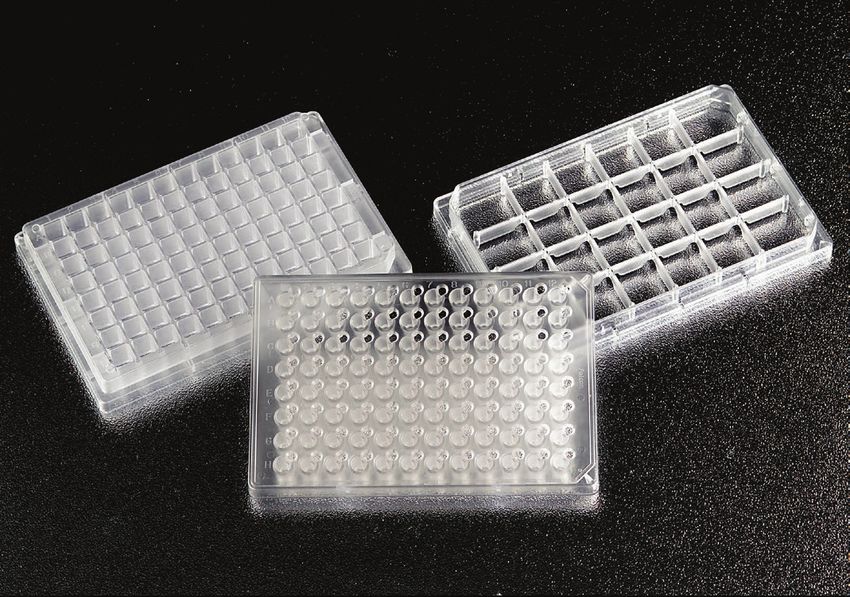
Corning Life Sciences   Falcon® Product Selection Guide
Information
  General

              2                           www.corning.com/lifesciences
Corning Life Sciences                                                                                 Falcon® Product Selection Guide

                                                                                                                                           Information
                                                                                                                                             General
                               Falcon® Brand Products
                               Known the world over for the popular “Falcon Tubes”, the Falcon brand has set the standard for high
                               quality disposable plasticware for more than 50 years. Falcon-branded liquid handling and cell culture
                               products are designed to advance research and are used in laboratories worldwide. Manufactured
                               from advanced bioanalytical-grade resins and extensively tested, Falcon plasticware ensures high
                               quality and consistent, reliable results.

                               Committed to delivering the right product at the right time
                               Corning Sales and Service Representatives are specialists who have the training and knowledge to
                               help you make the right purchasing decisions. You can be confident they’ll direct you to the products
                               that deliver the best value while meeting your research needs.

                               Our Sales Representatives work in close partnerships with our distributors to ensure the availability of
                               all of our products and to keep you up-to-date on new products and technologies. They stay in touch
                               with you and the changing requirements of your research.

                               Corning Scientific Support Representatives have laboratory experience and an in-depth understanding
                               of our products and their applications. Based on their experience, they provide expert assistance in
                               selecting the products that best meet the requirements of your research protocols.

                               Our Customer Service Representatives provide the information you need to place and process your
                               orders accurately and efficiently. They make sure you get the products you need, when and where you
                               need them, whether they are through one of our authorized distributors or directly through Corning.

                               Whether you need to place an order or have a special request or concern, depend on Corning Sales
                               and Service Representatives.

www.corning.com/lifesciences                                                                                                           3
Corning Life Sciences   Falcon® Product Selection Guide
Information
  General

              4                           www.corning.com/lifesciences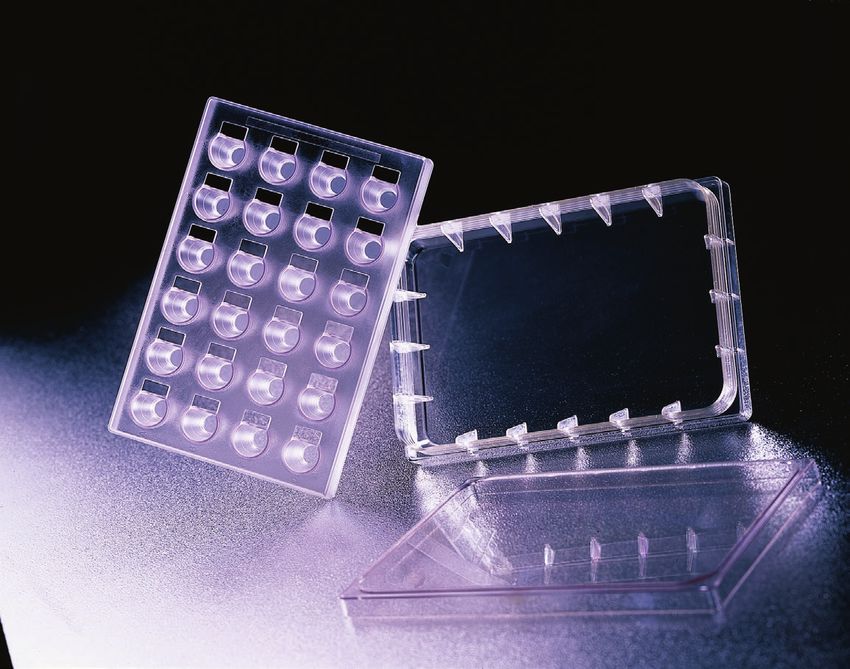
Corning Life Sciences                                                                                          Falcon® Product Selection Guide

                                                                                                                                                       Information
                                                                                                                                                         General
                               Our Commitment to Quality
                               All Falcon® products are manufactured per current Good Manufacturing Practices (cGMP) and ISO
                               9001 standard. The ISO certification verifies our facilities meet international quality system standards.
                               The quality system is routinely audited by a notified body to ensure a work environment that
                               consistently maintains the highest standards. ISO compliance gives our customers an added level of
                               assurance that Corning is committed to superior quality and continuous product improvement.

                               Copies of our ISO and quality certificates can be obtained by contacting Corning Scientific Support at
                               +1.978.442.2200 or e-mail ScientificSupport@corning.com.

                               Corning facilities and the products they manufacture
                               Durham, North Carolina
                               ISO 9001 and EN ISO 13485 certified and cGMP (21 CFR 820) compliant
                               ◗◗ Falcon flasks                                            ◗◗ Falcon multiwell plates
                               ◗◗ Falcon vented caps                                       ◗◗ Falcon assay plates
                               ◗◗ Falcon serological pipets                                ◗◗ Falcon bacteriological petri dishes
                               ◗◗ Falcon aspirating pipets                                 ◗◗ Falcon in vitro fertilization plasticware*
                               ◗◗ Falcon specimen containers                               ◗◗ Corning® Primaria™ flasks
                               ◗◗ Falcon cell strainers                                    ◗◗ Corning Primaria dishes
                               ◗◗ Falcon cell culture inserts                              ◗◗ Corning Primaria plates
                               ◗◗ Falcon cell culture dishes

                               Reynosa, Mexico
                               ISO 9001 and EN ISO 13485 certified and cGMP (21 CFR 820) compliant
                                ◗◗ Falcon conical tubes
                                ◗◗ Falcon round-bottom tubes

                               Warranty/Disclaimer: Unless otherwise specified, all products are for research use only. Not intended for use in
                               diagnostic or therapeutic procedures. Corning Life Sciences makes no claims regarding the performance of these
                               products for clinical or diagnostic applications.

                               *Falcon In Vitro Fertilization plasticware is CE marked in compliance with the European Medical Devices Directive
                                93/42/EEC as amended by 2007/47/EC. Falcon IVF plasticware cleared as US Class II medical devices by the FDA
                                per 21 CFR 884.

www.corning.com/lifesciences                                                                                                                       5
Corning Life Sciences   Falcon® Product Selection Guide
Information
  General

              6                           www.corning.com/lifesciences
Corning Life Sciences                                                                      Falcon® Product Selection Guide

                               Falcon® Cultureware

                               Table of Contents

                                                                                                                                                       Falcon® Cultureware
                               Cell Culture Flasks .  .  .  .  .  .  .  .  .  .  .  .  .  .  .  .  .  .  .  .  .  .  .  .  .  .  .  .  .  8
                                  Flasks  .  .  .  .  .  .  .  .  .  .  .  .  .  .  .  .  .  .  .  .  .  .  .  .  .  .  .  .  .  .  .  .  .  .  .  8
                                  Multi-Flasks  .  .  .  .  .  .  .  .  .  .  .  .  .  .  .  .  .  .  .  .  .  .  .  .  .  .  .  .  .  .  10
                                  Flask Caps .  .  .  .  .  .  .  .  .  .  .  .  .  .  .  .  .  .  .  .  .  .  .  .  .  .  .  .  .  .  .  . 12
                               CultureSlides .  .  .  .  .  .  .  .  .  .  .  .  .  .  .  .  .  .  .  .  .  .  .  .  .  .  .  .  .  .  .  13

                               Cell Culture Dishes .  .  .  .  .  .  .  .  .  .  .  .  .  .  .  .  .  .  .  .  .  .  .  .  .  .  .  . 14

                               Plates and Microplates .  .  .  .  .  .  .  .  .  .  .  .  .  .  .  .  .  .  .  .  .  .  .  .  .  16

                               Microplates .  .  .  .  .  .  .  .  .  .  .  .  .  .  .  .  .  .  .  .  .  .  .  .  .  .  .  .  .  .  .  .  18

                               Cell Scrapers .  .  .  .  .  .  .  .  .  .  .  .  .  .  .  .  .  .  .  .  .  .  .  .  .  .  .  .  .  .  .  . 19

                               In Vitro Fertilization Plasticware .  .  .  .  .  .  .  .  .  .  .  .  .  .  .  .  .  .  .  20

                               Corning® Primaria™ Cultureware  .  .  .  .  .  .  .  .  .  .  .  .  .  .  .  .  .  .  22

                               Cell Culture Inserts  .  .  .  .  .  .  .  .  .  .  .  .  .  .  .  .  .  .  .  .  .  .  .  .  .  .  .  24
                                  Inserts and Companion Plates . . . . . . . . . . . . . . . . . . . 24
                                  24 Multiwell Insert Systems .  .  .  .  .  .  .  .  .  .  .  .  .  .  .  .  .  .  .  .  28
                                  96 Multiwell Insert Systems .  .  .  .  .  .  .  .  .  .  .  .  .  .  .  .  .  .  .  .  30
                                  Corning FluoroBlok™ Cell Culture Inserts .  .  .  .  .  .  .  .  .  .  .  .  32
                                  Corning FluoroBlok 24 Multiwell Insert Systems .  .  .  .  .  .  .  34
                                  Corning FluoroBlok 96 Multiwell Insert Systems .  .  .  .  .  .  .  36
                               Laboratory Aids .  .  .  .  .  .  .  .  .  .  .  .  .  .  .  .  .  .  .  .  .  .  .  .  .  .  .  .  .  . 38
                                  Microplates Key Dimensions  .  .  .  .  .  .  .  .  .  .  .  .  .  .  .  .  .  .  .  . 38
                                  Working Volumes for Tissue Culture Vessels .  .  .  .  .  .  .  .  .  . 40
                                  Cell Record Worksheet .  .  .  .  .  .  .  .  .  .  .  .  .  .  .  .  .  .  .  .  .  .  .  . 41

                               Trust Falcon, the first name in cell culture
                               Falcon Cultureware was the first developed tissue culture-
                               treated plasticware that enabled scientists to grow cells in vitro.

www.corning.com/lifesciences                                                                                                                       7
Corning Life Sciences                                                                                      Falcon® Product Selection Guide

                      Falcon® Cell Culture Flasks
                      ◗◗ Vacuum-gas plasma tissue culture treatment provides
                          consistent cell attachment, spreading, and growth
                      ◗◗ Choose standard tissue culture, Corning® Primaria™, or not
                          tissue culture-treated polystyrene growth surfaces to meet
                          your individual cell culture requirements
                      ◗◗ Secure stacking provides stability from accidental tips or spills,
Falcon® Cultureware

                          and protection against contamination (canted neck flasks)
                      ◗◗ Sterilized by gamma irradiation

                      ◗◗ Nonpyrogenic tested to less than 0.1 EU/mL

                      ◗◗ Volumetric graduations and writing patch

                      ◗◗ Vented caps incorporate a 0.2 µm hydrophobic membrane for
                          optimal gas exchange while protecting against contamination
                      ◗◗ Growth area and volume are nominal

                                                                                              225 cm2 Flasks
                                                                                              ◗◗ Innovative shape permits access to all corners with a pipet
                                                                                                or scraper
                                                                                              ◗◗ Unique Locking Incubation Position prevents caps from
                                                                                                falling off or closing while in the open position
                                                                                              ◗◗ Plug Seal or vented cap available

                                                                                              ◗◗ Skirted, canted neck adds stability to neck area of flask

                                                                                              ◗◗ Large frosted writing area

                                                                                              ◗◗ Vertical graduations up to 400 mL

                                                                                              ◗◗ 100 mL maximum horizontal working volume line

                      Tissue culture-friendly packaging
                      ◗◗ Convenient reseal tab on the bag
                      ◗◗ Innovative bag materials that will not scuff or scratch the
                          flask’s optical surface
                      ◗◗ Double-wall bags provide increased sterility assurance

                      ◗◗ Medical-style, peel-open bags assure that flask sterility
                          is maintained
                      ◗◗ Recyclable bag material (low density polyethylene)

                      ◗◗ Knife not required for case opening

                                                                                              Low profile 150 cm2 Flasks
                                                                                              ◗◗ Low profile for efficient stacking and incubator utilization

                                                                                              ◗◗ Unique Locking Incubation Position prevents caps from
                                                                                                falling off or closing while in the open position
                                                                                              ◗◗ Precision engineered cap spins on quickly

                                                                                              ◗◗ Innovative shape permits access to all corners with a pipet
                                                                                                or cell scraper

                      8                                                                                                               www.corning.com/lifesciences
Corning Life Sciences                                                                      Falcon® Product Selection Guide

Falcon Cell Culture Flasks Ordering Information
Cat. No.                                     Surface              Neck Style   Cap Style           Qty/Pk          Qty/Cs

12.5 cm2
       Flask, 25 mL
353018                                    Standard TC*             Canted      Plug Seal             10              100
353107                                    Standard TC              Canted       Vented               10              100

25 cm2 Flask, 50 mL

                                                                                                                               Falcon® Cultureware
353014                                    Standard TC              Canted      Plug Seal             20              200
353108                                    Standard TC              Canted       Vented               20              100
353813                               Corning® Primaria™ TC         Canted      Plug Seal             20              200
353808                                Corning Primaria TC          Canted       Vented               20              100

25 cm2 Flask, 70 mL
353082                                     Standard TC             Canted      Plug Seal             20              200
353109                                     Standard TC             Canted       Vented               20              100
353009                                       Non-TC                Canted      Plug Seal             20              200

75 cm2 Flask, 250 mL
353024                                     Standard TC             Straight    Plug Seal             5               100
353110                                    Standard TC              Straight     Vented               5               100
353824                                 Corning Primaria TC         Straight    Plug Seal             5               100
353810                                 Corning Primaria TC         Straight     Vented               5               100
353135                                    Standard TC              Canted      Plug Seal             5                60
353136                                    Standard TC              Canted       Vented               5                60
353133                                       Non-TC                Canted      Plug Seal             5                60

150 cm2 Flask, 600 mL
355000                                     Standard TC             Canted      Plug Seal             5               40
355001                                     Standard TC             Canted       Vented               5               40

175 cm2 Flask, 750 mL
353028                                     Standard TC             Straight    Plug Seal             5               40
353112                                     Standard TC             Straight     Vented               5               40

225 cm2 Flask, 800 mL
353139                                     Standard TC             Canted      Plug Seal             5               30
353138                                     Standard TC             Canted       Vented               5               30

Falcon Cell Culture Multi-Flasks Ordering Information
Cat. No.                                     Surface              Neck Style   Cap Style           Qty/Pk          Qty/Cs

525 cm2 Multi-Flask 3-Layer, up to 50 mL per layer**
353143                                    Standard TC                 -         Vented               2               12

875 cm2Multi-Flask 5-Layer, up to 50 mL per layer**
353144                                   Standard TC                  -         Vented               1                8
*TC = Tissue Culture
** For more information on the Multi-Flasks, see page 10

  Tips
  ◗◗ Use Falcon non-Tissue Culture-treated cell culture flasks
     for suspension cultures.
  ◗◗ For enhanced cell performance, Corning® BioCoat™
     Flasks are available with pre-applied matrix proteins, and
     Corning PureCoat™ Flasks are available with synthetic
     coating (amine and carboxyl). For more information, visit
     www.corning.com/lifesciences.

www.corning.com/lifesciences                                                                                               9
Corning Life Sciences Falcon® Product Selection Guide
Falcon® Cell Culture Multi-Flasks
◗◗ Increase productivity by enabling to grow more cells faster and easier
◗◗ 3- or 5-layer formats provide 525 cm2 and 875 cm2 cell growth surface area, respectively
Features
Falcon® Cultureware
◗◗ Even distribution of media across all layers for homogeneous
cell growth
◗◗ Ability to mix cells and reagents in the Falcon Multi-Flask
saves time and reduces risk of contamination
◗◗ Flexible design allows to pour or aspirate/recover cells using
a pipet
◗◗ Consistent surface treatment for predictable scale-up
◗◗ Lot number printed on each flask for traceability
◗◗ Manufactured in compliance to cGMP standards
Designed to fit your protocol
Falcon Multi-Flasks offer the same footprint and the same
reagent volumes and cell seeding densities per unit area
as 175 cm² flasks. With the same proven surface treatment
as all other Falcon flasks, it simplifies scale up.
Improves cell culture productivity
Falcon Multi-Flasks deliver a thoughtful design that simplifies
cell culture workflow by eliminating multiple steps and reducing
the risk of contamination.
◗◗ Pipet access allows to aspirate to replenish media and recover
cells without pouring
◗◗ The mixing port enables rapid mixing inside the vessel and
allows to add cell suspension, transfection, or other reagents
directly to the flask. The port also enables uniform distribution
of media and cells to facilitate homogeneous cell growth on
all layers.
More consistent cell growth
Falcon Multi-Flasks’ even distribution of media, proven vacuum
gas-plasma tissue culture surface treatment, and effective
gas exchange all combine to provide an optimal cell culture
environment. The result is high cell yield and a homogeneous
cell population.
10 www.corning.com/lifesciencesCorning Life Sciences Falcon® Product Selection Guide
Predictable scale-up Consistent cell growth
350
Cell Yield (x 10 ; mean ± SD)
300
250
200
Falcon® Cultureware
6
150
100
50
0
Falcon T-175 Flask Falcon Multi-Flask Falcon Multi-Flask
(3-layer) (5-layer)
Top Middle
Cell Culture Vessel
Expected Yield Actual Yield
0.5
Cells per unit area (x 10 ; cells/cm )
2
0.4
6
0.3
0.2
0.1
Bottom T-175 (control)
This figure illustrates uniform cell growth between layers of Falcon
0.0
Multi-Flasks. BHK-21 cells grown to >80% confluence in 3-layer Falcon
BHK-21 LnCap Hep-G2 EcoPack 2-293 Multi-Flasks and control T-175 flasks were fixed and stained with crystal
Cell Line violet. Control flasks and individual layers of the Falcon Multi-Flasks were
cut and scanned.
T-175 Falcon Multi-Flask (3-layer) Falcon Multi-Flask (5-layer)
Three and five times the number of BHK-21 cells were grown and recov- Falcon Cell Culture Multi-Flasks Ordering Information
ered from 3- and 5-layer Falcon® Multi-Flasks compared to T-175 flasks.
Expected yield (left panel) was determined using mean cell yield from Cat. No. Description Surface Area (cm2) Cap Style Qty/Cs
control T-175 flasks multiplied by three and five times for the 3- and
Falcon Multi-Flasks
5-layer Falcon Multi-Flasks, respectively. Cell yield per cm2 (right panel)
was equivalent in 3- and 5-layer Multi-Flasks and T-175 flasks for BHK- 353143 3-Layer TC-treated 525 cm2 Vented 12
21, LnCap, Hep-G2 and EcoPack™2-293 cells. 353144 5-Layer TC-treated 875 cm2 Vented 8
250
Tips
200
◗◗ Contact your local Corning office for custom coating services.
Cell Yield (x 10 ± SD)
150
6
100
50
0
BHK-21 HUVEC-2 LnCap Hep-G2 EcoPack CHO-M1 MSC MSC
2-293 (+ Serum) (- Serum)
Cell Lines
Falcon T-175 Flask Falcon Multi-Flask (3-layer)
Compatible with your cell lines
Diverse cell lines and primary cultures (with and without serum) can be
grown and efficiently recovered from Falcon Multi-Flask cell culture ves-
sels. This graph illustrates the increased cell yield one can obtain from
Falcon Multi-Flasks as compared to control T-175 flasks for various cell
lines.
www.corning.com/lifesciences 11Corning Life Sciences Falcon® Product Selection Guide
Falcon® Flask Caps
A variety of caps to suit your cell culture requirements
Plug Seal caps
Falcon polyethylene plug seal caps provide a liquid-tight seal
when closed and an open-incubation position for reliable gas
exchange when partially opened. A reference bar on the outside
Falcon® Cultureware
of the cap is aligned with the “Falcon” on the flask for precise
open-incubation conditions.
Convenient vented caps
◗◗ Ensure consistent gas exchange and minimize contamination
◗◗ Polyethylene caps with an integral, hydrophobic 0.2 µm micro-
porous membrane filter vent allow consistent gas exchange
when the caps are in the closed position (see graph). Gases
required for cell growth and metabolism pass freely through
the vent while microorganisms cannot. Falcon vented caps will
not wet out.
◗◗ Vented caps minimize contamination associated with stan-
dard open incubation. The vented caps prevent media that can
become trapped in a partially opened cap from blocking gas
exchange. The caps will not fall off in the incubator because of
vibration.
Loose Plug-Seal Cap
8.0
Closed Vented Cap
Falcon Flask Caps Ordering Information 7.8
Cat. No. Description Qty/Cs 7.6
Vented Caps for Falcon Flasks 7.4
pH
354637 For use on 25 cm2 Flasks 100 7.2
354638 For use on 75 cm2 Flasks 100 7.0
354639 For use on 175 cm2 Flasks 50 6.8
6.6
0
15 30 45 60 90 120 150 180
Time (minutes)
pH equilibration using vented caps after flasks are placed in an incubator
(175 cm2 Flasks, 5% CO2 incubator)
Tips
◗◗ Corrugated cardboard boxes are a source of particulates
and associated microbial contamination and should not be
kept in the tissue culture area. Corning Life Sciences has
eliminated corrugated trays from most cases to reduce
package waste. You can further reduce contamination due
to corrugate by wiping the outside of any package or bag
with alcohol or an appropriate disinfectant before putting
it under the hood.
12 www.corning.com/lifesciencesCorning Life Sciences Falcon® Product Selection Guide
Falcon® CultureSlides
◗◗ Safe and easy chamber removal for microscopic analysis
◗◗ Innovative sealing design
Falcon CultureSlides for in situ analysis
Falcon CultureSlides allow you to culture cells and then analyze
Falcon® Cultureware
them on a glass microscope slide. Cells are grown in a plastic
chamber affixed to a specially prepared glass microscope slide.
Cells can be fixed and stained in place without disruption of the
cell monolayer. The chamber is easily and safely removed with
an easy-to-use, disposable Safety Removal Tool.
Designed for consistent cell culture results
◗◗ Specially cleaned and triple-rinsed glass slides
◗◗ Performance validated with HEp-2 and BAE cells
◗◗ Tested for 72-hour confluency with MRC-5 and BAE cells
Features Simple Vessel Removal for Microscopic Analysis
A simple Safety Removal Tool lifts the plastic vessel off the glass slide.
◗◗ 1.2 mm beveled-edge slide, 25 mm x 75 mm, soda-lime glass The adhesive gasket remains with the vessel, not on the slide, facilitating
further processing or placement of coverslips.
◗◗ Pressure-sensitive, biocompatible, non-migrating,
acrylic‑adhesive gasket
◗◗ Blue hydrophobic border defines cell culture areas
◗◗ Polystyrene vessel, lid, and tool
◗◗ Supplied with disposable Safety Removal Tool
◗◗ Wells numbered for easy identification
◗◗ Sterile
◗◗ Trays designed for use in incubator Photograph of primary bovine aortic endothelial cells grown on Falcon
CultureSlides and stained with crystal violet. The blue hydrophobic
◗◗ Shelf life specified on each package grid defines the cell culture area. A white writing patch provides clear
sample identification. Well location numbers etched in the grid are
Partial list of cells cultured on Falcon CultureSlides clearly visible.
◗◗ Glioblastoma
◗◗ NLBT-2 line
Falcon CultureSlides Ordering Information
◗◗ HEp-2 cells Total Volume Working Volume Qty/ Qty/
Cat. No. Description per Well (mL) per Well (mL) Pk Cs
◗◗ MRC-5 cells
4 well
◗◗ Fibroblasts: human foreskin
354104 1.7 cm2 1.5-1.7 0.7-1.25 12 96
◗◗ E6 cells infected with HSV, CMV 354114 1.7 cm2 1.5-1.7 0.7-1.25 12 24
◗◗ FS cells infected with HSV, CMV 8 well
354108 0.7 cm2 0.7-0.75 0.3-0.5 12 96
◗◗ Primary rat skeletal muscle (with Corning® Matrigel® Matrix)
354118 0.7 cm2 0.7-0.75 0.3-0.5 12 24
◗◗ Primary ventral spinal cord (with PDL/Laminin)
◗◗ Primary neurons (with Fibronectin, Laminin, Polyornithine,
ECM Fragments)
Tips
◗◗ Primary bovine aortic endothelium (Fibronectin)
◗◗ For enhanced cell performance, Corning BioCoat™
◗◗ PC-12 cells (Polyornithine/Laminin; PDL/Laminin)
CultureSlides are available with pre-applied matrix proteins.
◗◗ Primary SC6 rat cells (Collagen) For more information, visit www.corning.com/lifesciences
◗◗ Glial cells (Tenascin)
www.corning.com/lifesciences 13Corning Life Sciences Falcon® Product Selection Guide
Falcon® Cell Culture Dishes
◗◗ Flat, optically clear polystyrene surfaces for distortion-free
microscopic visualization of cells
◗◗ Uniform surface chemistry created by vacuum-gas plasma
treatment promotes cell attachment
◗◗ Improved handling of small dishes with the unique
Easy-Grip design
Falcon® Cultureware
◗◗ Nonpyrogenic
◗◗ Sterilized by gamma irradiation
◗◗ Packaged in peel-open, medical-style bags
◗◗ Crystal-grade virgin polystyrene
◗◗ Standard Tissue Culture (TC), Corning® Primaria™ surface
treatment and non-TC-treated polystyrene available
Designed for cell culture
◗◗ Flat, distortion-free optics
◗◗ Lids designed for optimal gas exchange
◗◗ Stacking rings allow for easier stacking and handling
◗◗ Vacuum-gas plasma treatment permanently and consistently
modifies the cell growth surface
◗◗ Standard tissue culture surface is hydrophilic and contains a
variety of negatively charged functional groups that support
cell attachment and spreading
◗◗ Corning Primaria tissue culture surface additionally incorpo-
rates nitrogen-containing functional groups and has been
shown to support improved attachment, spreading, and differ-
entiation of some cell types
Cell performance tests ensure consistent results
A sensitive clonogenic assay1 using MRC-5 cells, a diploid human Falcon Easy-Grip Dishes Tissue Culture Process Validation
The unique design and frosted Each Falcon tissue culture product
fibroblast line, is used to validate the manufacturing process for
rim improve the handling of small is developed using a sensitive
each Falcon tissue culture product. Routine testing of standard dishes. The ability to pick up a clonogenic assay1. Shown here is
tissue culture products is performed by testing growth to small dish conveniently without a 35 mm dish with MRC-5 cells
confluency at 72 hours with MRC-5 cells. The surface chemistry accidentally removing the lid stained with crystal violet.
allows you to work faster and
of each lot of Corning Primaria products is confirmed by Electron improves aseptic manipulation.
Scanning for Chemical Analysis (ESCA).
Reference
1. Freshney, R.I., Culture of animal cells: a manual of basic technique,
2d ed., Wiley-Liss, London, p. 83 (1987).
14 www.corning.com/lifesciencesCorning Life Sciences Falcon® Product Selection Guide
Falcon Cell Culture Dishes Ordering Information
Falcon® Cultureware
Actual Actual Working
Cat. No. Coating Dimensions (mm) Growth Area (cm2) Volume (mL) Qty/Pk Qty/Cs
35 x 10 mm Easy-Grip
353001 Standard TC* 40.28 O.D. x 6.17 11.78 2.5-3.0 20 500
353801 Corning Primaria TC 40.28 O.D. x 6.17 11.78 2.5-3.0 20 200
60 x 15 mm Standard**
353002 Standard TC 54.81 O.D. x 13.26 21.29 6.0-7.0 20 500
353802 Corning Primaria TC 54.81 O.D. x 13.26 21.29 6.0-7.0 20 200
60 x 15 mm Easy-Grip
353004 Standard TC 52.10 O.D. x 13.13 19.5 6.0-7.0 20 500
100 x 20 mm Standard
353003 Standard TC 89.43 O.D. x 19.18 58.95 16.0-17.5 20 200
353803 Corning Primaria TC 89.43 O.D. x 19.18 58.95 16.0-17.5 20 200
150 x 25 mm Gridded (20 mm grid molded in base)
353025 Standard TC 142.57 x 24.77 156.36 45.0-50.0 10 100
60 x 15 mm Center-Well Organ Culture**
353037 Standard TC 54.84 O.D. x 13.56 2.89 - 20 500
* TC = Tissue Culture
** For qualified In Vitro Fertilization Dishes, see page 20
Related Products
Tips
◗◗ Corning Primaria Cultureware . . . . . . . . . . . . . . . . . . . . 22
◗◗ If you work with 35 mm or 60 mm dishes, try our Falcon
◗◗ Falcon IVF Products . . . . . . . . . . . . . . . . . . . . . . . . . . 20 Easy-Grip Dishes.
◗◗ Non-Tissue Culture-treated Dishes ◗◗ Corning Life Sciences offers dishes for in vitro fertilization
(bacteriological grade) . . . . . . . . . . . . . . . . . . . . . . . . . 44 that are certified nonembryotoxic. Certification is based
on a statistically relevant sample taken from each lot that
is tested for embryotoxicity. See page 20 for additional
information.
◗◗ Not treated polystyrene products are equivalent to
bacteriological-grade polystyrene products.
◗◗ For enhanced cell performance, Corning BioCoat™ Dishes
are available with pre-applied matrix proteins and Corning
PureCoat™ Dishes are available with synthetic coating. For
more information, visit www.corning.com/lifesciences.
www.corning.com/lifesciences 15Corning Life Sciences Falcon® Product Selection Guide
Falcon® Plates
◗◗ Unique labyrinth lid, condensation rings, and deep-well design
control contamination, reduce evaporation, and
minimize edge effects
◗◗ Reliable vacuum-gas plasma tissue culture treatment
provides well-to-well and plate-to-plate consistency
Falcon® Cultureware
Reliable growth surfaces assure consistent
cell performance
All tissue culture treatments render polystyrene hydrophilic
and result in the incorporation of a variety of anionic functional
groups that support cell culture. To ensure reproducible results
and conditions, all Falcon tissue culture treatment is performed
in a vacuum chamber.
Corning® Primaria™ tissue culture treatment additionally incor-
porates nitrogen-containing functional groups that have been
shown to improve attachment and spreading of some cell types.
Falcon Non-Tissue Culture-treated plates have a more hydropho-
bic surface and show reduced cell attachment.
Cell tests ensure consistent results 4
A sensitive clonogenic assay1 using MRC-5 cells, a diploid human
fibroblast line, is used to validate the manufacturing process 3
for each Falcon and Tissue Culture (TC) product. Routine test-
ing of standard TC products is performed by testing growth to 2
5
confluency at 72 hours with MRC-5 cells. The surface chemistry
of each lot of Corning Primaria products is confirmed by Electron
Scanning for Chemical Analysis (ESCA).
6
Reference 1
1. Freshney, R.I., Culture of animal cells: a manual of basic technique,
2d ed., Wiley-Liss, London, p. 83 (1987). 7
1. Alphanumeric well 5. Deep wells
identification 6. Serrated gripping panels
2. One-way lid 7. Writing patch
3. Condensation rings
4. Low-evaporation
labyrinth lid
Low-Evaporation Lid
An innovative labyrinth air-passage system provides a tortuous path for
gas exchange across Falcon plates. This unique feature reduces evapora-
tion and minimizes contamination.
16 www.corning.com/lifesciencesCorning Life Sciences Falcon® Product Selection Guide
Falcon® Plates and Microplates
◗◗ Versatility of plate colors to suit various detection methods Applications
◗◗ Crystal-grade virgin polystyrene ◗◗ Ion channel/Calcium flux (FLIPR)
◗◗ Sterilized by gamma irradiation ◗◗ GPCR (Act/Inact)
◗◗ Nonpyrogenic ◗◗ Cell cytoxicity
◗◗ Non-treated polystyrene, standard tissue culture (TC), and ◗◗ Cell proliferation
Falcon® Cultureware
Corning® Primaria™ surface treatments available
◗◗ Cell adhesion
◗◗ Convenient, peel-open medical-style packaging for individual
◗◗ Differentiation (primary cells)
product presentation
◗◗ Cell migration
◗◗ Individual and Ready-Stack (RS) trays are PET (Code 1) and recyclable
◗◗ Reporter gene
◗◗ Falcon 96, 384, and 1536 well microplates are compatible with automation
systems and meet standard ANSI/SBS footprint dimensions for microplates ◗◗ Neurite outgrowth
◗◗ Growth area and volume are nominal - See page 40 for more details
Falcon Plates and Microplates Ordering Information
Cat. No. Surface Growth Area (cm2) Well Volume (mL) Qty/Pk Qty/Cs
6 well plates, flat-bottom with lid
353046 Standard TC* 9.6 15.5 1/tray 50
353224 Standard TC 9.6 15.5 6/bag 36
353934 Standard TC 9.6 15.5 10/RS tray 60
353846 Corning Primaria TC 9.6 15.5 1/tray 50
351146 Non-TC-treated 9.6 15.5 1/tray 50
12 well plates, flat-bottom with lid
353043 Standard TC 3.8 6.0 1/tray 50
353225 Standard TC 3.8 6.0 6/bag 36
351143 Non-TC-treated 3.8 6.0 1/tray 50
24 well plates, flat-bottom with lid
353047 Standard TC 2.0 3.5 1/tray 50
353226 Standard TC 2.0 3.5 6/bag 36
353935 Standard TC 2.0 3.5 10/RS tray 60
353847 Corning Primaria TC 2.0 3.5 1/tray 50
351147 Non-TC-treated 2.0 3.5 1/tray 50
48 well plates, flat-bottom with lid
353078 Standard TC 0.75 1.4 1/tray 50
353230 Standard TC 0.75 1.4 6/bag 36
351178 Non-TC-treated 0.75 1.4 1/tray 50
96 well microplates, flat-bottom with lid
353072 Standard TC, clear 0.32 0.37 1/tray 50
353075 Standard TC, clear 0.32 0.37 5/bag 50
353936 Standard TC, clear 0.32 0.37 14/RS tray 84
353916 Standard TC, clear 0.32 0.37 25/bag 100
353296 Standard TC, white 0.32 0.37 5/bag 100
353376 Standard TC, black 0.32 0.37 8/bag 32
353377 Standard TC, white/clear 0.32 0.37 8/bag 32
353219 Standard TC, black/clear 0.32 0.37 8/bag 32
353872 Corning Primaria TC 0.32 0.37 1/tray 50
351172 Non-TC-treated 0.32 0.37 1/tray 50
96 well microplates, U-bottom with lid (except as indicated)
353077 Standard TC 0.36 0.32 1/tray 50
353227 Standard TC 0.36 0.32 5/bag 50
351177 Non-TC-treated 0.36 0.32 1/tray 50
353910 Non-TC-treated, no lid, non-sterile 0.36 0.32 5/bag 50
For 96 well microplate dimensions, please see page 38
www.corning.com/lifesciences 17Corning Life Sciences Falcon® Product Selection Guide
Falcon® Microplates
◗◗ Ideal for use in high throughput systems
◗◗ Falcon 384 and 1536 well microplates are compatible with
automation systems and meet standard ANSI/SBS footprint
dimensions for microplates
Falcon® Cultureware
Falcon Microplates Ordering Information
Cat. No. Description Qty/Pkg Qty/Cs
384 well microplates, flat-bottom with lid (except as indicated)
Growth Area: 10 mm2, small volume: 2,7 mm2
Well Volume: 130 μL, small volume: 28 μL
353961 Standard TC, clear 5/bag 50
353988 Standard TC, white 5/bag 50
353380 Standard TC, white, 10/bag 80
small volume, no lid
353378 Standard TC, black 5/bag 50
353379 Standard TC, black, 10/bag 80
small volume, no lid
353963 Standard TC, white/clear 5/bag 50
353962 Standard TC, black/clear 5/bag 50
1536 well microplates, flat-bottom, no lid
Growth Area: 2,3 mm2
Well Volume: 12,6 μL
353381 Standard TC, white, 15/bag 60
high-base
353382 Standard TC, black, 15/bag 60
high-base
353384 Standard TC, white/clear, 15/bag 60
high-base
Tips
353386 Standard TC, white/clear, 15/bag 60 ◗◗ Contact your materials management department to find
low-base out about PET recycling in your community.
353383 Standard TC, black/clear, 15/bag 60
high-base ◗◗ For information on bar coding services, contact your local
353385 Standard TC, black/clear, 15/bag 60 Corning office or visit www.corning.com/lifesciences.
low-base
Low-evaporation lids
353836 4 mm ultra-low profile polystyrene 5/bag 100
for 96, 384, 384 small volume, and
1536 well microplates, sterile
353958 6 mm polystyrene, for 96 and 5/bag 100
384 well microplates, non-sterile
For microplate dimensions, please see page 38
18 www.corning.com/lifesciencesCorning Life Sciences Falcon® Product Selection Guide
Falcon® Cell Scrapers
◗◗ The improved Falcon Cell Scrapers have been thoughtfully ◗◗ Highly compliant thermoplastic elastomer (TPE) blade pivots to
designed to provide maximum accessibility to the growth sur- provide multiple angles to remove cells from the entire growth
faces in a variety of culture vessels surface
◗◗ Cross-ribbed polystyrene handle provides greater rigidity to ◗◗ Available in four sizes—choose the blade and handle length to
ensure better control while scraping cells best accommodate your needs
◗◗ Flexibility of the joint between the blade and handle improves ◗◗ Supplied individually in peel-open, medical-style packaging for
Falcon® Cultureware
ease of access into the neck of a flask or roller bottle sterile presentation
Unique blade design transfers
scraping force to the blade edge,
allowing it to conform to the
scraping surface.
The improved Falcon Cell Scraper (Cat. No. 353089) has a larger blade to - Larger handle diameter for “Barbs” ensure blade remains
increase cell scraping efficiency in both Falcon Dishes and 75 cm2 Flasks. better gripping. attached to handle.
- Sharper scraping edge
- More compliant blade material
Resultant Bending Force* Falcon Cell Scrapers Ordering Information
Previous vs. Improved Falcon Cell Scrapers Cat. No. Description Qty/Pk Qty/Cs
16
1.8 cm TPE Blade
14 353085 18 cm polystyrene handle 1 100
Previous for use with Falcon 25 cm2 Flasks
12
Improved 353086 25 cm polystyrene handle for use with 1 100
Force (lbs.)
10 Falcon 75 cm2 Flasks
8 3.0 cm TPE Blade
353089 25 cm polystyrene handle for use with 1 100
6
Falcon Dishes and 75 cm2 Flasks
4 353087 40 cm polystyrene handle for use with 1 100
2 large Falcon Flasks
0
0.025 0.050 0.075 0.100 0.125 0.150 0.175 0.200
Deflection (inches)
Force required to deflect a simply supported 5” portion of the handle 2.5”
distal to the handle section: resultant = (‘X’ force) (‘Y’ force)
www.corning.com/lifesciences 19Corning Life Sciences Falcon® Product Selection Guide
Falcon® In Vitro Fertilization Plasticware
◗◗ Qualified plasticware for in vitro fertilization (IVF) and assisted reproduction techniques
◗◗ US Food and Drug Administration (FDA) cleared Class II medical device
◗◗ Manufactured in accordance with FDA Quality System Regulation 21 CFR Part 820 (cGMP)
◗◗ CE marked in compliance with the European Medical Devices Directive 93/42/EEC
◗◗ Manufactured under EN ISO 9001 and EN ISO 13485 quality standards
Falcon® Cultureware
Qualified Falcon IVF products Features
Falcon In Vitro Fertilization (IVF) products are the first plastic- ◗◗ Nonembryotoxic
ware available that is certified sterile, nonpyrogenic and nonem- ◗◗ Nonpyrogenic tested to less than 0.1 EU/mL or 5 EU/device
bryotoxic. These qualified products save you time and expense in
complying with the College of American Pathologists (CAP) and ◗◗ Tissue Culture-treated for a consistent hydrophilic surface
American Fertility Society (AFS) recommended standards for IVF ◗◗ IVF Low Wall Dish for ICSI procedure specifically are
labs. IVF Products are classified by the US FDA as Class II medi- non-TC-treated for facilitated media droplet creation
cal devices per the 21 CFR Part 884. These devices are classified ◗◗ Sterilized by gamma irradiation to a Sterility Assurance Level
as Medical Devices Class IIa according to the Medical Devices (SAL) of 10-6
Directives 93/42/EEC.
◗◗ Packaged in peel-open, medical-style packaging
◗◗ Multi-unit bags have reseal tabs
20 www.corning.com/lifesciencesCorning Life Sciences Falcon® Product Selection Guide
Mouse embryo testing Falcon In Vitro Fertilization Plasticware
Each lot of Falcon IVF product is tested for embryotoxicity using Ordering Information
the 1-cell mouse embryo assay. Mouse embryos are isolated at Cat. No. Description Qty/Pk Qty/Cs
the 1-cell stage from B6C3F1 females following super ovulation Low-Wall Dish, 50 x 9 mm
with gonadotropin and mating with B6D2F1 males. Falcon IVF 353655 Well Area: 18.3 cm2
Falcon® Cultureware
products are tested using both a direct and indirect test method. Height: 8.6 mm 4 100
In the direct assay, the embryos are cultured directly in the IVF IVF Round Dish, 60 x 15 mm
353652 Well Area: 21.29 cm2
labware. For the indirect assay, culture media is incubated in Well Vol.: 23.0 mL 20 500
the IVF labware for 24 hours at 37°C. The incubated media is
IVF One Well Dish, 60 x 15 mm
then transferred to a culture plate and the 1-cell mouse embryo 353653 Well Area: 2.45 cm2
assay is performed. Products are deemed nonembryotoxic if they Well Vol.: 2.5 mL
support the growth of more than 75 percent of the embryos to Total Vol.: 20 mL 20 500
the expanded and/or hatched blastocyst stage. IVF Four well Plate, 17 x 11 mm
353654 Well Area: 1.39 cm2
In conjunction with embryologists, Corning designed an innova- Well Vol.: 1.8 mL 1 100
tive 4 well plate to improve manipulation of ova and embryos. Note: The lids of the Falcon IVF Products are not certified nonembryotoxic
A unique lid reduces the risk of contamination and minimizes
evaporation by providing access to two wells at a time, while
two remain covered. The wells are numbered and a large writing
patch allows clear sample identification. Plates are packaged in
individual peel-open trays for sterile presentation.
Individual certificates, containing actual test results, are
Falcon IVF dishes and 4 well plates are manufactured from virgin available for each lot by contacting Technical Support or
crystalline polystyrene tested for USP Class VI cytotoxicity. They visiting www.corning.com/lifesciences after you receive
have flat, optically clear surfaces for optimum manipulation and your order.
observation of ova and embryos. Lids were designed for aseptic
manipulation and consistent venting to maintain humidification
(except for the low wall dish designed with a tight fit lid).
Falcon Low Wall Dish
Non-Tissue Culture-treated Falcon Low Wall Dish can be utilized
in the ICSI (IntraCytoplasmic Sperm Injection) procedure.
This 50 mm dish has many of the same features as the other
IVF products except the dish is non-Tissue Culture-treated (non-
wettable) for optimal media droplet consistency.
This specific Falcon dish is also a low wall dish making the micro-
manipulations of the procedure performed easier. This product is
packaged in individually sealed blister compartments so one dish
can be accessed at a time and the remaining ones can be kept
protected. Procedures requiring long term incubation are not
recommended in the Falcon IVF Low Wall Dish due to the tight
lid fit which results in low gas exchange rates.
Intended Use:
Falcon IVF devices (353652, 353653, 353654 and 353655) are
sterile, nonpyrogenic, embryotoxicity tested, single-use plastic-
ware intended to prepare, store, manipulate or transfer human
gametes or embryos for in vitro fertilization or other assisted
reproduction procedures.
www.corning.com/lifesciences 21Corning Life Sciences Falcon® Product Selection Guide
Corning® Primaria™ Cultureware
◗◗ Unique nitrogen-containing tissue culture surface chemistry The incorporation of nitrogen-containing cations has been cor-
◗◗ Improves attachment, spreading, and growth for many
related to attachment and spreading of primary endothelial cells
primary cells or cell lines in a clonal cell-growth assay4. The complex surface on Corning
Primaria Cultureware is homogeneous and stable and has been
◗◗ Crystal-grade polystyrene modified by proprietary vacuum- in use by researchers for over two decades to improve attach-
gas plasma treatment process ment and differentiation of a variety of cell types. For example,
Falcon® Cultureware
◗◗ Stable, permanent surface modification cell biologists have used Corning Primaria for cultivating hepato-
◗◗ Optically clear
cytes5,6, neuronal cells7, and other endothelial cells8.
◗◗ No special storage required The surface chemistry of Corning Primaria products is confirmed
◗◗ Samples from each lot of Corning Primaria products are by Electron Scanning for Chemical Analysis (ESCA).
analyzed by Electron Scanning for Chemical Analysis (ESCA)
◗◗ Packaged in red color-coded, peel-open, medical-style packages
◗◗ Sterilized by gamma irradiation
◗◗ Nonpyrogenic tested to less than 0.1 EU/mL
Traditional Tissue Culture
Surface Chemistry
Unique surface chemistry for enhanced cell culture
Consistent cell culture conditions are required for reproducible
research results. In the manufacture of all cell cultureware
surfaces, hydrophobic polystyrene is permanently rendered
Corning Primaria
hydrophilic to support cell attachment and spreading1,2,3. The Surface Chemistry
consistency of this surface depends on the treatment method
used.
Note: At pH 7, carboxy groups may be slightly dissociated and assume
a negative (anionic) charge. Amine groups may protonate and assume a
Many manufacturers have long used atmospheric plasma positive charge (cationic).
treatments (i.e., corona) to create hydrophilic surfaces. In corona
treatment, a high-voltage discharge creates a reactive gas
A partial list of cell types cultured on
plasma above the growth surface of the vessel. In this process,
Corning Primaria Cultureware
the highly interactive gas plasma mixture is created from ambi-
ent air. The consistency of the treatment surface can, therefore, ◗◗ Hepatocytes5,6,9,18 ◗◗ Primary SMC14 and Skeletal
be compromised by day-to-day environmental changes. ◗◗ Transfected COS-710
Muscle Cells16
◗◗ Osteoblasts17
At Corning Life Sciences, molded polystyrene vessels are placed ◗◗ Transfected HEK-29312
in a chamber where a partial vacuum is created. A vacuum-gas ◗◗ Neuronal Cells7
◗◗ CHO13
plasma treatment is fed into the chamber to create a number ◗◗ Endothelial Cells8
◗◗ Primary Cardiac Myocytes15
of negatively charged functional groups on the surface of the
polystyrene vessels. The enclosed, highly controlled environment
prevents contamination from the ambient air, ensuring a pure
and consistent treatment surface.
A major research investment resulted in the development of
this unique vacuum-gas plasma process used to produce both
Corning Primaria and traditional tissue culture (TC) surfaces
on Falcon® Dishes, Flasks, and Plates. The gases used to manu-
facture Corning Primaria contain both oxygen and ammonia,
resulting in the incorporation in the surface of a variety of
nitrogen-containing functional groups in addition to the nega-
tively charged oxygen-containing groups found on traditional TC
surfaces.
22 www.corning.com/lifesciencesCorning Life Sciences Falcon® Product Selection Guide
Corning® Primaria™ Cultureware Ordering Information
Actual Actual Growth Working Qty/ Qty/
Cat. No. Dimensions (mm) Area (cm2) Volume (mL) Pk Cs
Dishes
35 x 10 mm Easy-Grip
Falcon® Cultureware
353801 40.28 O.D. x 6.17 11.78 2.5-3.0 20 200
60 x 15 mm Standard
353802 54.81 O.D. x 13.26 21.29 6.0-7.0 20 200
100 x 20 mm Standard
353803 89.43 O.D. x 19.18 58.95 16.0-17.5 20 200
Growth Total Qty/ Qty/ KU19-19
Cat. No. Description Area (cm2) Volume (mL) Pk Cs
Flasks
25 cm2 with canted neck
353813 Plug Seal Caps 25 50 20 200
353808 Vented Caps 25 50 20 100
75 cm2 with straight neck
353824 Plug Seal Caps 75 250 5 100
353810 Vented Caps 75 250 5 100
Growth Working Qty/ Qty/
Cat. No. Area (cm2) Volume (mL) Pk Cs
Plates
6 well Plate with lid NHUC
353846 9.6 15.5 1 50
24 well Plate with lid Epithelial bladder cancer cells (KU19-19), and normal human urothe-
353847 2.0 3.5 1 50 lial cells (NHUC) cultured for 4 days on Corning Primaria 6 well plates
(353846). Magnification 100 X. Micrographs courtesy of Cancer Research
96 well Microplate with lid, flat-bottom UK laboratories at St James University Hospital, Leeds.
353872 0.32 0.37 1 50
References
1. Ertel, S., et al., Endothelial cell growth on oxygen-containing films 10. Eisenhaure, T., et al., The Rho Guanine Nucleotide Exchange Factor
deposited by the radio-frequency plasmas: the role of surface Lsc Homo-oligomerizes and is Negatively Regulated through
carbonyl groups. Biomater. Sci.: Polym. Ed. 3:163 (1991). Domains in its Carboxyl Terminus That Are Absent in novel Splenic
2. Curtis, A.S.G., et al., Substrate hydroxylation and cell adhesion. Isoforms, J. Biol. Chem. 278:(33):30975(2003).
J. Cell Sci. 86:9 (1986). 11. Nau, G., et al., Human macrophage activation programs induced by
3. Ramsey, W.S., et al., Surface treatments and cell attachment. bacterial pathogenes. PNAS 99:1503(2002).
In Vitro 20:802 (1984). 12. Hearn, M., et al., A Drosophila dopamine 2-like receptor: Molecular
4. Chilkoti, A., et al., Investigating the relationship between surface characterization and identification of multiple alternatively spliced
chemistry and endothelial cell growth: partial least-squares regres- variants. PNAS 99:14554(2002).
sion of the static secondary ion mass spectra of oxygen-containing 13. Ludeman M.J., et al., Regulated Shedding of PAR1-N teminal
plasma-deposited films. Analytical Chemistry 67:2883 (1995). Exodomain from Endothelial Cells. J. Biol. Chem.
5. Boisclair, Y.R., et al., Role of the Supressor of Cytokine Signaling-3 in 279(18):18592(2004).
the Mediating the Inhibitory Effects of Interleukin-1b on the Growth 14. Zhuang D., et al., Nitric Oxide attenuates insulin-or IGF-1 stimulated
Hormone-dependent Transcription of the Acid-labile Subunit Gene aortic smooth muscle cell motility by decreasing H202 levels:
in Liver Cells. J. Biol. Chem. 275(6):3841 (2000). essential role of cGMP. Am. J. Physiol. Heart. Circ. 286:H2103(2004).
6. Braun, J.R., et al., The Major Subunit of the Asialoglycoprotein 15. Doi K., et al., Clinical characteristics relevant to myocardial cell
Receptor Is Expressed on the Hepatocellular Surface in Mice Lacking apoptosis: analysis of pericardial fluid. Interactive Cardiovascular
the Minor Receptor Subunit. J.Biol.Chem. 271(35):21160 (1996). and Thoracic Surgery 3:359(2004).
7. Holgado-Madruga, M., et al., Grb2-associated binder-1 mediates 16. Rieusset J. et al., Supressor of Cytokine Signaling 3 Expression and
phosphatidylinositol 3-kinase activation and the promotion of cell Insulin Resistance in Skeletal Muscle of Obese and Type 2 Diabetic
survival by nerve growth factor. PNAS USA 94:12419 (1997). Patients. Diabetes 53:2232(2004).
8. Silverman, D.J., et al., Primary isolation of human umbilical vein 17. Blaszcyk N. et al., Osteoblast-Derived Factors Induce Androgen-
endothelial cells on a surface-modified tissue culture dish. Indepent Profileration and Expression of Prostate-Specific
BDL Monograph (1986). Antigen in Human Prostate Cancer Cells. Clinical Cancer Research
9. Pawar, A., et al., Unsaturated Fatty Acid Regulation of Peroxisome 10:1860(2004).
Proliferator-activated Receptor Activity in Rat Primary Hepatocytes, 18. Barrera A. et al., Mapping of the Hepatitis B Virus Pre-S1 Domain
J. Biol. Chem. 278:(38):35931(2003). Involved in Receptor Recognition, J. Virology 79(15):(2005).
www.corning.com/lifesciences 23Corning Life Sciences Falcon® Product Selection Guide
Falcon® Cell Culture Inserts and Companion Plates
Falcon Cell Culture Inserts permit the diffusion of media components to both apical and
basolateral cell surfaces, mimicking the in vivo process
Falcon® Cultureware
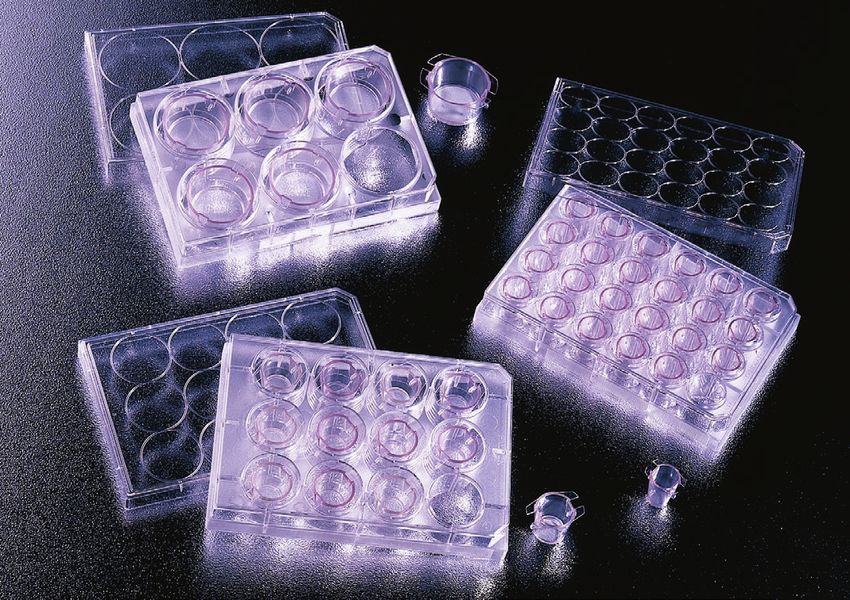
Falcon Cell Culture Inserts are avail-
able in convenient 6, 12, and 24 well
sizes. Packed in individual blister-
packs, Falcon Cell Culture Inserts give
you the flexiblity to run from 1 to 24
samples at one time.
Cell culture on microporous membranes Typical applications for Falcon Cell Culture Inserts
Cell culture systems containing microporous, permeable ◗◗ Endothelial models for studies of cell-cell interaction, adhe-
membranes have been shown to promote differentiation of a sion, angiogenesis, matrix formation, cell-ECM interaction,
variety of epithelial and mesenchymal cells in vitro. Because of metastasis, inflammation, and invasion
the bilateral access to nutrients, cytokines, hormones and other ◗◗ Respiratory epithelium culture for pharmacology, toxicology,
media supplements, cells cultured on permeable supports show cystic fibrosis research, and microbial pathogenesis
a higher degree of morphological and functional differentiation
when compared to cells cultured on non-permeable plastic ◗◗ Renal tubule cell culture for in vitro toxicology and
surfaces. Falcon Cell Culture Inserts have been successfully pharmacology
used for a variety of applications, including transport, diffusion, ◗◗ Normal Human Epidermal Keratinocyte in vitro toxicology
secretion, permeability, and drug uptake studies of natural and models
synthetic compounds; analysis of cellular uptake of pathogens; ◗◗ Epithelial polarity studies on MDCK, LLPCK, and other cell types
in vitro toxicology studies using a variety of cells; analysis of
cellular migration and invasion of normal and malignant cells; ◗◗ Hepatocyte culture for drug toxicity and biotransformation
co-culture studies and air-liquid interface models. Independent studies
access to the apical and basolateral domains of polarized cells ◗◗ Culture of intestinal epithelial cells for drug bioavailability
permits the study of protein sorting, receptor localization and studies
microbid pathogenesis.
24 www.corning.com/lifesciencesCorning Life Sciences Falcon® Product Selection Guide
Falcon Cell Culture Inserts contain polyethylene terephthal- Falcon Cell Culture Inserts
ate (PET) membranes, which are available in a wide variety of
◗◗ Track-etched PET membranes have a smooth surface and
pore sizes and densities. The insert housing, also made from
defined cylindrical pores that traverse the membrane
PET, is not tissue culture (TC)‑treated in order to minimize cell
growth on insert side walls. For best results, Falcon Cell Culture ◗◗ Low protein binding PET membrane
Inserts should be used together with Falcon Cell Culture Insert ◗◗ Sterilized by gamma irradiation
Companion Plates. These Companion Plates are TC-treated and
Falcon® Cultureware
◗◗ A wide variety of configurations including 6, 12, and 24 well
feature a unique labyrinth lid design and condensation rings,
which reduce evaporation and contamination. ◗◗ A broad selection of membrane pore sizes, 0.4, 1.0, 3.0, and
8.0 µm diameter
Due to the low protein binding property of PET membranes, ◗◗ Packed in individual blister packs, 48 inserts/case
Falcon Cell Culture Inserts are especially suited for immunohis-
tochemistry1, co-culture to study intercellular communication2, ◗◗ Non-Tissue Culture-treated insert housings prevent
transport studies3, and drug screening4,5. Compatibility with promiscuous growth of cells on the insert walls
fixatives and the durability of PET membranes makes them ideal ◗◗ Innovative hanging design facilitates pipeting and allows
for both light and electron microscopy1. Membranes will not tear for co-culture
or curl and remain easy to handle when removed from the insert
housing. Falcon Cell Culture Insert Companion Plates
Falcon Cell Culture Insert Companion Plates have been specially
Select the best membrane for your application designed for use with Falcon or Corning® BioCoat™ Cell Culture
◗◗ Larger pore size membranes for investigating chemotaxis, Inserts so evaporation and contamination due to improper lid fit
invasion, and migration is eliminated.
◗◗ Transparent membranes for visualization of cells by light In the Feeding Position, pipet access is improved for fluid
microscopy (See Figure A below, 0.4 µm) handling on the basolateral side. Reagents can be added quickly
◗◗ High pore density membranes for maximal diffusion when and consistently for timed experiments. Aspiration of media
studying transport, secretion, or drug uptake (See Figure B from the well is easier, reducing the risk of contamination.
below, 0.4 µm HD)
In the Incubation Position, Falcon Cell Culture Inserts remain
locked in position in their Falcon Companion Plate wells.
Media will not wick up between the insert and well wall.
The unique Falcon low-evaporation lid provides a tortuous air-
passage system that reduces evaporation and contamination.
References
Figure A Figure B 1. De Boer., W.I., et al., J. Histochem. & Cytochem. 42:77 (1994).
2. Perachiotti, A. and Darbre, P.D., Exp. Cell Res. 213:404 (1994).
3. Halleux, C. and Schneider Y.-J., In Vitro Cell. Dev. Biol. 27A:293
(1991).
4. Dehouck, M.P., et al., J. Neurochem. 58:1790 (1992).
5. Dehouck, M.P., et al., J. Neurochem. 54:1798 (1990).
Falcon Cell Culture Inserts are easy to use with Falcon Companion Plates
FEEDING Position Side View
Slide the insert to the
side of the well for Insert
easy pipet access.
Plate Well
Membrane
Positioning
Notches Flange
INCUBATION Position
Slide the insert back into the well,
place the flanges in the notches. Membrane
This will minimize media wicking Falcon Companion Plate
and ensure proper plate-lid fit.
www.corning.com/lifesciences 25Corning Life Sciences Falcon® Product Selection Guide
Falcon® Cell Culture Inserts and Companion Plates (Continued)
Falcon Cell Culture Inserts Ordering Information
Transparent PET Membrane Transparent PET Membrane
0.4 µm pore size, 1.6 x 10⁶ pores/cm2 3.0 µm pore size, 8 x 10⁵ pores/cm2
Cat. No. Description Qty/Pk Qty/Cs Cat. No. Description Qty/Pk Qty/Cs
Falcon® Cultureware
353090 Inserts for 6 well plates 1 48 353091 Inserts for 6 well plates 1 48
353180 Inserts for 12 well plates 1 48 353181 Inserts for 12 well plates 1 48
353095 Inserts for 24 well plates 1 48 353096 Inserts for 24 well plates 1 48
Applications Applications:
◗◗ Scanning and transmission electron microscopy ◗◗ Visualization by light microscopy
◗◗ Visualization of live cells by light microscopy ◗◗ Transmission and scanning electron microscopy
◗◗ Removal of membrane from housing ◗◗ Useful for studying transport of larger molecules (lipoproteins)
◗◗ Immunocytochemical staining and viruses
◗◗ Transendothelial migration
High Density, Translucent PET Membrane ◗◗ Smooth muscle migration
0.4 µm pore size, 1.0 x 10⁸ pores/cm2
◗◗ Endothelial cell migration
Cat. No. Description Qty/Pk Qty/Cs
Note: In long-term cultivation, epithelial cells grown in a monolayer may
353493 Inserts for 6 well plates 1 48 traverse a naked membrane and grow on the top and bottom of the
353494 Inserts for 12 well plates 1 48 membrane.
353495 Inserts for 24 well plates 1 48
Applications High Density, Translucent PET Membrane
3.0 µm pore size, 2 x 10⁶ pores/cm2
◗◗ Transport, diffusion and secretion of small molecules into, out
Cat. No. Description Qty/Pk Qty/Cs
of, or through a cell monolayer
353092 Inserts for 6 well plates 1 48
◗◗ Barrier function (Transepithelial Electrical Resistance (TEER)
353292 Inserts for 12 well plates 1 48
measurements)
353492 Inserts for 24 well plates 1 48
◗◗ Drug bioavailability
Applications:
◗◗ Transport, secretion and diffusion of large molecules or viruses
Transparent PET Membrane
1.0 µm pore size, 1.6 x 10⁶ pores/cm2 ◗◗ Cell migration studies
Cat. No. Description Qty/Pk Qty/Cs ◗◗ This pore size offers maximum diffusion of large molecules or
353102 Inserts for 6 well plates 1 48 viruses
353103 Inserts for 12 well plates 1 48 Note: In long-term culture, epithelial cells grown in a monolayer may traverse
a naked membrane and grow on the top and bottom of the membrane.
353104 Inserts for 24 well plates 1 48
Applications:
Transparent PET Membrane
◗◗ General-purpose membrane 8.0 µm pore size, 1 x 10⁵ pores/cm2
◗◗ Growth and visualization of live cells Cat. No. Description Qty/Pk Qty/Cs
◗◗ Transport, secretion, and diffusion of most molecules into, out 353093 Inserts for 6 well plates 1 48
of, and through cell monolayers 353182 Inserts for 12 well plates 1 48
353097 Inserts for 24 well plates 1 48
◗◗ Immunocytochemical staining
Applications:
◗◗ Drug bioavailability assays
◗◗ Tumor invasion
◗◗ In general, this is the maximum pore size available to prevent
cell migration through pores ◗◗ Cell migration
◗◗ Chemotaxis
◗◗ Metastasis
26 www.corning.com/lifesciencesCorning Life Sciences Falcon® Product Selection Guide
Falcon Cell Culture Insert Companion Plates Physical Specifications for Falcon Cell Culture Inserts
Ordering Information
6 well 12 well 24 well
Falcon Cell Culture Insert Companion Plates
Specifically designed for use with Falcon or Corning® BioCoat™ Cell Effective Diameter of Membrane (mm) 23.1 10.5 6.4
Falcon® Cultureware
Culture Inserts. Tissue Culture-treated, polystyrene, sterile, nonpyrogenic, Effective Growth Area of Membrane (cm2) 4.2 0.9 0.3
with lid. May be used with or without cell culture inserts.
Insert Height (mm) 17.2 17.2 17.5
Cat. No. Description Qty/Pk Qty/Cs
Distance from Membrane
355467 6 well plate (Deep-Well) 1 4 to the Bottom of the Well (mm) 0.9 0.9 0.8
353502 6 well plate 1 50 Suggested Media in Insert (mL) 1.5-2.5 0.4-1.0 0.2-0.35
353503 12 well plate 1 50
Suggested Media in Well (mL) 2.7-3.2 1.4-2.3 0.7-0.9
353504 24 well plate 1 50
Growth Area in Plate Well (cm2) 9.6 3.8 2.0
The following Application Notes are available by searching for
the literature code at www.corning.com/lifesciences.
No. Author/Title Lit. Code Tips
401 K. Amsler, et al. CLS-DL-CC-060
◗◗ Falcon Cell Culture Inserts are also available in an auto-
Maintenance and Functional Properties of Primary Turtle
Bladder Epithelial Cells Cultured on Falcon Cell Culture mation friendly, one-piece Multiwell Insert plate format.
Inserts Available in 1.0, 3.0, and 8.0 µm pore sizes for manual
402 E. J. Roemer and Simon S. R. Simon CLS-DL-CC-061 and robotic screening of cells. Please see pages 28 and
Falcon Cell Culture Inserts as a Supportive Substrate for an 30 for more detailed information.
In Vitro Extracellular Matrix System
405 H. Gray and O Fedun CLS-DL-CC-062 ◗◗ Falcon Cell Culture Inserts are also available with
Preparation of Falcon Cell Culture Inserts for Scanning consistently pre-applied extracellular matrix (ECM)
Electron Microscopy
proteins and ECM components for improved cell
406 M. Gray and F. Morris CLS-DL-CC-063
attachment, growth or differentiation. For more
Preparation of Falcon Cell Culture Inserts for Transmission
Electron Microscopy information, visit www.corning.com/lifesciences
407 E.J. Roemer CLS-DL-CC-064 ◗◗ For applications based on fluorescent techniques see
An In Vitro Assay for Study of Neutrophil Migration
Through Interstitial Matrix Using Falcon Cell Culture Inserts Corning® FluoroBlok™ Inserts (pages 32 and following).
408 B. J. Johnson CLS-DL-CC-065 ◗◗ You may have to increase your seeding density (number of
Induction of Lymphoproliferation by Antigen-primed cells/cm2) when changing from non-permeable polystyrene
Macrophage Across Falcon Cell Culture Inserts
to permeable cell culture surfaces. Start with seeding cell
409 J. Font, et al. CLS-DL-CC-066
Use of Falcon Cell Culture Inserts to Reconstruct a densities 25-50% higher. The time for initial attachment
Differentiated Human Epidermis In Vitro: Expression of Cell may also increase.
Adhesion Molecules (Integrins)
412 W.I. deBoer, et al. CLS-DL-CC-067 ◗◗ To avoid air bubbles forming under the inserts, use
A Physiological and Morphological In Vitro Model for pre‑warmed media and follow the directions found in
Nomal Human Urothelium Cultured on Falcon Cell Culture each case for placing inserts into plate wells.
Inserts
413 X. Quan and H.P. Godfrey CLS-DL-CC-068 ◗◗ To improve cell attachment to uncoated inserts, incubate
In Vitro Study of Cytokine Mediated Activation of inserts for 20-30 minutes with media (containing serum if
Endothelial Cell Permeability Using Falcon Cell Culture it will be used) before adding cells.
Inserts
459 Mark W. Musch CLS-DL-CC-079
Preparation of Falcon Cell Culture Inserts for Confocal
Indirect Immunofluorescence: Fixation and Staining of
Caco-2/bbe (C2) Cells with Various Dyes
Related Products
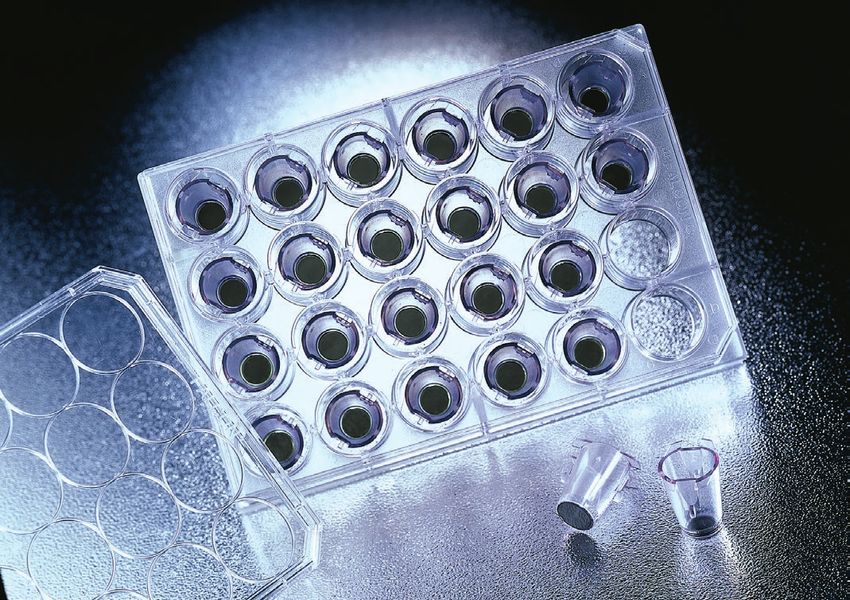
463 Y. Yamasaki CLS-DL-CC-081 ◗◗ Falcon 24 Multiwell Insert Systems . . . . . . . . . . . . . . . . 28
Use of Falcon Cell Culture Inserts to Evaluate Allelopathic
Effects Among Marine Phytoplankters In Vitro ◗◗ Falcon 96 Multiwell Insert Systems . . . . . . . . . . . . . . . . 30
For additional references or for help with an application, please
contact Corning Life Sciences Technical Support.
www.corning.com/lifesciences 27You can also read


